
Laser Cutters and Engravers
Showing the single result
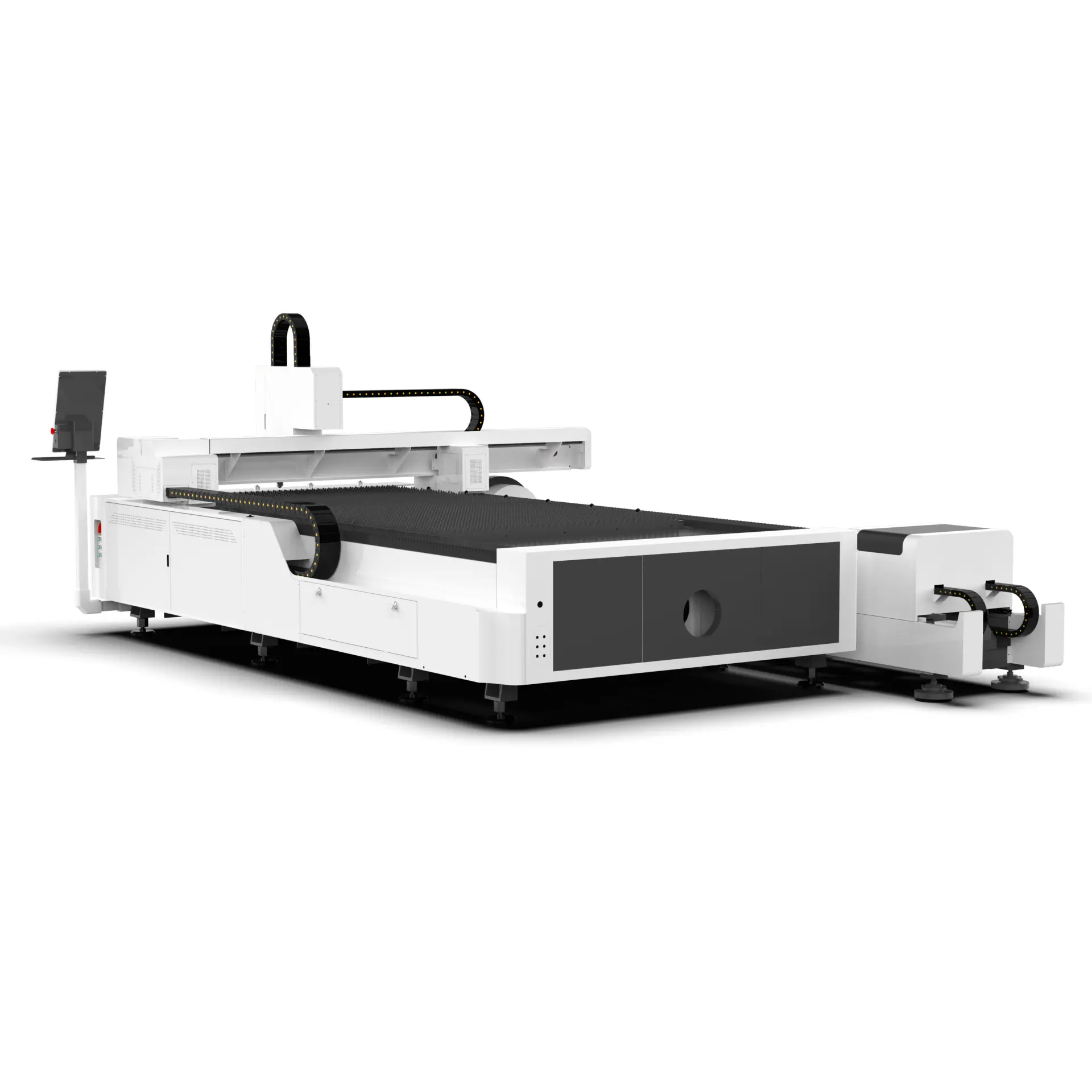
How to Choose Laser Cutters and Engravers for Wood and Acrylic Production
Factories rarely add laser equipment just to follow a trend. They add it when conventional cutting methods start limiting detail quality, customization speed, edge consistency, or decorative flexibility. That is especially true in wood, acrylic, and similar non-metallic production, where the right laser system can improve repeatability on shaped parts, branding elements, display components, engraved panels, and small-batch custom work.
The problem is that many buyers evaluate laser machines too narrowly. They focus on whether a machine can cut or engrave, but not on where laser processing actually fits inside a real production workflow. A better decision starts with the application: what material you process, how much detail you need, what finish quality is acceptable, how often designs change, and whether laser is a primary production method or a complementary station.
This guide explains how laser cutters and engravers fit industrial workflows, how cutting differs from engraving, and what buyers should evaluate before choosing a system for wood and acrylic production.
Why Laser Processing Matters in Modern Non-Metallic Production
Laser systems are valuable because they solve a specific type of manufacturing problem. They are well suited to applications where precise shapes, clean decorative detailing, repeatable marking, or flexible design changes matter more than brute-force material removal.
In practical terms, that often means laser processing is used when a factory needs:
- Clean, repeatable profiles on acrylic parts
- Decorative or branded engraving on wood-based components
- Fast transitions between designs without physical tooling changes
- Fine detail that would be slow, inconsistent, or tool-intensive with contact-based machining
- Better handling of short-run, customized, or mixed-design production
That does not mean laser automatically replaces every other cutting process. Straight panel sizing, high-volume breakdown, and structural machining often remain better suited to saw-based or CNC workflows. Laser becomes most valuable when precision detailing, shaped geometry, or visual finish is the real production driver.
Laser Cutting Vs. Laser Engraving
Many category pages group these processes together, but buyers should separate them at the evaluation stage. Cutting and engraving serve different production goals, even when one machine is capable of both.
| Process | Primary Goal | Best Fit | Typical Production Value |
|---|---|---|---|
| Laser Cutting | Separate a part from sheet material with precise geometry | Acrylic shapes, decorative cutouts, signage components, light non-metallic profiles | Cleaner detail, flexible geometry changes, reduced tooling dependence |
| Laser Engraving | Mark, texture, or decorate the surface without full separation | Logos, patterns, labels, branded parts, decorative wood surfaces | Repeatable branding, visual differentiation, lower manual marking effort |
| Combined Workflow | Cut the part and add surface detail in one production sequence | Customized display parts, branded product pieces, decorative panels | Fewer handoffs, better alignment between shape and graphic detail |
The difference matters because a buyer focused on decorative marking may prioritize surface quality and graphic consistency, while a buyer focused on cut geometry may care more about edge appearance, part nesting, and throughput stability.
Where Laser Systems Deliver the Most Value
Laser equipment tends to perform best when the job involves more than simple straight-line cutting.
In wood and acrylic production, that often includes decorative panels, customized retail fixtures, display parts, signage elements, branded components, templates, and shaped pieces where visual finish matters alongside dimensional consistency. These are the kinds of jobs where design flexibility has real production value.
Laser processing is also useful when design changeovers happen frequently. Because there is no need to swap a physical cutting tool for every profile variation, the workflow can stay more responsive when orders involve customization, mixed batches, or short production runs.
At the same time, industrial buyers should stay realistic about process boundaries. If the main requirement is heavy panel breakdown, rapid straight cuts across standard sheet sizes, or integrated routing and drilling, laser may not be the core machine in the line. In those cases, laser often supports higher-value detailing while other equipment handles the main structural workload.
Materials, Edge Quality, and Workflow Reality
The current Pandaxis category language for laser systems is centered on wood, acrylic, and similar non-metallic materials. That is the right place to begin the selection discussion, because material behavior affects both part quality and post-processing needs.
Acrylic applications often benefit from the visual precision of laser-cut geometry, especially where polished-looking edges, detailed contours, or branding features are part of the finished product. Wood applications, by contrast, usually require a more careful conversation about finish expectations. In some jobs, a darker laser-processed edge can look intentional and attractive. In others, it may require additional finishing steps or sample validation before full production.
That is why material-fit evaluation should never stop at “Can the machine process this substrate?” A better question is: what does the finished edge look like, what surface effect is acceptable, and how much post-processing is required to meet the standard your customers expect?
For industrial buyers, that means sample testing should focus on:
- Actual production materials rather than generic demo pieces
- Required edge appearance on visible parts
- Engraving readability and consistency on finished surfaces
- Smoke management and cleanliness expectations
- Whether the part moves directly to assembly, packaging, or secondary finishing
The strongest machine choice is the one that fits the finish standard of the job, not just the geometry of the cut.
Key Criteria When Evaluating a System
- Material Mix and Surface Expectation
If your production includes both clear acrylic and decorative wood parts, you need to evaluate the process outcome for each one separately. A system that works well for one visual standard may need different workflow controls for another.
- Part Complexity and Detail Requirement
Laser processing becomes more valuable as geometry becomes more intricate. Small openings, curved profiles, decorative linework, and repeatable graphic detail are often where laser produces the clearest operational advantage.
- Throughput Pattern
Not every factory needs the same kind of speed. Some need high daily output on repeat designs. Others need rapid switching between jobs. Buyers should define whether their real bottleneck is cycle volume, setup time, or design flexibility.
- File Preparation and Production Discipline
A laser workflow depends heavily on clean digital preparation. If part files, nesting logic, or artwork handling are inconsistent, production efficiency will suffer even with good hardware. Stable digital input is part of machine performance.
- Extraction, Cleanliness, and Maintenance Planning
Laser equipment is part of a controlled process environment, not just a standalone cutting station. Buyers should think about fume handling, cleaning discipline, operator consistency, and preventive maintenance as part of the investment decision.
- Position in the Overall Manufacturing Line
Some factories use laser as a primary revenue tool. Others use it as a secondary value-adding process after sizing, routing, or panel preparation. The better the buyer understands that role, the easier it is to select the right category and workflow strategy.
How Laser Equipment Fits Alongside Other Machines
In many production environments, laser is not the first machine that touches the material. Panels may be broken down, routed, or drilled upstream, while laser handles decorative geometry, visual detailing, branded engraving, or customized shape work later in the sequence.
That is why laser systems often work best as part of a broader process plan rather than as an isolated purchase. If the main production challenge is sheet optimization, routing, and drilling integration, CNC nesting machines may remain the core machine family, with laser processing added where detail, customization, or visual differentiation becomes important.
For buyers comparing several production routes at once, the broader Pandaxis machinery lineup is useful because it helps frame laser as one part of a complete manufacturing workflow rather than a universal replacement for every cutting method.
This broader perspective is important for investment quality. A laser system creates the most value when it is assigned the work it does best: detail-oriented cutting, engraving, customization, and visually sensitive part production.
Common Buying Mistakes
The most common selection errors usually come from mismatched expectations rather than bad intent.
- Assuming Laser Will Replace Every Existing Cutting Process
- Choosing Based on General Machine Category Rather Than Actual Part Mix
- Evaluating Only Cut Capability Without Checking Edge Appearance
- Ignoring How Often Designs Change in Real Production
- Underestimating the Importance of File Preparation and Workflow Control
- Treating Decorative Applications and Structural Applications as the Same Decision
Avoiding these mistakes usually leads to a more practical investment conversation. Instead of asking which machine sounds more advanced, buyers ask which process removes the real bottleneck in their own line.
Choosing the Right Fit for Your Production Goals
The right laser cutter and engraver is not defined by broad marketing language. It is defined by workflow fit.
If your production depends on shaped acrylic parts, decorative wood processing, repeatable engraving, branded components, or frequent design changes, laser processing can become a strong value-adding capability. If your line is dominated by structural sheet breakdown, drilling, and batch machining, laser may still be important, but usually as a complementary process rather than the center of production.
That is the most useful way to evaluate this category: not as a general-purpose answer to every fabrication problem, but as a precise solution for detail-oriented, visually sensitive, and customization-driven work in wood, acrylic, and related non-metallic materials.
Frequently Asked Questions
What Is the Difference Between a Laser Cutter and a Laser Engraver?
A laser cutter is used to separate or shape material, while a laser engraver is used to mark or texture the surface. Many systems can do both, but the production goal is different in each case.
Are Laser Cutters and Engravers a Good Choice for Wood and Acrylic?
Yes, they are commonly used for wood, acrylic, and similar non-metallic applications where detail, visual finish, and customization matter. The key is to validate edge appearance, surface quality, and post-processing needs on the actual materials you plan to run.
Can Laser Processing Replace CNC Routing or Panel Saw Work?
Not in every case. Laser is strongest where detail, engraving, shaped geometry, and design flexibility matter most. CNC routing, saw-based cutting, and other panel-processing methods still play a major role when structural machining or high-volume sheet breakdown is the priority.
What Should Industrial Buyers Test Before Choosing a System?
Buyers should test their real production materials, required edge quality, engraving clarity, smoke control expectations, and downstream finishing needs. Sample validation is one of the most practical parts of the selection process.
Which Businesses Benefit Most From This Category?
Factories, workshops, and commercial producers handling acrylic displays, decorative wood parts, branded components, customized signage, or other detail-oriented non-metallic products usually benefit the most from laser cutters and engravers.