
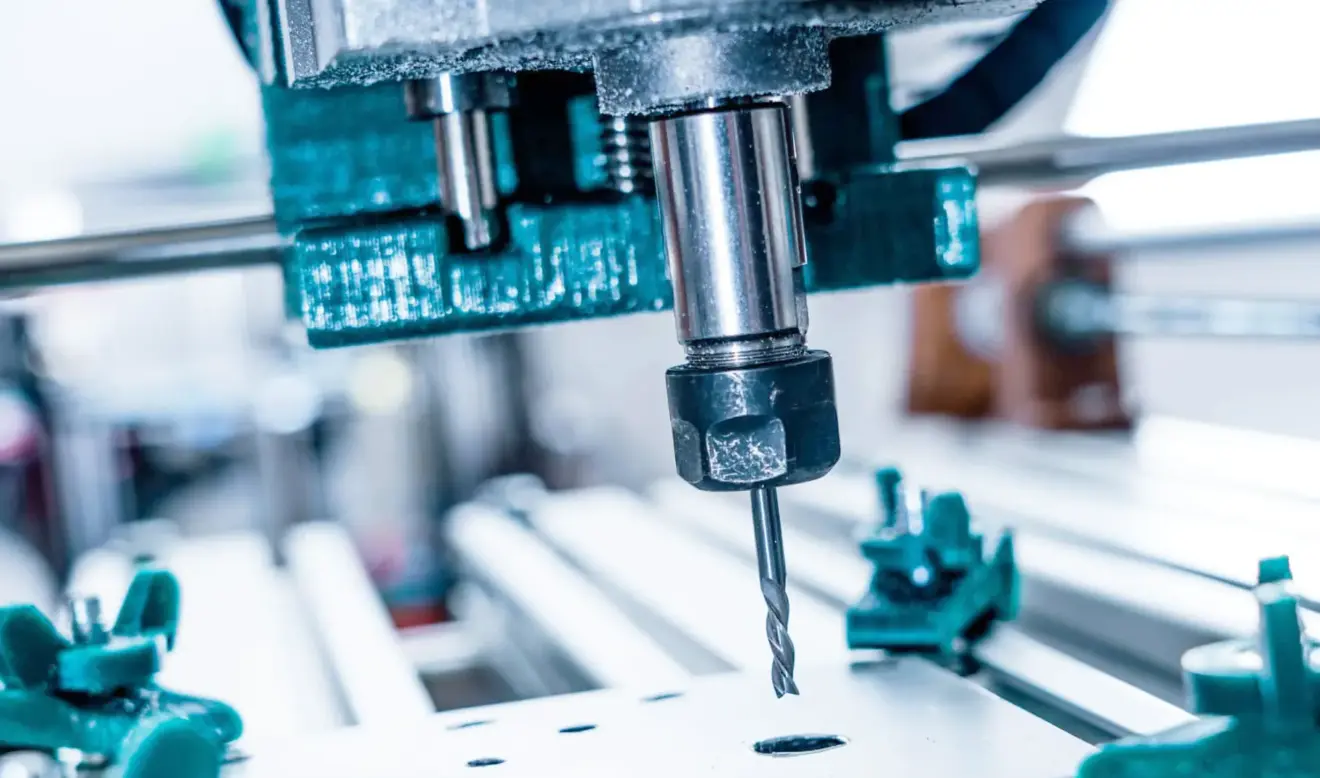
CNC Drilling Machines In Panel Furniture Manufacturing: Where They Fit Best
Sunday, 19 April 2026
In panel furniture manufacturing, drilling problems usually do not look dramatic at first. A hole row shifts slightly, connector positions need checking again, hinge hardware takes longer to fit, or cabinet parts reach assembly with just enough variation to slow everything down. The cost shows up later as rework, slower fitting, and operators compensating for
- Published in Wood
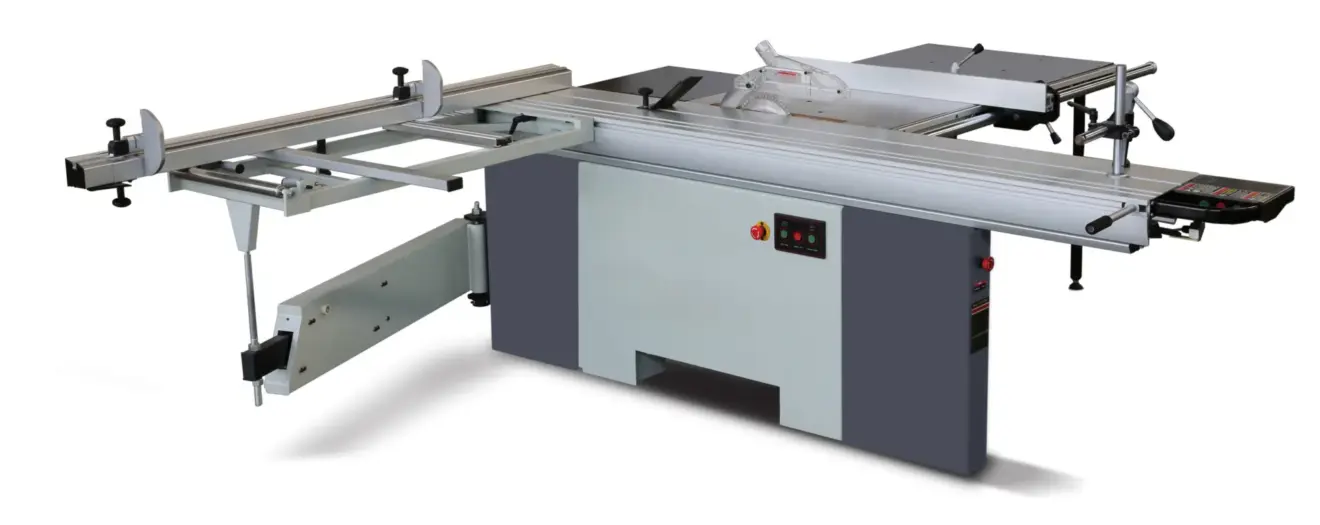
How to Choose a Sliding Table Saw for Precision Woodworking
Sunday, 19 April 2026
When parts stop fitting cleanly at assembly, the problem often starts earlier than the glue station or the hardware line. In many woodworking shops, small cutting errors show up later as visible gaps, edge-band alignment issues, inconsistent joinery, and avoidable rework. Choosing a sliding table saw is therefore not just about adding another cutting machine.
- Published in Wood
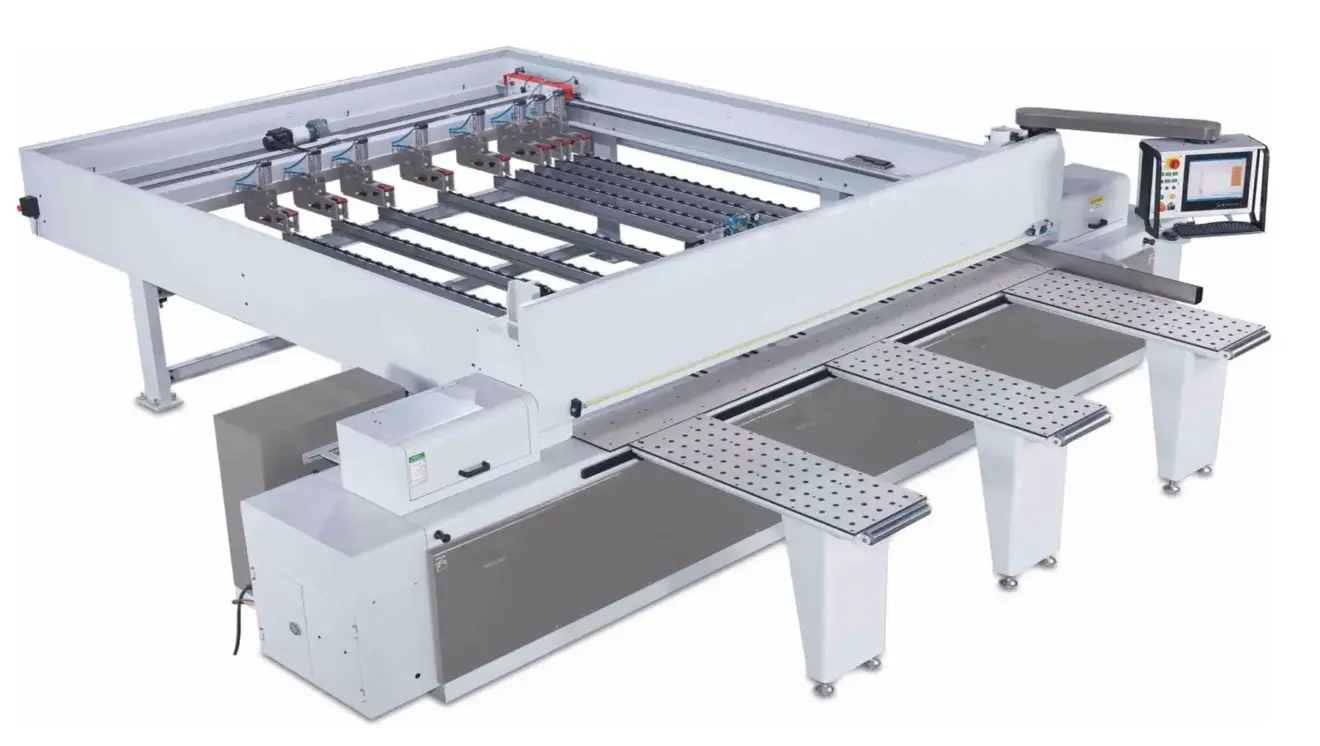
How Panel Saws Improve Accuracy in Furniture Manufacturing
Sunday, 19 April 2026
In furniture manufacturing, cutting accuracy is not just a saw-room concern. A small size deviation at the panel-cutting stage can show up later as an uneven edge, a misaligned drilling pattern, a cabinet box that pulls out of square, or a batch of parts that no longer fits the assembly plan cleanly. That is why
- Published in Wood
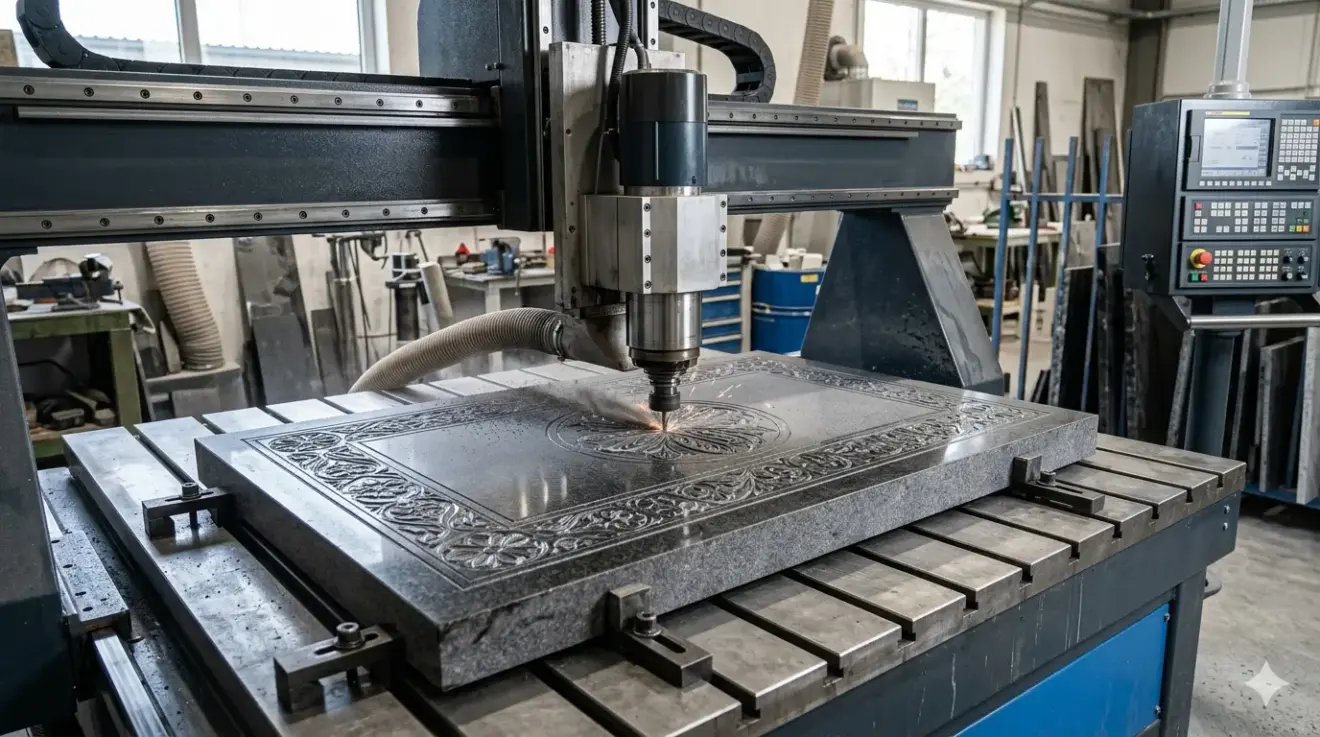
How To Choose a Granite Engraving Machine for Durable, Precise Marking
Sunday, 19 April 2026
Granite marking usually becomes a machinery question when the problem is no longer just making letters visible. The real issue is keeping marks readable, repeatable, and commercially acceptable across heavy stone pieces, changing artwork, and demanding end uses such as memorials, architectural signage, and permanent identification panels. A granite engraving machine is commonly evaluated when
- Published in Wood
Laser Engraver for Metal: How To Match Power to Material and Marking Goals
Sunday, 19 April 2026
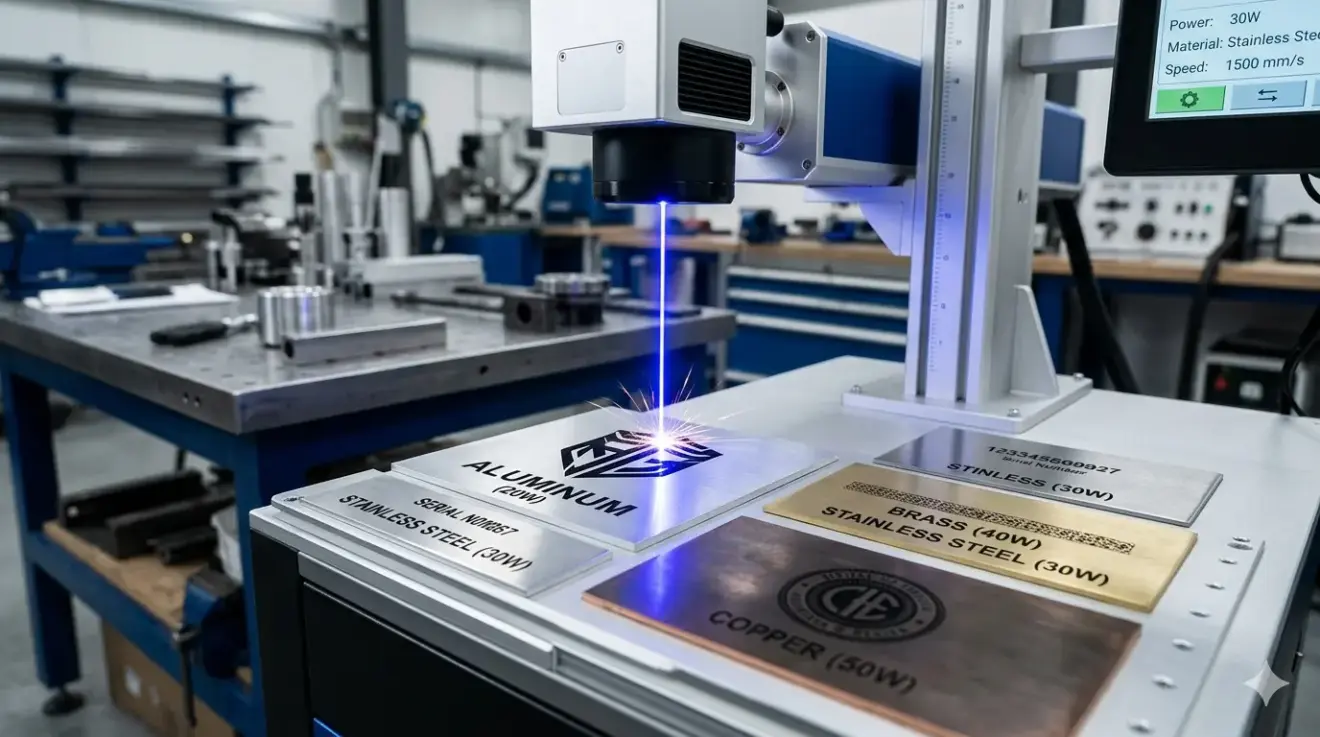
In metal engraving, the wrong power choice rarely fails on the sample plate. It fails later, when cycle times stretch, fine codes lose clarity, thin parts pick up too much heat, or the factory pays for output the line never actually uses. That is why matching a laser engraver for metal to the material is
- Published in Laser

How to Choose a CNC Drilling Machine for Multi-Side Processing
Sunday, 19 April 2026
When cabinet, wardrobe, or modular furniture parts need holes on more than one face, the real production cost is usually not the hole itself. It is the repeated handling required to flip, realign, check, and release each part without losing reference accuracy. That is why a drilling decision should be judged less by isolated drilling
- Published in Wood
How to Choose a Panel Saw Machine for Cabinet and Furniture Shops
Sunday, 19 April 2026
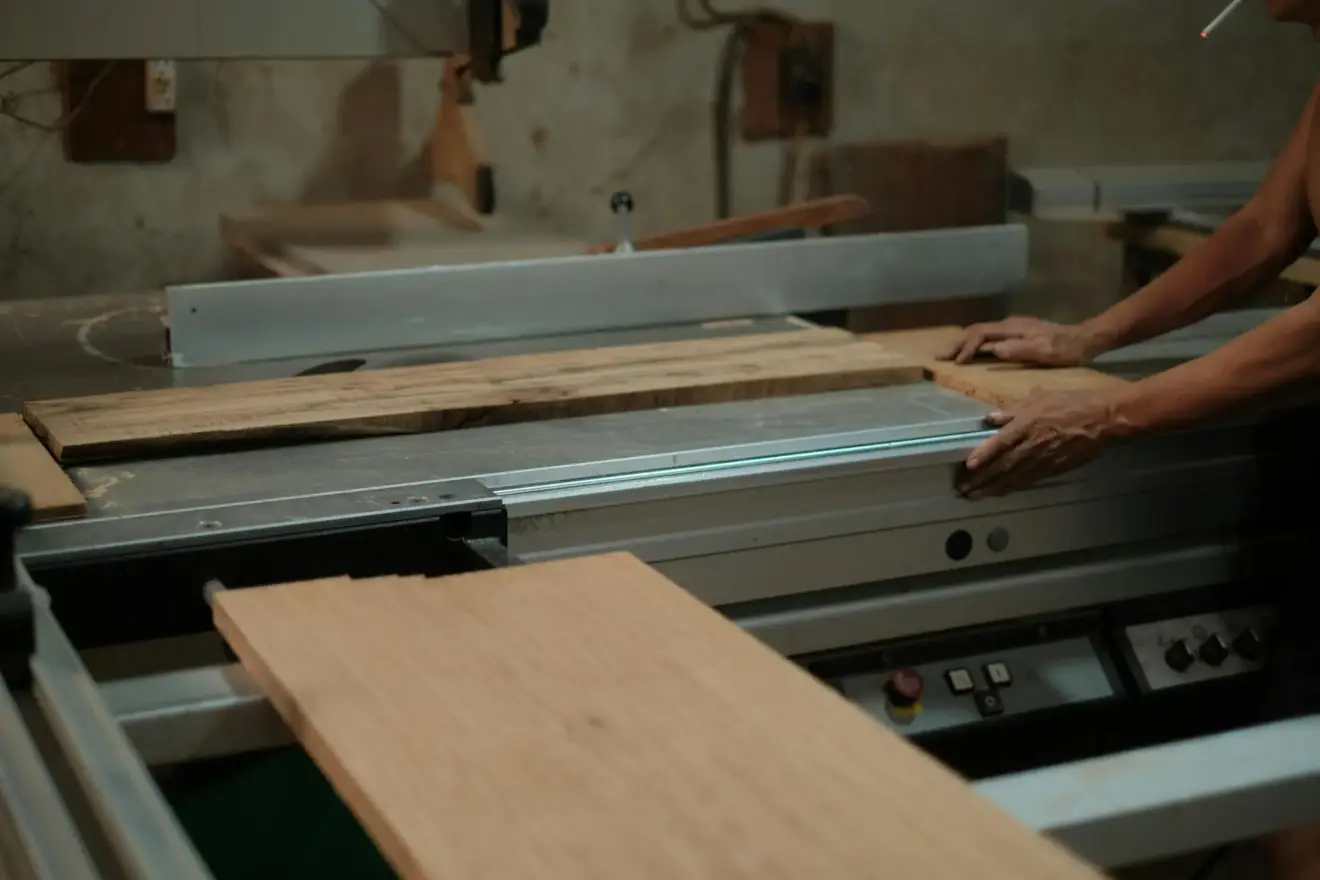
In cabinet and furniture production, panel cutting often decides whether the rest of the shop runs smoothly or spends the day catching up. When sheet goods arrive at edge banding, drilling, and assembly with size variation, chipped edges, or inconsistent squareness, rework spreads quickly through the line. A panel saw is not the right answer
- Published in Wood
Fiber Laser Cutter vs CO2 Laser Cutter for Metal Fabrication: Which One Fits Your Workflow?
Sunday, 19 April 2026
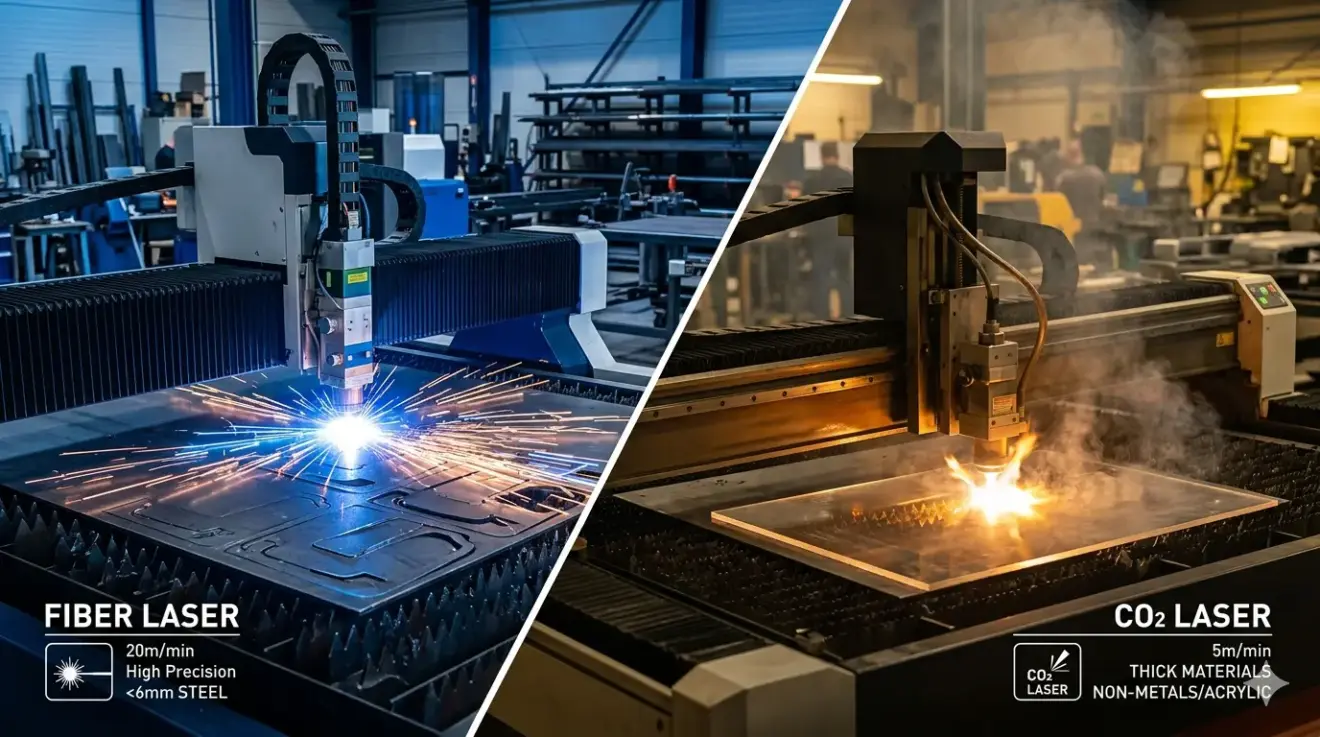
When a fabrication shop compares a fiber laser cutter with a CO2 laser cutter, the real question is rarely just beam source. The decision usually comes from a production constraint: rising power costs, inconsistent throughput across different metals, pressure to reduce maintenance downtime, or the need to quote metal jobs more confidently. For most metal-focused
- Published in Laser
Laser Engraver for Plastic: How to Avoid Poor Marking Results
Saturday, 18 April 2026
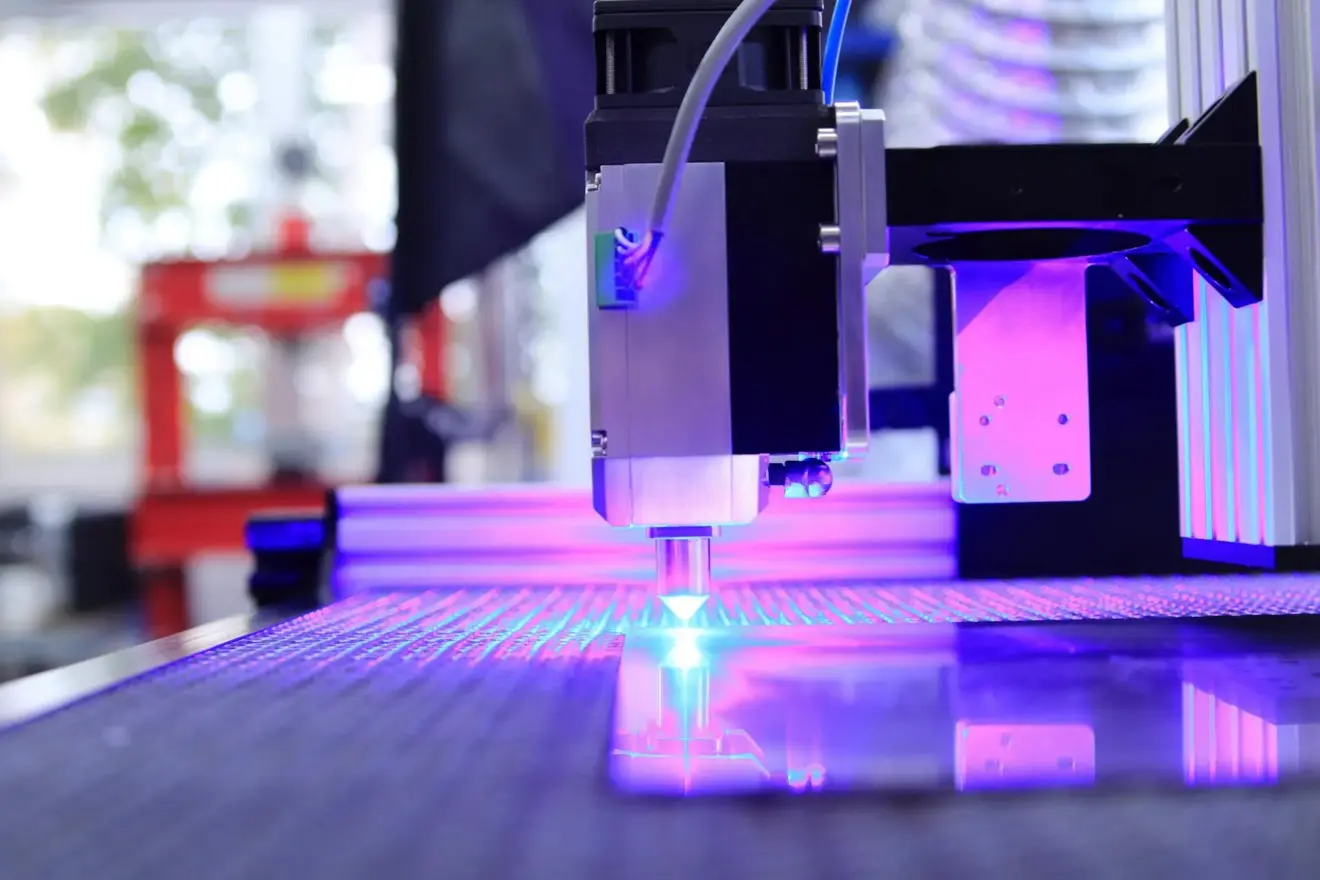
Poor plastic marks are often blamed on settings, but the failure usually starts earlier. A part is labeled simply as “plastic,” one recipe is reused across different resins, or the shop asks for a cosmetic surface mark while running a process that behaves more like light engraving. The result is familiar: weak contrast, melted edges,
- Published in Laser
How To Match Sliding Table Saw Blades To MDF, Particle Board, Plywood, And Laminated Panels
Saturday, 18 April 2026
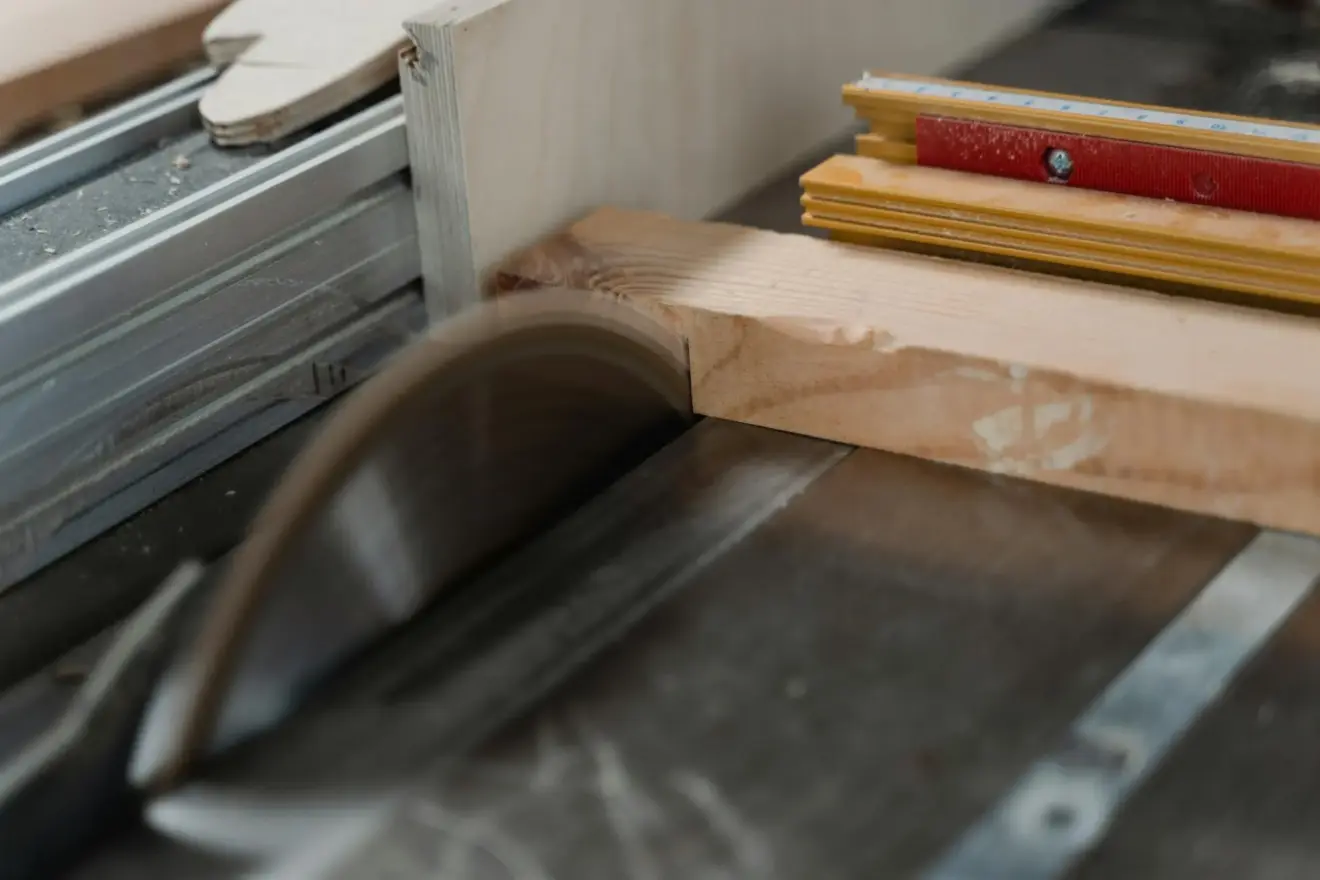
In many wood shops, cut quality problems appear only after the material mix changes. A blade that seems acceptable on raw particle board may start chipping melamine-faced panels, while a setup that leaves clean plywood edges may wear too quickly in repeated MDF cutting. When that happens, the problem is not always the saw itself.
- Published in Wood
Cheap Laser Engraver? When Lower Upfront Cost Turns Into Higher Production Risk
Saturday, 18 April 2026
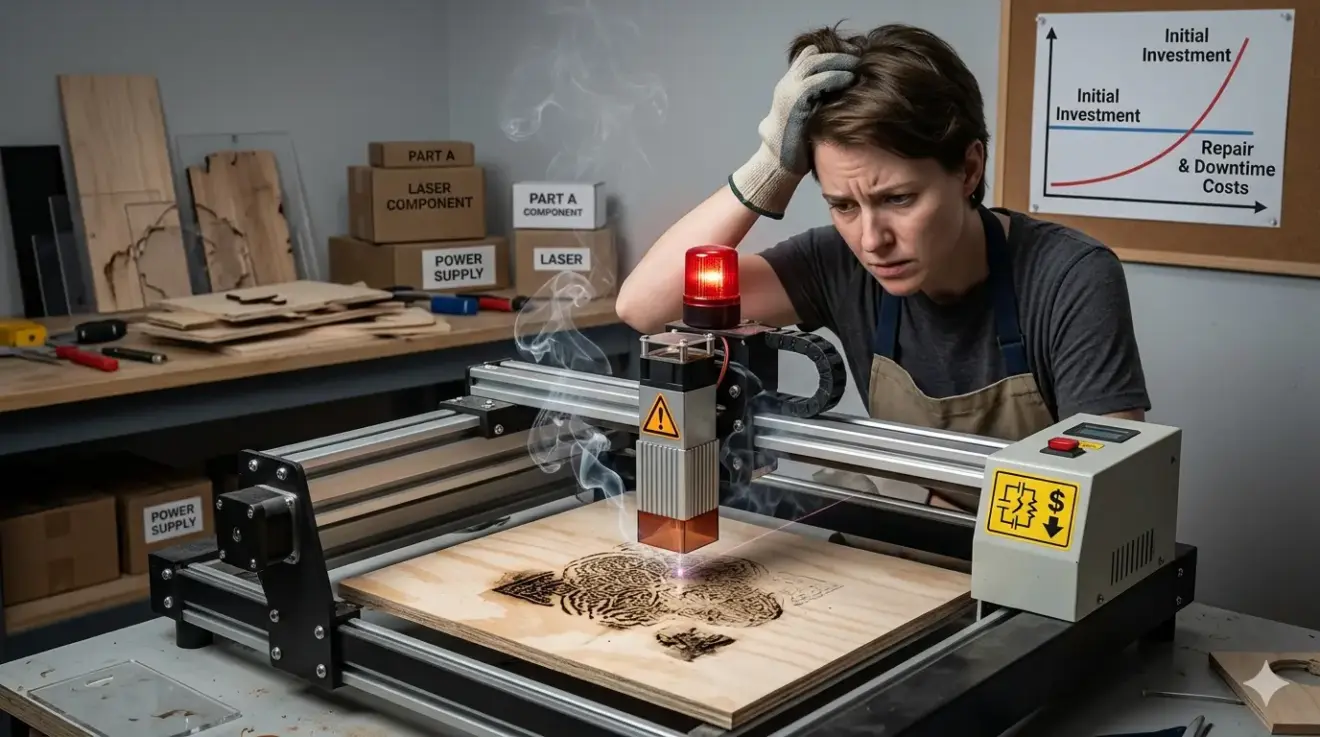
The lowest laser quote often looks efficient on paper. In practice, it can shift cost from the purchase order into the production floor, where the damage shows up as unstable quality, slower changeovers, more cleanup, and more operator intervention. That is why a cheap laser engraver is not automatically a low-cost decision. For buyers comparing
- Published in Laser
Wide Belt Sander vs. Drum Sander: Which One Fits Your Shop?
Saturday, 18 April 2026
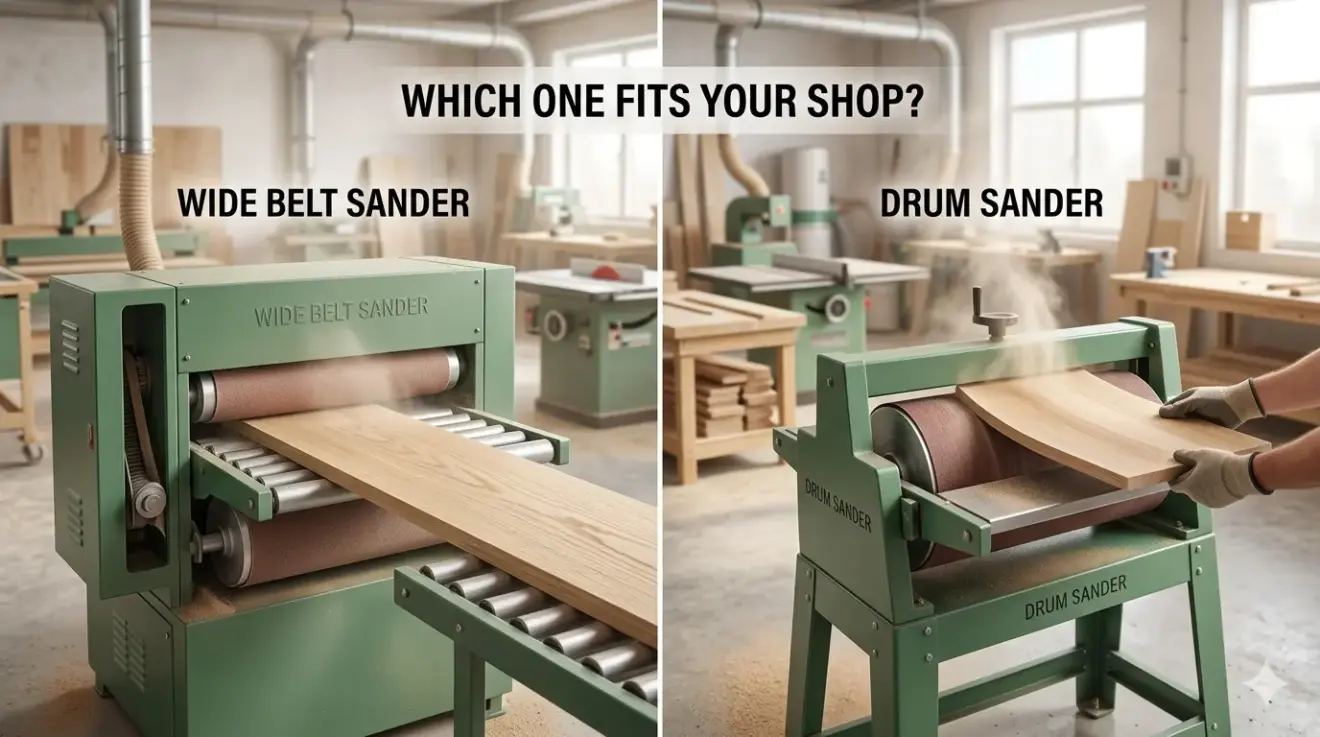
When sanding starts to slow panel flow, the problem is rarely just abrasive speed. It is usually a mix of repeated passes, uneven thickness control, inconsistent surface prep, and too much operator time spent trying to make the next process run smoothly. That is why comparing a wide belt sander with a drum sander is
- Published in Wood
How To Compare CNC Machinery Quotes Without Missing Critical Details
Saturday, 18 April 2026
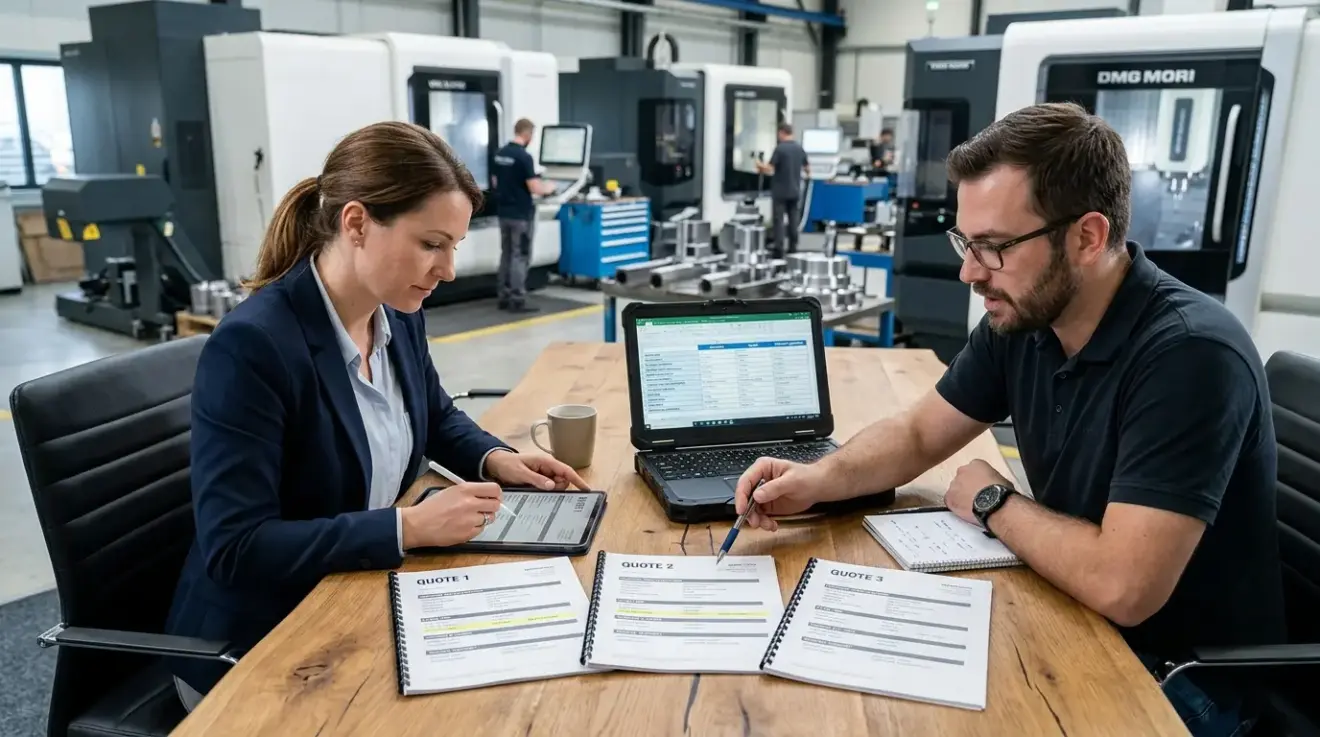
When a factory collects several CNC machinery quotes, the biggest risk is not paying too much. It is assuming the quotes are directly comparable when they are not. One supplier may be pricing only the machine. Another may include software, tooling, commissioning, and training. A third may bundle automation that changes labor needs, floor flow,
- Published in Wood
Laser Cutting Machine Price Guide: What Affects Cost?
Saturday, 18 April 2026
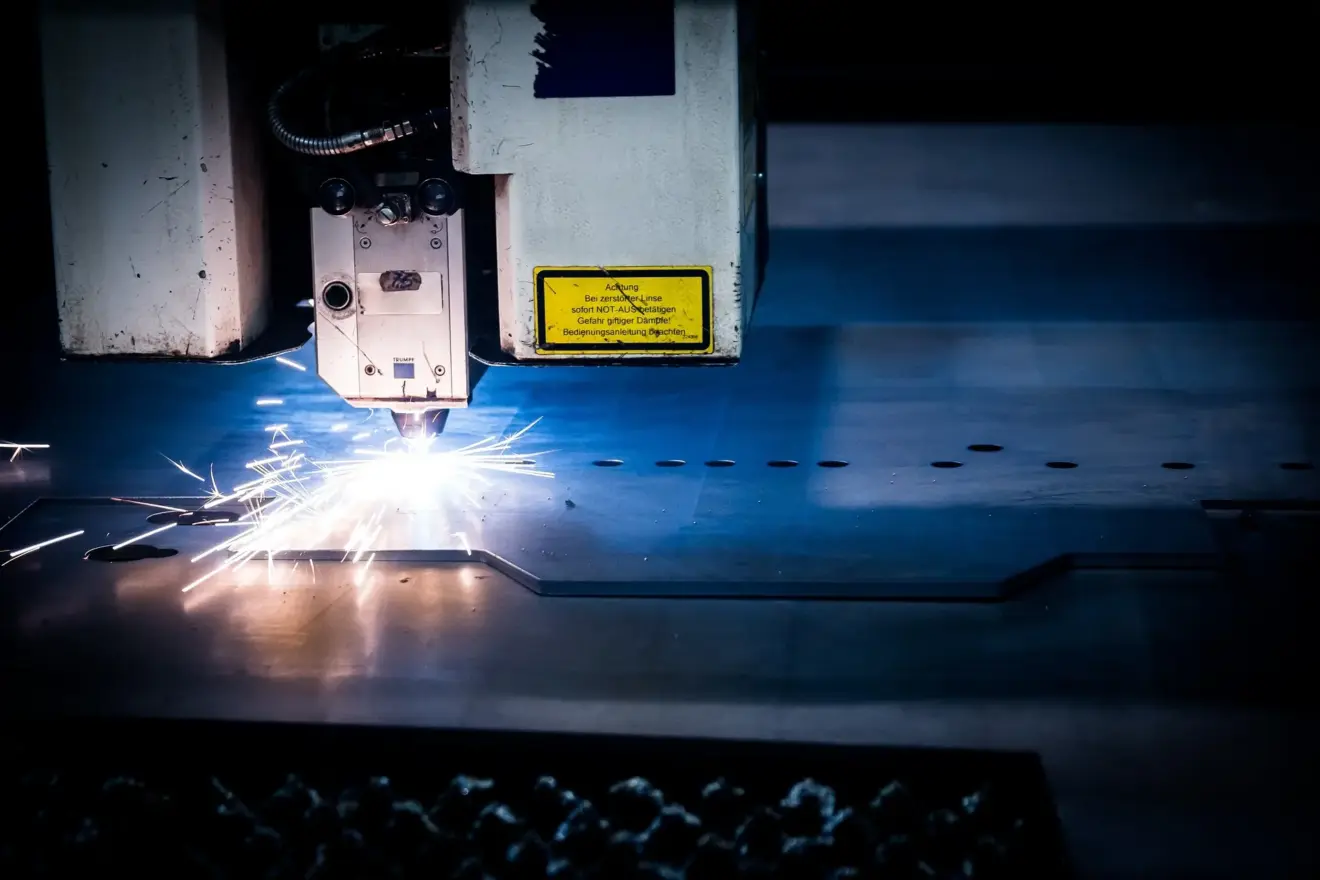
Laser cutting machine price is driven more by application fit, working area, motion quality, automation, and support package than by headline wattage alone. Buyers who compare only the base quote usually miss the real cost drivers: material type, throughput target, extraction and cooling needs, installation, maintenance, and downtime risk. A laser cutting machine can look
- Published in Laser
New vs. Used Panel Saw: What Furniture Shops Should Compare Before Buying
Saturday, 18 April 2026
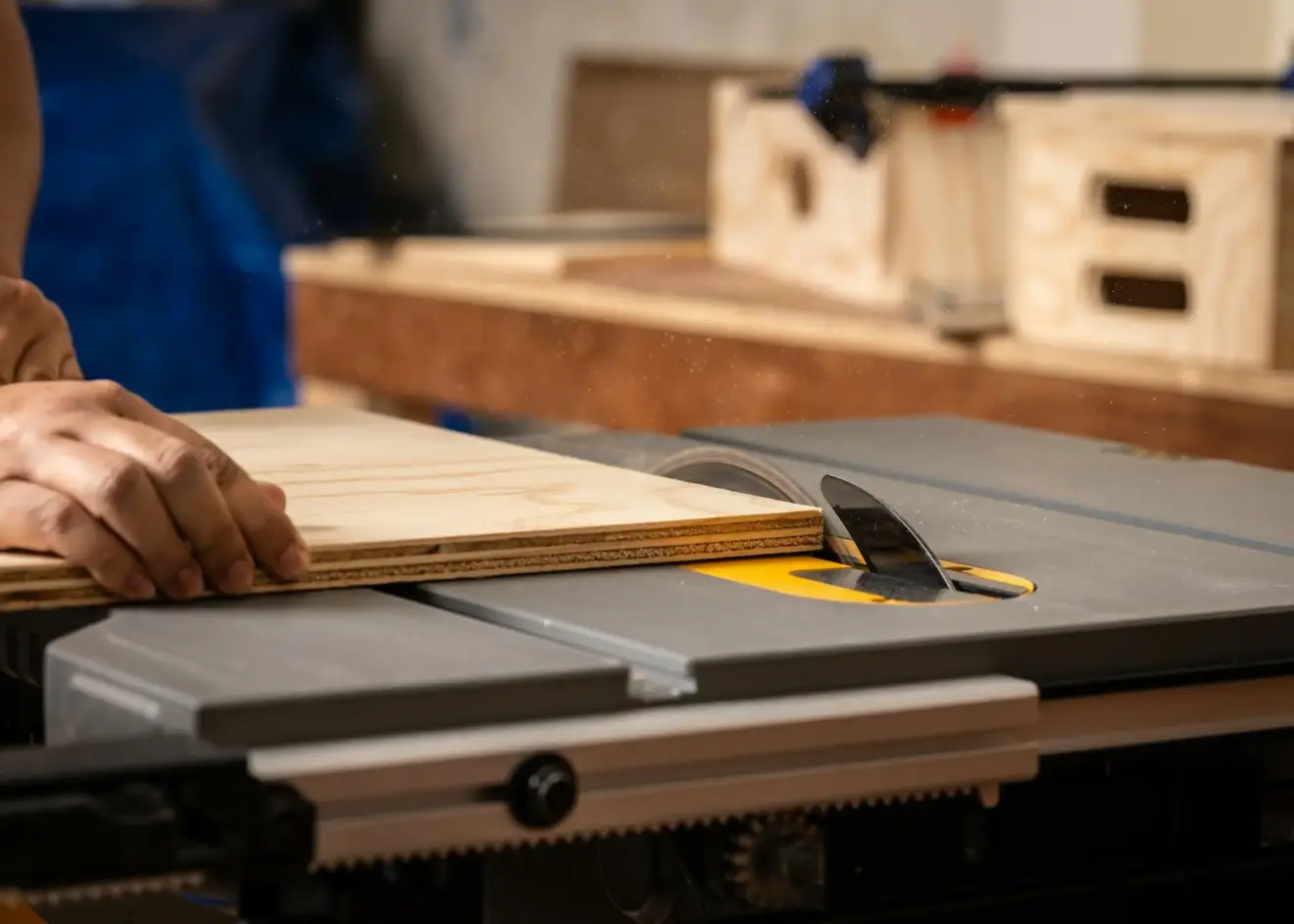
When a furniture shop starts losing time at the front end of production, the panel saw discussion usually appears fast. Sheet breakdown may be slowing the line, operators may be rechecking dimensions too often, or downstream departments may be absorbing avoidable variation before edge banding, drilling, and assembly even begin. At that point, the buying
- Published in Wood

Fiber Laser vs Diode Laser: Which One Fits Your Engraving or Cutting Workflow?
Saturday, 18 April 2026
Many buyers compare fiber and diode too late in the purchasing cycle. By the time quotes are on the table, they are often comparing wattage, enclosure style, and price without first defining whether the real job is direct metal marking, sheet metal cutting, decorative engraving, or light non-metal fabrication. That creates expensive confusion because fiber
- Published in Laser
How to Choose the Right Laser Cutting System Configuration for Your Workflow
Saturday, 18 April 2026
Choosing a laser system by headline specs is one of the fastest ways to create a hidden production bottleneck. A machine can look strong on paper and still be the wrong fit if the working area does not match your sheet flow, if the configuration is built around the wrong material class, or if the
- Published in Laser
Common CNC Drilling Errors and How to Avoid Them in Panel Furniture Production
Saturday, 18 April 2026
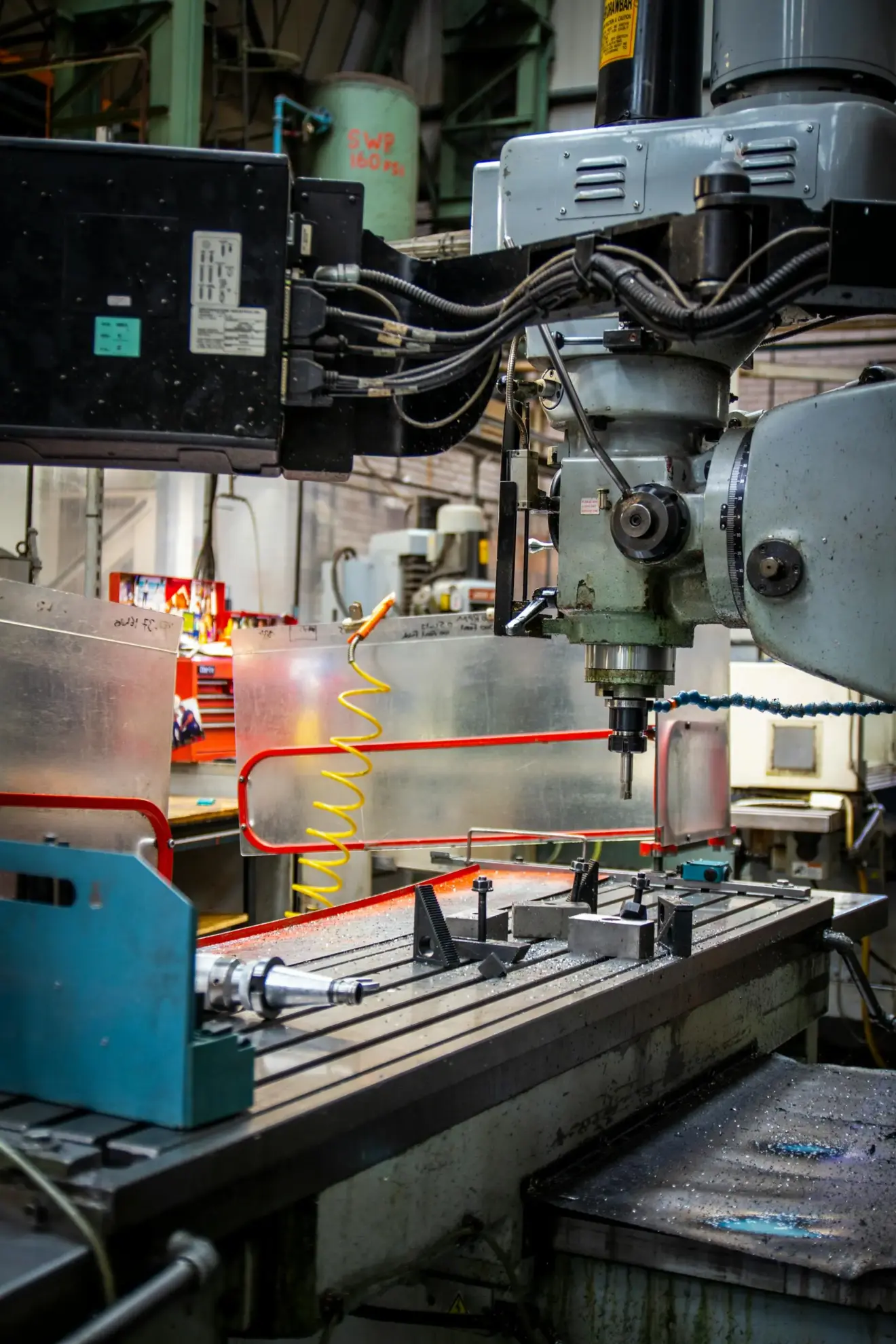
In panel furniture production, CNC drilling problems rarely announce themselves at the machine. They show up later, when hinges do not sit correctly, dowels feel too tight or too loose, drawer parts stop aligning, or assembly teams start compensating for parts that should have fit the first time. That is why drilling accuracy should be
- Published in Wood
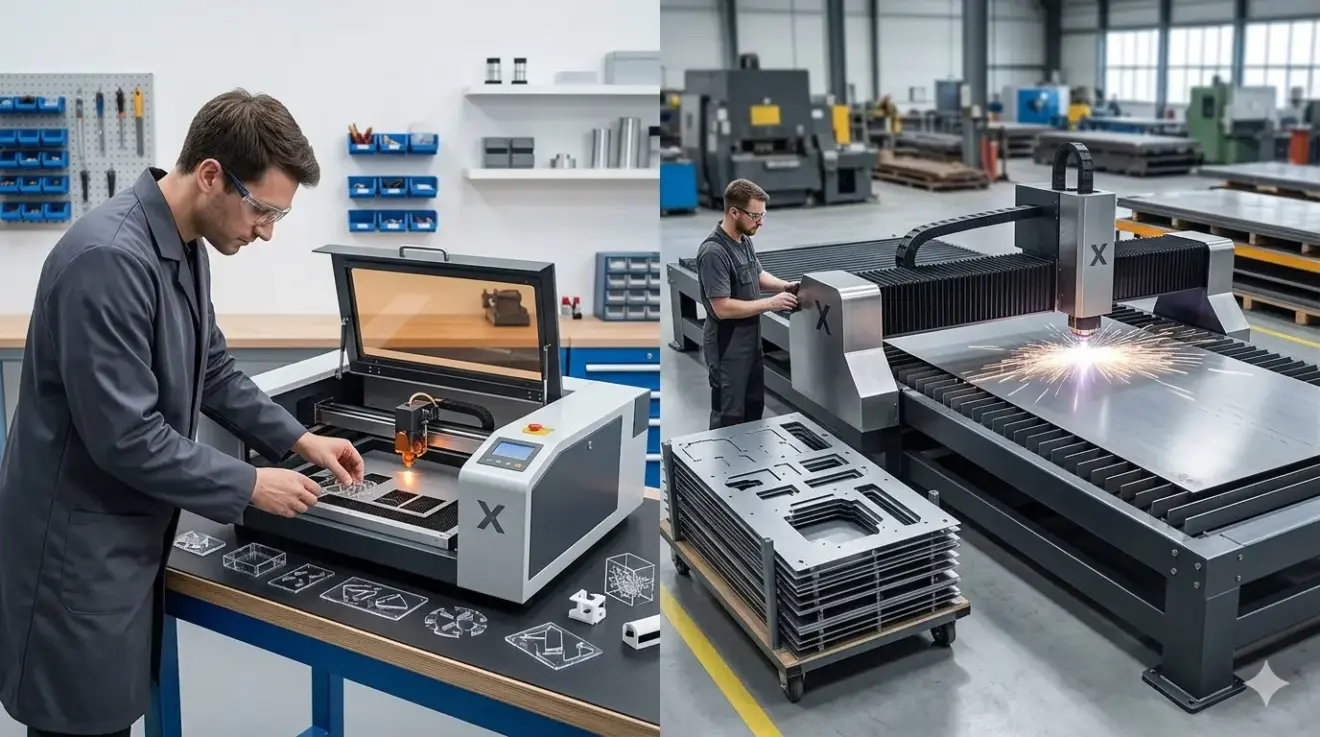
Small Laser Cutter vs Large-Format Laser Cutting Machine: Which Fits Your Production Workflow?
Saturday, 18 April 2026
Choosing between a small laser cutter and a large-format laser cutting machine is usually not a question of buying the “bigger” or “better” system. It is a question of matching machine format to material flow, part size, nesting strategy, floor space, and the kind of orders your workshop processes every day. For some manufacturers, a
- Published in Laser
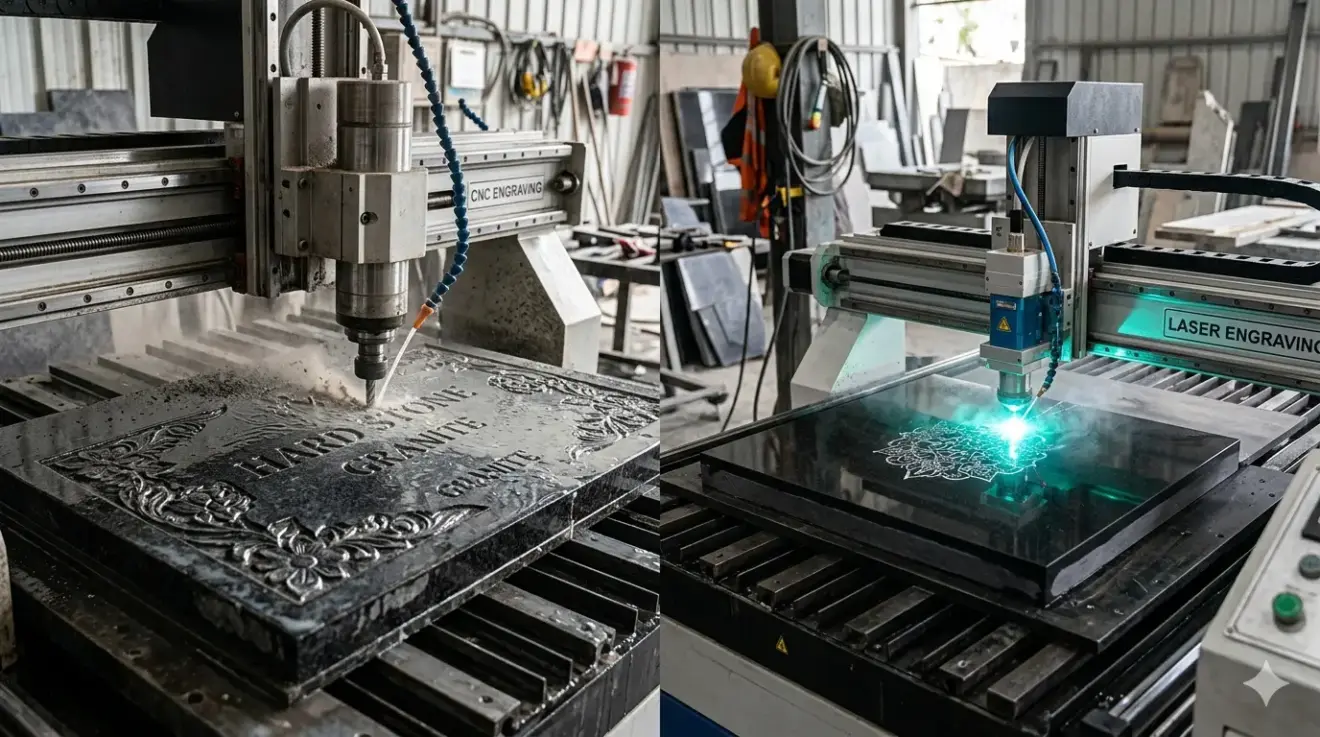
Stone Engraving Machine vs Laser Engraver for Hard Materials: Which One Fits Production?
Saturday, 18 April 2026
When buyers compare a stone engraving machine with a laser engraver, they are usually collapsing two very different jobs into one purchase discussion. One job is controlled material removal in stone. The other is surface marking or decorative graphics with minimal physical contact. That distinction matters even more with hard materials than it does with
- Published in Stone
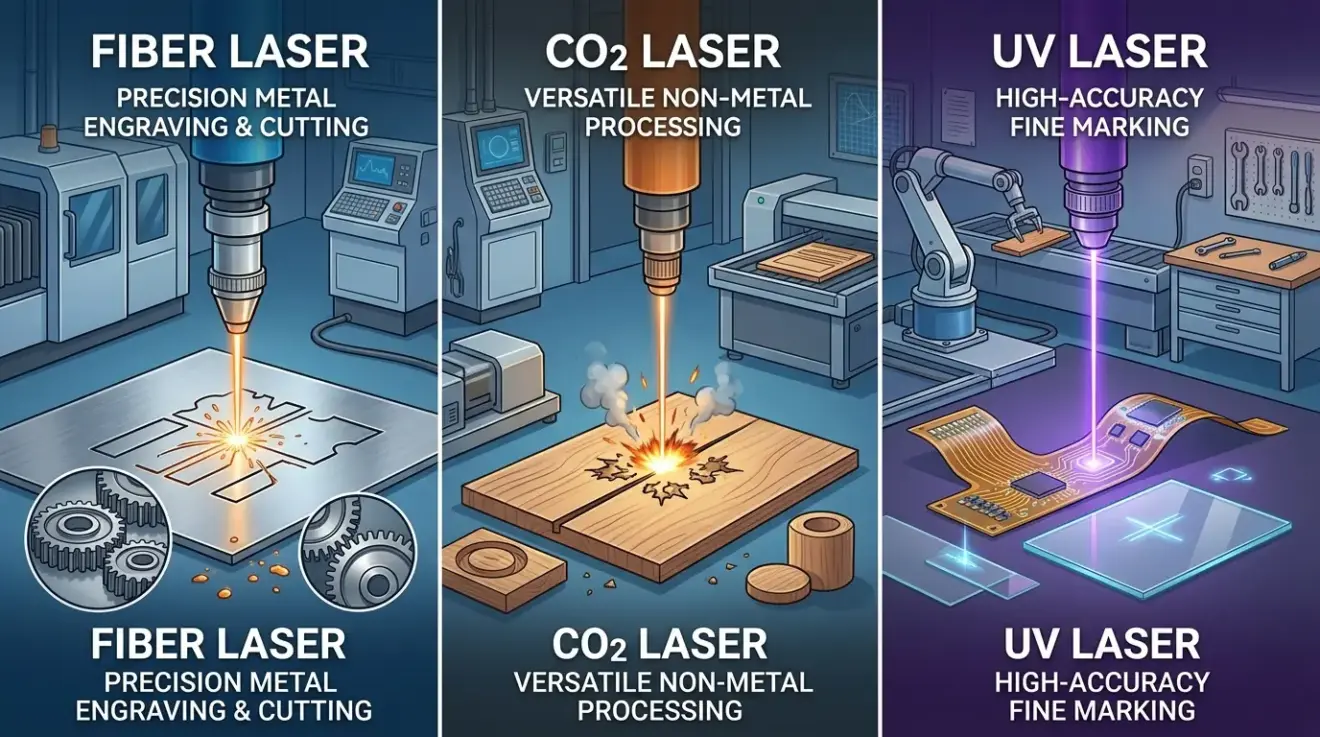
Fiber Laser vs CO2 Laser vs UV Laser: A Practical Comparison for Industrial Buyers
Saturday, 18 April 2026
Many buyers put these three laser types into the same shortlist before they have defined the real production task. That is usually where the confusion starts. In real factories, fiber, CO2, and UV are not simply three versions of the same machine. They are usually chosen to solve different material, finish, and workflow problems. If
- Published in Laser
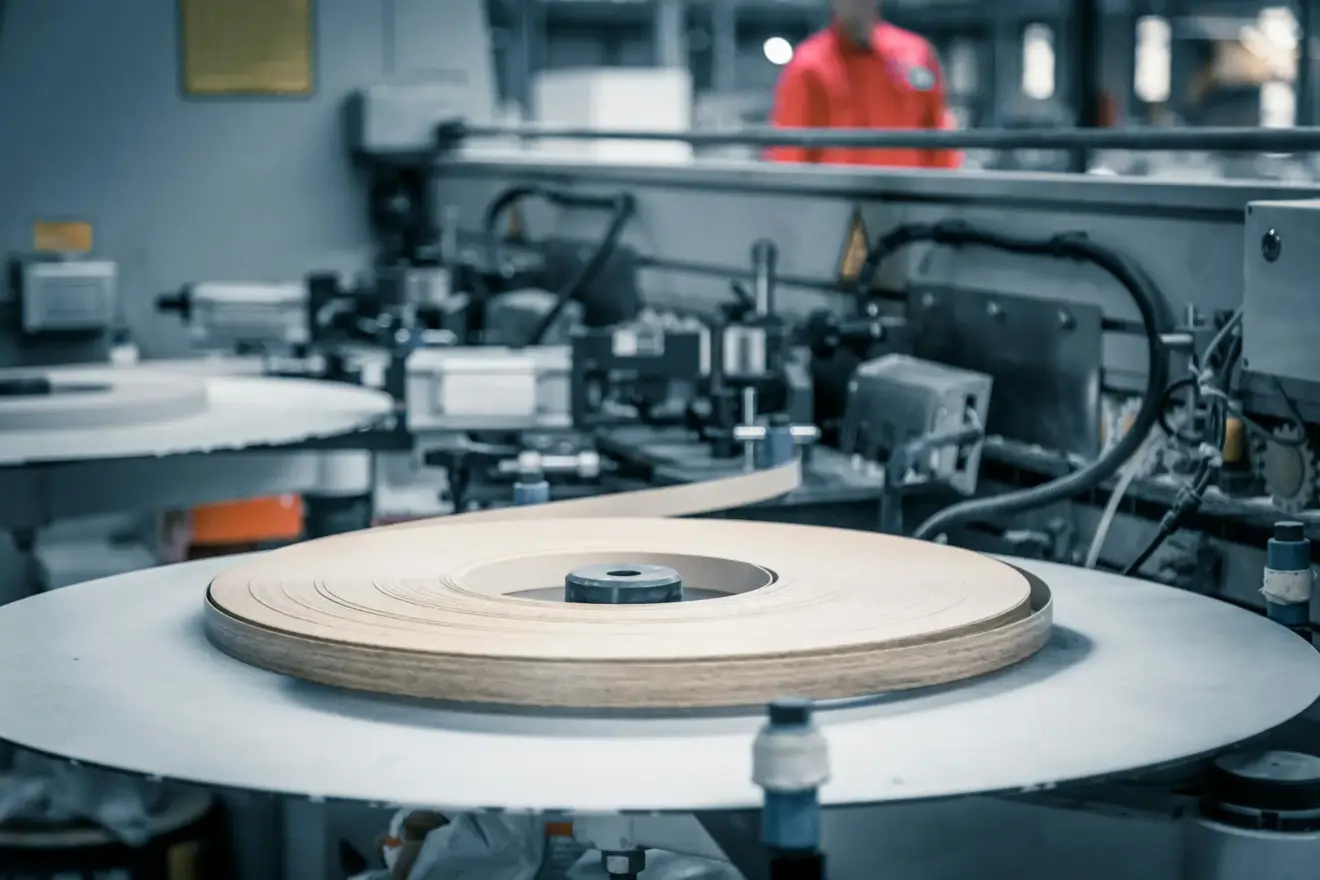
Edge Banding Equipment: What Matters Beyond Speed?
Saturday, 18 April 2026
In panel furniture production, edge banding problems rarely show up as an argument about speed. They show up as visible glue lines, chipped corners, edge lifting after handling, mismatched panels at assembly, and operators stopping the line to correct work that should have moved forward cleanly the first time. That is why edge banding equipment
- Published in Wood
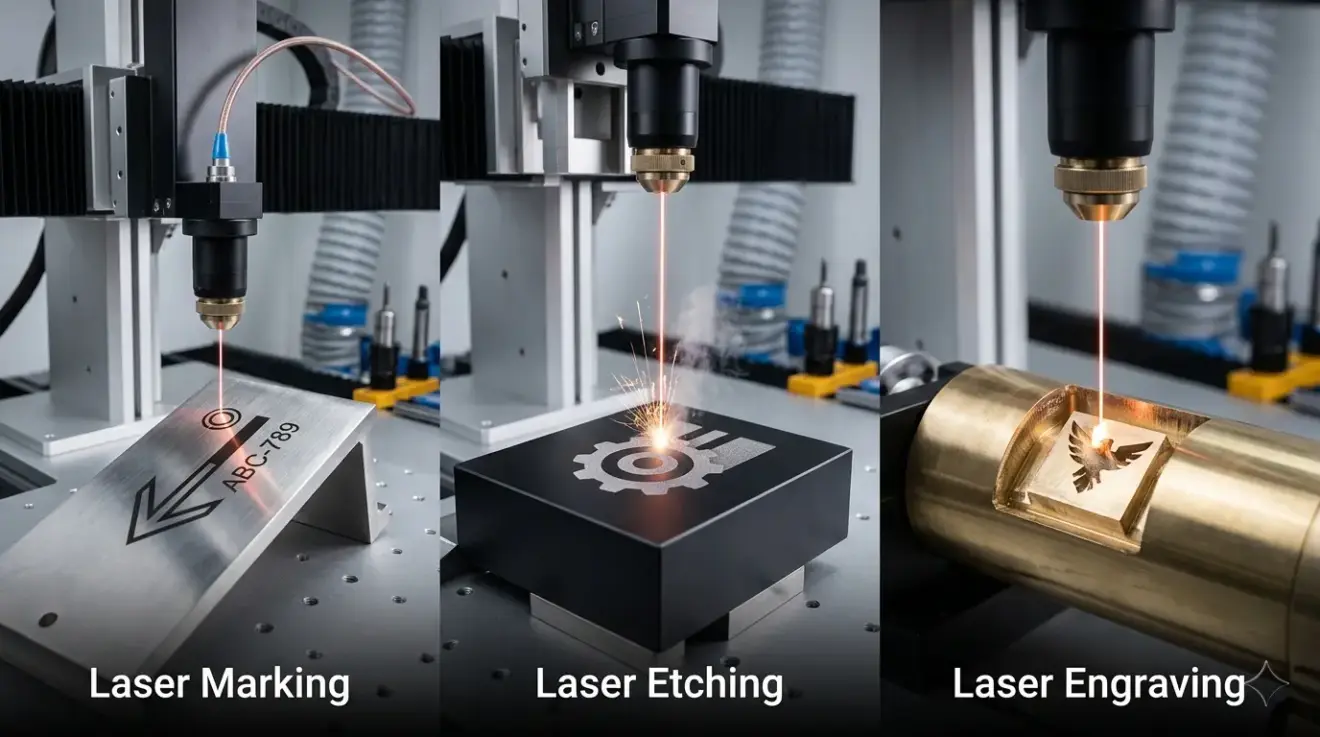
Laser Engraving vs Laser Marking vs Laser Etching: How to Choose the Right Process
Saturday, 18 April 2026
If a buyer asks for a “laser marking machine,” they may actually need deep branding on wood panels, shallow contrast on coated parts, or durable identification that stays readable after handling. That language gap causes expensive mistakes because engraving, marking, and etching do not solve the same production problem. Within the broader Pandaxis product catalog,
- Published in Laser
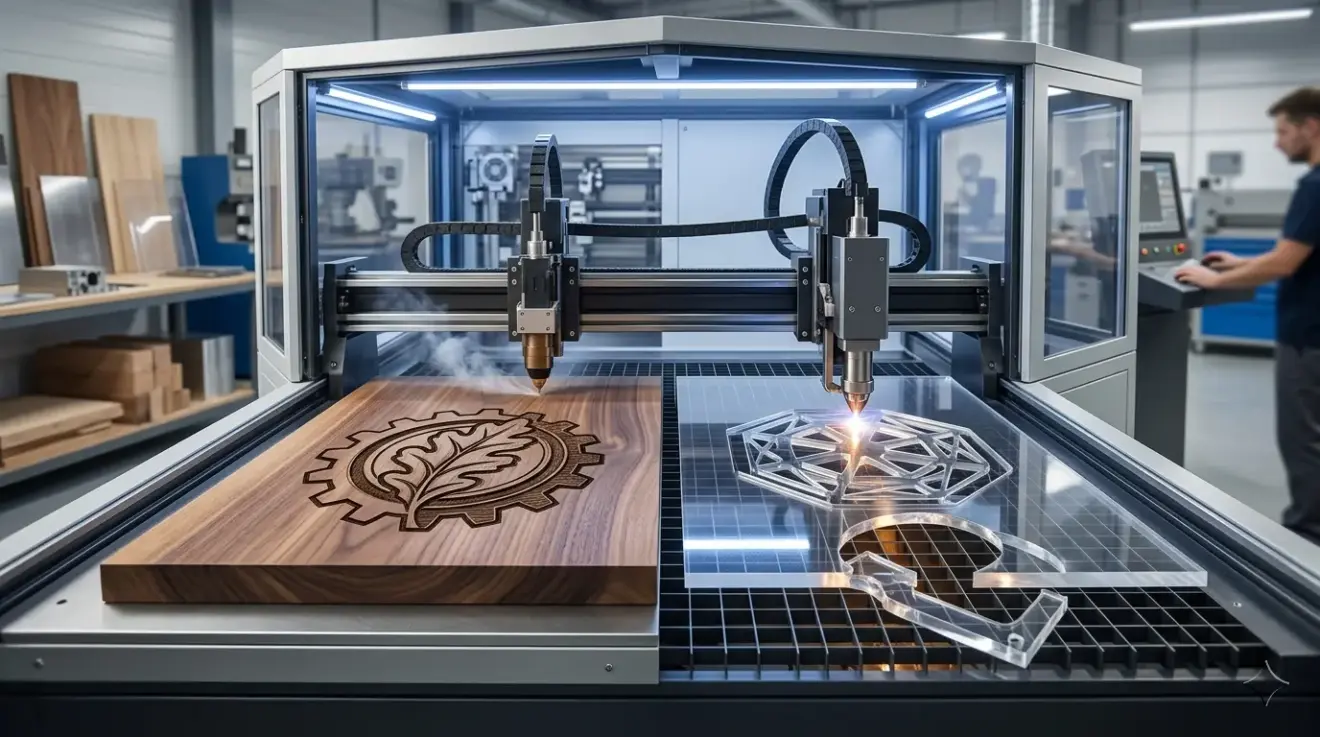
CO2 Laser Engraver vs CO2 Laser Cutter: What Changes in Real Production Use?
Saturday, 18 April 2026
Many buyers start with a simple assumption: a CO2 laser engraver marks surfaces, a CO2 laser cutter cuts through sheets, and the difference is mostly in the label. In actual production, the distinction runs deeper than that. Once jobs move from demos into daily output, the machine is judged by different priorities, different bottlenecks, and
- Published in Laser
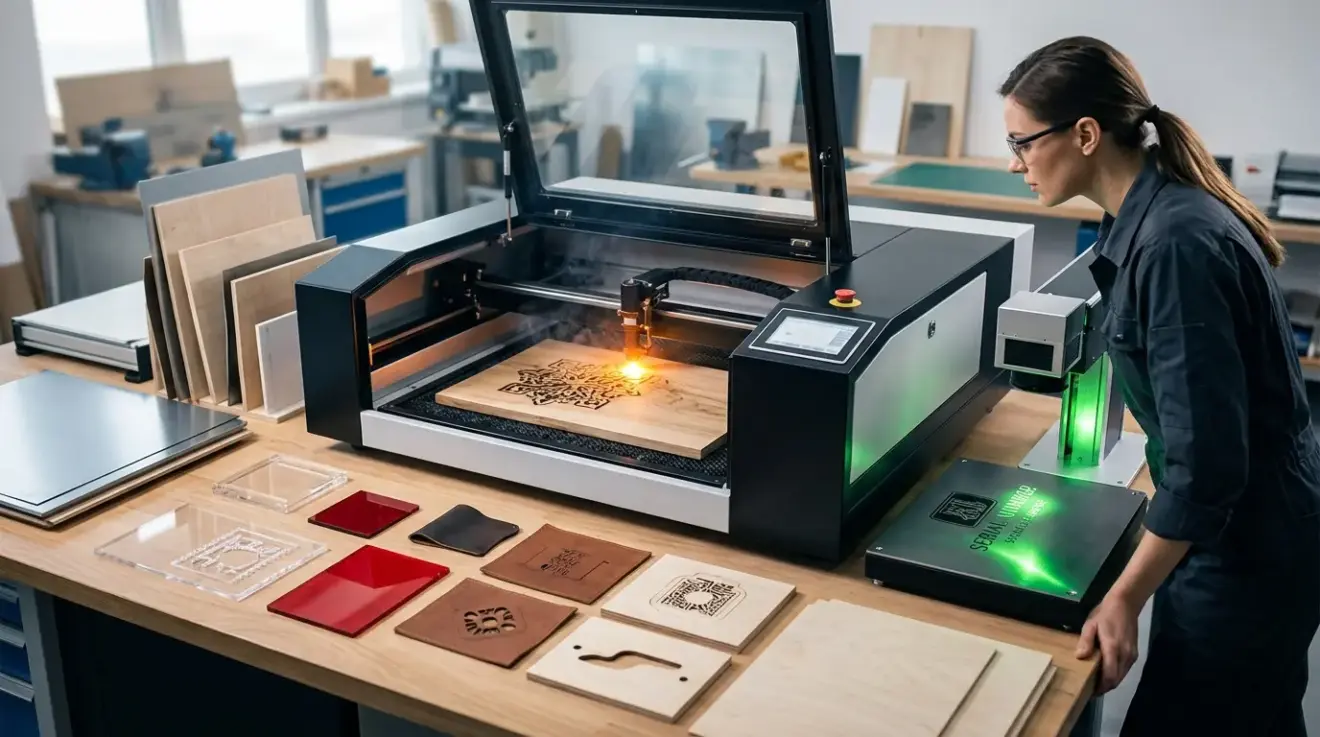
How To Choose the Right Laser Machine for Your Material Mix
Saturday, 18 April 2026
Choosing a laser machine sounds straightforward until the material list gets longer than one ideal sample. A system that performs well on acrylic display parts may not be the right fit for sheet metal cutting, low-heat plastic marking, or mixed jobs that shift between engraving and contour work across the same week. That is why
- Published in Laser
How CNC Panel Saws Integrate Into Modern Woodworking Production Lines
Saturday, 18 April 2026
In a modern cabinet, closet, or panel-furniture factory, the saw is not just a cutting station. It is often the point where production rhythm is either stabilized or disrupted. If the front end cannot release correctly sized parts in the right order, edge banding, drilling, sorting, and assembly all inherit the same instability. That is
- Published in Wood
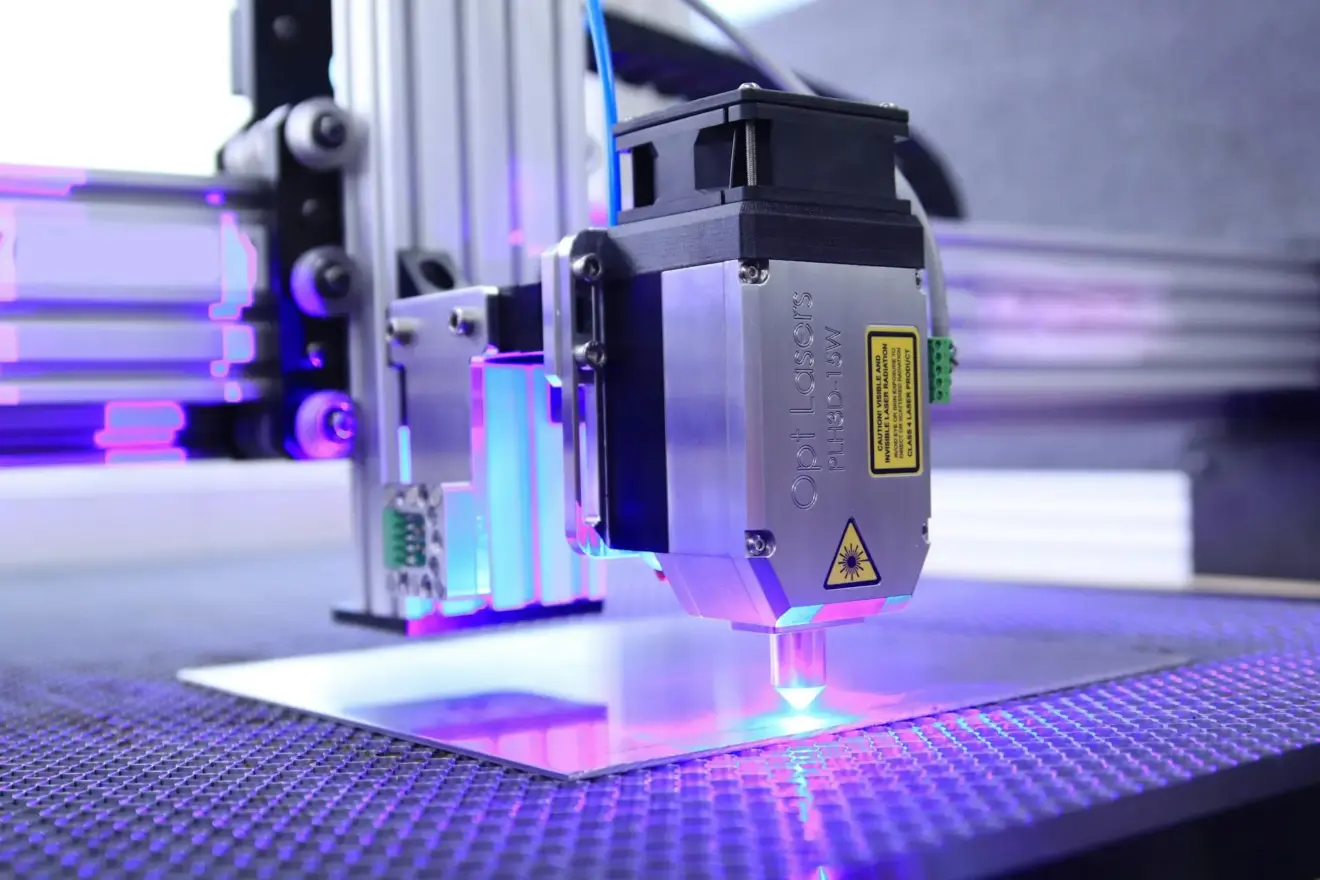
Glass Engraving Machines: Best Use Cases, Process Limits, and Material Tips
Saturday, 18 April 2026
When buyers ask for a glass engraving machine, they often mean very different jobs: frosted logos on drinkware, decorative graphics on flat panels, branded marks on presentation pieces, or short-run identification on finished glass components. Those jobs may sit under one label, but they do not carry the same risk. In real production, the question
- Published in Laser
Laser Marking for Metal Parts: How to Improve Contrast and Permanence
Saturday, 18 April 2026
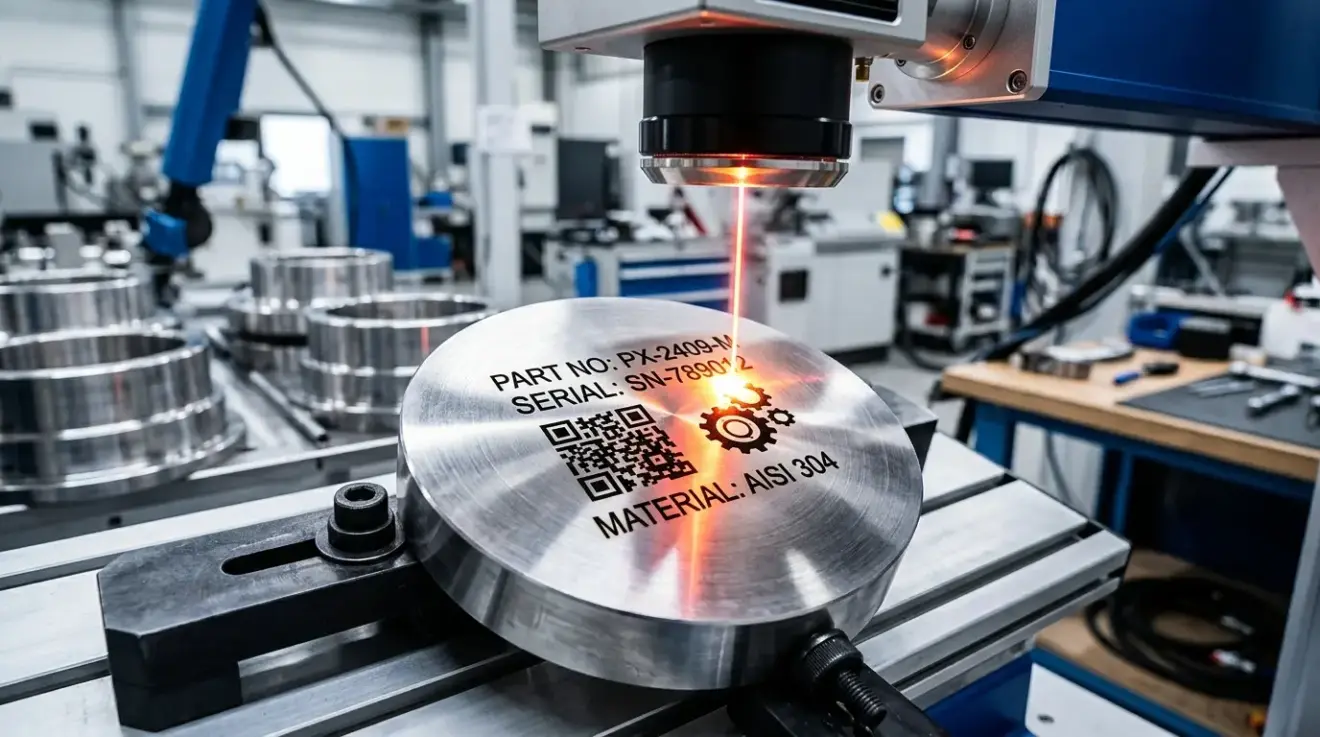
On many production lines, a metal mark looks acceptable at the marking station but fails later in the workflow. A serial number that appears clear under bench lighting may become hard to read after cleaning, coating, handling, or scanner verification. When that happens, the problem is not cosmetic. It affects traceability, inspection speed, part matching,
- Published in Laser
Best Applications for a Vertical Panel Saw in Small and Mid-Sized Shops
Friday, 17 April 2026
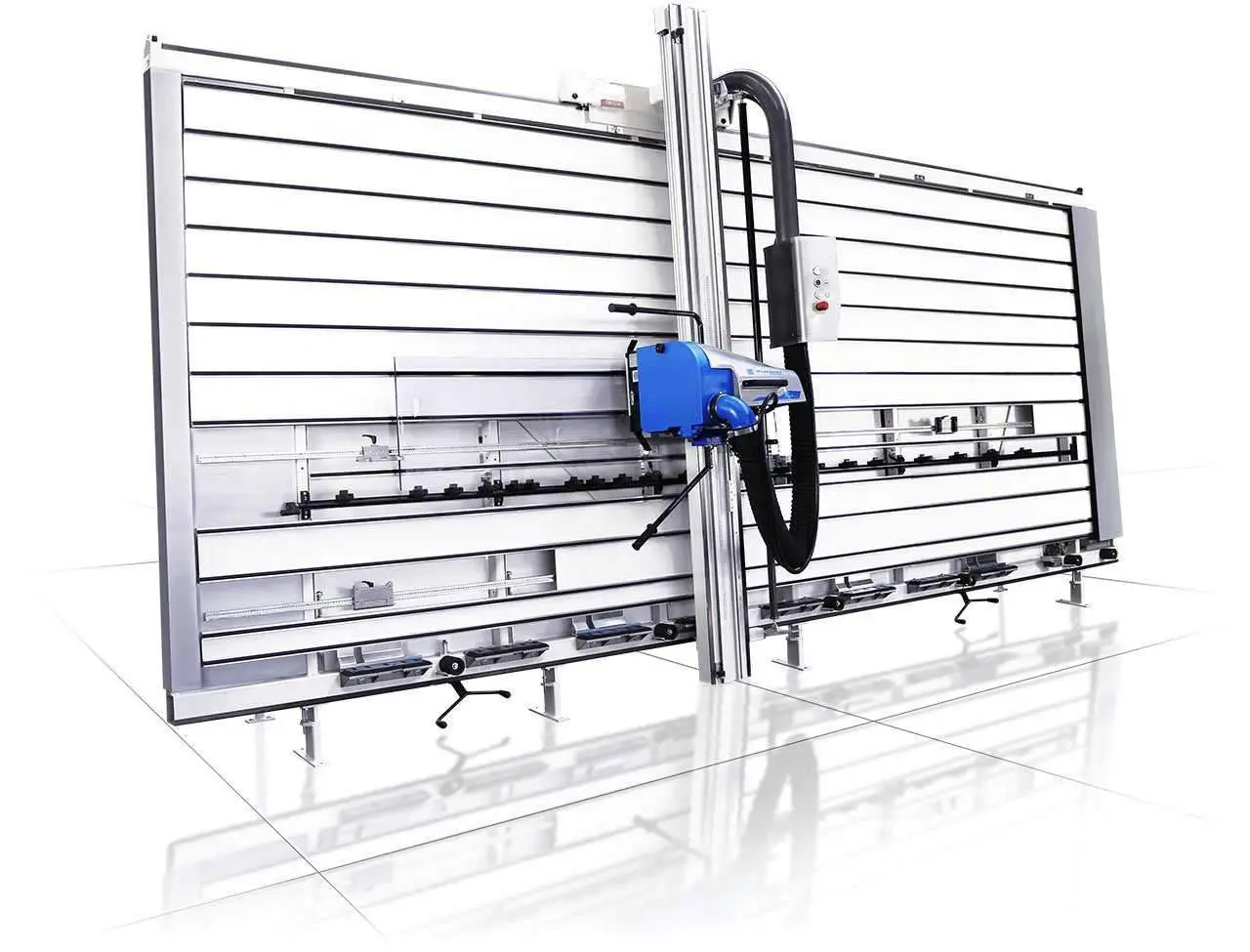
In small and mid-sized shops, the cutting problem often starts as a layout problem. The team may need accurate full-sheet breakdown for MDF, plywood, particleboard, melamine-faced board, and similar sheet materials, but the workshop may not have the floor space, labor structure, or daily volume for a larger dedicated horizontal cutting cell. That is where
- Published in Wood
Fiber Laser Engraving Machine for Precision Metal Work: What Actually Drives Accuracy?
Friday, 17 April 2026
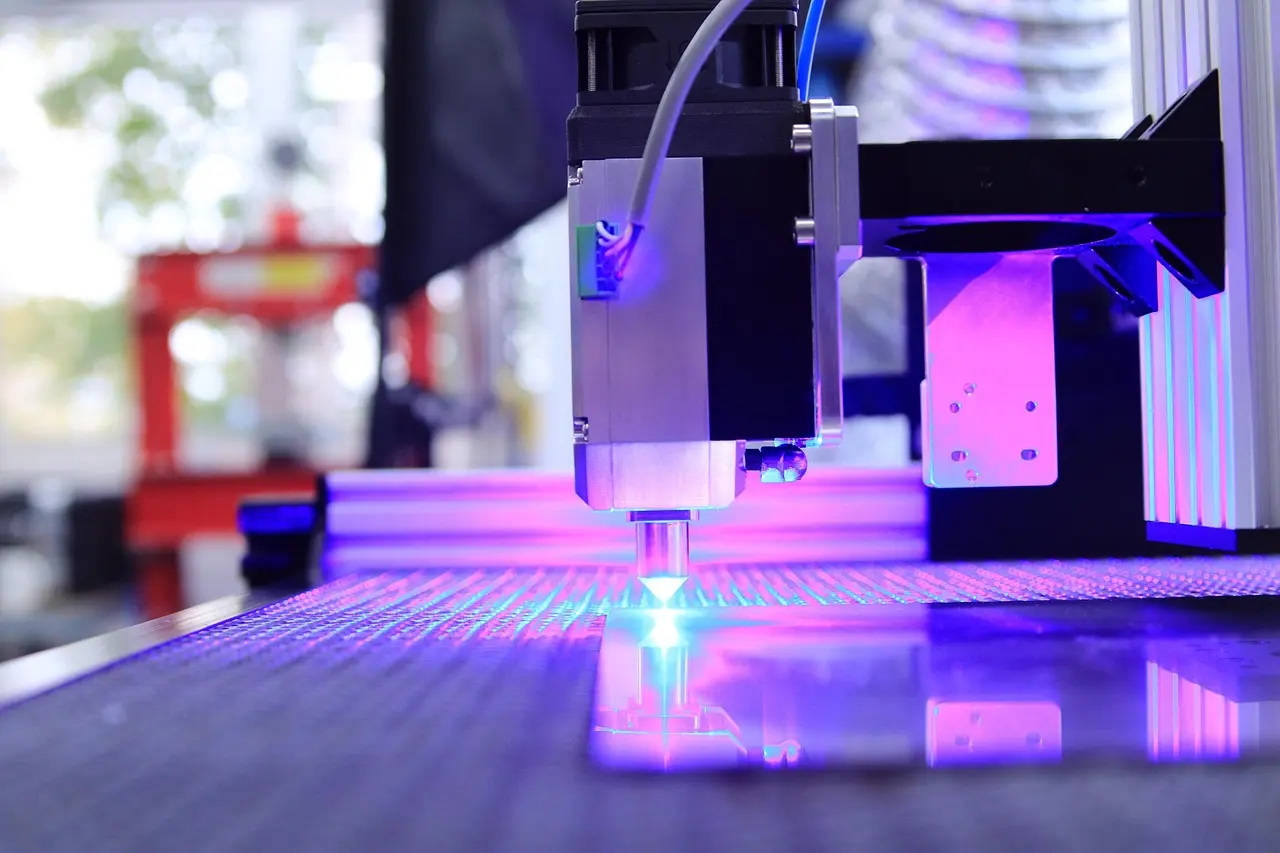
In precision metal work, the question is rarely whether a laser can leave a visible mark. The real issue is whether fine text, serial numbers, logos, alignment marks, or data matrix codes stay sharp across real production parts rather than only on a flat sample plate. When marks drift, blur, or vary from batch to
- Published in Laser
How To Choose A Vertical Panel Saw For A Space-Constrained Workshop
Friday, 17 April 2026
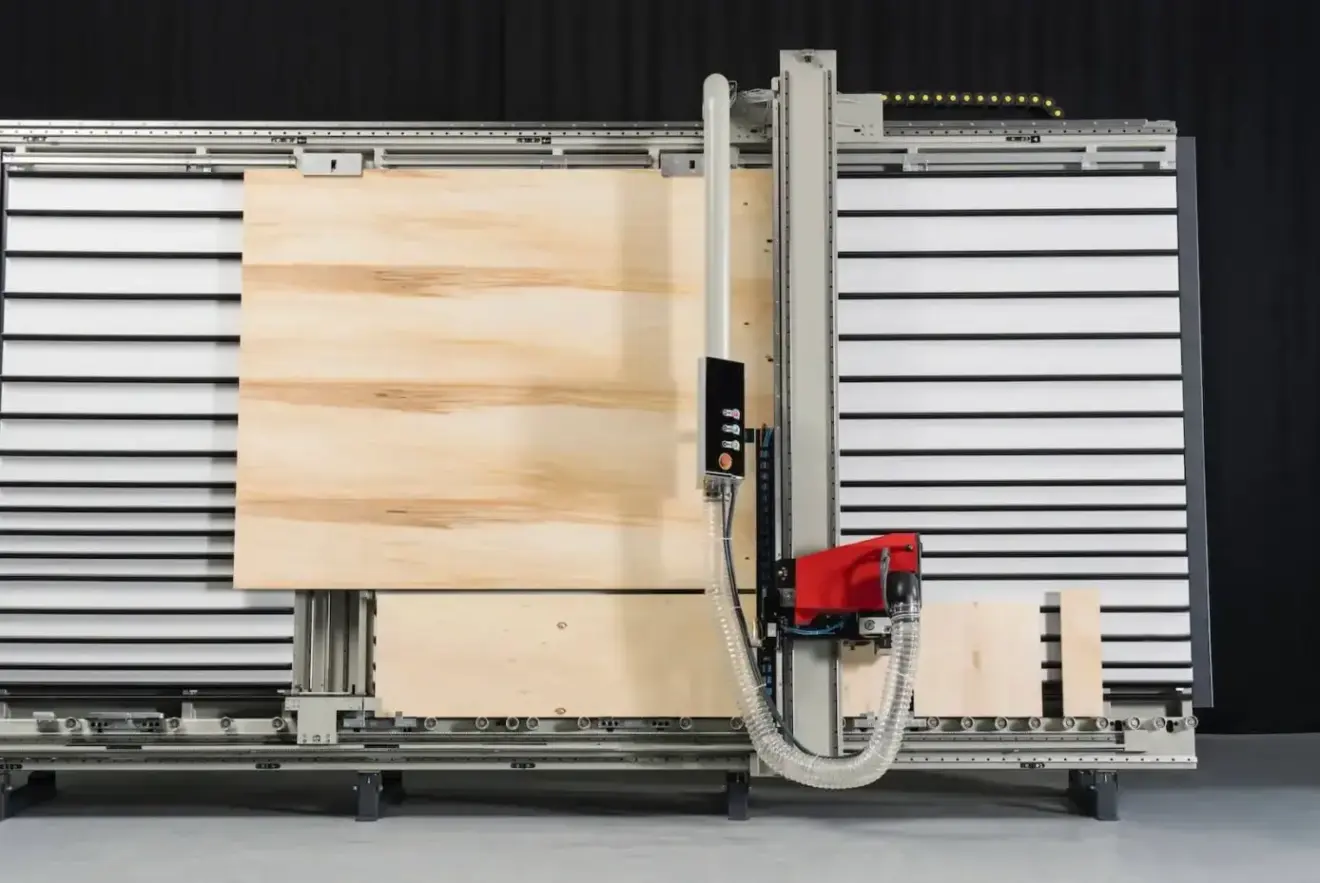
In many smaller workshops, the cutting problem is not just about accuracy. It is about how to break down full sheets without letting one machine consume the layout, block material flow, or create constant handling friction around the rest of the shop. A vertical panel saw is commonly considered when floor space is tight and
- Published in Wood
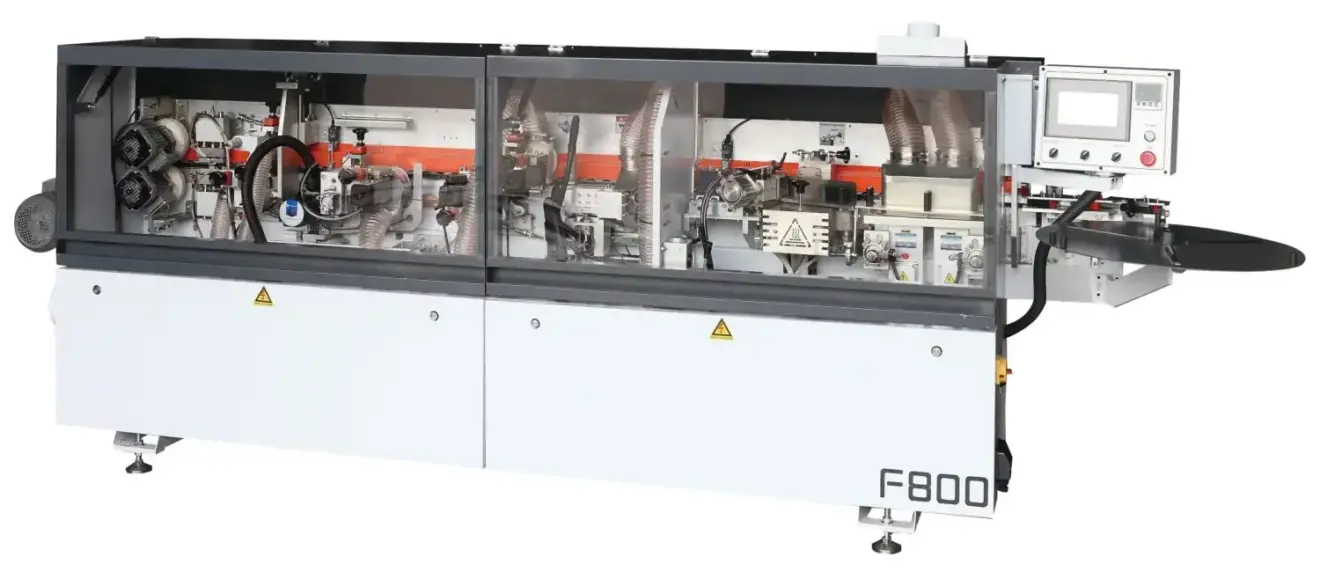
Edgebanders Explained: Types, Applications, and Production Fit
Friday, 17 April 2026
In panel furniture production, edge finishing often reveals whether a factory is truly running a controlled process or simply correcting one avoidable defect after another. Panels may be cut accurately, but if exposed edges still show chipping, uneven glue lines, or labor-heavy corner cleanup, the cost continues into inspection, rework, and final assembly. That is
- Published in Wood
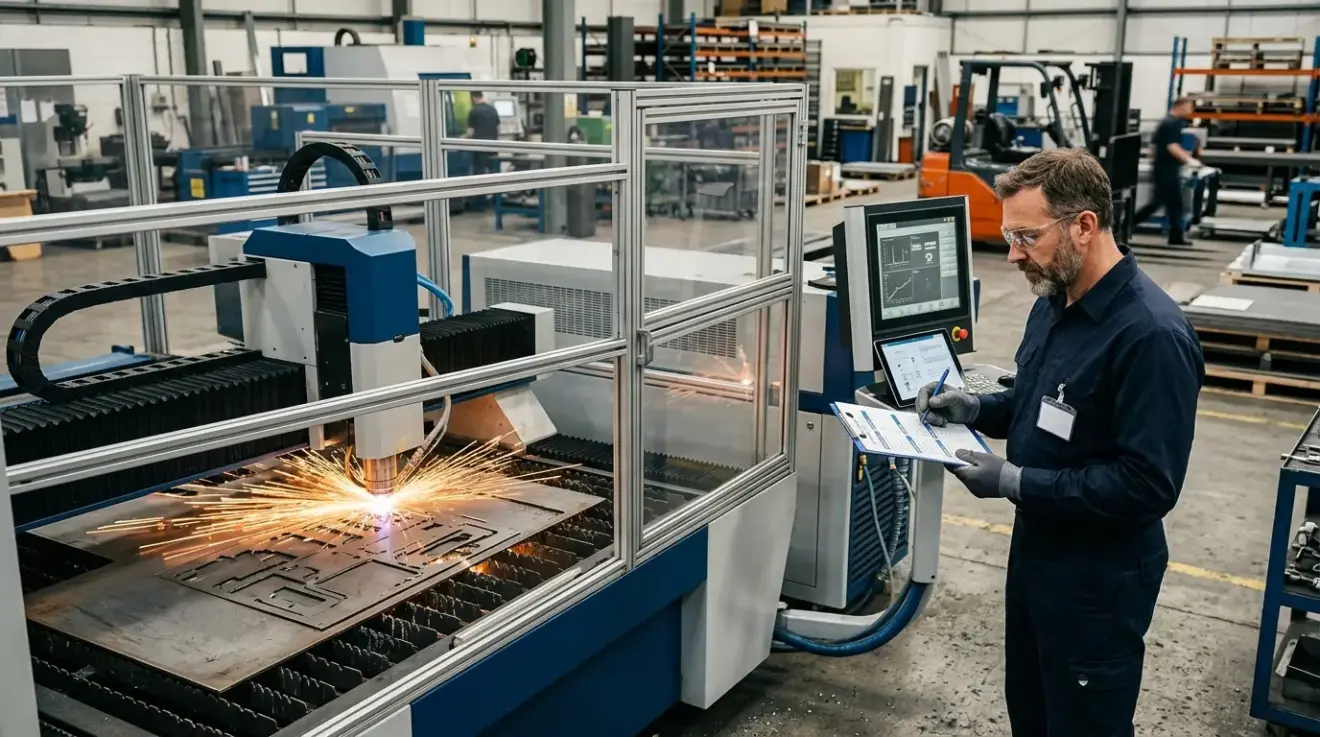
Laser Machine Quote Checklist for Industrial Buyers
Friday, 17 April 2026
Industrial laser quotations are rarely comparable on the first pass. One supplier prices the core machine only, another includes extraction and startup support, and a third quotes a system sized for a very different mix of parts. That is why a laser quote should be reviewed as a production document, not just a purchasing document.
- Published in Laser
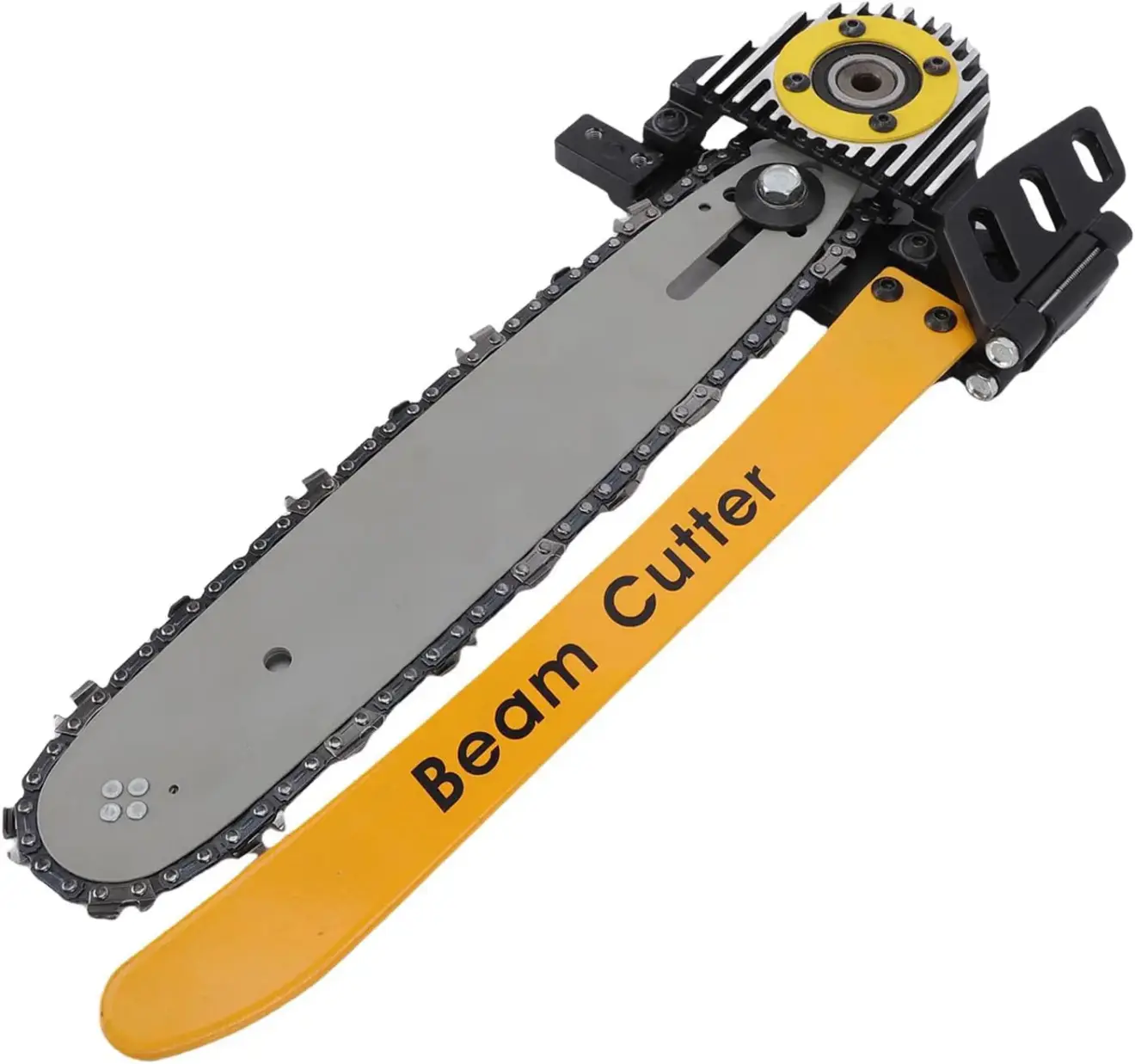
Beam Cutter vs. Beam Saw: What Buyers Need to Clarify Before Comparing Machines
Friday, 17 April 2026
A buyer reviewing automated panel-cutting equipment often sees one supplier call the machine a beam cutter and another call it a beam saw. That sounds like a product difference, but in many cases it is really a terminology difference. If you compare the labels instead of the workflow, you can lose sight of the issues
- Published in Wood
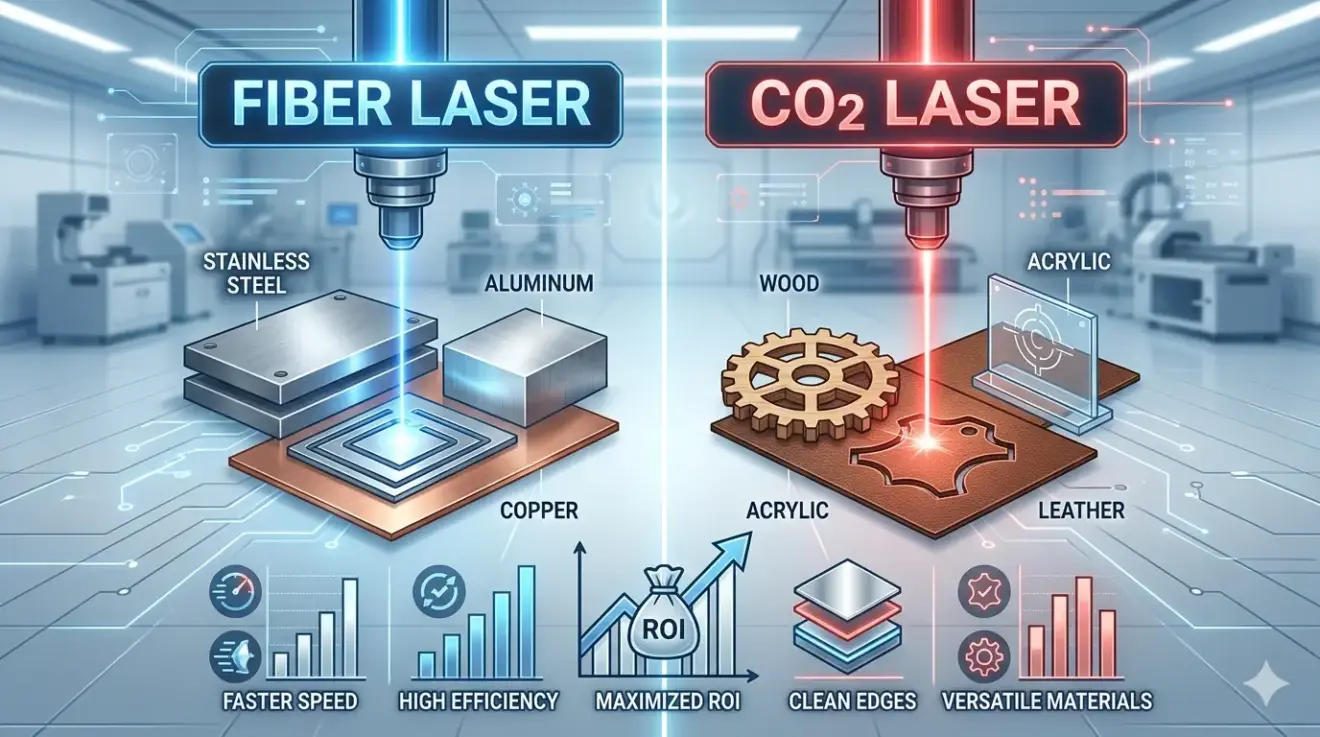
Fiber Laser Machine vs CO2 Laser Machine: How Material Match Drives ROI
Friday, 17 April 2026
When a shop compares fiber laser technology with CO2 laser technology, the first mistake is usually treating the beam source as the decision. In production, the real issue is whether the machine matches the material mix that fills the schedule and generates margin. A source that looks advanced on paper can still produce weak ROI
- Published in Laser
Laser Engraving Machines: Types, Materials, And Applications In Real Production Workflows
Friday, 17 April 2026
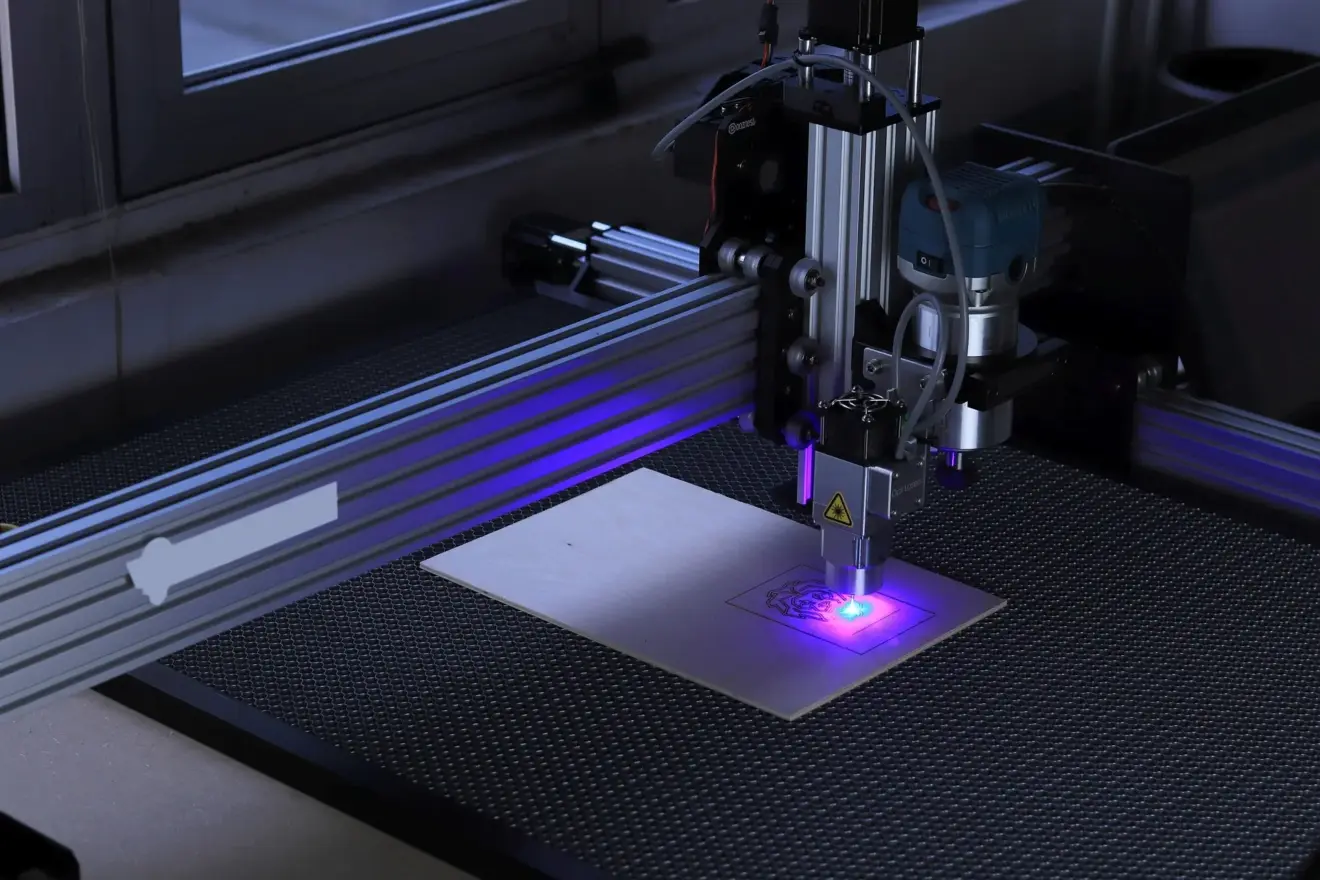
Many buyers use the phrase “laser engraving machine” as if it refers to one equipment category with minor variations. In practice, the gap between one system and another can be substantial. The laser source, motion architecture, material response, and production target all change what the machine does well, where it slows down, and how much
- Published in Laser
When to Upgrade From a Sliding Table Saw to a Beam Saw
Friday, 17 April 2026
The upgrade question usually appears before the sliding table saw actually fails. The machine may still cut cleanly, but the factory starts feeling pressure elsewhere: downstream stations wait for parts, repeated jobs pile up at the cut cell, and production consistency depends too heavily on operator pace and judgment. That is the point where the
- Published in Wood
Laser Marking and Engraving Machines: When a Hybrid Workflow Makes Sense
Friday, 17 April 2026
A shop that needs fast part identification and visible surface detail will usually discover the same thing: laser marking and laser engraving solve related problems, but they are not the same production task. Marking is often chosen for readable codes, logos, and traceability with limited material disruption. Engraving is chosen when depth, texture, or a
- Published in Laser
Glass Etching Machine vs Laser Engraver: What’s the Difference for Industrial Production?
Friday, 17 April 2026
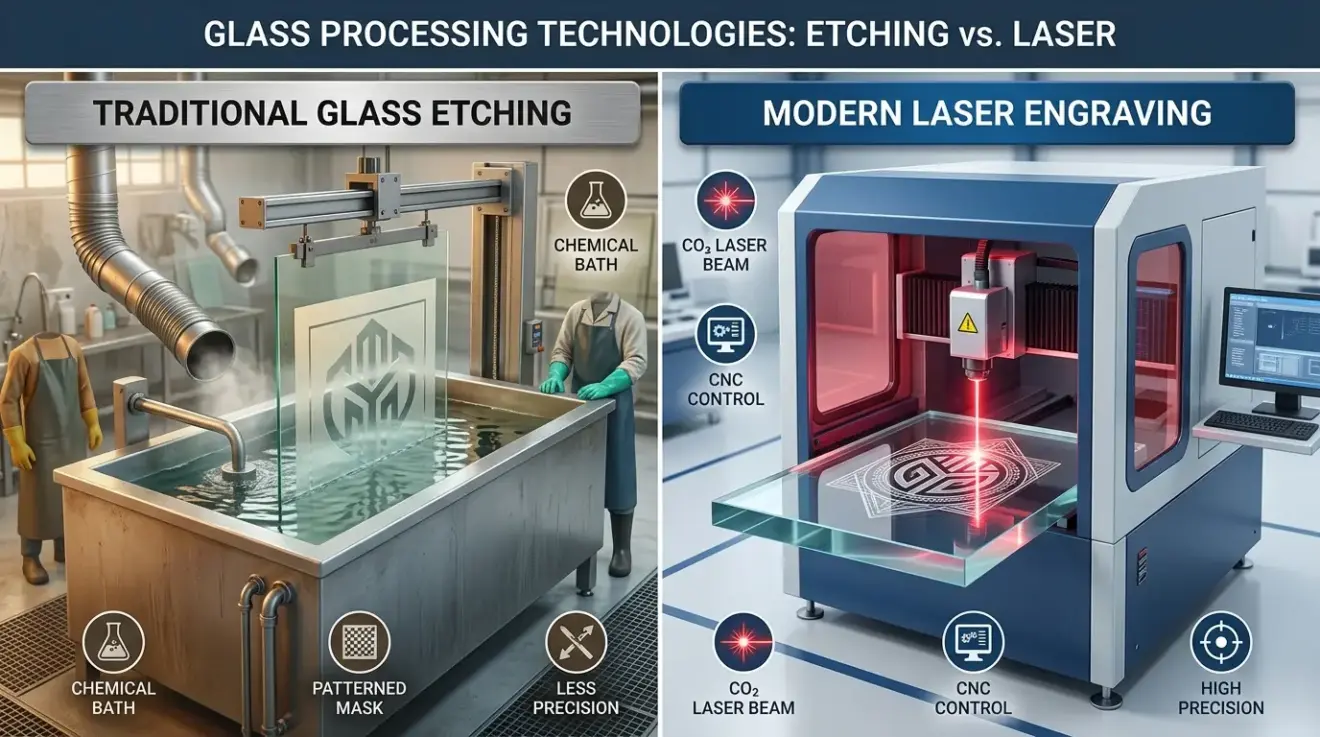
In many buying conversations, a glass etching machine and a laser engraver get treated as if they are interchangeable. They are not. One usually refers to a process built around creating an etched or frosted surface effect across glass, often through abrasive or similar surface-treatment methods. The other is a digitally controlled, non-contact system used
- Published in Laser
How to Choose a Laser Marking Machine for Traceability, Branding, and Part Identification
Friday, 17 April 2026
In many factories, marking only gets attention after something breaks downstream. A code cannot be scanned at inspection. Similar parts get mixed at assembly. A branded panel looks inconsistent across batches. Service teams cannot tie a field-returned component back to its production record without checking paperwork manually. That is why a laser marking machine should
- Published in Laser