
Wide Belt Sanders
Showing all 8 results
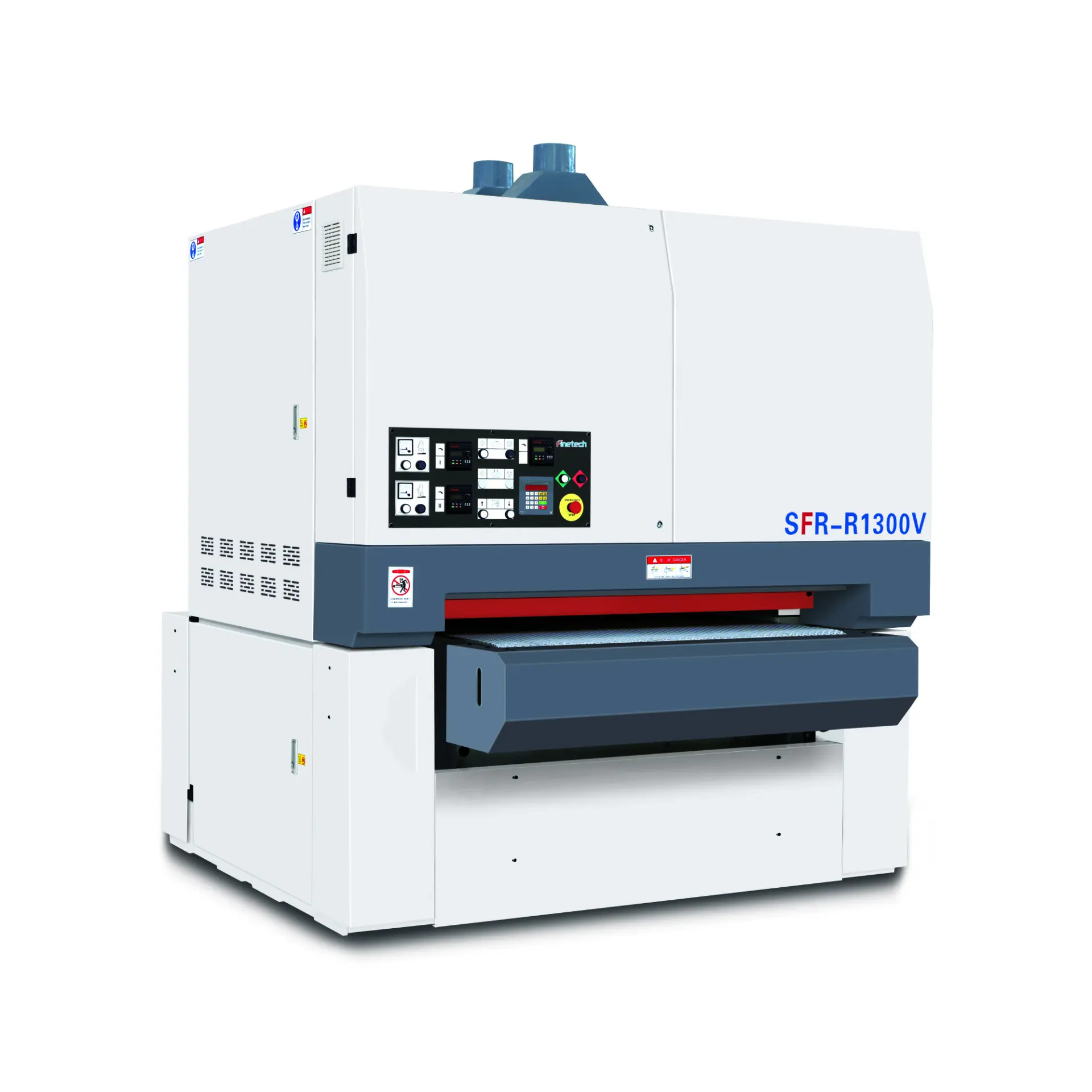
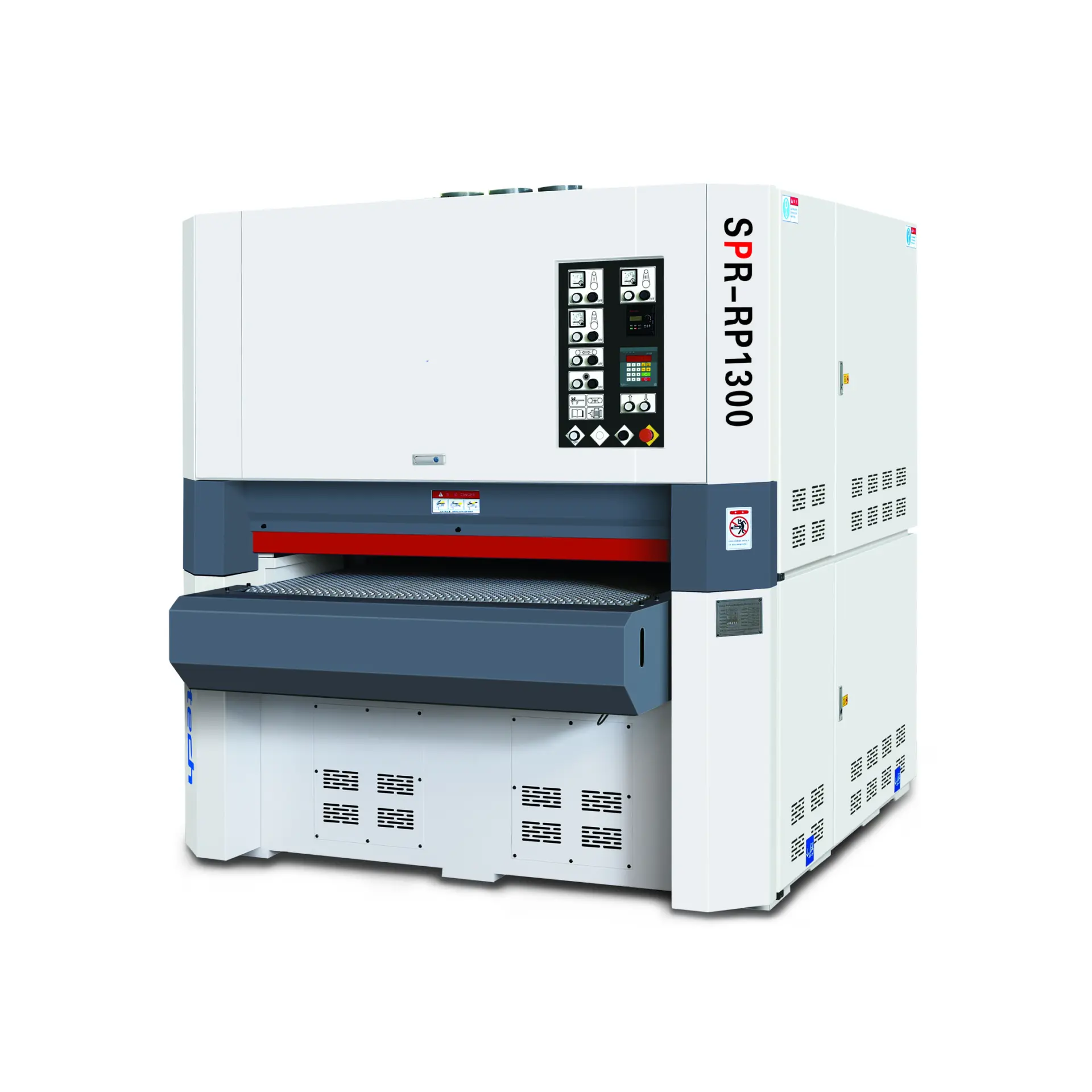
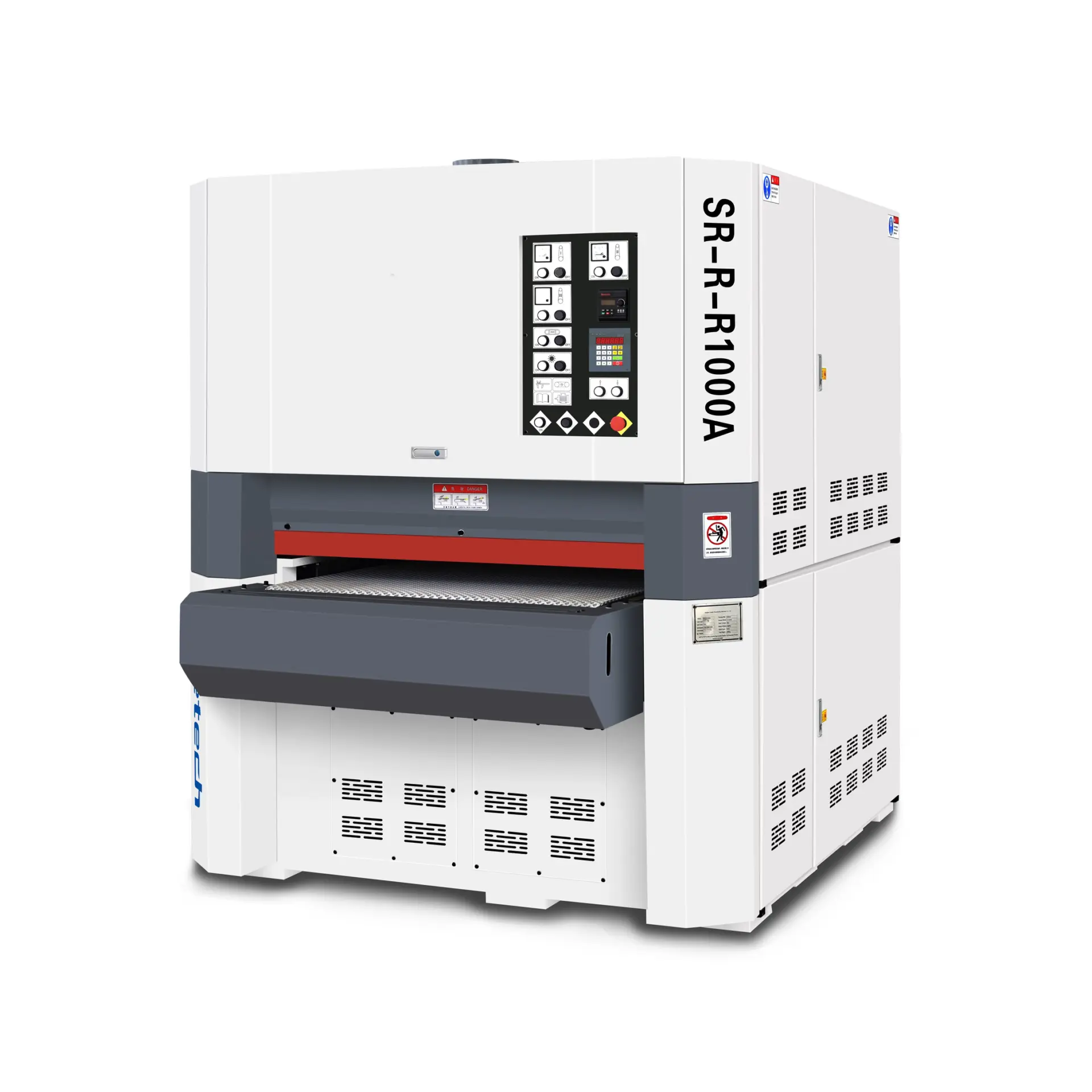
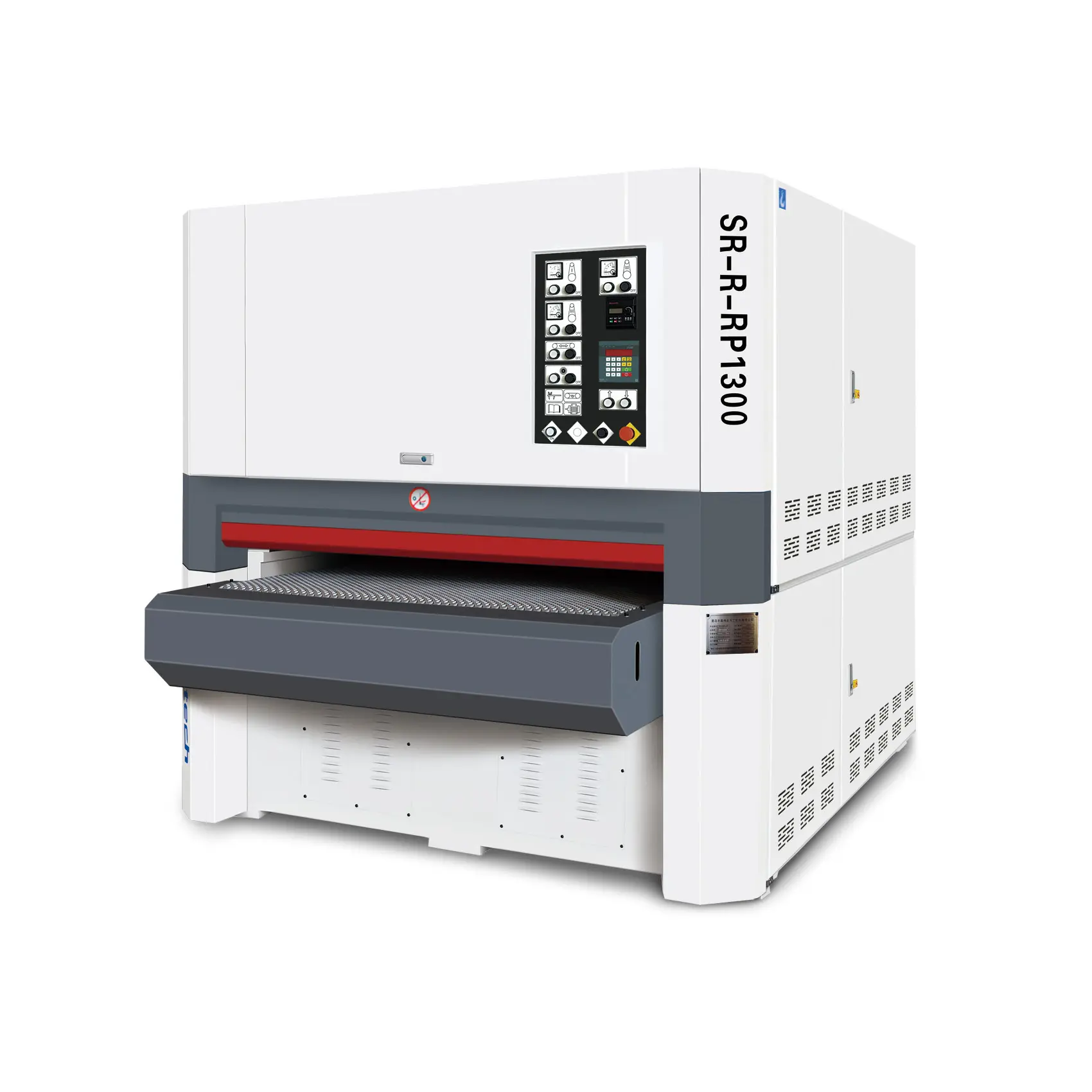
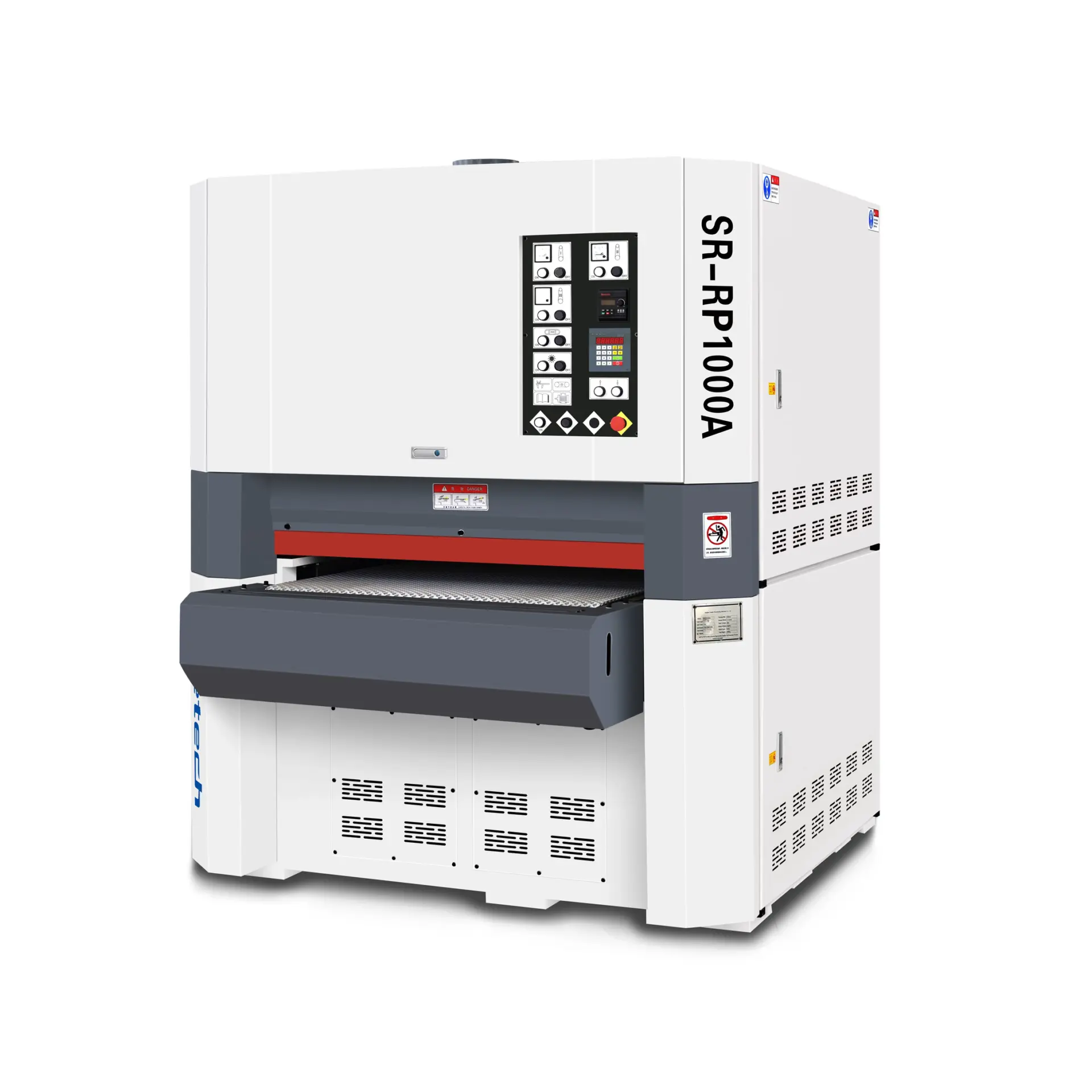
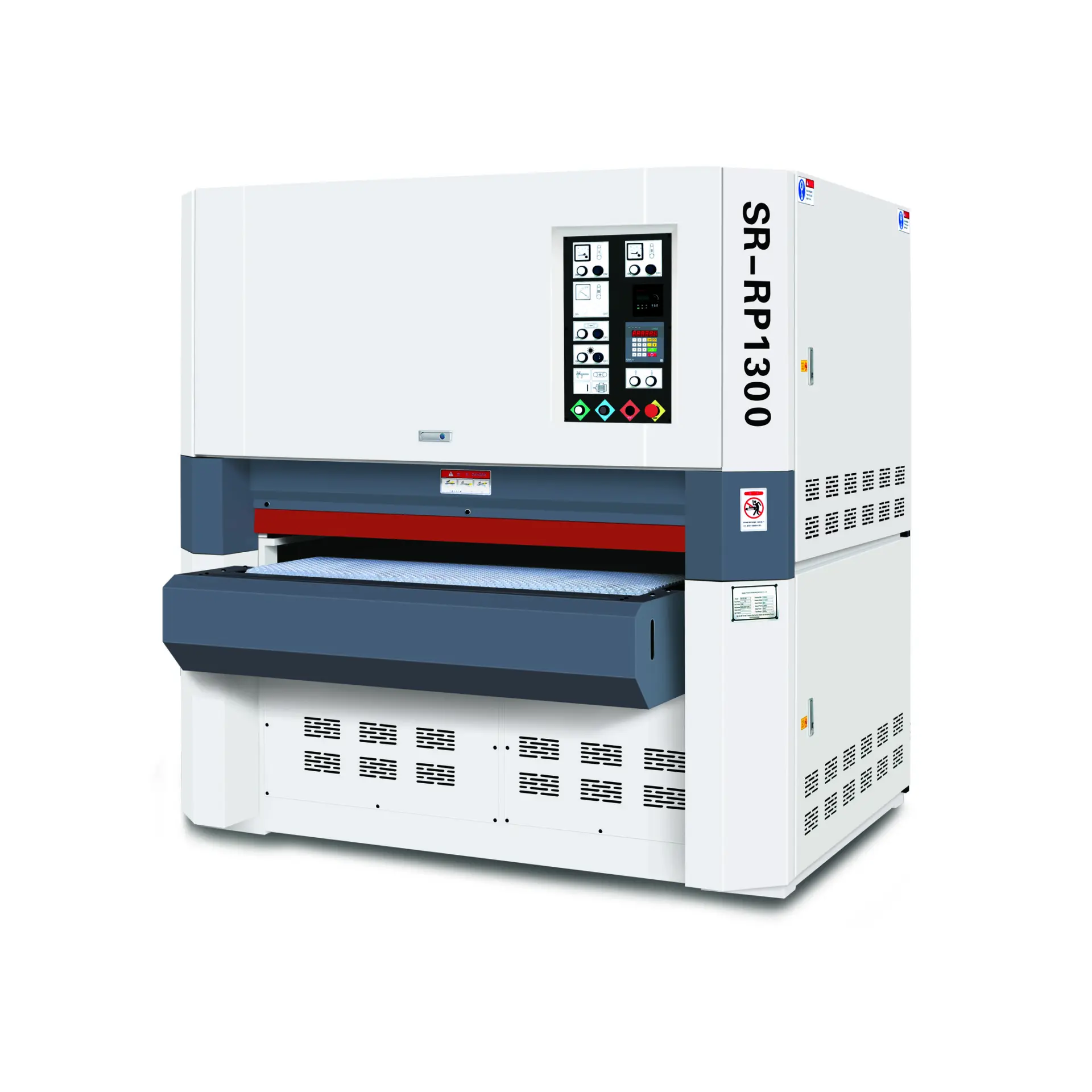
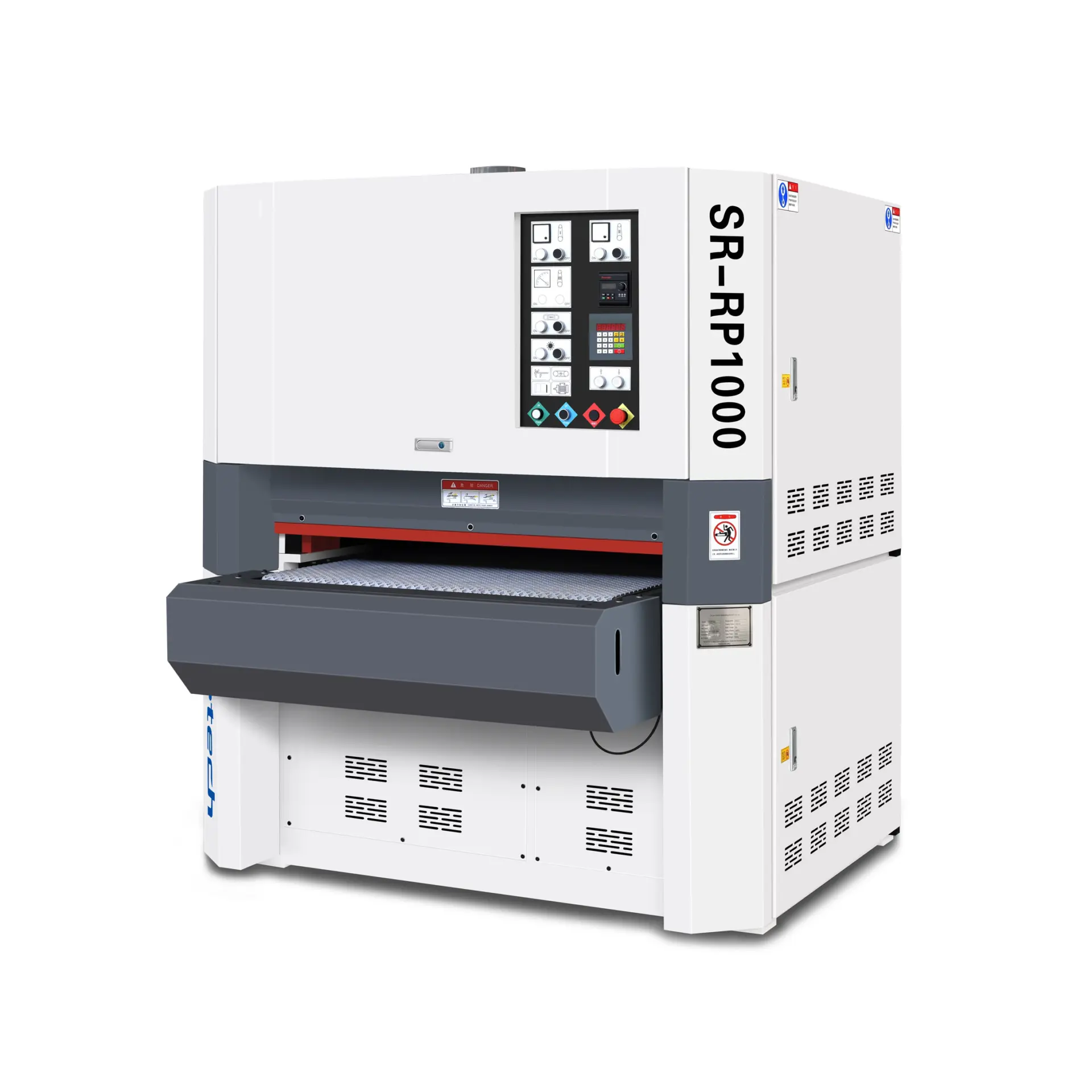
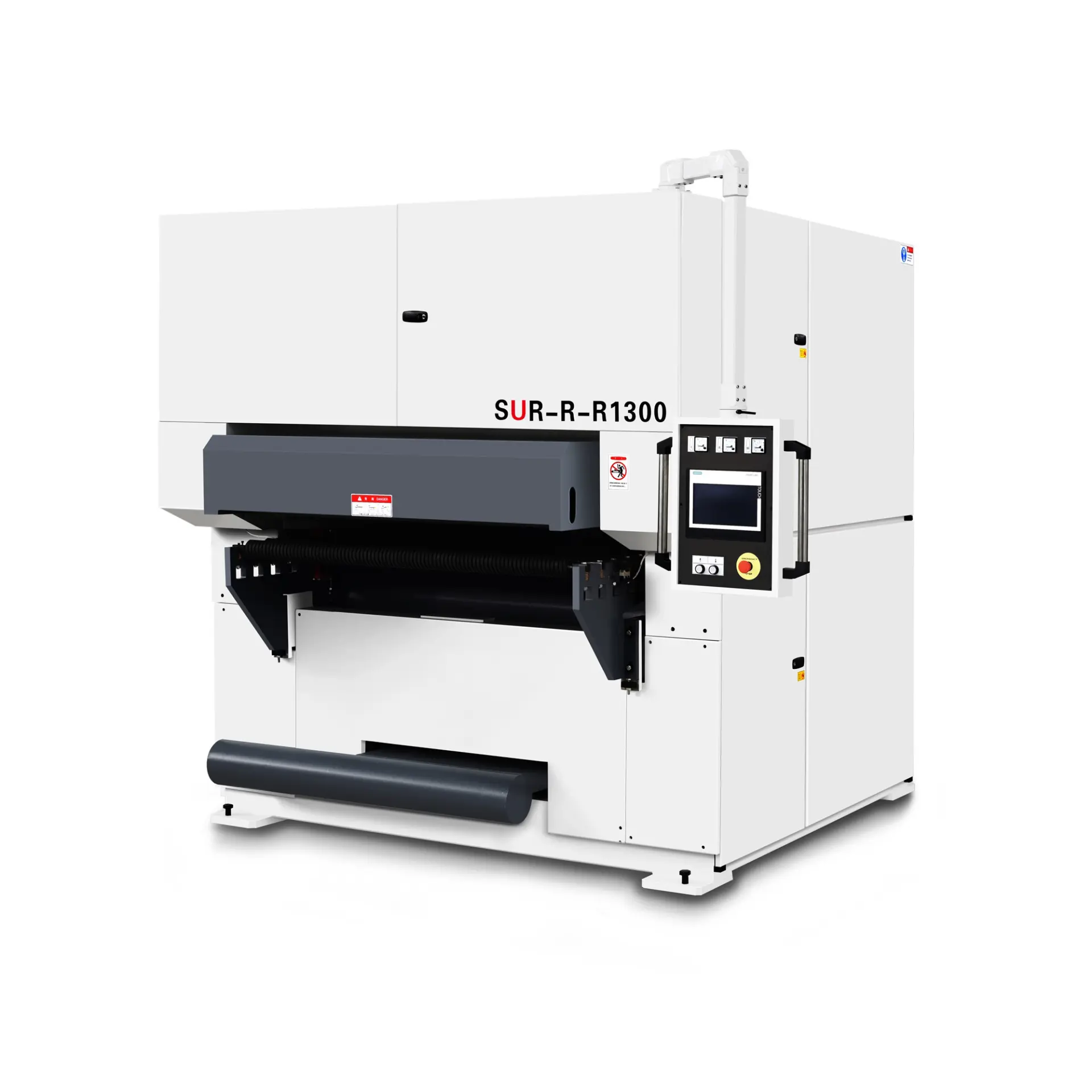
Wide Belt Sanders For Industrial Calibration And Fine Finishing
In panel and solid wood production, sanding is the stage where small surface problems turn into visible finishing defects, edge mismatch, and avoidable rework. A panel that is slightly uneven after cutting, pressing, or veneering can still move through the line, but the problem usually becomes more expensive once coating, edge treatment, or final assembly begins. That is why industrial wide belt sanders are commonly used to bring calibration, scratch consistency, and finishing control into one predictable process step.
For many factories, the real buying question is not whether a wide belt sander is useful. It is which sanding configuration best fits the material mix, finish target, and daily throughput. The answer depends on whether the line is correcting thickness variation, preparing veneer, refining painted surfaces, or trying to reduce the number of manual finishing passes before shipment.
Why Wide Belt Sanding Matters In Production
Wide belt sanding is usually chosen when manual sanding is too slow, too inconsistent, or too dependent on operator variation. In industrial workflows, the machine is expected to do more than smooth the surface. It should help stabilize thickness, flatten the workpiece, and deliver a repeatable finish that supports the next downstream process.
That matters in several places:
- Calibration Before Edge Processing And Assembly
- Surface Preparation Before Coating Or UV Finishing
- Scratch Pattern Control On Veneered Or Painted Panels
- Reduced Manual Rework At Final Inspection
- More Consistent Face Quality Across Batch Production
When the sanding stage is under-specified, factories often see the same symptoms: extra hand sanding, coating defects that show up too late, inconsistent sheen, visible panel-to-panel variation, or longer cycle times between machining and final packing.
Which Jobs Wide Belt Sanders Are Commonly Used For
Industrial wide belt sanders are commonly used for:
- Calibrating solid wood components before further processing
- Fine finishing veneered boards before coating or assembly
- Improving surface consistency on painted or lacquered parts
- Preparing panels for more reliable visual quality at inspection
- Supporting higher-throughput finishing lines with less manual intervention
On the Pandaxis category side, the lineup is broad enough to reflect different sanding roles rather than one single machine concept. Buyers in this category will typically compare planer sanders, two-head and three-head wide belt sanders, floated lacquer sanders, and underside sanding options based on workflow fit.
How To Match Machine Type To Workflow
The best way to choose a machine is to start with the production objective, not the number of sanding heads alone.
| Machine Type | Best Suited For | Main Workflow Benefit | Tradeoff To Consider |
|---|---|---|---|
| Planer Sander | Heavier calibration work and stock correction before finishing | Helps bring incoming material to a more stable starting condition | May be more machine than needed for light finish-only sanding |
| Two-Head Wide Belt Sander | Shops that need a practical balance of calibration and finish sanding | Combines multiple sanding stages in a compact workflow | Less stage separation than a more specialized multi-head setup |
| Three-Head Wide Belt Sander | Higher-throughput lines or processes that benefit from more staged sanding control | Can reduce reliance on extra passes and improve finish consistency across volume work | Greater complexity is only justified when workload supports it |
| Floated Lacquer Sander | Painted, lacquered, or UV-line-related surface finishing | Better suited to delicate finishing work where surface quality is critical | Not the first choice for every rough-calibration task |
| Underside Sander | Parts that require sanding attention on the lower face | Reduces extra handling when underside quality matters | Only valuable when the workflow truly requires bottom-face processing |
Two Heads Vs Three Heads: Which Choice Usually Fits Better?
A two-head machine is often a practical fit for factories that need both productivity and flexibility without overbuilding the sanding station. It is commonly chosen when the workload includes routine calibration plus finish refinement, but the product mix still changes often enough that a simpler setup is easier to manage.
A three-head configuration usually makes more sense when surface control has to stay consistent across larger production runs, or when the factory wants more staged sanding action within one machine path. That can be useful when reducing extra passes matters, when finish expectations are higher, or when the line is trying to keep output moving without building manual sanding labor back into the process.
Neither layout is universally better. If the real bottleneck is incoming material variation, a heavier calibration approach may matter more than adding another finishing stage. If the real bottleneck is final surface consistency before coating, additional head configuration may be more valuable than raw stock-removal emphasis.
Where Planer Sanders And Lacquer Sanders Fit Best
Not every sanding job starts from the same material condition. A planer sander is commonly selected when the factory needs stronger calibration ability at the front of the sanding process. That usually matters when panels or solid wood parts arrive with more thickness variation and the goal is to create a flatter, more stable base before finer finishing begins.
By contrast, a floated lacquer sander is a more specific workflow choice. Pandaxis describes this machine type as designed to complement UV painting lines, which makes it particularly relevant when the production focus is refined surface finishing rather than general stock correction. In those cases, the buying decision is less about aggressive removal and more about surface quality, control, and finish readiness.
Wide Belt Sanders In A Complete Panel Processing Workflow
Wide belt sanding should not be evaluated in isolation. In batch panel furniture production, upstream sizing quality from panel saws directly affects how much correction the sanding station must absorb later.
In more flexible production layouts built around CNC nesting machines, sanding often plays a different role. Instead of simply flattening cut panels, it helps stabilize routed parts before coating, inspection, or downstream value-added steps.
When the line also includes edgebanders, face consistency becomes even more visible. Better sanding control does not replace edge processing, but it helps the finished workpiece look more uniform and reduces the chance that finishing defects remain hidden until final inspection.
What Buyers Should Check Before Choosing A Wide Belt Sander
Before comparing models, it helps to clarify a few production realities:
- Material Mix: Are you mainly sanding solid wood, veneered boards, painted panels, or a combination?
- Surface Objective: Is the main task calibration, fine finishing, lacquer preparation, or underside processing?
- Throughput Requirement: Is the machine supporting a continuous production line or a more varied batch workflow?
- Upstream Variation: How consistent are parts before they reach sanding?
- Rework Pressure: Is the current cost problem machine time, labor time, or finish rejection?
- Changeover Frequency: Do you run stable batches or frequent job changes?
These questions usually lead to a better decision than comparing machine categories by headline complexity alone. A factory with unstable incoming stock may need stronger calibration logic first. A factory already producing dimensionally stable panels may get more value from finish refinement and surface control.
Frequently Asked Questions
What materials are wide belt sanders commonly used for?
They are commonly used for solid wood, veneered boards, and painted surfaces when the goal is calibration, smoothing, or finish preparation at industrial scale.
Is a two-head or three-head wide belt sander better?
It depends on the workflow. Two-head machines are often a practical choice for balanced production needs, while three-head machines are better suited when staged sanding control and higher throughput justify the added complexity.
When does a lacquer sander make more sense than a standard wide belt sander?
It makes more sense when the line is focused on refined finishing work, especially around painted or UV-related surface preparation, rather than heavier early-stage calibration.
Does every factory need an underside sander?
No. An underside sander is only valuable when lower-face processing is a real part of the production requirement. If underside quality is not a decision point in the product mix, a more conventional sanding configuration is usually the better investment.
Wide belt sanders are selected to solve a production problem, not just to add another machine to the line. The right configuration depends on whether the factory needs stronger calibration, more controlled fine finishing, better painted-surface preparation, or smoother integration into a broader panel-processing workflow. If you are comparing sanding equipment against the broader Pandaxis product catalog, the most useful approach is to evaluate where sanding sits between upstream machining and downstream finishing, then choose the configuration that reduces rework while supporting the finish standard your customers actually see.