

 Español
 Italiano
 Deutsch
 Français
 Português
 العربية
 Türkçe
 Русский
 Tiếng Việt
 한국어
 日本語
 简体中文
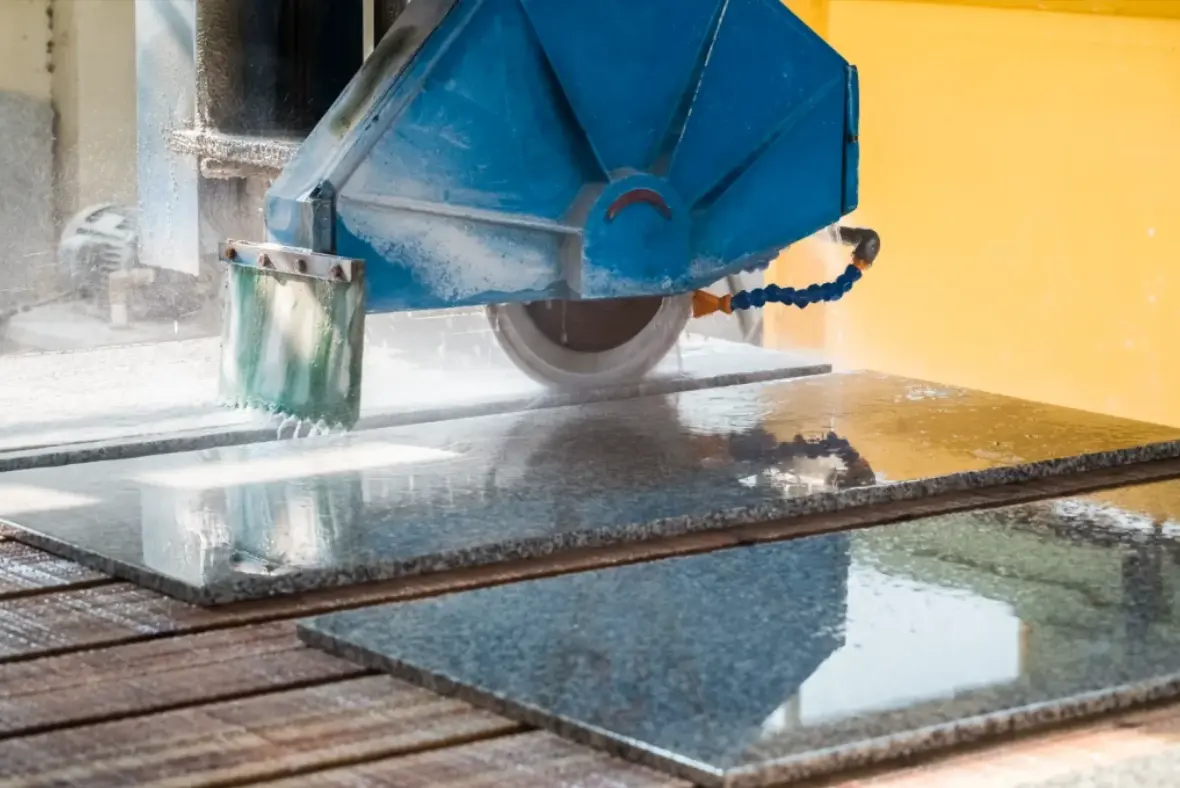
Stone CNC Machine Buying Guide for Fabricators
Monday, 20 April 2026
Stone CNC machines rarely fail on day one; the failure emerges weeks later when cutouts slow slab flow, edge quality depends on operator technique, or expensive quartz, granite, and marble gets reworked because the shop bought capability that does not match its actual jobs. This guide forces fabricators to treat the purchase as a workflow
- Published in Blog
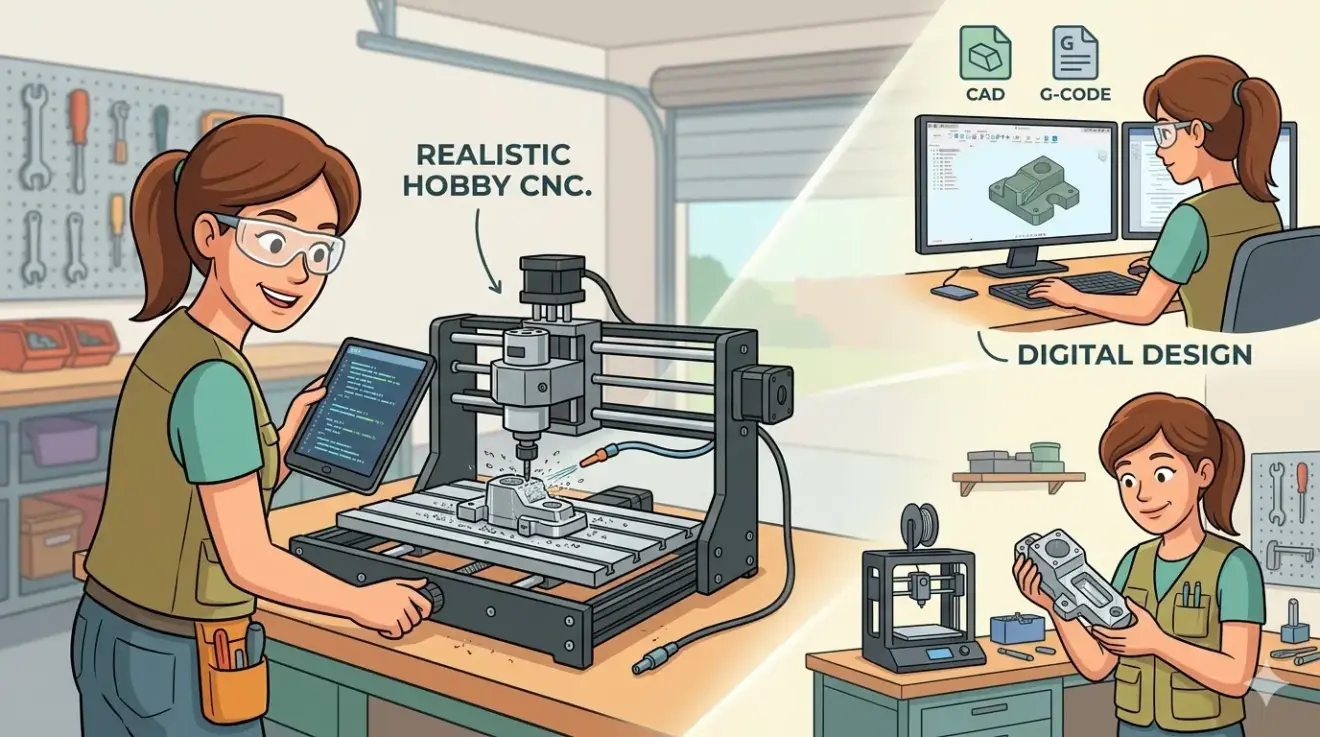
Home-Use CNC Milling Machines: What Is Realistic?
Monday, 20 April 2026
Home-use CNC milling purchases routinely fail because buyers compare spindle specs and video-worthy cuts instead of auditing the parts, materials, and room they actually have. This article forces that audit before you commit capital: it separates realistic benchtop work—small aluminum and plastic parts, supervised runs, disciplined fixturing—from shop-only expectations like sustained steel removal, unattended cycles,
- Published in Blog

Best CNC Machines for Different Budgets and Production Goals
Monday, 20 April 2026
Budgeting for a CNC machine fails when the conversation starts with a dollar figure instead of the production goal that machine must protect. A $15,000 design studio prototype unit and a $15,000 cabinet shop panel producer face completely different buying problems, yet both call themselves budget-constrained. This article forces buyers to translate price bands into
- Published in Blog

Laser Marking and Engraving Machines: When a Hybrid Workflow Makes Sense
Monday, 20 April 2026
When your line runs both lot codes and customer-facing logos through the same laser workstation, you are not solving a machine capability problem—you are managing two conflicting process standards. Marking demands speed, low power, and scannable contrast; engraving demands depth, slower passes, and deliberate material removal. Forcing one setting to serve both often produces parts
- Published in Blog
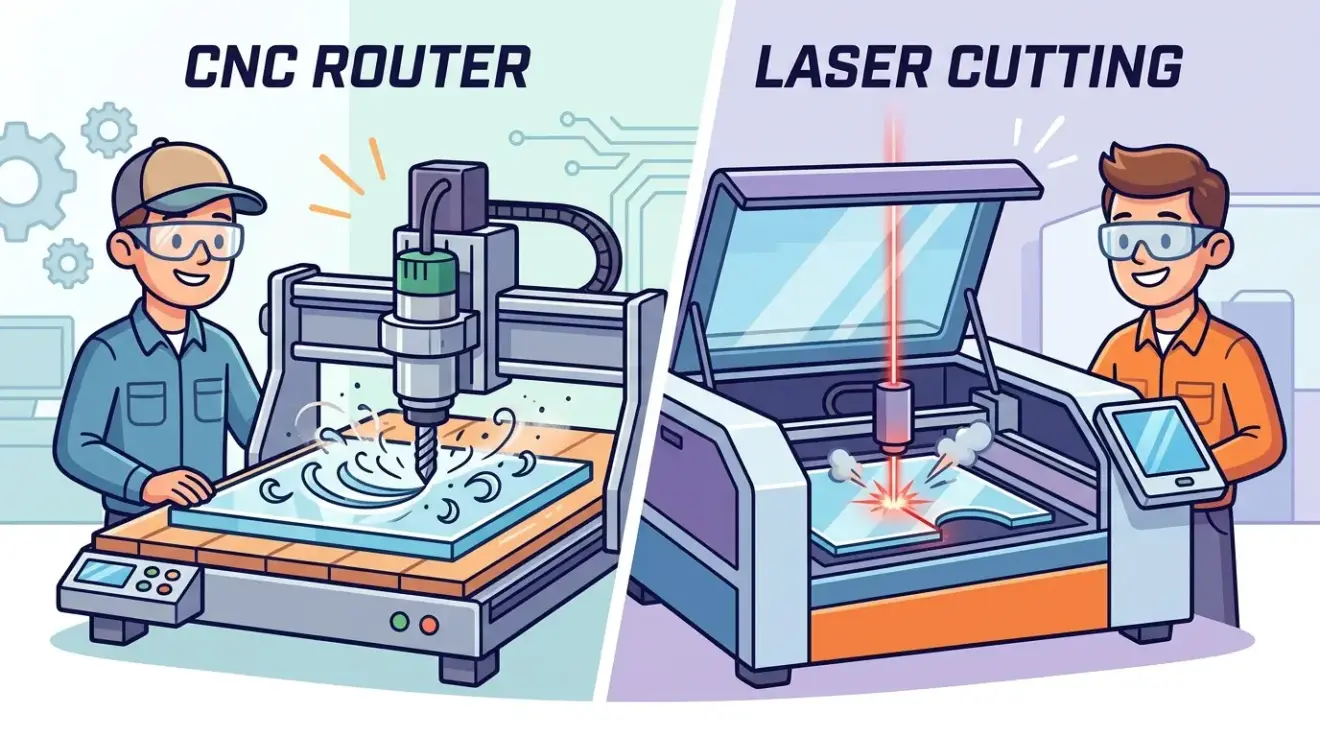
Acrylic Cutting Machine vs Acrylic Laser Cutting Machine: How To Choose the Right Process
Monday, 20 April 2026
The production question comes before comparing price tags or cut samples, recognize that “acrylic cutting machine” is a category, not a single device, and the choice between a mechanical setup and a laser system will dictate your edge quality, contour capability, changeover speed, and downstream finishing labor. The real production problem is not which process
- Published in Blog
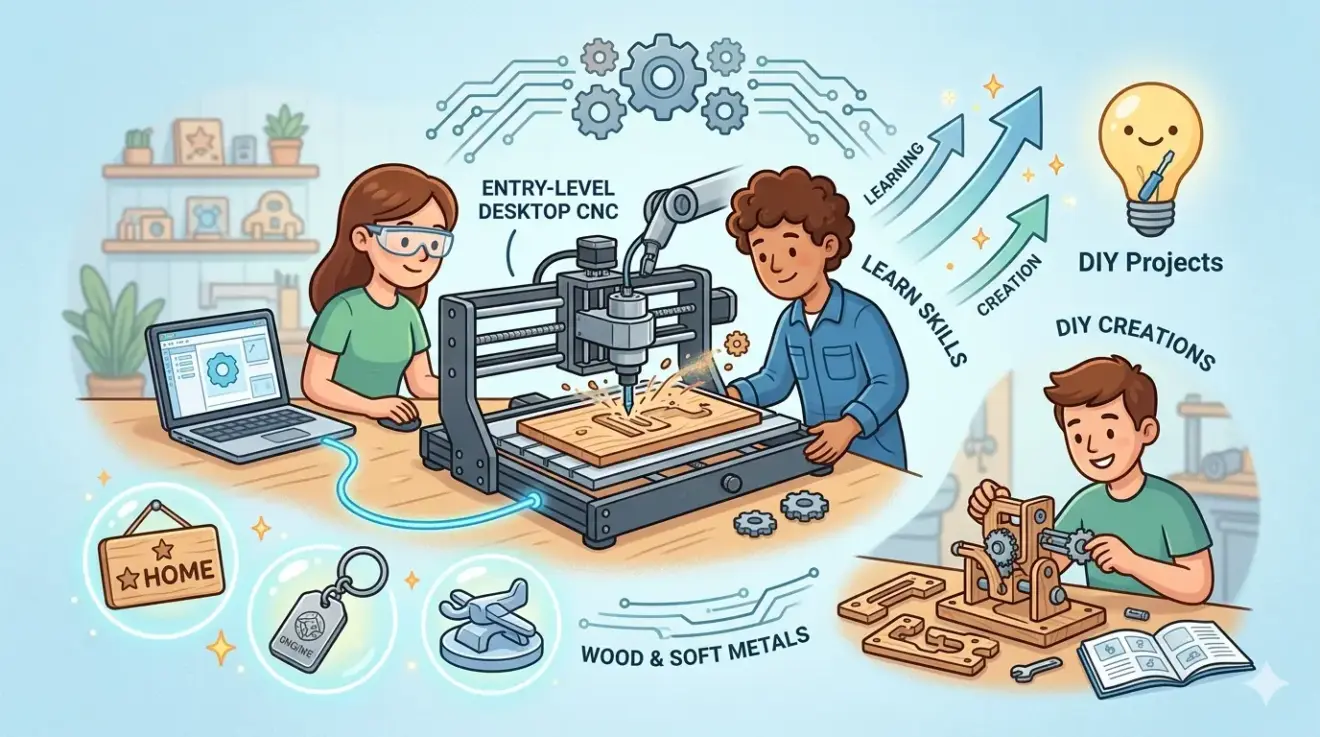
CNC 3018 and Other Entry-Level Desktop Machines: What They Are Good For
Monday, 20 April 2026
Before you dismiss the 3018-class desktop router as a hobbyist toy or overbuy a production spindle for light bench work, you need to separate its advertised work envelope from its real operational limits. This article cuts through the confusion around that nominal 300 by 180 millimeter travel, explaining why two identically named machines can behave
- Published in Blog
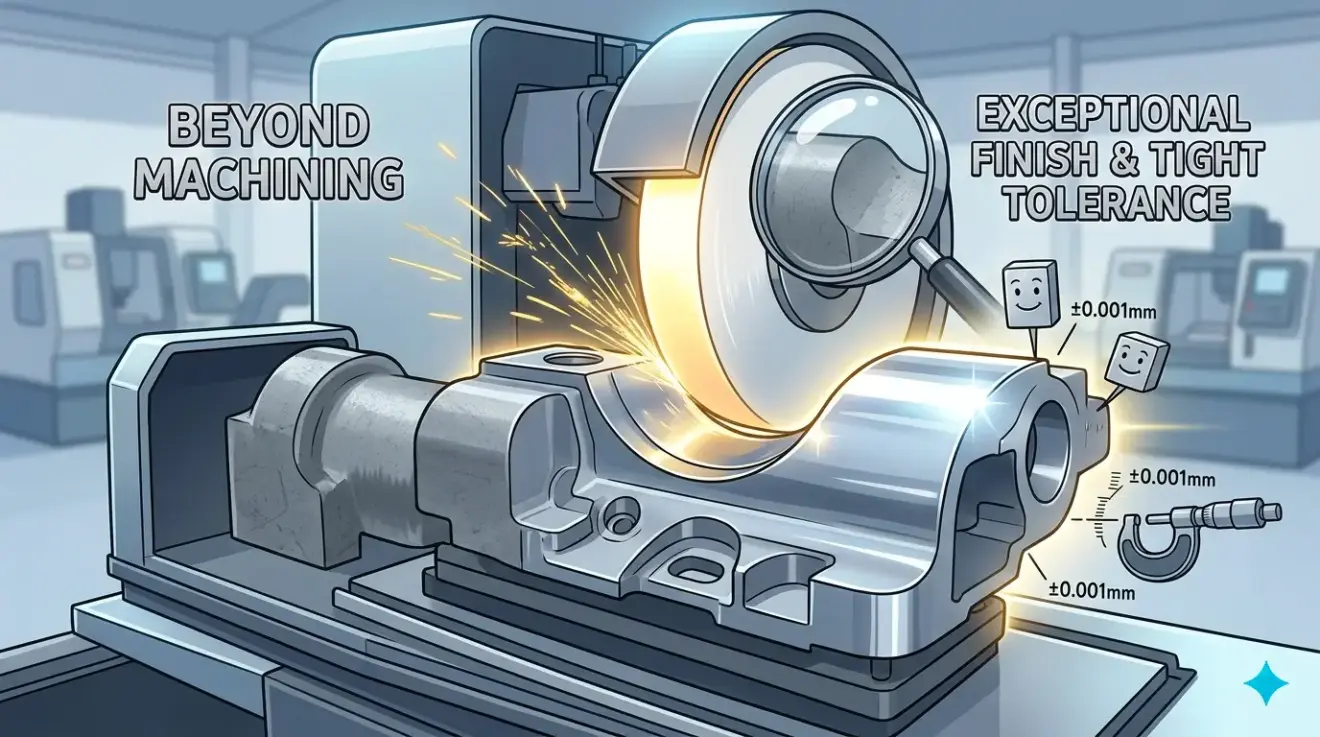
CNC Grinding Machine Explained: When Finish and Tolerance Require Grinding
Monday, 20 April 2026
Most grinding decisions surface late in the route, after milling or turning has brought a part near size, after heat treatment has shifted the material, and after inspection exposes a bearing seat drifting across batches or a hardened journal losing roundness. At that release gate, the real question is not whether a grinder sounds more
- Published in Blog
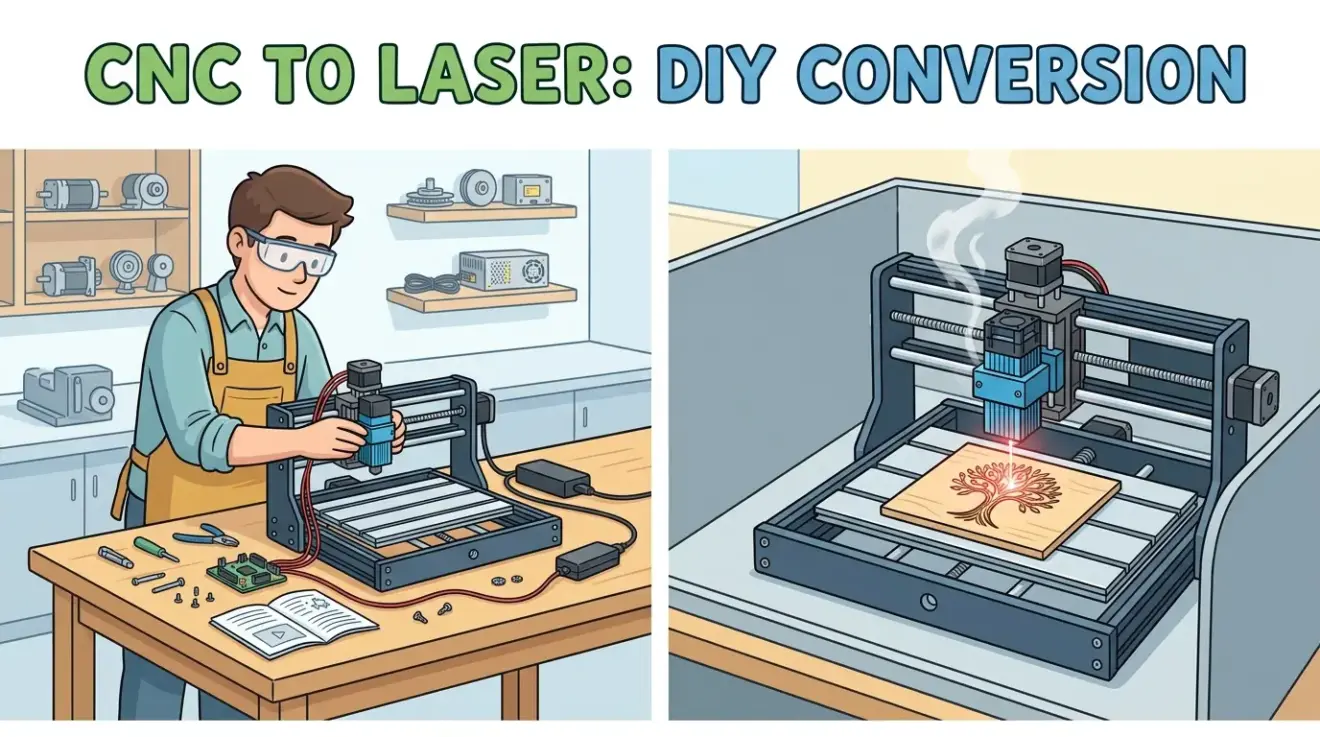
3018 CNC Laser Upgrade Guide: What to Know Before Converting a Router
Monday, 20 April 2026
Converting a 3018-class router into a laser engraver is mechanically simple, but the real decision hinges on whether the converted machine can sustain a viable workflow after the novelty fades. This guide forces buyers to confront the operational shifts that follow the spindle swap: focus drift across an uneven bed, smoke residue that fouls optics
- Published in Blog
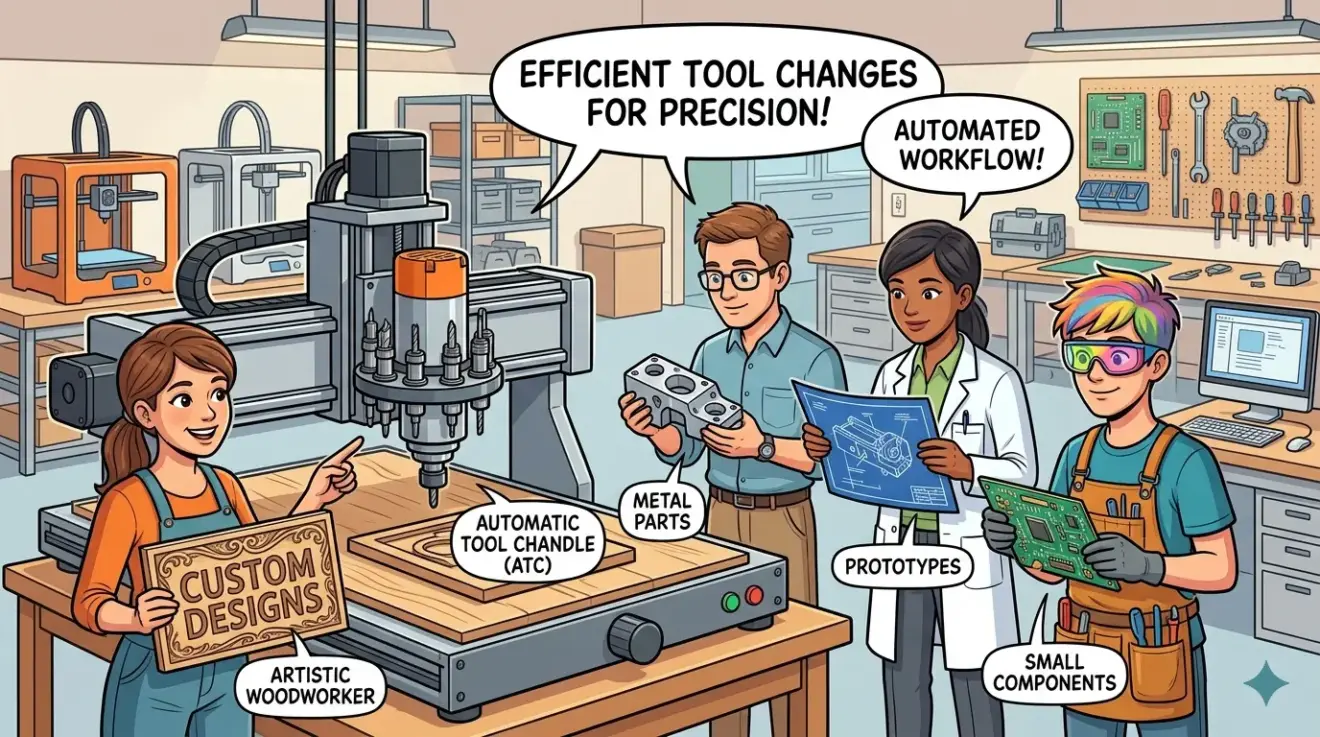
What Is a Small ATC Spindle and Who Needs One?
Monday, 20 April 2026
Before you spec a small ATC spindle for a compact CNC router or mill, stop counting tool pockets and start counting interruptions. This article forces that shift by framing the purchase around measurable production drag rather than automation prestige. It walks through the real decision criteria: how many manual wrench changes occur per shift, whether
- Published in Blog
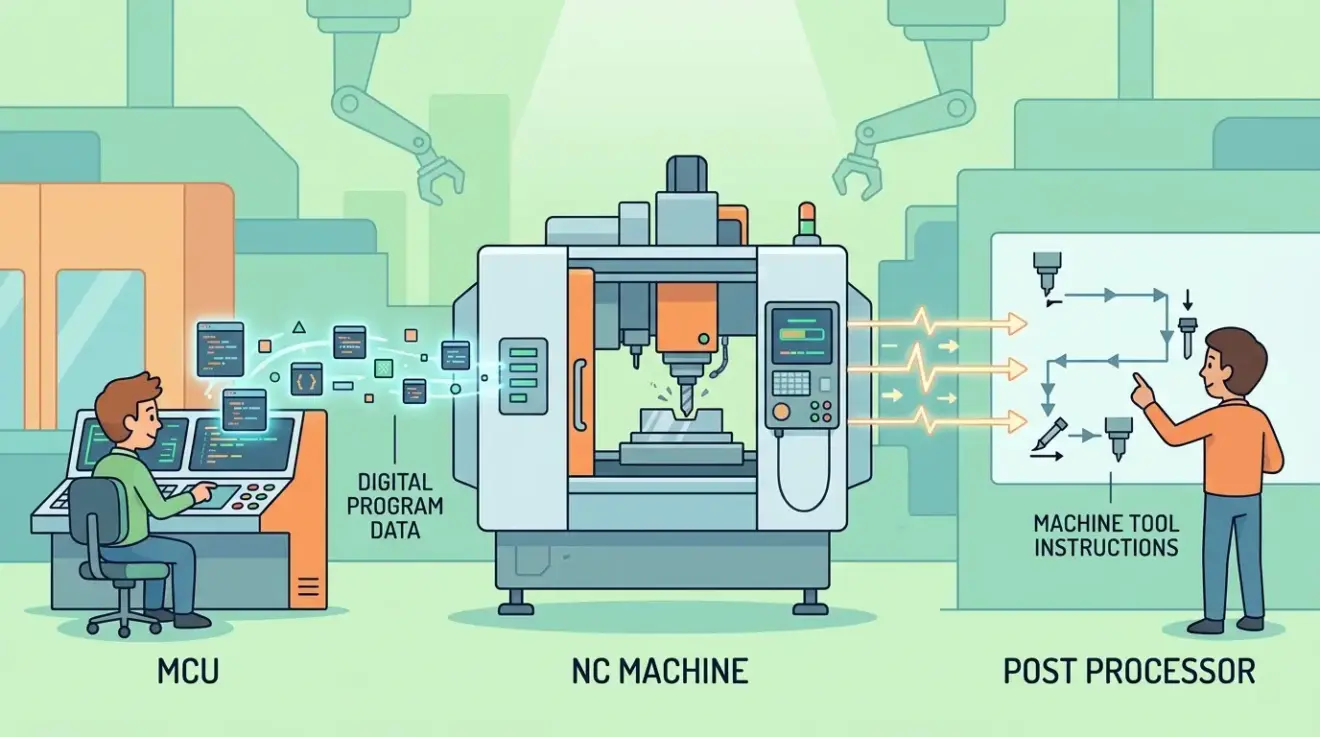
What Are the Basic Components of an NC Machine?
Sunday, 19 April 2026
Most machine buyers can recite the standard component list—controller, servos, spindle, frame—but that checklist tells you nothing about why one machine holds tolerance for a decade while another drifts within months. This article breaks down the NC machine as a layered system where structure, motion transmission, process head, control logic, feedback, workholding, and support systems
- Published in Blog
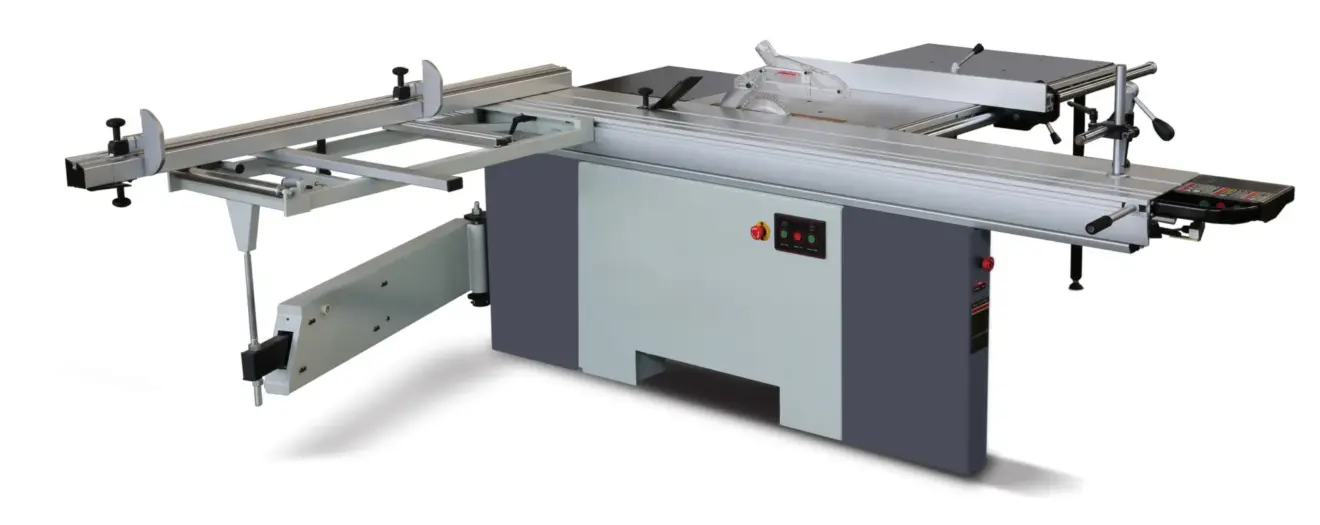
When Sliding Table Saws Outperform Other Cutting Solutions
Sunday, 19 April 2026
When production schedules slip, most shops blame cutting speedâyet the real constraint is often the minutes lost between jobs, not the blade itself. This article addresses that workflow mismatch directly: how a sliding table saw outperforms panel saws and CNC nesting systems when order mixes shift daily, materials alternate between sheet goods and solid wood,
- Published in Blog

WMTCNC, Drufel CNC, ACE CNC, AMS CNC, and Related Machines: How to Judge Unknown CNC Brands
Sunday, 19 April 2026
When a low-visibility CNC brand like WMTCNC, Drufel CNC, ACE CNC, or AMS CNC lands on your desk with a quote that undercuts established suppliers, the price gap is only the opening move. The real decision hinges on whether you can replace missing brand trust with verifiable evidence before committing capital. This article walks production
- Published in Blog
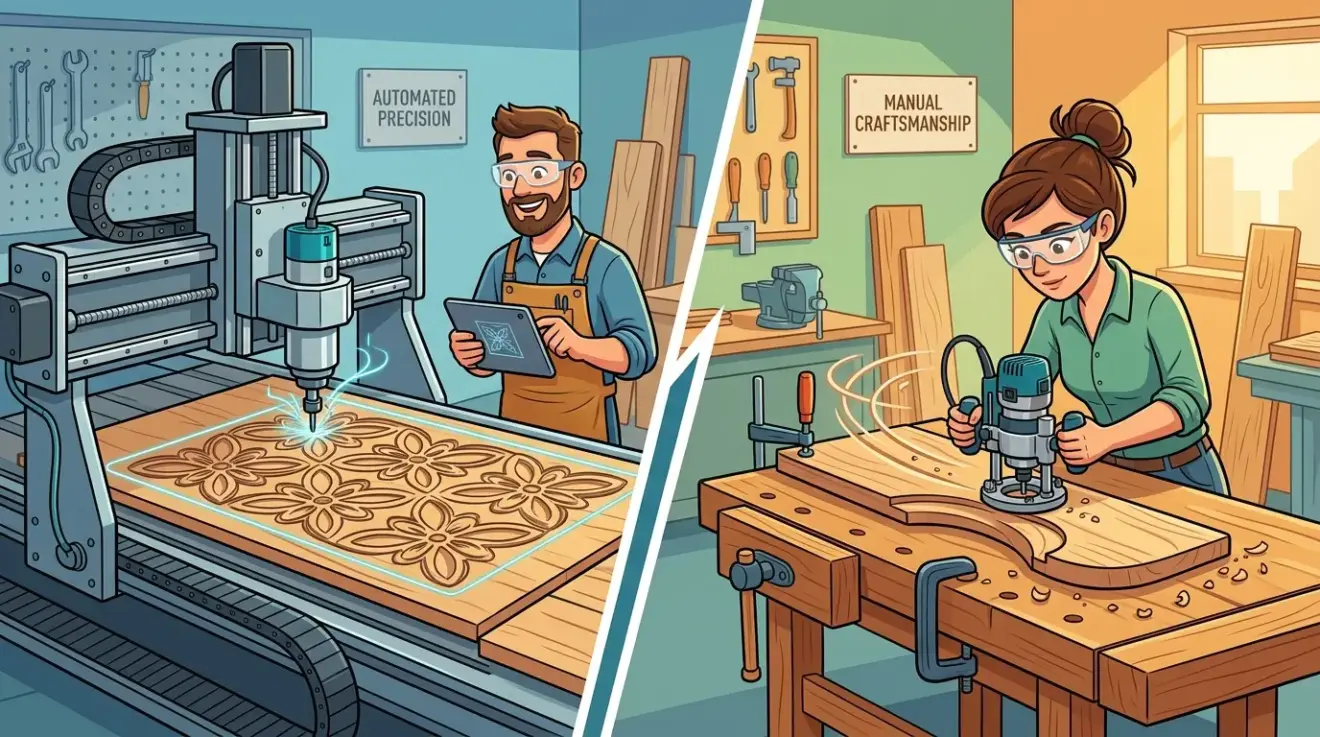
CNC Wood Router vs Handheld Router: Which Tool Fits Which Job?
Sunday, 19 April 2026
Woodworking teams often treat the CNC router versus handheld router question as a price-tier comparison, but the real fault line runs through workflow logic. A handheld router wins where portability, live operator judgment, and on-site adaptation carry the value, while a CNC wood router earns its place when repeated geometry—pockets, cutouts, shaped panels, and nested
- Published in Blog
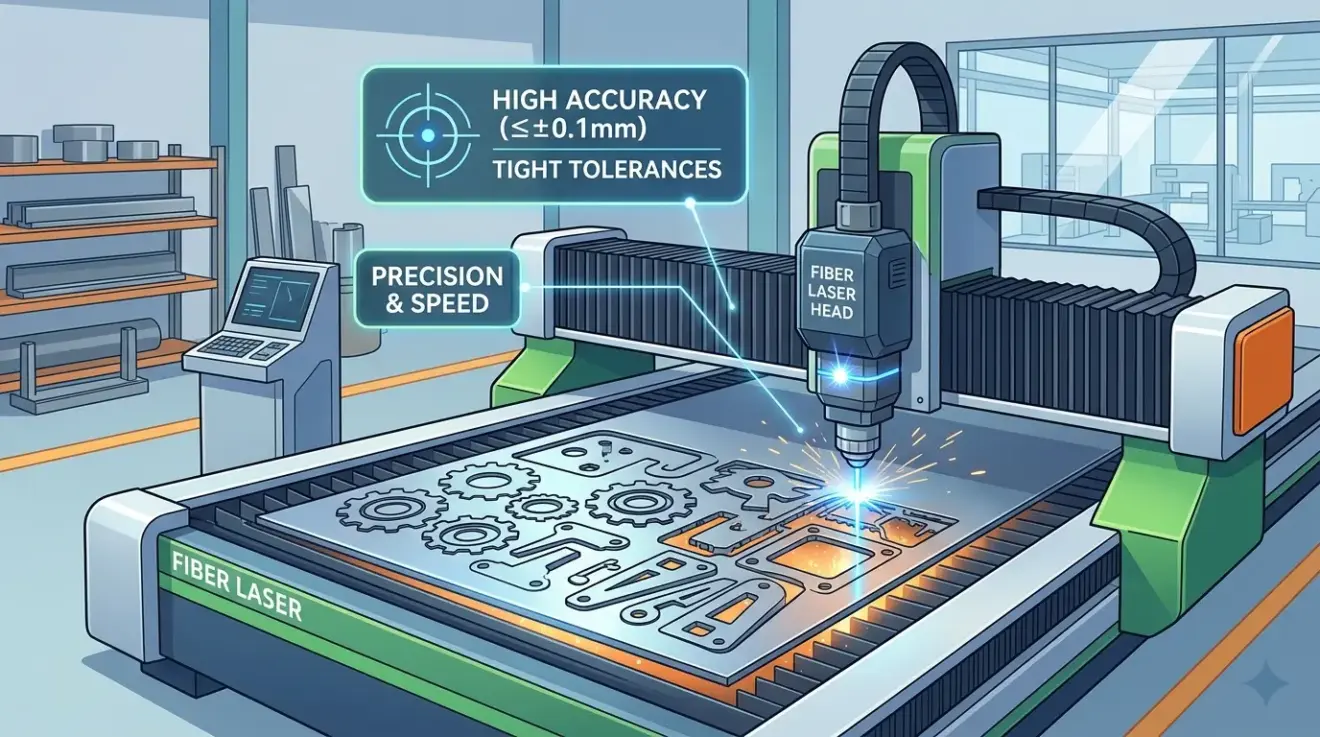
How Fiber Laser Cutting Improves Accuracy in Metal Fabrication
Sunday, 19 April 2026
In metal fabrication, accuracy is not a drawing-room ideal. It is a shop-floor variable that decides whether holes line up at assembly, whether bends hold their angle, whether weld fit-up takes minutes or hours, and whether operators spend the shift correcting parts that should have been right the first time. That is why fiber laser
- Published in Blog

Sliding Table Saw Accuracy: Common Mistakes and Practical Fixes
Sunday, 19 April 2026
Sliding table saw accuracy failures rarely announce themselves as dramatic machine breakdowns. They surface as a 1 mm oversize panel, a drawer box that binds during fitting, or a miter joint that opens at the outside cornerâsymptoms that only become visible after parts have moved through edging, boring, and assembly. This article addresses the real
- Published in Blog
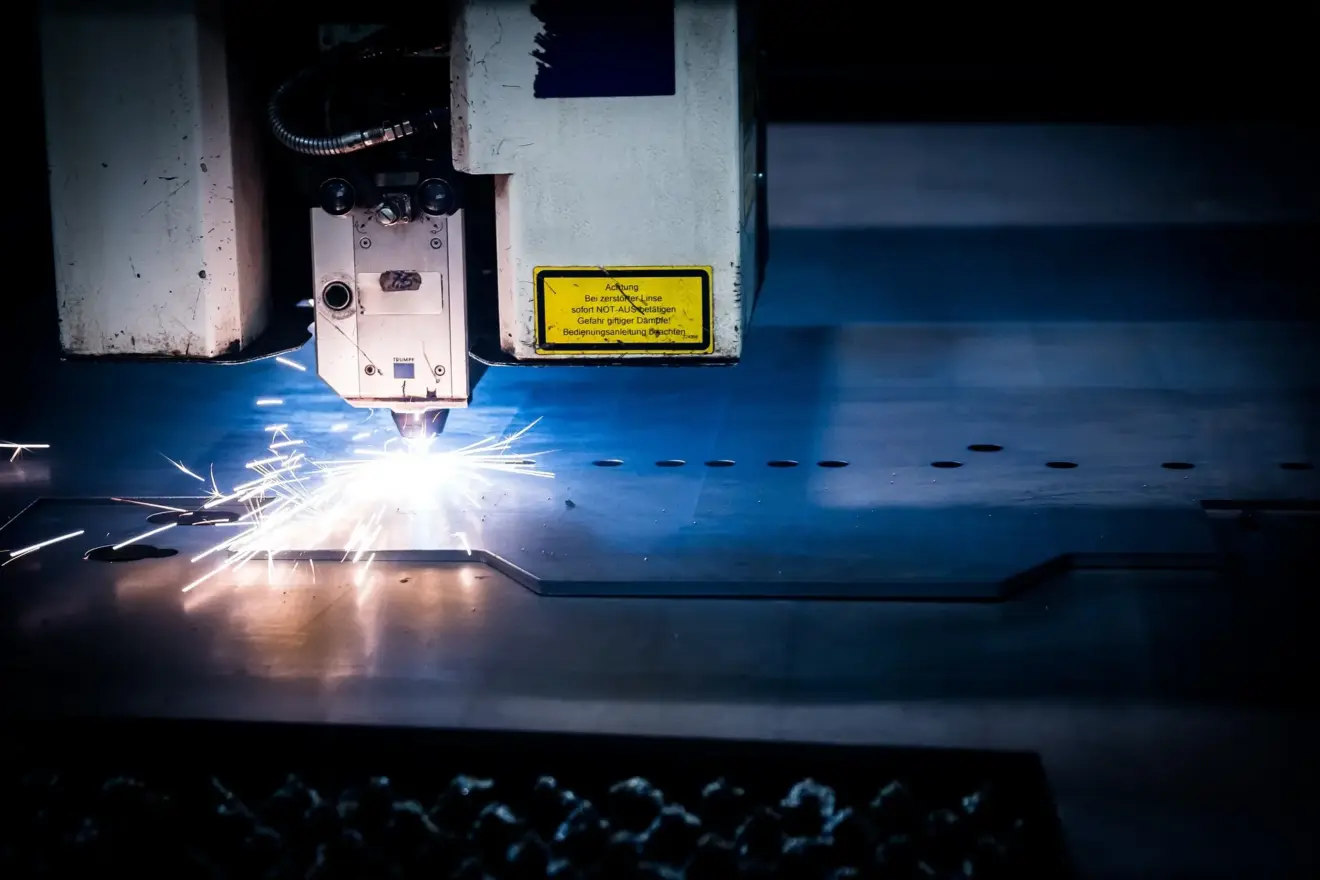
Laser Cutting Machines: A Practical Buyer’s Guide
Sunday, 19 April 2026
The production question comes before comparing power ratings or table sizes, the buying decision hinges on a prior question: what materials and processes actually drive your revenue? This guide forces that distinction early, separating CO2 systems built for acrylic, wood, and MDF from metal-focused platforms with divergent construction and operating economics. It then pushes you
- Published in Blog
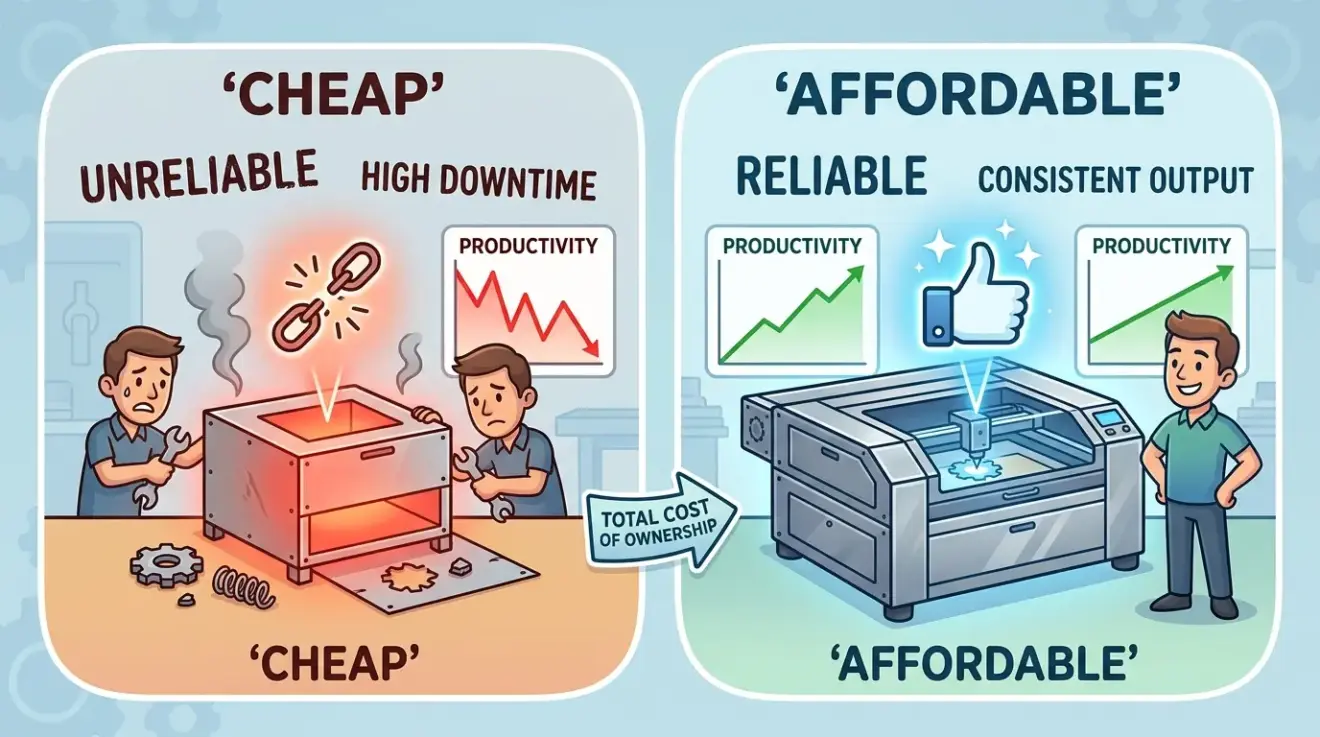
Cheap Laser Cutter vs Affordable Laser Cutter: Which Trade-Offs Actually Matter in Production
Sunday, 19 April 2026
Budget pressure on the shop floor often collapses two distinct purchasing categories into one: the cheapest quote and the most affordable machine. This article separates those labels by tracing where the real costs land after installation—scrap from drifting repeatability, secondary finishing on customer-visible edges, cleanup from weak extraction, and changeover time in mixed non-metal production.
- Published in Blog
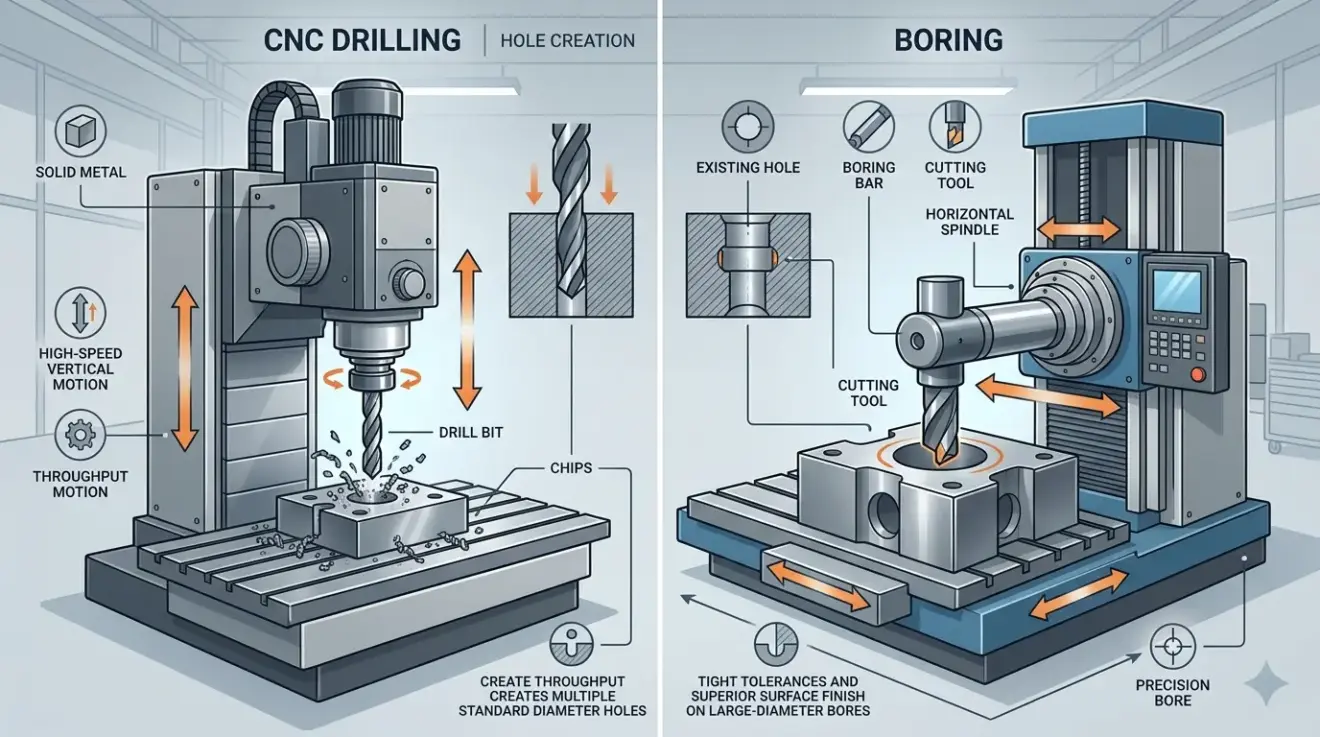
CNC Drilling Machine vs. Boring Machine: What Is the Real Difference?
Sunday, 19 April 2026
When hole processing starts slowing cabinet assembly, the drilling cell stops being a minor support station and becomes a production constraint. Misaligned connector holes, inconsistent shelf-pin rows, and repeated setup changes create rework that surfaces much later, usually at the worst possible moment on the assembly bench. That is why the difference between a CNC
- Published in Blog
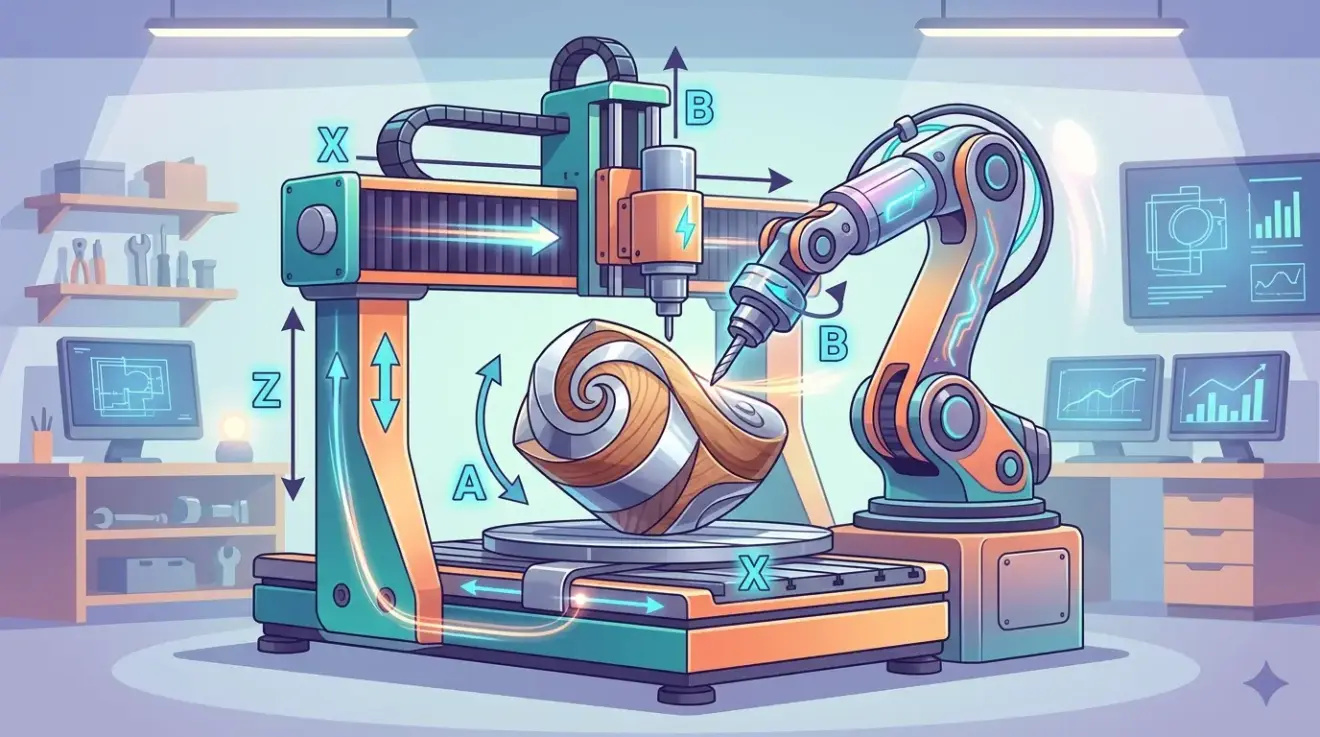
What Does 5-Axis CNC Mean?
Sunday, 19 April 2026
Five-axis CNC is often marketed as a sophistication badge. The useful question is whether its motion reduces re-clamping, shortens tool reach, and protects feature relationships on recurring parts. If it only adds programming, fixturing, and inspection work to jobs a simpler machine already handles, the added axes may not pay back. This article cuts through
- Published in Blog
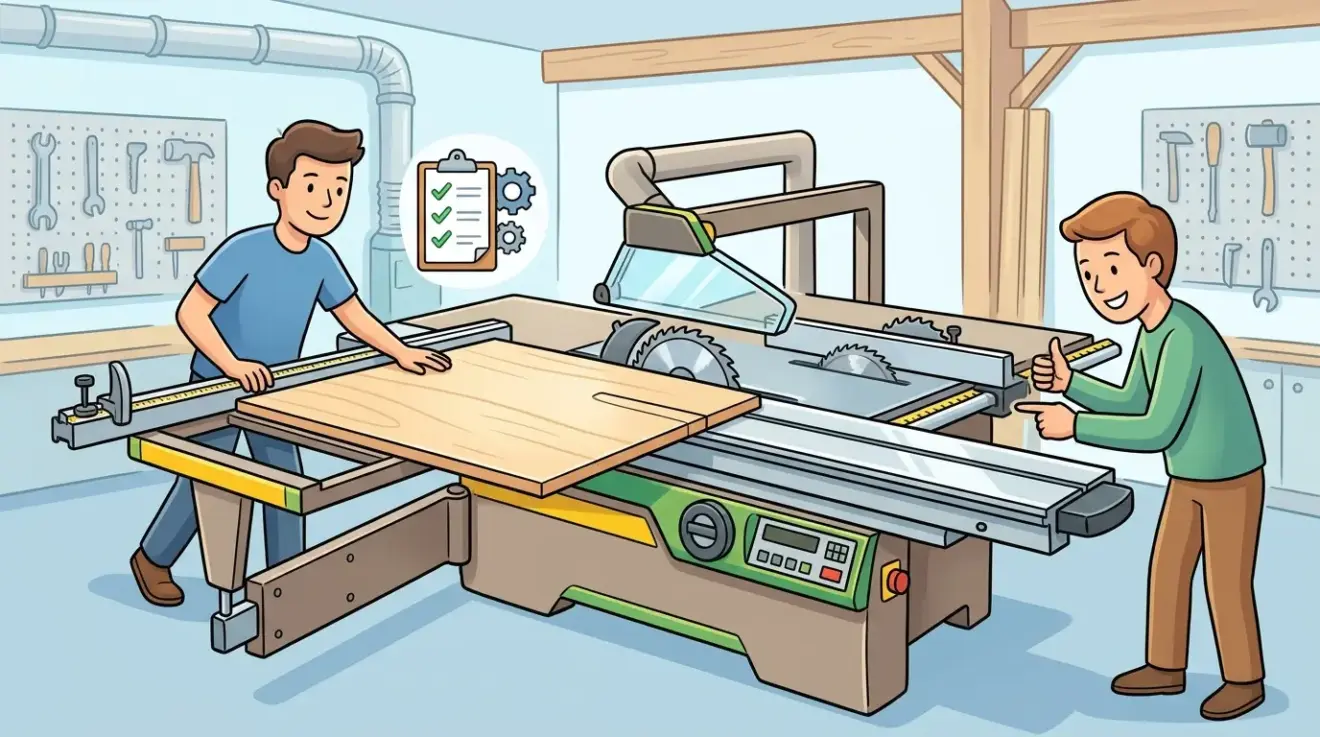
Panel Saw for Sale: What to Check Before You Buy
Sunday, 19 April 2026
Buying a panel saw by comparing listings first is a fast route to a machine that fails on the floor. The real decision starts with diagnosing whether your bottleneck is actually panel sizing or something downstream like edgebanding, drilling, or assembly. A saw that cuts quickly but feeds parts into a congested sorting area or
- Published in Blog

PCB CNC Machines Explained: When CNC Is a Practical Choice for Board Prototyping
Sunday, 19 April 2026
Prototype teams routinely face a false binary: wait days for an outside fabricator on every revision, or assume any in-house routing machine can replace production board fabrication. This article cuts through that confusion by defining exactly when a PCB CNC workflow earns its keep—rapid concept validation, connector and enclosure fit checks, and short-cycle design learning—and
- Published in Blog

Fiber Laser Engraving Machine for Precision Metal Work: What Actually Drives Accuracy?
Sunday, 19 April 2026
Precision failures in fiber laser engraving rarely trace back to the laser source itself; they originate in part presentation, surface condition, focus stability, and verification methods—variables entirely within the buyer’s control. A flawless demo on a polished stainless coupon tells you nothing about daily performance when machined brackets arrive with height variation, residual coolant, or
- Published in Blog
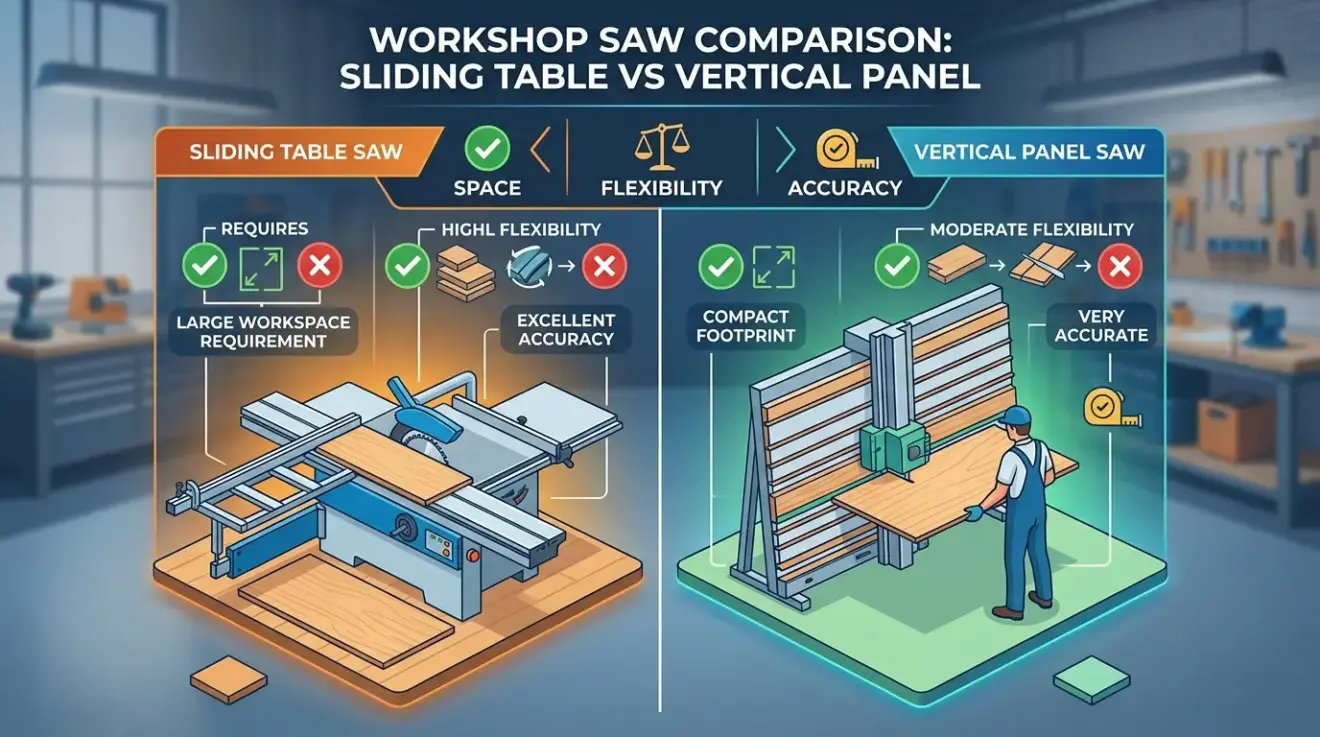
Sliding Table Saw vs Vertical Panel Saw: Space, Flexibility, and Cut Accuracy Compared
Sunday, 19 April 2026
When a shop starts comparing a sliding table saw against a vertical panel saw, the conversation usually stalls on the wrong question. It is rarely about which machine can physically cut a board—both can do that. The real decision hinges on what the cutting area has to absorb on a daily basis: tight floor space,
- Published in Blog
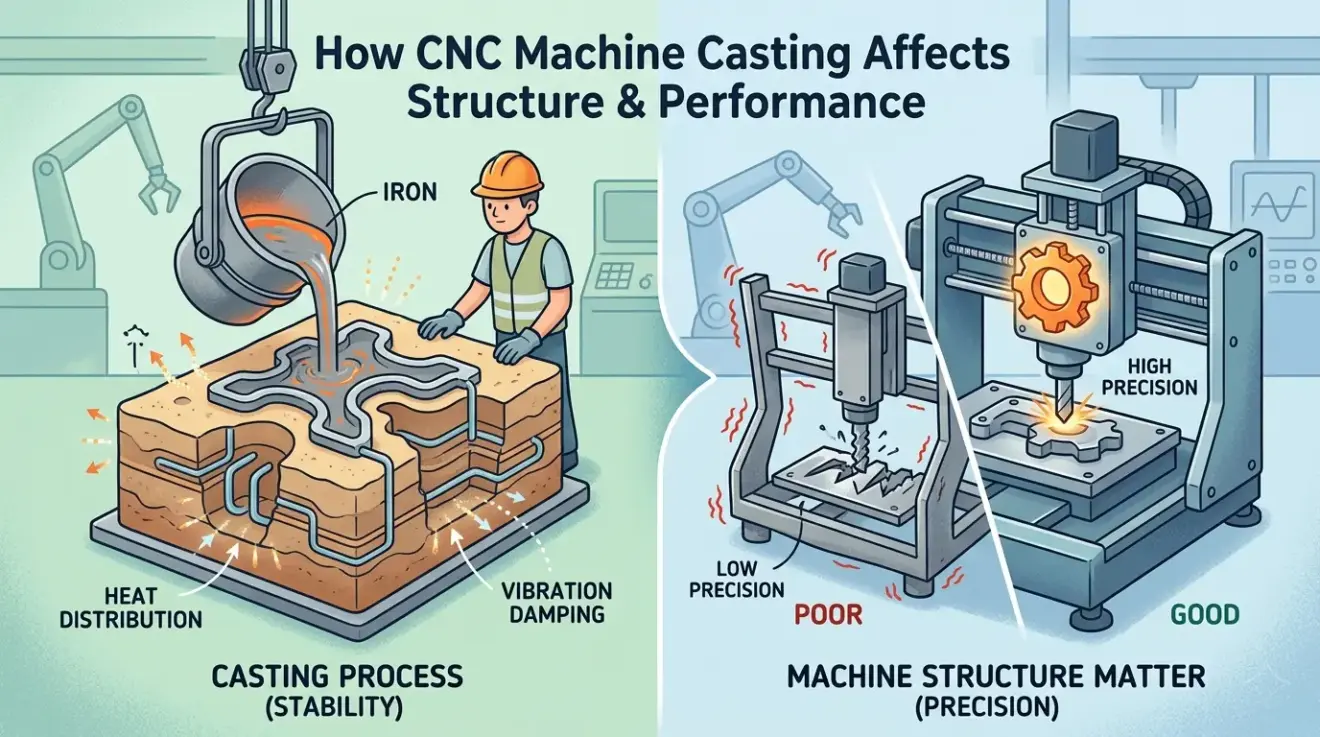
What Is a CNC Machine Casting and Why Does Machine Structure Matter?
Sunday, 19 April 2026
Most CNC buyers compare spindle power, controller brand, and rapid speeds, yet the machine only cuts as truthfully as its structure allows. The casting, bed, column, and saddle form the force loop that carries every cutting load back through the machine; if that loop deflects, chatters, or drifts thermally, the control cannot command its way
- Published in Blog

What Does Turned Components Manufacturers Mean in CNC Supply Searches?
Sunday, 19 April 2026
Procurement teams searching for turned components manufacturers often mistake a broad supplier label for proof of capability, then waste weeks sorting through quotes from shops that cannot actually run the part family. This article cuts through that noise by separating turning-led work from parts that only contain a rotational feature, and it forces buyers to
- Published in Blog
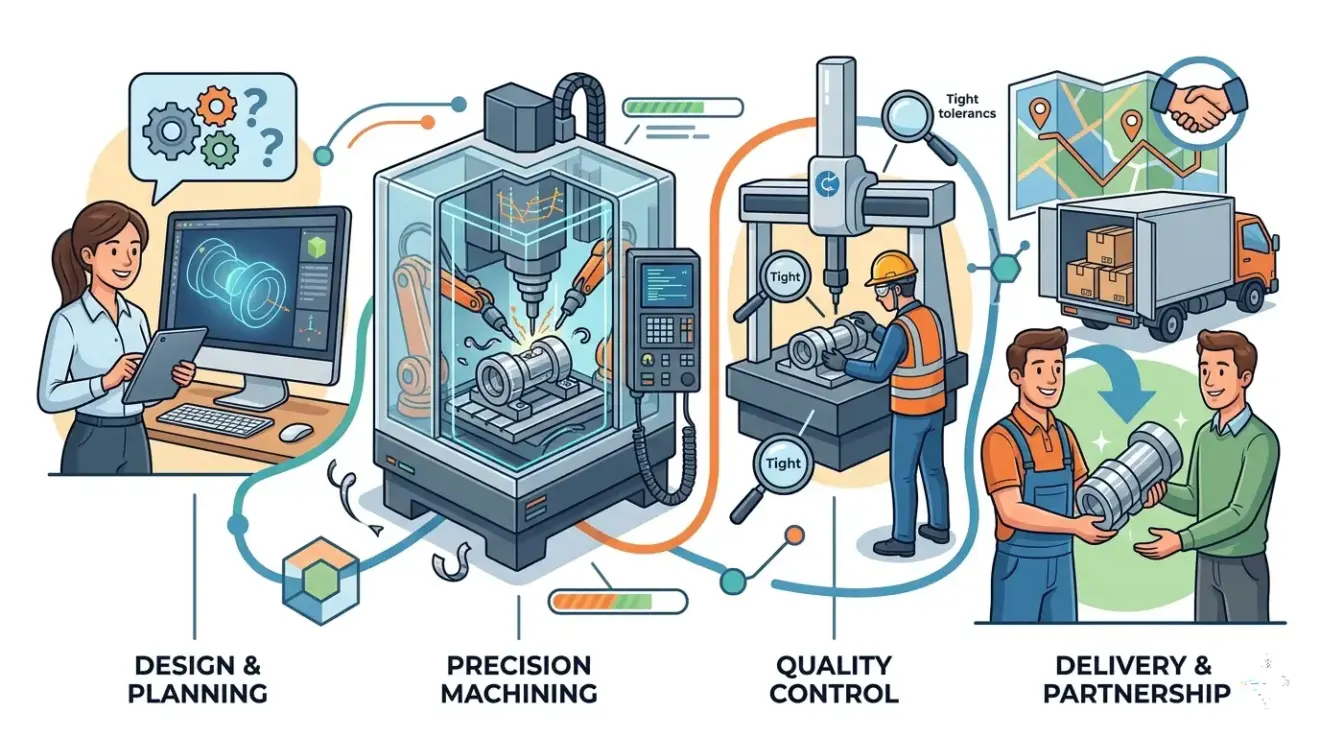
CNC Machining Services Explained: What Buyers Should Expect From a Supplier
Sunday, 19 April 2026
Buying CNC machining services is not a transaction for spindle time; it is a purchase of managed production discipline. This article walks buyers through the entire order lifecycle, from pre-RFQ clarification to repeat releases, exposing where hidden assumptions, vague scope, and opaque outside processing quietly transfer risk downstream. The decision matters because comparing quotes without
- Published in Blog
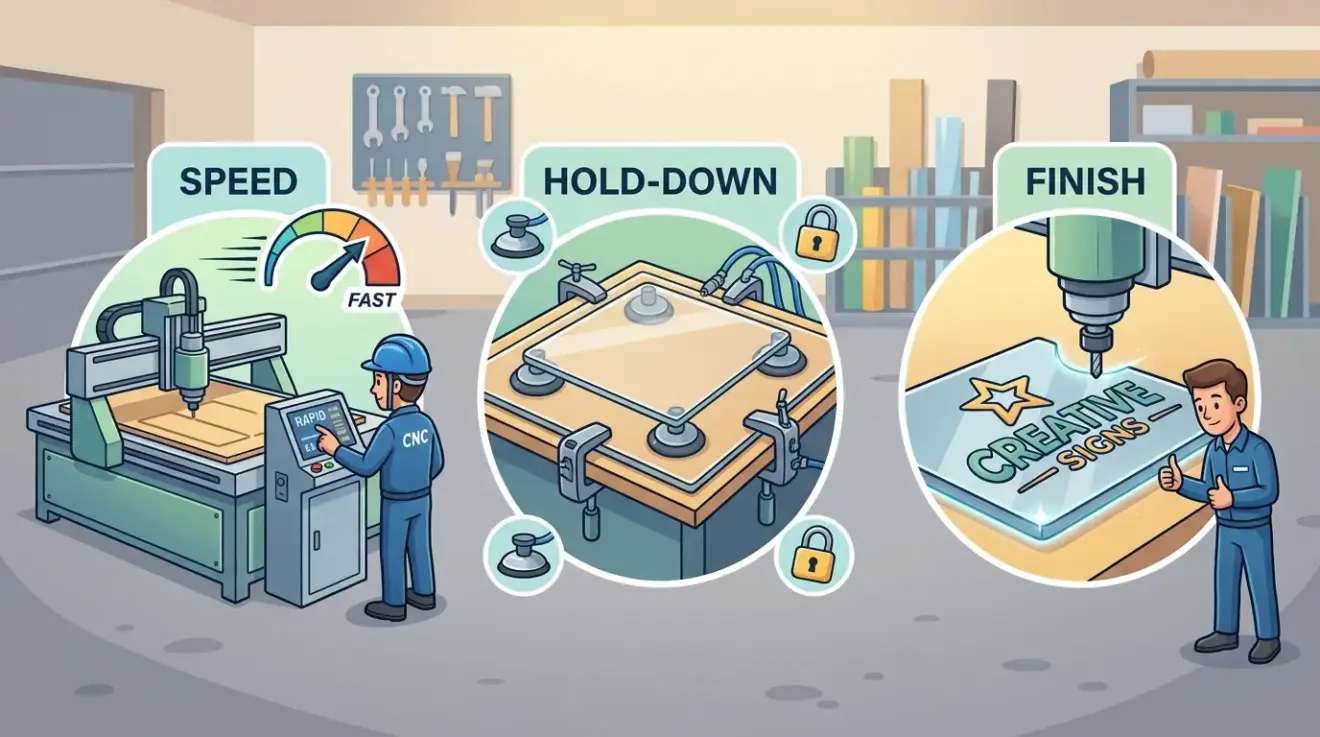
CNC Router for Signs and Panels: What to Look for in Speed, Hold-Down, and Finish
Sunday, 19 April 2026
Sign and panel shops routinely compare routers by brochure feed rates, yet real output is decided by a different triangle: throughput, hold-down, and finish quality. When one side fails, operators slow programs around small letters, hand-polish acrylic edges, or re-cut rejected painted panels—all labor that quietly erodes margin. Before comparing models, buyers must judge a
- Published in Blog
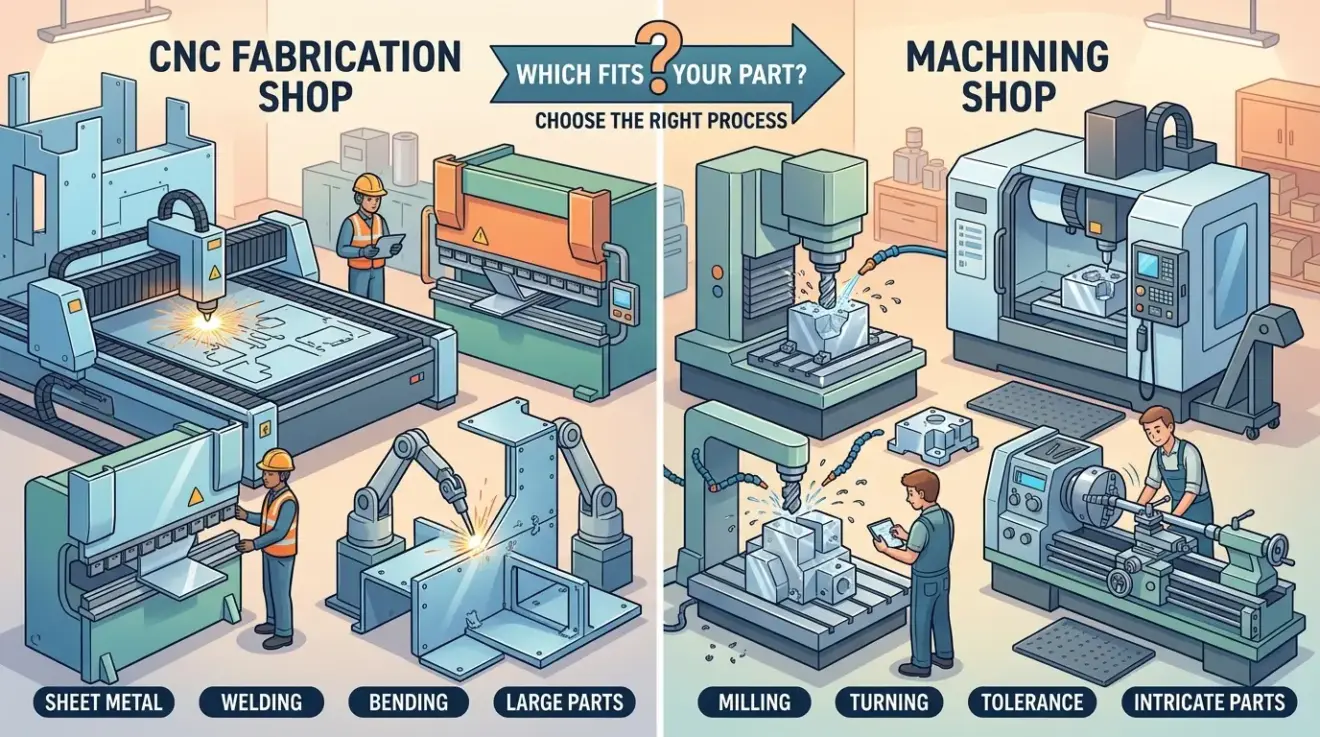
CNC Fabrication Shop vs Machining Shop: Which Supplier Fits Your Part?
Sunday, 19 April 2026
Selecting between a CNC fabrication shop and a machining shop often stalls on machine inventories and advertised tolerances, yet those lists rarely reveal which supplier will actually control your part’s cost. The decisive factor is process culture: whether value accrues through build sequence, weld fit-up, and assembly practicality, or through datum chains, feature relationships, and
- Published in Blog
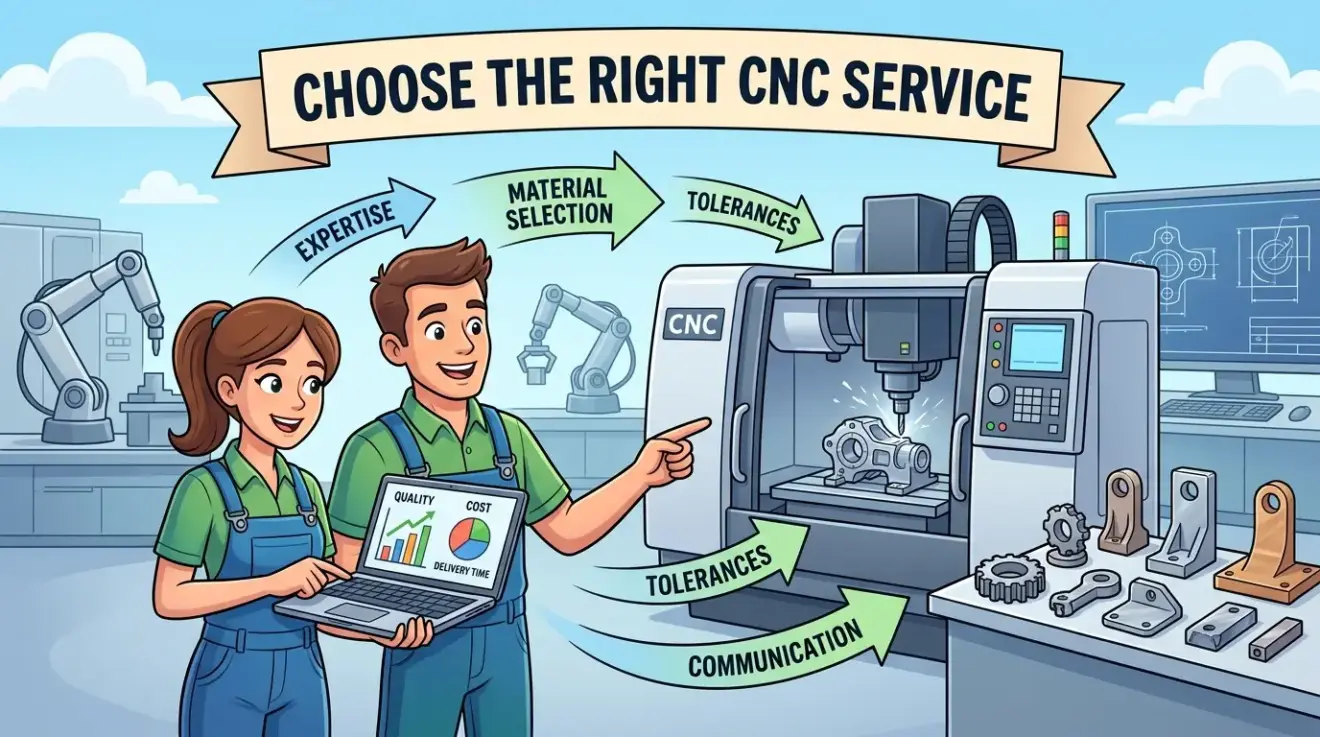
How to Choose a CNC Machining Service for Custom Parts
Saturday, 18 April 2026
Custom CNC sourcing fails long before any tool touches stock when buyers treat the quote as a commodity purchase instead of a process-matching decision. Your part definition, RFQ discipline, and supplier screening determine whether first-article risk, drawing interpretation, and fixture design become manageable costs or hidden liabilities. This article walks through the practical evaluation sequence:
- Published in Blog
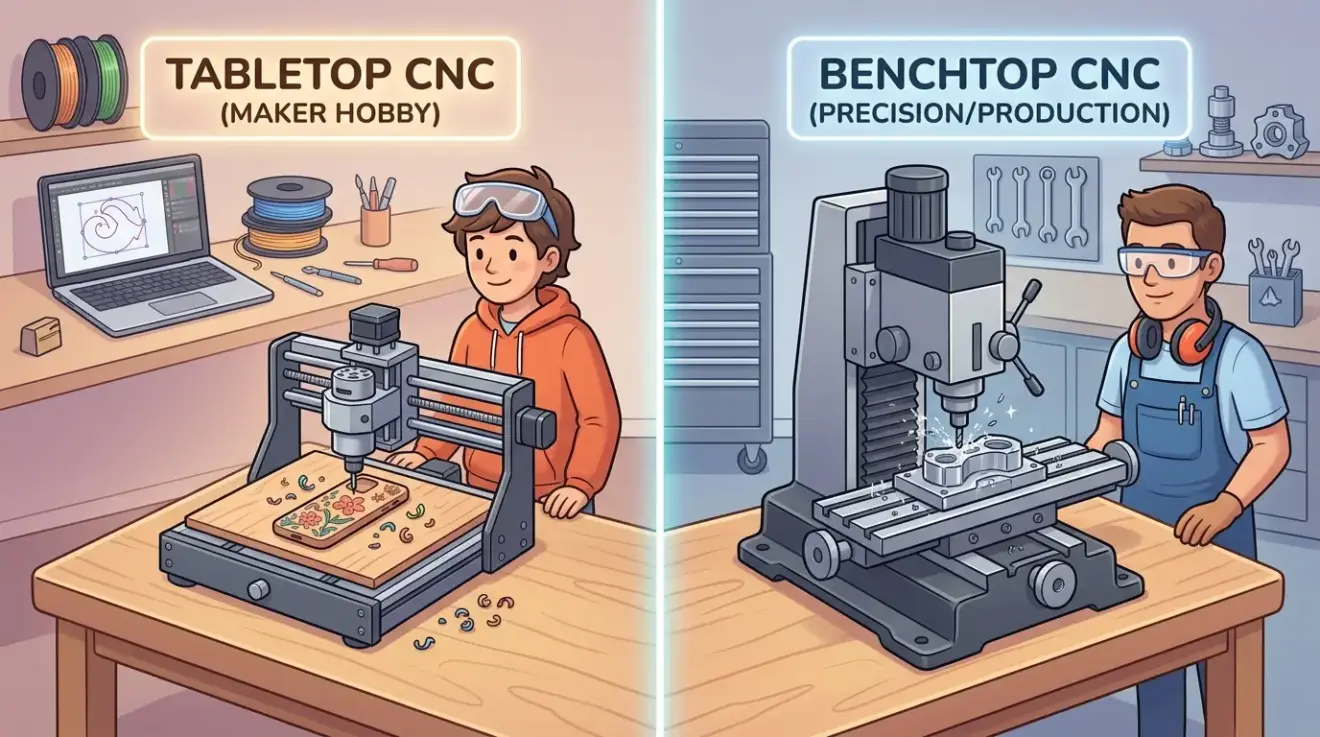
Tabletop CNC vs Benchtop CNC: Which Small Format Makes Sense?
Saturday, 18 April 2026
Small-format CNC buyers often settle the tabletop-versus-benchtop question by comparing spindle specs or travel, then discover the real failure after delivery: the machine fights the room, the support surface, or the daily setup routine. This article reframes the decision around environment first, then workload, workholding, and operator access, because a compact machine that fits the
- Published in Blog

Small Laser Engraver Buying Guide for Makers and Small Businesses
Saturday, 18 April 2026
Small laser engravers fail on the shop floor not because of headline specs but because of mismatched workflow assumptions. A machine that impresses during a demo can collapse under daily commercial reality: slow job changes, drifting alignment across a batch, smoke residue degrading optics, and a bed that forces manual repositioning on your most common
- Published in Blog
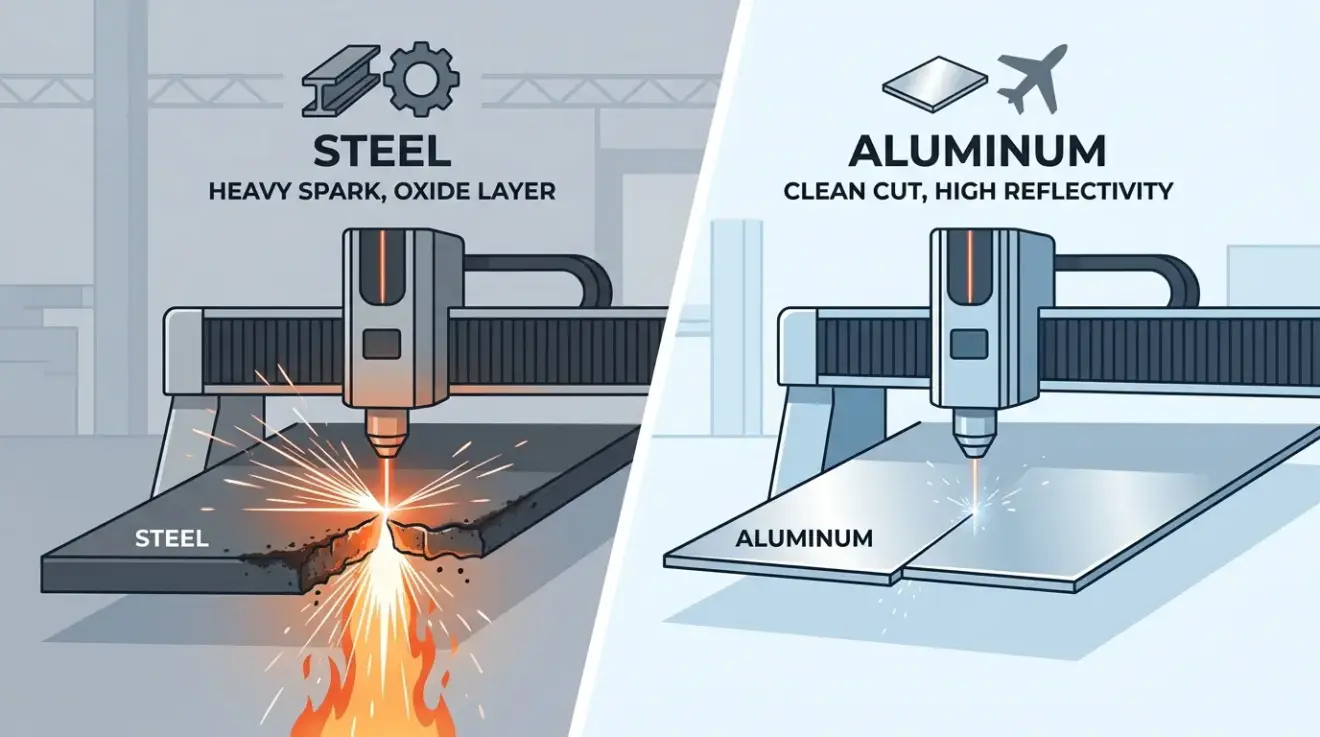
Steel Laser Cutter vs Aluminum Laser Cutter: Material-Specific Selection Factors
Saturday, 18 April 2026
Fabricators comparing a steel laser cutter against an aluminum model often anchor on the wrong variable: headline power or brand reputation, rather than how each platform holds stable process conditions across the actual order mix. Aluminum’s reflectivity and rapid heat dissipation demand tighter control over piercing, focus position, nozzle condition, and gas delivery than steel
- Published in Blog
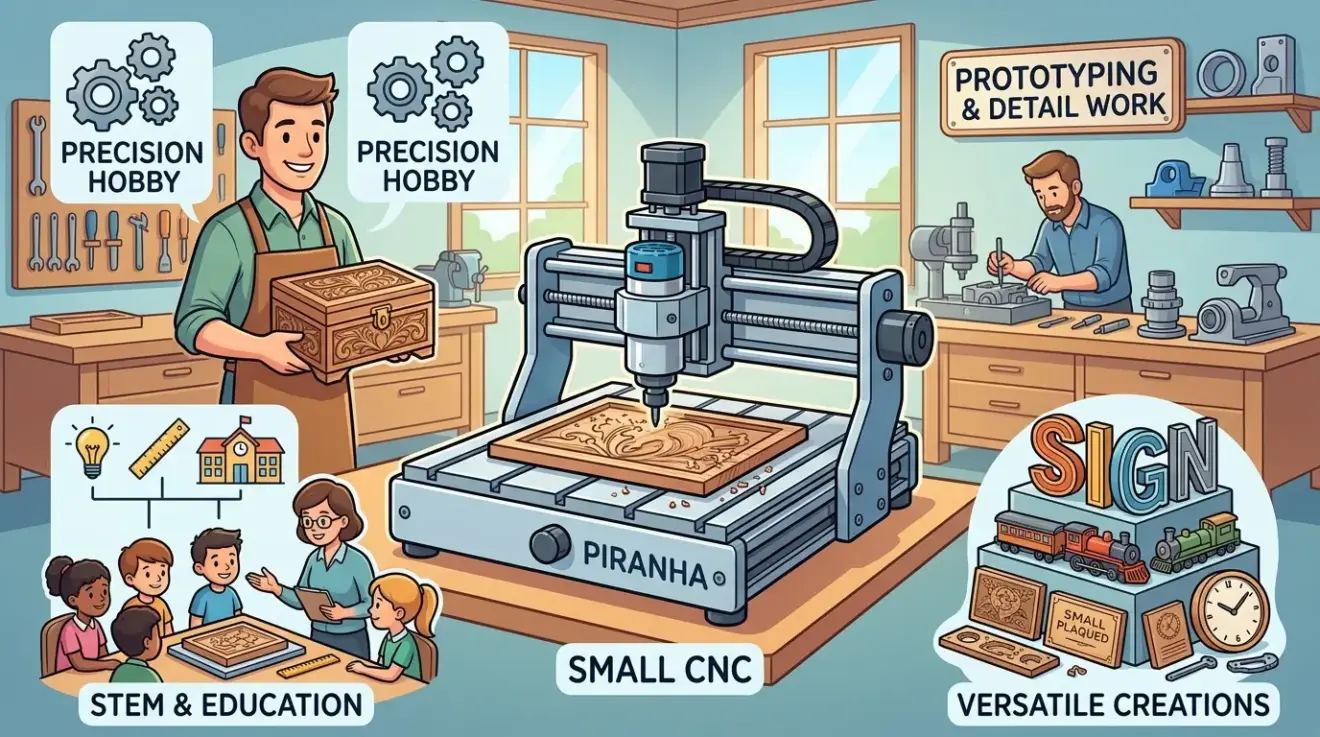
Piranha CNC, Piranha FX, and Similar Small CNC Machines: What They Are Best For
Saturday, 18 April 2026
Compact CNC routers in the Piranha and Piranha FX class solve a real accessibility problem: they let a shop move from digital design to physical part without a dedicated room, three-phase power, or a five-figure budget. But that accessibility creates a predictable buying error. Shops treat a compact machine as a scaled-down industrial router, then
- Published in Blog
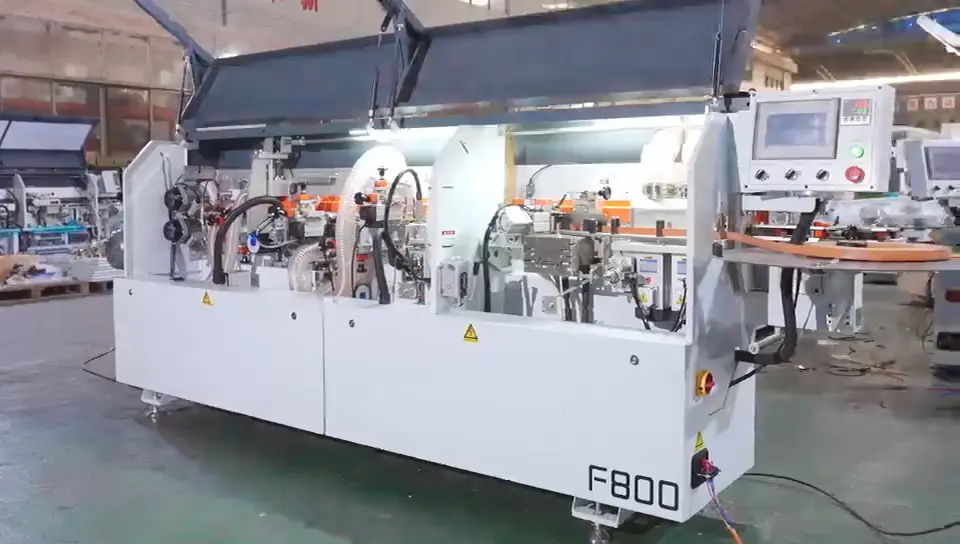
How to Choose Edge Banding Equipment for Scalable Woodworking Lines
Saturday, 18 April 2026
When panel volume climbs, edge banding stops being a finishing detail and becomes a line-balance constraint that dictates whether downstream drilling, fitting, and assembly run steady or stall. The real selection problem is not picking the fastest feed rate; it is matching equipment to your actual product mix, incoming panel condition, and tolerance for manual
- Published in Blog

BlueCarve CNC, Cosmos CNC, and Other Small CNC Router Brands: What to Expect Before You Buy
Saturday, 18 April 2026
Before you commit to a BlueCarve, Cosmos, or other low-visibility CNC router, recognize that the discounted price tag transfers a specific burden onto your shop: the work of validating machine scope, sourcing wear parts, and building a support path that established brands typically provide. This article walks you through a risk-based screening process, not a
- Published in Blog
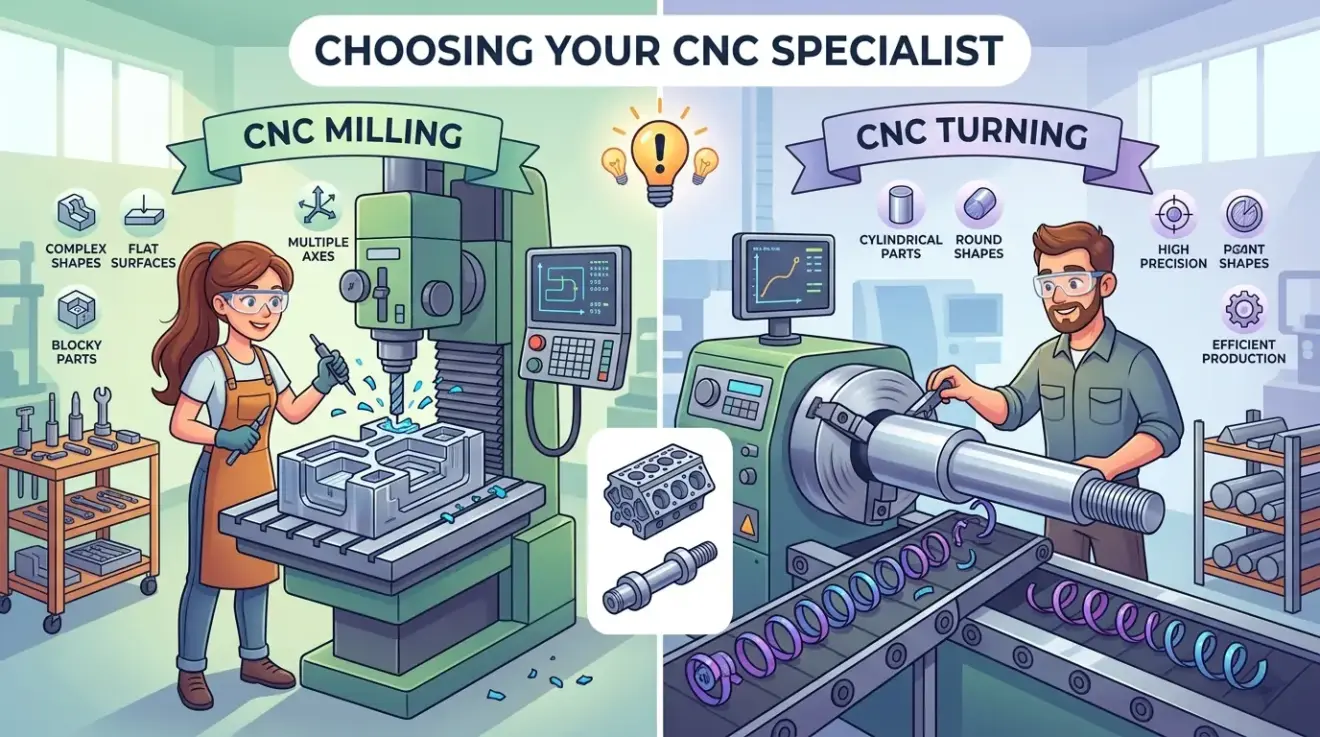
CNC Milling Service vs CNC Turning Service: Which Specialist Do You Need?
Saturday, 18 April 2026
Most CNC sourcing problems begin with an RFQ that asks for “machining” when the part actually demands a specific process family. Milling and turning are not interchangeable routes to the same result; each owns geometry differently, carrying distinct cost, risk, and repeatability characteristics. Before you send a single quote request, you need to determine which
- Published in Blog
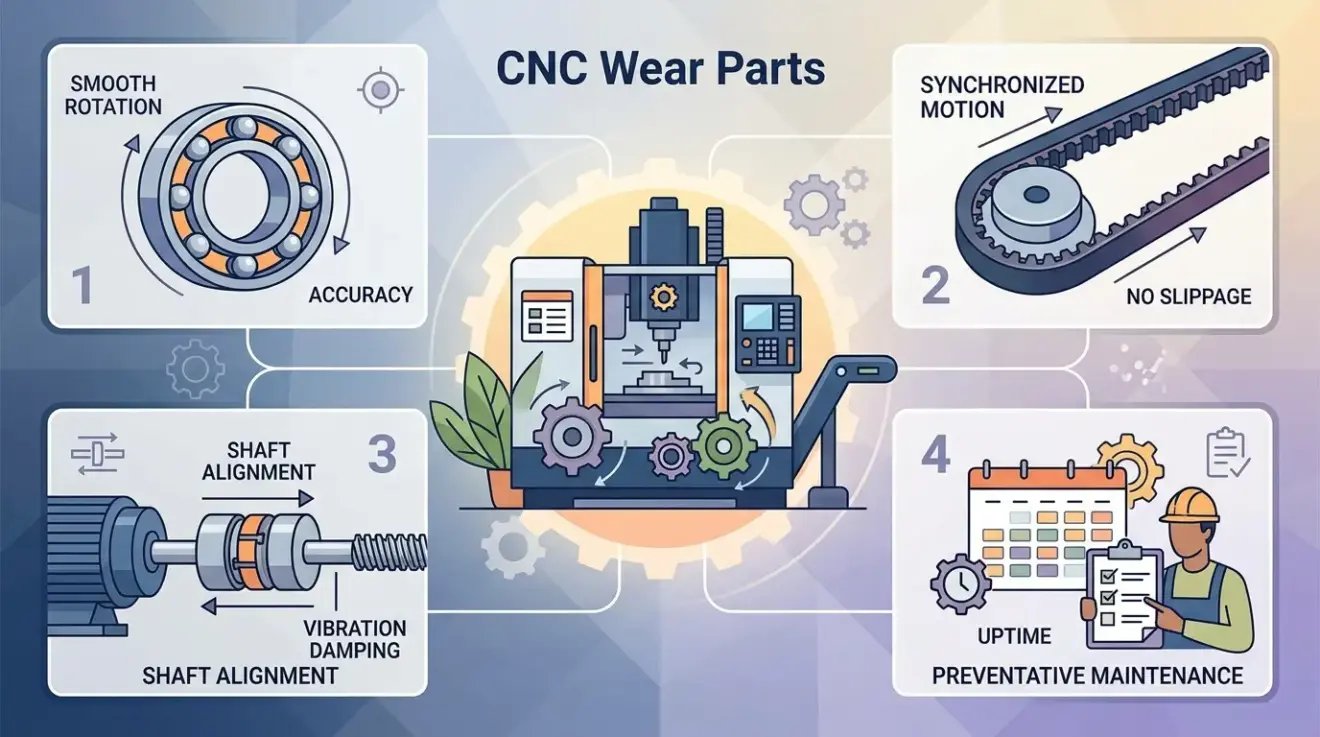
CNC Bearings, Belts, and Couplers: Which Wear Parts Matter Most
Saturday, 18 April 2026
Bearings, belts, and couplers rarely fail loudly, yet they are the components most likely to turn a repeatable CNC into a source of operator doubt before any alarm sounds. The production problem this article confronts is not catastrophic breakdown but quiet erosion: a bearing that runs warmer, a belt that lets long traverses drift, a
- Published in Blog
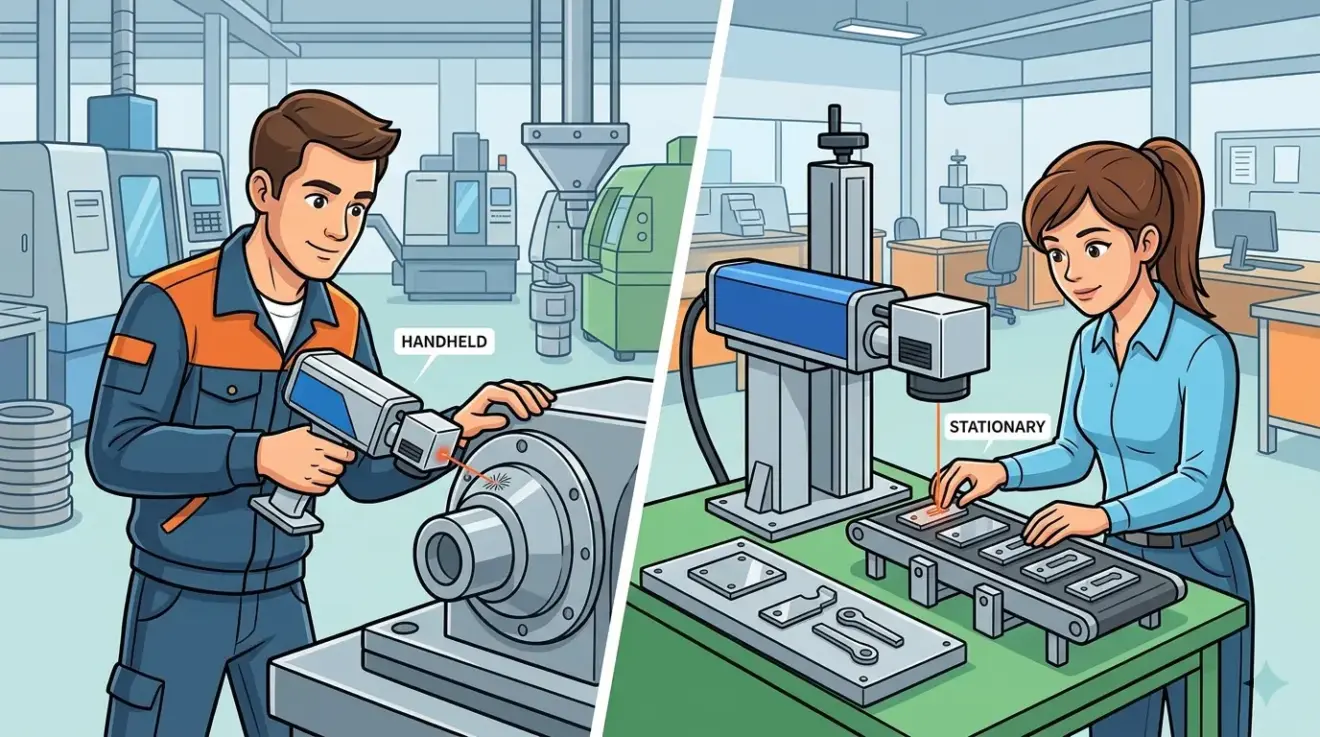
Handheld Laser Marking Machine vs Fixed Fiber Laser Marking Machine: Which Setup Fits Your Production Workflow?
Saturday, 18 April 2026
When marking becomes a bottleneck, the real decision is not portability versus technology but process flexibility versus process stability. A handheld laser marking machine earns its place when large, installed, or awkward workpieces make moving the part more expensive than moving the marking head. A fixed fiber laser marking machine wins when repeatable placement, scannable
- Published in Blog
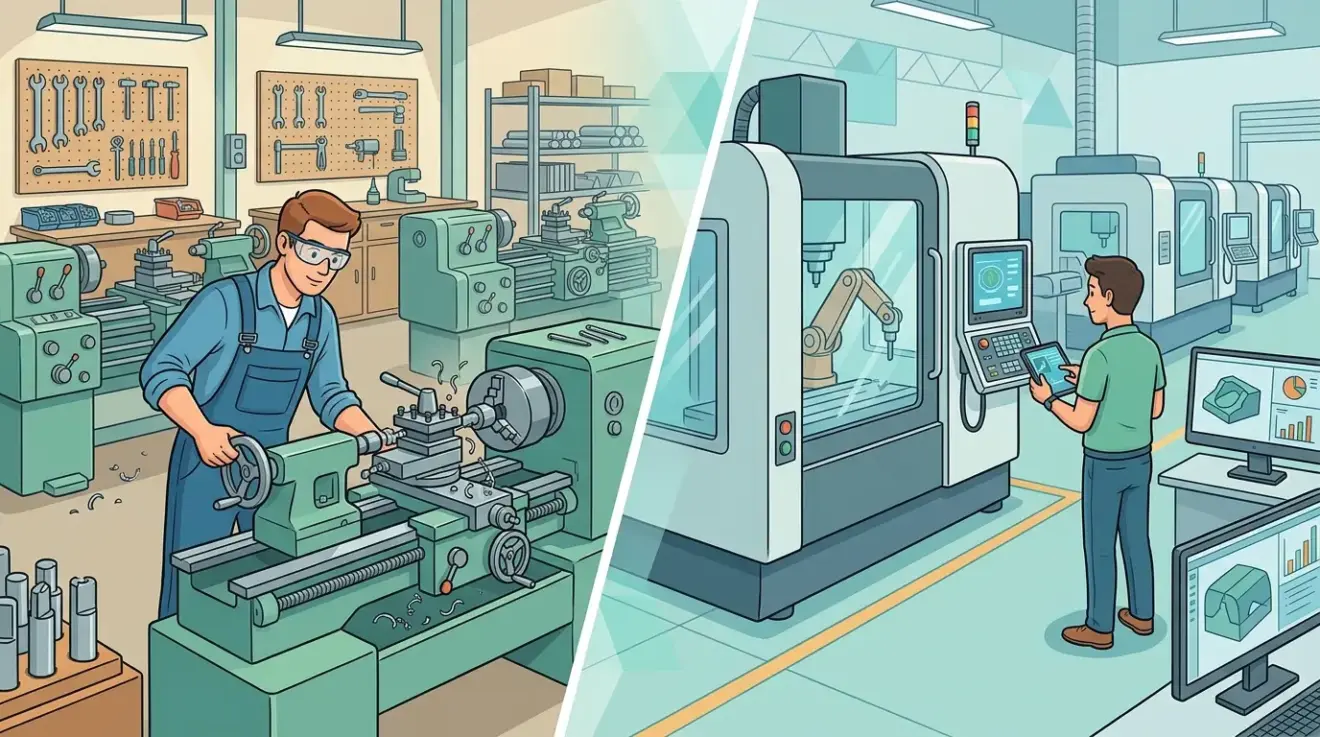
CNC Manufacturing vs Traditional Machining: What Changes in Production?
Saturday, 18 April 2026
Most factories begin comparing CNC manufacturing with traditional machining expecting a faster cut, but the real shift is structural: control moves from live operator judgment at the machine to prepared, repeatable logic upstream in programming, fixturing, and release discipline. This article examines where the bottleneck actually lands, why skilled labor redistributes before headcount falls, and
- Published in Blog
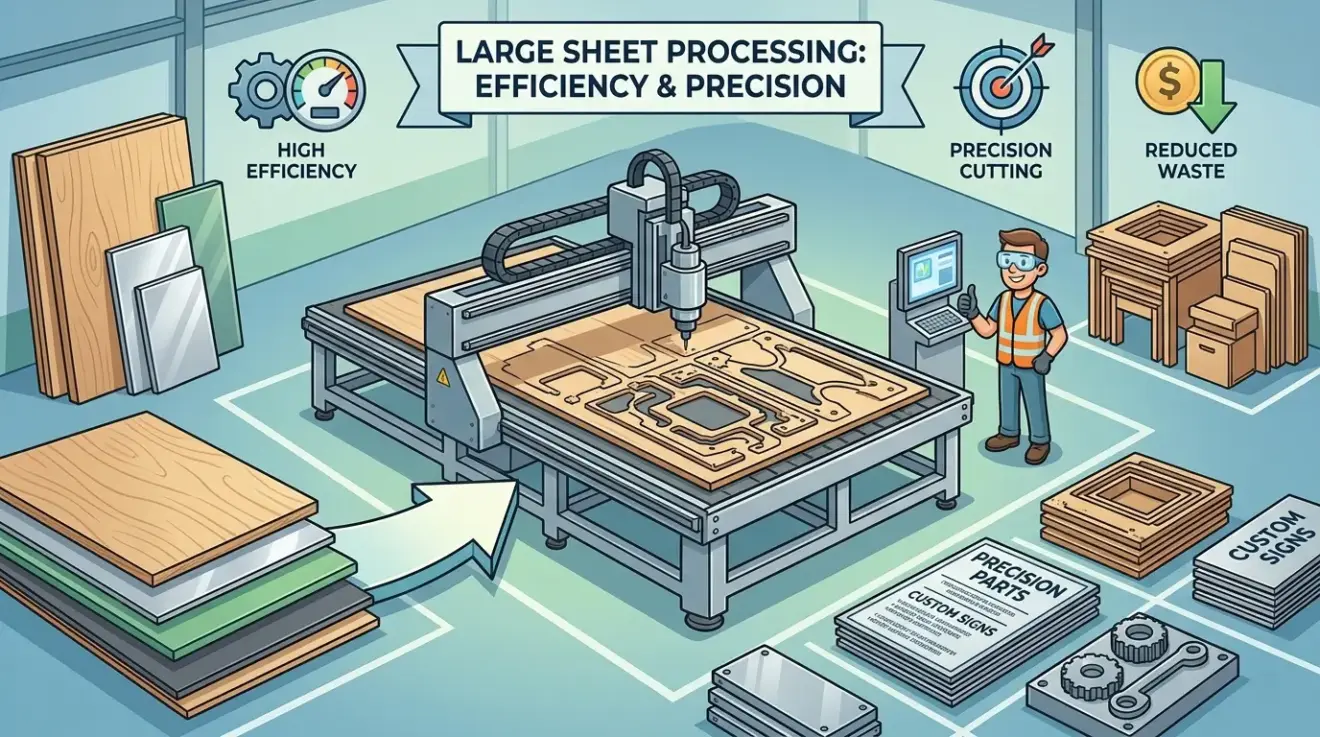
5×10 CNC Router Buying Guide for Large Sheet Processing
Saturday, 18 April 2026
When operators routinely pre-cut 5×10 sheets down to fit a 4×8 bed, the real cost is not spindle time—it is the tax of extra saw passes, material transfers, and re-registration on every job. This buying guide forces a hard look at order history, handling labor, nesting discipline, and downstream capacity before committing to a larger
- Published in Blog