
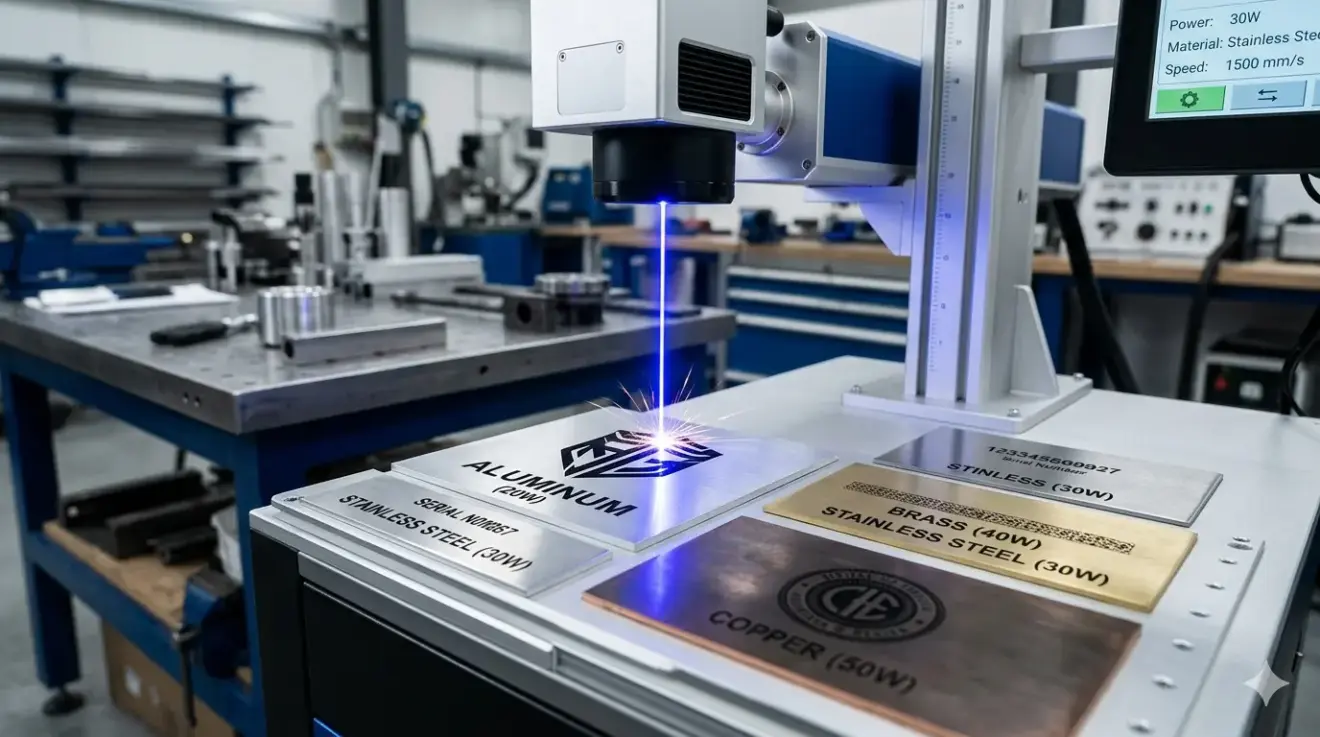
Laser Engraver for Metal: How To Match Power to Material and Marking Goals
Sunday, 19 April 2026
In metal engraving, the wrong power choice rarely fails on the sample plate. It fails later, when cycle times stretch, fine codes lose clarity, thin parts pick up too much heat, or the factory pays for output the line never actually uses. That is why matching a laser engraver for metal to the material is
- Published in Laser
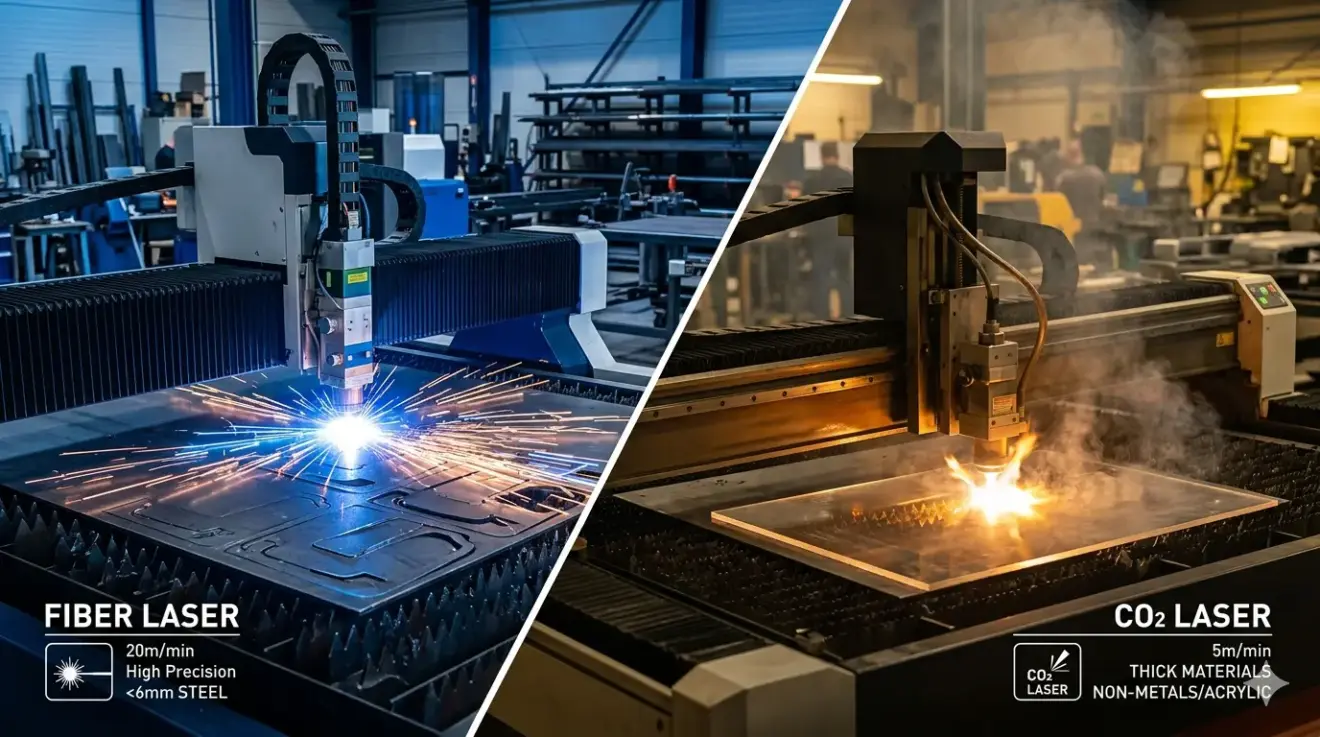
Fiber Laser Cutter vs CO2 Laser Cutter for Metal Fabrication: Which One Fits Your Workflow?
Sunday, 19 April 2026
When a fabrication shop compares a fiber laser cutter with a CO2 laser cutter, the real question is rarely just beam source. The decision usually comes from a production constraint: rising power costs, inconsistent throughput across different metals, pressure to reduce maintenance downtime, or the need to quote metal jobs more confidently. For most metal-focused
- Published in Laser
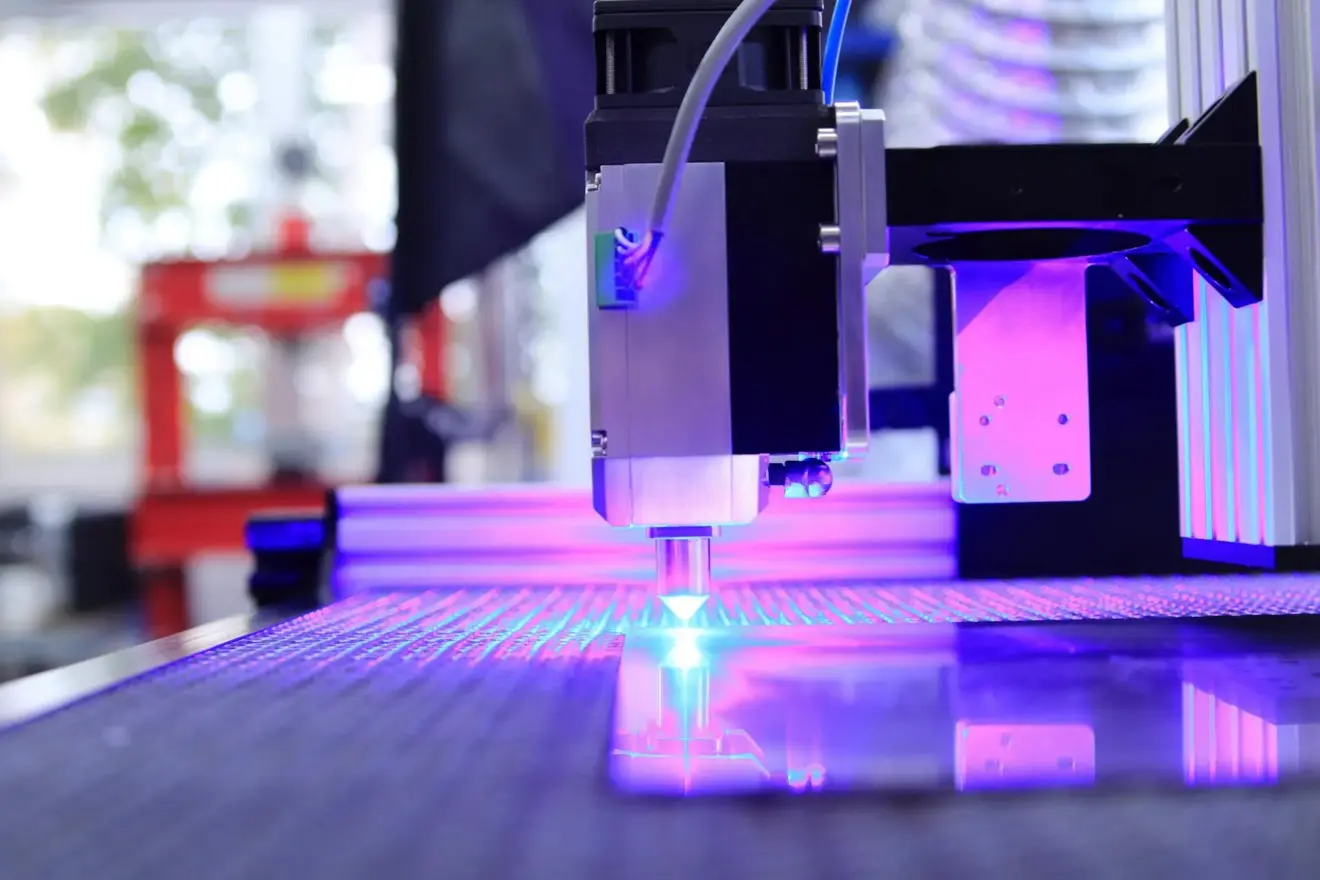
Laser Engraver for Plastic: How to Avoid Poor Marking Results
Saturday, 18 April 2026
Poor plastic marks are often blamed on settings, but the failure usually starts earlier. A part is labeled simply as “plastic,” one recipe is reused across different resins, or the shop asks for a cosmetic surface mark while running a process that behaves more like light engraving. The result is familiar: weak contrast, melted edges,
- Published in Laser
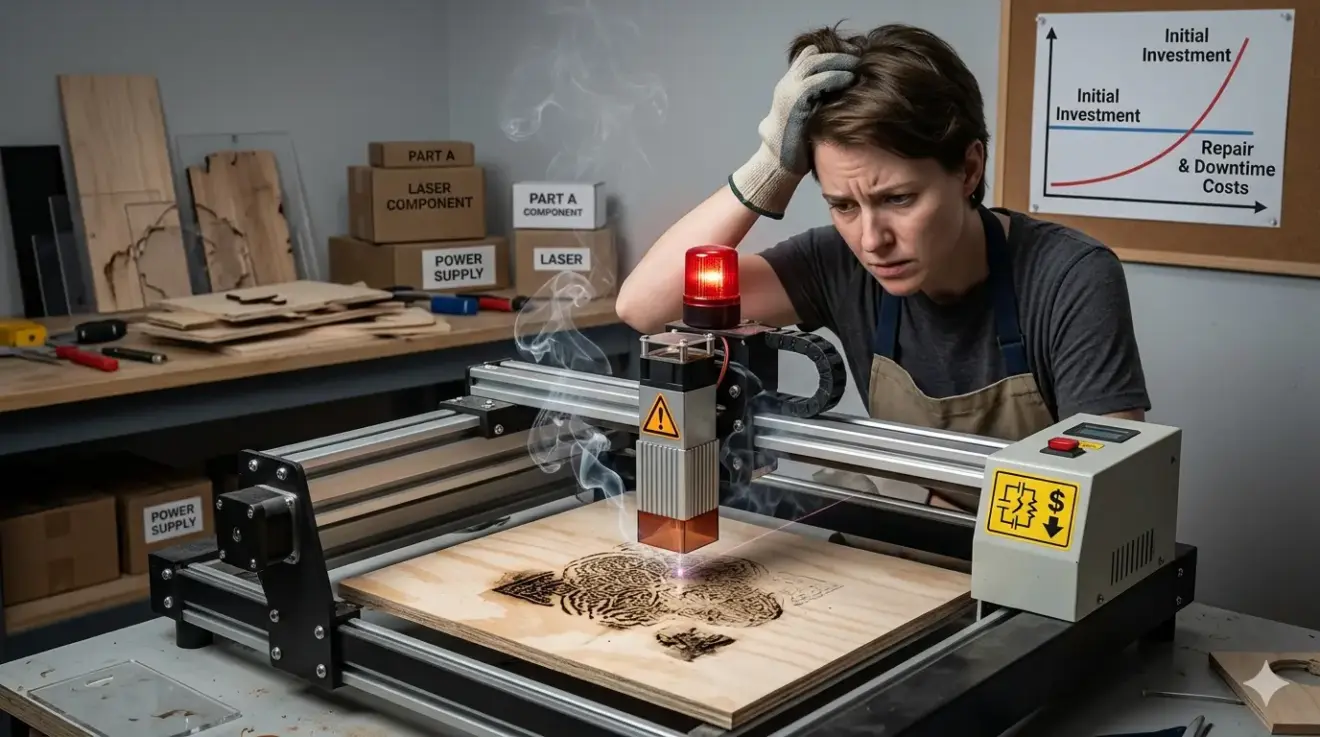
Cheap Laser Engraver? When Lower Upfront Cost Turns Into Higher Production Risk
Saturday, 18 April 2026
The lowest laser quote often looks efficient on paper. In practice, it can shift cost from the purchase order into the production floor, where the damage shows up as unstable quality, slower changeovers, more cleanup, and more operator intervention. That is why a cheap laser engraver is not automatically a low-cost decision. For buyers comparing
- Published in Laser
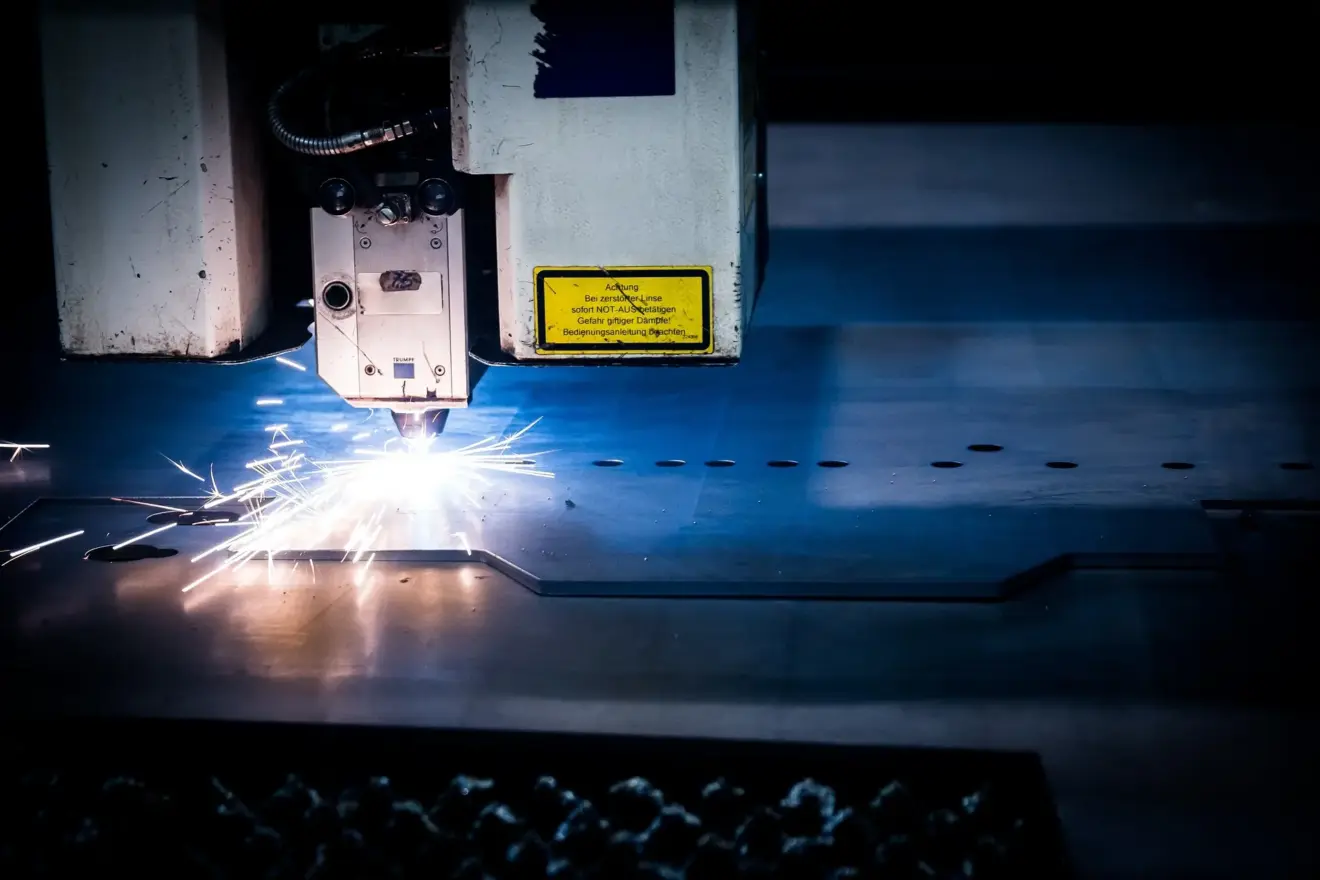
Laser Cutting Machine Price Guide: What Affects Cost?
Saturday, 18 April 2026
Laser cutting machine price is driven more by application fit, working area, motion quality, automation, and support package than by headline wattage alone. Buyers who compare only the base quote usually miss the real cost drivers: material type, throughput target, extraction and cooling needs, installation, maintenance, and downtime risk. A laser cutting machine can look
- Published in Laser
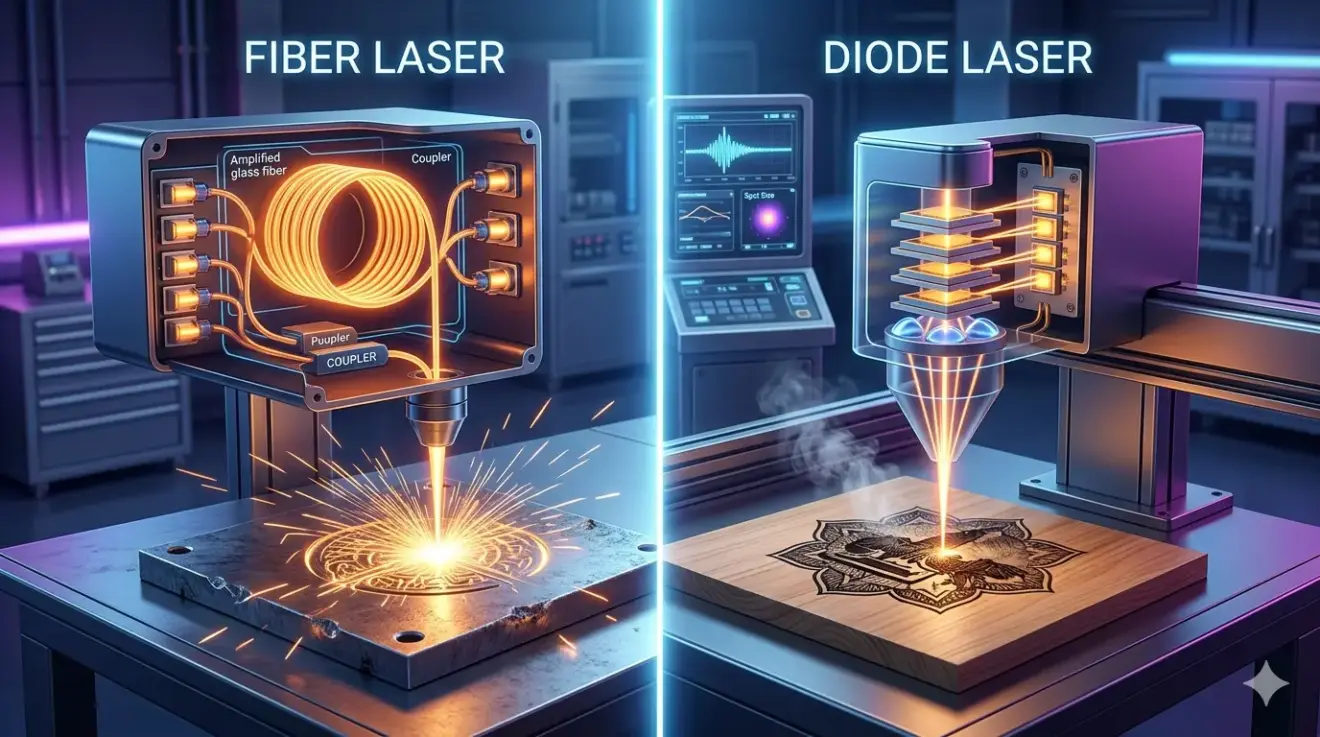
Fiber Laser vs Diode Laser: Which One Fits Your Engraving or Cutting Workflow?
Saturday, 18 April 2026
Many buyers compare fiber and diode too late in the purchasing cycle. By the time quotes are on the table, they are often comparing wattage, enclosure style, and price without first defining whether the real job is direct metal marking, sheet metal cutting, decorative engraving, or light non-metal fabrication. That creates expensive confusion because fiber
- Published in Laser
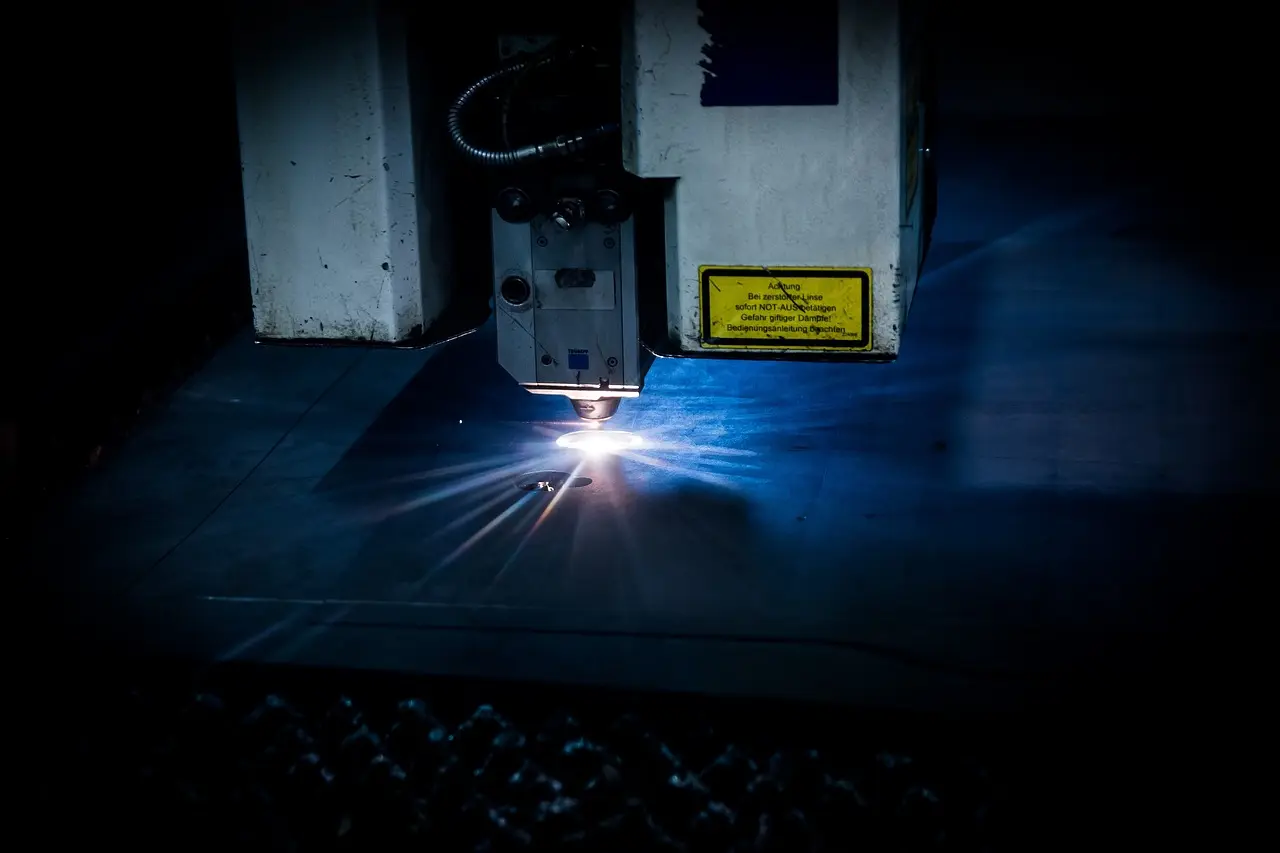
How to Choose the Right Laser Cutting System Configuration for Your Workflow
Saturday, 18 April 2026
Choosing a laser system by headline specs is one of the fastest ways to create a hidden production bottleneck. A machine can look strong on paper and still be the wrong fit if the working area does not match your sheet flow, if the configuration is built around the wrong material class, or if the
- Published in Laser
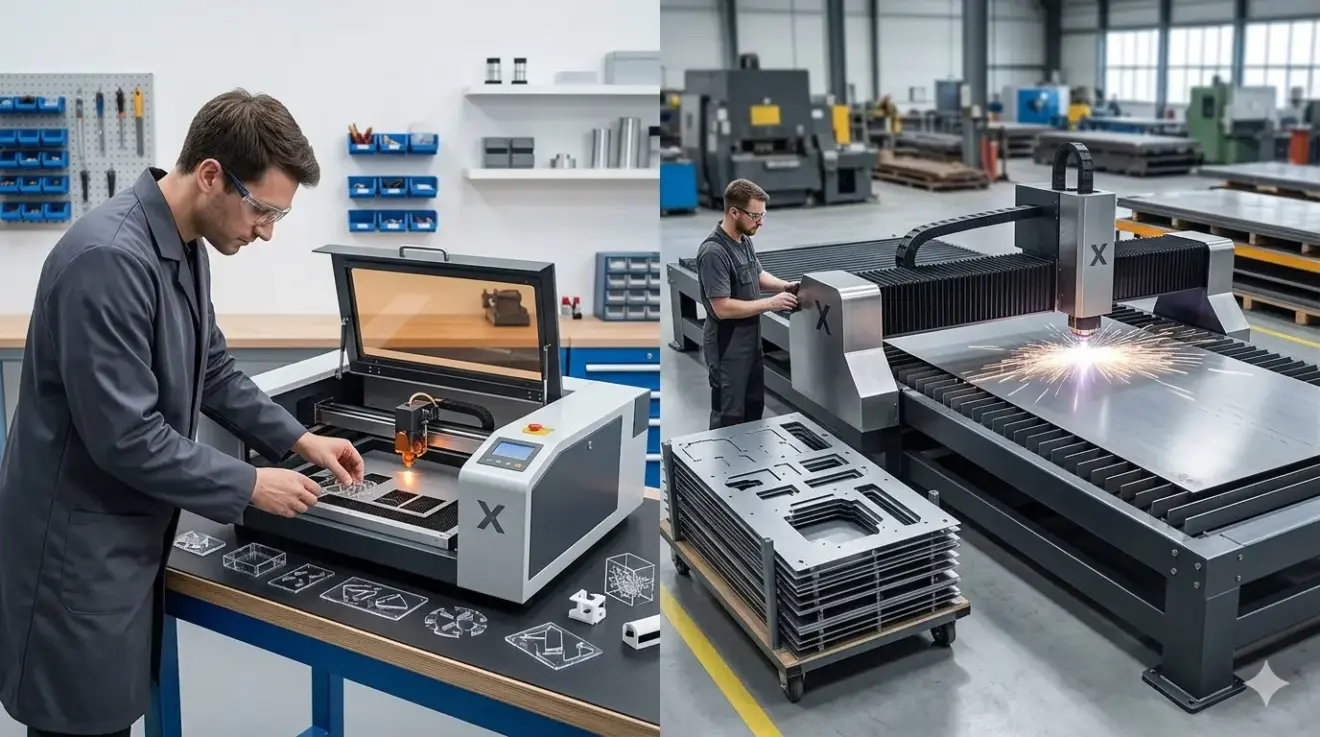
Small Laser Cutter vs Large-Format Laser Cutting Machine: Which Fits Your Production Workflow?
Saturday, 18 April 2026
Choosing between a small laser cutter and a large-format laser cutting machine is usually not a question of buying the “bigger” or “better” system. It is a question of matching machine format to material flow, part size, nesting strategy, floor space, and the kind of orders your workshop processes every day. For some manufacturers, a
- Published in Laser
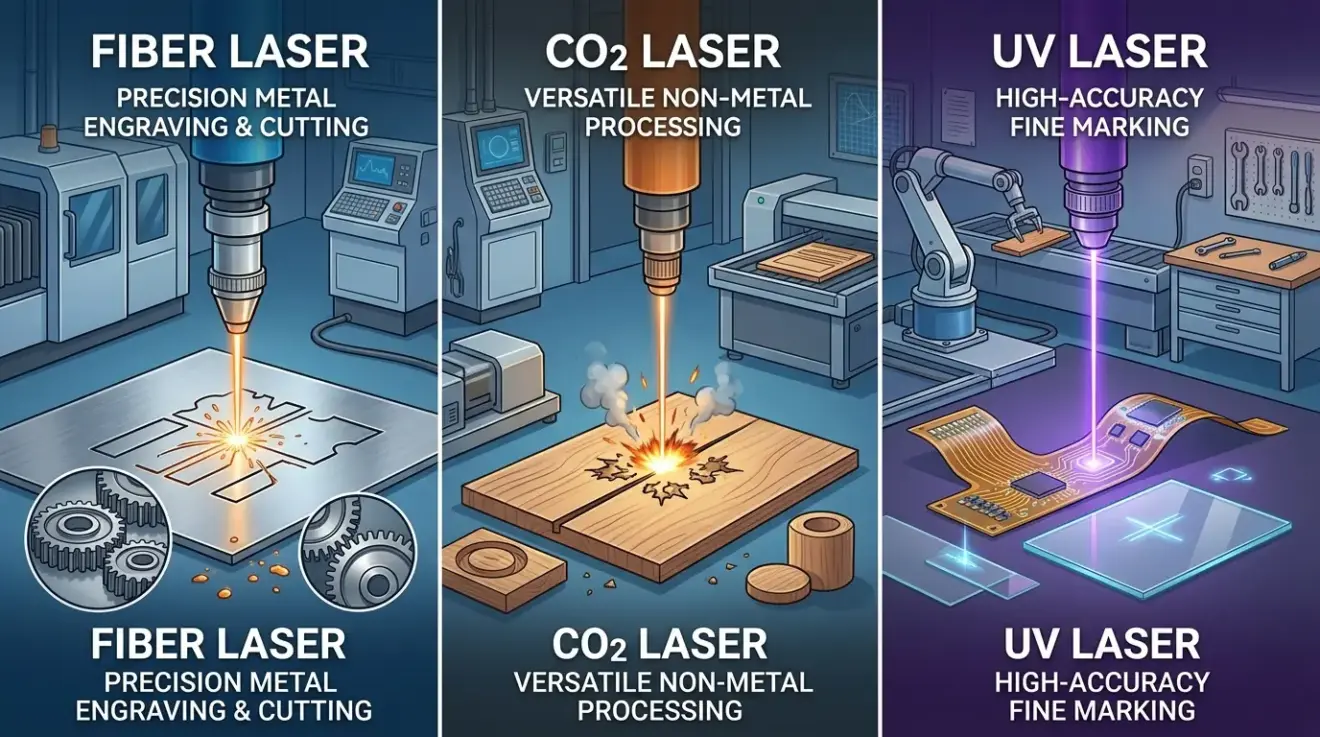
Fiber Laser vs CO2 Laser vs UV Laser: A Practical Comparison for Industrial Buyers
Saturday, 18 April 2026
Many buyers put these three laser types into the same shortlist before they have defined the real production task. That is usually where the confusion starts. In real factories, fiber, CO2, and UV are not simply three versions of the same machine. They are usually chosen to solve different material, finish, and workflow problems. If
- Published in Laser
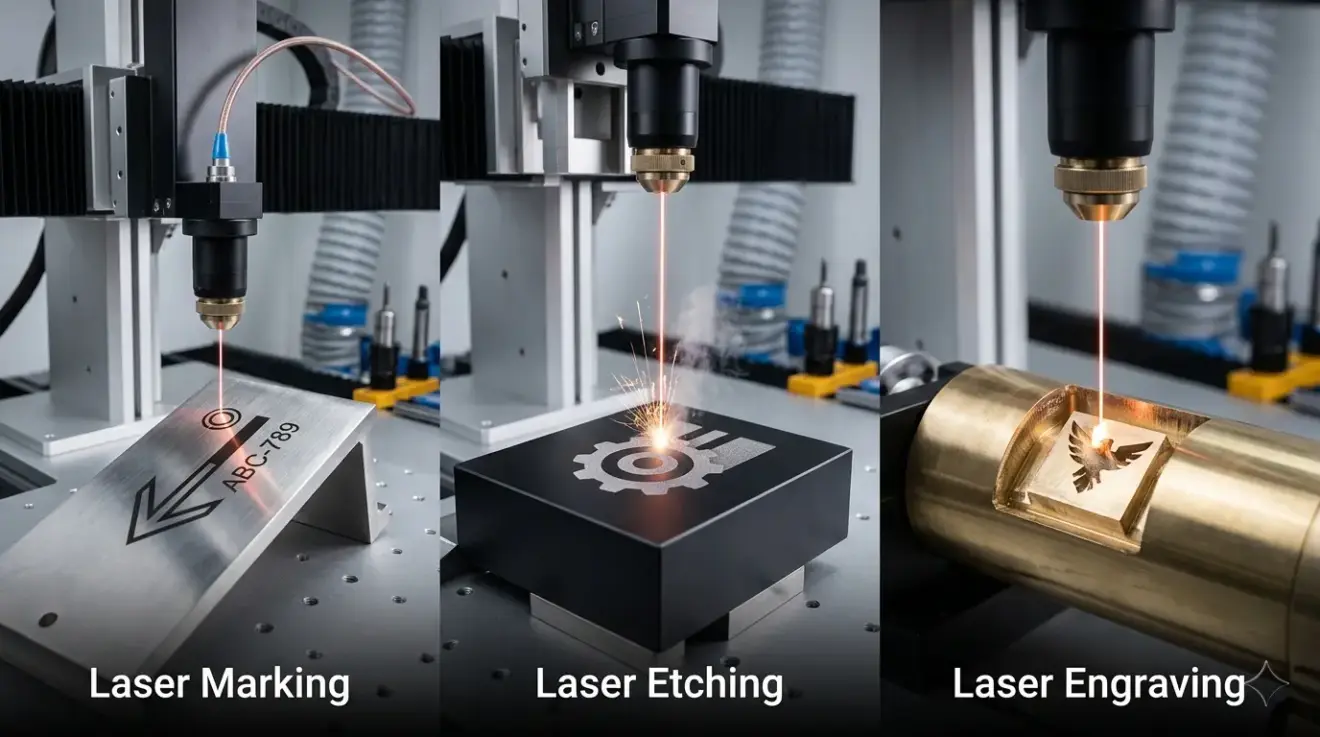
Laser Engraving vs Laser Marking vs Laser Etching: How to Choose the Right Process
Saturday, 18 April 2026
If a buyer asks for a “laser marking machine,” they may actually need deep branding on wood panels, shallow contrast on coated parts, or durable identification that stays readable after handling. That language gap causes expensive mistakes because engraving, marking, and etching do not solve the same production problem. Within the broader Pandaxis product catalog,
- Published in Laser
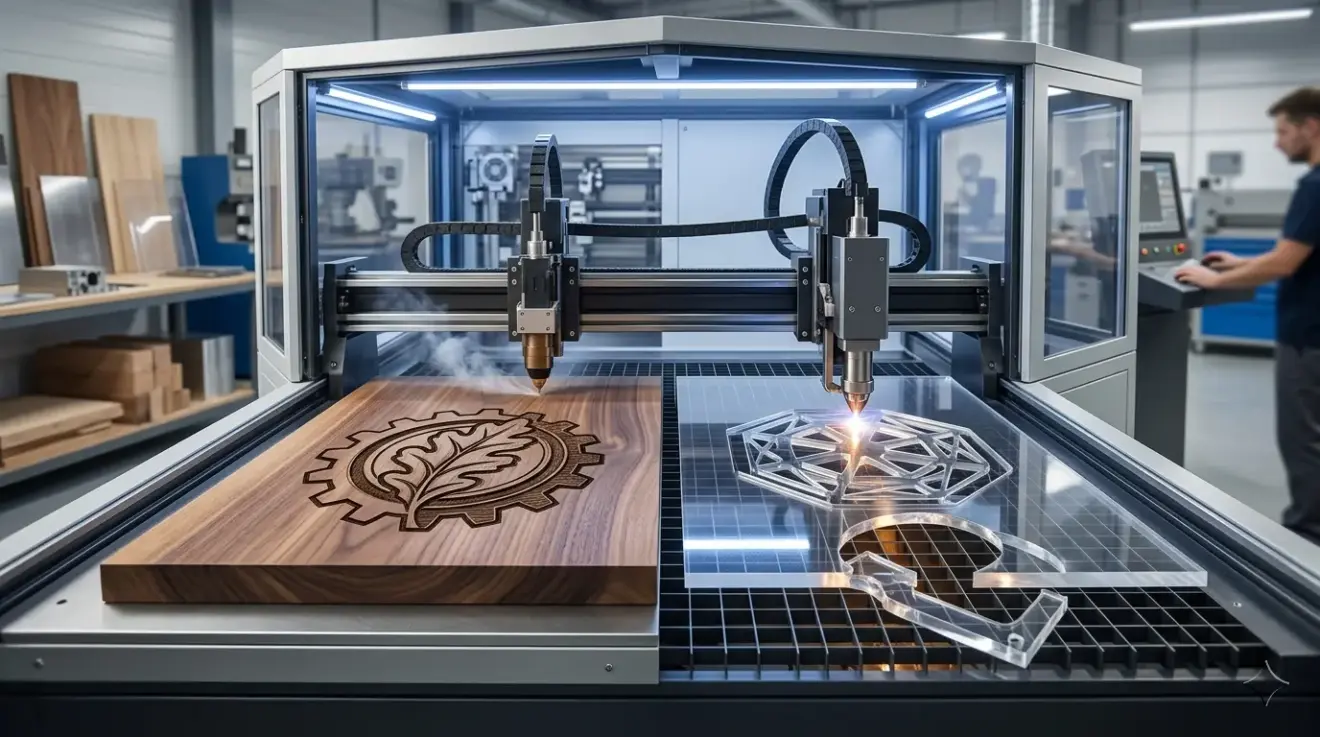
CO2 Laser Engraver vs CO2 Laser Cutter: What Changes in Real Production Use?
Saturday, 18 April 2026
Many buyers start with a simple assumption: a CO2 laser engraver marks surfaces, a CO2 laser cutter cuts through sheets, and the difference is mostly in the label. In actual production, the distinction runs deeper than that. Once jobs move from demos into daily output, the machine is judged by different priorities, different bottlenecks, and
- Published in Laser
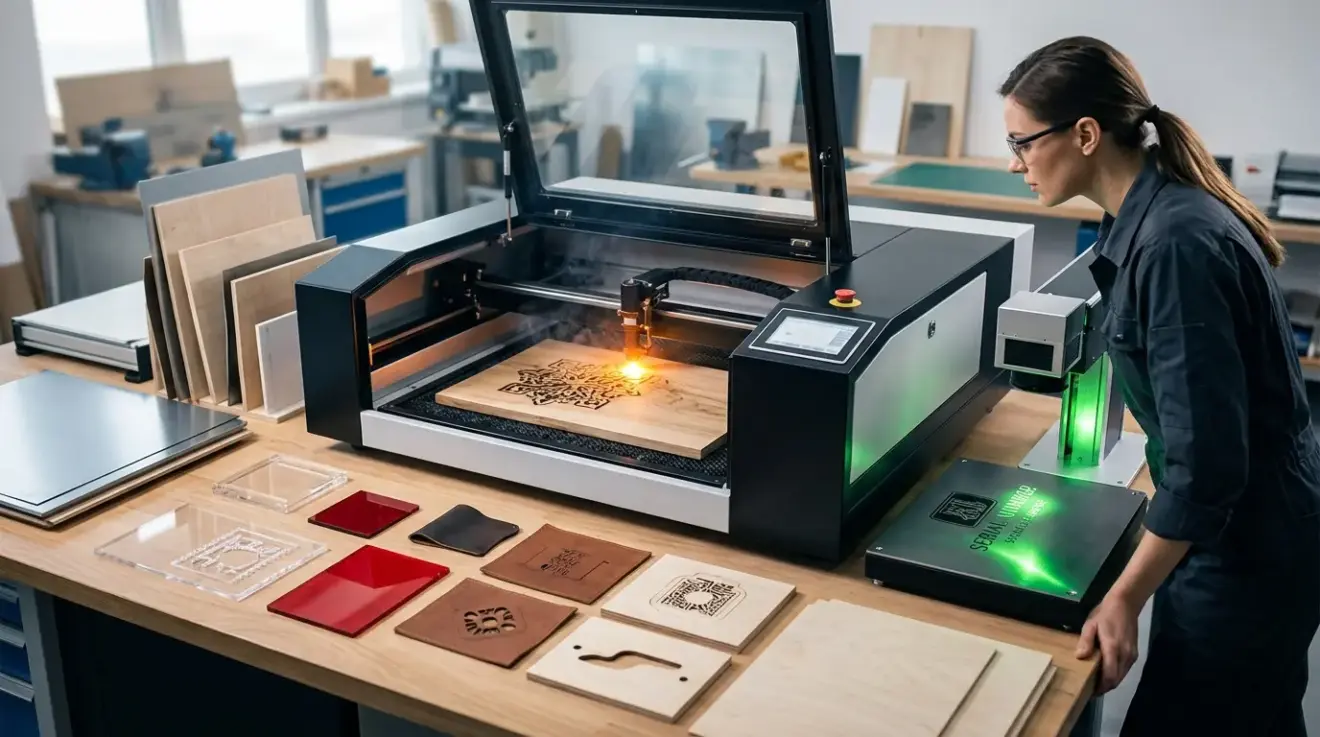
How To Choose the Right Laser Machine for Your Material Mix
Saturday, 18 April 2026
Choosing a laser machine sounds straightforward until the material list gets longer than one ideal sample. A system that performs well on acrylic display parts may not be the right fit for sheet metal cutting, low-heat plastic marking, or mixed jobs that shift between engraving and contour work across the same week. That is why
- Published in Laser
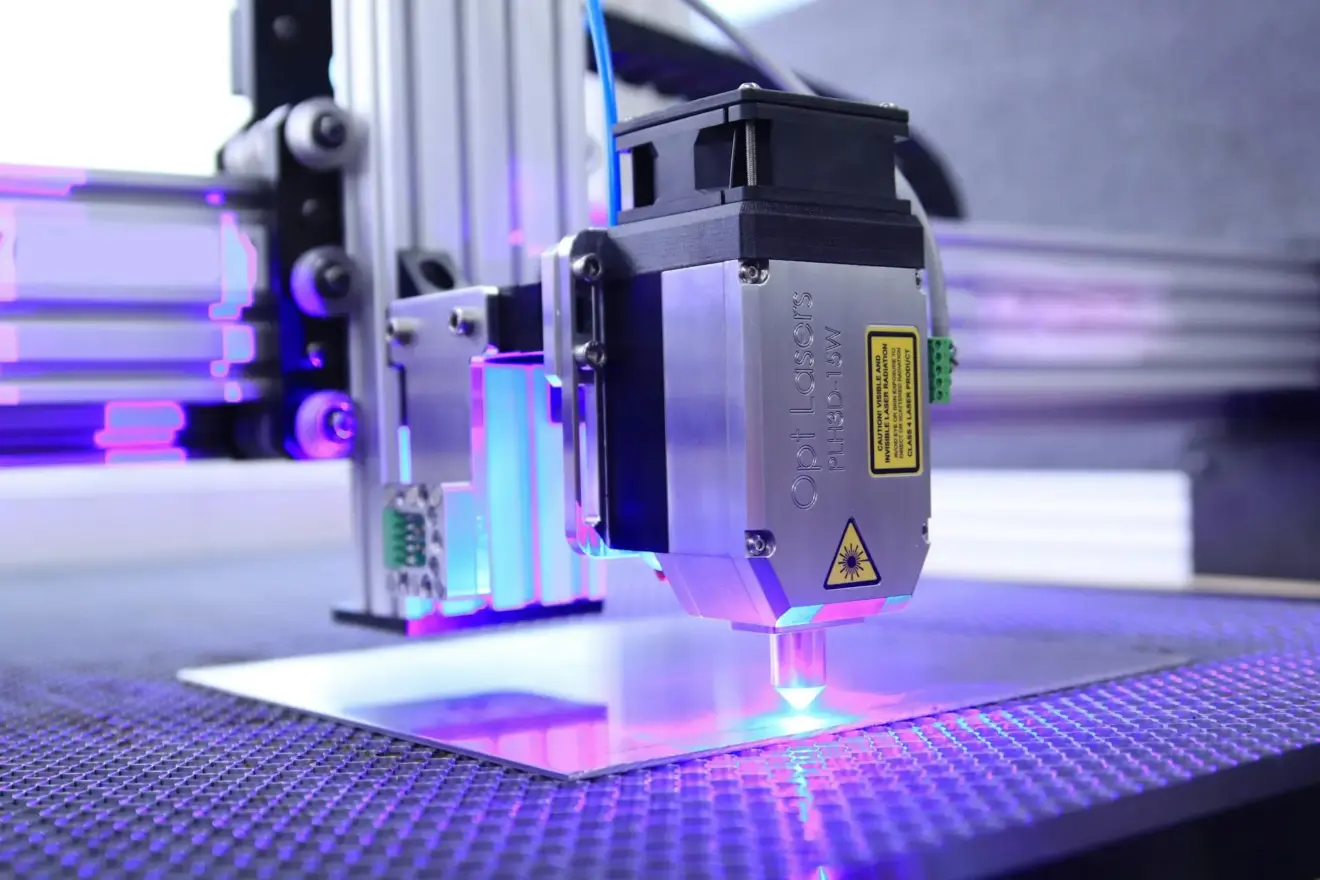
Glass Engraving Machines: Best Use Cases, Process Limits, and Material Tips
Saturday, 18 April 2026
When buyers ask for a glass engraving machine, they often mean very different jobs: frosted logos on drinkware, decorative graphics on flat panels, branded marks on presentation pieces, or short-run identification on finished glass components. Those jobs may sit under one label, but they do not carry the same risk. In real production, the question
- Published in Laser
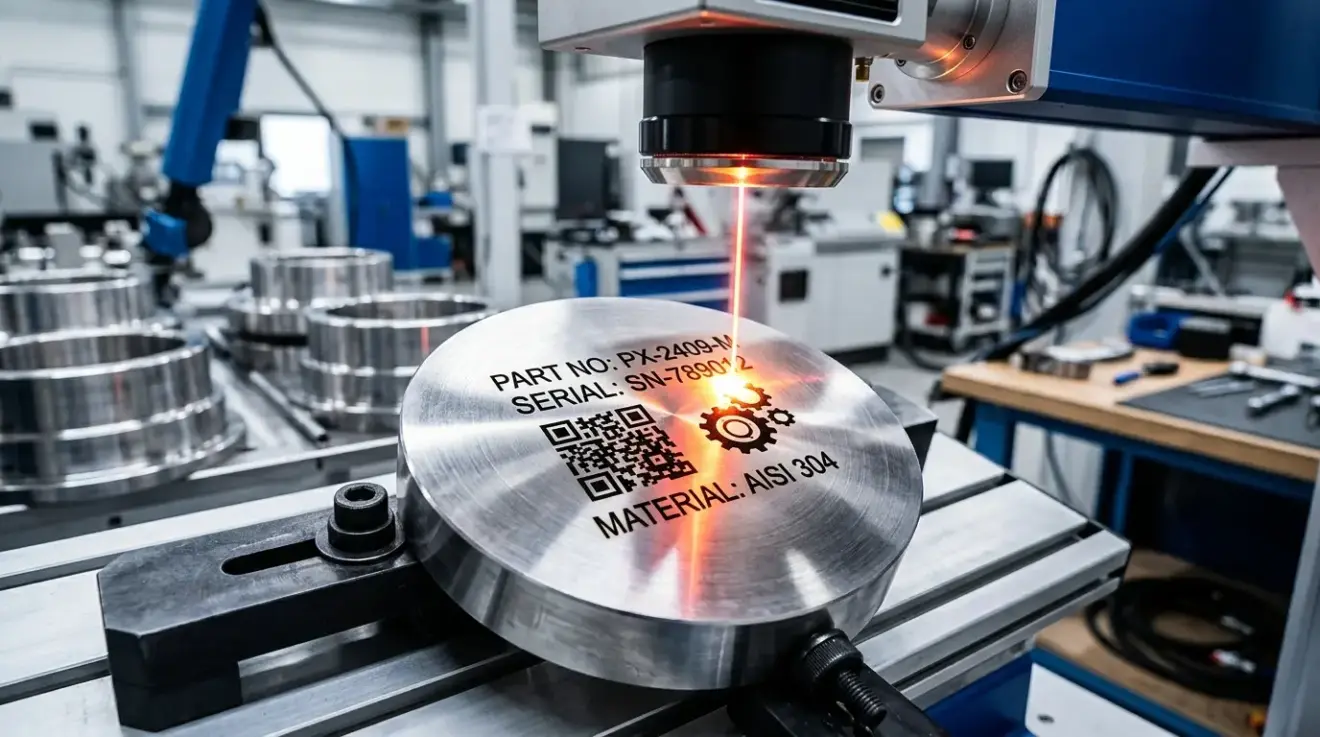
Laser Marking for Metal Parts: How to Improve Contrast and Permanence
Saturday, 18 April 2026
On many production lines, a metal mark looks acceptable at the marking station but fails later in the workflow. A serial number that appears clear under bench lighting may become hard to read after cleaning, coating, handling, or scanner verification. When that happens, the problem is not cosmetic. It affects traceability, inspection speed, part matching,
- Published in Laser
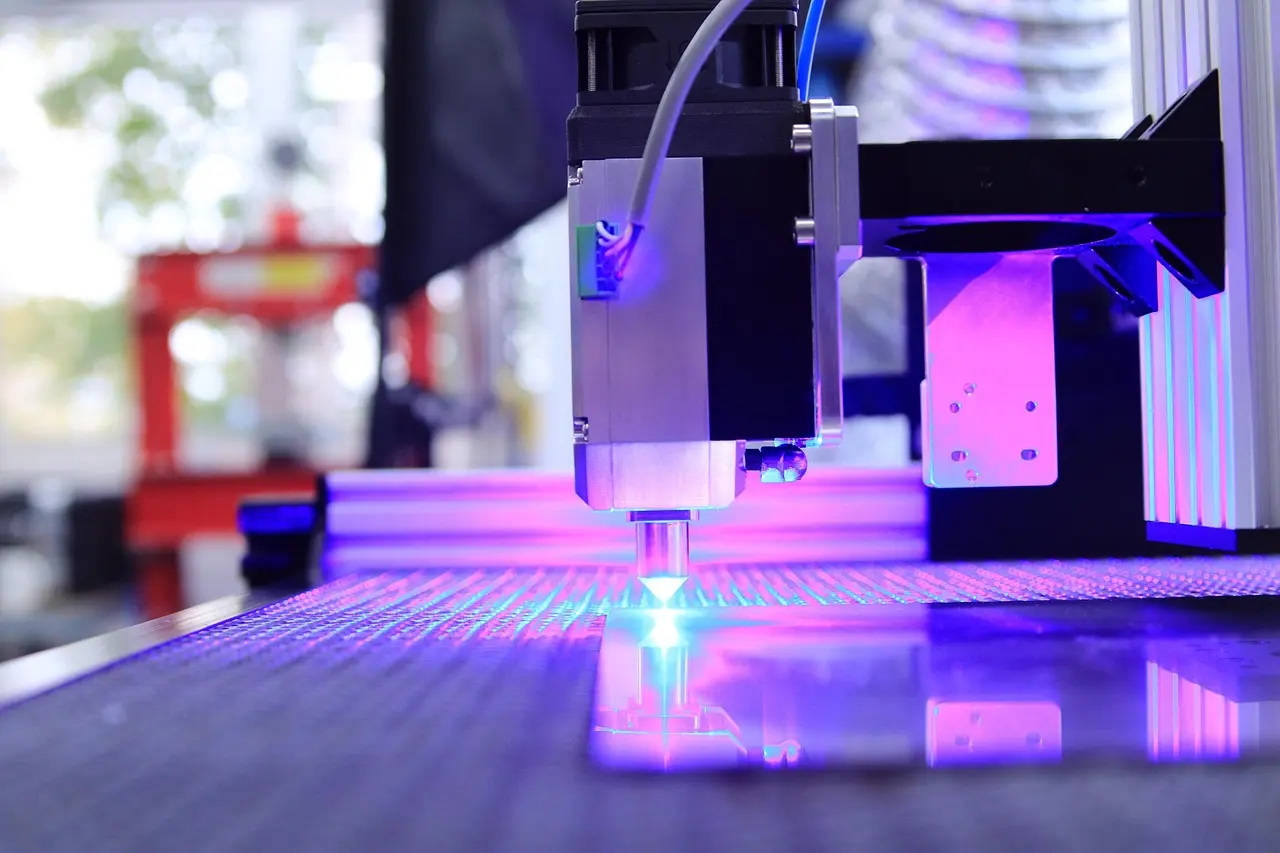
Fiber Laser Engraving Machine for Precision Metal Work: What Actually Drives Accuracy?
Friday, 17 April 2026
In precision metal work, the question is rarely whether a laser can leave a visible mark. The real issue is whether fine text, serial numbers, logos, alignment marks, or data matrix codes stay sharp across real production parts rather than only on a flat sample plate. When marks drift, blur, or vary from batch to
- Published in Laser
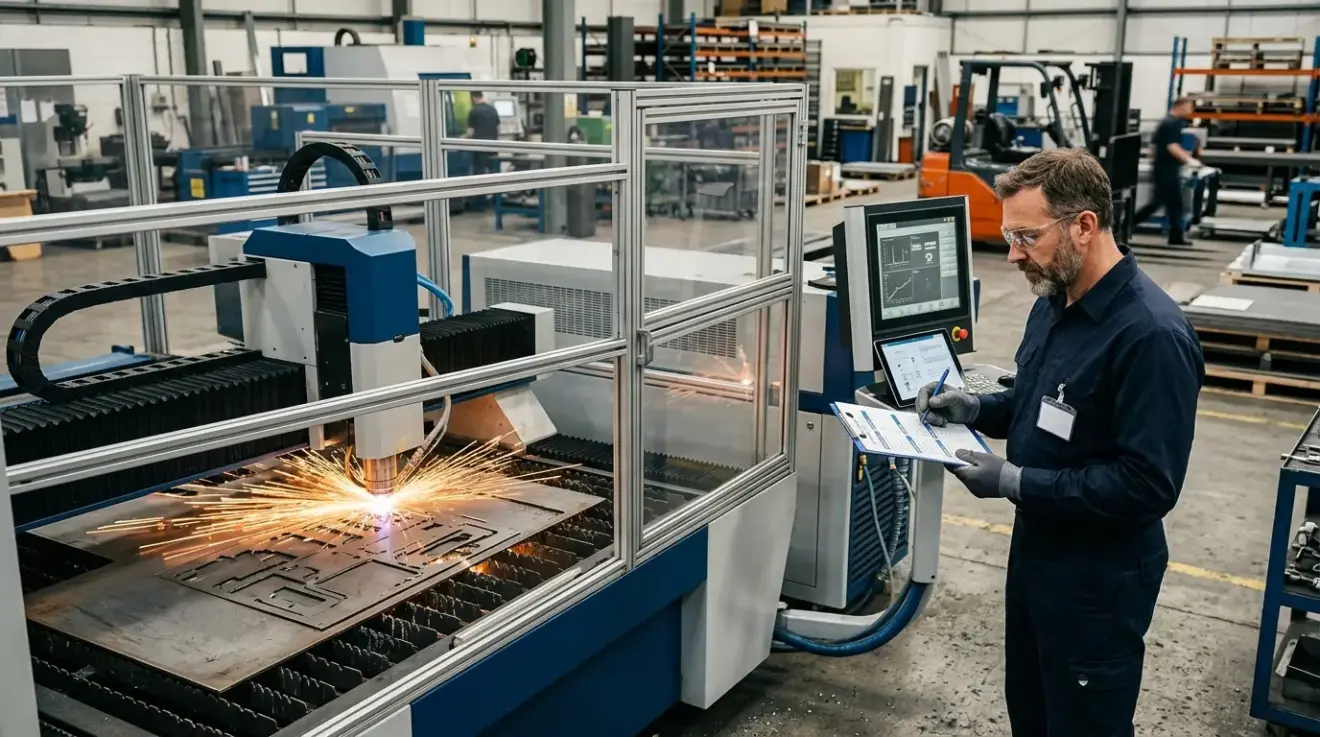
Laser Machine Quote Checklist for Industrial Buyers
Friday, 17 April 2026
Industrial laser quotations are rarely comparable on the first pass. One supplier prices the core machine only, another includes extraction and startup support, and a third quotes a system sized for a very different mix of parts. That is why a laser quote should be reviewed as a production document, not just a purchasing document.
- Published in Laser
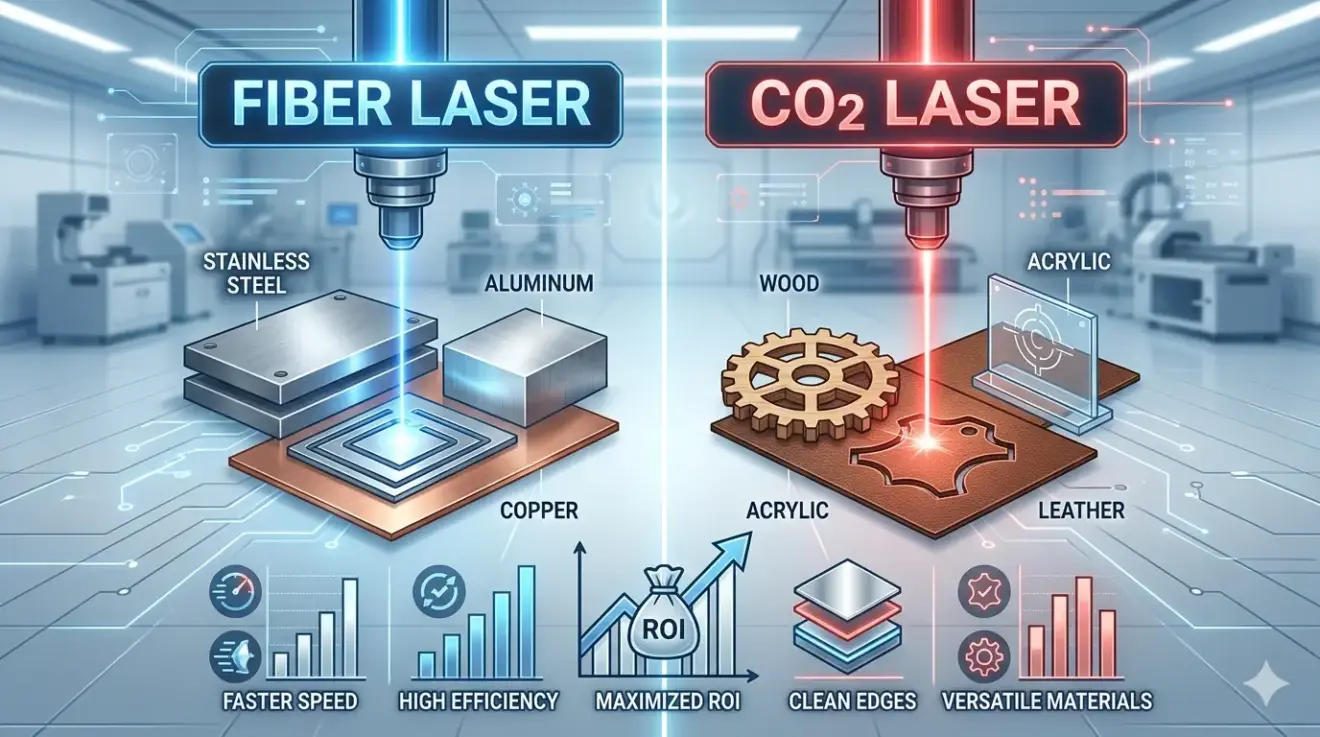
Fiber Laser Machine vs CO2 Laser Machine: How Material Match Drives ROI
Friday, 17 April 2026
When a shop compares fiber laser technology with CO2 laser technology, the first mistake is usually treating the beam source as the decision. In production, the real issue is whether the machine matches the material mix that fills the schedule and generates margin. A source that looks advanced on paper can still produce weak ROI
- Published in Laser
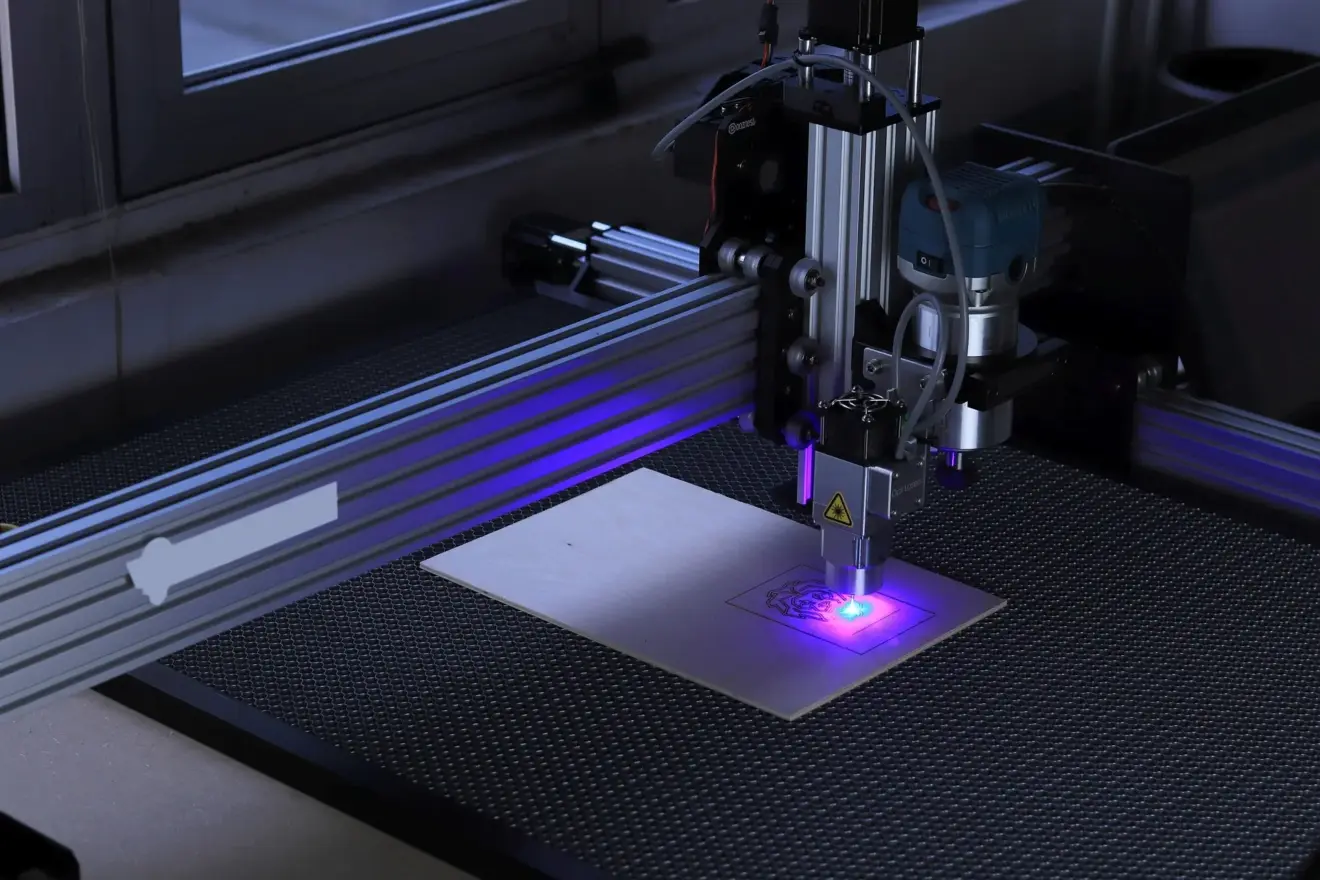
Laser Engraving Machines: Types, Materials, And Applications In Real Production Workflows
Friday, 17 April 2026
Many buyers use the phrase “laser engraving machine” as if it refers to one equipment category with minor variations. In practice, the gap between one system and another can be substantial. The laser source, motion architecture, material response, and production target all change what the machine does well, where it slows down, and how much
- Published in Laser
Laser Marking and Engraving Machines: When a Hybrid Workflow Makes Sense
Friday, 17 April 2026
A shop that needs fast part identification and visible surface detail will usually discover the same thing: laser marking and laser engraving solve related problems, but they are not the same production task. Marking is often chosen for readable codes, logos, and traceability with limited material disruption. Engraving is chosen when depth, texture, or a
- Published in Laser
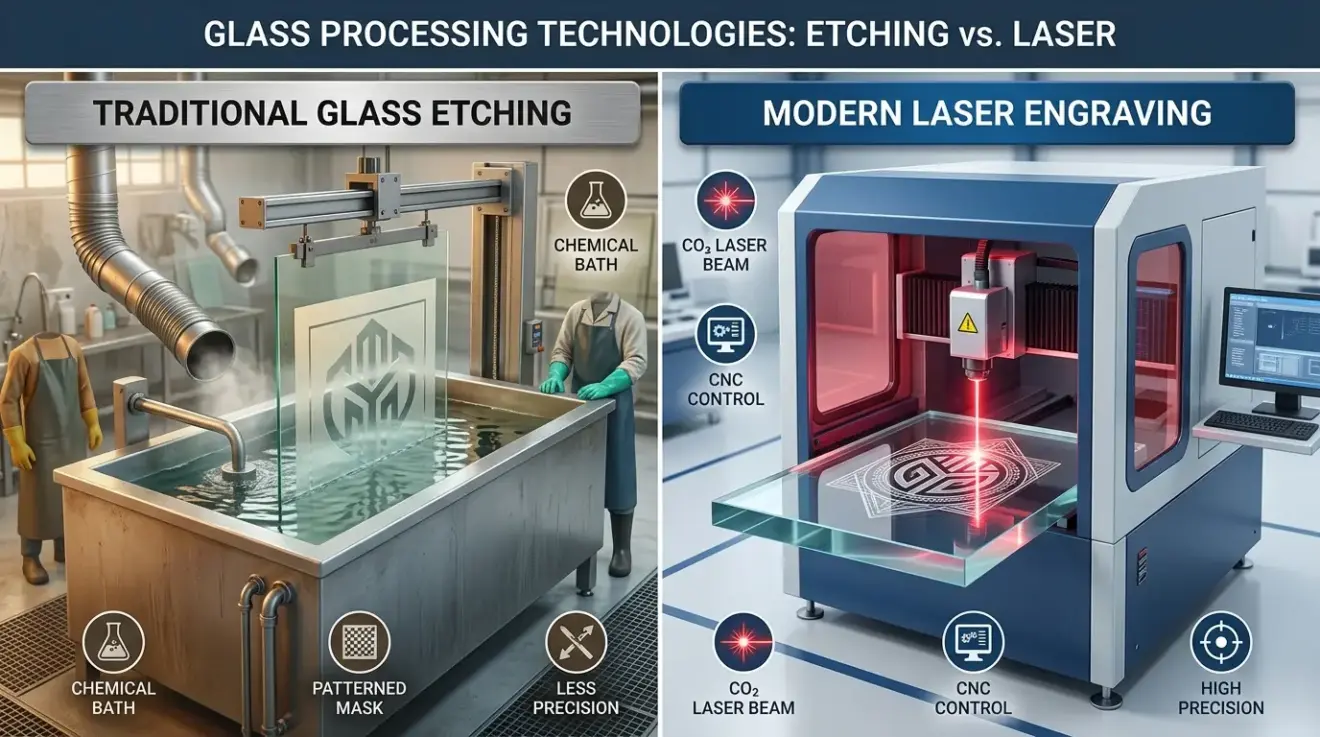
Glass Etching Machine vs Laser Engraver: What’s the Difference for Industrial Production?
Friday, 17 April 2026
In many buying conversations, a glass etching machine and a laser engraver get treated as if they are interchangeable. They are not. One usually refers to a process built around creating an etched or frosted surface effect across glass, often through abrasive or similar surface-treatment methods. The other is a digitally controlled, non-contact system used
- Published in Laser
How to Choose a Laser Marking Machine for Traceability, Branding, and Part Identification
Friday, 17 April 2026
In many factories, marking only gets attention after something breaks downstream. A code cannot be scanned at inspection. Similar parts get mixed at assembly. A branded panel looks inconsistent across batches. Service teams cannot tie a field-returned component back to its production record without checking paperwork manually. That is why a laser marking machine should
- Published in Laser
New vs Used Laser Cutter: Which Option Delivers Better Long-Term ROI?
Friday, 17 April 2026
The buying problem usually appears simple: a used laser cutter costs less today, while a new machine protects you against more unknowns tomorrow. In real production, that trade-off is rarely decided by purchase price alone. It is decided by how many acceptable parts the machine can produce over time, how often it interrupts the workflow,
- Published in Laser
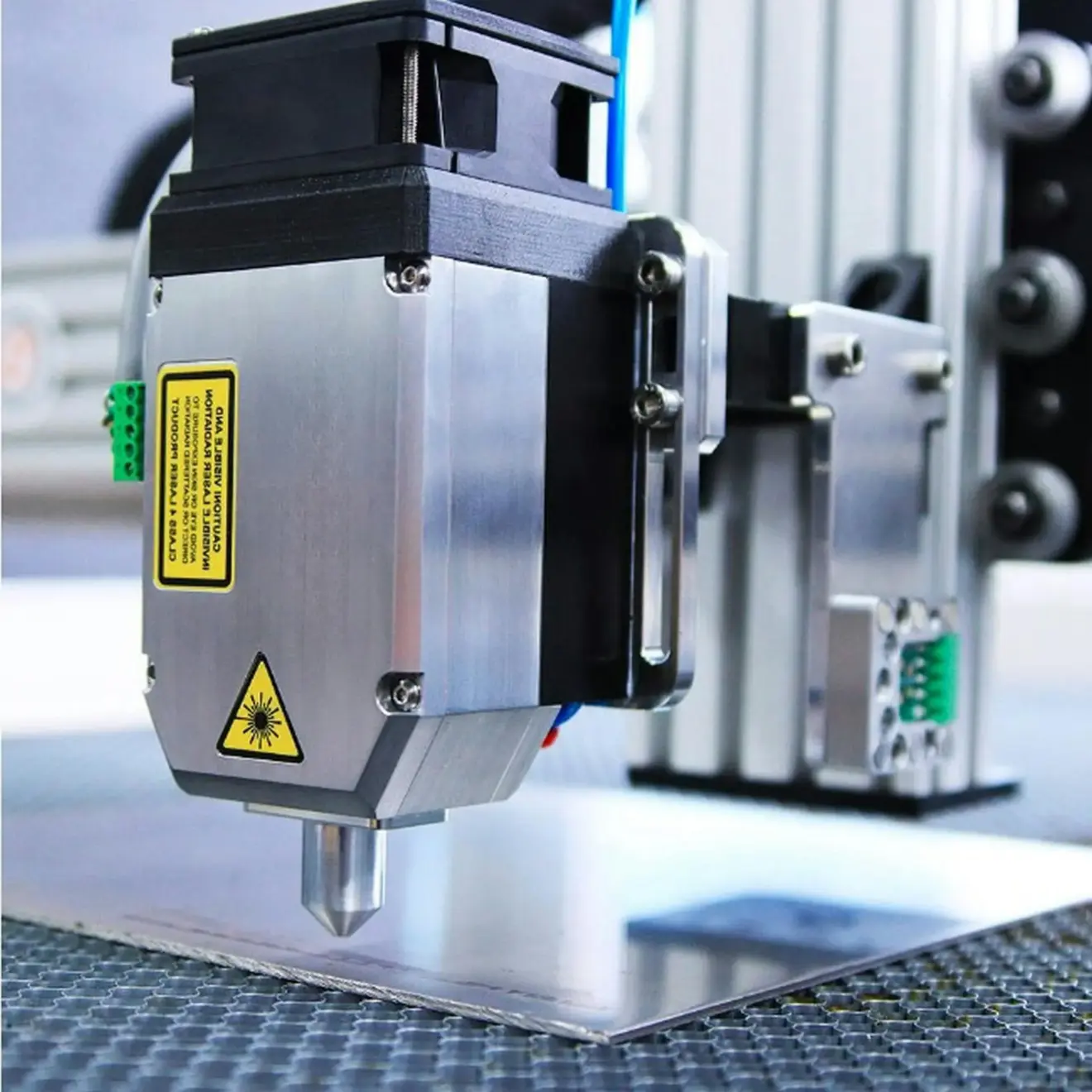
How to Choose a Metal Engraving Machine for Permanent Part Marking
Thursday, 16 April 2026
In many factories, part marking is treated like a small finishing step until unreadable codes start causing real production problems. A weak mark can create traceability gaps, confuse assembly teams, slow inspection, and turn warranty analysis into guesswork. That is why choosing a metal engraving machine for permanent part marking is less about the label
- Published in Laser
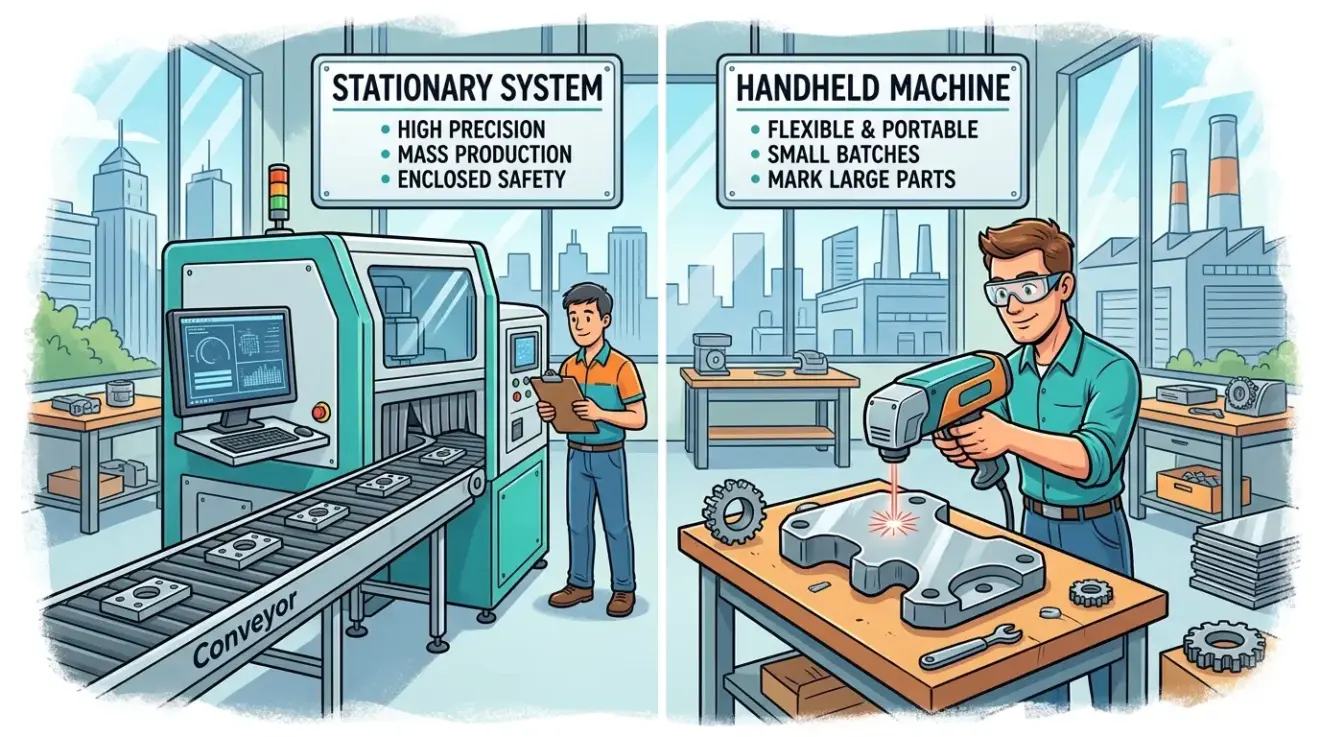
Handheld Laser Marking Machine vs Fixed Laser Marking System: Which One Fits Your Shop?
Thursday, 16 April 2026
Most shops do not ask this question at the start of a project. They ask it when marking becomes a friction point. Large assemblies are awkward to move, serialized parts need more consistent codes, or operators are spending too much time repositioning work just to add an ID mark. That is why the real decision
- Published in Laser
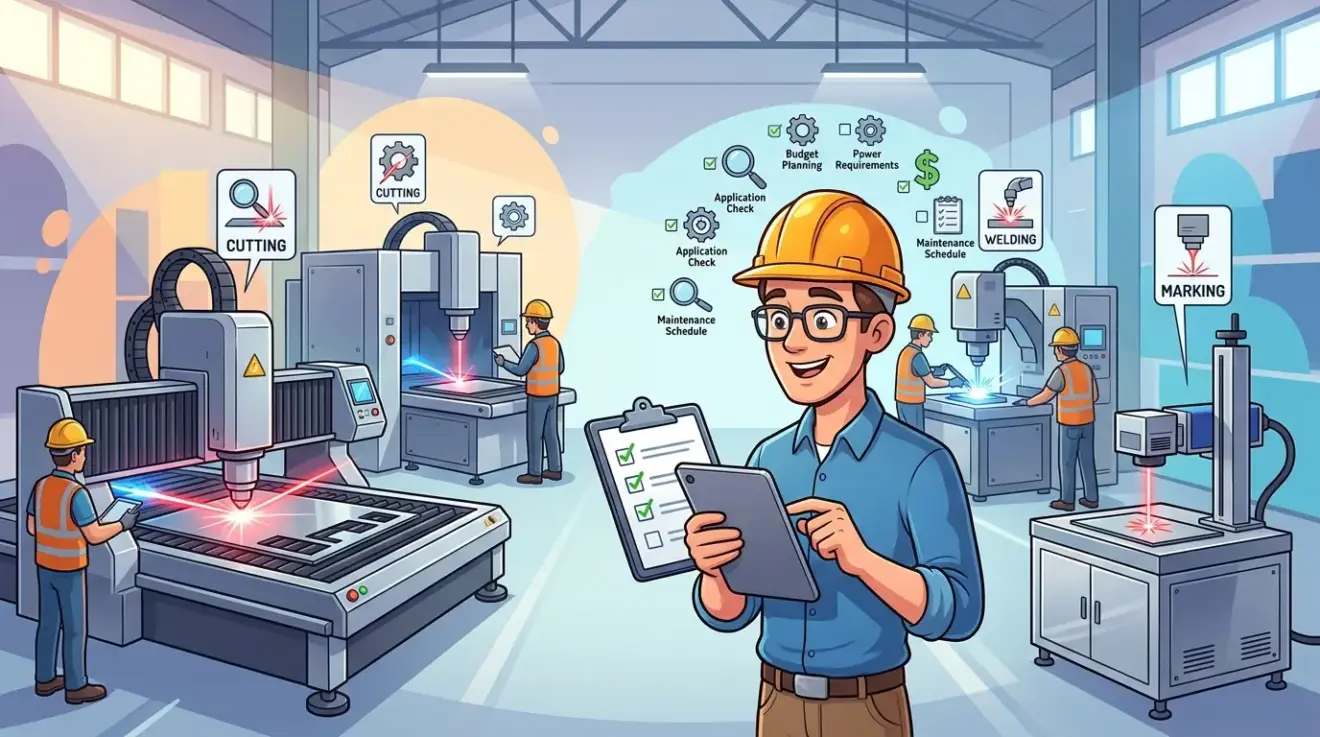
Industrial Laser Machinery Checklist for First-Time Buyers
Thursday, 16 April 2026
Most first-time laser purchases go wrong before the machine ever ships. The common failure is not choosing the “wrong brand” in the abstract. It is buying a system without clearly defining the material mix, the real daily workload, the acceptable finish standard, and the installed scope needed to make the machine productive. For first-time buyers,
- Published in Laser
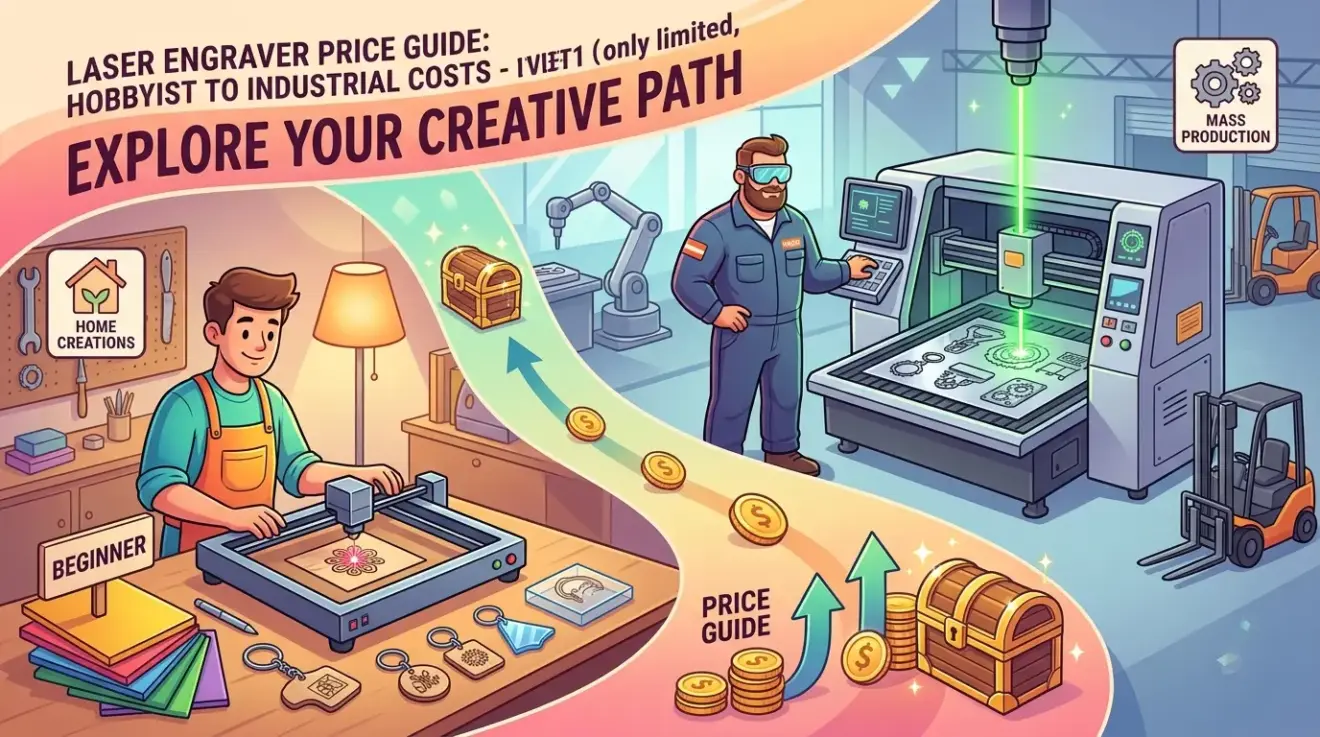
Laser Engraver Price Guide: Entry-Level vs Industrial Costs Explained
Thursday, 16 April 2026
Buyers researching laser engraver pricing often see a desktop machine advertised for a few hundred dollars and then receive an industrial quote that is tens of thousands higher. Those two numbers are not really competing offers. They usually represent different materials, different duty expectations, different quality standards, and very different levels of operational support. For
- Published in Laser
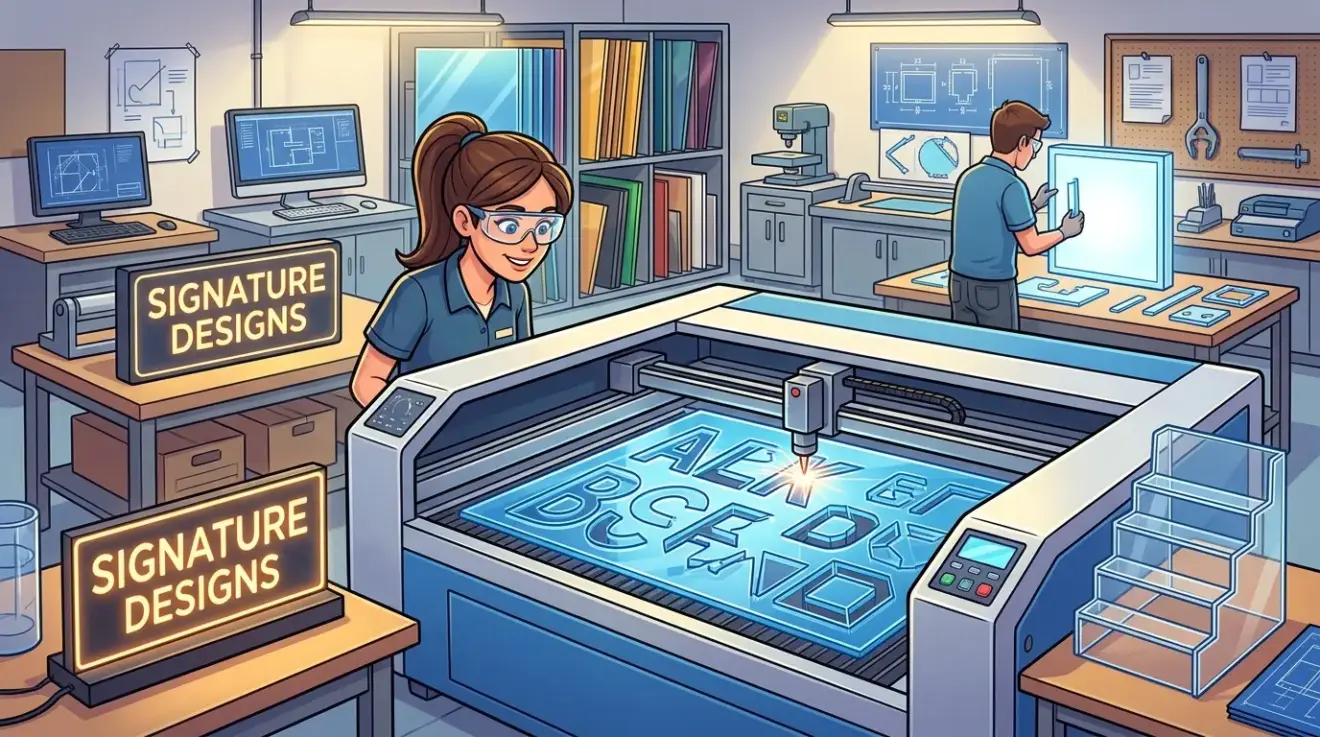
Acrylic Laser Cutter for Sign Making and Display Fabrication: What Matters Most in Production
Thursday, 16 April 2026
Approving an acrylic laser cutter on a clean sample is easy. The harder test starts when the daily schedule mixes letter sets, illuminated sign faces, clear display risers, brochure holders, branded inserts, and short-run revisions that all need to leave the machine looking consistent and fitting correctly. For teams evaluating laser cutters and engravers for
- Published in Laser
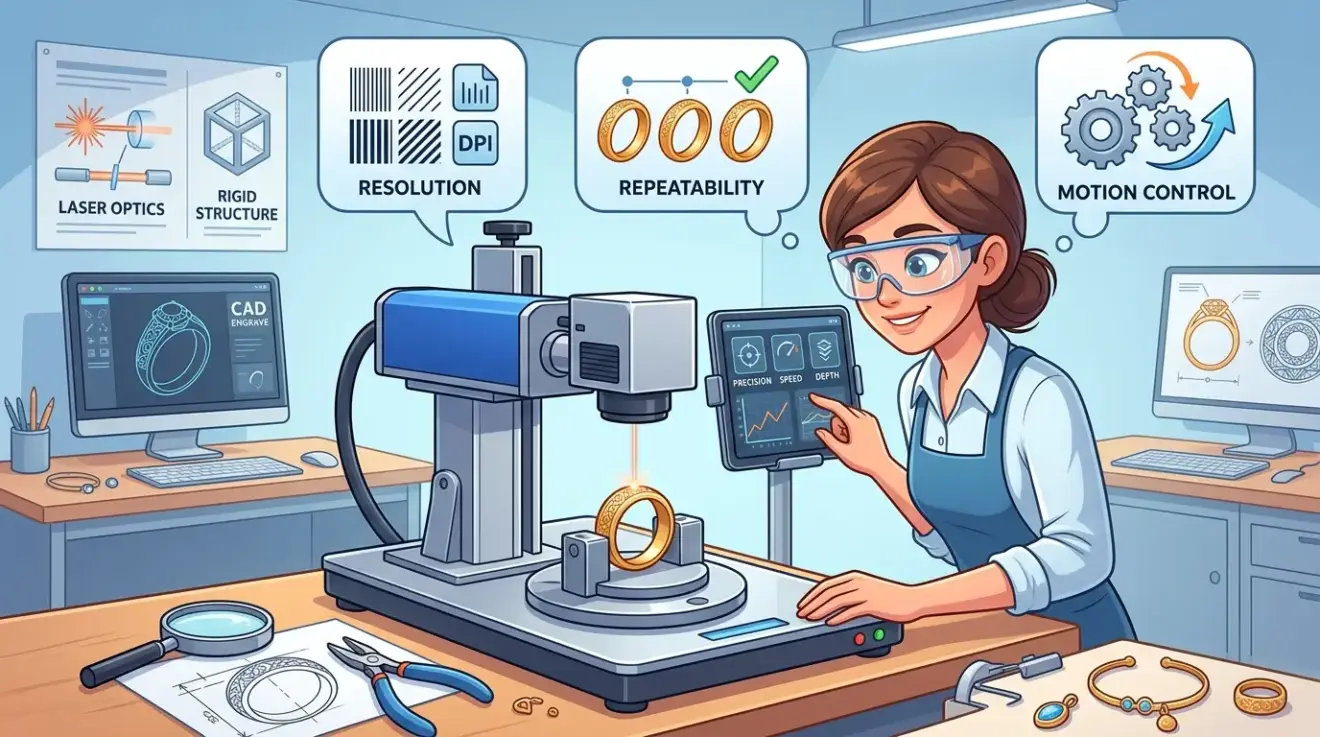
Jewelry Engraving Machine: What Precision Buyers Should Look For
Thursday, 16 April 2026
A jewelry engraving machine can look impressive in a product demo, but precision buyers usually run into trouble after the machine arrives, not before. A single clean sample on a flat test piece does not prove that the system will hold fine text on a curved ring, keep logo placement consistent on small pendants, or
- Published in Laser
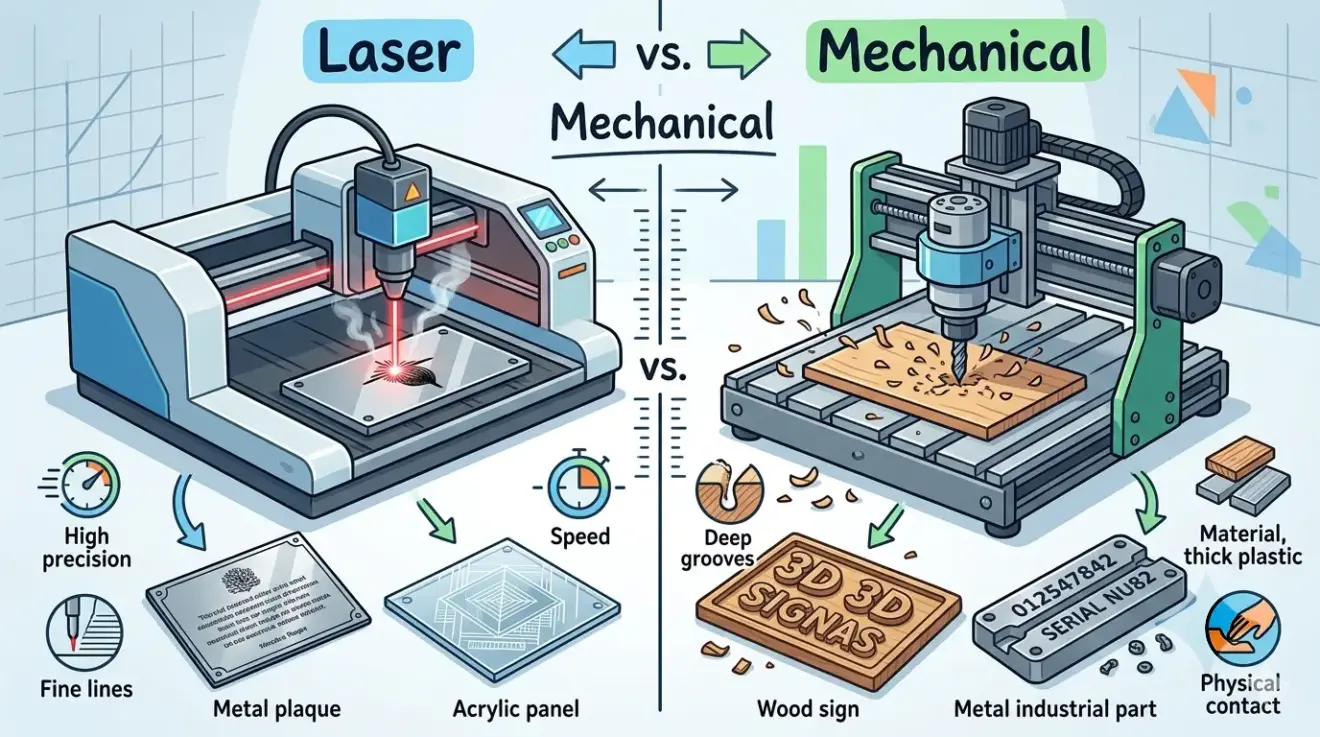
Laser Etcher vs Mechanical Engraving Machine: Which One Fits Your Product Line?
Thursday, 16 April 2026
A buyer may ask for “an engraving machine” when the real decision is much narrower: does the product line need fast surface graphics, or does it need controlled material removal with visible depth? Decorative wood panels, acrylic display parts, branded gift items, serialized components, and recessed legends can all sit under the same purchasing conversation,
- Published in Laser
Laser Cutter Applications Across Wood, Acrylic, Metal, and Plastic
Thursday, 16 April 2026
Laser cutters are not used the same way across every material. A machine that performs well on acrylic signage may not be the right choice for metal fabrication, and a setup that works for wood engraving may be poorly matched to heat-sensitive plastics. That is why the real value of laser cutting is not just
- Published in Laser
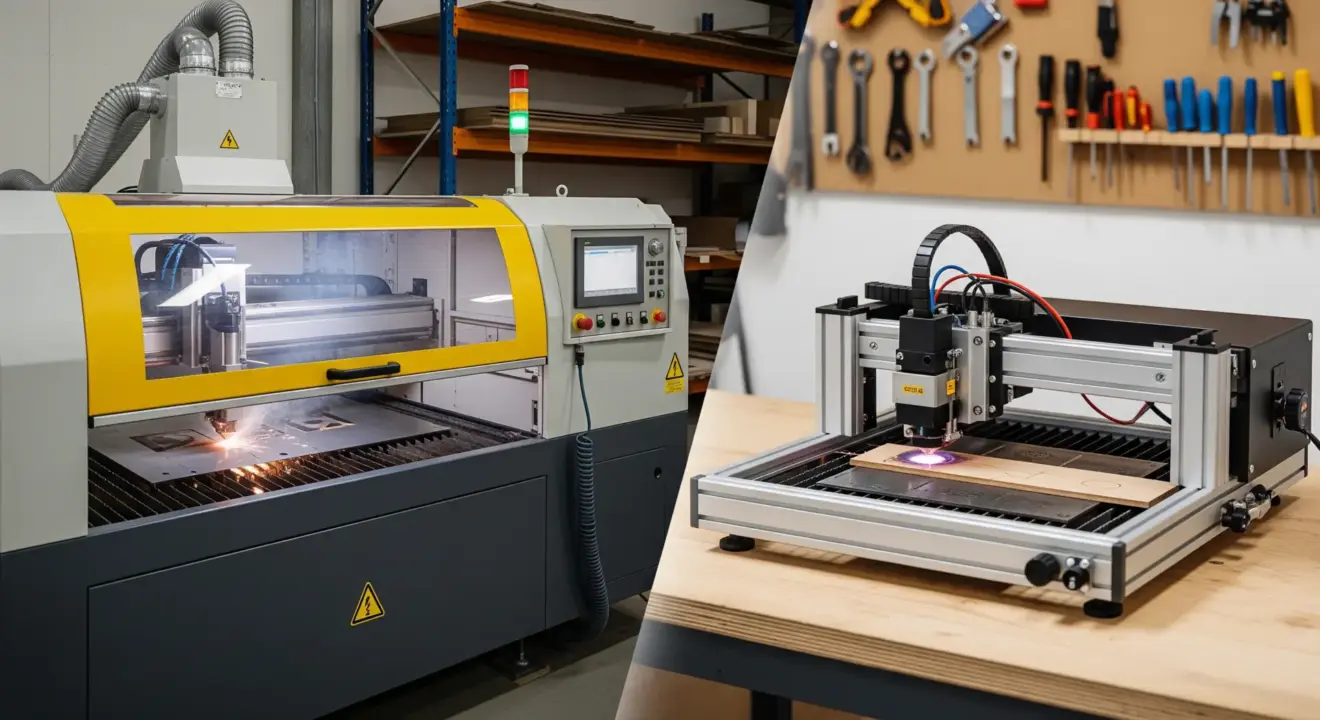
Industrial Laser Cutter vs Desktop Laser Cutter: Which One Fits Your Shop?
Wednesday, 15 April 2026
An industrial laser cutter fits shops that need repeatable commercial output, longer runtimes, larger work areas, and cleaner integration into daily production. A desktop laser cutter fits prototyping, sampling, light short-run work, and smaller shops that need laser capability without committing to a full production-scale system. Choosing between an industrial laser cutter and a desktop
- Published in Laser
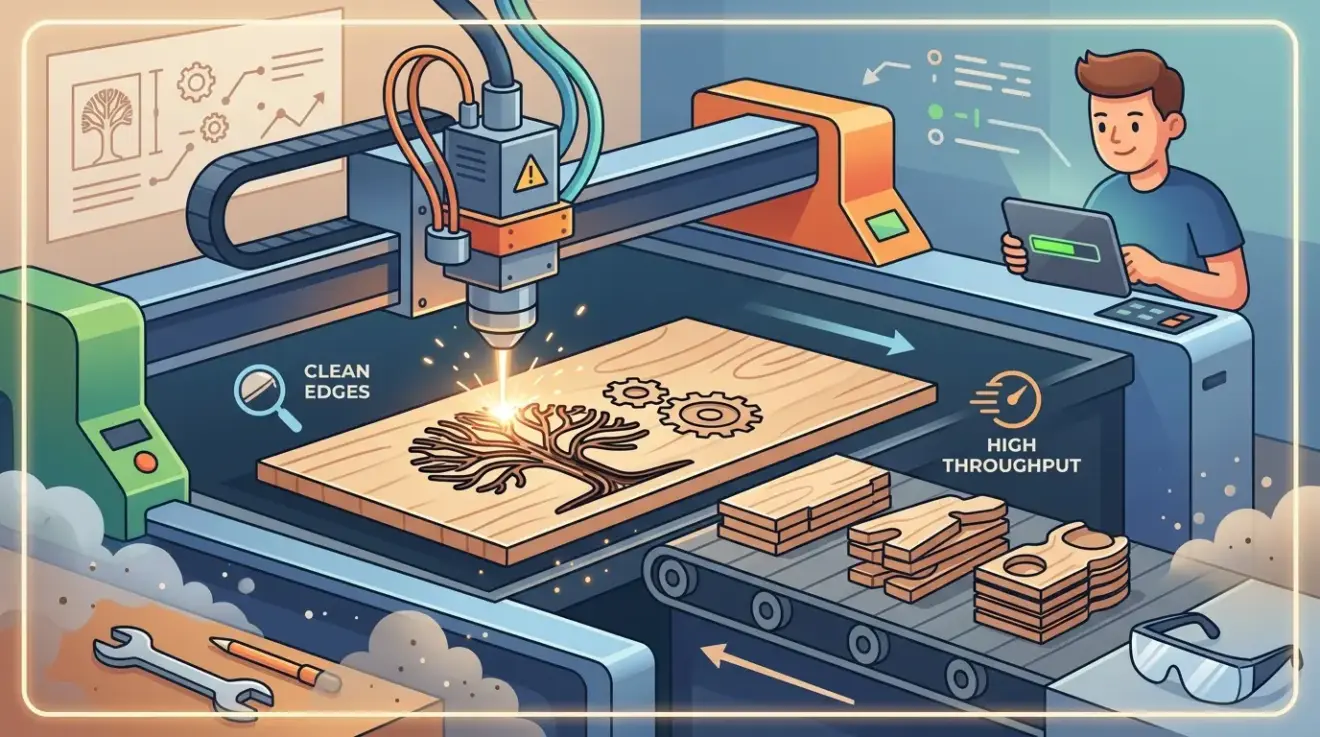
Laser Wood Cutting Machines: How to Get Cleaner Edges and Better Throughput
Wednesday, 15 April 2026
In wood laser cutting, cleaner edges and higher output usually rise or fall together. Shops that focus only on cutting speed often end up with darker edges, more scrap, more inspection, and more manual cleanup. Shops that focus only on appearance can protect quality but choke capacity with overly cautious settings and repeated adjustments. For
- Published in Laser
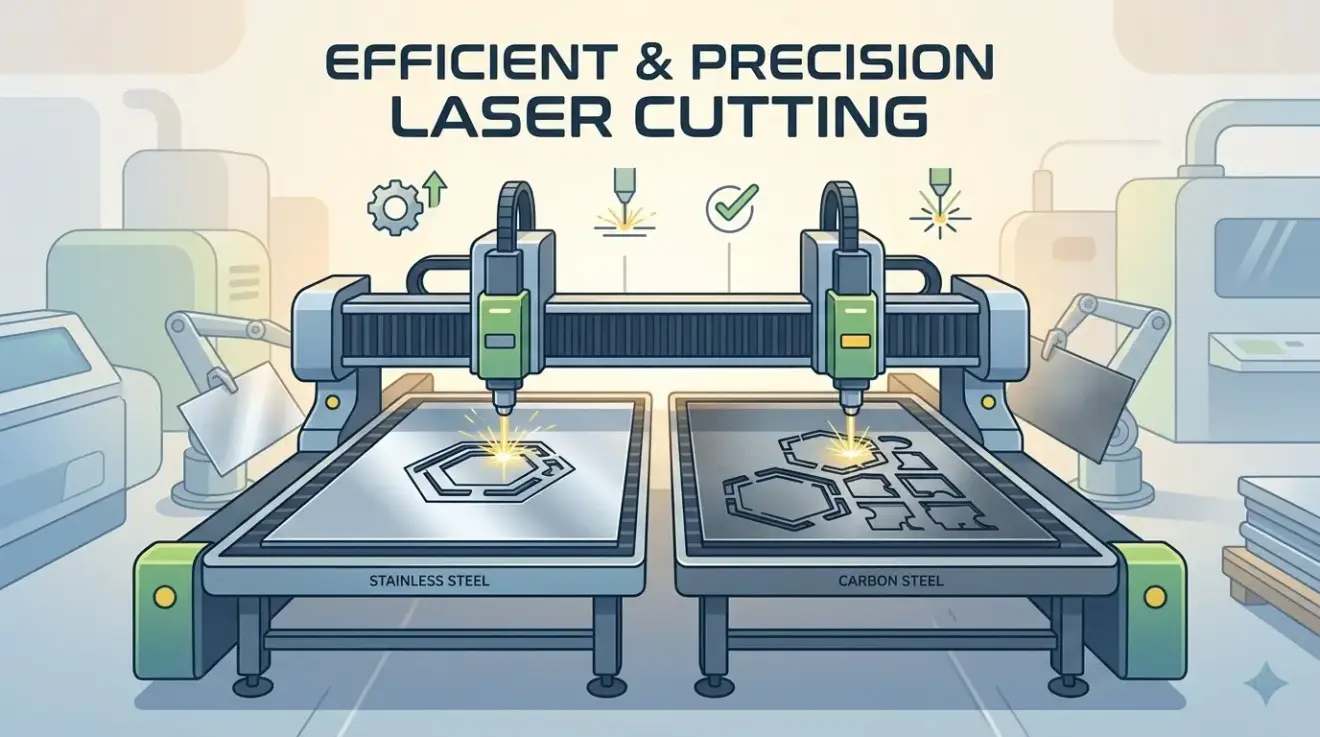
Industrial Laser Cutter for Stainless Steel and Carbon Steel
Wednesday, 15 April 2026
Choosing one laser cutting setup for both stainless steel and carbon steel sounds efficient on paper, but the real decision is not simply whether one machine can cut both materials. The real question is whether the machine, gas strategy, automation level, and process control can deliver the edge quality, throughput, and downstream consistency your production
- Published in Laser
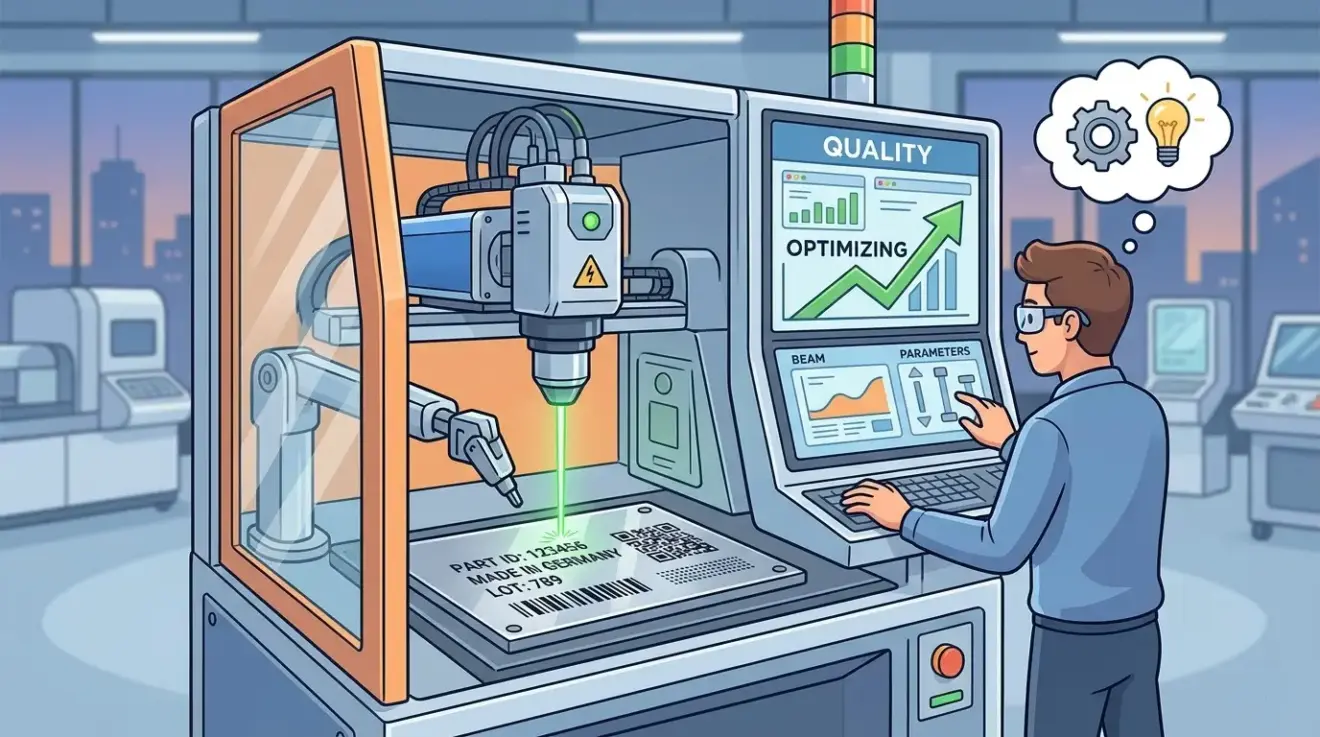
Laser Etching Machine for Metal: How to Improve Mark Quality in Production
Wednesday, 15 April 2026
Metal marks often fail for a simple reason: the sample looked good, but the production process was never really under control. A logo may appear sharp on a flat test coupon, then lose contrast on actual parts with oil residue, mixed finishes, or slight height variation. A data matrix code may read well at the
- Published in Laser
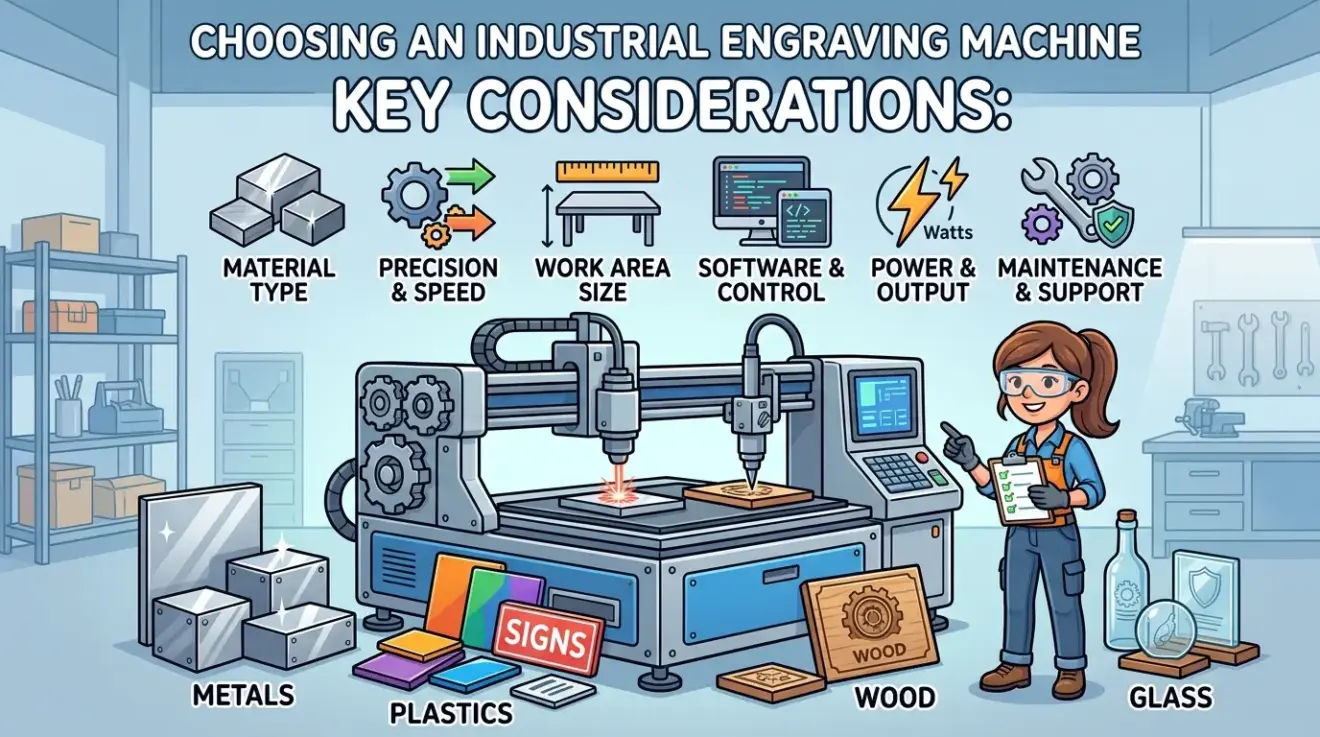
How to Choose an Engraving Machine for Industrial Applications
Wednesday, 15 April 2026
Many buyers start with the wrong question. They ask which engraving machine is best before they define what the machine must actually do in production. In industrial use, engraving can mean decorative surface work on acrylic, branding on wood panels, permanent identification on metal parts, deep material removal, or carved detailing on hard materials. Those
- Published in Laser
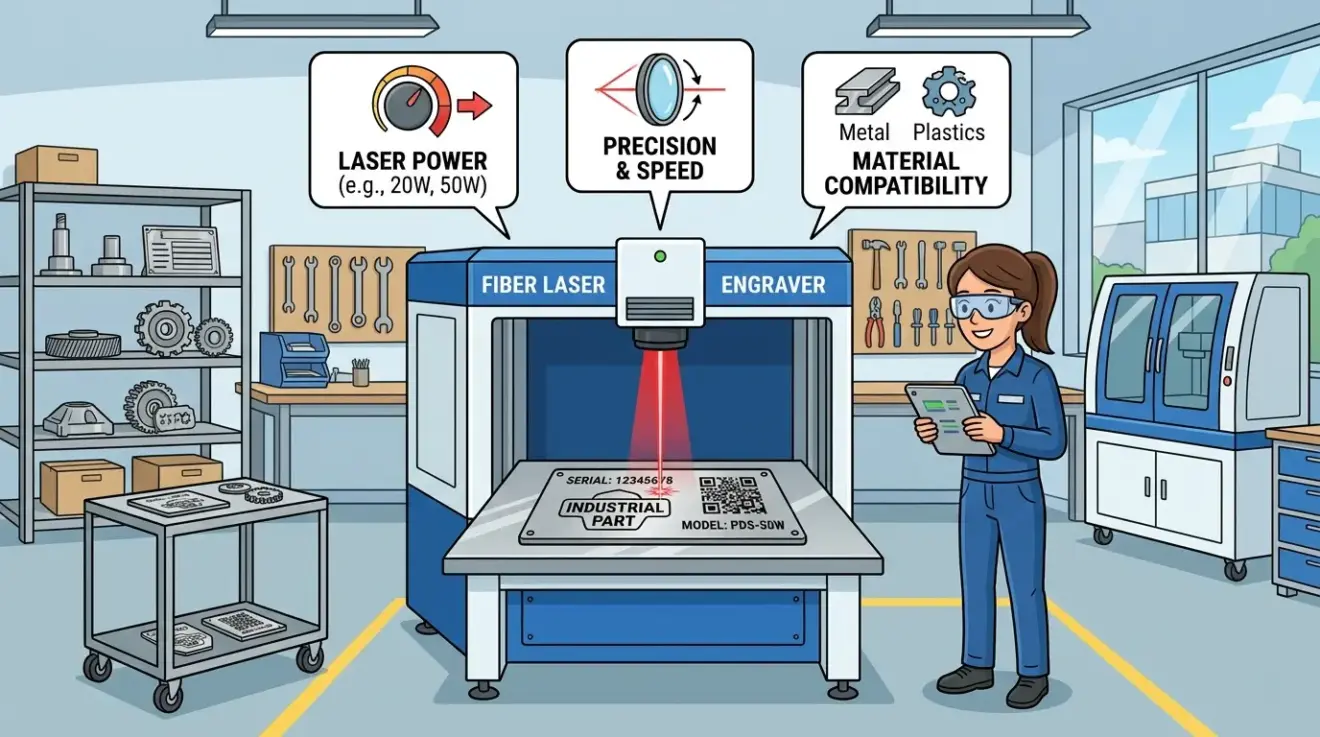
How To Choose a Fiber Laser Engraving Machine for Industrial Marking Applications
Wednesday, 15 April 2026
In industrial marking, the question is rarely whether a machine can make a visible mark. The real question is whether serial numbers, data matrix codes, logos, and part IDs remain readable after handling, assembly, coating, or long-term use. When marks become inconsistent, traceability slows down, scanning reliability drops, and operators spend more time reworking parts
- Published in Laser
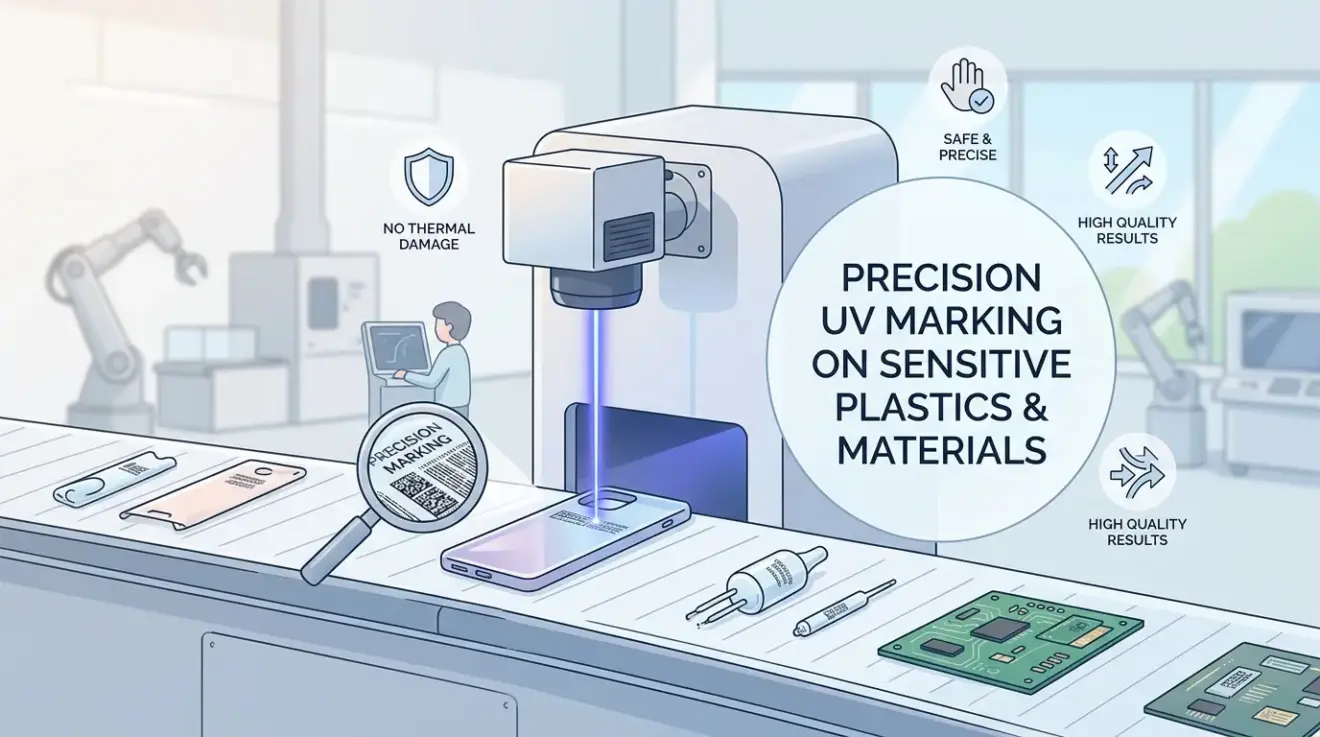
UV Laser Marking Machine for Fine Plastics and Sensitive Materials: What Buyers Should Evaluate First
Wednesday, 15 April 2026
When a production line needs permanent marks on thin plastics, coated housings, labels, or other appearance-sensitive parts, the real problem is rarely whether a mark can be made at all. The harder question is whether the mark can stay sharp and readable without whitening the surface, distorting a thin wall, creating a visible halo, or
- Published in Laser
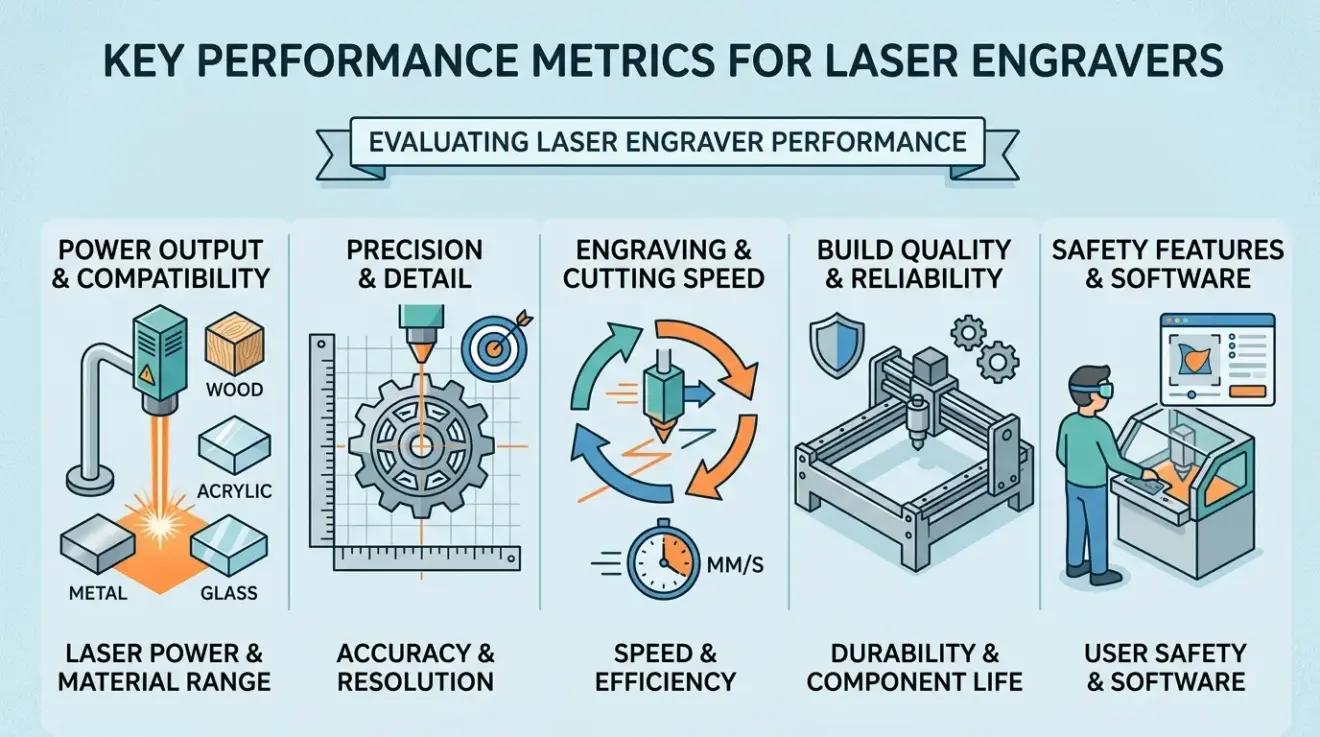
Best Laser Engraver? How to Evaluate Performance Without Brand Bias
Tuesday, 14 April 2026
The phrase best laser engraver sounds straightforward, but it usually pushes buyers toward the least useful part of the decision: brand reputation, demo videos, and isolated sample photos. In production, the better question is whether a machine can hold engraving clarity, repeatability, and usable throughput across the materials and job types your factory actually runs.
- Published in Laser
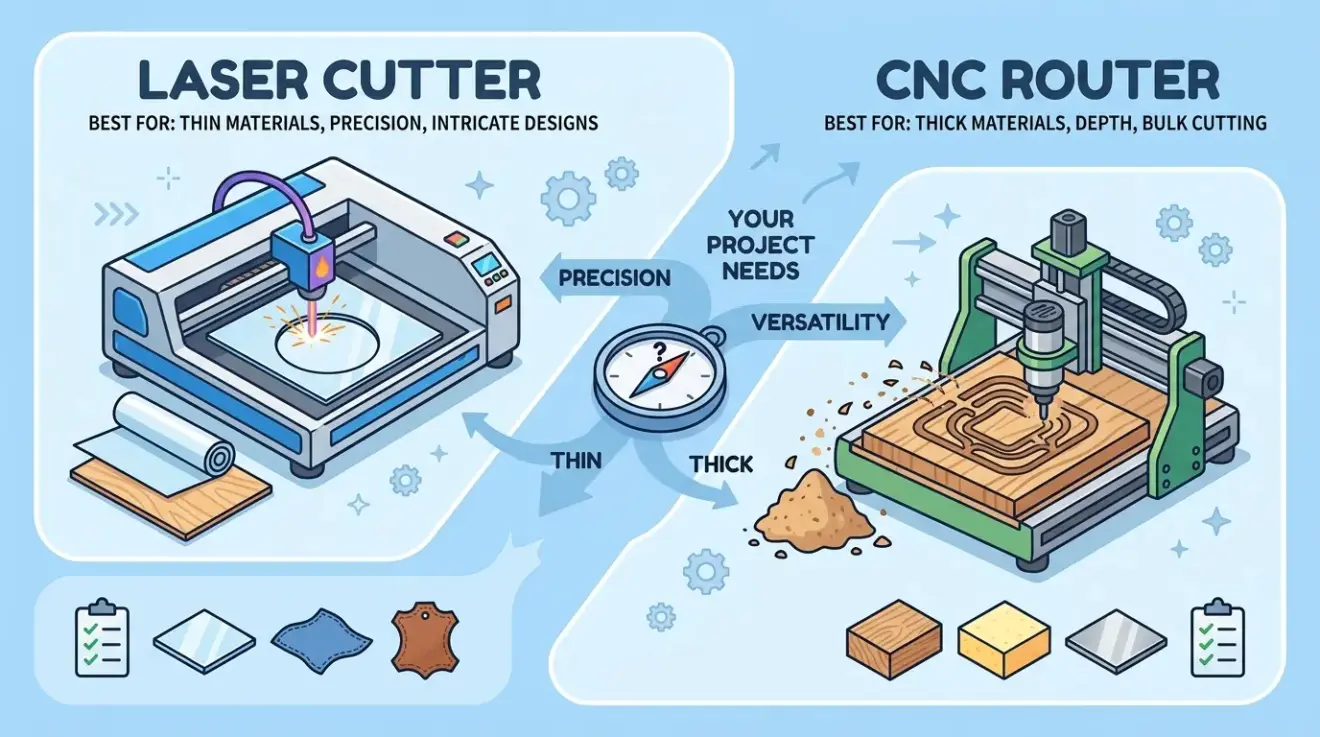
CNC Laser Cutter vs CNC Router: Which One Should You Choose?
Tuesday, 14 April 2026
Choosing between a CNC laser cutter and a CNC router is rarely about which machine sounds more advanced. In real production, the decision usually comes down to what the part needs after the first cut: engraving, small internal detail, pockets, grooves, drilled features, edge finishing, material thickness, and how much manual rework the team can
- Published in Laser
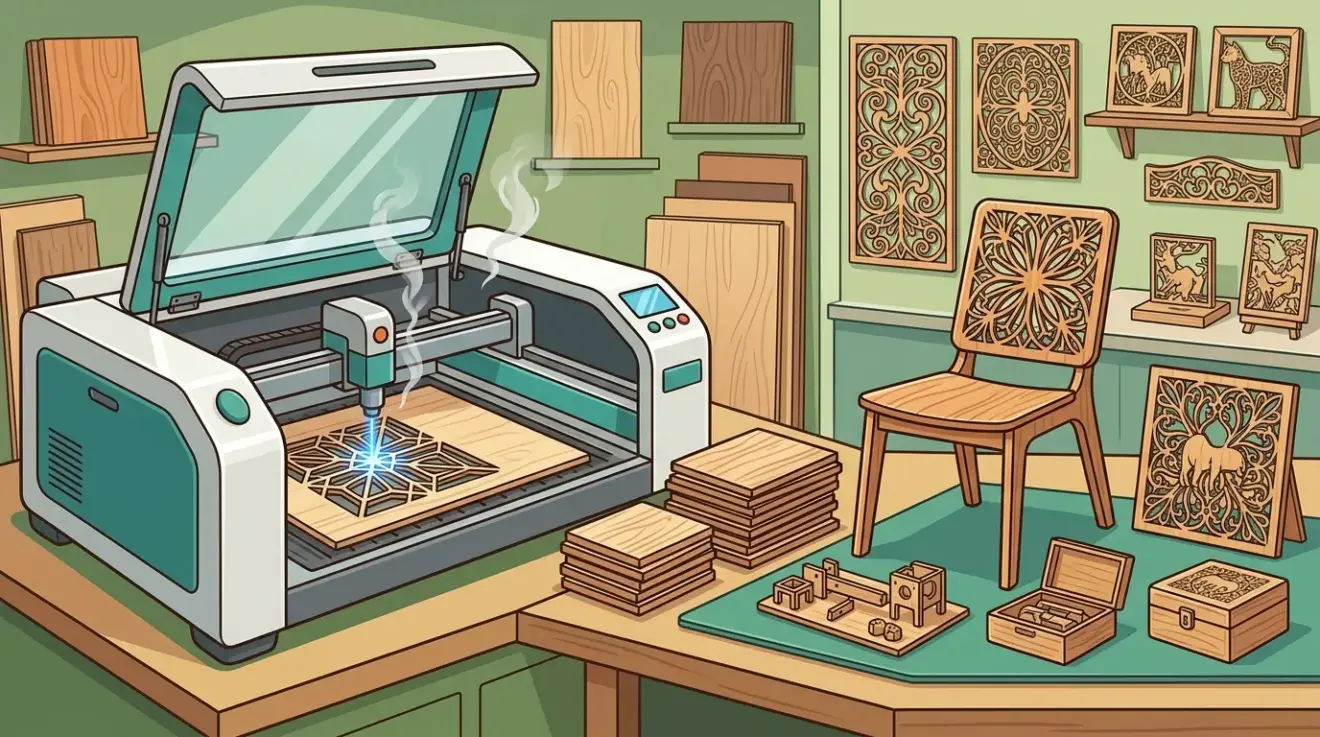
Wood Laser Cutter for Furniture, Decor, and Craft Production: Where It Fits Best
Tuesday, 14 April 2026
The term wood laser cutter sounds more specific than it really is. A furniture factory may use it to mean decorative components that need clean detail without slowing the main panel line. A decor producer may care most about visible-face quality, contour complexity, and repeatable cut patterns. A craft business may be looking for short-run
- Published in Laser