
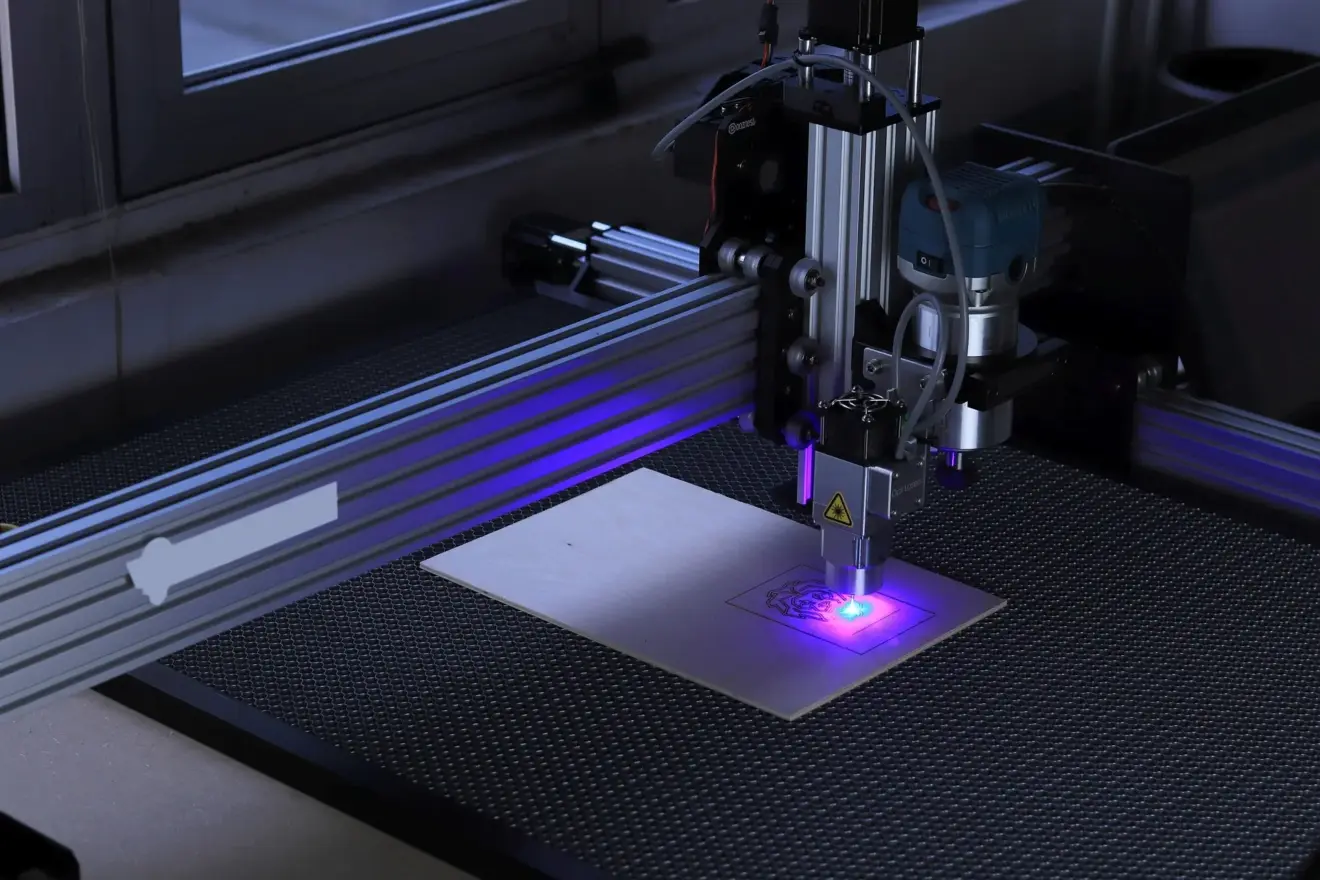
Laser CNC Machine: When It Makes Sense for Production
Sunday, 05 April 2026
A laser CNC machine can look like an obvious upgrade because it combines digital control, precise cutting, and flexible part programming. But in production, the better question is not whether laser CNC technology is advanced. It is whether that combination of automation, precision, and material fit solves a real bottleneck in the workflow. For some
- Published in Laser
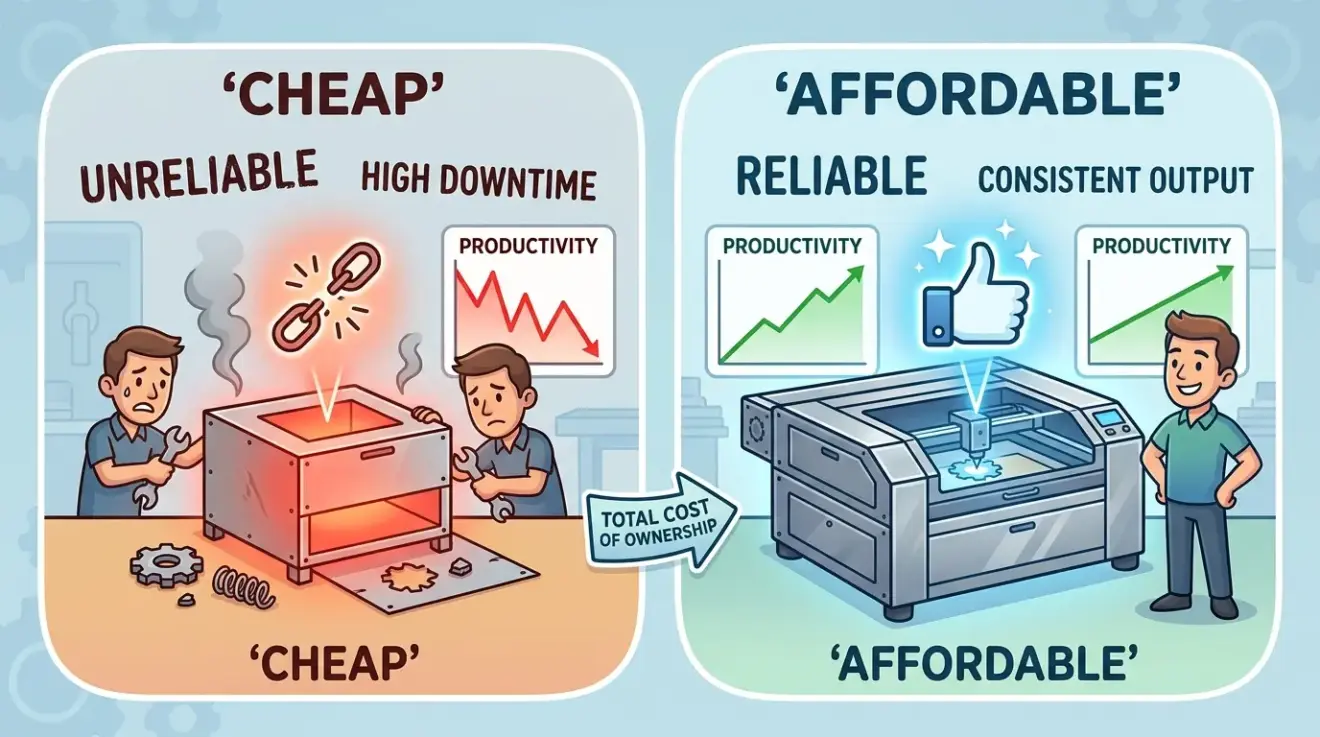
Cheap Laser Cutter vs Affordable Laser Cutter: Which Trade-Offs Actually Matter in Production
Sunday, 05 April 2026
When a buyer is under budget pressure, “cheap” and “affordable” can sound like the same thing. In production, they usually are not. A cheap laser cutter is often the machine with the lowest visible purchase price. An affordable laser cutter is the one a shop can buy, install, run, and maintain without turning every order
- Published in Laser
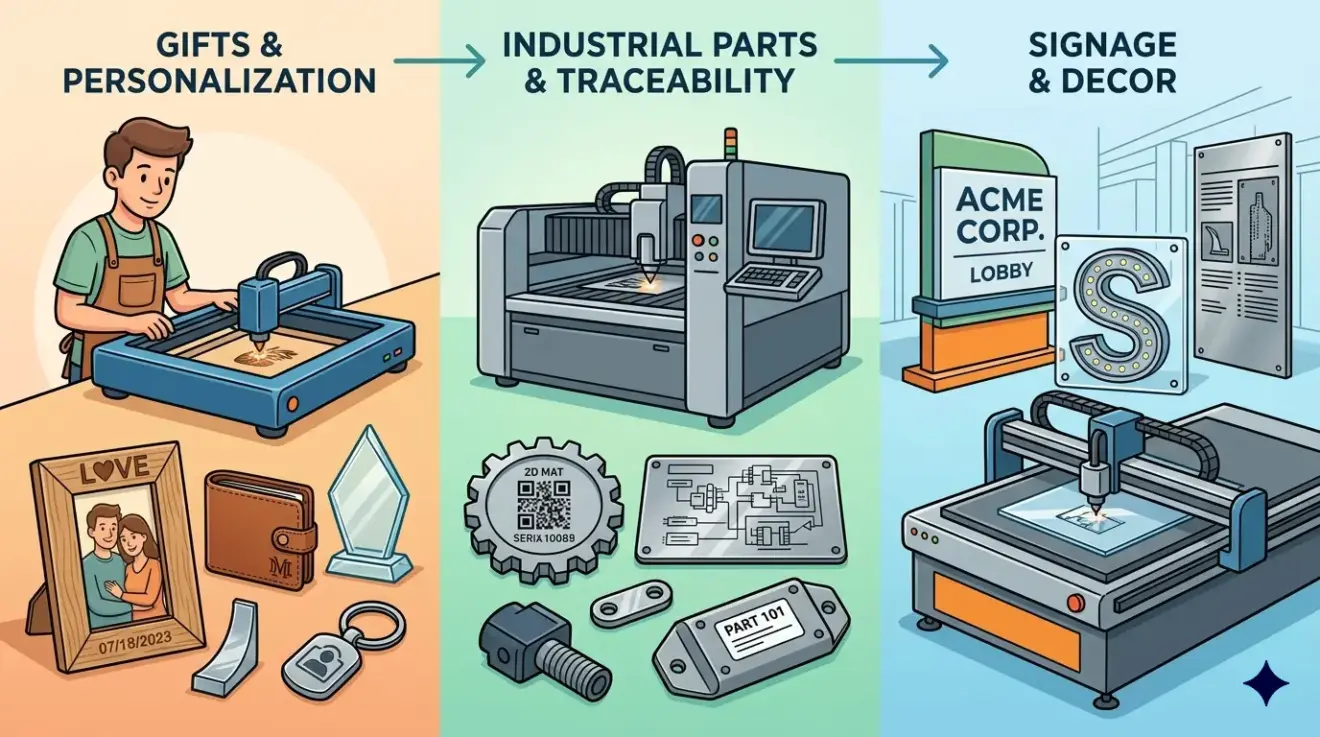
Engraving Machine Applications in Gifts, Industrial Parts, and Signage: Where Each Use Case Fits Best
Sunday, 05 April 2026
An engraving machine can look versatile in a brochure, but real production value depends on what the shop is actually trying to finish all day. A gift workflow usually rewards flexibility, personalization, and visual appeal. An industrial-parts workflow rewards permanence, repeatability, and traceability. A signage workflow often sits in between, where appearance matters, but so
- Published in Laser
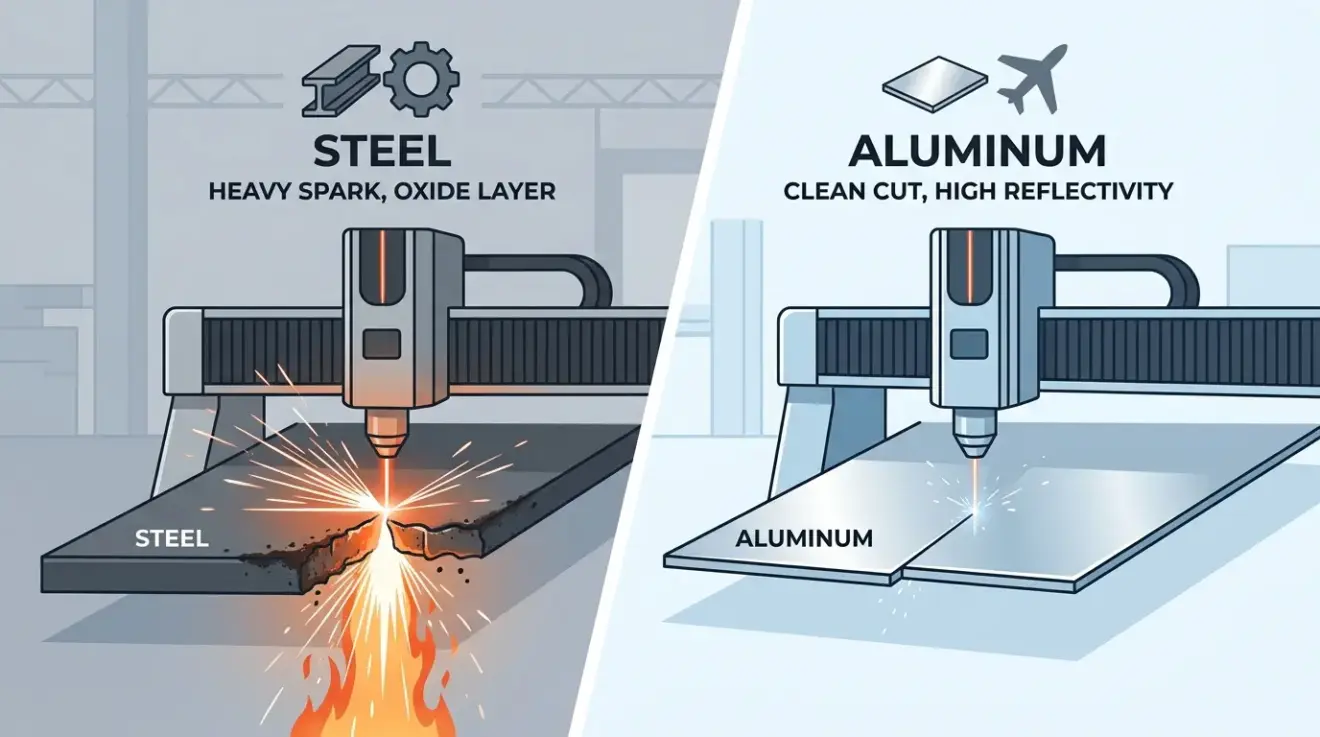
Steel Laser Cutter vs Aluminum Laser Cutter: Material-Specific Selection Factors
Sunday, 05 April 2026
When buyers compare a steel laser cutter with an aluminum laser cutter, the most useful question is usually not whether they need two completely different machine categories. The real issue is whether the laser system, cutting head control, assist-gas strategy, and material-handling plan are matched to the material behavior that dominates the production schedule. That
- Published in Laser
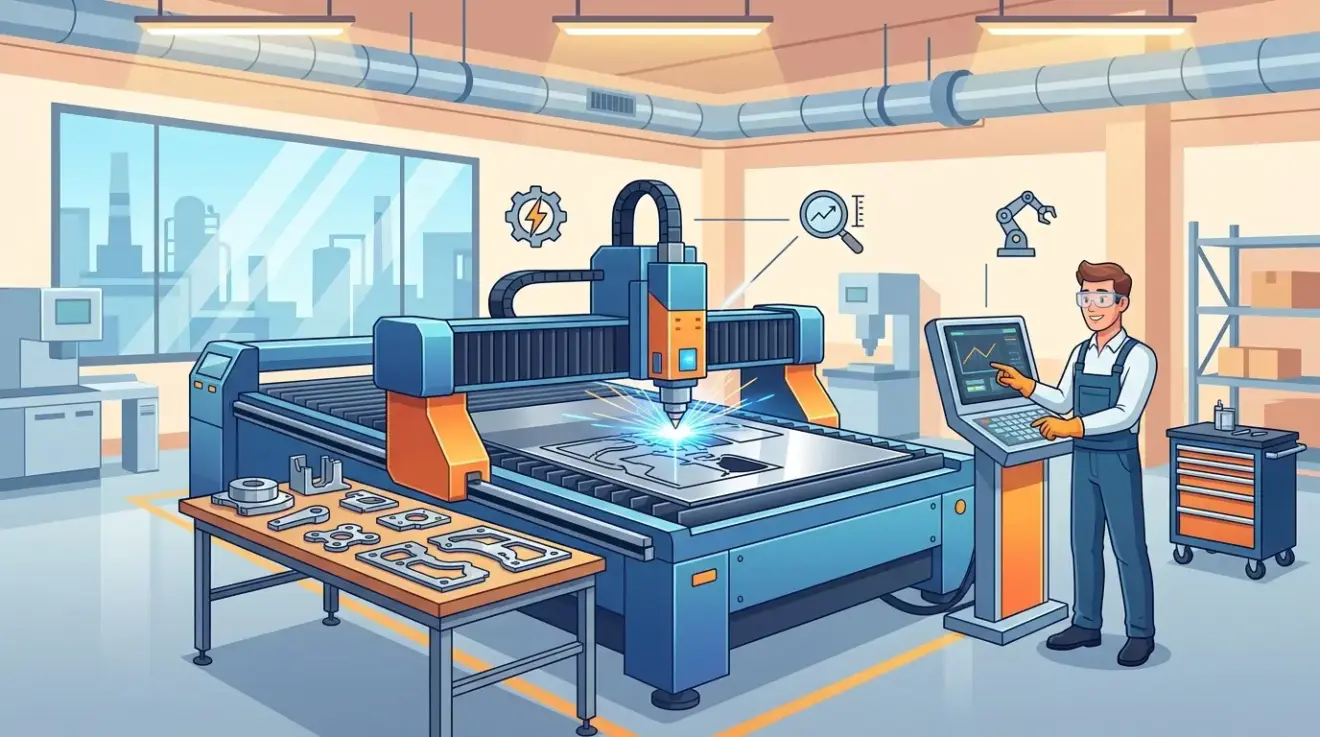
Stainless Steel Laser Cutter: What To Look For In A Production Machine
Sunday, 05 April 2026
Buying a stainless steel laser cutter for production is rarely about whether the machine can cut stainless at all. The harder question is whether it can hold edge quality, dimensional consistency, and daily throughput when the workload shifts from simple blanks to nested parts, visible panels, brackets, enclosures, and repeat orders that have to move
- Published in Laser
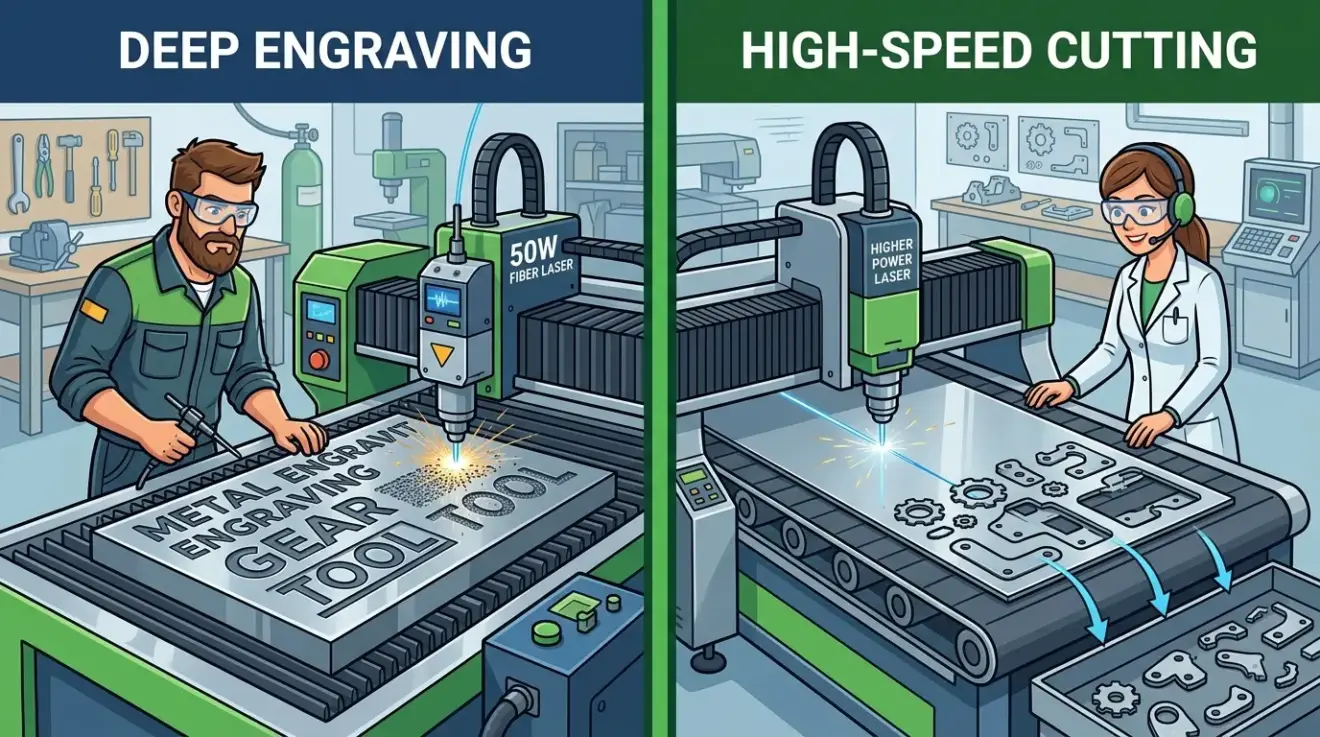
50W Fiber Laser vs Higher-Power Fiber Laser: Which Is Right for Your Workflow?
Saturday, 04 April 2026
In many factories, the wrong laser-power decision does not fail on the sample plate. It fails later, when cycle times drag, small codes lose edge definition, thin parts show too much heat, or the buyer pays for output the line never actually uses. That is why the real question is rarely whether higher power sounds
- Published in Laser
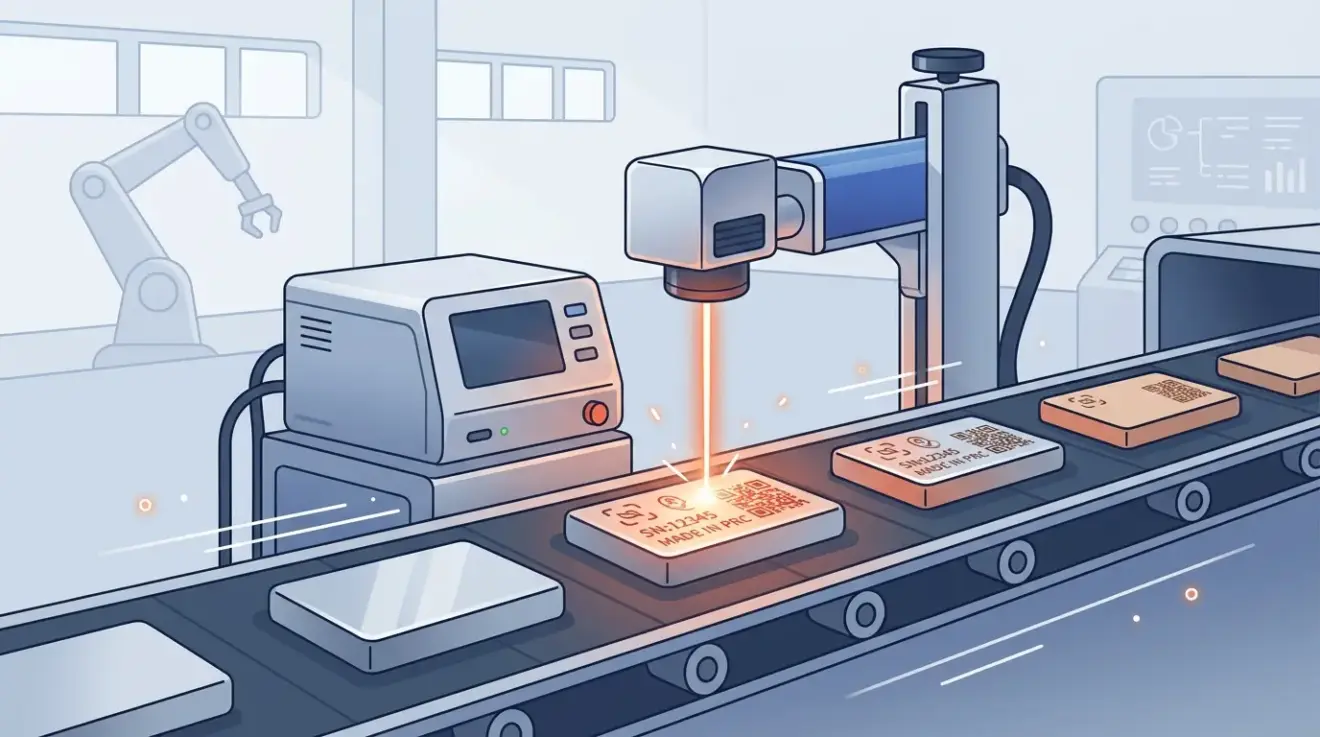
Laser Marking Machine: What It Does and Where It Fits in Production
Saturday, 04 April 2026
A readable part mark usually becomes important only after production loses control of it. Mixed batches, unreadable serial numbers, slow inspection, and unclear warranty history all turn a small identification step into a much larger operational problem. That is where a laser marking machine starts to make sense. In practical terms, laser marking belongs in
- Published in Laser
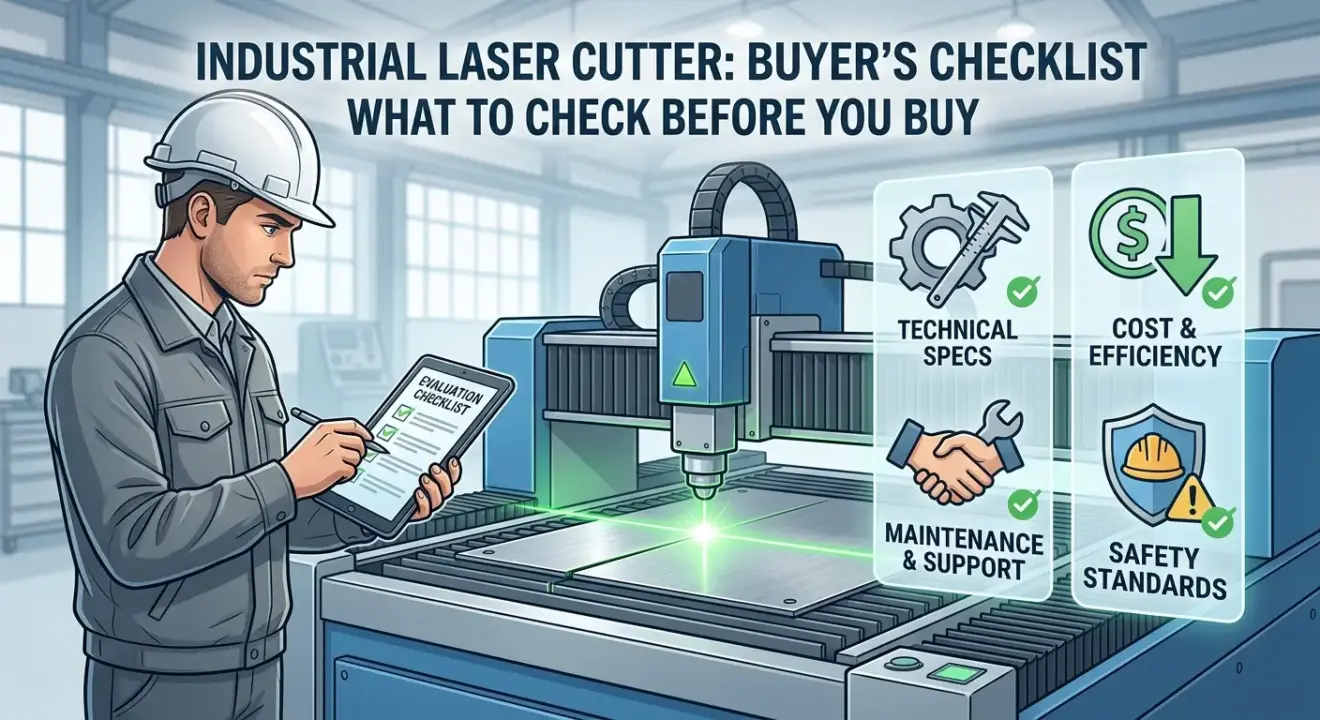
Laser Cutter for Sale: What Industrial Buyers Should Check Before They Buy
Saturday, 04 April 2026
When buyers search for a laser cutter for sale, the listing price is usually the least reliable signal. Two machines can look similar in a quote or product gallery, yet deliver very different results once they are asked to cut acrylic cleanly, engrave wood consistently, or run day after day without workflow interruptions. For industrial
- Published in Laser
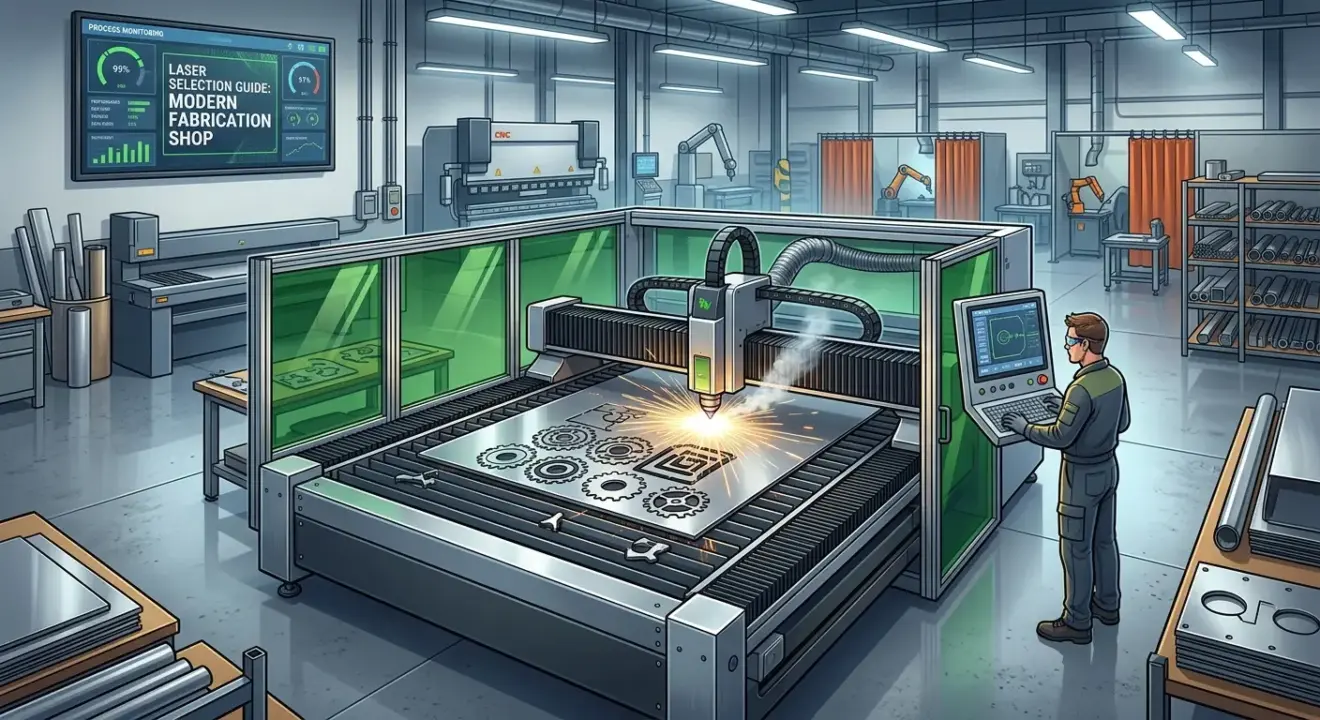
How to Choose the Right Laser Machine for a Modern Fabrication Shop
Saturday, 04 April 2026
A laser machine can be a strong investment for a modern fabrication shop, but only when it matches the real production flow. Shops that process acrylic, wood, coated panels, signage materials, templates, decorative parts, and mixed non-metal components often look at laser systems because they want cleaner detail, faster changeovers, and less secondary finishing. The
- Published in Laser
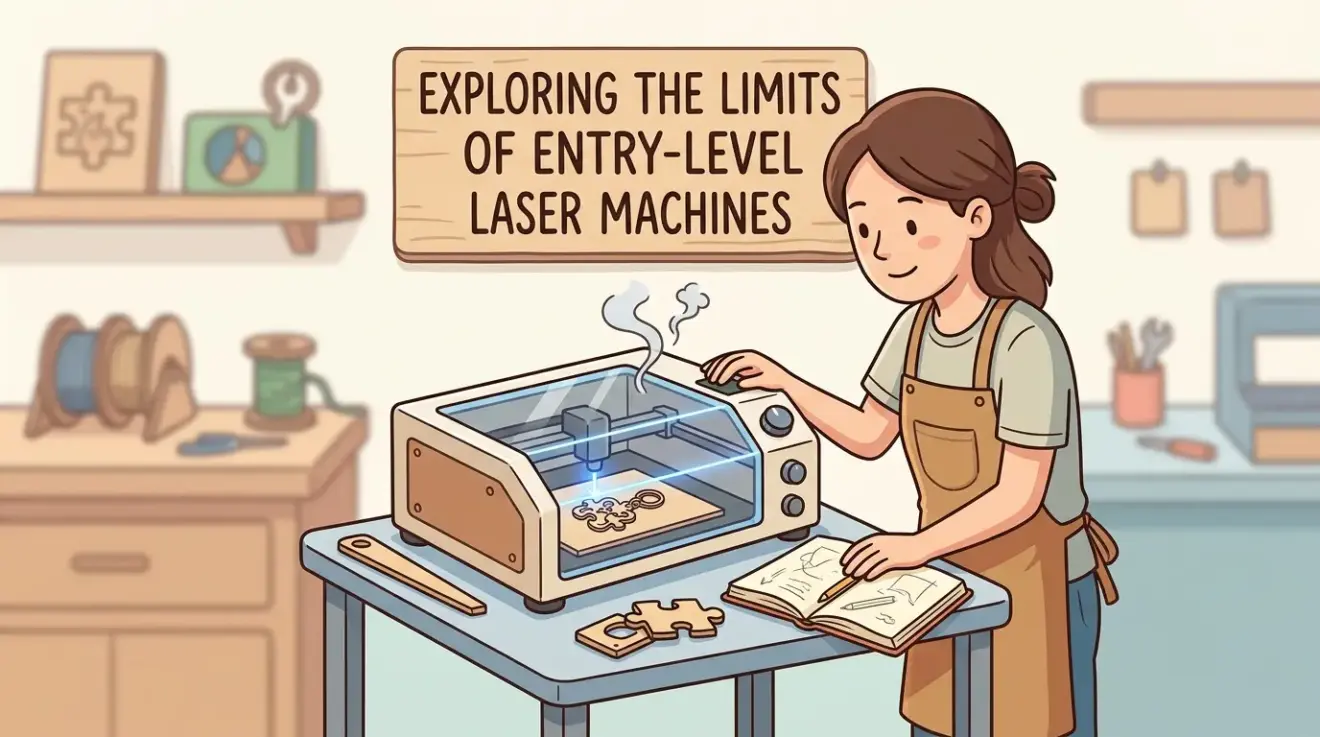
What DIY Laser Cutter Projects Reveal About the Limits of Entry-Level Laser Machines
Friday, 03 April 2026
DIY laser cutter projects are often where a buyer first learns what laser processing can do. Layered wood signs, tab-and-slot boxes, acrylic display pieces, custom tags, and decorative prototypes all make the technology feel accessible. That early experience is useful, but it can also hide an important distinction: finishing a one-off project is not the
- Published in Laser
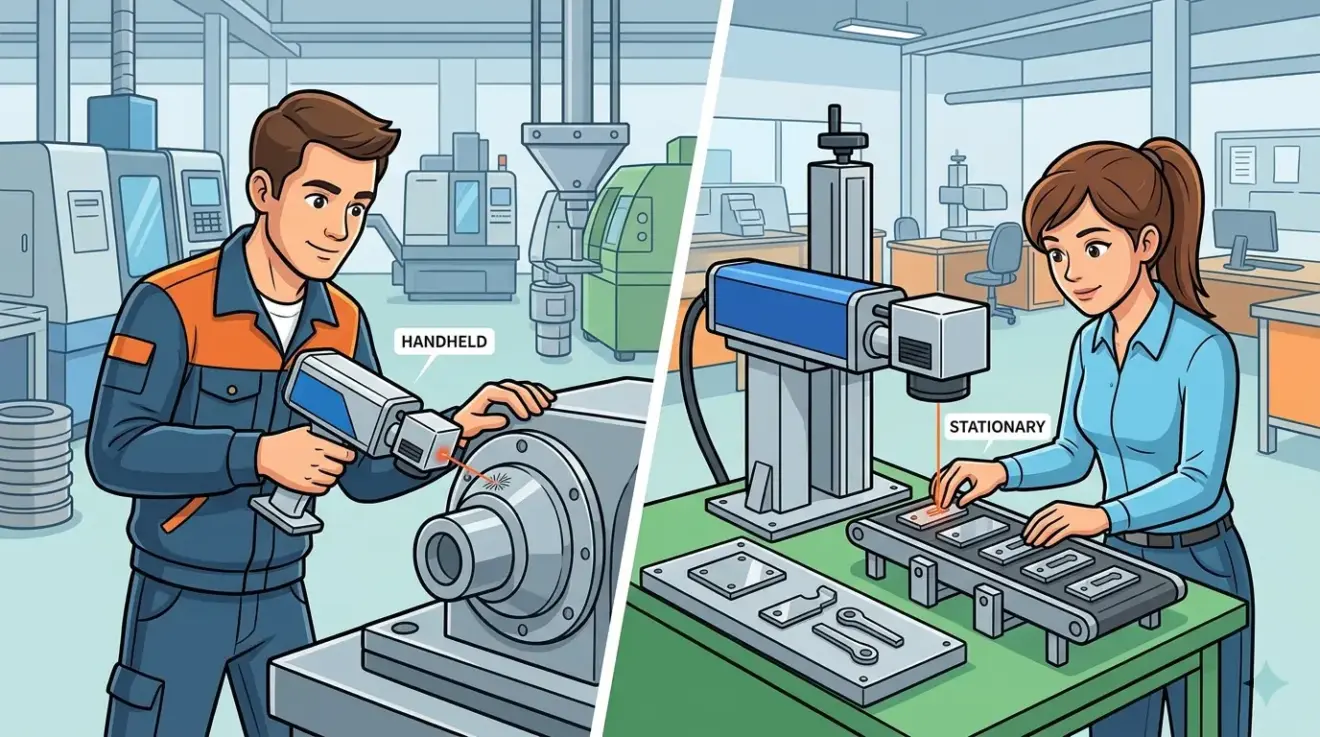
Handheld Laser Marking Machine vs Fixed Fiber Laser Marking Machine: Which Setup Fits Your Production Workflow?
Friday, 03 April 2026
Factories usually ask this question when the marking step starts creating friction. Parts need permanent IDs, traceability codes, logos, or compliance marks, but the production team has not yet decided whether it is better to move the workpiece to a stable marking station or bring the marking head to the part. That is why the
- Published in Laser
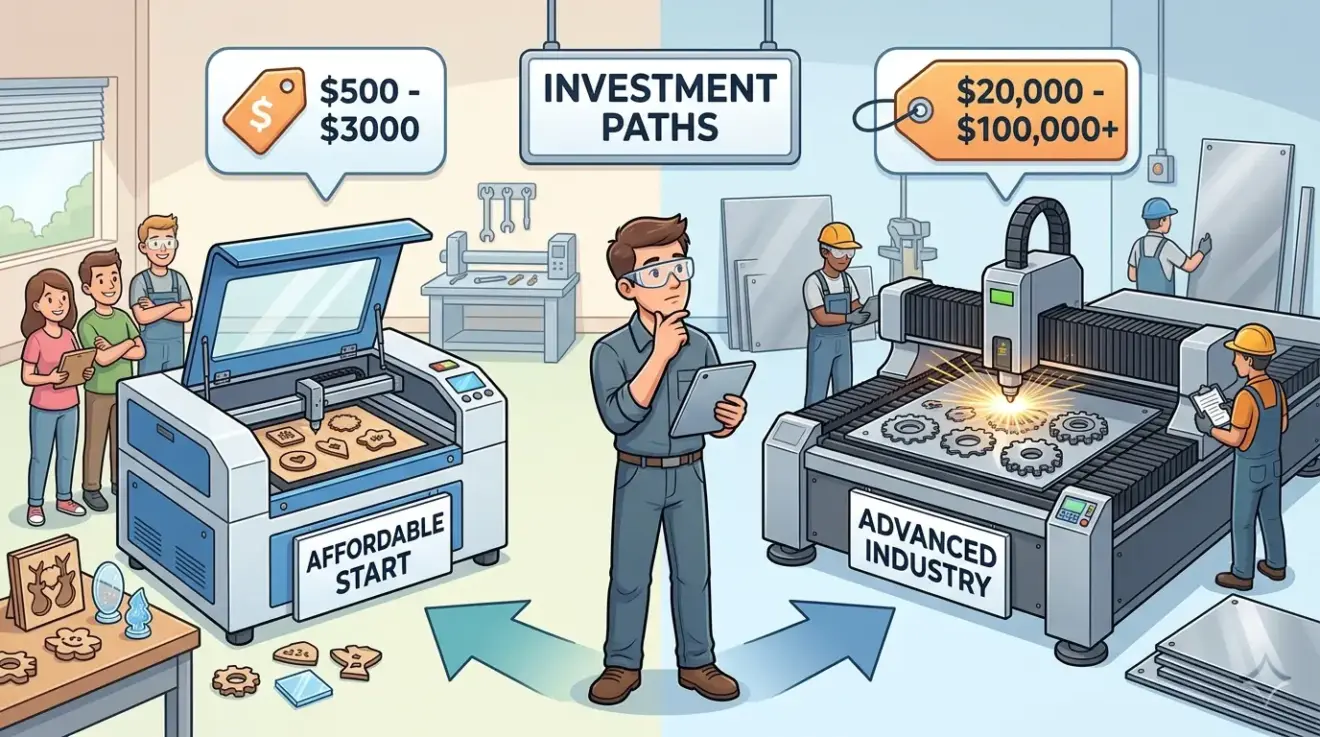
Laser Cutter Price Guide for 2026 Buyers
Friday, 03 April 2026
Laser cutter pricing still confuses buyers for the same reason it always has: one quote covers a bare machine, another includes cooling and extraction, and a third is built around daily production rather than occasional cutting. That makes the lowest number easy to notice and hard to trust. For buyers evaluating laser cutters and engravers
- Published in Laser
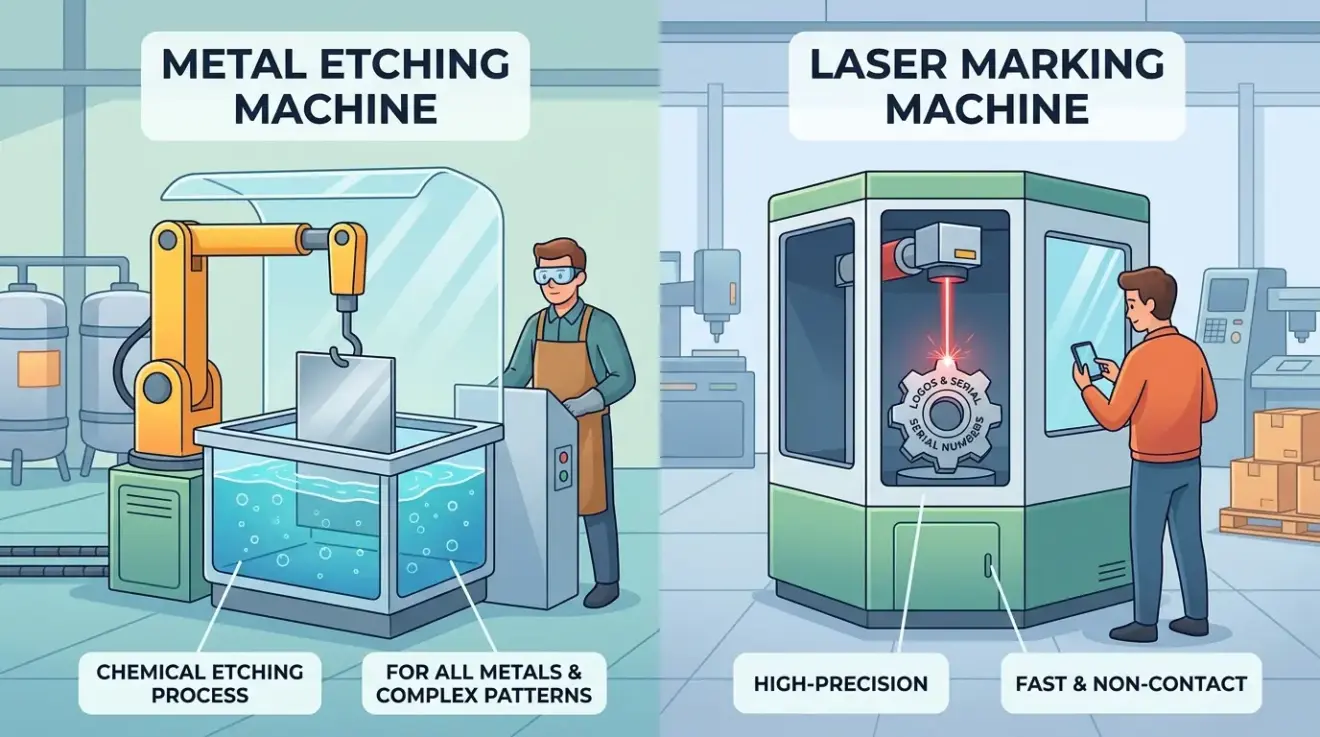
Metal Etching Machine vs Laser Marking Machine: Which One Fits Industrial Production?
Friday, 03 April 2026
When a factory needs permanent identification, decorative detail, or branded marks on metal parts, the wrong process does more than affect appearance. It can slow changeovers, add handling steps, create inconsistent contrast, or make downstream traceability harder. That is why a metal etching machine and a laser marking machine should not be treated as interchangeable
- Published in Laser