
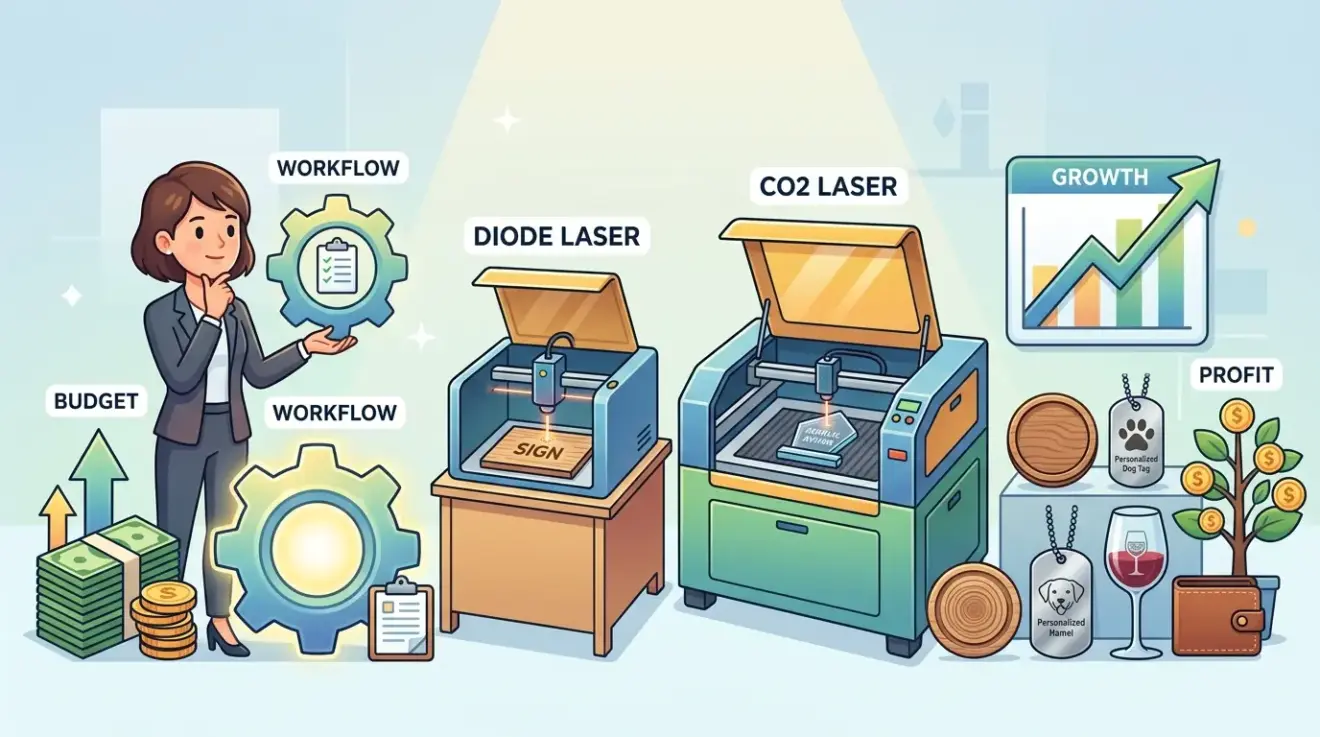
Affordable Laser Engraver Options for Small Business Buyers: How to Match Budget to Workflow
Tuesday, 14 April 2026
For a small business, an affordable laser engraver is not simply the machine with the lowest quote. It is the machine that fits the material mix, order volume, and finish expectations closely enough to generate usable output without constant adjustment, missed deadlines, or avoidable rework. That distinction matters because small shops usually feel equipment mistakes
- Published in Laser
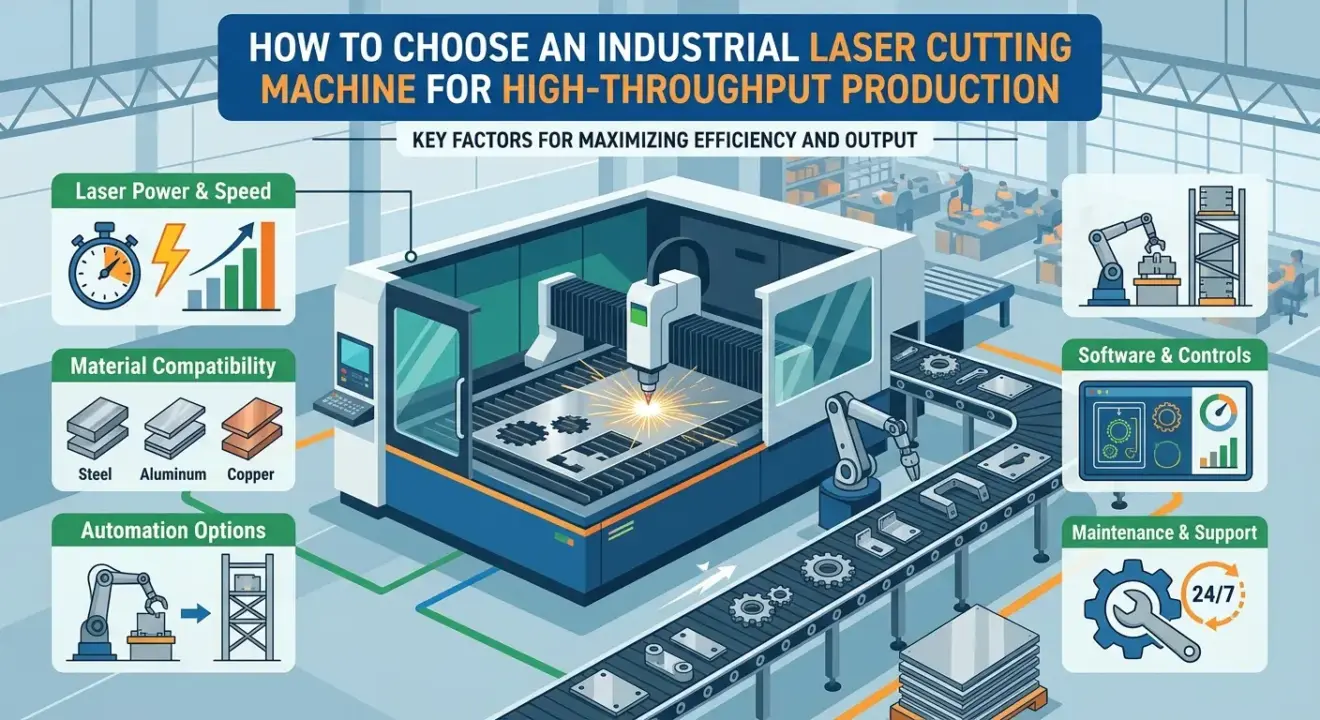
How to Choose an Industrial Laser Cutting Machine for High-Throughput Production
Tuesday, 14 April 2026
If output targets are slipping, the issue is rarely the beam alone. High-throughput laser production depends on how fast jobs are prepared, how consistently sheets are loaded, how cleanly parts are separated, and how reliably the next process can keep moving. That is why an industrial laser cutting machine should be evaluated as a production
- Published in Laser
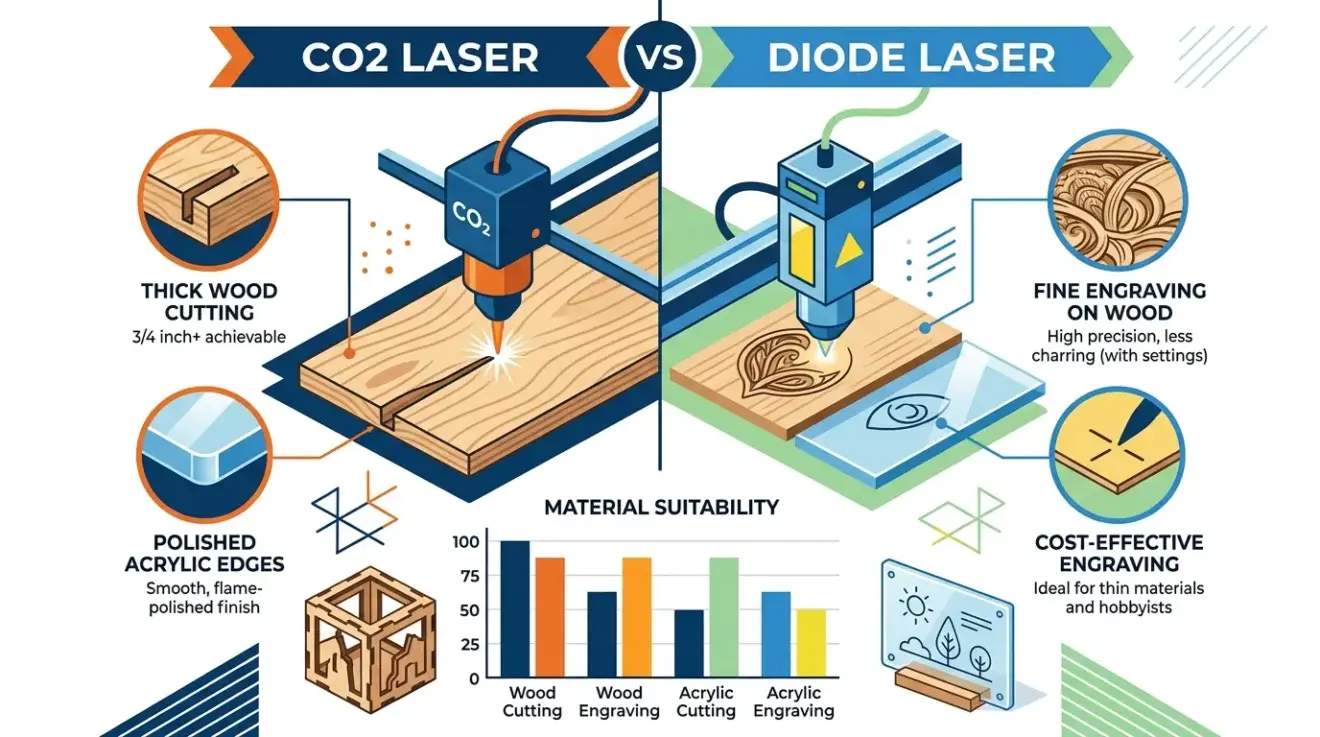
CO2 Laser vs Diode Laser: Which One Fits Wood and Acrylic Production Better?
Tuesday, 14 April 2026
The phrase “better” only becomes useful once a shop defines the real job. For light wood engraving, both CO2 and diode systems can be workable. For acrylic cutting, repeatable output, and mixed-material production, the decision usually becomes much less balanced. A diode machine may look attractive because the entry cost is lower and the footprint
- Published in Laser
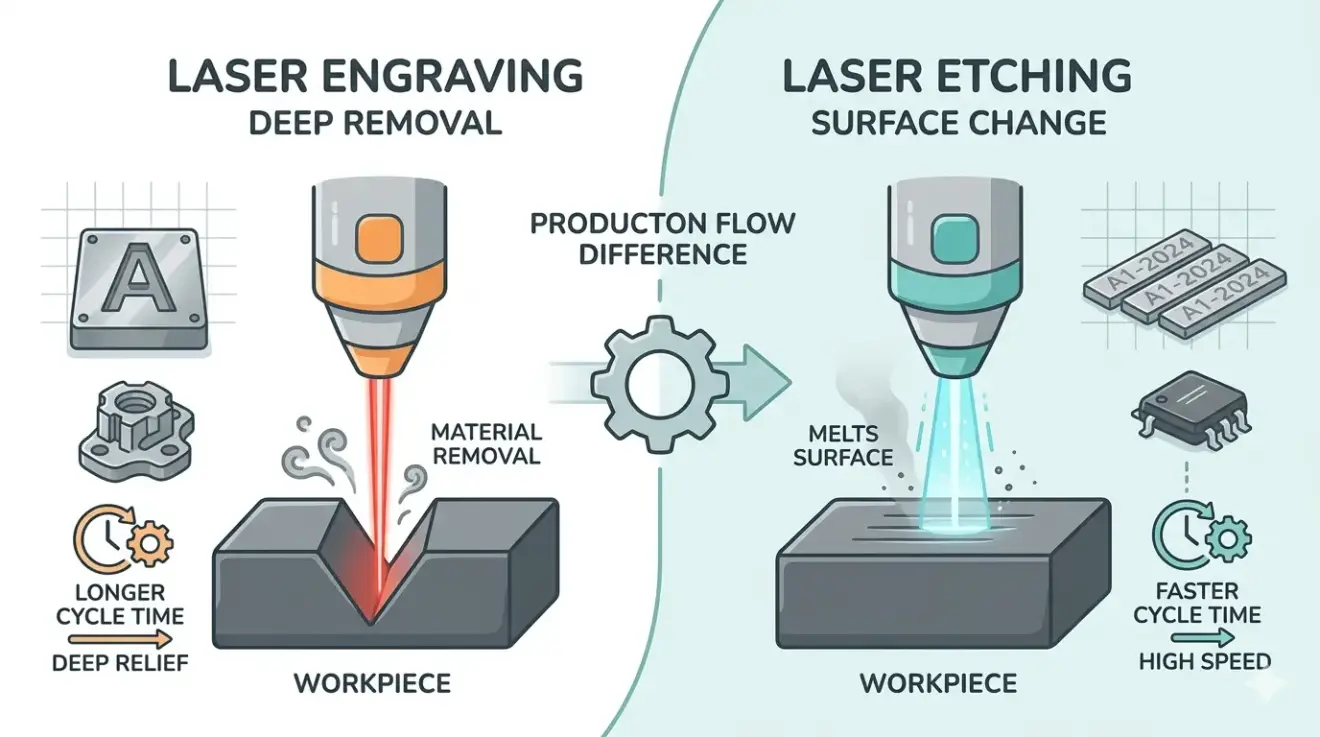
Laser Etching Machine vs Laser Engraving Machine: What Actually Changes in Production?
Tuesday, 14 April 2026
Many buyers start this comparison as if they are choosing between two completely different machine families. In real production, the difference is usually less dramatic. Most of the time, the real question is whether the job needs a shallow surface change, a deeper recessed result, or simply a clear visual mark that can survive handling
- Published in Laser
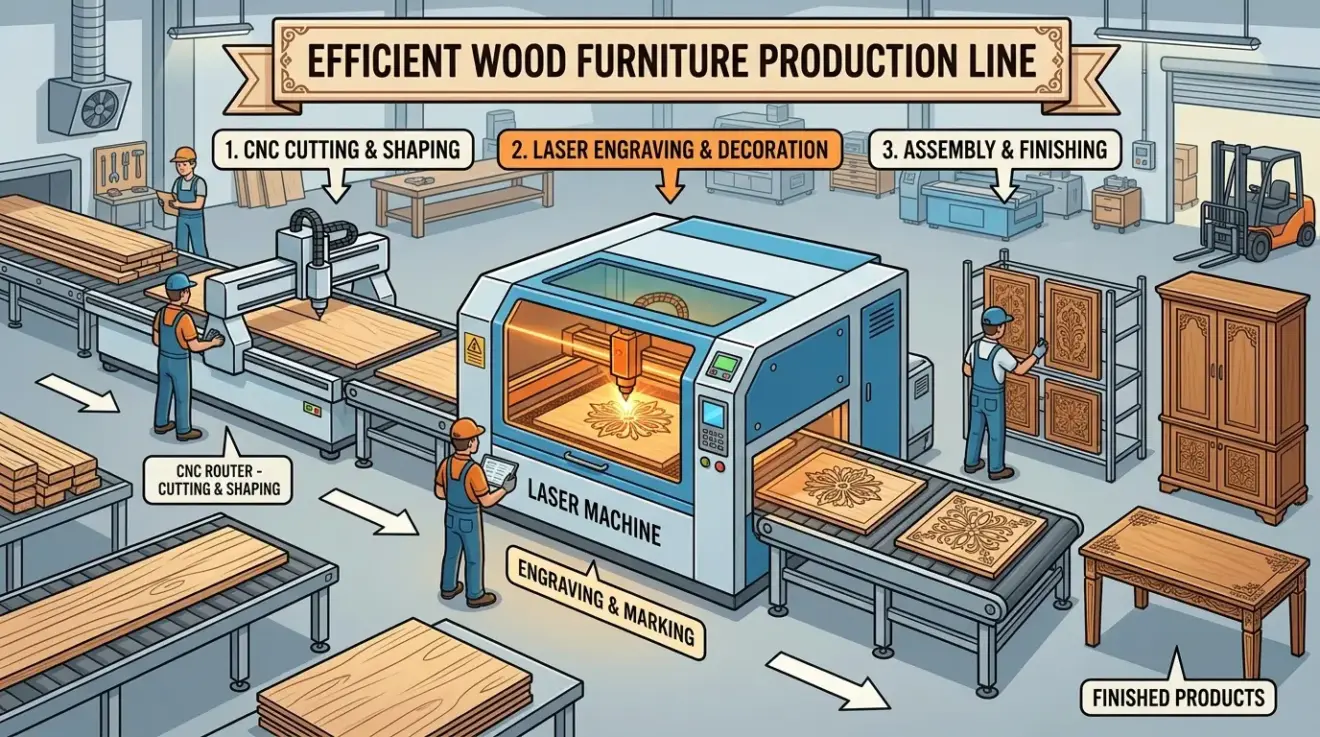
Laser Machine for Wood Furniture Components: Where It Fits Best in Production
Tuesday, 14 April 2026
In furniture manufacturing, the question is rarely whether a laser machine can process wood. The harder question is whether laser processing actually improves the component workflow you run every day. A machine that looks impressive on decorative samples can still be the wrong fit if most of your output depends on sheet breakdown, drilling accuracy,
- Published in Laser
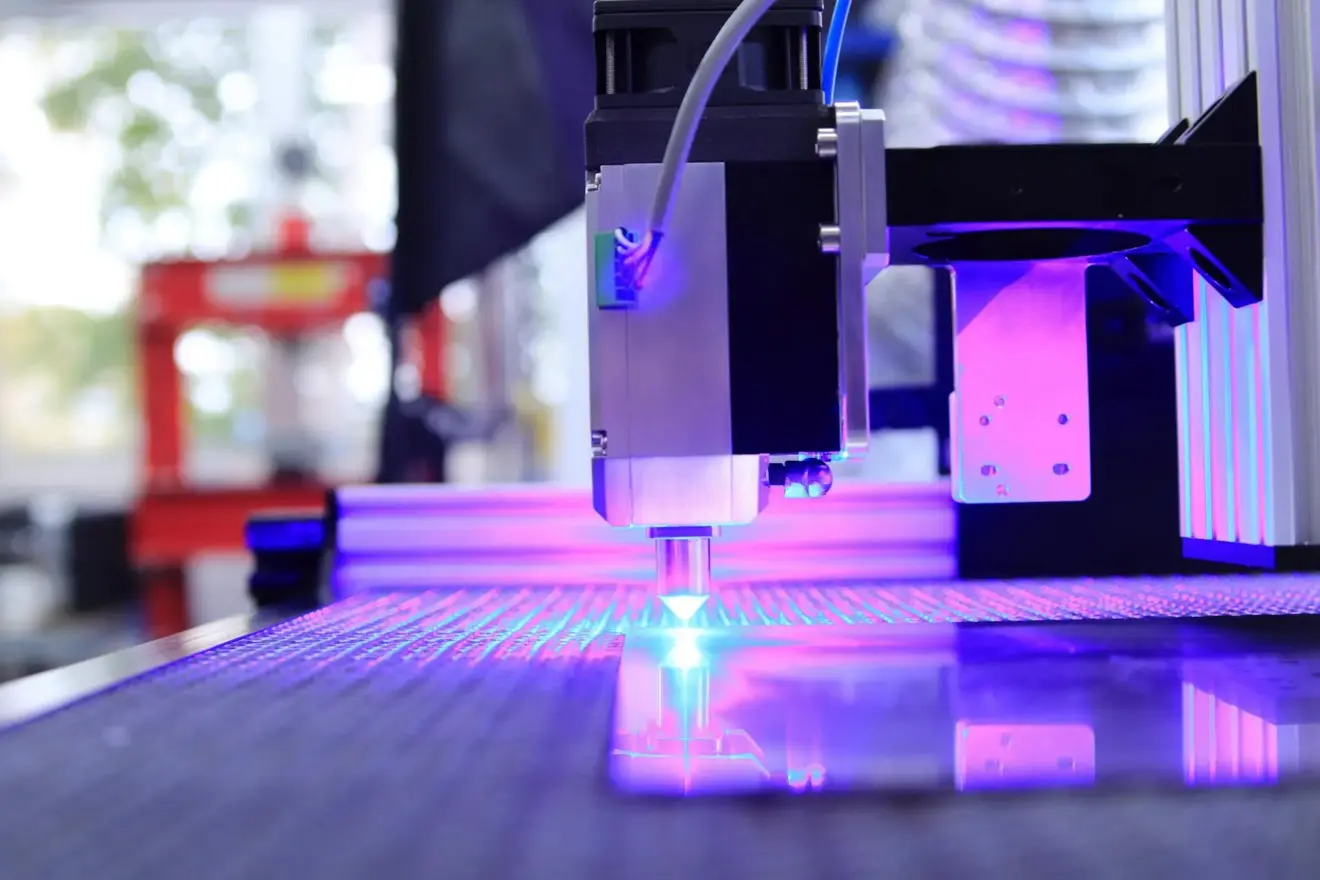
Fiber Laser Marking Machine Applications for Industrial Parts
Monday, 13 April 2026
In industrial parts production, a mark is rarely just a cosmetic detail. Serial numbers, batch IDs, data matrix codes, logos, and compliance information often need to remain readable after machining, cleaning, assembly, shipment, or field service. When marks fail, traceability slows down, scanners misread parts, and operators lose time relabeling or matching components to paperwork
- Published in Laser
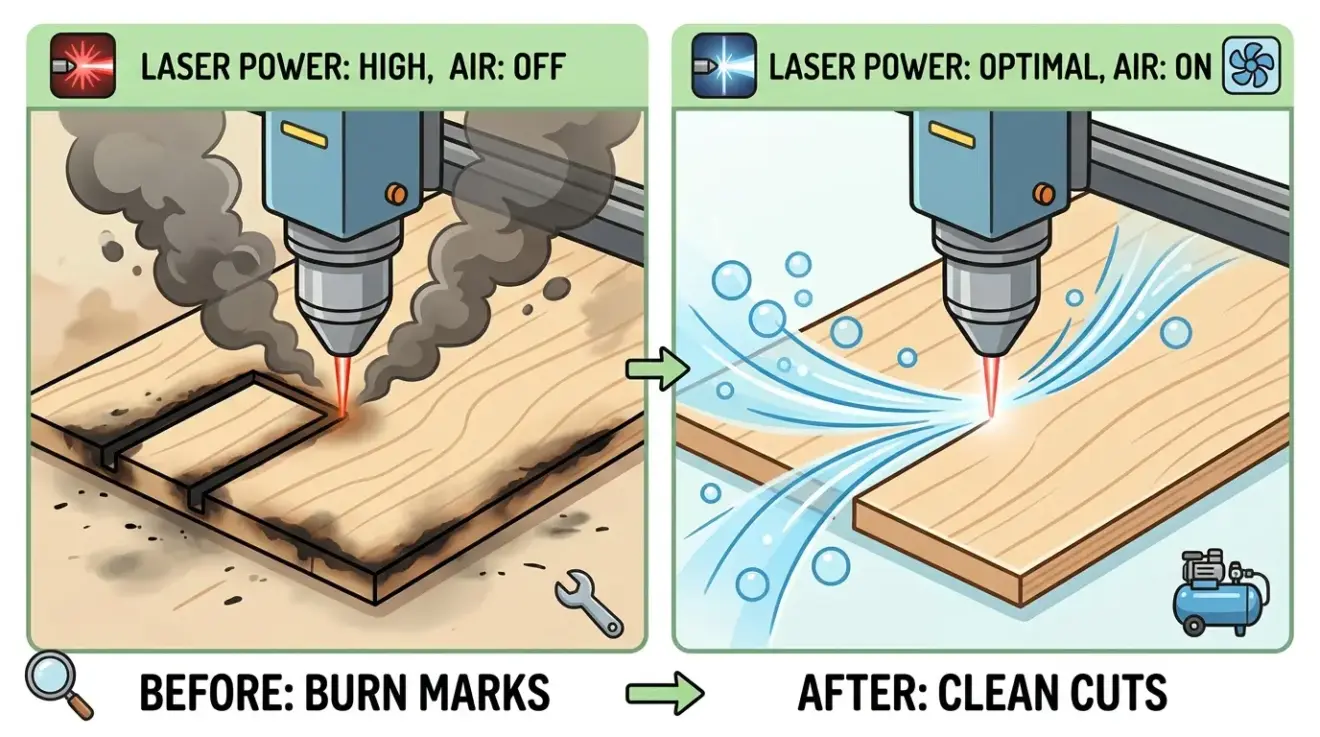
Laser Cut Plywood: How to Reduce Burn Marks and Improve Cut Quality
Monday, 13 April 2026
Burn marks on laser-cut plywood rarely stay isolated to appearance. Once edges darken too much or face veneers pick up smoke staining, the shop usually pays for it again through slower unloading, extra sanding, rejected decorative parts, or inconsistent assembly quality. The problem becomes more expensive when operators respond by slowing every job down instead
- Published in Laser
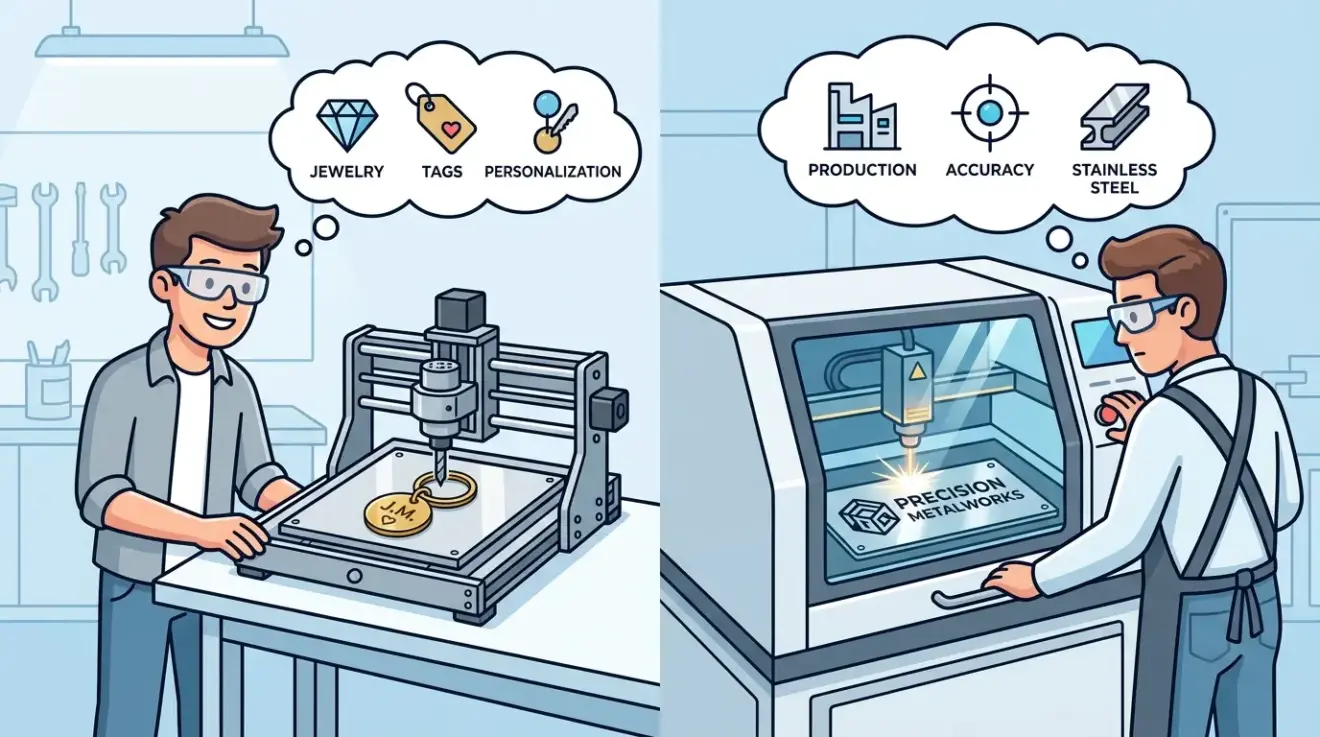
Metal Engraving: How To Choose the Right Machine for the Job
Monday, 13 April 2026
In metal engraving, the wrong machine rarely fails in the demo. It fails later, when deep marks slow down the line, fine text loses clarity on polished parts, or a traceability code looks acceptable to the eye but becomes unreliable under real scanner checks. That is why choosing a metal engraving machine is not really
- Published in Laser
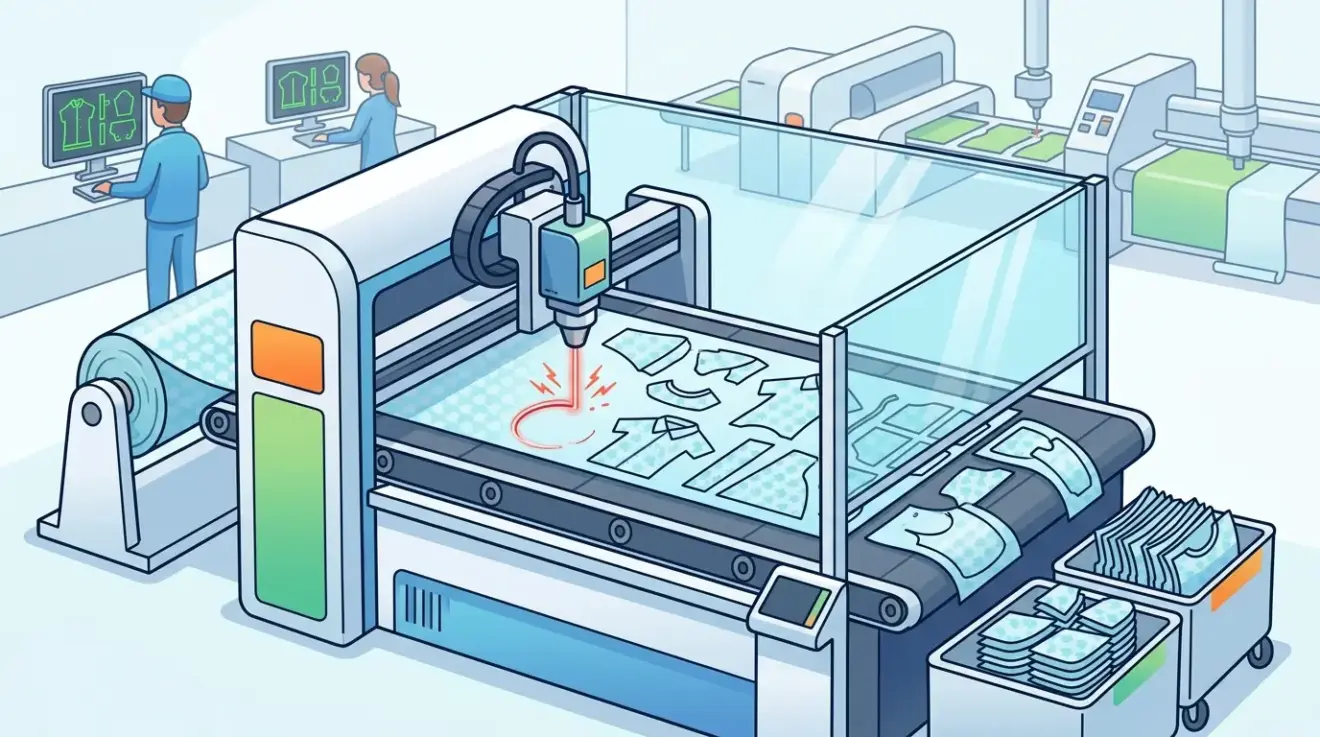
When Does a Fabric Laser Cutting Machine Make Sense for Textile Production?
Monday, 13 April 2026
Textile manufacturers usually do not choose laser cutting because it sounds more advanced. They choose it when the production mix makes tooling delays, contour complexity, frayed edges, or frequent pattern changes more expensive than the cutting method itself. That is the real decision point. A fabric laser cutting machine can improve repeatability, simplify digital changeovers,
- Published in Laser
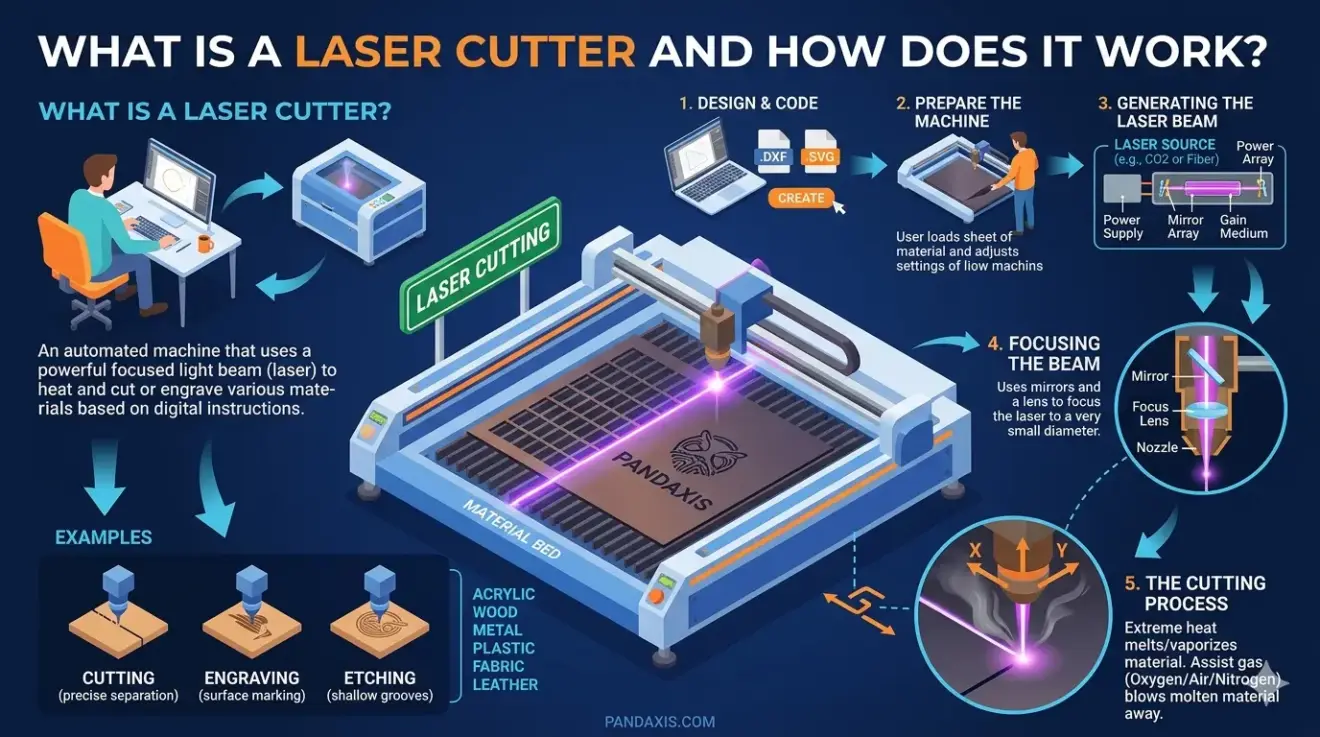
What Is a Laser Cutter and How Does It Work?
Monday, 13 April 2026
When a manufacturer needs clean shapes, repeatable detail, and faster design changes without swapping physical tooling for every new job, a laser cutter becomes a practical production asset. It uses a concentrated beam of light to process material along a programmed path, making it useful for shaped cutting, surface engraving, and detailed marking in workflows
- Published in Laser
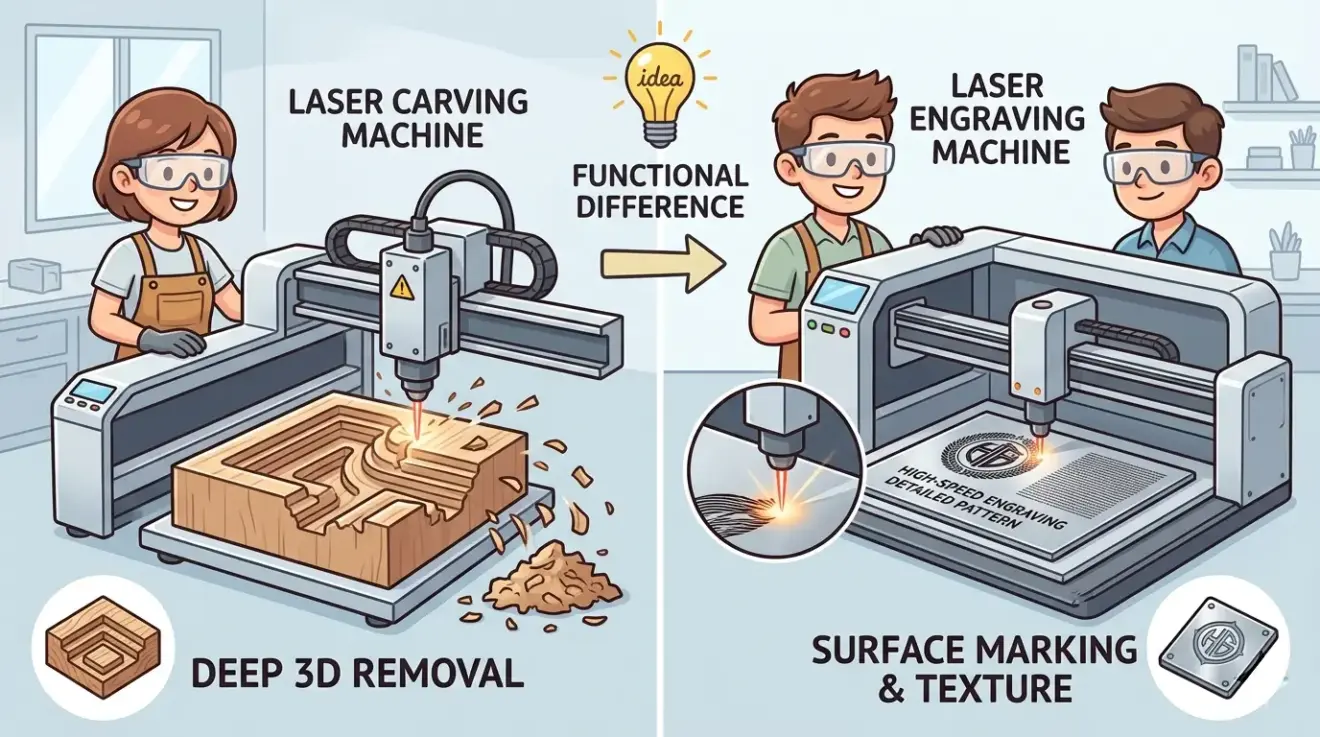
Laser Carving Machine vs Laser Engraving Machine: Is There a Real Difference in Production?
Monday, 13 April 2026
Buyers often assume that a laser carving machine and a laser engraving machine must be two clearly different categories. In actual production, the difference is usually less about a separate machine class and more about the finished result the job requires. The real decision is whether the workflow depends on shallow surface marking, deeper relief-style
- Published in Laser
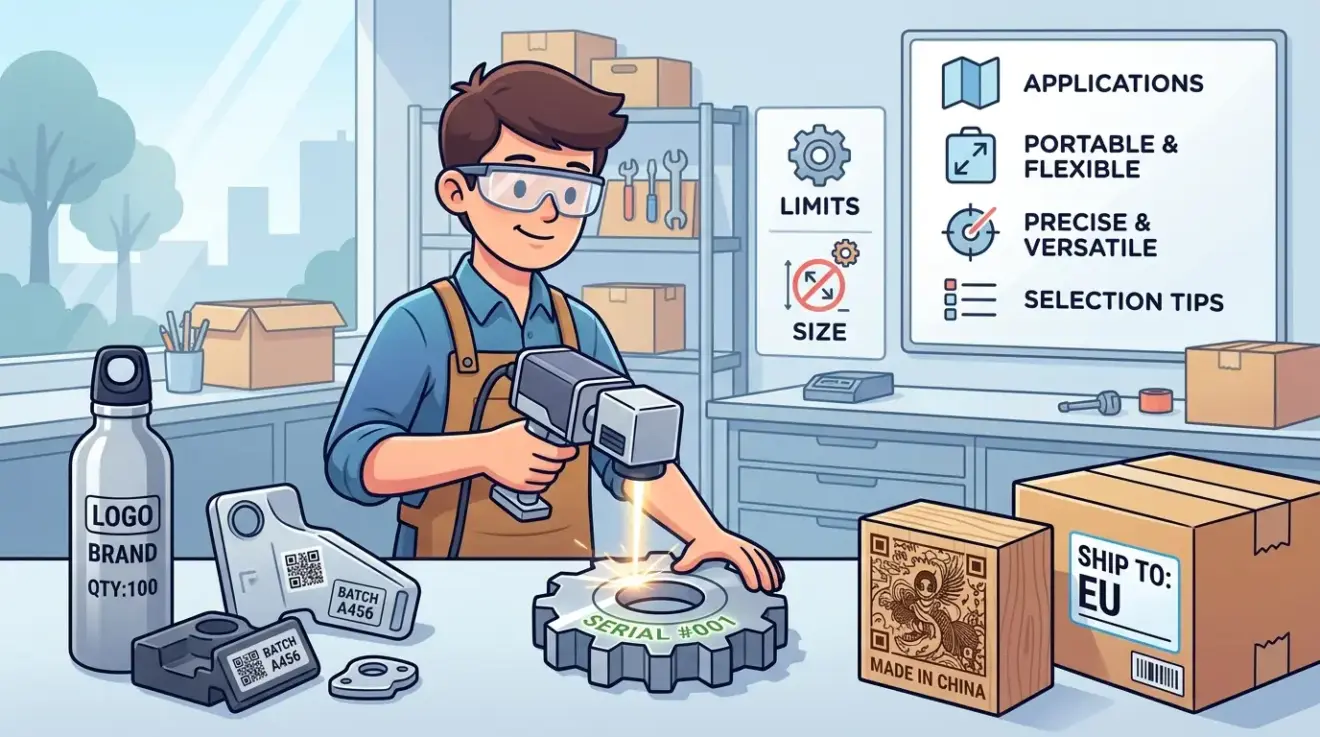
Portable Laser Marking Machines: Use Cases, Limits, and Selection Tips
Monday, 13 April 2026
Many buyers focus on portability too early. They ask whether a portable laser marking machine is the better choice before they define what problem the marking step is actually supposed to solve. In real production, portability only creates value when moving the part to a fixed station is slower, riskier, or less practical than moving
- Published in Laser
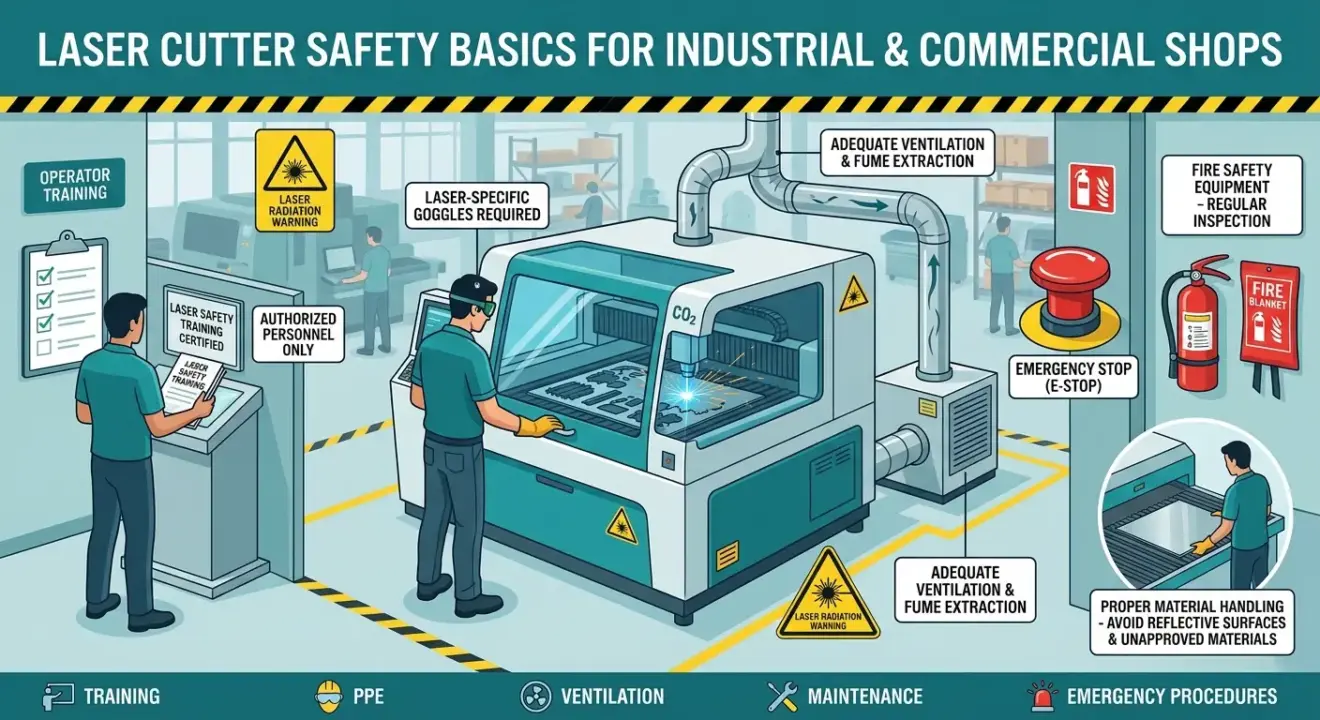
Laser Cutter Safety Basics for Industrial and Commercial Shops
Monday, 13 April 2026
In industrial and commercial environments, laser safety is not just about the beam. Most real-world problems start earlier in the workflow: the wrong material goes onto the bed, extraction performance drops, residue builds up around the cut zone, or an operator treats an active job like a machine that can safely run unattended. When that
- Published in Laser
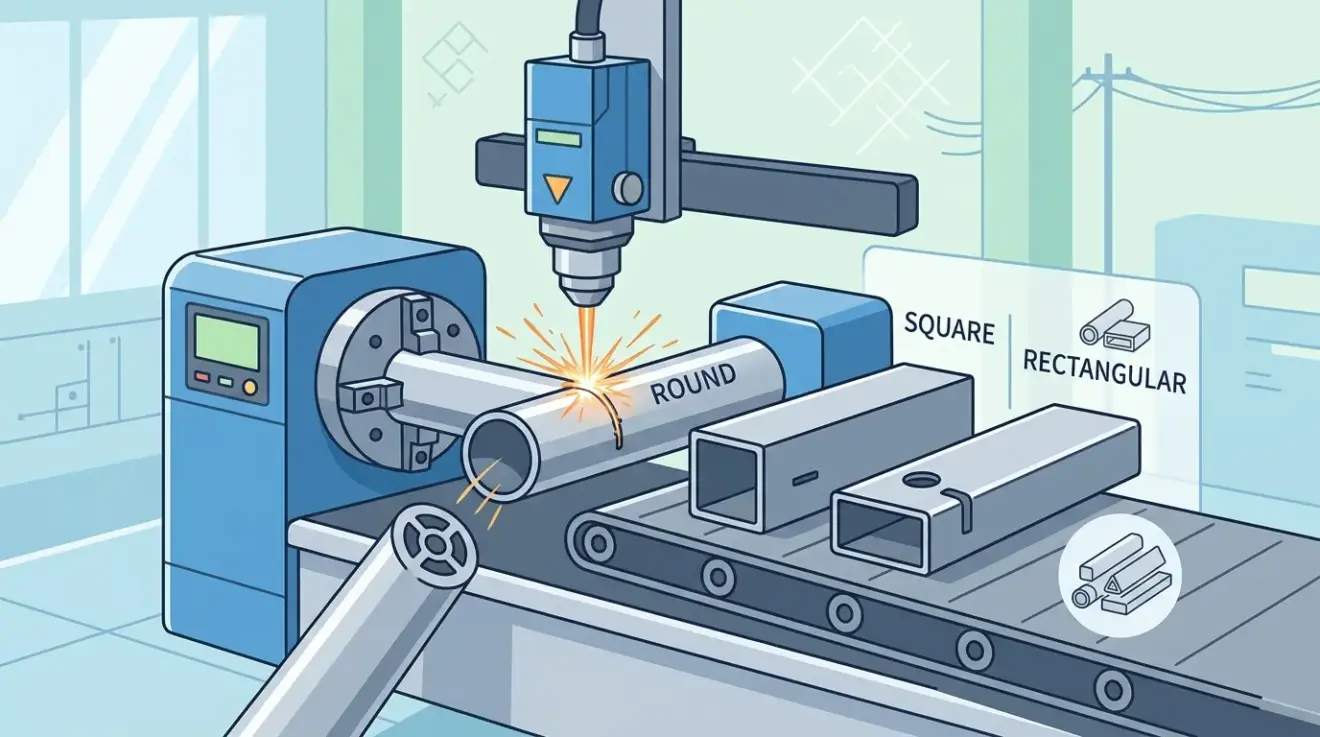
How to Choose a Tube Laser Cutting Machine for Round, Square, and Rectangular Profiles
Monday, 13 April 2026
For many fabrication shops, profile cutting stops being a simple cutting task once production starts moving between round tube, square tube, and rectangular sections in the same workflow. The parts may all fall under “tube processing” on a quote sheet, but in production they behave differently in clamping, orientation, feature placement, and downstream fit. That
- Published in Laser
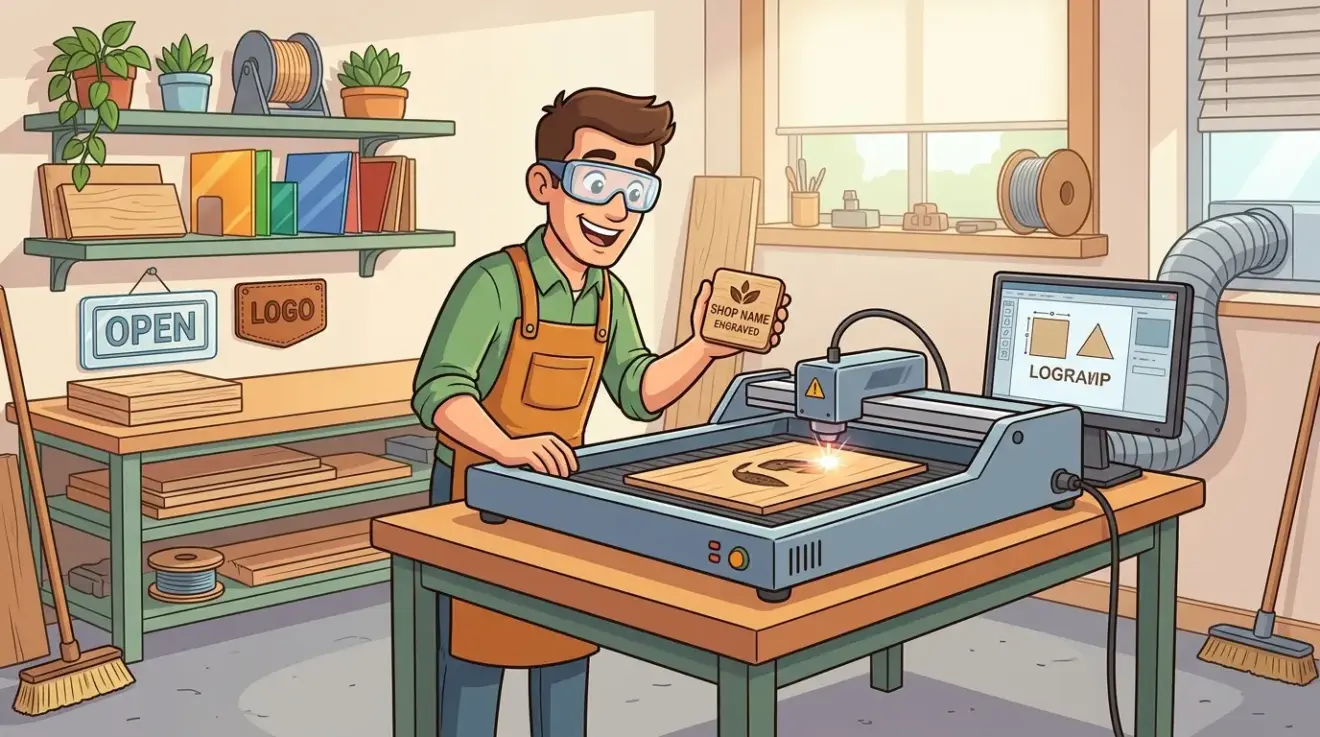
DIY Laser Engraver Setup: What Small Shops Should Know Before They Start
Monday, 13 April 2026
A DIY laser engraver usually begins as a cost-saving idea. The real pressure shows up later, when smoke control, unstable alignment, inconsistent results, and slow material handling start taking more time than the engraving itself. For a small shop, prototype team, or custom manufacturer, the important question is not whether a DIY setup can work.
- Published in Laser
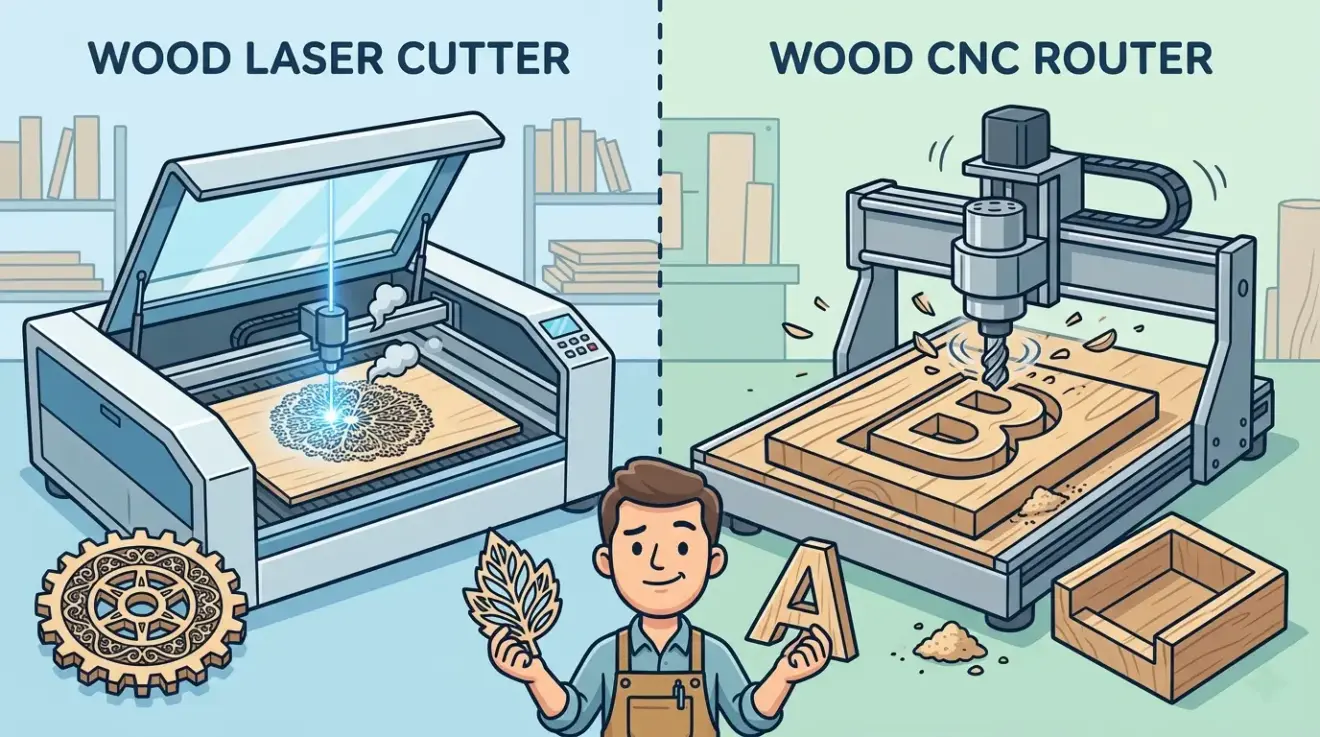
Wood Laser Cutting Machine vs CNC Router: Which Fits Your Workflow Better?
Monday, 13 April 2026
Choosing between a wood laser cutting machine and a CNC router is rarely about which machine looks more advanced on paper. In production, the real question is what happens before and after the cut: setup time, edge cleanup, drilled features, part complexity, material handling, and whether the machine supports the rest of the workflow without
- Published in Laser
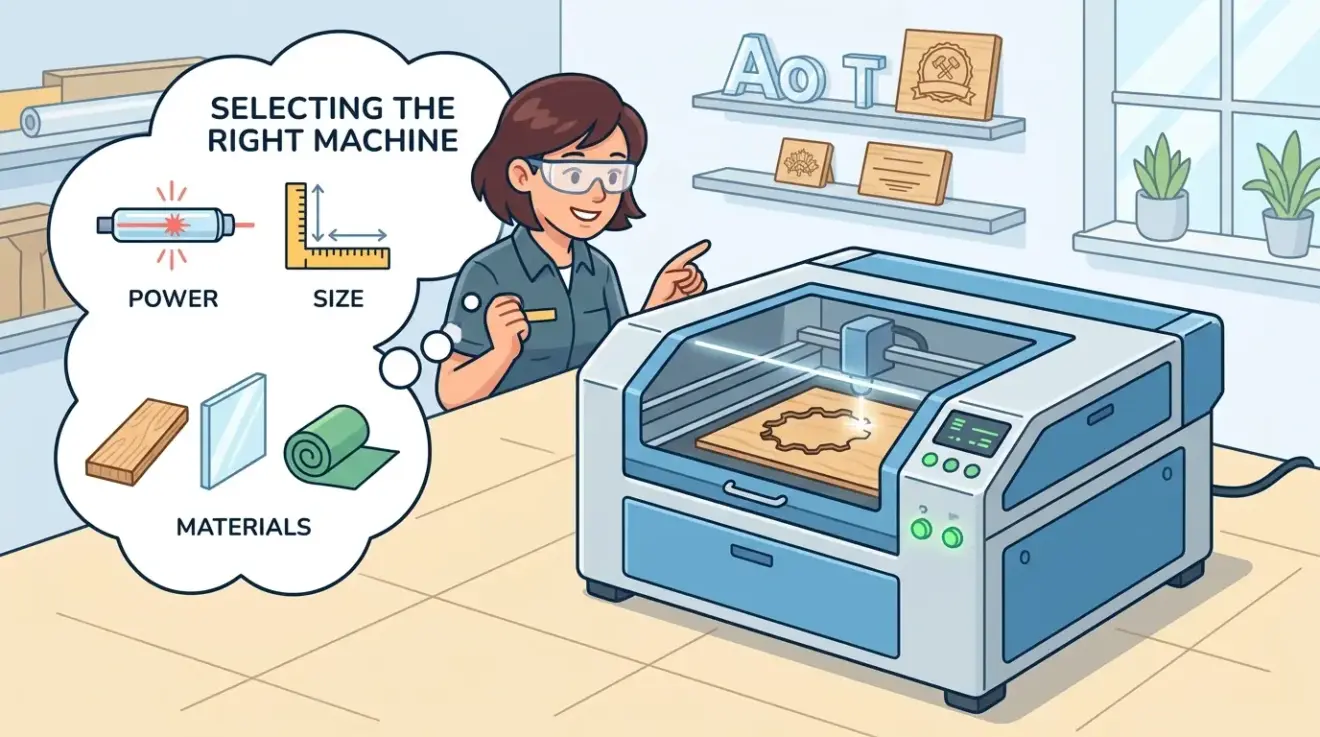
How To Choose the Right CO2 Laser Machine for Non-Metal Processing
Monday, 13 April 2026
Buying a CO2 laser machine looks simple until the machine has to do more than produce a clean demo sample. In real production, acrylic display parts, engraved wood panels, plywood components, and other non-metallic jobs place different demands on the same system. The buying decision then becomes less about whether the beam can cut the
- Published in Laser
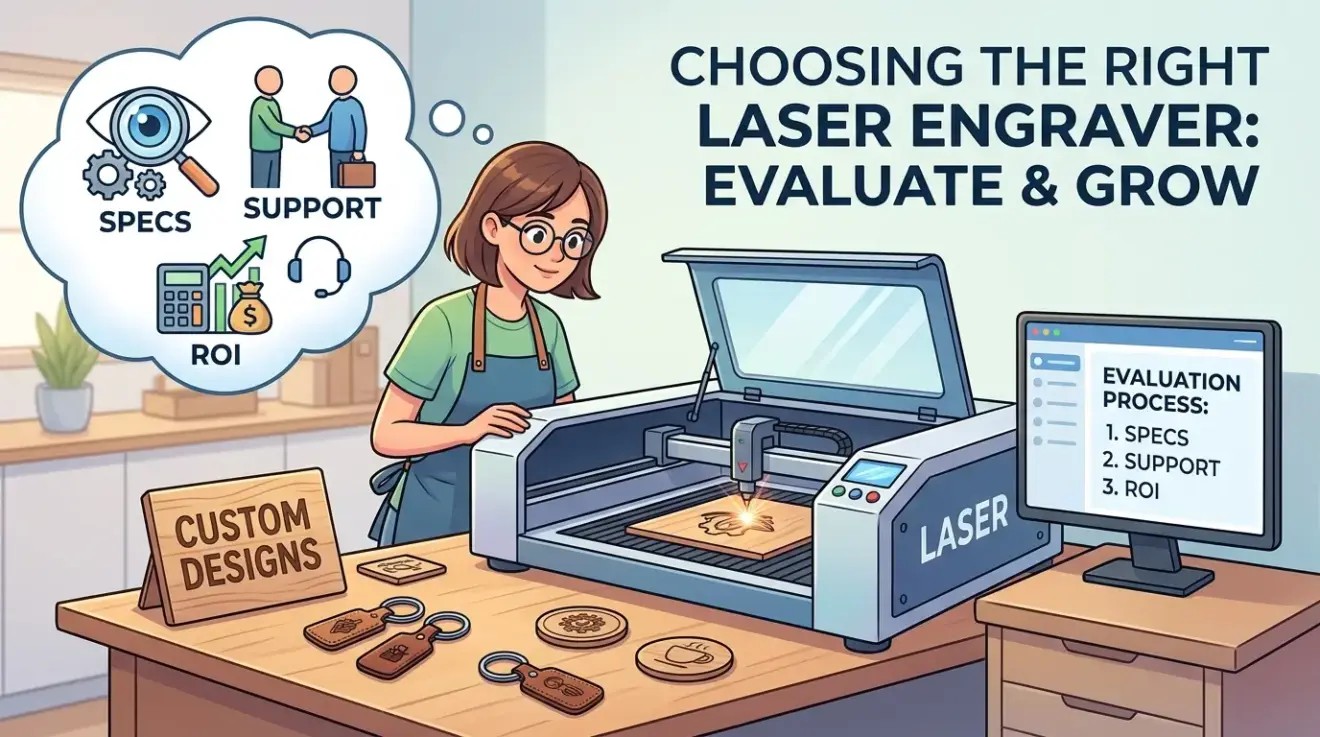
Laser Engravers for Sale: How To Evaluate Specs, Support, and ROI Before You Buy
Monday, 13 April 2026
Search results for laser engravers for sale usually make the buying process look simpler than it is. Listings highlight sample photos, machine dimensions, and headline performance claims, but those details alone do not tell you whether the machine will stay productive once real materials, repeated jobs, operator handoffs, and service needs enter the picture. For
- Published in Laser
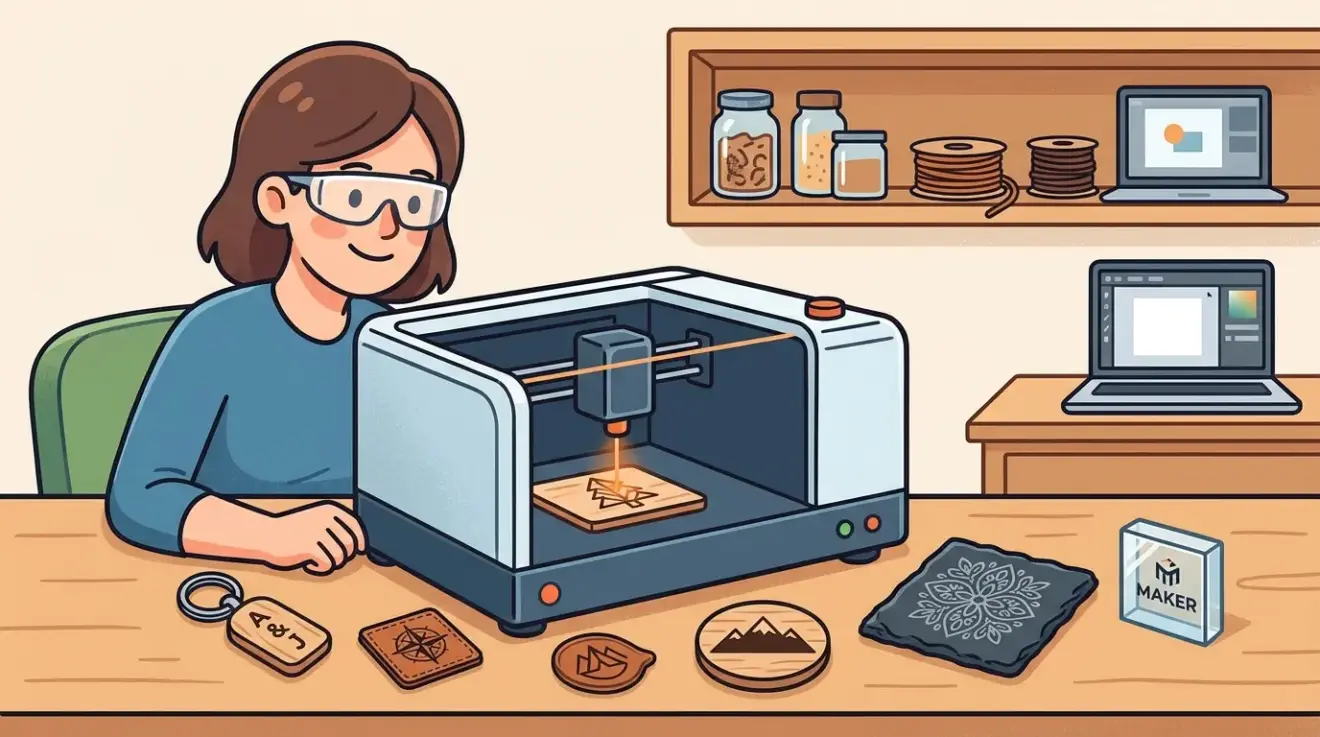
Small Laser Engraver Buying Guide for Makers and Small Businesses
Monday, 13 April 2026
A small laser engraver becomes expensive very quickly when it is chosen around a demo sample instead of the jobs that actually pay the bills. For a maker studio, gift brand, sign shop, or small custom business, the wrong machine usually shows up as slow setup, weak part alignment, smoke-management headaches, and a work area
- Published in Laser
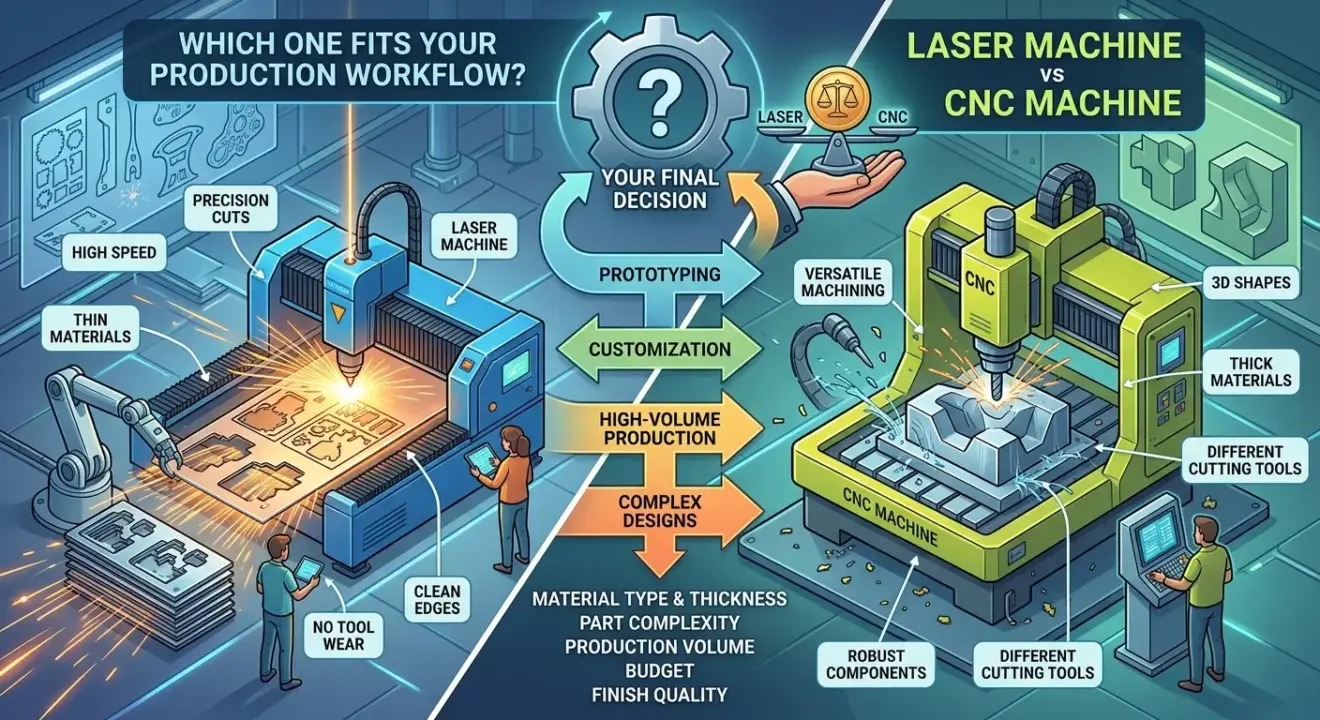
Laser Machine vs CNC Machine: Which One Fits Your Production Workflow?
Sunday, 12 April 2026
Many industrial and commercial buyers compare laser machines and CNC machines because both can cut shapes, improve repeatability, and reduce manual work. The problem is that they do not solve the same production bottlenecks in the same way. A shop that chooses based only on headline machine type can easily end up with the wrong
- Published in Laser
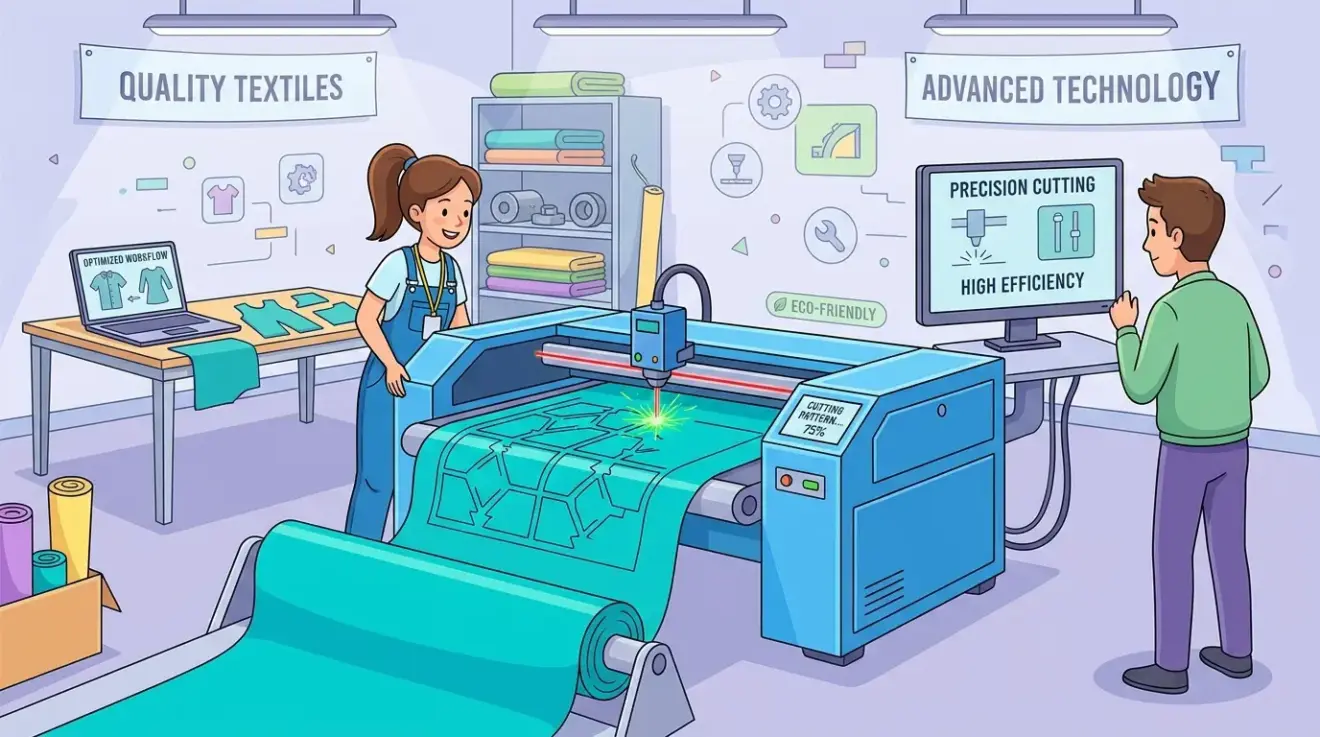
How to Evaluate Fabric Laser Cutting Machines for Textile and Soft Material Workflows
Sunday, 12 April 2026
Textile and soft-material manufacturers rarely struggle because no process can cut the shape at all. The real bottleneck is usually elsewhere: frequent pattern changes, frayed edges, inconsistent low-ply accuracy, slow setup between jobs, or too much manual correction after cutting. That is why a fabric laser cutting machine should be evaluated as a workflow tool,
- Published in Laser
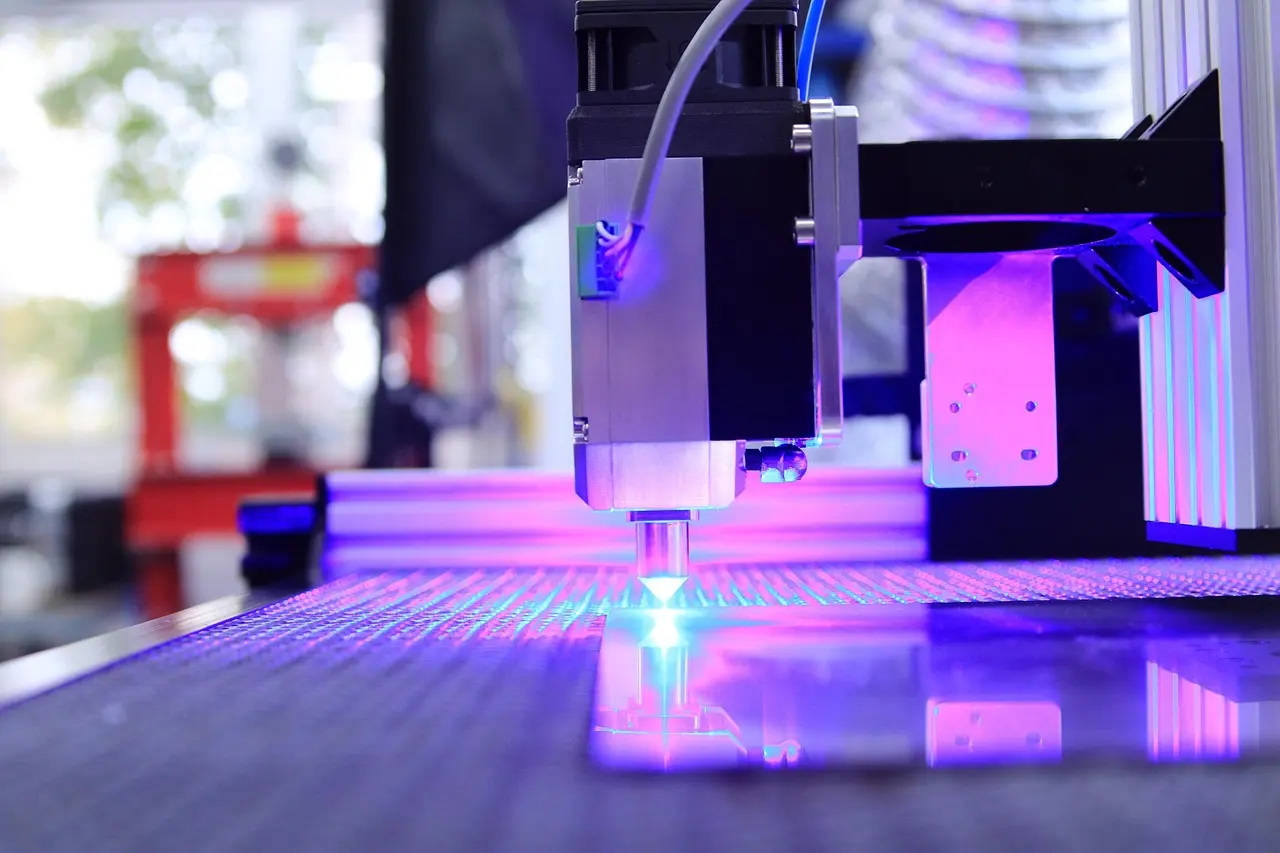
Laser Machinery Explained: Types, Applications, and Buying Criteria
Sunday, 12 April 2026
Laser machinery covers a wide range of production tasks, from cutting acrylic display parts to engraving wood panels to processing sheet metal at industrial speed. For buyers, the challenge is not simply choosing a laser machine. It is understanding which laser type fits the material, which workflow it improves, and which buying criteria actually matter
- Published in Laser
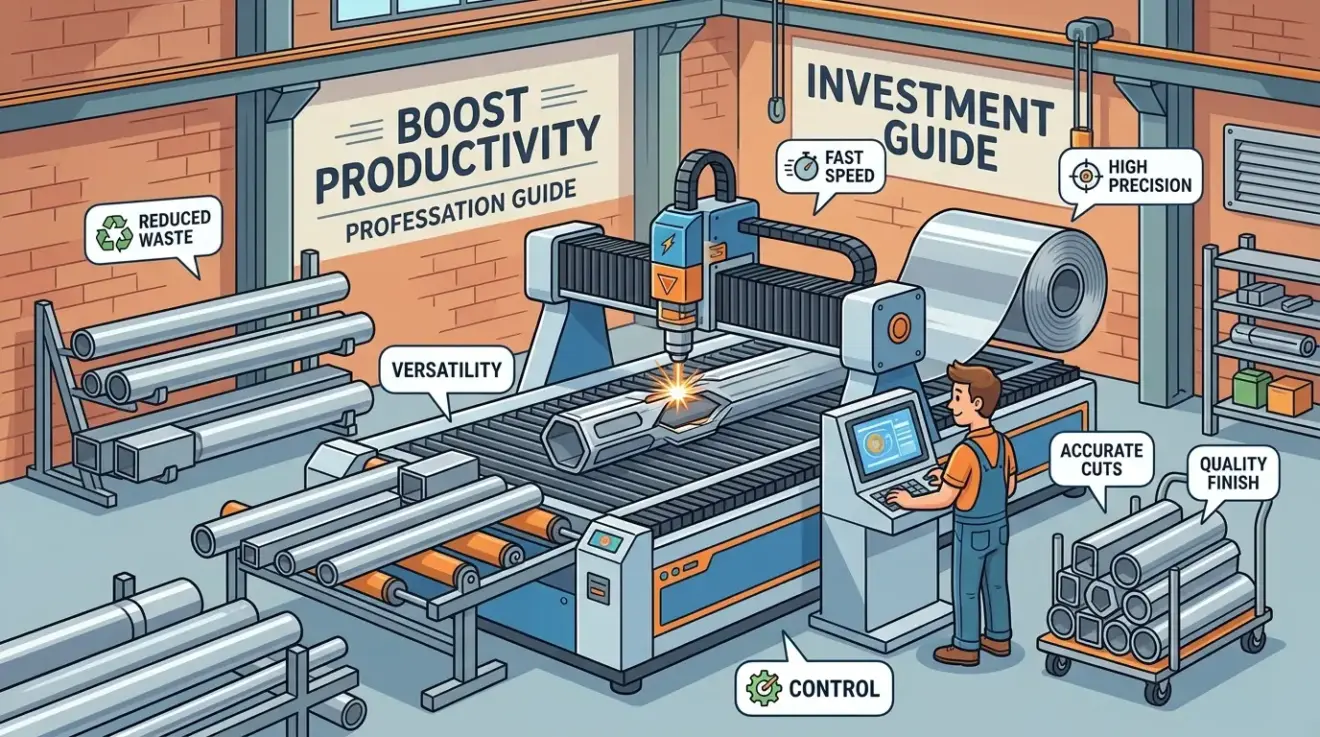
Laser Pipe Cutting Machine Buying Guide for Fabrication Shops
Sunday, 12 April 2026
For many fabrication shops, tube and pipe cutting becomes a bottleneck long before welding or assembly does. The problem is usually not whether material can be cut at all. The problem is how consistently the shop can process round tube, square tube, rectangular profiles, and other structural sections without losing time to manual handling, secondary
- Published in Laser
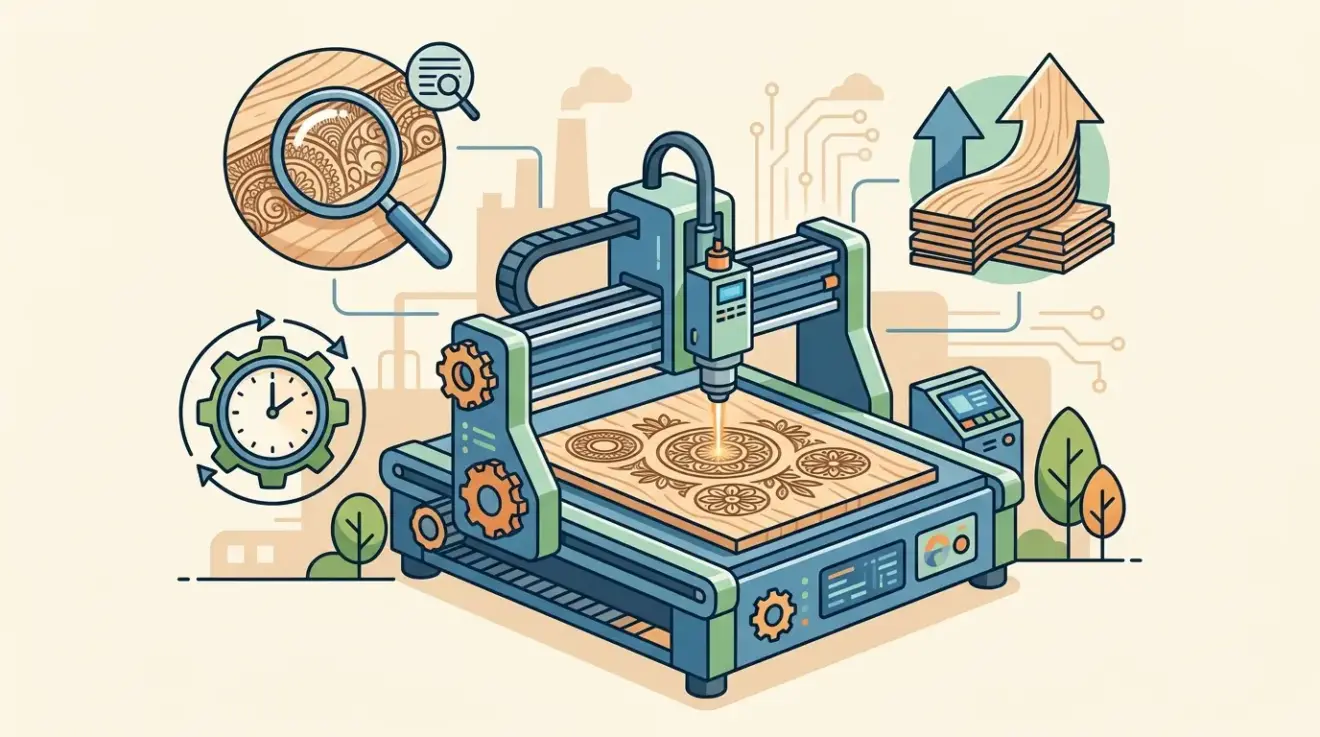
Wood Engraving Machines for Custom Manufacturing: How to Balance Detail, Changeovers, and Throughput
Sunday, 12 April 2026
Custom manufacturing rarely breaks down because one sample part looks bad. It breaks down when the shop has to move from a short run of branded plywood boxes to custom decorative panels and then to a repeat OEM order with different artwork, all without losing surface quality or burning time on setup corrections. A wood
- Published in Laser
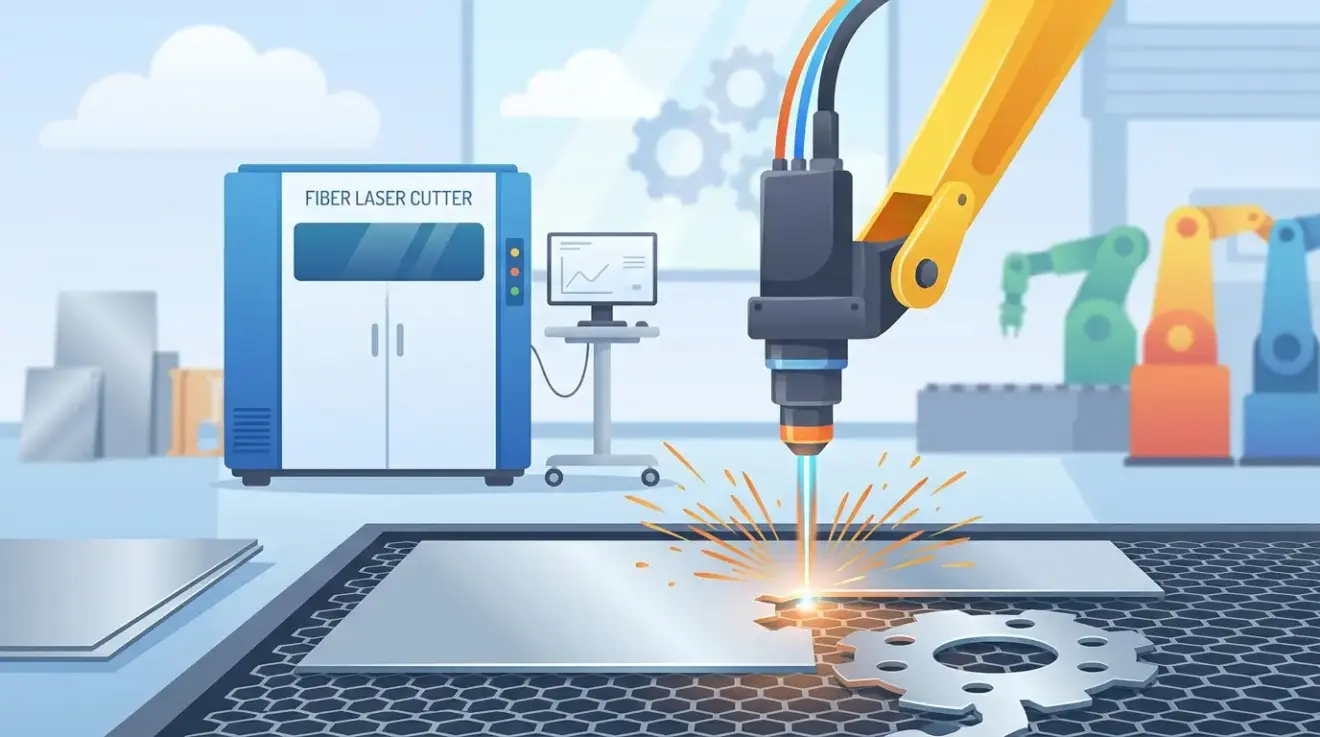
Fiber Laser Machine Applications in Sheet Metal Processing
Sunday, 12 April 2026
In sheet metal production, the value of a fiber laser machine is not just that it can cut metal. The real value is how well it supports part accuracy, nesting efficiency, edge quality, and production flow across a wide range of jobs. For fabrication shops under pressure to reduce rework, shorten lead times, and handle
- Published in Laser
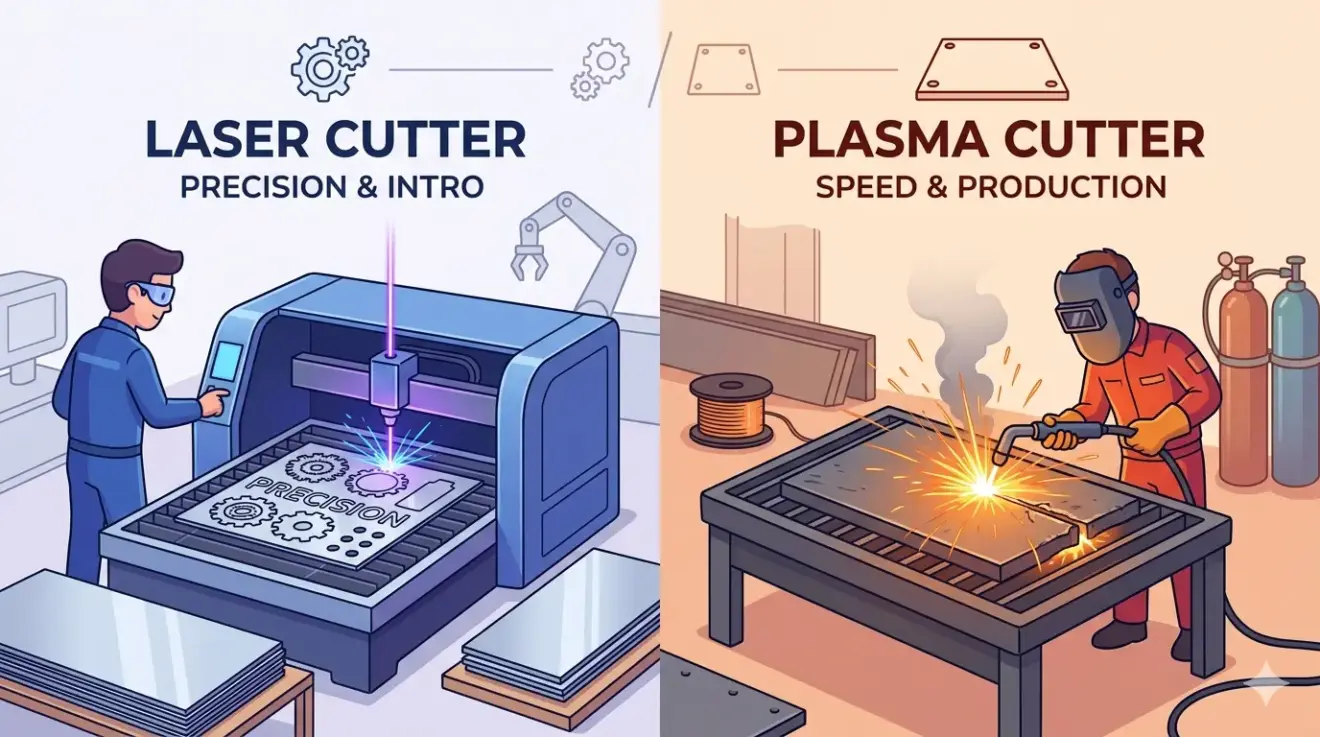
Laser Cutter vs Plasma Cutter: Which Process Fits Your Fabrication Workflow?
Sunday, 12 April 2026
Many fabrication teams start this comparison at the quote stage, when the more important question should have been answered earlier: what does the shipped part need to look like when it leaves the cutting cell? If your bottleneck is downstream grinding, hole cleanup, fit-up at assembly, or visible edge quality, a rough process match can
- Published in Laser
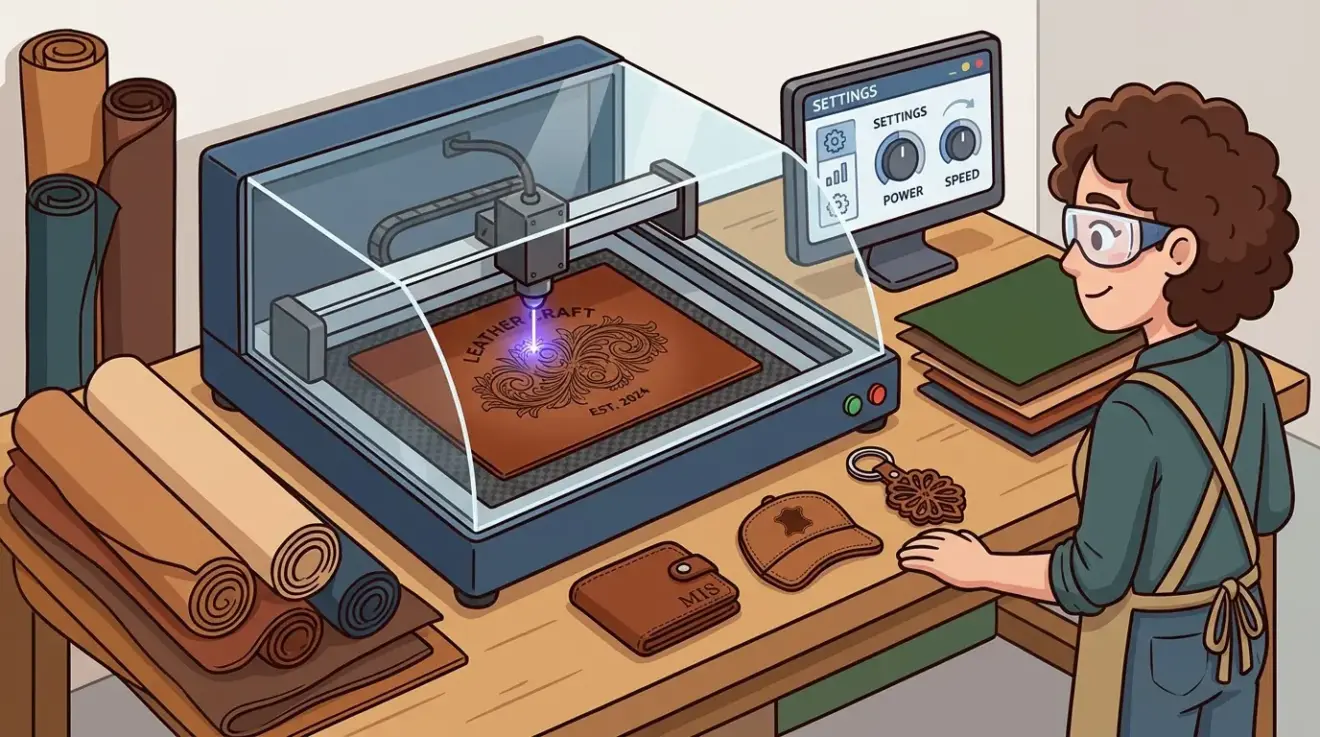
Laser Engraver for Leather: Settings, Applications, And How To Choose The Right Machine
Saturday, 11 April 2026
A leather engraving sample can look excellent on the bench and still fail in production. The reasons are usually not dramatic machine faults. They are process problems: inconsistent contrast across hides, dark heat halos around logos, residue on finished surfaces, slow cleanup between orders, or settings that work on one leather finish but not the
- Published in Laser
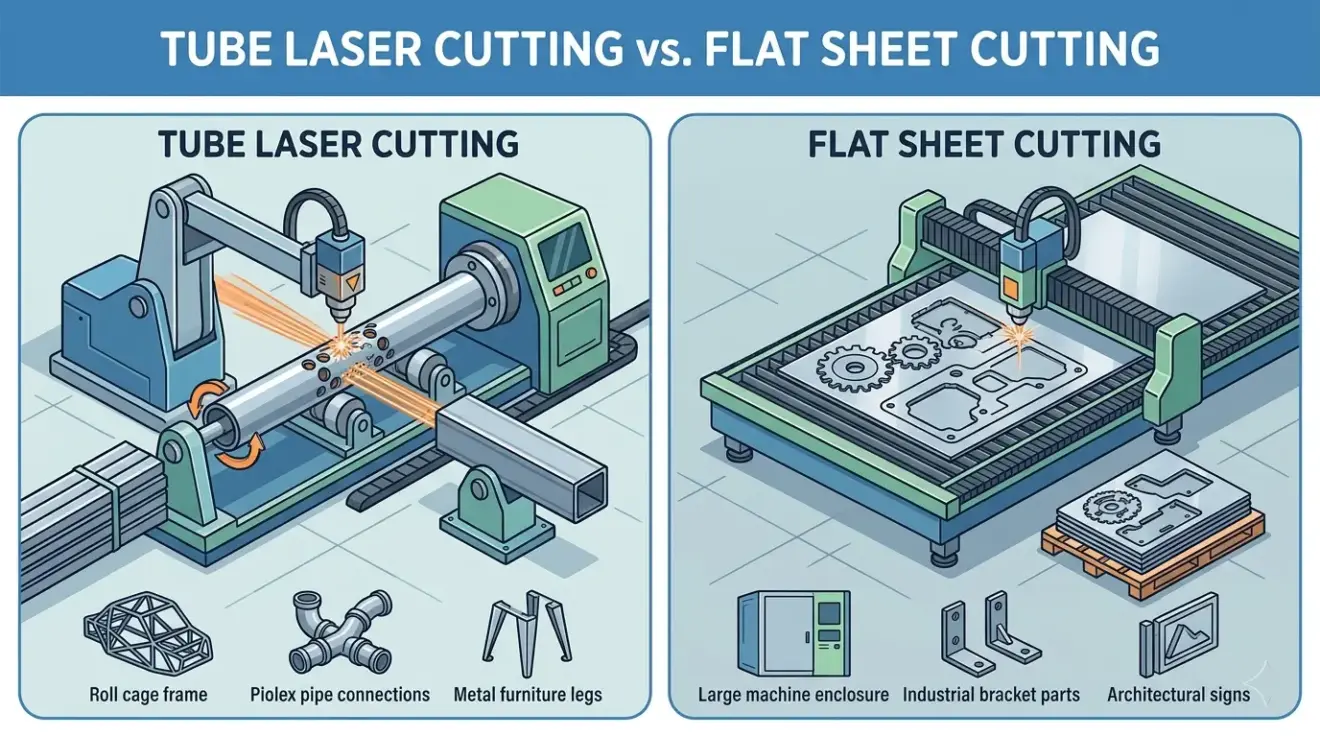
Tube Laser Cutting vs Flat Sheet Cutting: Choosing the Right Setup for Your Production Mix
Saturday, 11 April 2026
For many fabricators, the real question is not whether laser processing makes sense. It is which laser setup solves the actual production bottleneck first. A shop building frames, supports, welded assemblies, brackets, covers, and enclosures may handle both tube stock and flat sheet every day, but those jobs do not create the same handling, programming,
- Published in Laser
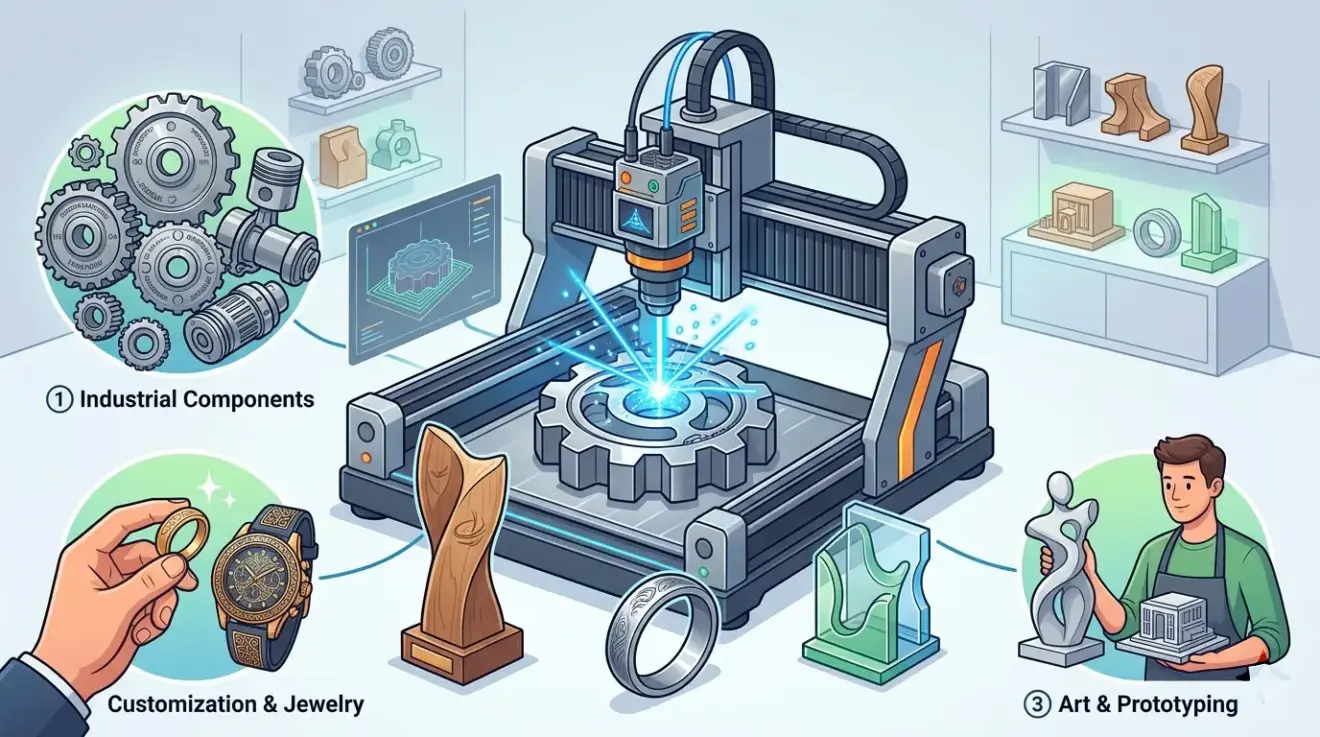
3D Laser Engraving Machines: Applications, Limitations, and When They Make Sense
Saturday, 11 April 2026
Many buyers first look at a 3D laser engraving machine after a standard flat engraving workflow starts to break down. The parts may no longer be flat. The product may need engraving on a curved face. A decorative panel may need a layered relief effect instead of a simple surface mark. Or the shop may
- Published in Laser
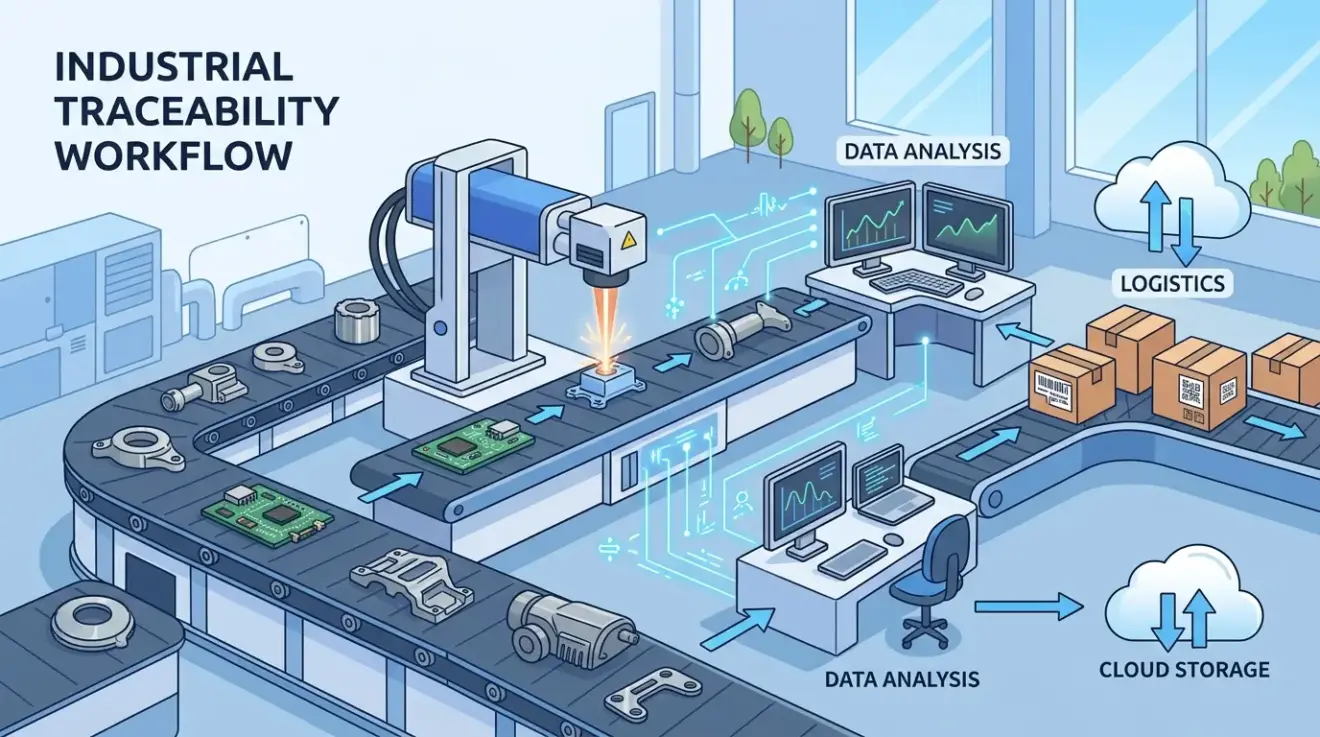
Laser Marking Equipment for Industrial Identification Systems: How To Match the System to Your Traceability Workflow
Saturday, 11 April 2026
An identification mark that looks clean at the demo table can still fail on the factory floor. If a code becomes unreadable after washing, coating, handling, scanner verification, or field service, the problem is not cosmetic. It slows traceability, creates inspection friction, and increases the risk of mismatched parts moving downstream. That is why laser
- Published in Laser
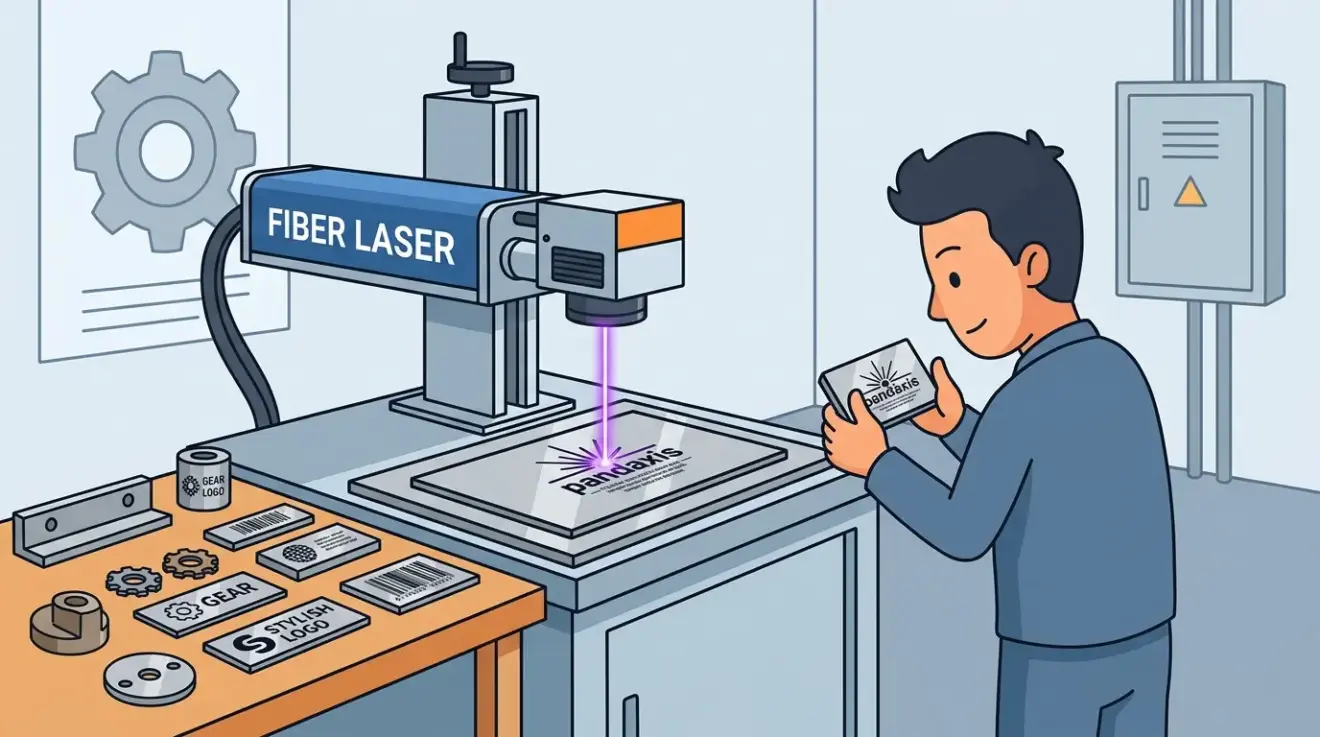
Laser Etching Machine for Metal: How To Choose the Right Source
Saturday, 11 April 2026
A metal etching line can look stable during a short sample test and still create trouble in real production. The usual problems show up later: dark marks lose contrast on a different batch finish, small data matrix codes become harder to scan, thin parts pick up too much heat, or cycle time no longer matches
- Published in Laser
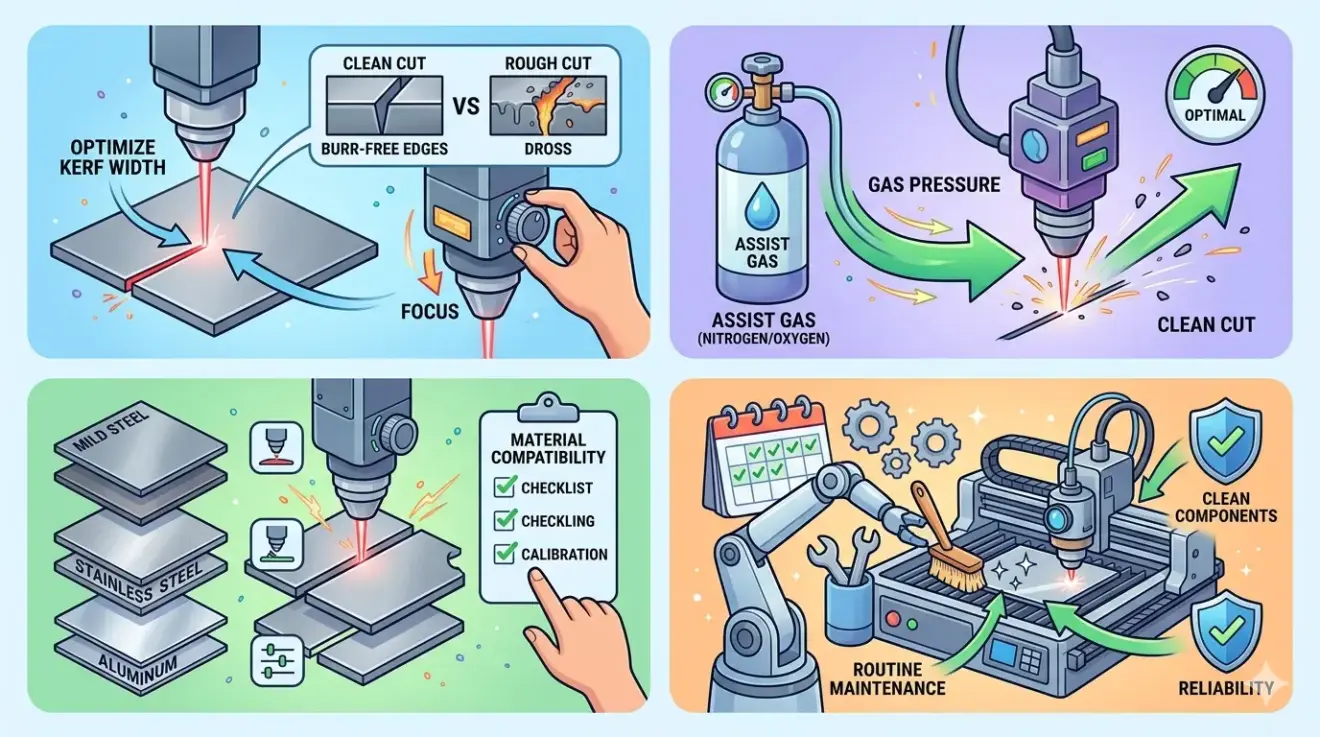
Sheet Metal Laser Cutter Best Practices for Clean, Accurate Cuts
Friday, 10 April 2026
Clean, accurate laser-cut parts do not come from beam power alone. Shops usually lose cut quality because gas choice, focus control, pierce settings, material condition, nesting discipline, and consumable health drift out of control. The damage often looks minor at the cutting table, but it shows up later as burr, poor fit-up, unstable bending, extra
- Published in Laser
UV Laser Marking: Best Applications, Process Limitations, and Where It Fits in Production
Friday, 10 April 2026
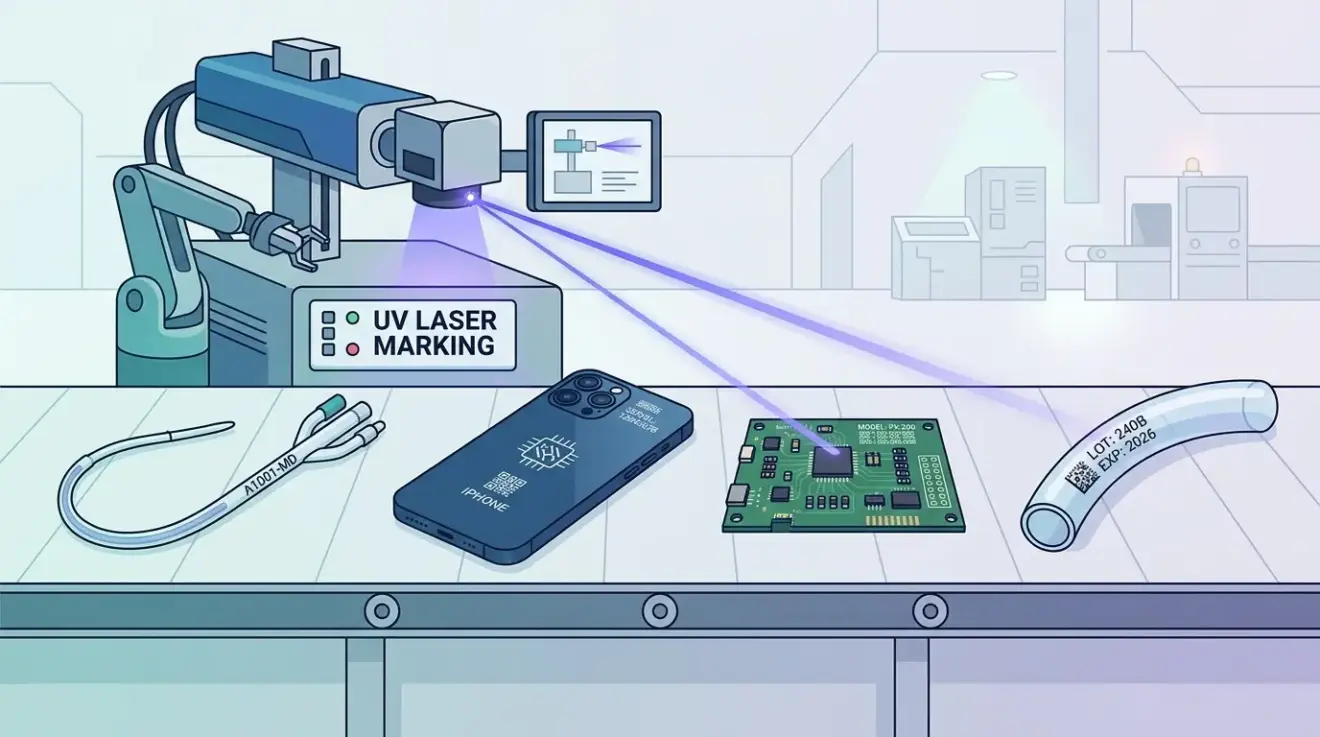
When a part needs a permanent mark on a surface that does not tolerate much heat, the real decision is not whether a laser can make something visible. The real decision is whether the process can hold contrast, edge definition, and cosmetic control without warping thin plastics, damaging coatings, or turning a traceability step into
- Published in Laser
Fiber Laser Cutting Machine: Key Features Industrial Buyers Should Evaluate
Friday, 10 April 2026
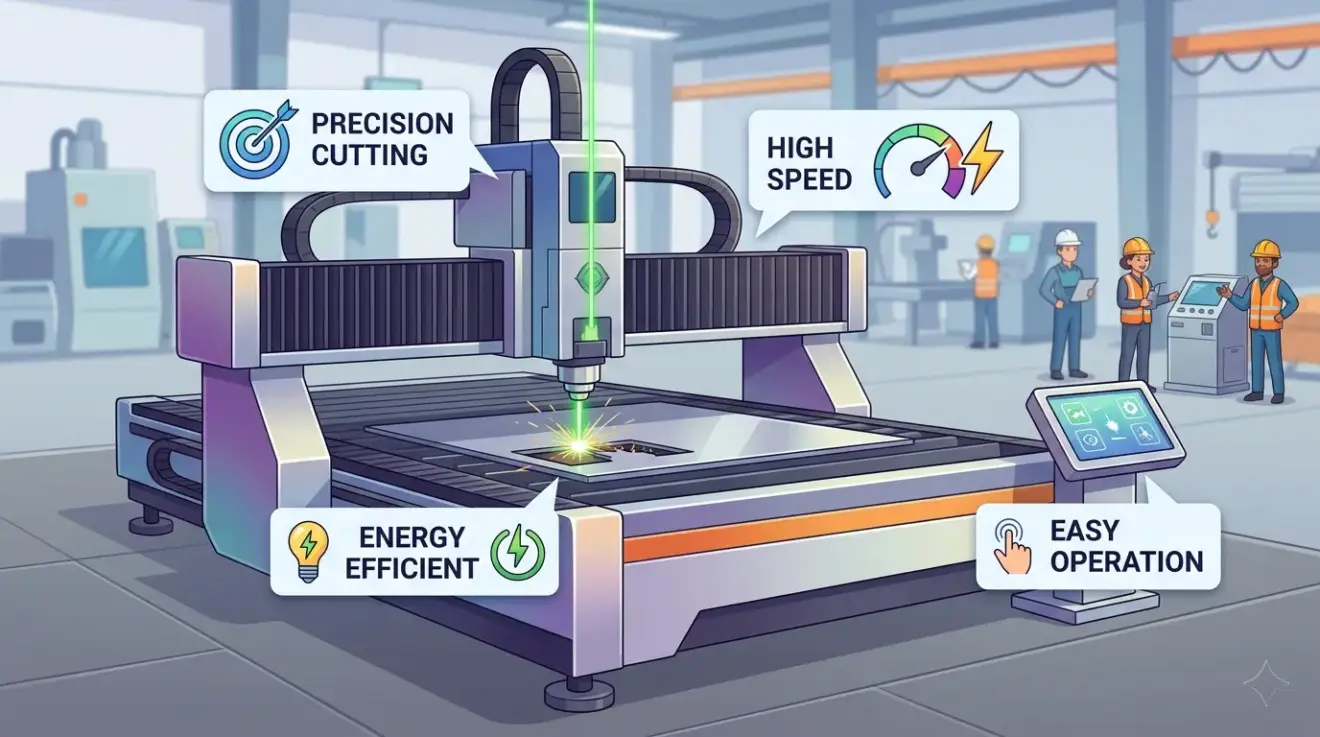
When industrial buyers compare fiber laser cutting machines, the discussion often gets reduced to power level, top speed, and price. In practice, those headline points rarely explain how the machine will perform inside a real production flow. What matters more is whether the system can hold cut quality across shifts, support stable throughput, reduce manual
- Published in Laser
Laser Marking Machine vs Laser Engraver for Metal Parts: Which Process Fits Better?
Friday, 10 April 2026
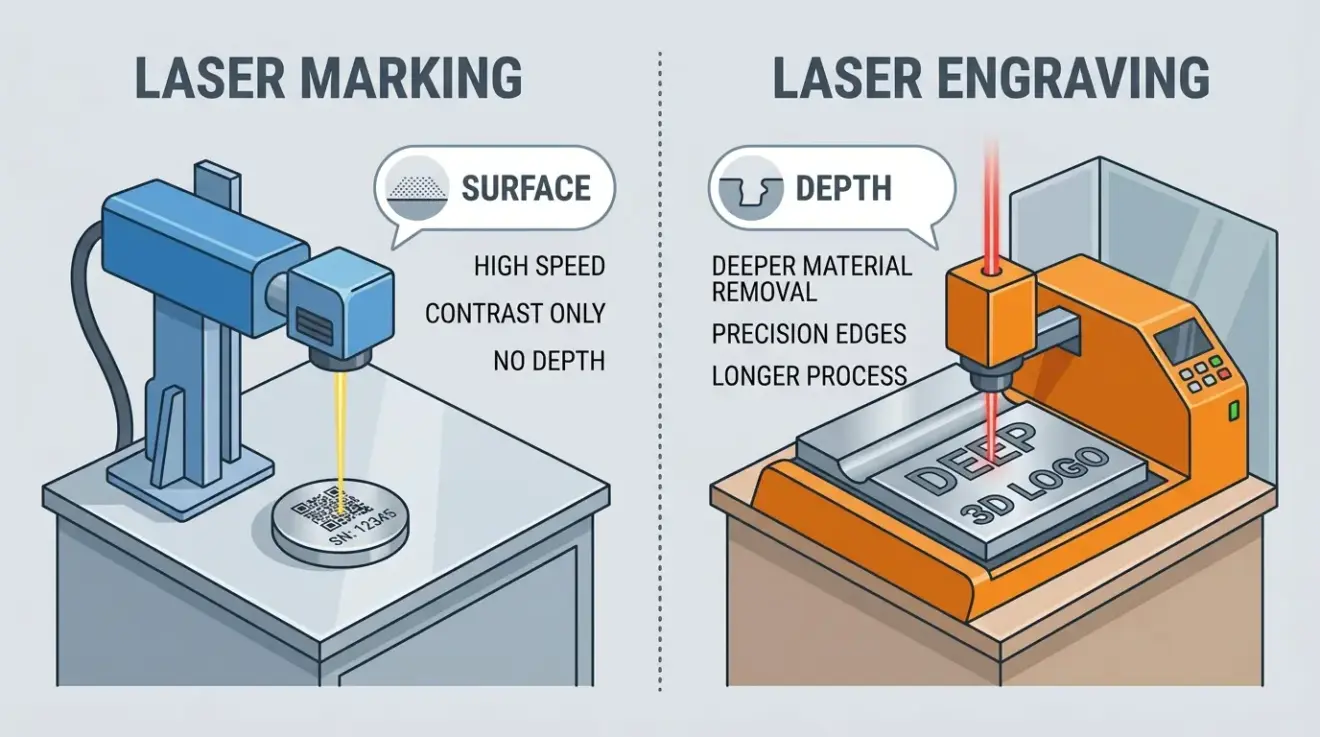
When a buyer asks for a laser engraver for metal parts, the request often sounds clearer than it really is. In production, many of those jobs are not primarily about engraving at all. They are about readable serial numbers, Data Matrix codes, logos, inspection marks, or permanent identification that has to survive handling without slowing
- Published in Laser
Laser Engraver and Cutter: When One Machine Is Enough and When Two Separate Systems Work Better
Friday, 10 April 2026
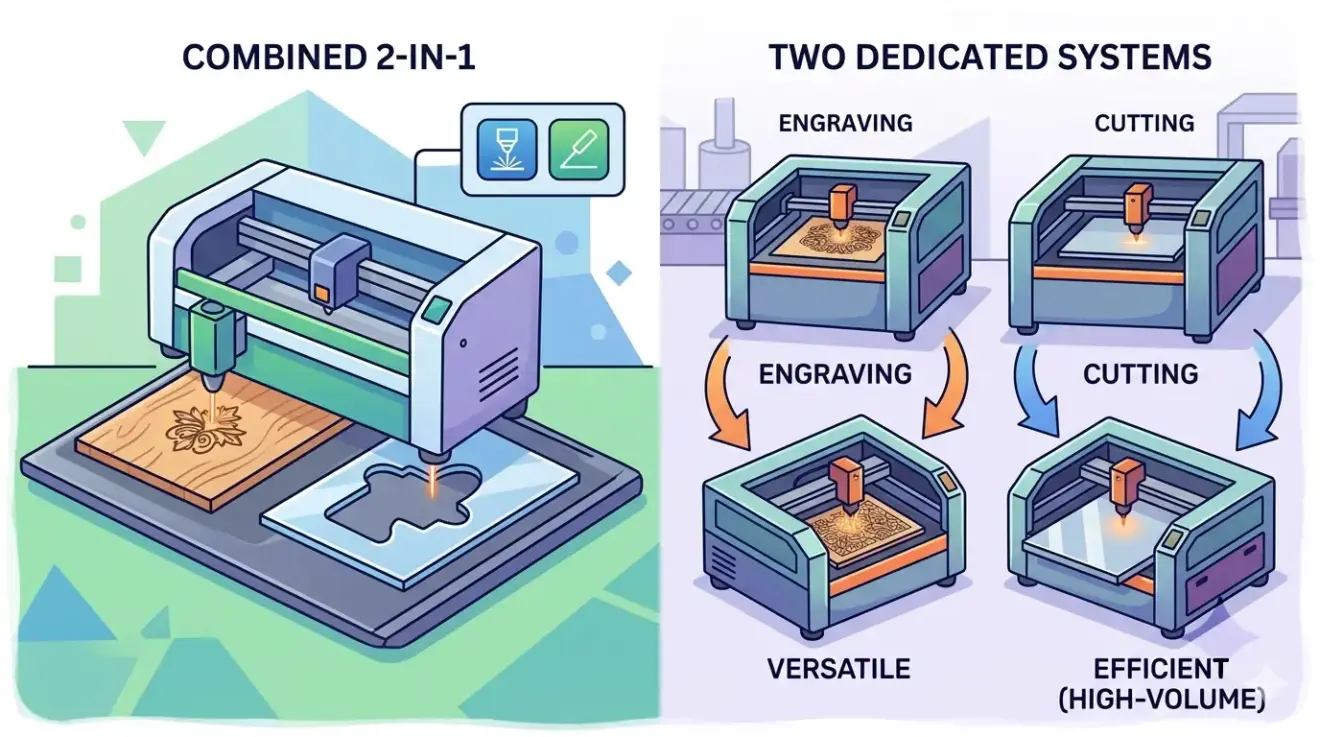
Many shops start with the same question: if a laser can both engrave and cut, why not buy one machine and handle both jobs in the same cell? For wood, acrylic, and similar non-metal materials, that can be the right answer, but only when the production rhythm actually supports it. In real use, the decision
- Published in Laser
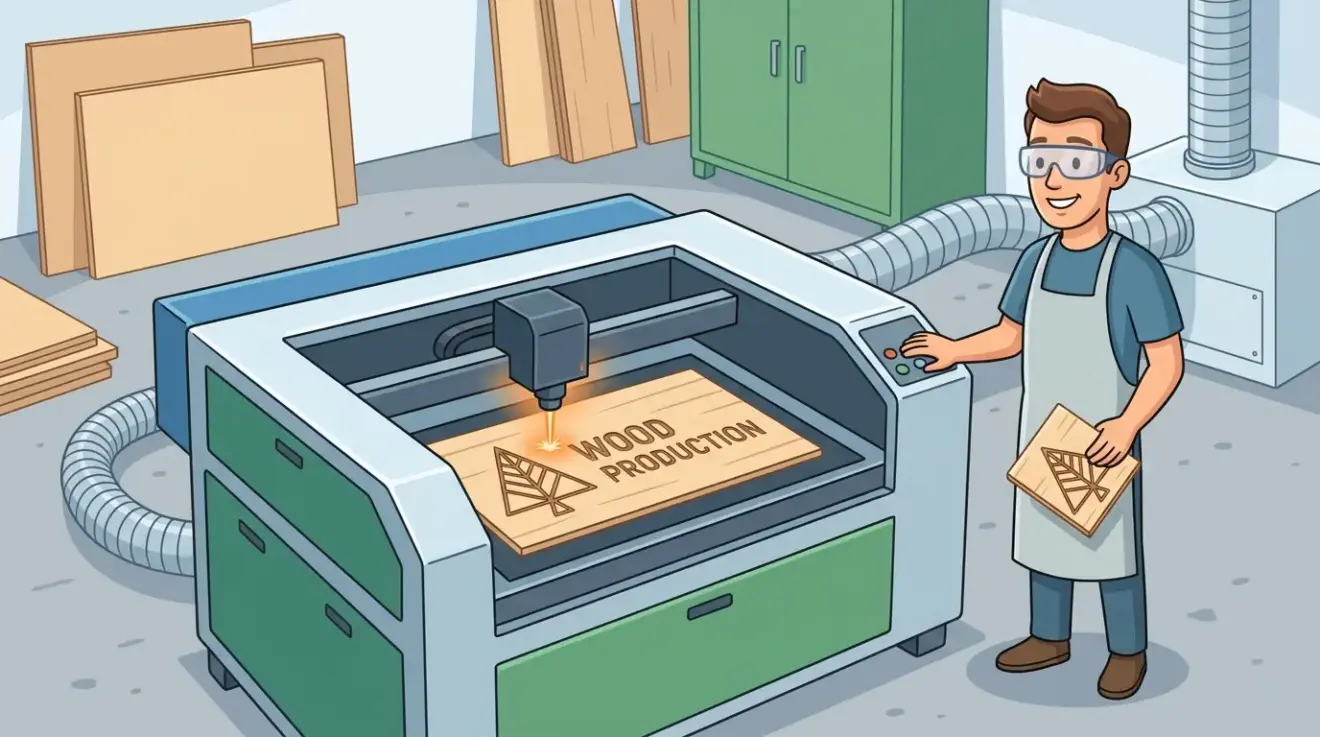
Laser Machine for Wood: Which Features Actually Matter in Production?
Friday, 10 April 2026
Buying a laser machine for wood is rarely a simple question of whether the machine can cut or engrave the material. Most suppliers can show a clean sample on one sheet, under one set of conditions, with one operator. The harder question is whether the machine will stay productive when real jobs involve plywood one
- Published in Laser

How to Choose Laser Engraving Equipment for Mixed-Material Production
Friday, 10 April 2026
Mixed-material engraving sounds efficient until the queue becomes real. A shop may engrave acrylic display parts in the morning, switch to plywood brand panels after lunch, and then run laminated nameplates, MDF inserts, or leather accessories before the shift ends. At that point, the buying question changes. The problem is no longer whether one machine
- Published in Laser
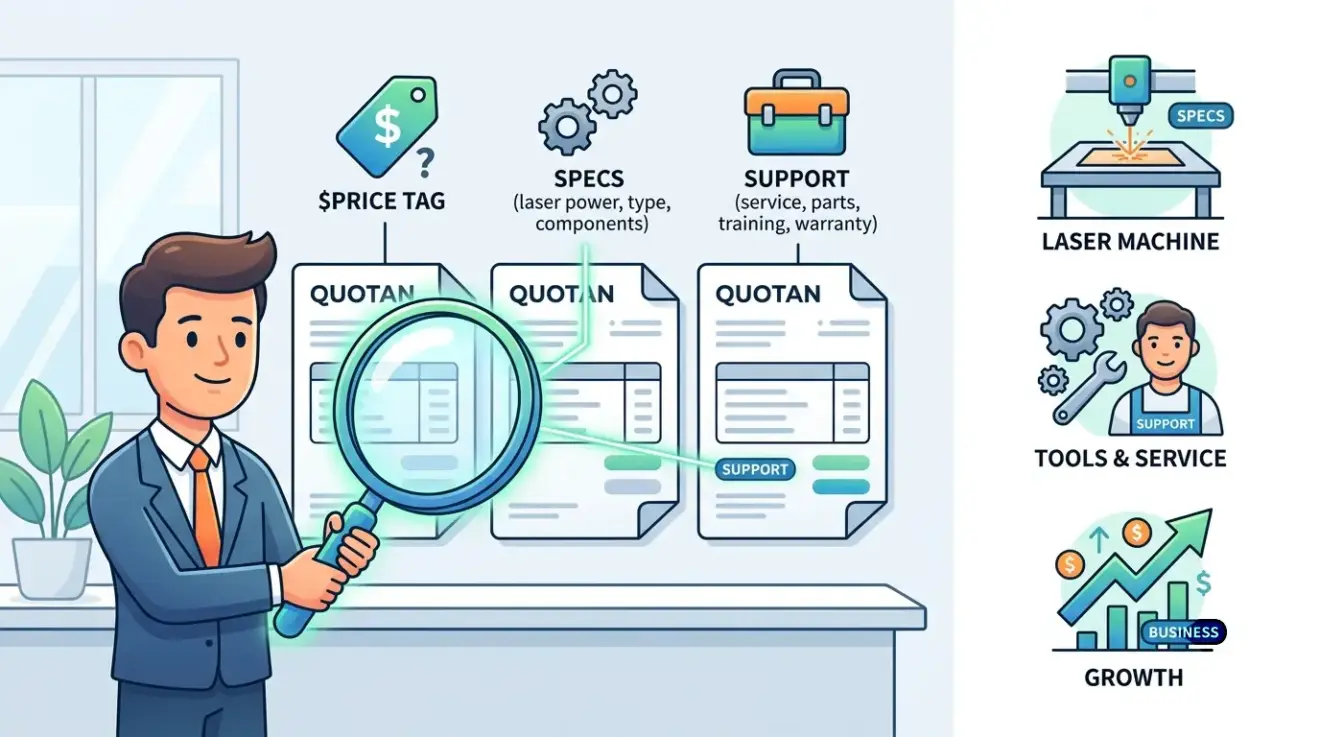
How To Compare Laser Machine Quotes Without Missing Critical Details
Friday, 10 April 2026
The biggest mistake in laser equipment buying is comparing headline prices before confirming that each supplier is quoting the same production job. One quote may include the machine, cooling, exhaust, software, training, and commissioning. Another may show only the base platform and leave the operational pieces outside the number. On paper, the cheaper option looks
- Published in Laser
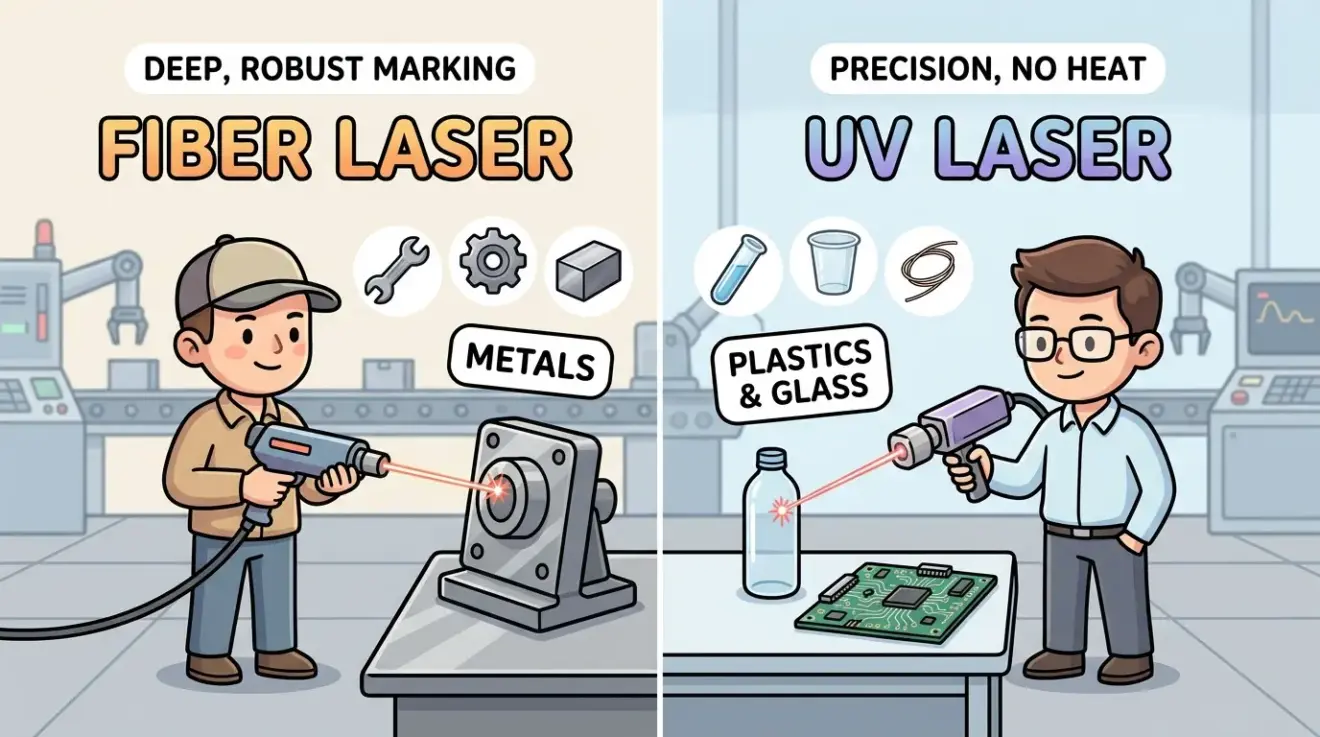
Fiber Laser Marking Machine vs UV Laser Marking Machine: Which Fits Your Production Workflow?
Friday, 10 April 2026
Choosing between a fiber laser marking machine and a UV laser marking machine is usually not a branding decision or a brochure comparison. It is a production-fit decision. If the wrong source is matched to the material, the result is rarely subtle: metal marks may be slower than they need to be, coated surfaces may
- Published in Laser