A laser CNC machine can look like an obvious upgrade because it combines digital control, precise cutting, and flexible part programming. But in production, the better question is not whether laser CNC technology is advanced. It is whether that combination of automation, precision, and material fit solves a real bottleneck in the workflow.
For some operations, a laser CNC machine improves throughput, reduces manual rework, and makes design changes easier to manage. For others, it adds cost without solving the real production problem. The decision only makes sense when the machine fits the material, job mix, finish requirements, and production rhythm of the shop.
What a Laser CNC Machine Means in Production Terms
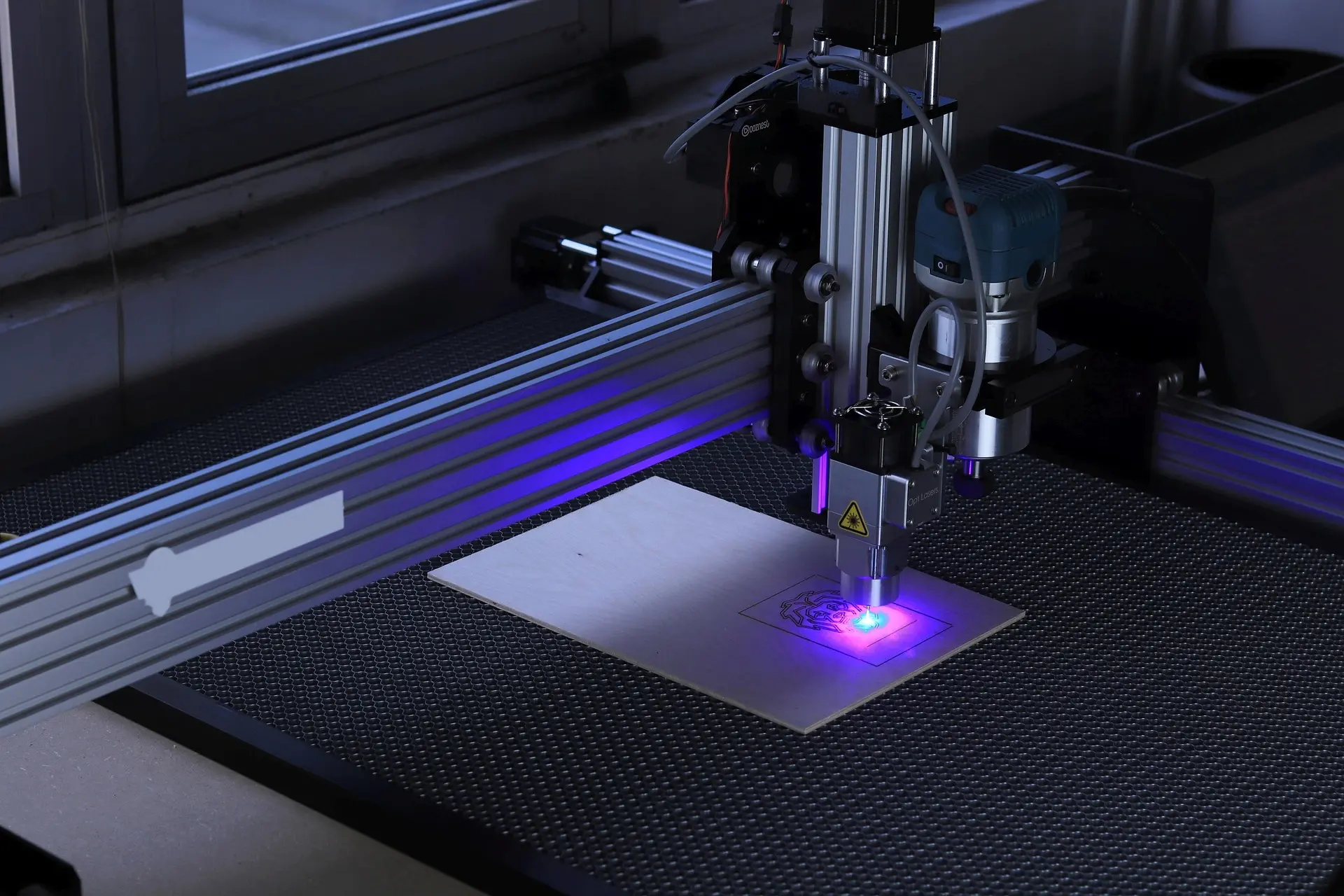
A laser CNC machine combines two things:
- A Laser Process for Cutting or Engraving Material
- CNC Control for Repeatable, Programmed Movement
That combination matters because it turns laser processing into a production system rather than a manual or semi-manual operation. Instead of relying on mechanical tools or repeated setup changes, the machine follows digital instructions with consistent path control.
In production terms, that usually means:
- Faster Changeovers Between Designs
- Better Repeatability Across Batches
- More Complex Shapes Without Additional Tooling
- Better Alignment Between Design Files and Finished Parts
But those benefits only matter when they address the actual needs of the line.
When a Laser CNC Machine Usually Makes Sense
The best time to invest in a laser CNC machine is when the production environment has a specific problem that CNC-guided laser processing can solve better than the current method.
1. When the Job Mix Changes Frequently
Laser CNC machines are especially useful when the shop handles:
- Multiple Part Designs
- Short or Medium Production Runs
- Custom Orders
- Frequent File Updates
- Decorative or Variable Geometry Work
In these environments, digital programming matters because it reduces the dependence on hard tooling changes and repeated manual setup. A shop producing many different shapes from similar materials can often gain more from faster changeovers than from pure cutting speed alone.
2. When Precision and Shape Complexity Matter
If the workflow involves intricate contours, engraved detail, or complex geometry, a laser CNC machine can be a strong fit because the CNC system gives the laser process stable path control.
This is especially useful when production requires:
- Repeatable Fine Detail
- Consistent Part Shape Across Batches
- Tight Design Fidelity
- Reduced Variation From Manual Handling
The more design complexity matters, the more valuable CNC-guided laser movement becomes.
3. When Manual Rework Is Too High
Some production lines are not limited by cutting speed. They are limited by the amount of cleanup, trimming, repositioning, or inconsistency that happens after the cut.
In those cases, a laser CNC machine may make sense if it helps reduce:
- Manual Shape Correction
- Inconsistent Edges
- Positioning Errors
- Repeated Operator Adjustments
- Variation Between Parts
The real gain may be lower downstream labor rather than higher headline machine speed.
4. When the Material and Process Fit the Technology
Laser CNC is not a universal answer. It makes the most sense when the material responds well to laser processing and the required part quality supports the process.
Within currently verified Pandaxis category language, the clearest direct fit is non-metal processing such as:
- Wood
- Acrylic
- Similar Engraving-Oriented or Decorative Materials
For these applications, a laser cutters and engravers category fit is natural because the production value comes from detail, contour flexibility, and digital repeatability.
5. When Production Needs Flexible Automation Rather Than Fixed Tooling
Laser CNC machines can make sense when the shop wants more automation without locking itself into a narrow range of fixed part geometries.
This is useful when:
- Product Variants Change Often
- Customers Request Customization
- The Business Mix Is Not Stable Enough for Dedicated Tooling
- The Operation Needs Digital Flexibility Without Constant Mechanical Reconfiguration
When a Laser CNC Machine May Not Be the Best Fit
Laser CNC technology is valuable, but it should not be chosen simply because it sounds more advanced.
It May Be a Weak Fit When:
- The Material Is Poorly Matched to Laser Processing
- The Product Mix Is Very Narrow and Unchanging
- The Real Bottleneck Is Not Cutting at All
- Lower-Complexity Equipment Already Meets Output and Quality Needs
- The Workflow Cannot Support the Required Software, Setup, or Maintenance Discipline
In those cases, the machine may add complexity without producing enough operational benefit.
A Practical Decision Table
| Production Situation | Does a Laser CNC Machine Make Sense? | Why |
|---|---|---|
| Custom or Mixed-Design Non-Metal Production | Often Yes | CNC-guided laser processing helps with flexibility, repeatability, and file-based job changes |
| Decorative Wood or Acrylic Work | Often Yes | Strong fit for detail, clean geometry, engraving integration, and visual consistency |
| Stable Single-Product Workflow With Little Design Change | Sometimes Not | The extra flexibility may not create enough value if the process rarely changes |
| Operation With High Manual Rework After Cutting | Often Yes | Better path control and repeatability can reduce downstream correction work |
| Workflow Where the Main Bottleneck Is Elsewhere | Often No | If the problem is assembly, finishing, or material handling, laser CNC may not solve the right issue |
How Laser CNC Improves Production When It Is the Right Fit
When matched correctly, a laser CNC machine usually improves production in four practical ways.
Better Changeover Efficiency
Because the machine works from digital files, moving from one job to another can be much easier than in workflows that depend on repeated manual setup or tool changes.
More Consistent Part Quality
The CNC side of the system supports repeatable movement, which helps maintain consistent geometry and reduces variation between parts.
More Flexible Product Range
Shops that handle variable designs can support broader product ranges without the same level of tooling dependency.
More Predictable Workflow Planning
When the machine fits the material and application, production scheduling can become more stable because the process is easier to standardize.
What Buyers Should Check Before Choosing One
Before deciding that a laser CNC machine makes sense, buyers should evaluate the operation through production logic rather than feature lists alone.
Material Questions
- What Materials Drive Most of the Revenue?
- Do Those Materials Respond Well to Laser Processing?
- Is the Work Mostly Cutting, Engraving, or Both?
Workflow Questions
- How Often Do Designs Change?
- How Much Setup Time Is Lost Between Jobs?
- Is Manual rework a recurring cost?
- Does the current process limit detail or shape complexity?
Business Questions
- Is the value in flexibility, throughput, or finish quality?
- Does the shop need to scale variation or scale volume?
- Will the machine reduce labor strain in a meaningful way?
The right answer is usually visible when these questions are answered honestly.
Laser CNC vs Conventional Cutting Logic
In practical selection terms, the comparison is not simply laser versus non-laser. It is flexible digital processing versus more fixed or manual process structures.
Laser CNC usually makes more sense when the workflow depends on:
- Frequent Design Variation
- Fine Geometry
- Digital Repeatability
- Lower Tooling Dependency
- Cleaner Integration of Cutting and Engraving
Conventional or less flexible equipment may still be the better answer when the product is highly standardized and the existing process already meets output and quality targets efficiently.
Where Pandaxis Fits in the Broader Production Conversation
Pandaxis covers a wider industrial machinery lineup beyond laser equipment, which matters because laser CNC should be evaluated as part of the larger workflow rather than as a standalone purchase decision. If the operation is comparing multiple process directions for production improvement, the broader Pandaxis product catalog is the right context for understanding how laser systems sit alongside other machinery categories.
That is especially useful when the shop is not only asking whether laser CNC is useful, but whether it is the most practical next machine investment.
Final Thoughts
A laser CNC machine makes sense for production when it solves a real operational problem: too many design changes, too much manual rework, too much variation between parts, or too much dependence on inflexible setup methods. In those situations, the combination of laser processing and CNC control can improve quality, consistency, and workflow efficiency.
It makes less sense when the workflow is already stable, the materials are not well matched, or the actual bottleneck sits elsewhere in the production chain. The right decision is not about buying the most advanced machine. It is about choosing the process technology that improves the line in measurable, practical ways.
FAQ
What Is the Main Production Advantage of a Laser CNC Machine?
Its main advantage is combining laser precision with CNC-controlled repeatability, which helps support design flexibility, consistent part quality, and faster job changes.
Does a Laser CNC Machine Always Improve Throughput?
Not always. It improves throughput only when the current bottleneck is tied to cutting flexibility, setup time, part variation, or rework.
Is Laser CNC a Good Fit for Custom Production?
Yes, often. It is especially useful in custom or mixed-job environments where designs change frequently and digital flexibility matters.
When Is Laser CNC Not Worth the Investment?
It may not be worth it when the product mix is highly stable, the material is poorly matched to laser processing, or the real production bottleneck is outside the cutting step.
How Should Buyers Decide Whether It Makes Sense?
Buyers should start with material fit, design variation, rework levels, setup time, and the real constraint in the workflow. If laser CNC addresses those issues directly, the investment is much easier to justify.