
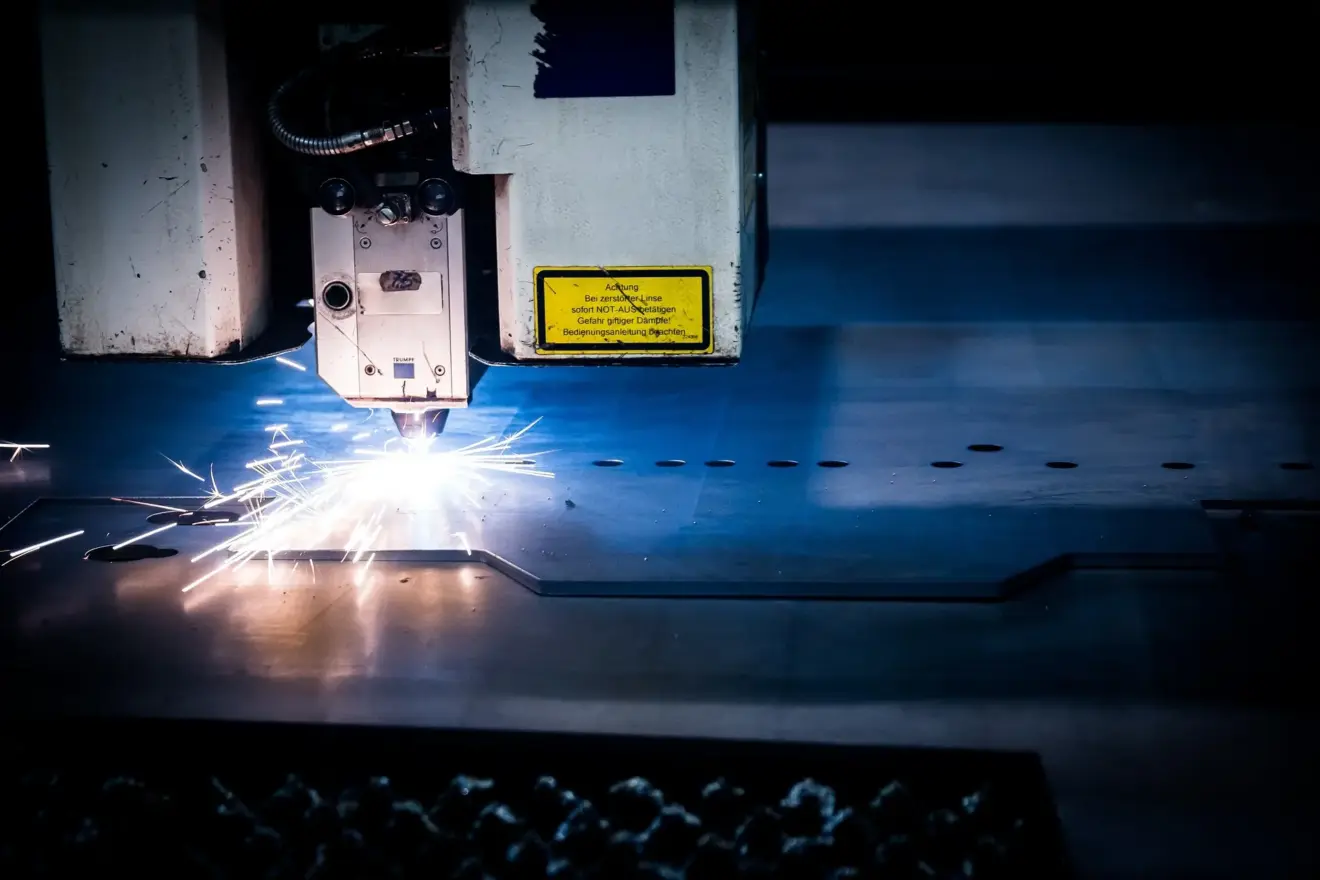
Laser Cutting Machines: A Practical Buyer’s Guide
Friday, 10 April 2026
Buying a laser cutting machine is rarely just about choosing a model with more power or a larger table size. For most factories and workshops, the real question is whether the machine matches the material, the production volume, the finish requirements, and the way jobs move through the shop. That is why a practical buyer’s
- Published in Laser
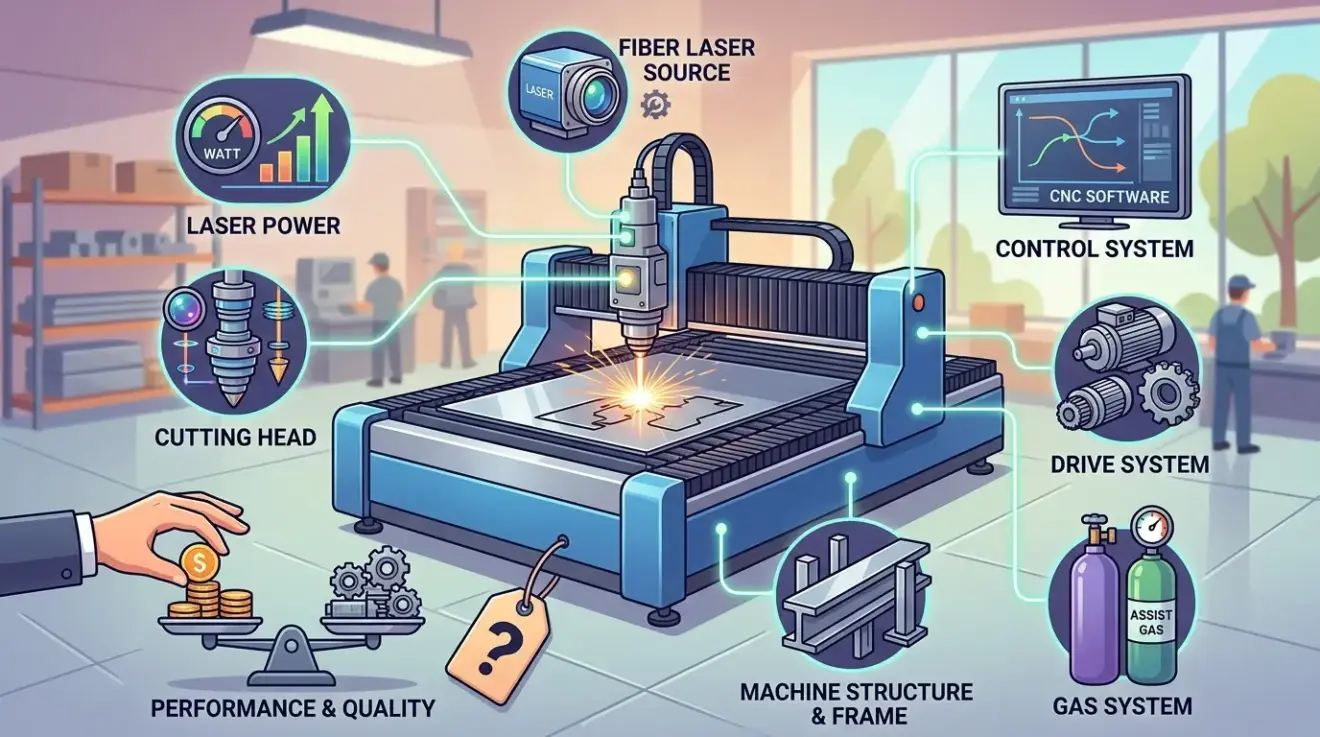
Laser Cutting Machine Price: What Actually Drives the Final Quote?
Friday, 10 April 2026
The first laser cutting machine price a buyer sees is rarely the number that matters. One supplier may quote a base machine only. Another may include cooling, extraction, software, installation, and operator training. A third may look more expensive at first glance simply because the quote is more complete. For buyers evaluating laser cutters and
- Published in Laser
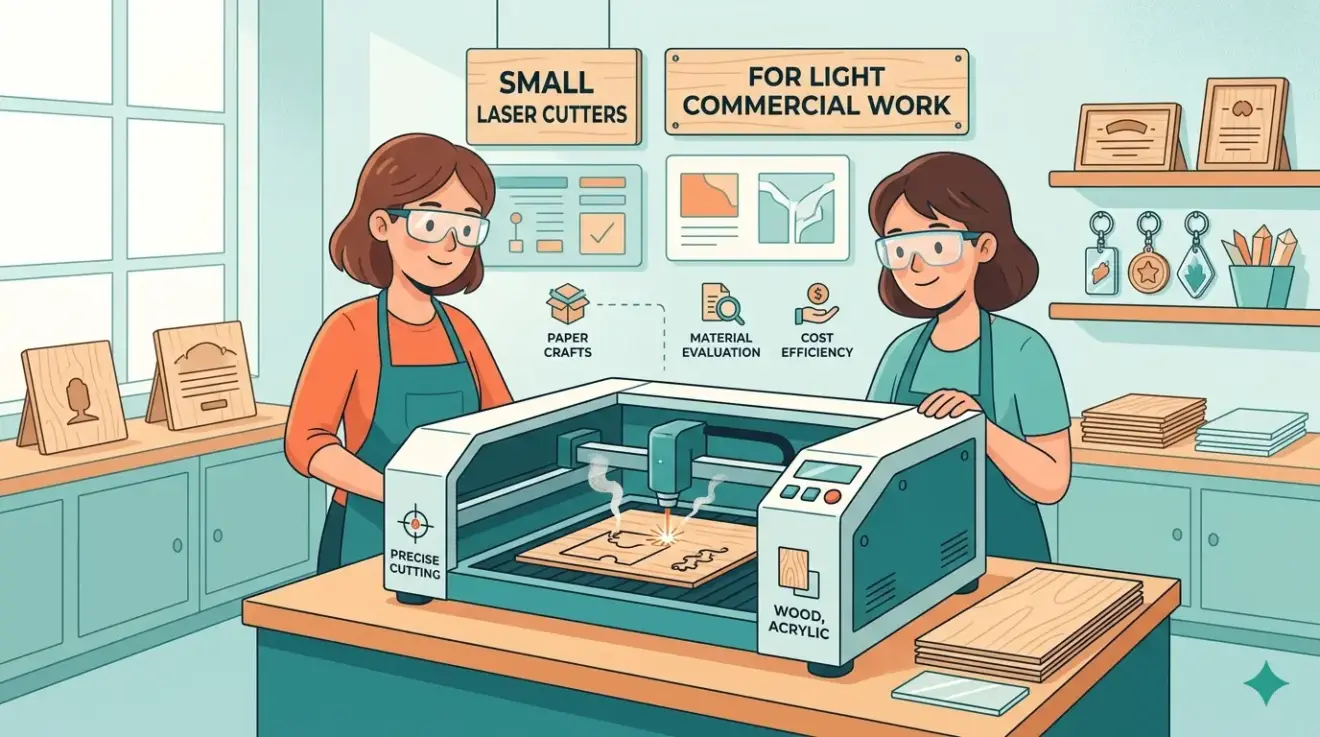
Small Laser Cutters for Light Commercial Work: Where They Fit and What to Evaluate
Thursday, 09 April 2026
A small laser cutter can be a practical production tool for light commercial work, but only when the job mix matches the machine. For sign makers, gift-product businesses, small-batch decor shops, packaging prototyping teams, and custom-product workshops, the real question is not whether a machine is small. It is whether that smaller format can deliver
- Published in Laser
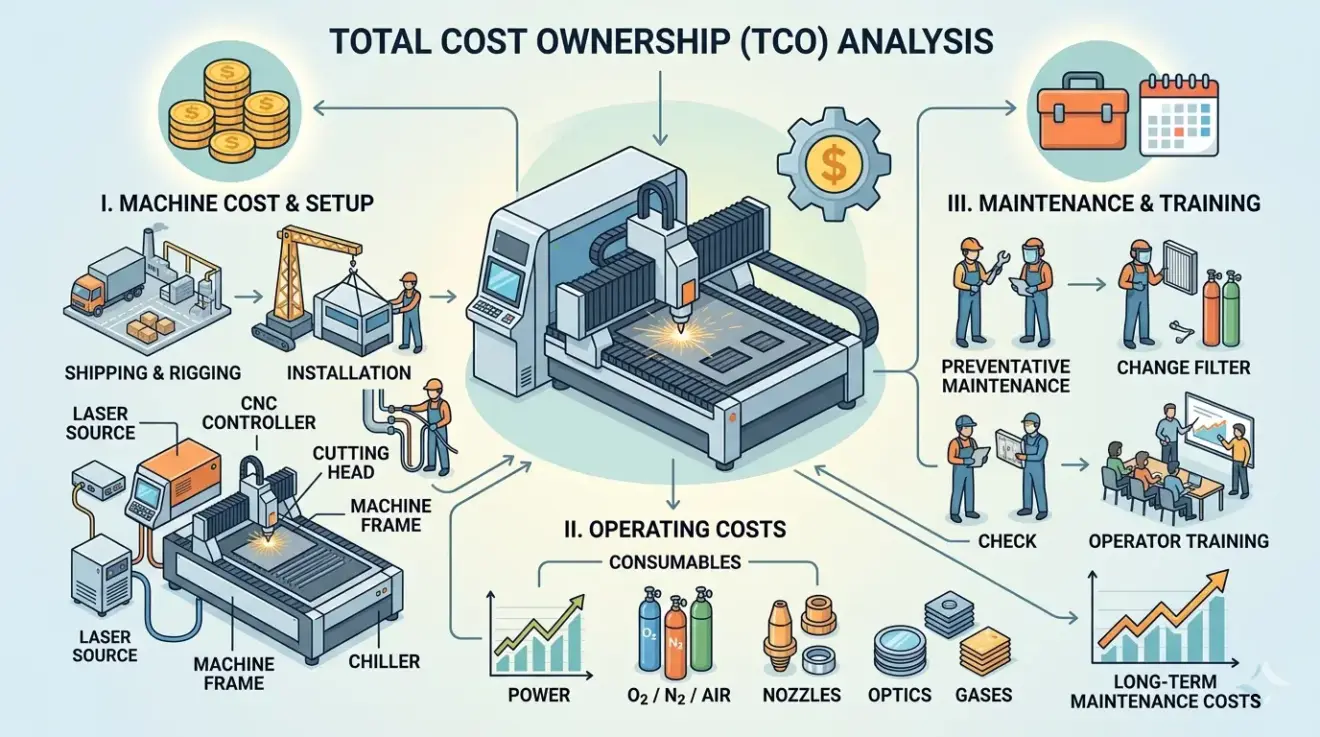
Industrial Laser Cutter Cost Breakdown: Machine, Installation, and Maintenance
Thursday, 09 April 2026
When an industrial laser cutter proposal reaches a buyer’s desk, the first number usually gets too much attention. A bare machine quote can look competitive until extraction, cooling, electrical work, commissioning, operator training, spare parts, and preventive maintenance are added back into the picture. For buyers comparing laser cutters and engravers for wood, acrylic, and
- Published in Laser
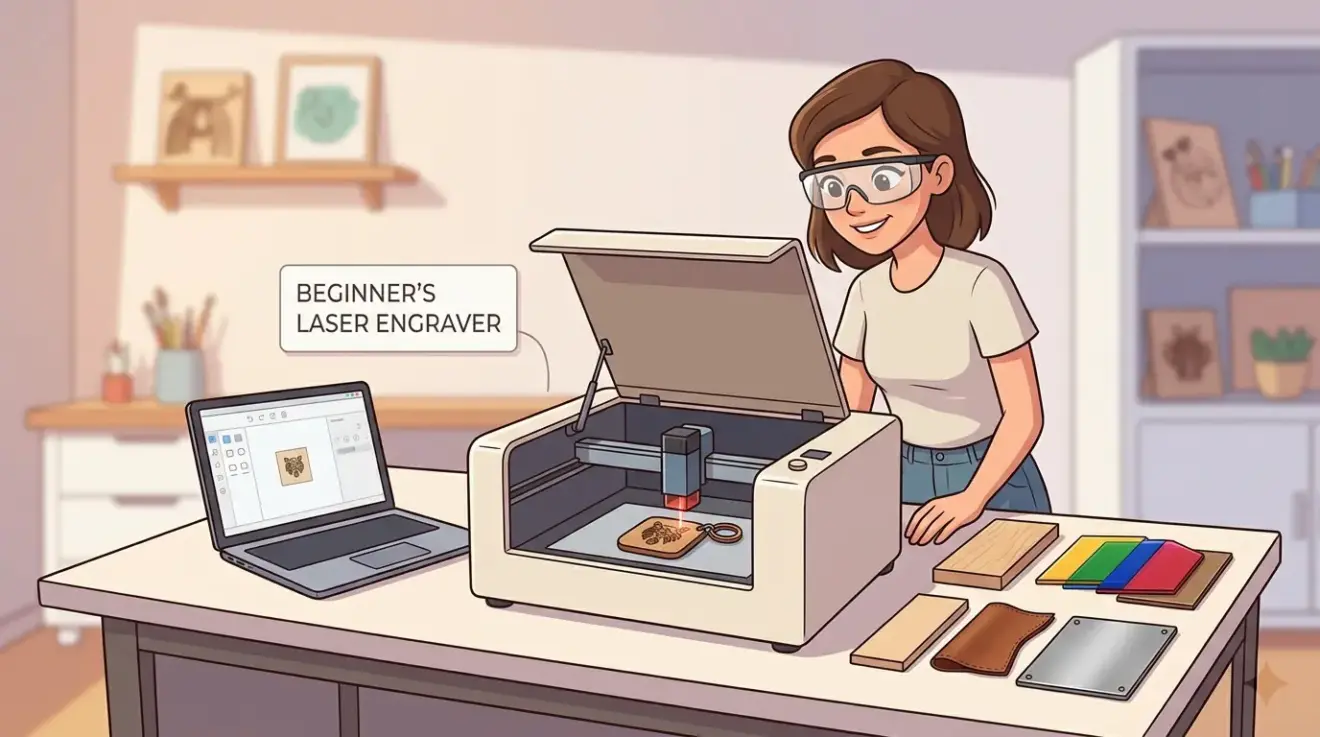
Best Laser Engraver for Beginners: What Actually Matters Before You Buy
Thursday, 09 April 2026
Most beginners do not end up with the wrong laser engraver because they misunderstand what engraving is. They end up with the wrong machine because they start with wattage, social-media demos, and generic rankings before they define the work the machine must handle every week. For first-time buyers comparing laser cutters and engravers for wood,
- Published in Laser
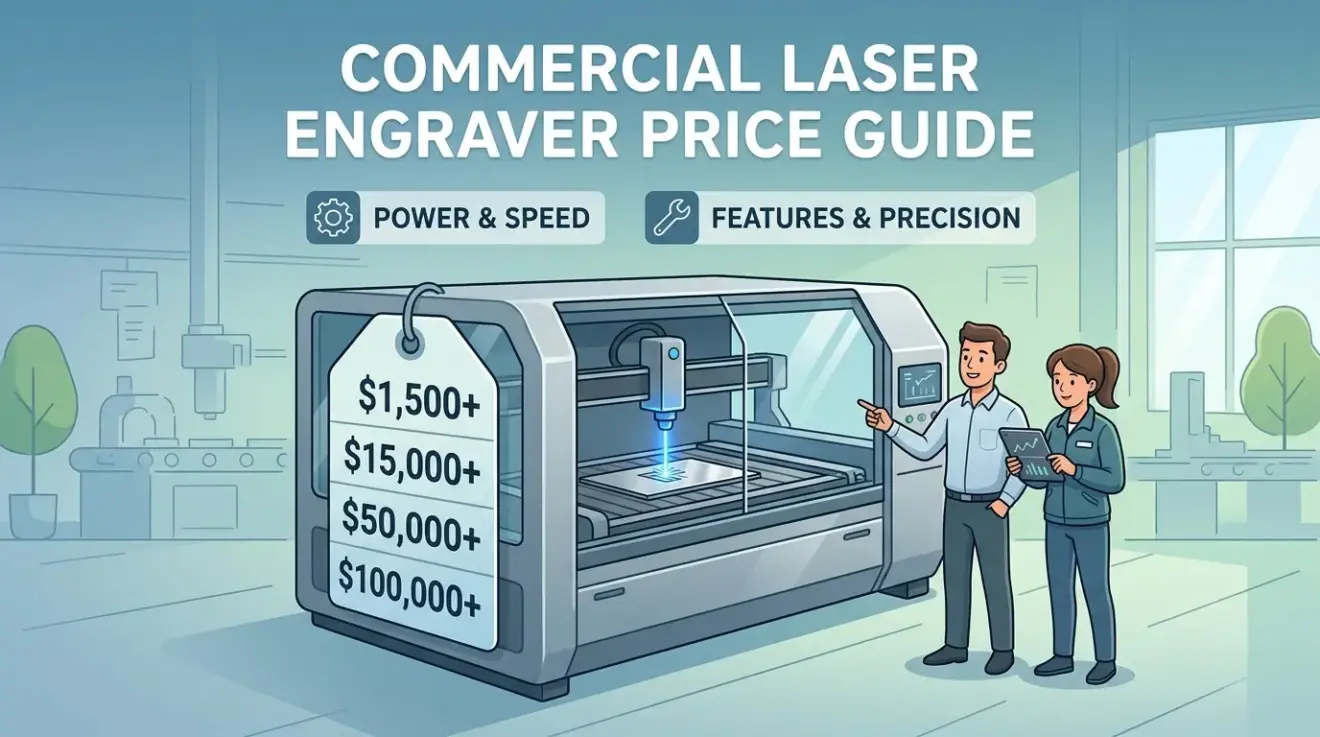
Laser Engraving Machine Price Guide for Commercial Buyers
Thursday, 09 April 2026
Commercial buyers looking for a laser engraving machine price guide usually run into the same problem immediately: one supplier quotes a bare machine, another includes extraction and training, and a third bundles engraving and contour cutting into the same proposal. The result is that the lowest number on paper often says very little about the
- Published in Laser
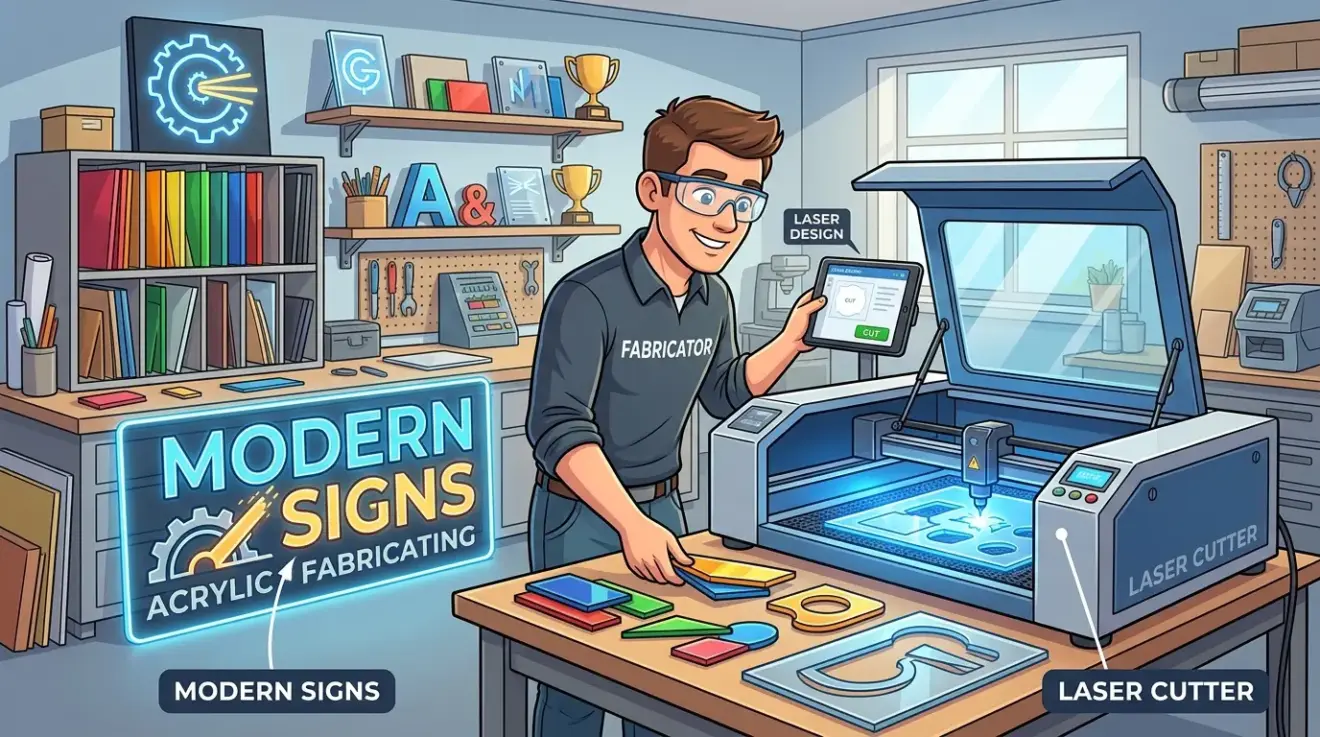
How to Choose an Acrylic Laser Cutter for Fabricators and Sign Makers
Thursday, 09 April 2026
An acrylic laser cutter usually gets approved on sample quality. The harder test comes later, when the daily schedule mixes branded sign panels, clear display parts, machine guards, functional covers, and short-run custom work that all need to leave the machine looking consistent and fitting correctly. For acrylic fabricators and sign makers evaluating laser cutters
- Published in Laser
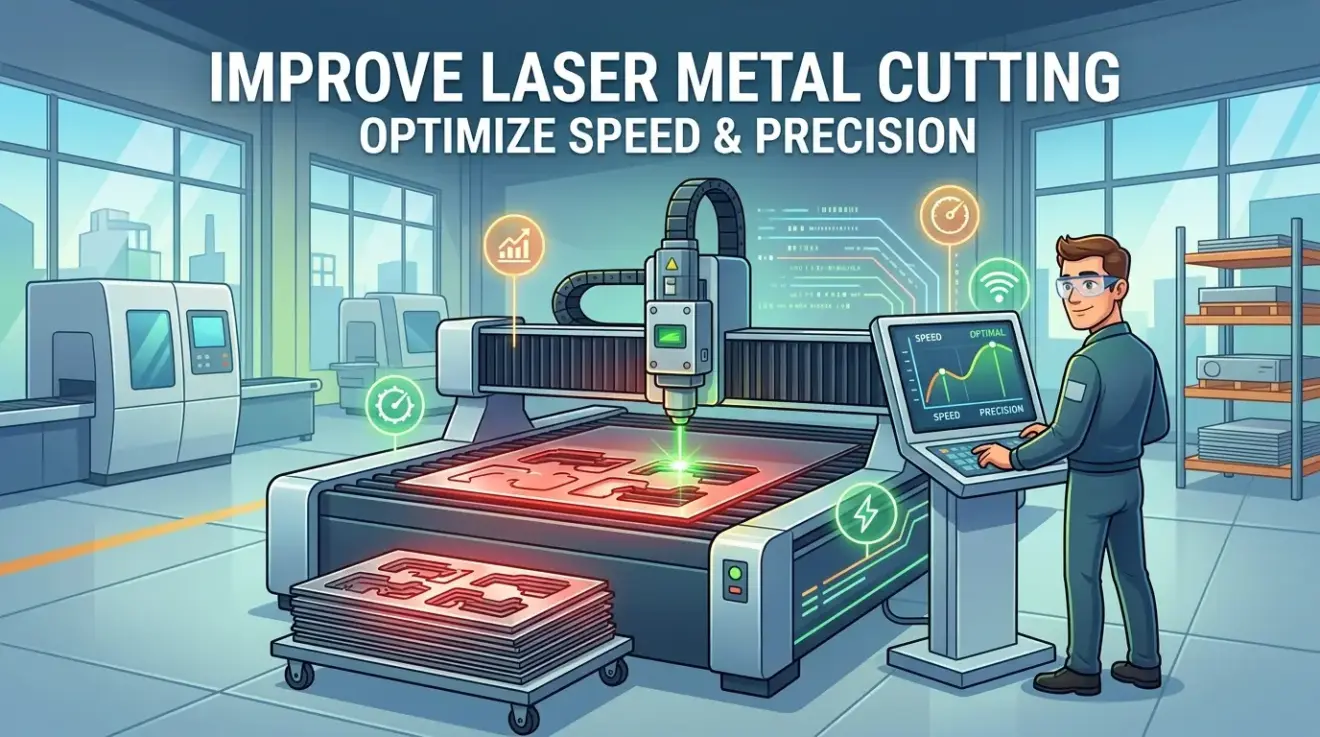
Laser Metal Cutting Machine: How to Improve Speed and Precision
Thursday, 09 April 2026
Improving speed and precision on a laser metal cutting machine is usually a process-control problem, not a single-specification problem. Shops get better results when laser source fit, motion tuning, assist gas, nesting strategy, and maintenance are managed as one system, so faster cutting does not create more scrap, rework, or assembly delays downstream. Fabricators rarely
- Published in Laser
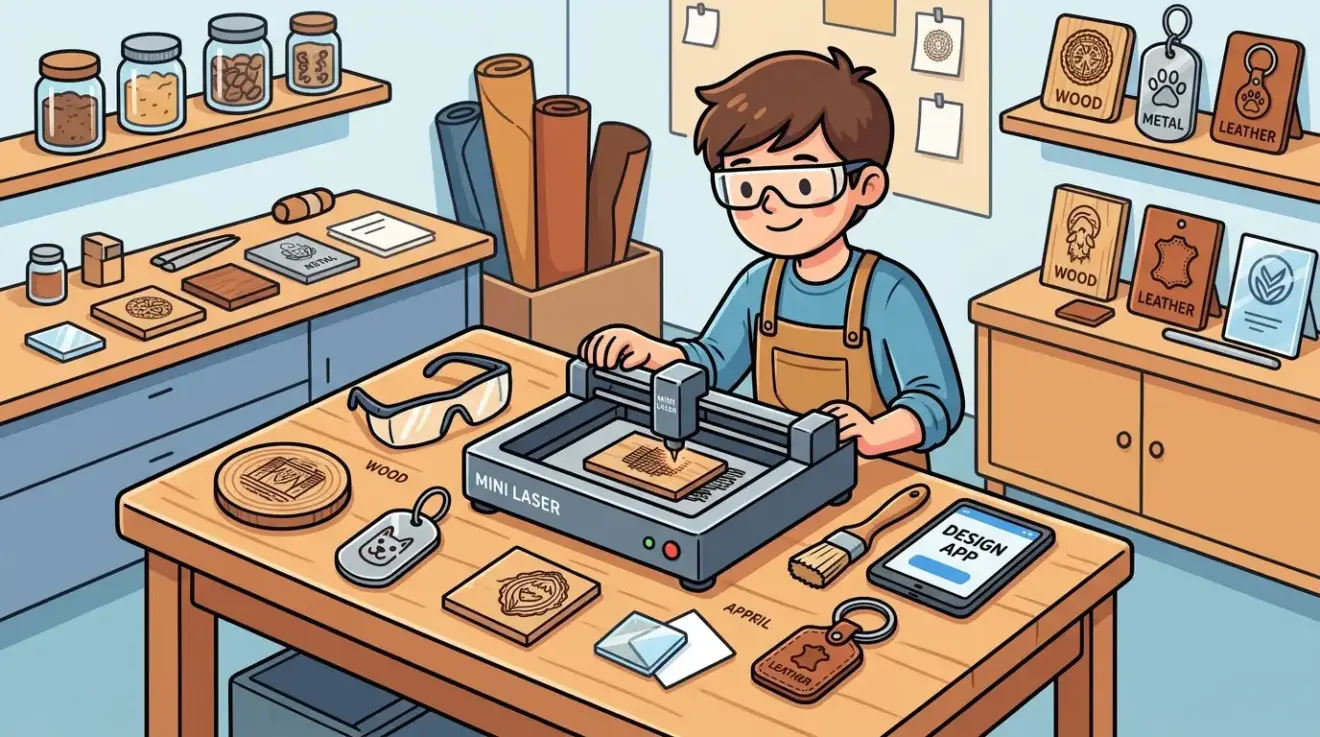
Mini Laser Engraving Machines for Personalized Products: How To Choose the Right Compact Setup
Thursday, 09 April 2026
Personalized product work looks simple from the outside, but the production logic is not simple at all. Orders are often short-run, artwork changes constantly, delivery windows are tight, and margins disappear quickly if setup time, rework, or material handling gets out of control. That is why many buyers start looking at mini laser engraving machines.
- Published in Laser
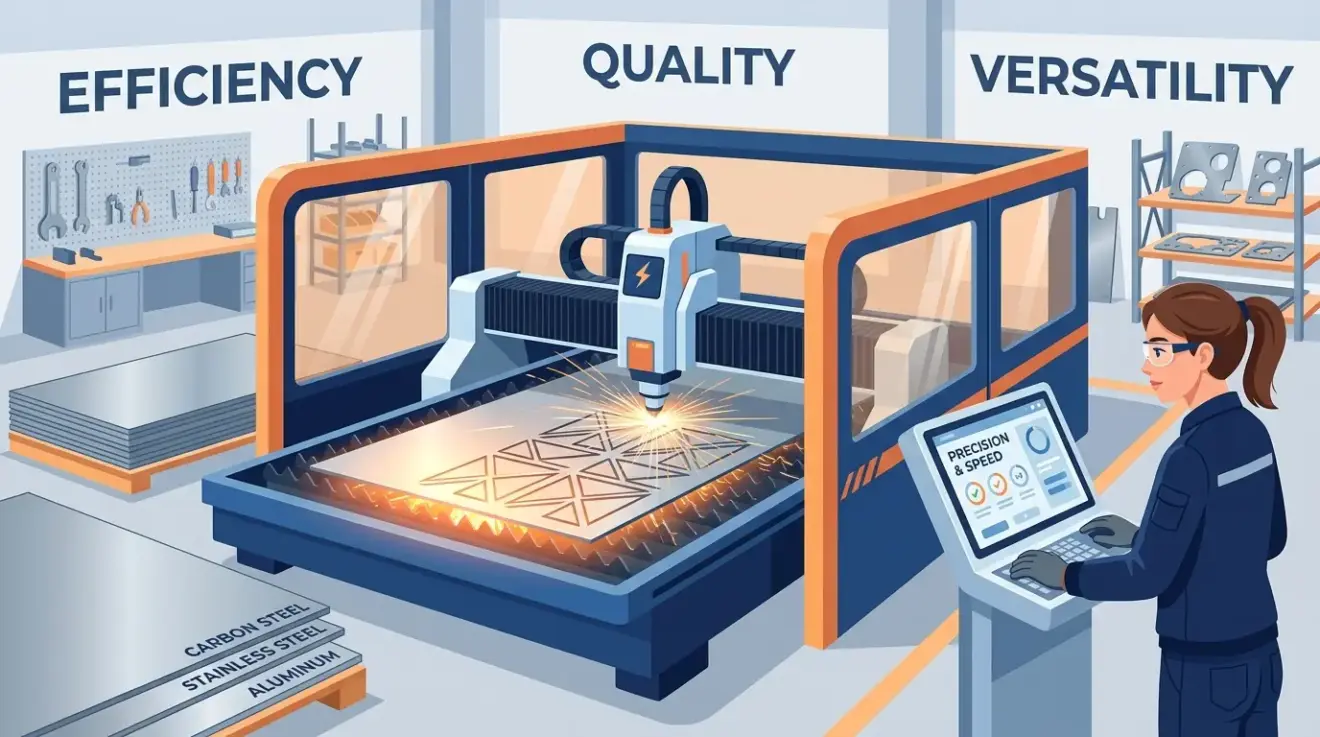
Metal Laser Cutter Buying Guide for Fabricators
Thursday, 09 April 2026
Buying a metal laser cutter is rarely just a question of cut quality. For most fabrication shops, the bigger issue is whether the machine can support the part mix, material flow, labor structure, and downstream processes that determine real production output. A machine that looks impressive in a short demonstration can still create problems if
- Published in Laser
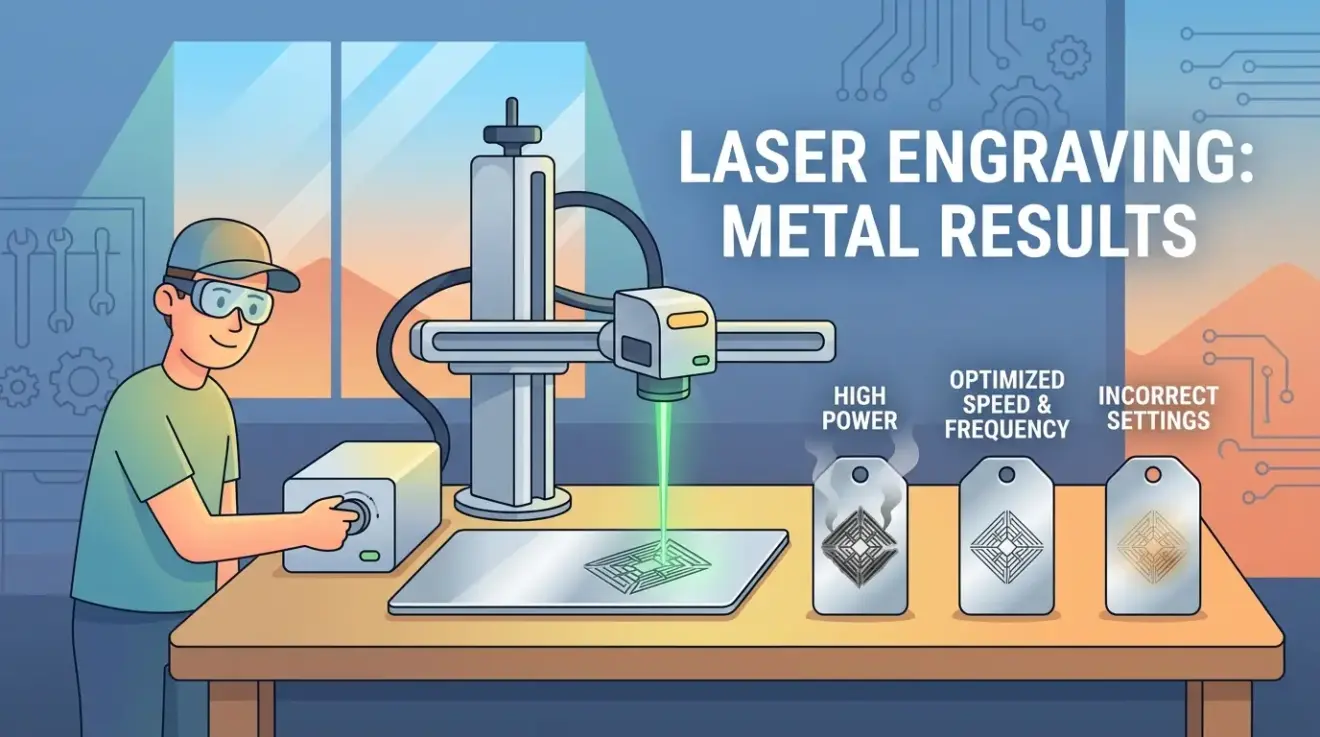
Laser Engraving Machine for Metal: Which Specs Actually Change Results
Thursday, 09 April 2026
In metal engraving, two machines can share similar headline power and still produce very different results on the same part. One leaves crisp, scanner-readable codes with stable contrast. The other creates wider heat tint, softer edges, inconsistent depth, or longer-than-expected cycle times. In production, that gap usually comes from the supporting specifications, not the brochure
- Published in Laser
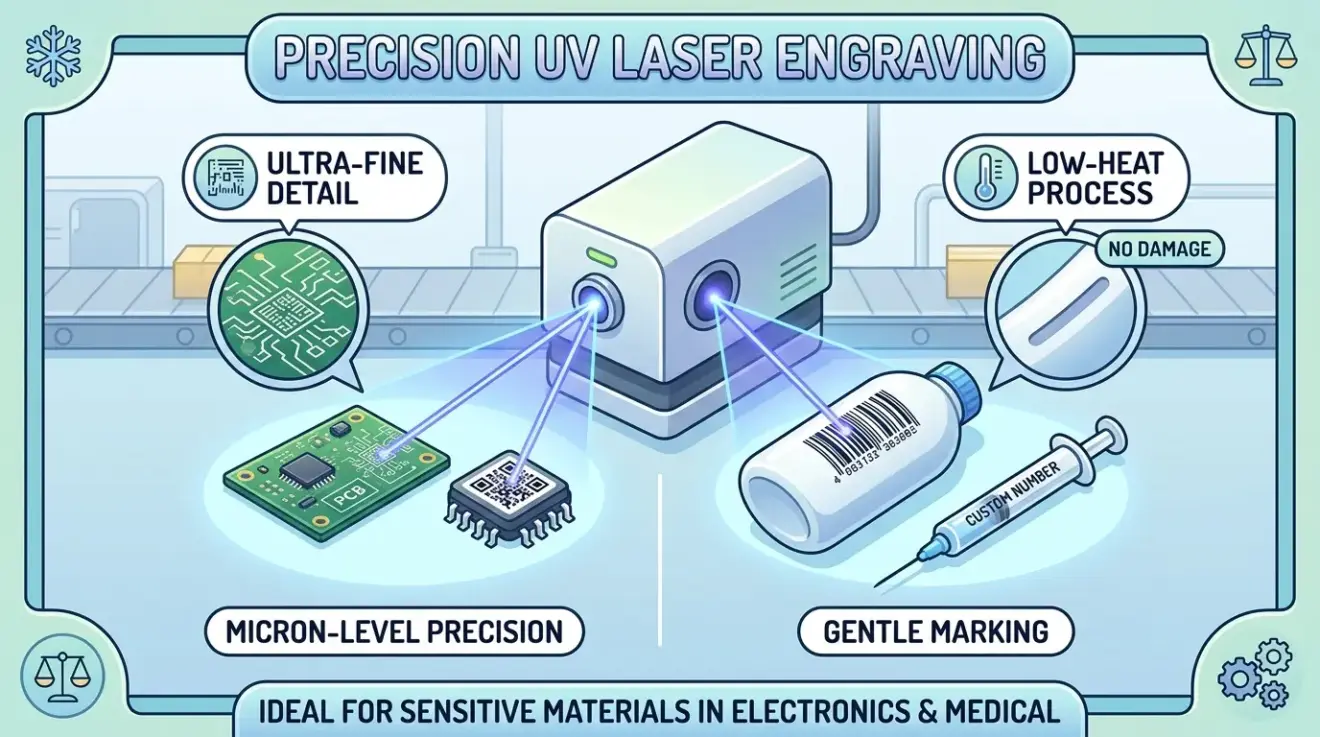
UV Laser Engraver for Fine, Low-Heat Marking: Where It Fits Best in Production
Thursday, 09 April 2026
When a part needs a small, clean mark on a heat-sensitive surface, the problem is not simply whether a laser can make a visible result. The harder problem is whether the mark can stay sharp without whitening thin plastics, distorting coated finishes, cracking delicate surfaces, or creating enough cosmetic damage to turn traceability work into
- Published in Laser
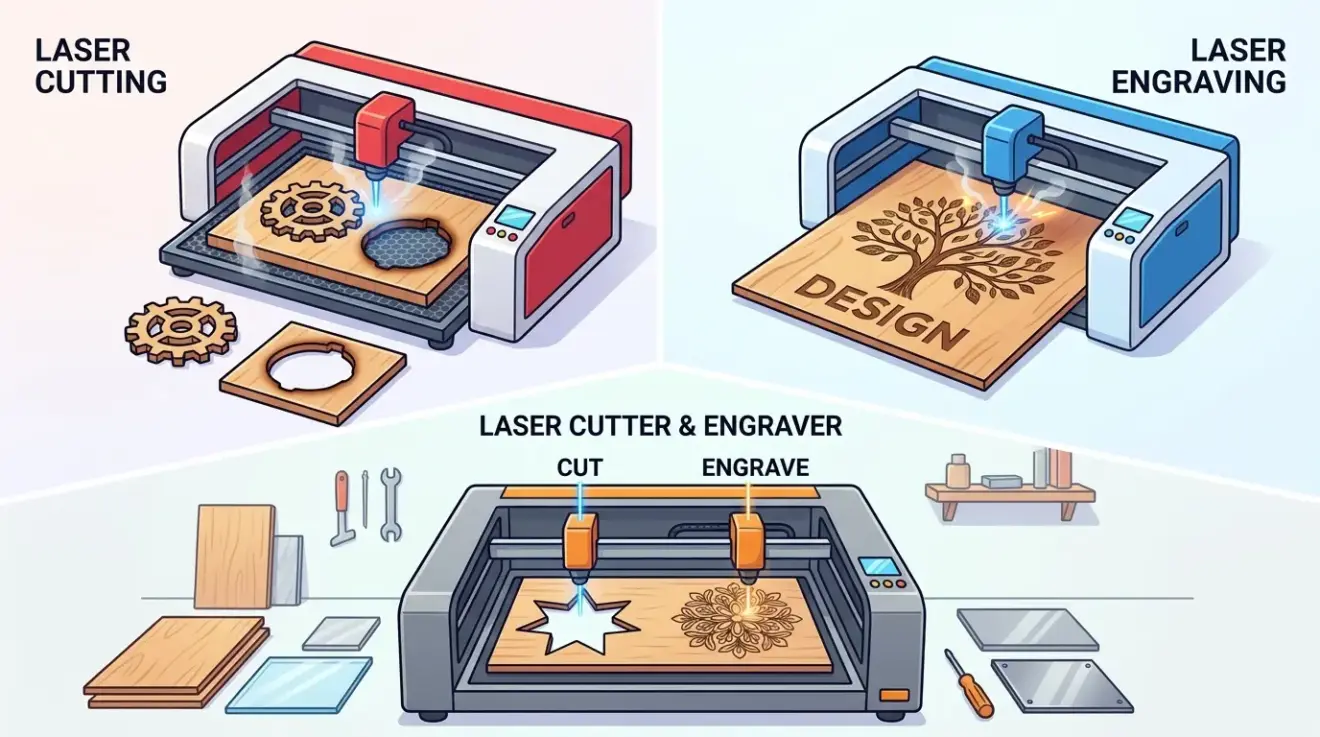
Laser Cutter vs. Laser Engraver: Do You Need Cutting, Engraving, or Both?
Wednesday, 08 April 2026
Many laser buying mistakes start with the wrong comparison. Shops often compare machine labels first, then try to force their production needs into that label afterward. In real use, the better question is simpler: do you need full part separation, surface detail, or both in the same workflow? For buyers evaluating laser cutters and engravers
- Published in Laser
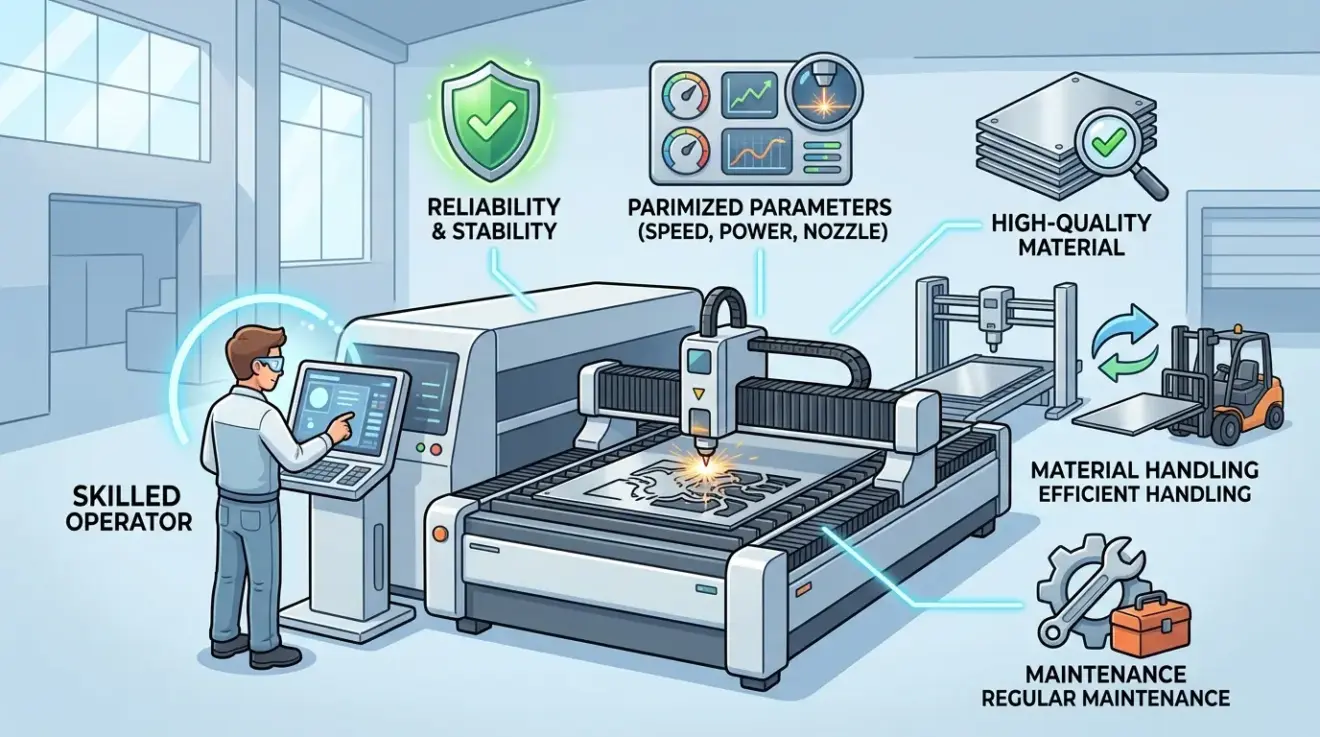
Sheet Metal Laser Cutting Machine Setup: What Really Affects Productivity?
Wednesday, 08 April 2026
A sheet metal laser cutting machine can post impressive cutting speeds on a sample job and still underperform on the factory floor. In most plants, productivity falls short because setup time, job sequencing, gas stability, first-off approval, consumable condition, and unloading flow are not controlled tightly enough to support steady output. That is why setup
- Published in Laser
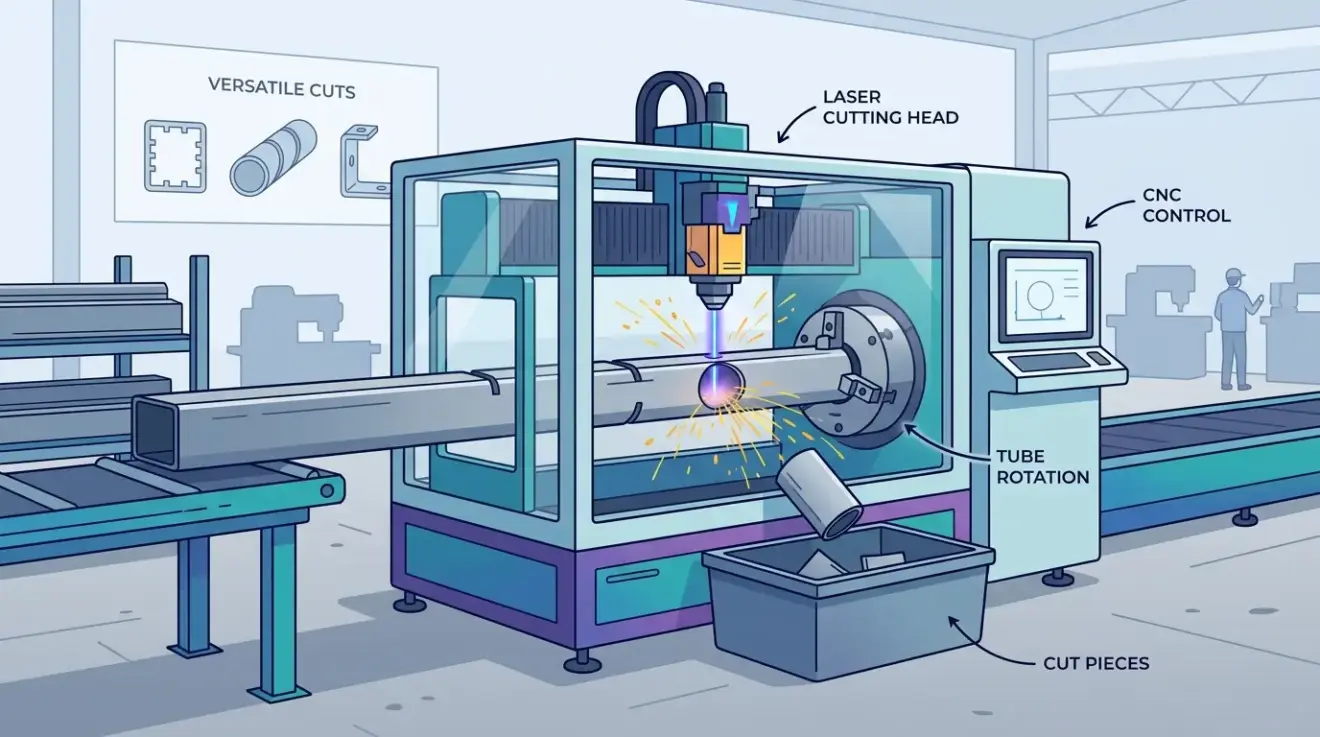
Laser Pipe Cutting Machine: How Tube Laser Cutting Works in Production
Wednesday, 08 April 2026
In many fabrication environments, the real bottleneck is not simply cutting tube to length. It is getting repeated holes, slots, end cuts, and fit-up geometry into round, square, and rectangular profiles without stacking up manual layout, re-clamping, and secondary operations. That is why tube laser cutting is usually evaluated as a workflow tool, not just
- Published in Laser
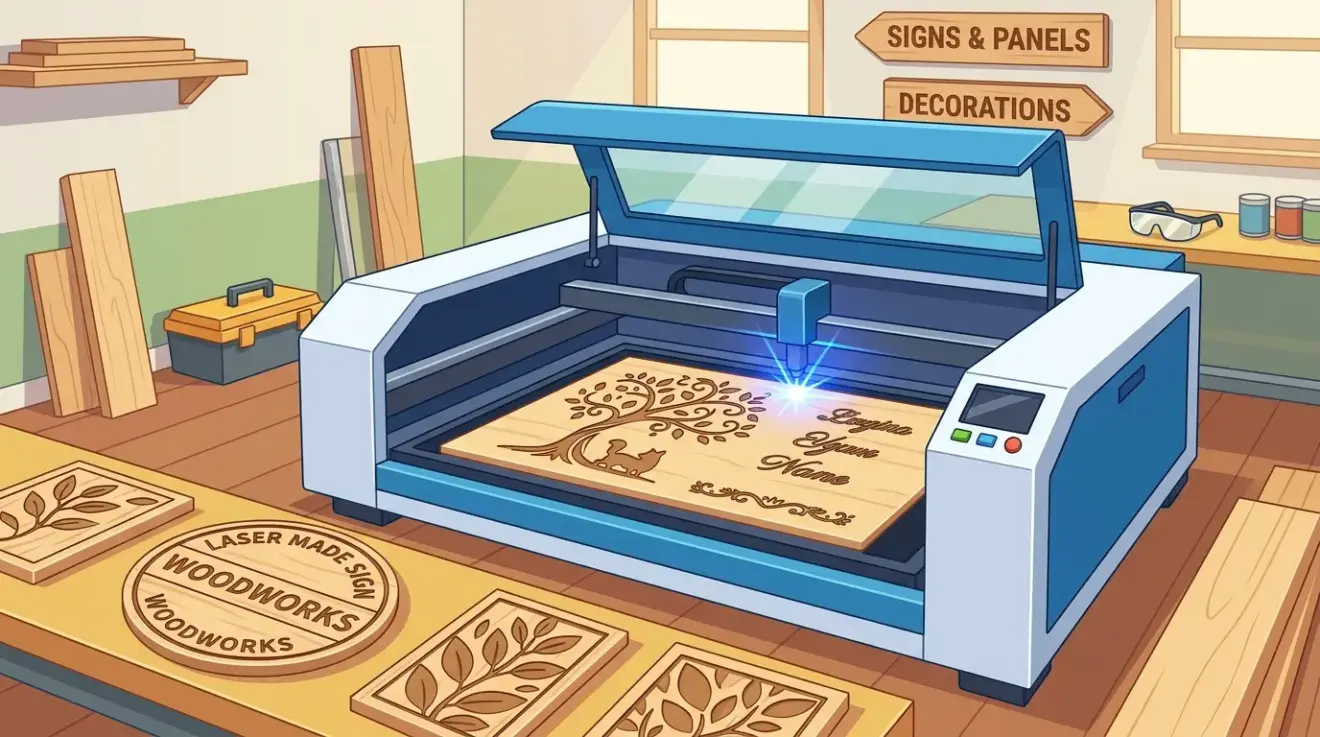
How to Choose a Wood Laser Engraving Machine for Signs, Panels, and Decorative Parts
Wednesday, 08 April 2026
Shops that produce engraved wood signs, branded panels, menu boards, decorative wall pieces, and shaped ornament parts usually face the same problem: the machine has to do more than make one good-looking sample. It has to keep text readable, graphics consistent, and changeovers manageable when the queue shifts from plywood signs to veneered panels to
- Published in Laser
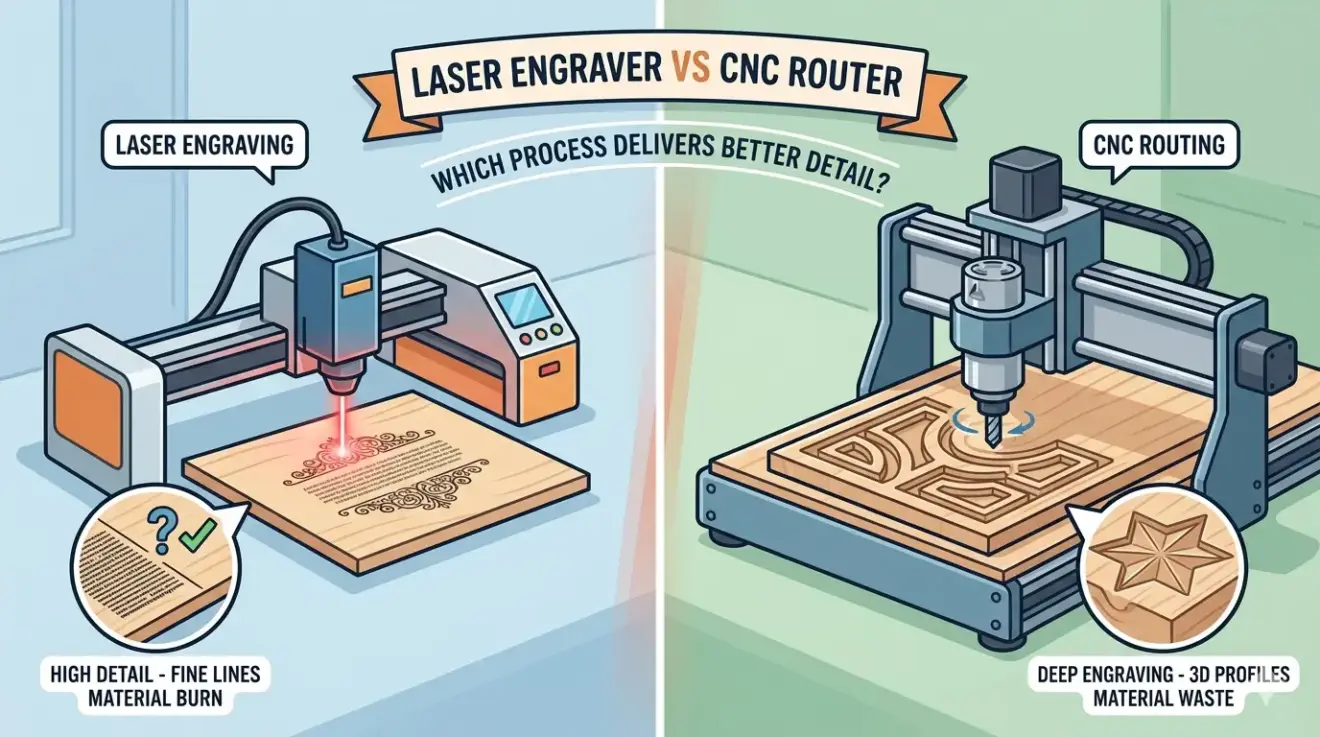
Laser Engraver vs CNC Router for Wood Products: Which Process Delivers Better Detail?
Wednesday, 08 April 2026
In wood-product manufacturing, “better detail” is usually the wrong starting question. A factory making branded gift boxes, decorative wall panels, or engraved signage is chasing one kind of detail. A shop producing carved cabinet doors, profiled furniture parts, or routed joinery features is chasing another. A laser engraver usually delivers better detail when the job
- Published in Laser
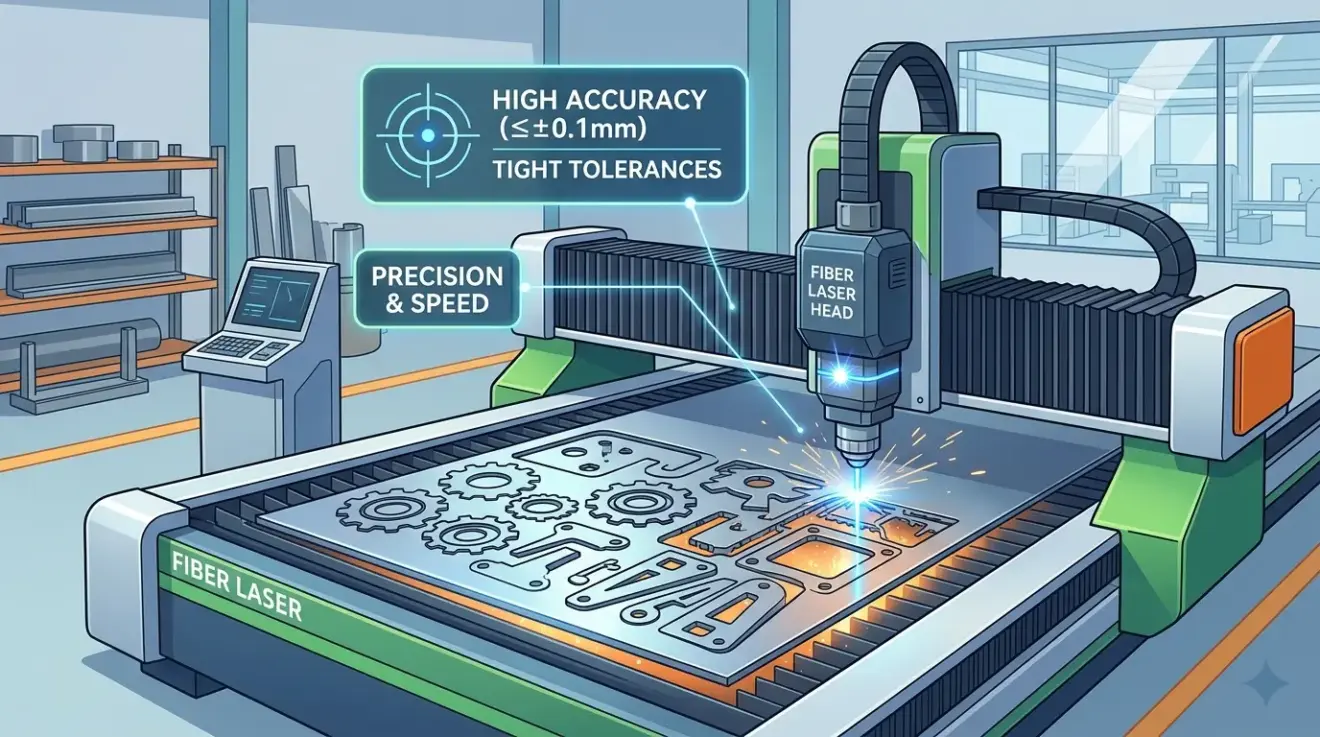
How Fiber Laser Cutting Improves Accuracy in Metal Fabrication
Wednesday, 08 April 2026
In metal fabrication, accuracy is not just a drawing requirement. It affects whether holes line up at assembly, whether bends stay consistent, whether welded parts fit without force, and whether operators spend the shift correcting parts that should have been right the first time. That is why fiber laser cutting matters. It improves accuracy by
- Published in Laser
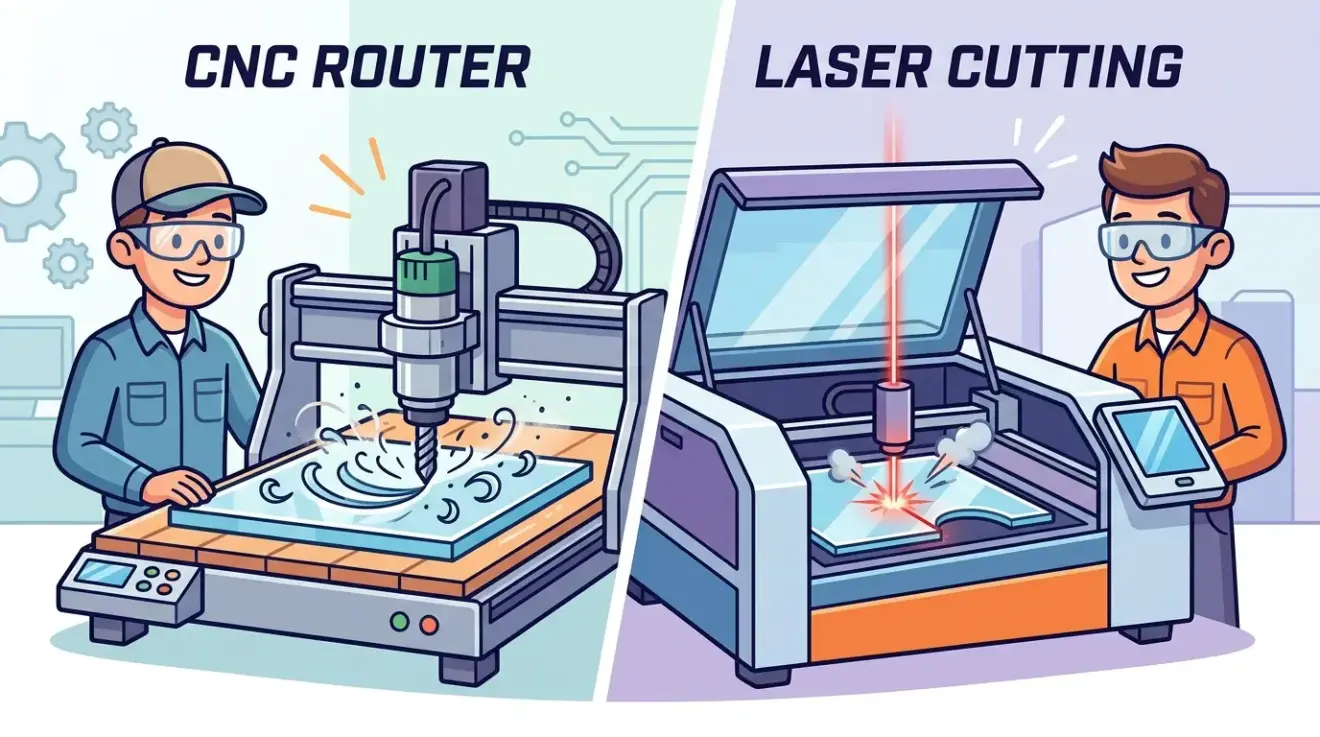
Acrylic Cutting Machine vs Acrylic Laser Cutting Machine: How To Choose the Right Process
Wednesday, 08 April 2026
Many buyers start with the phrase “acrylic cutting machine” when what they really need to decide is the process. That matters because an acrylic cutting machine can mean several different kinds of equipment, while an acrylic laser cutting machine points to one specific method with its own strengths, limits, and workflow consequences. In production, this
- Published in Laser
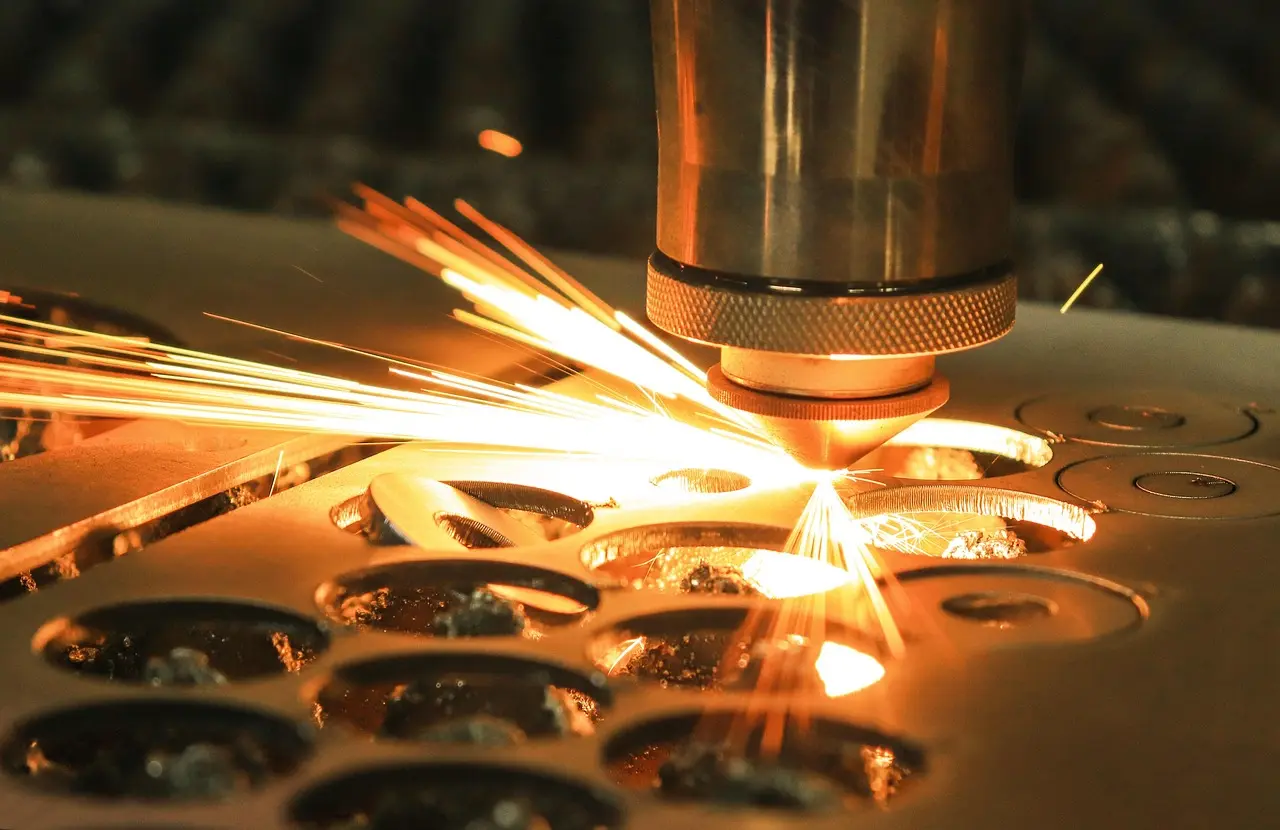
Laser Cutting Machines for Sale: How to Compare Specs Before Buying
Wednesday, 08 April 2026
When buyers start reviewing laser cutting machines for sale, the first mistake is usually comparing the wrong numbers. A listing may highlight power, maximum speed, or a large working area, but those headline specs do not tell you whether the machine matches your material, your part mix, or your daily production targets. In real manufacturing,
- Published in Laser
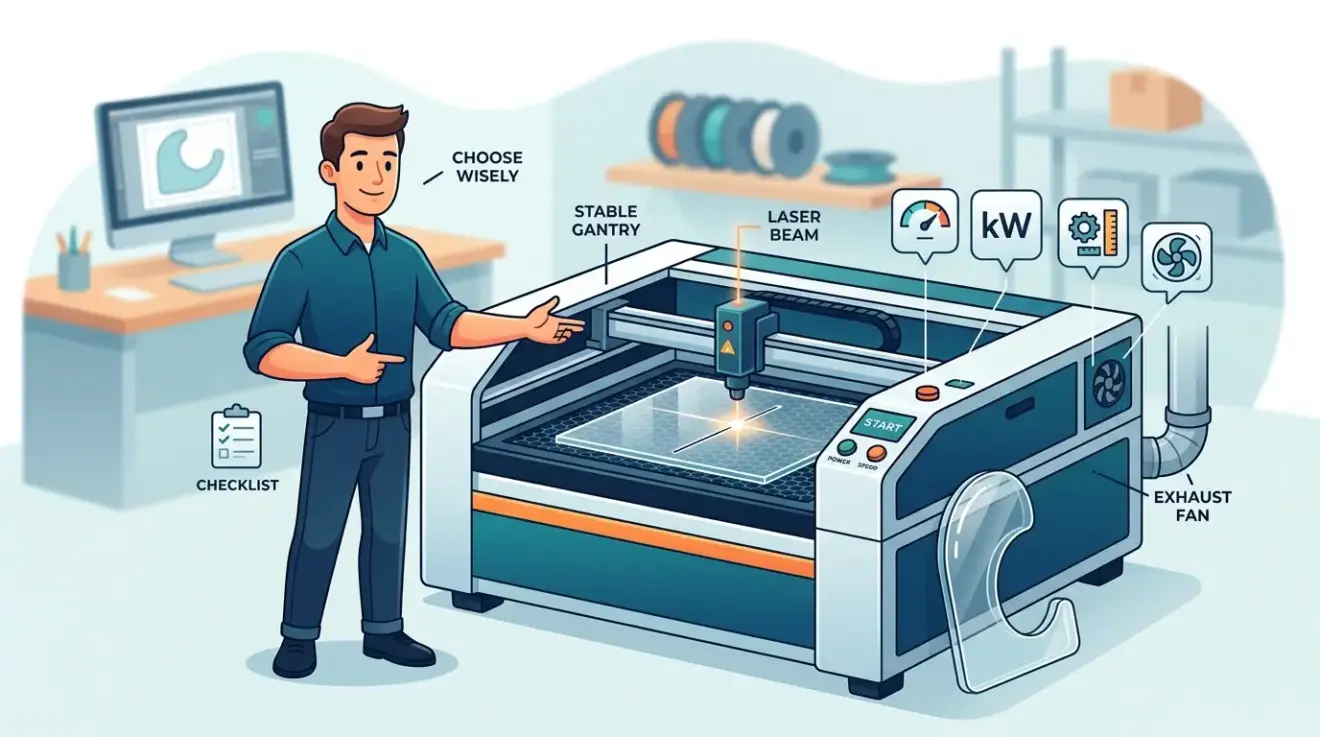
What To Look for Before Buying an Acrylic Laser Cutting Machine
Wednesday, 08 April 2026
Buying an acrylic laser cutting machine looks straightforward until sample quality has to survive real production pressure. A machine may produce one clean demo part on clear acrylic, but that does not guarantee stable output once the schedule includes different sheet types, frequent job changes, nested small parts, and visual-grade orders that leave little room
- Published in Laser
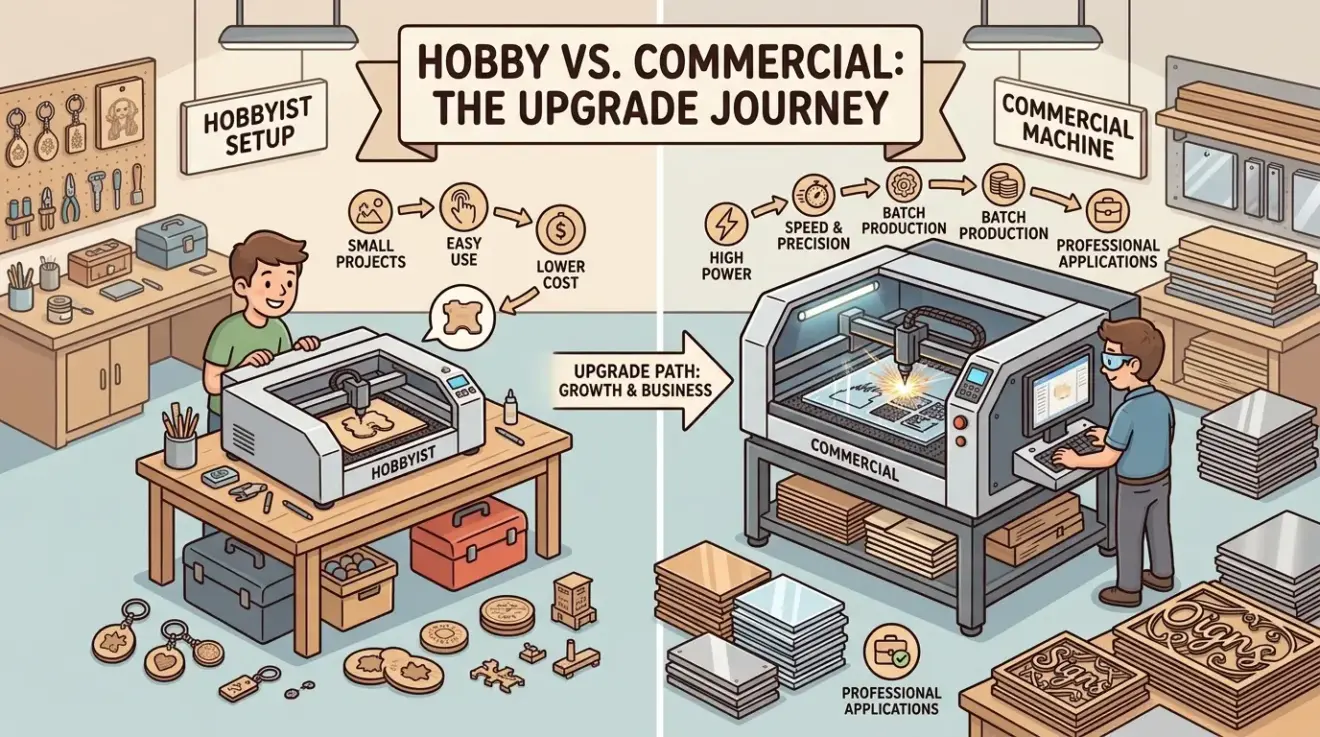
Hobby Laser Cutter Vs. Commercial Laser Machine: When It Makes Sense To Upgrade
Wednesday, 08 April 2026
A hobby laser cutter can be a smart starting point for samples, short custom runs, and early product development. The upgrade question usually appears when the same machine is asked to support delivery dates, repeat orders, larger workpieces, and more predictable finish quality. That is the real dividing line. Moving from a hobby laser to
- Published in Laser
How To Choose Affordable Laser Cutter Options for Commercial Workshops
Tuesday, 07 April 2026
Buying an affordable laser cutter for a commercial workshop is not really about finding the lowest quoted price. It is about finding a machine that matches your material mix, daily output, and quality standard closely enough that it lowers cost per finished part instead of creating new bottlenecks. That distinction matters because many workshops overspend
- Published in Laser
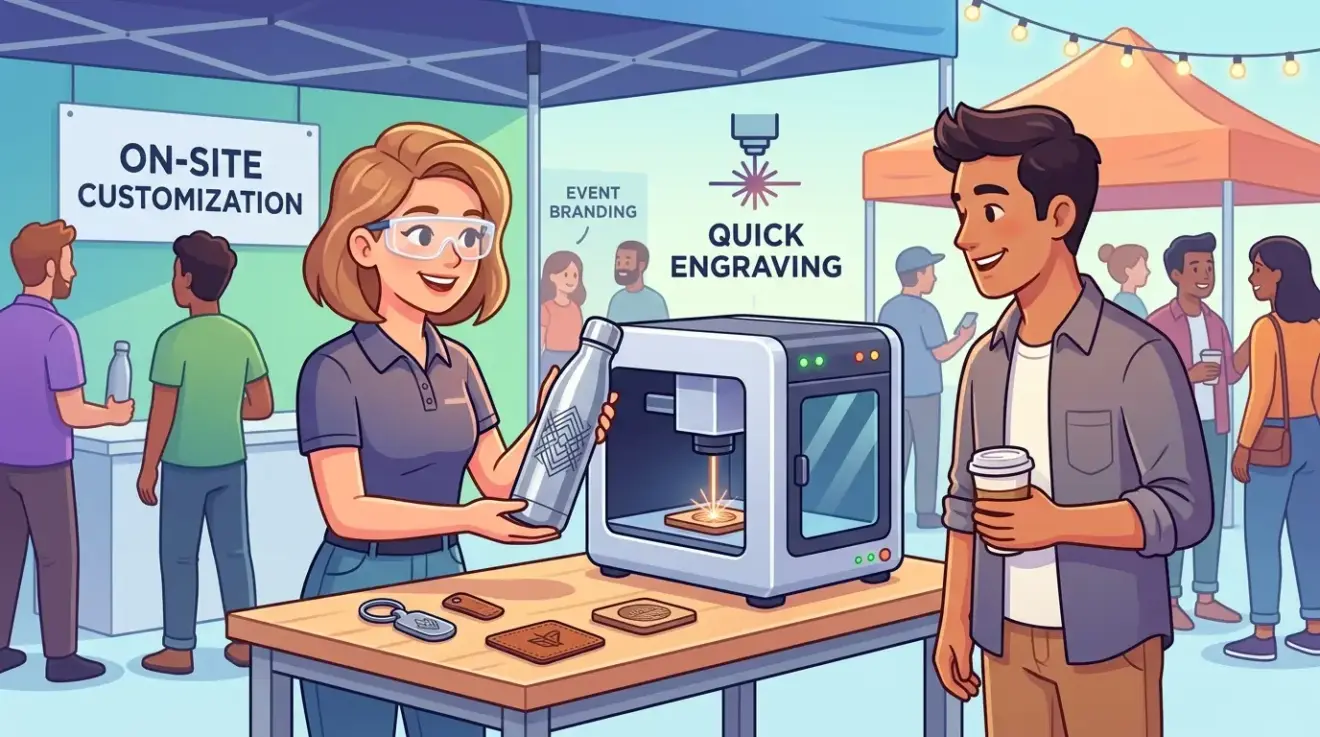
Portable Laser Engravers for Events and On-Site Customization: Matching Mobility to Throughput and Safety
Tuesday, 07 April 2026
At trade shows, retail pop-ups, hotel activations, and branded gifting events, the bottleneck is rarely engraving capability alone. The real constraint is whether the setup can travel cleanly, operate safely in a public-facing environment, and finish each item fast enough to keep the line moving. That is why a portable laser engraver should be evaluated
- Published in Laser
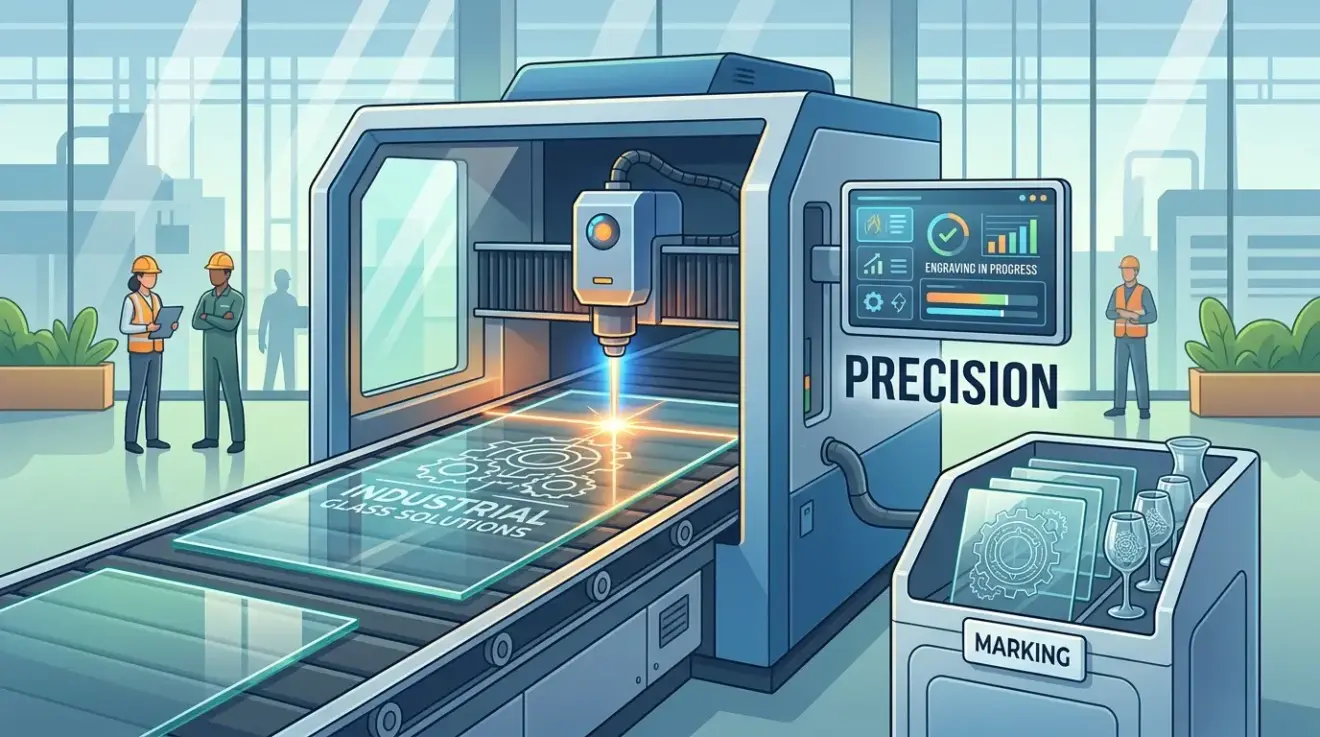
Laser Engraver for Glass: What Industrial Buyers Should Know Before Buying
Tuesday, 07 April 2026
Many buyers see a clean sample mark on a glass panel or bottle and assume the machine decision is mostly settled. In real production, the harder question is whether that same process can stay consistent across different part shapes, glass types, and order sizes without turning cosmetic variation, breakage, or slow setup into a hidden
- Published in Laser
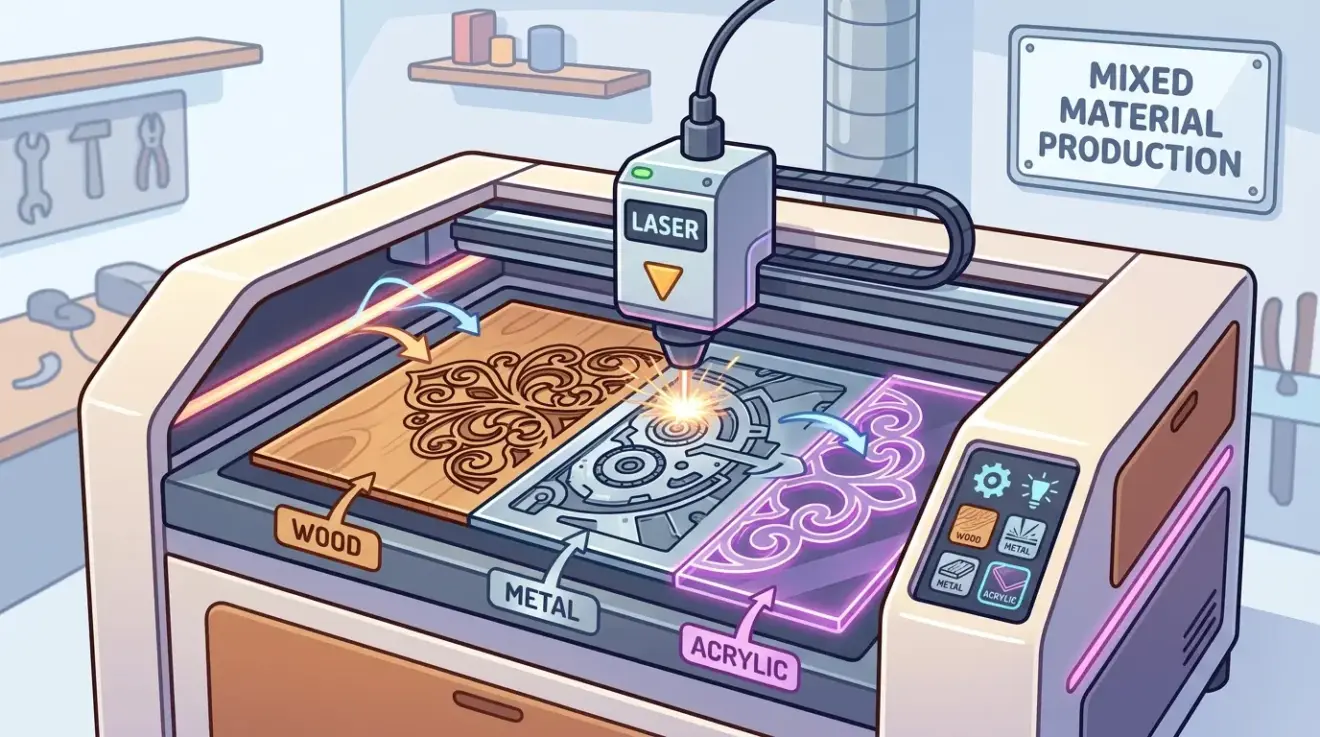
Laser Cutting and Engraving Machine Options for Mixed-Material Work
Tuesday, 07 April 2026
Mixed-material jobs often look efficient on paper because one machine appears to cover several product lines at once. The production reality is less forgiving. A shop may cut acrylic display parts in the morning, engrave plywood brand panels after lunch, and switch to laminated wood accessories or leather inserts before the shift ends. Once that
- Published in Laser
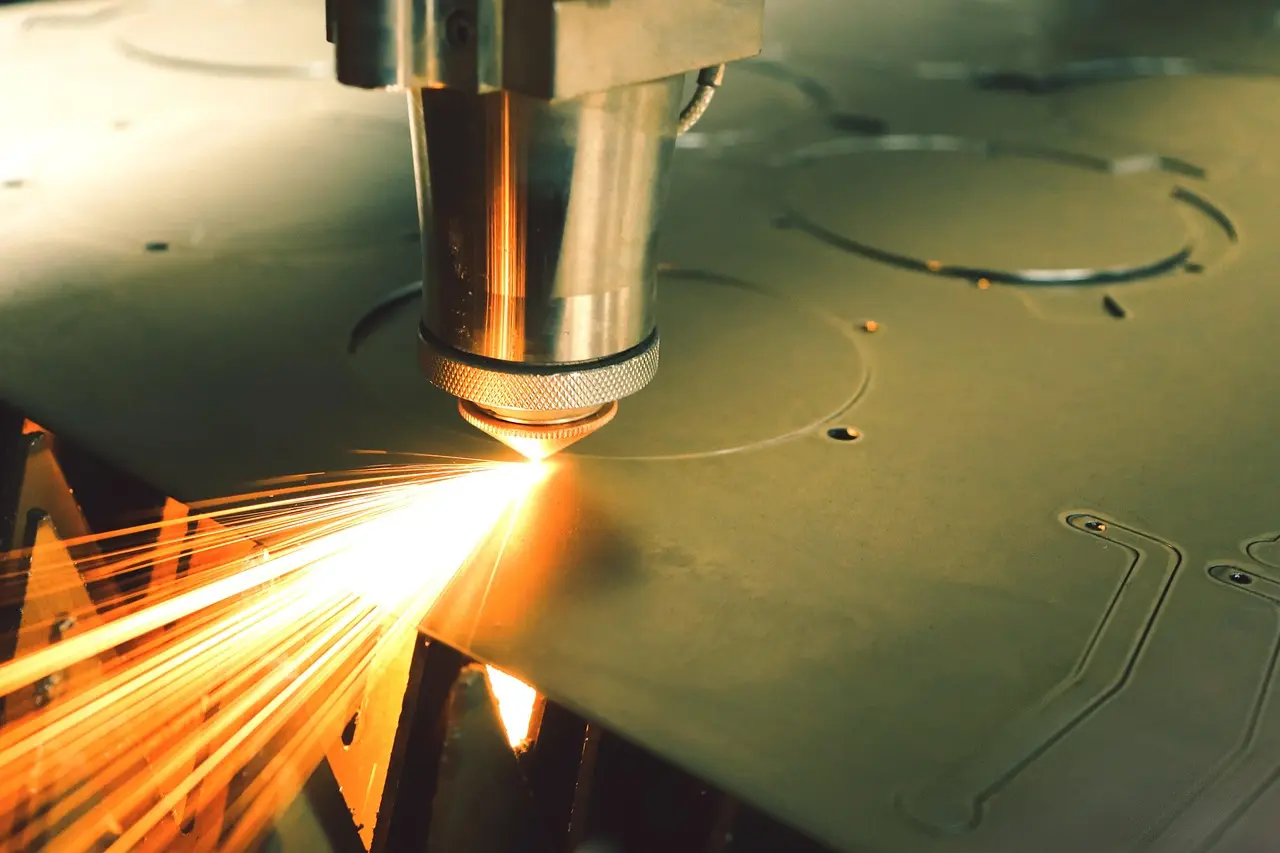
CNC Laser Machines: What Manufacturers Need to Evaluate Before Investing
Tuesday, 07 April 2026
Manufacturers often use “CNC laser” as a catch-all term for any automated laser system, but capital decisions fail when the machine name gets more attention than the production problem. A laser can solve intricate cutting, engraving, and shape-processing challenges. It can also become an expensive mismatch if the real bottleneck is panel sizing, routing depth,
- Published in Laser
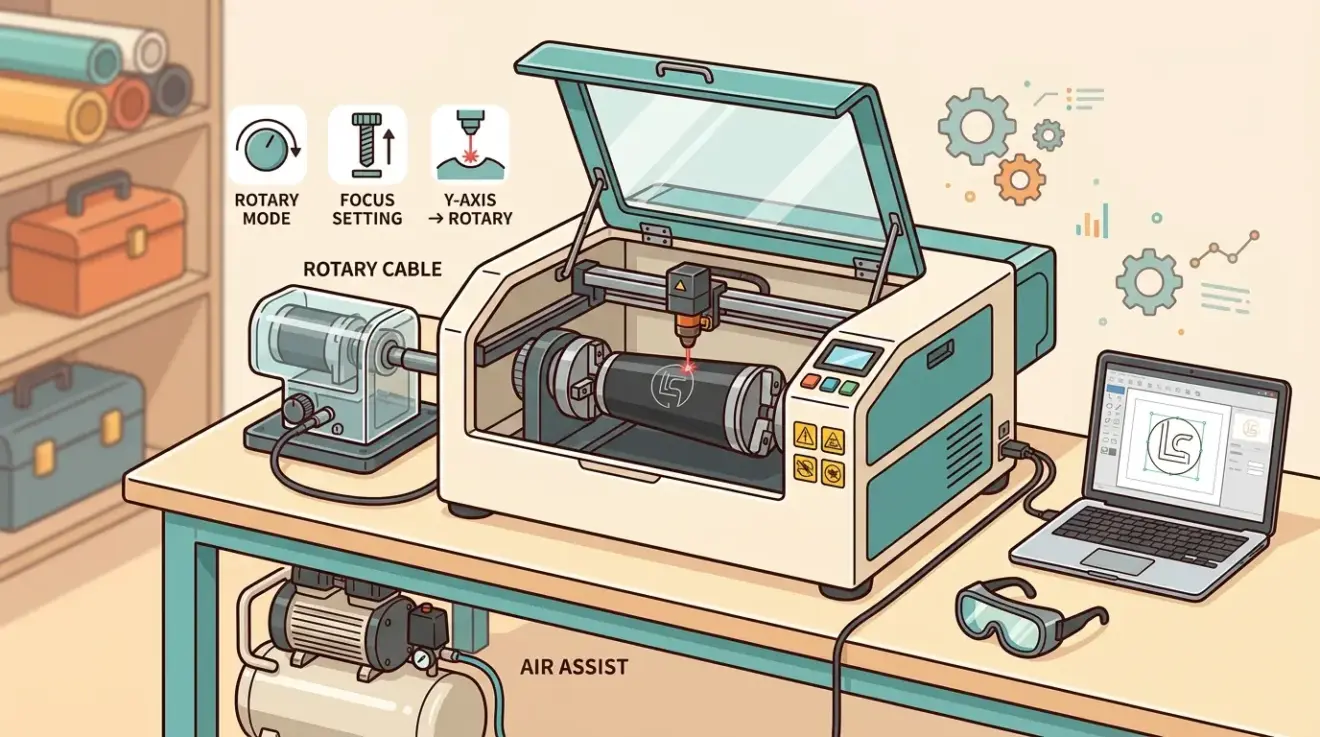
Laser Engraver for Tumblers: Rotary Attachment Requirements And Setup
Monday, 06 April 2026
Many buyers assume tumbler engraving becomes simple as soon as a rotary attachment is added to a laser machine. In practice, most quality problems show up after that point. The tumbler slips, the artwork stretches across a tapered wall, the seam does not close cleanly, or the mark quality changes from one side of the
- Published in Laser
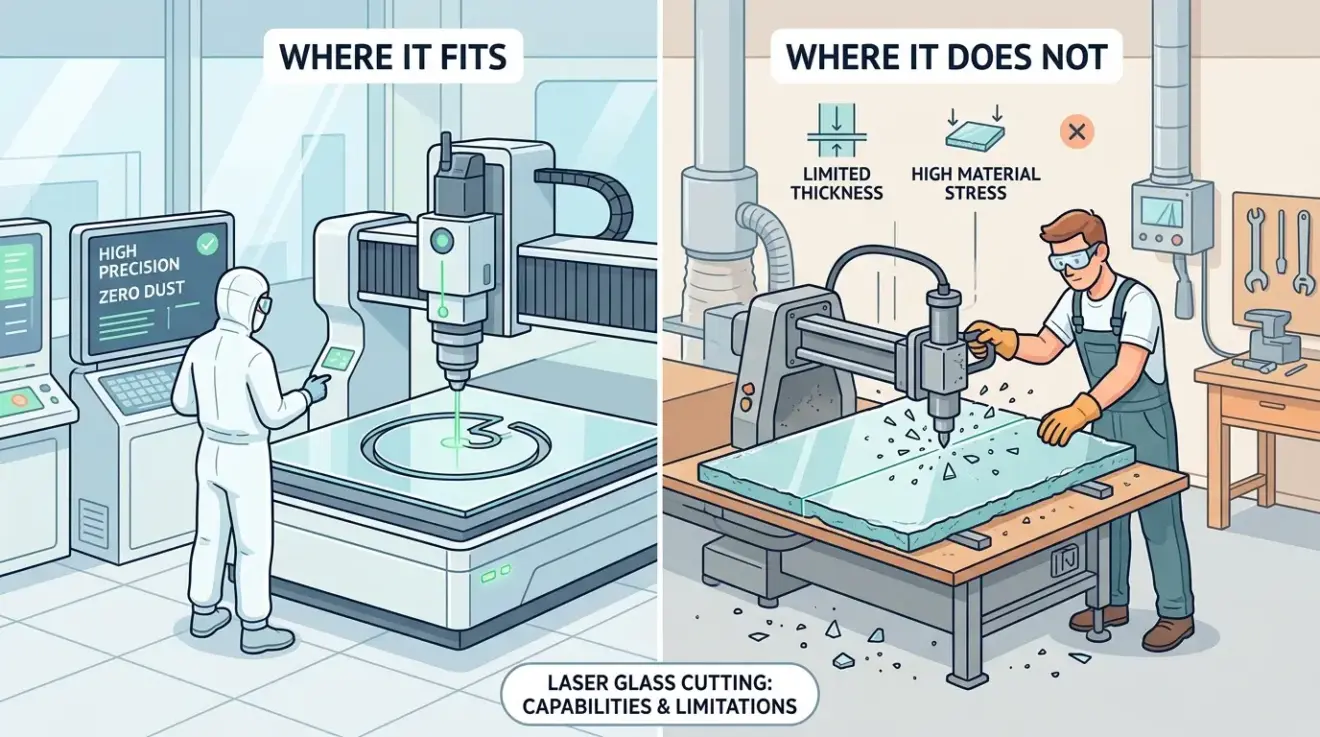
Laser Glass Cutter: Where It Fits in Production and Where It Does Not
Monday, 06 April 2026
Many buyers hear the phrase “laser glass cutter” and assume it means a standard non-metal laser can handle glass the same way it handles acrylic or wood. In real production, that assumption usually leads to the wrong shortlist. Glass marking, glass engraving, and true glass separation are related topics, but they are not the same
- Published in Laser
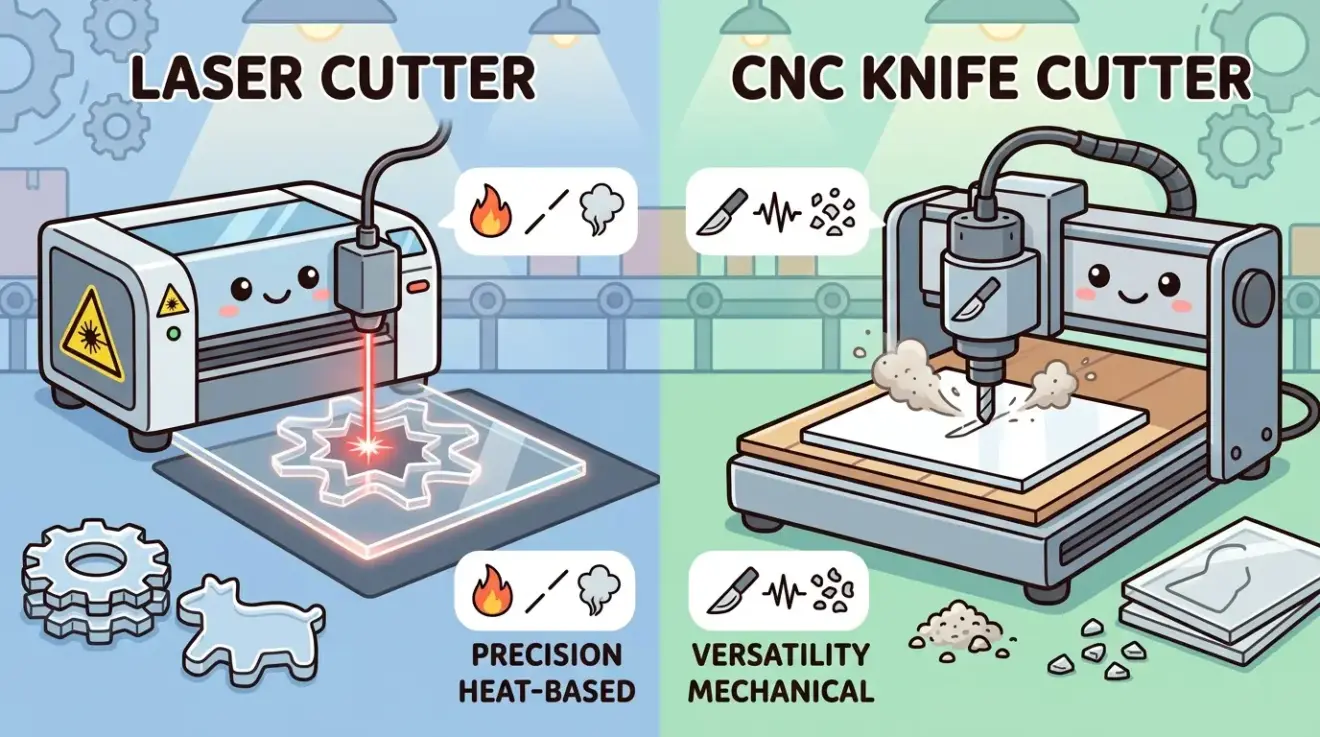
Acrylic Laser Cutter vs CNC Knife Cutter: Which One Fits Better for Acrylic Work?
Monday, 06 April 2026
If the production target is rigid acrylic parts rather than a broad mix of soft display materials, this comparison is usually decided by edge quality, contour precision, and how much downstream finishing the shop can tolerate. That is why the real question is not whether both machines can touch acrylic in some form. It is
- Published in Laser
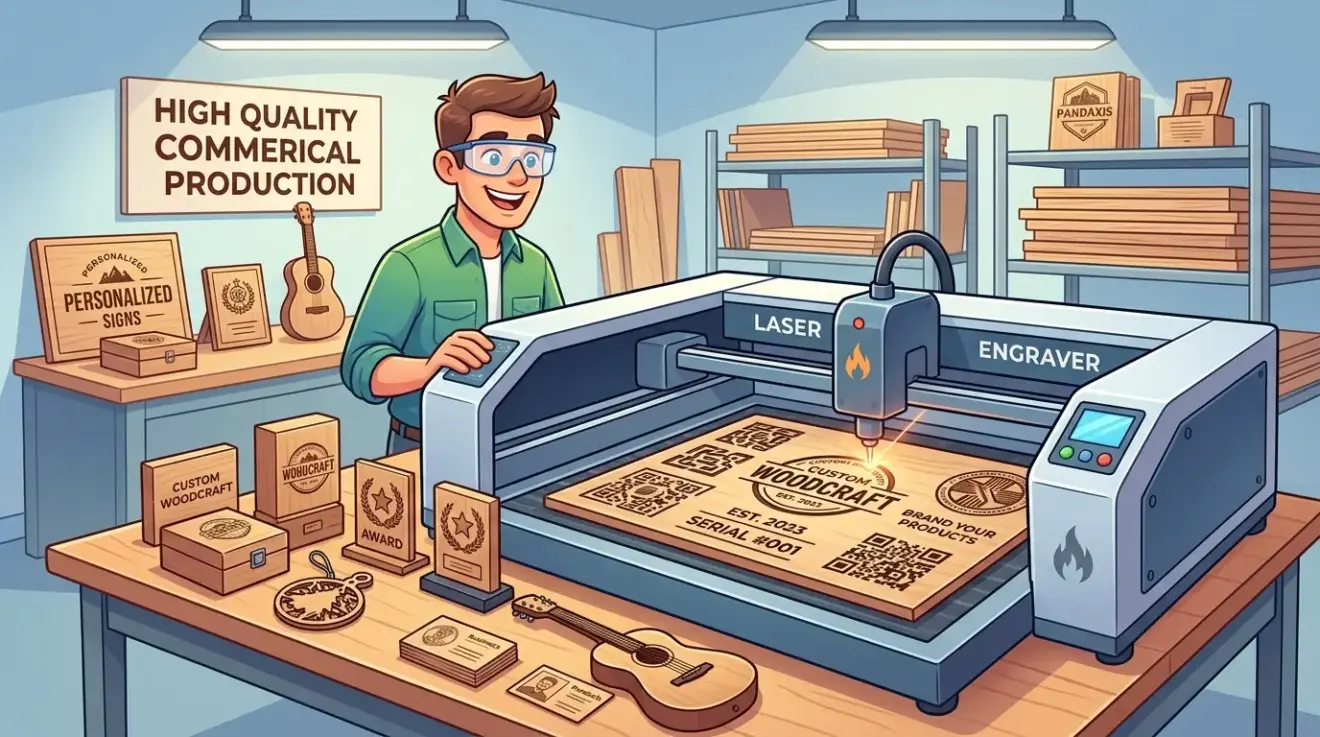
Laser Engraver for Wood: Best Use Cases in Commercial Production
Monday, 06 April 2026
In commercial wood production, a laser engraver earns its place when the value of the part depends on surface detail, branding, fast artwork changes, or non-contact marking that stays repeatable across batches. It is a weaker fit when the real bottleneck is large-panel breakdown, deep material removal, or routed machining features. For manufacturers evaluating laser
- Published in Laser
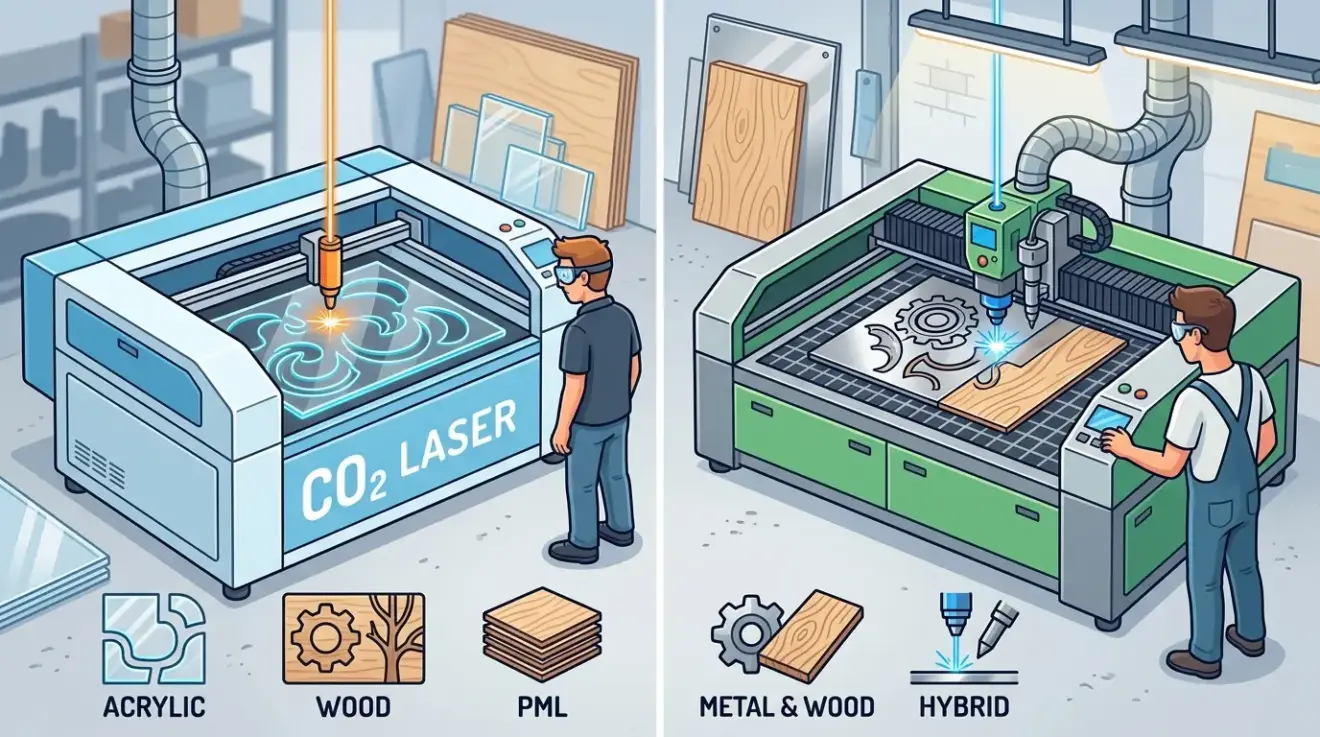
CO2 Laser Cutting Machines for Acrylic, Wood, and Mixed Materials: How to Choose the Right Setup
Monday, 06 April 2026
Buying a CO2 laser cutting machine for acrylic and wood is usually straightforward until the production queue stops being simple. A demo may look convincing on one acrylic sheet or one plywood sample, but real factory output depends on how reliably the machine moves between different materials without repeated setup drift, edge-quality problems, and operator
- Published in Laser
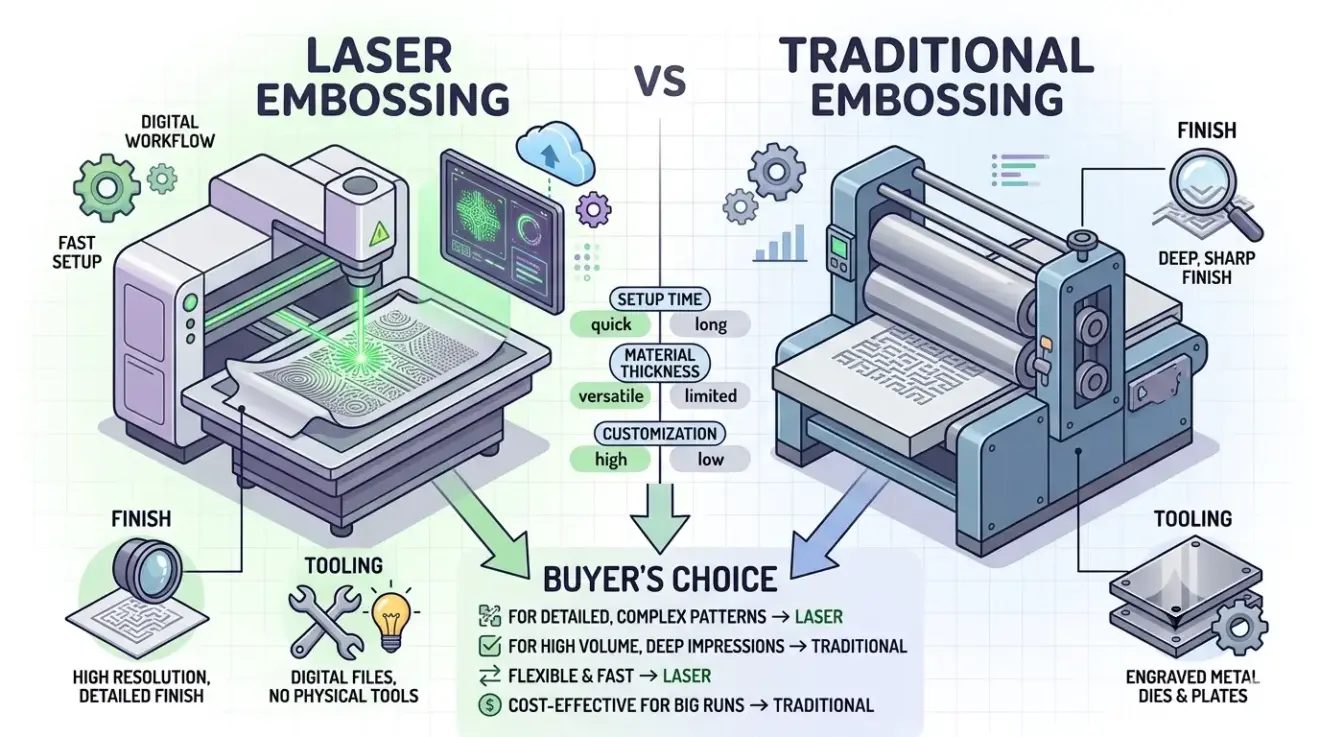
Laser Embossing Machine vs Traditional Embossing: What Buyers Should Know About Finish, Tooling, and Workflow Fit
Monday, 06 April 2026
Buyers usually arrive at this comparison when they want a premium textured finish without locking the line into the wrong process. The problem is that the phrase “laser embossing machine” can blur two very different outcomes. Traditional embossing physically raises or depresses the substrate with tooling. Laser processing usually creates an embossed look through surface
- Published in Laser
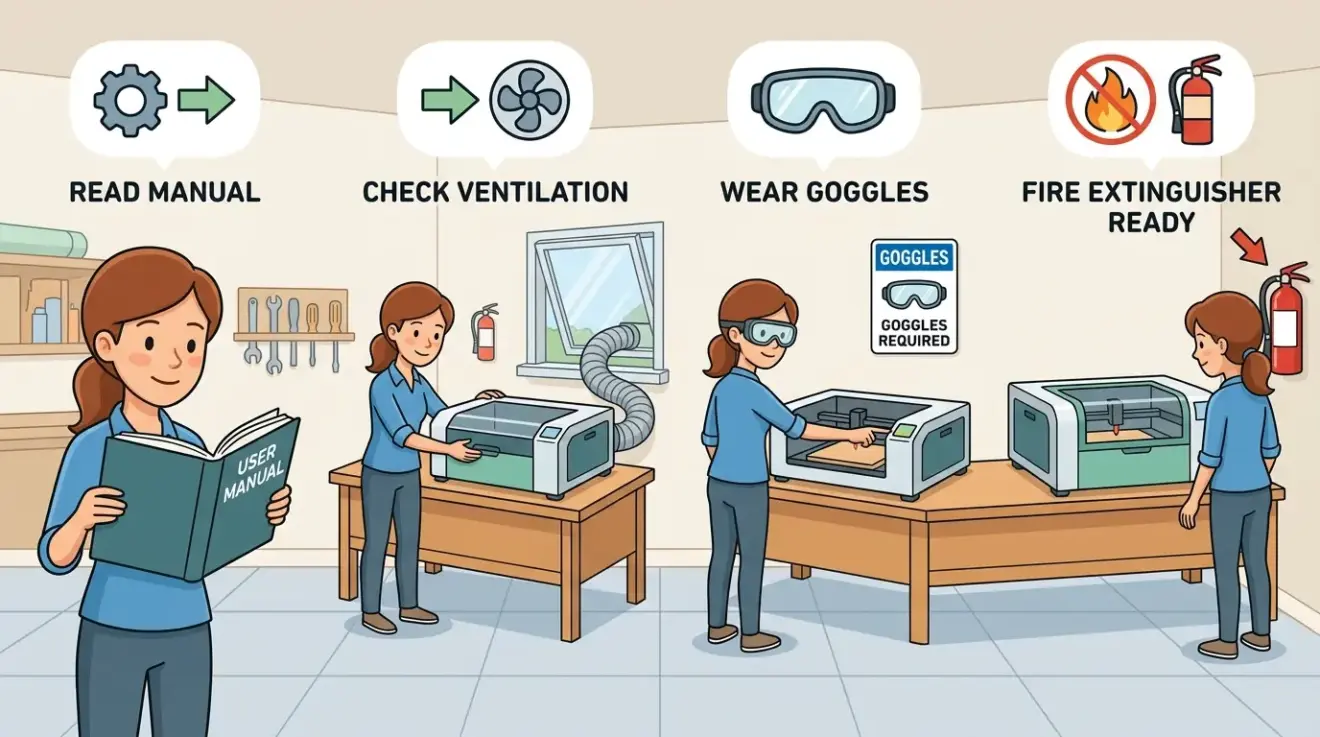
Home Laser Cutter Safety Guide for New Users: What To Control Before the First Cut
Monday, 06 April 2026
Most new users think laser safety starts when the beam turns on. In practice, the bigger mistakes usually happen earlier: the wrong material goes on the bed, ventilation is treated as optional, or a small flare-up is dismissed as normal. In a home workshop, garage, or side-production space, those mistakes escalate faster because the room
- Published in Laser
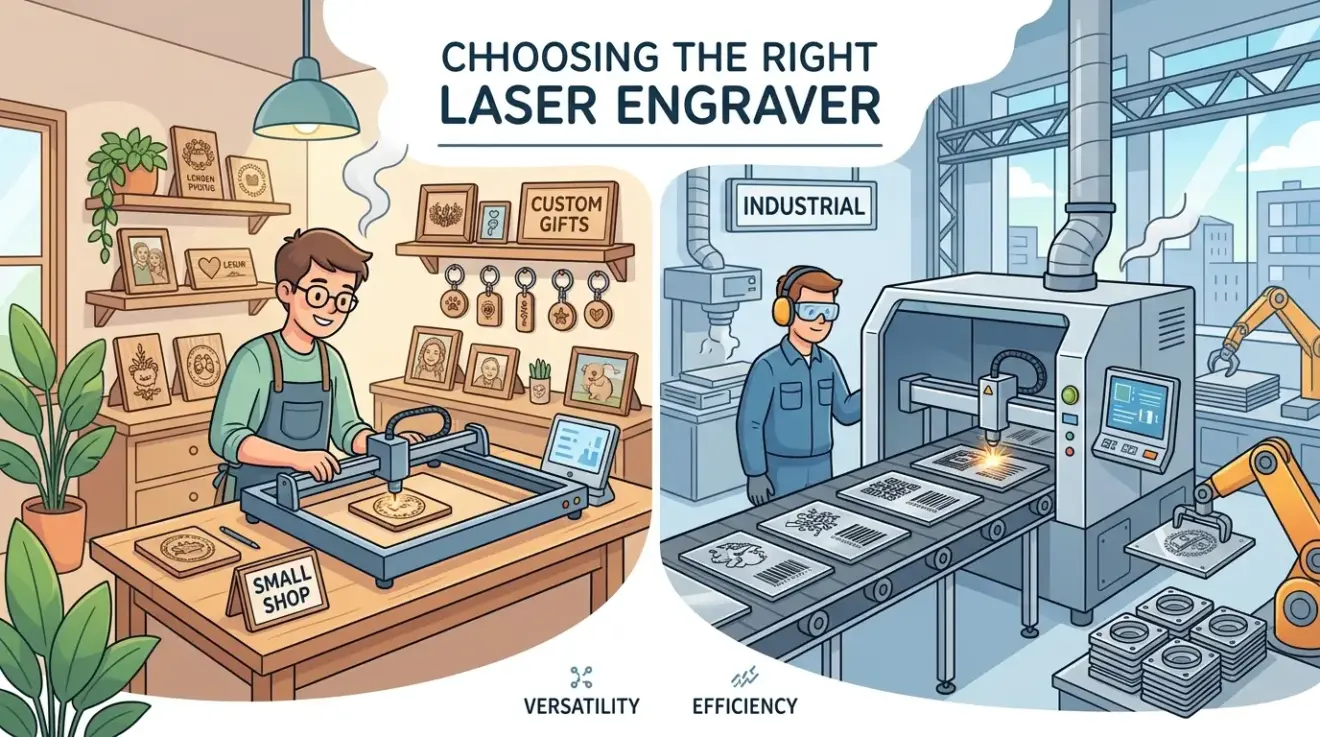
How To Choose the Right Laser Engraver for Small Shops and Industrial Users
Sunday, 05 April 2026
Buying a laser engraver gets expensive when the machine is chosen around a demo sample instead of the real workload. A small shop usually feels the pain through wasted floor space, slow changeovers, and jobs that never quite fit the weekly mix. An industrial user feels it through queue instability, inconsistent output, operator dependency, and
- Published in Laser
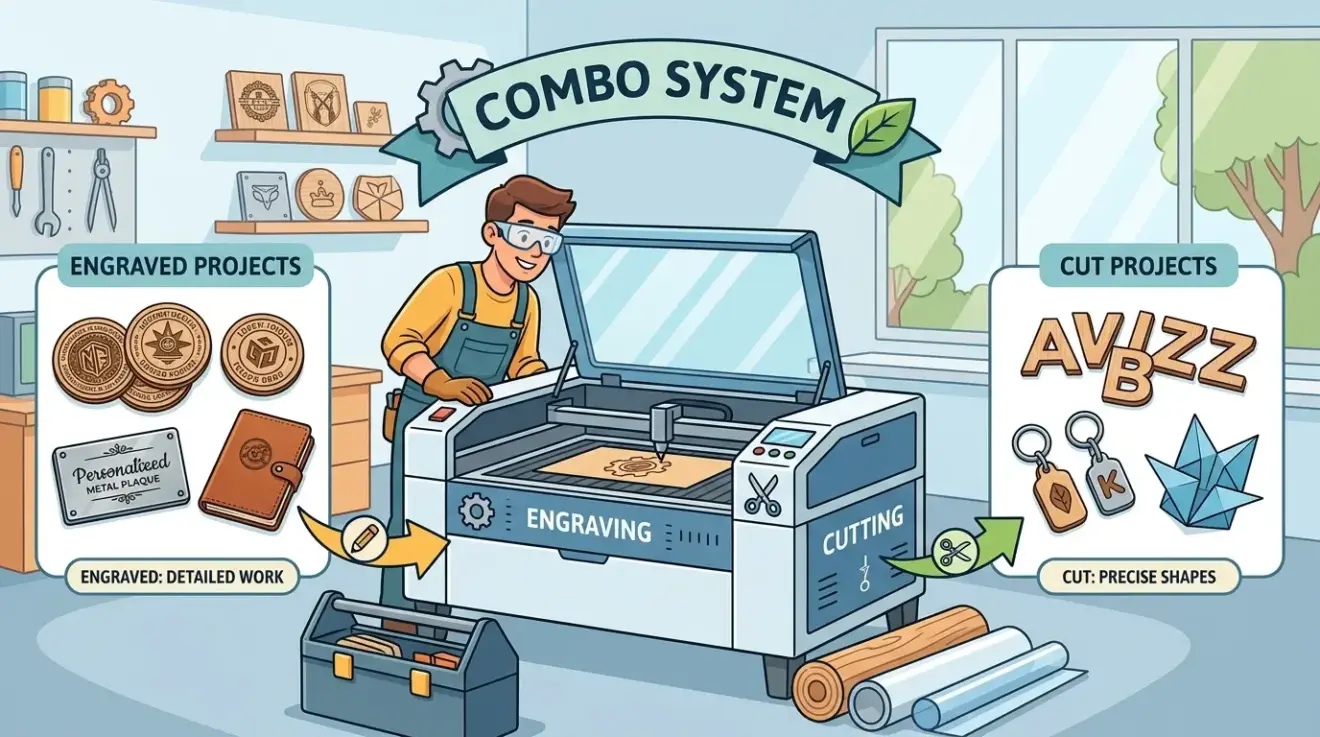
Laser Engraving and Cutting Machines: When to Choose a Combo System
Sunday, 05 April 2026
If a part needs both surface detail and contour cutting, a combo laser seems like the obvious answer. In practice, the better decision depends on whether engraving and cutting belong in the same workflow, on the same material family, and under the same scheduling pressure. For buyers comparing laser cutters and engravers for wood, acrylic,
- Published in Laser
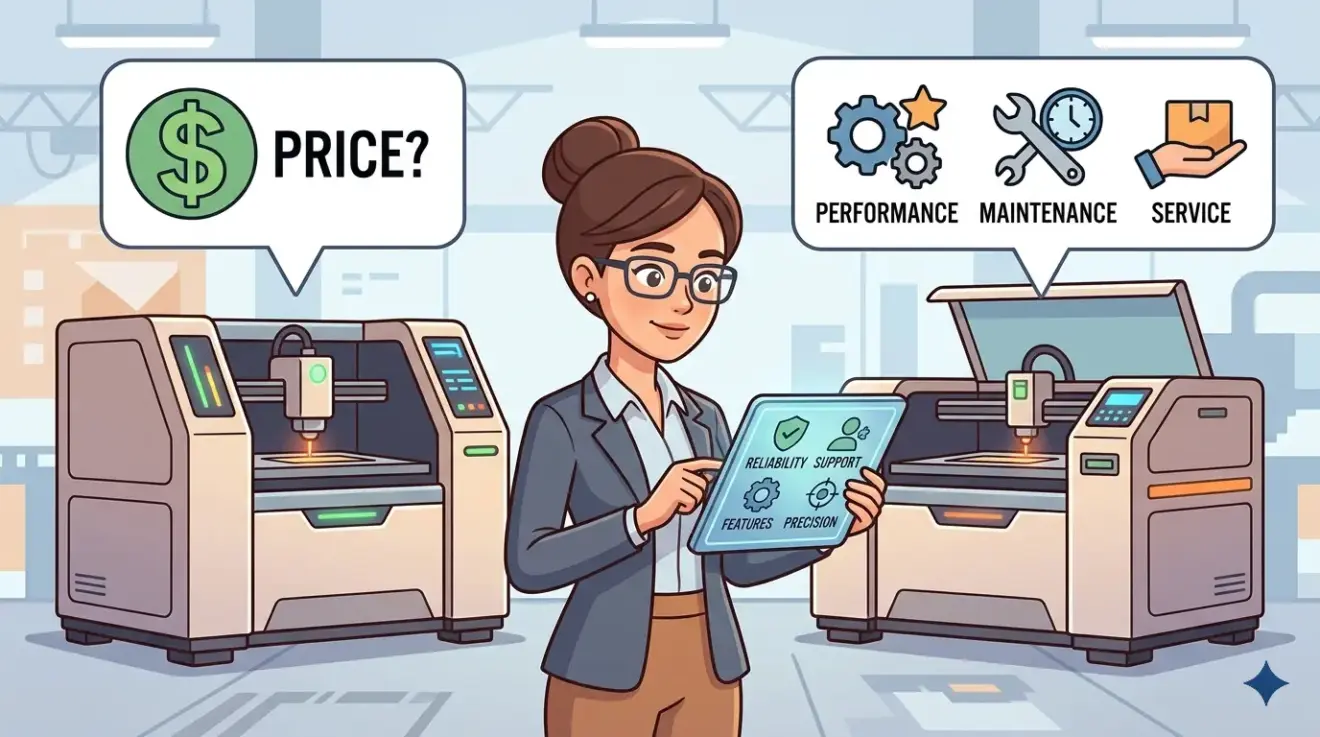
Laser Cutting Machines for Sale: How to Compare More Than Price
Sunday, 05 April 2026
A low quoted price can look attractive until it starts showing up as slower changeovers, inconsistent edge quality, more operator intervention, or downstream rework. Industrial buyers do not feel machine cost only at purchase. They feel it in schedule pressure, scrap, maintenance interruptions, and how well the machine fits the rest of the production flow.
- Published in Laser
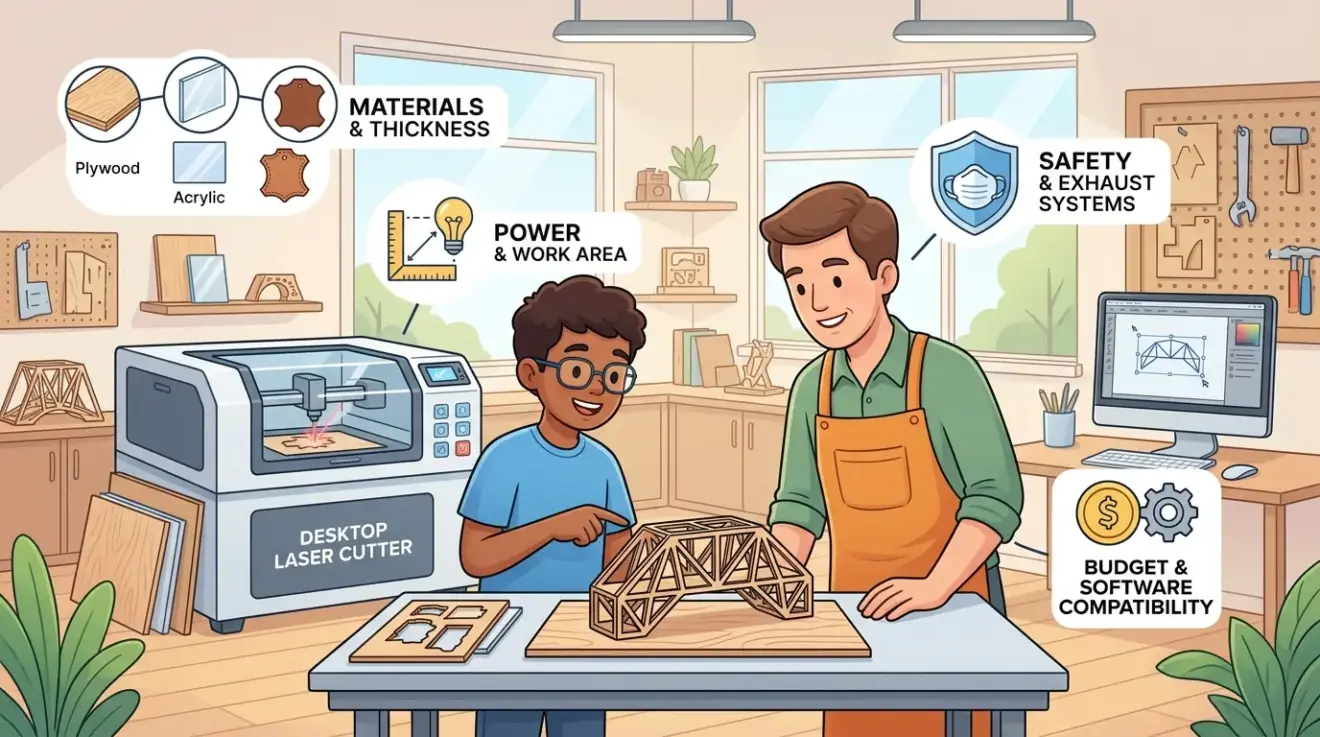
How To Choose a Desktop Laser Cutter for Prototyping and Education
Sunday, 05 April 2026
A desktop laser cutter sounds like a straightforward bench-top purchase until it has to serve several roles at once: quick design mockups, classroom exercises, engineering proof parts, and small batches of presentation-ready samples. In those environments, the real decision is not whether a smaller laser can fit into the room. It is whether the machine
- Published in Laser
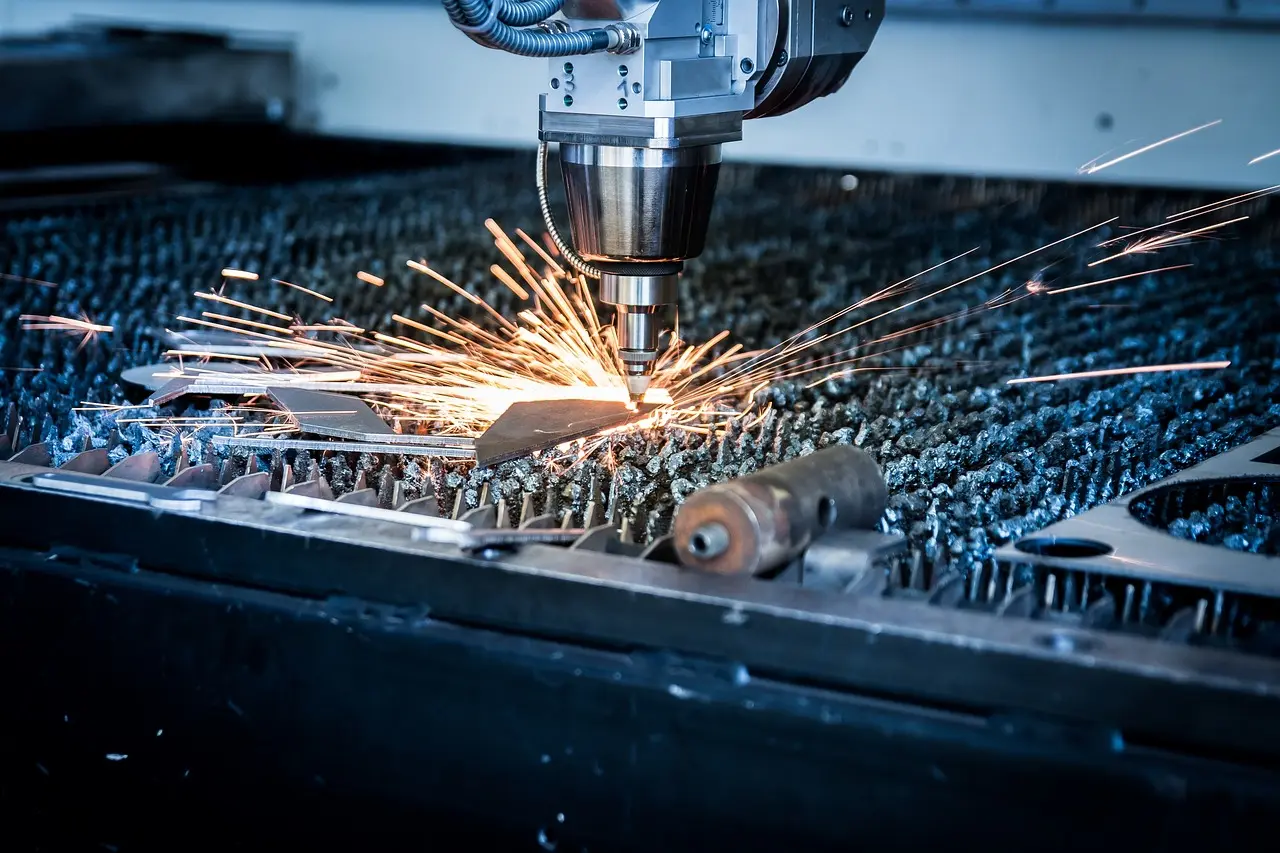
CNC Laser Cutting Machine vs Standard Laser Machine: What’s the Difference?
Sunday, 05 April 2026
A CNC laser cutting machine is built around programmed motion control, repeatable path execution, and stronger integration with batch production. A standard laser machine usually refers to a simpler laser platform with lighter automation or less production-oriented control, which can still be the better fit for lower-volume or less standardized work. Buyers often treat CNC
- Published in Laser
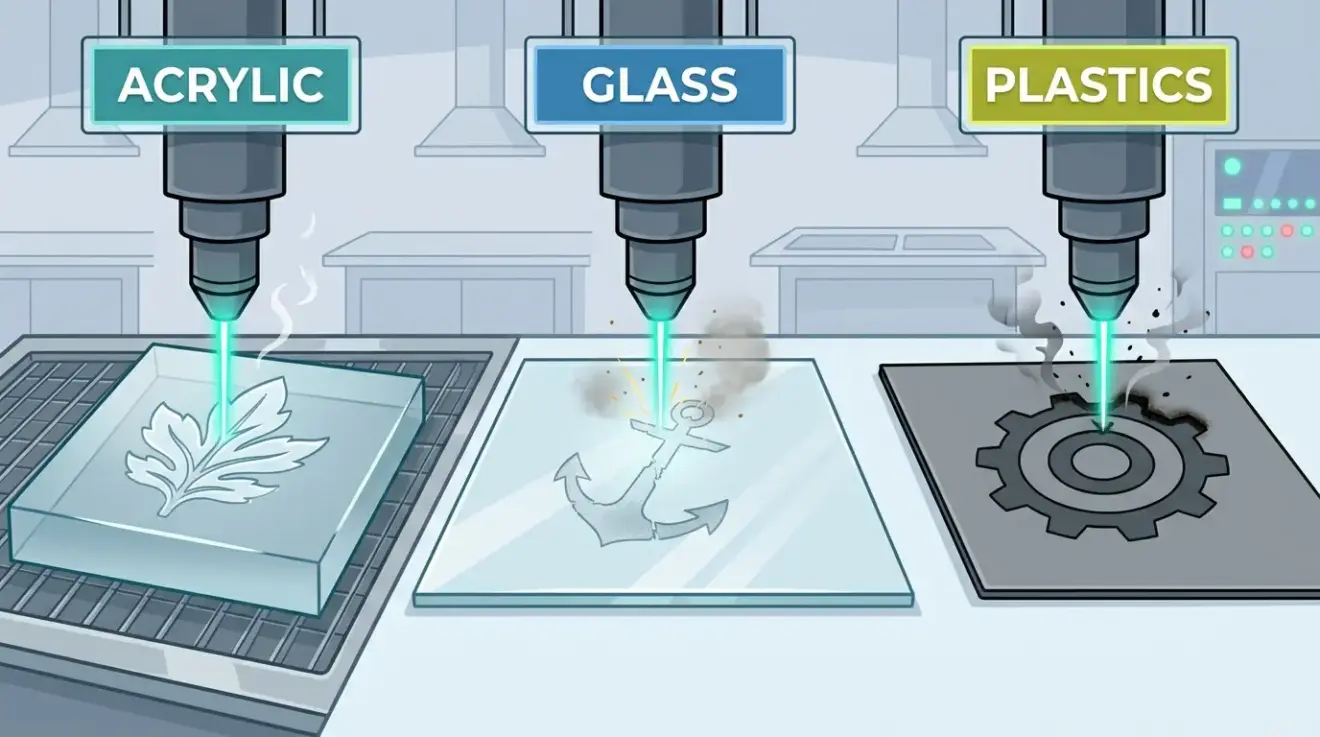
Laser Engraver for Acrylic, Glass, and Plastic: What Actually Changes by Material?
Sunday, 05 April 2026
Many buyers start with a reasonable assumption: if one laser engraver can mark acrylic, it should handle glass and plastic with only minor adjustments. In real production, that assumption usually breaks down fast. The beam may come from the same machine family, but the material response, reject risk, cleanup burden, and recipe discipline can change
- Published in Laser