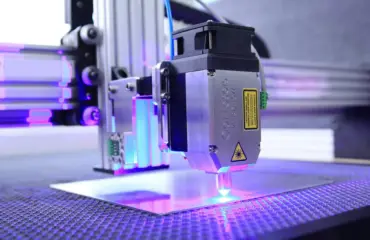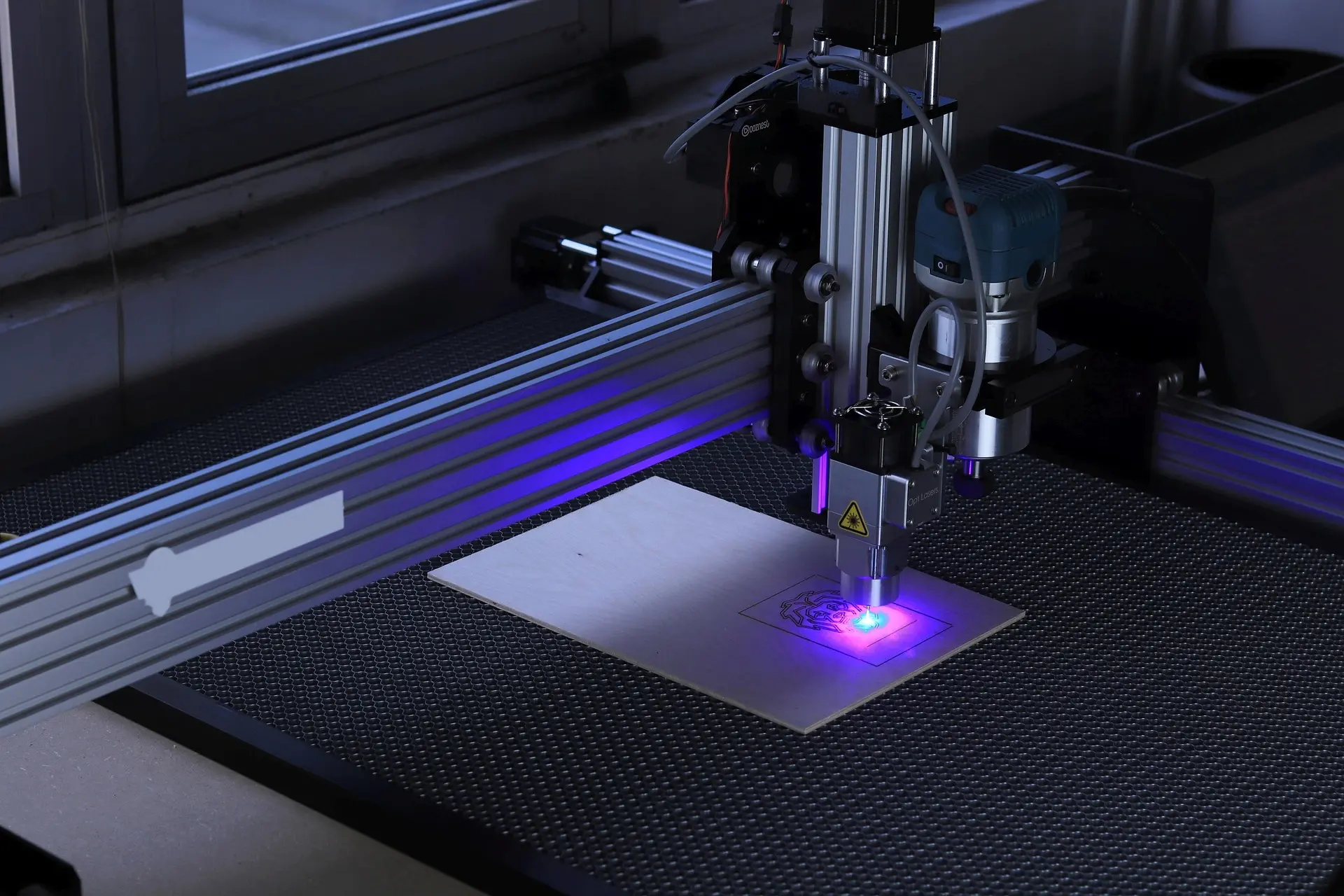
A shop that needs fast part identification and visible surface detail will usually discover the same thing: laser marking and laser engraving solve related problems, but they are not the same production task. Marking is often chosen for readable codes, logos, and traceability with limited material disruption. Engraving is chosen when depth, texture, or a stronger visual effect matters.
A hybrid workflow starts making sense when both outcomes matter in the same plant, the same order stream, or even the same part family. The key is not chasing a “do-everything” machine label. It is deciding whether one process is being stretched beyond the job it is actually best suited to do.
Why Marking and Engraving Should Not Be Treated as the Same Job
In day-to-day production, the difference is less about terminology and more about output requirements.
Laser marking is usually selected when the main goal is identification. That often means serial numbers, lot codes, internal tracking marks, brand logos, or process labels where readability and repeatability matter more than depth.
Laser engraving is more appropriate when the surface result needs stronger visual presence or tactile depth. That is common in decorative panels, branded presentation pieces, custom components, and applications where the mark is part of the finished appearance rather than just internal control.
When a shop tries to force engraving to handle every identification task, cycle time often suffers. When it tries to force marking to handle every decorative requirement, the result may be readable but visually underwhelming. That mismatch is where hybrid thinking starts.
| Requirement | Marking-Focused Workflow | Engraving-Focused Workflow | Hybrid Workflow |
|---|---|---|---|
| Primary Goal | Fast readable identification | Visible depth or decorative effect | Separate identification and visual finish goals |
| Material Impact | Usually limited surface change | Intentional material removal or stronger surface texture | Surface response chosen by operation |
| Best Use | Traceability, coding, internal control | Branding, decoration, premium visible surfaces | Product lines needing both outcomes |
| Common Risk | Not enough visual depth | Slower cycle time for simple IDs | More coordination between steps |
The Signs That a Hybrid Workflow Is Worth Evaluating
Not every shop needs two process modes, two stations, or a more flexible laser setup. In many cases, one clearly defined process is the better answer. Hybrid only earns its keep when the workflow keeps producing conflicting demands.
The most common signs are:
- The same product family needs internal traceability and customer-facing surface detail.
- Standard batch work and short-run customization are sharing the same laser capacity.
- Operators are spending too much time switching settings between “readable” output and “presentation” output.
- Rework is increasing because the same process settings are being used for two different finish expectations.
- One laser step has become a bottleneck because it is handling jobs that should have been separated earlier in planning.
This often happens in made-to-order production, branded components, display products, architectural pieces, and mixed job shops where visual finish standards vary from order to order.
If the laser decision also affects upstream cutting, routing, drilling, or finishing choices, looking at the broader Pandaxis product catalog can help keep the laser plan connected to the rest of the line instead of treating it as an isolated purchase.
What Hybrid Means in Real Production
In practice, “hybrid” can mean several different things. Buyers often use the phrase as if it automatically means one machine. In real manufacturing, it is usually a workflow decision first and a machine-format decision second.
| Hybrid Model | Where It Fits Best | Main Advantage | Main Tradeoff |
|---|---|---|---|
| One Machine, Two Operating Modes | Lower-volume shops with varied jobs | Lower footprint and simpler ownership | More setup discipline and more frequent parameter changes |
| Two Dedicated Stations | Higher throughput or tighter quality standards | Faster flow and clearer task separation | Higher investment and more floor-space demand |
| Split by Surface Priority | Parts with hidden IDs and visible finished faces | Better output quality on each side of the part | Requires better part handling and registration control |
For many shops, the real gain comes from separating a fast identification step from a slower, more appearance-driven step. That keeps traceability work moving without letting decorative or premium-finish work disrupt standard output.
For lighter-duty mixed production, one flexible setup may still be enough. That tends to work best when job volumes are moderate, material types are reasonably consistent, and the team can manage setup changes without turning every batch into a programming interruption.
Where Hybrid Workflows Usually Deliver the Most Value
Hybrid logic becomes stronger when the production line is serving two different business needs at once.
One example is branded product work. A manufacturer may need a clear internal code for assembly control while also needing a stronger engraved logo or decorative feature on the visible face. In that case, a single surface outcome is not enough.
Another example is custom wood or acrylic production. A shop may need fast back-side identification for batching and assembly, while the front side needs a cleaner decorative result for the customer. Where the visible-side work is mainly on wood, acrylic, or similar non-metal materials, Pandaxis laser cutters and engravers are commonly considered for that decorative and detailed-processing side of the workflow.
Hybrid workflows also make sense in mixed-order environments where repeat jobs and one-off customization run through the same department. Standard parts benefit from speed and consistency. Custom work benefits from more deliberate surface treatment. Trying to run both job types through one process standard often creates either lost time or compromised finish quality.
There is also a planning advantage. Once the shop separates “information marking” from “finished-surface engraving,” quoting becomes clearer, work routing improves, and operators can match inspection criteria to the actual purpose of the step.
When Hybrid Usually Adds More Complexity Than Value
Hybrid is not automatically better. It is better only when the workload justifies the added coordination.
A single-process workflow is usually the better choice when:
- Most jobs require only readable identification.
- Most jobs require only decorative or recessed surface work.
- Volumes are too low to justify separate routing logic.
- Floor space, staffing, or programming capacity is already tight.
- Material mix is narrow enough that one well-defined process standard covers nearly all work.
This point matters because some buyers try to future-proof too early. They add flexibility before they have enough workload variation to benefit from it. The result is not more capability in practice. It is more setup, more decision friction, and less consistency.
If one side of the proposed workflow involves permanent marking on metal parts while the other side is focused on non-metal decorative work, treat that as a process-selection exercise with stricter application review. It is better to separate those requirements clearly than to assume one broad machine label will cover every material and finish goal equally well.
How to Evaluate the Workflow Before You Buy
Before investing in a hybrid setup, a buyer should answer a few operational questions:
- What percentage of jobs need readable coding only, decorative depth only, or both?
- Are both outcomes required on the same material, or on different materials in the same plant?
- Is the current bottleneck cycle time, appearance quality, setup frequency, or rework?
- Can one operator manage both process modes without slowing output?
- Will fixturing and file preparation keep part positioning repeatable between steps?
- Are customers paying for premium surface appearance, or only for reliable identification?
Those questions usually reveal whether the hybrid idea is a real process need or just a vague desire for flexibility.
The strongest buying case appears when hybrid separation improves at least two of the following at the same time:
- Throughput on standard work
- Finish quality on visible work
- Consistency in traceability output
- Lower rework from mismatched process settings
- Better planning between standard and custom orders
If the setup improves only one minor edge case while complicating the rest of the workflow, it is probably too early.
Practical Summary
Laser marking and laser engraving belong in the same conversation, but they should not automatically be treated as the same production step. A hybrid workflow makes sense when the shop is serving two different surface objectives: fast, repeatable identification on one side and deeper or more presentation-driven surface results on the other.
For lower-volume mixed work, one flexible setup may be enough. For higher-volume plants or tighter finish standards, separating the jobs often produces a cleaner result. The best decision is usually the one that reduces unnecessary setup conflict, protects throughput on standard work, and keeps visible-finish operations from being judged by the wrong production metric.