When a furniture shop starts losing time at the front end of production, the panel saw discussion usually appears fast. Sheet breakdown may be slowing the line, operators may be rechecking dimensions too often, or downstream departments may be absorbing avoidable variation before edge banding, drilling, and assembly even begin.
At that point, the buying question is not only whether to invest in a panel saw. It is whether a new machine or a used one will give the shop a more reliable cutting workflow over the next several years. A lower purchase price can make a used machine attractive. A new machine can look more expensive than the current budget feels comfortable with. For furniture shops, the smarter comparison is usually built around uptime, repeatability, maintenance burden, and future production plans rather than sticker price alone.
Start With The Production Problem You Are Actually Trying To Fix
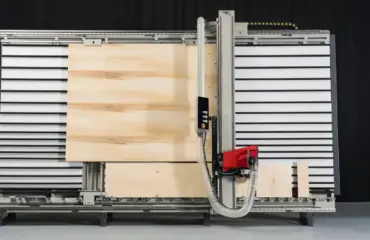
Before comparing new and used options, define the real production issue. Shops usually look at dedicated panel saws when they need more order, speed, and consistency in rectangular panel processing.
That often means one or more of these conditions are already visible:
- Slow Sheet Breakdown At The Start Of Daily Production
- Re-Cuts Caused By Inconsistent Part Sizing
- Too Much Dependence On One Skilled Operator
- Confusion When Sorting Repeated Cabinet Or Wardrobe Parts
- Downstream Delays Because Cut Parts Arrive Out Of Sequence Or Out Of Tolerance
If those are the real problems, a panel saw may be the right category to evaluate. If the shop mainly handles one-off work, irregular shapes, or constant changeovers, the better answer may be a different cutting approach, regardless of whether the machine is new or used.
What A New Panel Saw Usually Buys You
A new panel saw usually gives the buyer a cleaner production starting point. The machine begins its working life in your shop rather than arriving with an unknown history of loading habits, alignment drift, operator workarounds, or deferred maintenance.
In practical workflow terms, that usually helps in several ways:
- A More Predictable Baseline For Accuracy And Repeatability
- Less Time Spent Diagnosing Old Wear Before Stable Production Can Begin
- Easier Standardization Of Setup, Operating Routine, And Preventive Maintenance
- Lower Risk That Hidden Mechanical Issues Will Disrupt Busy Delivery Periods
- Better Confidence When The Cutting Cell Feeds Time-Sensitive Downstream Processes
This does not mean a new machine is automatically the best choice for every furniture shop. It means the buyer is paying partly for lower uncertainty. That matters most when the business depends on daily throughput discipline and cannot afford repeated interruptions at the front of the line.
What A Used Panel Saw Can Still Do Well
A used panel saw can still be a rational purchase when the shop has the right workload and the right operating discipline. For some furniture manufacturers, a used machine creates a realistic path into dedicated panel processing without forcing the business into a larger initial investment.
That choice is usually strongest when the shop already knows its work fits panel-saw logic well. Repeated cabinet parts, wardrobe components, shelving panels, and other rectangular sheet-based products can still move efficiently through a properly maintained used machine.
Used equipment is often more workable when:
- The Shop Has A Clear, Repeatable Product Mix
- Management Understands That Inspection Is Part Of The Purchase
- The Team Can Handle Preventive Maintenance With Discipline
- Production Volume Is Meaningful But Not So Tight That Any Unplanned Stop Creates Immediate Delivery Risk
- The Buyer Is Choosing The Machine For Workflow Fit Rather Than Only For A Lower Price
The important distinction is this: a used panel saw is not a low-risk version of a new one. It is a lower-cost option with a different risk profile. That profile can still be acceptable if the shop understands it clearly before buying.
Compare Total Cost Instead Of Purchase Price
The most expensive mistake in this decision is to compare new and used machines only by the asking price. Furniture shops feel the real cost through downtime, labor disruption, batch confusion, re-cuts, slower part release, and maintenance effort over time.
| Comparison Factor | New Panel Saw | Used Panel Saw | Why It Matters In Real Production |
|---|---|---|---|
| Purchase Price | Higher Initial Investment | Lower Initial Investment | The first cost is visible, but it is not the full operating cost |
| Time To Stable Production | Usually Shorter Because The Starting Condition Is More Predictable | Often Depends On Inspection Quality, Setup Work, And Existing Wear | Lost startup time delays the return on the purchase |
| Downtime Risk At The Start | Usually Lower | Must Be Verified Machine By Machine | Front-end cutting problems can slow every later process |
| Maintenance Burden | Usually Easier To Plan From A Known Starting Point | Often Requires Closer Attention Early | Maintenance affects labor planning and schedule confidence |
| Repeatability Over Long Runs | Usually Easier To Standardize From Day One | Depends Heavily On Current Condition And Ongoing Care | Furniture parts need stable sizing to support smooth assembly |
| Growth Readiness | Often Better For Shops Building Toward Higher Daily Output | Can work well if current demand is steady and moderate | The right choice should fit next-stage production, not only today’s budget |
| Hidden Correction Cost | Usually Lower If The Cut Cell Starts Stable | Can rise if operators must compensate for drift or inconsistent behavior | Operator compensation often hides the true cost of a cheaper purchase |
The point is not that used always becomes expensive. The point is that the savings only remain real if the shop avoids losing them later in downtime, troubleshooting, and avoidable rework.
Inspect A Used Panel Saw Like A Production Asset, Not A Bargain
If a used machine is under serious consideration, it should be evaluated under production conditions as closely as possible. A quick visual review is not enough. The machine has to be judged by whether it can still release clean, repeatable parts without forcing operators into constant correction.
Practical checks usually include:
- Repeated Test Cuts On The Materials Your Shop Actually Uses Most
- Part Consistency Across Multiple Cycles, Not Only A Single Demonstration Cut
- Stability Of References, Clamping, And Panel Movement During Operation
- Signs That Operators Must Compensate For Drift, Rough Movement, Or Unstable Positioning
- Maintenance History, Replaced Wear Items, Or Evidence Of Consistent Upkeep If Available
- Realistic Access To Service Knowledge, Consumables, And Ongoing Technical Support In Your Region
Furniture shops should also evaluate the machine with their own production logic in mind. A used panel saw that still cuts acceptably for occasional general work may not be strong enough for a shop that runs repeated cabinet batches all day and depends on orderly part release to support the rest of the line.
Do Not Let Budget Push You Into The Wrong Machine Category
One of the most common buying mistakes is to assume that a cheaper used panel saw is automatically a better answer than a new machine in another category. That is often not true.
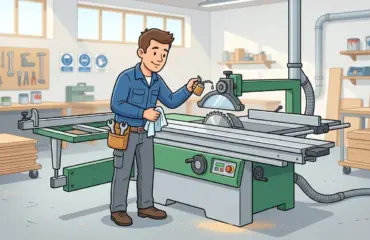
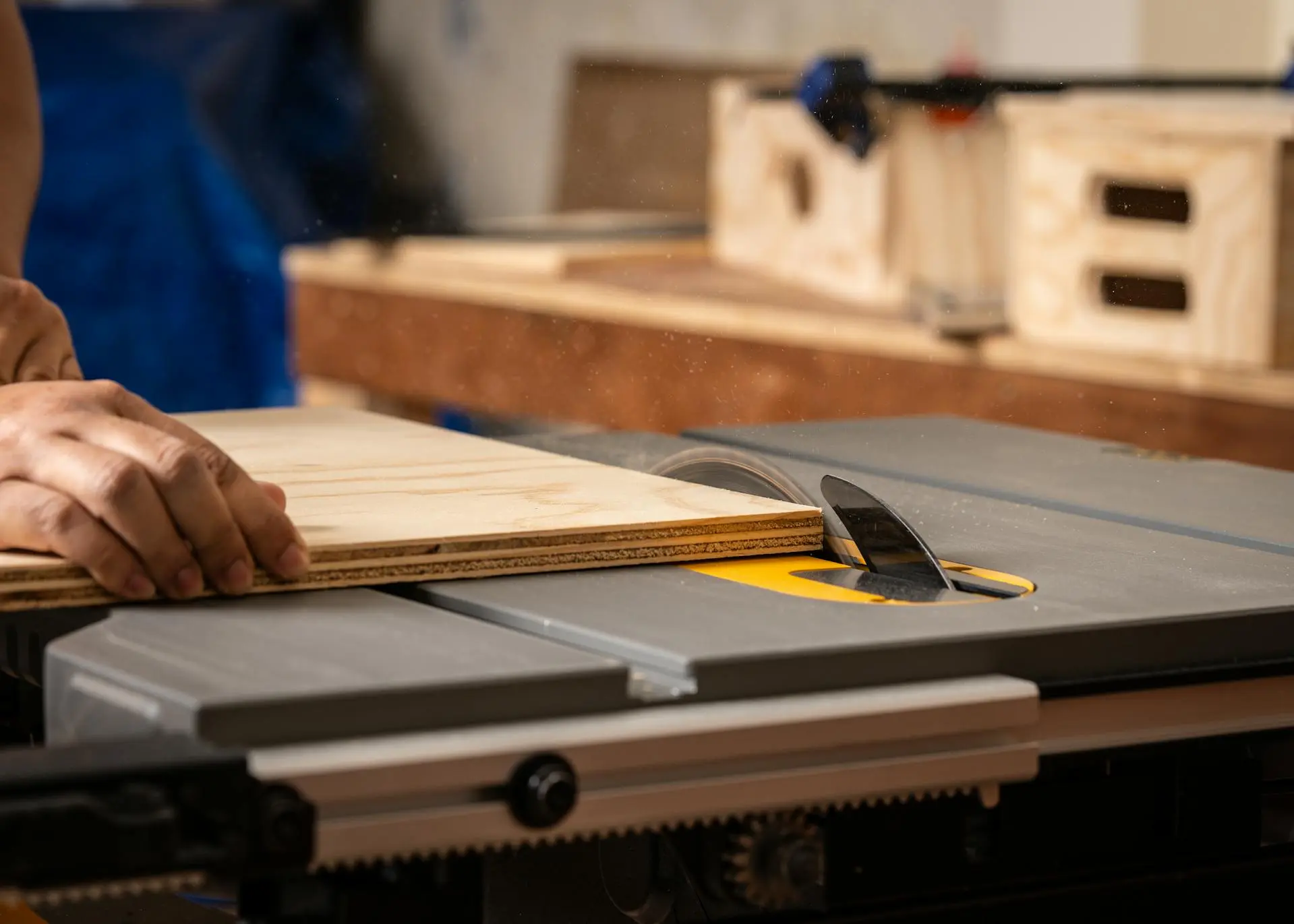
If the shop runs highly mixed custom work, frequent one-off jobs, or operator-led cutting routines, sliding table saws may still fit the workflow more naturally than a used panel saw bought mainly because it looks affordable. The same logic applies when the real work depends on shaped parts or more integrated machining rather than repeated rectangular breakdown.
The category decision comes first. New versus used only becomes meaningful after the shop confirms that a panel saw is actually the right production format.
When New Usually Makes More Sense
For many furniture shops, new equipment becomes easier to justify when the business is trying to reduce uncertainty rather than only reduce purchase cost.
New usually deserves stronger consideration when:
- Daily Sheet-Goods Volume Is High Enough That Downtime Quickly Affects Deliveries
- The Cutting Cell Must Feed Edge Banding, Drilling, And Assembly Without Disruption
- The Shop Is Growing And Wants A More Standardized Production Routine
- Operators Need A More Predictable Process With Less Manual Compensation
- Management Is Buying For The Next Production Stage, Not Only For Immediate Cost Relief
In those cases, the extra upfront cost may be easier to defend because the business is buying stability as well as capacity.
When Used Can Be A Rational Choice
Used equipment can still be a strong practical decision when the shop has enough technical discipline to manage the tradeoffs.
Used often makes sense when:
- The Product Mix Is Clearly Built Around Repeated Rectangular Panel Work
- Production Pressure Is Meaningful But Not So Severe That Small Interruptions Become Critical
- The Team Can Inspect Carefully And Maintain The Machine Consistently
- The Buyer Has A Clear Cost Ceiling But Still Wants Dedicated Panel Processing
- Management Understands That A Lower Purchase Price Does Not Remove The Need For Careful Evaluation
For those shops, a good used machine can still improve workflow, reduce operator dependence, and create a more organized front end than a purely manual cutting routine.
Practical Summary
The real decision between a new and used panel saw is not about whether one is modern and the other is cheap. It is about which option gives your furniture shop the better balance of cost, stability, maintenance demand, and workflow control.
If the shop depends on steady panel throughput, clean repeatability, and reliable handoff to downstream processes, a new machine often earns its cost through lower uncertainty and easier standardization. If the workload is well understood, the team can inspect and maintain equipment properly, and the budget needs a lower entry point, a used panel saw can still be a sound production decision.
The safest buying approach is to treat the saw as part of the whole furniture-making workflow. Once that happens, the new-versus-used choice becomes much clearer, because the shop is no longer buying a listing. It is choosing the level of risk and control it wants at the front of production.