In cabinet and panel-furniture production, drilling problems rarely begin as a dramatic machine failure. More often, hole position starts drifting slightly, chip breakout becomes less predictable, spindle noise increases, or hardware fitting takes a little longer than it should. By the time assembly teams are compensating for misaligned holes or inconsistent boring quality, the real problem has usually been building up inside the drilling process for days or weeks.
That is why maintenance for CNC drilling machines should be treated as a repeatability routine, not just a downtime routine. For factories that depend on boring and drilling machines to prepare cabinet sides, shelves, drawer parts, and hardware holes, preventive maintenance helps protect hole accuracy, cleaner downstream assembly, and steadier daily throughput.
Why CNC Drilling Maintenance Affects The Whole Workflow
When a CNC drilling machine starts losing consistency, the effect usually spreads beyond the drilling station itself.
- Hole positions become less reliable from part to part.
- Hardware fitting takes longer because parts no longer align as expected.
- Chip breakout or rough hole quality creates more visible finishing defects.
- Operators spend more time checking, re-boring, sorting, or rejecting panels.
- Assembly slows down because downstream teams are correcting variation that should have been prevented earlier.
In practical terms, drilling maintenance is not only about protecting the machine. It is about protecting fit, repeatability, and flow through the rest of the production line.
The Main Areas That Need Routine Attention
When drilling quality begins to drift, the root cause is often a combination of smaller conditions rather than one major breakdown.
| System Area | What To Watch | Why It Matters In Production |
|---|---|---|
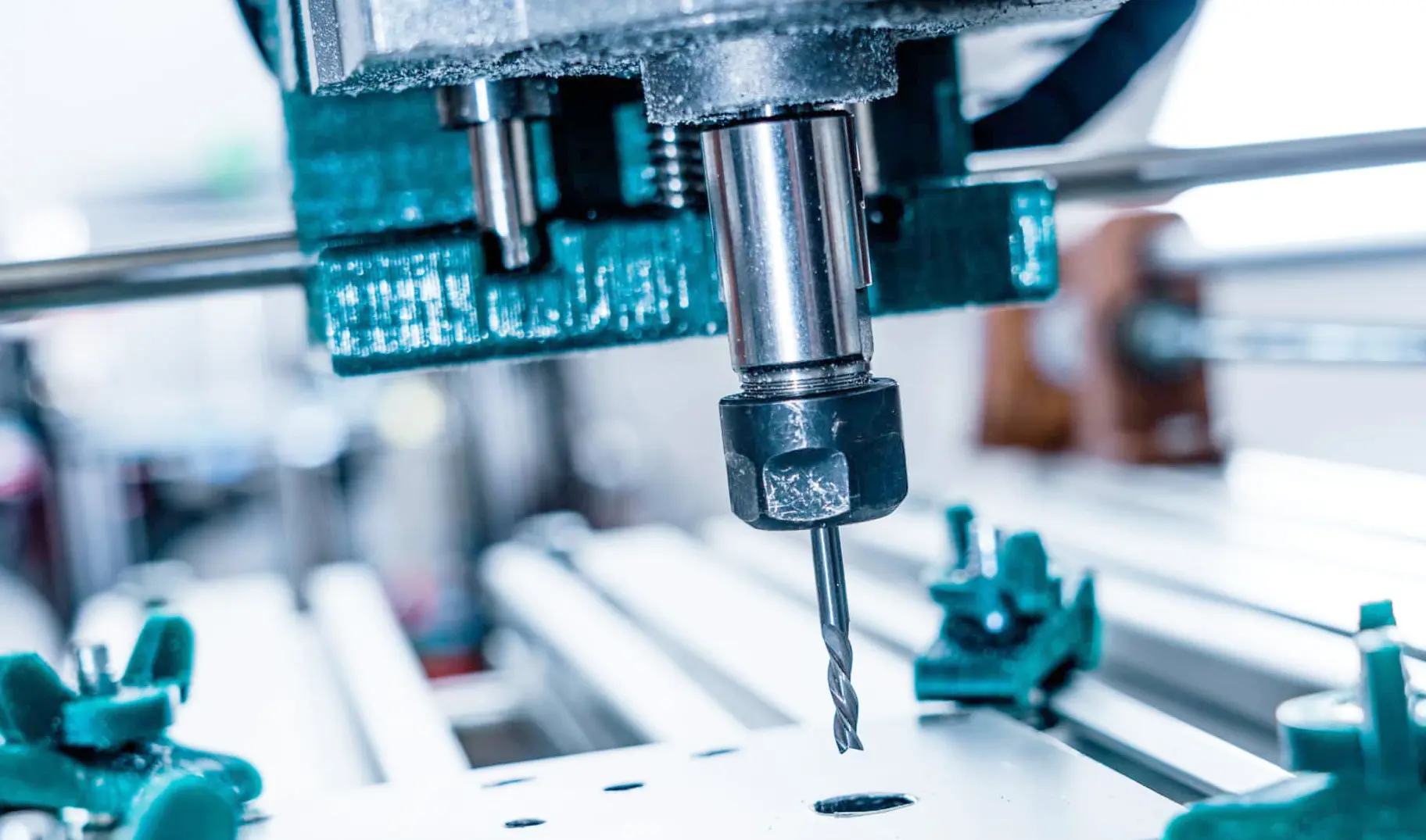
| Drill Bits And Tooling | Wear, buildup, chipping, incorrect mounting | Affects hole finish, chip breakout, and dimensional consistency |
| Spindles And Heads | Noise, heat, vibration, uneven running behavior | Reduces repeatability and can affect hole position quality |
| Clamping And Work Holding | Uneven pressure, contamination, unstable contact | Allows slight part movement that changes drilling accuracy |
| Guides, Rails, And Motion Systems | Dirt, friction, wear, rough travel | Weakens positioning stability across repeated cycles |
| Dust Extraction And Cleanliness | Chip accumulation, poor evacuation, fine dust buildup | Increases contamination, heat, and inconsistent cutting conditions |
| Calibration And Reference Checks | Drift in zero points, repeated offsets, missed verification | Leads to hole-pattern errors that appear later at hardware fitting or assembly |
Looking at maintenance through these system areas helps shops avoid a common mistake: replacing bits only after quality drops, while ignoring the machine conditions that caused that wear or instability to matter sooner.
A Practical Maintenance Schedule By Frequency
| Frequency | Main Focus | Why It Protects Accuracy And Throughput |
|---|---|---|
| Daily | Cleaning, bit condition, clamp contact, startup verification | Prevents contamination and obvious quality drift from entering production |
| Weekly | Motion inspection, spindle behavior, extraction performance, repeatability checks | Helps catch instability before it becomes a batch-quality problem |
| Monthly | Calibration review, wear-point inspection, lubrication checks | Protects long-term hole-position consistency and machine stability |
| Scheduled Service | Deeper alignment verification, spindle service review, planned consumable replacement | Reduces accumulated drift and lowers the risk of disruptive stoppages |
Daily Checks That Prevent Small Errors From Spreading
Daily maintenance should focus on the conditions most likely to affect that shift’s parts.
- Clean chips and fine dust from the table, fences, stops, clamps, drilling zones, and accessible extraction paths.
- Inspect drill bits for visible wear, edge damage, buildup, or overheating marks.
- Confirm that clamps or hold-down devices contact the part evenly and do not allow panel movement.
- Listen for unusual spindle noise during startup or first-cycle operation.
- Check that extraction is removing chips effectively instead of letting debris remain in the drilling area.
- Run a first-piece verification to confirm acceptable hole finish, hole position, and repeatability before full production begins.
These checks matter because many drilling defects do not look catastrophic at first. A small amount of panel movement, bit wear, or chip buildup can be enough to create fitting problems later in the day.
Weekly Checks That Protect Repeatability
Weekly maintenance is the right time to look beyond visible cleanliness and focus on machine behavior.
- Inspect guide paths, rails, service-accessible moving parts, and positioning areas for contamination or abnormal wear.
- Review spindle-running condition for changes in sound, vibration, or heat compared with normal operation.
- Check bit holders, collets, or mounting interfaces for residue, looseness, or seating issues.
- Inspect clamp faces and part-contact surfaces for wear, damage, or uneven contact.
- Verify that reference points, stops, and panel-support surfaces remain clean and mechanically stable.
- Compare repeated sample parts instead of accepting one good part as proof that the machine is stable.
That last point matters more than many shops expect. CNC drilling machines are usually judged by repeated accuracy, not by whether one panel happened to pass inspection after an adjustment.
Monthly Checks For Long-Term Mechanical Stability
If daily and weekly routines protect short-term output, monthly maintenance helps protect long-term drilling accuracy.
- Verify hole-pattern consistency using the same internal reference method each month.
- Review spindle and head condition for signs of wear that may not yet have caused an obvious failure.
- Inspect accessible wear points in linear motion components, supports, and clamp mechanisms.
- Follow the manufacturer’s guidance for lubrication and routine service access points.
- Review extraction performance if chip buildup has become harder to control over time.
- Compare maintenance observations with production symptoms such as more hardware-fit correction, more breakout, or more rework at assembly.
This monthly review is where maintenance becomes operationally valuable. It connects machine condition to what the factory is feeling in quality, rework, and flow.
Warning Signs Operators Should Report Early
Operators usually notice drilling instability before maintenance records show a pattern. The key is to treat those signals as actionable early warnings.
| Symptom | Likely First Check Area | Production Risk |
|---|---|---|
| More chip breakout or rough hole edges | Bit wear, chip evacuation, spindle condition | Lower visible quality and more rework before assembly |
| Hardware no longer fits as smoothly as before | Hole-position repeatability, calibration drift, part movement during clamping | Slower assembly and more manual correction |
| Spindle noise or vibration increases | Tooling condition, spindle behavior, mounting security | Faster wear and less stable drilling quality |
| Repeated parts show small hole-position variation | Reference checks, motion stability, clamp consistency | Batch inconsistency and hidden fitting problems |
| More operator intervention is needed during runs | Contamination, wear, calibration drift, unstable clamping | Lower throughput and less predictable output |
The cost of ignoring these warnings is usually larger than the cost of stopping briefly to inspect the machine. A drilling cell can keep running while already creating downstream losses.
Maintenance Habits That Reduce Unplanned Downtime
Strong maintenance routines depend on discipline as much as technical knowledge.
- Assign Clear Ownership For Daily, Weekly, And Scheduled Tasks.
- Use The Same Verification Method Each Time So Drift Can Be Compared Over Time.
- Record Symptoms Such As Breakout, Noise, Hole Drift, Or Clamp Instability Instead Of Treating Them As Isolated Events.
- Replace Wear-Sensitive Tooling Before Quality Falls Far Enough To Affect Production Flow.
- Link Drilling-Machine Maintenance Findings To Downstream Issues In Hardware Fitting, Inspection, And Assembly.
The goal is not to create paperwork for its own sake. The goal is to make repeatability visible before the factory starts paying for its loss in rework or schedule disruption.
When Routine Maintenance Is No Longer Enough
Some problems will not be solved by cleaning, bit changes, or quick external inspections alone. If repeatability problems continue after normal maintenance, the issue should be escalated into deeper service, alignment review, or component-level inspection.
That is usually the right next step when the machine shows recurring hole-position drift, repeated spindle instability, persistent chip evacuation problems, or fitting errors that return quickly after tooling changes. At that stage, the question is no longer whether the machine can still run. The question is whether it can still run accurately enough to support the production standard the factory expects.
Practical Summary
The best maintenance tips for CNC drilling machines are the ones that protect drilling repeatability before quality visibly collapses: keep tooling clean and sharp, keep clamping stable, keep motion systems free of contamination, verify hole patterns regularly, and respond early to changes in noise, breakout, or fitting quality.
In real production, that discipline helps protect more than the machine itself. It supports cleaner hole quality, more reliable hardware fit, less rework, and steadier throughput across the rest of the line.