

CNC Drilling Machines In Panel Furniture Manufacturing: Where They Fit Best
Sunday, 19 April 2026
In panel furniture manufacturing, drilling problems usually do not look dramatic at first. A hole row shifts slightly, connector positions need checking again, hinge hardware takes longer to fit, or cabinet parts reach assembly with just enough variation to slow everything down. The cost shows up later as rework, slower fitting, and operators compensating for
- Published in Wood
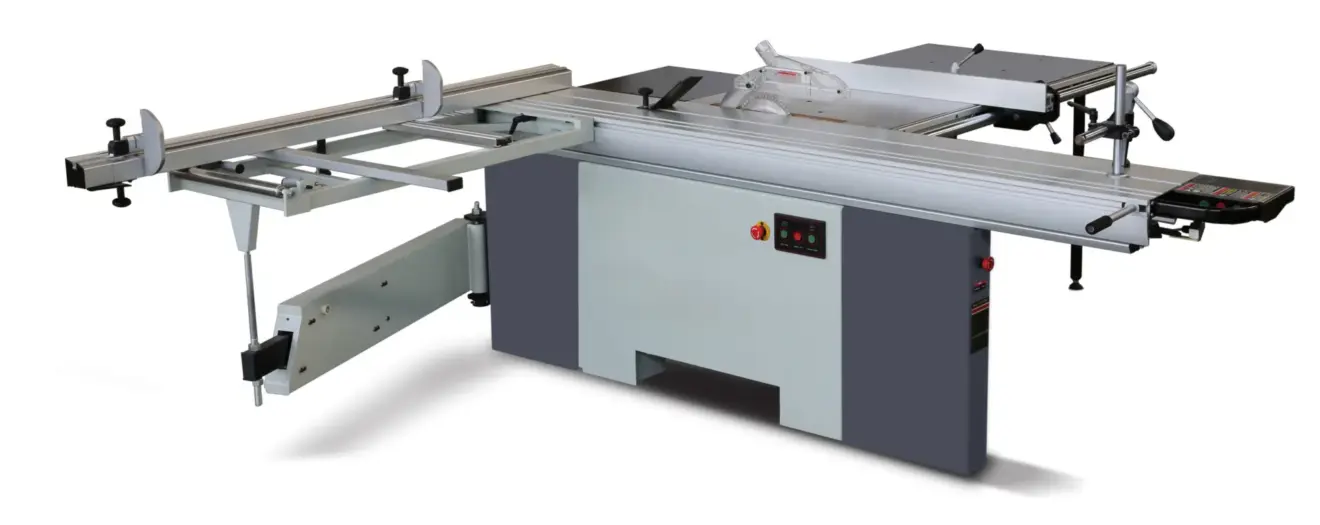
How to Choose a Sliding Table Saw for Precision Woodworking
Sunday, 19 April 2026
When parts stop fitting cleanly at assembly, the problem often starts earlier than the glue station or the hardware line. In many woodworking shops, small cutting errors show up later as visible gaps, edge-band alignment issues, inconsistent joinery, and avoidable rework. Choosing a sliding table saw is therefore not just about adding another cutting machine.
- Published in Wood
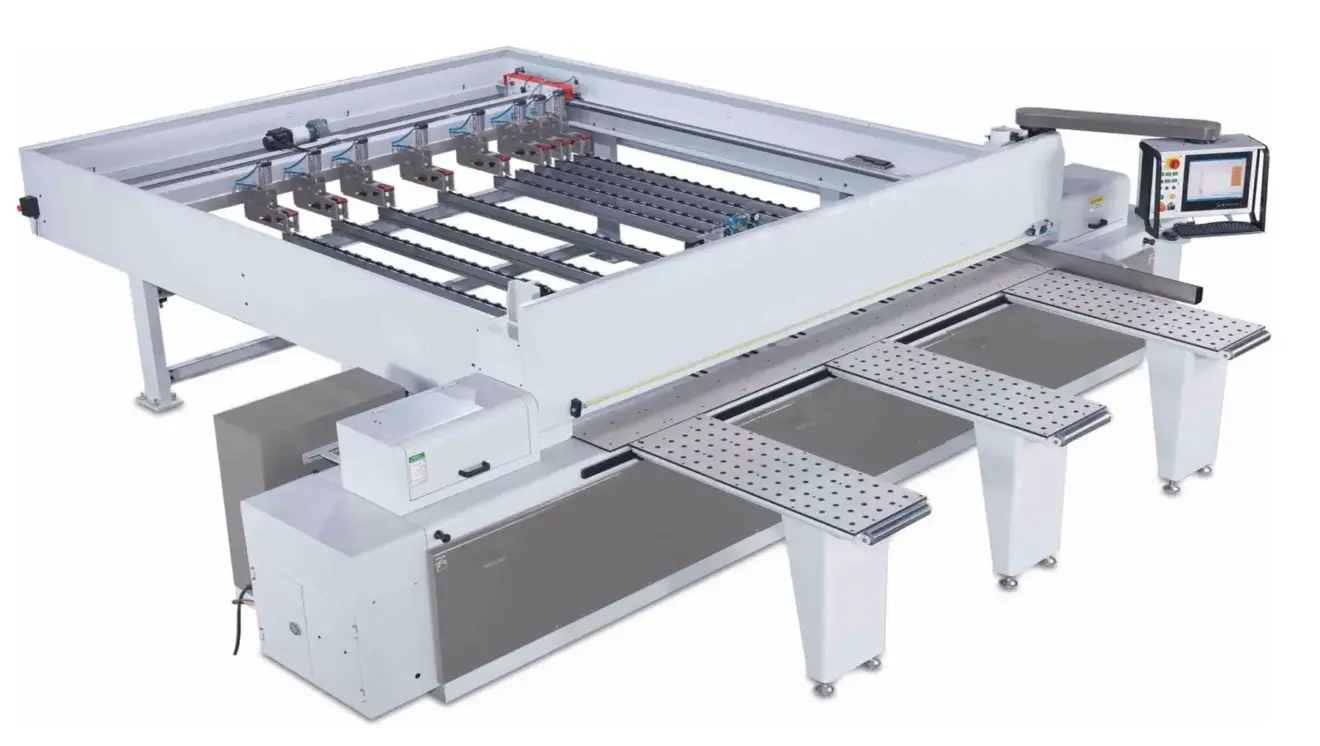
How Panel Saws Improve Accuracy in Furniture Manufacturing
Sunday, 19 April 2026
In furniture manufacturing, cutting accuracy is not just a saw-room concern. A small size deviation at the panel-cutting stage can show up later as an uneven edge, a misaligned drilling pattern, a cabinet box that pulls out of square, or a batch of parts that no longer fits the assembly plan cleanly. That is why
- Published in Wood
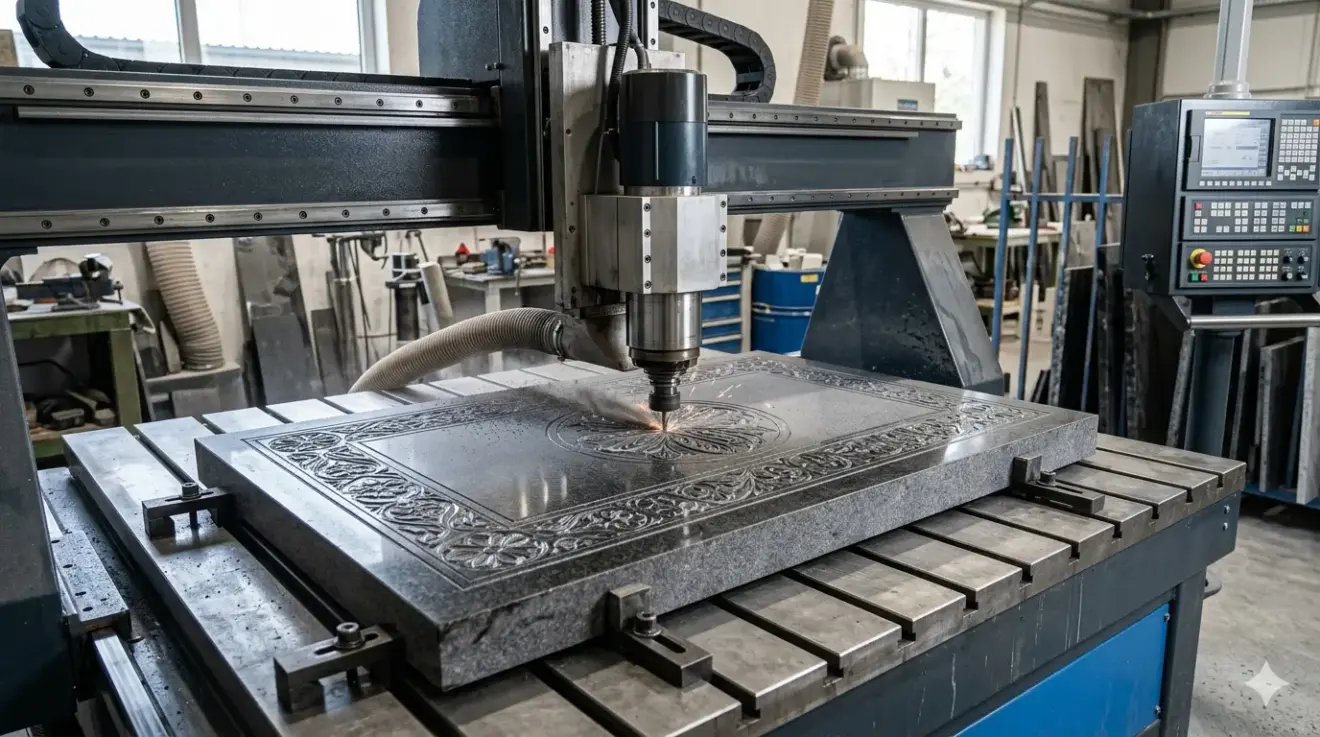
How To Choose a Granite Engraving Machine for Durable, Precise Marking
Sunday, 19 April 2026
Granite marking usually becomes a machinery question when the problem is no longer just making letters visible. The real issue is keeping marks readable, repeatable, and commercially acceptable across heavy stone pieces, changing artwork, and demanding end uses such as memorials, architectural signage, and permanent identification panels. A granite engraving machine is commonly evaluated when
- Published in Wood

How to Choose a CNC Drilling Machine for Multi-Side Processing
Sunday, 19 April 2026
When cabinet, wardrobe, or modular furniture parts need holes on more than one face, the real production cost is usually not the hole itself. It is the repeated handling required to flip, realign, check, and release each part without losing reference accuracy. That is why a drilling decision should be judged less by isolated drilling
- Published in Wood
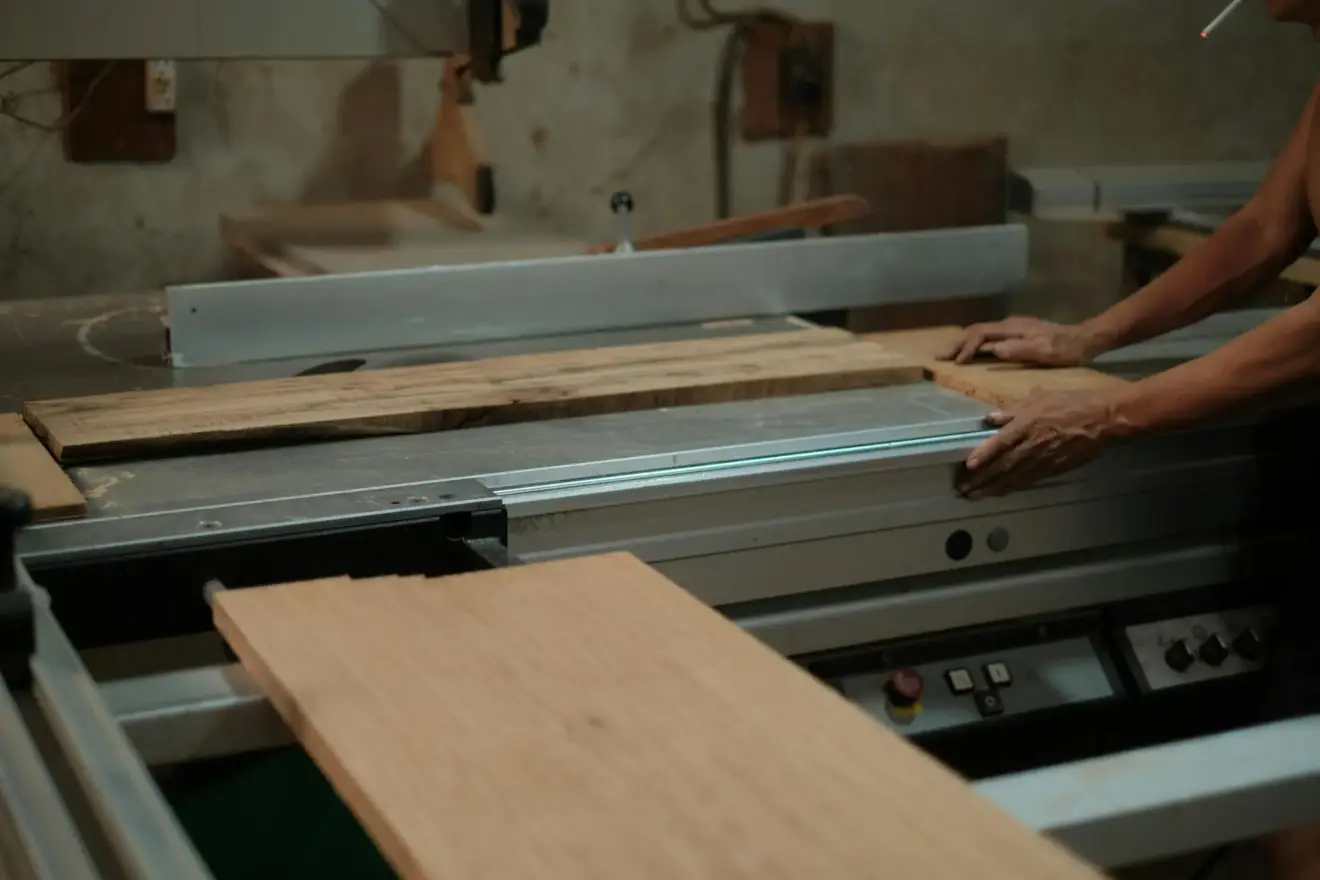
How to Choose a Panel Saw Machine for Cabinet and Furniture Shops
Sunday, 19 April 2026
In cabinet and furniture production, panel cutting often decides whether the rest of the shop runs smoothly or spends the day catching up. When sheet goods arrive at edge banding, drilling, and assembly with size variation, chipped edges, or inconsistent squareness, rework spreads quickly through the line. A panel saw is not the right answer
- Published in Wood
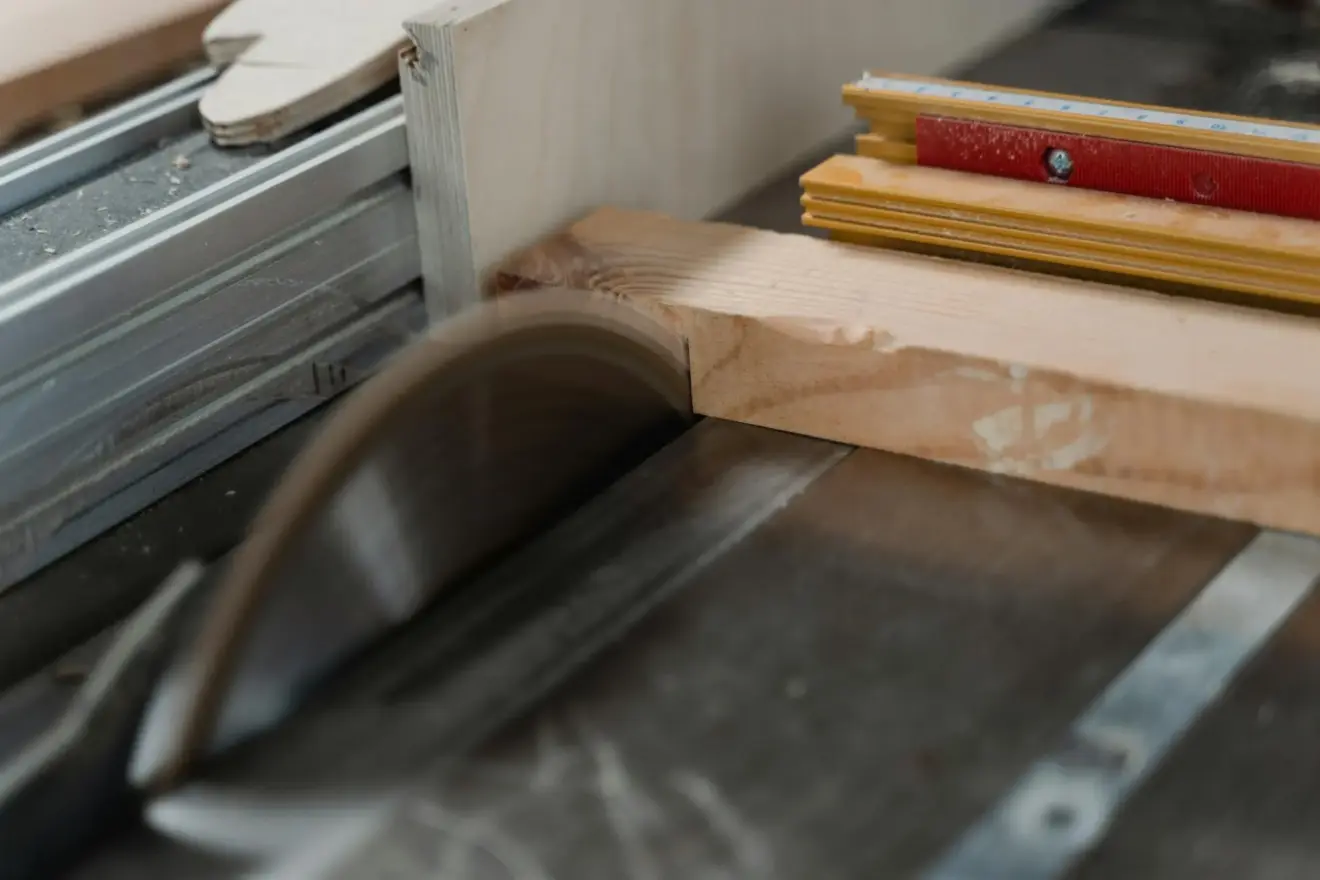
How To Match Sliding Table Saw Blades To MDF, Particle Board, Plywood, And Laminated Panels
Saturday, 18 April 2026
In many wood shops, cut quality problems appear only after the material mix changes. A blade that seems acceptable on raw particle board may start chipping melamine-faced panels, while a setup that leaves clean plywood edges may wear too quickly in repeated MDF cutting. When that happens, the problem is not always the saw itself.
- Published in Wood
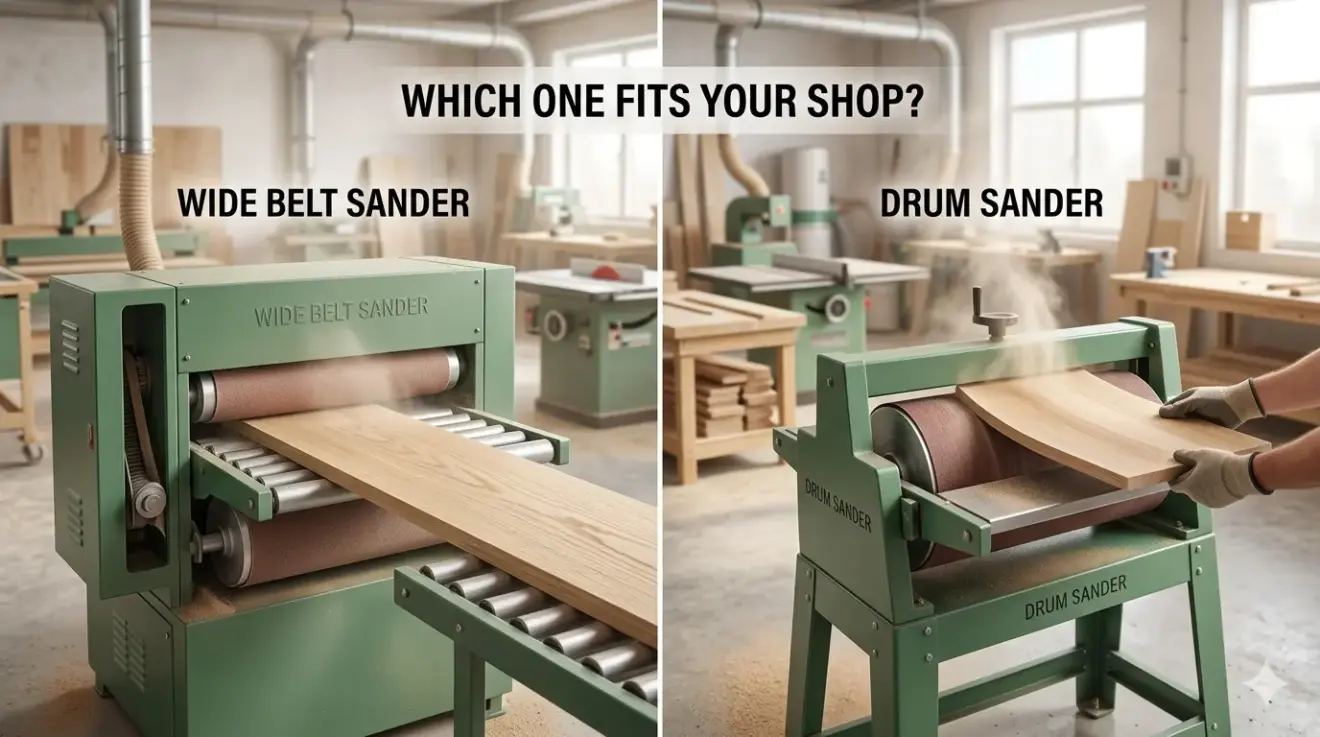
Wide Belt Sander vs. Drum Sander: Which One Fits Your Shop?
Saturday, 18 April 2026
When sanding starts to slow panel flow, the problem is rarely just abrasive speed. It is usually a mix of repeated passes, uneven thickness control, inconsistent surface prep, and too much operator time spent trying to make the next process run smoothly. That is why comparing a wide belt sander with a drum sander is
- Published in Wood

How To Compare CNC Machinery Quotes Without Missing Critical Details
Saturday, 18 April 2026
When a factory collects several CNC machinery quotes, the biggest risk is not paying too much. It is assuming the quotes are directly comparable when they are not. One supplier may be pricing only the machine. Another may include software, tooling, commissioning, and training. A third may bundle automation that changes labor needs, floor flow,
- Published in Wood
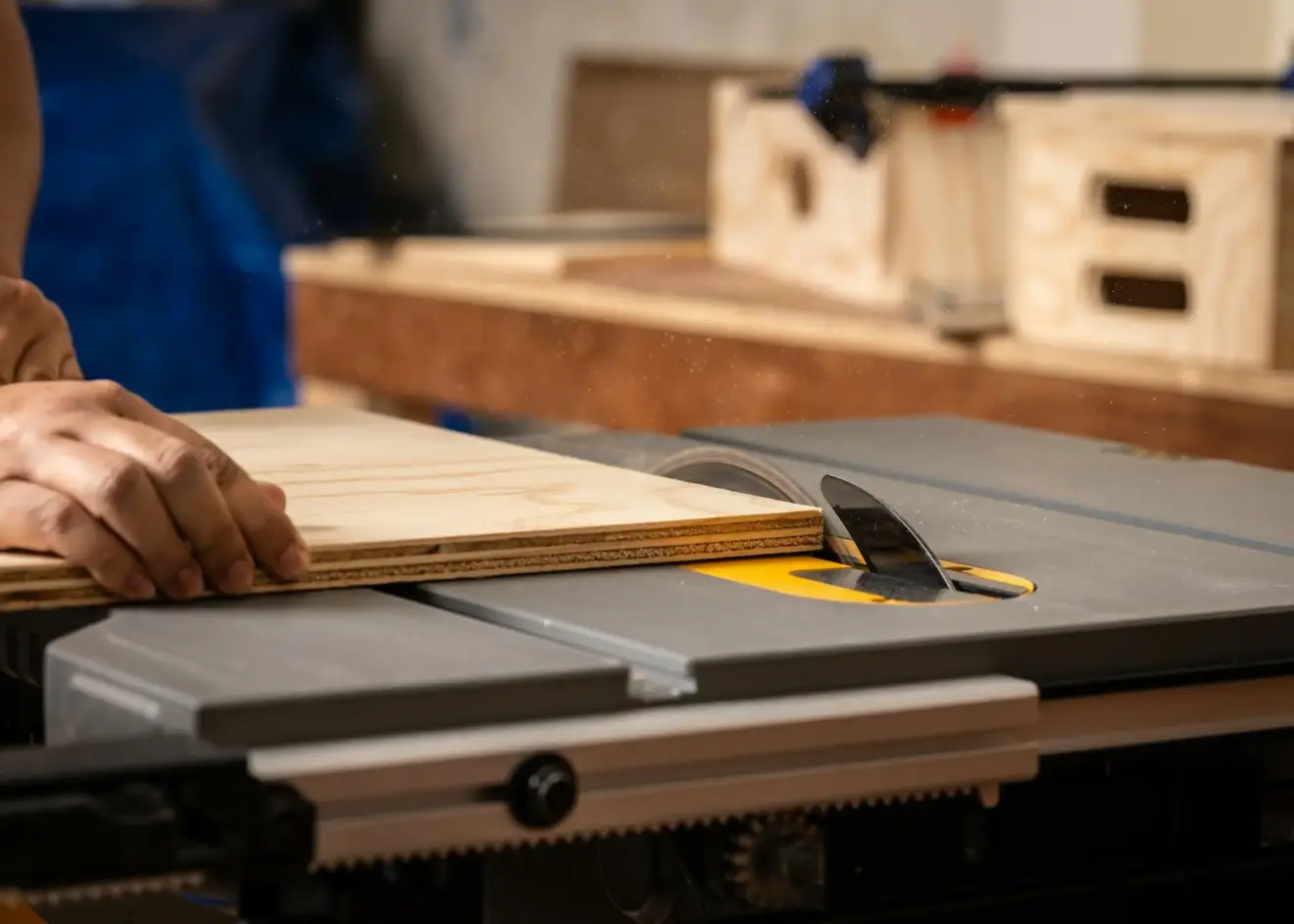
New vs. Used Panel Saw: What Furniture Shops Should Compare Before Buying
Saturday, 18 April 2026
When a furniture shop starts losing time at the front end of production, the panel saw discussion usually appears fast. Sheet breakdown may be slowing the line, operators may be rechecking dimensions too often, or downstream departments may be absorbing avoidable variation before edge banding, drilling, and assembly even begin. At that point, the buying
- Published in Wood
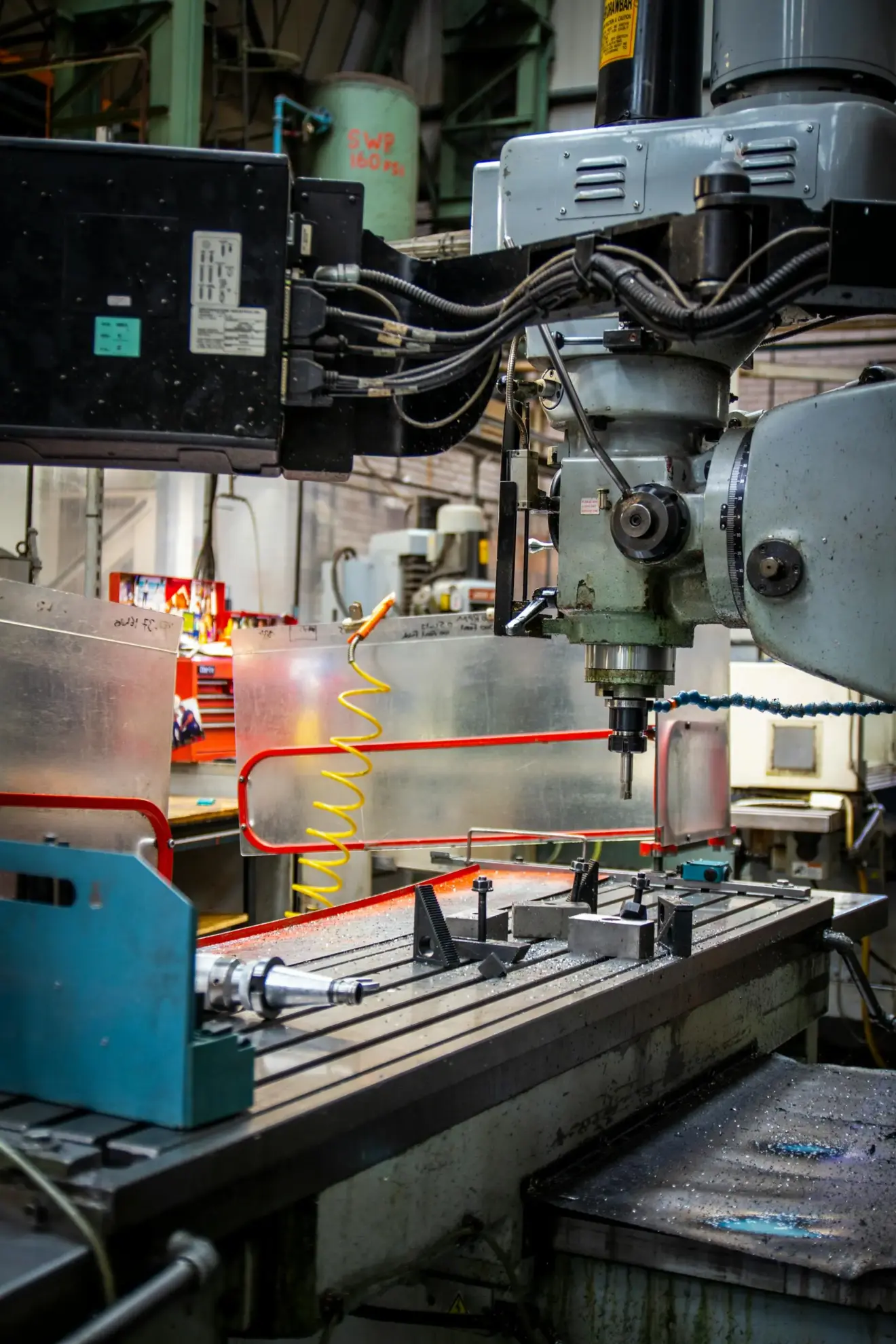
Common CNC Drilling Errors and How to Avoid Them in Panel Furniture Production
Saturday, 18 April 2026
In panel furniture production, CNC drilling problems rarely announce themselves at the machine. They show up later, when hinges do not sit correctly, dowels feel too tight or too loose, drawer parts stop aligning, or assembly teams start compensating for parts that should have fit the first time. That is why drilling accuracy should be
- Published in Wood
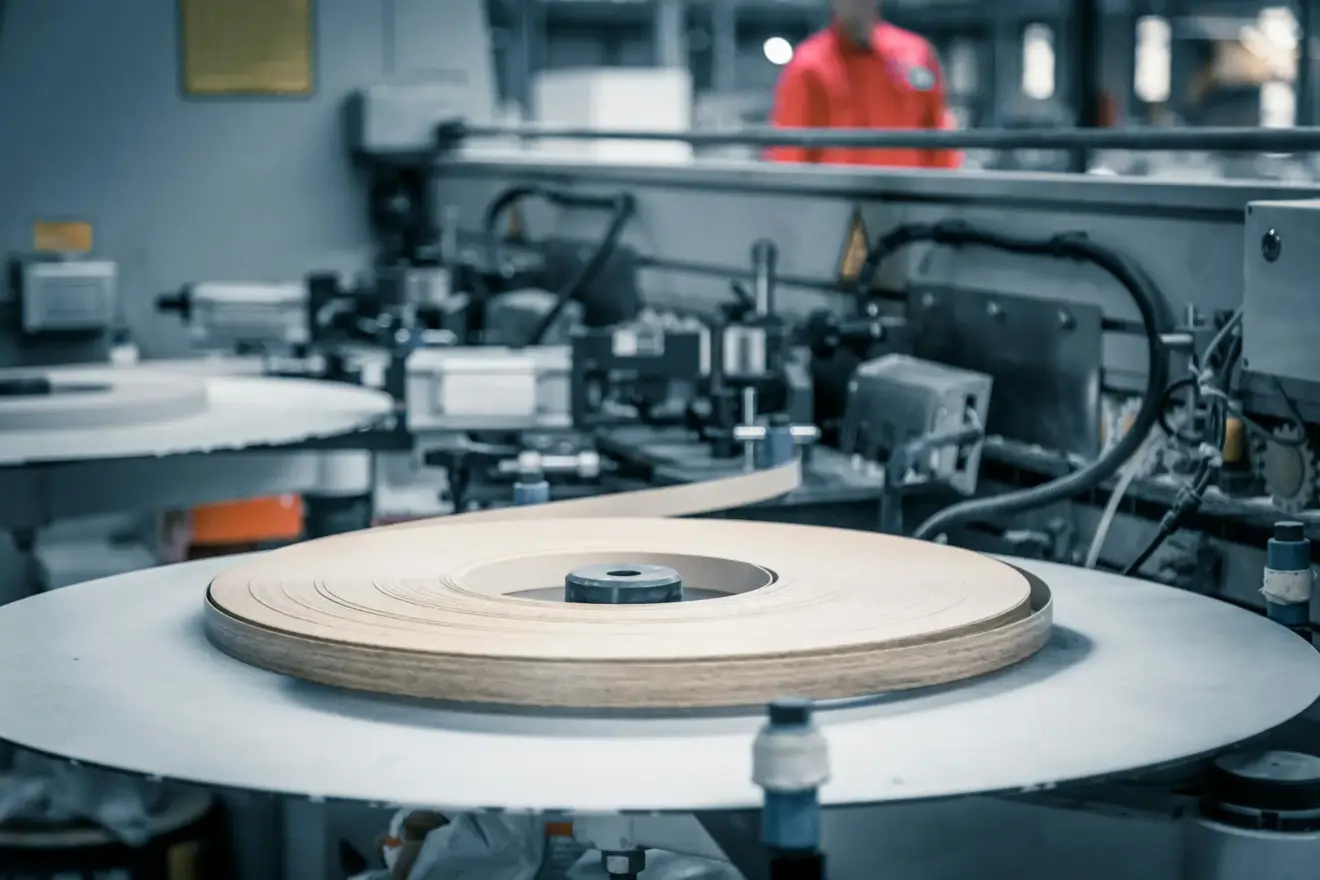
Edge Banding Equipment: What Matters Beyond Speed?
Saturday, 18 April 2026
In panel furniture production, edge banding problems rarely show up as an argument about speed. They show up as visible glue lines, chipped corners, edge lifting after handling, mismatched panels at assembly, and operators stopping the line to correct work that should have moved forward cleanly the first time. That is why edge banding equipment
- Published in Wood
How CNC Panel Saws Integrate Into Modern Woodworking Production Lines
Saturday, 18 April 2026
In a modern cabinet, closet, or panel-furniture factory, the saw is not just a cutting station. It is often the point where production rhythm is either stabilized or disrupted. If the front end cannot release correctly sized parts in the right order, edge banding, drilling, sorting, and assembly all inherit the same instability. That is
- Published in Wood
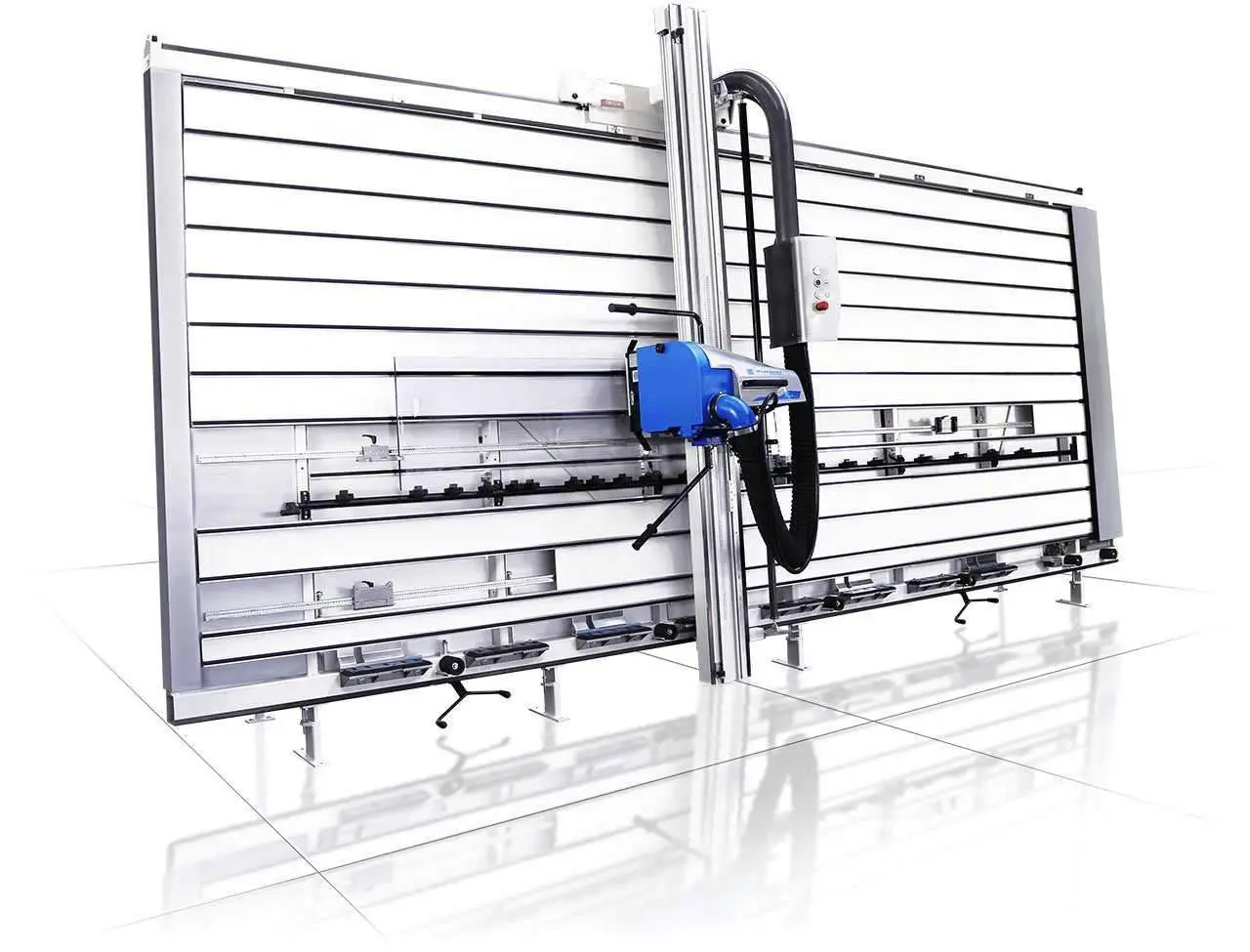
Best Applications for a Vertical Panel Saw in Small and Mid-Sized Shops
Friday, 17 April 2026
In small and mid-sized shops, the cutting problem often starts as a layout problem. The team may need accurate full-sheet breakdown for MDF, plywood, particleboard, melamine-faced board, and similar sheet materials, but the workshop may not have the floor space, labor structure, or daily volume for a larger dedicated horizontal cutting cell. That is where
- Published in Wood
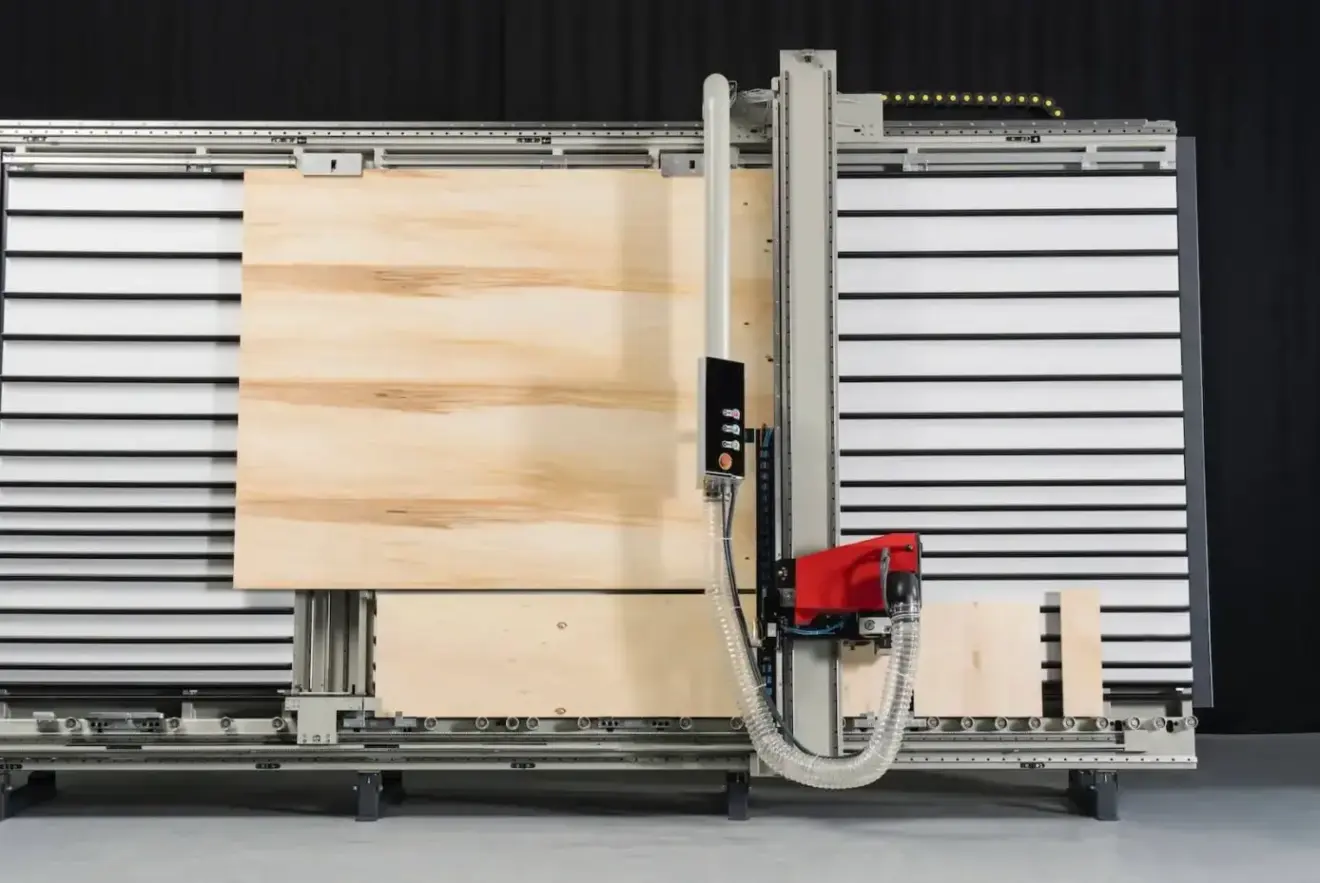
How To Choose A Vertical Panel Saw For A Space-Constrained Workshop
Friday, 17 April 2026
In many smaller workshops, the cutting problem is not just about accuracy. It is about how to break down full sheets without letting one machine consume the layout, block material flow, or create constant handling friction around the rest of the shop. A vertical panel saw is commonly considered when floor space is tight and
- Published in Wood
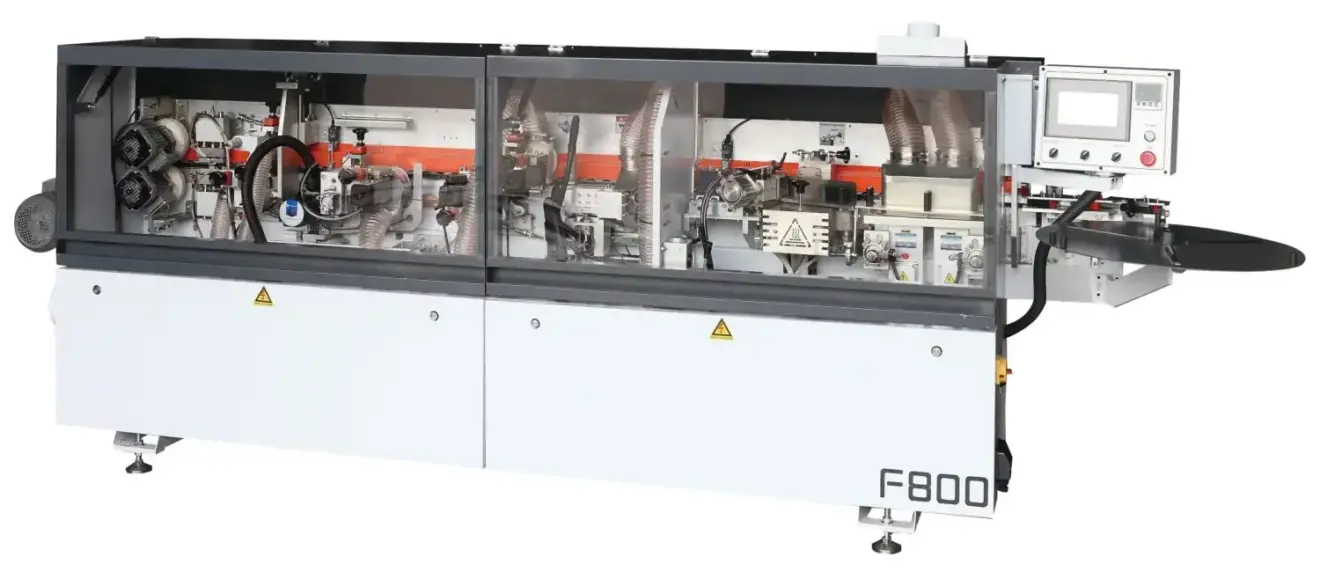
Edgebanders Explained: Types, Applications, and Production Fit
Friday, 17 April 2026
In panel furniture production, edge finishing often reveals whether a factory is truly running a controlled process or simply correcting one avoidable defect after another. Panels may be cut accurately, but if exposed edges still show chipping, uneven glue lines, or labor-heavy corner cleanup, the cost continues into inspection, rework, and final assembly. That is
- Published in Wood
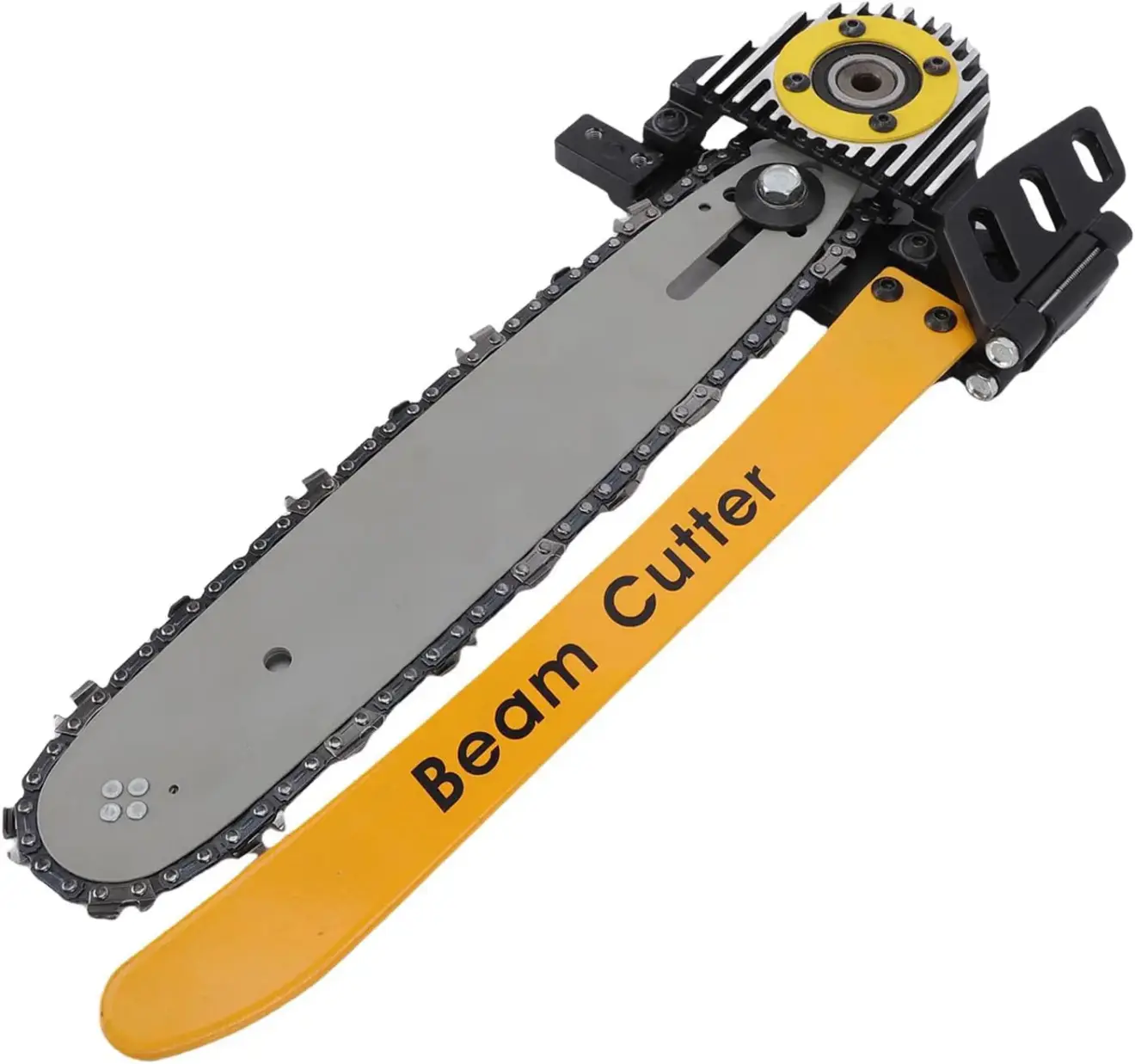
Beam Cutter vs. Beam Saw: What Buyers Need to Clarify Before Comparing Machines
Friday, 17 April 2026
A buyer reviewing automated panel-cutting equipment often sees one supplier call the machine a beam cutter and another call it a beam saw. That sounds like a product difference, but in many cases it is really a terminology difference. If you compare the labels instead of the workflow, you can lose sight of the issues
- Published in Wood
When to Upgrade From a Sliding Table Saw to a Beam Saw
Friday, 17 April 2026
The upgrade question usually appears before the sliding table saw actually fails. The machine may still cut cleanly, but the factory starts feeling pressure elsewhere: downstream stations wait for parts, repeated jobs pile up at the cut cell, and production consistency depends too heavily on operator pace and judgment. That is the point where the
- Published in Wood
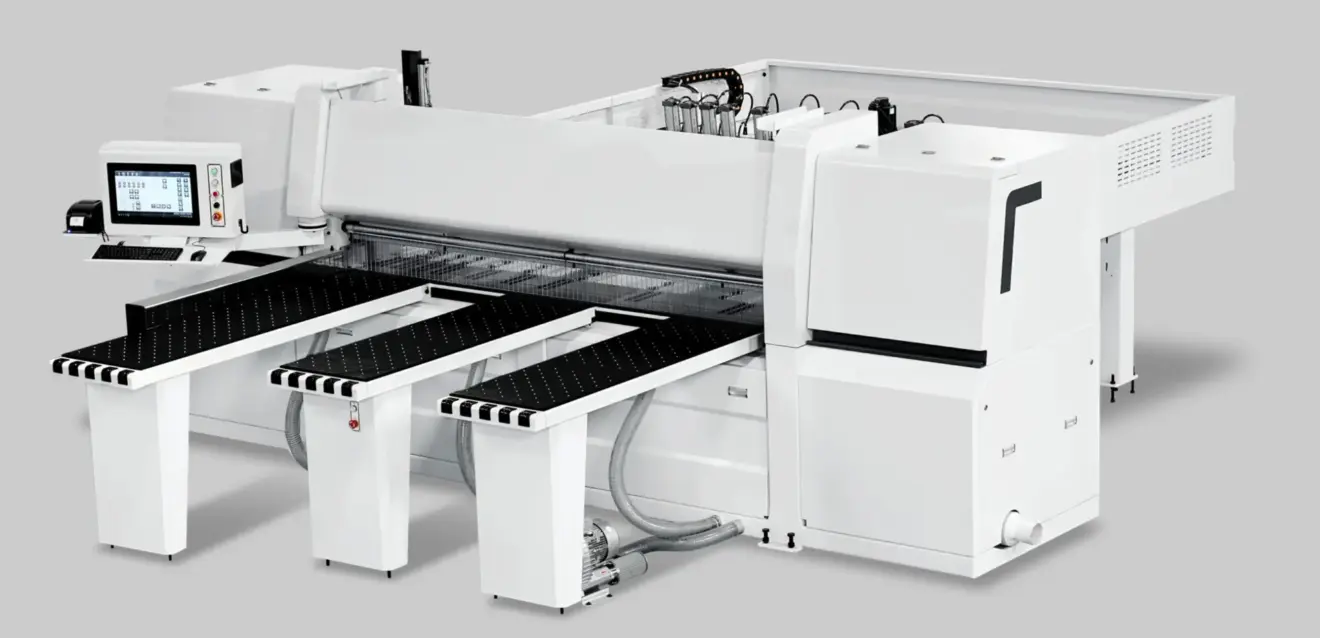
Beam Saws Explained: How They Work and Where They Fit in Panel Processing
Friday, 17 April 2026
In panel furniture production, the cutting cell does more than size boards. It sets the pace for edge processing, drilling, sorting, and assembly. When the first step is inconsistent, every downstream department spends more time correcting dimensions, rechecking parts, or working around avoidable delays. That is where a beam saw usually enters the conversation. A
- Published in Wood
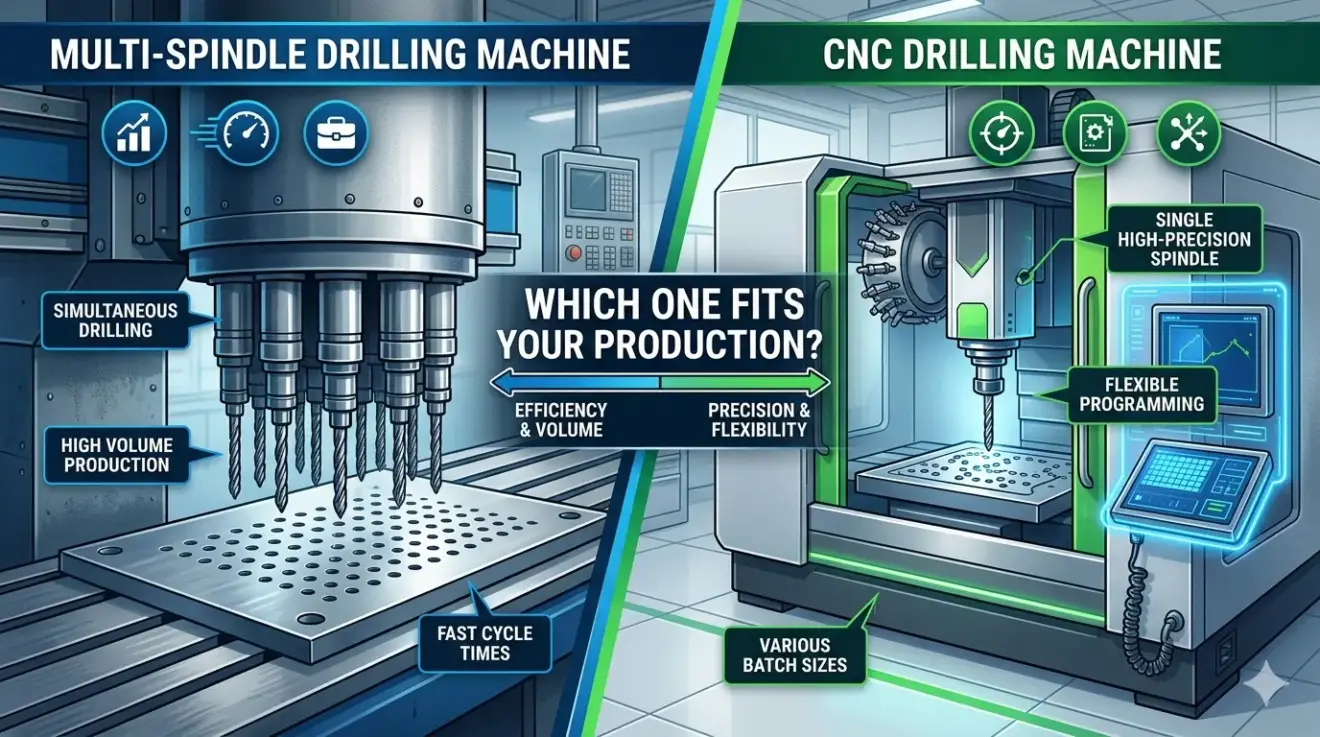
Multi-Spindle Drilling Machine vs. CNC Drilling Machine: Which One Fits Your Production?
Thursday, 16 April 2026
When hardware-hole processing starts slowing a cabinet or furniture line, buyers often ask which machine is “better.” In practice, the decision is rarely about drilling alone. It is about how much of the work repeats, how often patterns change, and whether the drilling cell is expected to behave like a dedicated production station or a
- Published in Wood
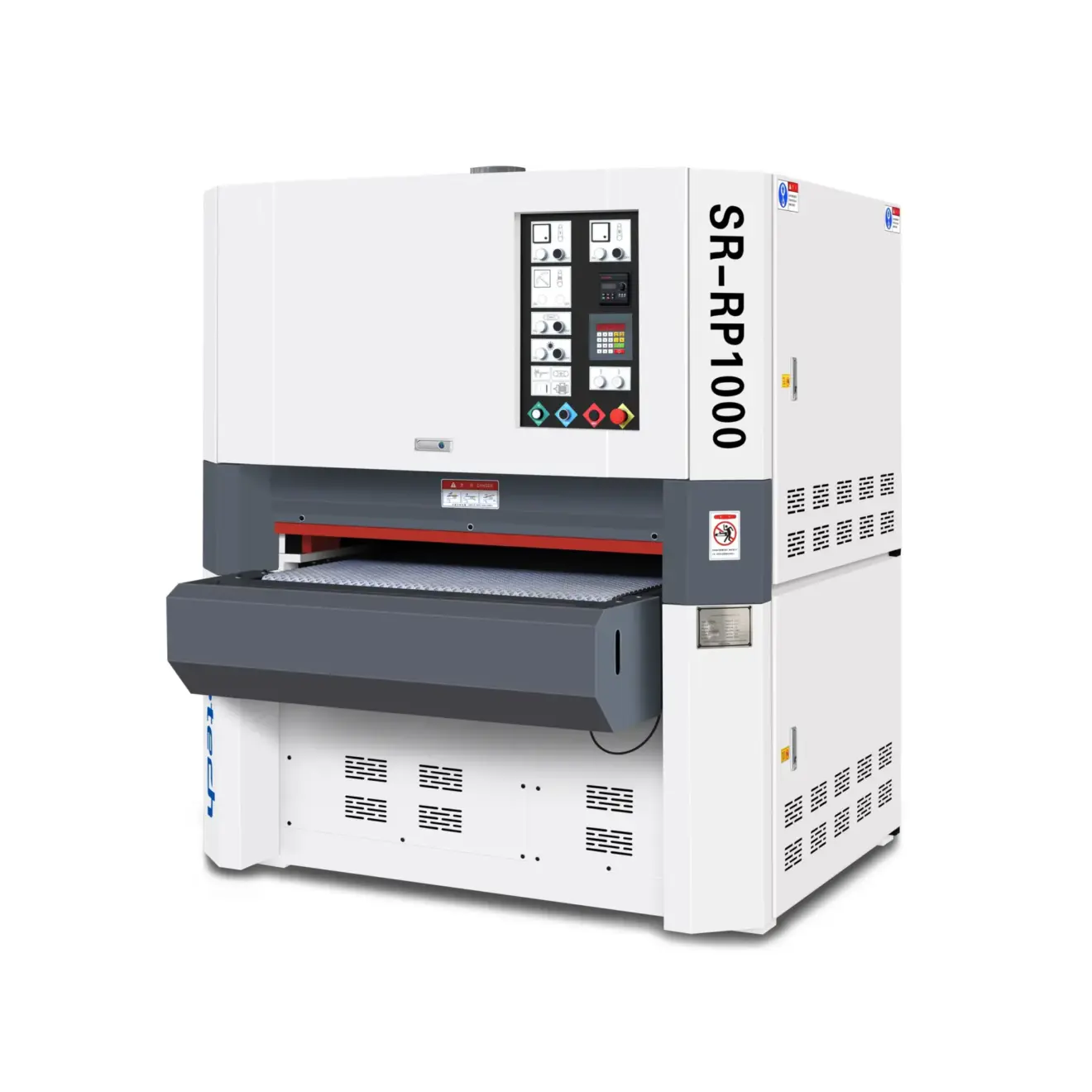
How Wide Belt Sanders Improve Surface Quality In Woodworking Production
Thursday, 16 April 2026
In woodworking, surface quality problems rarely begin in the finishing room. A panel can be cut accurately, drilled correctly, and assembled to the right dimensions, yet still create trouble later if the face shows milling lines, thickness variation, uneven sanding marks, or an inconsistent scratch pattern. Those defects usually become more obvious, not less, once
- Published in Wood
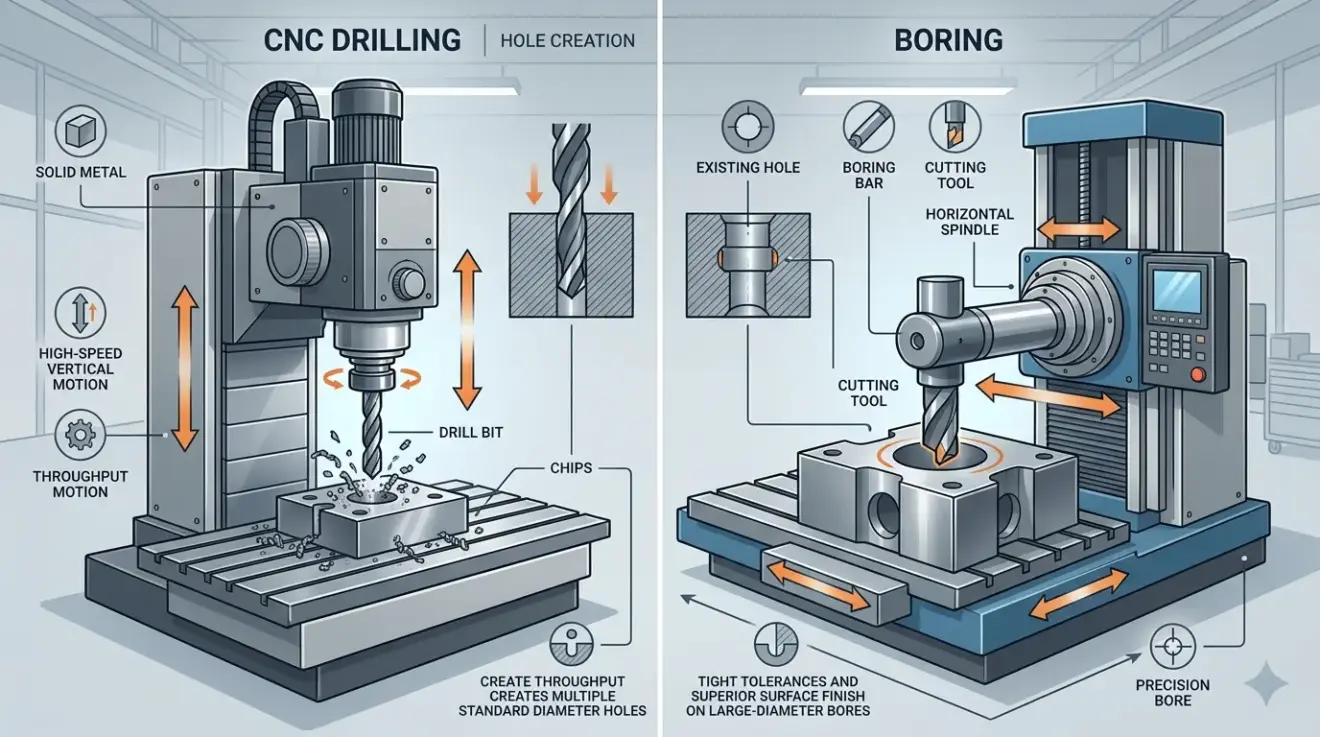
CNC Drilling Machine vs. Boring Machine: What Is the Real Difference?
Wednesday, 15 April 2026
When hole processing starts slowing cabinet assembly, the drilling cell is no longer a minor support station. It becomes a production constraint. Misaligned connector holes, inconsistent shelf-pin rows, and repeated setup changes can all create rework that shows up much later in assembly. That is why the difference between a CNC drilling machine and a
- Published in Wood
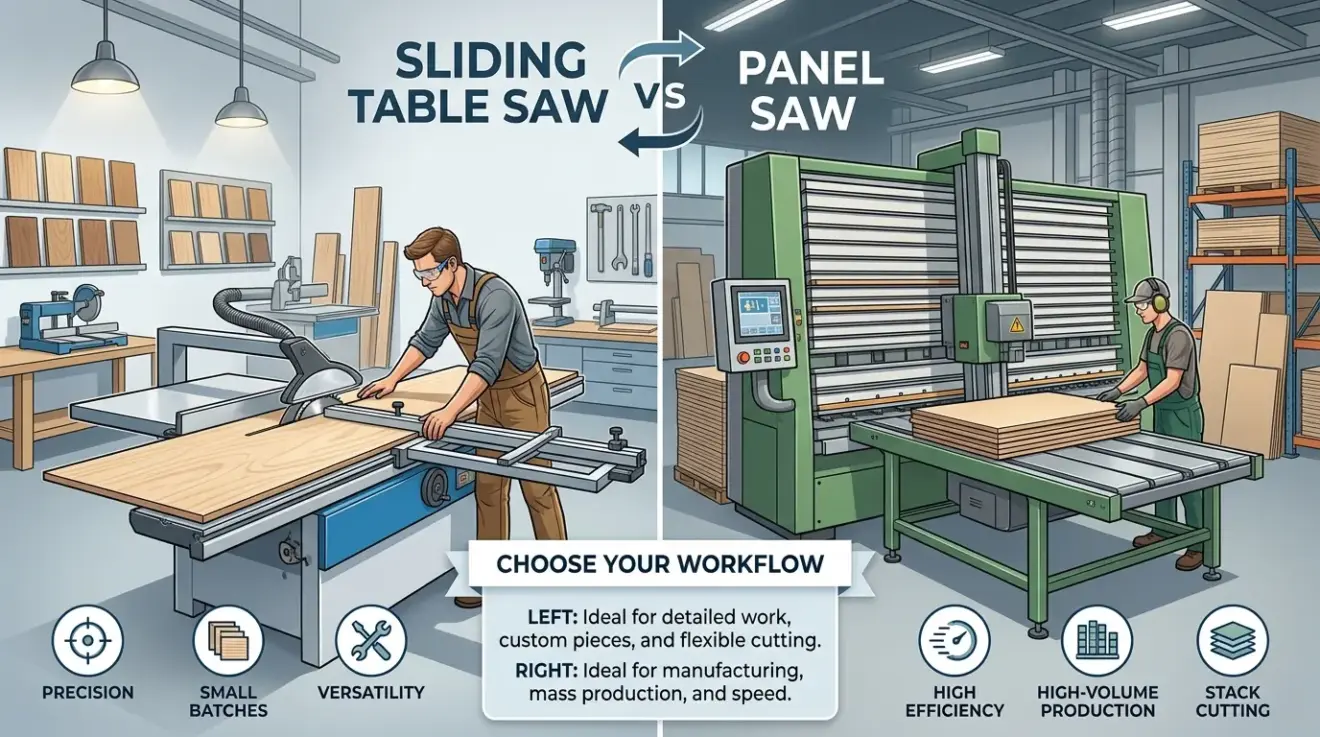
Sliding Table Saw vs. Panel Saw: Which One Fits Your Workflow?
Tuesday, 14 April 2026
When a shop starts losing time at the cutting stage, the real issue is usually not blade speed or machine labeling. It is workflow fit. The saw at the front of production affects how smoothly parts move into edge banding, drilling, sanding, assembly, and final delivery. If the wrong machine is handling that first step,
- Published in Wood
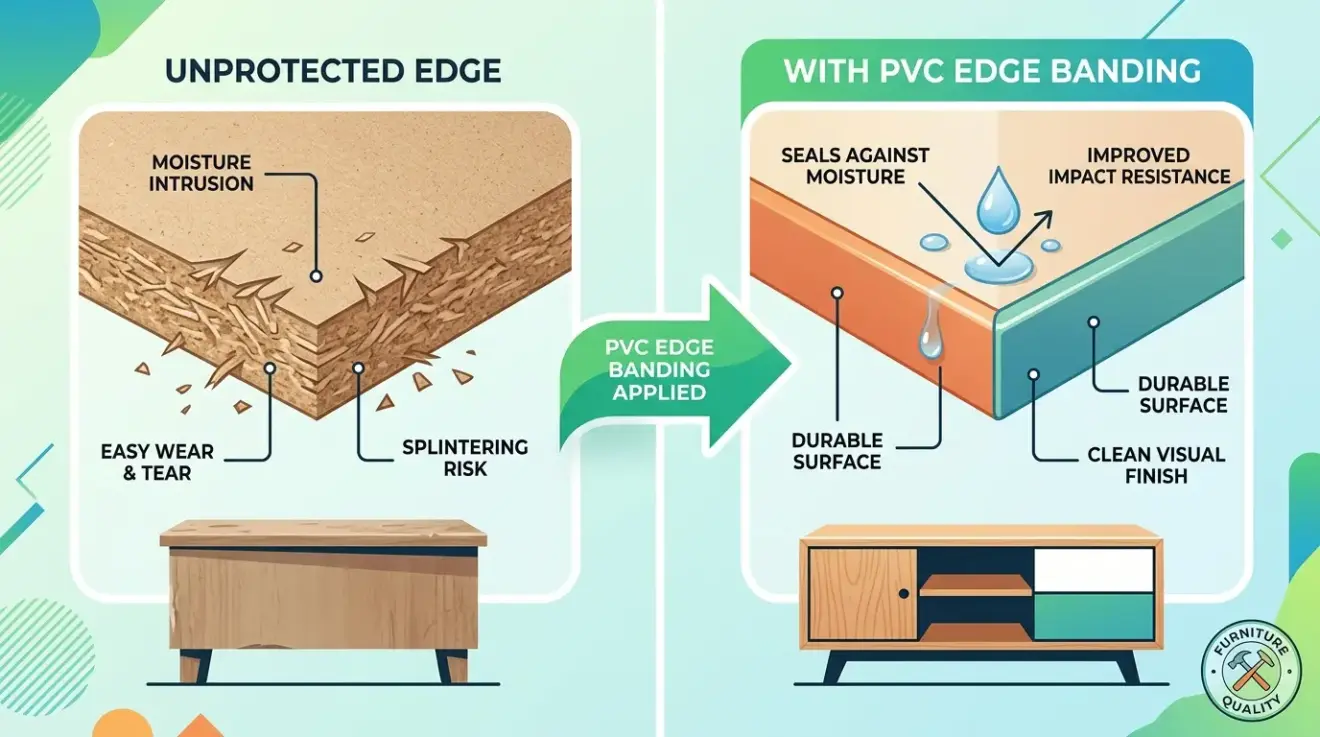
How PVC Edge Banding Affects Furniture Durability And Visual Finish
Tuesday, 14 April 2026
A cabinet can be cut accurately, drilled correctly, and assembled square, yet still look low grade or wear out early if the exposed edges are weak. In panel-based furniture, the edge is where daily contact, cleaning, impact, and visual inspection all concentrate. That is why PVC edge banding is not just a decorative strip. It
- Published in Wood
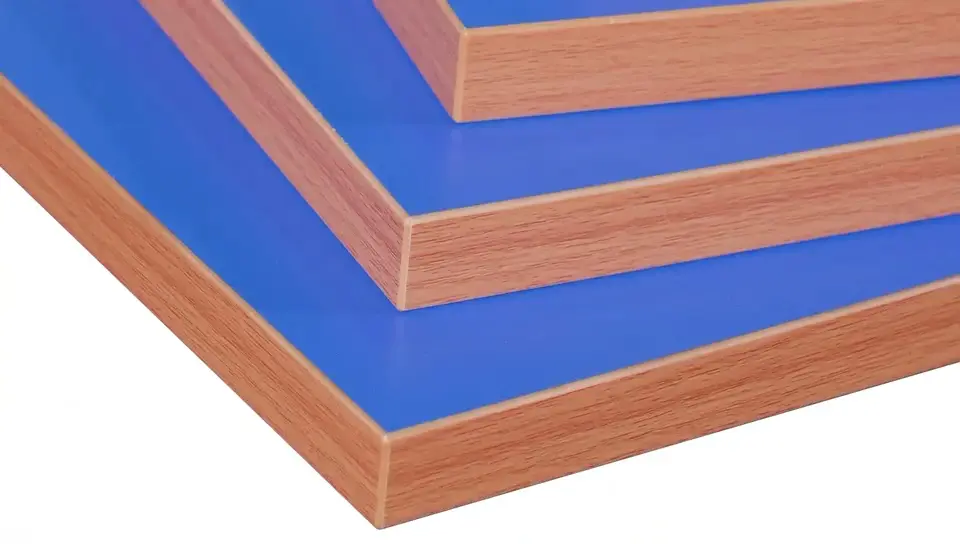
Machine Edge Banding vs. Manual Edge Banding: Which One Fits Your Production?
Tuesday, 14 April 2026
When panel finishing starts slowing the line, edge banding quickly becomes more than a cosmetic step. It affects how cleanly cabinet parts move into drilling and assembly, how much trimming operators have to do by hand, and how often visible edges come back for correction. Both machine edge banding and manual edge banding can produce
- Published in Wood
CNC Drilling Machine vs. Multi-Spindle Boring Machine: Which One Should You Choose?
Tuesday, 14 April 2026
When cabinet parts start waiting at the drilling station, the biggest loss is usually not the seconds needed to make a hole. It is the time spent rechecking references, resetting layouts, verifying first parts, and correcting fit problems later in assembly. That is why the choice between a CNC drilling machine and a multi-spindle boring
- Published in Wood
Panel Saws for Cabinet Production: What Matters Most?
Tuesday, 14 April 2026
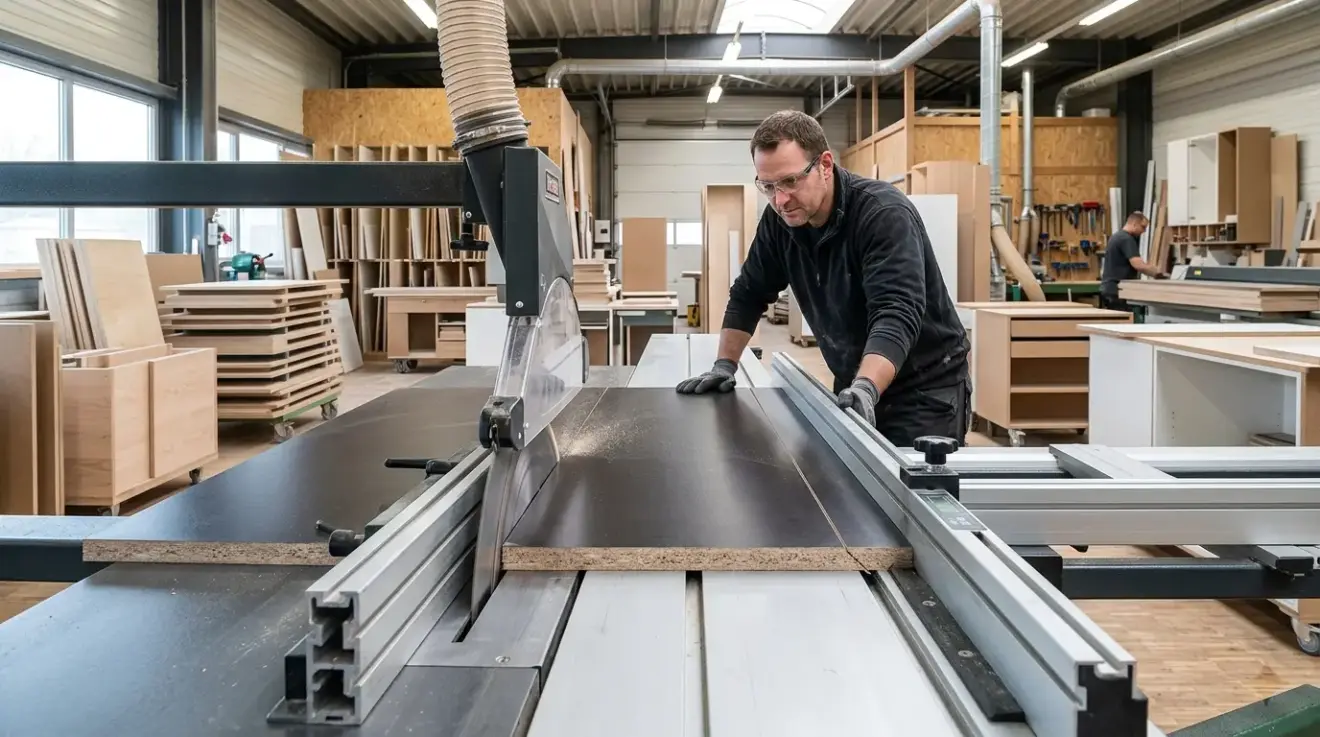
In cabinet production, the first cut only matters if it makes the rest of the line easier to control. If side panels, bottoms, shelves, and partitions leave the cutting area with size variation, unstable batch order, or too much operator-dependent inconsistency, the problems do not stay at the saw. They spread into edge processing, drilling,
- Published in Wood
Panel Saw Machine Safety and Setup Best Practices for Consistent Daily Production
Tuesday, 14 April 2026
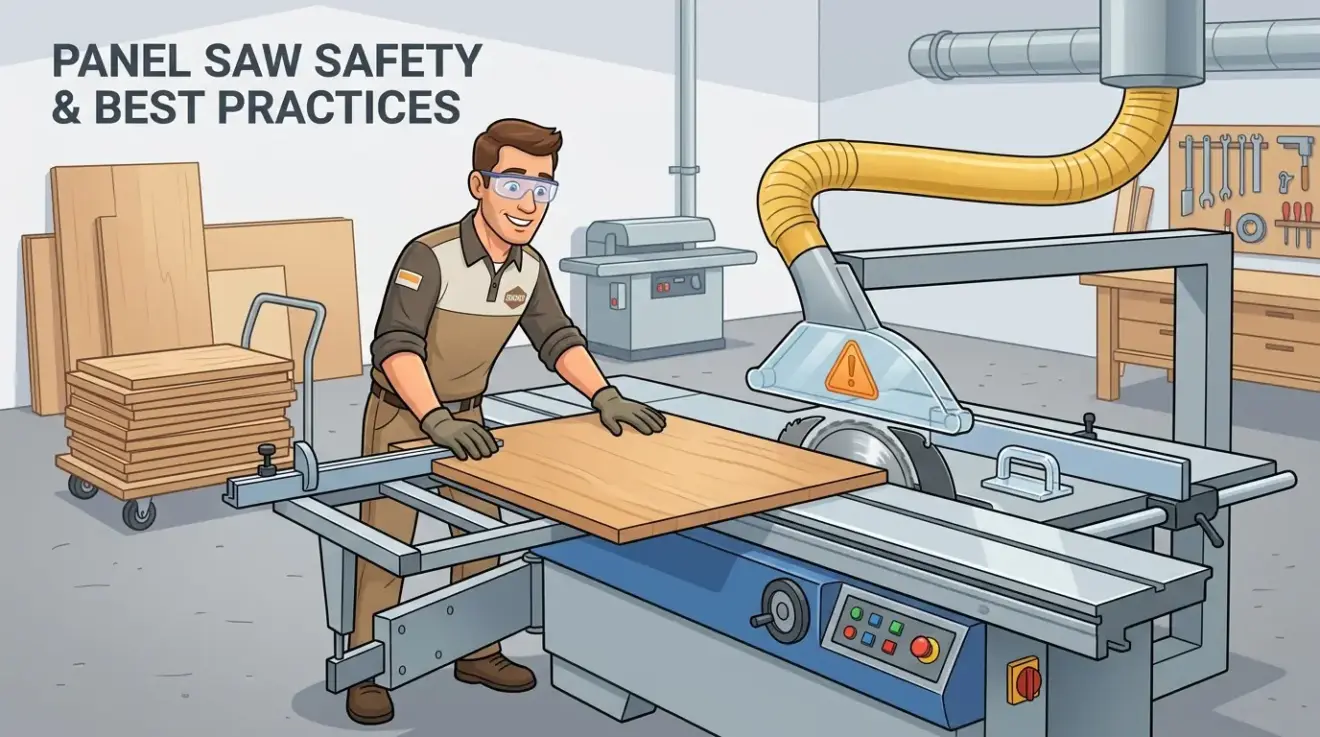
In panel processing, many cutting mistakes and near-miss incidents begin before the first sheet enters the saw. A dirty reference surface, unstable material support, a worn blade, or unclear operator responsibilities can lead to chipped panels, dimensional variation, emergency stops, or more serious safety events. For cabinet, furniture, and other panel-based manufacturers, panel saw machine
- Published in Wood
Beam Saw Machine Maintenance Tips for Long-Term Stability
Tuesday, 14 April 2026
In batch panel production, stability usually disappears before a full breakdown ever stops the machine. Cut sizes begin to drift between stacks, clamping feels less consistent, vibration becomes easier to hear, or the first parts of the shift look cleaner than the last. For a beam saw, those are not small housekeeping issues. They are
- Published in Wood
CNC Drilling Machine Configuration Guide For Furniture Factories
Tuesday, 14 April 2026
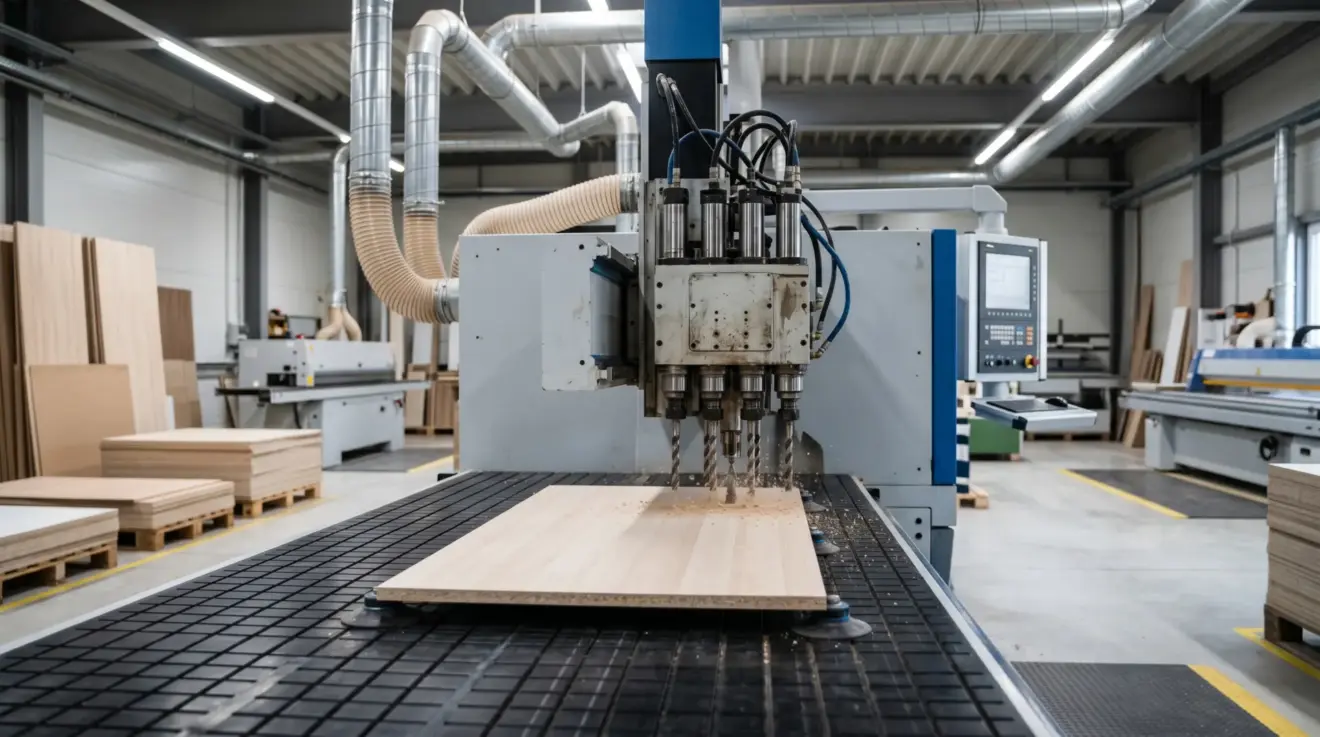
In furniture production, drilling problems rarely start with a lack of machine capacity. They usually start with poor configuration. Cabinets reach assembly with mismatched connector holes, shelf-pin lines drift from one batch to the next, drawer parts arrive mirrored the wrong way, and hardware fitting turns into manual correction instead of repeatable flow. A CNC
- Published in Wood
Panel Saw vs. CNC Nesting Machine: Which One Fits Panel Furniture Factories Better?
Tuesday, 14 April 2026
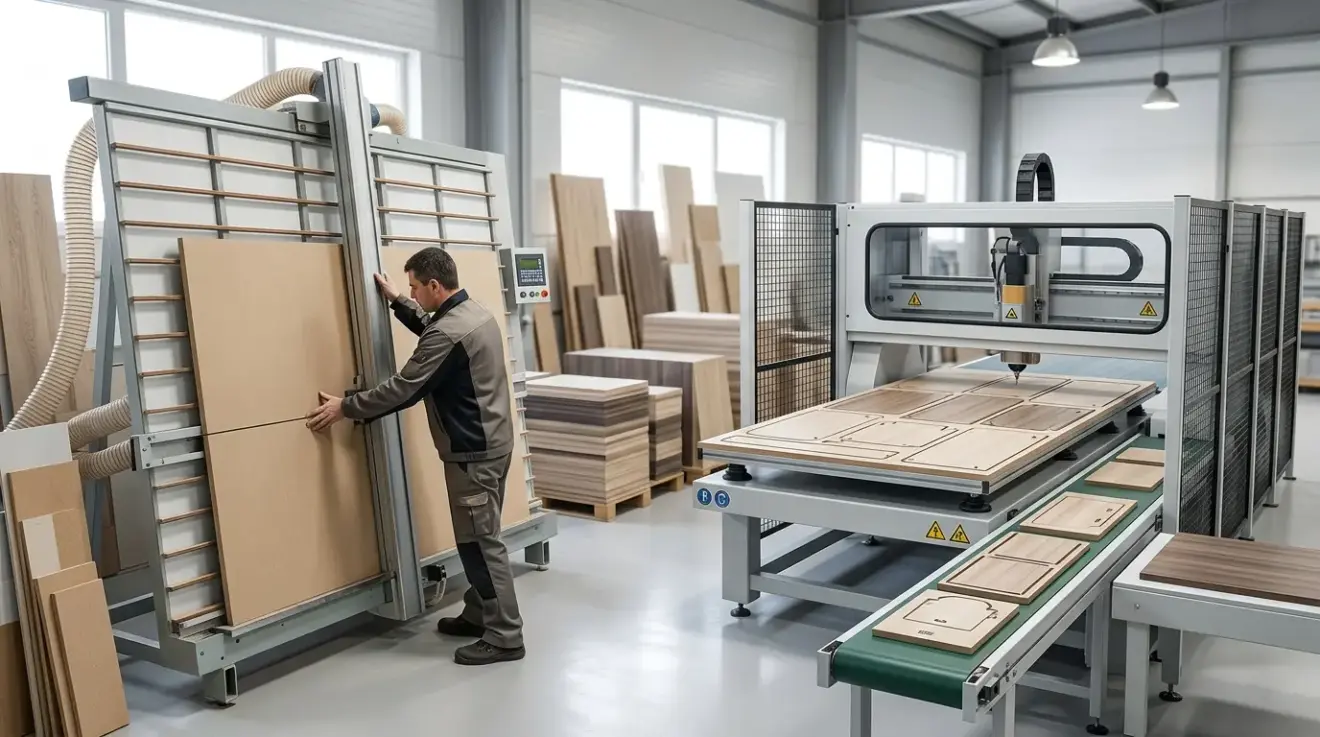
If a panel furniture factory is deciding between a panel saw and a CNC nesting machine, the real issue is not which machine sounds more advanced. The real issue is what kind of production problem the factory needs to solve first. Some factories need a fast, stable front end for large volumes of rectangular cabinet
- Published in Wood
How To Configure a Wide Belt Sander for Furniture Production
Tuesday, 14 April 2026
In furniture production, sanding problems usually show up late. A panel looks acceptable coming off the machine, then coating reveals scratch inconsistency, veneer sand-through, thickness variation, rounded edges, or a surface that still needs too much hand correction. By that point, the wide belt sander is no longer just a finishing step. It has become
- Published in Wood
Edge Banding Machine Buying Guide for Furniture Manufacturers
Tuesday, 14 April 2026
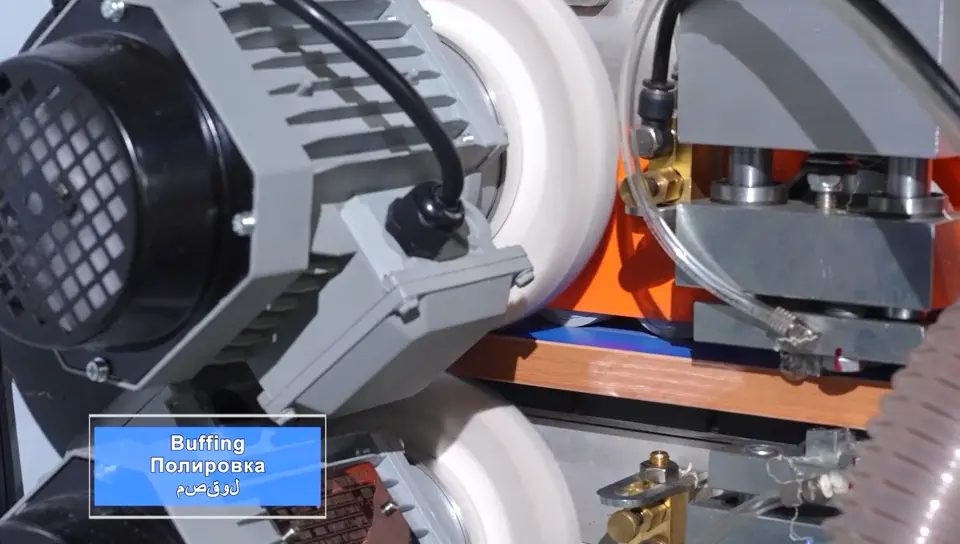
In furniture production, edge quality is one of those variables that looks cosmetic until it starts creating operational damage. A weak glue line, chipped panel edge, or inconsistent finish turns into rework, sorting delays, rejected parts, and a product that looks lower value than it should. That is why an edge banding machine should be
- Published in Wood
Panel Saw vs. Beam Saw: What Is the Real Difference?
Tuesday, 14 April 2026
Many buyers start with what sounds like a simple question: is a panel saw different from a beam saw, or are they basically the same machine? That confusion matters because the answer affects how you compare equipment, interpret supplier listings, and decide whether you are buying a broad machine category or a specific production format.
- Published in Wood
How Sliding Table Saws Fit Small and Mid-Sized Wood Shops
Monday, 13 April 2026
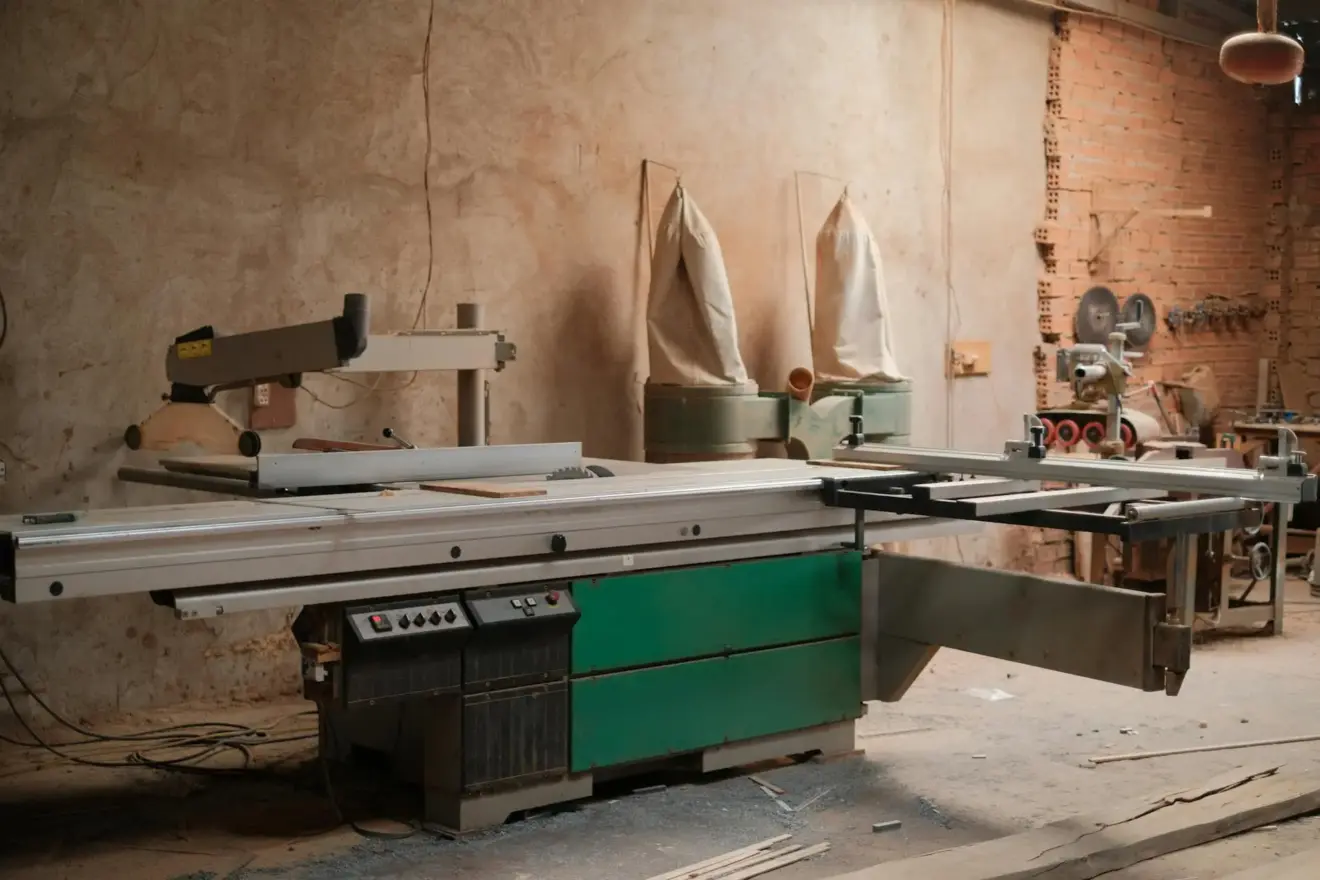
When the cutting station starts slowing down a wood shop, the answer is not always a more specialized high-throughput machine. In many small and mid-sized operations, the real need is a saw that can move between sheet goods, solid wood, short runs, and custom parts without making every job change feel like a reset. That
- Published in Wood
Panel Saws for High-Volume Batch Processing: What to Expect
Monday, 13 April 2026
When a factory moves into real batch production, panel cutting stops being a simple sawing task and becomes the pacing function for the rest of the line. If the front end cannot size panels quickly and consistently, edge banding, drilling, sorting, and assembly either wait for parts or receive parts that need to be checked
- Published in Wood

Factory-Direct Machinery Buying: Pros, Risks, And What To Verify Before You Commit
Monday, 13 April 2026
In machinery buying, the visible machine price is only one part of the decision. The bigger cost often shows up later, when a line runs below target, installation takes longer than expected, spare parts are unclear, or the machine that looked competitive on paper turns out to be a poor fit for the actual workflow.
- Published in Wood

How Sliding Table Saws Support Flexible, Low-Volume Production
Monday, 13 April 2026
In low-volume production, cutting is often constrained less by maximum cycle speed than by how often the job changes. A shop may move from cabinet panels to custom fillers, then to solid-wood parts, then back to a short rerun of previously cut components. In that environment, the most useful saw is not always the one
- Published in Wood
Beam Saws for Batch Processing: Throughput, Accuracy, and Labor Savings
Monday, 13 April 2026
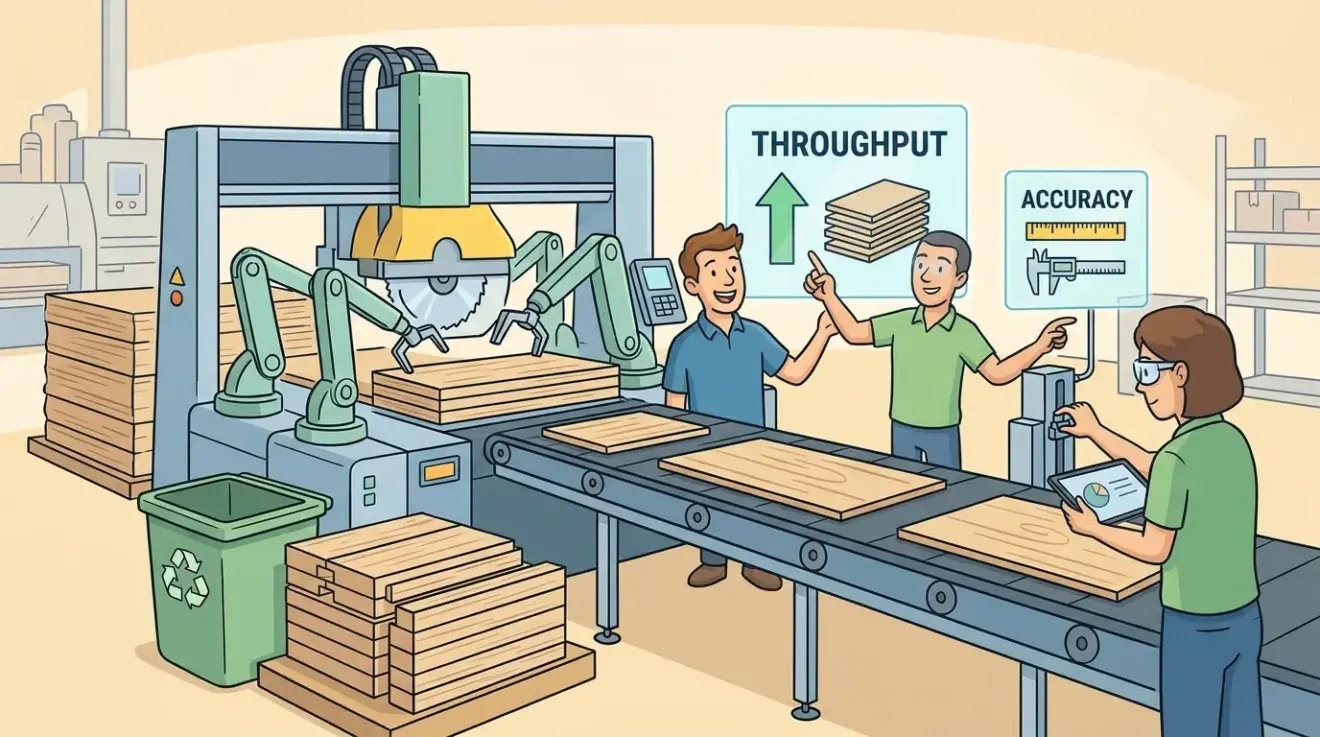
In batch furniture and cabinet production, panel cutting is rarely just a cutting task. It is the front end of a larger flow that has to feed edge banding, drilling, sorting, and assembly without constant rechecking. When that first stage is unstable, the rest of the factory spends time compensating for it. That is why
- Published in Wood
Sliding Table Saw Safety and Setup Best Practices for Accurate, Repeatable Daily Cutting
Monday, 13 April 2026
In custom furniture shops, mixed-production workshops, and smaller panel-processing lines, many cutting problems start before the blade enters the material. A poorly supported panel, an out-of-square fence, a dirty sliding carriage, or rushed operator movement can lead to chipped edges, inconsistent dimensions, lost time, or a serious safety event. That is why sliding table saw
- Published in Wood