In panel-based furniture, the edge is often where a buyer decides whether a product feels durable and well made or merely assembled to hit a price point. A cabinet panel can be cut accurately and drilled correctly, but if the edge shows a heavy glue line, feels uneven to the touch, or chips early in use, the finished piece immediately looks lower in value.
That is why edge banding quality affects furniture value far beyond the cost of the edge material itself. It influences how the product looks on first inspection, how well it holds up in handling and daily use, and how confidently a manufacturer can position that product in the market.
Why The Edge Is One Of The First Value Signals
Furniture buyers rarely judge value by invisible production steps. They judge it by visible and tactile details.
On exposed panels, edge quality is one of the clearest of those details because it directly affects:
- Visual Cleanliness At The Panel Perimeter
- Smoothness When A Customer Touches The Product
- Perceived Precision At Corners And Joints
- Consistency Between One Part And The Next In A Finished Set
When the edge sits flush, the seam looks controlled, and the corners stay clean, the furniture feels more deliberate and more premium. When the edge looks patched, uneven, or weakly bonded, even a good overall design can lose value in the customer’s mind.
How Poor Edge Banding Reduces Value
Low-value appearance usually comes from small but visible defects that suggest weak process control.
| Edge-Banding Factor | What The Buyer Or Installer Notices | Likely Effect On Furniture Value |
|---|---|---|
| Glue Line Control | A dark, wide, or inconsistent seam | Makes the panel look cheaper and less refined |
| Edge Flushness | A lip, undercut, or rough transition between face and edge | Reduces tactile quality and suggests incomplete finishing |
| Corner Finish | Chipped, sharp, or poorly finished corners | Weakens premium perception and increases complaint risk |
| Bonding Stability | Edges lifting, peeling, or breaking after handling | Lowers trust in durability and raises warranty exposure |
| Batch Consistency | Visible differences between panels in the same order | Makes the product line feel less controlled and less professional |
These problems do not only affect appearance. They also affect how distributors, installers, and end customers judge reliability. Once edge quality looks inconsistent, buyers often assume the rest of the product has been built to the same standard.
Why Edge Banding Quality Affects More Than Appearance
The edge is both a finish detail and a protection layer. In many furniture applications, it helps the panel resist routine knocks, cleaning exposure, and wear at the most vulnerable perimeter of the part.
That means better edge banding quality can support value in several ways at once:
- Cleaner Presentation At The Point Of Sale
- Better Durability During Transport, Installation, And Daily Use
- Less Manual Touch-Up Before Packaging Or Delivery
- Fewer Rework Loops Caused By Cosmetic Rejects
- More Confidence When Selling Into Higher-Finish Market Segments
For manufacturers, this matters because furniture value is not created only by design or material choice. It is also protected by finish consistency. If the edge fails visually or physically, the product often gets discounted in the market even when the panel core, hardware, and structural design are otherwise acceptable.
Where Better Edge Quality Actually Comes From
Higher-value edge results rarely come from the edge tape alone. They usually come from stable process control across panel preparation, bonding, trimming, and final finishing.
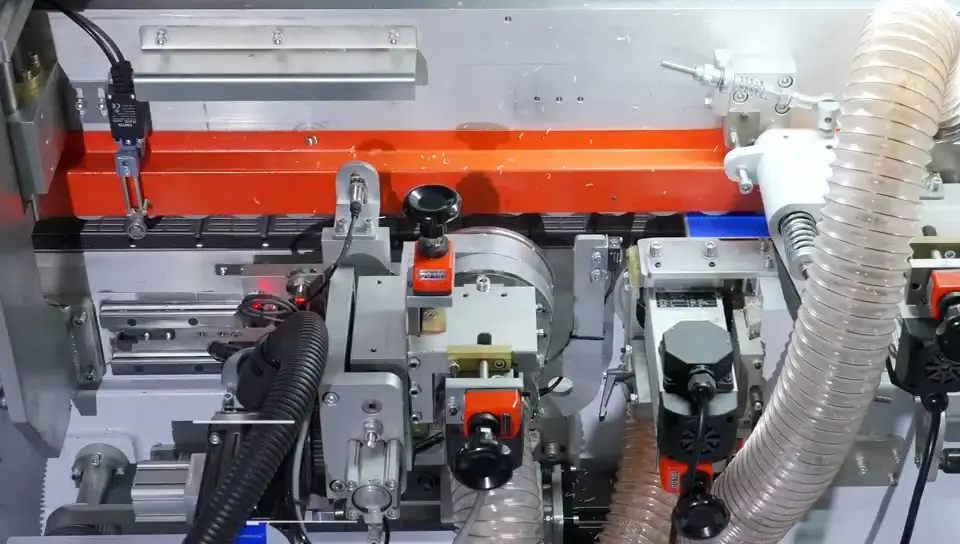
Factories that need more repeatable edge quality commonly rely on dedicated edgebanders so the process is treated as a controlled production operation rather than a manual cleanup step.
In practice, better edge quality usually depends on factors such as:
- Clean And Consistent Panel Edge Preparation Before Banding
- Stable Adhesive Application And Bonding Conditions
- Accurate Trimming, Scraping, And Polishing Of The Finished Edge
- Appropriate Corner Treatment For Visible Parts
- Reliable Inspection Before Parts Move To Packing Or Assembly
When finish expectations are higher, steps such as pre-milling and corner finishing can matter because they help the edge look more intentional and reduce the need for manual correction later. The value is not in adding process for its own sake. The value is in making the final panel look consistent enough to support the intended product position.
Not Every Product Requires The Same Edge Standard
This is where the tradeoff becomes important. Not every furniture category needs the same edge-banding finish level.
For example, highly price-driven utility furniture or less visible internal components may not justify the same level of edge refinement as exposed residential cabinetry, hospitality casegoods, retail fixtures, or office furniture meant to present a cleaner finished appearance.
The key is matching edge quality to product visibility and market position:
- Hidden Or Secondary Components Can Often Prioritize Cost Control
- Exposed Consumer-Facing Panels Usually Need Better Visual And Tactile Finish
- Higher-End Product Lines Depend More Heavily On Batch-To-Batch Finish Consistency
- Contract And Commercial Orders Often Need Stronger Durability Along With A Cleaner Appearance
Overinvesting in hidden parts can add cost without adding selling power. Underinvesting in exposed parts often does the opposite: it saves a little in production, then weakens selling price, increases inspection pressure, and creates avoidable complaints downstream.
Why The ROI Shows Up In Margins, Not Just Finish Quality
Manufacturers often first discuss edge banding as a cosmetic issue. In practice, its business impact is broader.
When edge quality is more stable, factories often see value in areas such as:
- Lower Rework On Visibly Defective Panels
- Fewer Touch-Up Bottlenecks Before Shipment
- Better Acceptance Rates In Dealer, Distributor, Or Project-Based Orders
- Less Need To Discount Products That Look Inconsistent
- Stronger Confidence When Positioning A Line As Mid-Range Or Premium
In other words, edge banding quality can protect both selling price and manufacturing margin. The same detail that improves perceived quality also helps reduce non-value-added correction work.
Practical Summary
Edge banding quality directly affects furniture value because it sits at the intersection of appearance, durability, and manufacturing discipline. Buyers notice it quickly, installers judge the product by it, and manufacturers absorb the cost when it goes wrong.
Clean, flush, well-finished edges help furniture look more premium, survive handling better, and move through production with less rework. Not every product needs the same finish standard, but for exposed panels, edge quality is rarely a minor detail. It is one of the clearest places where furniture value is either reinforced or quietly lost.