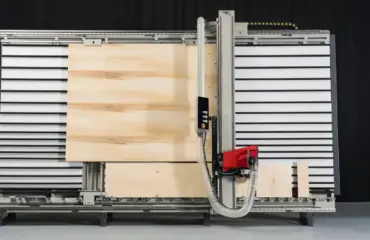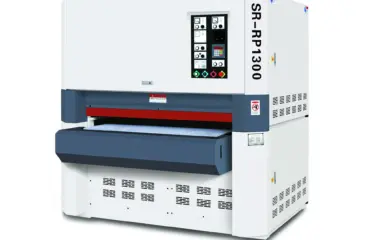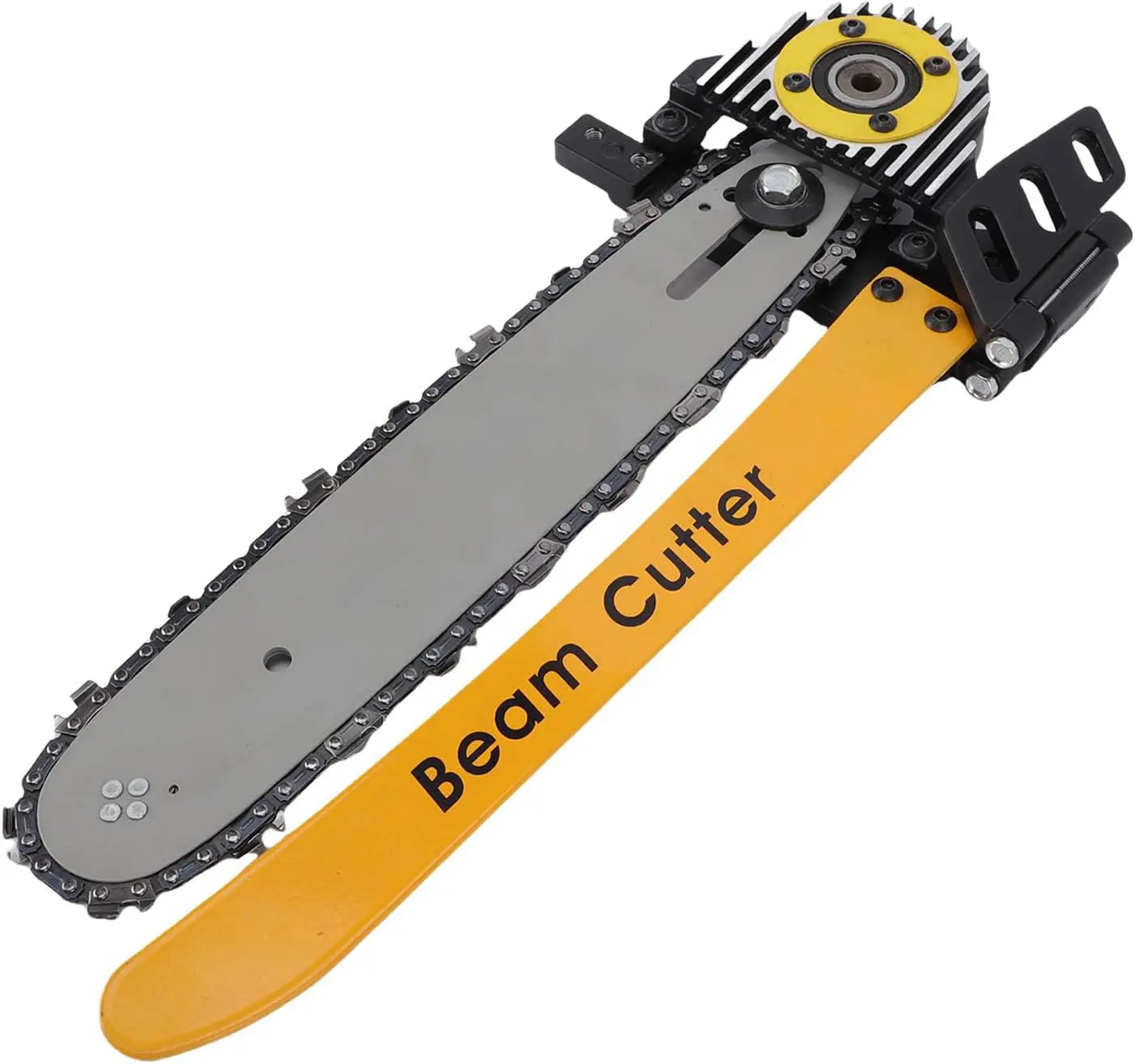
A buyer reviewing automated panel-cutting equipment often sees one supplier call the machine a beam cutter and another call it a beam saw. That sounds like a product difference, but in many cases it is really a terminology difference. If you compare the labels instead of the workflow, you can lose sight of the issues that actually affect output: how the machine handles panels, how repeatable the cuts are, how the cut cell fits downstream production, and whether the equipment matches your volume.
Why Buyers Get Conflicting Answers
In woodworking machinery discussions, “beam saw” is the more established production term. “Beam cutter” is often used more loosely in marketing, inquiry lists, or buyer shorthand to describe a machine that cuts sheet material in a beam-saw-style format.
That means two vendors may be talking about nearly the same type of equipment while presenting it differently. One may lead with “beam saw” because it describes the machine structure and its role in batch panel sizing. Another may lead with “beam cutter” because it describes the job the machine performs.
For buyers, that creates a practical risk: assuming the words alone tell you whether you are looking at two different machine classes.
In Many Cases, The Terms Point to the Same Buying Space
In day-to-day factory buying conversations, beam cutter and beam saw often sit in the same decision space: automated or semi-automated equipment used to size panels accurately and repeatedly for cabinet, wardrobe, office furniture, and similar production.
In other words, the more useful question is usually not “Is a beam cutter completely different from a beam saw?” It is “What exact machine format is the supplier offering, and what production model is it built to support?”
If you are reviewing industrial panel saws for higher-volume sheet processing, the machine under discussion is often beam-saw-style equipment even when the wording varies.
What Buyers Should Verify Instead of Arguing About Labels
The label matters less than the production reality. Buyers should verify:
- Whether the machine is meant for repeated rectangular panel sizing rather than flexible one-off cutting
- How the material is positioned, clamped, and advanced during cutting
- Whether the equipment is intended for batch throughput or smaller mixed-job work
- How the machine fits downstream steps such as edge banding, drilling, labeling, sorting, and assembly
- Whether the listing describes a broad panel-cutting category or a specific beam-saw configuration
If those questions are clear, the wording becomes far less important.
A Practical Buyer Comparison
| Buying Point | “Beam Cutter” Usually Signals | “Beam Saw” Usually Signals | What You Should Confirm |
|---|---|---|---|
| How The Term Is Being Used | Function-focused wording for automated panel cutting | More established machine-format wording in industrial woodworking | Whether both suppliers are describing the same beam-saw-style architecture |
| Level Of Specificity | Sometimes broader or looser | Usually more specific | The actual material handling and cutting format |
| Production Intent | May describe outcome more than machine design | More often tied to batch panel sizing | Whether the machine fits your real daily output pattern |
| Buying Risk | You may assume it is a different category when it is not | You may assume every beam saw fits every factory | How the machine supports your mix, volume, and downstream flow |
| Best Buyer Response | Ask for workflow details, not just product naming | Ask for application fit, not just model language | Compare process fit before comparing slogans |
The table highlights the real issue: buyers rarely lose money because a supplier used one term instead of the other. They lose time or make bad decisions when vague terminology hides the wrong workflow fit.
When A Beam-Saw-Style Solution Makes Sense
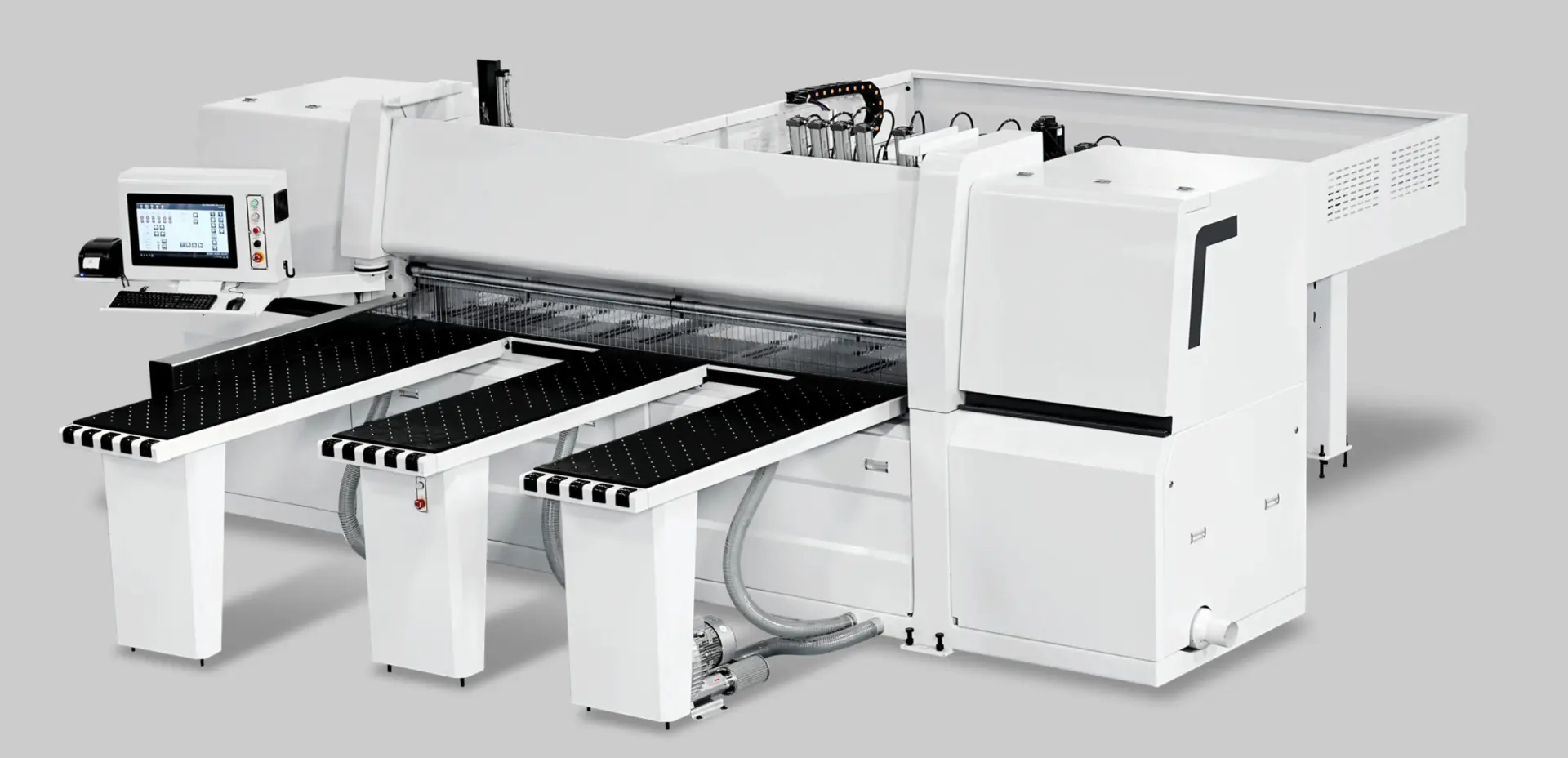
A beam-saw-style machine is commonly favored when the factory needs stable front-end panel sizing for repeated parts. That often includes cabinet sides, shelves, bottoms, tops, doors, wardrobe panels, and other rectangular components that must feed the rest of the line with consistent dimensions.
This type of setup is usually well suited to:
- Batch cabinet and furniture production
- Shops that need predictable daily throughput
- Workflows where repeatable part sizing reduces downstream rework
- Production lines that depend on cleaner handoff into edge processing and drilling
- Operations trying to reduce operator-to-operator variation at the cutting stage
In that context, buyers are usually choosing a production system, not just a saw.
When Another Cutting Method May Be A Better Fit
The confusion around beam cutter and beam saw can distract buyers from a bigger point: sometimes the real comparison is not between those two labels at all.
If the work is more custom, lower-volume, or strongly operator-guided, sliding table saws may still make more sense because flexibility matters more than front-end batch efficiency.
If the production cell also needs routing, drilling, and nested-part optimization, CNC nesting machines address a different workflow altogether. In that case, the buyer is not deciding between two names for the same type of saw. The buyer is deciding between two different manufacturing strategies.
Questions To Ask Before Requesting Quotes
Before you compare prices or model names, ask suppliers these questions:
- Is this machine being described as a beam cutter simply as sales language, or is it a specific beam-saw-style format?
- What type of production is it commonly used for: repeated panel sizing, mixed custom work, or a combination?
- How does the machine support cut consistency across batch runs?
- What downstream processes does the machine usually feed most effectively?
- If our work mix changes, where does this machine become less efficient or less flexible?
Those answers usually tell you more than the label on the brochure.
Practical Summary
For most buyers, beam cutter versus beam saw is not a true head-to-head technology decision. In many cases, the two terms are describing the same buying space, and sometimes nearly the same type of machine. Beam saw is usually the clearer production term. Beam cutter is often a looser commercial label.
What matters is not whether a supplier says cutter or saw. What matters is whether the machine supports your production model, your part mix, your throughput targets, and your downstream workflow. If you clarify those points early, the naming issue stops being a distraction and becomes what it should be: a small terminology question inside a much larger equipment-selection decision.