The decision usually shows up before the sanding area fully breaks down. Parts are still moving, operators are still getting panels ready, and orders are still shipping. But the signs start to collect: too much hand sanding before coating, visible variation from one batch to the next, and too many downstream corrections on parts that should already be surface-ready.
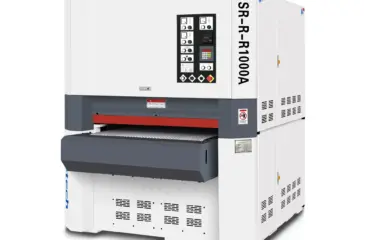
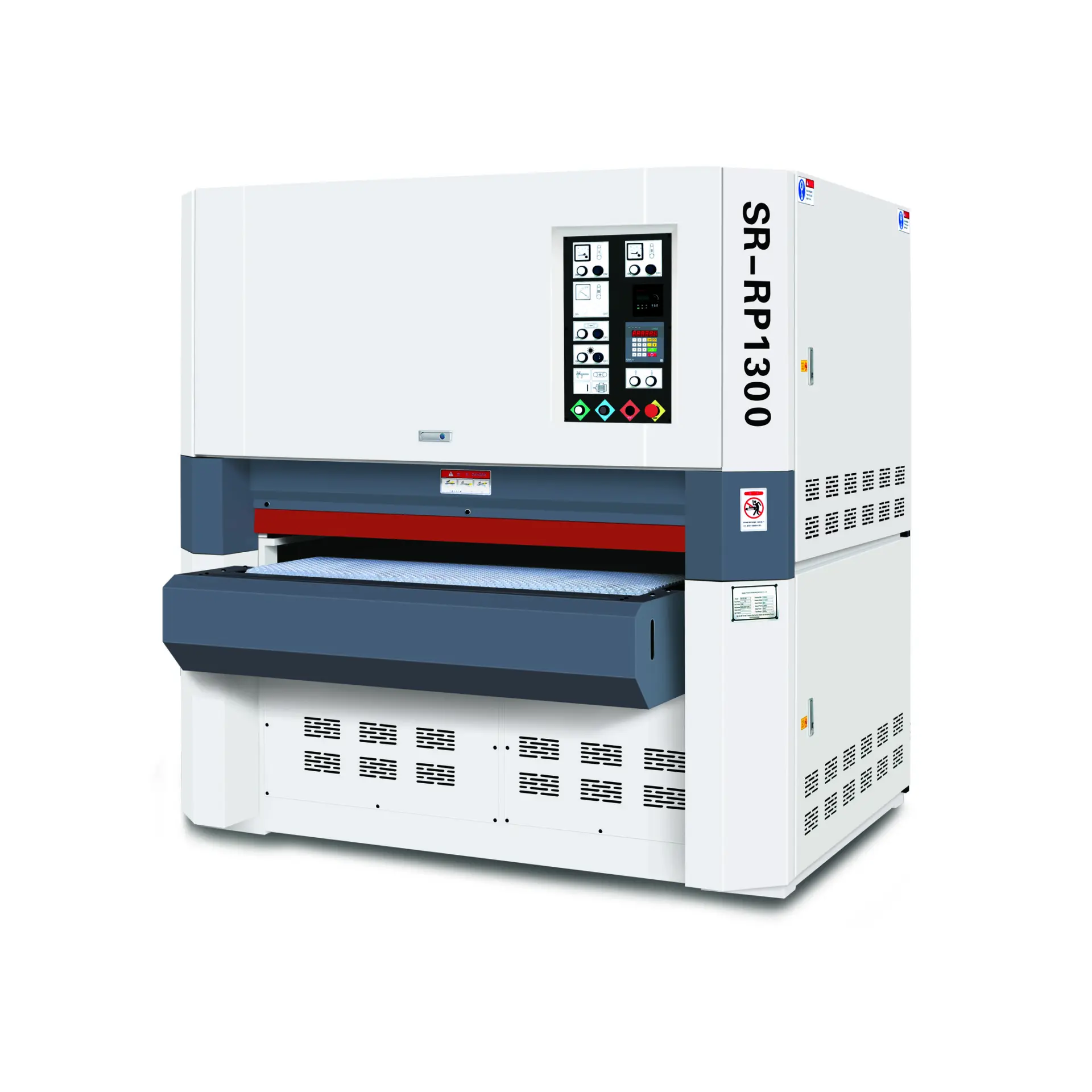
That is when adding a wide belt sander becomes a line-planning decision rather than a simple equipment purchase. For buyers comparing wide belt sanders, the real question is not whether automated sanding sounds more efficient. It is whether the sanding stage now needs to deliver flatter surfaces, more repeatable preparation, and less operator-dependent variation than the current workflow can hold.
The Trigger Is Usually Process Pressure, Not Just Company Growth
Many shops can keep sanding under control for a long time with manual methods, smaller sanding equipment, or a combination of flexible workstations. That can work well when production is mixed, output is moderate, and the finish standard does not expose every small inconsistency.
The situation changes when sanding stops behaving like a flexible cleanup step and starts behaving like a production constraint. That usually happens when:
- Repeated Parts Need a More Uniform Surface Condition
- Customer-Visible Components Require Tighter Finish Consistency
- Coating or Assembly Teams Keep Waiting for Surface Preparation
- Labor Time Keeps Expanding Around Hand Sanding and Touch-Up
- Output Quality Varies Too Much from One Operator or Shift to Another
At that point, the issue is not simply speed. It is control. A wide belt sander is commonly added when the factory needs sanding to become a stable, measurable process step instead of a variable manual recovery zone.
What a Wide Belt Sander Commonly Solves in Real Production
Wide belt sanding is typically most useful where the line needs more consistent calibration or finishing across flat parts. In practical terms, that often means more reliable surface preparation before staining, painting, laminating, or final assembly.
In the right workflow, it commonly helps with:
- Flatter, More Even Faces on Panels and Components
- More Consistent Scratch Patterns Before Finishing
- Better Control of Surface Preparation Across Repeated Batches
- Lower Dependence on Manual Sanding for Final Cleanup
- Reduced Rework When Surface Quality Affects the Next Process
That value matters because sanding quality rarely stays isolated inside the sanding area. It shows up later as coating variation, visual inconsistency, touch-up labor, or delays before parts can move forward.
The Floor Signals That Usually Mean It Is Time to Add One
The strongest buying logic starts with recurring production symptoms rather than machine features.
| What You Are Seeing on the Floor | What It Usually Means | Why a Wide Belt Sander Starts Making Sense |
|---|---|---|
| Hand sanding absorbs too much labor every day | Surface preparation is not standardized enough for current volume | A machine-led sanding step can make prep more repeatable |
| Coating defects keep tracing back to inconsistent prep | The substrate entering finishing is too variable | More uniform sanding can support more stable downstream finishing |
| Glued-up solid wood panels often need thickness correction | Calibration work is happening too late or too inconsistently | Wide belt sanding is commonly used to stabilize panel preparation |
| Different operators leave different surface results | Sanding quality depends too heavily on individual technique | A more controlled process reduces shift-to-shift variation |
| Finishing or assembly teams wait on surface-ready parts | Sanding has become a throughput bottleneck | A continuous sanding stage can support steadier line flow |
| Customer-visible parts are exposing small surface inconsistencies | Finish tolerance is getting tighter | More repeatable surface preparation becomes commercially important |
If several of these conditions are happening at the same time, the line is usually ready for a more structured sanding process.
It Fits Some Woodworking Lines Better Than Others
Wide belt sanding is not a universal upgrade. It creates the most value where flat-part calibration or finish preparation is already central to the product.
| Workflow Type | How Strong the Fit Usually Is | Why |
|---|---|---|
| Solid wood panels, tabletops, doors, and similar flat components | Strong | These workflows often need more controlled calibration and surface consistency |
| Veneered panels and paint-grade boards | Often strong | A more uniform surface can help stabilize downstream finishing when the process is well controlled |
| Shops producing repeated flat parts for visible finished products | Strong | Repeatability matters more as batch volume rises |
| Prefinished melamine or laminated panel processing | Often limited | If the face is already finished, wide belt sanding is usually not the first place to invest |
| Highly shaped or profile-heavy components | Limited or conditional | Profile sanding or other finishing methods may be more relevant than flat-bed sanding |
| Low-volume custom work with frequent variation | Conditional | The benefit depends on how much sanding is truly repetitive versus job-specific |
This is an important tradeoff to keep clear. A wide belt sander is commonly well suited to workflows where the face of the part needs controlled preparation. It is much less likely to be the first priority when the factory mainly processes prefinished panels or irregular parts that do not benefit from flat-part sanding in the same way.
A Wide Belt Sander Does Not Replace Weak Upstream Control
One common mistake is expecting sanding equipment to solve broader production inconsistency. It cannot fix everything that happens earlier in the line.
A wide belt sander can improve surface preparation, but it does not replace:
- Stable Glue-Up on Solid Wood Panels
- Good Material Handling Before Parts Reach Finishing
- Reasonable Flatness and Part Quality Entering the Sanding Stage
- Consistent Upstream Machining and Part Identification
- Clear Workflow Rules About What Is Ready for Surface Preparation
If panels arrive with unstable glue squeeze-out, variable preparation, or inconsistent handling, the sanding stage can still struggle even after the upgrade. The machine helps most when it is inserted into a line that already knows what kind of part should reach sanding, and in what condition.
The Best Timing Is Often Just Before Finishing Becomes Hard to Standardize
In many woodworking plants, the real pressure point is not sanding by itself. It is the moment when sanding inconsistency starts making the finishing room harder to control.
That is often where buyers see the clearest justification. When the line includes painted, stained, or otherwise surface-sensitive products, poor sanding discipline creates visible downstream cost. Operators spend more time correcting parts, finish quality becomes harder to hold across batches, and production starts carrying extra work-in-progress because too many components are not quite ready.
In those conditions, adding a wide belt sander is commonly less about replacing people and more about reducing avoidable variation before the most quality-sensitive stages begin.
When You Should Not Add One Yet
There are also clear cases where adding wide belt sanding capacity too early creates more cost than benefit.
It is usually smarter to wait if:
- Most Output Uses Prefinished Board That Does Not Need Face Sanding
- The Main Bottleneck Is Still Cutting, Drilling, Edge Processing, or Material Staging
- Manual Sanding Remains a Small Share of Total Labor Time
- The Product Mix Is Too Irregular for Flat-Part Sanding to Deliver Steady Value
- Surface Problems Are Really Caused by Upstream Material or Process Instability
For example, a panel-furniture line processing mostly prefinished boards may get more immediate value from stabilizing cutting, edge processing, or boring before investing in a wide belt sander. That does not make sanding unimportant. It just means the investment order should match the real bottleneck.
How to Judge the Decision Without Guessing
Before adding the machine, it helps to evaluate the sanding stage using a few practical observations:
- How Often Are Operators Performing Repeated Hand Sanding on Similar Parts?
- How Often Does Finish Rework Trace Back to Surface Preparation?
- Are Flat Parts Reaching Coating or Assembly in a Predictable Surface Condition?
- Is the Current Sanding Method Holding Quality Only Through Extra Labor?
- Would a More Consistent Sanding Step Release Parts Faster Into the Next Operation?
These questions usually produce better buying decisions than starting with machine configuration alone. If the answer keeps coming back to rework, labor-heavy prep, and unstable downstream quality, the case for adding a wide belt sander becomes much stronger.
Practical Summary
Add a wide belt sander when sanding is no longer a minor support task and has become a repeatable production control point. The strongest fit is usually in woodworking lines processing flat parts that need more stable calibration, better finish preparation, and less manual correction before coating or final assembly.
It is especially relevant when solid wood panels, veneered parts, or paint-grade components need more consistent surface preparation across batches. It is less urgent when the factory mainly runs prefinished sheet goods or highly irregular parts that do not benefit from flat-part sanding in the same way.
The practical rule is simple: add wide belt sanding when it helps the line release more parts with flatter faces, more repeatable preparation, and fewer downstream corrections. If it does that, it is not just another machine in the shop. It has become part of how the workflow stays stable as production grows.