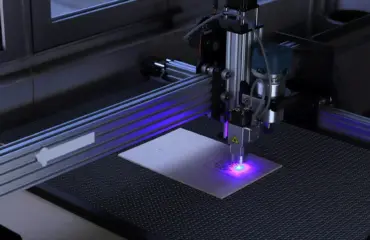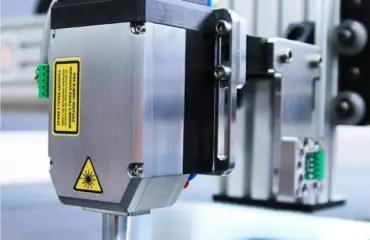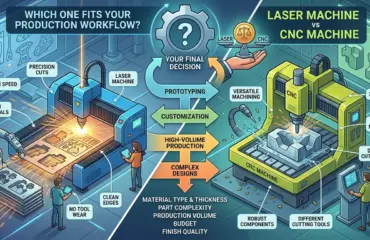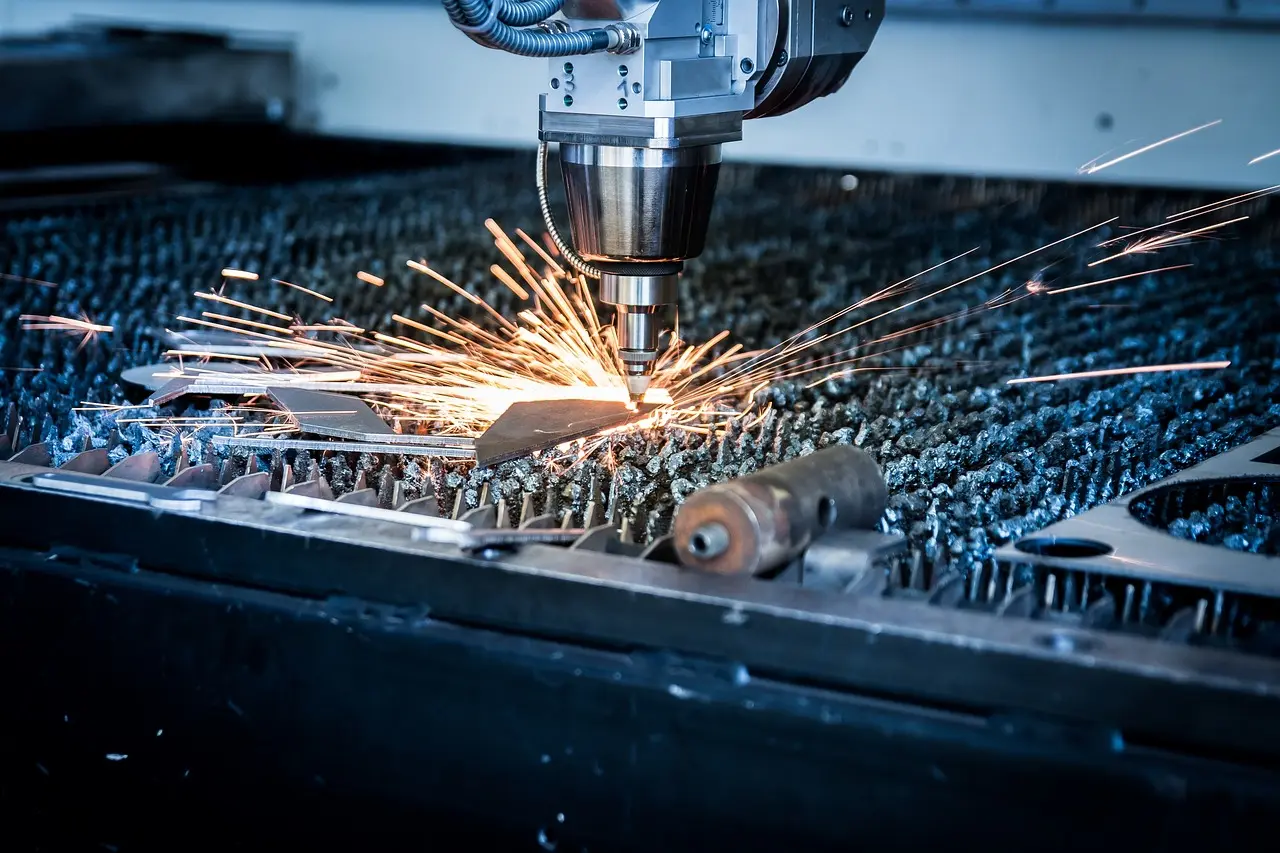
A CNC laser cutting machine is built around programmed motion control, repeatable path execution, and stronger integration with batch production. A standard laser machine usually refers to a simpler laser platform with lighter automation or less production-oriented control, which can still be the better fit for lower-volume or less standardized work.
Buyers often treat CNC laser cutting machine and standard laser machine as if they describe two completely different laser technologies. In many real purchasing discussions, that is not the most useful distinction. The bigger issue is usually how the machine behaves inside production: how it follows cutting paths, how consistently it repeats jobs, and how well it fits a file-driven workflow.
That matters because the right machine is rarely the one with the more advanced-sounding label. The right machine is the one that solves the real bottleneck on the shop floor, whether that bottleneck is repeatability, setup time, part complexity, operator variation, or batch consistency.
What Is a CNC Laser Cutting Machine?
A CNC laser cutting machine is a laser system that follows programmed cutting paths through computer numerical control, allowing the machine to execute jobs with higher repeatability, tighter path control, and more structured digital workflow management.
In practical terms, that means the laser process is not just about beam delivery. It is also about how the machine moves, how the job file controls the path, and how reliably the same geometry can be reproduced across repeated runs. When a shop needs file-based cutting with predictable results, CNC control becomes a production tool rather than just a convenience.
That does not mean every CNC laser system is automatically the right choice. It means the machine is better suited to environments where consistency, repeatability, and organized job handling have clear commercial value.
What Does “Standard Laser Machine” Usually Mean?
Standard laser machine is usually a loose market term for a simpler laser cutter or engraver with lighter automation, less production-oriented control logic, or a less structured workflow around the laser process.
This term can be vague because many laser machines still use digital controls in some form. In buyer conversations, though, standard often implies a machine that is more basic in how it is operated and less focused on formal production repeatability.
That kind of machine can still be a good fit when the shop mainly needs:
- Simpler Job Handling
- Lower Production Volume
- Less Demanding Repeatability
- A More Basic Cutting or Engraving Workflow
So the comparison is not really advanced versus outdated. It is structured production control versus simpler processing capability.
CNC Laser Cutting Machine vs Standard Laser Machine: Side-by-Side Comparison
| Decision Factor | CNC Laser Cutting Machine | Standard Laser Machine |
|---|---|---|
| Core Strength | Programmed path control and repeatable execution | Simpler laser processing for lighter-duty workflows |
| Best Fit | Batch production, repeated files, tighter consistency | Lower-volume work, simpler jobs, less structured production |
| Job Changeover | Stronger for file-based repeat work | Often acceptable for simpler work, but less optimized for repeated production logic |
| Complex Geometry | Better for consistent contour execution over many parts | Can handle many shapes, but may depend more on simpler workflows or operator input |
| Operator Dependence | Usually lower once jobs are standardized | Often higher when setup and correction rely more on manual handling |
| Production Scaling | Better suited to formal production planning and repeat output | Better suited when full production integration is not the priority |
| Buying Logic | Chosen for control, repeatability, and lower variation | Chosen for simplicity, lighter complexity, or lower operational demands |
Where the Difference Shows Up on the Shop Floor
The most important difference is not whether both machines can cut material. It is how stable the result remains when the shop starts repeating jobs, changing files, or pushing the process harder.
In daily production, CNC control usually matters most in four areas:
- Batch Repeatability: If the same part must be cut over and over with minimal variation, programmed motion control becomes much more valuable.
- Complex Contour Accuracy: The more detailed the shape, the more important predictable path execution becomes.
- File-Based Changeovers: In structured production, changing the job through the program is usually faster and more reliable than depending on repeated manual adjustment.
- Lower Rework Pressure: When inconsistent cutting causes downstream cleanup, alignment problems, or material waste, tighter process control usually pays back quickly.
This is why a CNC laser cutting machine is often chosen not because it sounds more industrial, but because it reduces process variation that would otherwise show up later as rework, delay, or quality drift.
When a CNC Laser Cutting Machine Makes More Sense
A CNC laser cutting machine usually makes more sense when the laser process needs to behave like part of a structured production system rather than a standalone cutting station.
That is commonly true when a shop needs:
- Repeated Batches Of The Same Part
- Stable Geometry Across Multiple Production Runs
- Faster Program-Based Job Changes
- More Reliable Control Of Detailed Shapes
- Lower Dependence On Operator Correction
In those conditions, CNC control improves more than motion accuracy alone. It improves workflow stability. That matters in shops where output consistency affects downstream assembly, finishing, packaging, or delivery performance.
When a Standard Laser Machine Can Still Be the Better Choice
A standard laser machine can still be the better choice when the workload does not justify more structured CNC-style production control.
That often happens when:
- The Workload Is Lower Volume
- The Job Mix Changes Often But Does Not Require Tight Batch Standardization
- The Shop Prioritizes Basic Cutting Or Engraving Capability Over Production Scaling
- The Current Workflow Does Not Suffer Meaningfully From Manual Variation
In those situations, a simpler machine may provide enough practical value without adding complexity the operation will not actually use. A buyer should not pay for production discipline that the current workflow does not need.
How Buyers Should Evaluate the Real Difference
The best comparison is operational, not just technical. Before choosing between the two, buyers should ask a few direct production questions:
- How often are the same part files repeated?
- How costly is variation from one batch to the next?
- How complex are the cutting paths or contours?
- How much time is currently lost in setup, correction, or manual adjustment?
- Does the laser step need to fit into a more formal digital workflow?
- Is the business trying to improve simple capability, or improve production consistency?
If most of those questions point toward repeatability, lower rework, and structured file control, the CNC option becomes easier to justify. If not, a standard laser machine may remain the more sensible investment.
Material Fit Still Matters More Than Terminology
Even in this comparison, material fit still matters more than the label on the machine. A CNC laser cutting machine is not automatically the better choice just because its control system is more structured. The underlying laser process still has to match the material, edge-quality expectations, and production objective.
Within current verified Pandaxis category language, the clearest fit is non-metal processing such as wood, acrylic, and similar substrates. For those applications, the most relevant category reference is laser cutters and engravers.
Where Pandaxis Fits in the Bigger Equipment Decision
Laser-machine selection should not be isolated from the rest of the workflow. A buyer may be comparing laser processing not only against another laser format, but against other equipment investments that affect throughput, finishing quality, labor efficiency, or overall line balance. In that broader context, the wider Pandaxis machinery lineup is useful when evaluating where laser equipment fits inside the larger production plan.
That perspective is important because the best machine is not necessarily the one with the most advanced control structure. It is the one that improves the part of the workflow that is actually constraining output or quality.
Final Thoughts
The difference between a CNC laser cutting machine and a standard laser machine is usually a difference in motion control, repeatability, and production fit rather than a difference in the laser concept itself. A CNC laser cutting machine is better suited to structured, file-driven production where consistency, path accuracy, and lower variation matter. A standard laser machine can still be the smarter choice when the work is simpler, the volume is lower, or the operation does not gain enough from heavier production control.
The right decision comes from understanding the workflow first. Once the production requirement is clear, the machine choice usually becomes much easier.
FAQ
Is a CNC laser cutting machine always better than a standard laser machine?
No. It is better only when the shop benefits from stronger repeatability, structured file control, and lower process variation.
What is the biggest practical difference between the two?
The biggest difference is usually control structure. A CNC laser cutting machine is more production-oriented in how it executes and repeats jobs.
When does CNC control matter most in laser cutting?
CNC control matters most when shops run repeated parts, complex contours, frequent file changes, or production steps that cannot tolerate much variation.
Can a standard laser machine still be a good commercial choice?
Yes. It can be the right choice for lower-volume work, simpler jobs, or operations that do not need full production-grade control.
Does material type still matter in this comparison?
Yes. Control quality matters, but the laser process still has to match the material, edge expectations, and intended application.