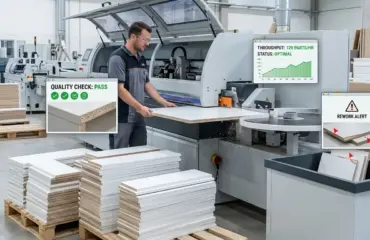
In cabinet and furniture production, edge banding defects rarely look serious at first. They usually appear as a visible glue line, a chipped corner, a loose edge, excess glue on the face, or a panel that needs touch-up before assembly. But once those defects start repeating, they slow the entire line. Operators begin sorting parts by quality, rework increases, assembly fit becomes less predictable, and finished-panel appearance starts depending on manual correction instead of process control.
That is why edge banding defects should be treated as a workflow problem, not only as a glue or machine-setting problem. A stable edge banding process depends on panel preparation, adhesive condition, pressure, trimming quality, tape selection, and part handling all working together. When one of those variables drifts, the defect often shows up later than the real cause.
Quick Diagnostic Table for Common Edge Banding Defects
| Defect on the Floor | Common Cause | First Corrective Action |
|---|---|---|
| Visible glue line or silver line | Poor edge preparation, unstable adhesive condition, or insufficient pressure | Check panel-edge quality first, then verify adhesive temperature and pressure settings |
| Edge peel-off or open joints | Weak bonding caused by contamination, low adhesive application, or mismatched process settings | Inspect panel cleanliness, tape condition, and whether adhesive coverage is consistent |
| Chipped edges after trimming | Dull cutters, aggressive trimming, or unstable part guidance | Inspect trimming tools and reduce the need for operators to correct part position by hand |
| Uneven flushness or edge overhang | Tape-width mismatch, trimming misalignment, or unstable pressure-feed behavior | Confirm tape size, pressure alignment, and trimming-unit reference |
| Corner cracks or broken radii | Brittle edge material, weak adhesion before corner processing, or overly aggressive finishing | Review bonding quality before corner processing and reduce excessive finishing load |
| Glue squeeze-out and dirty panel faces | Excess adhesive, poor temperature control, or weak cleaning discipline | Lower excess application risk and inspect glue cleanup and scraping performance |
Most Defects Start With Panel Preparation, Not the Glue Pot
Many factories begin troubleshooting at the adhesive unit because that is where the defect seems to become visible. In practice, the process often becomes unstable earlier. If the incoming panel edge is chipped, fuzzy, out of square, contaminated with dust, or dimensionally inconsistent, the edge-banding section is already working from a poor starting point.
That is especially important in panel furniture lines where cut quality affects everything downstream. If the panel edge varies from part to part, pressure contact becomes less predictable, trimming becomes less stable, and finish quality starts to depend on how much correction the machine or operator can absorb.
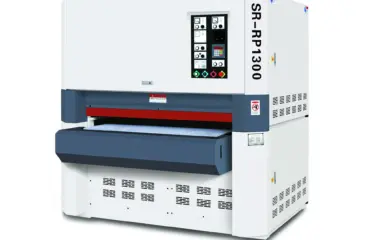
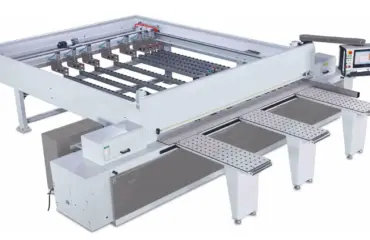
Shops trying to stabilize finish quality at higher volume often review the full process around panel preparation and the capability of their edgebanders, especially where pre-milling and more controlled finishing steps can reduce variation before the adhesive bond is judged.
Defect 1: Visible Glue Line or Silver Line
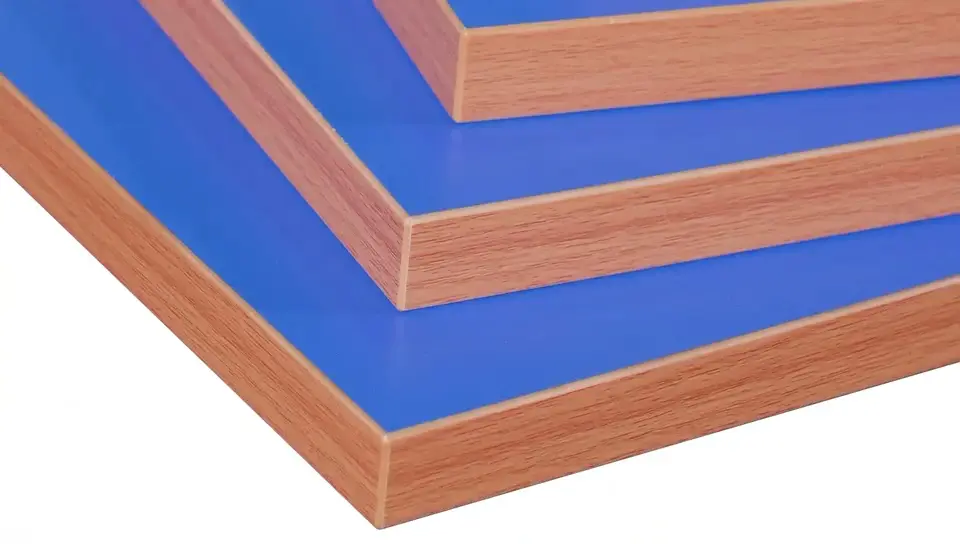
A visible glue line is one of the most common complaints in laminated-board furniture production because it makes the defect easy to see even when the bond is still holding. The problem is often described as a machine defect, but it is usually a process-balance defect.
Common causes include:
- Rough Or Inconsistent Panel Edges Before Banding.
- Adhesive Temperature Or Condition That Is Outside a Stable Working Range.
- Inadequate Pressure Contact Between Panel and Edge Material.
- Edge Material That Does Not Match the Finish Expectation of the Product.
Practical fixes include:
- Improving Edge Preparation So the Banding Material Meets a Cleaner, More Uniform Surface.
- Verifying That Adhesive Application Is Stable Rather Than Only Increasing Heat or Glue Volume.
- Checking Pressure Settings and Contact Consistency Across the Full Part Length.
- Reviewing Whether the Selected Edge Material and panel finish standard are aligned.
If the glue line becomes more visible at some times of day than others, that usually points to process drift, not to a one-time defect. Temperature stability, material storage, and startup discipline should all be reviewed before making repeated machine adjustments.
Defect 2: Poor Adhesion, Open Joints, and Edge Peel-Off
Loose edges and open joints create immediate quality risk because the defect is not only cosmetic. Once the bond is weak, handling, trimming, stacking, transport, and assembly all increase the chance of part rejection.
This defect often comes from one of four conditions: the panel edge is contaminated, adhesive coverage is weak or inconsistent, pressure is not completing the bond properly, or the part is moving into downstream handling before the bond is stable enough for the real production pace.
Practical fixes include:
- Cleaning Dust and Residue From Panel Edges Before They Reach the Banding Section.
- Confirming That Adhesive Coverage Is Continuous Rather Than Intermittent.
- Checking Pressure-Unit Contact Instead of assuming the issue is only glue quantity.
- Reviewing Storage and handling conditions for edge material if bonding performance changes from batch to batch.
If peel-off appears mainly at the part ends, do not focus only on adhesive settings. End support, pressure consistency, and trimming stress near the leading and trailing edge should also be checked.
Defect 3: Chipping at the Edge or After End Trimming
When the edge band itself chips, or when the panel corner breaks during trimming, the root cause is often mechanical rather than adhesive. The band may be attached correctly, but the finishing stage is damaging it.
Typical causes include dull trimming tools, aggressive cutter engagement, poor support on smaller parts, or a process that expects the trimming unit to correct too much variation coming from upstream.
Practical fixes include:
- Inspecting Trimming and End-Cutting Tool Condition on a Routine Instead of Only After Visible failure.
- Reducing the amount of correction expected from finishing units by improving upstream consistency.
- Stabilizing small, narrow, or short parts so they do not shift during end trimming.
- Matching edge material thickness and toughness to the actual finish process.
When a line is producing acceptable long parts but poor short parts, that usually indicates a support and part-guidance issue rather than a universal trimming problem.
Defect 4: Uneven Flushness, Overhang, or Undercut
An edge that is not flush with the panel face can create both visual and assembly problems. It may feel minor at inspection, but once panels move into drilling, fitting, stacking, or customer-facing installation, uneven flushness becomes much more costly.
This defect usually points to one of three issues: unstable incoming part size, inconsistent pressure contact, or trimming references that are no longer aligned with real production conditions.
Practical fixes include:
- Confirming That Edge Material Width Matches the Panel and the expected finished profile.
- Rechecking trimming alignment after tooling changes, maintenance, or heavy changeovers.
- Reviewing upstream panel sizing if flushness varies even when the edge-banding setup has not changed.
- Watching whether operators are informally correcting part position during feed, which can hide the real instability.
If flushness quality depends heavily on one experienced operator, the process is not actually under control yet. The goal is repeatability across shifts, not isolated success.
Defect 5: Corner Cracks, Broken Radii, and Weak Finish at the Ends
Corner failures usually mean the edge band has reached the finishing stages without enough bond stability or material support to survive them cleanly. Thick edge material, brittle decorative surfaces, weak end bonding, or aggressive corner-rounding settings can all create this problem.
Practical fixes include:
- Checking Whether the Bond Is Fully Stable Before the Part Reaches Corner Processing.
- Reducing Excessive Finishing Load Where the machine is trying to remove too much material.
- Reviewing edge material properties when the same settings produce different results across different band types.
- Paying close attention to the part ends, where process weakness usually appears first.
Corner defects are a useful warning sign because they often reveal process imbalance earlier than broad-face inspection does. If corners are failing, the shop should review adhesion, trimming, and part support together rather than isolating one station.
Defect 6: Glue Squeeze-Out, Dirty Faces, and Poor Finished Appearance
Some lines produce parts that stay bonded but still look unfinished because adhesive residue remains on the surface or the edge area feels dirty after processing. That problem hurts finishing quality, slows inspection, and creates unnecessary manual cleanup.
Common causes include excessive adhesive application, unstable temperature behavior, poor scraping or cleaning performance, and inconsistent maintenance of the edge-banding section.
Practical fixes include:
- Reducing Over-application Instead of compensating later with more cleanup.
- Checking Whether adhesive behavior changes during warm-up, longer runs, or stop-start production.
- Verifying scraper and cleaning performance as a quality-control step, not only a maintenance step.
- Building a cleaning routine that prevents residue from becoming normal by mid-shift.
If appearance deteriorates over the course of a run, process contamination and maintenance discipline should be checked before changing material specifications.
Repeating Defects Usually Mean the Cell Is Working Outside Its Best Fit
Not every defect pattern can be solved by another small setting adjustment. Sometimes a factory has reached the point where finish expectations, panel mix, shift volume, and labor reality no longer match the capability of the current edge-banding workflow.
For example, a line producing higher-value panels with tighter finish standards may need better control of edge preparation, bonding consistency, trimming quality, or corner finishing than a simpler workflow can provide. In those cases, the real decision is not which knob to turn next. The better question is whether the process setup still fits the production target.
That tradeoff should be discussed honestly. A simpler machine or routine is not wrong if the product mix is forgiving and volume is moderate. But when rework, cosmetic rejection, and downstream correction keep growing, recurring defects are often a sign that the cell needs a stronger process foundation rather than more operator compensation.
Build a Short Daily Routine to Catch Defects Before Rework Starts
Edge banding quality usually improves faster when the team stops reacting to each defect as a separate event and starts protecting the process before parts begin to accumulate.
A practical routine usually includes:
- Inspect Panel Edges Before Banding Starts, Especially After Saw Changes or Material-Batch Changes.
- Verify Adhesive Stability at Startup Instead of Treating the First Good-Looking Part as Proof the Process Is Ready.
- Check Pressure and Part Guidance on Real Production Parts, Not Only on Test Pieces.
- Inspect Trimming Quality Before Small Chips Turn Into Normal Rework.
- Review Corner and End Quality Separately Because Weakness Often Appears There First.
- Clean Adhesive Residue and Finishing Stations Before Appearance Problems Spread Across the Shift.
This matters because edge banding defects do not stay in the edge-banding section. They move into drilling, assembly, packing, installation, and customer-visible finish quality.
Practical Summary
Most common edge banding defects come from process imbalance rather than from a single dramatic failure. Visible glue lines, weak adhesion, chipped edges, poor flushness, corner cracks, and glue squeeze-out usually trace back to unstable panel preparation, inconsistent bonding conditions, weak trimming control, or a workflow that depends too heavily on manual correction.
The most effective fix is usually not a one-setting change. It is a tighter routine around incoming edge quality, adhesive stability, pressure consistency, trimming condition, and defect checks at the points where problems first become visible. When those basics are controlled, edge banding becomes more repeatable, rework drops, and downstream assembly quality becomes easier to protect.