When the cutting station starts slowing down a wood shop, the answer is not always a more specialized high-throughput machine. In many small and mid-sized operations, the real need is a saw that can move between sheet goods, solid wood, short runs, and custom parts without making every job change feel like a reset.
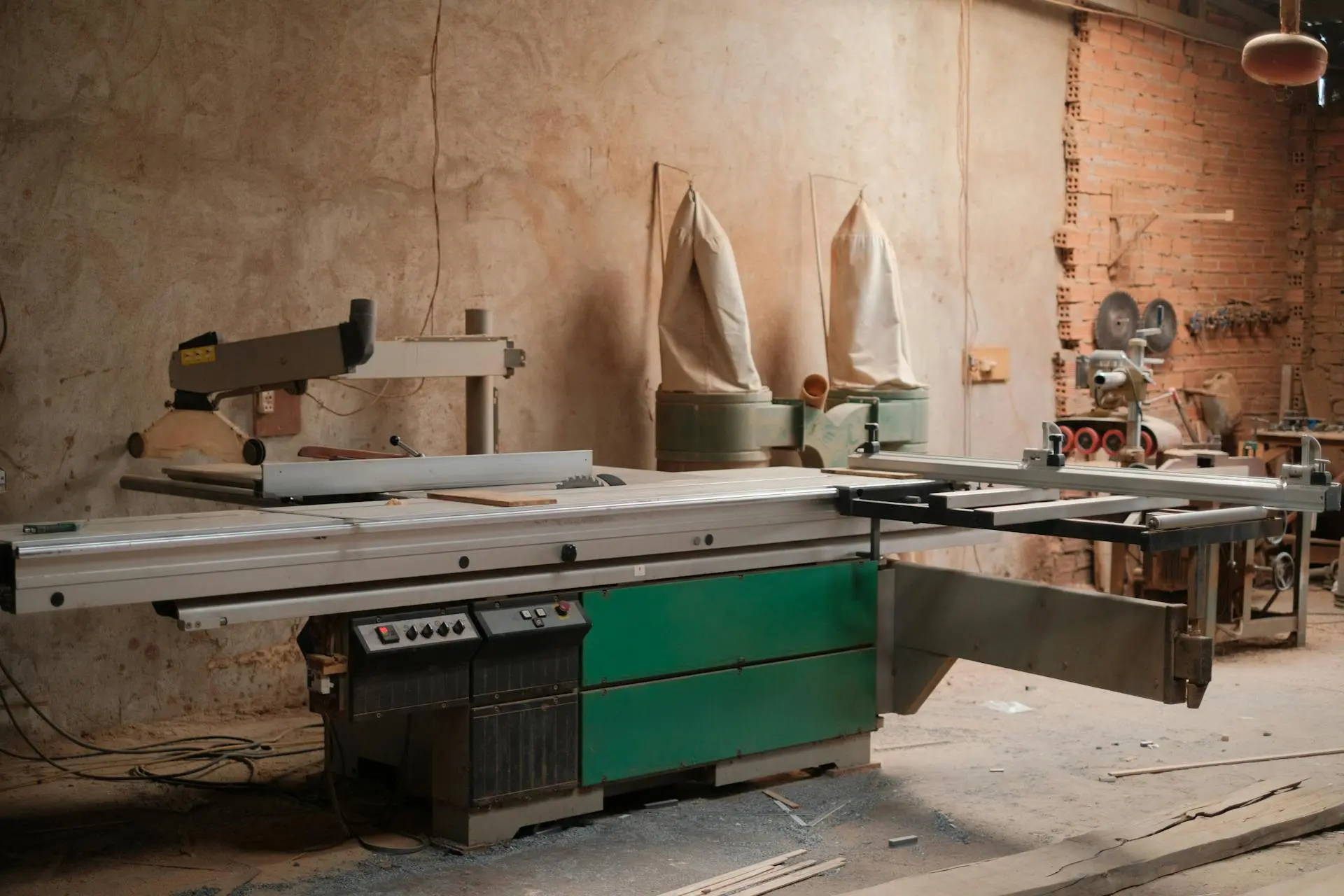
That is where a sliding table saw usually enters the discussion. The real question is not whether it can cut accurately. It is whether its combination of operator control, flexibility, and manageable workflow demands fits the way the shop actually produces every day.
Why Smaller Shops Often Start With Flexibility
Small and mid-sized wood shops rarely work like large, highly standardized panel factories. Many of them balance different order types in the same week, or even in the same shift. One day may be cabinet panels and shelving. The next may involve custom furniture parts, angled work, or a short run that requires more operator judgment.
In that kind of environment, cutting flexibility often creates more value than raw cutting volume. A shop may not need the fastest possible front-end output if the real challenge is adapting to changing jobs without creating mistakes, delays, or extra handling.
That is why a sliding table saw is commonly evaluated as a practical production tool rather than simply a lower-capacity alternative to a more automated saw category.
What A Sliding Table Saw Changes In Daily Production
For many shops, the value of a sliding table saw comes from the way it supports controlled, varied work. A well-matched machine can help operators handle panel and component cutting with more confidence and less disruption between jobs.
In practical terms, that usually means:
- Better Control Over Mixed Cutting Tasks
- Easier Handling Of Smaller Batches And Frequent Changeovers
- More Practical Support For Both Sheet Processing And General Woodshop Cutting
- Cleaner Workflow For Shops That Still Rely On Operator Judgment
- Less Pressure To Build A Fully Dedicated Panel-Cutting Cell Too Early
These advantages matter because many growing shops are not trying to eliminate operator involvement. They are trying to make operator involvement more consistent and more productive.
The tradeoff should be stated honestly. A sliding table saw generally remains more dependent on setup discipline, operator technique, and shop organization than a machine built around highly repetitive automated panel flow.
Where It Fits Best In Small Shops
In a small shop, floor space, staffing, budget pressure, and order variability all affect saw selection. Many smaller operations are still building volume, refining their product mix, or balancing custom work against repeat work. In those cases, sliding table saws are often a strong fit because they do not force the shop into a narrowly standardized cutting model before the workload is ready for it.
They usually make the most sense when the business depends on:
- Short Runs And Frequent Job Changes
- A Mix Of Sheet Goods And More Varied Wood Components
- Custom Cabinetry, Furniture, Or Interior Work
- Operator-Led Cut Sequencing Instead Of Rigid Batch Flow
- One Primary Saw Covering A Broad Range Of Daily Tasks
That flexibility can be more valuable than maximum throughput in an early-stage or lower-volume environment. The machine helps the shop stay responsive without overcommitting to dedicated capacity.
At the same time, a small shop should be careful not to confuse flexibility with limitless scalability. If most daily work has already become repeated rectangular panel cutting, the same versatility that feels useful today can become the reason the cut cell struggles tomorrow.
Where It Fits Best In Mid-Sized Shops
Mid-sized shops are usually where the decision becomes more nuanced. At this stage, many businesses have grown beyond purely custom production, but they still have enough variation in orders that one highly specialized cutting workflow may not solve every problem.
A sliding table saw often still fits well in a mid-sized shop when:
- The Order Mix Still Includes Custom Or Semi-Custom Work
- The Shop Needs Flexibility Across Materials And Part Types
- Production Growth Is Real, But Not Yet Dominated By Repeated Panel Batches
- Management Wants Better Cutting Control Without Rebuilding The Whole Front End Around One Process
In this range, the machine often works best as a balance point. It gives the shop more production discipline than a loosely organized manual cutting setup, while still preserving the versatility that many growing businesses need.
The limit appears when repeat volume starts to dominate the schedule. If cabinet sides, shelves, tops, bottoms, and similar parts make up most daily output, the shop may begin to feel the constraint of operator-dependent flow. At that point, the question shifts from cut versatility to front-end standardization.
A Practical Decision Table For Shop Fit
| Shop Situation | Sliding Table Saw Fit | Main Workflow Benefit | Main Limitation To Watch |
|---|---|---|---|
| Small custom wood shop with varied jobs | Strong | Handles mixed work without locking the shop into a narrow process | Throughput still depends heavily on operator rhythm |
| Small cabinet shop with some repeat panel work | Moderate to strong | Keeps flexibility while supporting growing sheet processing | May become a bottleneck if repeated rectangular cutting expands quickly |
| Mid-sized shop with both repeat work and custom orders | Strong | Balances batch cutting needs with job-to-job adaptability | Harder to standardize output than a dedicated panel-cutting workflow |
| Mid-sized shop running mostly repeated panel batches | Moderate | Can still work, especially where flexibility is still needed | Front-end flow may point toward a more dedicated solution |
| Shop moving toward shaped parts and integrated machining | Limited | Useful for general cutting support | May not match the need for integrated routing, drilling, or nested geometry |
This is the real buying logic. A sliding table saw is strongest when the shop still benefits from flexibility. Its fit weakens as the production model becomes more repetitive, more panel-based, and more dependent on standardized downstream flow.
When Another Cutting Option Becomes The Better Fit
For some shops, the right conclusion is not that a sliding table saw is wrong. It is that the shop has moved into a different production stage.
If the workload is dominated by repeated rectangular sheet parts and the main problem is keeping cutting output steady for downstream departments, dedicated panel saws usually deserve closer evaluation. They are commonly chosen when the business needs more repeatable front-end panel sizing and less operator-driven variation in batch production.
If the pressure comes from irregular part geometry, integrated cutting and routing, or a stronger need to optimize shaped component processing, CNC nesting machines may align better with the workflow.
That is why a sliding table saw should not be presented as the universal answer for every growing wood shop. It is a strong solution within a specific operating range: flexible, mixed, and operator-guided production.
Questions To Ask Before Buying
Before choosing a sliding table saw for a small or mid-sized wood shop, it helps to test the decision against a few practical questions:
- Is The Shop Mostly Running Varied Short Runs Or Repeated Panel Batches?
- Does The Business Need One Versatile Cutting Station Or A More Structured Front-End Process?
- How Much Of Current Cut Quality Still Depends On Individual Operator Technique?
- Are Job Changes A Bigger Problem Than Pure Output Capacity?
- Is The Shop Likely To Stay Mixed And Flexible, Or Move Toward More Standardized Panel Production?
Those questions usually reveal the best fit more clearly than a feature comparison by itself. They connect the machine choice to the shop’s real production behavior.
Practical Summary
A sliding table saw is often a strong fit for small and mid-sized wood shops because it supports the kind of varied, operator-guided cutting that many of these businesses depend on. Its value lies in flexibility, practical control, and the ability to support mixed work without forcing the shop into a more specialized process too early.
It is still important to be realistic about the tradeoff. As repeat panel work grows, the same machine that once gave the shop useful flexibility can start to limit throughput and standardization. For that reason, the best choice depends less on shop size alone and more on whether the cutting cell is being asked to adapt to changing jobs or feed a more repetitive production flow.