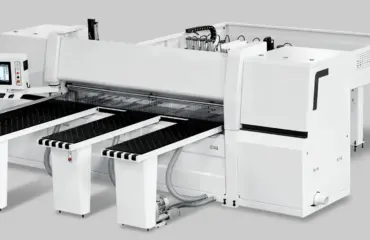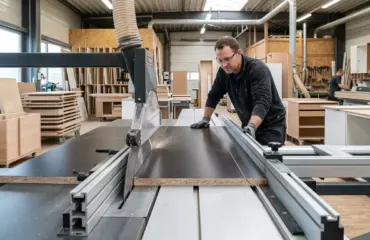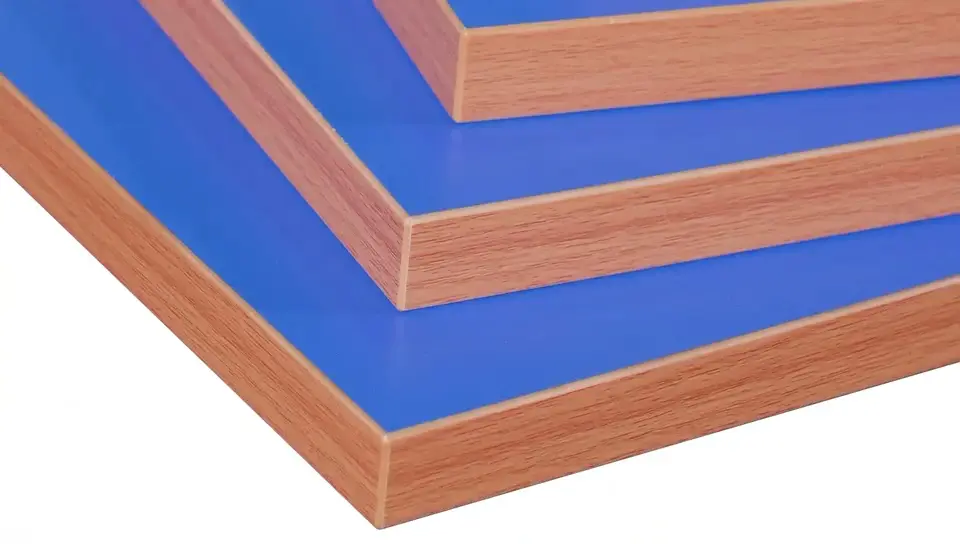
When panel finishing starts slowing the line, edge banding quickly becomes more than a cosmetic step. It affects how cleanly cabinet parts move into drilling and assembly, how much trimming operators have to do by hand, and how often visible edges come back for correction.
Both machine edge banding and manual edge banding can produce usable results. The real decision is whether the shop needs repeatable throughput and finish consistency or whether the work is still irregular enough that flexibility matters more than process speed.
Start With the Production Requirement, Not the Method
Many shops compare machine edge banding and manual edge banding as if the question were only about equipment cost versus labor cost. In practice, the better comparison starts with the production target. For shops evaluating automated edgebanders, the key issue is not whether manual work can finish an edge. It is whether manual work still fits the required finish standard, daily output, and rework tolerance.
A factory producing repeated cabinet panels, wardrobe components, shelving, or other panel-based parts usually feels edge quality problems differently from a workshop making occasional one-off pieces. In batch production, even small variation in glue line appearance, trimming quality, or edge alignment can create visible defects, slower assembly, and more inspection work. In lower-volume work, the same variation may be acceptable if the process remains flexible and manageable.
What Manual Edge Banding Is Really Good At
Manual edge banding still has a practical place in woodworking and furniture production. It is often the right answer when the work is too limited, too irregular, or too occasional to justify a more structured machine flow.
Manual edge banding is commonly strongest in situations such as:
- Prototype Panels and Sample Parts
- Very Short Production Runs
- Repair Work and Replacement Pieces
- On-Site Adjustments After Installation
- Jobs Where Edge Treatment Volume Stays Low and Varies from Day to Day
That does not mean manual edge banding is automatically low quality. A skilled operator can produce acceptable results, especially when the workload is controlled and the finish expectation is clear. The tradeoff is that quality becomes far more dependent on individual technique, patience, and bench discipline. As daily volume rises, it becomes harder to keep glue application, edge placement, trimming, scraping, and cleanup equally consistent from part to part.
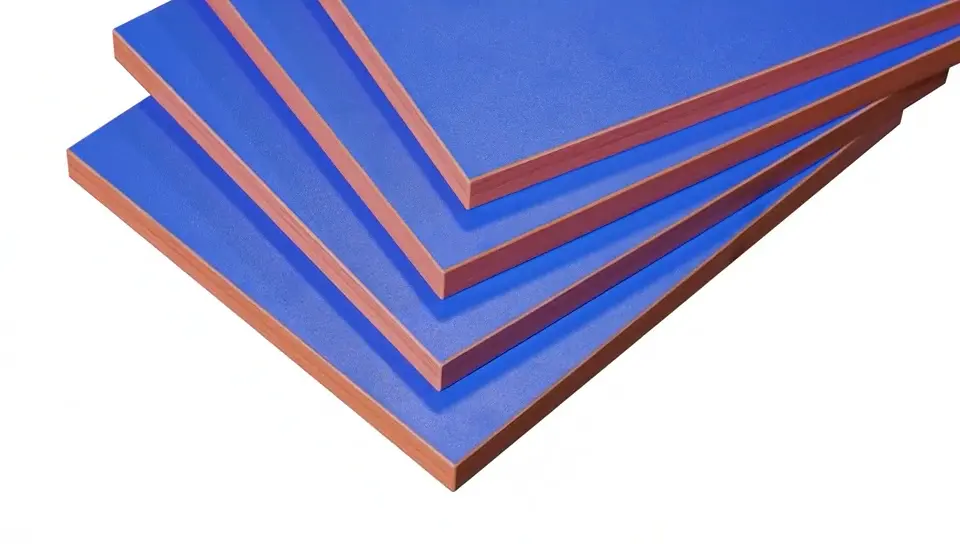
What Machine Edge Banding Changes in the Workflow
Machine edge banding changes the process from a bench task into a more controlled production step. That matters because the main gain is not only speed. The larger gain is repeatability.
When the machine process is well matched to the panel type and finish target, shops usually see benefits such as:
- More Consistent Glue Line Appearance
- Cleaner Trimming Across Repeated Parts
- Less Hand Finishing Before Assembly or Packing
- Better Flow Through Repeated Cabinet and Furniture Jobs
- Lower Risk of Rework Spreading Across a Batch
Depending on the machine configuration, the workflow may also support steps that reduce manual correction further, such as better edge preparation before banding or more complete finishing at the outfeed side. The practical point is simple: machine edge banding helps standardize what manual work often treats as a part-by-part finishing judgment.
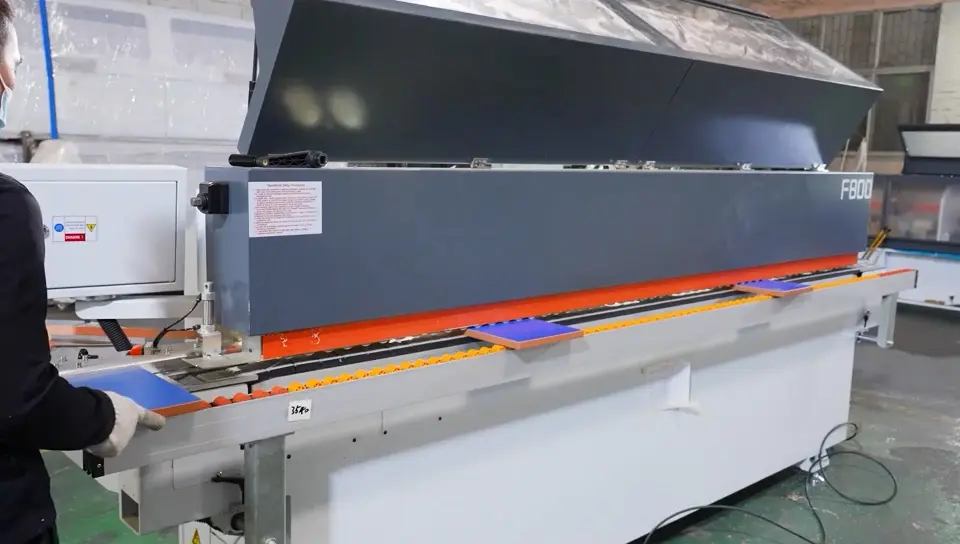
Side-by-Side Workflow Comparison
| Decision Factor | Machine Edge Banding | Manual Edge Banding |
|---|---|---|
| Best Workflow Fit | Repeated panel production with steady edge-finishing demand | Prototypes, low-volume jobs, repairs, and irregular work |
| Main Strength | Repeatable finish quality and higher production stability | Flexibility and low process commitment |
| Throughput | Better suited to sustained daily volume | Better suited to occasional or limited workloads |
| Labor Dependence | Lower once the process is set and controlled | Higher because each part depends more on operator handling |
| Finish Consistency | Usually more stable across batches | Can vary more from part to part |
| Rework Pressure | Often lower in repeated production | Often higher as volume rises |
| Setup Flexibility | Strongest when jobs are organized into a predictable flow | Strongest when the work changes constantly |
| Scaling Potential | Supports growth without adding labor in direct proportion | Becomes harder to scale cleanly as output increases |
Neither method is universally better. The real issue is whether the shop needs a flexible manual method for limited work or a repeatable production process for daily output.
When Machine Edge Banding Usually Makes More Sense
Machine edge banding usually becomes the stronger choice when edge finishing is no longer a small support task and starts acting like a production bottleneck.
It is commonly the better fit if:
- Most Daily Work Consists of Repeated Cabinet, Closet, or Furniture Panels.
- The Finished Edge Is Visible and Appearance Consistency Matters.
- Operators Spend Too Much Time Trimming, Scraping, or Correcting Edges By Hand.
- Variation in Edge Quality Slows Assembly, Inspection, or Packing.
- The Business Wants to Increase Output Without Expanding Manual Bench Labor at the Same Rate.
In these conditions, the machine does more than apply edging. It helps turn edge finishing into a controlled upstream process instead of a recurring source of small downstream problems.
When Manual Edge Banding Still Makes Sense
Manual edge banding still makes sense when production is too light or too irregular for a machine-centered flow to create enough value.
It is commonly the better fit if:
- The Shop Mainly Handles Samples, One-Off Parts, or Occasional Small Batches.
- The Work Includes Frequent Repairs or Replacement Components.
- Parts Are Processed Too Infrequently to Keep a Machine Utilized Well.
- The Current Finish Expectation Is Practical Rather Than Highly Standardized.
- The Business Needs Maximum Flexibility More Than Repeatable Throughput.
This is especially true in smaller workshops or mixed-production environments where the edge-finishing workload does not yet justify formalizing the process around a dedicated machine stage.
The Cost Question Is Bigger Than Equipment Price
One of the most common mistakes in this comparison is treating manual edge banding as the low-cost option and machine edge banding as the high-cost option without looking at the full workflow.
Manual edge banding may require less equipment investment, but its real cost often shows up elsewhere:
- More Labor Time Per Part
- More Operator Fatigue Across Repeated Work
- Greater Variation in Finished Quality
- More Hand Cleanup and Correction
- Higher Risk of Rework on Visible Panels
Machine edge banding introduces its own cost questions, including equipment investment, floor space, process organization, and the need to keep the machine productively loaded. But in growing cabinet and furniture operations, the comparison often shifts from “Which method is cheaper to start?” to “Which method gives the lowest cost per acceptable finished panel at the volume we actually run?”
That is the better question because a cheap edge-finishing method can become expensive if it keeps slowing the line or producing avoidable correction work.
A Simple Way to Choose by Production Profile
| Production Profile | Likely Better Fit | Why |
|---|---|---|
| Sample Room or Prototype Work | Manual Edge Banding | Keeps the process flexible for limited quantities |
| Small Shop with Occasional Edge-Finishing Demand | Manual Edge Banding or a Careful Step Toward Automation | The best choice depends on whether volume is stable enough to justify a machine workflow |
| Growing Cabinet Shop | Machine Edge Banding | Repeatability, labor control, and finish consistency become more valuable |
| Batch Furniture Production | Machine Edge Banding | Sustained output usually requires a more standardized edge-finishing process |
| Installation, Repair, or On-Site Adjustment Work | Manual Edge Banding | Portability and flexibility matter more than line speed |
This kind of profile-based thinking is more useful than asking whether machine edge banding is better in absolute terms. The better method is the one that removes the actual constraint from the current production model.
Practical Summary
Choose machine edge banding when the shop needs repeatable finish quality, steadier throughput, and less manual correction across repeated panel work. Choose manual edge banding when the workload is still limited, irregular, repair-oriented, or too variable for a machine-centered process to pay back cleanly.
The important decision is not whether a machine can band edges faster than a person. It is whether the business now needs edge finishing to function as a controlled production step instead of a flexible bench task. When output, finish standard, and rework pressure rise together, machine edge banding usually becomes the more practical fit. When flexibility still matters more than speed and repeatability, manual edge banding can remain the smarter choice.