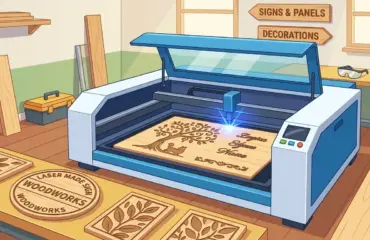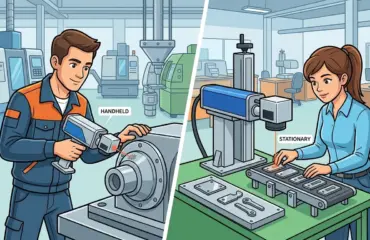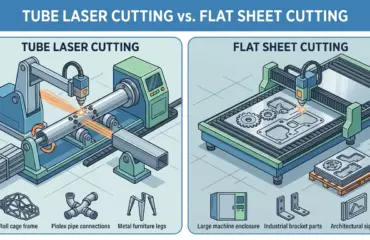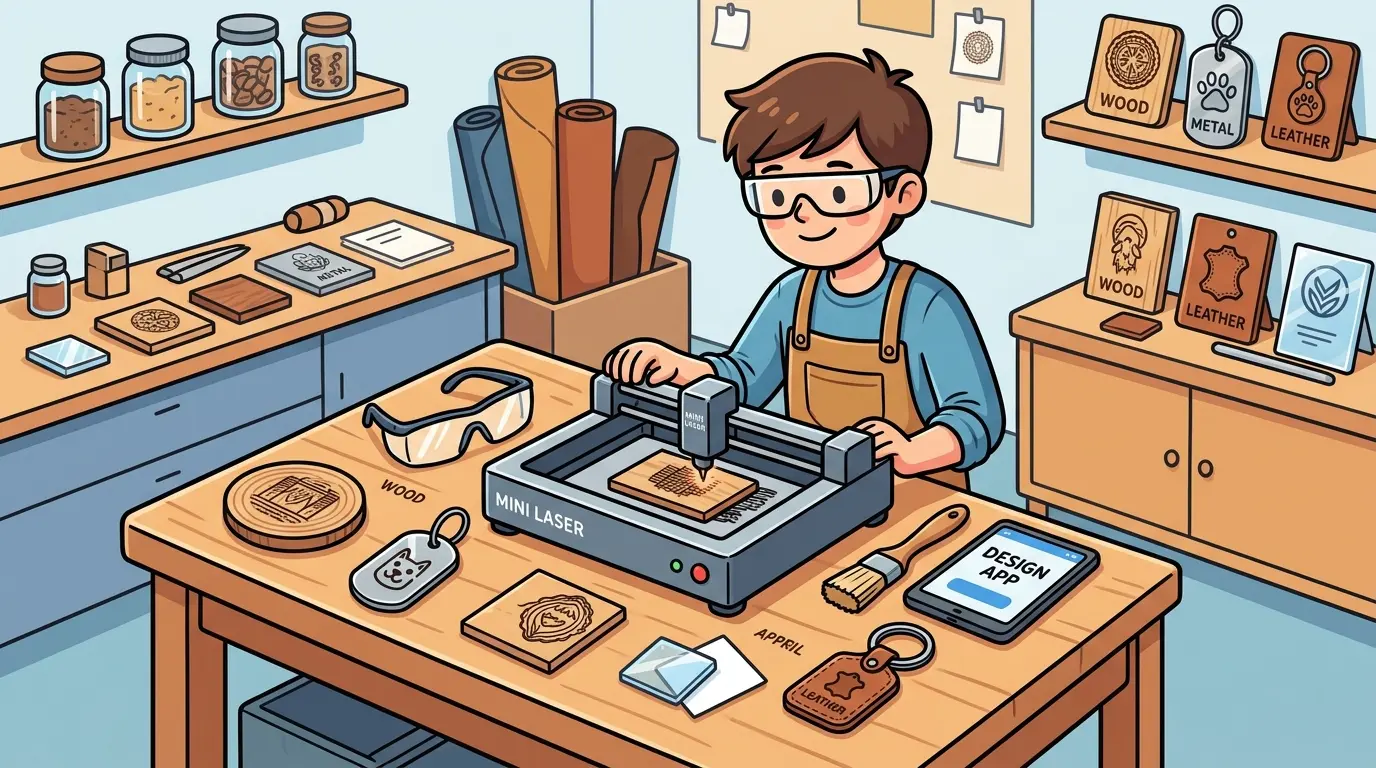
Personalized product work looks simple from the outside, but the production logic is not simple at all. Orders are often short-run, artwork changes constantly, delivery windows are tight, and margins disappear quickly if setup time, rework, or material handling gets out of control. That is why many buyers start looking at mini laser engraving machines.
The important point is this: in a B2B buying context, mini should describe footprint and workflow role, not low expectations. A compact laser system can be a strong fit for personalized wood, acrylic, and similar non-metal product lines when it supports fast changeovers, stable positioning, clean engraving quality, and predictable daily operation. It becomes a weak fit when the workload really needs larger nesting space, longer unattended runs, or a heavier cut-and-engrave schedule than a compact platform can carry efficiently.
Why Compact Laser Systems Appeal to Personalized Product Work
Personalized products usually create a high-mix, low-to-medium-volume production pattern. One morning may include engraved acrylic tags, branded wooden gift items, short-run signage, custom packaging inserts, and sample pieces for a distributor or retail client. In that environment, oversized equipment can become underused capital rather than productive capacity.
A compact laser engraving machine is commonly attractive because it can help with:
- Faster Job Switching Between Different Designs
- Lower Floor-Space Pressure In Small Production Cells
- Easier Placement Near Packing, Inspection, Or Sample-Making Areas
- Better Control Of Short-Run And Rush Personalization Orders
- Lower Handling Time For Smaller Finished Parts
Those advantages matter because personalized product profitability usually depends less on one machine’s maximum theoretical output and more on how smoothly the shop can move from one order to the next without losing detail quality or operator time.
Where a Mini Laser Engraving Machine Fits Best
Compact systems are not universally better. They fit well when product size, order rhythm, and material type all support a smaller work envelope.
| Workflow Type | Compact Mini Setup Fit | Why It Works |
|---|---|---|
| Short-Run Personalized Acrylic Items | Strong Fit | Small parts, frequent design changes, and light handling needs reward fast setup and compact layout |
| Engraved Wooden Gifts And Decorative Pieces | Strong Fit | Detail quality and quick job switching usually matter more than very large table capacity |
| Prototype Development And Customer Samples | Strong Fit | Sample work benefits from easy access, low setup friction, and flexible scheduling |
| Custom Branding On Small Non-Metal Parts | Good Fit | Repeatable positioning and short batch control are often more important than oversized throughput |
| Large-Format Panels Or Oversized Display Components | Weak Fit | Part size and repositioning demands can turn a compact machine into a bottleneck |
| Continuous Batch Production Across Long Shifts | Conditional Fit | A mini machine can support this only if part size, duty expectations, and queue stability are tightly aligned |
| Heavy Combined Cutting And Engraving On Many Orders | Conditional Fit | One compact machine may become schedule-constrained if both operations compete for the same time window |
This is the practical selection rule: a mini machine makes sense when the product line is physically small, order diversity is high, and the business gains more from flexibility than from maximum sheet size.
Mini vs Larger Laser Systems for Personalized Products
Many buyers compare compact and larger-format laser platforms as if the bigger machine is simply the safer choice. In reality, the better decision depends on how the operation makes money.
| Buying Factor | Mini Laser Engraving Machine | Larger Laser System |
|---|---|---|
| Floor Space | Easier To Place In Smaller Workshops Or Dedicated Personalization Cells | Requires More Deliberate Layout Planning |
| Order Pattern | Better For Frequent Small Batches And Artwork Changes | Better For Larger Nests, Longer Runs, Or Mixed Part Sizes |
| Handling Effort | Usually Lower For Small Personalized Parts | Can Improve Throughput When Part Range Is Broader |
| Capital Efficiency | Often Stronger When Most Jobs Are Small And Repetitive In Size | Stronger When Capacity Is Used Consistently Across More Output |
| Scheduling Risk | Lower If Jobs Are Engraving-Heavy And Short-Run | Lower If Demand Includes Larger Parts Or More Continuous Production |
| Expansion Headroom | More Limited If Product size Or batch size grows quickly | Better For Shops Planning to widen part range or scale production |
The tradeoff is straightforward. A compact system protects efficiency when the workload is genuinely compact. A larger system protects flexibility when the workload is broader than the current product mix suggests.
What Buyers Should Evaluate Before Ordering
The word mini should never be the main buying criterion. The real decision should come from the operating conditions around the machine.
- Material Mix: Personalized product buyers should define whether the real volume is concentrated in acrylic, wood, or similar non-metal materials. Material consistency affects engraving appearance, cleanup demands, and scheduling stability.
- Usable Work Area: Buyers should think beyond nominal bed size and ask how many real parts can be positioned, referenced, and unloaded without awkward handling. A compact machine that fits the actual fixture strategy is often more productive than a larger machine used inefficiently.
- Engraving Quality Under Repetition: Personalized work is judged visually. A system that produces one clean sample but drifts during repeated jobs will create inspection failures and rework.
- Changeover Discipline: If the business relies on names, logos, version changes, or seasonal artwork, fast and stable job switching is a direct production variable, not a convenience feature.
- Part Referencing And Fixturing: Position consistency matters when the same product family is engraved repeatedly. Stable alignment reduces scrap, protects cosmetic quality, and makes short batches more profitable.
- Extraction And Housekeeping: Smoke and residue management affect not only cleanliness but also lens maintenance intervals, part appearance, and how much operator attention the process needs during the day.
- Serviceability And Training: Compact equipment still needs realistic maintenance access and usable operator routines. If routine upkeep becomes difficult, a small machine can create a large reliability problem.
When a Compact Cut-And-Engrave Workflow Makes Sense
Some personalized product businesses do not need a pure engraving station. They need one compact cell that can engrave artwork, names, or branding elements and then cut the final contour in the same workflow. In that case, evaluating laser cutters and engravers can be more practical than separating the buying decision too early.
That approach is commonly well suited to:
- Acrylic Keychains, Tags, And Retail Display Pieces
- Wooden Decorative Products With Engraved Surface Detail
- Short-Run Branded Items That Need Both Shape And Surface Personalization
- Sample Development Cells Where One Operator Handles Multiple Job Types
It is less attractive when cutting demand and engraving demand are both high enough to compete for machine time every day. In those cases, one compact combo machine may improve layout simplicity while weakening total throughput control.
Common Buying Mistakes in Personalized Product Production
The most common errors are not technical misunderstandings. They are workflow mistakes hidden inside the purchasing decision.
- Buying Around Occasional Oversized Jobs Instead Of The Weekly Core Order Mix
- Assuming Mini Means Entry-Level Rather Than Defining the Needed Production Role First
- Ignoring Fixturing And Referencing Until After Installation
- Underestimating Cleanup, Smoke Extraction, And Daily Maintenance Pressure
- Combining Cutting And Engraving On One Compact Machine Without Checking Scheduling Impact
- Choosing a Machine That Fits Current Samples But Not Future Batch Discipline
Each of these mistakes creates the same result: a machine that looks correct on paper but becomes inefficient once real orders start moving through the cell.
Practical Summary
Mini laser engraving machines for personalized products make the most sense when the work is physically compact, visually demanding, and highly variable from order to order. In that situation, a smaller system can support faster changeovers, easier placement, cleaner handling, and more controlled short-run output.
They are not automatically the right answer just because the products are small. Once order volume rises, part sizes vary more widely, or cut-and-engrave demand becomes heavier, a larger platform or a more specialized workflow may protect throughput better.
The right buying decision is usually the one that matches the real order pattern, material mix, and daily production discipline. For personalized wood, acrylic, and similar non-metal product lines, a compact laser system is strongest when it reduces friction without creating a hidden capacity limit later.