

 Español
  Italiano
  Deutsch
  Français
  Português
  العربية
  Türkçe
  Русский
  Tiếng Việt
  한국어
한국어  日本語
日本語  简体中文
简体中文 
Infinity CNC and Onefinity CNC: Are Buyers Talking About the Same Thing?
Sunday, 05 April 2026
Usually, no. Onefinity refers to a specific CNC platform family that buyers can research with model-level detail, known controller expectations, recognizable support channels, and a documented product ecosystem. Infinity CNC, by contrast, often appears in searches as noise: a typo, a reseller label, a marketplace title, a vague brand phrase, or a completely different seller
- Published in Blog
Wide Belt Sanders Explained: Types, Uses, and Buying Tips
Sunday, 05 April 2026
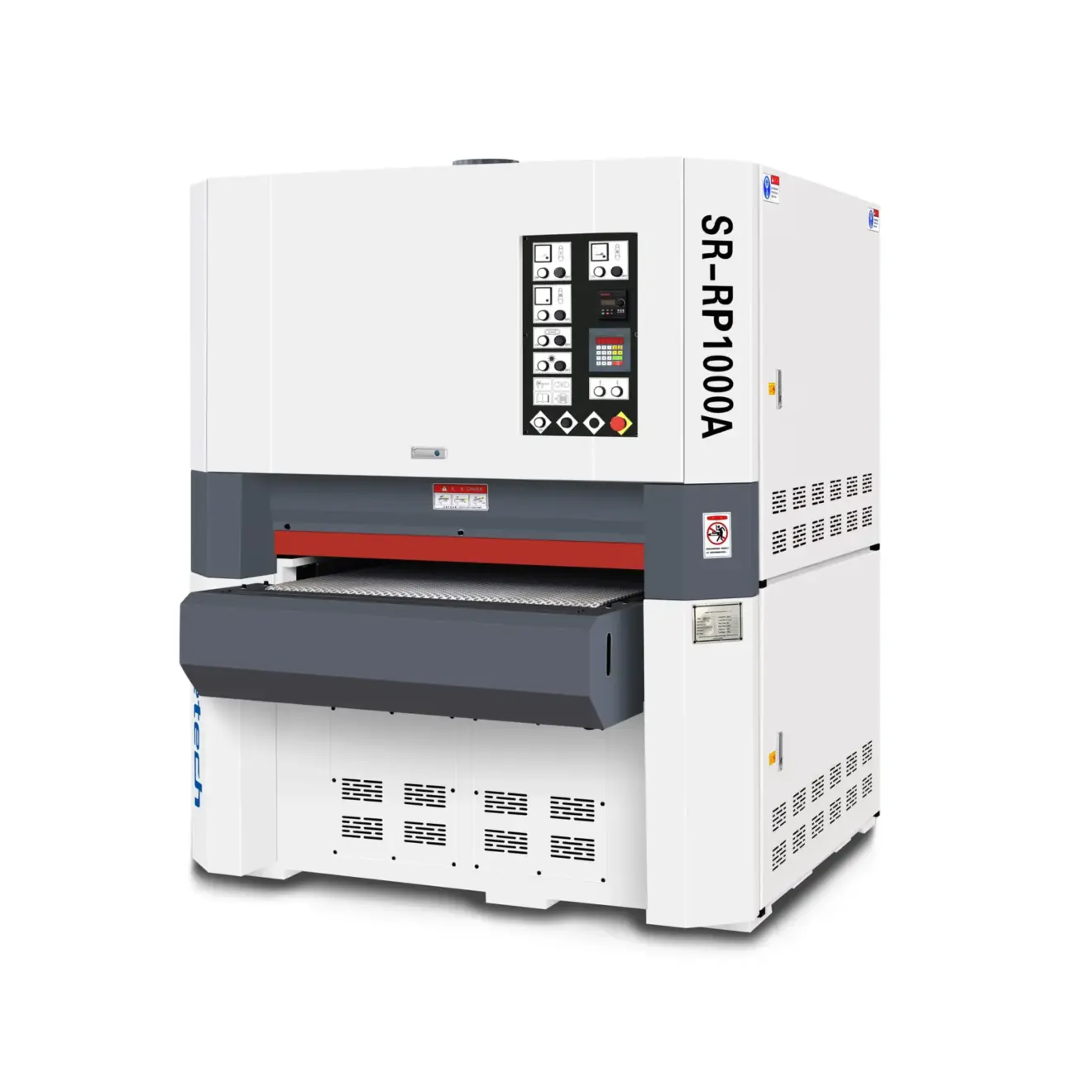
In woodworking production, sanding often looks simple until it becomes the reason coating quality slips, veneered panels get rejected, or assembly teams start sorting parts by surface condition. A panel or solid-wood component may already be cut accurately, but if thickness is inconsistent or the scratch pattern is unstable, the problem carries forward into finishing,
- Published in Blog
Micro CNC Machine Guide: Where Ultra-Compact Machines Fit Best
Sunday, 05 April 2026
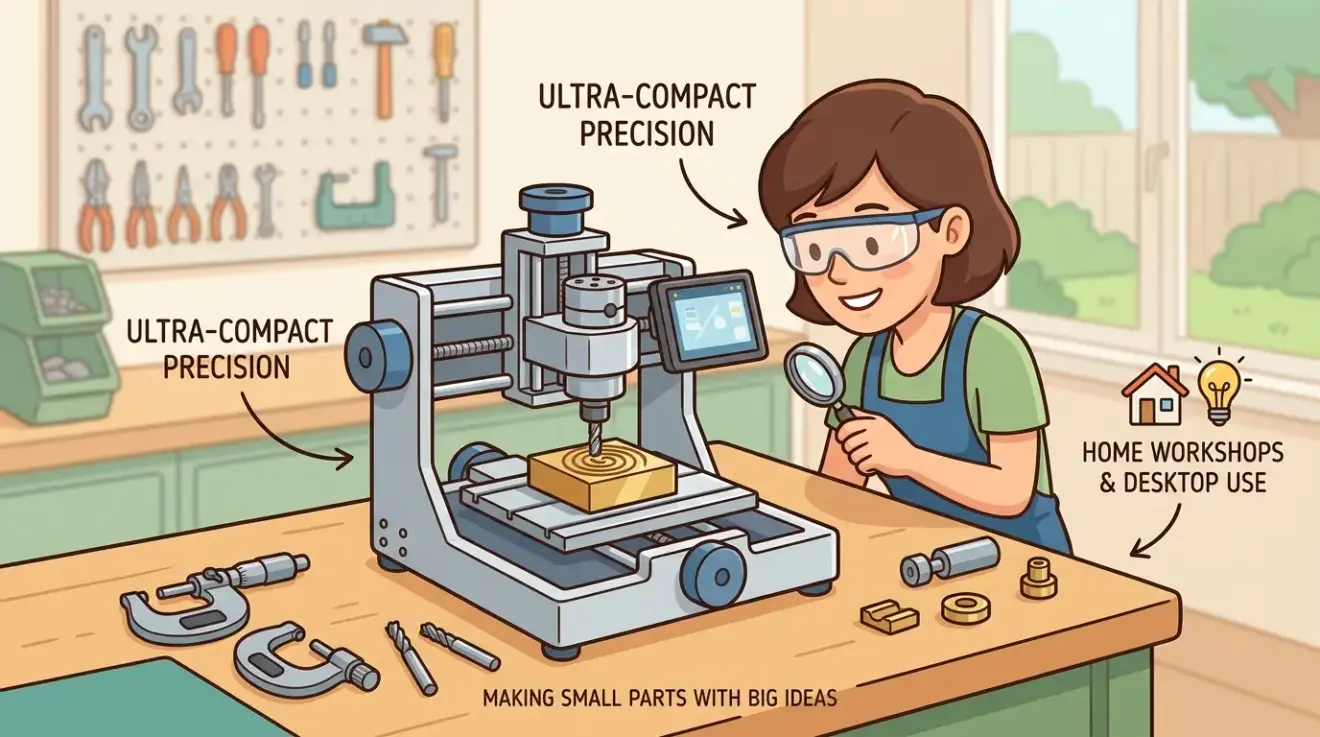
Micro CNC machines are appealing because they promise precision in a very small footprint. That appeal is real, but it is also easy to misread. Ultra-compact machines are not simply smaller versions of production-class mills or routers. They serve different problems with different economic logic. Their advantages usually come from accessibility: limited space, supervised educational
- Published in Blog
Precision CNC Machining vs General Machining: When the Difference Matters
Sunday, 05 April 2026
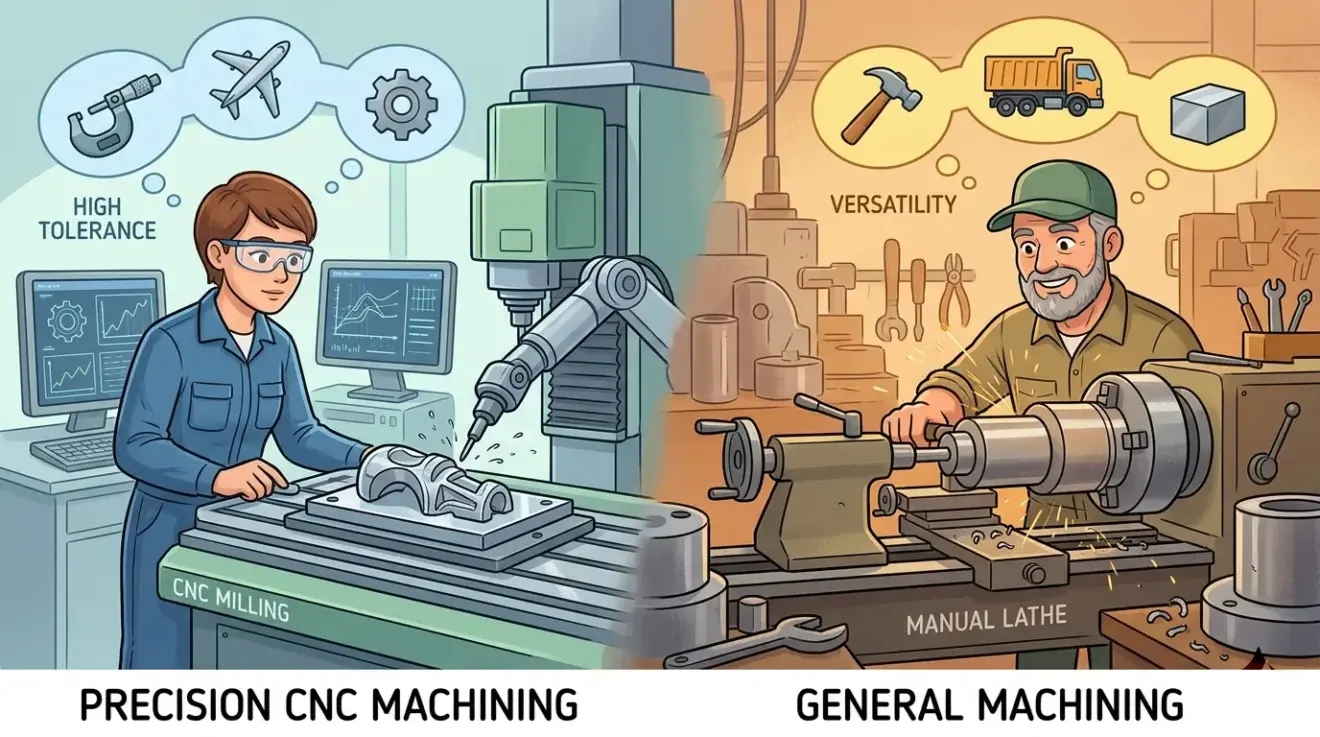
Many buyers use the terms precision machining and general machining as if they describe two completely separate worlds. In practice, the difference is more useful when treated as a matter of requirement, risk, and process control. Not every part needs a highly controlled precision workflow. At the same time, many parts that look simple on
- Published in Blog
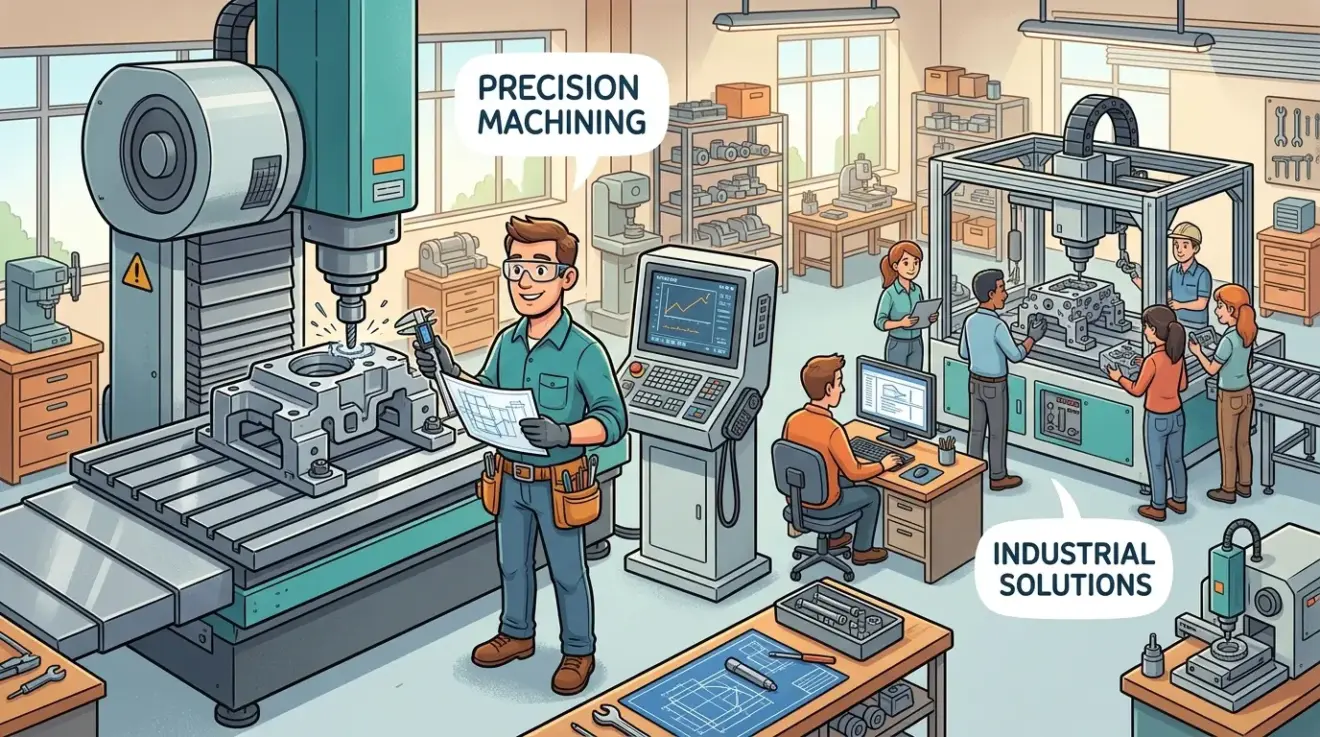
XYZ CNC, XYZ CNC Machining Ltd, and XYZ Bed Mill Terms: What Searchers Usually Mean
Sunday, 05 April 2026
Few search phrases create more avoidable confusion than “XYZ CNC.” It looks technical enough to feel specific, yet in practice it often means completely different things depending on who typed it. One person is trying to understand the X, Y, and Z axes on a CNC machine. Another is looking for a company called XYZ
- Published in Blog
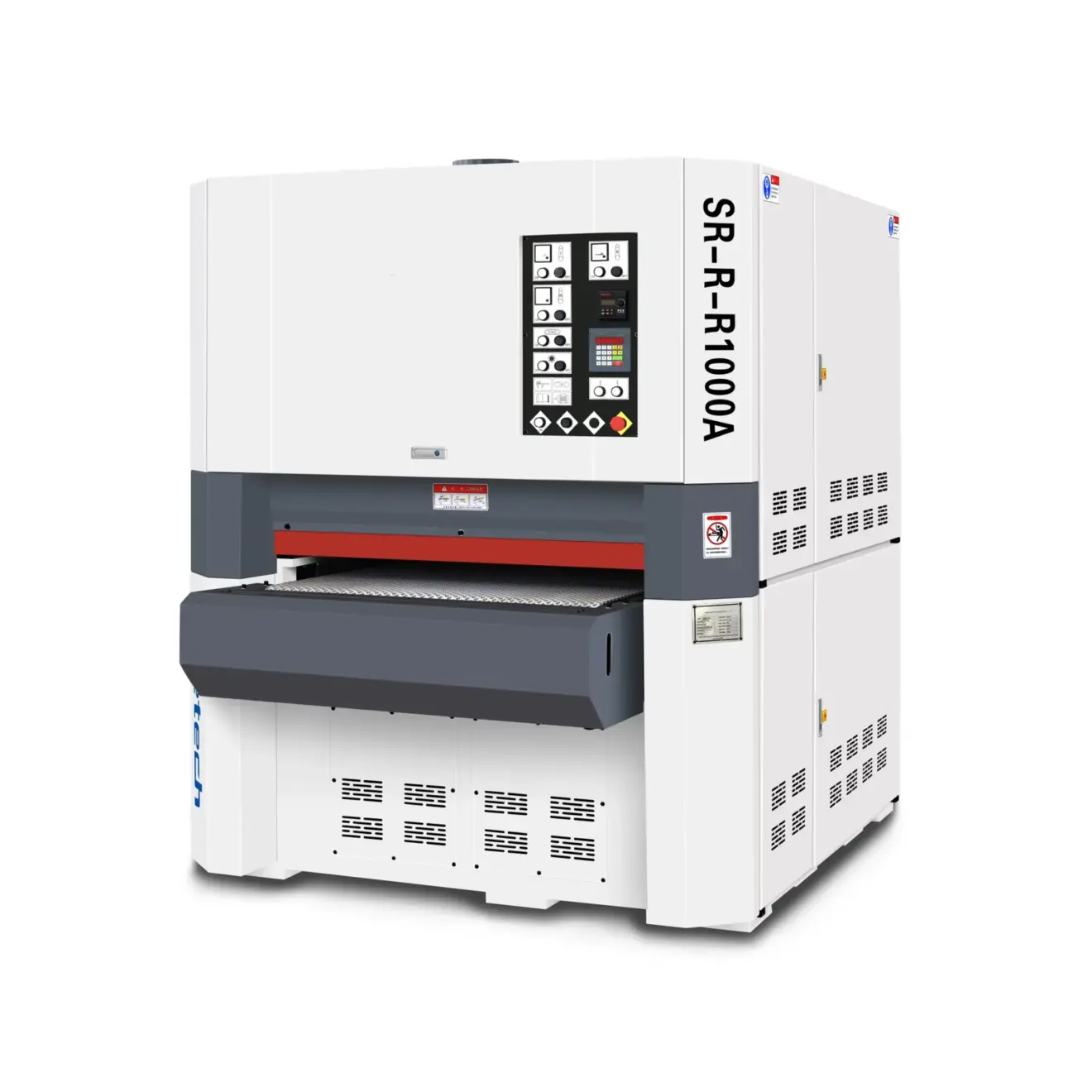
How to Choose Wide Belt Sanders for Solid Wood, Veneer, and Panel Processing
Sunday, 05 April 2026
In a woodworking factory, sanding problems rarely stay inside the sanding department. They show up later as uneven stain absorption on solid wood, sand-through on veneered faces, coating defects on panels, or parts that still need hand correction before packing. That is why choosing wide belt sanders should start with the material mix and the
- Published in Blog
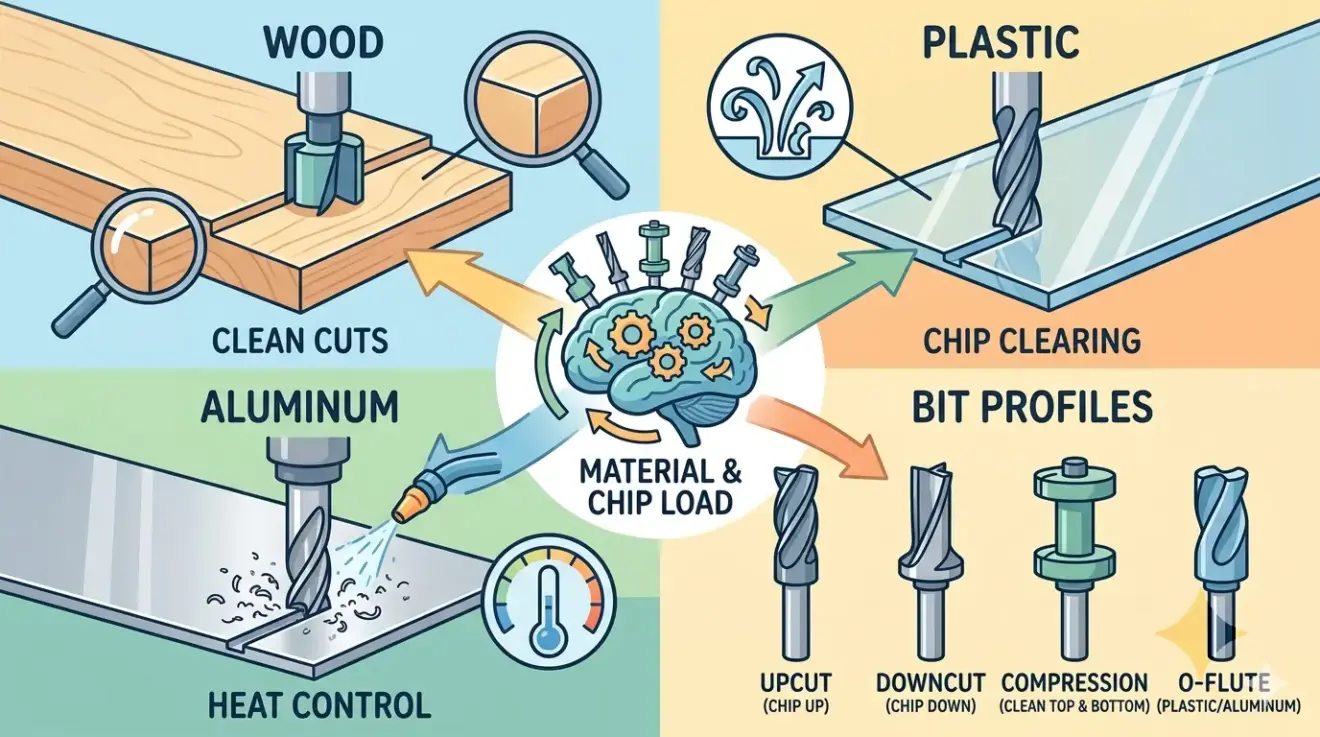
Best CNC Router Bits for Wood, Plastic, and Aluminum: How to Choose the Right Profile
Sunday, 05 April 2026
Many routing defects get blamed on the wrong part of the machine. Operators hear chatter, see top-face tearout, watch acrylic edges haze over, or find aluminum chips welding back into the cut, and the first suspicion falls on the spindle, the controller, or the table. Sometimes that suspicion is correct. Very often, though, the first
- Published in Blog
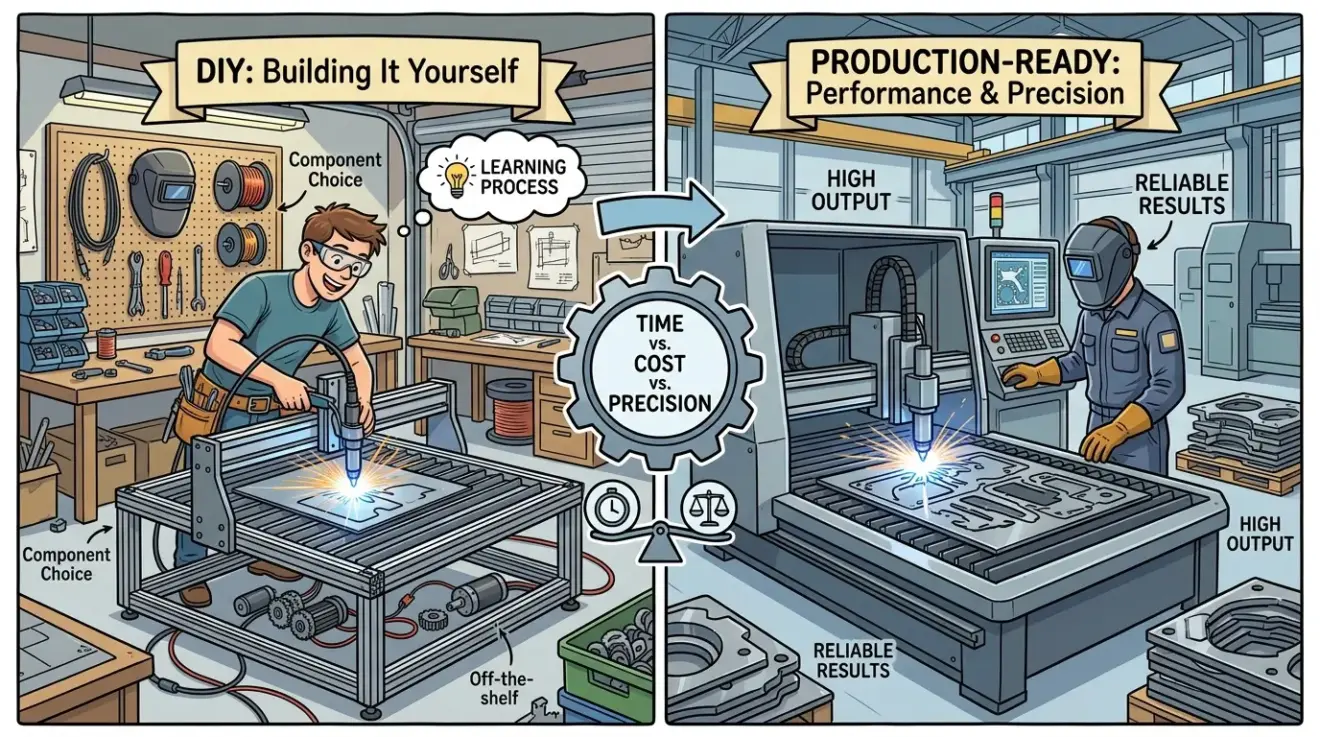
DIY CNC Plasma Table vs Production-Ready Plasma System
Sunday, 05 April 2026
DIY CNC plasma tables appeal to builders for obvious reasons: lower apparent entry cost, control over the design, and the satisfaction of creating a capable digital tool from components instead of buying a finished system. For some users, that is exactly the right route. But plasma cutting is one of those processes where the machine
- Published in Blog
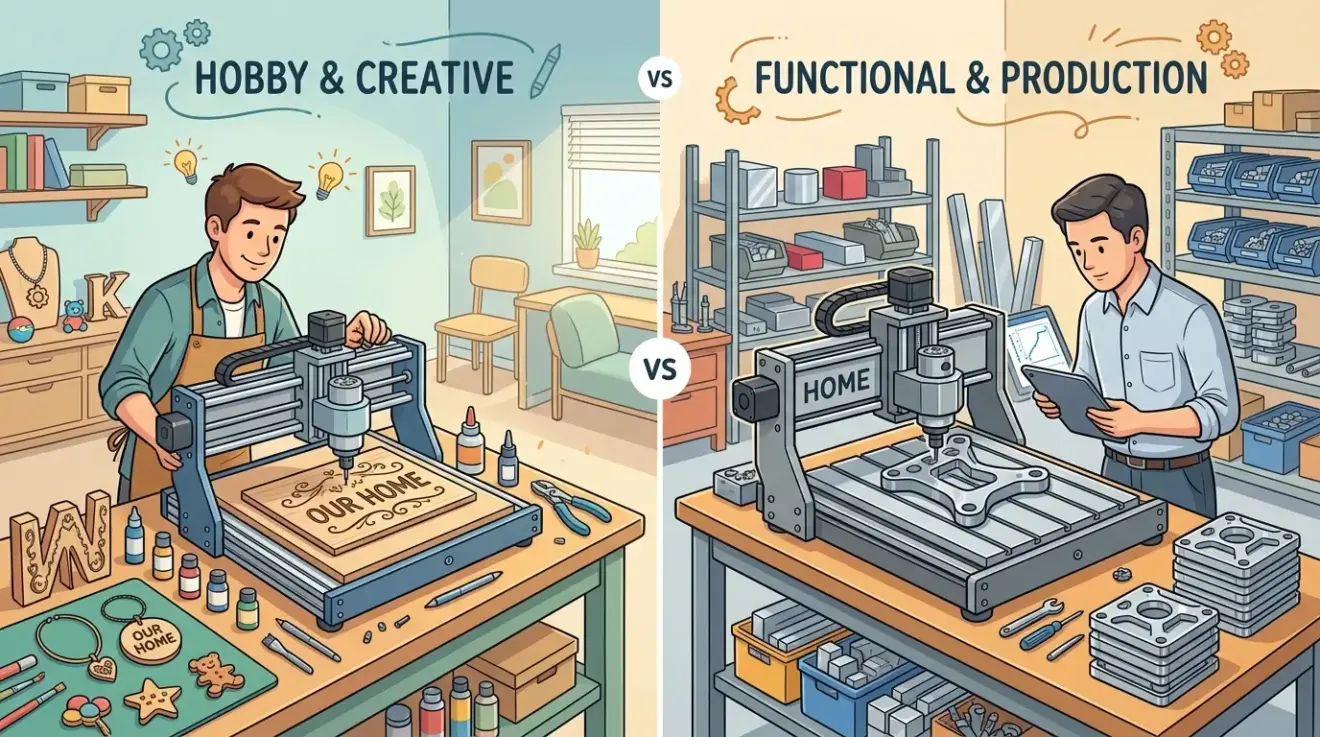
Home CNC Machine vs Hobby CNC Machine: Which Setup Fits Your Goals?
Sunday, 05 April 2026
People often use home CNC machine and hobby CNC machine as if they mean exactly the same thing. In practice, they describe overlapping but different decisions. A home CNC setup is defined mainly by environment and constraints. It must coexist with a residence, neighbors, shared power, noise tolerance, dust limits, and a floorplan that was
- Published in Blog
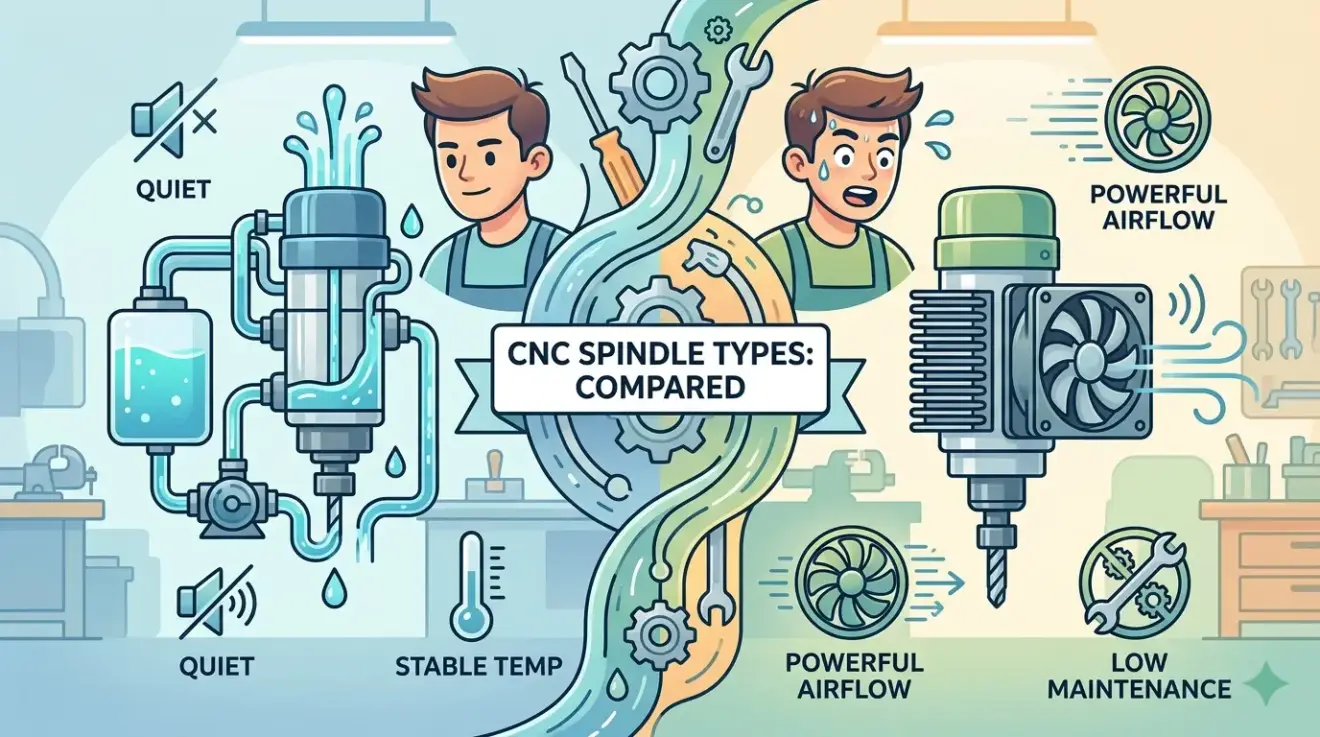
Water-Cooled vs Air-Cooled CNC Spindles: Which One Should You Buy?
Sunday, 05 April 2026
The spindle-cooling question sounds simple because buyers usually phrase it as a binary: water-cooled or air-cooled. In practice, the decision is not about prestige or preference. It is about which ownership model your shop can actually support without turning the spindle into an avoidable maintenance problem. Cooling changes thermal behavior, noise, installation complexity, maintenance burden,
- Published in Blog
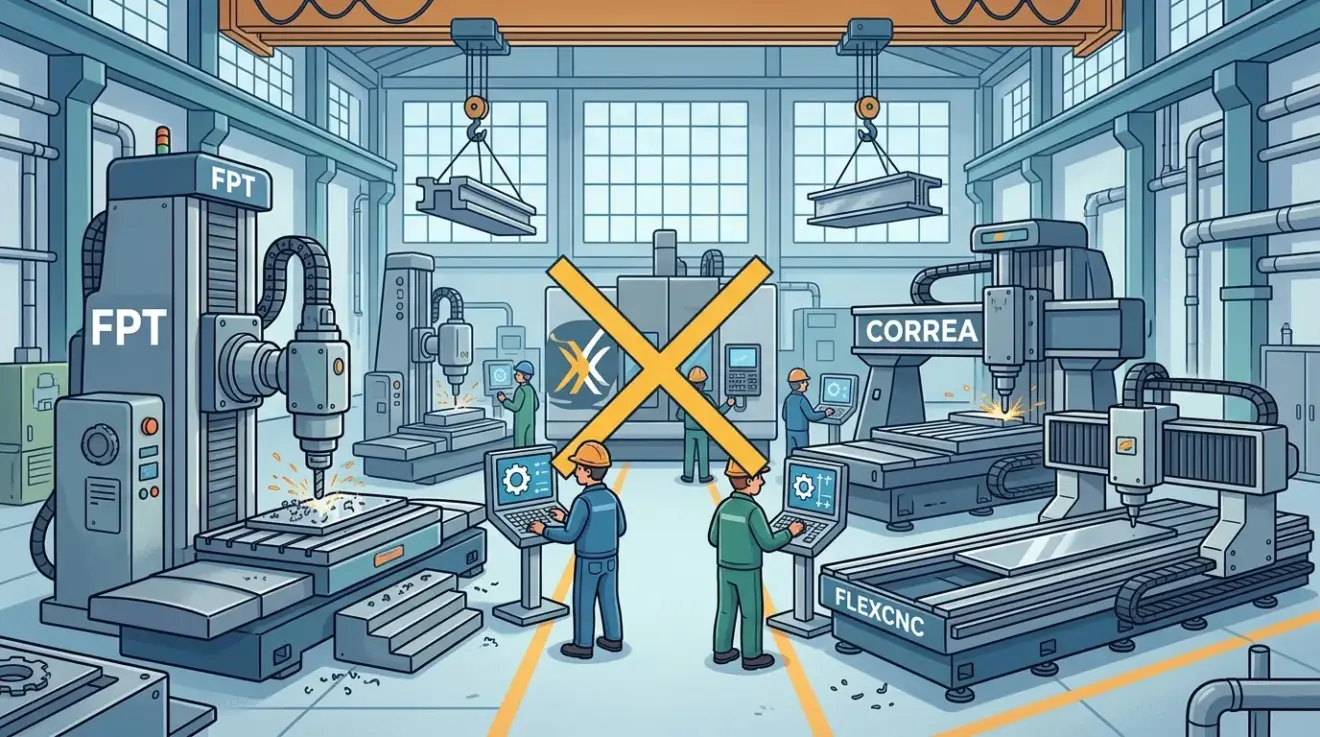
FlexCNC, FPT CNC, Correa CNC, and Other Industrial Milling Brands: Which Buyers Should Shortlist Them?
Sunday, 05 April 2026
Industrial milling brand searches often hide a buying problem rather than a brand problem. Buyers type several names into one comparison because they know they need a serious milling platform, but they are not yet sure which machine class actually fits the work. That is especially common when names such as FlexCNC, FPT CNC, Correa
- Published in Blog
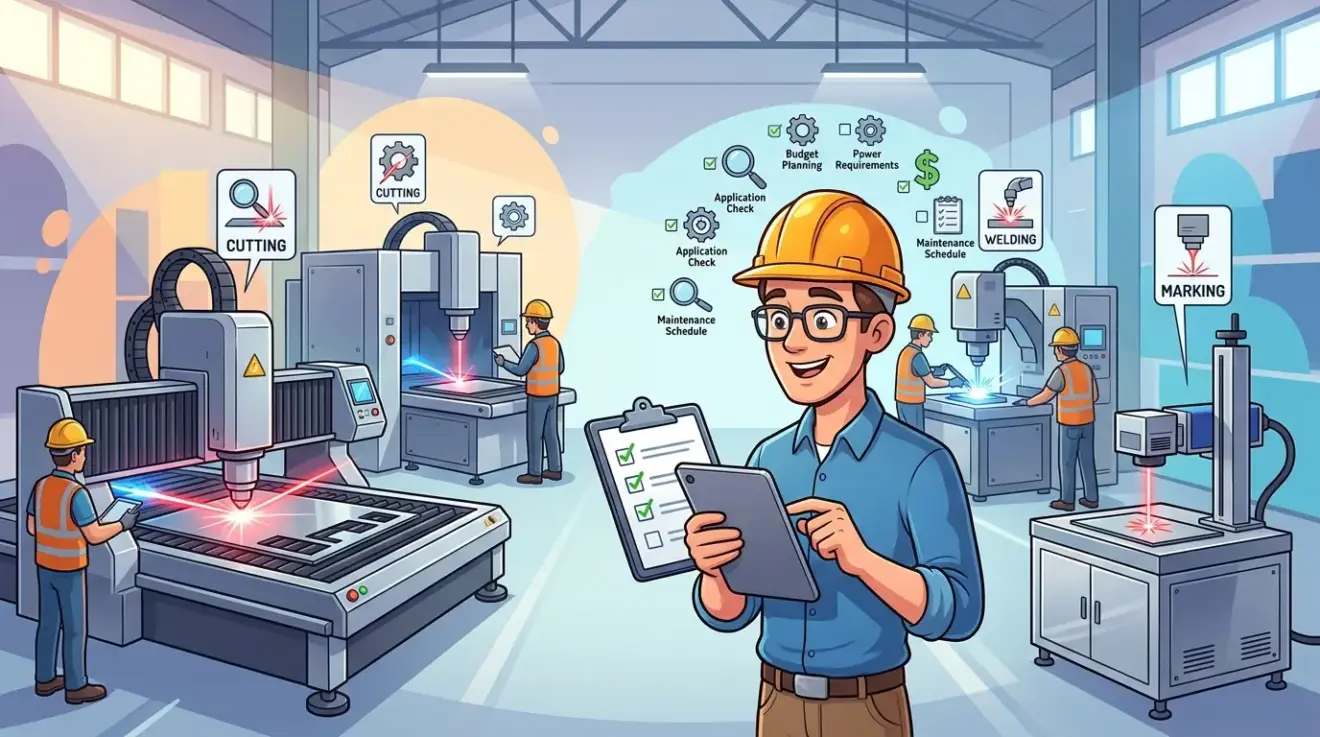
Industrial Laser Machinery Checklist for First-Time Buyers
Sunday, 05 April 2026
Most first-time laser purchases go wrong before the machine ever ships. The common failure is not choosing the “wrong brand” in the abstract. It is buying a system without clearly defining the material mix, the real daily workload, the acceptable finish standard, and the installed scope needed to make the machine productive. For first-time buyers,
- Published in Blog
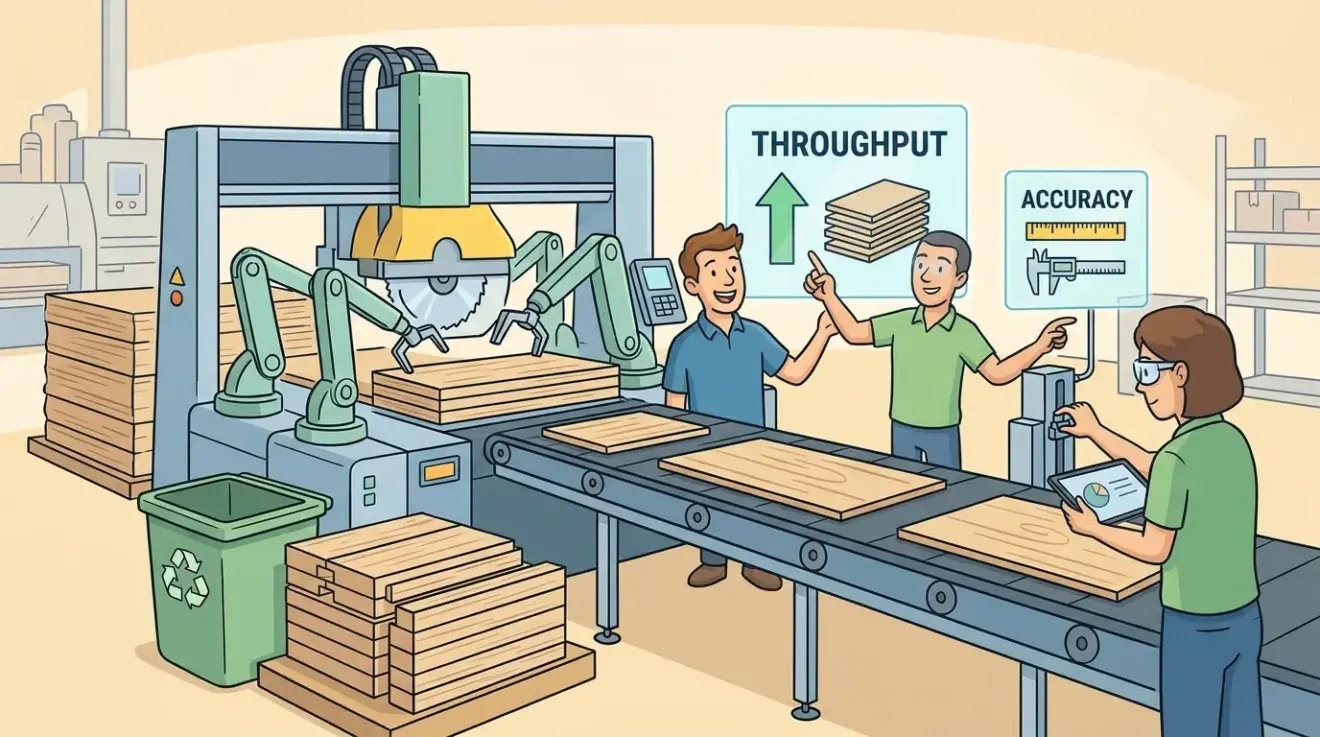
Beam Saws for Batch Processing: Throughput, Accuracy, and Labor Savings
Sunday, 05 April 2026
In batch furniture and cabinet production, panel cutting is rarely just a cutting task. It is the front end of a larger flow that has to feed edge banding, drilling, sorting, and assembly without constant rechecking. When that first stage is unstable, the rest of the factory spends time compensating for it. That is why
- Published in Blog
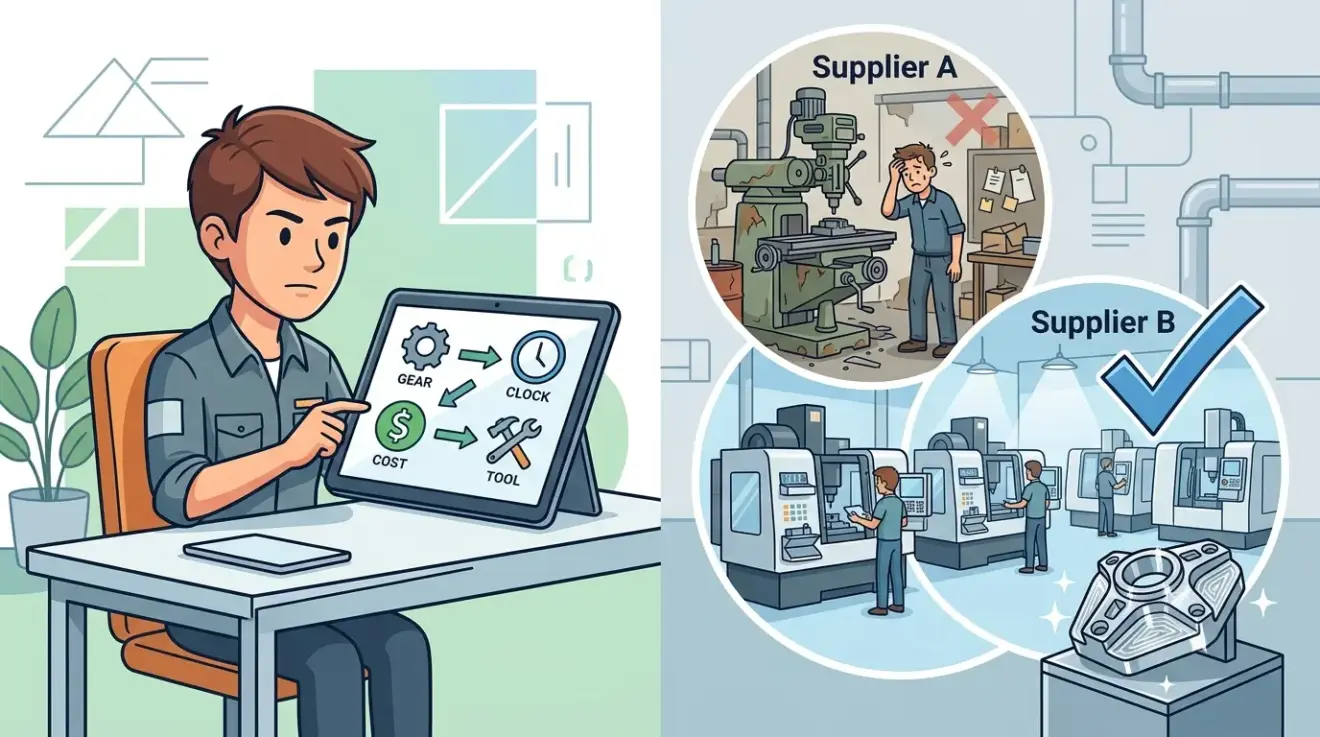
Custom Metal Milling Services: How to Choose the Right Supplier
Saturday, 04 April 2026
Custom metal milling looks simple from the buyer’s side because the request often arrives as a drawing, a material callout, a tolerance block, and a due date. The supplier receives the file, quotes it, and machines the part. In practice, the quality of that route depends on much more than whether the supplier owns a
- Published in Blog
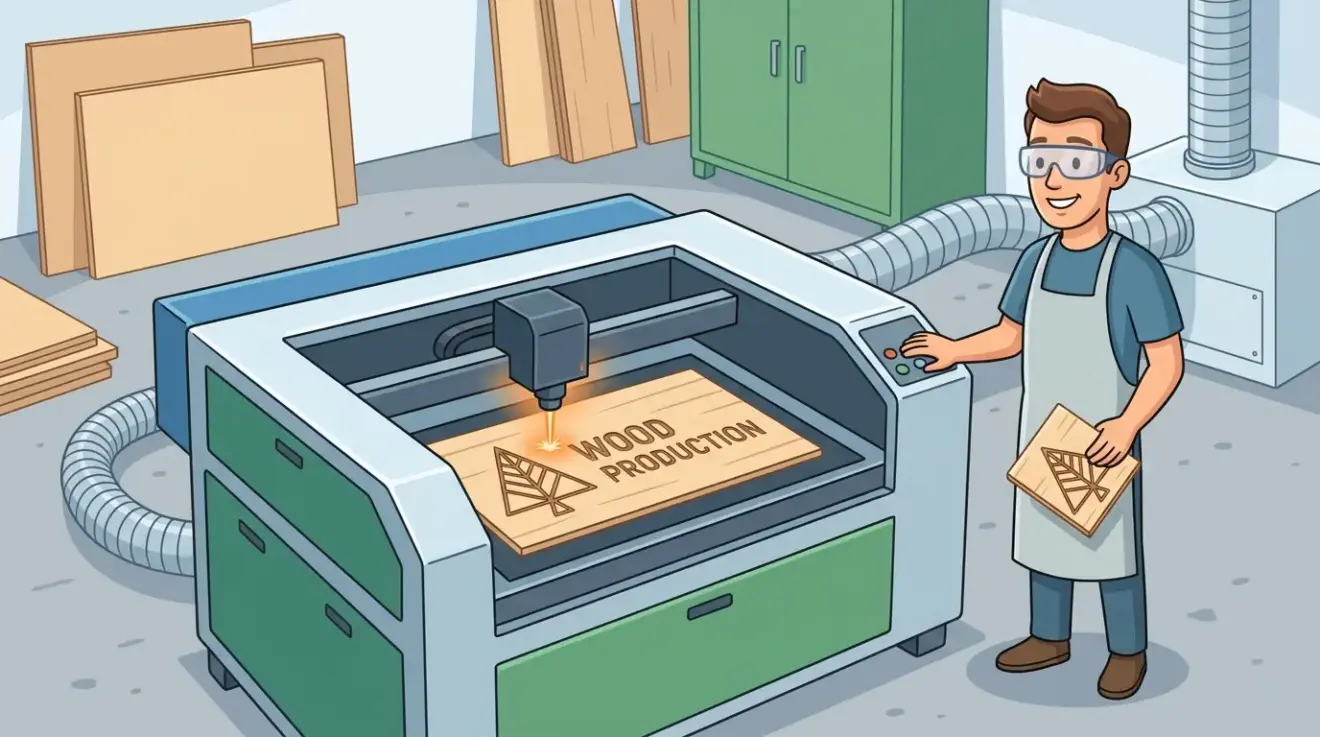
Laser Machine for Wood: Which Features Actually Matter in Production?
Saturday, 04 April 2026
Buying a laser machine for wood is rarely a simple question of whether the machine can cut or engrave the material. Most suppliers can show a clean sample on one sheet, under one set of conditions, with one operator. The harder question is whether the machine will stay productive when real jobs involve plywood one
- Published in Blog
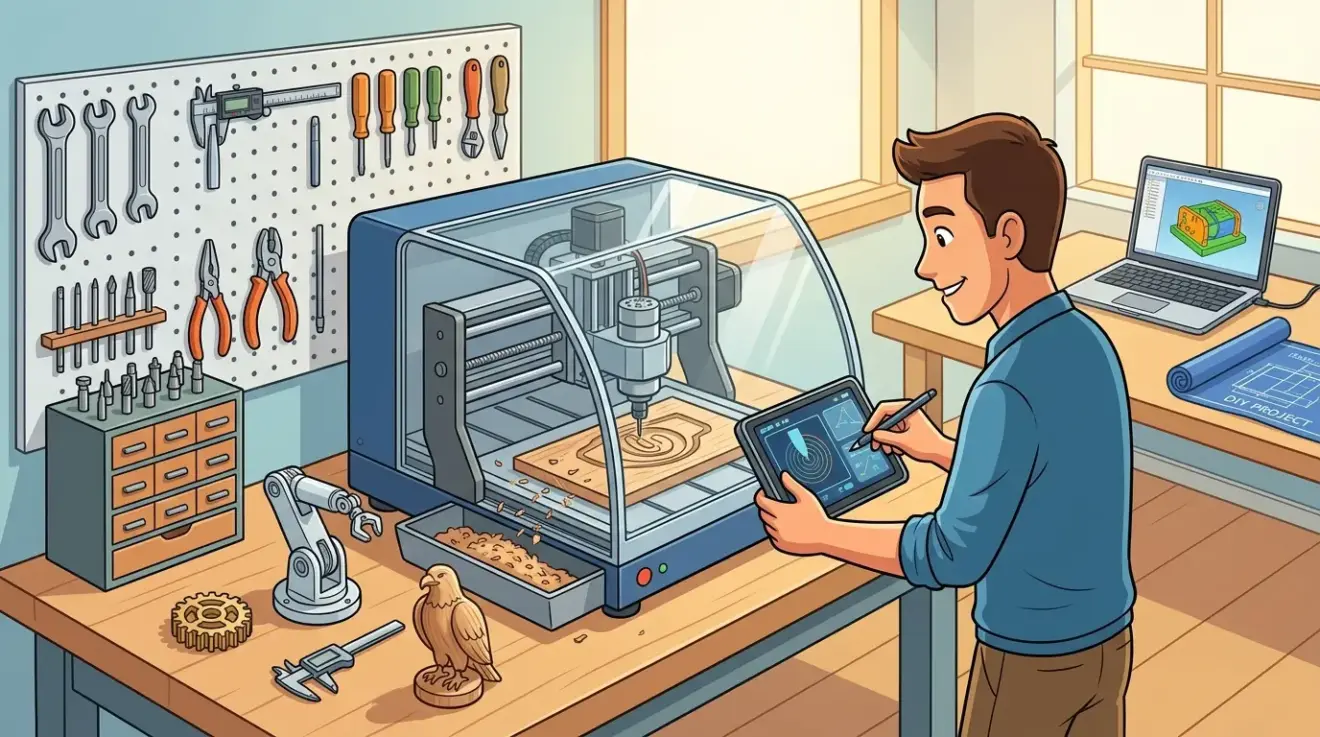
Personal CNC Machine Buying Guide for Home Workshops
Saturday, 04 April 2026
Buying a personal CNC machine for a home workshop sounds straightforward until the machine arrives and the real constraints show up. The issue is rarely just price. It is noise, dust, power, space, workholding, software confidence, tooling cost, cleanup discipline, and whether the machine you bought matches the parts you actually want to make. A
- Published in Blog
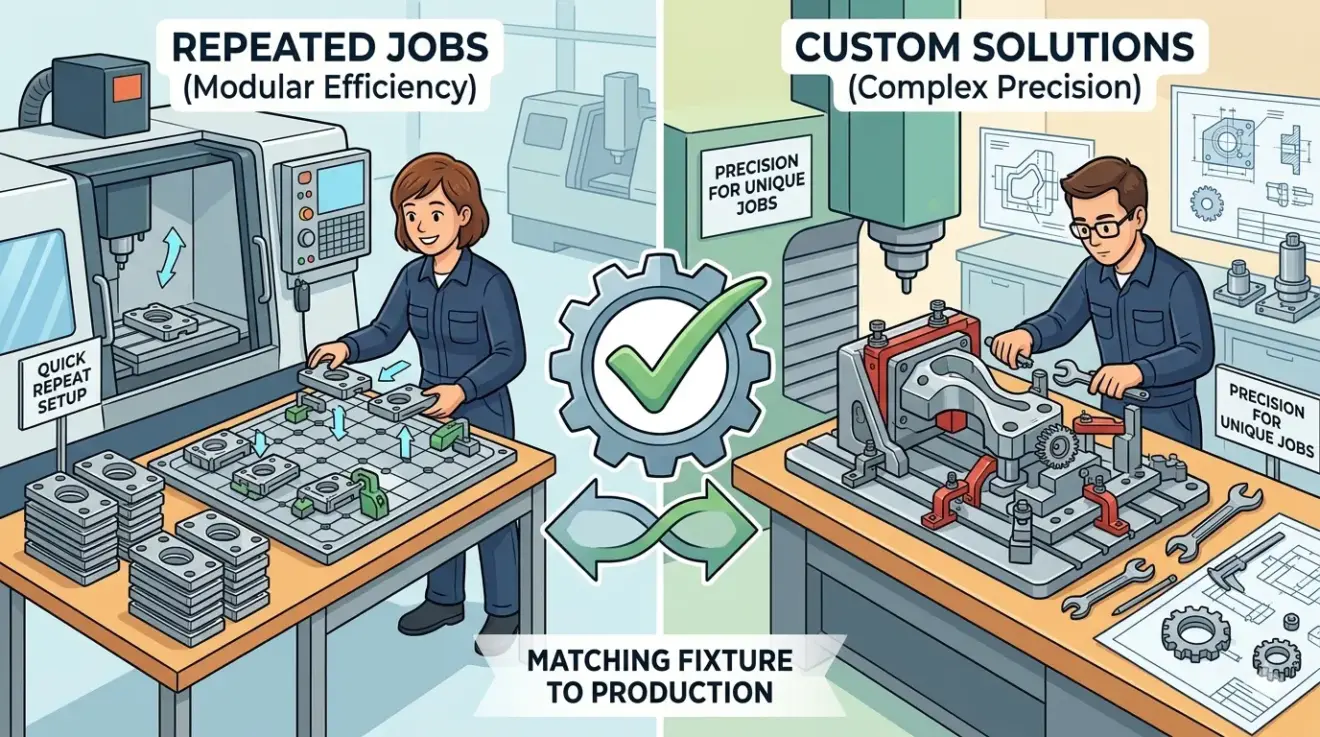
CNC Fixture Plates vs Custom Fixtures: Which Setup Fits Repeated Jobs?
Saturday, 04 April 2026
Repeated work eventually exposes whether the shop has a setup problem or only a setup habit. At first, a few clamps and careful operator attention may seem good enough. After more runs, the real costs appear. Loading still takes too long. Tool access remains awkward. Operators still verify the same seating condition by hand. Datum
- Published in Blog
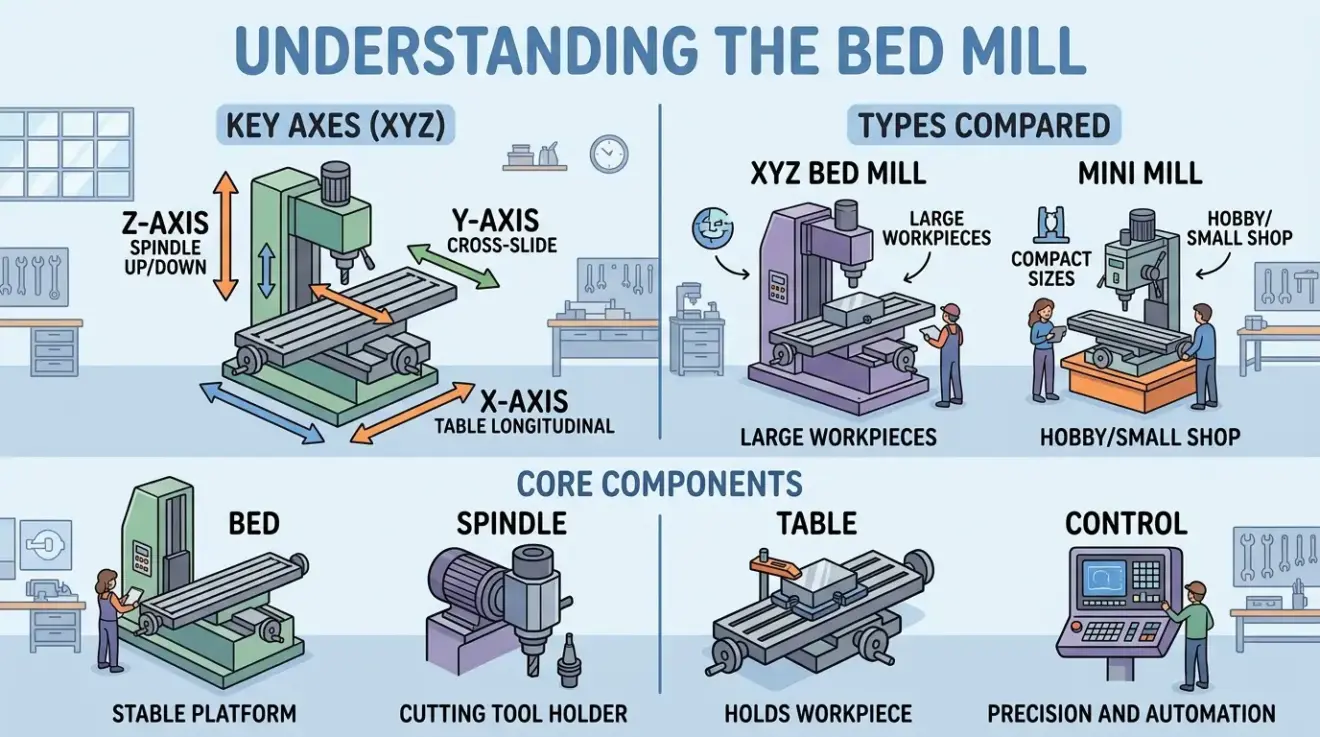
What Is a Bed Mill? XYZ Bed Mill and Mini Mill Terms Explained
Saturday, 04 April 2026
These three phrases get mixed together because many machine listings are lazy. A used-machine seller writes “XYZ bed mill” because it sounds technical. A buyer writes “mini mill” because the envelope looks small. Another calls any three-axis milling platform a bed mill because the machine is not obviously a knee mill. By the time the
- Published in Blog

Laser Etching Machine for Metal: How To Choose the Right Source
Saturday, 04 April 2026
A metal etching line can look stable during a short sample test and still create trouble in real production. The usual problems show up later: dark marks lose contrast on a different batch finish, small data matrix codes become harder to scan, thin parts pick up too much heat, or cycle time no longer matches
- Published in Blog
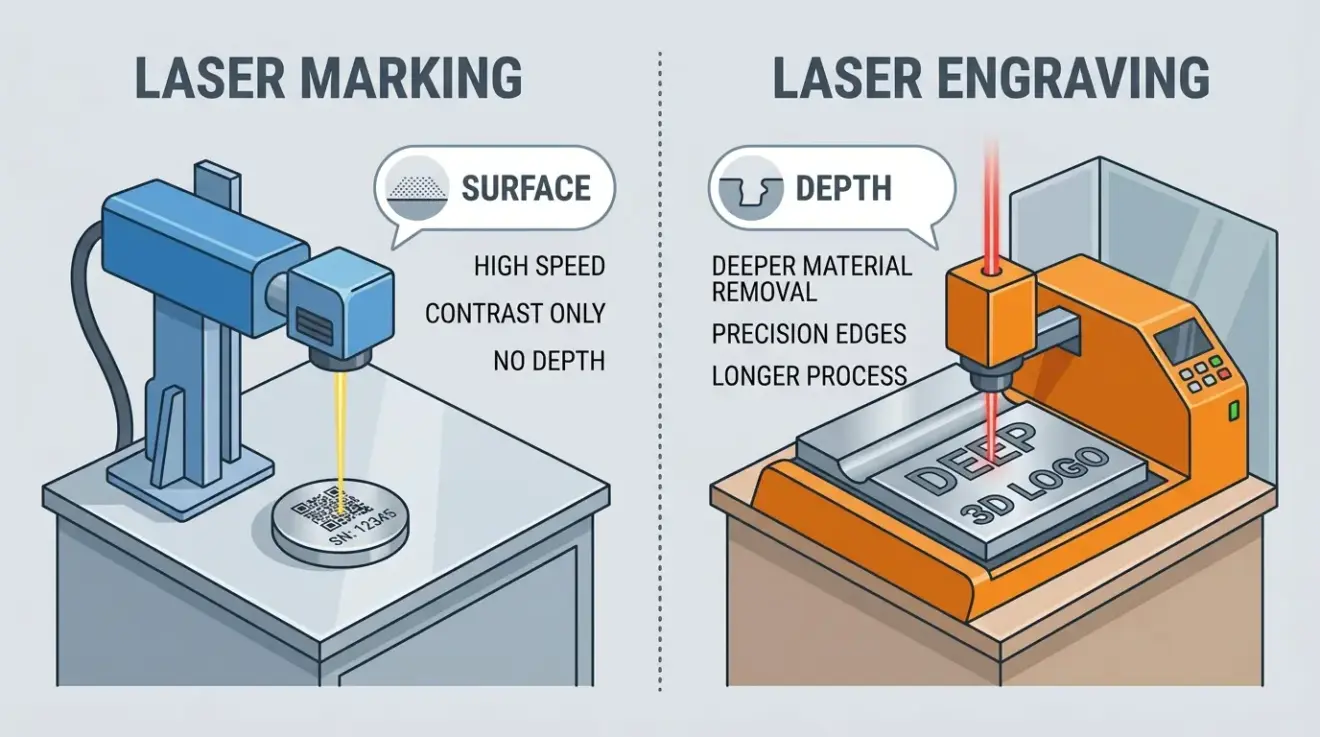
Laser Marking Machine vs Laser Engraver for Metal Parts: Which Process Fits Better?
Saturday, 04 April 2026
When a buyer asks for a laser engraver for metal parts, the request often sounds clearer than it really is. In production, many of those jobs are not primarily about engraving at all. They are about readable serial numbers, Data Matrix codes, logos, inspection marks, or permanent identification that has to survive handling without slowing
- Published in Blog
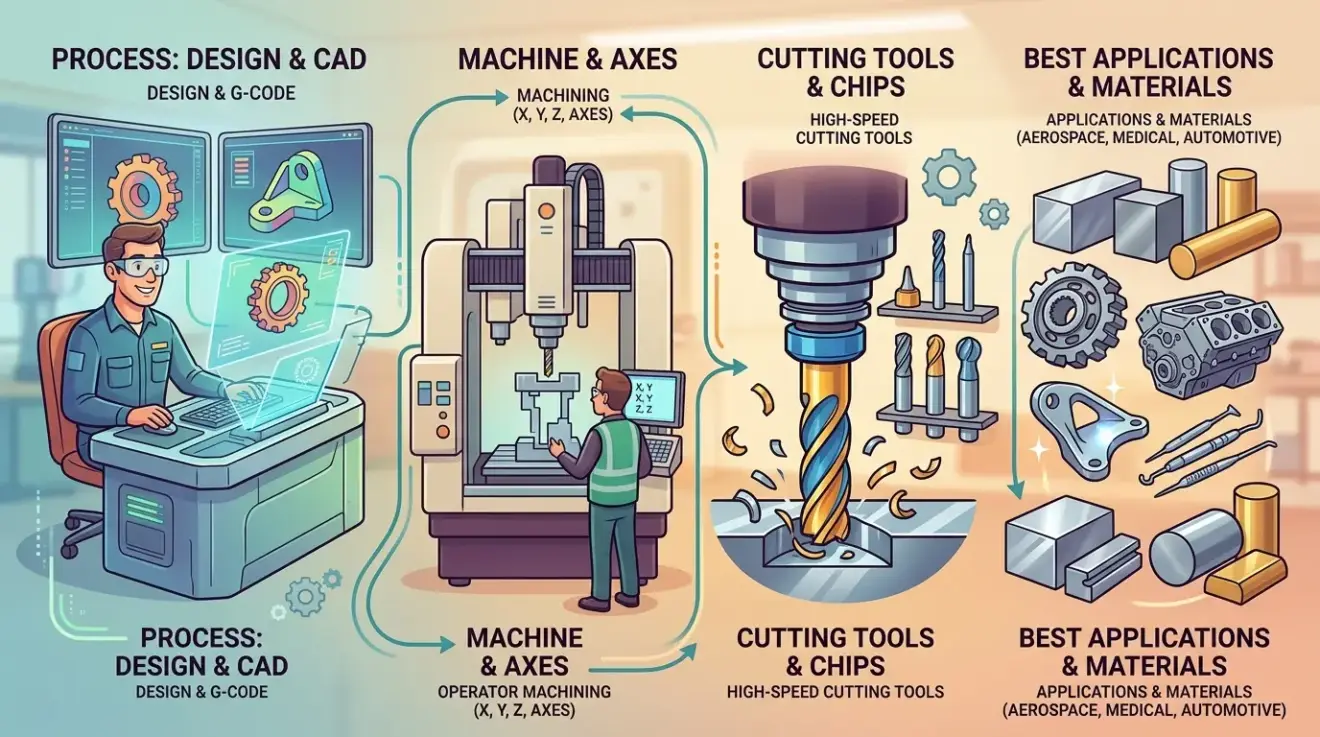
CNC Milling Explained: Processes, Tools, and Best Applications
Saturday, 04 April 2026
CNC milling is often explained with a sentence that is technically correct and operationally incomplete: a rotating cutter removes material from a fixed workpiece. That describes the motion, but it does not explain why milling succeeds on some parts, struggles on others, and becomes expensive when the route is poorly planned. In production, milling is
- Published in Blog
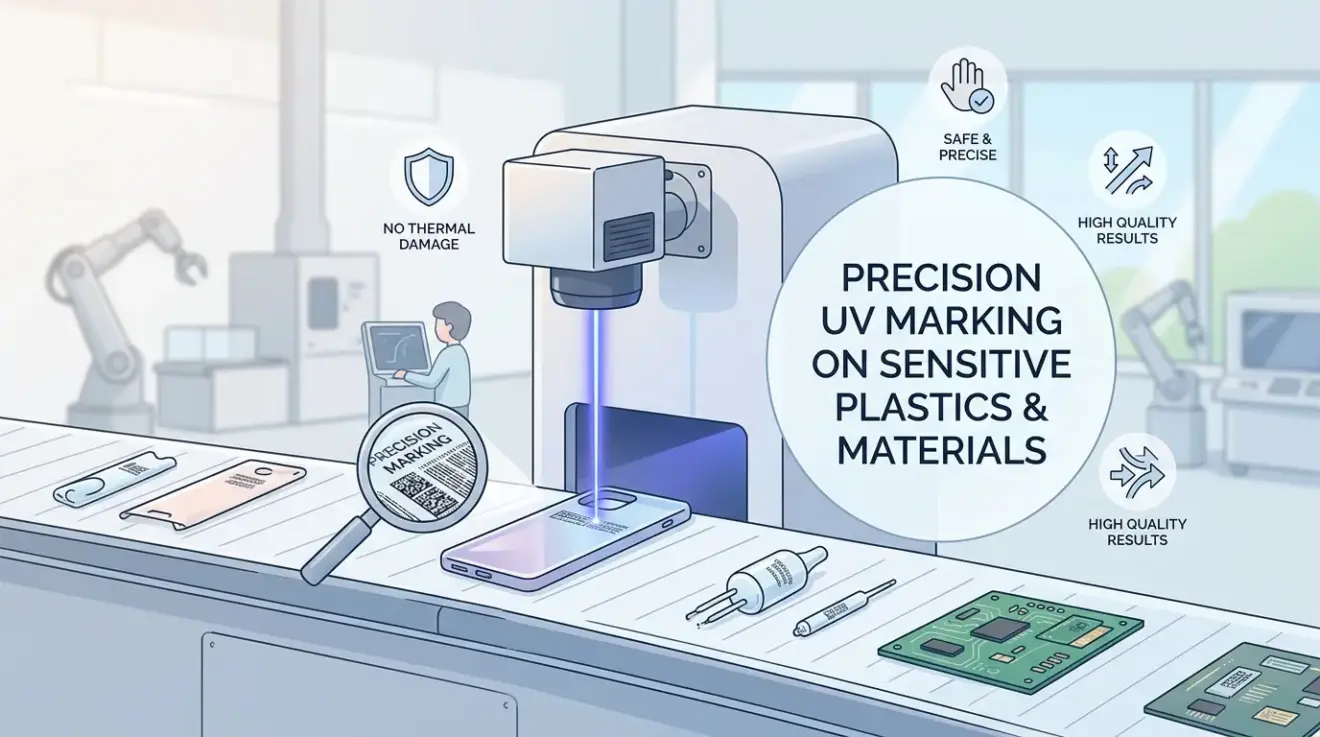
UV Laser Marking Machine for Fine Plastics and Sensitive Materials: What Buyers Should Evaluate First
Saturday, 04 April 2026
When a production line needs permanent marks on thin plastics, coated housings, labels, or other appearance-sensitive parts, the real problem is rarely whether a mark can be made at all. The harder question is whether the mark can stay sharp and readable without whitening the surface, distorting a thin wall, creating a visible halo, or
- Published in Blog

DIY Laser Engraver Setup: What Small Shops Should Know Before They Start
Saturday, 04 April 2026
A DIY laser engraver usually begins as a cost-saving idea. The real pressure shows up later, when smoke control, unstable alignment, inconsistent results, and slow material handling start taking more time than the engraving itself. For a small shop, prototype team, or custom manufacturer, the important question is not whether a DIY setup can work.
- Published in Blog
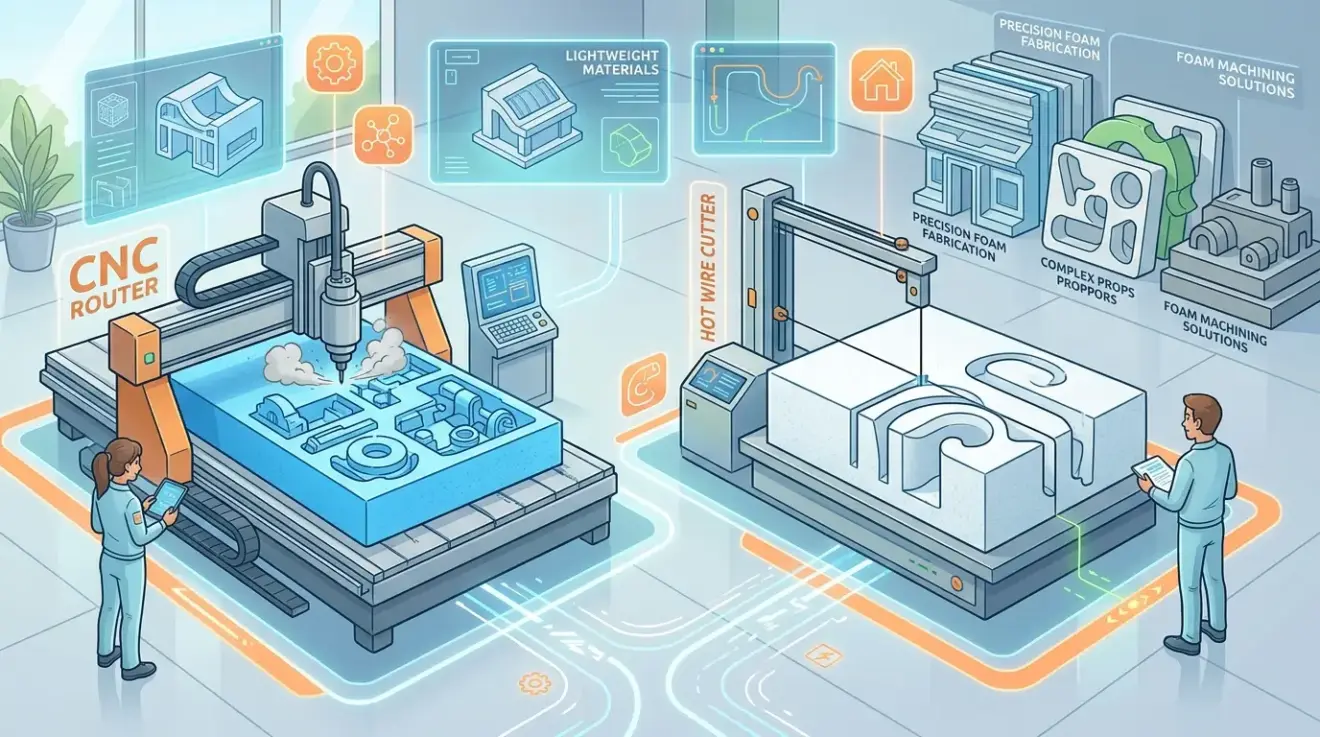
Foam CNC Cutting and Routing: Best Machines for Lightweight Materials
Saturday, 04 April 2026
Foam looks easy to machine because it is light, easy to move, and usually less structurally demanding than hardwood, metal, or dense engineering plastics. That appearance misleads many buyers. Lightweight materials create a different kind of manufacturing problem. Instead of brute cutting force, the main issues often become support, surface tearing, dust, melting risk in
- Published in Blog
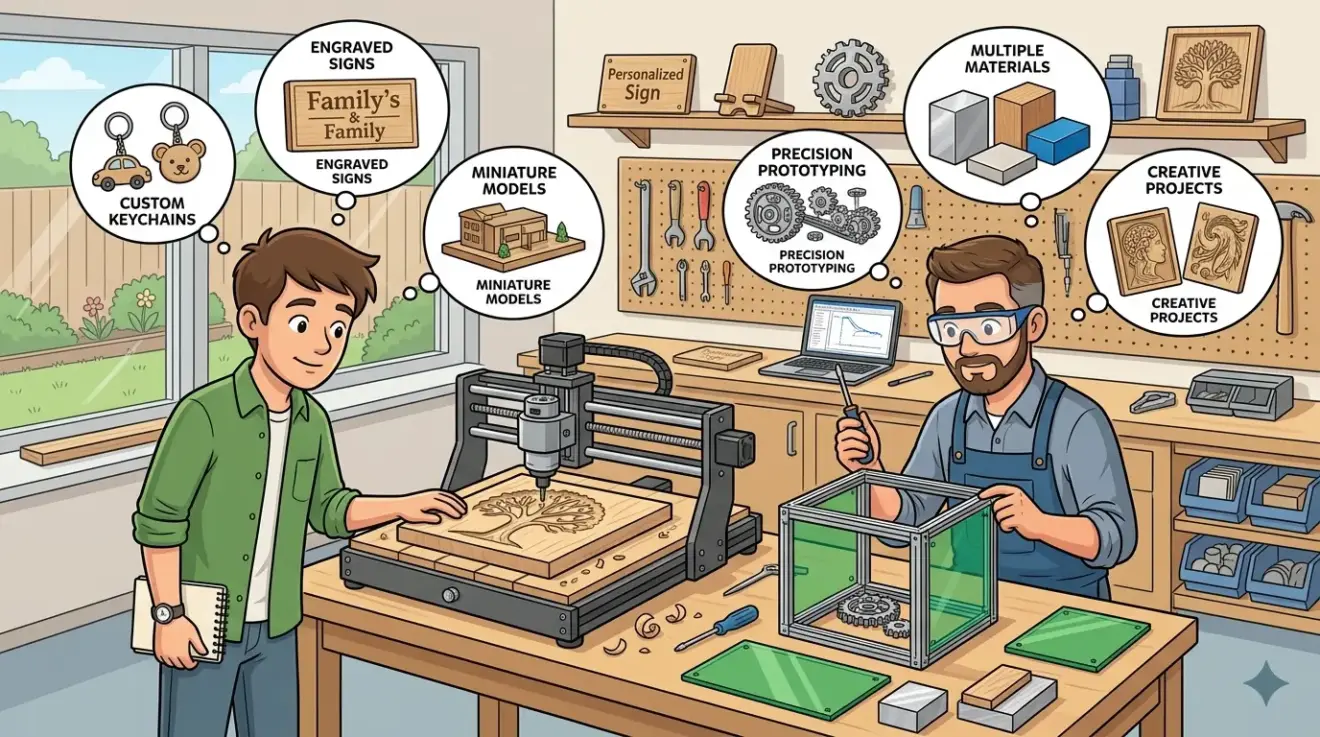
CNC 3040 Router Guide: Who Should Buy It and What to Expect
Saturday, 04 April 2026
3040 is often the first benchtop router size that feels comfortable instead of merely achievable. That is why it attracts so much attention. Buyers who have spent time around 3018- and 3020-class machines often reach 3040 looking for one thing above all else: relief. They want a table that stops turning every setup into a
- Published in Blog
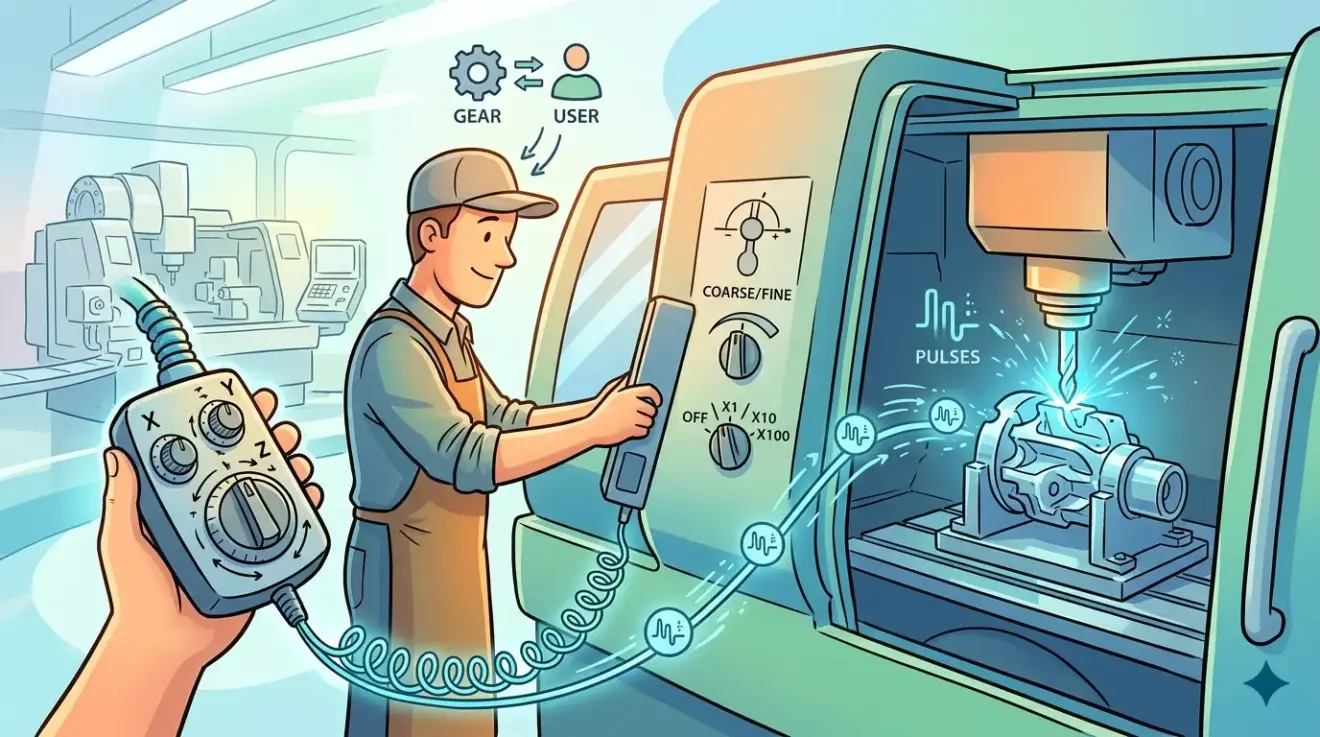
MPG Handwheel for CNC Machines: When Manual Pulse Generators Help
Saturday, 04 April 2026
An MPG handwheel looks simple, which is exactly why it is often undervalued or purchased for the wrong reasons. In the best cases, it improves fine jogging, makes setup more controlled, reduces awkward touchscreen interaction near the work zone, and helps first-article prove-outs feel safer and more deliberate. In weaker cases, it becomes an accessory
- Published in Blog
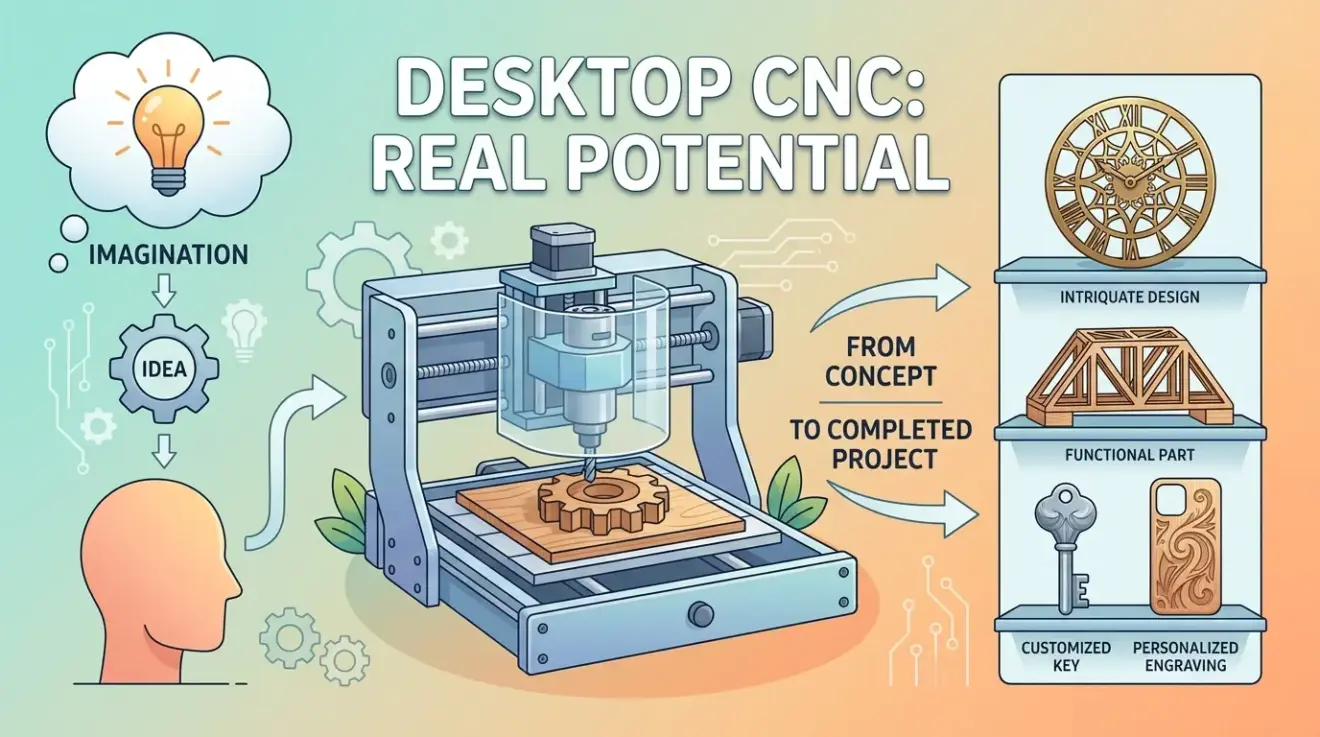
Table Top CNC Milling Machine Guide: What Small Mills Can Really Do
Saturday, 04 April 2026
Table-top CNC milling machines attract buyers because they promise a controlled way into machining without demanding the floor space, utilities, or operating culture of a full industrial mill. That promise is legitimate. Small mills can do real work, help product teams move faster, support repair and fixture tasks, and teach sound machining discipline. They become
- Published in Blog
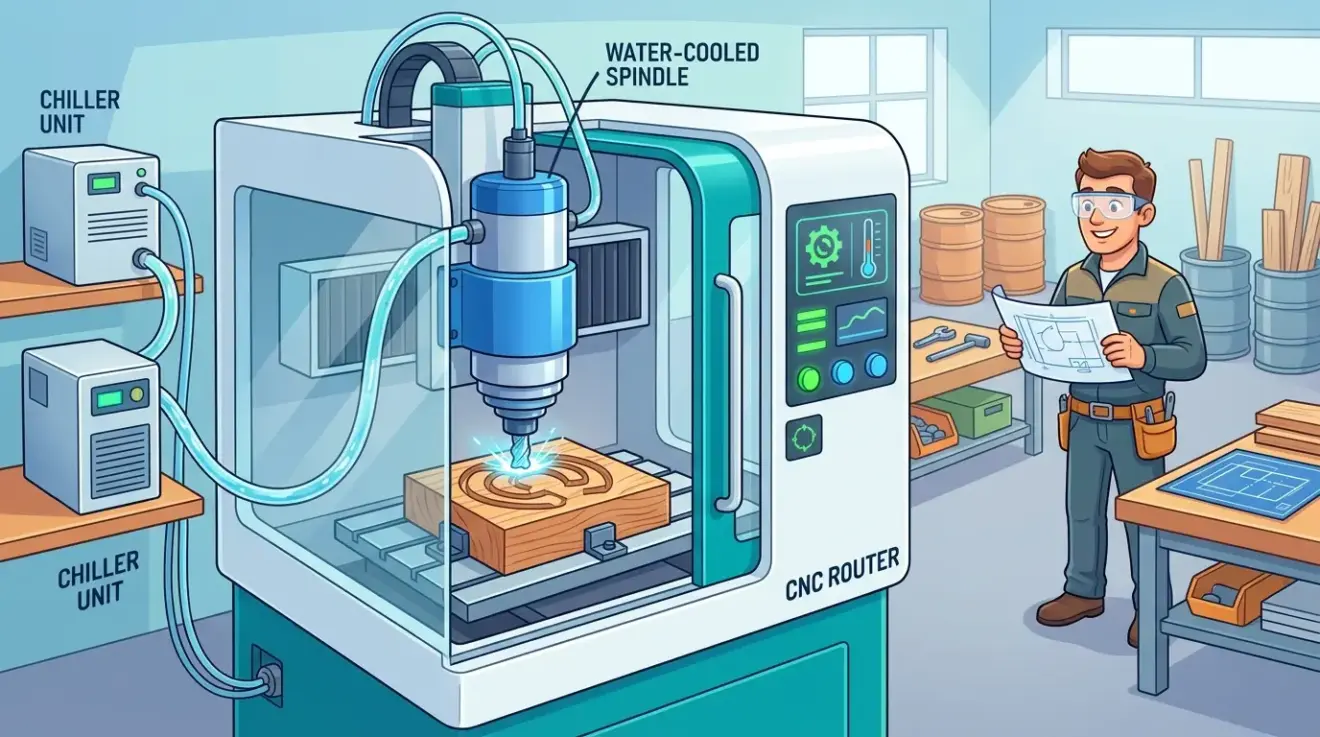
What Is a Water-Cooled CNC Spindle?
Saturday, 04 April 2026
If a spindle spends most of the day idling, running short jobs, or waiting on setup delays, water cooling is usually not the thing holding production back. If the same spindle runs for long stretches, stays under load, or operates in a shop where noise and thermal consistency matter every shift, the answer can change
- Published in Blog
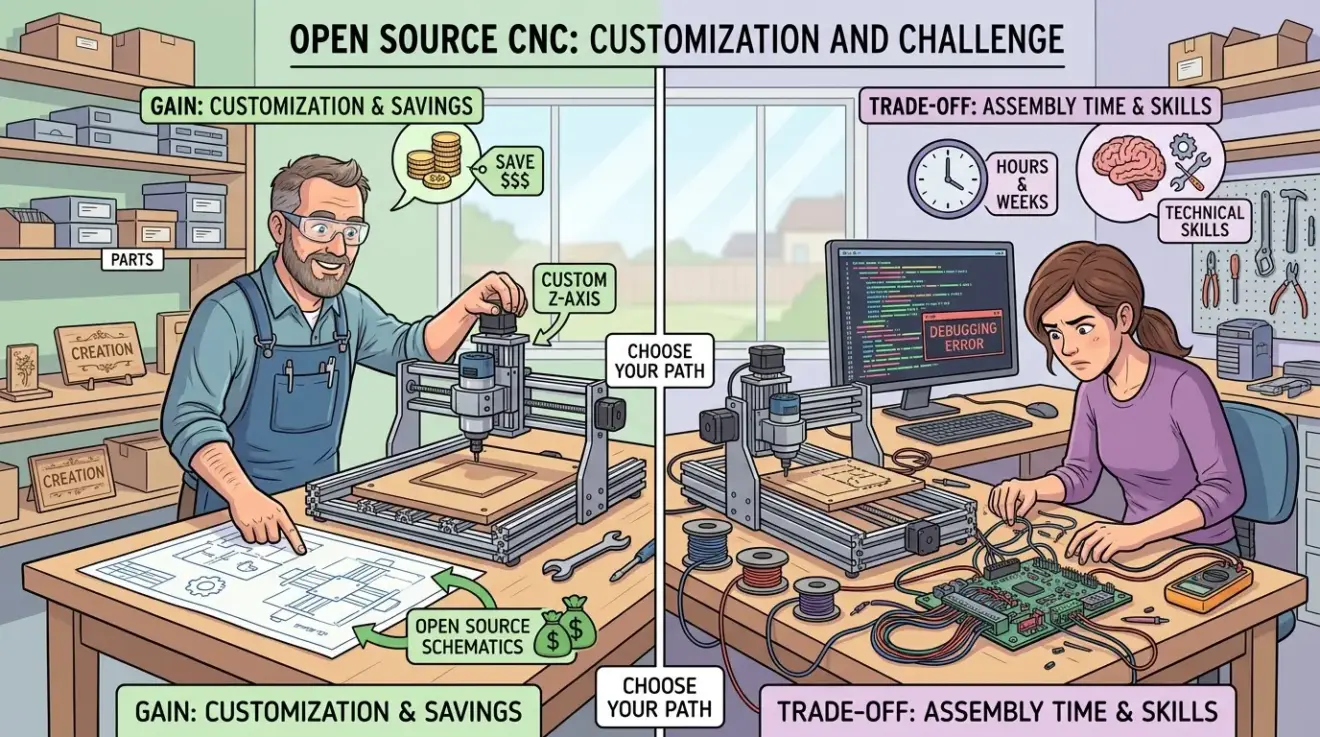
Open Source CNC Milling Machines: What Builders Gain and What They Trade Off
Saturday, 04 April 2026
Open source CNC milling machines attract a particular type of buyer: someone who wants control, transparency, flexibility, and a deeper relationship with the machine than a closed commercial product usually offers. That attraction is legitimate. Open projects can reduce platform lock-in, expose the system architecture more clearly, and create communities where builders share modifications, fixes,
- Published in Blog
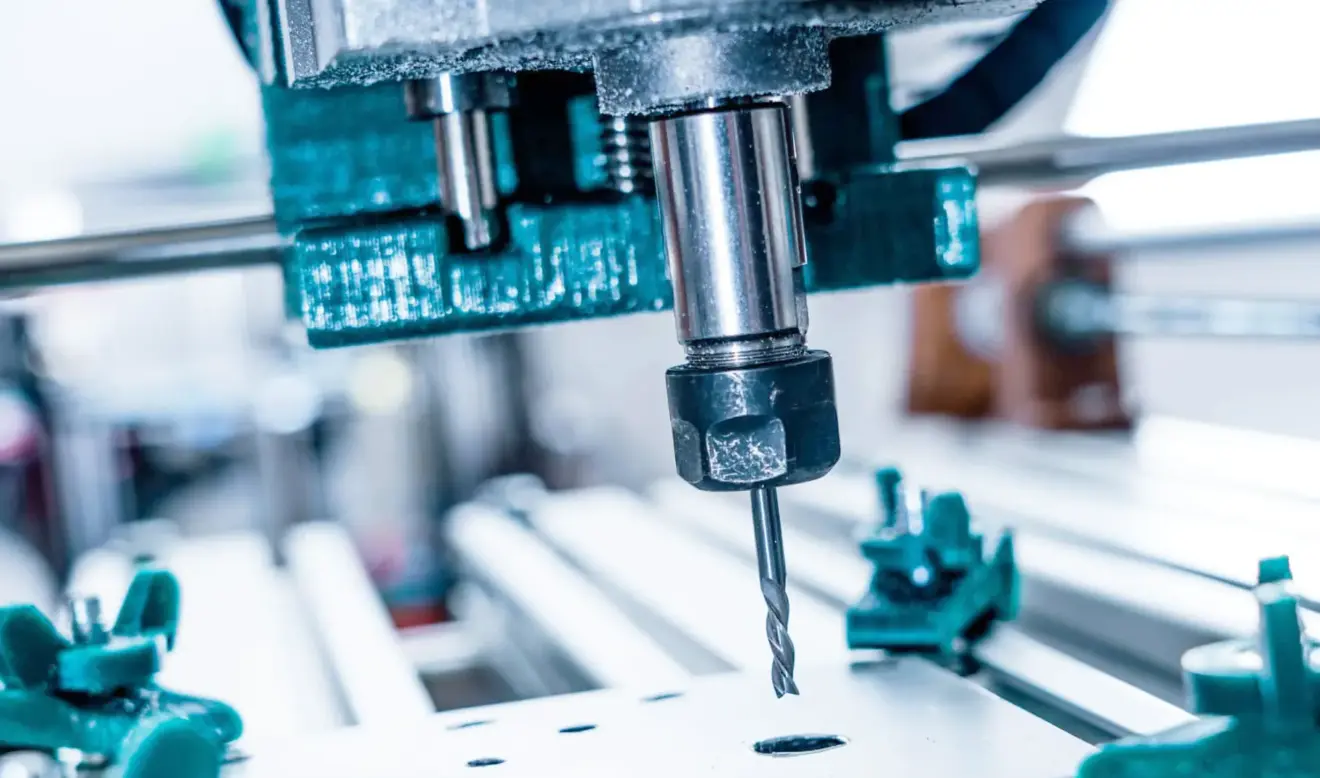
CNC Drilling Machine vs. Multi-Spindle Boring Machine: Which One Should You Choose?
Friday, 03 April 2026
When cabinet parts start waiting at the drilling station, the biggest loss is usually not the seconds needed to make a hole. It is the time spent rechecking references, resetting layouts, verifying first parts, and correcting fit problems later in assembly. That is why the choice between a CNC drilling machine and a multi-spindle boring
- Published in Blog
How To Choose Affordable Laser Cutter Options for Commercial Workshops
Friday, 03 April 2026
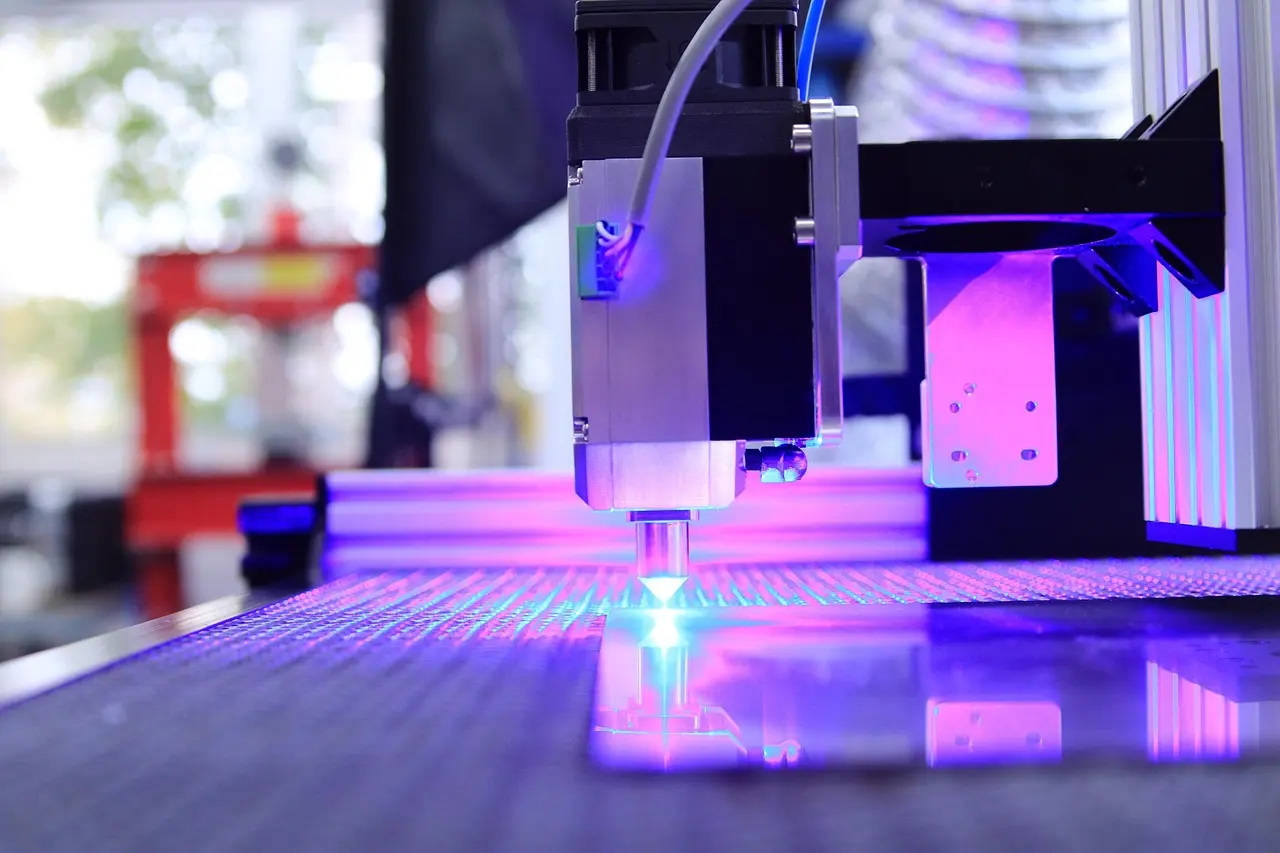
Buying an affordable laser cutter for a commercial workshop is not really about finding the lowest quoted price. It is about finding a machine that matches your material mix, daily output, and quality standard closely enough that it lowers cost per finished part instead of creating new bottlenecks. That distinction matters because many workshops overspend
- Published in Blog
What Is ATC in CNC? Automatic Tool Changer Basics
Friday, 03 April 2026
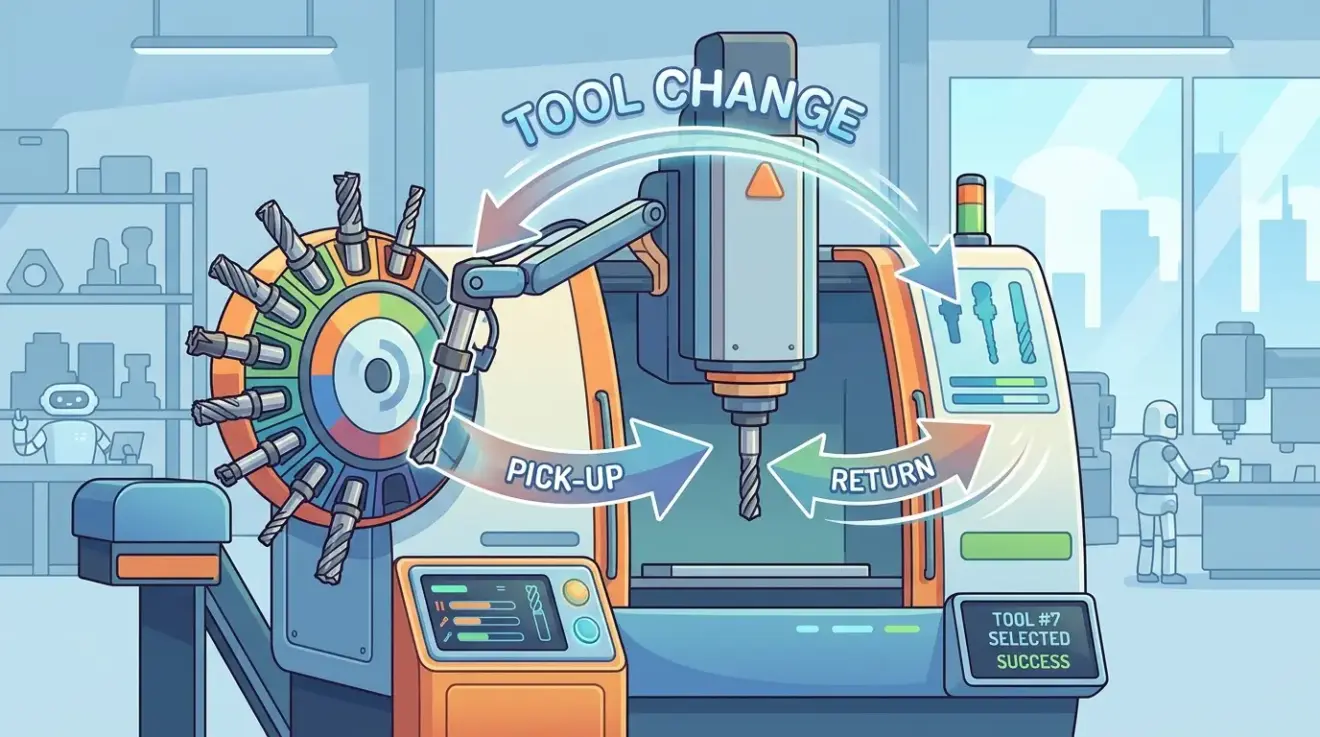
ATC in CNC means automatic tool changer. It is the mechanism and control logic that let a machine change tools under program control instead of stopping for the operator to loosen a holder, load a new tool, confirm offsets, and restart the cycle manually. In plain production terms, ATC exists to protect spindle continuity. It
- Published in Blog
4th Axis Rotary Table vs Full 4 Axis CNC Machine: What Do You Actually Need?
Friday, 03 April 2026
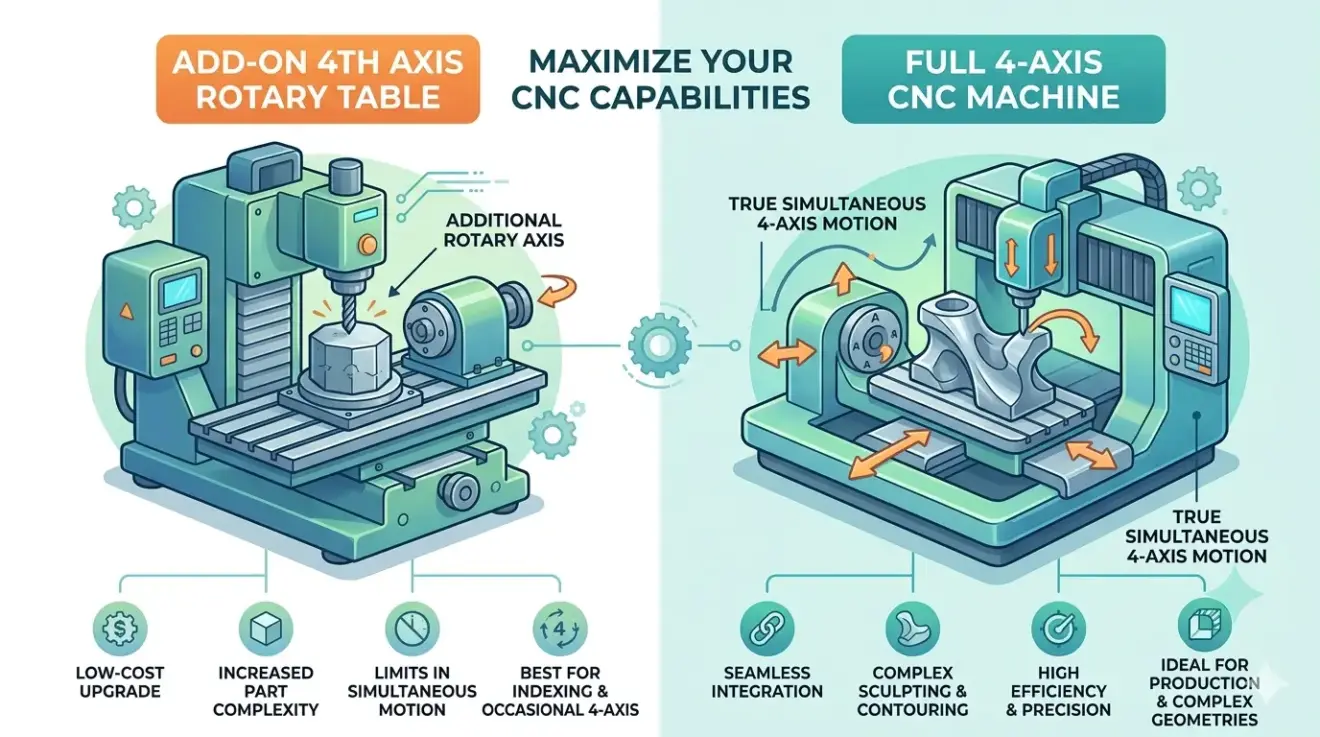
This decision is not really about cheaper versus more advanced. It is about whether rotary work is occasional enough to extend an existing machine, or frequent enough that the machine should be built around rotary motion from the start. An add-on 4th axis buys access. A full four-axis machine buys a steadier production home. Start
- Published in Blog
CNC Fixturing for Small Parts: How to Reduce Setup Time and Scrap
Friday, 03 April 2026
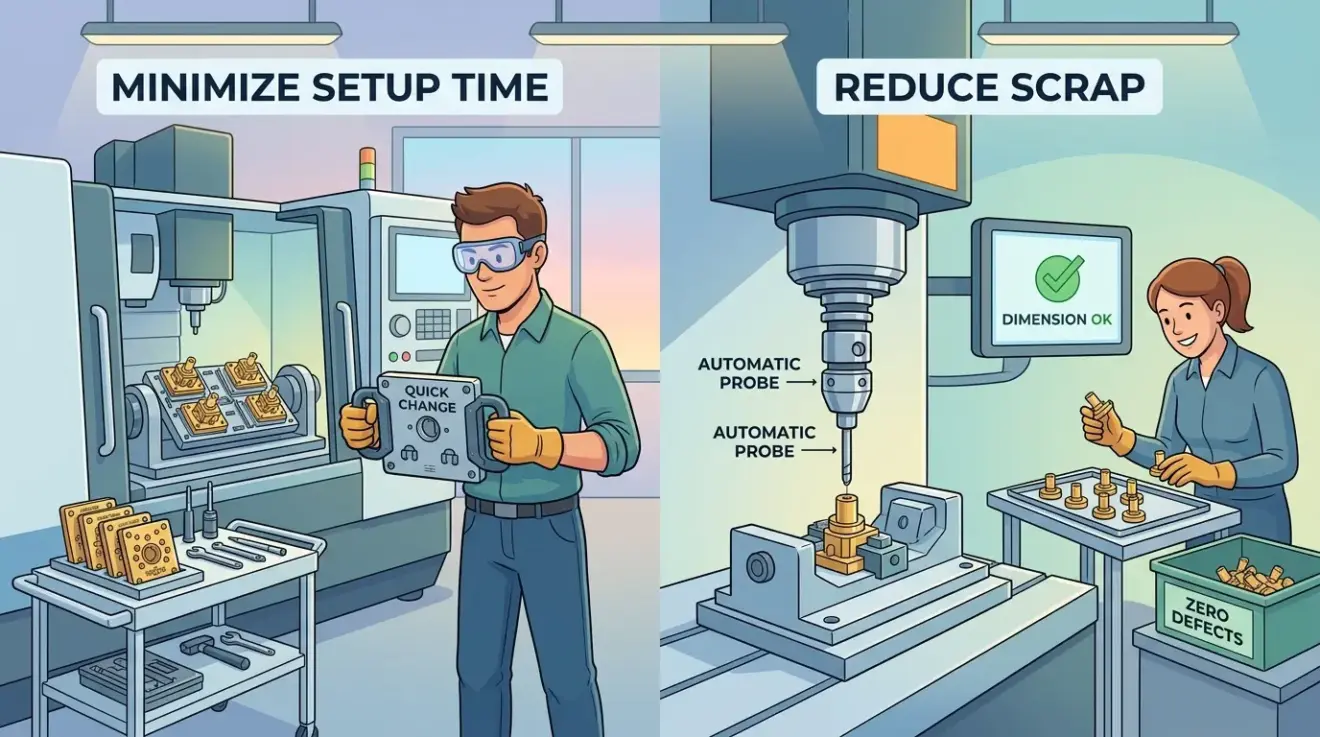
Small parts create a misleading kind of confidence. They are light, compact, and often inexpensive as blanks, so the setup looks simple at first glance. Then production begins and the real fixturing burden shows up. Parts lift under the cutter. Thin geometry marks or distorts. Operators spend too long loading and checking. Scrap does not
- Published in Blog
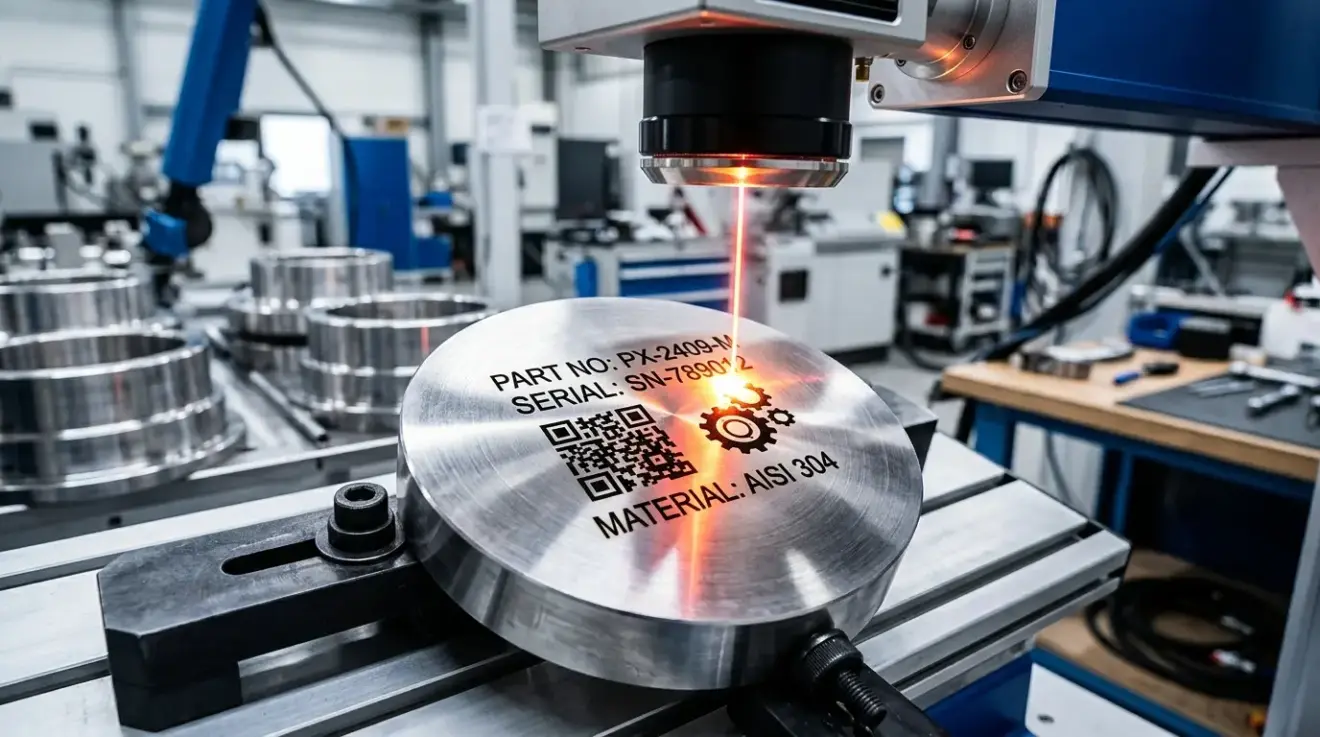
Laser Marking for Metal Parts: How to Improve Contrast and Permanence
Friday, 03 April 2026
On many production lines, a metal mark looks acceptable at the marking station but fails later in the workflow. A serial number that appears clear under bench lighting may become hard to read after cleaning, coating, handling, or scanner verification. When that happens, the problem is not cosmetic. It affects traceability, inspection speed, part matching,
- Published in Blog
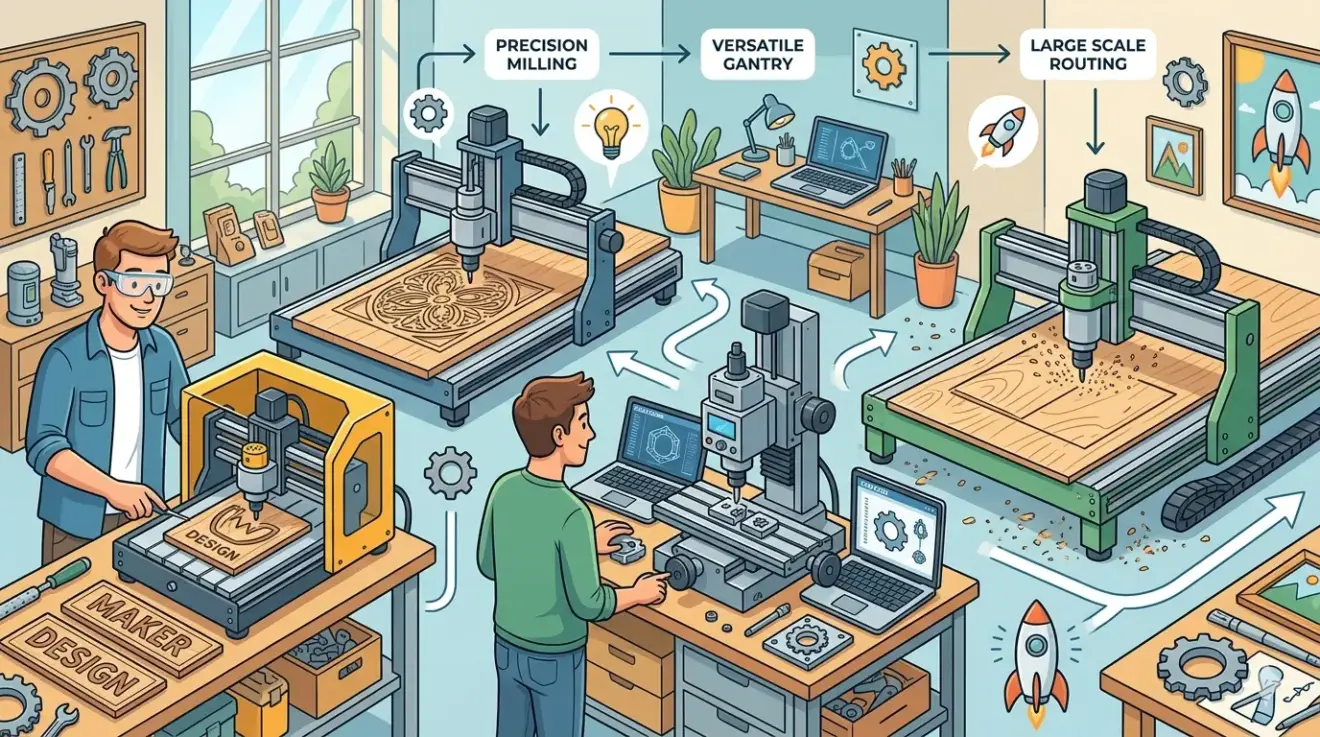
Shapeoko CNC Router Alternatives for Small Shops and Makers
Friday, 03 April 2026
Looking for Shapeoko alternatives usually means one of three things. Either the buyer wants a different balance of cost, rigidity, and upgrade freedom within the same general hobby-to-small-shop market, the buyer is tired of the ownership model around light routers and wants something calmer, or the buyer has outgrown that market entirely and needs a
- Published in Blog