

Maintenance Tips for CNC Drilling Machines That Protect Accuracy and Throughput
Monday, 06 April 2026
In cabinet and panel-furniture production, drilling problems rarely begin as a dramatic machine failure. More often, hole position starts drifting slightly, chip breakout becomes less predictable, spindle noise increases, or hardware fitting takes a little longer than it should. By the time assembly teams are compensating for misaligned holes or inconsistent boring quality, the real
- Published in Wood
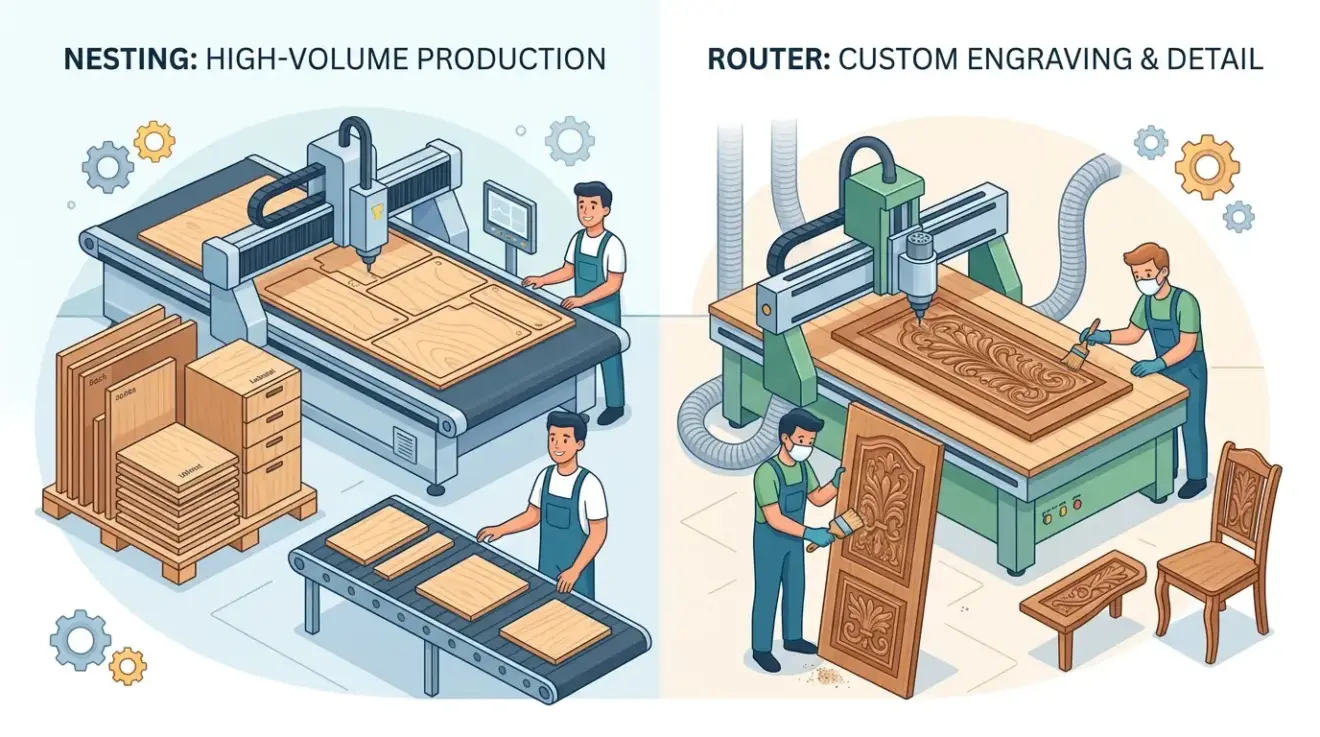
CNC Nesting Machine vs. CNC Router: What Actually Changes In Furniture Production?
Monday, 06 April 2026
In furniture manufacturing, this comparison usually appears when a factory wants faster panel processing but is not yet clear about what kind of machining problem it is really trying to solve. The symptoms often look similar at first: too much manual handling, unstable part flow, poor material utilization, slow cut-to-assembly turnaround, or too much rework
- Published in Wood
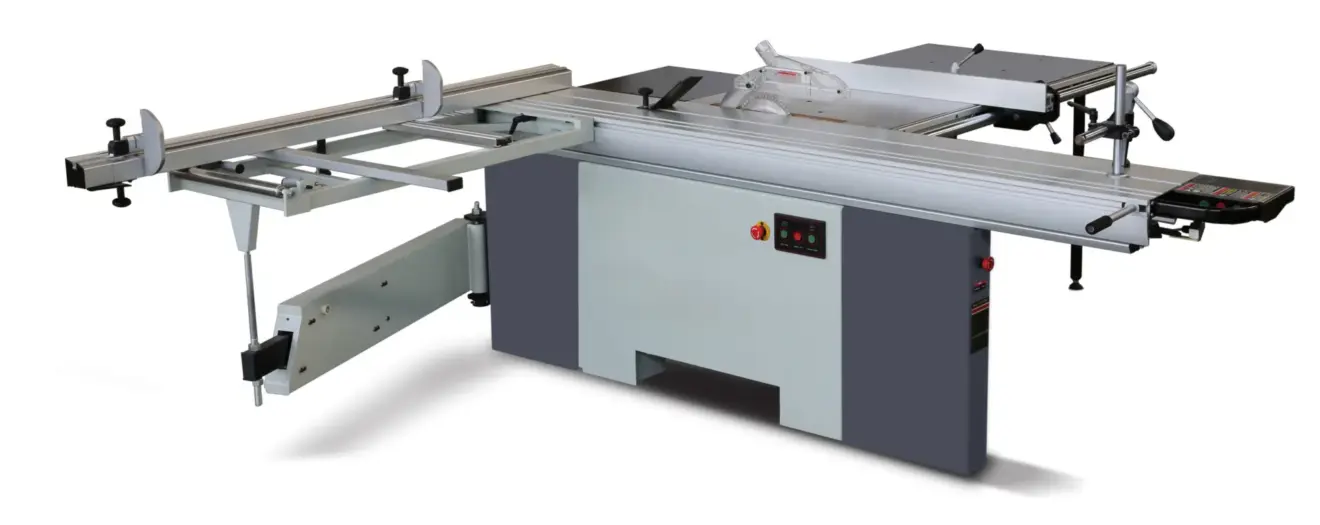
When Sliding Table Saws Outperform Other Cutting Solutions
Sunday, 05 April 2026
When the cutting station becomes a daily source of delays, the first assumption is often that the shop needs more speed. In many woodworking factories, that is only part of the problem. The real constraint is often that the work mix changes too often for a more rigid cutting setup to stay efficient. That is
- Published in Wood
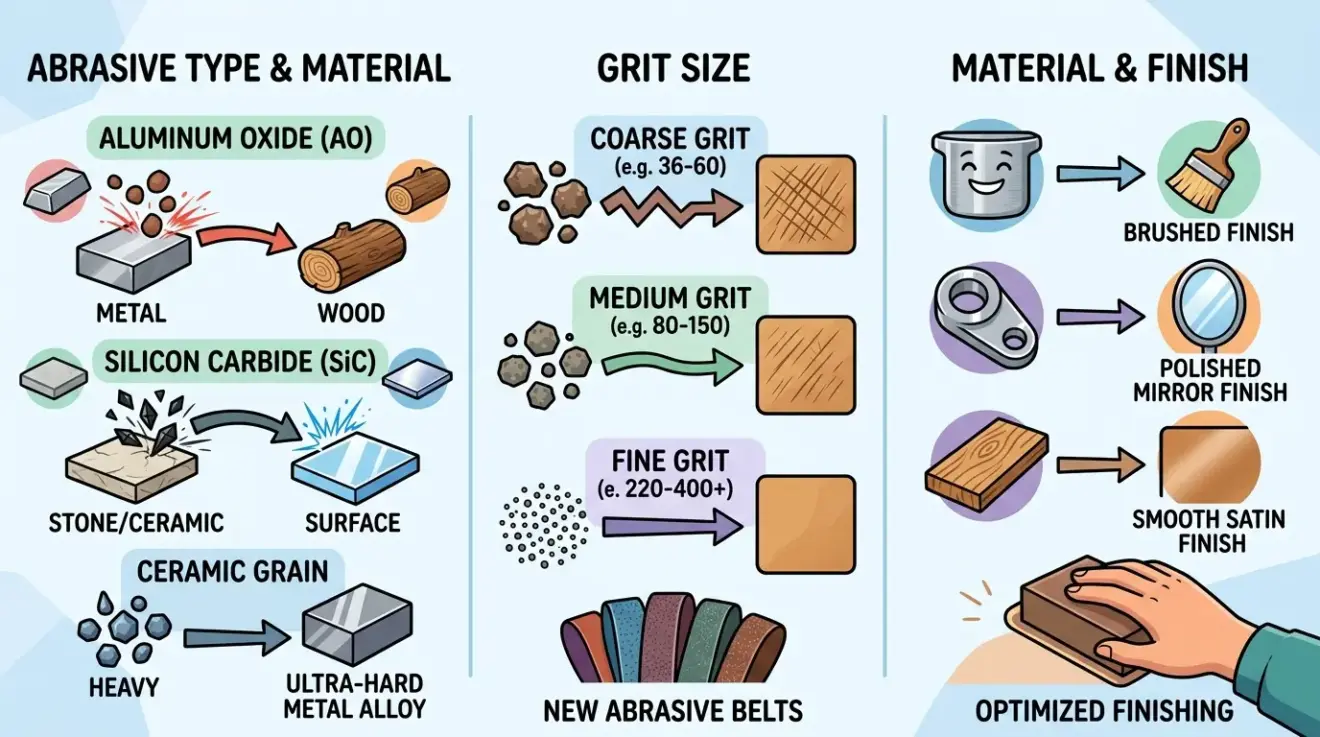
How To Match Abrasive Belts To Material And Finish Requirements
Sunday, 05 April 2026
In an industrial sanding line, poor surface quality is often blamed on the machine, feed settings, or operator technique. Just as often, the real problem is a mismatch between the abrasive belt, the material being processed, and the finish standard the factory is trying to achieve. A belt that removes stock efficiently from solid hardwood
- Published in Wood

Wide Belt Sanders for High-Throughput Manufacturing: What Actually Improves Output
Sunday, 05 April 2026
In high-throughput manufacturing, sanding problems rarely appear as a sanding discussion at first. They show up as panels waiting before coating, operators blending surfaces by hand to correct visible variation, or finished parts coming back because the surface was not consistent enough for the next stage. That is why a wide belt sander should not
- Published in Wood

Boring And Drilling Machines For High-Volume Woodworking: What Matters Most?
Sunday, 05 April 2026
In high-volume woodworking, drilling is only fast enough if every hole lands where the next operation expects it. When cabinet sides, shelves, drawer components, and case parts reach hardware preparation with small positioning errors, unstable batch order, or too much manual checking, the cost does not stay in the drilling area. It shows up later
- Published in Wood

When to Upgrade Your Edgebanding Process
Sunday, 05 April 2026
The upgrade question usually appears before the current setup fully breaks down. Panels may still leave the line with acceptable edges on good days, but the factory starts seeing a different pattern: operators spend more time touching up glue lines, visible parts need extra polishing, repeated cabinet jobs begin stacking up in front of the
- Published in Wood
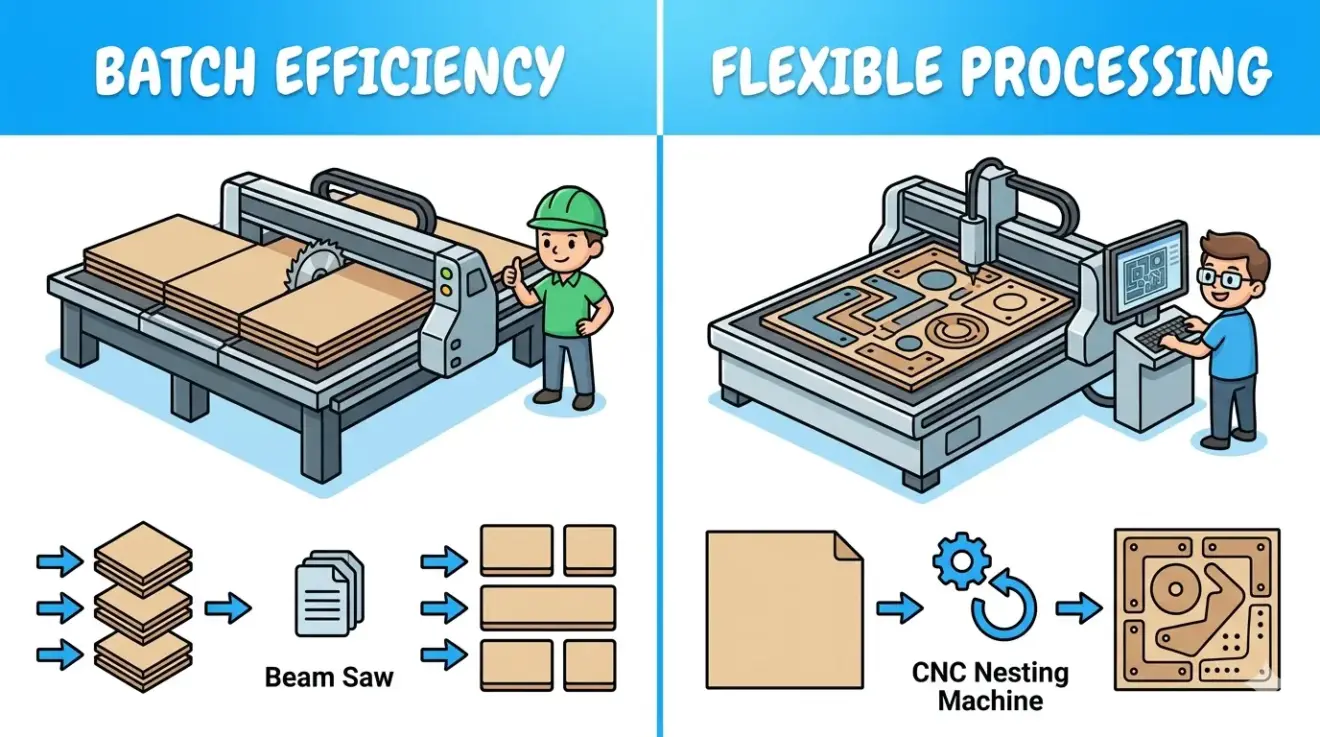
Beam Saw Vs. CNC Nesting Machine: Choosing Between Batch Efficiency and Flexible Processing
Sunday, 05 April 2026
When a furniture or cabinet factory starts looking beyond manual cutting, the real question is rarely which machine looks more advanced. The harder question is whether the business needs a faster front end for repeated rectangular panels or a more adaptable processing cell for changing part designs. Factories that mainly need steadier panel breakdown often
- Published in Wood
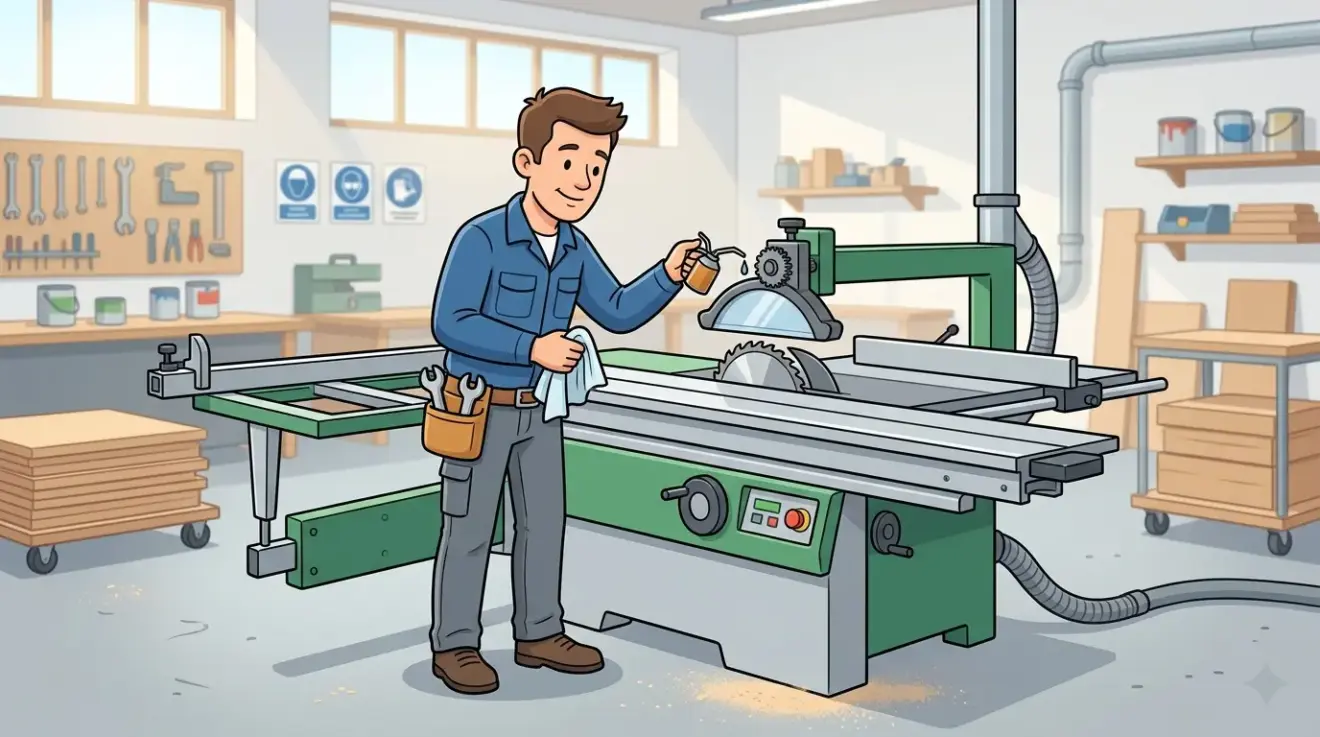
Panel Saw Machine Maintenance Checklist for Long-Term Cutting Precision
Sunday, 05 April 2026
In panel-based furniture production, cutting accuracy rarely disappears all at once. It usually drifts. A little dust buildup under the work support, a blade that should have been changed earlier, or a hold-down system that no longer applies consistent pressure can all turn into size variation, edge defects, and downstream rework. That is why a
- Published in Wood
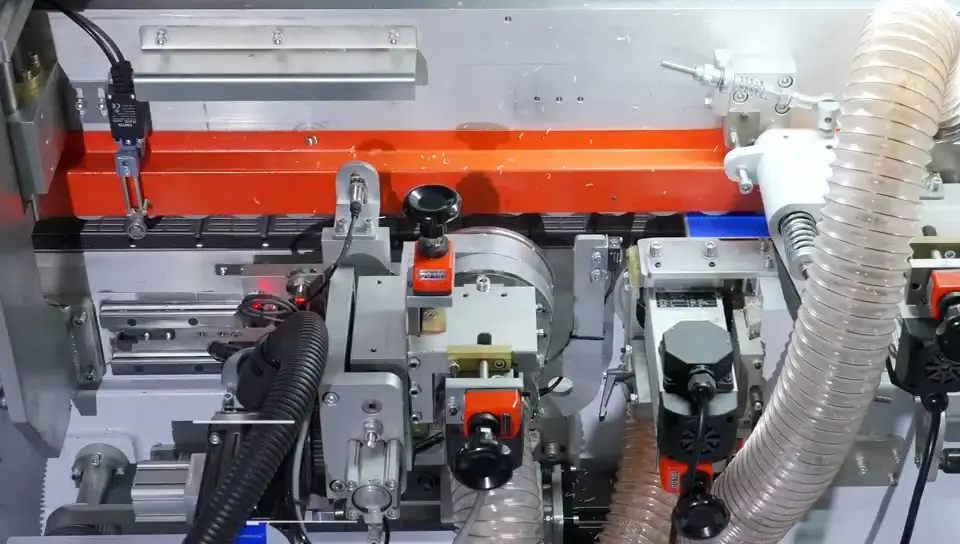
Why Edge Banding Quality Directly Affects Furniture Value
Sunday, 05 April 2026
In panel-based furniture, the edge is often where a buyer decides whether a product feels durable and well made or merely assembled to hit a price point. A cabinet panel can be cut accurately and drilled correctly, but if the edge shows a heavy glue line, feels uneven to the touch, or chips early in
- Published in Wood
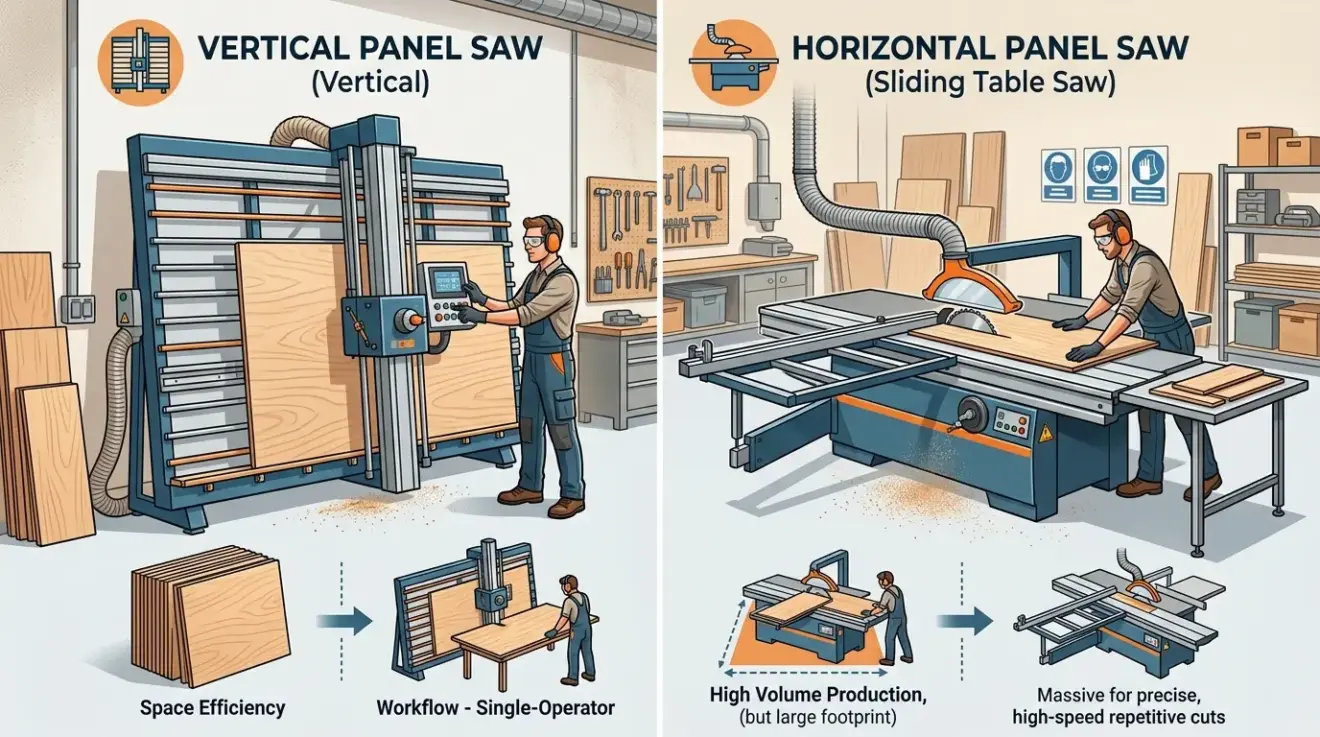
Vertical Panel Saw vs Horizontal Panel Saw: Pros, Cons, and Workflow Fit
Sunday, 05 April 2026
Many shops compare these two machines only after panel cutting starts slowing the rest of production. At that point, the real issue is usually not whether both saws can produce straight, accurate cuts. It is whether the cutting method fits the shop’s floor plan, job mix, labor model, and downstream workflow. A vertical panel saw
- Published in Wood

How To Integrate CNC Drilling Into An Automated Woodworking Line Without Creating New Bottlenecks
Sunday, 05 April 2026
In automated cabinet, wardrobe, and panel-furniture production, drilling problems rarely appear as a discussion about hole count alone. They show up as hinge plates that do not align cleanly, connectors that fight assembly, shelf-pin patterns that require rechecking, and operators stopping the line because the right part arrived with the wrong orientation or the wrong
- Published in Wood
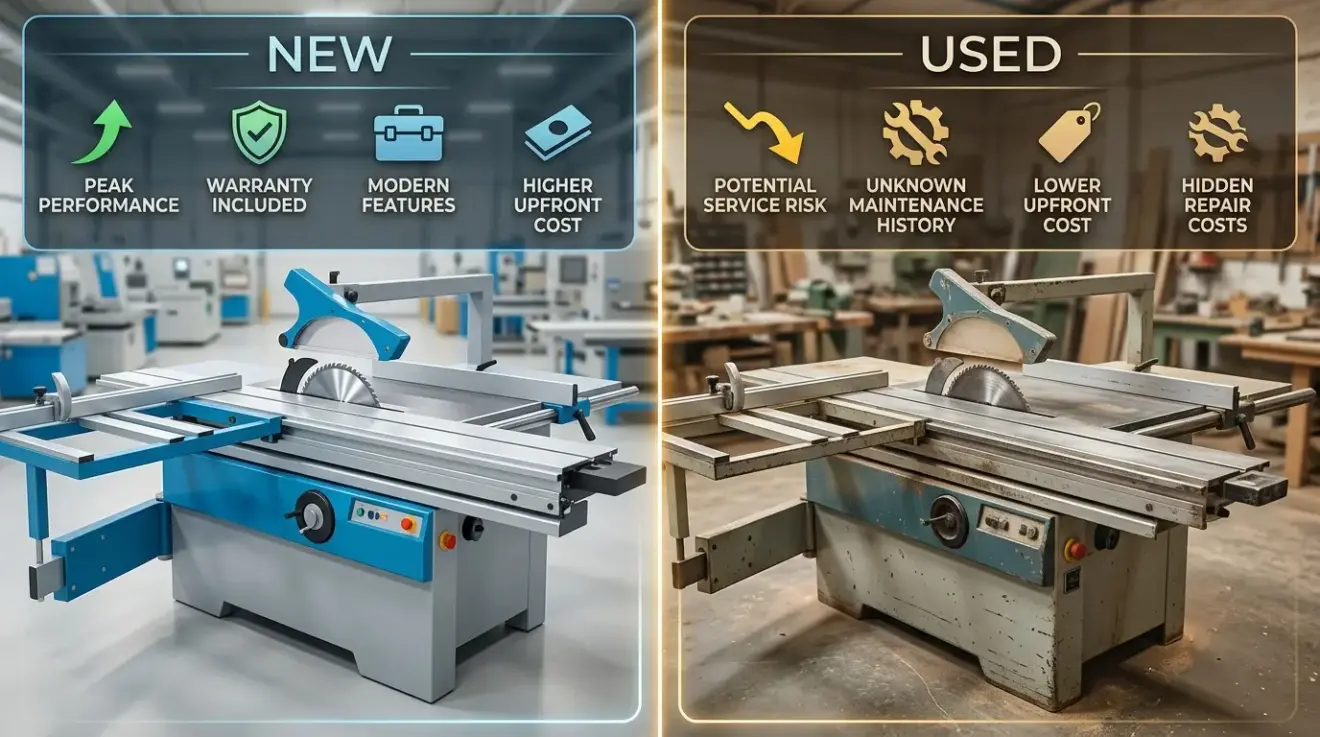
New vs. Used Sliding Table Saw: Upfront Savings vs. Service Risk Over Time
Saturday, 04 April 2026
When a shop needs more cutting capacity, a used sliding table saw can look like the fastest way to save money. The price gap can be hard to ignore, especially when production is already busy and management wants to add capacity without tying up too much capital. But on a sliding table saw, the real
- Published in Wood

Wide Belt Sander Maintenance Checklist for Consistent Surface Quality
Saturday, 04 April 2026
In sanding and finishing workflows, quality drift usually appears before a machine stops running. A belt starts loading faster than usual, panels begin showing uneven scratch patterns, thickness removal becomes less predictable, or operators start slowing feed rates to avoid visible defects. By the time scrap or rework becomes obvious, the machine has often been
- Published in Wood

When to Add a Wide Belt Sander to Your Woodworking Line
Saturday, 04 April 2026
The decision usually shows up before the sanding area fully breaks down. Parts are still moving, operators are still getting panels ready, and orders are still shipping. But the signs start to collect: too much hand sanding before coating, visible variation from one batch to the next, and too many downstream corrections on parts that
- Published in Wood
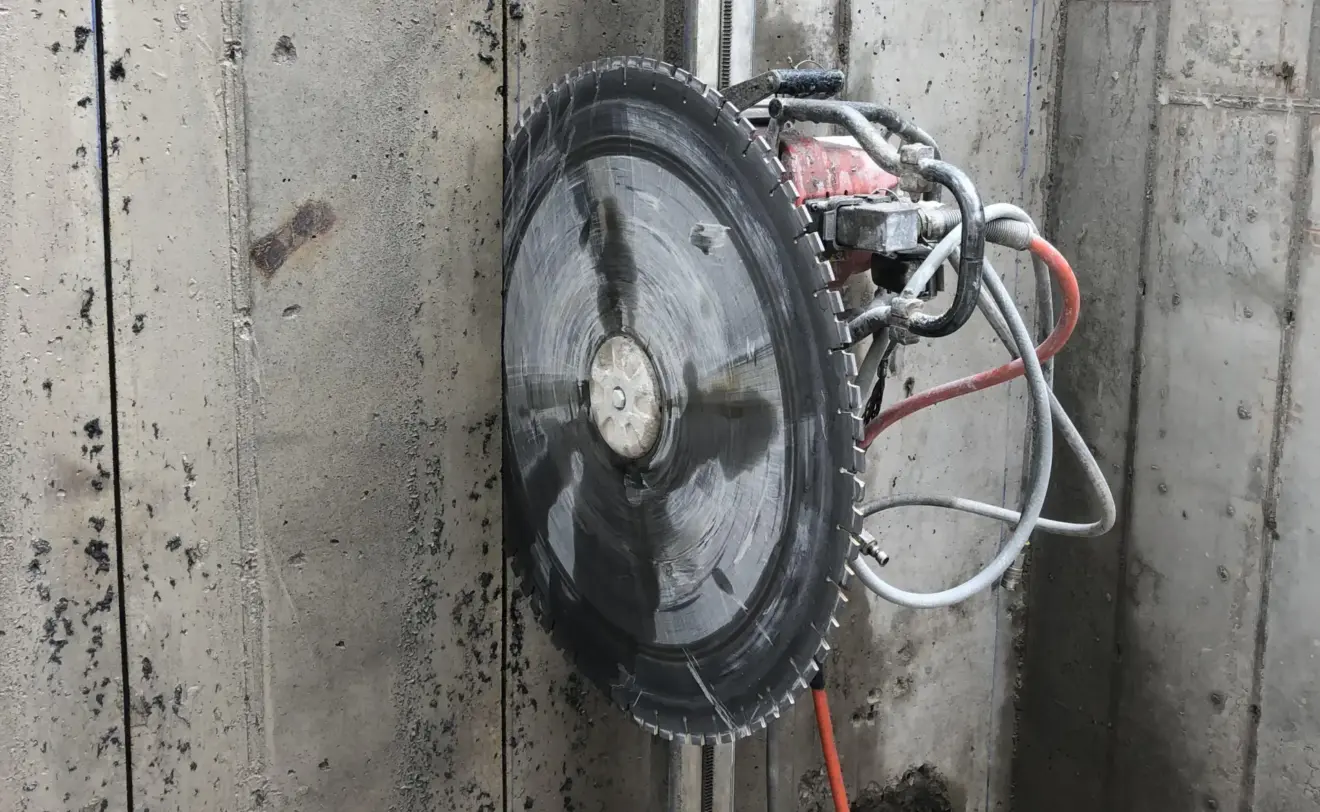
Wall Saw Safety, Blade Selection, And Cutting Strategy For Controlled Structural Cuts
Saturday, 04 April 2026
On a wall sawing job, the biggest problems rarely start at full cutting depth. They usually start earlier, when the crew underestimates panel weight, chooses a blade that does not match the concrete and reinforcement, or commits to a cut sequence that releases the section before it is properly restrained. That is why wall sawing
- Published in Wood
How to Choose a Panel Saw Machine for Small, Mid-Sized, and Large Shops
Saturday, 04 April 2026
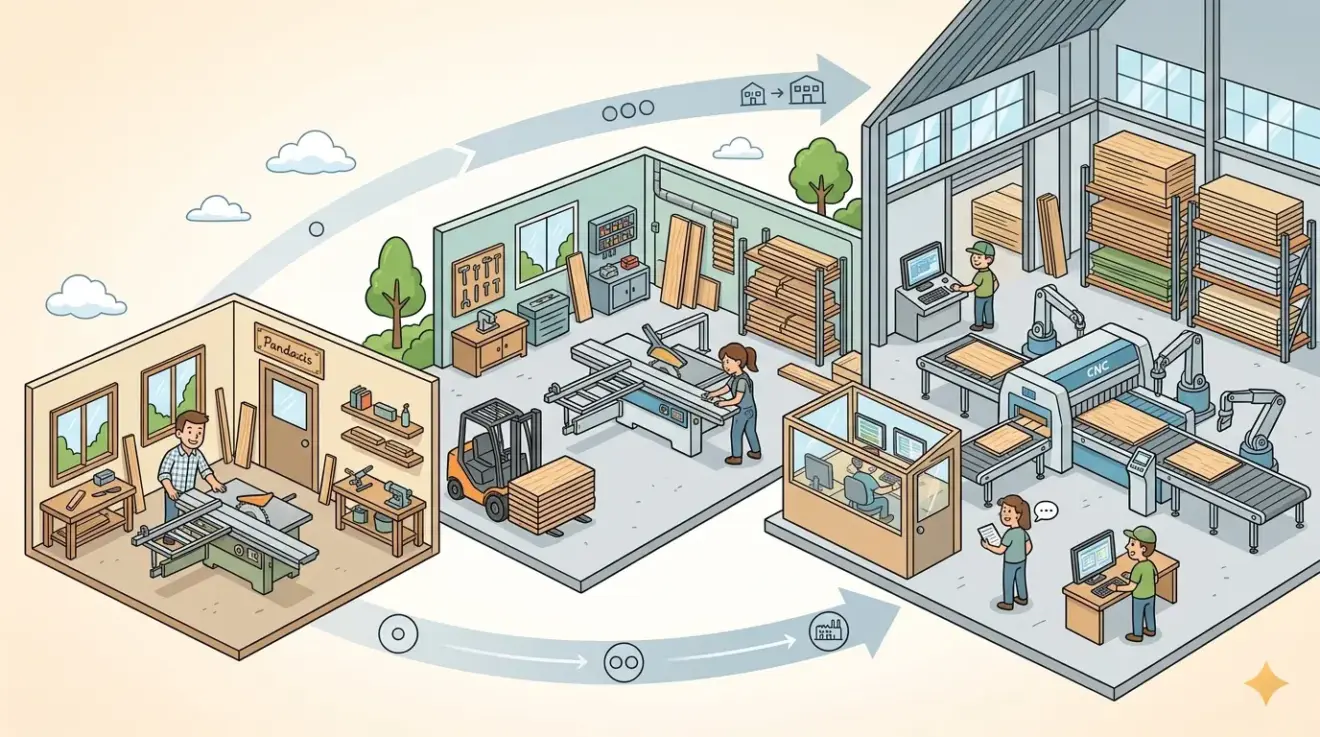
In panel furniture production, the wrong cutting machine creates problems that show up everywhere else. Parts reach edge banding late, drilling queues build up, operators re-check dimensions, and assembly loses rhythm. A panel saw can solve those issues, but only when the shop has reached the stage where dedicated panel sizing improves the whole workflow.
- Published in Wood

How to Choose a Sliding Table Saw for Furniture and Cabinet Makers
Saturday, 04 April 2026
For many furniture and cabinet makers, the cutting station becomes a daily balancing act. One job may require fast, accurate panel sizing for cabinet boxes, while the next needs angled cuts, solid-wood trimming, or short-run custom parts that do not fit a rigid batch process. In that environment, buying a sliding table saw is less
- Published in Wood

Wide Belt Sanders Explained: Types, Uses, and Buying Tips
Friday, 03 April 2026
In woodworking production, sanding often looks simple until it becomes the reason coating quality slips, veneered panels get rejected, or assembly teams start sorting parts by surface condition. A panel or solid-wood component may already be cut accurately, but if thickness is inconsistent or the scratch pattern is unstable, the problem carries forward into finishing,
- Published in Wood
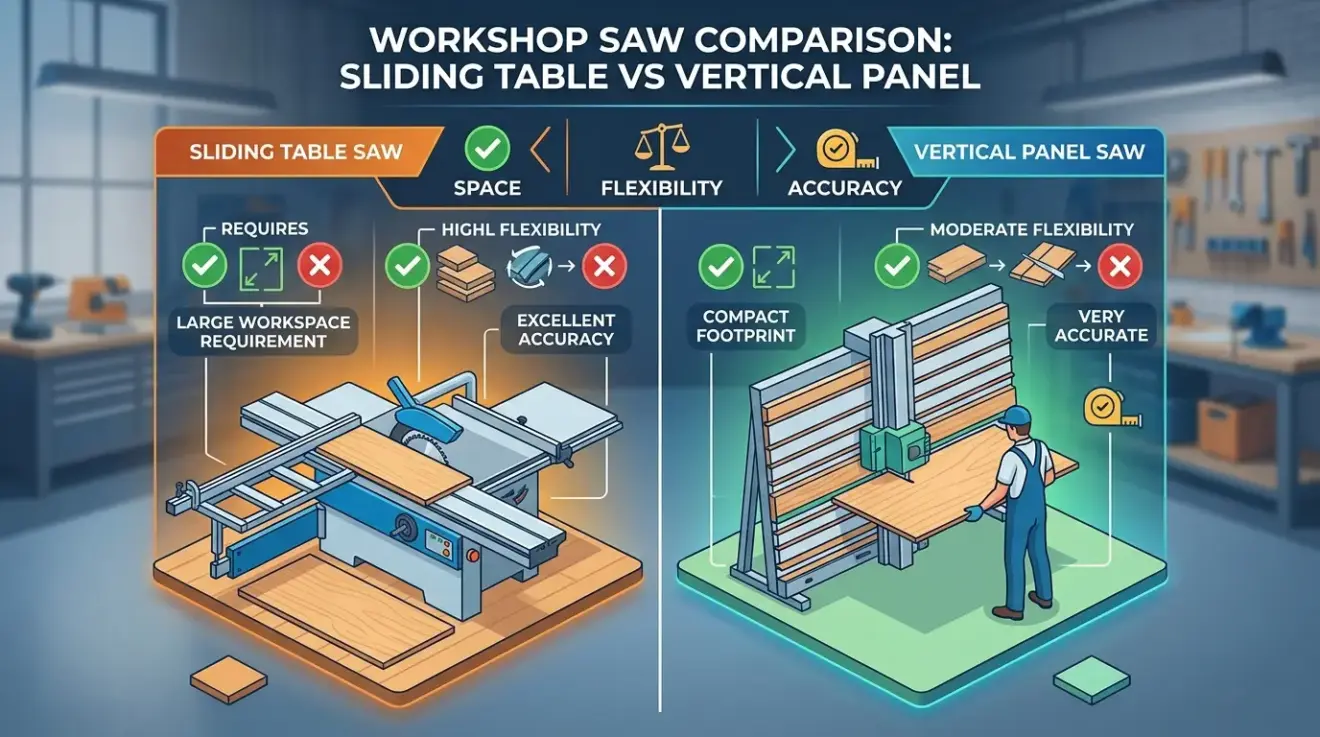
Sliding Table Saw vs Vertical Panel Saw: Space, Flexibility, and Cut Accuracy Compared
Friday, 03 April 2026
When a shop compares a sliding table saw with a vertical panel saw, the real question is usually not which one can cut a board. The real question is what the cutting area needs to solve every day: limited floor space, changing job requirements, awkward full-sheet handling, or recurring fit problems at assembly. That is
- Published in Wood