

 Español
  Italiano
  Deutsch
  Français
  Português
  العربية
  Türkçe
  Русский
  Tiếng Việt
  한국어
한국어  日本語
日本語  简体中文
简体中文 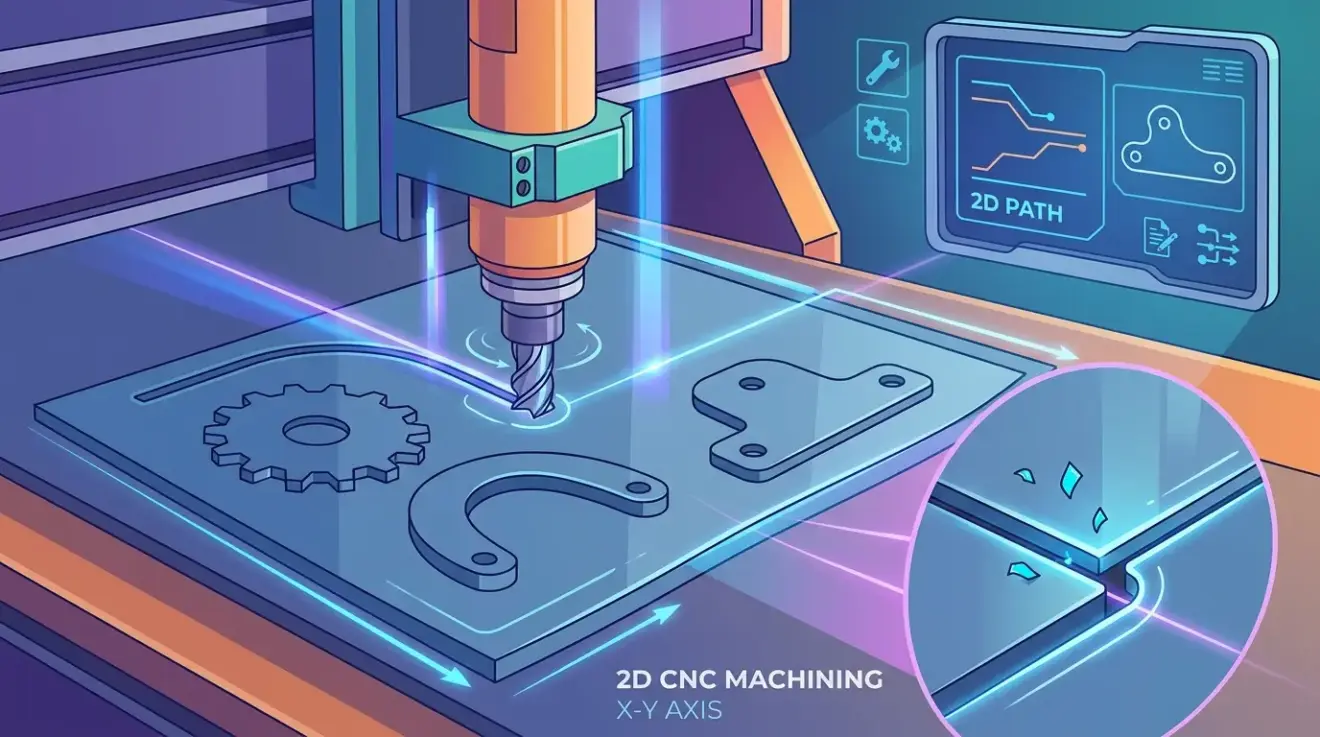
What Is 2D CNC Machining?
Saturday, 25 April 2026
People often use this term in two different ways. One group uses it loosely to mean “not very complicated machining.” The other uses it more precisely to describe profile, pocket, drilling, and planar path logic that stays inside a flat geometry model with straightforward depth control. The first use creates confusion. The second one helps
- Published in Blog
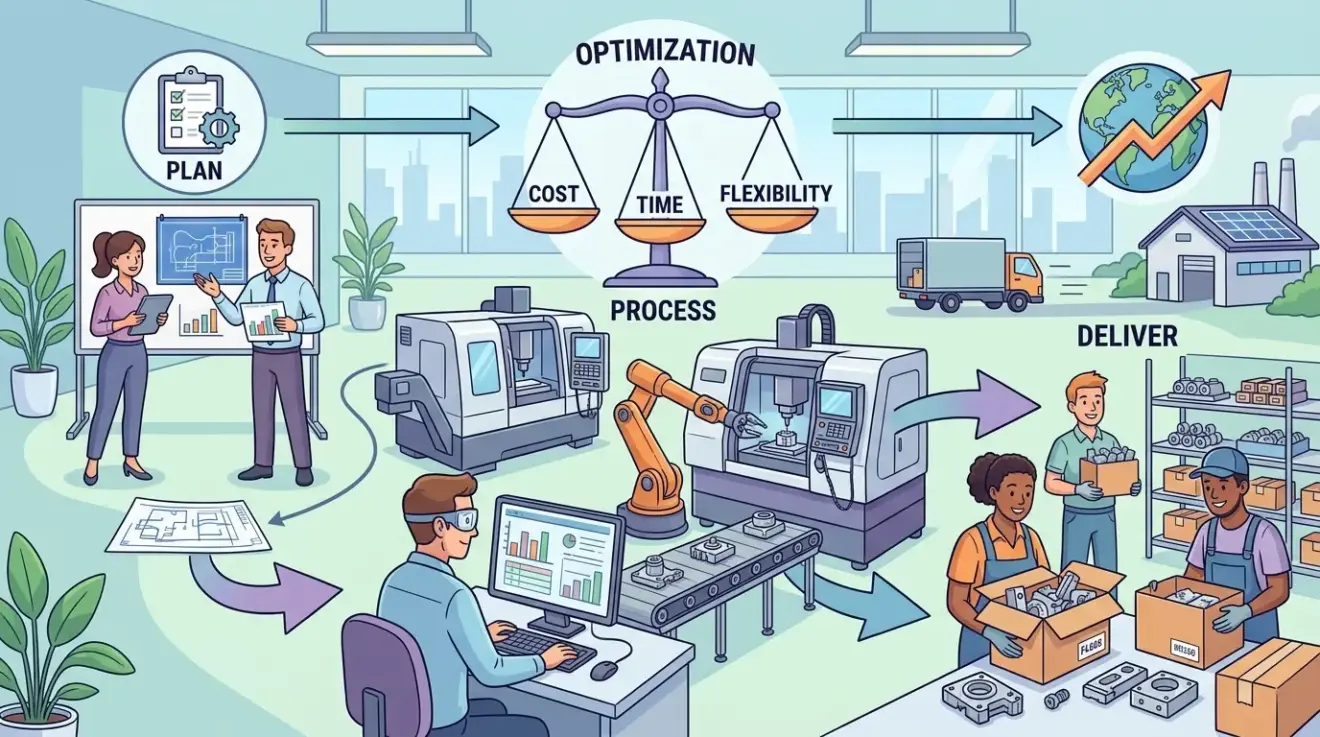
Small Batch CNC Machining: How to Balance Cost, Lead Time, and Flexibility
Saturday, 25 April 2026
Small-batch CNC machining sounds simple until the work hits the schedule board. Volumes are too high for pure prototype improvisation, too low to spread setup cost across thousands of parts, and varied enough to punish any system that depends on perfect repetition. That is why small-batch work is often harder to run profitably than either
- Published in Blog
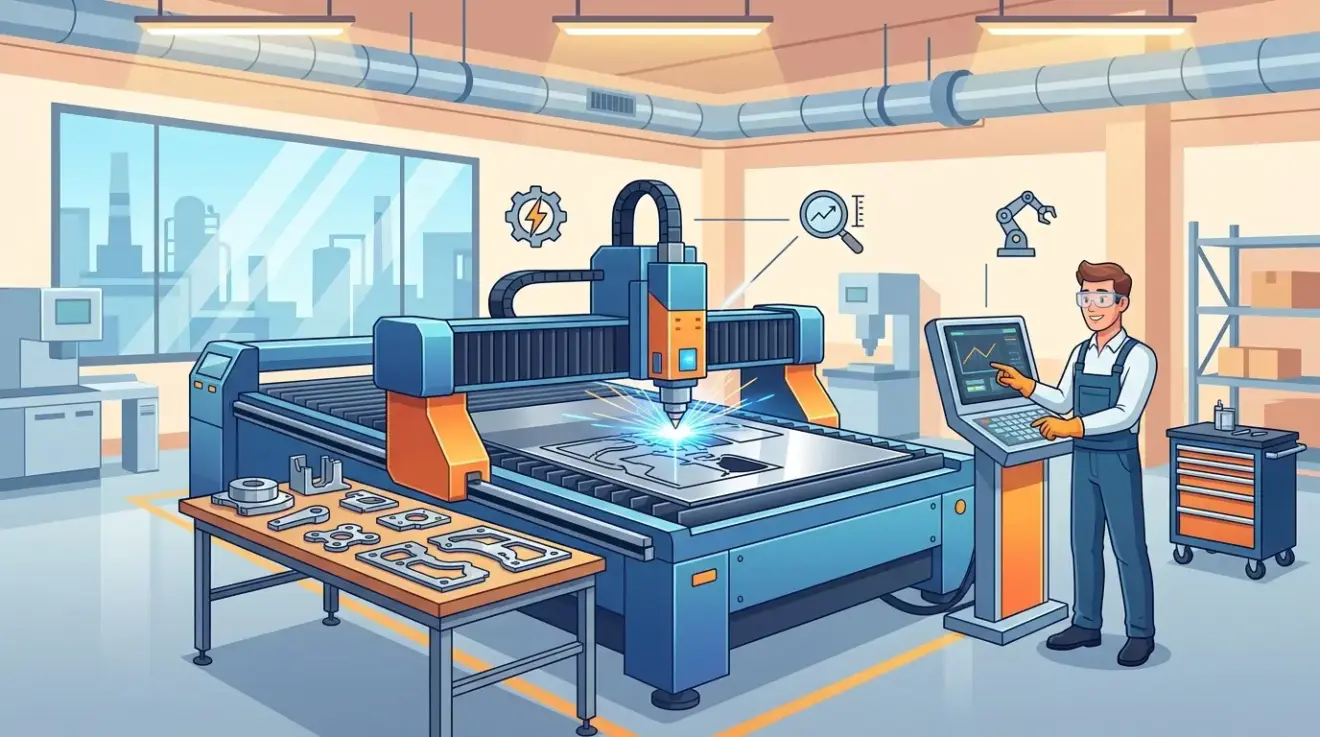
Stainless Steel Laser Cutter: What To Look For In A Production Machine
Saturday, 25 April 2026
Buying a stainless steel laser cutter for production is rarely about whether the machine can cut stainless at all. The harder question is whether it can hold edge quality, dimensional consistency, and daily throughput when the workload shifts from simple blanks to nested parts, visible panels, brackets, enclosures, and repeat orders that have to move
- Published in Blog
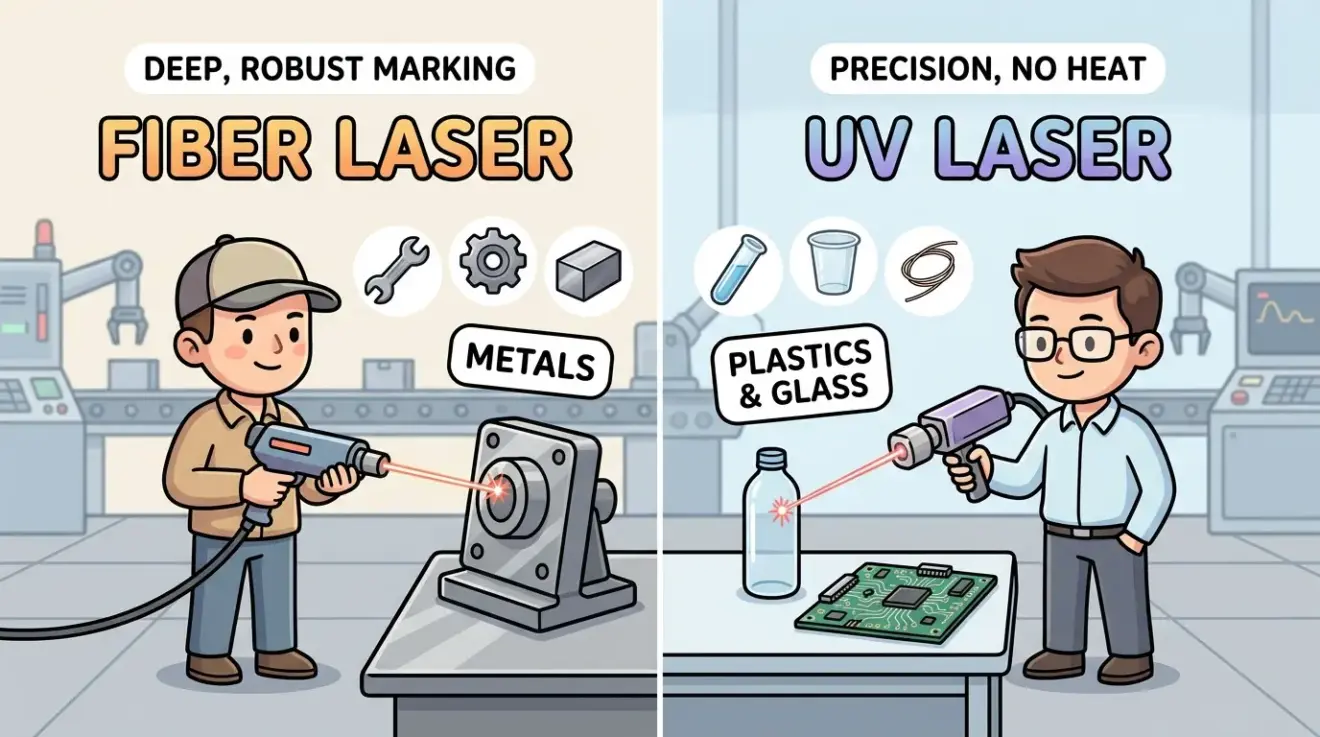
Fiber Laser Marking Machine vs UV Laser Marking Machine: Which Fits Your Production Workflow?
Saturday, 25 April 2026
Choosing between a fiber laser marking machine and a UV laser marking machine is usually not a branding decision or a brochure comparison. It is a production-fit decision. If the wrong source is matched to the material, the result is rarely subtle: metal marks may be slower than they need to be, coated surfaces may
- Published in Blog
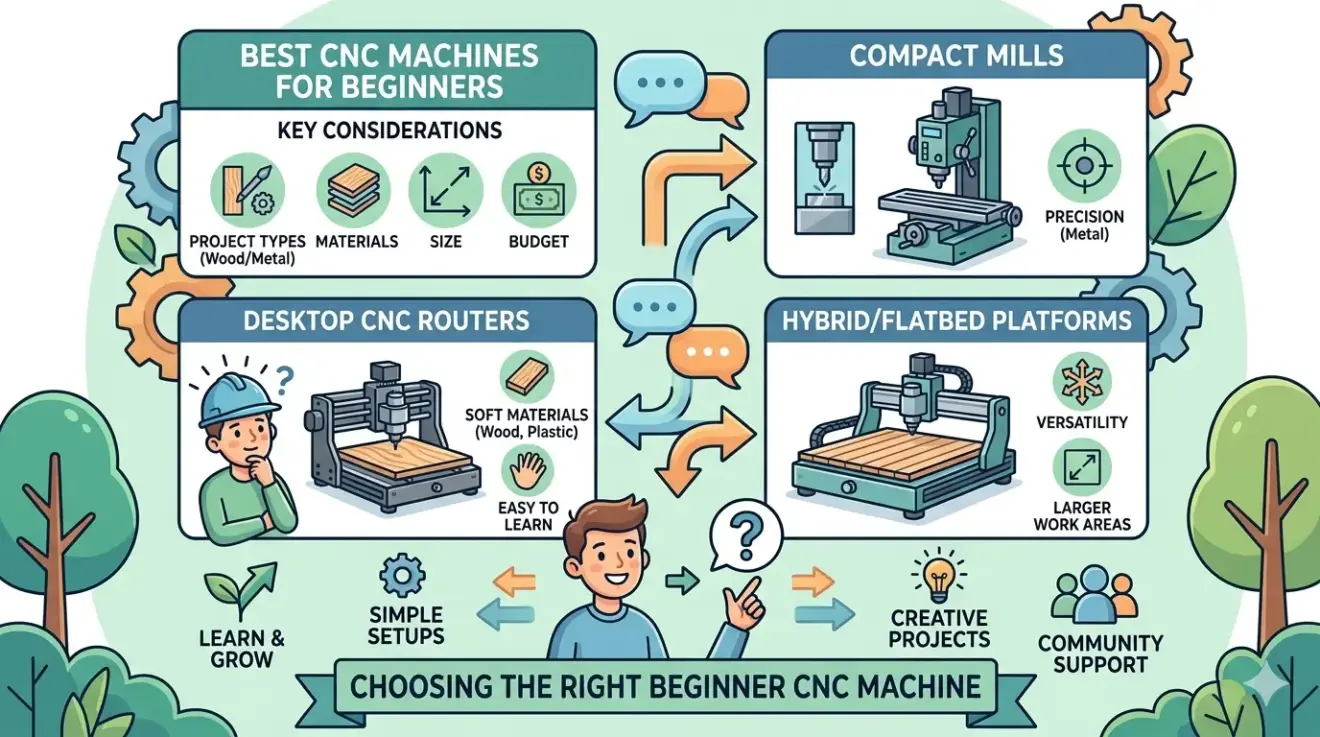
Best CNC Machines for Beginners: Router, Mill, or Desktop Platform?
Friday, 24 April 2026
The phrase beginner CNC machine sounds simple, but it hides the central problem: beginners are not all entering CNC from the same doorway. A technical student learning toolpaths is different from a furniture shop owner moving from manual cutting into digital production. A product designer making small prototypes is different from a sign shop that
- Published in Blog
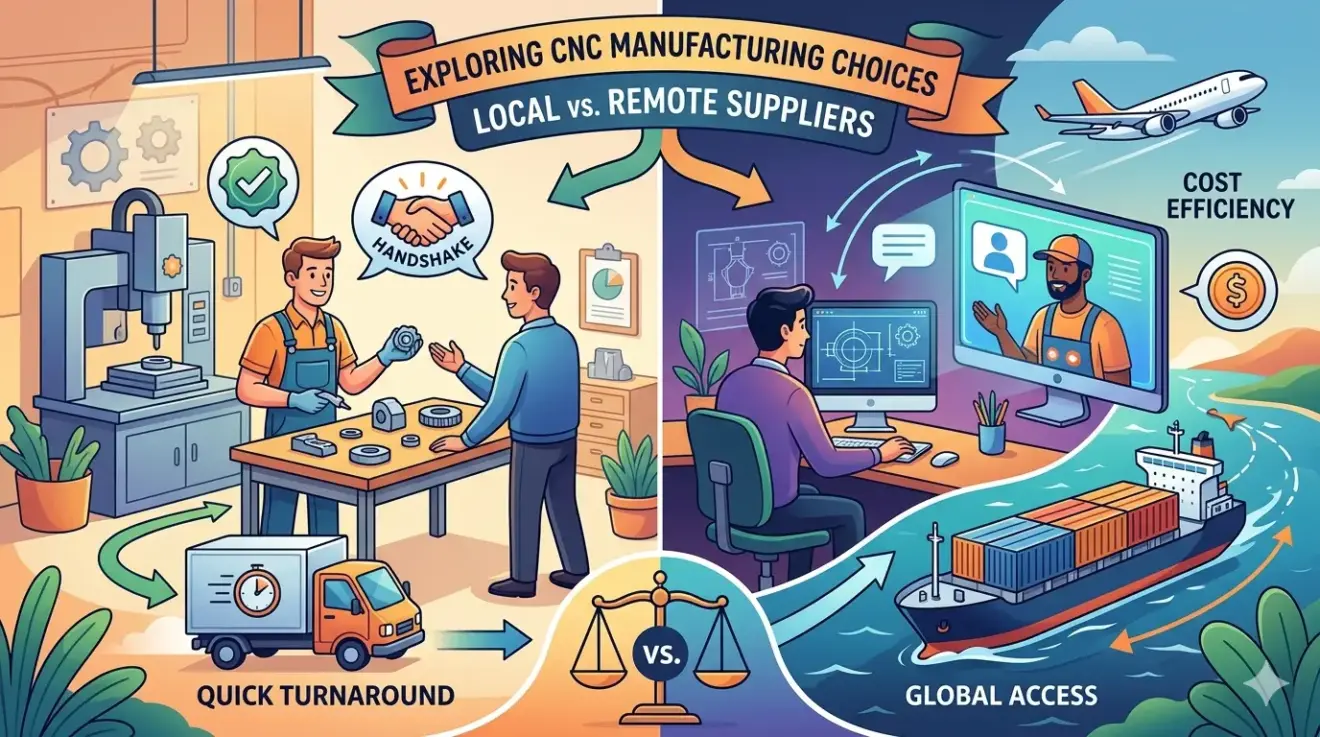
CNC Services Near Me vs Remote Suppliers: Which Is Better for Your Project?
Friday, 24 April 2026
Geography matters in CNC sourcing, but it rarely decides the outcome by itself. A local supplier and a remote supplier can both make the same part successfully when the drawing is stable, the revision level is locked, the inspection method is agreed, and the delivery rhythm is predictable. The real separation happens when the job
- Published in Blog
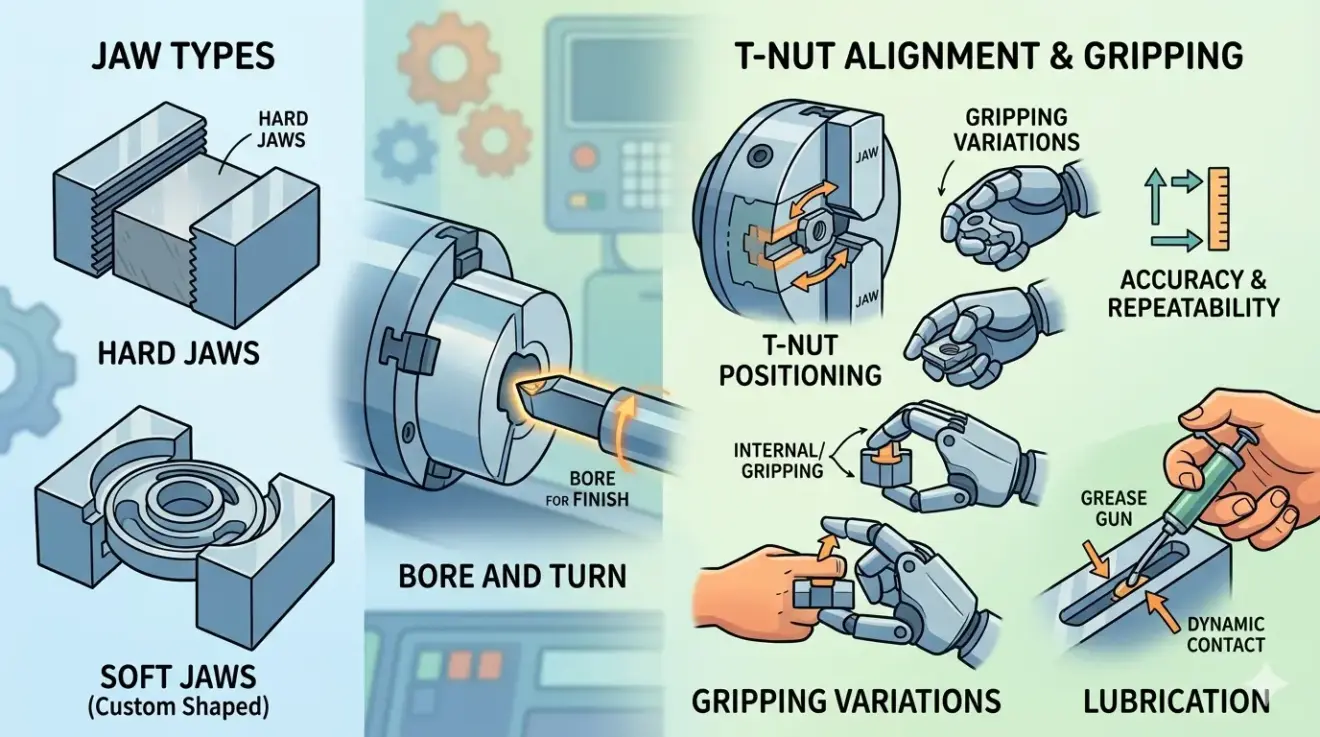
What Is CNC Jaw Setting?
Friday, 24 April 2026
CNC jaw setting is the process of preparing chuck jaws so a turned part is gripped in the right place, with the right contact pattern, and with enough repeatability to survive the cut without slipping or distorting. On paper that sounds routine. On the shop floor it is one of the fastest ways to turn
- Published in Blog
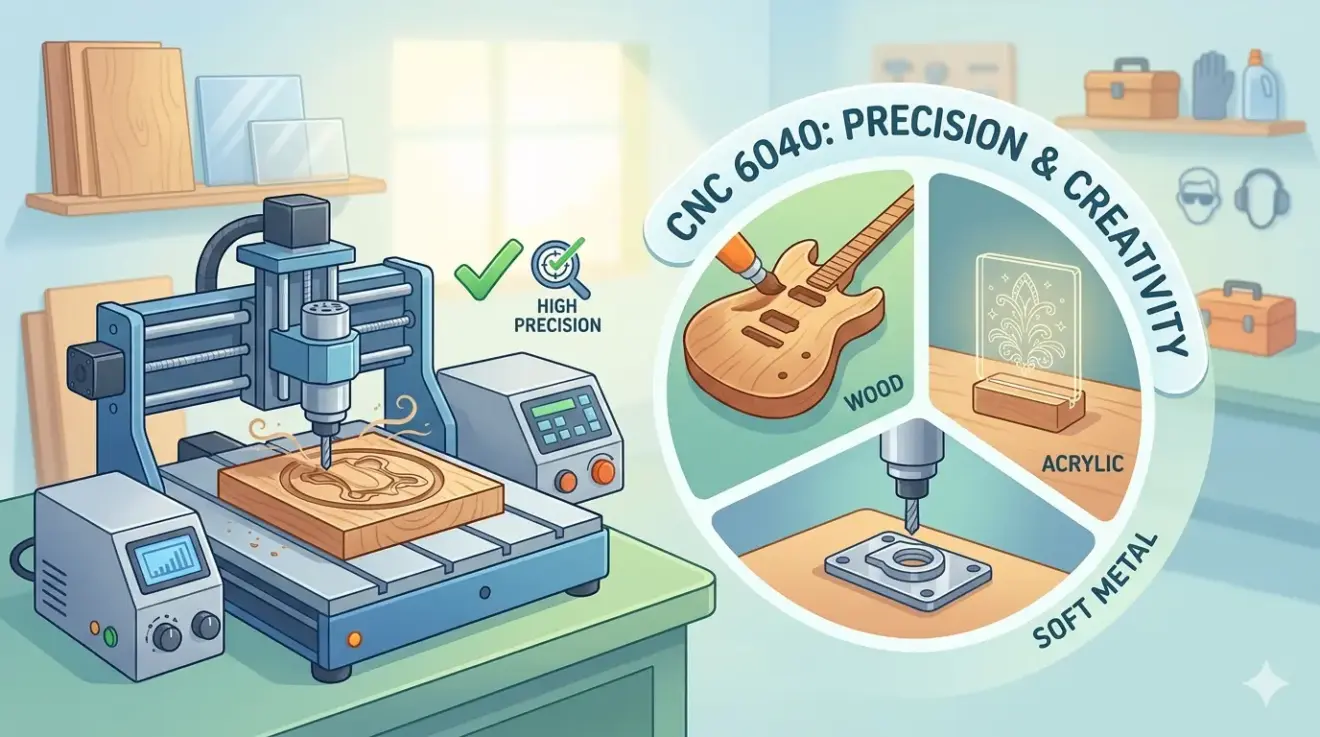
CNC 6040 Router Guide: Capacity, Accuracy, and Typical Use Cases
Friday, 24 April 2026
The 6040 router class attracts a particular kind of buyer. It is large enough to feel like a meaningful step up from cramped desktop platforms, but still compact enough to fit small workshops, prototype rooms, sign shops, school labs, and mixed-use production corners where floor space is tight. That makes it one of the easiest
- Published in Blog
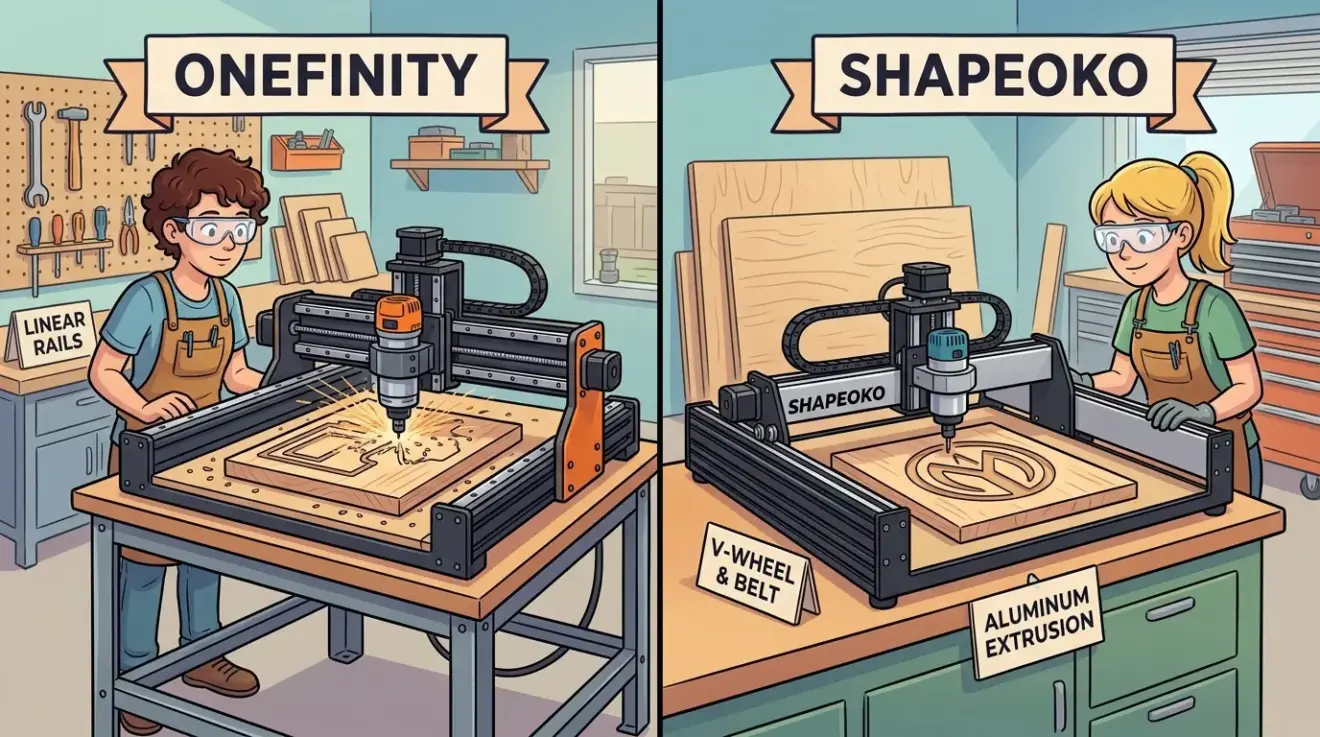
Onefinity CNC vs Shapeoko: Which Hobby CNC Platform Fits Better?
Friday, 24 April 2026
Comparisons between Onefinity and Shapeoko often turn into brand loyalty arguments, but buyers do not actually make good equipment decisions that way. The useful comparison is not which community is louder or which machine collects more enthusiastic forum posts. The useful comparison is which platform fits the way you plan to work, learn, troubleshoot, and
- Published in Blog
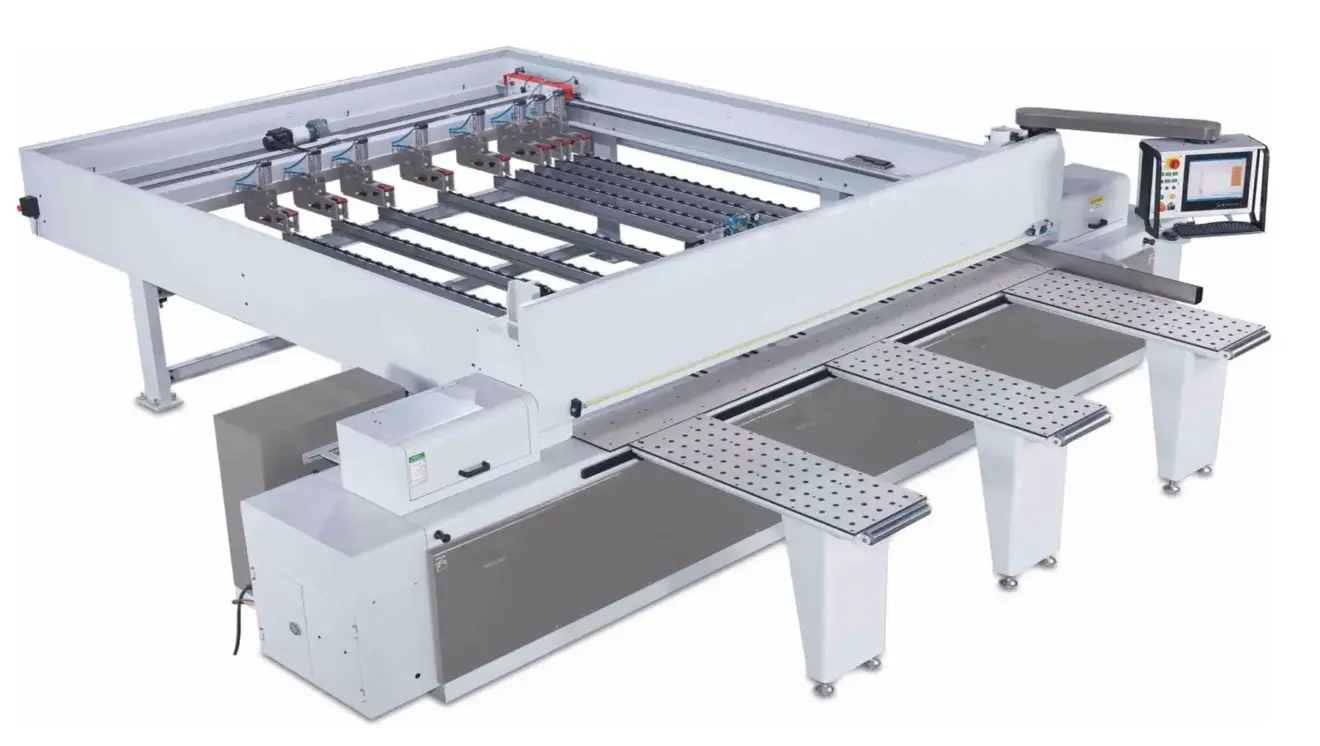
Panel Saw vs. Beam Saw: What Is the Real Difference?
Friday, 24 April 2026
Many buyers start with what sounds like a simple question: is a panel saw different from a beam saw, or are they basically the same machine? That confusion matters because the answer affects how you compare equipment, interpret supplier listings, and decide whether you are buying a broad machine category or a specific production format.
- Published in Blog
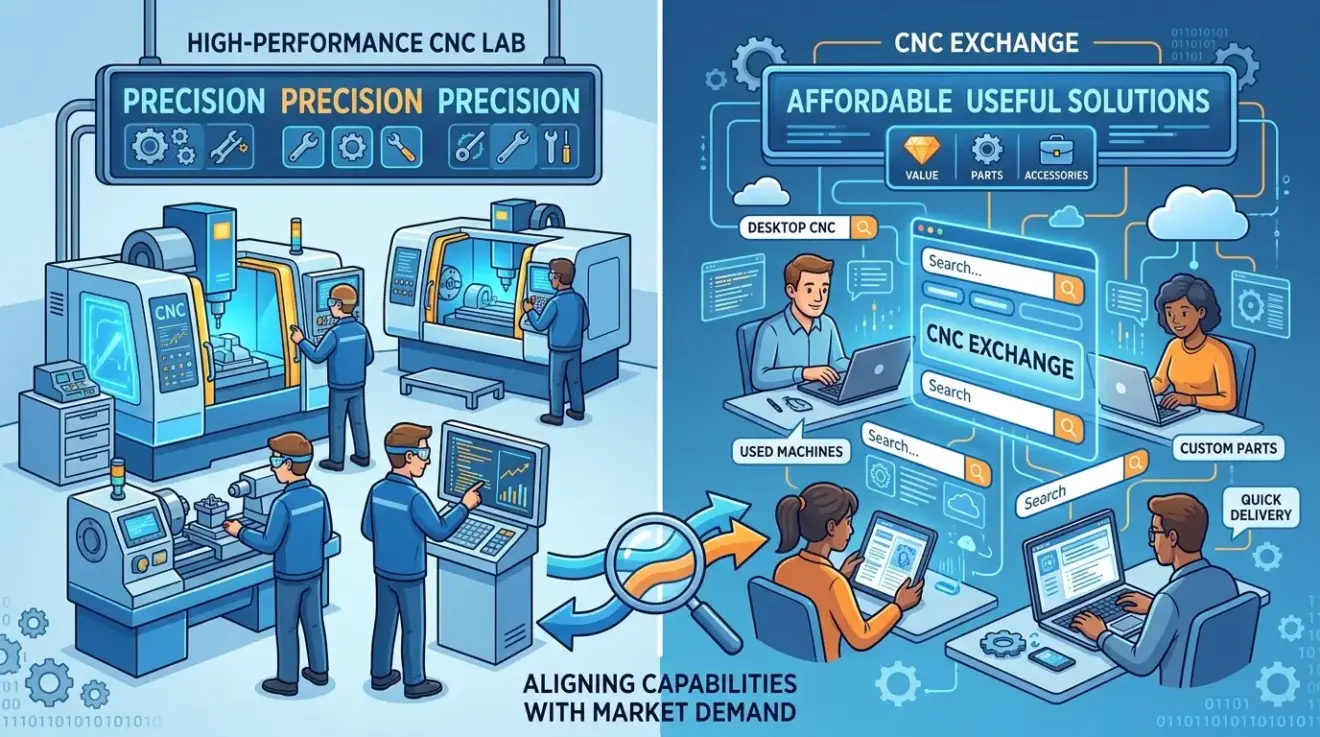
CNC Lab, CNC Exchange, and Small-Market CNC Search Terms: What Buyers Are Actually Looking For
Friday, 24 April 2026
Search terms like CNC lab, CNC exchange, and other small-market CNC phrases usually tell you less about the machine than about the person searching. The user knows they are near a CNC decision, but the decision itself is still unfinished. That is why the search results feel messy. Used listings, hobby pages, resellers, training content,
- Published in Blog
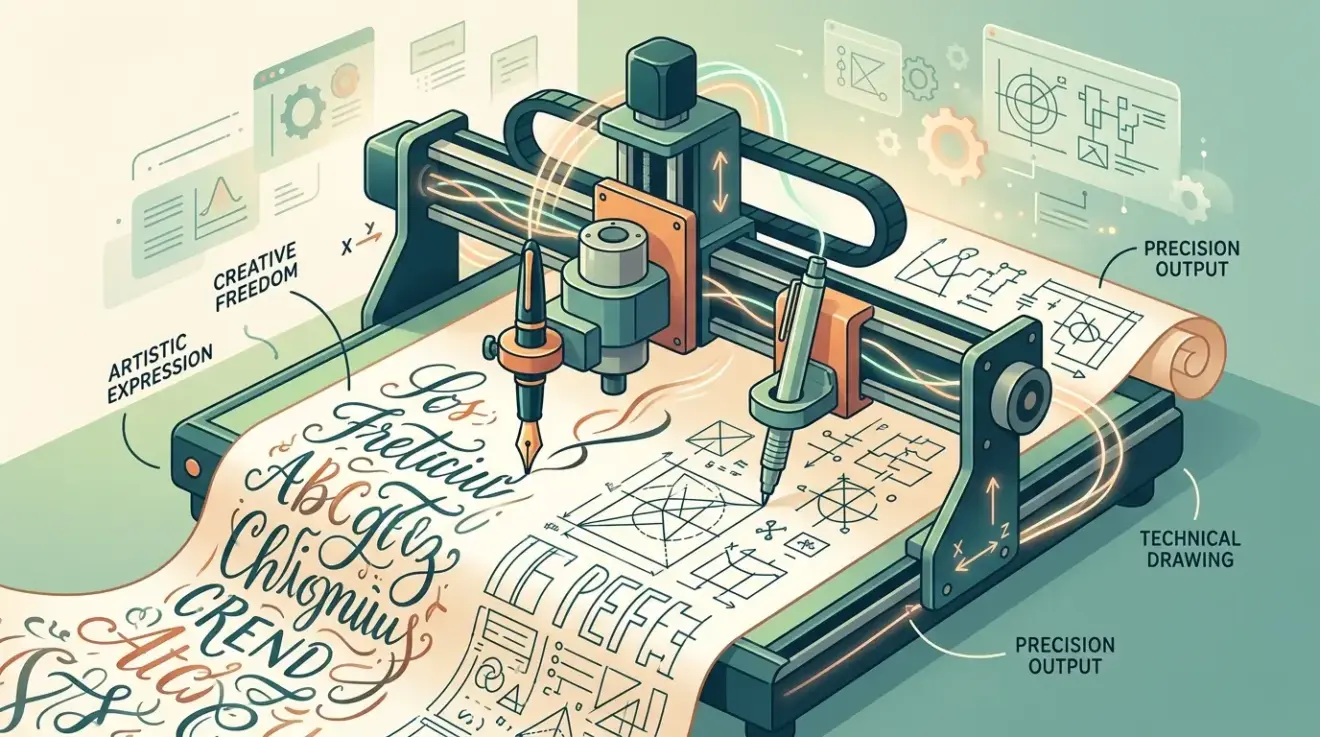
What Is a CNC Writing Machine?
Friday, 24 April 2026
A CNC writing machine is usually a plotter-style motion system that moves a pen, marker, pencil, stylus, or similar writing tool across a surface under programmed control. Instead of removing material, it places visible lines, symbols, characters, or layout marks. That makes it useful for template work, plotting, layout transfer, and certain marking tasks where
- Published in Blog
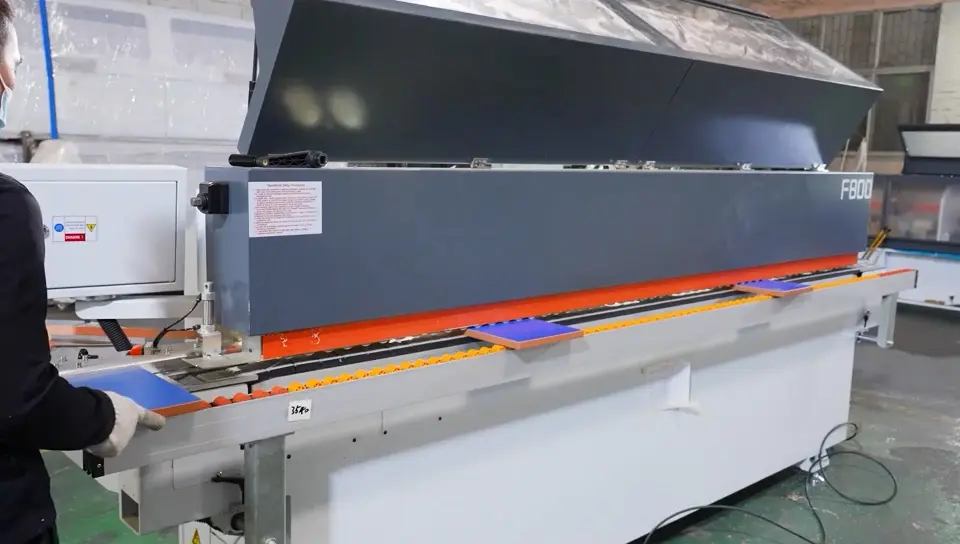
How to Choose Edge Banding Equipment for PVC, ABS, and Melamine Applications
Friday, 24 April 2026
When a panel-processing line runs PVC, ABS, and melamine-related jobs through the same edge banding station, the machine is no longer just adding a finished edge. It is deciding whether panels move forward with a clean glue line, acceptable surface appearance, and stable dimensions, or whether labor gets pushed into scraping, touch-up, sorting, and rework.
- Published in Blog
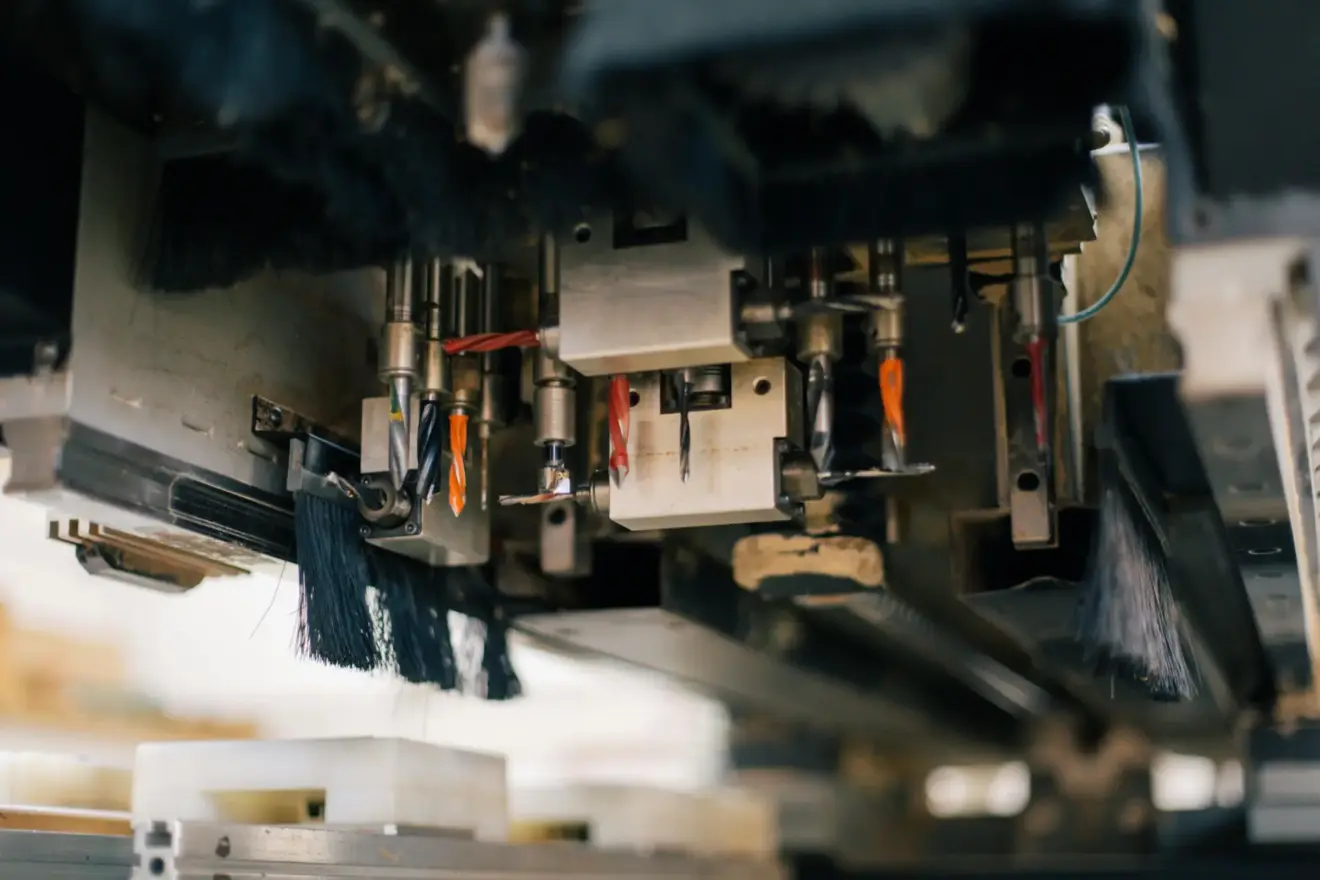
What Makes Industrial CNC Equipment Worth The Investment?
Friday, 24 April 2026
Most factories do not lose money because one machine is slightly slower on paper. They lose it because operators keep rechecking dimensions, setups interrupt the shift, downstream teams correct upstream variation, and growth depends too heavily on a few experienced people. That is why industrial CNC equipment is worth the investment when it improves the
- Published in Blog
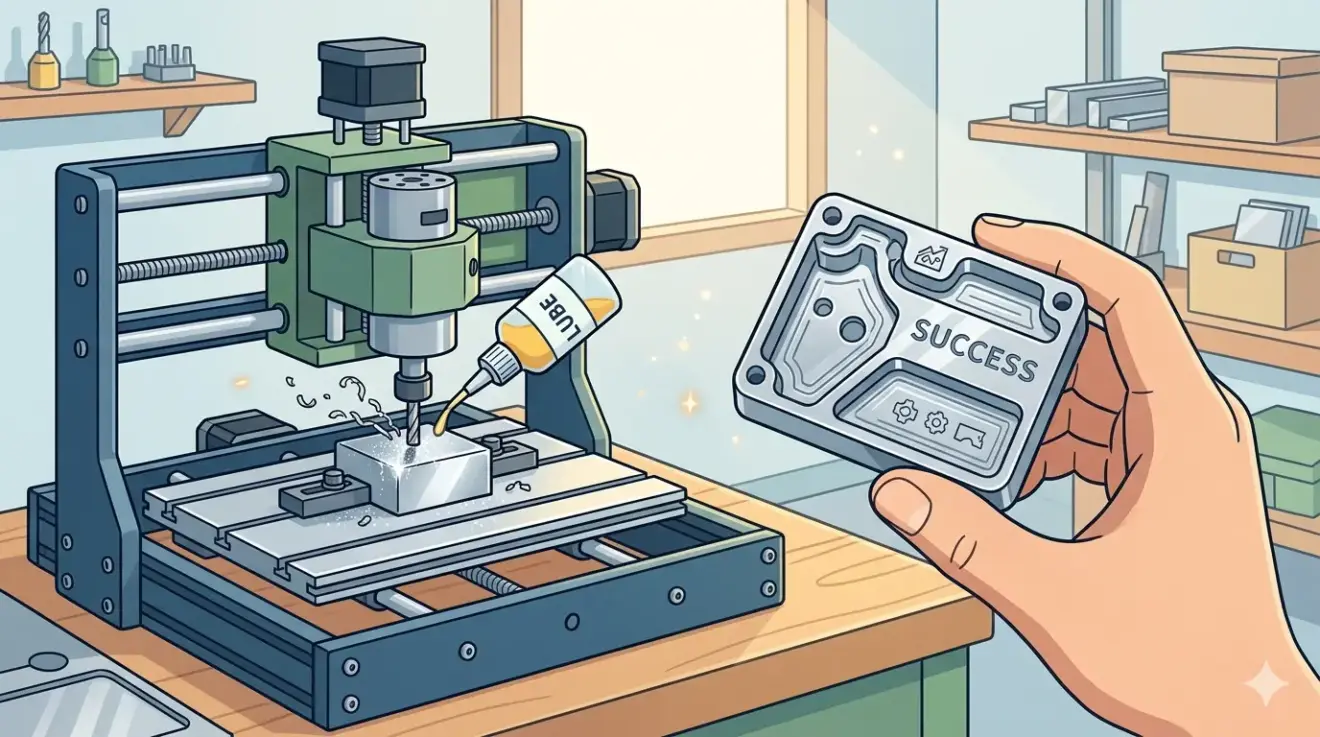
3018 CNC Milling Aluminum: What Actually Works on a Small Machine
Friday, 24 April 2026
A 3018 can mill aluminum, but only inside a narrow comfort zone. That zone is defined less by internet bragging and more by whether the job stays calm enough to finish without constant rescue. On a desktop machine, the important filter is not whether the cutter can enter aluminum once. It is whether the job
- Published in Blog
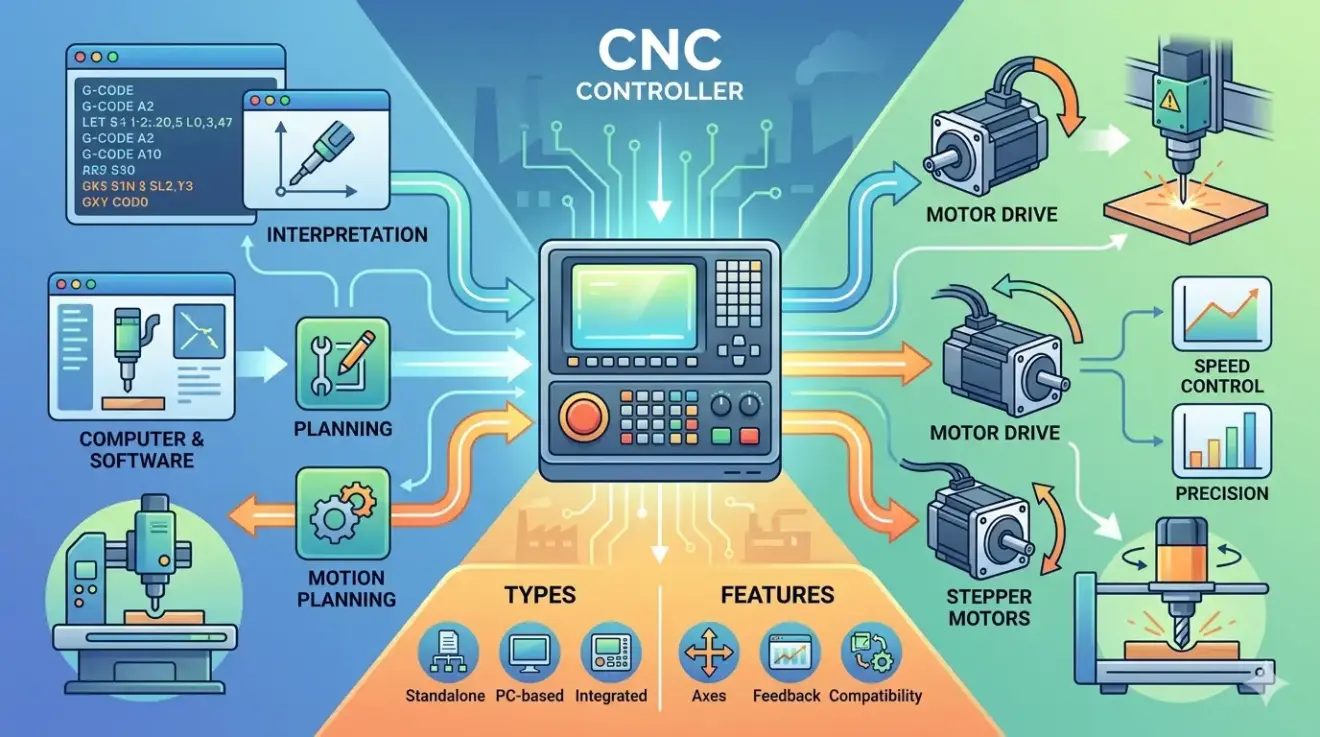
CNC Controller Explained: What It Does and How to Choose One
Friday, 24 April 2026
A CNC controller is often described as the machine’s brain, but that shorthand hides what buyers actually need to evaluate. A better description is that the controller is the layer that turns digital intent into shop-floor behavior. It interprets the program, coordinates motion, manages machine state, handles alarms, supervises inputs and outputs, and decides how
- Published in Blog
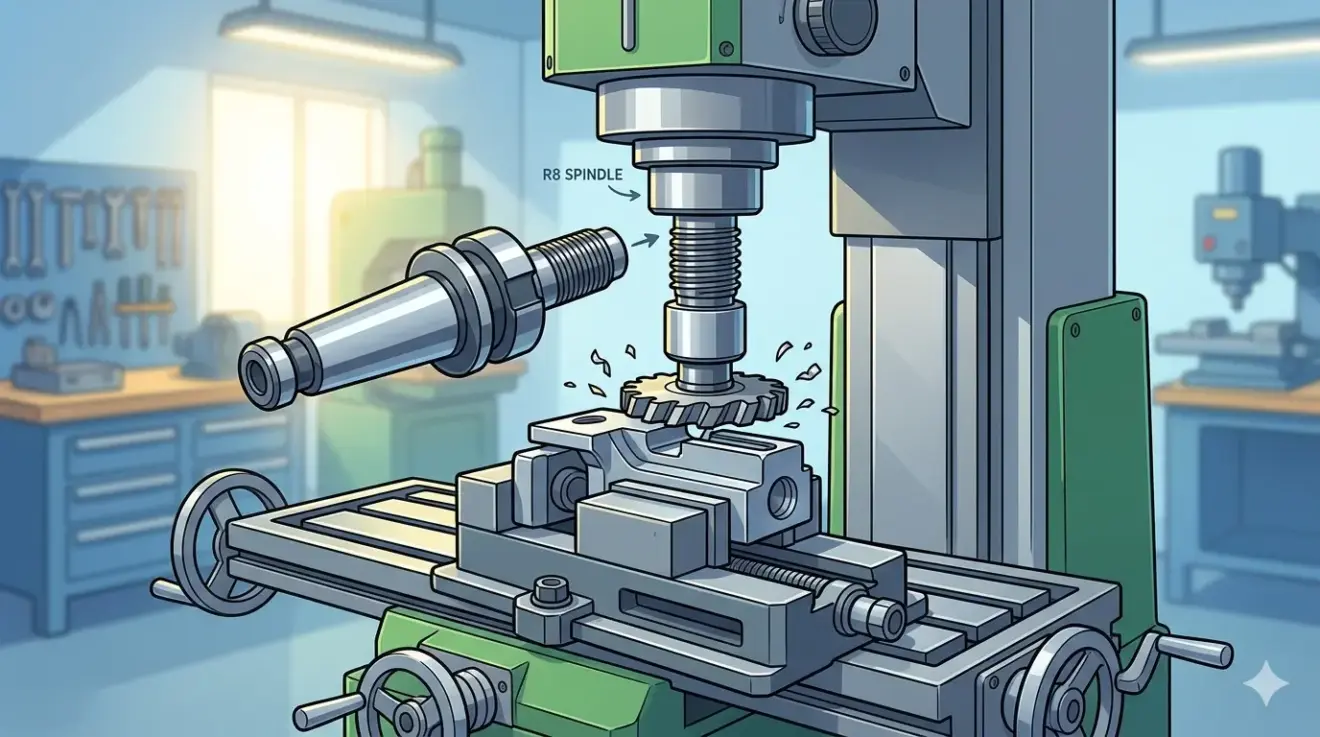
What Is an R8 Milling Arbor?
Friday, 24 April 2026
An R8 milling arbor is a tooling arrangement used on machines with an R8 spindle interface, most commonly Bridgeport-style knee mills, toolroom mills, and many benchtop or lighter manual platforms. It allows certain cutters or cutter assemblies to be mounted and driven through the spindle using drawbar retention rather than the holder systems more familiar
- Published in Blog
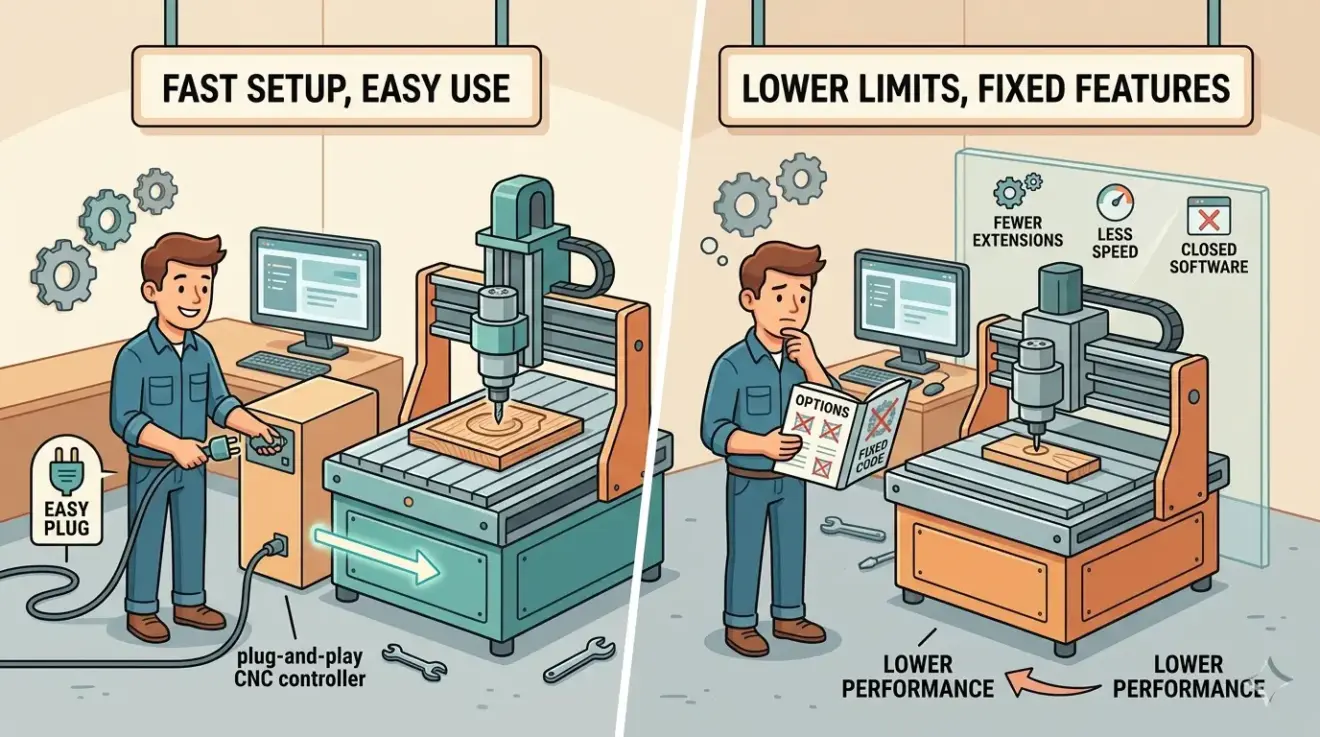
Plug-and-Play CNC Controllers: What They Save and What They Limit
Friday, 24 April 2026
Plug-and-play CNC controllers are attractive because they promise a cleaner, faster path to motion. For many users, that is the whole value. Instead of designing a control cabinet from the ground up, matching boards and drivers one by one, and troubleshooting every wiring decision in the dark, the buyer gets a more contained package for
- Published in Blog
How to Choose a Panel Saw Machine for Plywood, MDF, and Melamine Processing
Friday, 24 April 2026
When a factory cuts plywood, MDF, and melamine-faced boards in the same production flow, the saw cell stops being a simple cutting station. It becomes the point where face quality, edge condition, squareness, and batch stability are either protected or lost before edge banding, drilling, and assembly even begin. That is why buying a panel
- Published in Blog
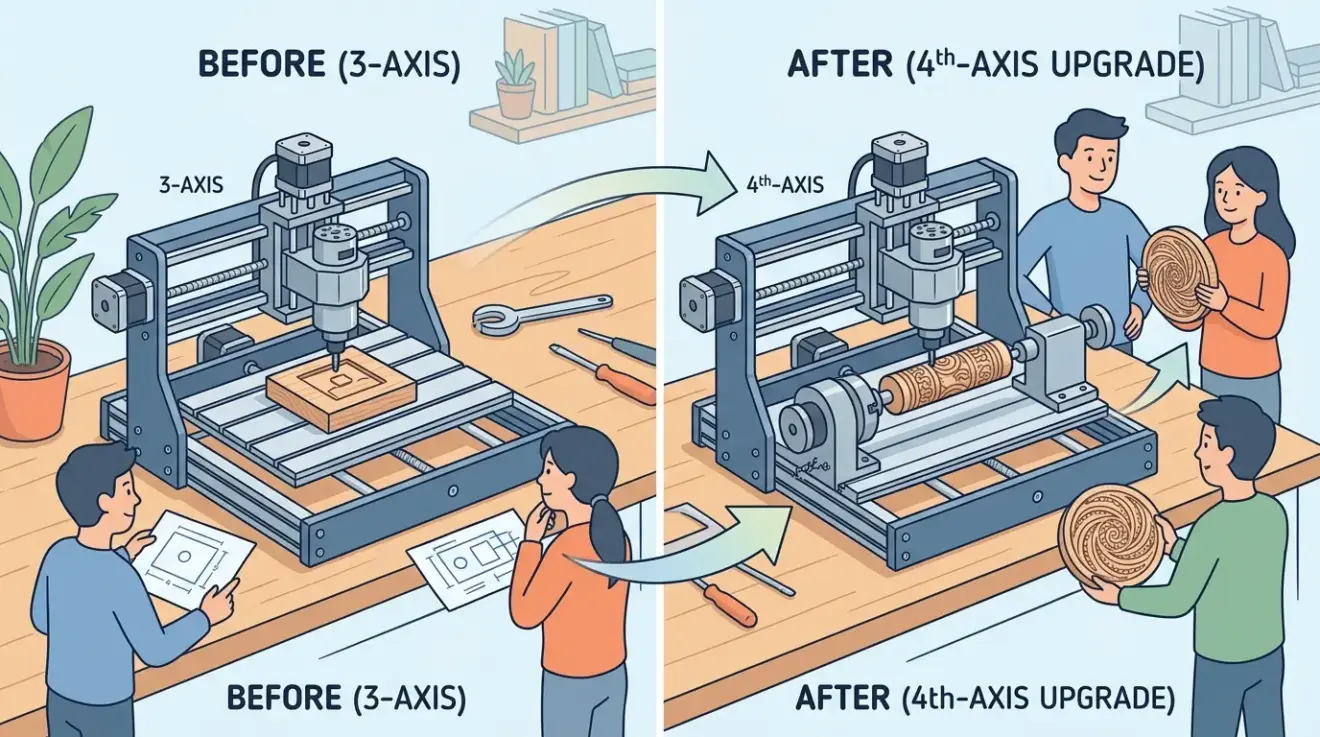
3018 4th Axis Upgrade Guide: Is It Worth Adding Rotary Capability?
Friday, 24 April 2026
A 3018 rotary kit is appealing because it seems to unlock a new family of parts without forcing a new machine purchase. Flat work feels limiting, round stock starts looking useful, and one extra axis appears to promise a large capability jump. Sometimes it does create real value. Just not in the way buyers first
- Published in Blog
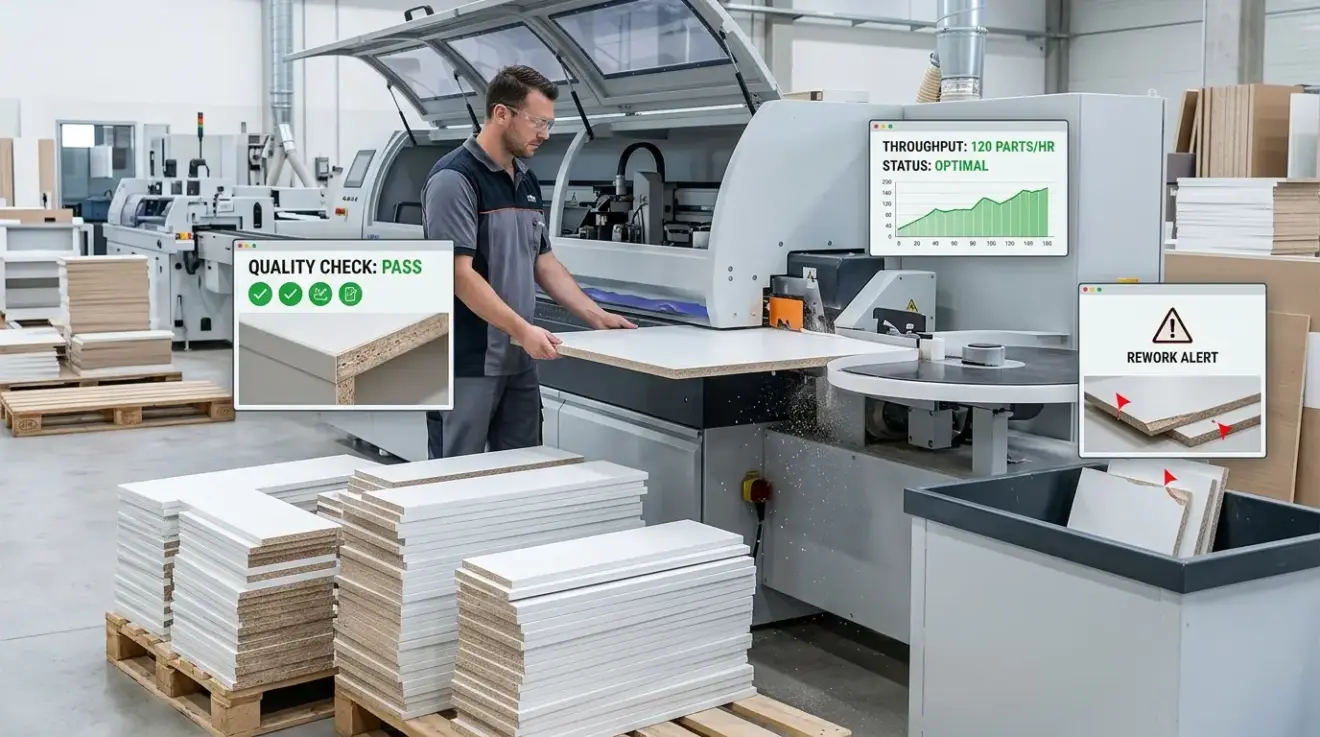
Edgebanding for Cabinet Production: What Affects Quality, Throughput, and Rework?
Friday, 24 April 2026
In cabinet production, edge quality is where upstream accuracy becomes visible. A factory can cut, sort, and drill panels efficiently, but if edge-banded parts leave the line with unstable glue lines, chipped corners, or visible finishing marks, the cost shows up later in touch-up, resorting, and assembly delays. That is why edgebanding should be treated
- Published in Blog
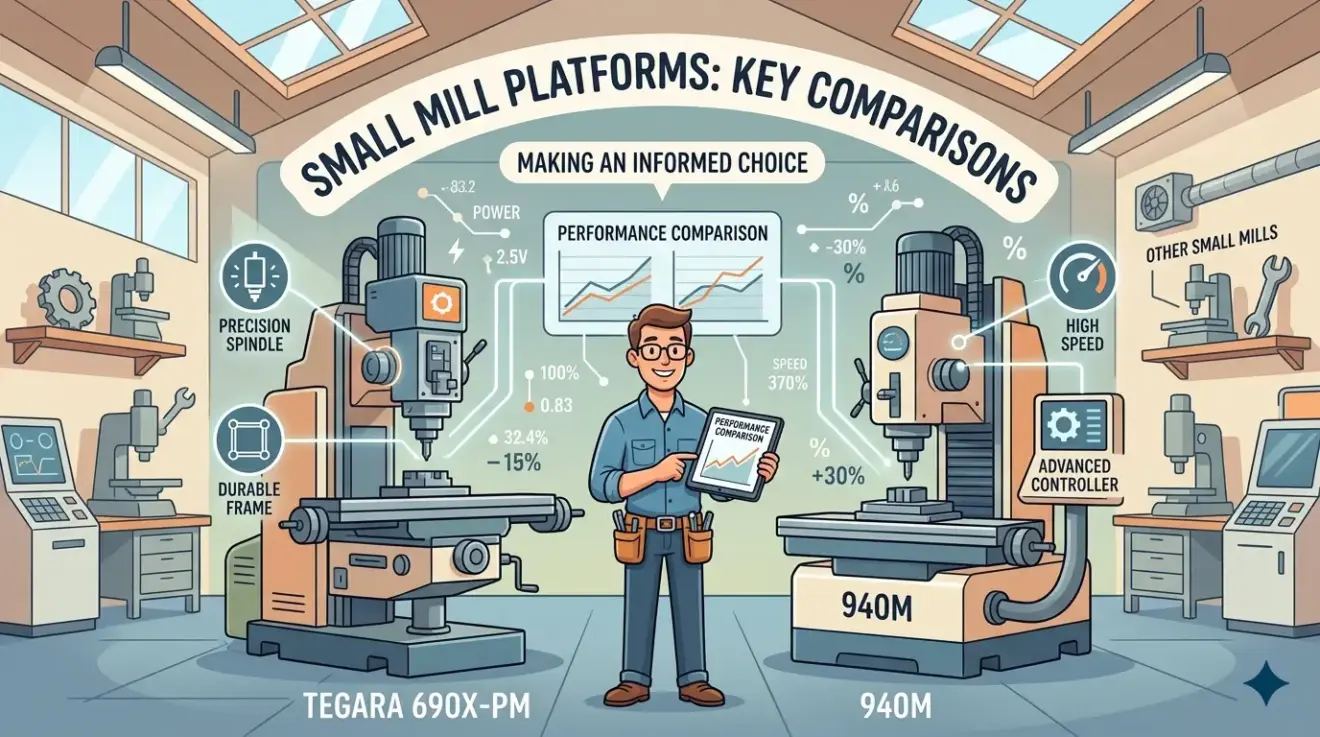
Tegara 690X, PM-940M, and Other Small Mill Platforms: What Buyers Should Compare
Friday, 24 April 2026
Buyers who search for machines like Tegara 690X, PM-940M-class mills, and similar compact platforms are usually trying to leave the desktop category behind without jumping straight into a full industrial machining-center purchase. That sounds simple, but it creates one of the messiest comparison problems in the small-mill market. Brand names, model discussions, and forum recommendations
- Published in Blog
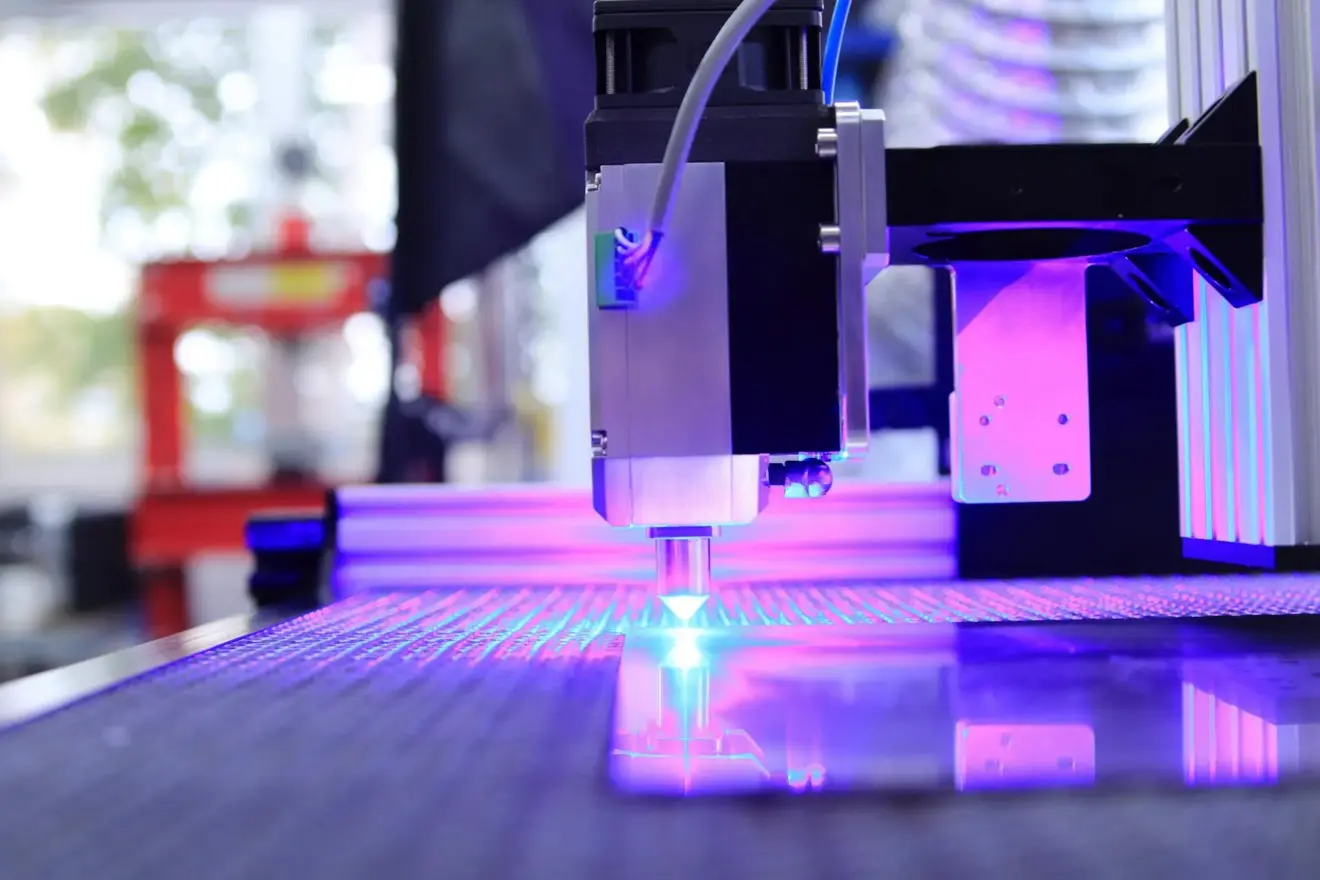
Fiber Laser Marking Machine Applications for Industrial Parts
Friday, 24 April 2026
In industrial parts production, a mark is rarely just a cosmetic detail. Serial numbers, batch IDs, data matrix codes, logos, and compliance information often need to remain readable after machining, cleaning, assembly, shipment, or field service. When marks fail, traceability slows down, scanners misread parts, and operators lose time relabeling or matching components to paperwork
- Published in Blog
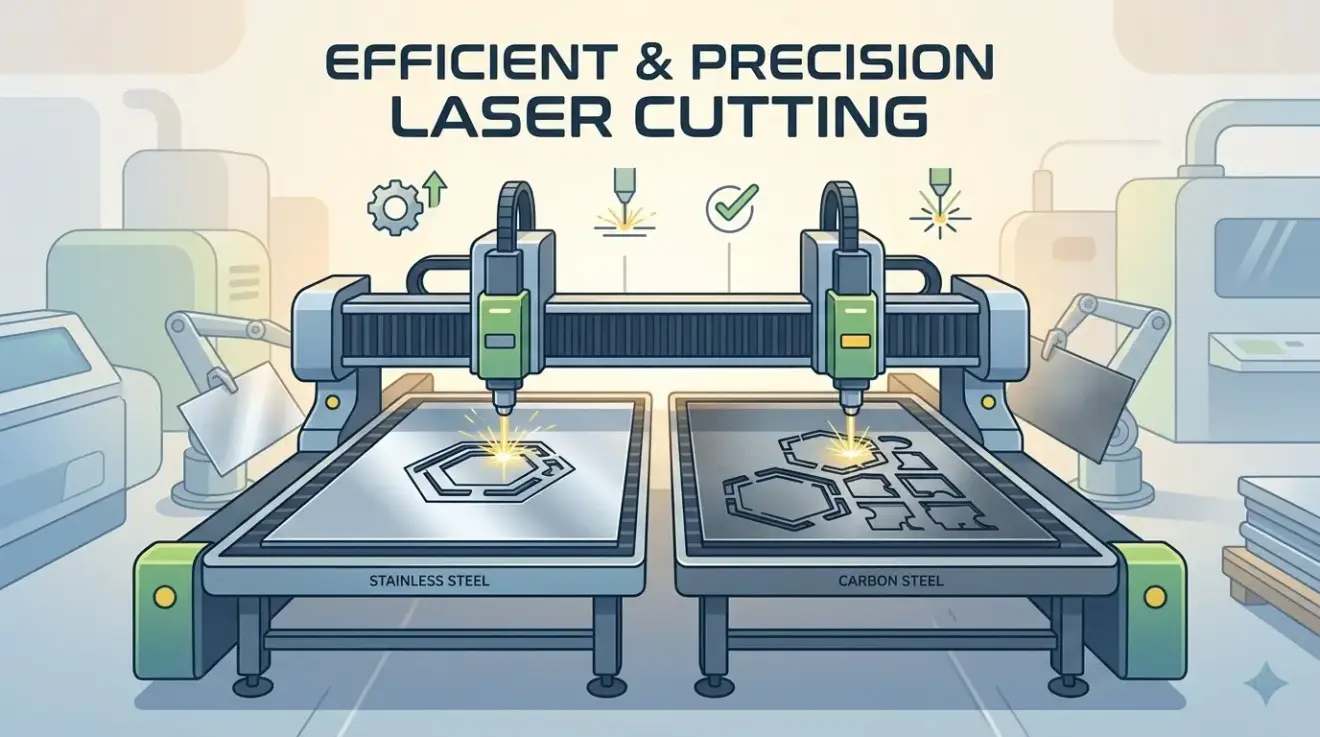
Industrial Laser Cutter for Stainless Steel and Carbon Steel
Thursday, 23 April 2026
Choosing one laser cutting setup for both stainless steel and carbon steel sounds efficient on paper, but the real decision is not simply whether one machine can cut both materials. The real question is whether the machine, gas strategy, automation level, and process control can deliver the edge quality, throughput, and downstream consistency your production
- Published in Blog
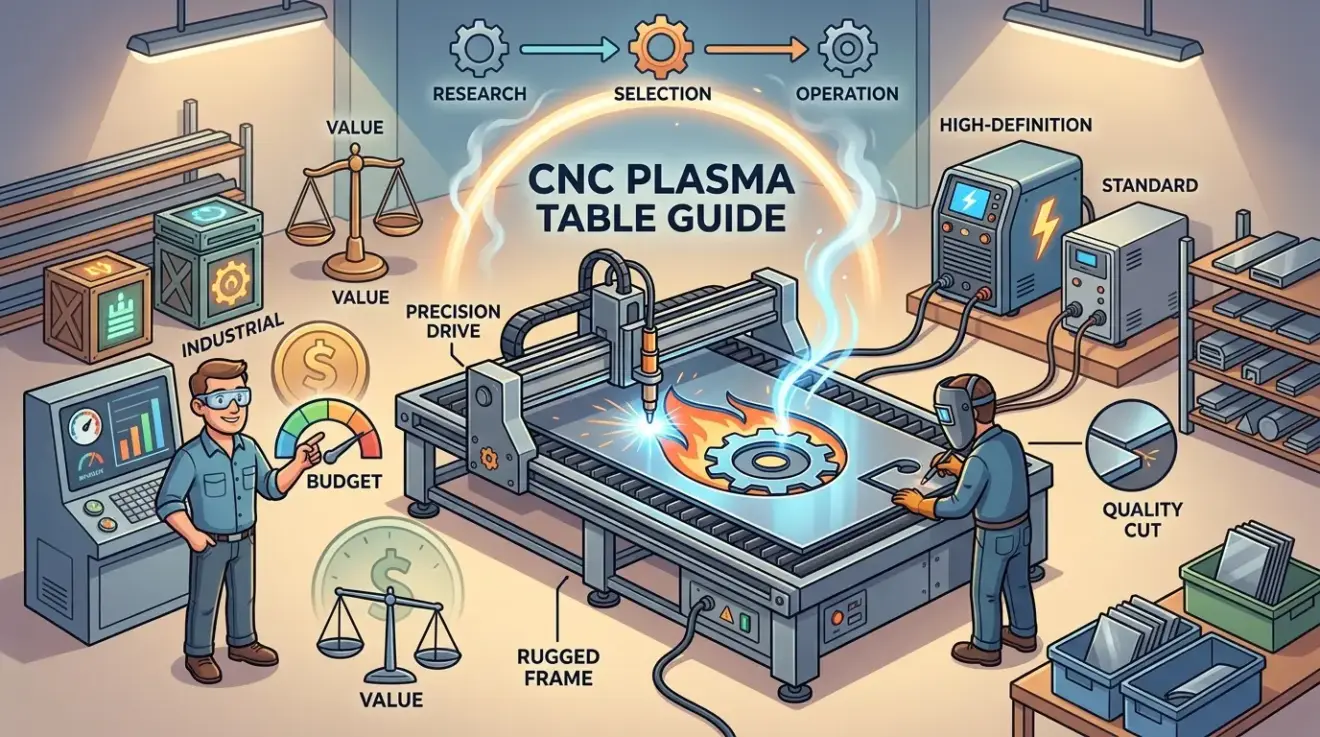
CNC Plasma Table Buying Guide for Metal Cutting Shops
Thursday, 23 April 2026
Many plasma-table purchases are sold with the easiest numbers to admire: bed size, top speed, or a general promise that thermal cutting should now be brought in-house. Those are weak starting points. The stronger question is what kind of cutting cell the shop is actually trying to build. A plasma table is not just a
- Published in Blog

How to Choose an Acrylic Laser Cutter for Fabricators and Sign Makers
Thursday, 23 April 2026
An acrylic laser cutter usually gets approved on sample quality. The harder test comes later, when the daily schedule mixes branded sign panels, clear display parts, machine guards, functional covers, and short-run custom work that all need to leave the machine looking consistent and fitting correctly. For acrylic fabricators and sign makers evaluating laser cutters
- Published in Blog

Home Laser Cutter Safety Guide for New Users: What To Control Before the First Cut
Thursday, 23 April 2026
Most new users think laser safety starts when the beam turns on. In practice, the bigger mistakes usually happen earlier: the wrong material goes on the bed, ventilation is treated as optional, or a small flare-up is dismissed as normal. In a home workshop, garage, or side-production space, those mistakes escalate faster because the room
- Published in Blog
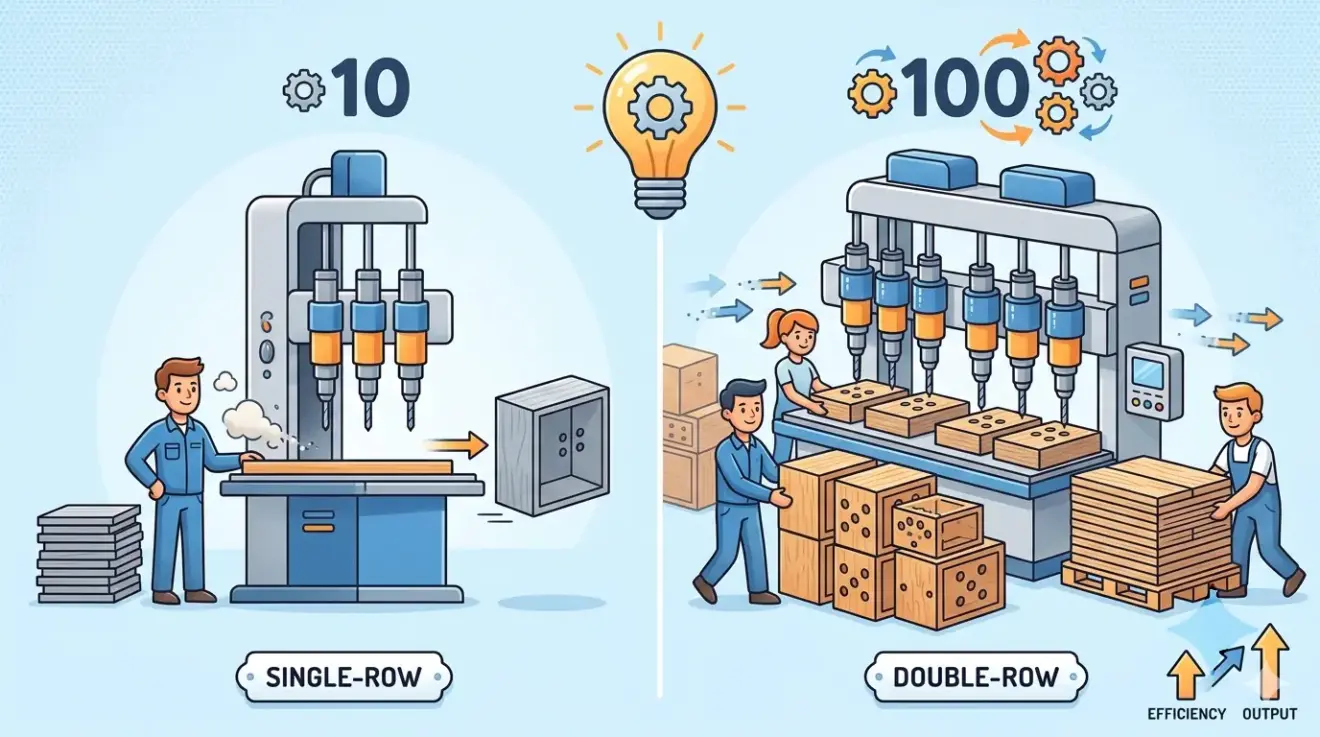
Single-Row vs. Double-Row Boring Machine: Which Configuration Matches Your Output?
Thursday, 23 April 2026
When cabinet sides, shelves, and drawer parts start queueing in front of drilling, many factories ask for “more output.” But the real question is not which machine sounds faster on paper. It is how many correctly drilled parts leave the station without extra handling, repeated checks, or downstream fitting problems. A single-row boring machine and
- Published in Blog
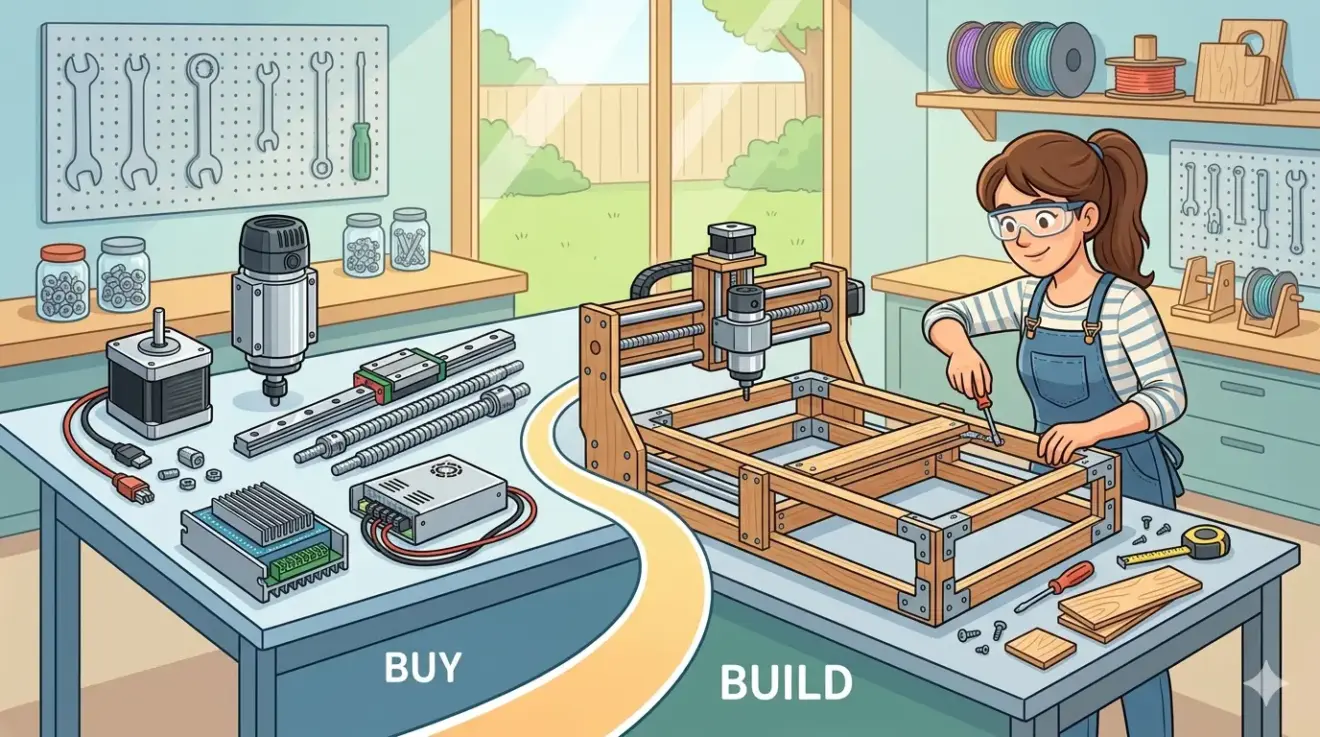
DIY CNC Machine: What to Build Yourself and What to Buy Ready-Made
Thursday, 23 April 2026
DIY CNC projects attract people for good reasons. Building a machine yourself can reduce apparent upfront cost, deepen your understanding of motion systems, give you control over layout choices, and create a platform tailored to a specific kind of work. For learners, experimenters, and hands-on builders, the process itself has real value. But there is
- Published in Blog
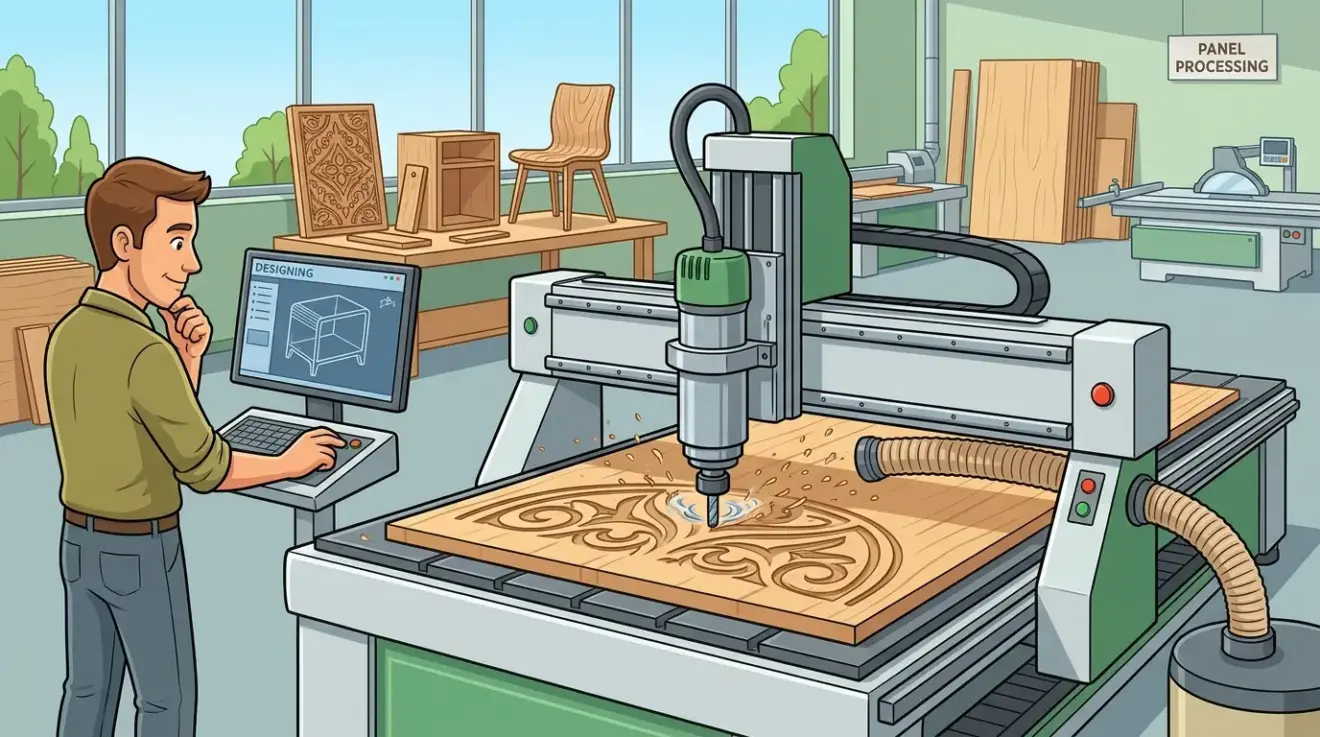
CNC Router Machine Explained: Best Uses in Woodworking and Panel Processing
Thursday, 23 April 2026
A CNC router becomes valuable in woodworking only when the job asks for something saw-centered workflows do poorly. That is the clearest way to understand the machine. A router is not simply a more advanced saw. It is a digital cutting and shaping platform that earns its place when geometry, drilling integration, and variation matter
- Published in Blog
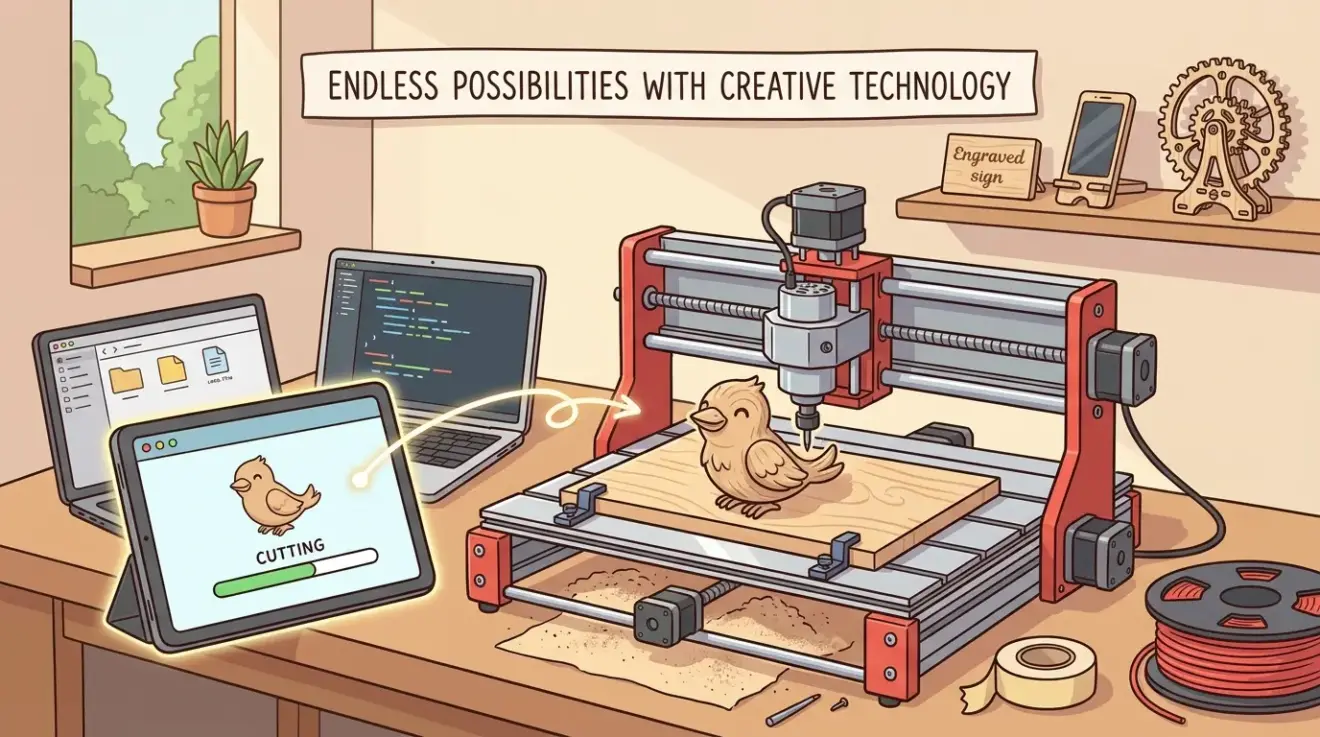
Woodpecker CNC and Similar Desktop Routers: What Buyers Should Expect
Thursday, 23 April 2026
Desktop routers attract buyers because they make CNC feel reachable. The machine is small enough to fit in limited space, affordable enough to feel lower risk, and familiar enough to suggest that serious work might be possible without a serious industrial investment. For a lot of buyers, that combination is exactly what makes a Woodpecker-class
- Published in Blog
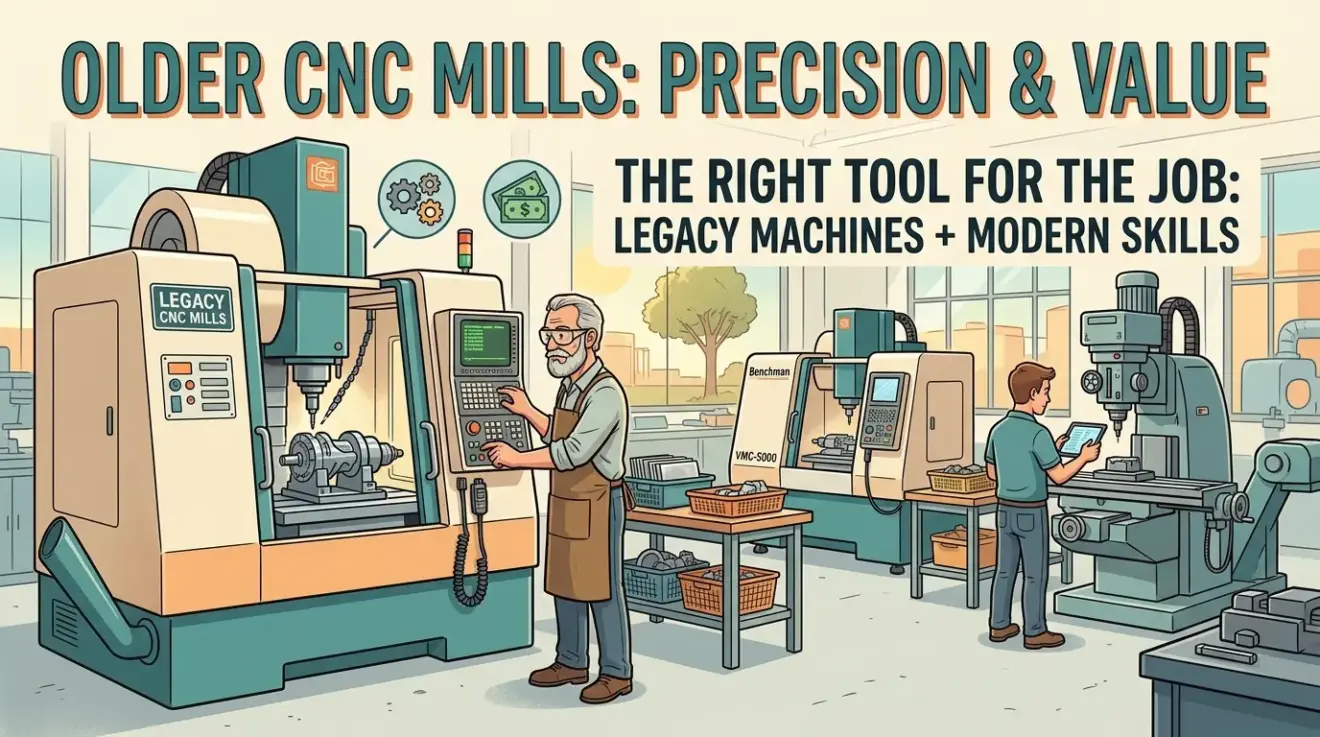
Benchman VMC 5000, Maho 600, Devlieg 2B 36, and Legacy CNC Mills: When Older Machines Still Make Sense
Thursday, 23 April 2026
Older CNC mills only look cheap on the day they are purchased. After that, they become an ownership test. Some shops pass that test because they know the control family, can diagnose electrical and mechanical issues, have realistic expectations, and run work that suits older iron. Other shops fail it because they bought the story
- Published in Blog
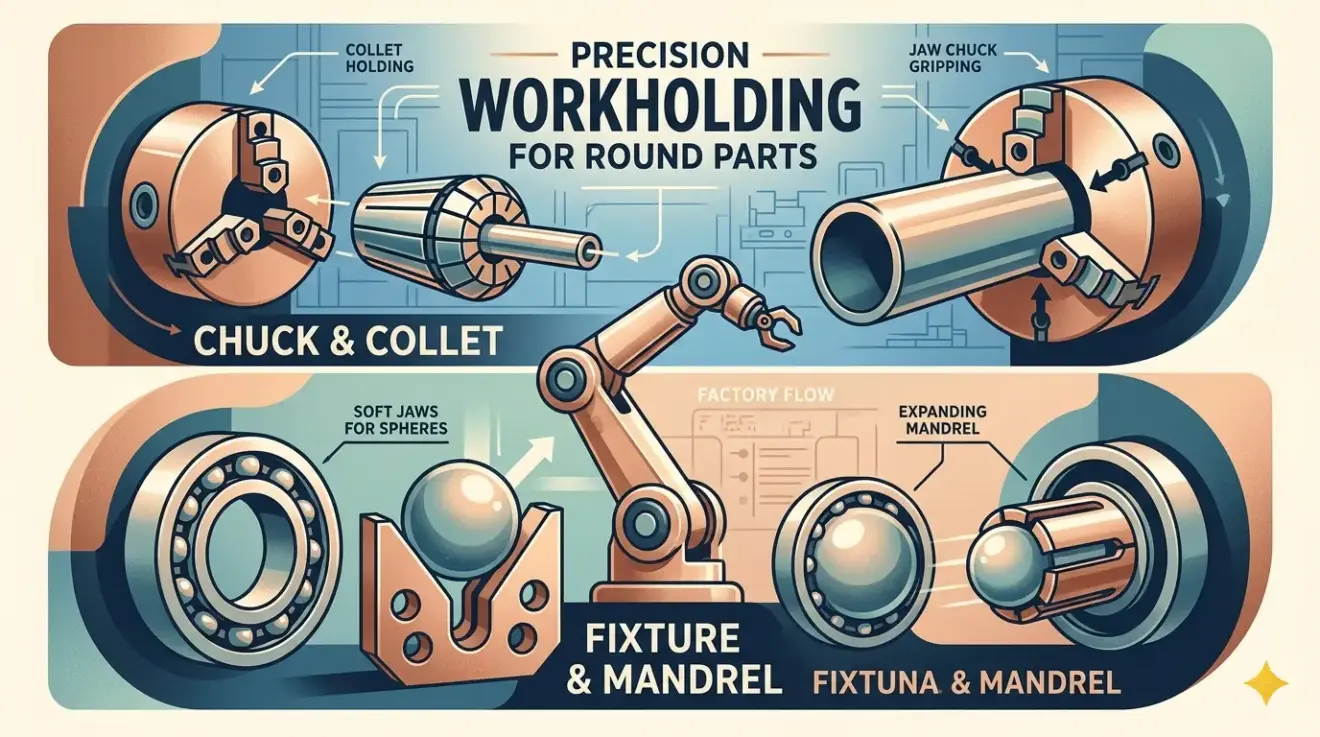
What Is Workholding for Round Parts?
Thursday, 23 April 2026
Round parts create a specific kind of machining trouble: the cut looks guilty, but the grip is often the real problem. A shaft shows runout that seems like a spindle issue. A thin sleeve goes slightly out of shape and gets blamed on the tool. A second operation refuses to repeat cleanly. Surface marks appear
- Published in Blog
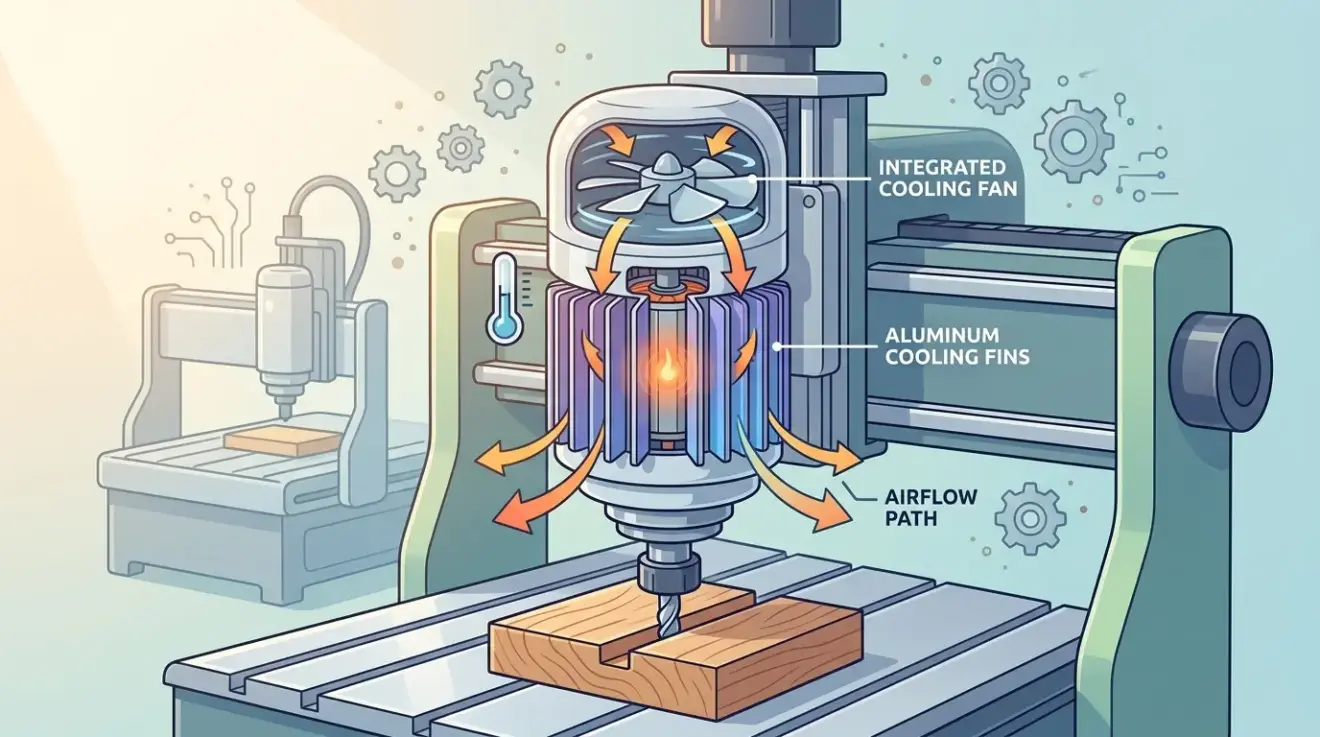
What Is an Air-Cooled CNC Spindle?
Thursday, 23 April 2026
An air-cooled CNC spindle is a spindle that manages heat through airflow instead of through a liquid circulation loop. In practical machine terms, that usually means the spindle body relies on fan-driven air movement and heat transfer into the surrounding environment rather than on hoses, pumps, tanks, chillers, or coolant circulating through a closed system.
- Published in Blog
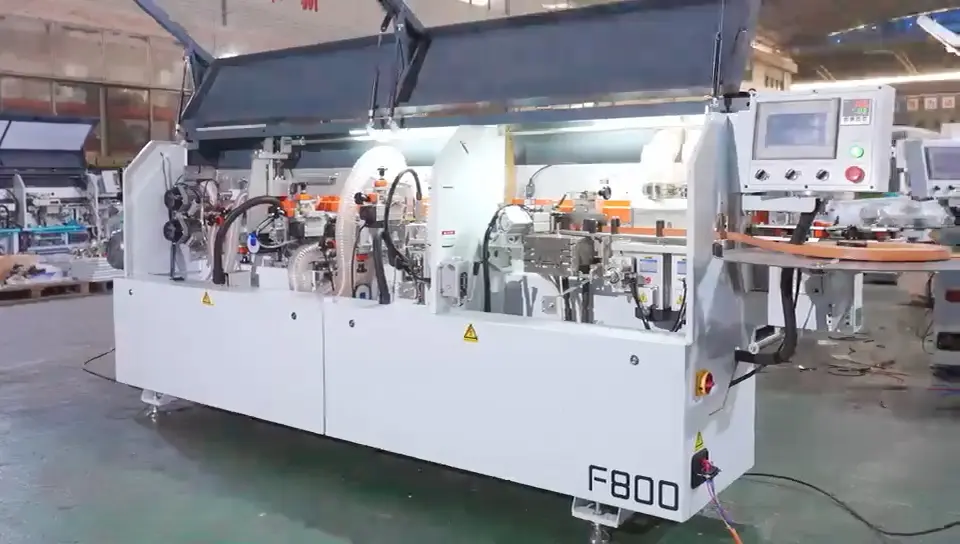
Edgebanders for Straight Panels vs. Shaped Panels: Choosing the Right Workflow
Thursday, 23 April 2026
Edge finishing problems often look similar at the end of production. A visible glue line, extra hand sanding, or inconsistent edge appearance can all show up on the finished part. But the root cause is not always the same. A factory processing repeated straight panels is solving a very different problem from one processing curved,
- Published in Blog
Industrial Laser Cutter Cost Breakdown: Machine, Installation, and Maintenance
Thursday, 23 April 2026
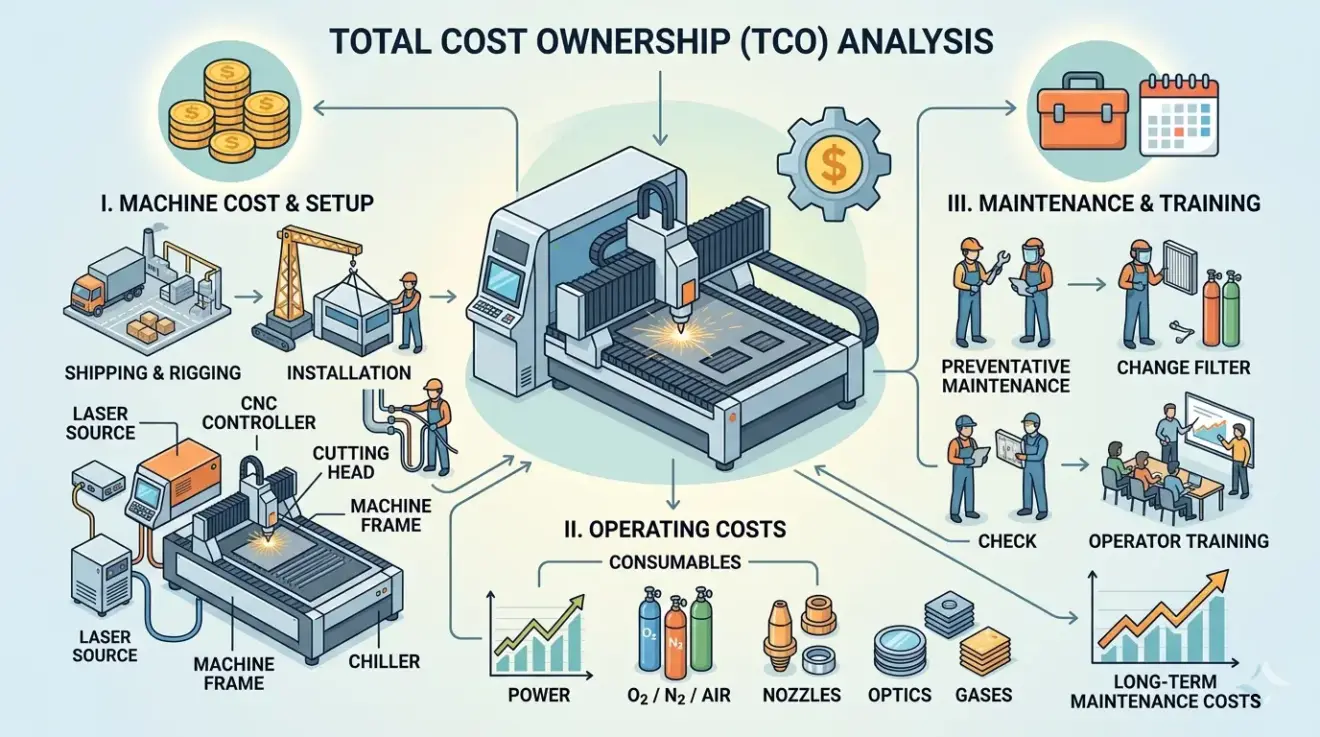
When an industrial laser cutter proposal reaches a buyer’s desk, the first number usually gets too much attention. A bare machine quote can look competitive until extraction, cooling, electrical work, commissioning, operator training, spare parts, and preventive maintenance are added back into the picture. For buyers comparing laser cutters and engravers for wood, acrylic, and
- Published in Blog
CNC Ball Screw vs Rack and Pinion: Which Drive System Fits Your Machine?
Thursday, 23 April 2026
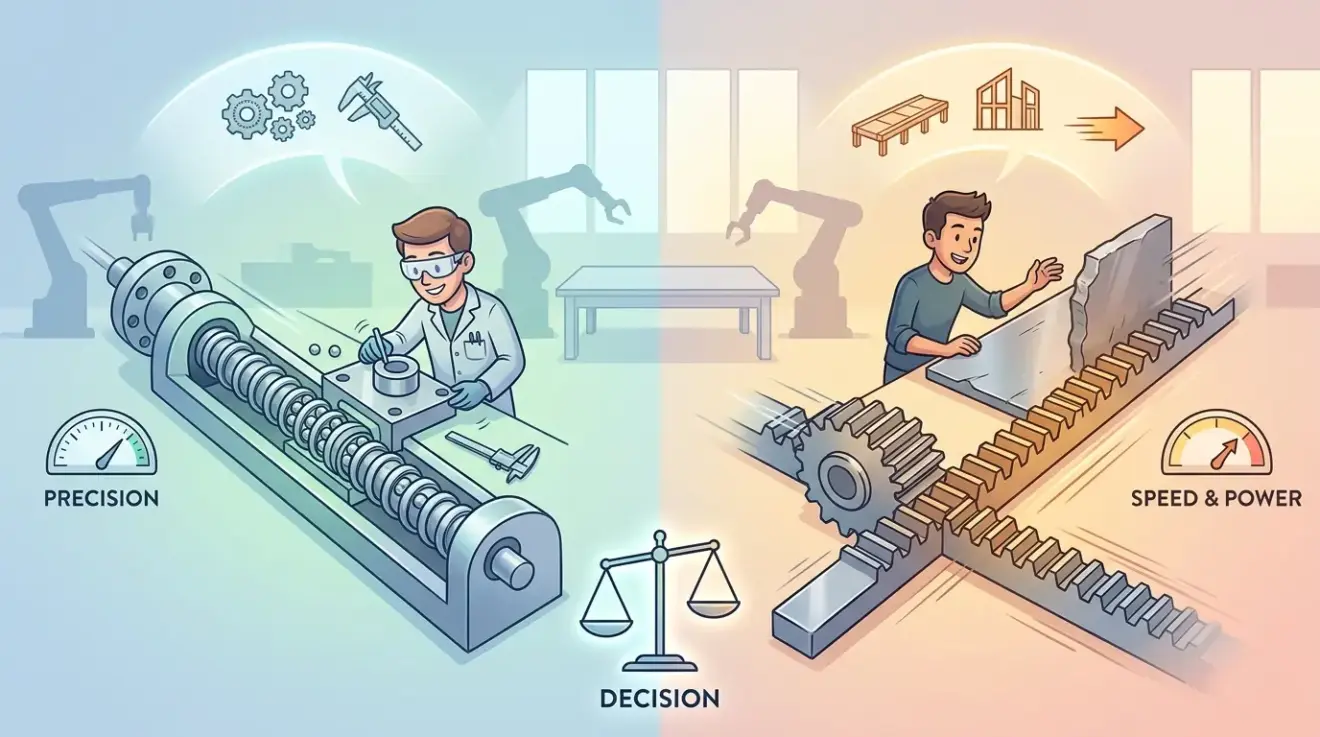
Buyers often approach ball screw versus rack and pinion as if they are comparing trim levels on the same machine. That is the wrong frame from the start. A drive system is not a prestige badge. It is part of the motion architecture, and motion architecture only makes sense when it is tied back to
- Published in Blog
Glass Engraving Machines: Best Use Cases, Process Limits, and Material Tips
Thursday, 23 April 2026
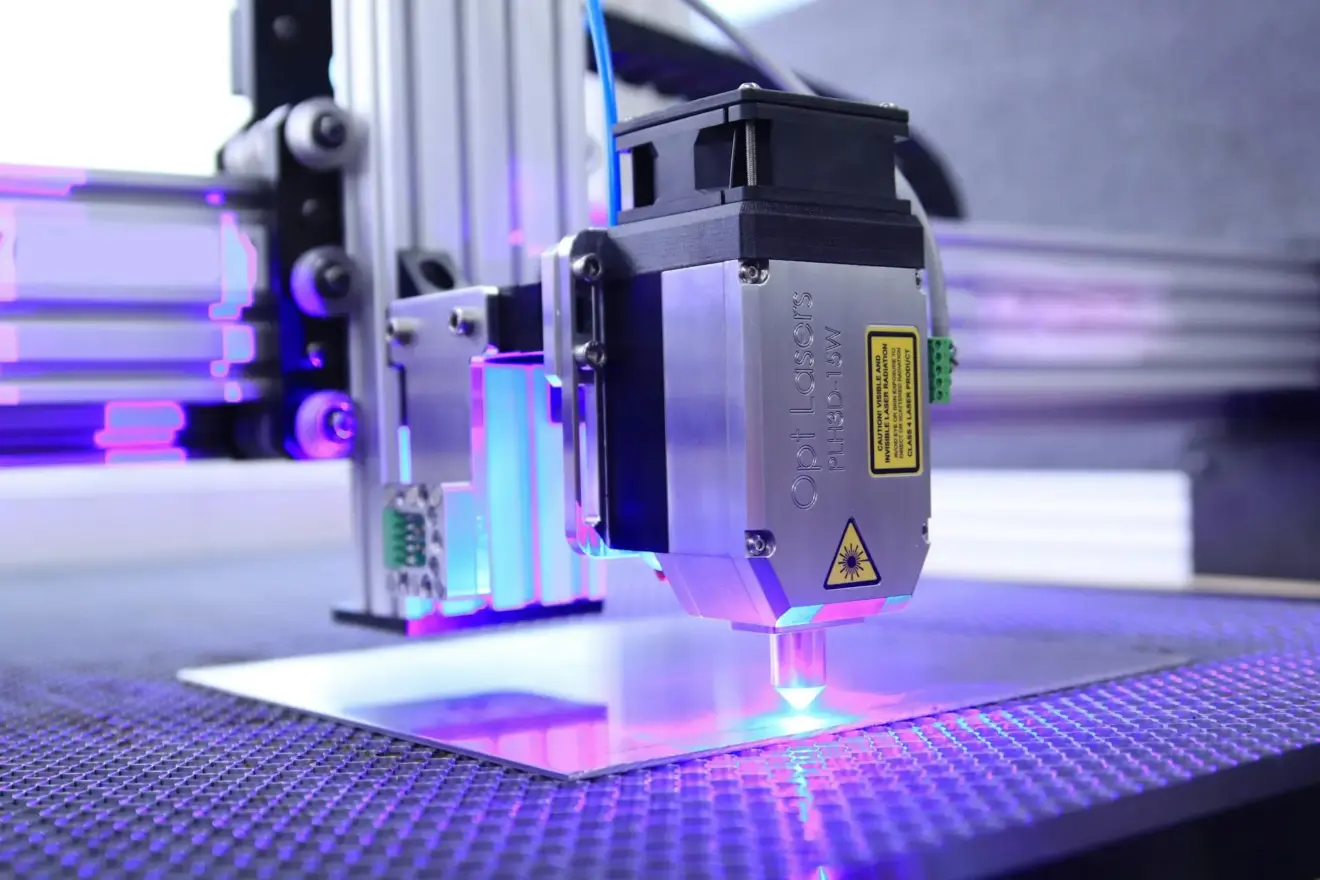
When buyers ask for a glass engraving machine, they often mean very different jobs: frosted logos on drinkware, decorative graphics on flat panels, branded marks on presentation pieces, or short-run identification on finished glass components. Those jobs may sit under one label, but they do not carry the same risk. In real production, the question
- Published in Blog
CNC Turned Parts: Design Tips for Better Accuracy and Lower Cost
Thursday, 23 April 2026
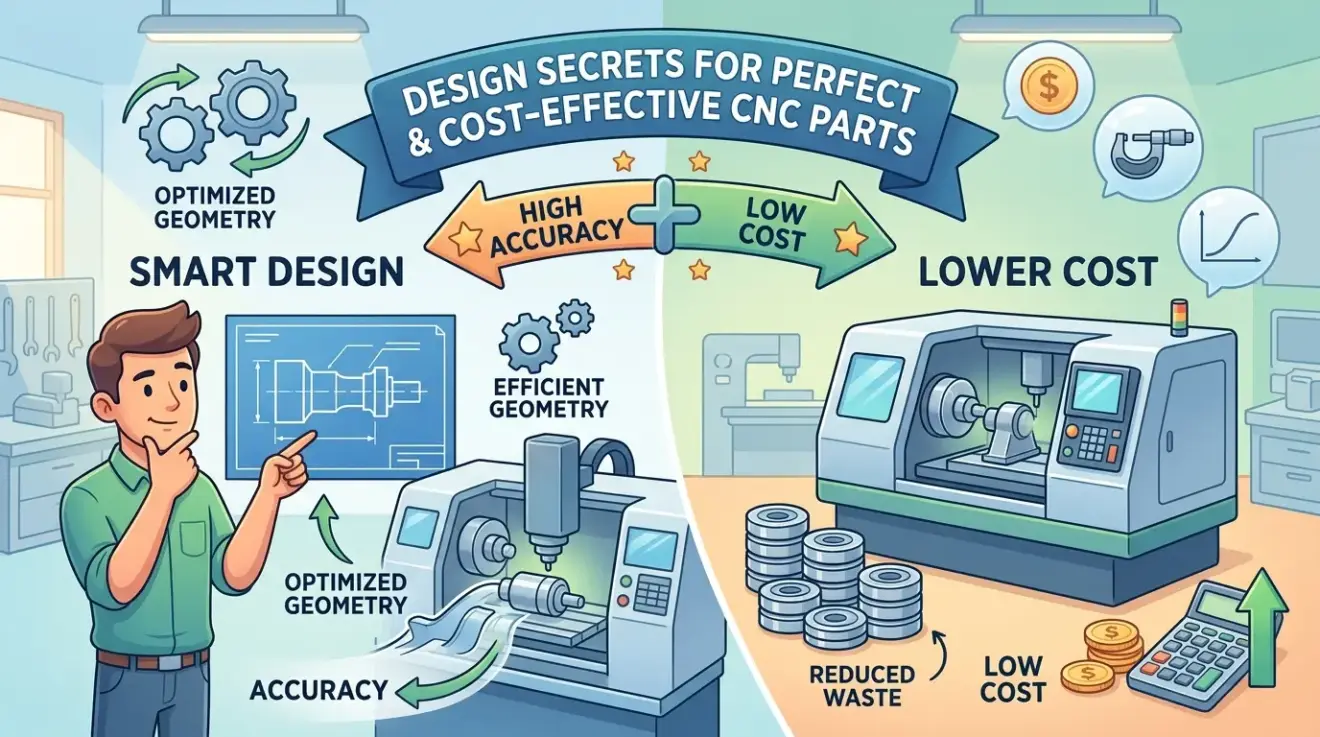
Turned parts become cheaper and more accurate when the geometry lets turning do most of the work cleanly and predictably. They become slower, riskier, and harder to quote when the profile only looks simple on the drawing but quietly depends on awkward tool access, weak rigidity, blanket tolerances, or secondary operations that were never designed
- Published in Blog

CNC Milling Services: What to Check Before You Outsource Precision Parts
Thursday, 23 April 2026
Outsourcing precision milling rarely fails because there are no suppliers willing to quote the work. It fails because too much of the real control problem stays implicit. The drawing exists, the quantity is defined, the due date is known, and everyone still imagines a different deliverable, a different first-article standard, a different inspection burden, or
- Published in Blog