

 Español
  Italiano
  Deutsch
  Français
  Português
  العربية
  Türkçe
  Русский
  Tiếng Việt
  한국어
한국어  日本語
日本語  简体中文
简体中文 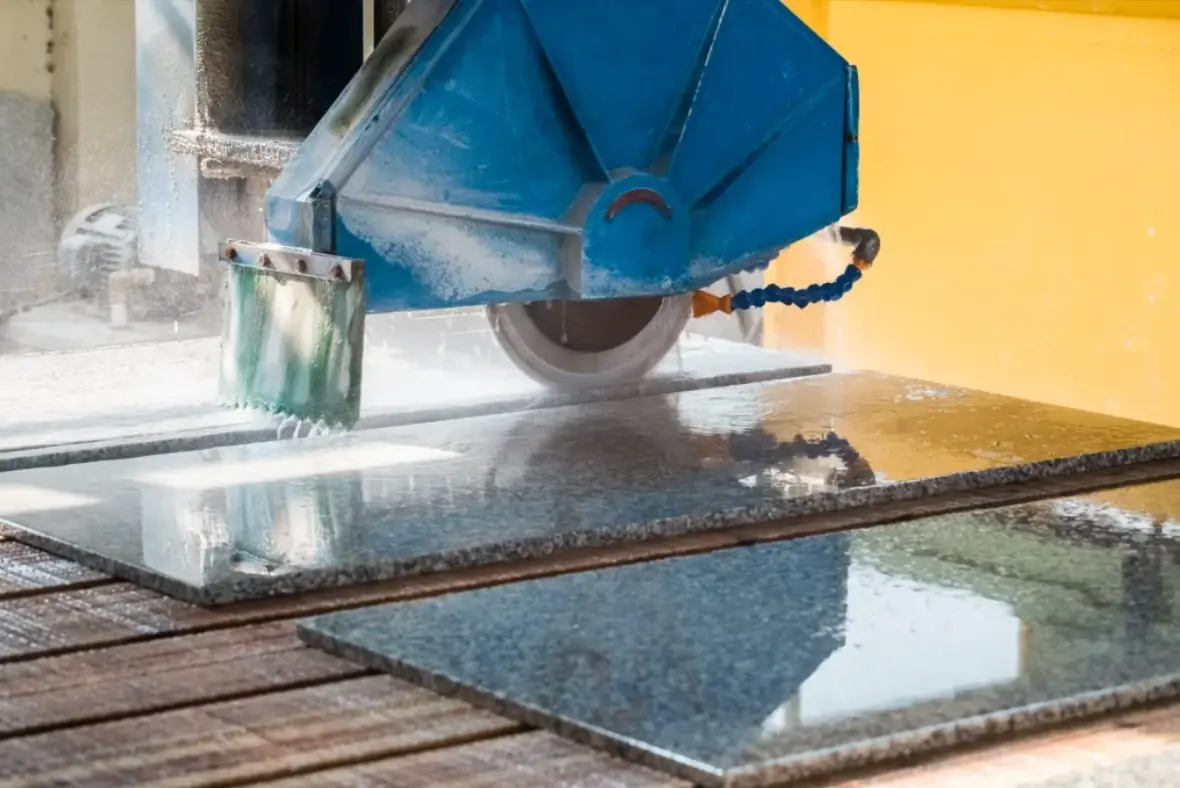
Stone CNC Machine Buying Guide for Fabricators
Monday, 20 April 2026
In stone fabrication, the wrong machine purchase rarely looks wrong on day one. The problem shows up later, when cutouts slow down slab flow, edge quality depends too heavily on operator technique, expensive material gets reworked, or the CNC sits idle because the shop bought capability that does not match its actual jobs. That is
- Published in Blog
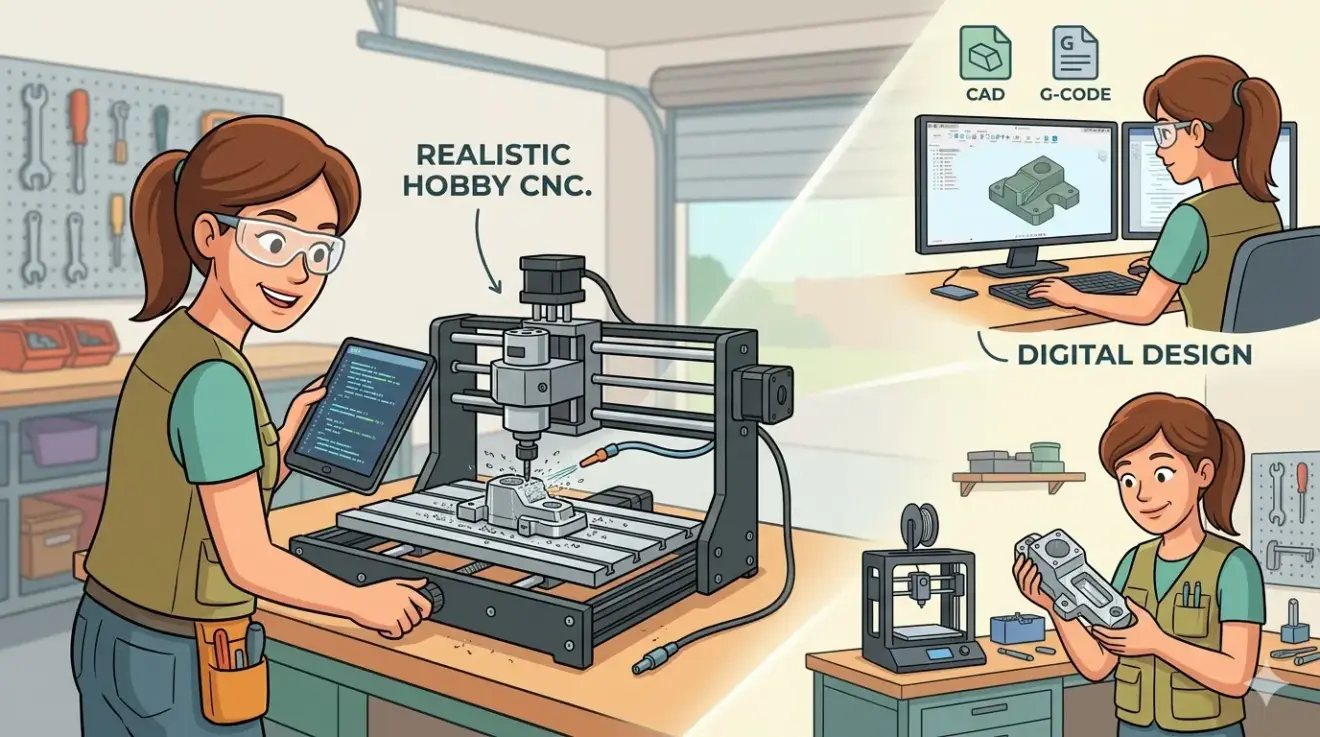
Home-Use CNC Milling Machines: What Is Realistic?
Monday, 20 April 2026
Home-use CNC milling is realistic only when the machine, the material, and the room all agree with each other. That sounds obvious, but many buyers start from the opposite direction. They watch videos of chips flying, read spindle claims, and imagine a compact mill doing every job a commercial shop can do, only more cheaply
- Published in Blog
Best CNC Machines for Different Budgets and Production Goals
Monday, 20 April 2026
Budget discussions go wrong when buyers talk about money before they talk about work. One company has a modest budget and needs internal prototype access. Another has a larger budget but needs stable customer-facing production. Those are different buying problems even when the word budget appears in both conversations. The best CNC machine for a
- Published in Blog

Laser Marking and Engraving Machines: When a Hybrid Workflow Makes Sense
Monday, 20 April 2026
A shop that needs fast part identification and visible surface detail will usually discover the same thing: laser marking and laser engraving solve related problems, but they are not the same production task. Marking is often chosen for readable codes, logos, and traceability with limited material disruption. Engraving is chosen when depth, texture, or a
- Published in Blog
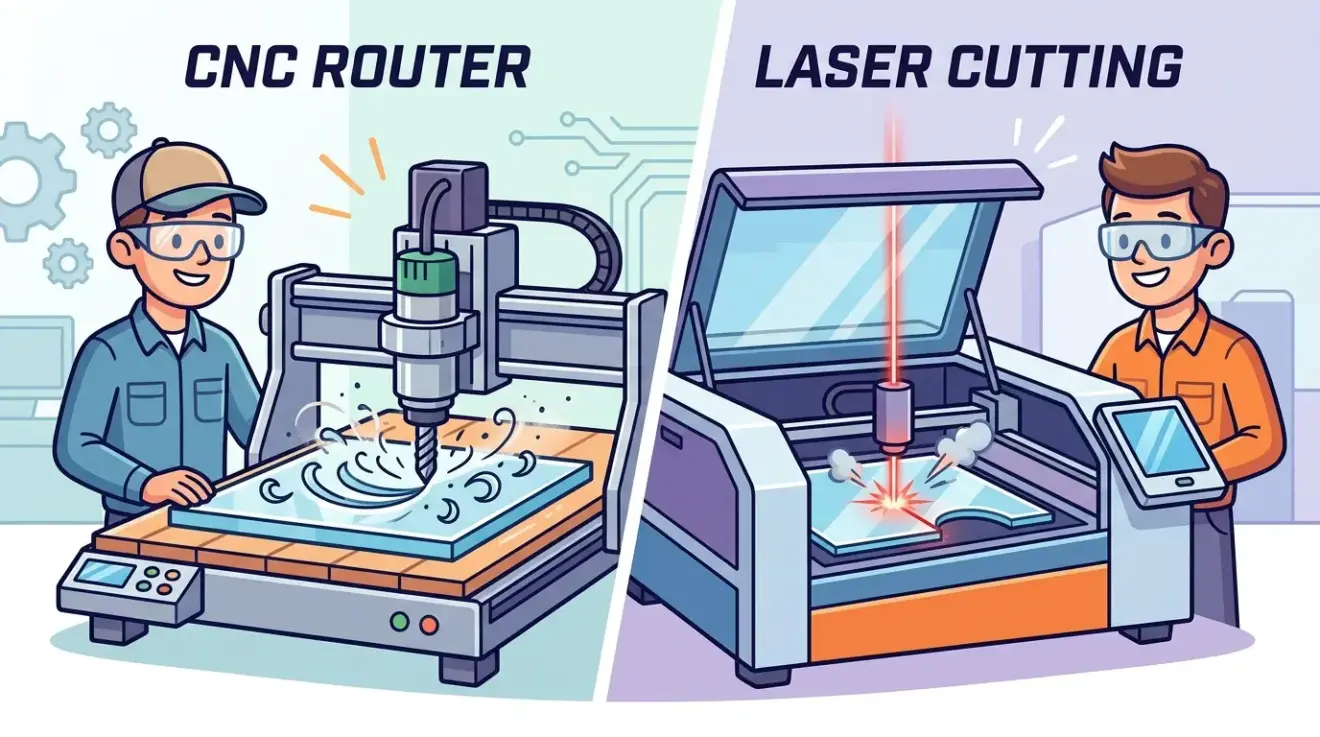
Acrylic Cutting Machine vs Acrylic Laser Cutting Machine: How To Choose the Right Process
Monday, 20 April 2026
Many buyers start with the phrase “acrylic cutting machine” when what they really need to decide is the process. That matters because an acrylic cutting machine can mean several different kinds of equipment, while an acrylic laser cutting machine points to one specific method with its own strengths, limits, and workflow consequences. In production, this
- Published in Blog
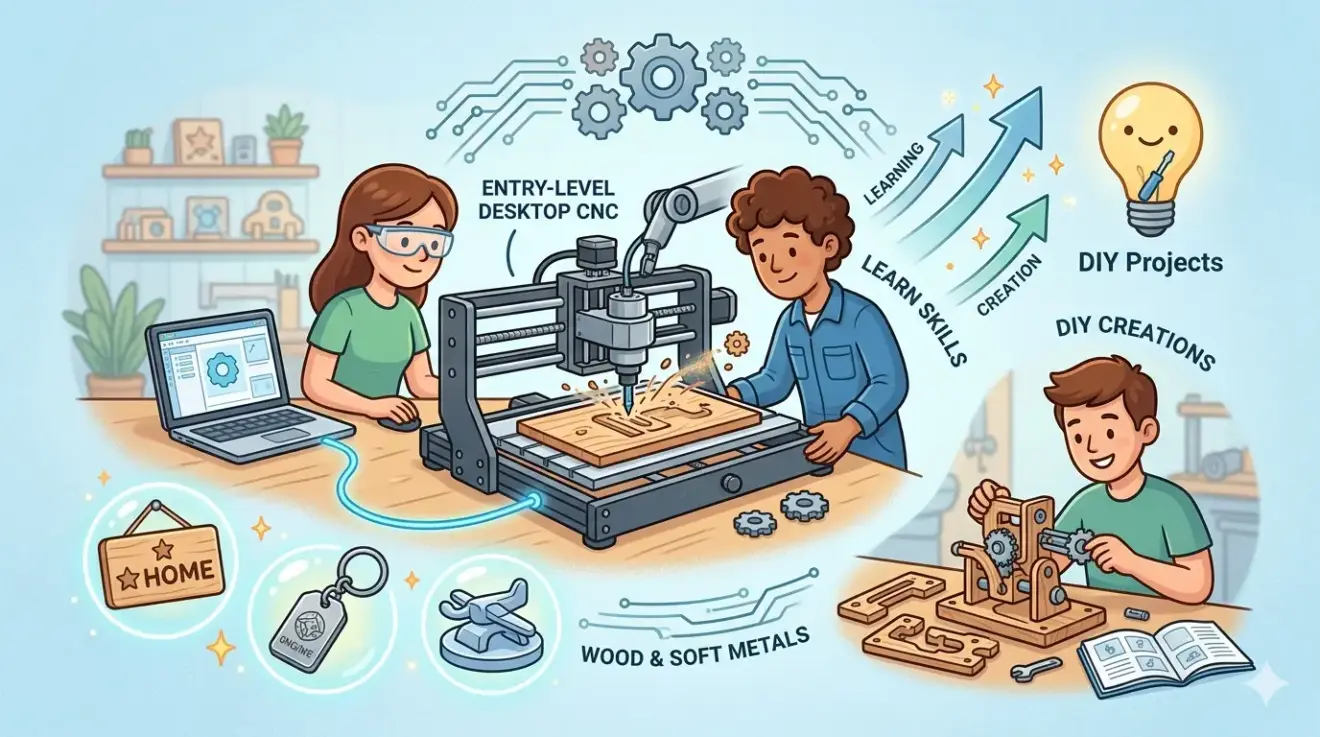
CNC 3018 and Other Entry-Level Desktop Machines: What They Are Good For
Monday, 20 April 2026
3018-class routers stay popular for one simple reason: they let buyers enter CNC without making a full shop-level commitment. That makes them genuinely useful. It also makes them easy to misunderstand. The code itself usually describes a rough working envelope, not a guaranteed level of rigidity, spindle quality, controller maturity, or long-term repeatability. In other
- Published in Blog
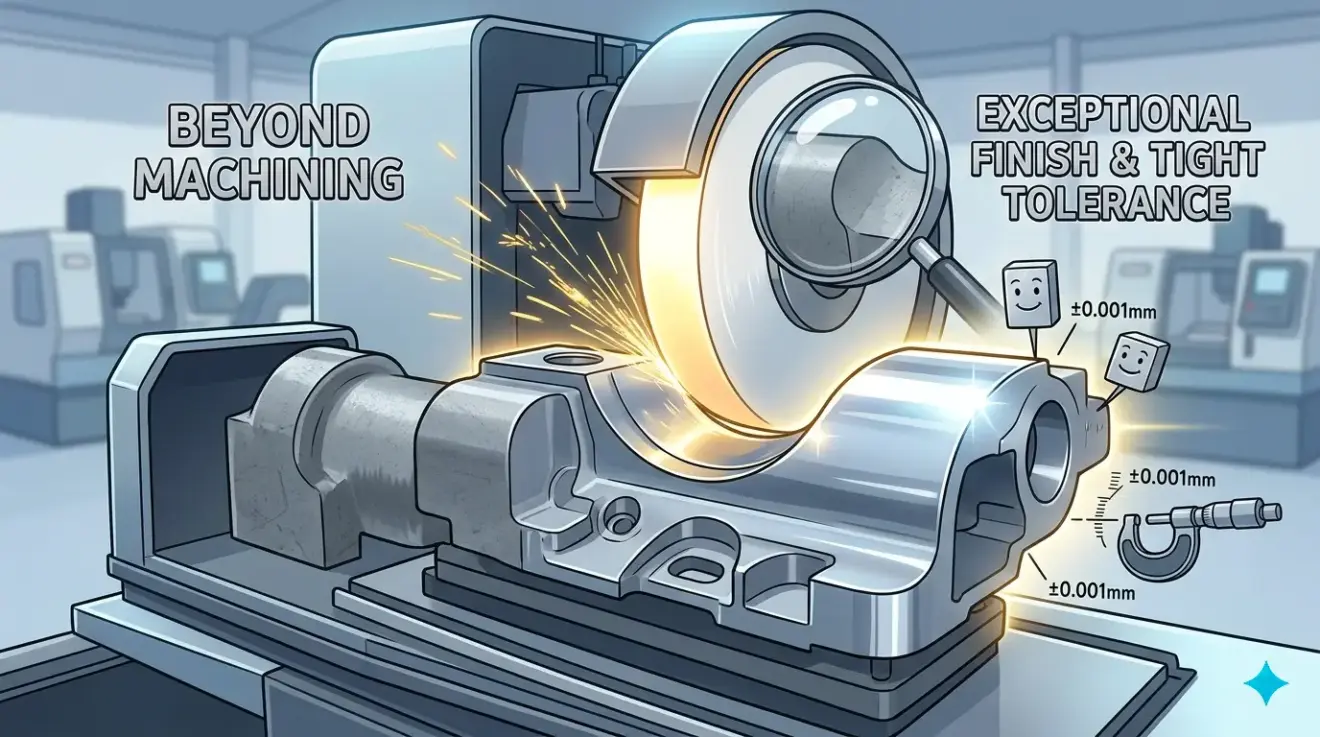
CNC Grinding Machine Explained: When Finish and Tolerance Require Grinding
Monday, 20 April 2026
Grinding usually enters the route late, after a part already looks nearly done. The dimensions are close, the faces look usable, and the earlier machining steps appear to have done their job. Then inspection, assembly, or post-heat-treat reality exposes the gap: the surface is not stable enough, the bearing fit is drifting, the sealing face
- Published in Blog
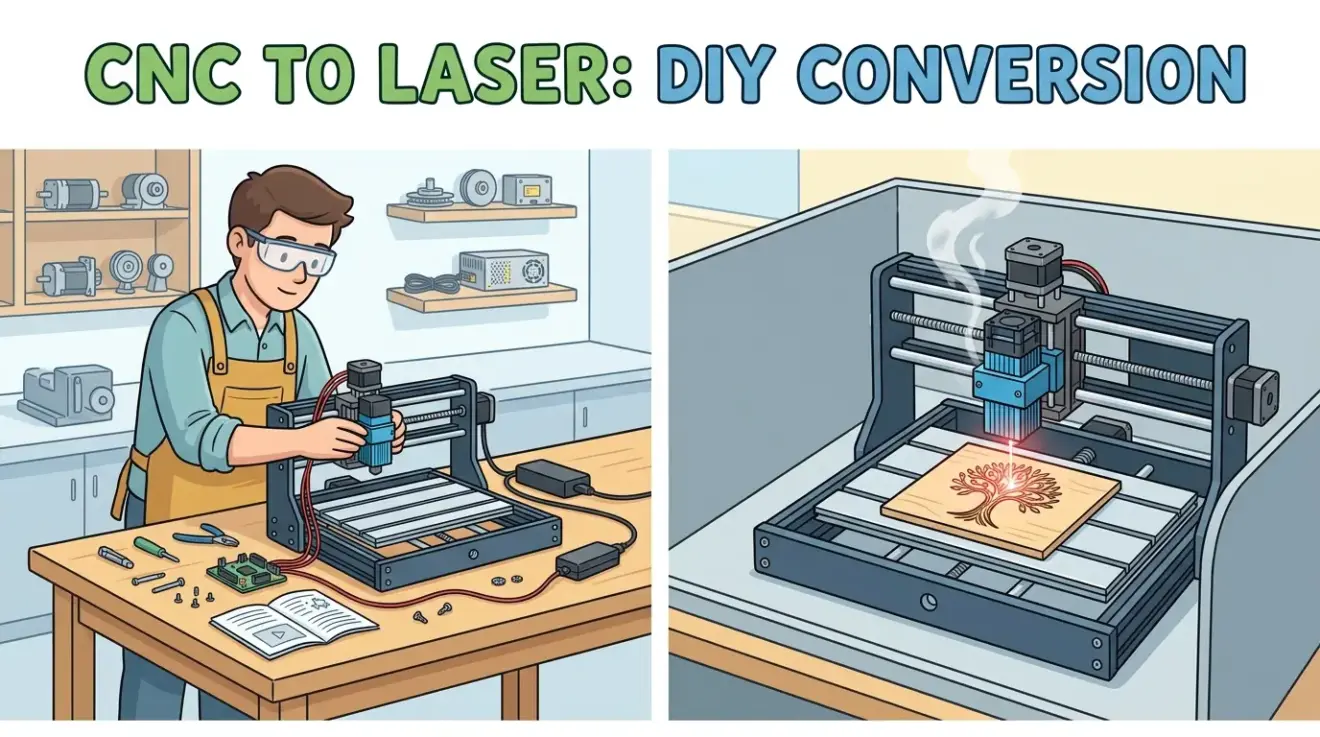
3018 CNC Laser Upgrade Guide: What to Know Before Converting a Router
Monday, 20 April 2026
Mounting a laser on a 3018 is easy to describe and much harder to judge well. The hardware change is simple enough. The workflow change is not. A router-to-laser conversion does not just swap one toolhead for another. It changes what the operator must manage every day: focus height, smoke extraction, shielding, residue, flare risk,
- Published in Blog
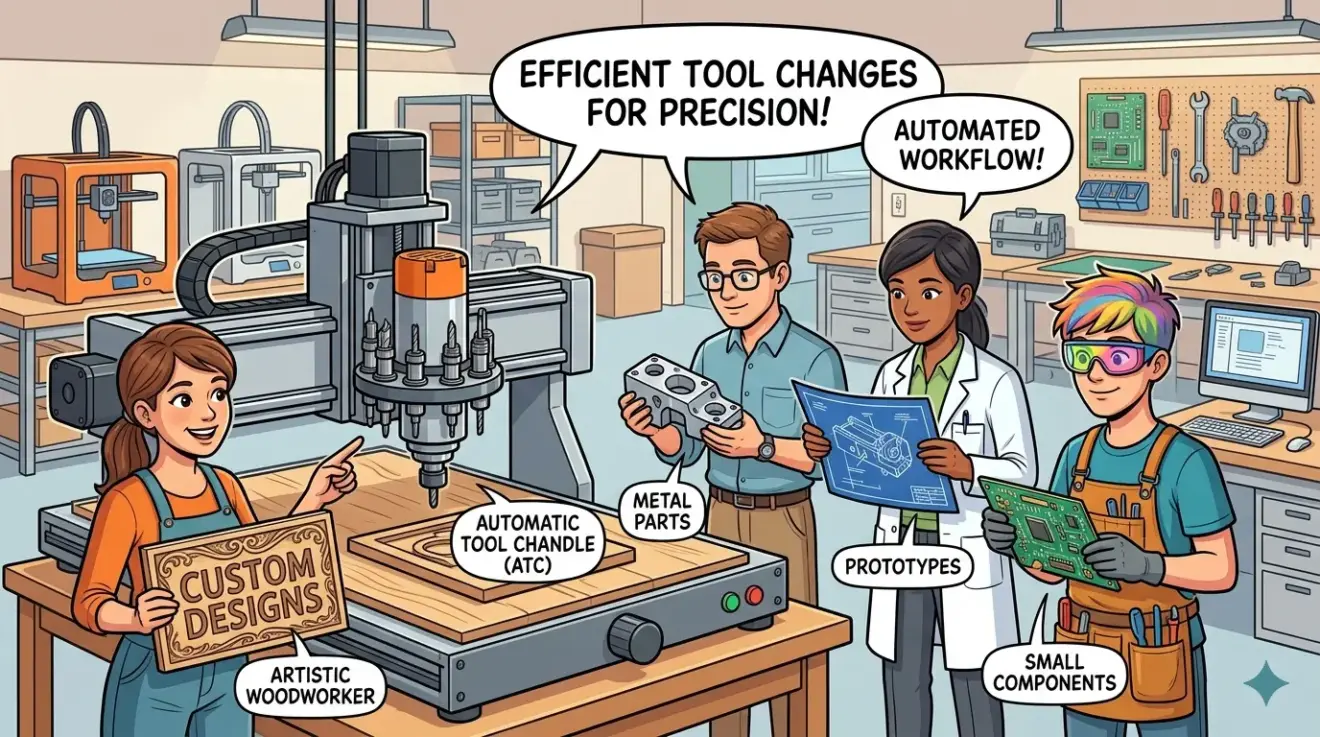
What Is a Small ATC Spindle and Who Needs One?
Monday, 20 April 2026
A small ATC spindle is a compact spindle system with automatic tool-change capability, usually fitted to smaller routers, mills, or prosumer CNC platforms where the user wants multi-tool automation without jumping immediately to a much larger industrial machine. The attraction is obvious: fewer manual wrench changes, less interruption between operations, and a better chance of
- Published in Blog
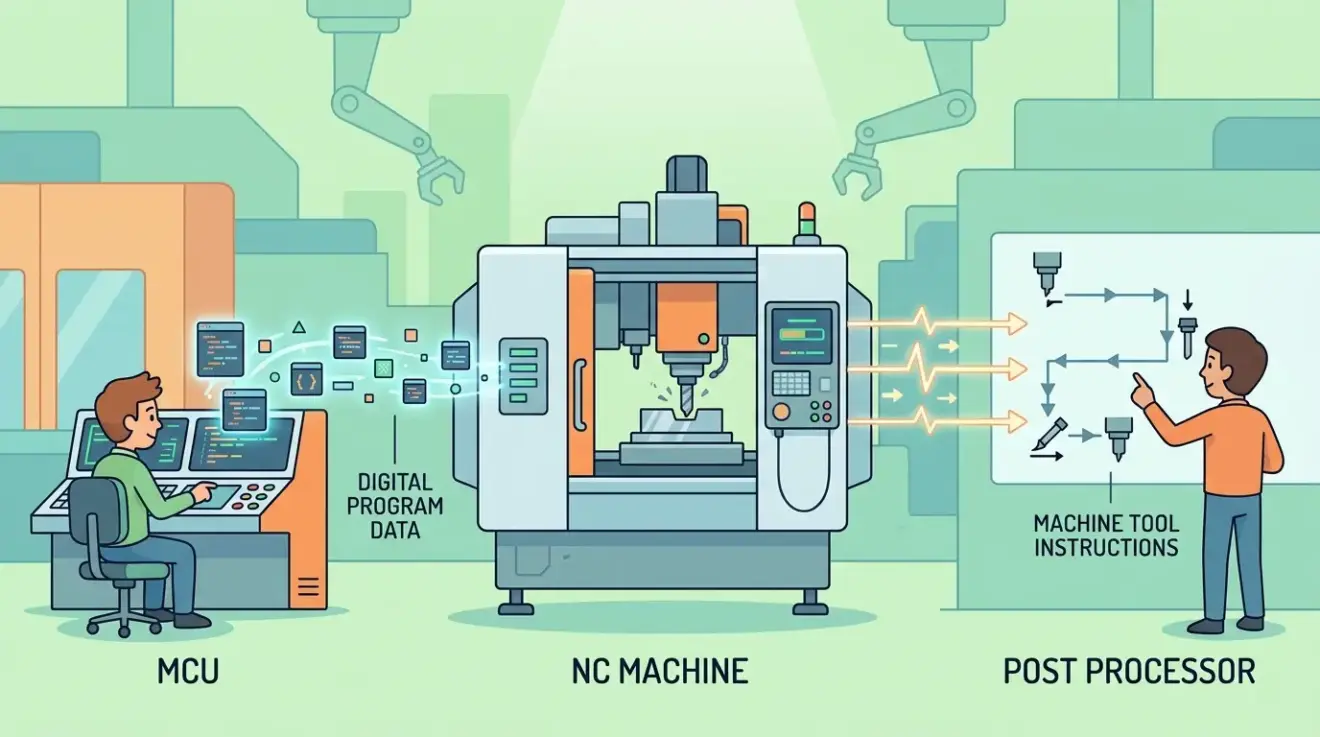
What Are the Basic Components of an NC Machine?
Sunday, 19 April 2026
People often answer this question too quickly. They say an NC machine has a controller, some motors, a spindle, and a frame, then move on. That kind of answer is fine for a classroom introduction, but it is not enough for a buyer, technician, or production lead trying to understand why two numerically controlled machines
- Published in Blog
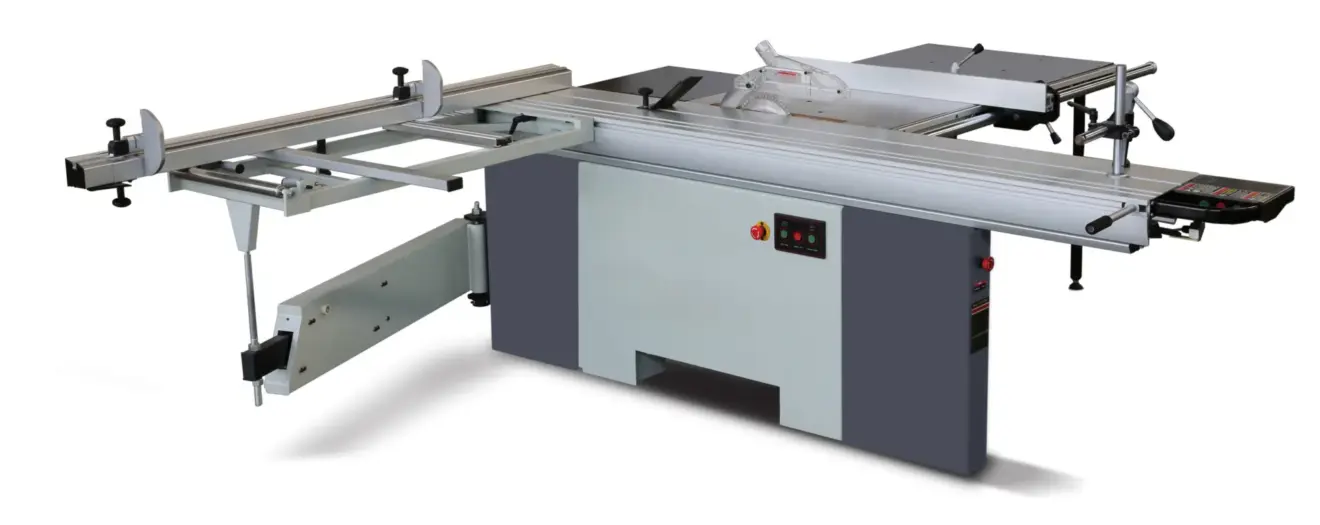
When Sliding Table Saws Outperform Other Cutting Solutions
Sunday, 19 April 2026
When the cutting station becomes a daily source of delays, the first assumption is often that the shop needs more speed. In many woodworking factories, that is only part of the problem. The real constraint is often that the work mix changes too often for a more rigid cutting setup to stay efficient. That is
- Published in Blog
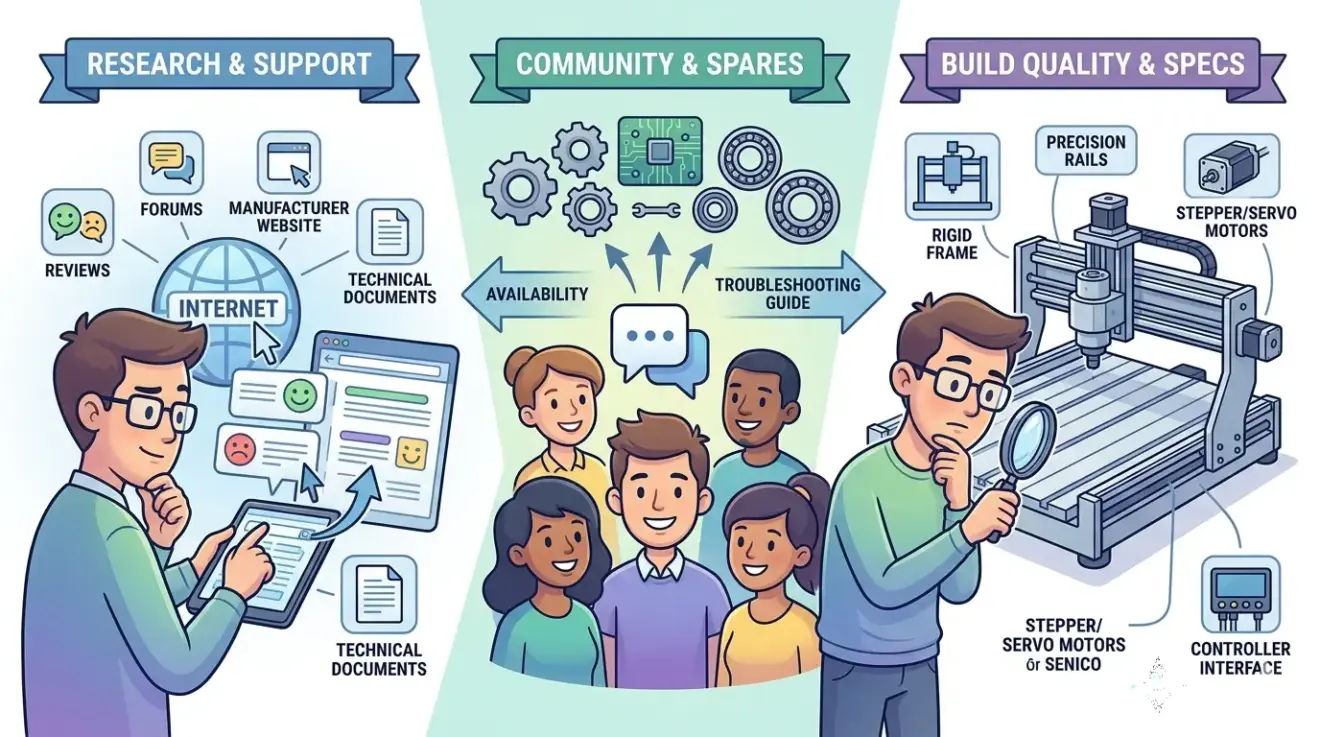
WMTCNC, Drufel CNC, ACE CNC, AMS CNC, and Related Machines: How to Judge Unknown CNC Brands
Sunday, 19 April 2026
Unknown CNC brands usually enter the conversation through a price gap. The photos look acceptable. The specification sheet uses familiar industrial language. The seller says the machine can be customized. On paper, the quote may appear to offer most of what a better-known supplier offers for less money. That is why names such as WMTCNC,
- Published in Blog
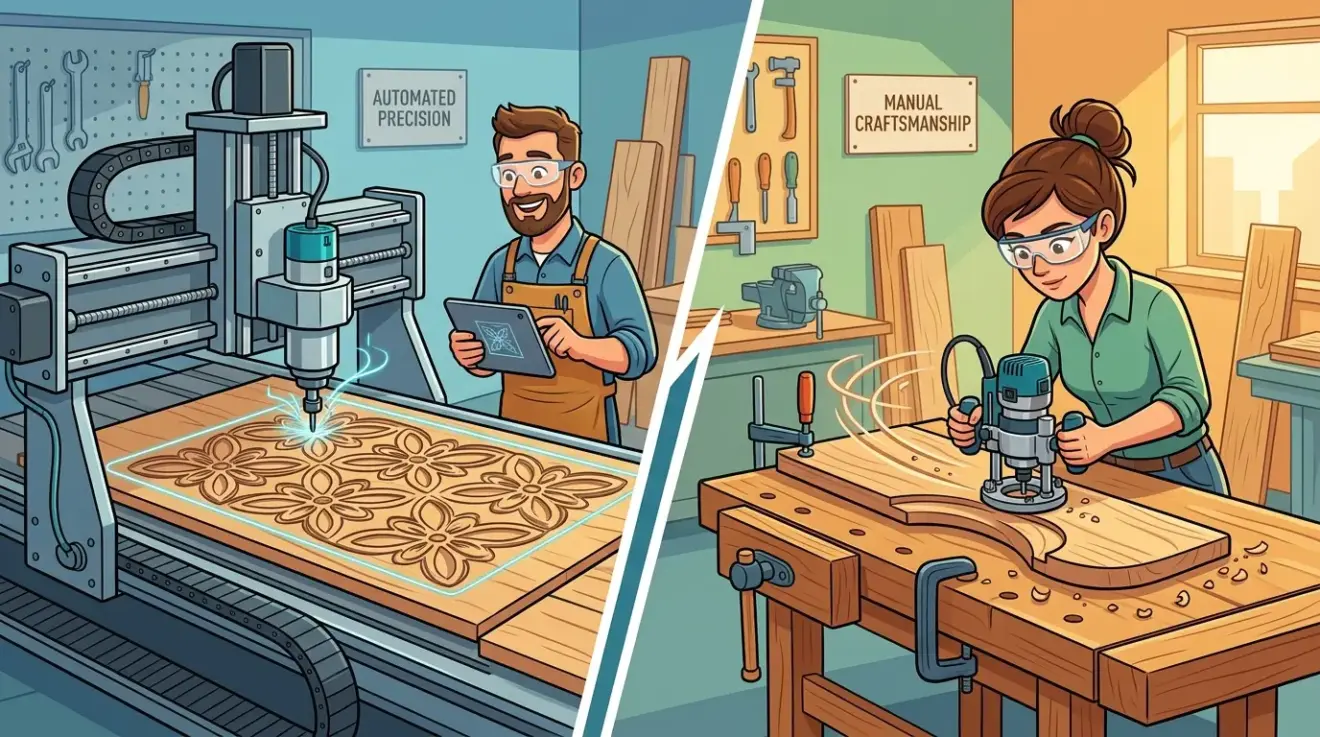
CNC Wood Router vs Handheld Router: Which Tool Fits Which Job?
Sunday, 19 April 2026
Woodworking teams often compare CNC routers and handheld routers as if they are two versions of the same machine at different price levels. They are not. They share a cutting principle, but they solve different workflow problems. A handheld router is a mobile manual tool that goes wherever the operator needs it. A CNC wood
- Published in Blog
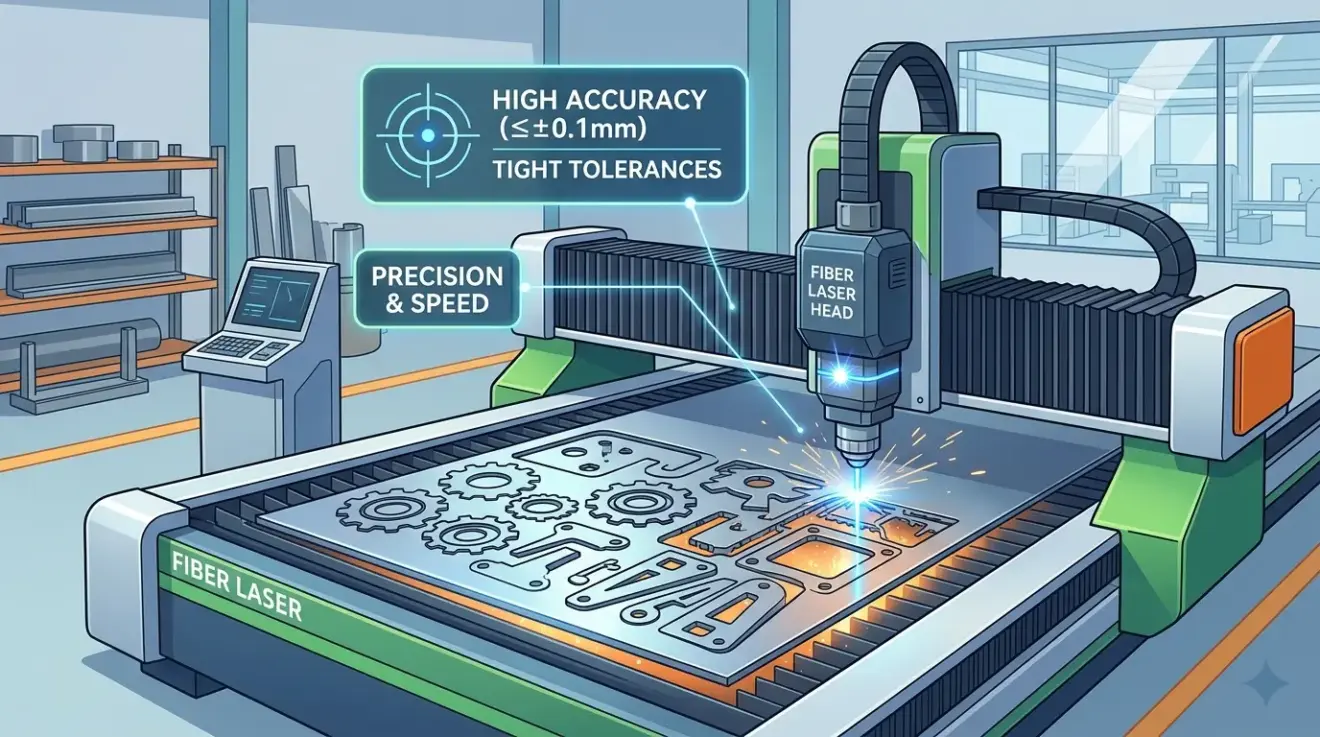
How Fiber Laser Cutting Improves Accuracy in Metal Fabrication
Sunday, 19 April 2026
In metal fabrication, accuracy is not just a drawing requirement. It affects whether holes line up at assembly, whether bends stay consistent, whether welded parts fit without force, and whether operators spend the shift correcting parts that should have been right the first time. That is why fiber laser cutting matters. It improves accuracy by
- Published in Blog

Sliding Table Saw Accuracy: Common Mistakes and Practical Fixes
Sunday, 19 April 2026
In many cabinet, joinery, and furniture shops, sliding table saw accuracy problems do not show up as dramatic machine failure. They show up as a panel that is slightly off size, a part that is not fully square, an edge that needs extra cleanup, or an assembly step that suddenly takes longer than it should.
- Published in Blog
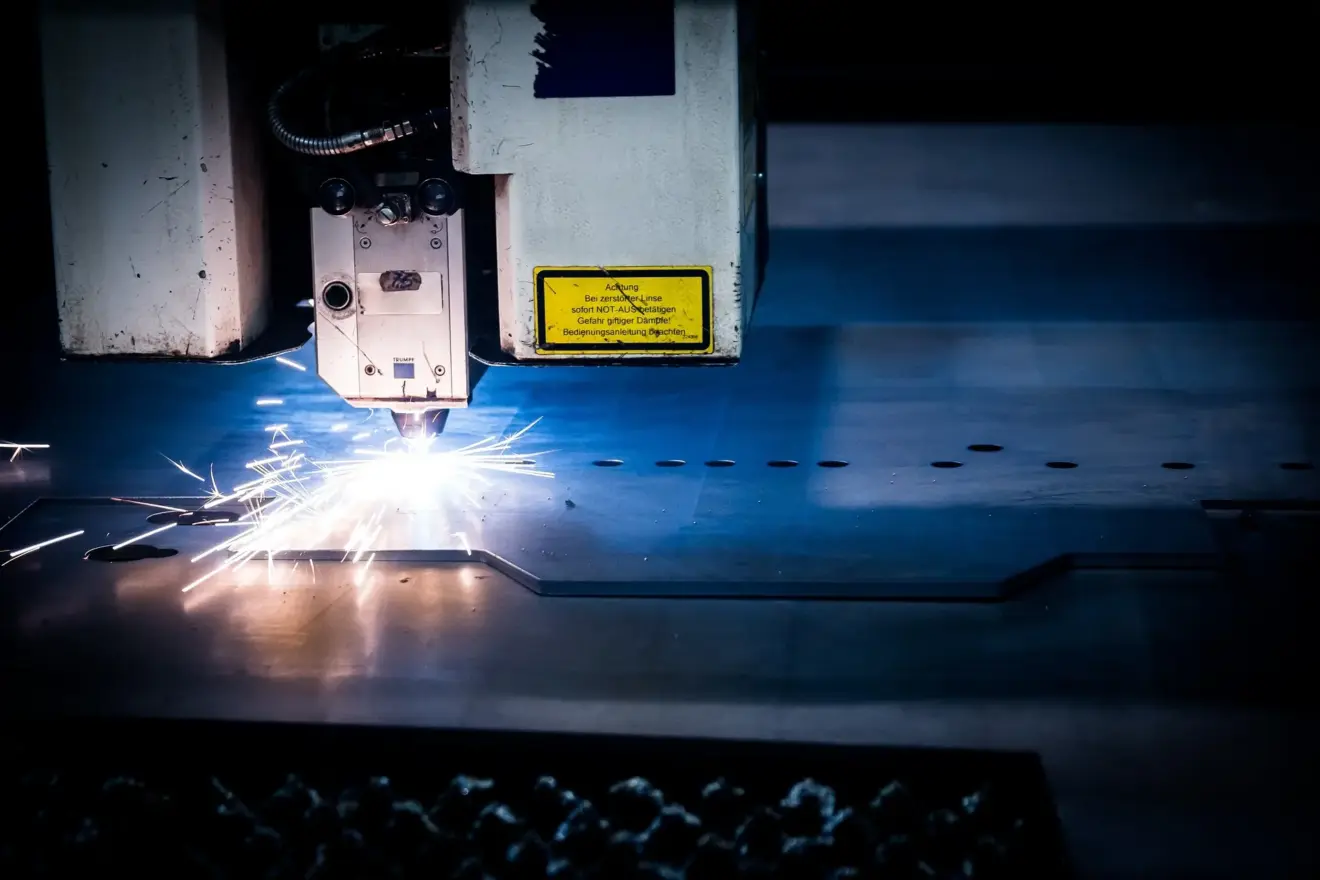
Laser Cutting Machines: A Practical Buyer’s Guide
Sunday, 19 April 2026
Buying a laser cutting machine is rarely just about choosing a model with more power or a larger table size. For most factories and workshops, the real question is whether the machine matches the material, the production volume, the finish requirements, and the way jobs move through the shop. That is why a practical buyer’s
- Published in Blog
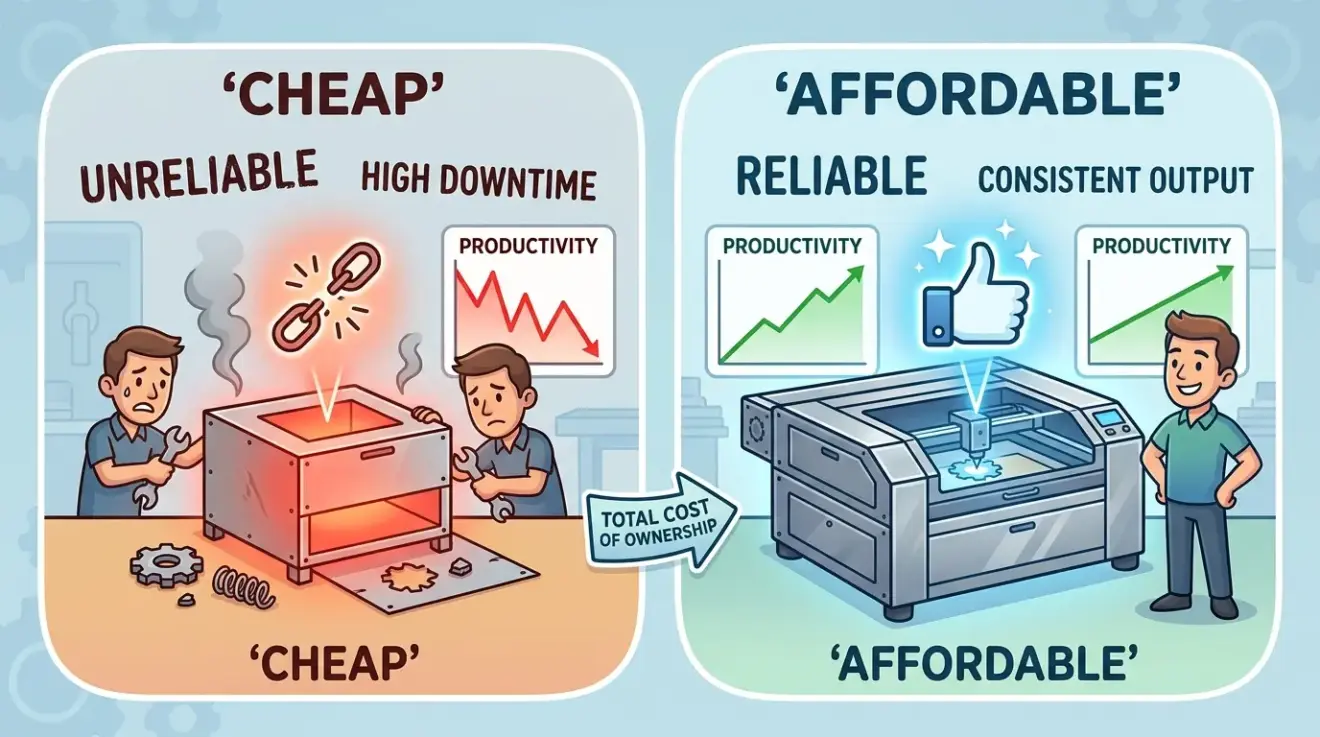
Cheap Laser Cutter vs Affordable Laser Cutter: Which Trade-Offs Actually Matter in Production
Sunday, 19 April 2026
When a buyer is under budget pressure, “cheap” and “affordable” can sound like the same thing. In production, they usually are not. A cheap laser cutter is often the machine with the lowest visible purchase price. An affordable laser cutter is the one a shop can buy, install, run, and maintain without turning every order
- Published in Blog
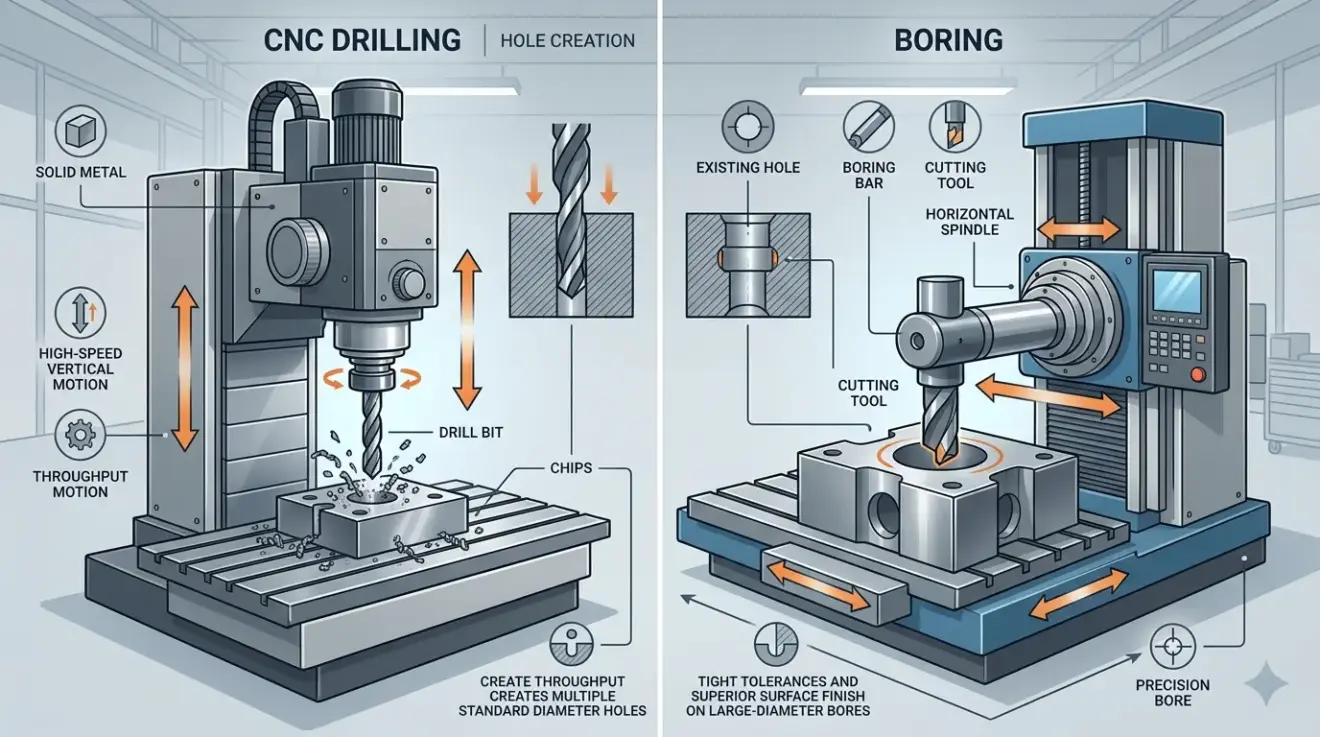
CNC Drilling Machine vs. Boring Machine: What Is the Real Difference?
Sunday, 19 April 2026
When hole processing starts slowing cabinet assembly, the drilling cell is no longer a minor support station. It becomes a production constraint. Misaligned connector holes, inconsistent shelf-pin rows, and repeated setup changes can all create rework that shows up much later in assembly. That is why the difference between a CNC drilling machine and a
- Published in Blog
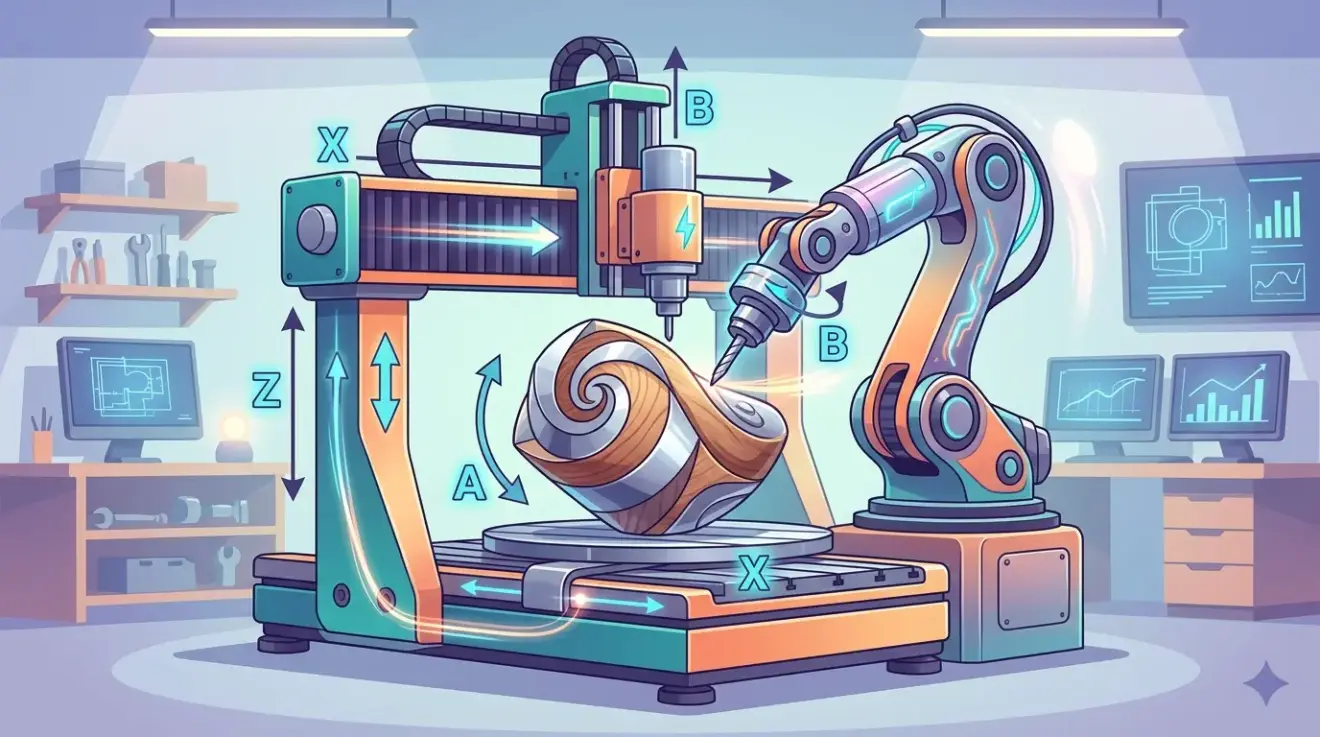
What Does 5-Axis CNC Mean?
Sunday, 19 April 2026
5-axis CNC is one of those terms that sounds precise but gets used loosely. In quotations, trade-show conversations, and product pages, it is often treated like a prestige label. That is where buyers get into trouble. The useful meaning of 5-axis CNC is not simply that five controlled movements exist. The useful meaning is what
- Published in Blog
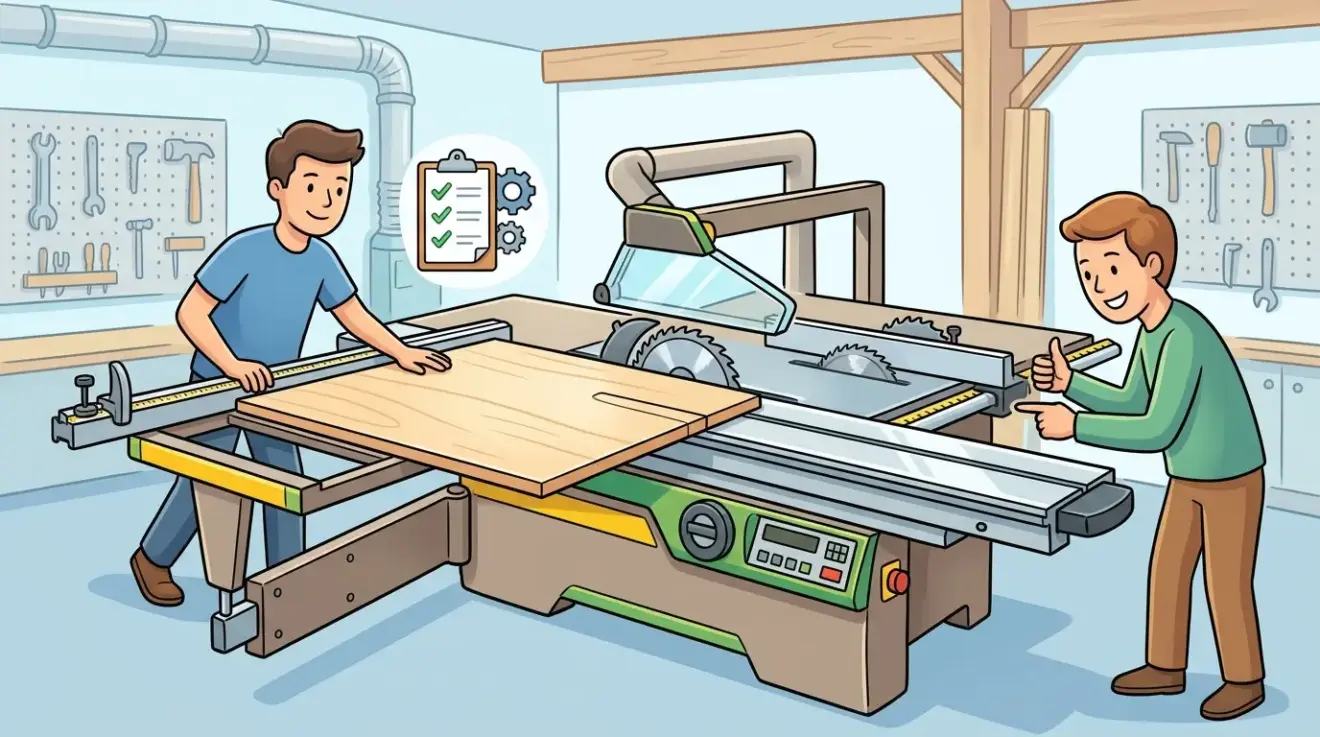
Panel Saw for Sale: What to Check Before You Buy
Sunday, 19 April 2026
When buyers search for a panel saw for sale, the first instinct is often to compare machine listings, not production realities. That is usually where expensive mistakes begin. A panel saw that looks strong on paper can still become the wrong purchase if it does not match your material mix, your batch structure, your floor
- Published in Blog

PCB CNC Machines Explained: When CNC Is a Practical Choice for Board Prototyping
Sunday, 19 April 2026
PCB CNC machines appeal to teams that want faster physical iteration without waiting for every board revision to come back from an outside fabricator. That appeal is understandable. When engineers are testing simple layouts, mechanical fit, connector positioning, or basic functional concepts, an in-house board-prototyping workflow can reduce delay and help a design team learn
- Published in Blog
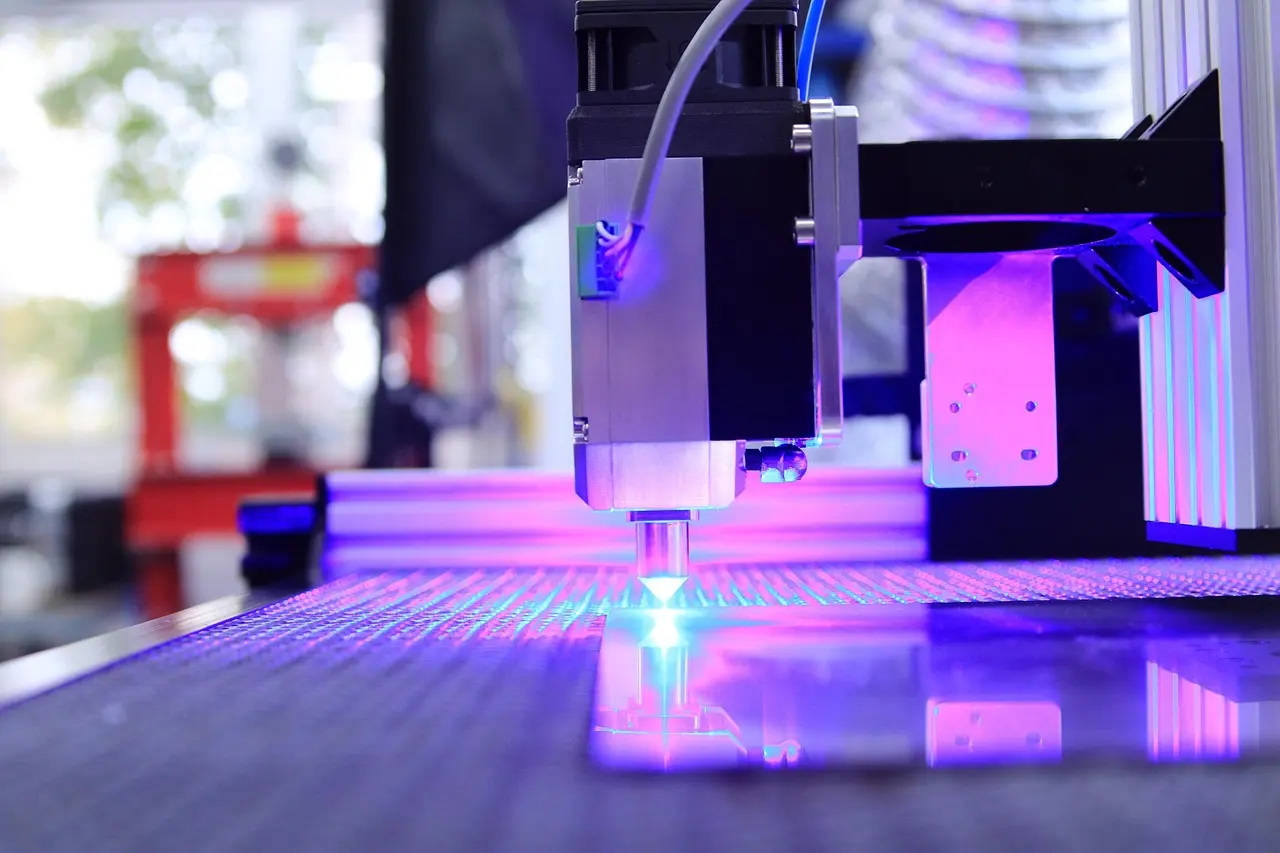
Fiber Laser Engraving Machine for Precision Metal Work: What Actually Drives Accuracy?
Sunday, 19 April 2026
In precision metal work, the question is rarely whether a laser can leave a visible mark. The real issue is whether fine text, serial numbers, logos, alignment marks, or data matrix codes stay sharp across real production parts rather than only on a flat sample plate. When marks drift, blur, or vary from batch to
- Published in Blog
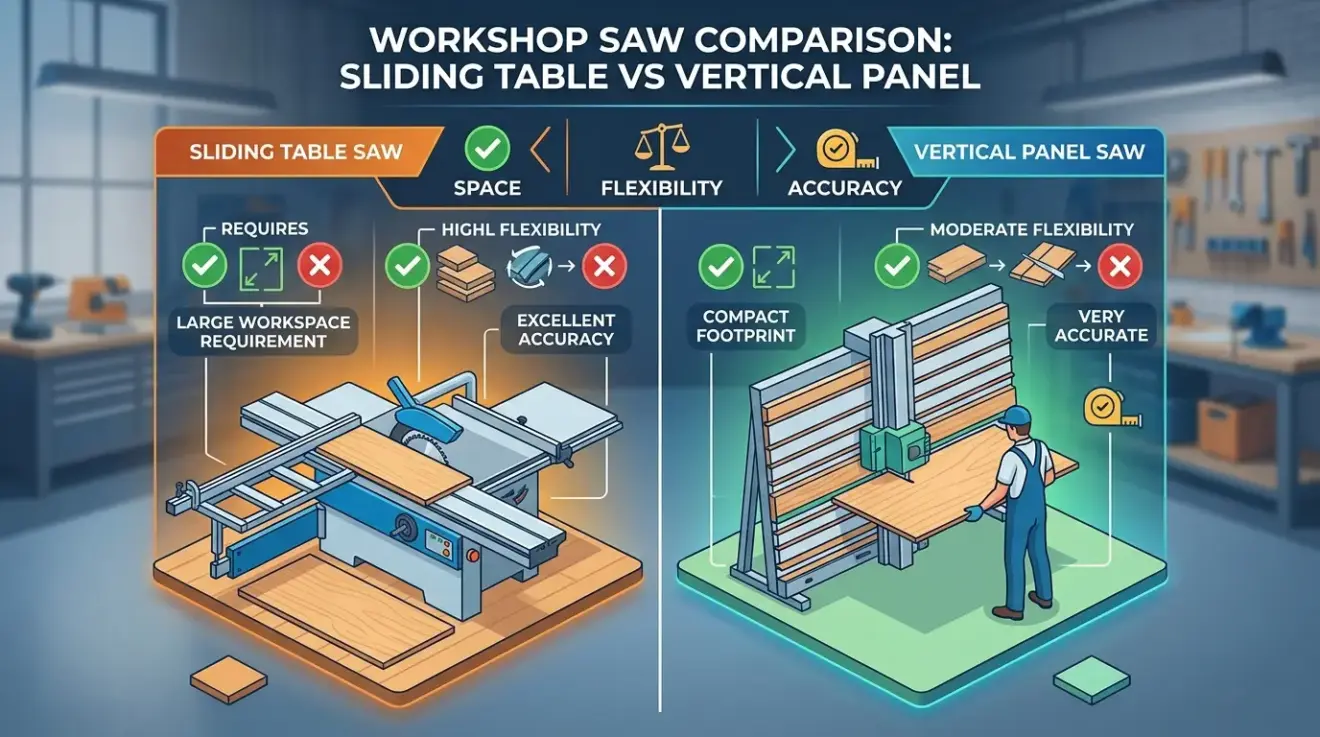
Sliding Table Saw vs Vertical Panel Saw: Space, Flexibility, and Cut Accuracy Compared
Sunday, 19 April 2026
When a shop compares a sliding table saw with a vertical panel saw, the real question is usually not which one can cut a board. The real question is what the cutting area needs to solve every day: limited floor space, changing job requirements, awkward full-sheet handling, or recurring fit problems at assembly. That is
- Published in Blog
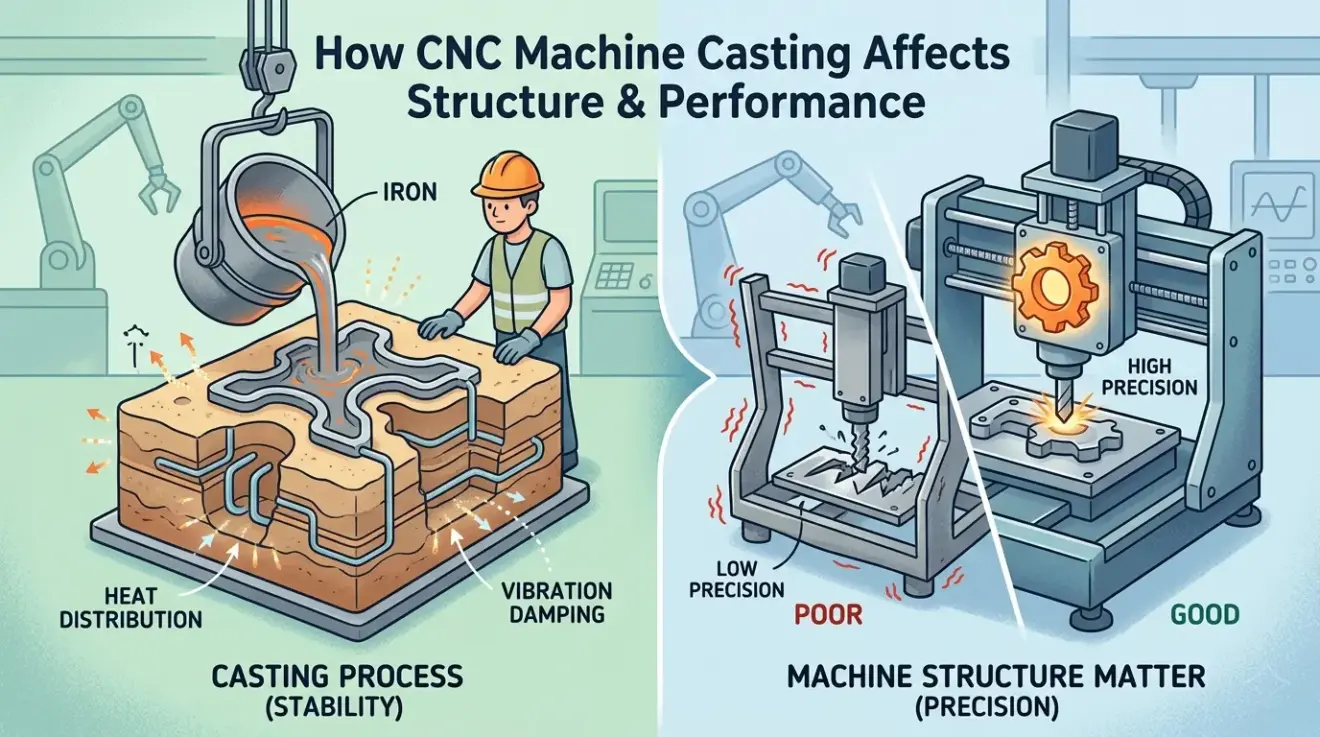
What Is a CNC Machine Casting and Why Does Machine Structure Matter?
Sunday, 19 April 2026
Most CNC buyers begin with the easy-to-read items on the specification sheet: spindle power, controller brand, rapid speed, servo package, tool capacity, maybe probing or automatic tool change. Those things matter, but none of them works honestly on its own. A machine only cuts as truthfully as its structure allows. If the frame deflects under
- Published in Blog
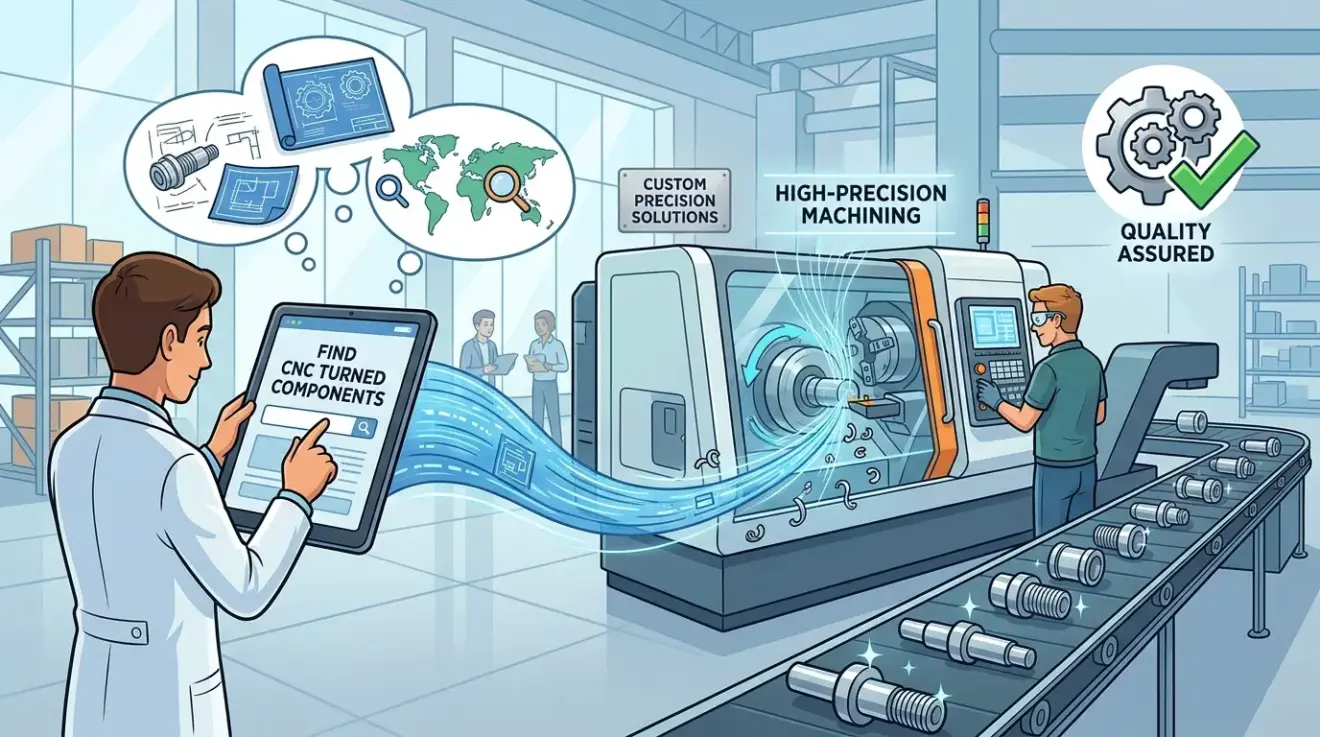
What Does Turned Components Manufacturers Mean in CNC Supply Searches?
Sunday, 19 April 2026
Buyers usually type this phrase when they already know two things: the part is probably rotational, and the search results are getting noisy. Listings mention turned parts, precision components, CNC manufacturers, subcontract machining, OEM suppliers, and custom fastener shops as though they all belong in the same pile. They do not. The phrase can be
- Published in Blog
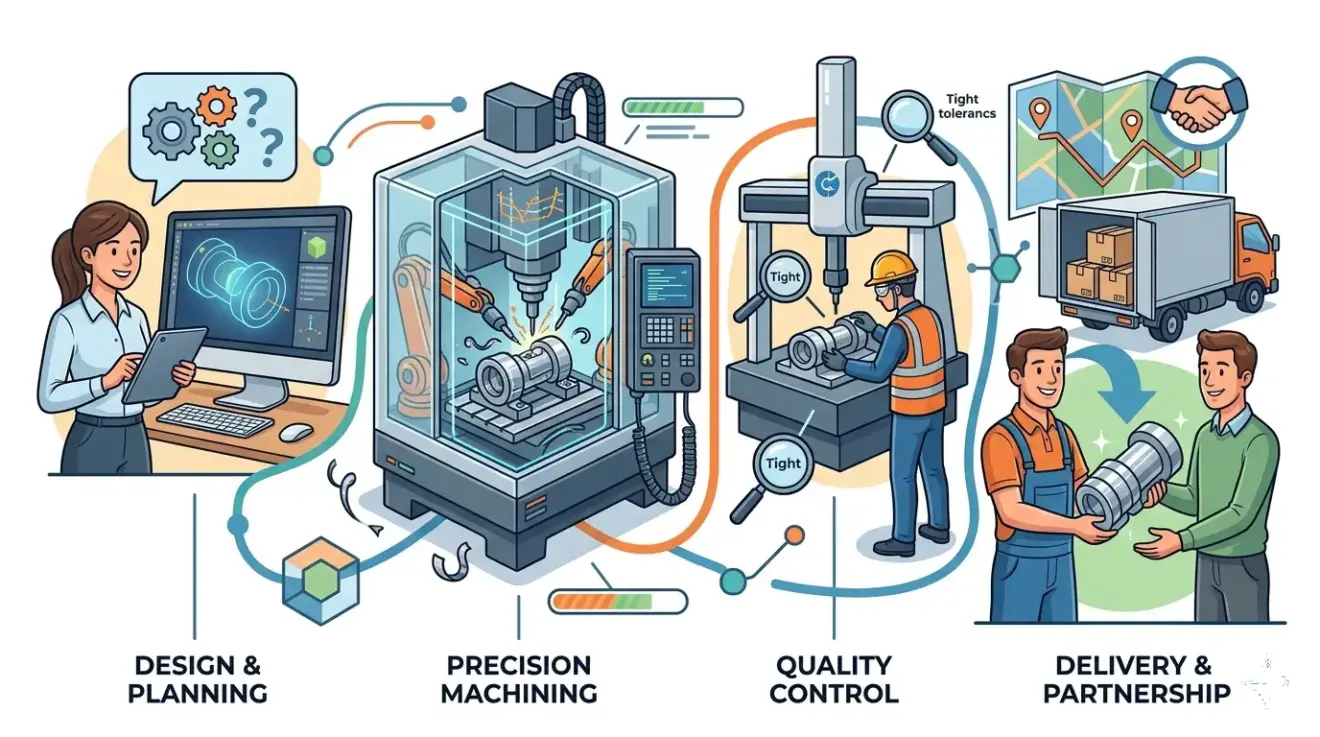
CNC Machining Services Explained: What Buyers Should Expect From a Supplier
Sunday, 19 April 2026
Buying CNC machining services is not the same as buying spindle time. A serious supplier is being asked to turn a controlled drawing package into repeatable output through the right routing, workholding, tooling, inspection, communication, and release discipline. The buyer is not simply paying for motion at the machine. It is paying for a managed
- Published in Blog
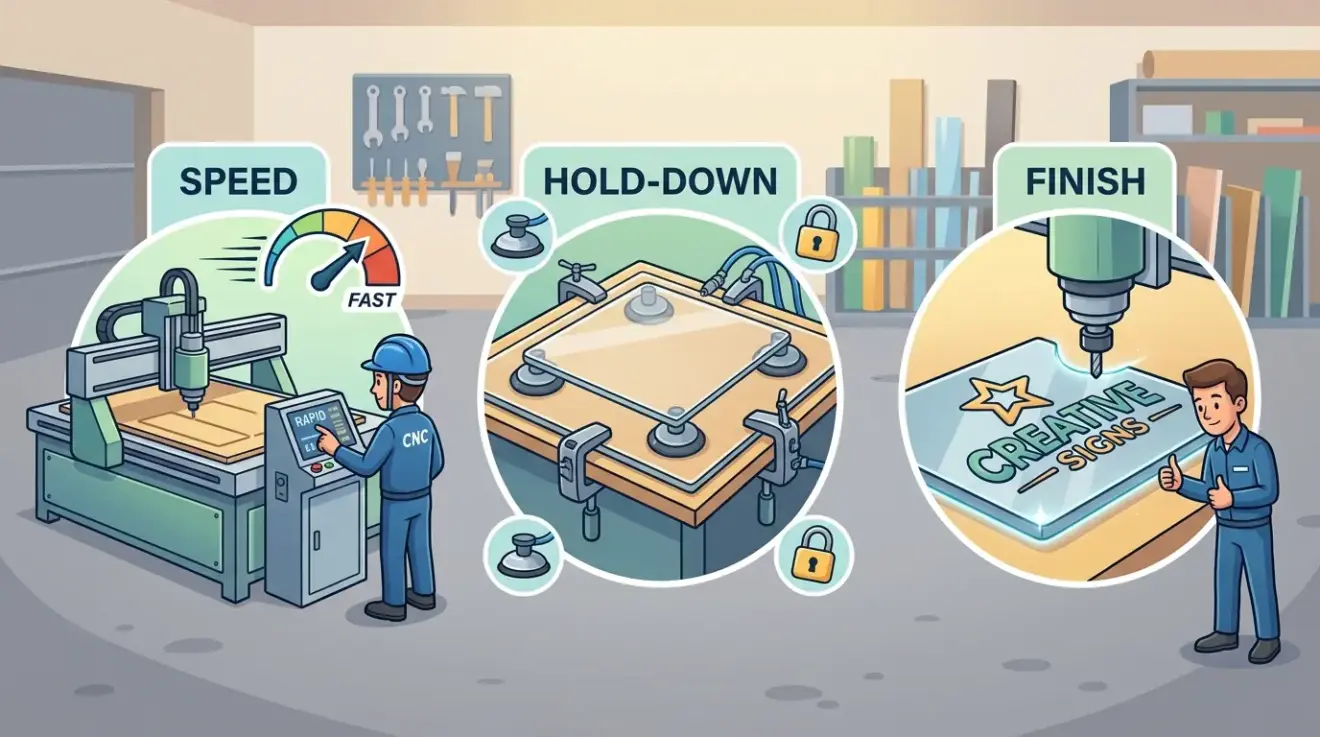
CNC Router for Signs and Panels: What to Look for in Speed, Hold-Down, and Finish
Sunday, 19 April 2026
Sign and panel buyers often compare routers by feed claims because feed claims are easy to print in a brochure. Production does not reward brochure speed. A sign router earns money only when three things happen at the same time: the machine cuts quickly enough to matter, the sheet stays under control as shapes get
- Published in Blog
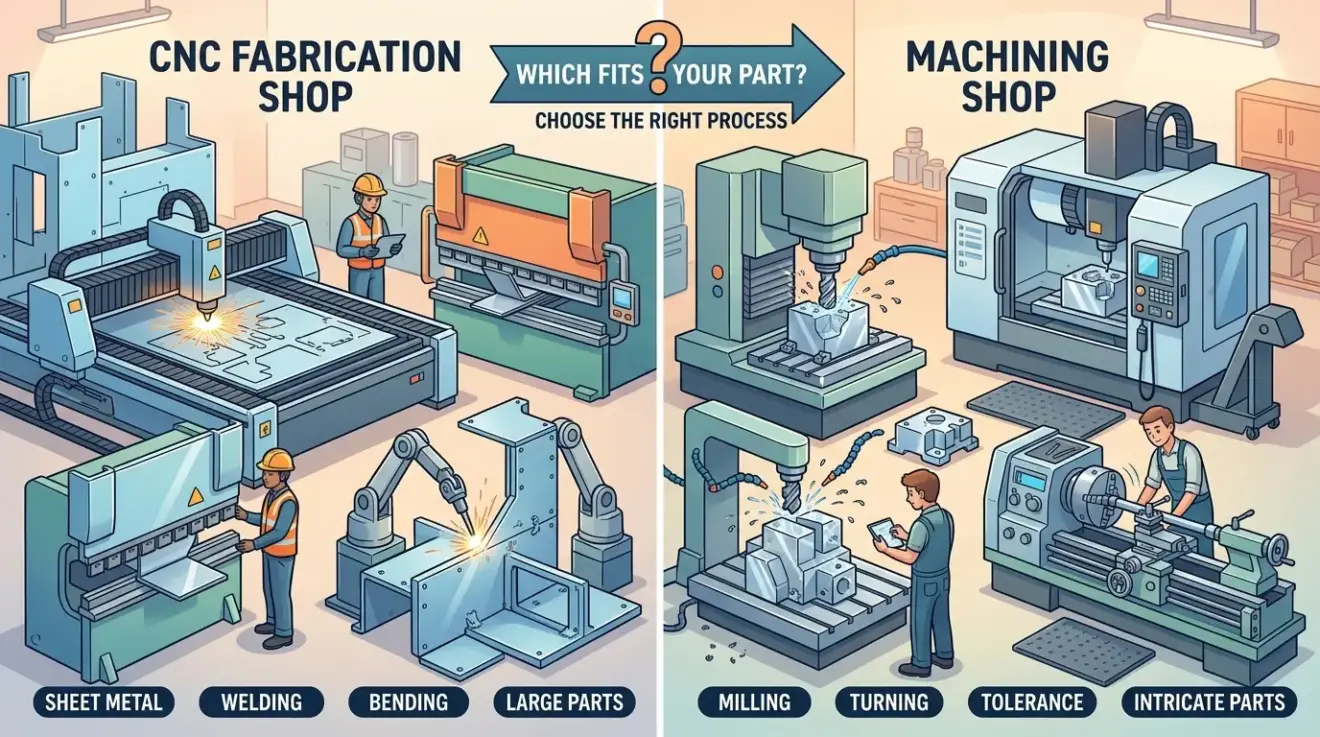
CNC Fabrication Shop vs Machining Shop: Which Supplier Fits Your Part?
Sunday, 19 April 2026
Fabrication shops and machining shops are often grouped together under the vague idea of “metalworking suppliers,” but they do not usually think about jobs the same way. A fabrication shop tends to organize work around cutting, bending, welding, fit-up, and assembly flow. A machining shop tends to organize work around datums, material removal, feature control,
- Published in Blog
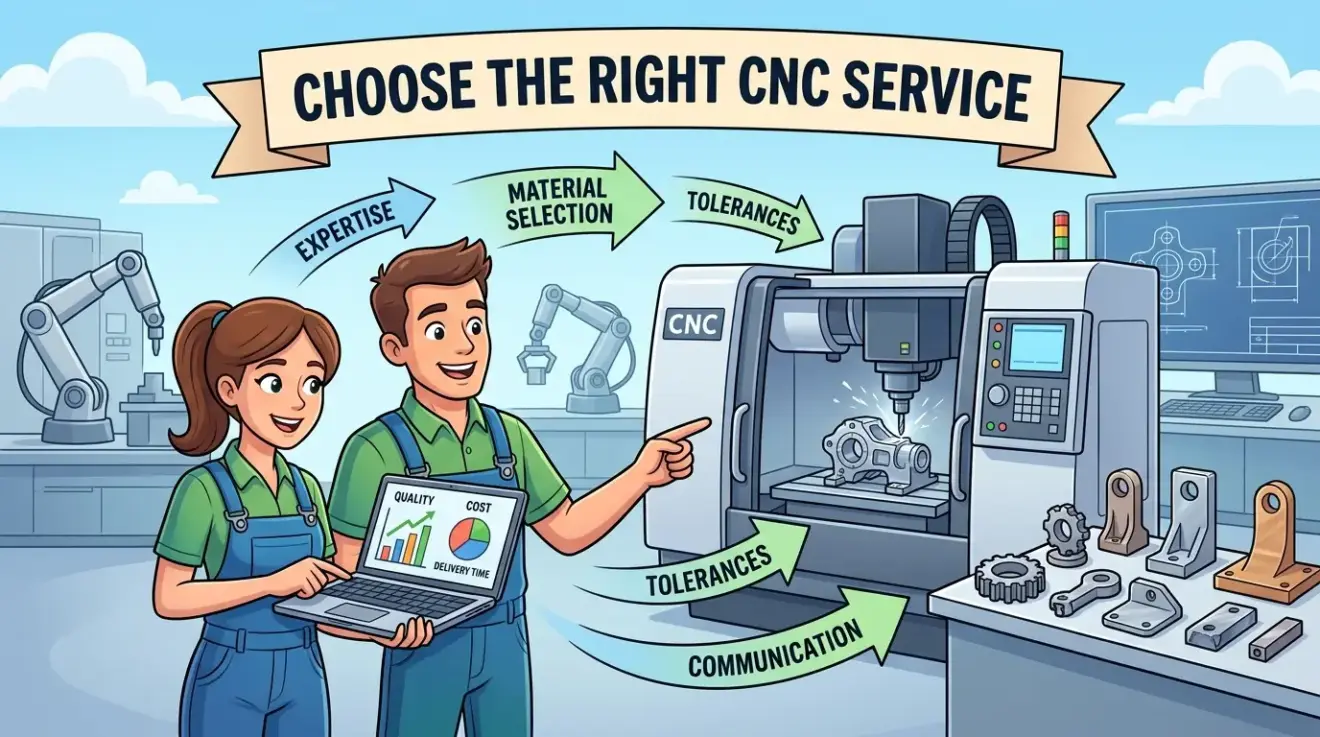
How to Choose a CNC Machining Service for Custom Parts
Saturday, 18 April 2026
Choosing a CNC machining service for custom parts is not the same as buying standard capacity. You are not simply shopping for machine time. You are choosing a supplier that has to interpret your geometry, tolerances, material requirements, finish expectations, and delivery risk well enough to turn incomplete information into acceptable parts. That is why
- Published in Blog
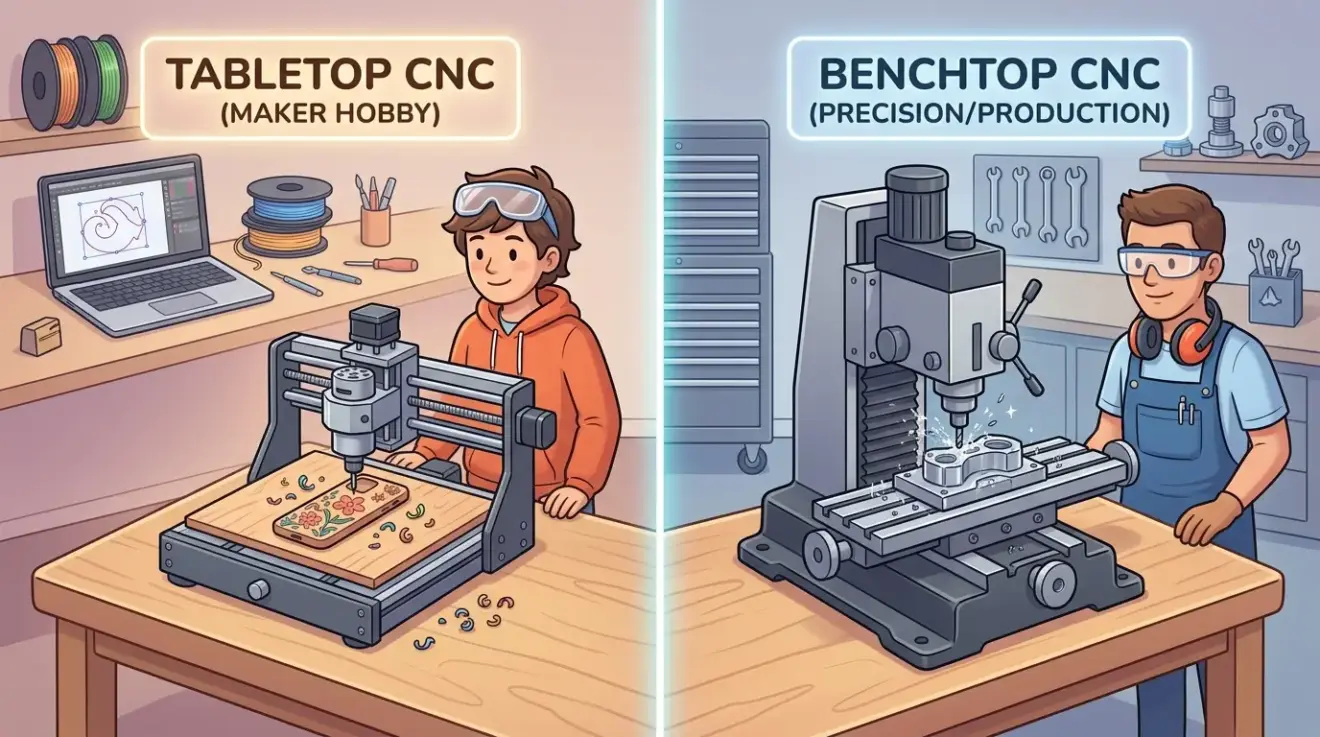
Tabletop CNC vs Benchtop CNC: Which Small Format Makes Sense?
Saturday, 18 April 2026
Small-format CNC buyers often ask whether tabletop or benchtop makes more sense, but the real decision usually has less to do with the label than with the room, workflow, and operating pressure around the machine. A buyer working in a design lab does not judge a compact mill the same way a small repair shop
- Published in Blog
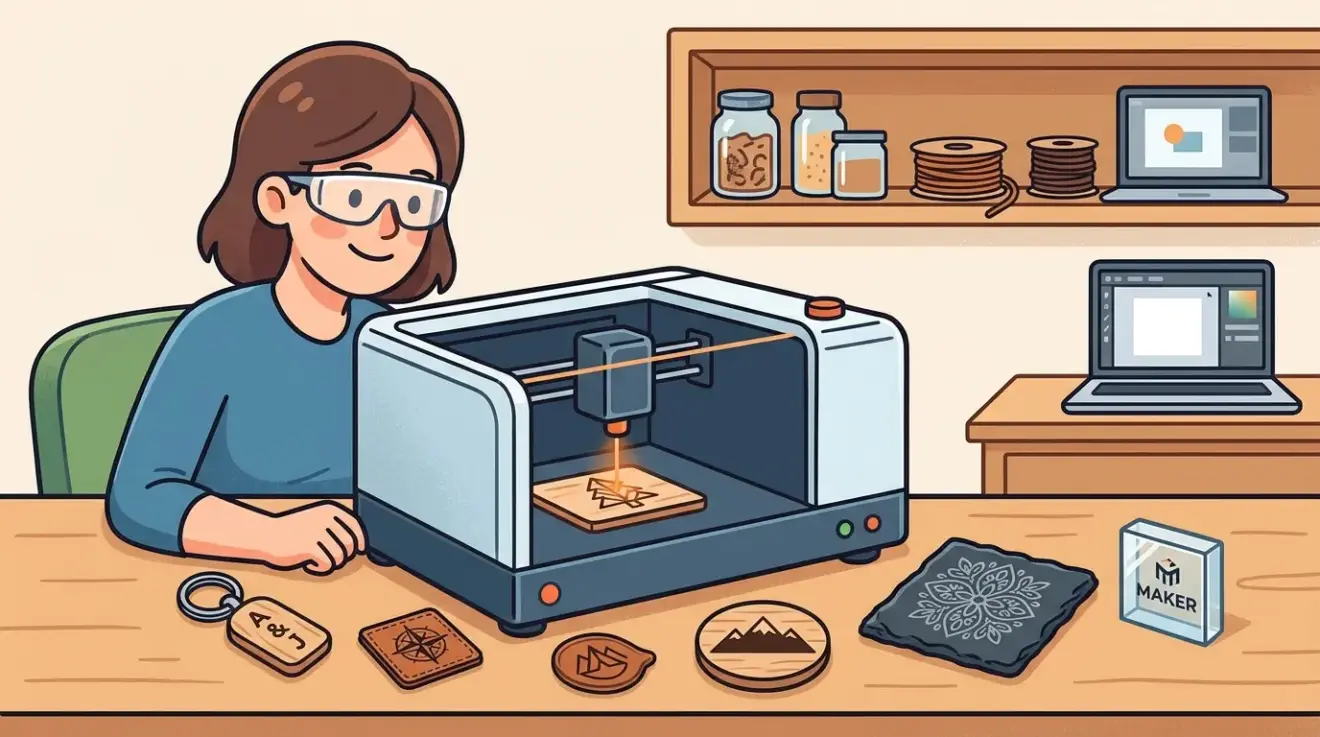
Small Laser Engraver Buying Guide for Makers and Small Businesses
Saturday, 18 April 2026
A small laser engraver becomes expensive very quickly when it is chosen around a demo sample instead of the jobs that actually pay the bills. For a maker studio, gift brand, sign shop, or small custom business, the wrong machine usually shows up as slow setup, weak part alignment, smoke-management headaches, and a work area
- Published in Blog
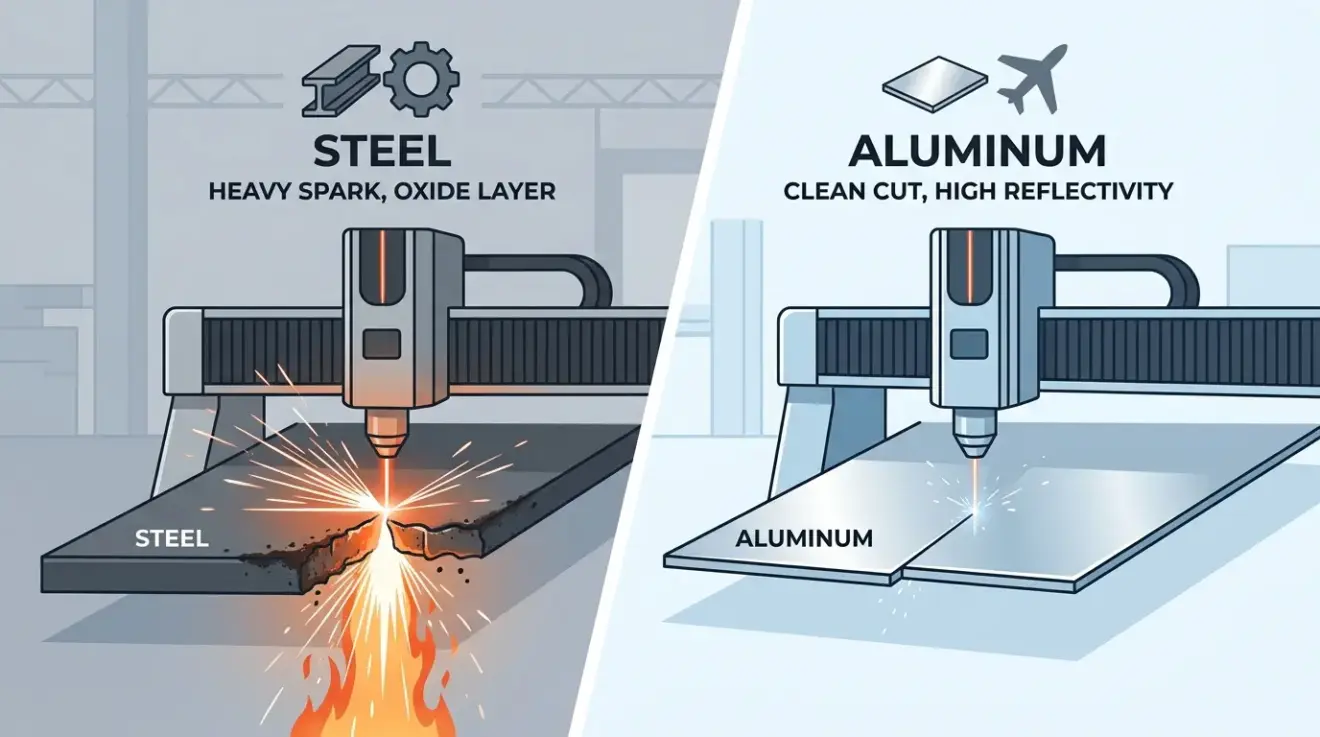
Steel Laser Cutter vs Aluminum Laser Cutter: Material-Specific Selection Factors
Saturday, 18 April 2026
When buyers compare a steel laser cutter with an aluminum laser cutter, the most useful question is usually not whether they need two completely different machine categories. The real issue is whether the laser system, cutting head control, assist-gas strategy, and material-handling plan are matched to the material behavior that dominates the production schedule. That
- Published in Blog
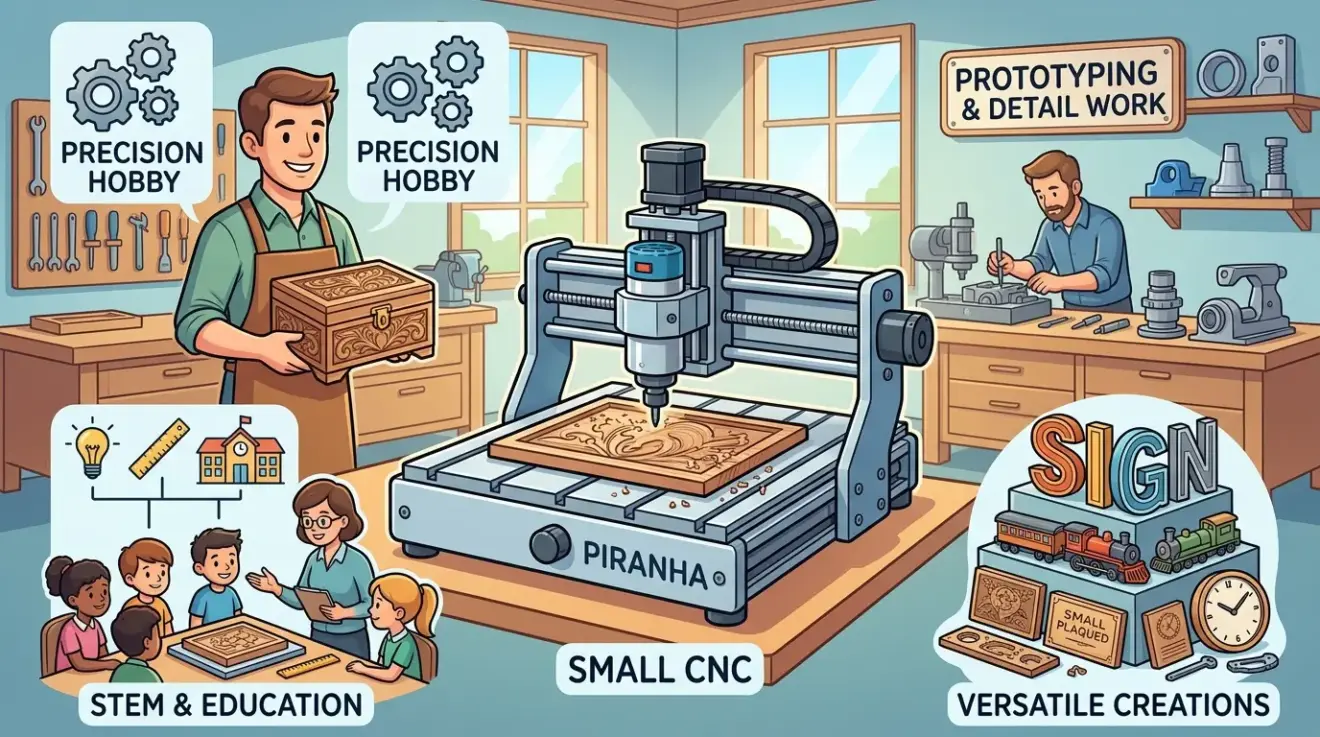
Piranha CNC, Piranha FX, and Similar Small CNC Machines: What They Are Best For
Saturday, 18 April 2026
Small CNC machines in the Piranha class attract buyers who want real CNC capability without dedicating a large room, a large budget, or a full production plan to the purchase. That appeal is legitimate. Compact machines can create real value in hobby shops, education settings, prototype benches, and small custom businesses. The mistake happens when
- Published in Blog
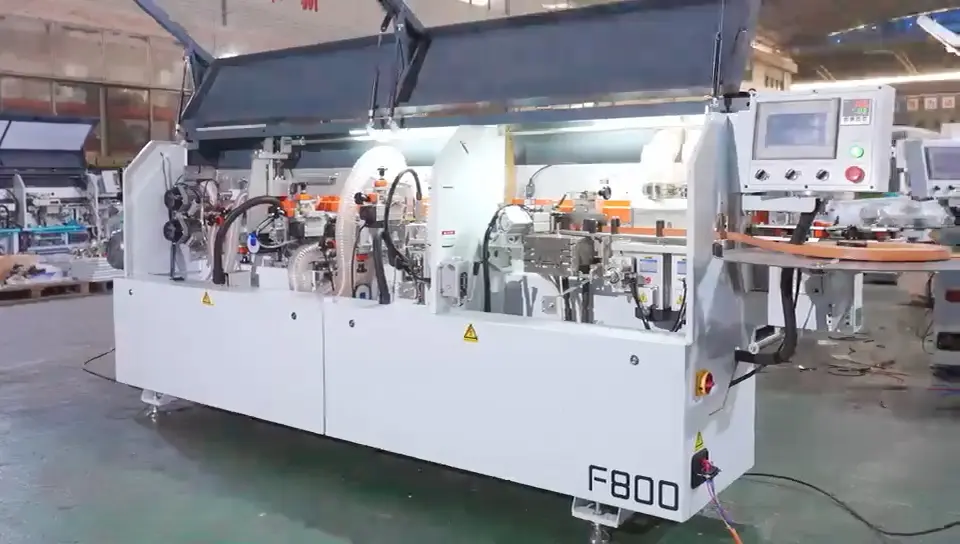
How to Choose Edge Banding Equipment for Scalable Woodworking Lines
Saturday, 18 April 2026
When a woodworking plant starts pushing more volume, edge banding stops being a finishing detail and becomes a line-balance decision. If the edge banding cell cannot keep pace with panel output, hold finish quality across batches, or reduce manual touch-up, the whole line starts to absorb the problem. Parts wait between operations, visible panels need
- Published in Blog
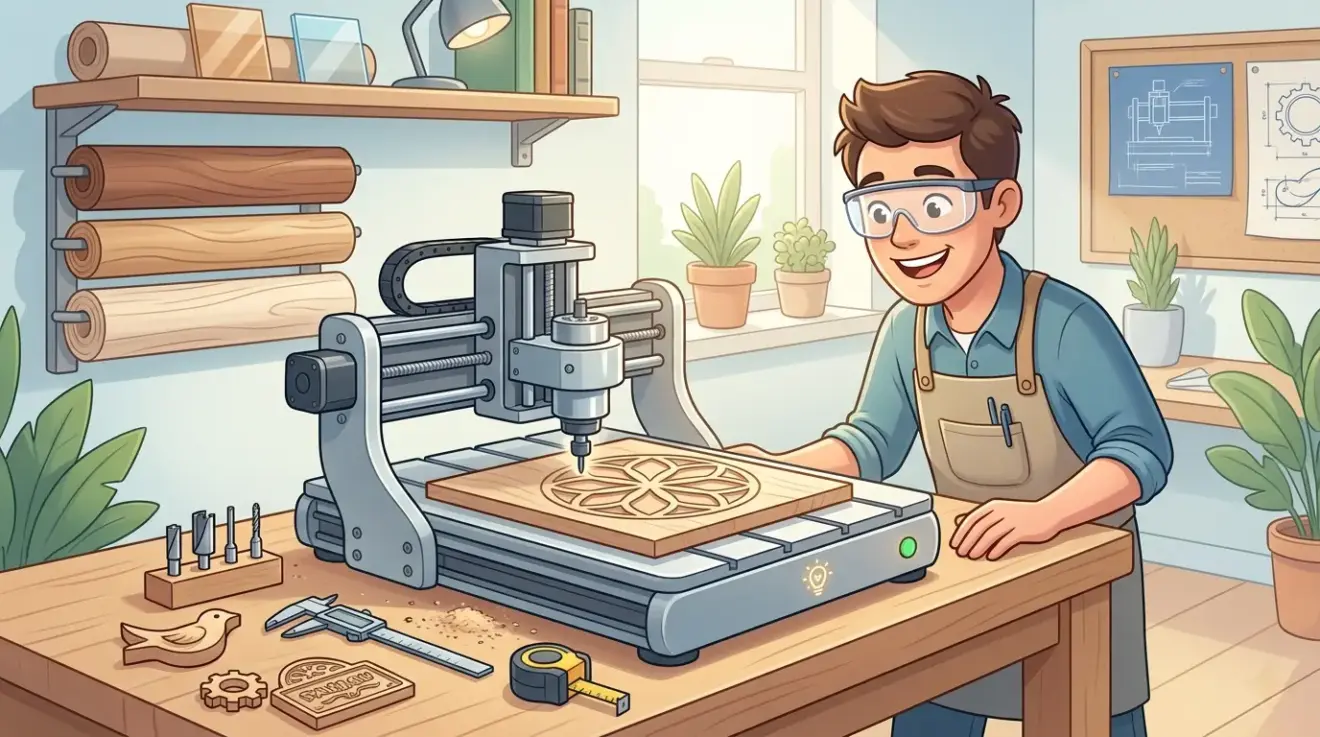
BlueCarve CNC, Cosmos CNC, and Other Small CNC Router Brands: What to Expect Before You Buy
Saturday, 18 April 2026
Small CNC router brands often attract buyers with the same promise: real CNC access at a lower initial cost than more visible systems. Sometimes that promise is legitimate. Sometimes it simply means the buyer is taking on support, validation, and recovery work that better-known brands, dealers, or user communities would normally absorb. That is why
- Published in Blog
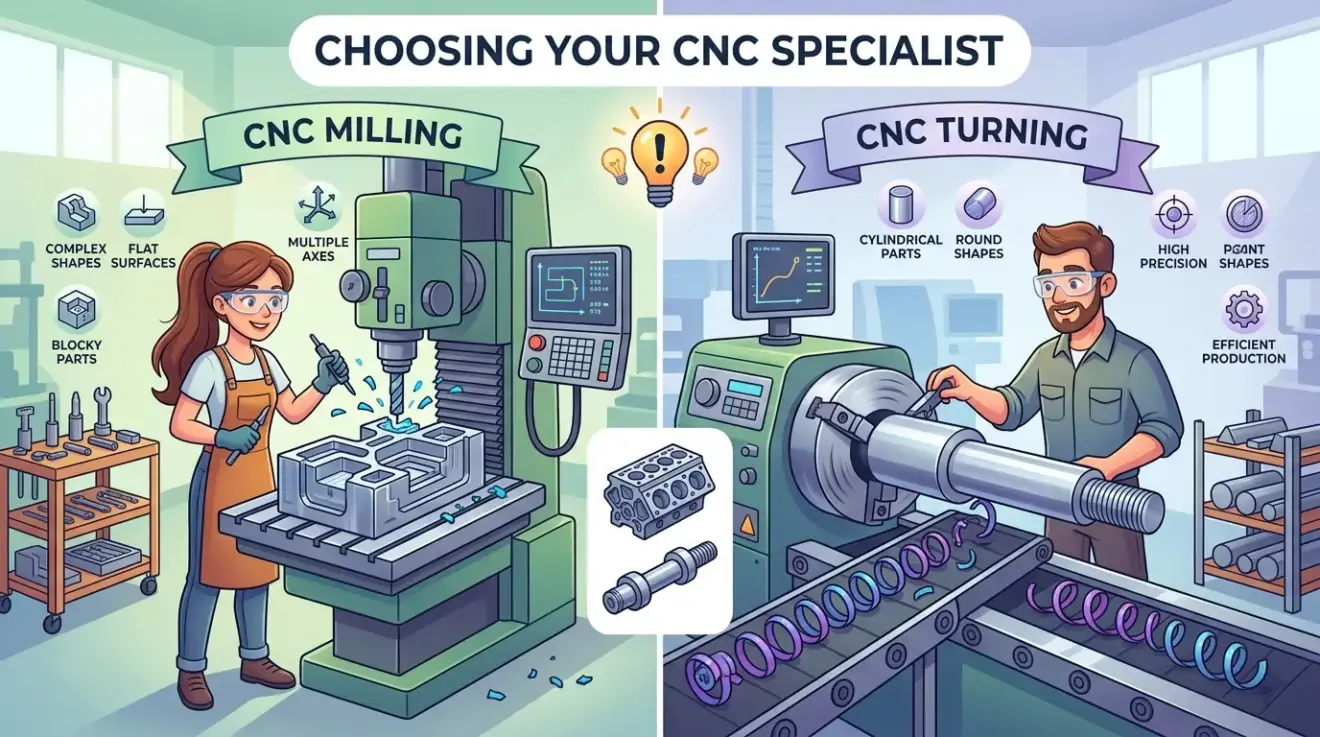
CNC Milling Service vs CNC Turning Service: Which Specialist Do You Need?
Saturday, 18 April 2026
Buyers often ask for a broad CNC quote when the real sourcing problem is much narrower. The part does not merely need “CNC.” It needs the right process to own the geometry that actually decides function, cost, and repeatability. If the wrong specialist takes the lead, the route can still produce acceptable parts while becoming
- Published in Blog
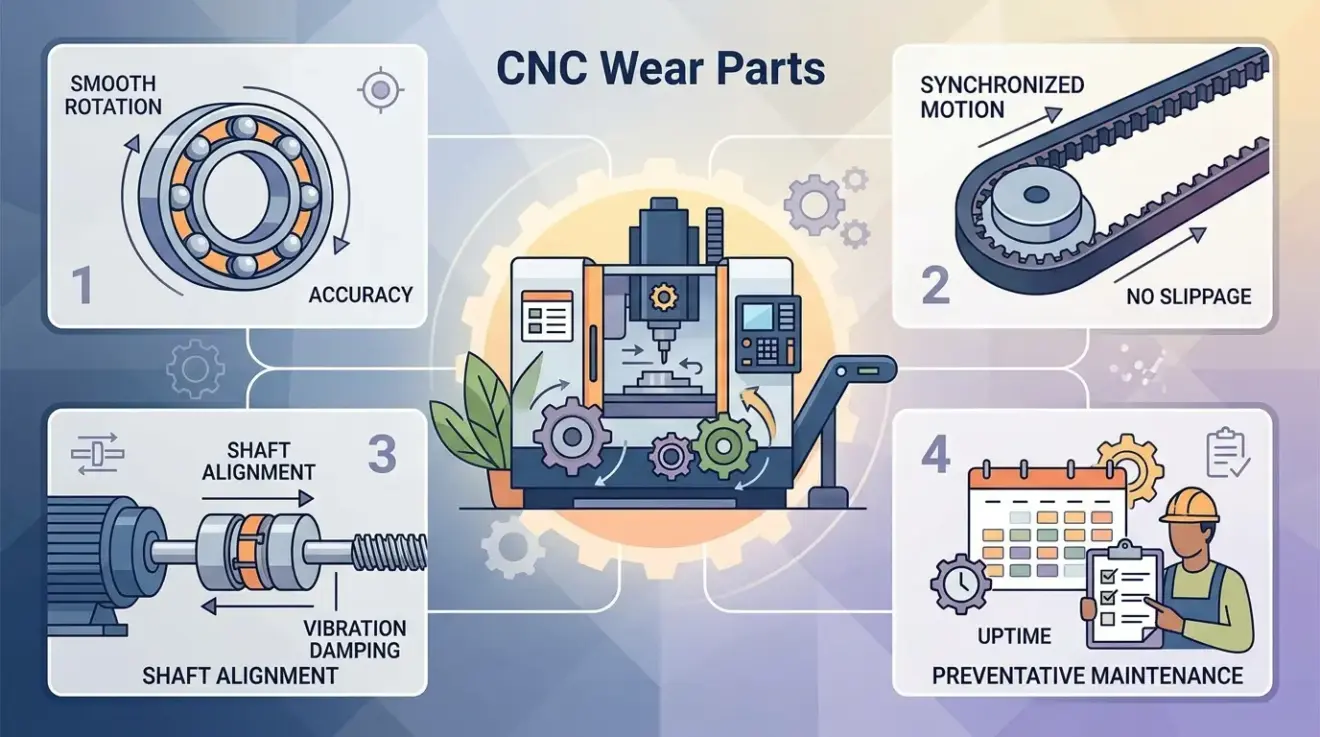
CNC Bearings, Belts, and Couplers: Which Wear Parts Matter Most
Saturday, 18 April 2026
Bearings, belts, and couplers rarely dominate a machine quote, but they often decide how early a CNC starts drifting away from predictable behavior. The spindle still turns, the axis still moves, and the control still accepts the program. What changes first is not always production capacity. It is confidence. Finish gets less repeatable, reversal feels
- Published in Blog
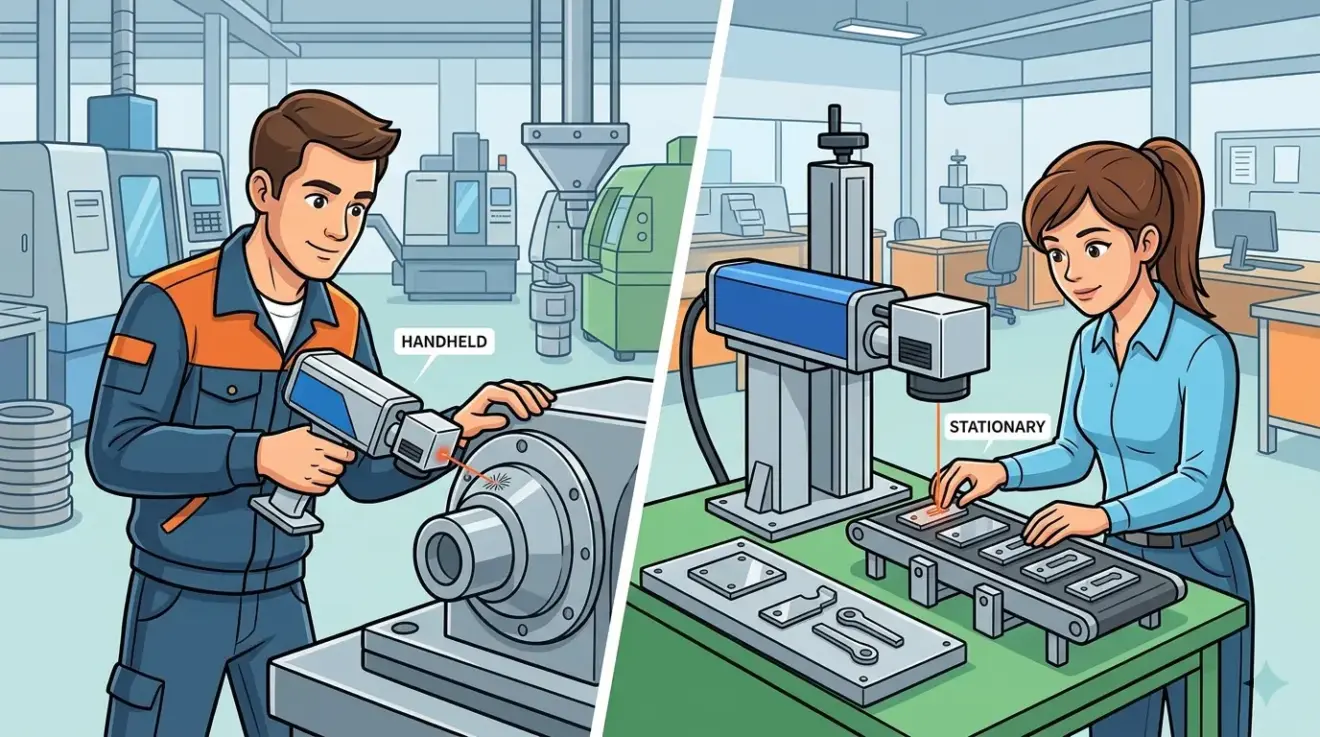
Handheld Laser Marking Machine vs Fixed Fiber Laser Marking Machine: Which Setup Fits Your Production Workflow?
Saturday, 18 April 2026
Factories usually ask this question when the marking step starts creating friction. Parts need permanent IDs, traceability codes, logos, or compliance marks, but the production team has not yet decided whether it is better to move the workpiece to a stable marking station or bring the marking head to the part. That is why the
- Published in Blog
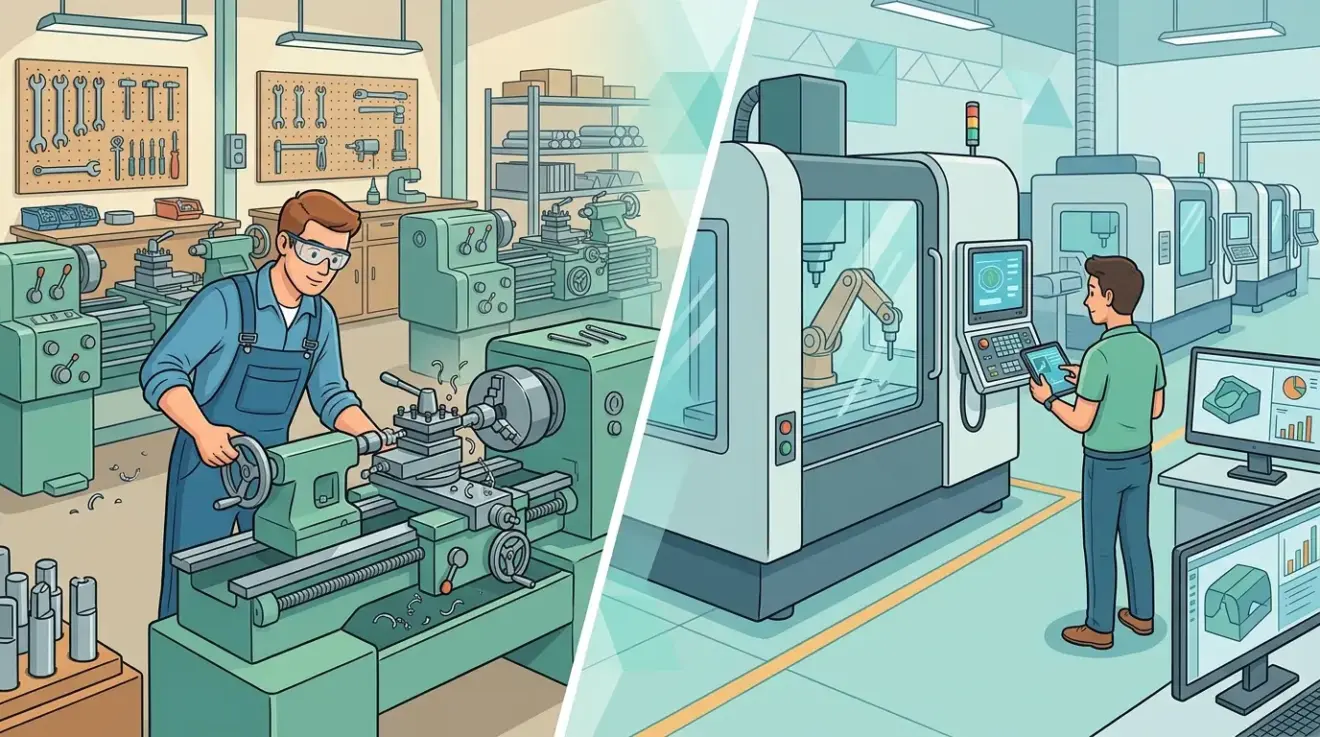
CNC Manufacturing vs Traditional Machining: What Changes in Production?
Saturday, 18 April 2026
Moving from traditional machining to CNC manufacturing is not only a machine upgrade. It changes where the factory places its intelligence, where skilled labor is spent, and where mistakes become expensive. Traditional methods keep more judgment close to the cut. CNC pushes much more judgment upstream into programming, fixturing, tooling choice, setup planning, verification, and
- Published in Blog
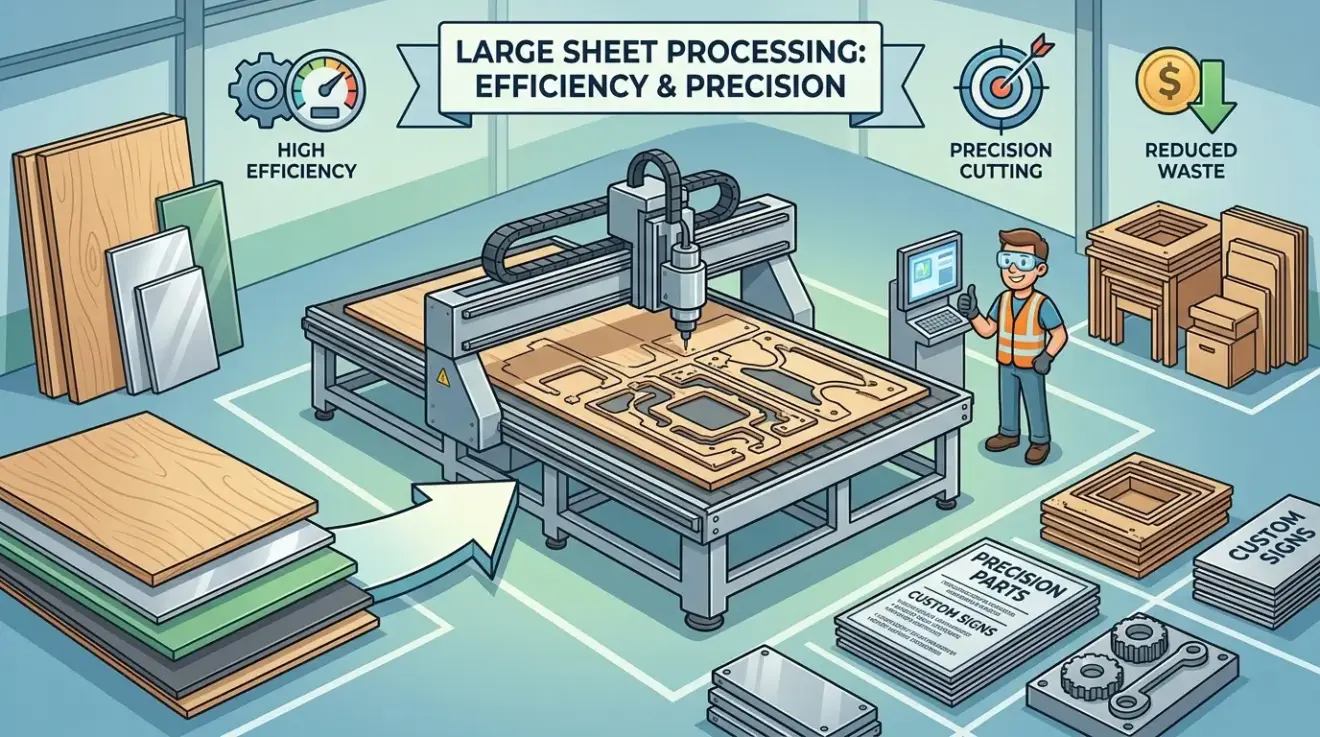
5×10 CNC Router Buying Guide for Large Sheet Processing
Saturday, 18 April 2026
A 5×10 router usually enters the conversation when the shop has outgrown the habit of cutting large material down early just to make it fit a smaller bed. That is the real economic trigger. Once a factory is spending too much time pre-cutting, repositioning, or breaking long work into awkward stages, the cost is no
- Published in Blog