

 Español
  Italiano
  Deutsch
  Français
  Português
  العربية
  Türkçe
  Русский
  Tiếng Việt
  한국어
한국어  日本語
日本語  简体中文
简体中文 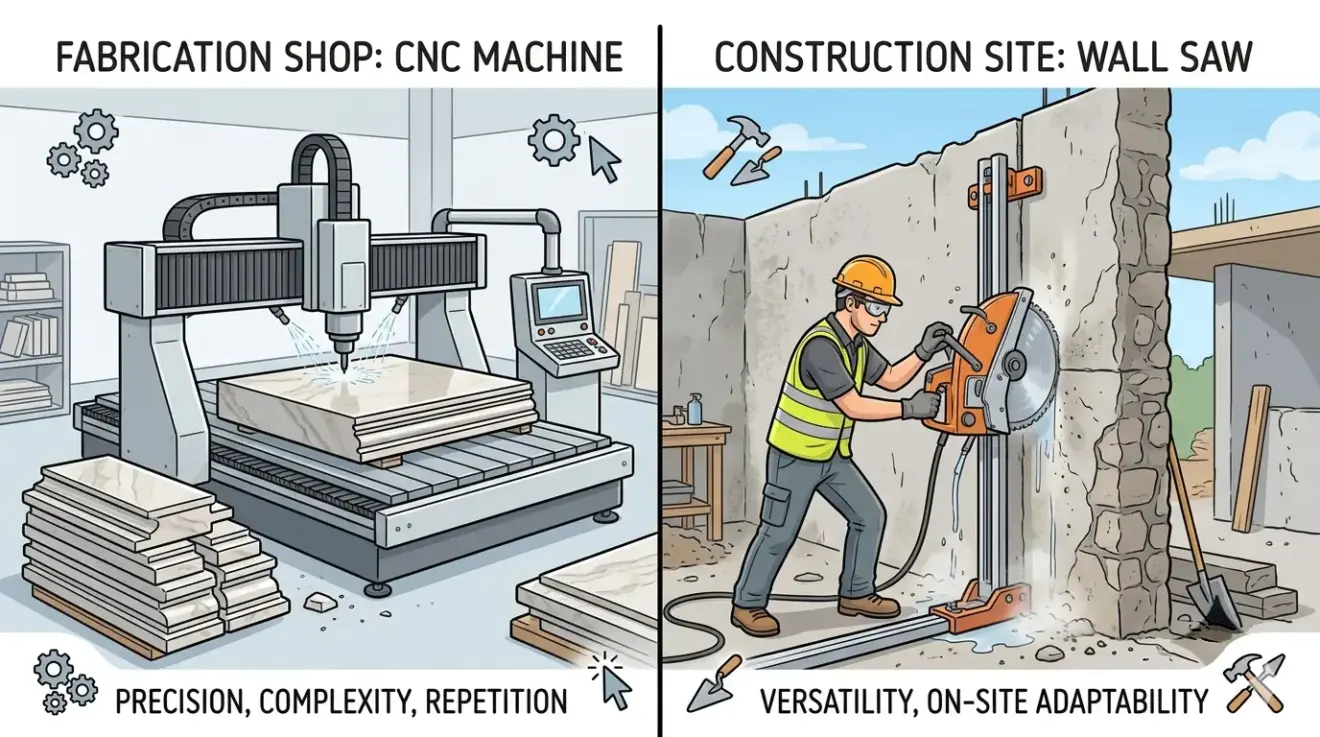
Stone CNC Machine vs. Wall Saw: Which One Fits Fabrication vs. On-Site Cutting?
Sunday, 12 April 2026
Stone shops sometimes compare a stone CNC machine with a wall saw as if they solve the same problem. In practice, they usually sit at different points in the workflow. One is primarily a fabrication tool for repeatable shop work. The other is primarily a field tool for cutting where the material or structure cannot
- Published in Blog
Laser Cutting Machine Price Guide: What Affects Cost?
Sunday, 12 April 2026
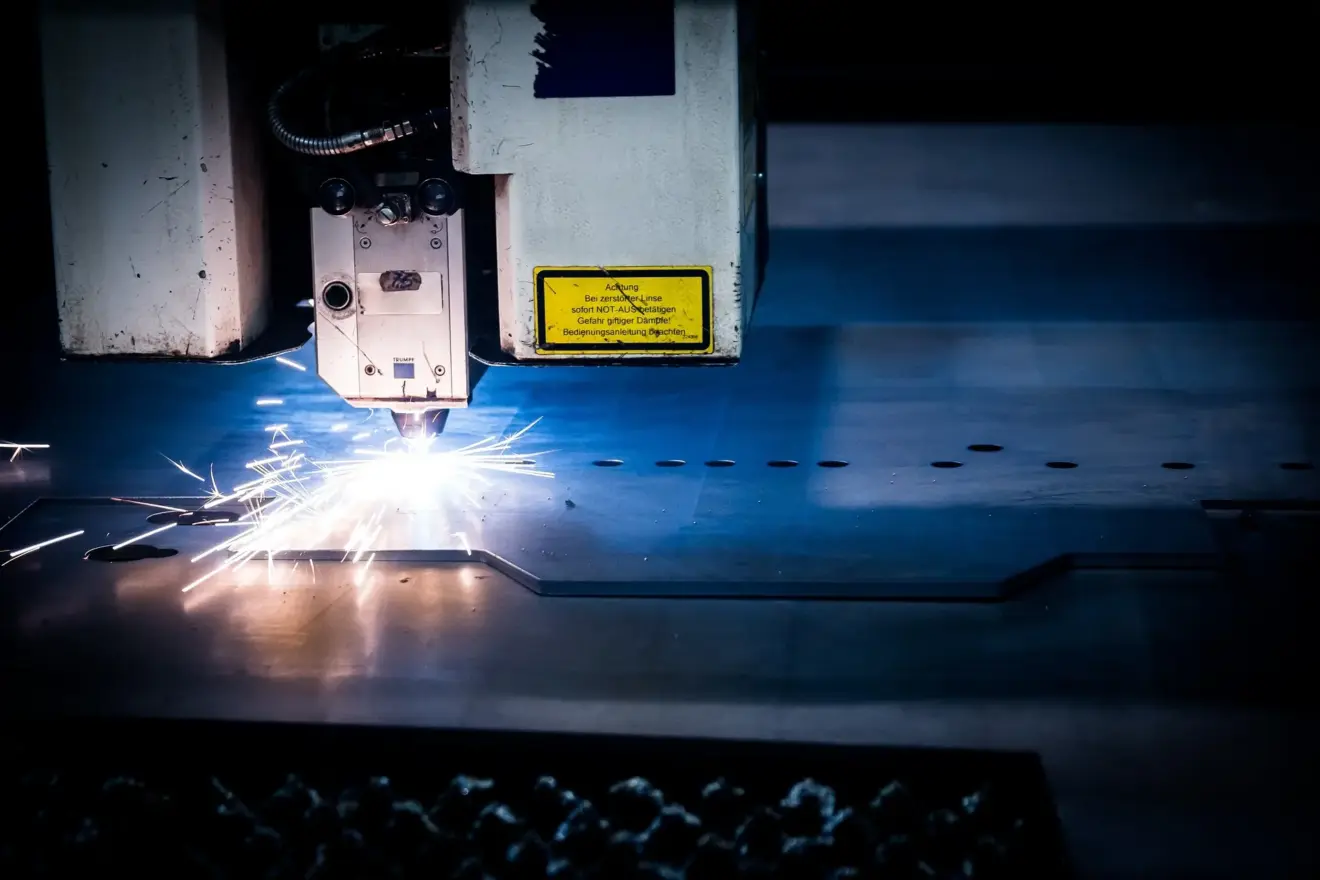
Laser cutting machine price is driven more by application fit, working area, motion quality, automation, and support package than by headline wattage alone. Buyers who compare only the base quote usually miss the real cost drivers: material type, throughput target, extraction and cooling needs, installation, maintenance, and downtime risk. A laser cutting machine can look
- Published in Blog
Beam Saw Machine Benefits That Matter in High-Volume Panel Processing
Sunday, 12 April 2026
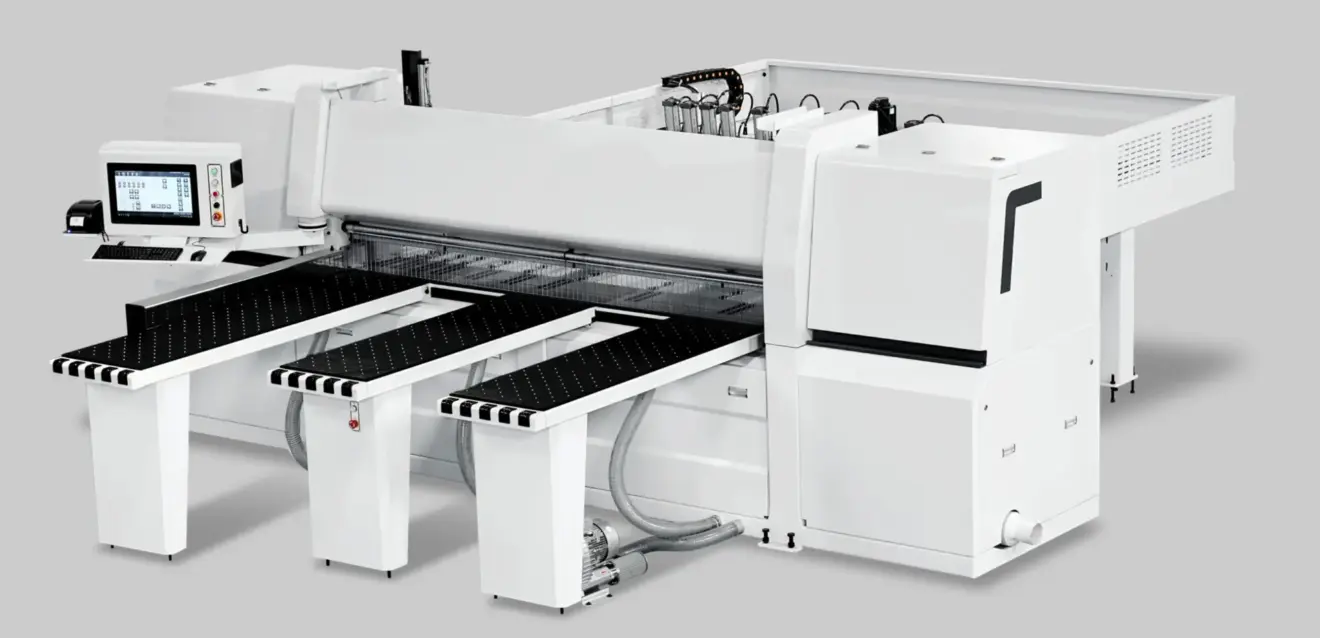
When a factory is cutting large volumes of MDF, particleboard, plywood, or melamine-faced panels, the cutting department stops being just one workstation. It becomes the point that sets the pace for edge banding, drilling, sorting, and final assembly. If panel sizing is inconsistent or too dependent on manual handling, the entire line feels it. That
- Published in Blog
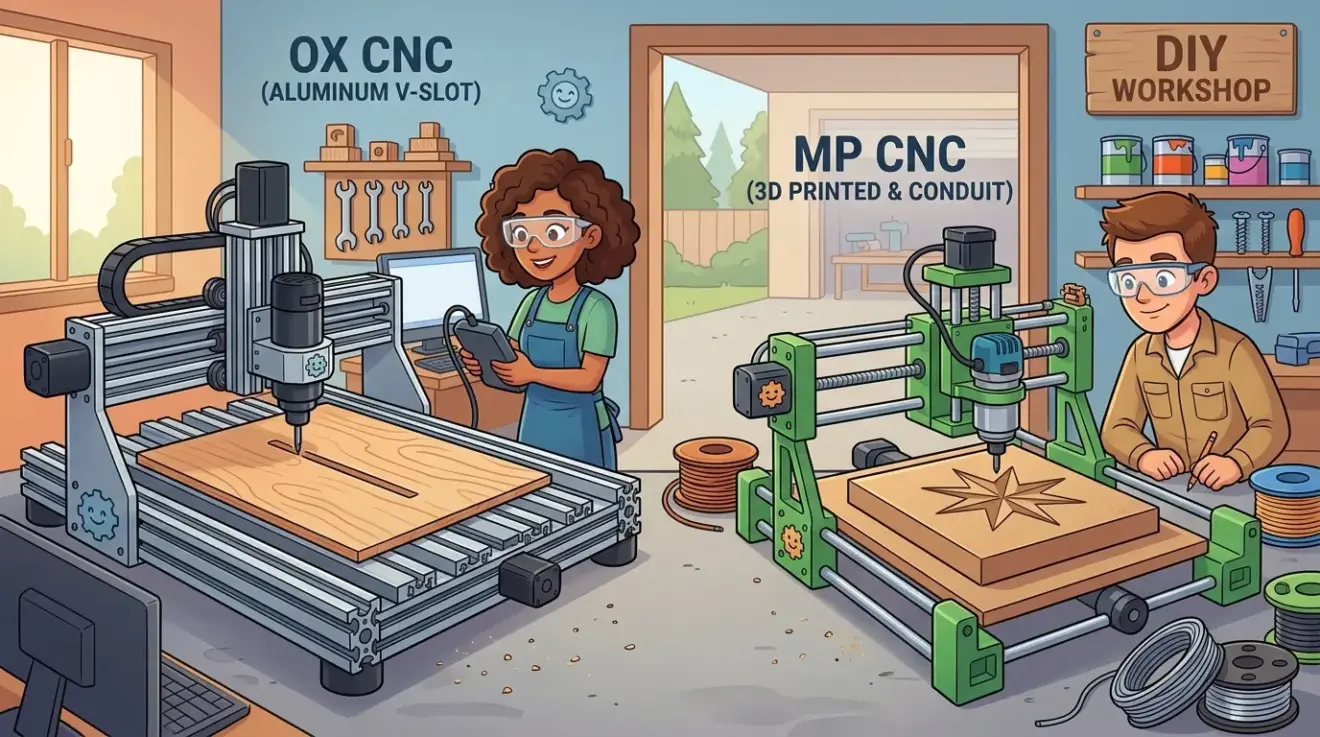
OX CNC, Maker CNC, and MP CNC: Comparing Popular DIY Router Platforms
Sunday, 12 April 2026
DIY router platforms appeal because they make CNC feel buildable, understandable, and financially reachable. That is a real advantage, especially for buyers who want to learn by assembling, wiring, squaring, tuning, and troubleshooting the machine themselves. The problem is that many comparisons between popular DIY platforms become abstract very quickly. Builders debate names, kit formats,
- Published in Blog
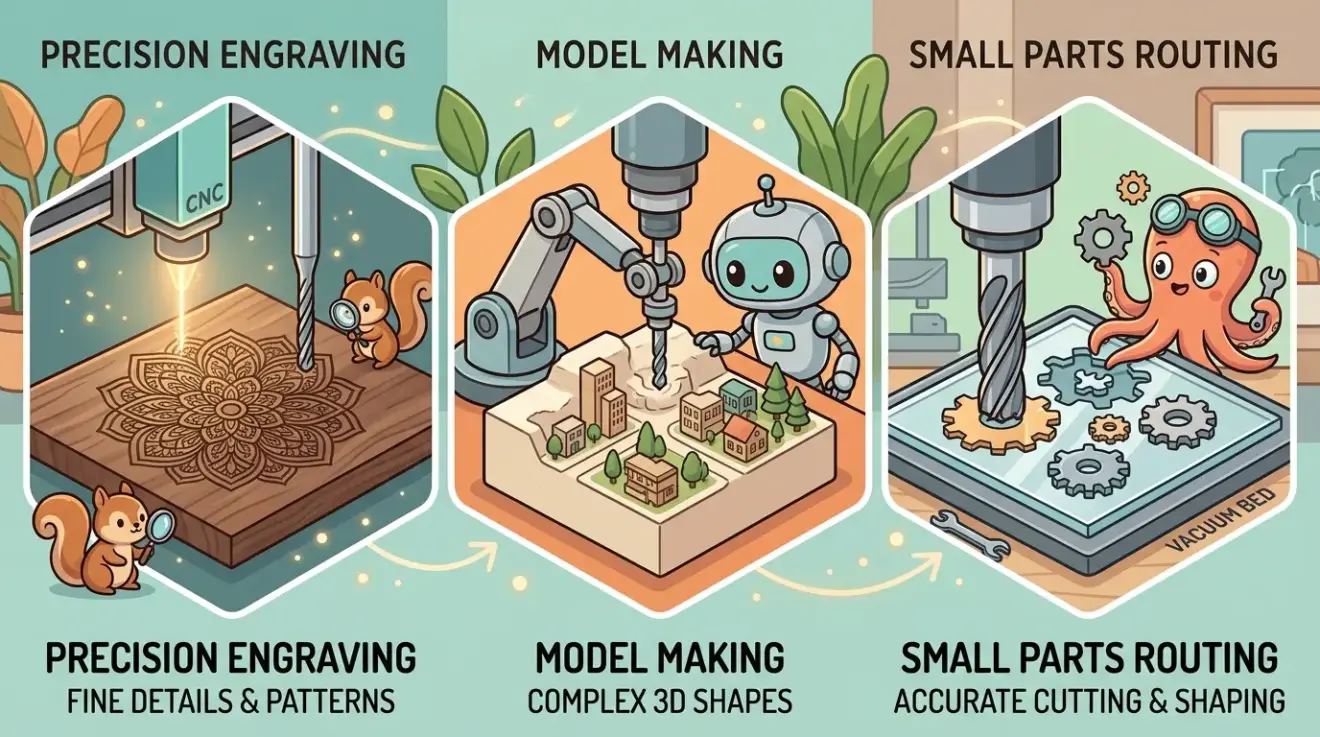
What Are 3.175 mm CNC Bits Used For?
Saturday, 11 April 2026
Shops usually ask about 3.175 mm CNC bits for one of three reasons. The machine is small and the collet system naturally fits 1/8 inch tooling. The job needs finer access than a 6 mm or 1/4 inch cutter can provide. Or the buyer wants to understand why so much entry-level and light-production tooling seems
- Published in Blog

CNC Coolant Filters: Why Clean Coolant Matters for Tool Life and Finish
Saturday, 11 April 2026
A coolant filter usually gets attention only after the machine starts behaving as if something else is wrong. Tool life drops, but not enough to look dramatic at first. Surface finish starts moving around from batch to batch. Pumps sound more strained. Nozzles clog more often. Operators begin changing inserts, feeds, speeds, offsets, and even
- Published in Blog
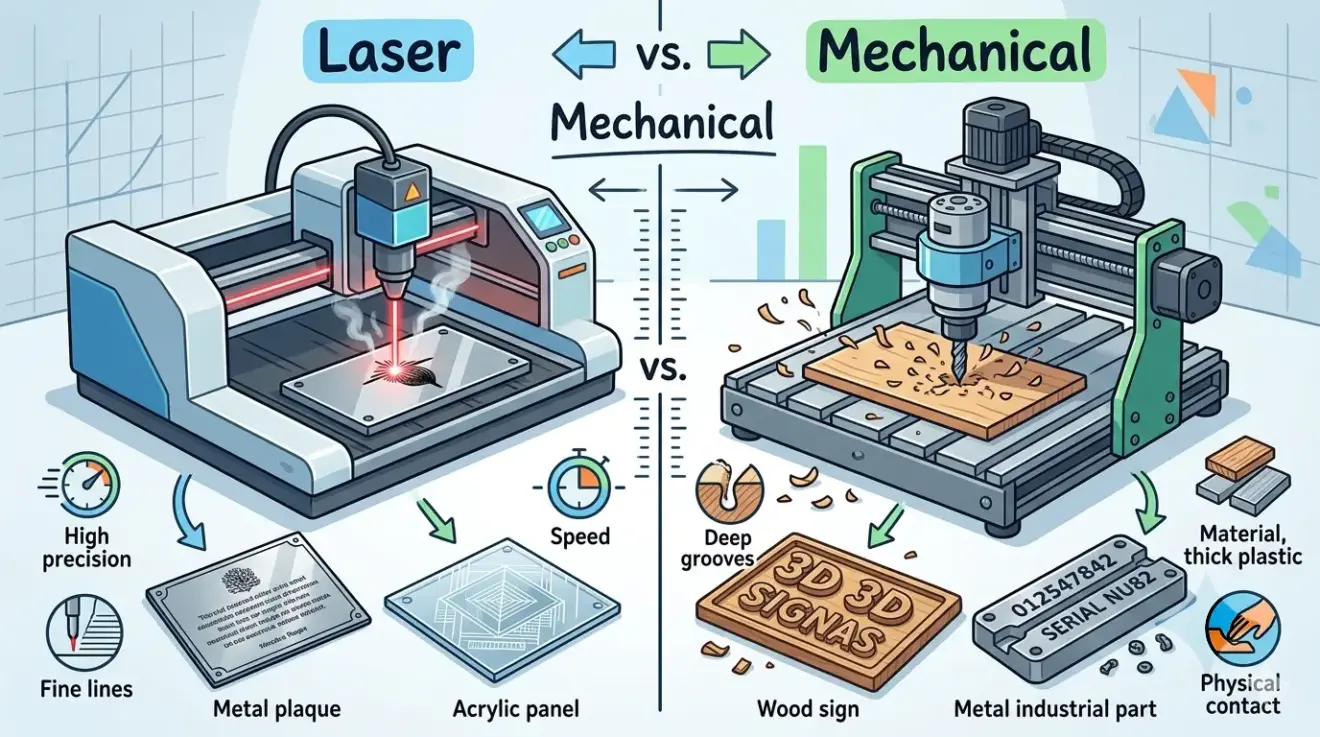
Laser Etcher vs Mechanical Engraving Machine: Which One Fits Your Product Line?
Saturday, 11 April 2026
A buyer may ask for “an engraving machine” when the real decision is much narrower: does the product line need fast surface graphics, or does it need controlled material removal with visible depth? Decorative wood panels, acrylic display parts, branded gift items, serialized components, and recessed legends can all sit under the same purchasing conversation,
- Published in Blog

How to Choose a Sliding Table Saw for Furniture and Cabinet Makers
Saturday, 11 April 2026
For many furniture and cabinet makers, the cutting station becomes a daily balancing act. One job may require fast, accurate panel sizing for cabinet boxes, while the next needs angled cuts, solid-wood trimming, or short-run custom parts that do not fit a rigid batch process. In that environment, buying a sliding table saw is less
- Published in Blog
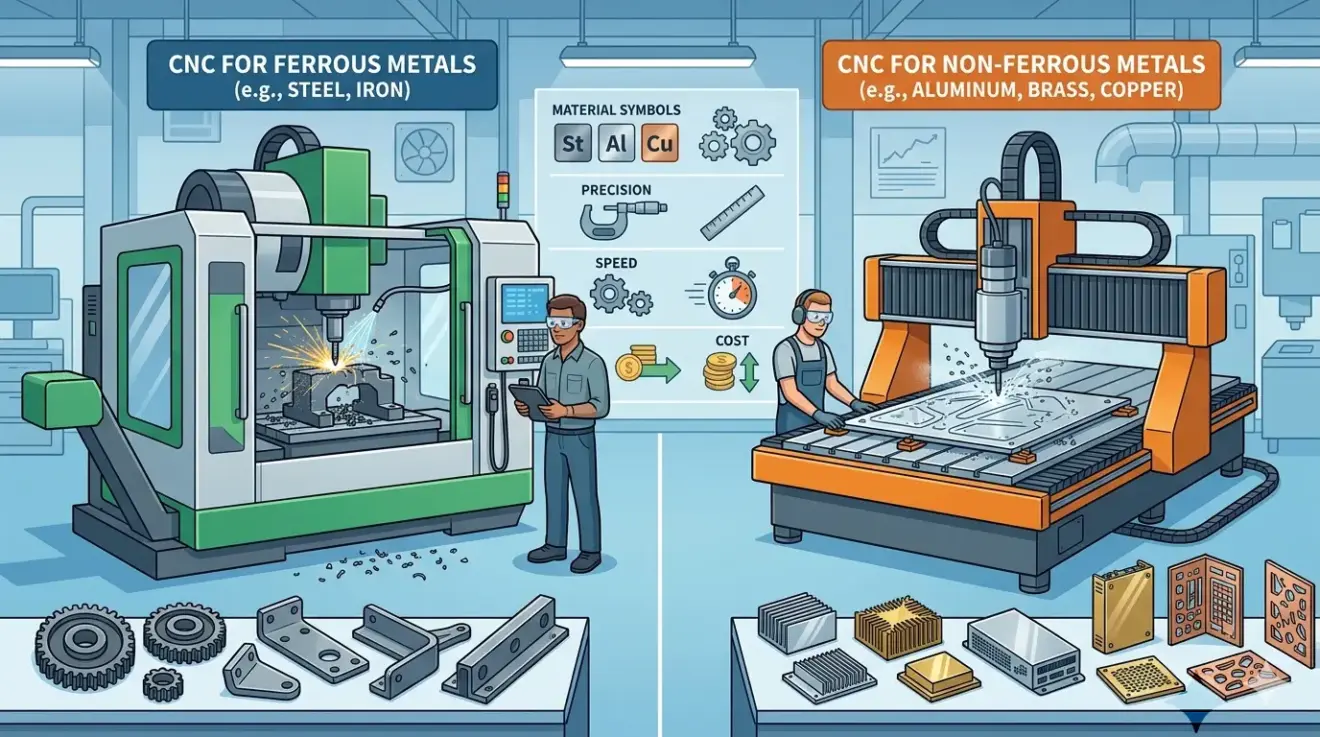
CNC Metal Cutting Explained: Choosing the Right Machine for Ferrous and Non-Ferrous Parts
Saturday, 11 April 2026
Metal cutting decisions usually fail before the first quote is requested. A team says it needs “a CNC for metal,” then mixes together flat blanks, turned shafts, machined housings, welded fabrications, finish-critical parts, and development jobs that do not belong in one machine conversation. The machine is not the real starting point. The real starting
- Published in Blog
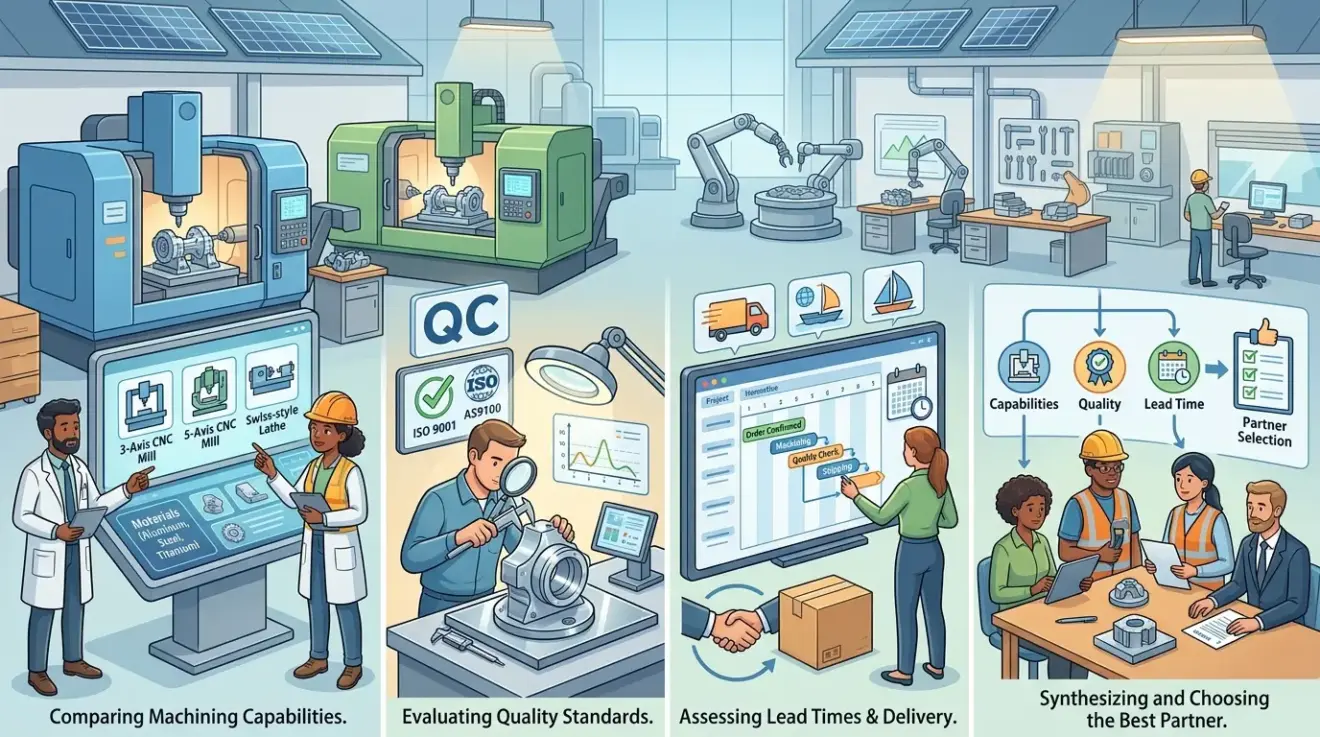
CNC Machining Companies: How to Compare Capabilities, Quality, and Lead Time
Saturday, 11 April 2026
Comparing CNC machining companies sounds straightforward until several suppliers all appear technically credible. They all show equipment. They all say they can meet tolerance. They all promise quality and delivery. The hard part is that suppliers usually do not fail in the same way. One may have strong machining depth but weak schedule control. Another
- Published in Blog
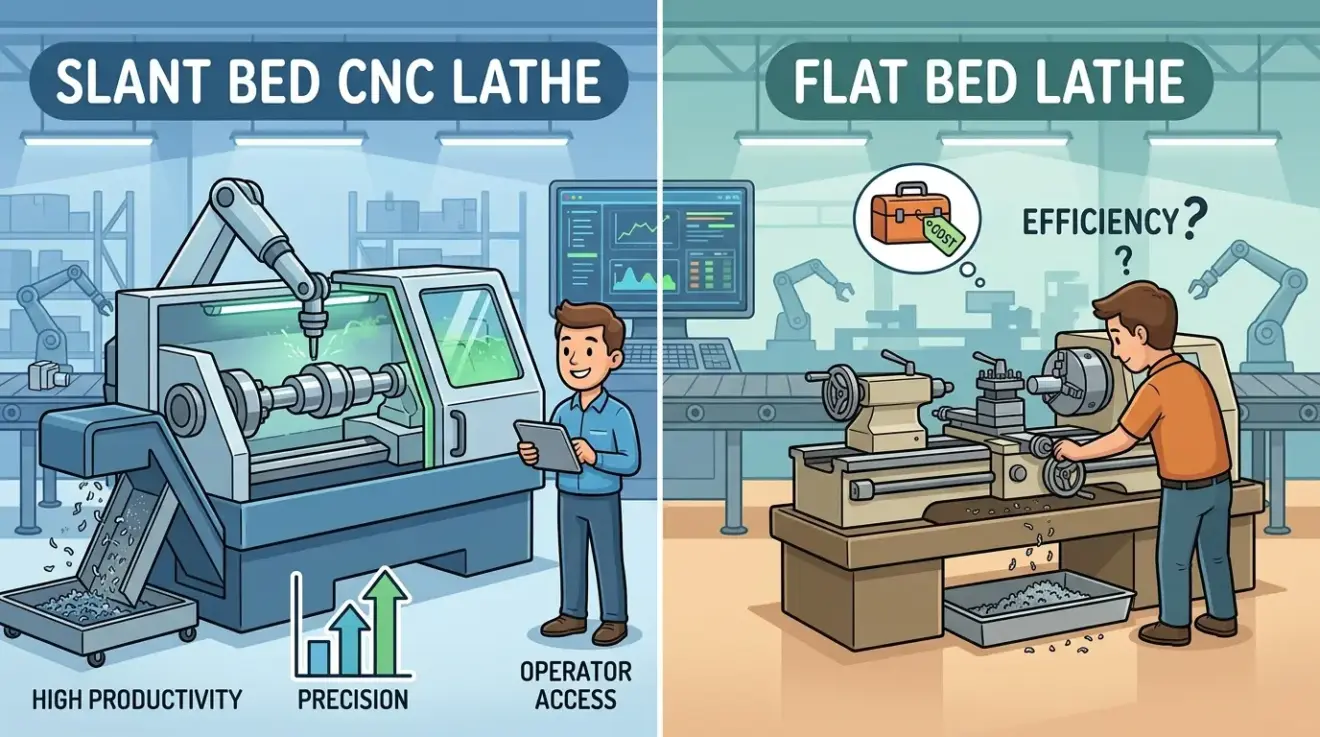
Slant Bed CNC Lathe vs Flat Bed Lathe: Which Layout Fits Production Better?
Saturday, 11 April 2026
The difference between a slant-bed CNC lathe and a flat-bed lathe is not just visual. The bed layout changes chip flow, operator access, machine packaging, automation fit, and the kind of turning work a shop can support comfortably over time. That is why the question matters in procurement. Buyers are not choosing aesthetics. They are
- Published in Blog
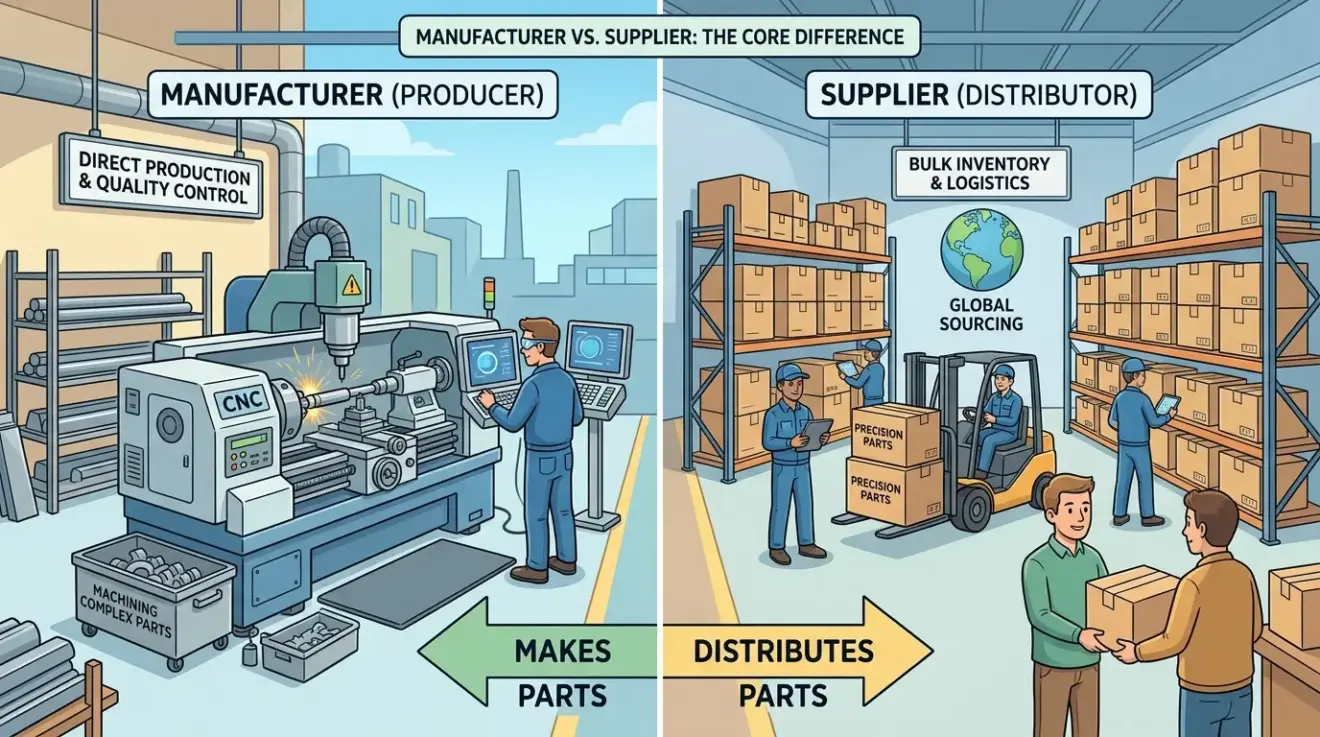
CNC Turned Components Suppliers vs Manufacturers: What Is the Difference?
Saturday, 11 April 2026
The words supplier and manufacturer only seem interchangeable when the order is easy, the part is forgiving, and nothing changes after the first sample. The real difference appears when the drawing is revised, a tolerance proves less stable than expected, material has to be traced back quickly, or a batch drifts and the customer needs
- Published in Blog
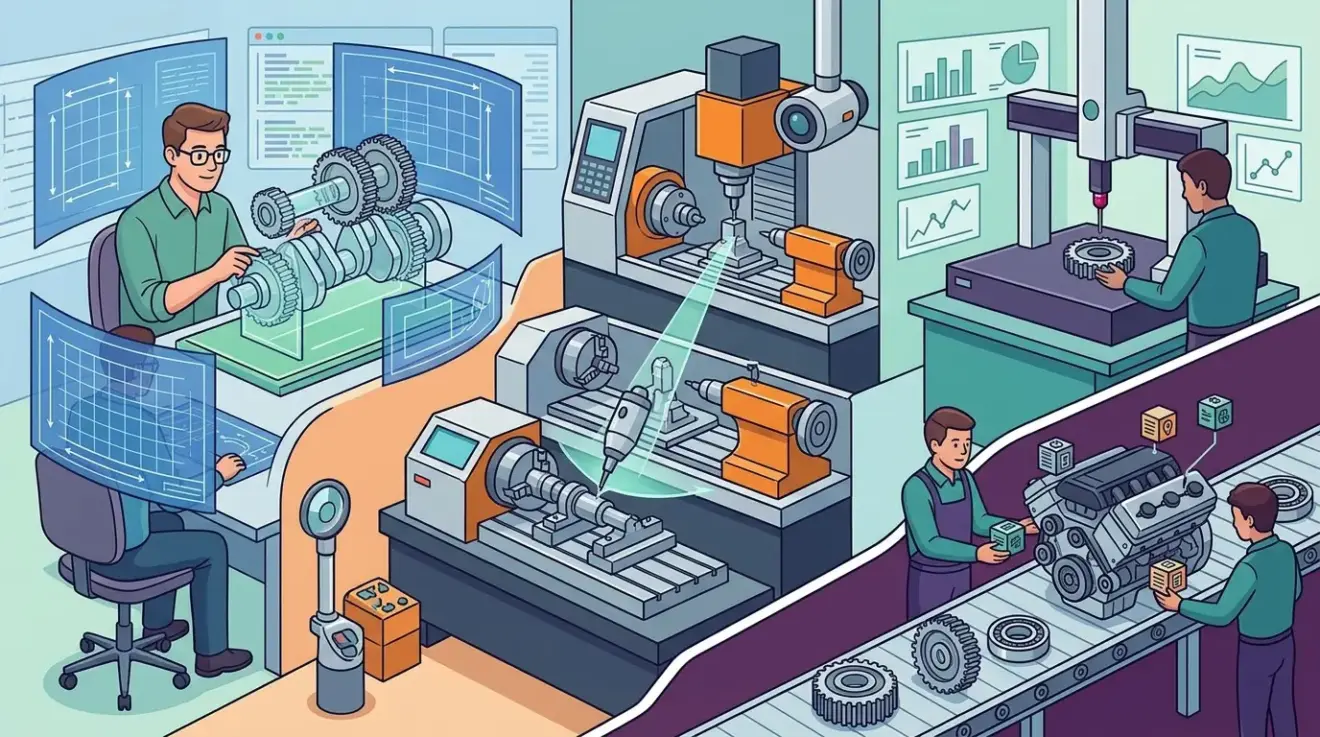
What Are CNC Measuring Instruments Used For?
Saturday, 11 April 2026
Shops do not invest in measuring instruments because measurement feels impressive. They invest because scrap is expensive, rework is disruptive, and setup mistakes compound faster than most teams admit. In CNC work, the real question is not whether a shop measures. Every shop measures somehow. The useful question is where the measurement happens, how quickly
- Published in Blog
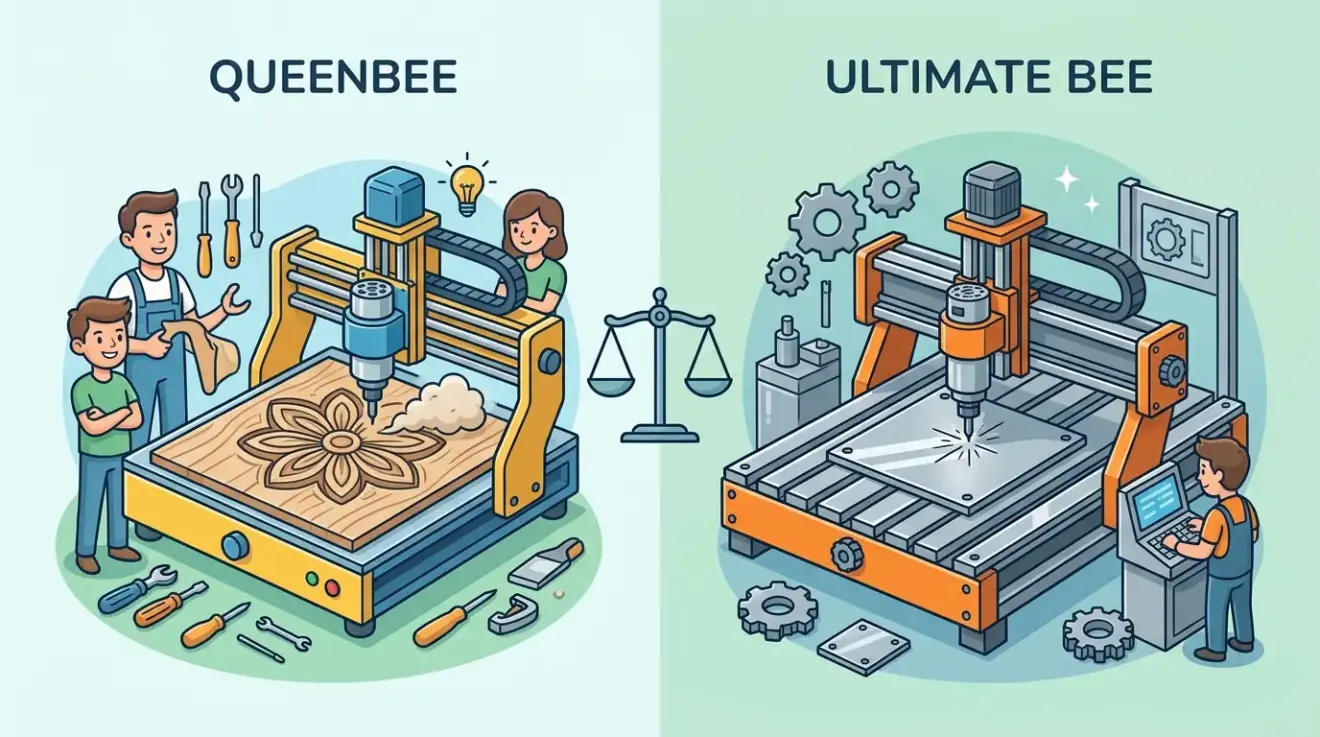
QueenBee CNC vs Ultimate Bee CNC: Which DIY Router Platform Is Better?
Saturday, 11 April 2026
Comparisons between closely related DIY router platforms often create more heat than useful decision logic. Builders search for a single winner, but names like QueenBee and Ultimate Bee rarely describe one perfectly fixed industrial specification. In practice, they sit inside a seller-driven DIY router ecosystem where kit completeness, motion choices, controller bundles, documentation quality, and
- Published in Blog
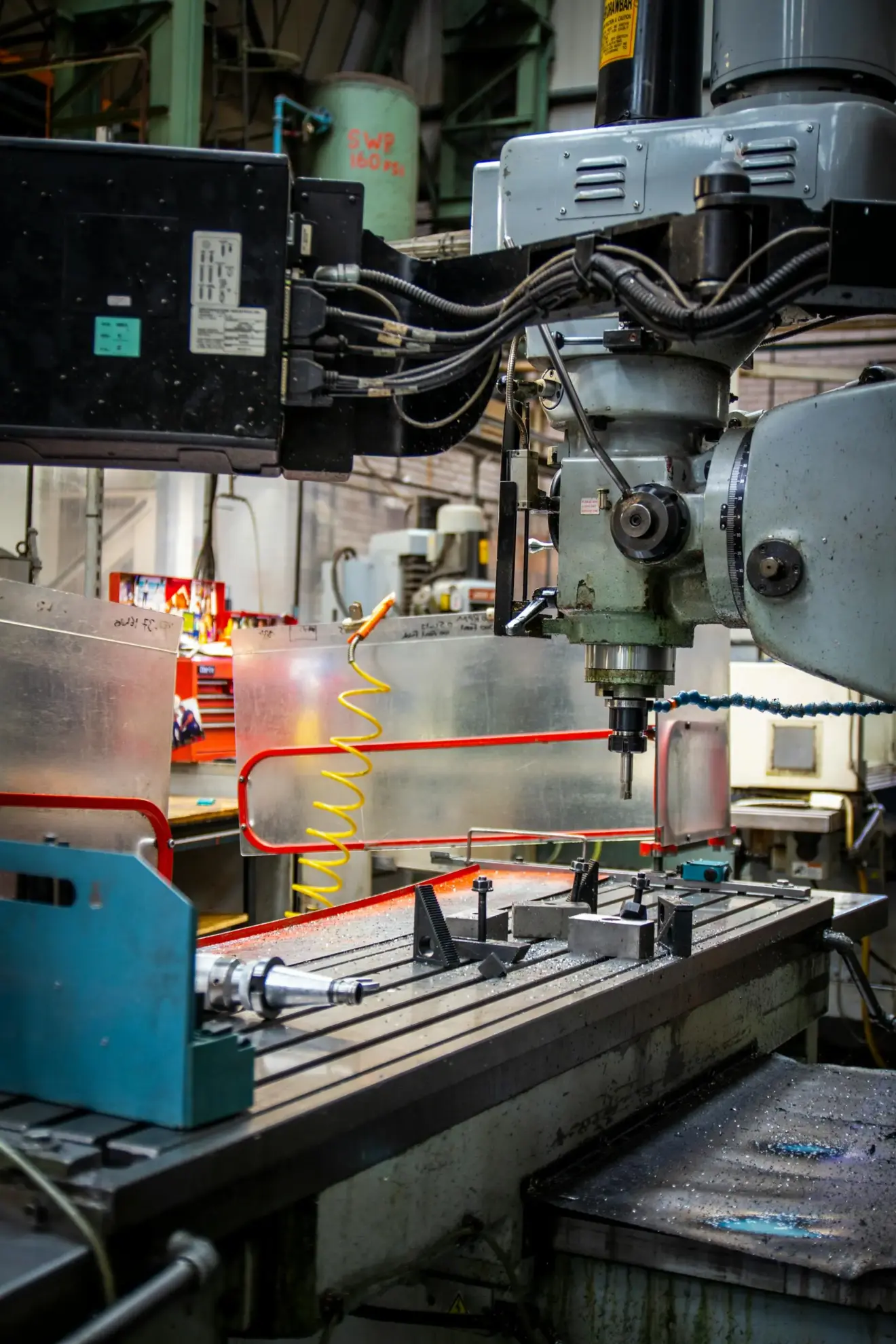
Common CNC Drilling Errors and How to Avoid Them in Panel Furniture Production
Saturday, 11 April 2026
In panel furniture production, CNC drilling problems rarely announce themselves at the machine. They show up later, when hinges do not sit correctly, dowels feel too tight or too loose, drawer parts stop aligning, or assembly teams start compensating for parts that should have fit the first time. That is why drilling accuracy should be
- Published in Blog
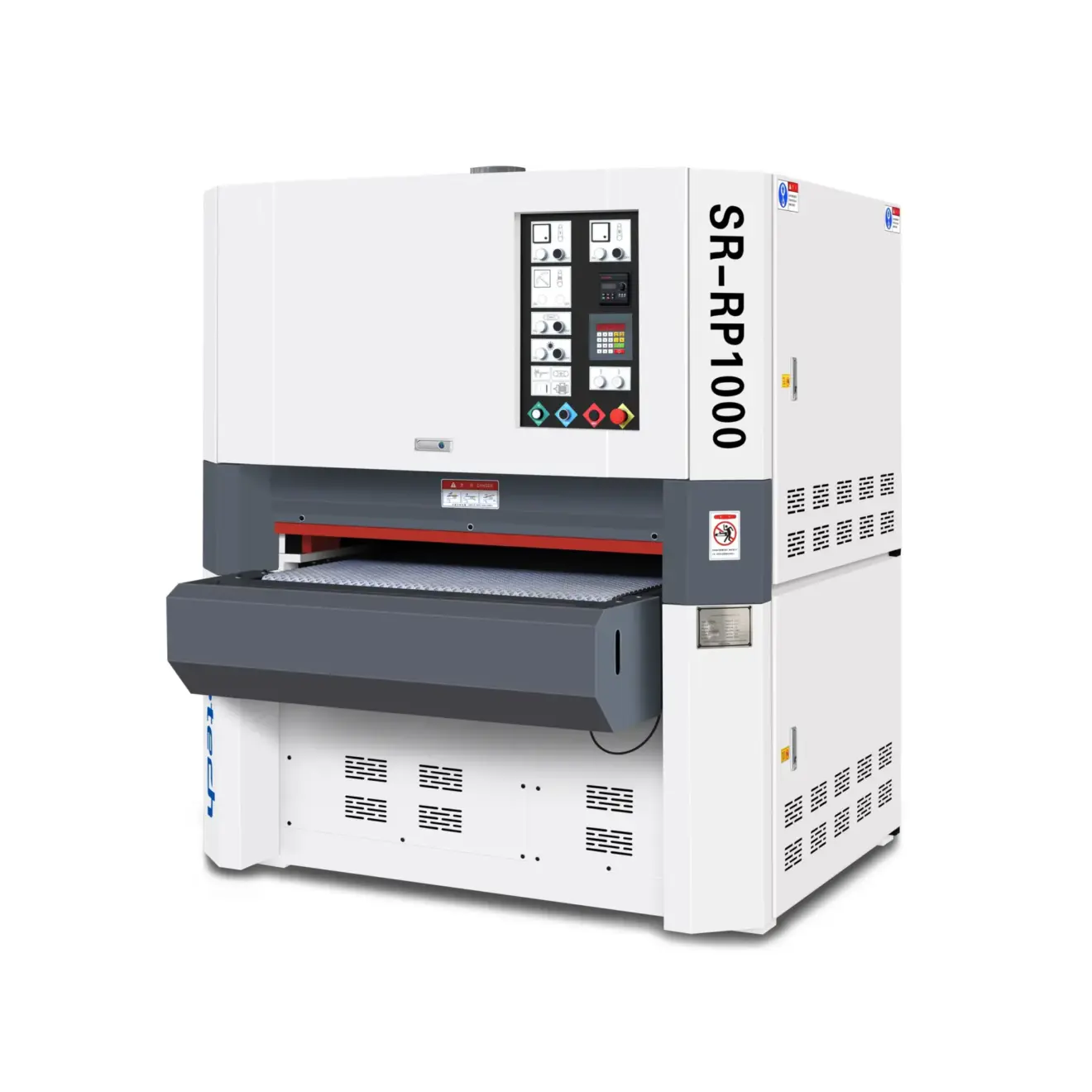
How Wide Belt Sanders Improve Surface Quality In Woodworking Production
Saturday, 11 April 2026
In woodworking, surface quality problems rarely begin in the finishing room. A panel can be cut accurately, drilled correctly, and assembled to the right dimensions, yet still create trouble later if the face shows milling lines, thickness variation, uneven sanding marks, or an inconsistent scratch pattern. Those defects usually become more obvious, not less, once
- Published in Blog
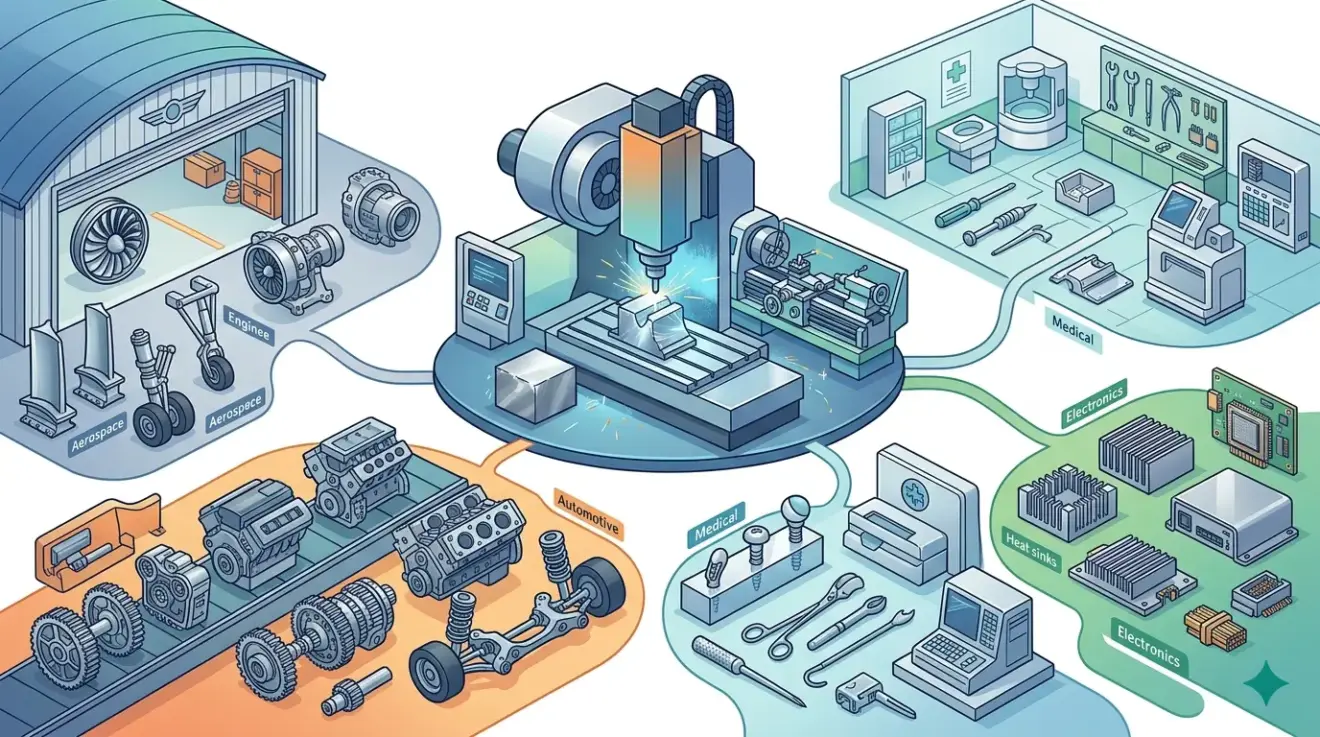
Parts Made by CNC Machines: Common Examples Across Industries
Saturday, 11 April 2026
One of the most practical questions buyers ask about CNC is also one of the broadest: what parts are actually made by CNC machines? The answer is not everything, and it is not limited to one industry. CNC matters because it turns digital geometry into repeatable physical parts across very different materials and production environments.
- Published in Blog
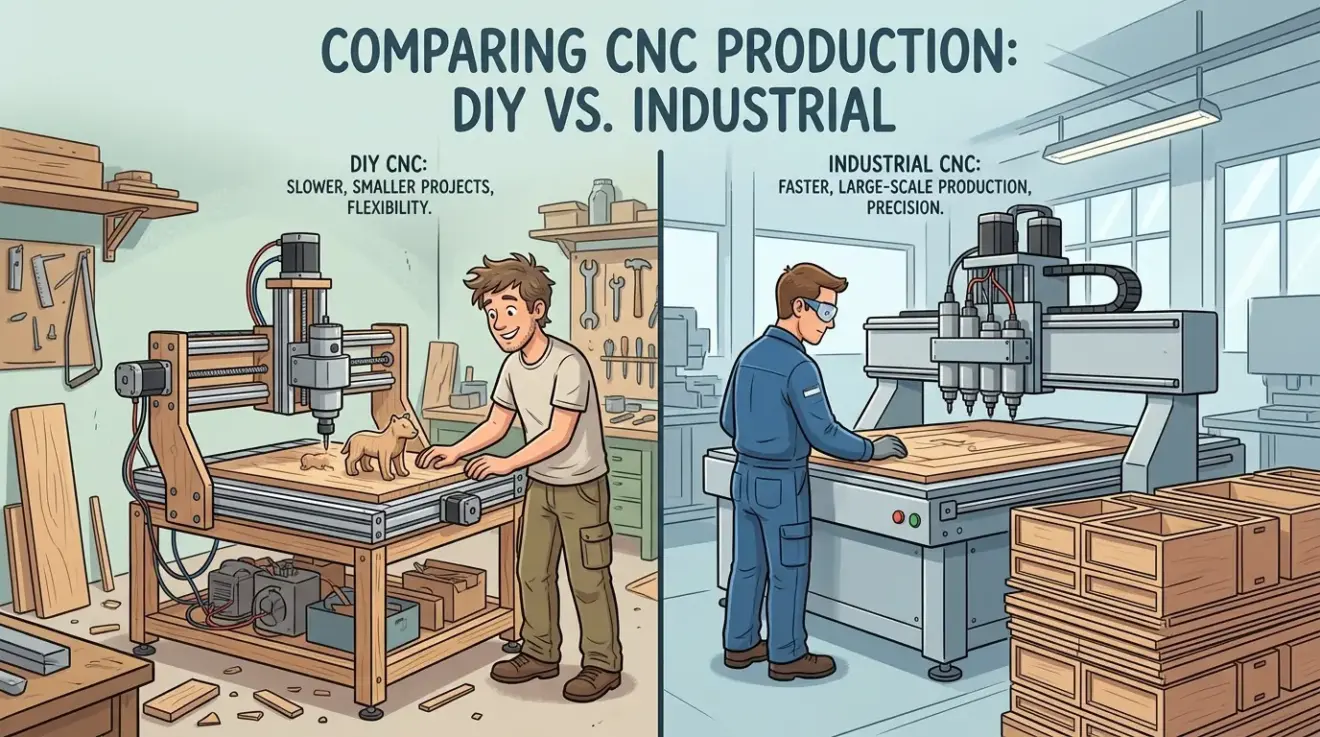
DIY CNC Router vs Industrial Wood CNC Machine: What Changes in Real Production?
Saturday, 11 April 2026
DIY CNC routers and industrial wood CNC machines may appear to serve the same broad purpose: cutting and shaping wood with programmed motion. In real production, they belong to different worlds. A DIY router is usually built or assembled around accessibility, experimentation, lower initial cash cost, and the owner’s willingness to handle tuning and tradeoffs
- Published in Blog
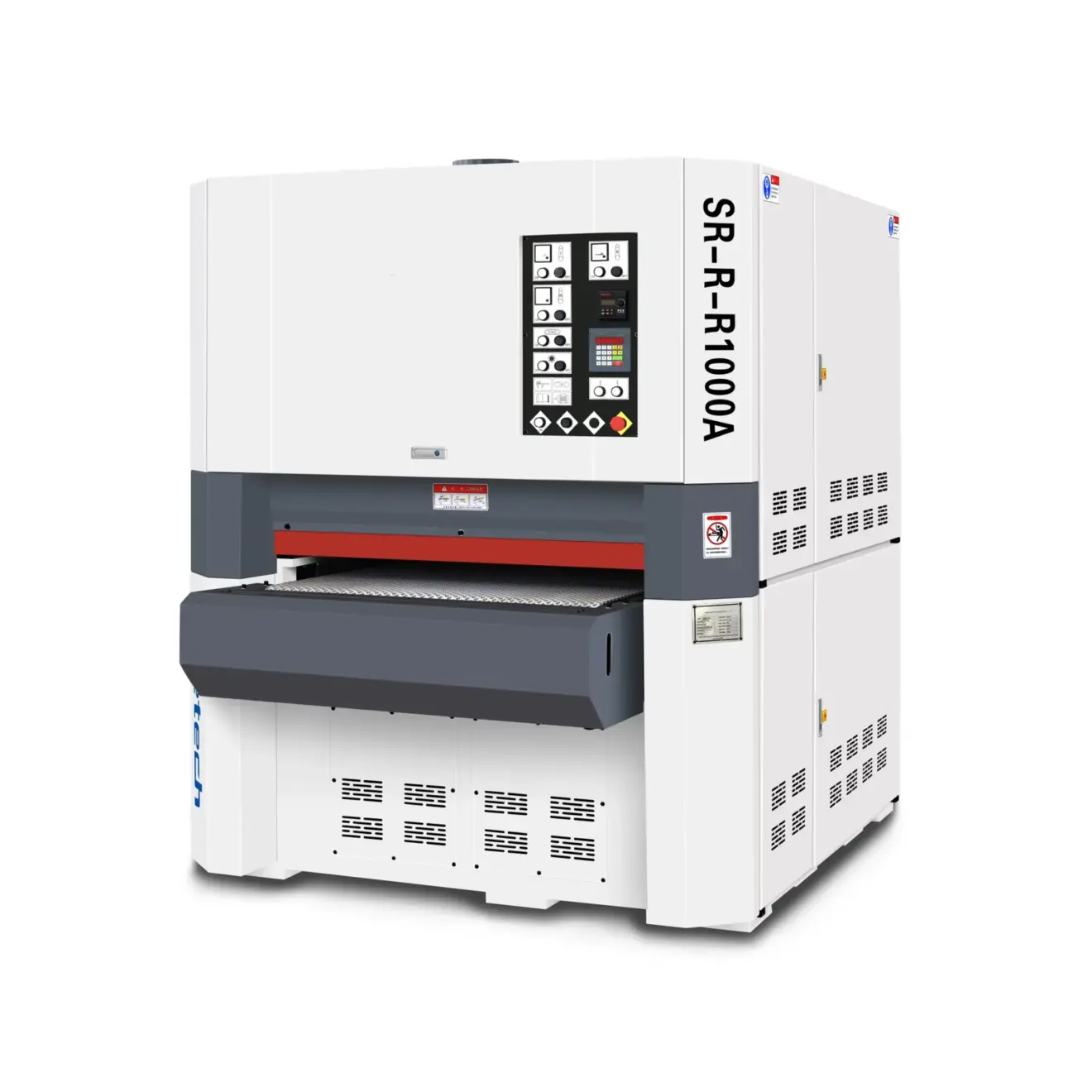
Wide Belt Sanders for High-Throughput Manufacturing: What Actually Improves Output
Saturday, 11 April 2026
In high-throughput manufacturing, sanding problems rarely appear as a sanding discussion at first. They show up as panels waiting before coating, operators blending surfaces by hand to correct visible variation, or finished parts coming back because the surface was not consistent enough for the next stage. That is why a wide belt sander should not
- Published in Blog
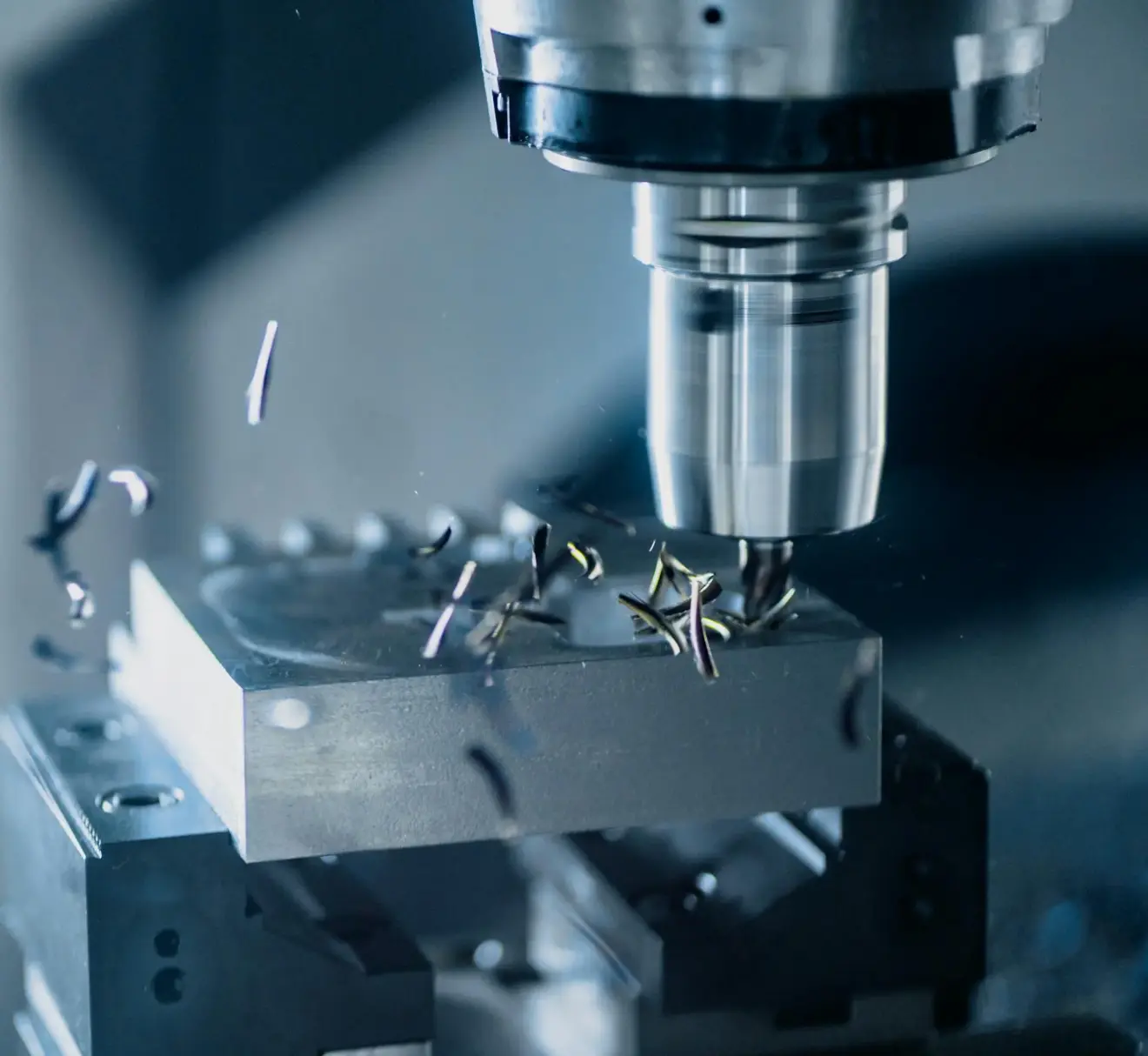
How to Choose a CNC Drilling Machine for Multi-Side Processing
Saturday, 11 April 2026
When cabinet, wardrobe, or modular furniture parts need holes on more than one face, the real production cost is usually not the hole itself. It is the repeated handling required to flip, realign, check, and release each part without losing reference accuracy. That is why a drilling decision should be judged less by isolated drilling
- Published in Blog

How to Choose a Wood Laser Engraving Machine for Signs, Panels, and Decorative Parts
Saturday, 11 April 2026
Shops that produce engraved wood signs, branded panels, menu boards, decorative wall pieces, and shaped ornament parts usually face the same problem: the machine has to do more than make one good-looking sample. It has to keep text readable, graphics consistent, and changeovers manageable when the queue shifts from plywood signs to veneered panels to
- Published in Blog
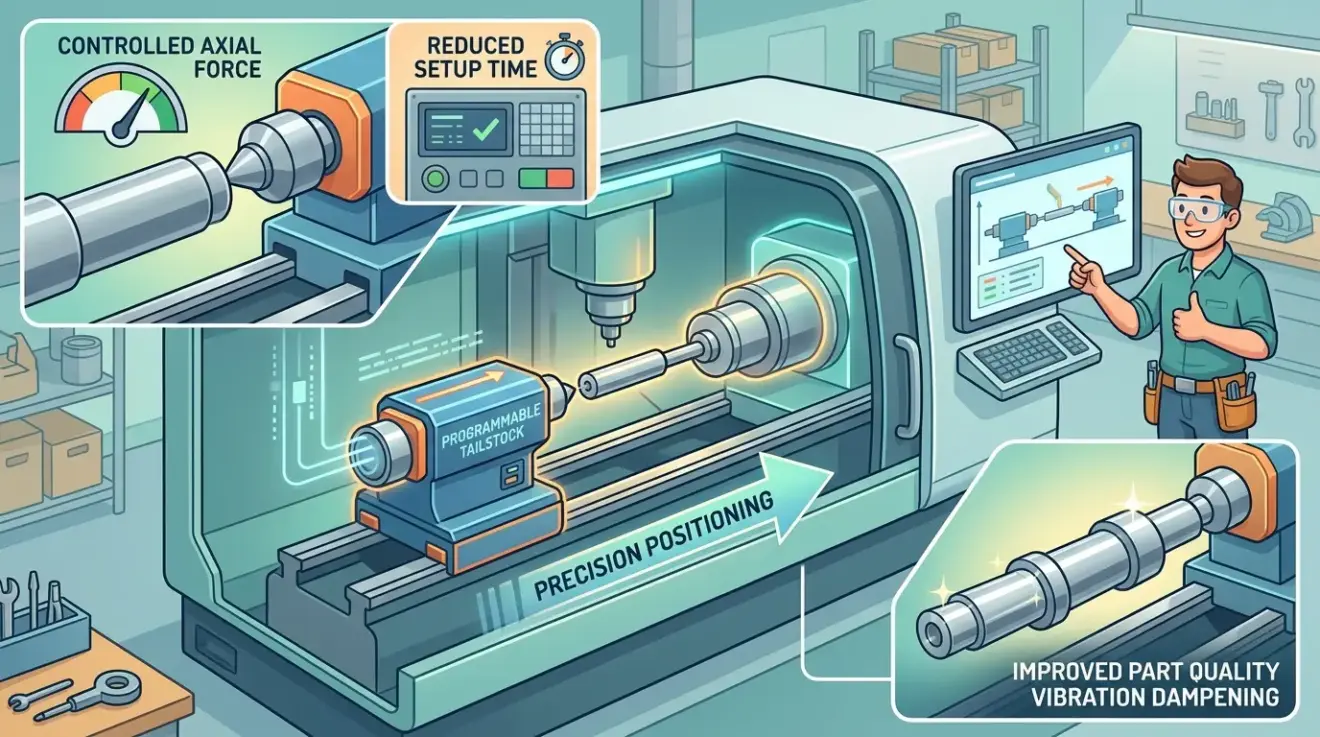
What Is a Programmable Tailstock on a CNC Lathe?
Saturday, 11 April 2026
Long turned parts create a simple production problem: they do not stay still just because the program is good. As the part gets longer relative to its diameter, it becomes more sensitive to deflection, vibration, and inconsistency in how support is applied. A tailstock is the conventional answer to that problem. A programmable tailstock changes
- Published in Blog
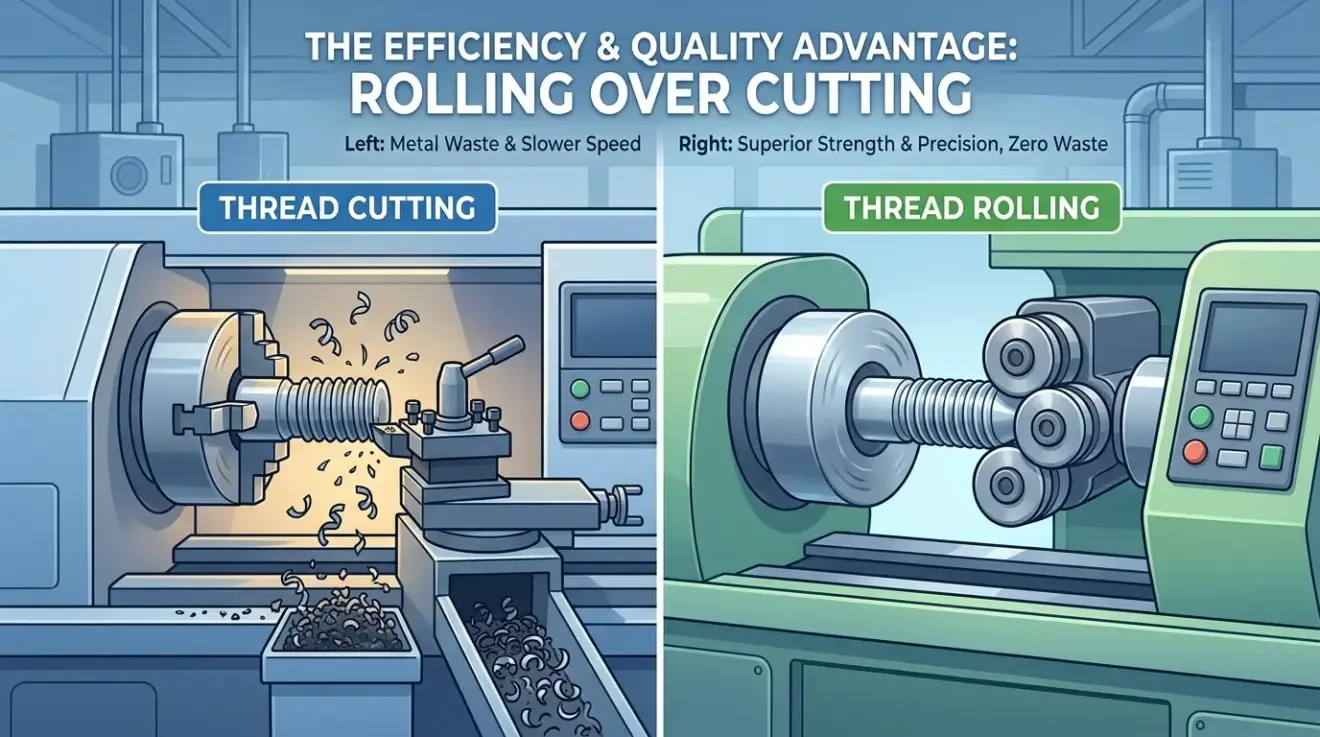
Thread Rolling Attachments for CNC Lathes: When They Beat Cutting Threads
Saturday, 11 April 2026
Thread rolling attachments become attractive on CNC lathes when the shop has reached the point where threading is no longer just a feature on the part. It has become a recurring production event that affects cycle time, consistency, and downstream inspection. At that point the question changes from “can we cut this thread?” to “should
- Published in Blog
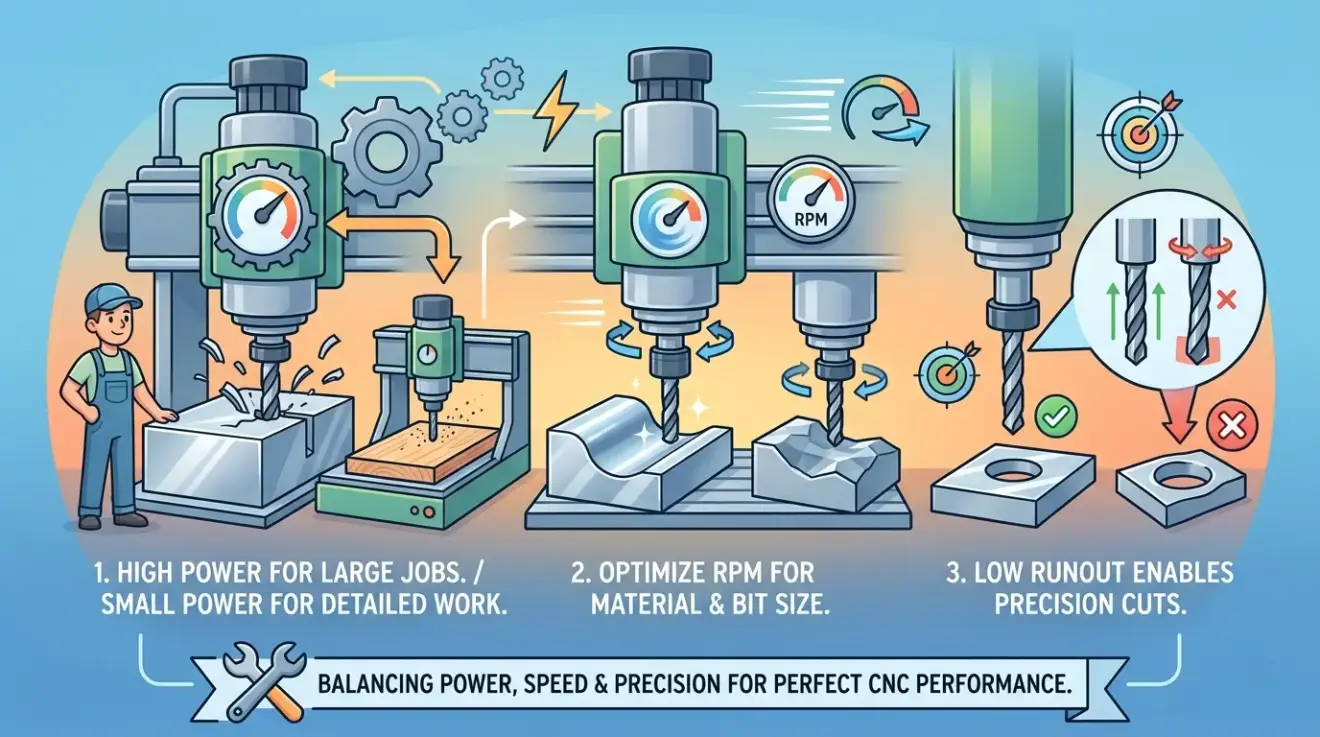
CNC Spindle Guide: How Power, Speed, and Runout Affect Performance
Saturday, 11 April 2026
The quickest way to misunderstand spindle performance is to read the catalog from the top down. Power, speed, and runout look clear on paper, so buyers compare the numbers first and assume the biggest number wins. Real production teaches the opposite. The spindle only proves itself when those numbers stay believable at the cutter tip,
- Published in Blog
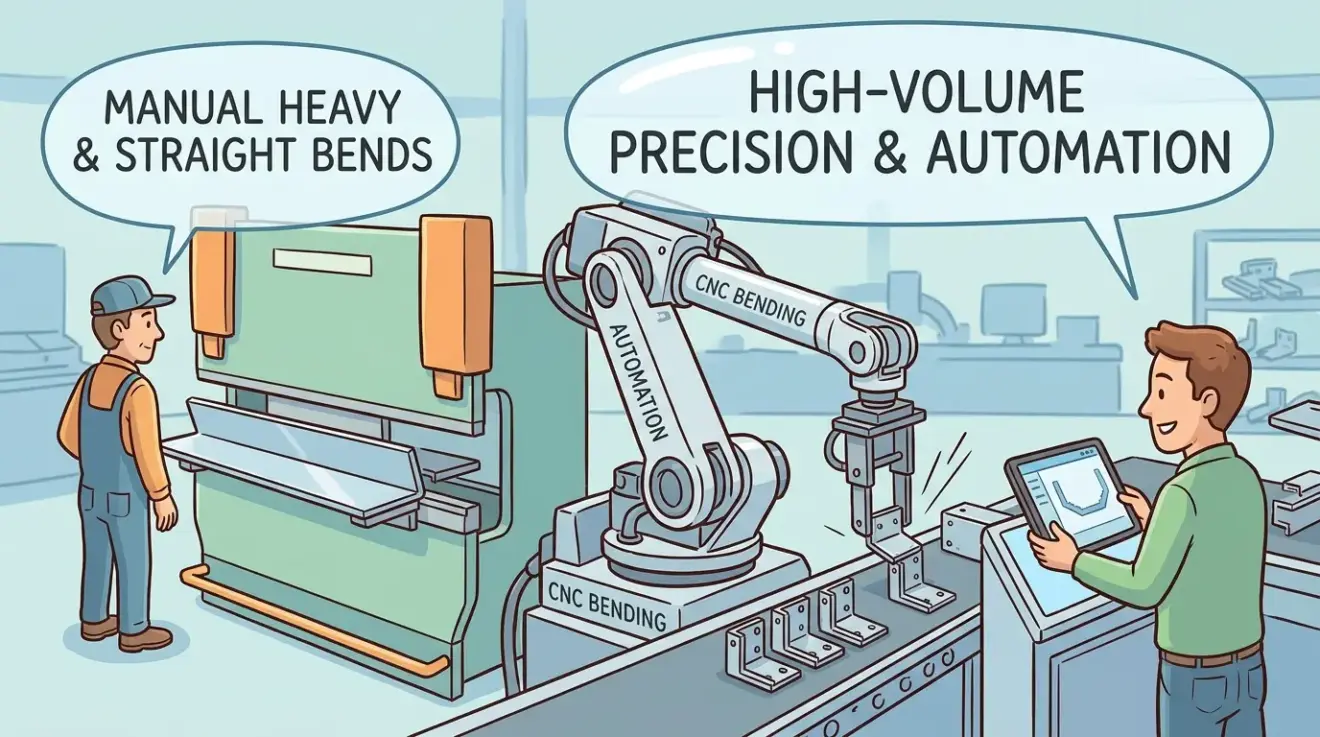
CNC Press Brake Machine vs CNC Bending Machine: What’s the Difference?
Friday, 10 April 2026
Buyers often notice the difference between a CNC press brake machine and a CNC bending machine only when quotations start drifting apart. One supplier is clearly offering a press brake with CNC-controlled backgauge and axis logic. Another uses CNC bending machine as a broader category that may cover different sheet-forming architectures built around different handling
- Published in Blog
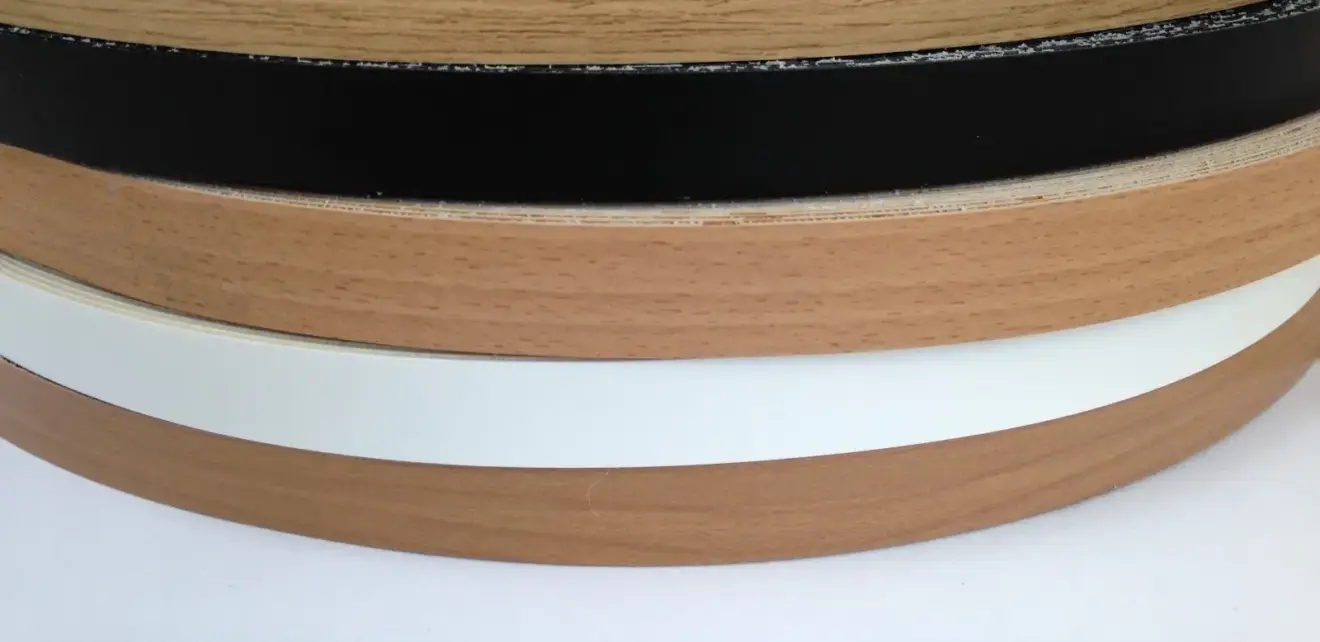
Melamine Edge Banding for Panel Furniture: Process Tips and Pitfalls
Friday, 10 April 2026
In panel furniture production, melamine edge banding is often treated as a finishing detail. In practice, it is one of the fastest places for upstream variation to become visible. A slightly chipped cut edge, unstable panel thickness, uneven glue balance, or overly aggressive trimming routine can turn into visible glue lines, edge lifting, corner defects,
- Published in Blog
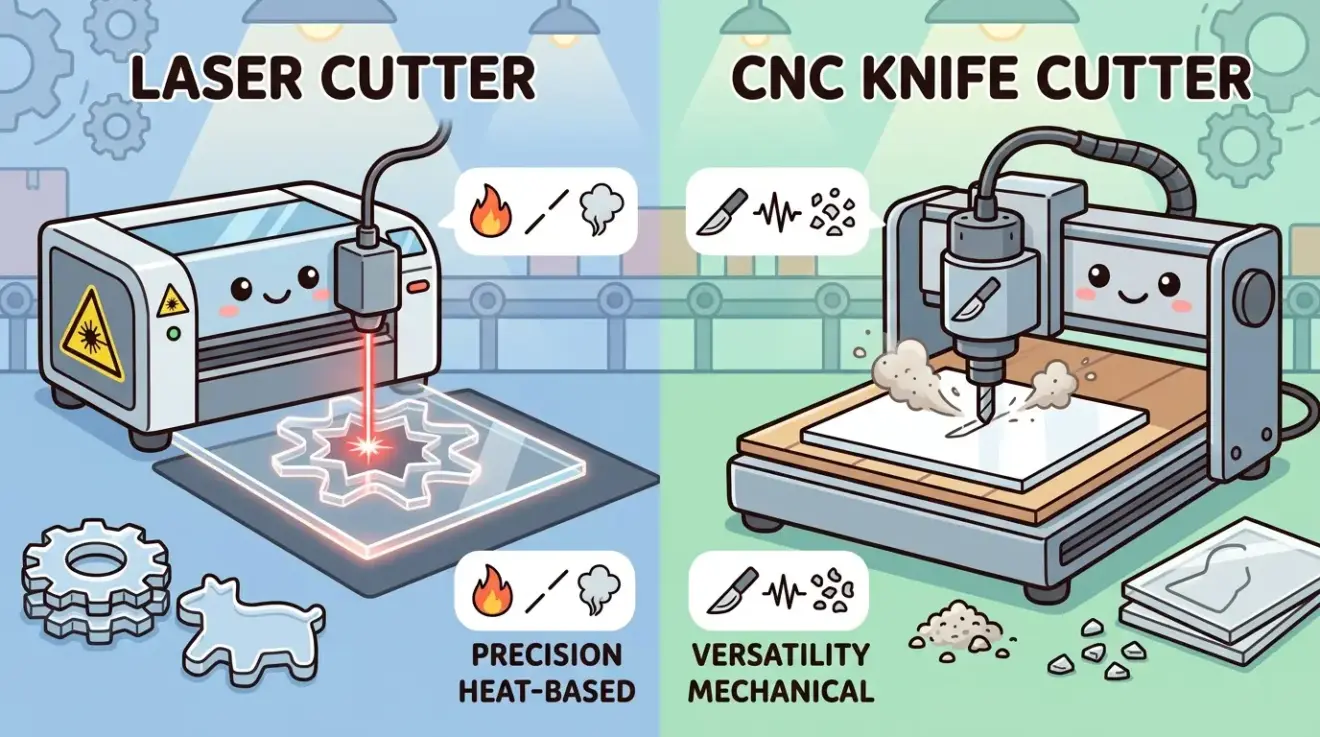
Acrylic Laser Cutter vs CNC Knife Cutter: Which One Fits Better for Acrylic Work?
Friday, 10 April 2026
If the production target is rigid acrylic parts rather than a broad mix of soft display materials, this comparison is usually decided by edge quality, contour precision, and how much downstream finishing the shop can tolerate. That is why the real question is not whether both machines can touch acrylic in some form. It is
- Published in Blog
What Is a CNC Wiper Seal?
Friday, 10 April 2026
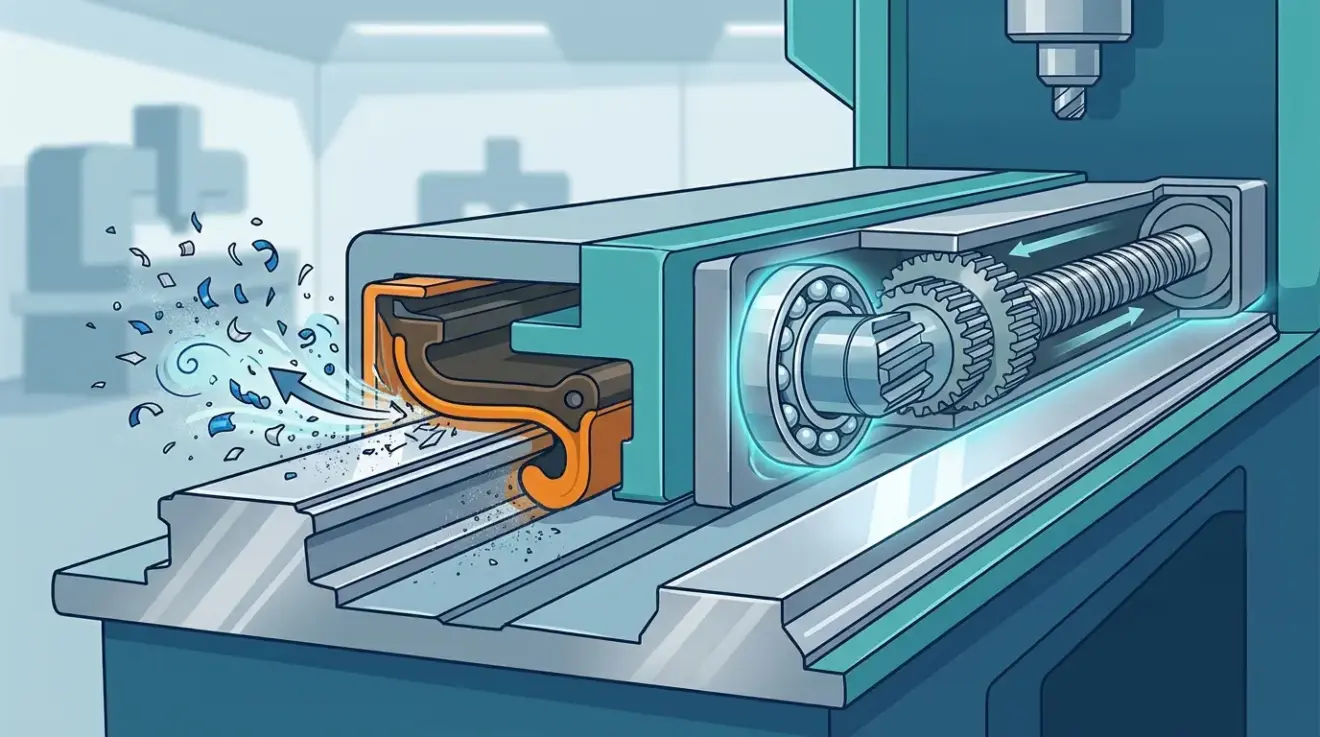
A CNC wiper seal is easy to underestimate because it is small, inexpensive, and usually hidden inside a larger assembly that gets most of the attention. Buyers talk about spindle power, guideway size, controller stability, servo response, and hydraulic force. Maintenance teams talk about leakage, pressure loss, sticking cylinders, scored rods, or contamination in the
- Published in Blog
Fiber Laser Machine Applications in Sheet Metal Processing
Friday, 10 April 2026
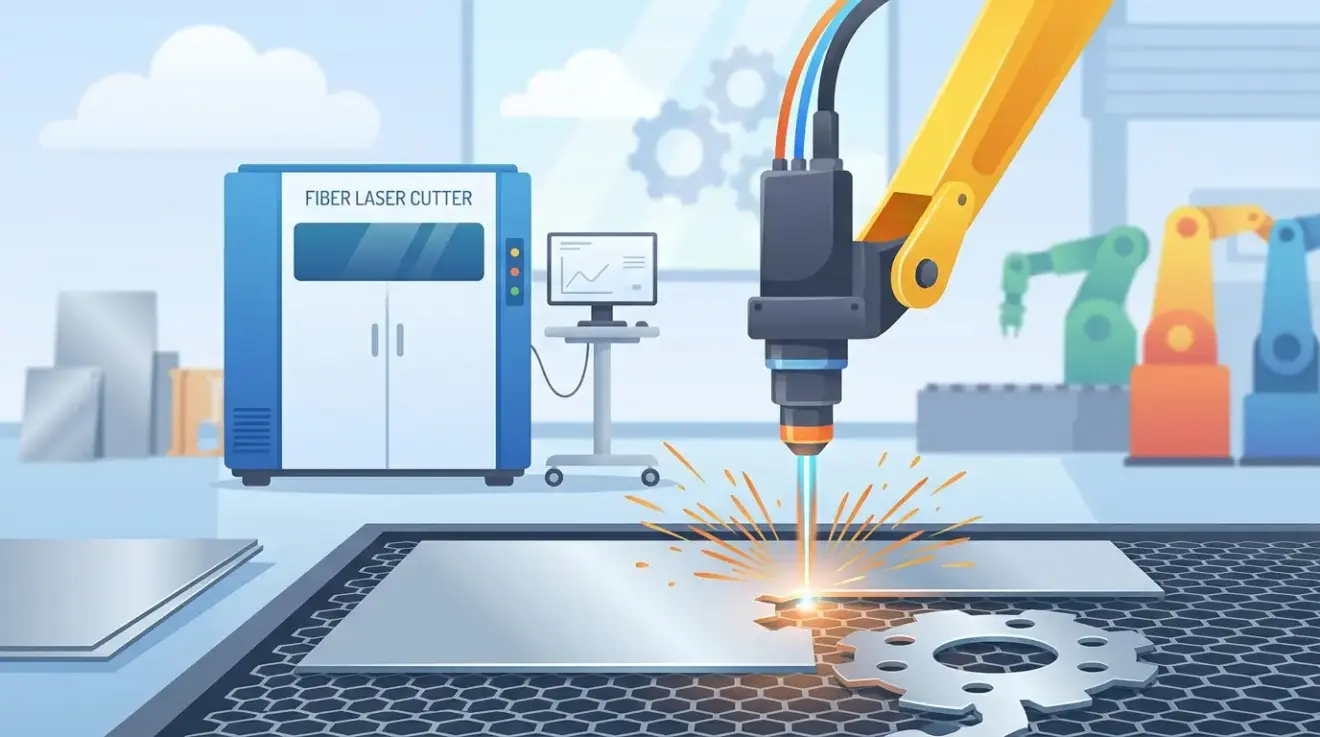
In sheet metal production, the value of a fiber laser machine is not just that it can cut metal. The real value is how well it supports part accuracy, nesting efficiency, edge quality, and production flow across a wide range of jobs. For fabrication shops under pressure to reduce rework, shorten lead times, and handle
- Published in Blog
Laser Engraver for Glass: What Industrial Buyers Should Know Before Buying
Friday, 10 April 2026
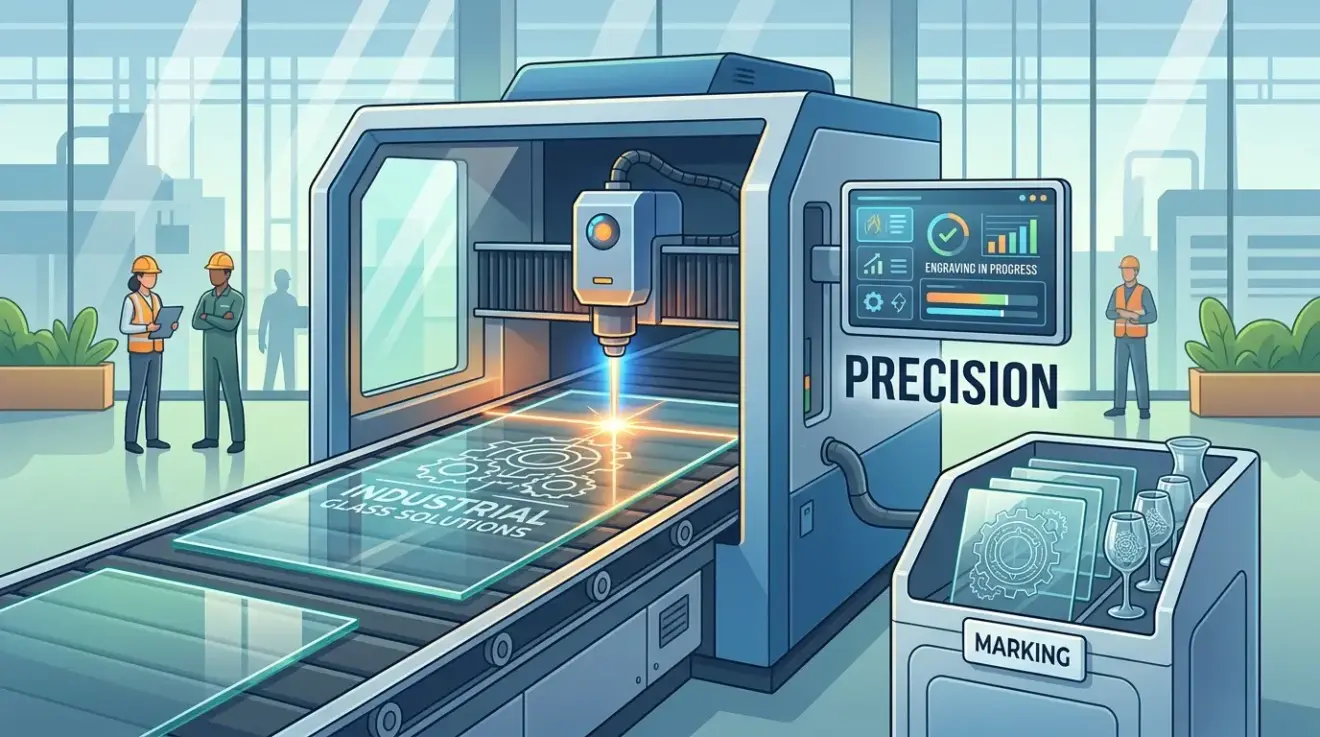
Many buyers see a clean sample mark on a glass panel or bottle and assume the machine decision is mostly settled. In real production, the harder question is whether that same process can stay consistent across different part shapes, glass types, and order sizes without turning cosmetic variation, breakage, or slow setup into a hidden
- Published in Blog
PVC Edge Banding: Materials, Machines, and Common Production Problems
Friday, 10 April 2026
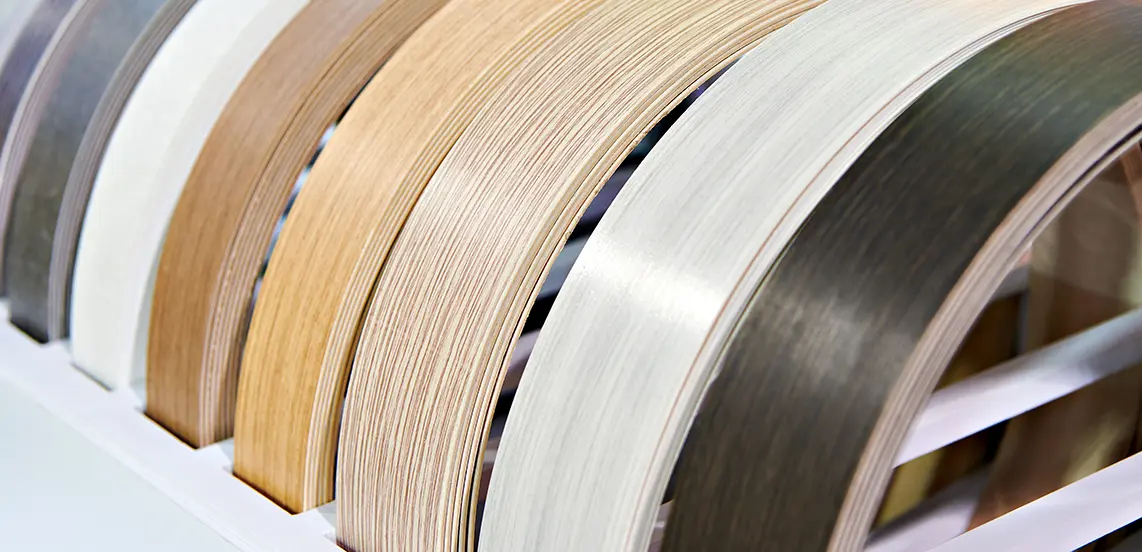
In panel furniture production, edge banding is often where a part first starts to look finished. It is also where small process weaknesses become visible very quickly. A panel that looked acceptable after cutting can suddenly show a weak bond, a visible glue line, chipped corners, or a mismatched edge once PVC banding is applied.
- Published in Blog
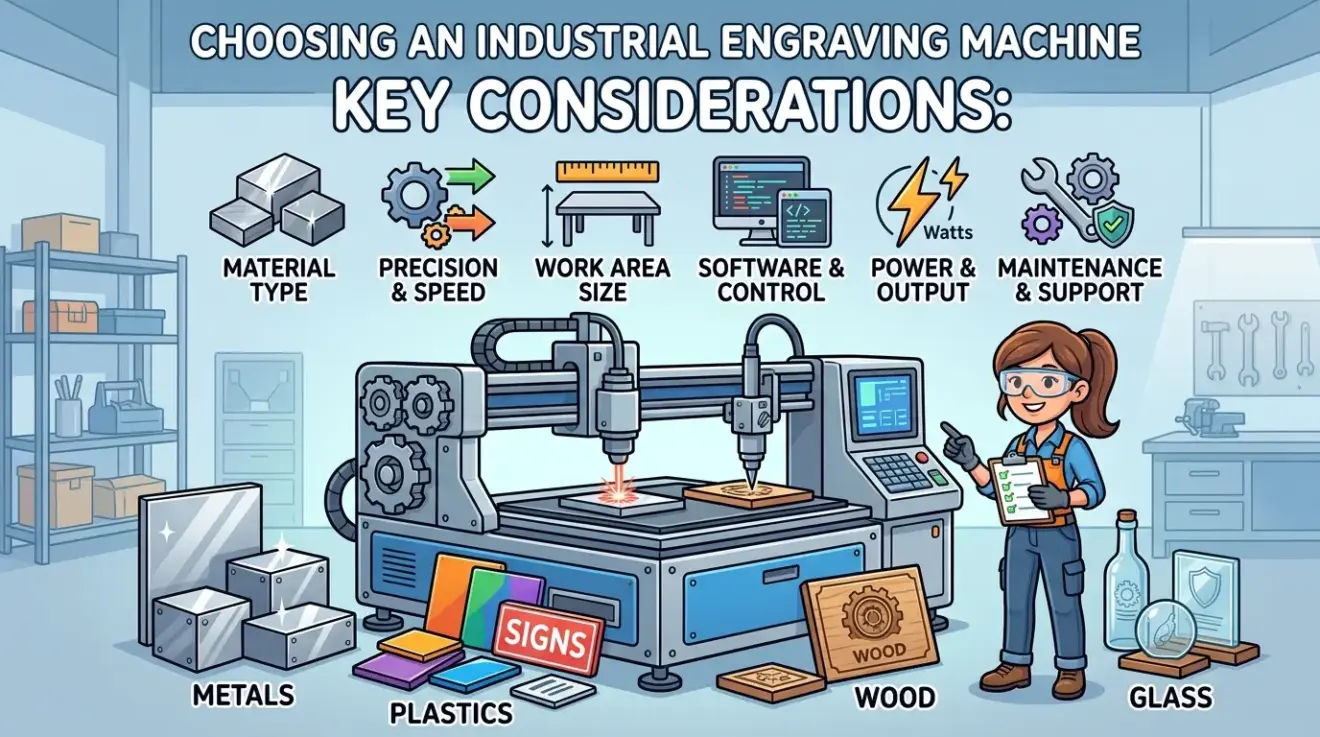
How to Choose an Engraving Machine for Industrial Applications
Friday, 10 April 2026
Many buyers start with the wrong question. They ask which engraving machine is best before they define what the machine must actually do in production. In industrial use, engraving can mean decorative surface work on acrylic, branding on wood panels, permanent identification on metal parts, deep material removal, or carved detailing on hard materials. Those
- Published in Blog
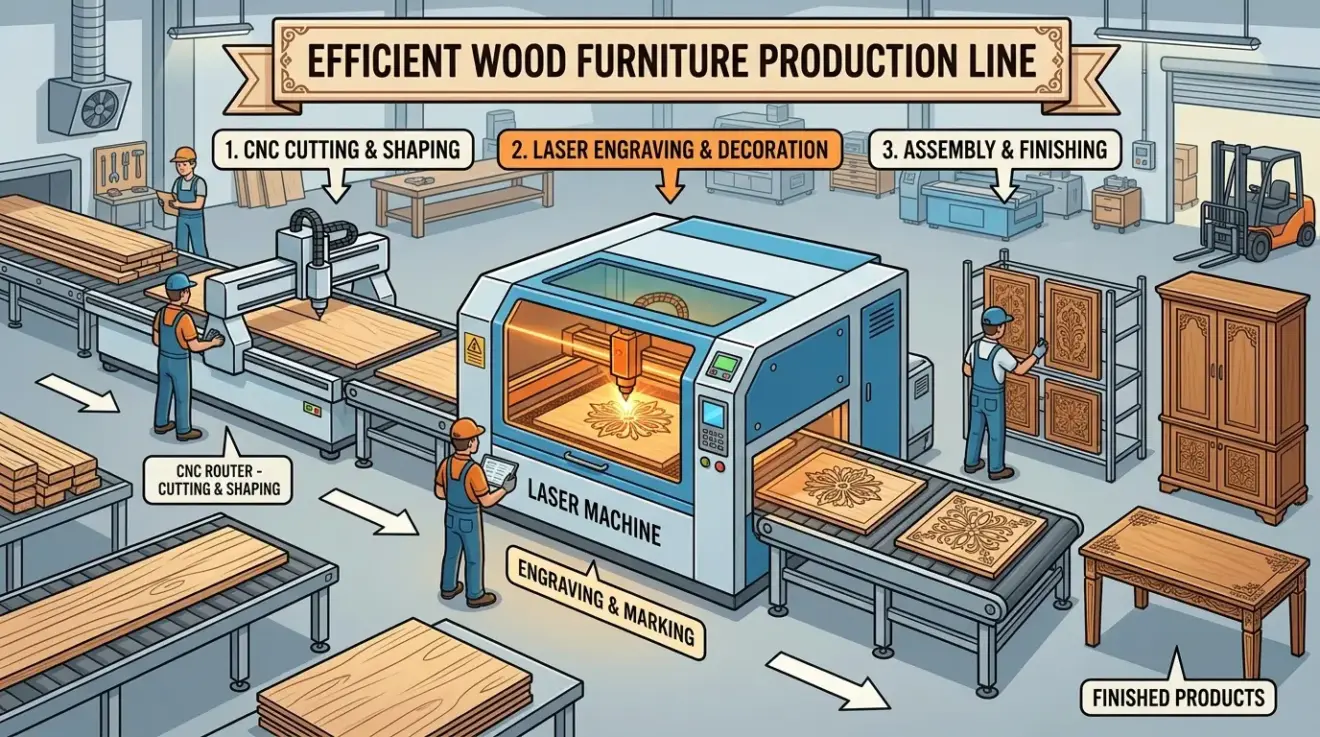
Laser Machine for Wood Furniture Components: Where It Fits Best in Production
Friday, 10 April 2026
In furniture manufacturing, the question is rarely whether a laser machine can process wood. The harder question is whether laser processing actually improves the component workflow you run every day. A machine that looks impressive on decorative samples can still be the wrong fit if most of your output depends on sheet breakdown, drilling accuracy,
- Published in Blog
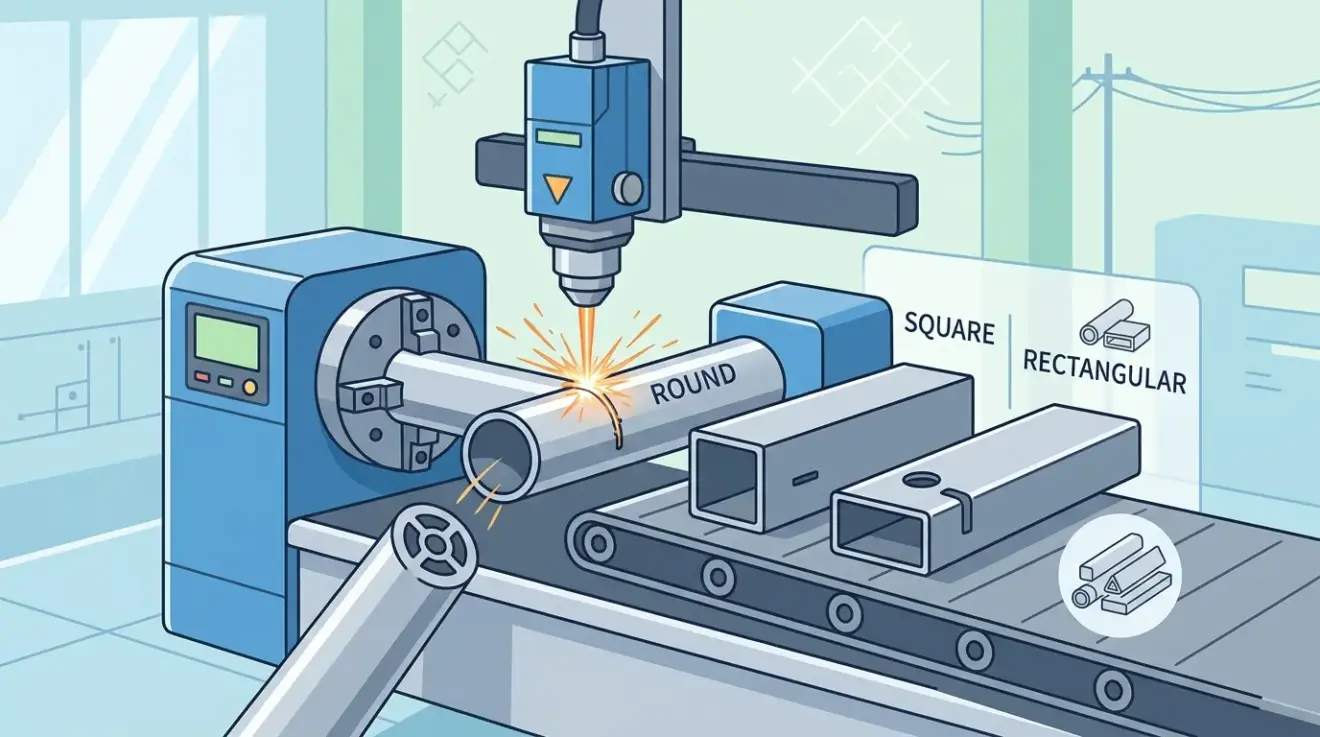
How to Choose a Tube Laser Cutting Machine for Round, Square, and Rectangular Profiles
Friday, 10 April 2026
For many fabrication shops, profile cutting stops being a simple cutting task once production starts moving between round tube, square tube, and rectangular sections in the same workflow. The parts may all fall under “tube processing” on a quote sheet, but in production they behave differently in clamping, orientation, feature placement, and downstream fit. That
- Published in Blog
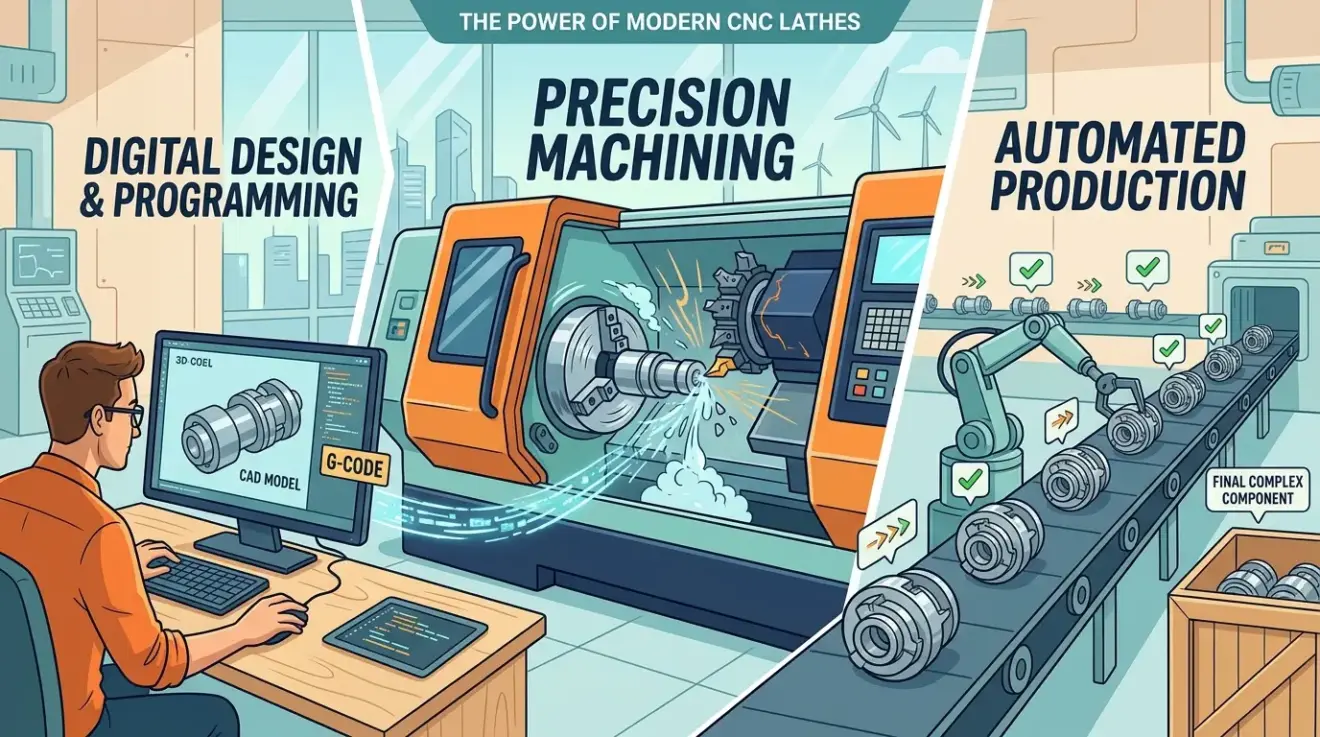
CNC Lathe Explained: What It Does Best in Modern Manufacturing
Friday, 10 April 2026
The easiest way to explain a CNC lathe is to ignore the catalog description for a moment and look at the drawing that keeps returning to the shop. If the important features are diameters, bores, shoulders, grooves, threads, tapers, and coaxial relationships, the part is already telling you which process wants to lead. A lathe
- Published in Blog
What Is a Shapeoko Spindle Mount and When Should You Upgrade It?
Friday, 10 April 2026
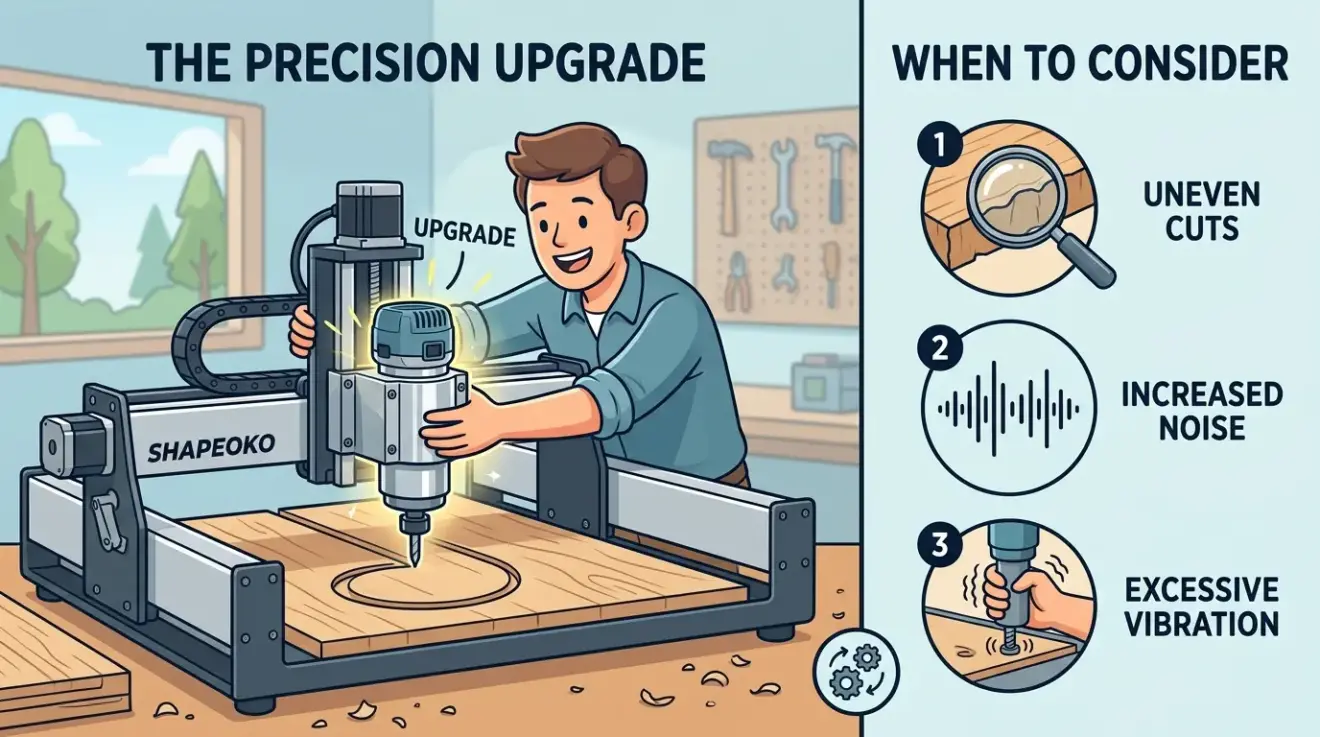
A Shapeoko spindle mount is the part of the Z-axis carriage that holds the router or spindle body and transfers cutting forces into the rest of the machine. It is easy to dismiss because it can look like a simple clamp. In reality, it sits directly in the force path. That means it influences stiffness,
- Published in Blog
CNC G54 and Work Offsets Explained for Beginners
Friday, 10 April 2026
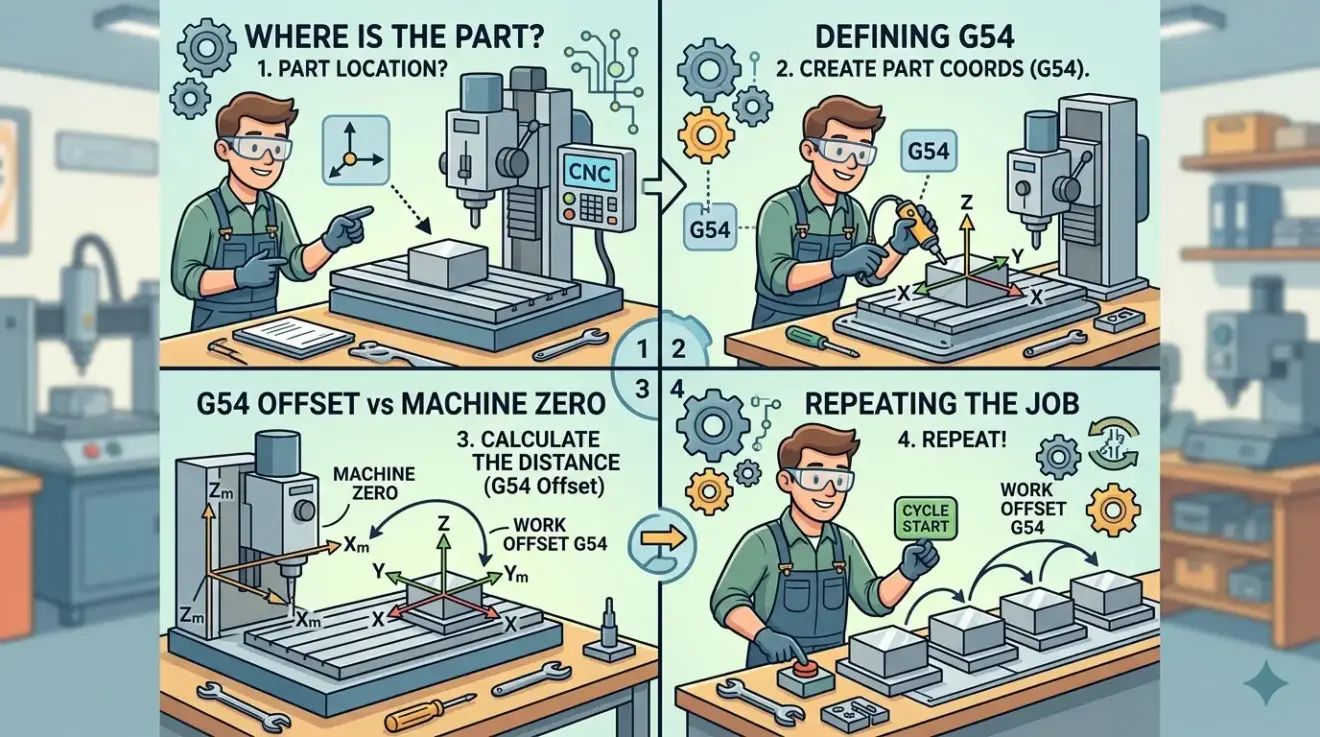
The first G54 mistake most beginners make is assuming the machine is fully ready once it has been homed. The control found its own reference point, the coordinates look stable, the program loads without complaint, and the tool sits where the control expects it to be. Then the first move still lands in the wrong
- Published in Blog
What To Look for Before Buying an Acrylic Laser Cutting Machine
Friday, 10 April 2026
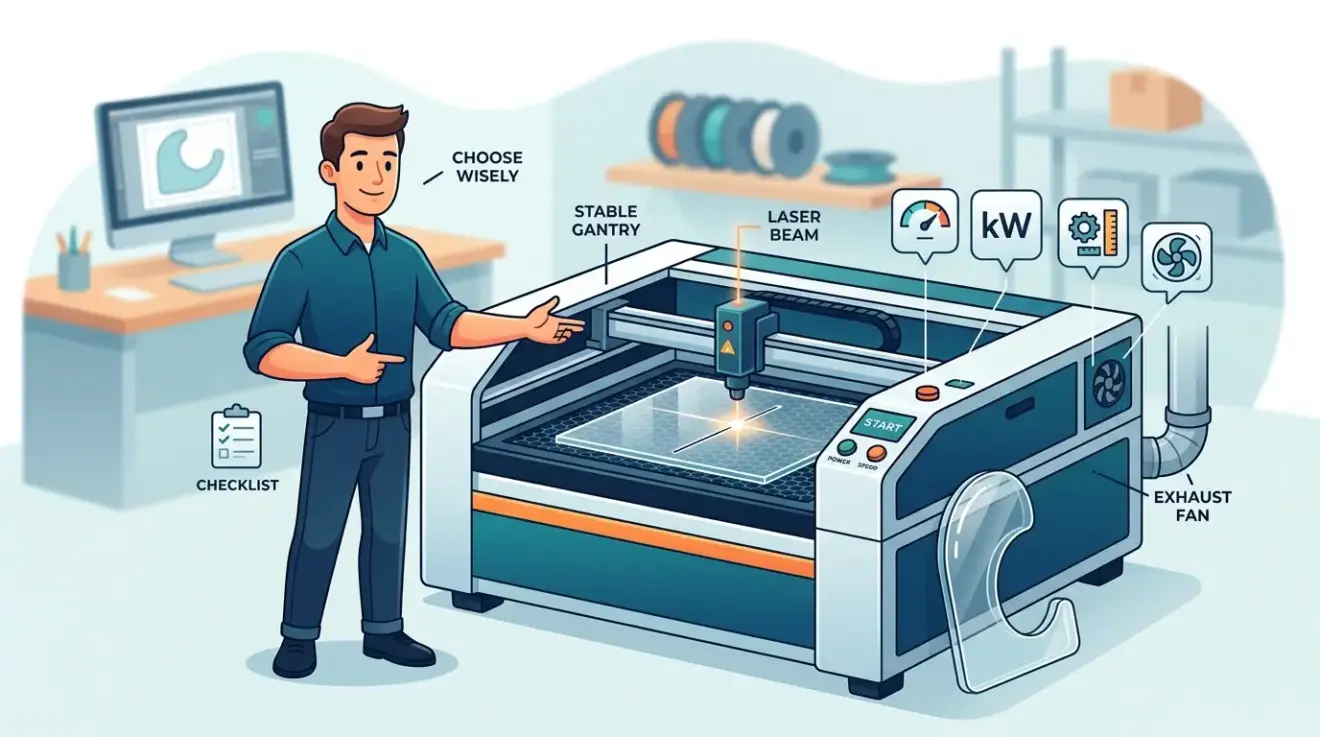
Buying an acrylic laser cutting machine looks straightforward until sample quality has to survive real production pressure. A machine may produce one clean demo part on clear acrylic, but that does not guarantee stable output once the schedule includes different sheet types, frequent job changes, nested small parts, and visual-grade orders that leave little room
- Published in Blog
Laser Marking Machine: What It Does and Where It Fits in Production
Friday, 10 April 2026
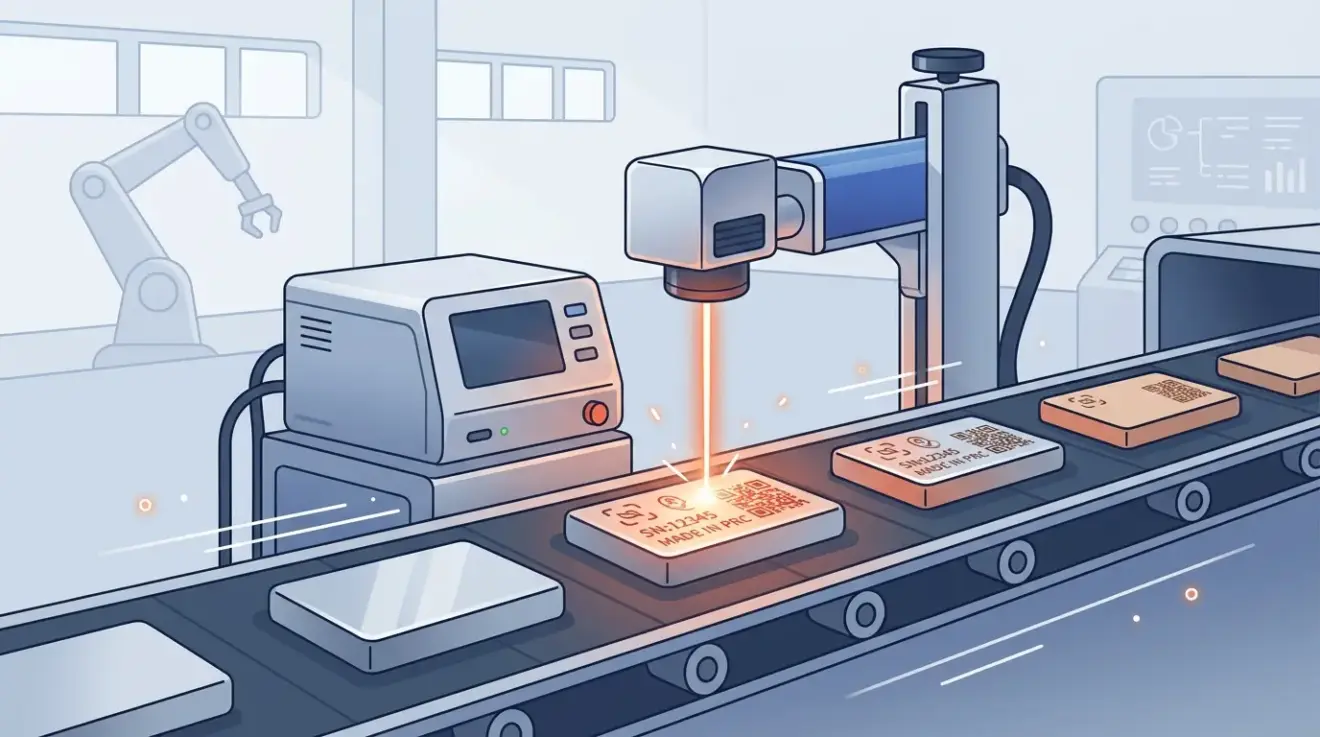
A readable part mark usually becomes important only after production loses control of it. Mixed batches, unreadable serial numbers, slow inspection, and unclear warranty history all turn a small identification step into a much larger operational problem. That is where a laser marking machine starts to make sense. In practical terms, laser marking belongs in
- Published in Blog
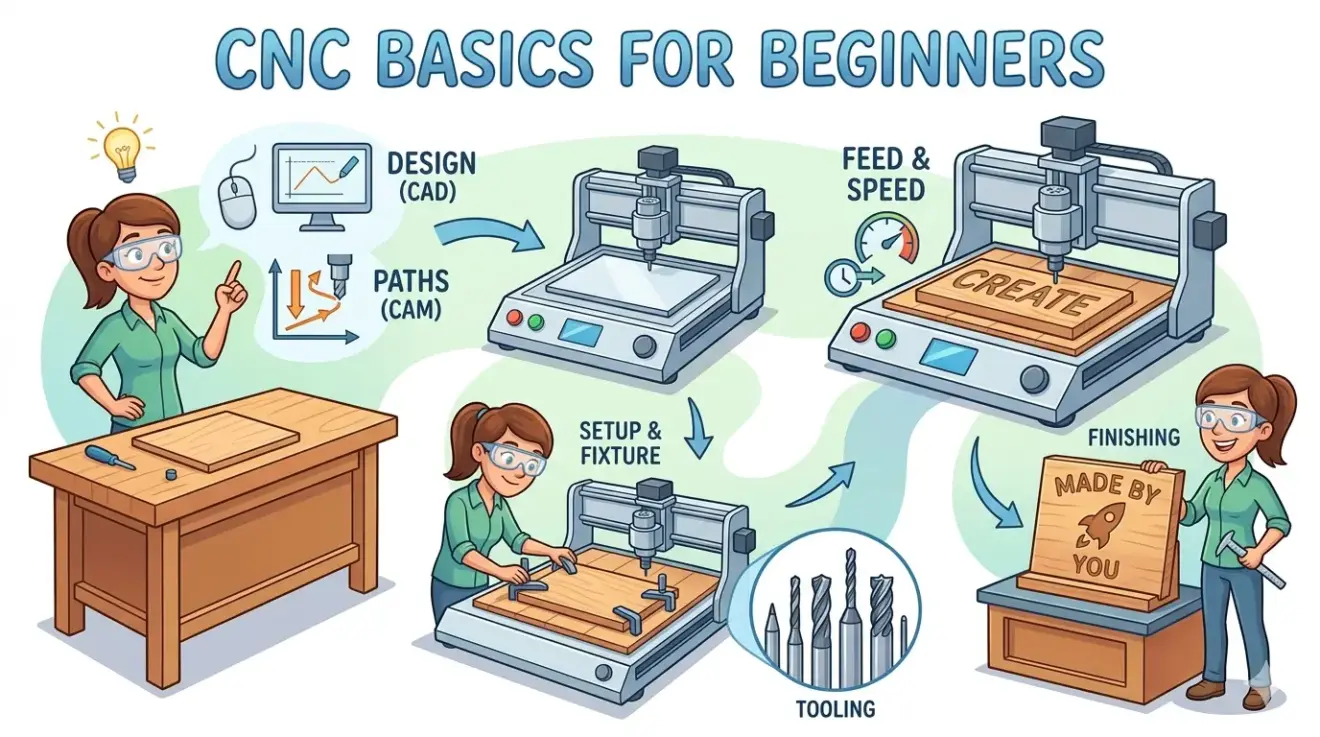
CNC Machines for Beginners: What to Learn Before You Buy
Friday, 10 April 2026
Most beginners do not buy the wrong CNC machine because they are careless. They buy the wrong one because they learn in the wrong order. They start with travel size, spindle power, speed claims, or a polished demo before they can describe the work, the workflow, and the support system the machine will need every
- Published in Blog