

 Español
  Italiano
  Deutsch
  Français
  Português
  العربية
  Türkçe
  Русский
  Tiếng Việt
  한국어
한국어  日本語
日本語  简体中文
简体中文 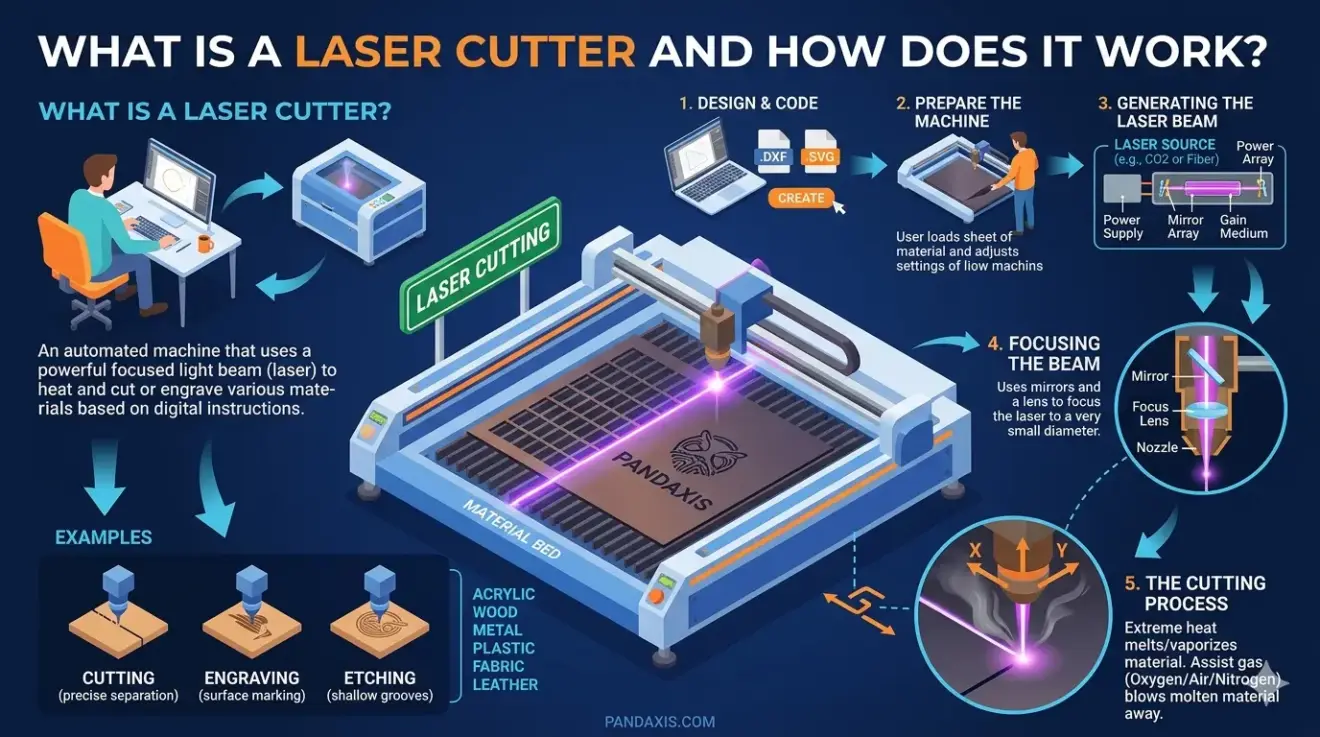
What Is a Laser Cutter and How Does It Work?
Friday, 01 May 2026
When a manufacturer needs clean shapes, repeatable detail, and faster design changes without swapping physical tooling for every new job, a laser cutter becomes a practical production asset. It uses a concentrated beam of light to process material along a programmed path, making it useful for shaped cutting, surface engraving, and detailed marking in workflows
- Published in Blog
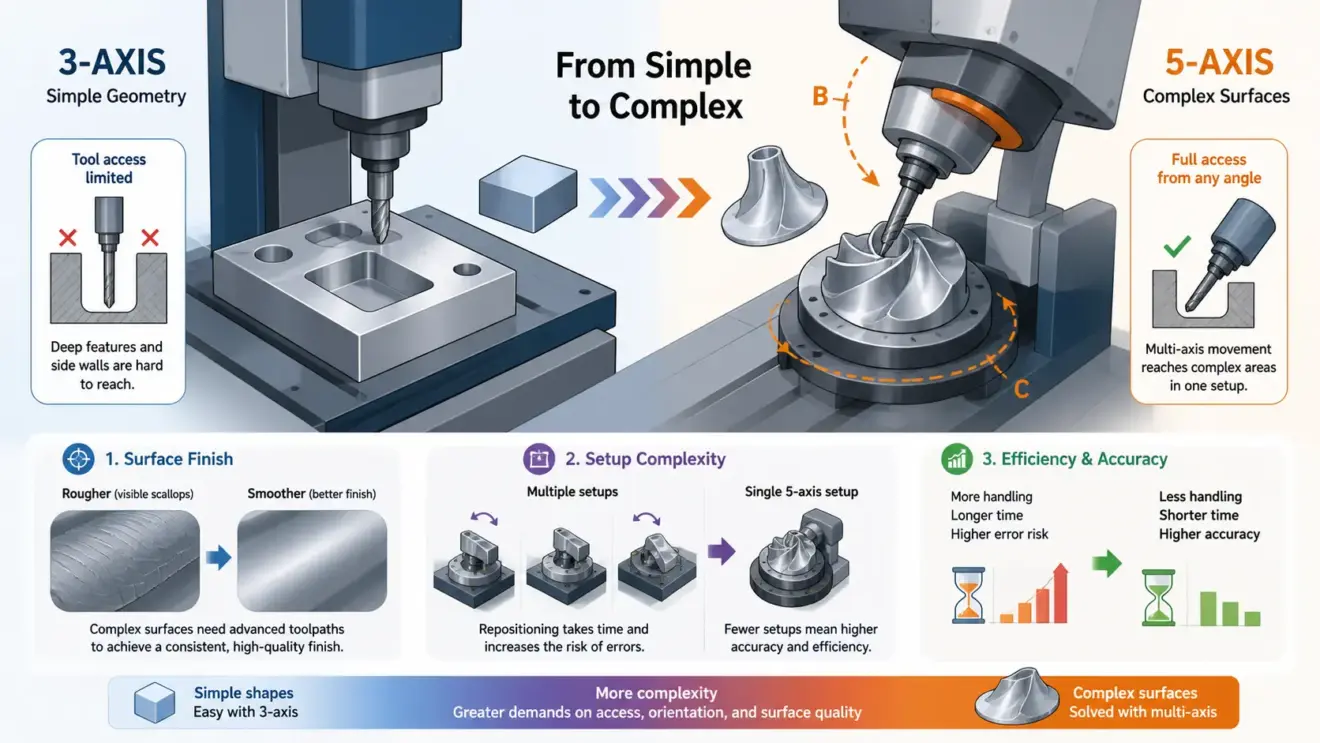
3D CNC Machining Explained: What Changes When Parts Need Complex Surfaces
Friday, 01 May 2026
When a part moves from flat faces and simple pockets into blended curves, carved reliefs, changing radii, or continuously flowing surfaces, the machining question changes immediately. The shop is no longer judging the job only by removal rate. It is judging how to keep the cutter stable on a changing form, how to protect visible
- Published in Blog
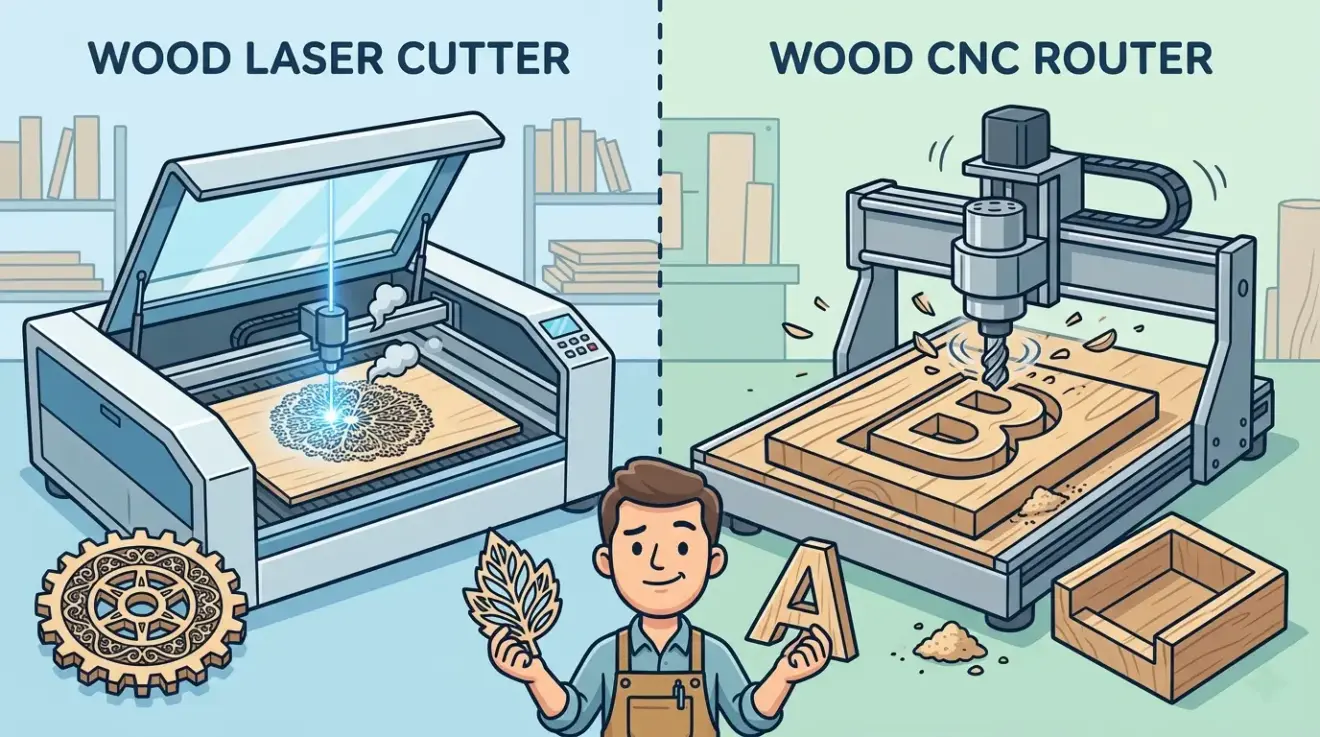
Wood Laser Cutting Machine vs CNC Router: Which Fits Your Workflow Better?
Friday, 01 May 2026
Choosing between a wood laser cutting machine and a CNC router is rarely about which machine looks more advanced on paper. In production, the real question is what happens before and after the cut: setup time, edge cleanup, drilled features, part complexity, material handling, and whether the machine supports the rest of the workflow without
- Published in Blog
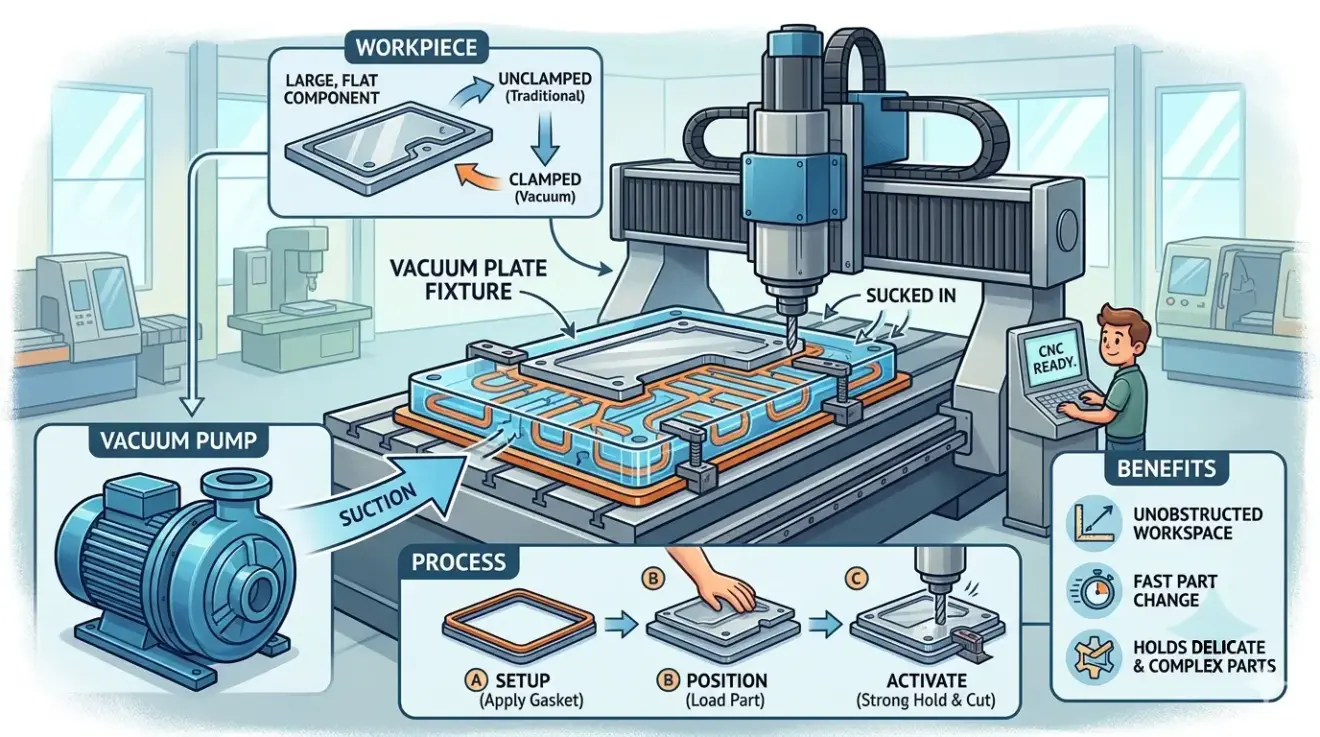
What Is a CNC Vacuum Plate Fixture?
Friday, 01 May 2026
When a shop wants faster setup and fewer clamps around the cutting area, vacuum fixturing becomes attractive very quickly. But many buyers hear the term “vacuum plate fixture” and assume it is simply a flat plate that sucks the part down. In practice, it is a workholding system whose success depends on fixture design, sealing
- Published in Blog
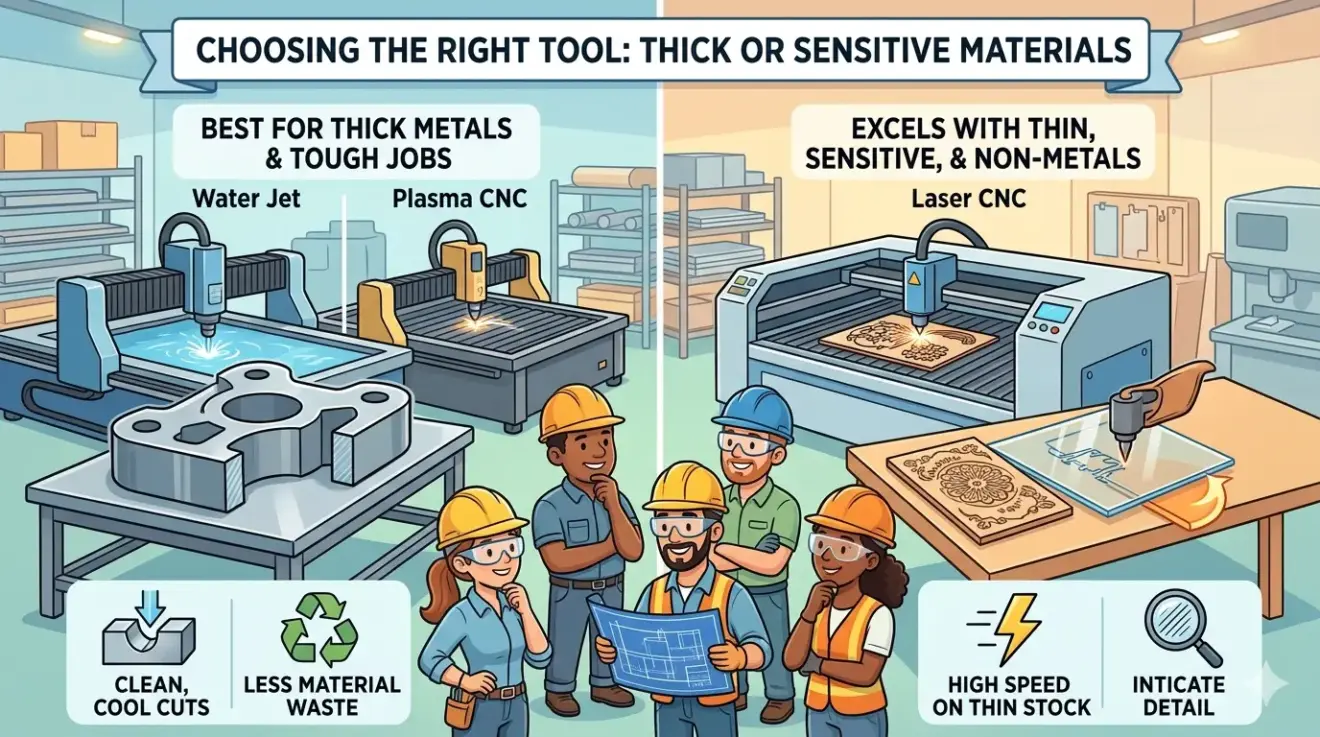
Water Jet CNC Machine vs Plasma and Laser: Which One Is Better for Thick or Sensitive Materials?
Friday, 01 May 2026
This comparison is usually framed too loosely. Buyers ask which process is better for thick or sensitive materials as if thickness and sensitivity point to the same answer. They do not. Thickness usually pushes the conversation toward productivity, edge condition, and operating burden. Sensitivity pushes it toward heat exposure, distortion risk, finish protection, and downstream
- Published in Blog
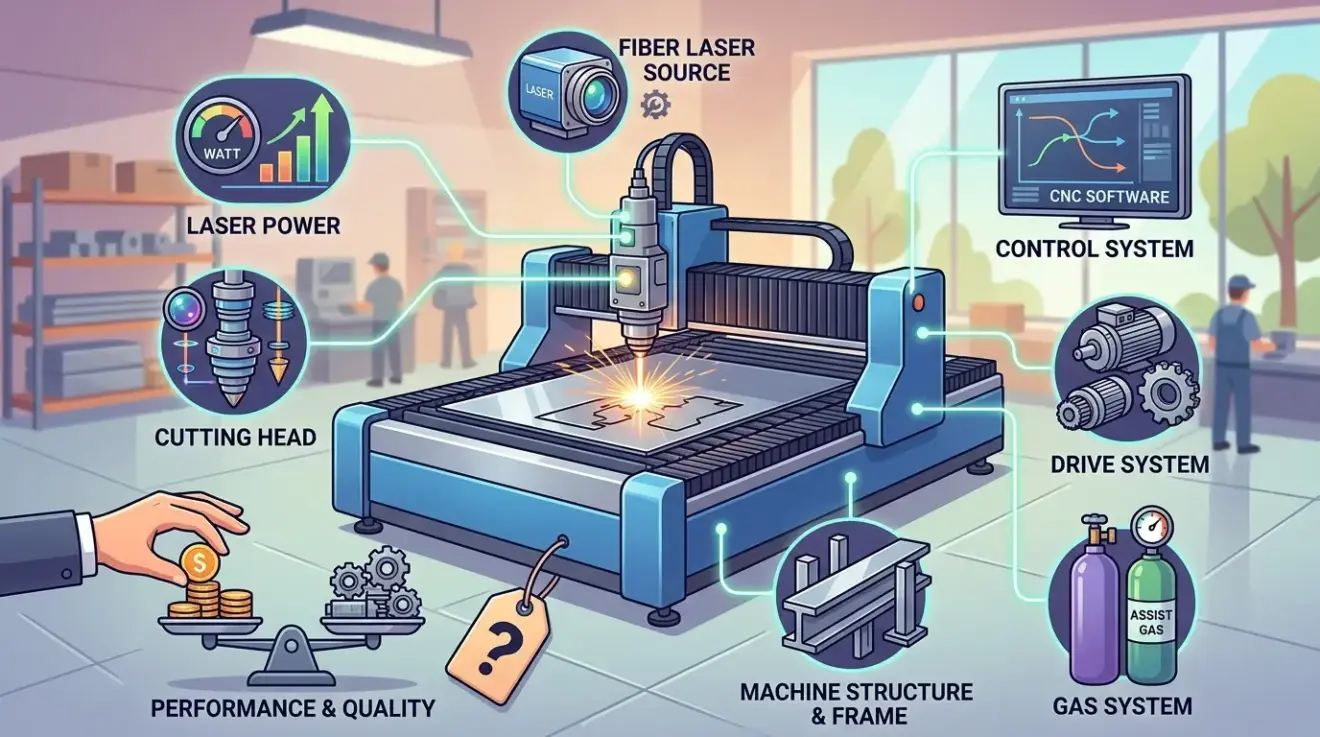
Laser Cutting Machine Price: What Actually Drives the Final Quote?
Friday, 01 May 2026
The first laser cutting machine price a buyer sees is rarely the number that matters. One supplier may quote a base machine only. Another may include cooling, extraction, software, installation, and operator training. A third may look more expensive at first glance simply because the quote is more complete. For buyers evaluating laser cutters and
- Published in Blog

CNC Machine Market Trends: What Buyers and Shops Should Watch
Friday, 01 May 2026
Most CNC market-trend content becomes useless the moment it starts sounding like trade-show narration. Buyers and factory managers do not need another article telling them automation is rising, software matters, or smart factories are coming. None of those statements help unless they explain what has changed enough to alter the next machine decision, the next
- Published in Blog
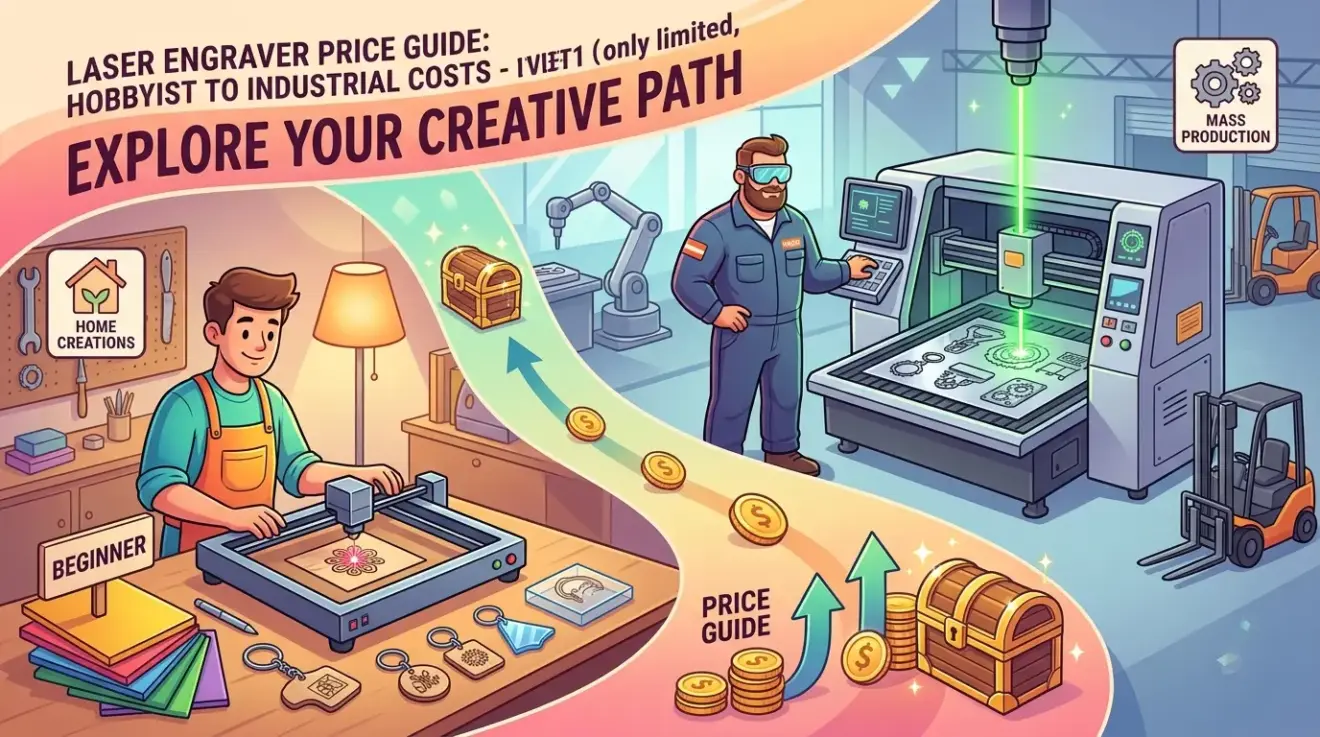
Laser Engraver Price Guide: Entry-Level vs Industrial Costs Explained
Friday, 01 May 2026
Buyers researching laser engraver pricing often see a desktop machine advertised for a few hundred dollars and then receive an industrial quote that is tens of thousands higher. Those two numbers are not really competing offers. They usually represent different materials, different duty expectations, different quality standards, and very different levels of operational support. For
- Published in Blog
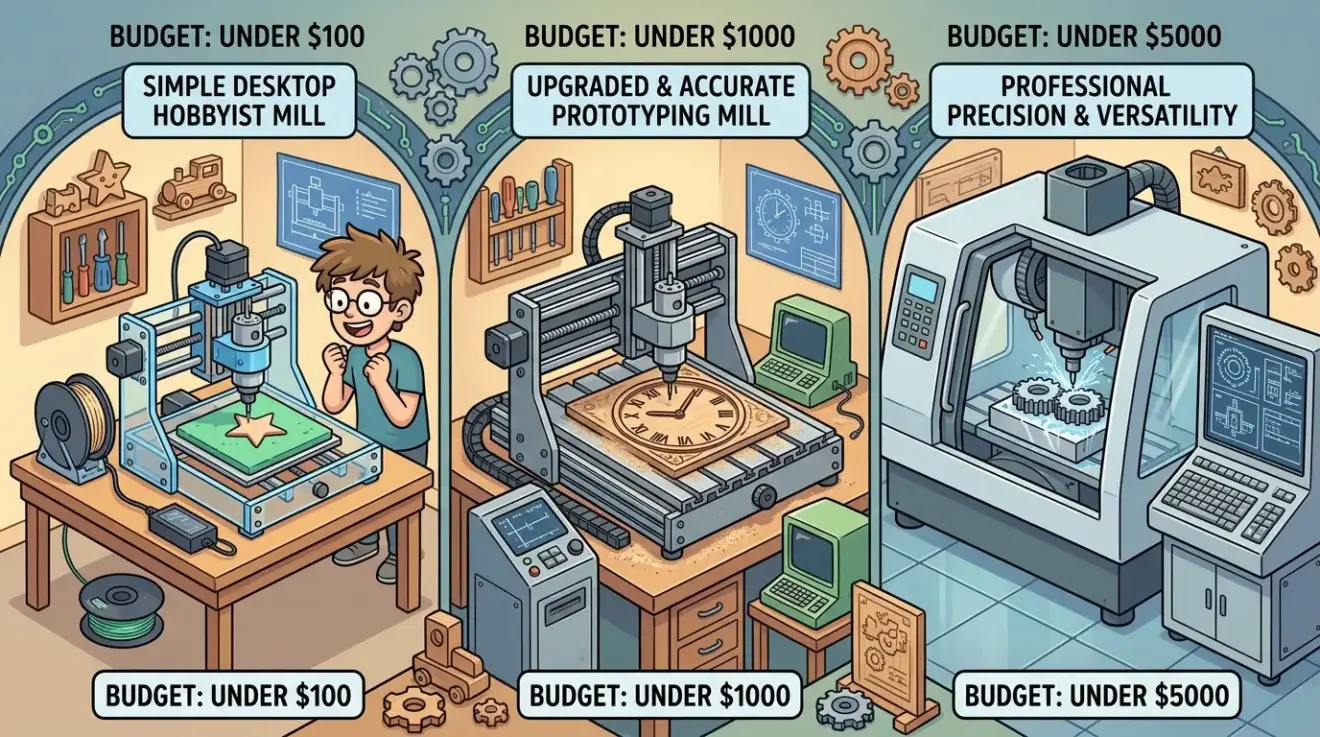
CNC Mills Under $100, Under $1000, and Under $5000: What Is Realistic at Each Budget?
Friday, 01 May 2026
Budget questions about CNC mills often sound simple and turn expensive because the buyer is asking two different questions at once. One question is, “What can I afford today?” The other is, “What work am I secretly hoping this machine will cover later?” When those two questions are not separated clearly, low-cost buying turns into
- Published in Blog
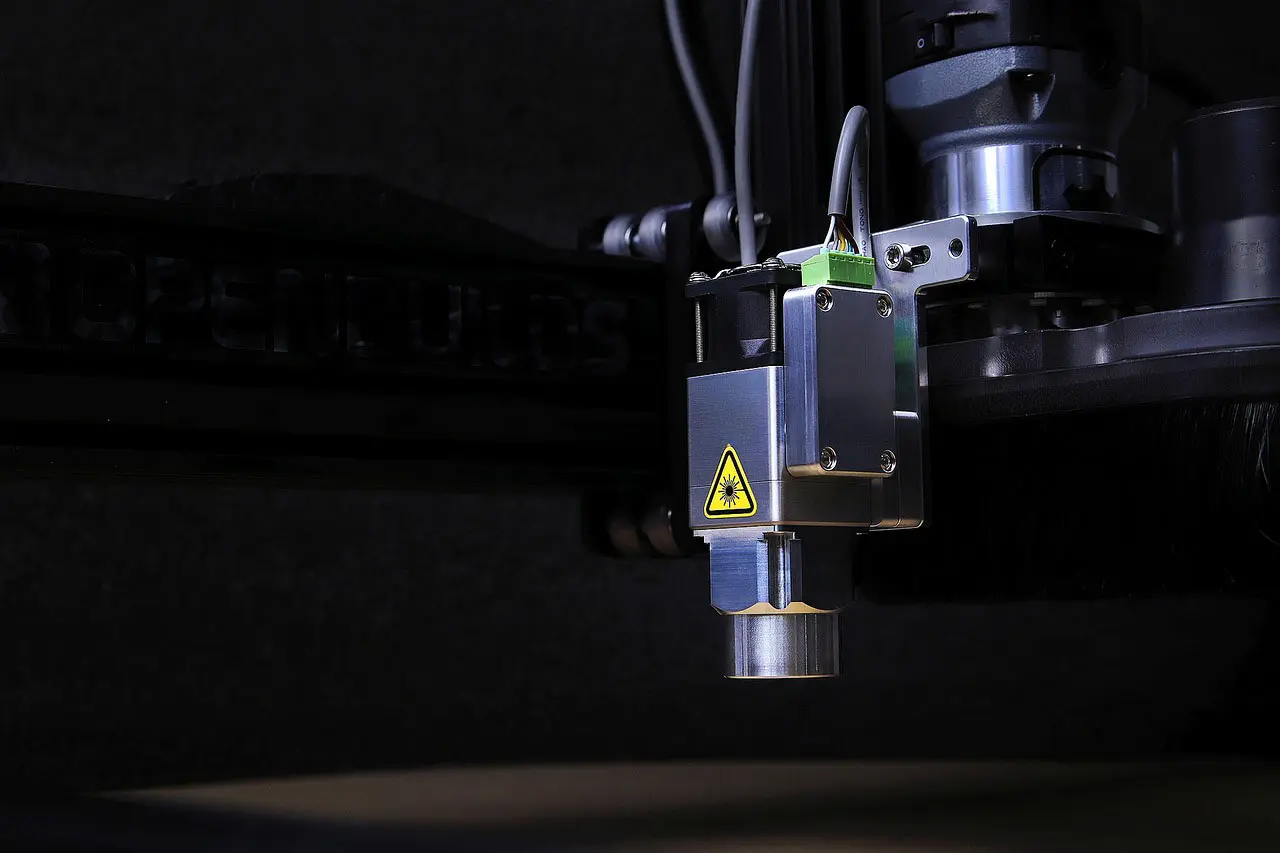
Laser Cutter Applications Across Wood, Acrylic, Metal, and Plastic
Friday, 01 May 2026
Laser cutters are not used the same way across every material. A machine that performs well on acrylic signage may not be the right choice for metal fabrication, and a setup that works for wood engraving may be poorly matched to heat-sensitive plastics. That is why the real value of laser cutting is not just
- Published in Blog

How to Choose Laser Engraving Equipment for Mixed-Material Production
Friday, 01 May 2026
Mixed-material engraving sounds efficient until the queue becomes real. A shop may engrave acrylic display parts in the morning, switch to plywood brand panels after lunch, and then run laminated nameplates, MDF inserts, or leather accessories before the shift ends. At that point, the buying question changes. The problem is no longer whether one machine
- Published in Blog
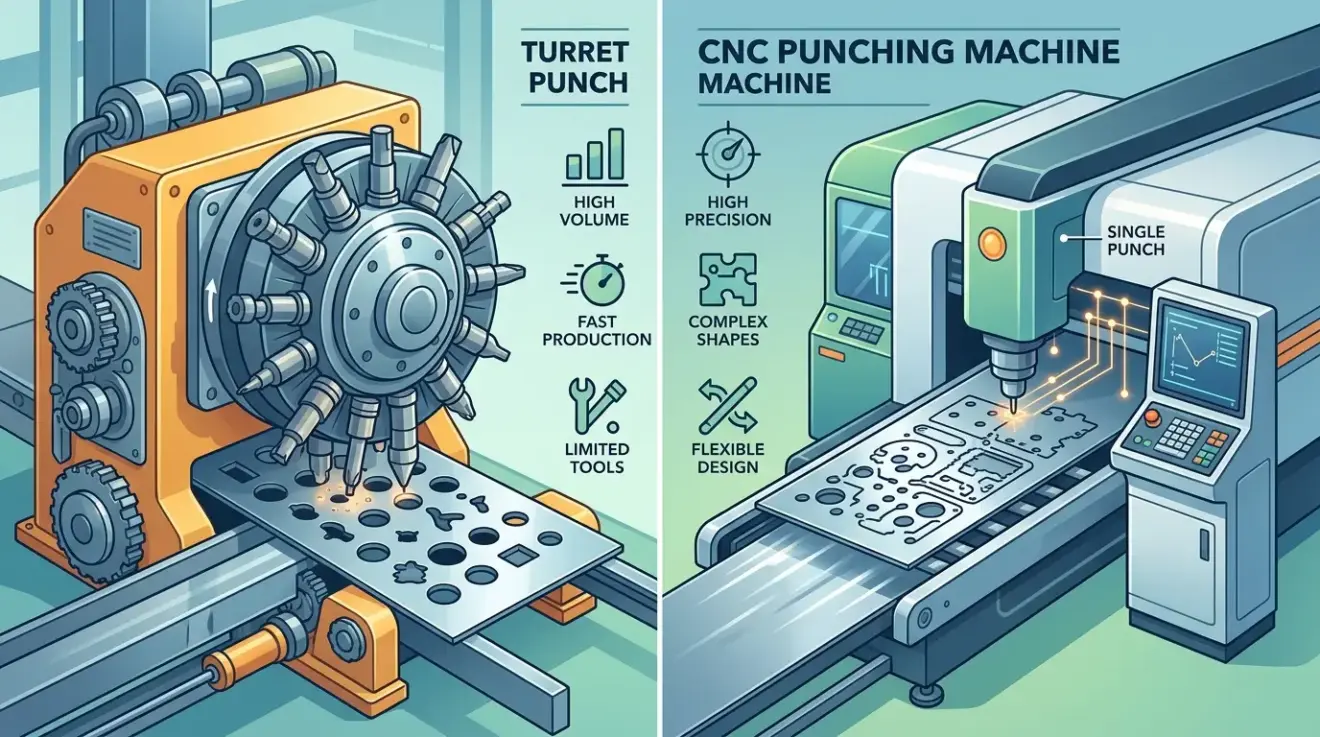
Turret Punch vs CNC Punching Machine: What Is the Difference?
Thursday, 30 April 2026
Buyers often ask about a “turret punch” and a “CNC punching machine” as though they are choosing between two separate machine families. That is where the confusion starts. In most real factory conversations, a turret punch is one type of CNC punching machine, not a rival category sitting beside it. “CNC punching machine” is the
- Published in Blog
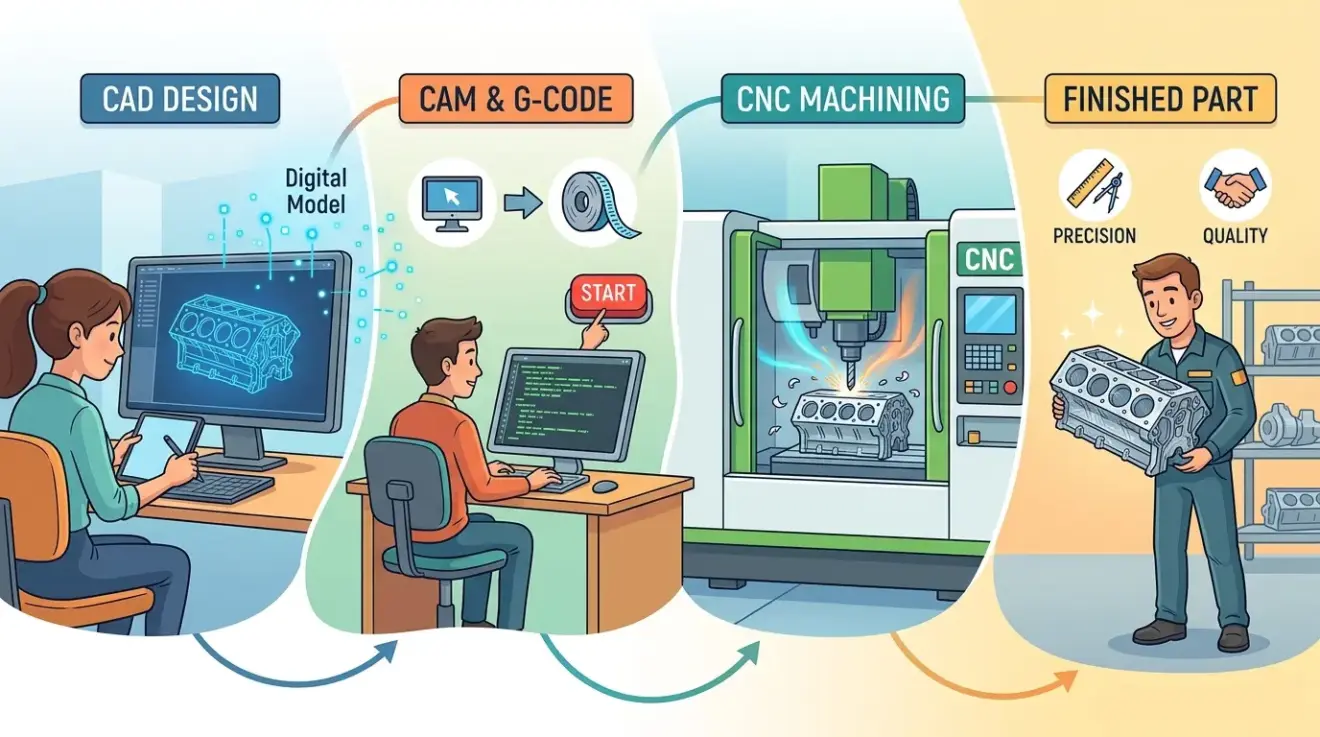
CNC Engineering Basics: How Digital Designs Become Finished Parts
Thursday, 30 April 2026
A clean CAD file is not yet a finished manufacturing plan. It is only the first statement of intent. Before the part becomes real, that intent still has to survive release control, manufacturability review, CAM decisions, workholding, machine setup, prove-out, inspection, and repeat production. If any of those handoffs lose meaning, the machine may still
- Published in Blog
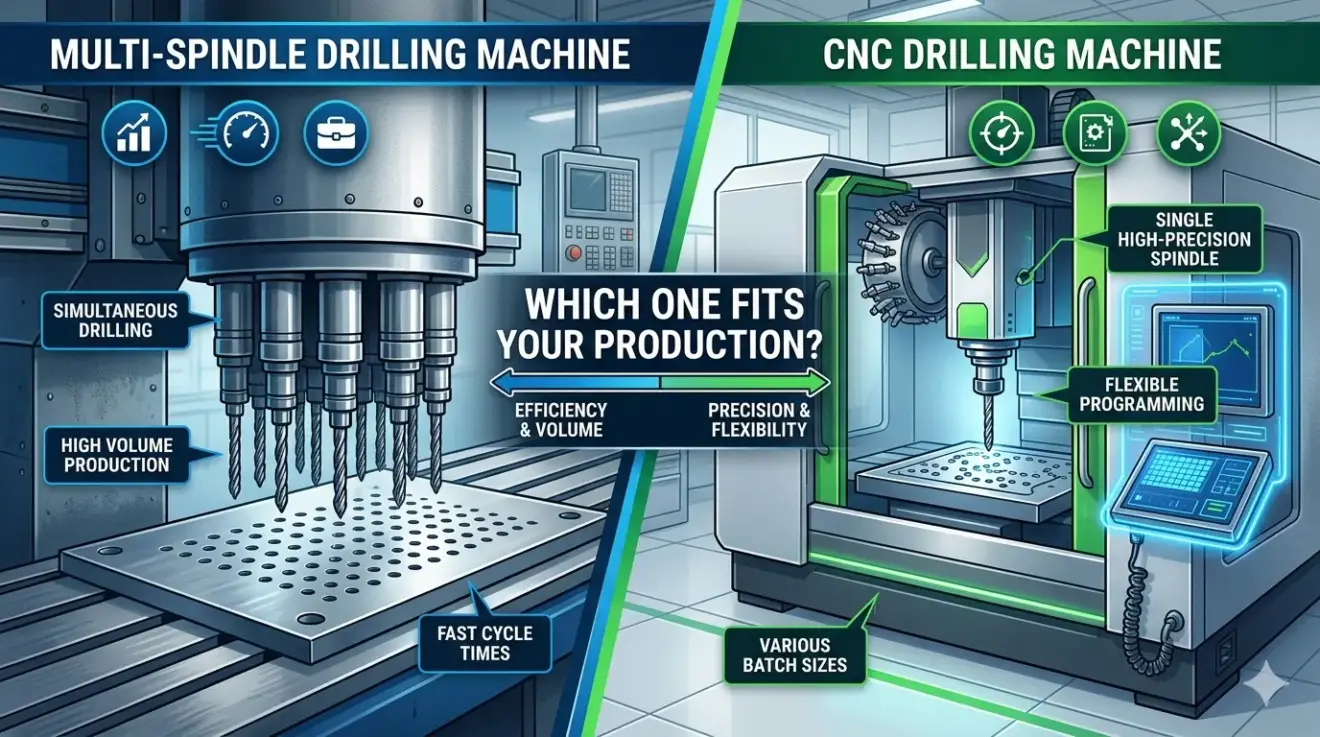
Multi-Spindle Drilling Machine vs. CNC Drilling Machine: Which One Fits Your Production?
Thursday, 30 April 2026
When hardware-hole processing starts slowing a cabinet or furniture line, buyers often ask which machine is “better.” In practice, the decision is rarely about drilling alone. It is about how much of the work repeats, how often patterns change, and whether the drilling cell is expected to behave like a dedicated production station or a
- Published in Blog
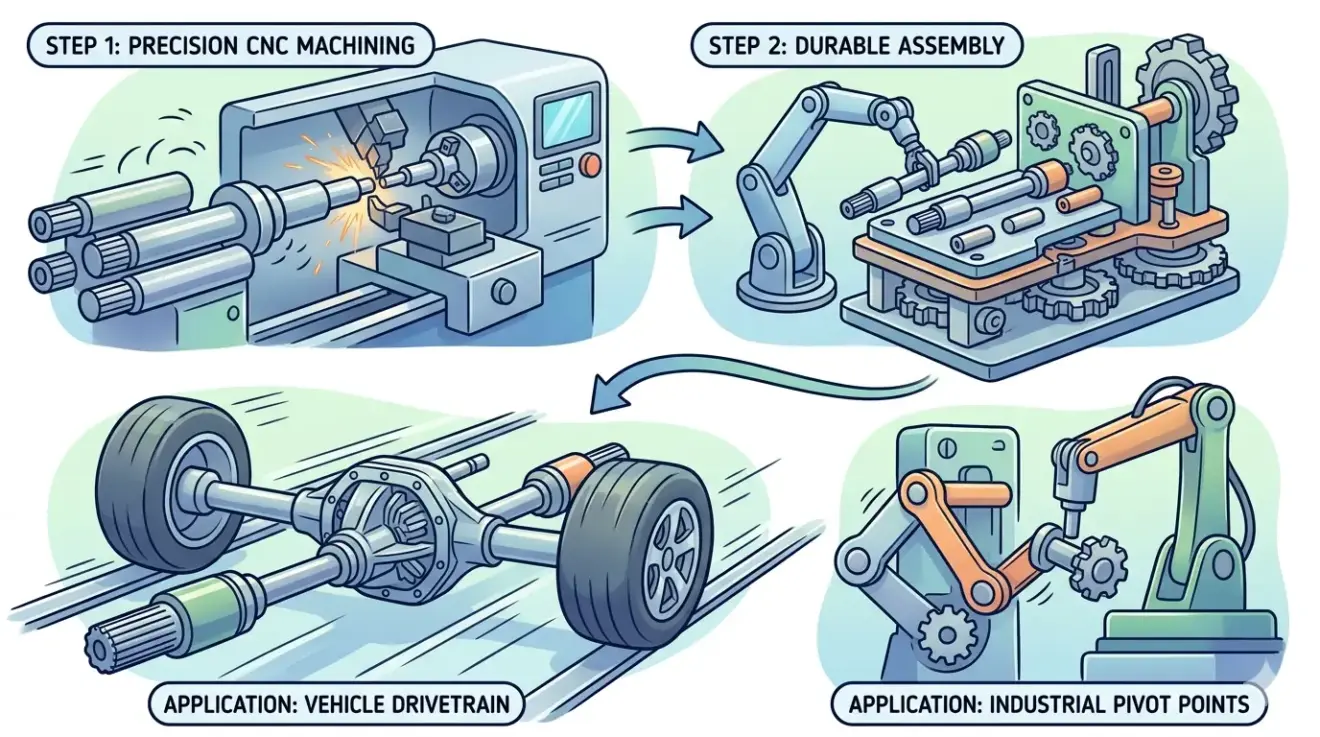
What Is a CNC Axle, Shaft, or Pin in Machined Parts?
Thursday, 30 April 2026
The most expensive mistake with round machined parts is not usually a bad diameter. It is bad language. A buyer asks for a shaft because the part is cylindrical. A maintenance team calls it an axle because it sits under a roller. Another engineer calls it a pin because it locates one side of the
- Published in Blog
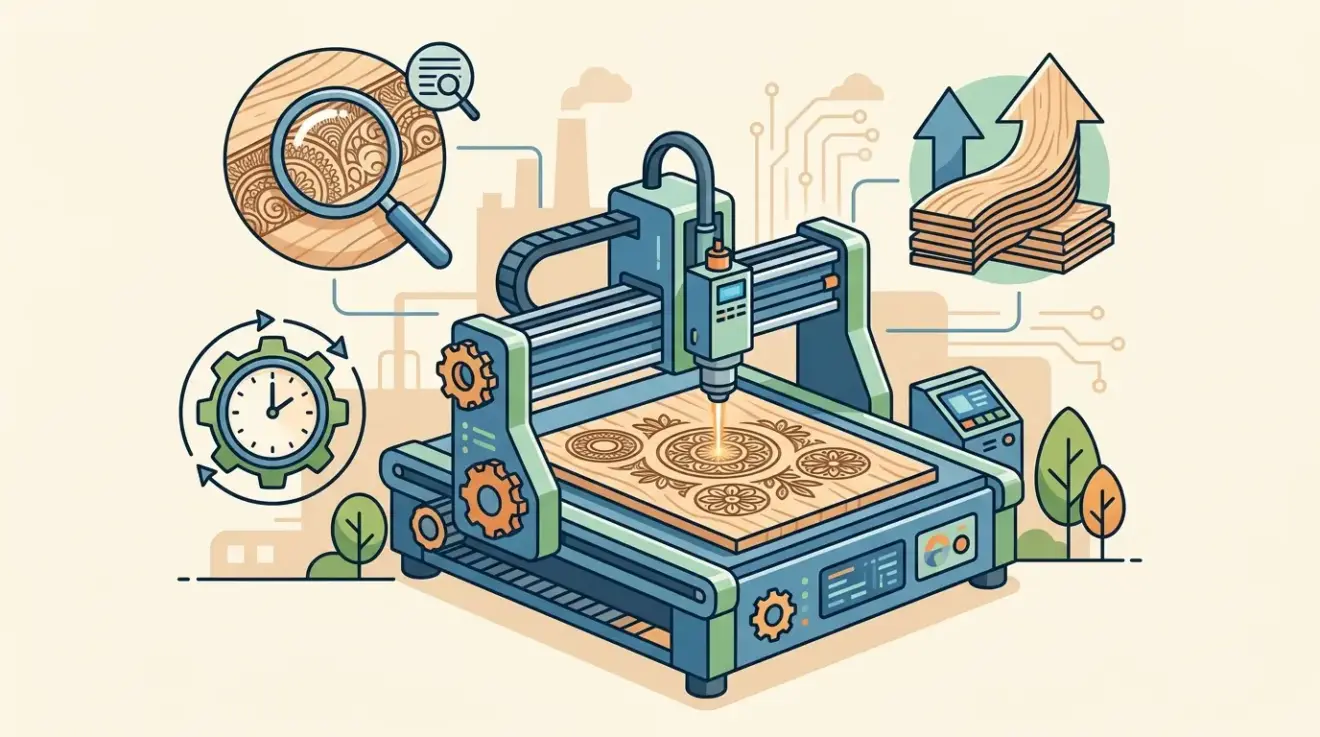
Wood Engraving Machines for Custom Manufacturing: How to Balance Detail, Changeovers, and Throughput
Thursday, 30 April 2026
Custom manufacturing rarely breaks down because one sample part looks bad. It breaks down when the shop has to move from a short run of branded plywood boxes to custom decorative panels and then to a repeat OEM order with different artwork, all without losing surface quality or burning time on setup corrections. A wood
- Published in Blog
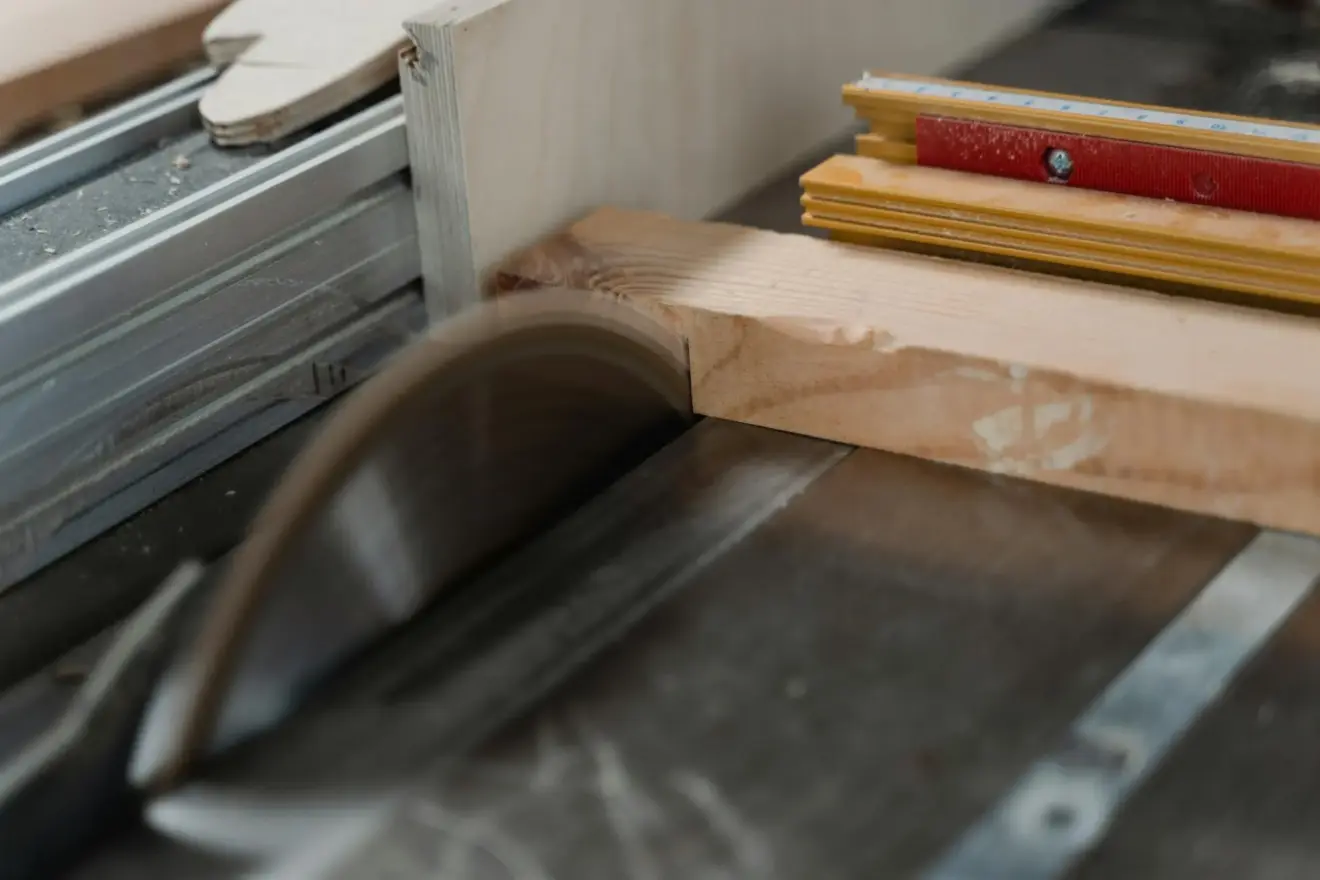
How To Match Sliding Table Saw Blades To MDF, Particle Board, Plywood, And Laminated Panels
Thursday, 30 April 2026
In many wood shops, cut quality problems appear only after the material mix changes. A blade that seems acceptable on raw particle board may start chipping melamine-faced panels, while a setup that leaves clean plywood edges may wear too quickly in repeated MDF cutting. When that happens, the problem is not always the saw itself.
- Published in Blog
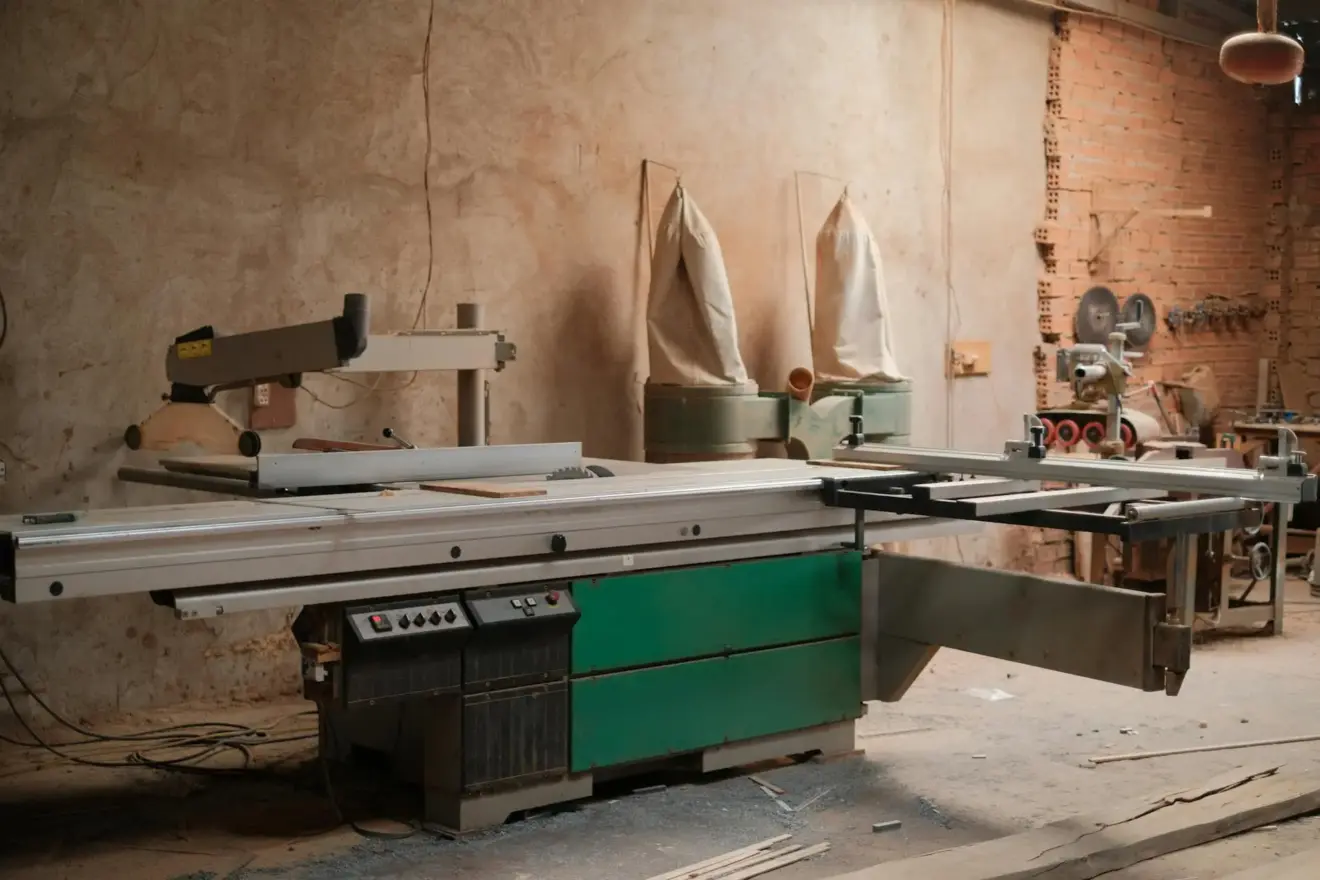
Sliding Table Saw Maintenance Checklist for Consistent Daily Performance
Thursday, 30 April 2026
In flexible furniture production, custom joinery, and mixed-material cutting, a sliding table saw rarely loses performance all at once. More often, the change shows up as rougher carriage travel, fence settings that need more rechecking, more chip-out on finished panels, or cut results that feel less predictable at the end of the shift than they
- Published in Blog
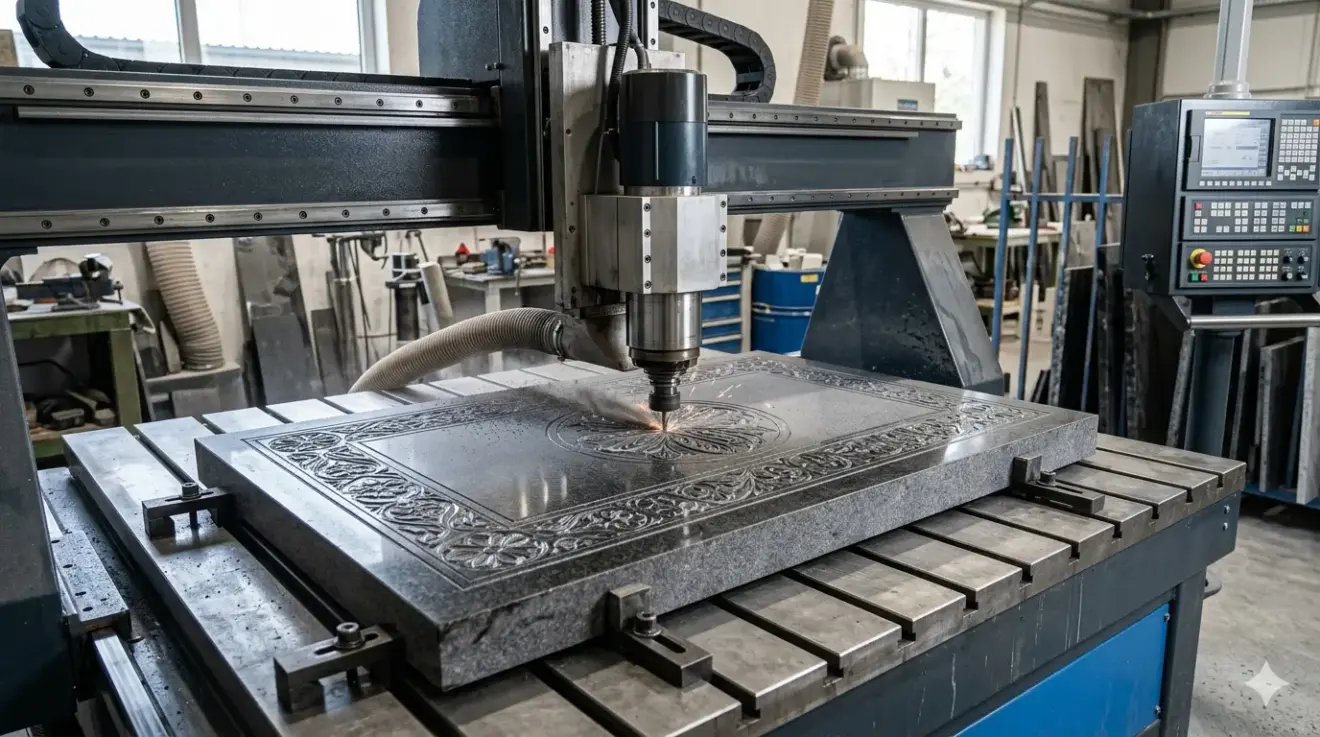
How To Choose a Granite Engraving Machine for Durable, Precise Marking
Thursday, 30 April 2026
Granite marking usually becomes a machinery question when the problem is no longer just making letters visible. The real issue is keeping marks readable, repeatable, and commercially acceptable across heavy stone pieces, changing artwork, and demanding end uses such as memorials, architectural signage, and permanent identification panels. A granite engraving machine is commonly evaluated when
- Published in Blog
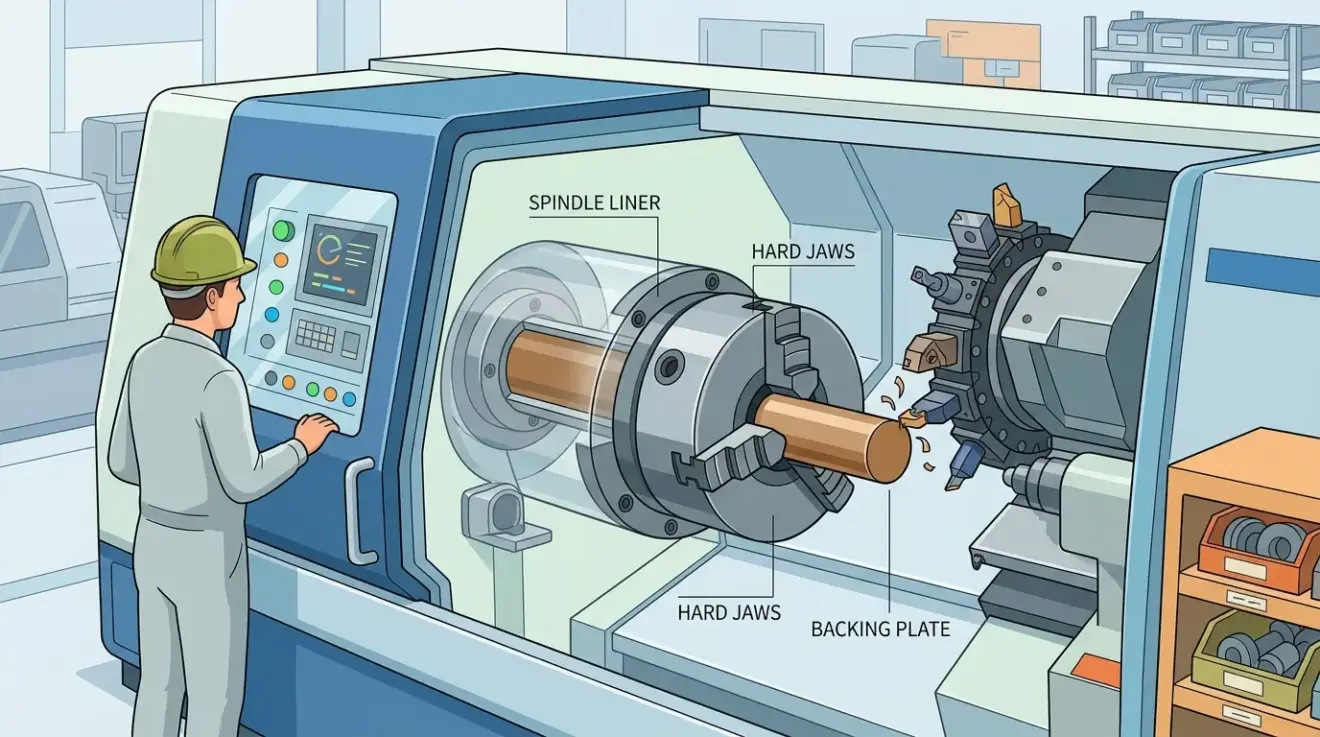
Lathe Spindle Liners, Hard Jaws, and Backing Plates: Setup Parts That Matter in CNC Turning
Thursday, 30 April 2026
Some of the most important parts in CNC turning are the parts buyers and supervisors barely notice when they price a machine. Spindle liners, hard jaws, and backing plates do not look impressive on a brochure, yet they directly influence safety, concentricity, setup speed, vibration, finish quality, and part repeatability. When turning work goes wrong,
- Published in Blog
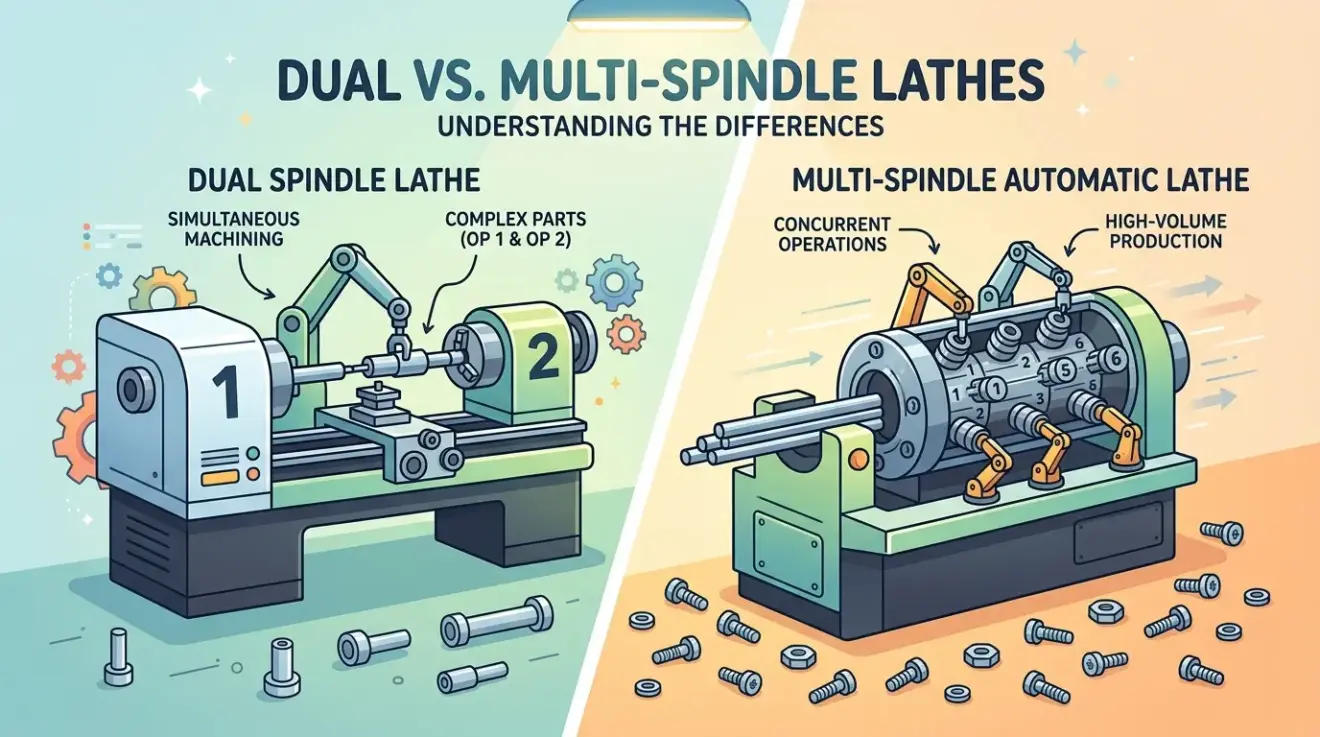
Dual Spindle Lathe vs Multi-Spindle Automatic Lathe: What’s the Difference?
Thursday, 30 April 2026
Spindle count sounds like a simple comparison point, but in turning it often hides a major workflow difference. Buyers sometimes see “dual spindle” and “multi-spindle automatic” as variations on the same idea: more than one spindle, therefore more output. In reality, the machines address different production problems. A dual-spindle lathe is usually about process integration
- Published in Blog
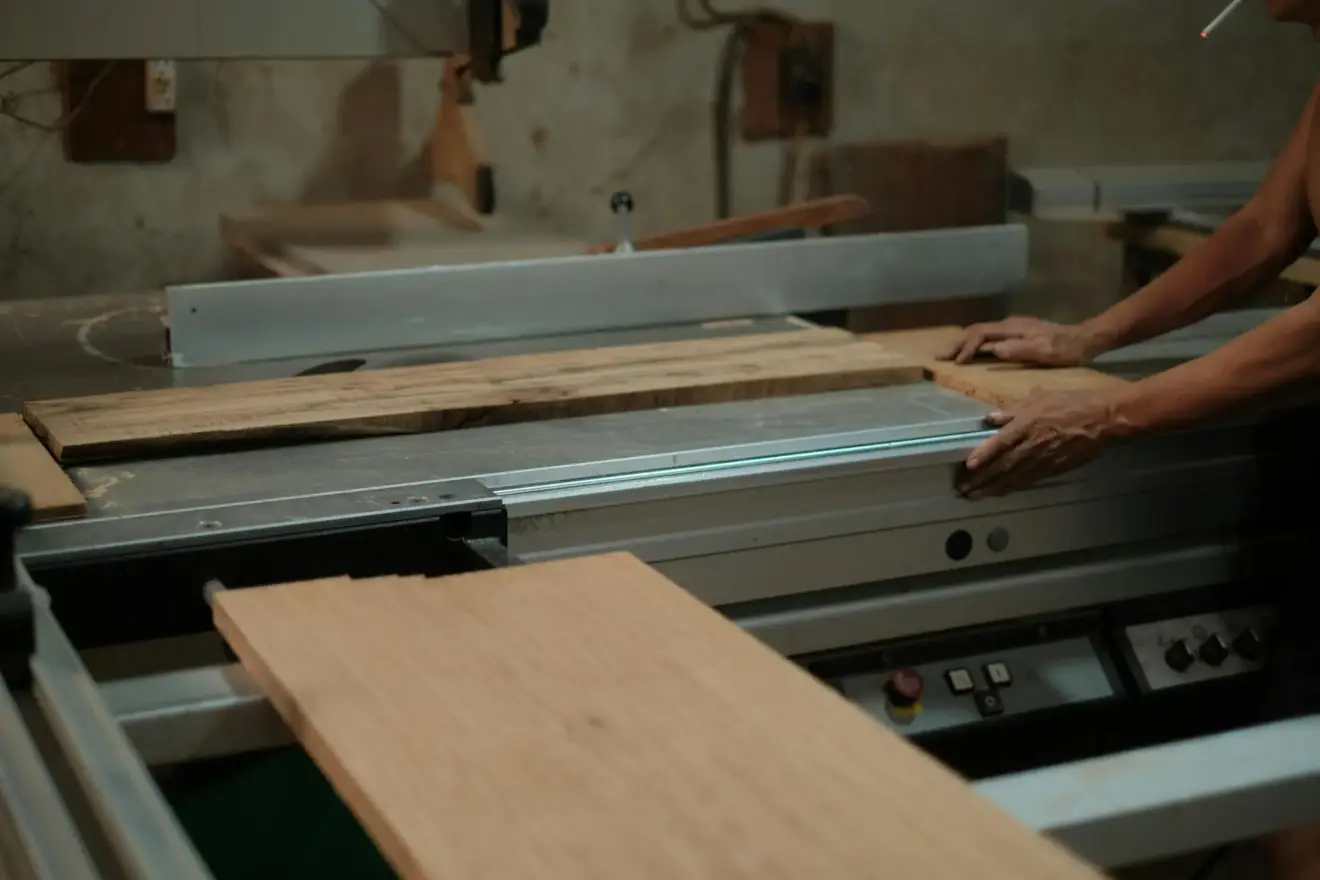
How to Choose a Panel Saw Machine for Cabinet and Furniture Shops
Thursday, 30 April 2026
In cabinet and furniture production, panel cutting often decides whether the rest of the shop runs smoothly or spends the day catching up. When sheet goods arrive at edge banding, drilling, and assembly with size variation, chipped edges, or inconsistent squareness, rework spreads quickly through the line. A panel saw is not the right answer
- Published in Blog
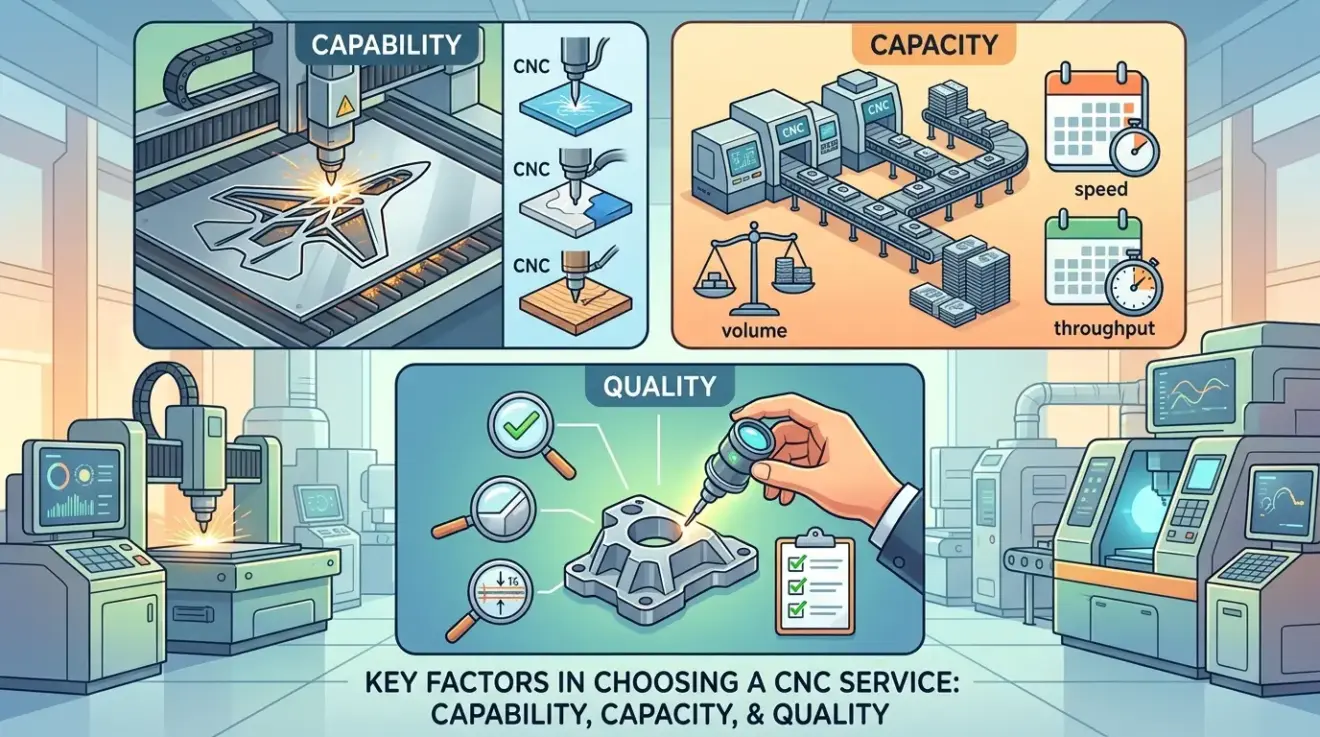
CNC Cutting Services: How to Compare Capability, Capacity, and Quality
Thursday, 30 April 2026
CNC cutting services sound simple to buy until three suppliers all say yes to the same drawing. Their prices are close. Their quoted lead times are close. Their confidence sounds similar. Then the real differences begin to appear. One supplier asks technical questions about edge condition and material variation. Another stays vague about inspection. A
- Published in Blog
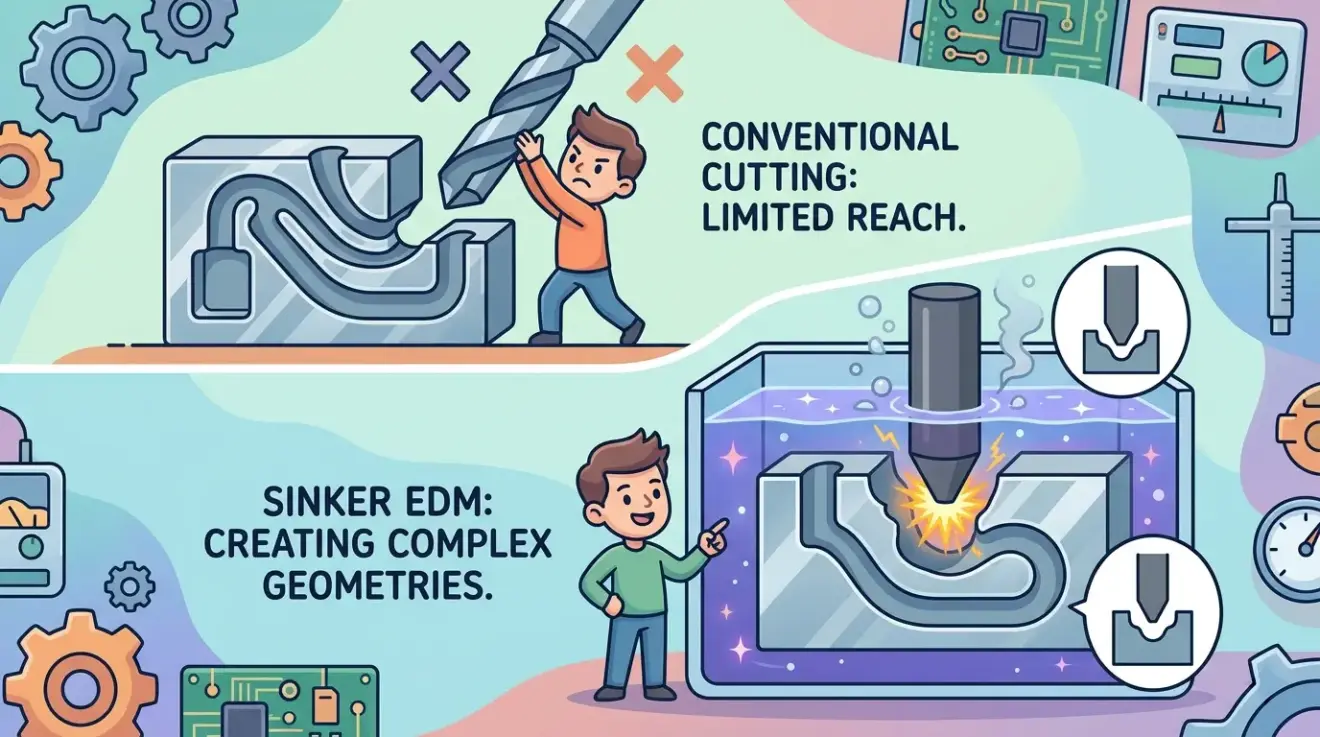
Sinker EDM Explained: When Conventional Cutting Cannot Reach the Geometry
Thursday, 30 April 2026
Sinker electrical discharge machining exists because some part features resist normal cutting logic. Deep internal corners, fine ribs, blind cavities, thin slots in hard conductive material, and shapes buried inside a part can turn milling into a compromise or make it impossible altogether. Sinker EDM solves that problem by removing material with controlled electrical discharges
- Published in Blog
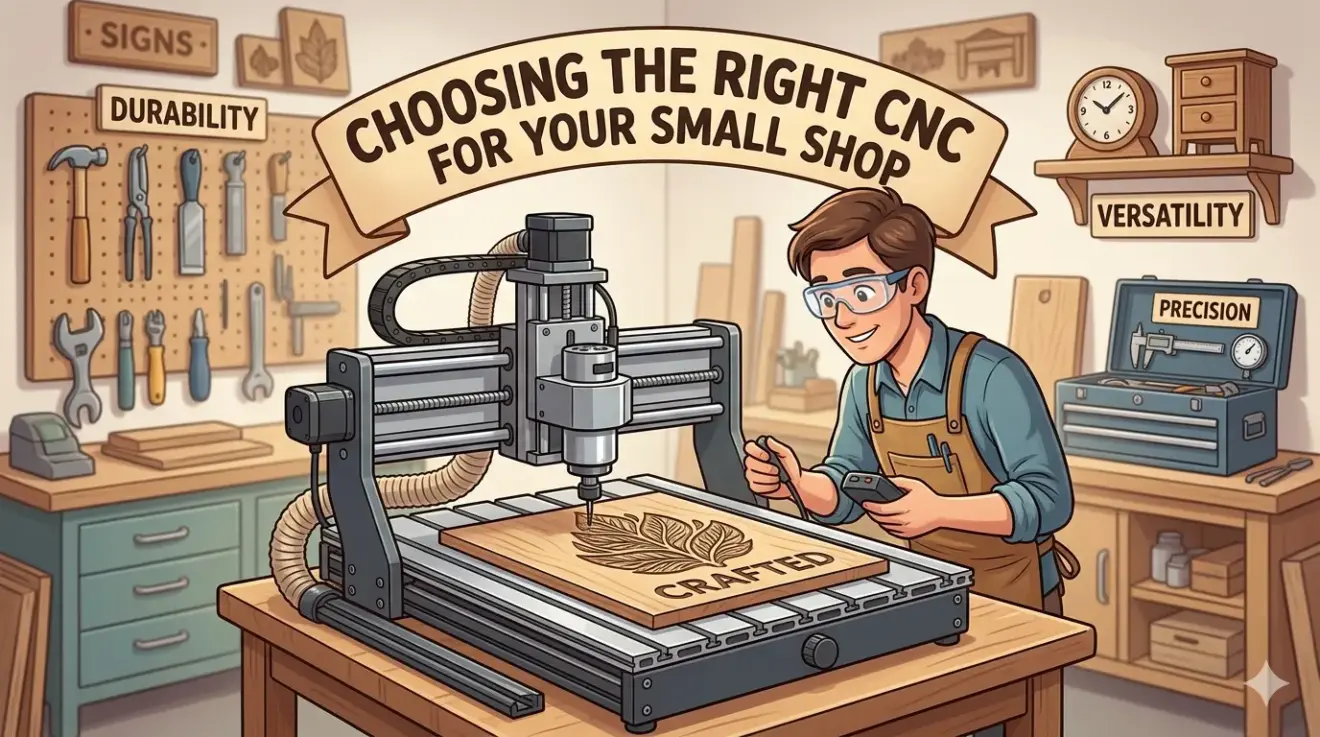
Best CNC Router for a Small Shop: What Matters Most?
Thursday, 30 April 2026
Small shops rarely buy a router for one clean production lane. The same machine may cut repeat cabinet parts in the morning, prototype a fixture after lunch, and absorb a rush custom order before the day ends. That is why the best router for a small shop is usually not the most ambitious machine on
- Published in Blog
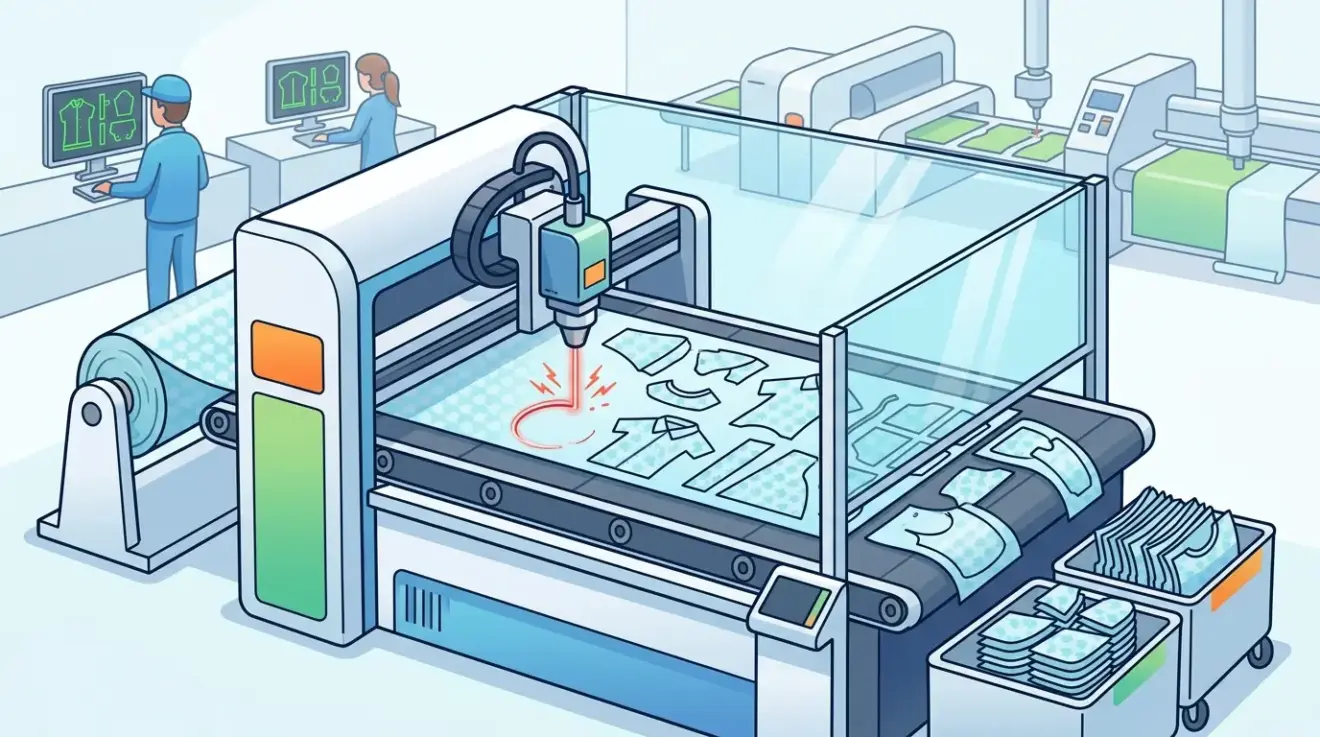
When Does a Fabric Laser Cutting Machine Make Sense for Textile Production?
Thursday, 30 April 2026
Textile manufacturers usually do not choose laser cutting because it sounds more advanced. They choose it when the production mix makes tooling delays, contour complexity, frayed edges, or frequent pattern changes more expensive than the cutting method itself. That is the real decision point. A fabric laser cutting machine can improve repeatability, simplify digital changeovers,
- Published in Blog
CNC Plotter vs CNC Router: What’s the Difference?
Thursday, 30 April 2026
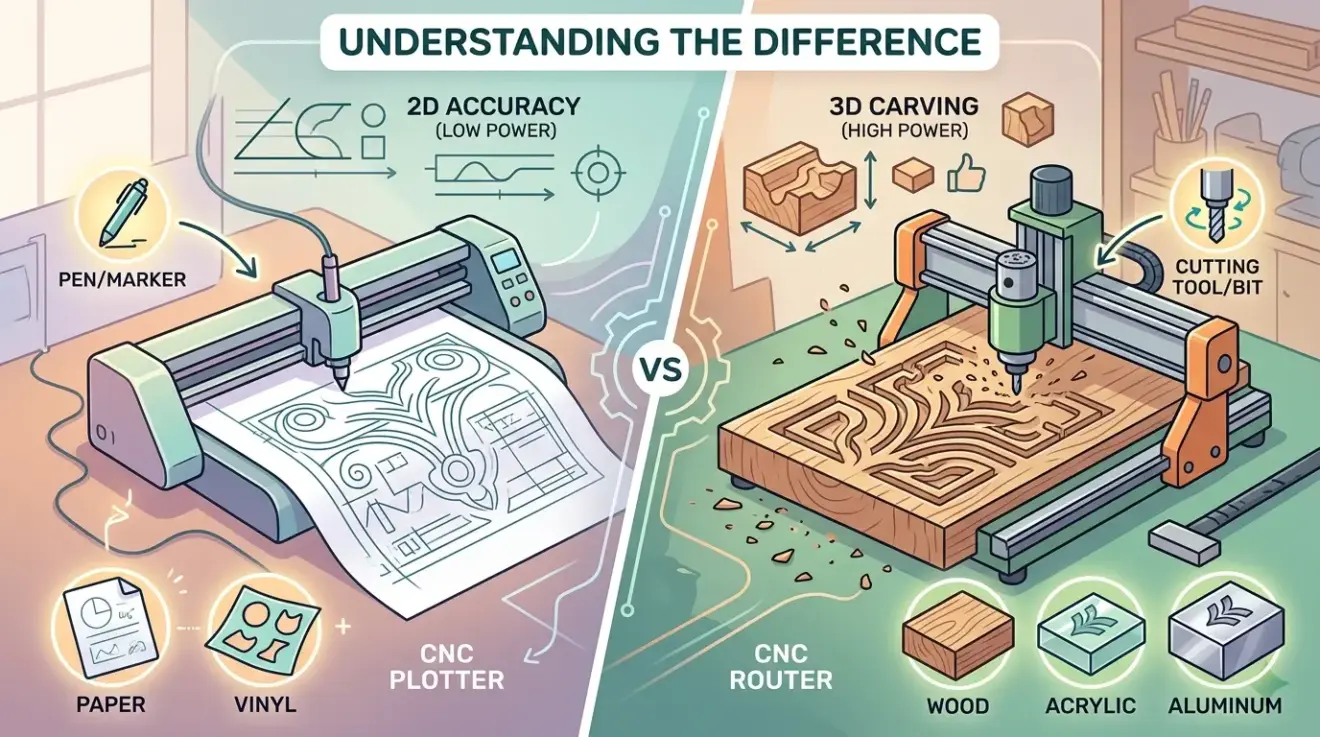
Buyers confuse CNC plotters and CNC routers because both can appear to be flatbed tables with a moving head crossing sheet material. That visual similarity makes the machines seem closer than they really are. In production, they usually belong to different process lanes. The cleanest difference is not the table, the gantry, or even the
- Published in Blog
How To Configure a Wide Belt Sander for Furniture Production
Thursday, 30 April 2026
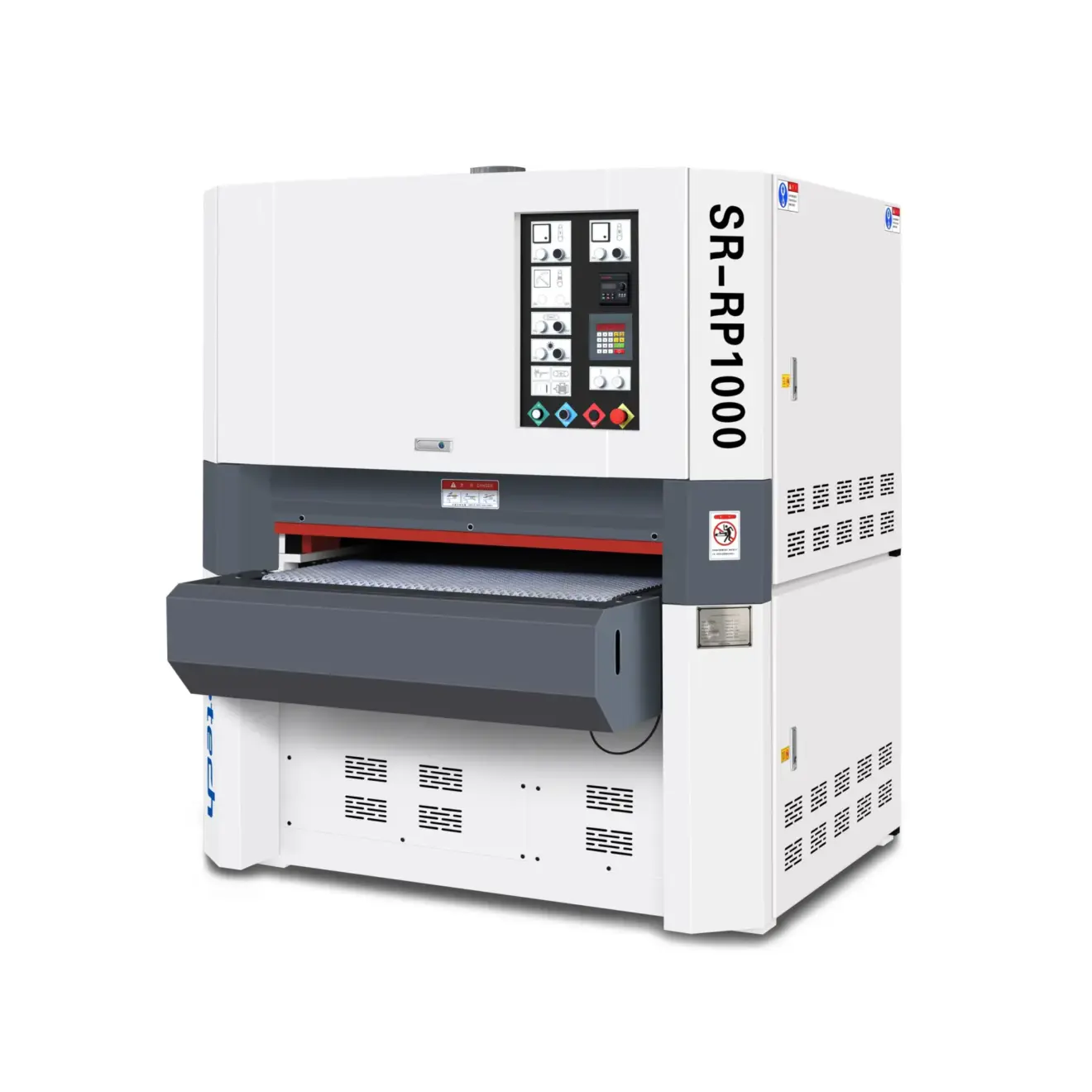
In furniture production, sanding problems usually show up late. A panel looks acceptable coming off the machine, then coating reveals scratch inconsistency, veneer sand-through, thickness variation, rounded edges, or a surface that still needs too much hand correction. By that point, the wide belt sander is no longer just a finishing step. It has become
- Published in Blog
Hot Wire CNC Foam Cutter vs Router-Based Foam Cutting: Which Process Fits Your Work?
Thursday, 30 April 2026
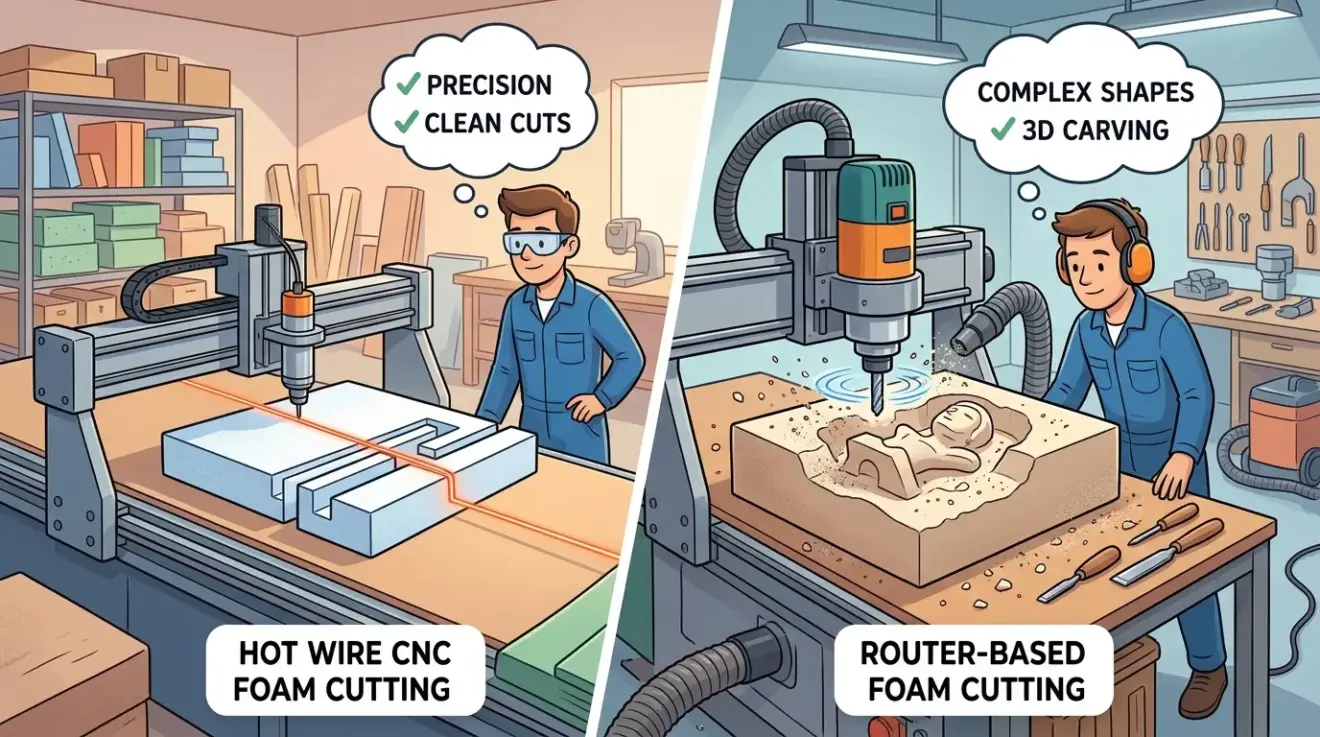
This comparison gets much easier once you stop thinking about machines and start thinking about geometry, foam behavior, and downstream use. Hot-wire cutting and router-based foam cutting are both valid CNC methods, but they do not solve the same problems in the same way. Hot wire removes material by heat along a tensioned wire path.
- Published in Blog
Edge Banding Machine Buying Guide for Furniture Manufacturers
Wednesday, 29 April 2026
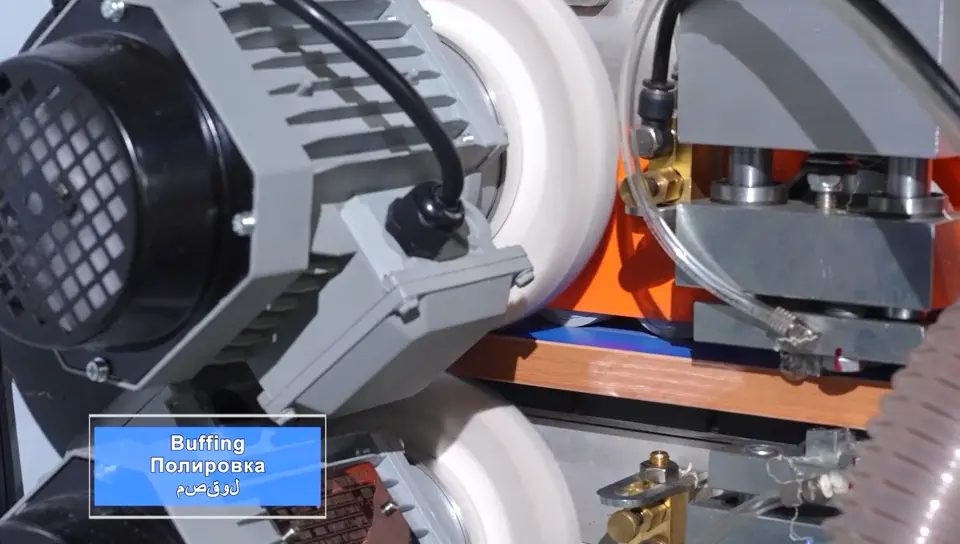
In furniture production, edge quality is one of those variables that looks cosmetic until it starts creating operational damage. A weak glue line, chipped panel edge, or inconsistent finish turns into rework, sorting delays, rejected parts, and a product that looks lower value than it should. That is why an edge banding machine should be
- Published in Blog

How Sliding Table Saws Support Flexible, Low-Volume Production
Wednesday, 29 April 2026
In low-volume production, cutting is often constrained less by maximum cycle speed than by how often the job changes. A shop may move from cabinet panels to custom fillers, then to solid-wood parts, then back to a short rerun of previously cut components. In that environment, the most useful saw is not always the one
- Published in Blog
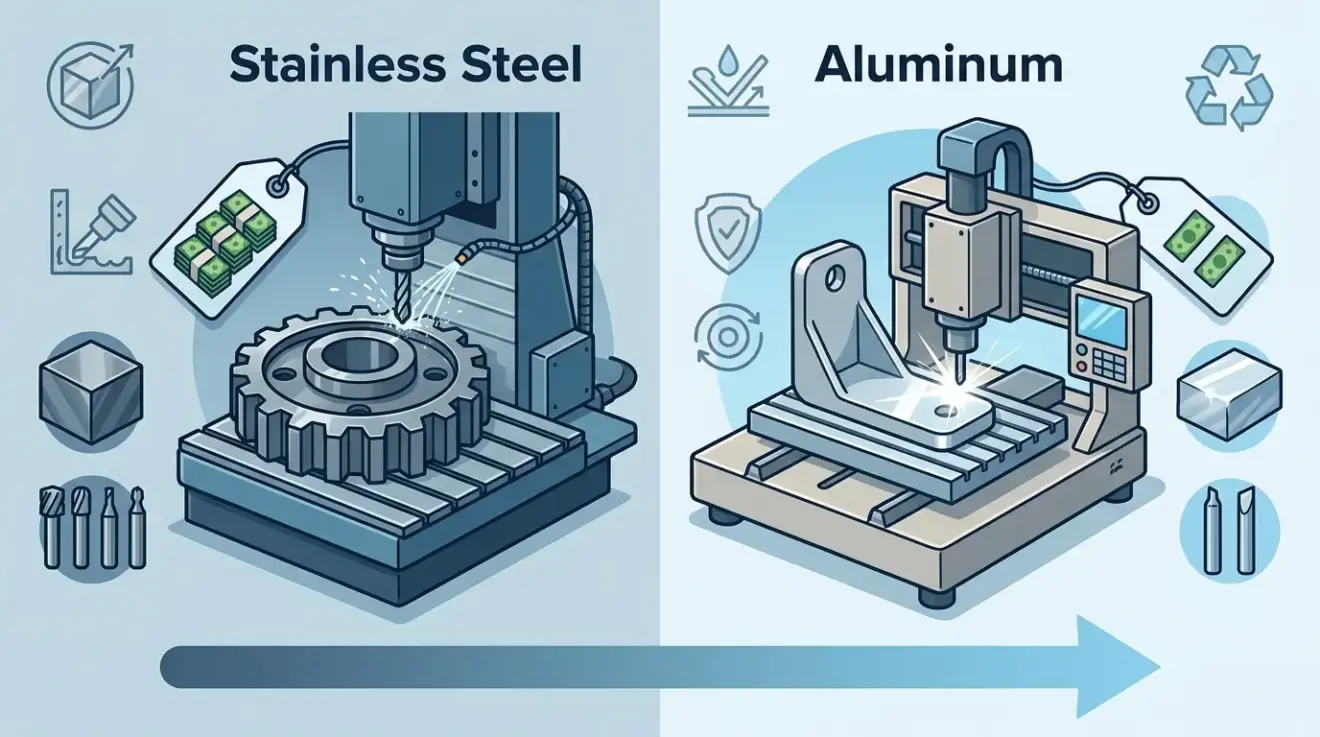
CNC Stainless Steel Parts vs Aluminum Parts: What Changes in Cost and Difficulty
Wednesday, 29 April 2026
The same CAD model can trigger two very different manufacturing strategies depending on whether the part is cut from aluminum or stainless steel. Buyers often expect the price difference to show up mainly in the raw stock line. In practice, the larger shift usually happens inside the route itself. Cycle time changes. Tooling stress changes.
- Published in Blog
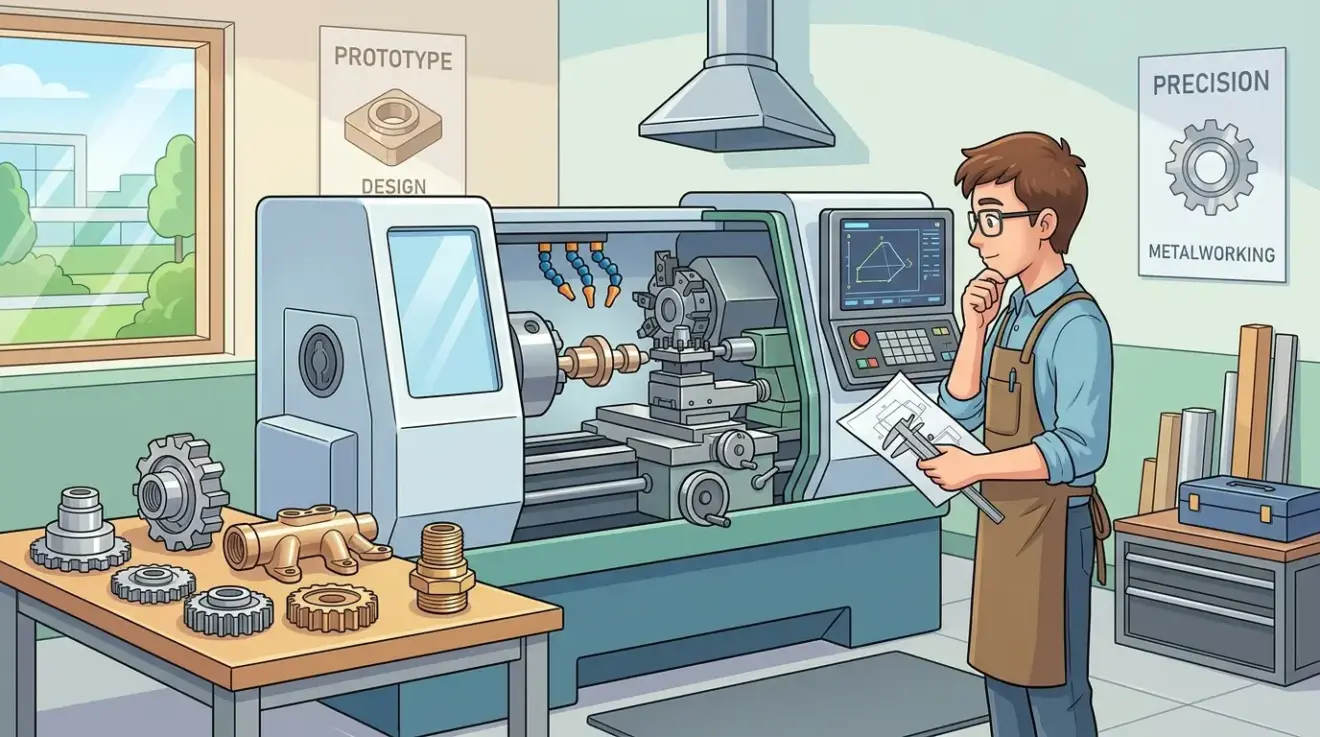
CNC Metal Lathe Buying Guide for Small Shops and Prototype Work
Wednesday, 29 April 2026
Small shops usually regret a lathe purchase for one of two reasons. Either the machine is undersized for the jobs that actually bring revenue, or it is oversized for the shop’s real workload and becomes an expensive monument to future plans that never fully arrive. Prototype work makes that tension sharper because the queue changes
- Published in Blog
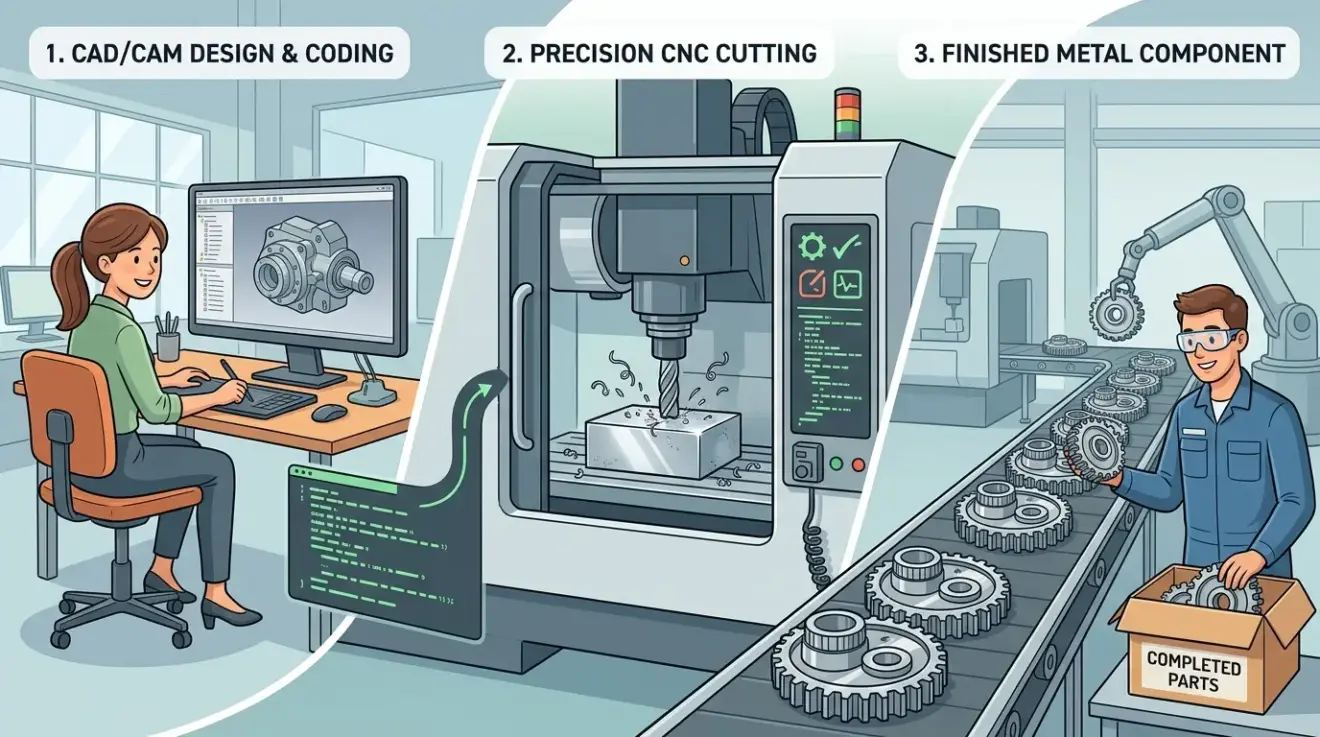
What Is CNC Machining and How Does It Work?
Wednesday, 29 April 2026
CNC machining is the broader manufacturing method behind the phrase most buyers hear long before they understand the real workflow. People know it means computer-controlled production, but that shortcut is too thin to help with a machine purchase, a supplier review, or a decision about whether a part should be machined at all. What matters
- Published in Blog
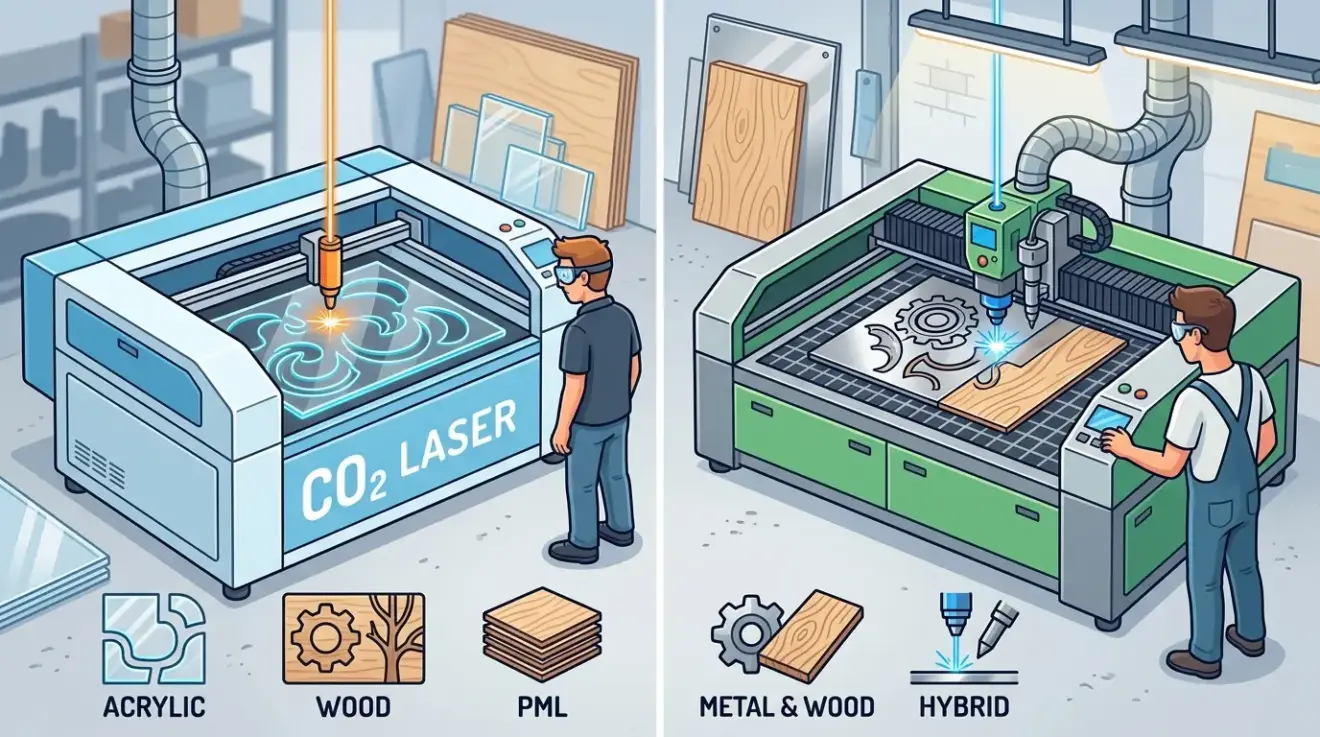
CO2 Laser Cutting Machines for Acrylic, Wood, and Mixed Materials: How to Choose the Right Setup
Wednesday, 29 April 2026
Buying a CO2 laser cutting machine for acrylic and wood is usually straightforward until the production queue stops being simple. A demo may look convincing on one acrylic sheet or one plywood sample, but real factory output depends on how reliably the machine moves between different materials without repeated setup drift, edge-quality problems, and operator
- Published in Blog
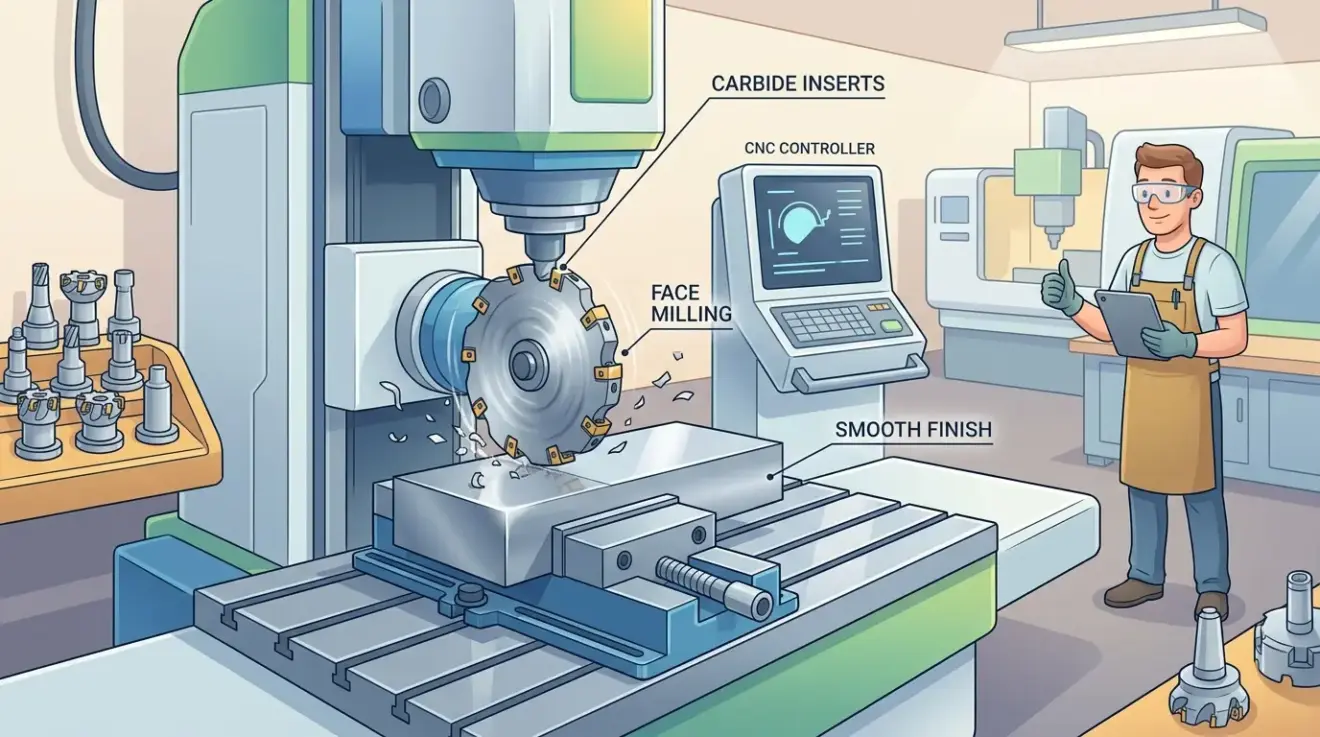
What Is Face Milling in CNC?
Wednesday, 29 April 2026
Face milling sounds simple because the geometry looks simple. The cutter moves across a broad surface, removes material, and leaves a flatter face behind. But in actual production, face milling often matters far more than its appearance suggests. The first clean face on a raw blank may become the reference for the rest of the
- Published in Blog
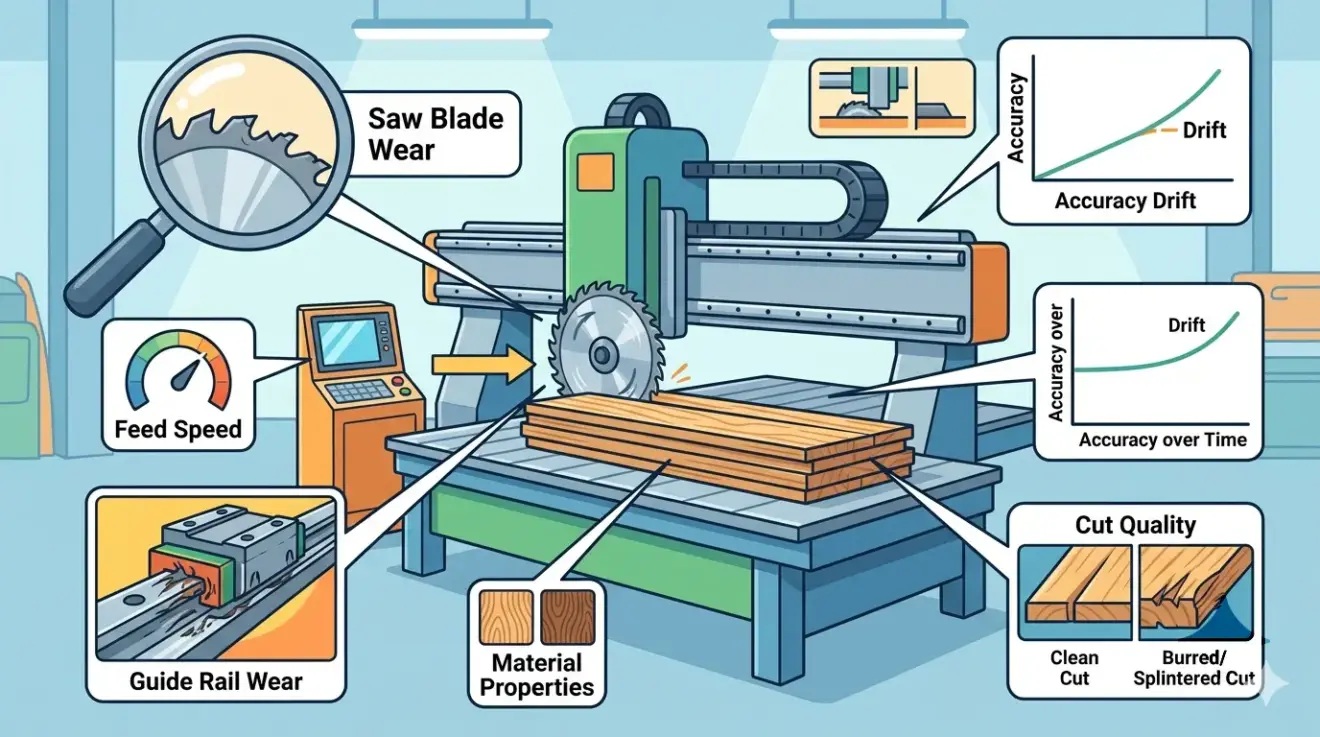
Beam Saw Accuracy Over Time: What Affects Cut Quality and Why It Drifts
Wednesday, 29 April 2026
In batch panel production, beam saw accuracy rarely disappears in one obvious breakdown. Cut quality usually changes through smaller shifts in blade condition, referencing stability, clamping consistency, contamination, material behavior, and machine wear. By the time operators notice more chipping, slightly inconsistent sizes, or rougher edges, the problem is often already affecting edge processing, drilling,
- Published in Blog
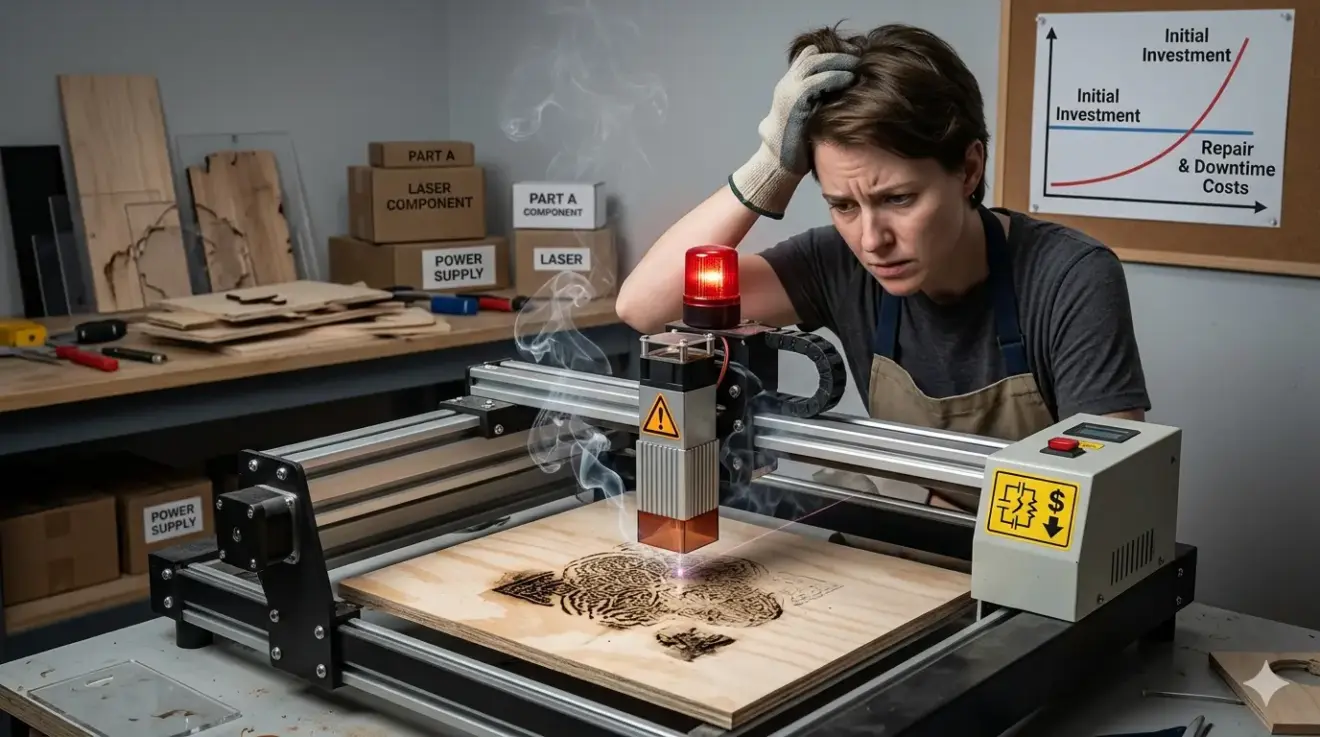
Cheap Laser Engraver? When Lower Upfront Cost Turns Into Higher Production Risk
Wednesday, 29 April 2026
The lowest laser quote often looks efficient on paper. In practice, it can shift cost from the purchase order into the production floor, where the damage shows up as unstable quality, slower changeovers, more cleanup, and more operator intervention. That is why a cheap laser engraver is not automatically a low-cost decision. For buyers comparing
- Published in Blog
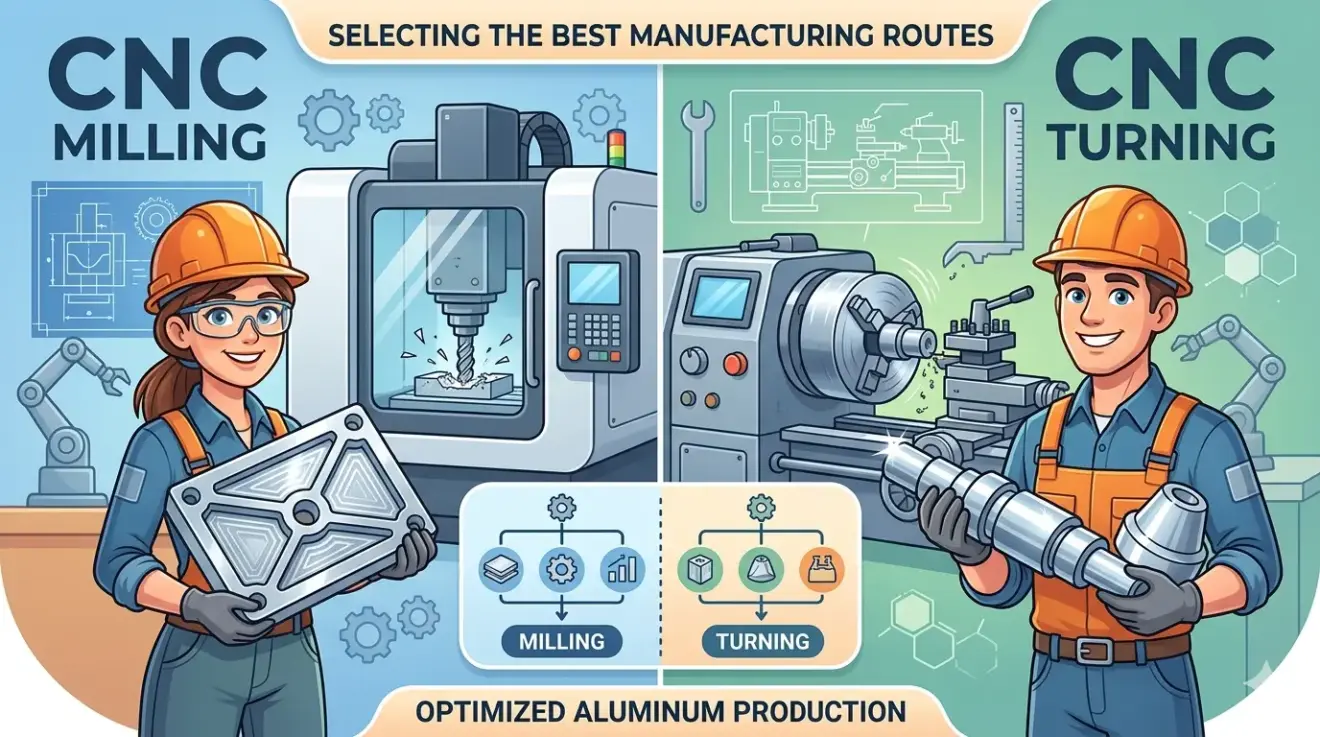
Milled Aluminum Plates and Aluminum CNC Turning Parts: Best Manufacturing Routes
Wednesday, 29 April 2026
Aluminum parts often look simpler than they are. Buyers see a plate and assume milling. They see a round part and assume turning. Those instincts are usually directionally correct, but real manufacturing routes become clear only after geometry, tolerance strategy, lot size, material condition, finish requirements, and inspection logic are understood together. A prismatic plate
- Published in Blog
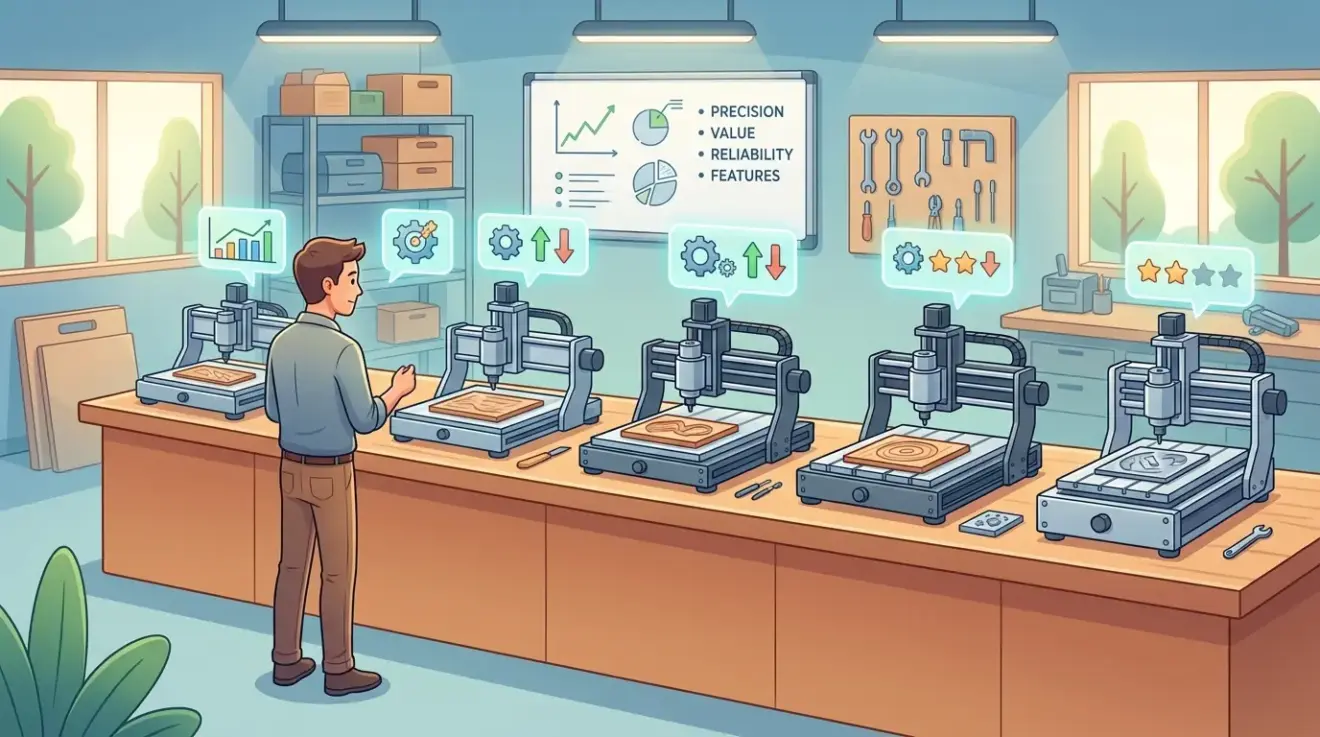
Gatton CNC, Skyone CNC, Novakon CNC, MCWDoit CNC, and Newker CNC: A Practical Buyer Screening Guide
Wednesday, 29 April 2026
When buyers search several lower-visibility CNC names together, the search usually signals uncertainty about the market rather than confidence in a real shortlist. Gatton CNC, Skyone CNC, Novakon CNC, MCWDoit CNC, Newker CNC, and similar names often appear in the same conversation because buyers are trying to compare lesser-known options against each other before they
- Published in Blog