
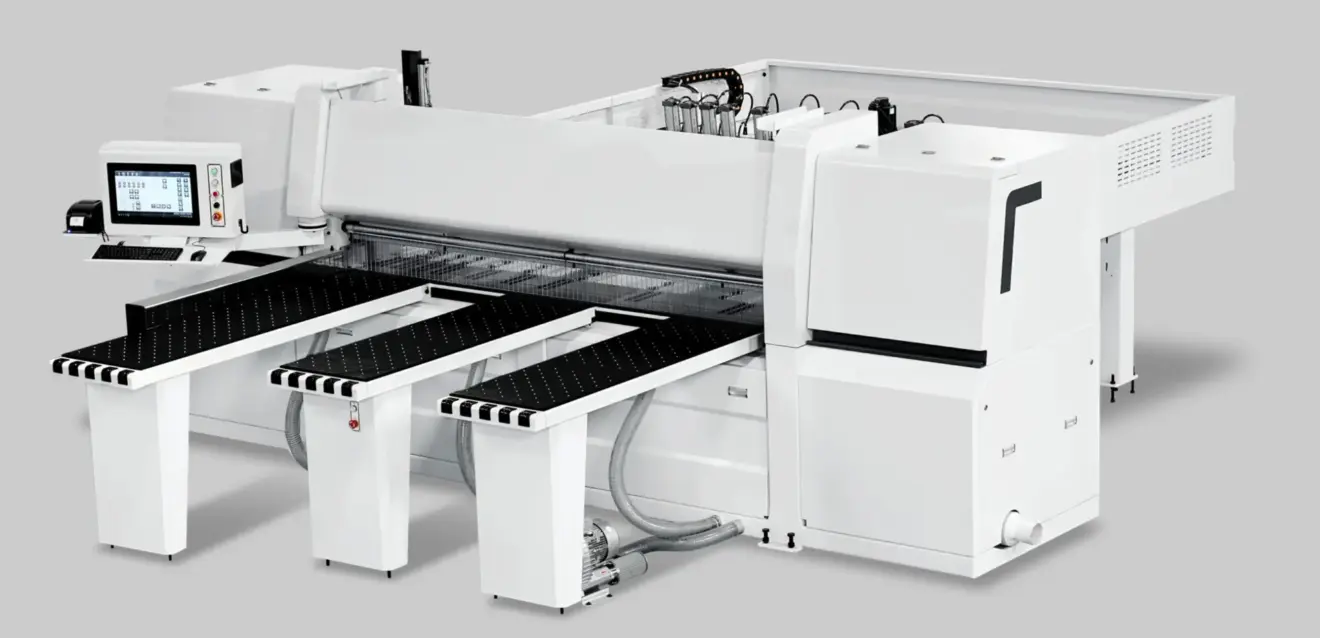
Beam Saws Explained: How They Work and Where They Fit in Panel Processing
Friday, 17 April 2026
In panel furniture production, the cutting cell does more than size boards. It sets the pace for edge processing, drilling, sorting, and assembly. When the first step is inconsistent, every downstream department spends more time correcting dimensions, rechecking parts, or working around avoidable delays. That is where a beam saw usually enters the conversation. A
- Published in Wood
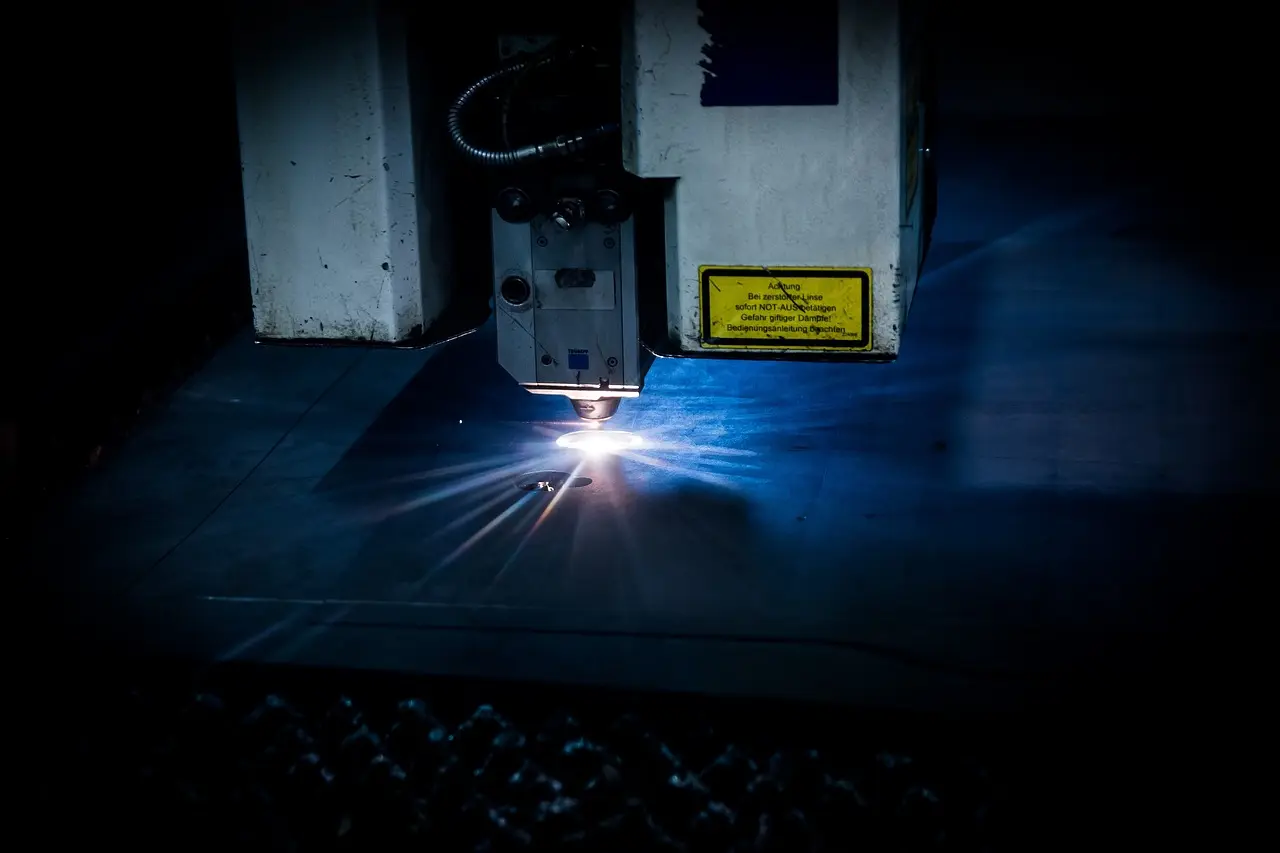
New vs Used Laser Cutter: Which Option Delivers Better Long-Term ROI?
Friday, 17 April 2026
The buying problem usually appears simple: a used laser cutter costs less today, while a new machine protects you against more unknowns tomorrow. In real production, that trade-off is rarely decided by purchase price alone. It is decided by how many acceptable parts the machine can produce over time, how often it interrupts the workflow,
- Published in Laser
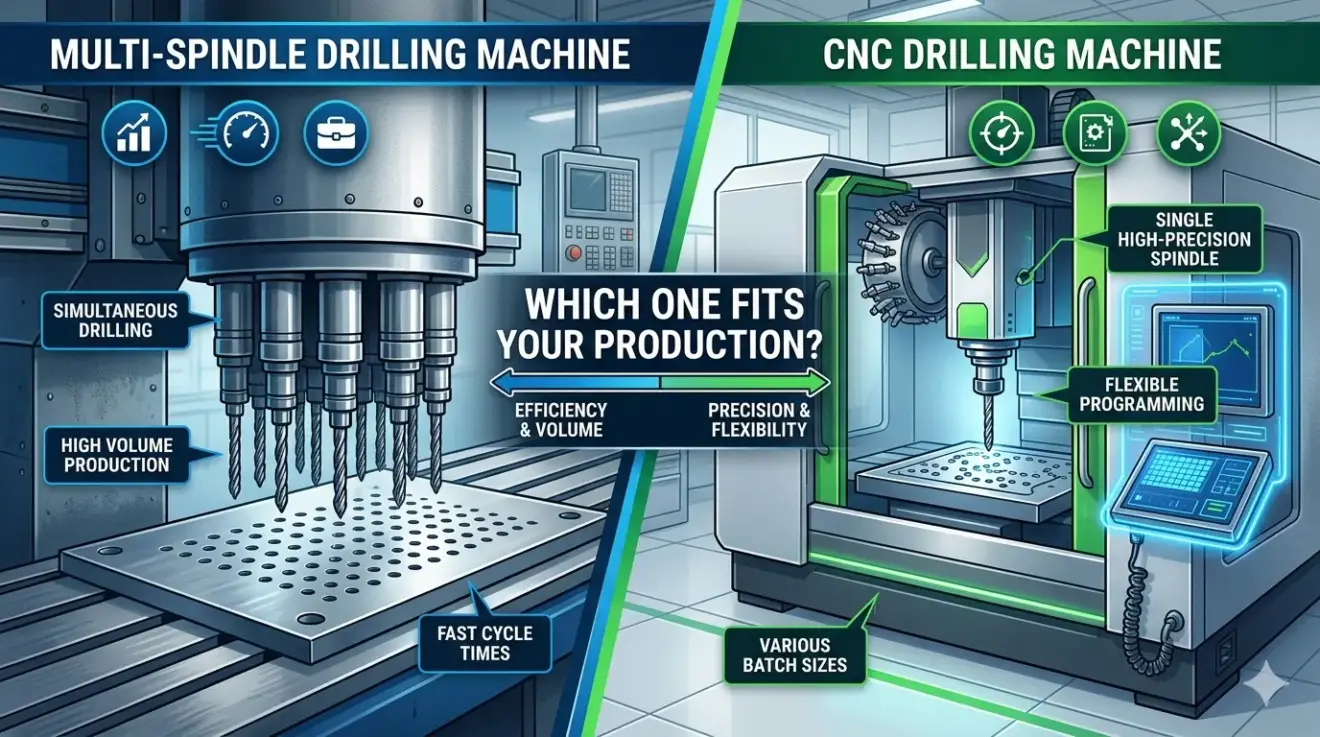
Multi-Spindle Drilling Machine vs. CNC Drilling Machine: Which One Fits Your Production?
Thursday, 16 April 2026
When hardware-hole processing starts slowing a cabinet or furniture line, buyers often ask which machine is “better.” In practice, the decision is rarely about drilling alone. It is about how much of the work repeats, how often patterns change, and whether the drilling cell is expected to behave like a dedicated production station or a
- Published in Wood
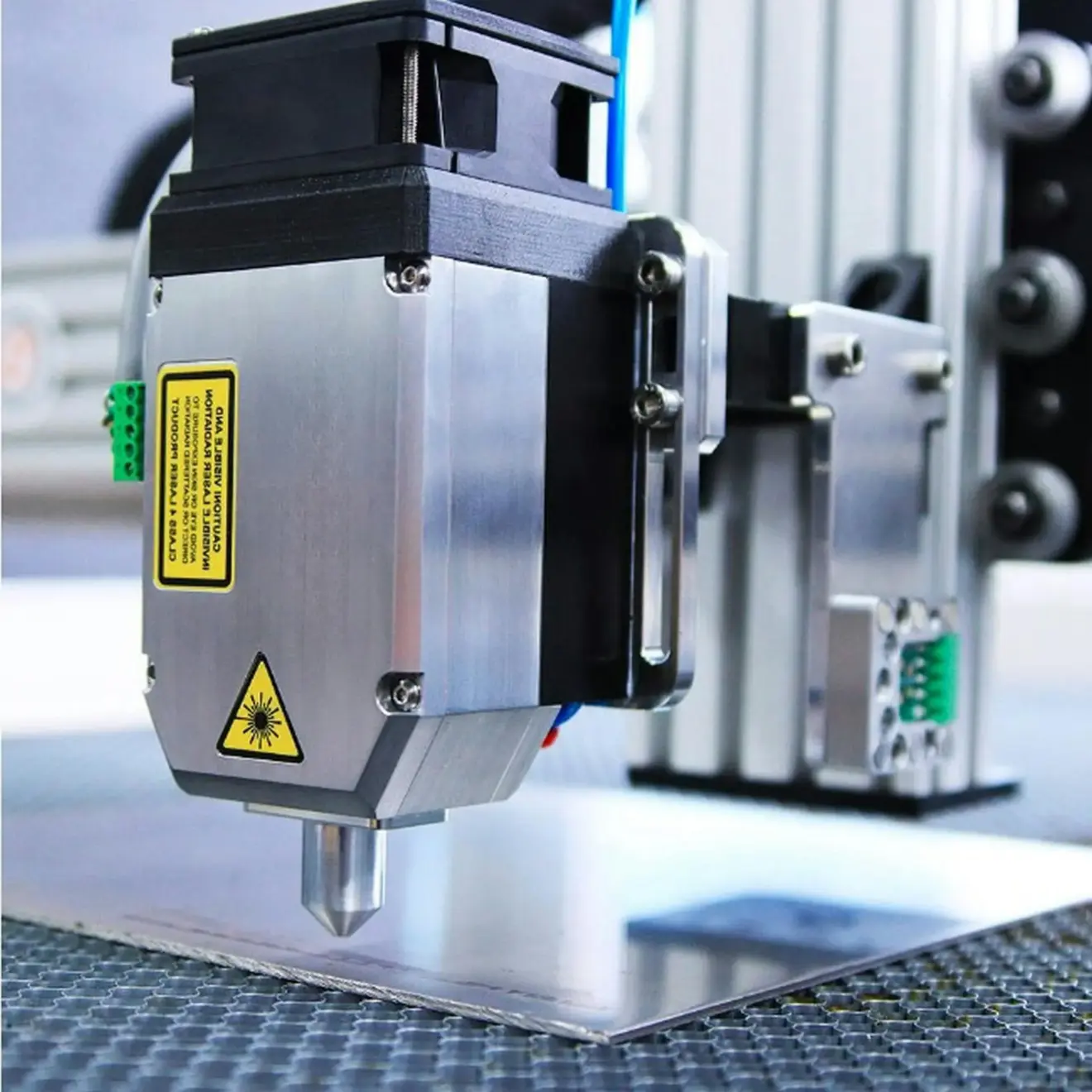
How to Choose a Metal Engraving Machine for Permanent Part Marking
Thursday, 16 April 2026
In many factories, part marking is treated like a small finishing step until unreadable codes start causing real production problems. A weak mark can create traceability gaps, confuse assembly teams, slow inspection, and turn warranty analysis into guesswork. That is why choosing a metal engraving machine for permanent part marking is less about the label
- Published in Laser
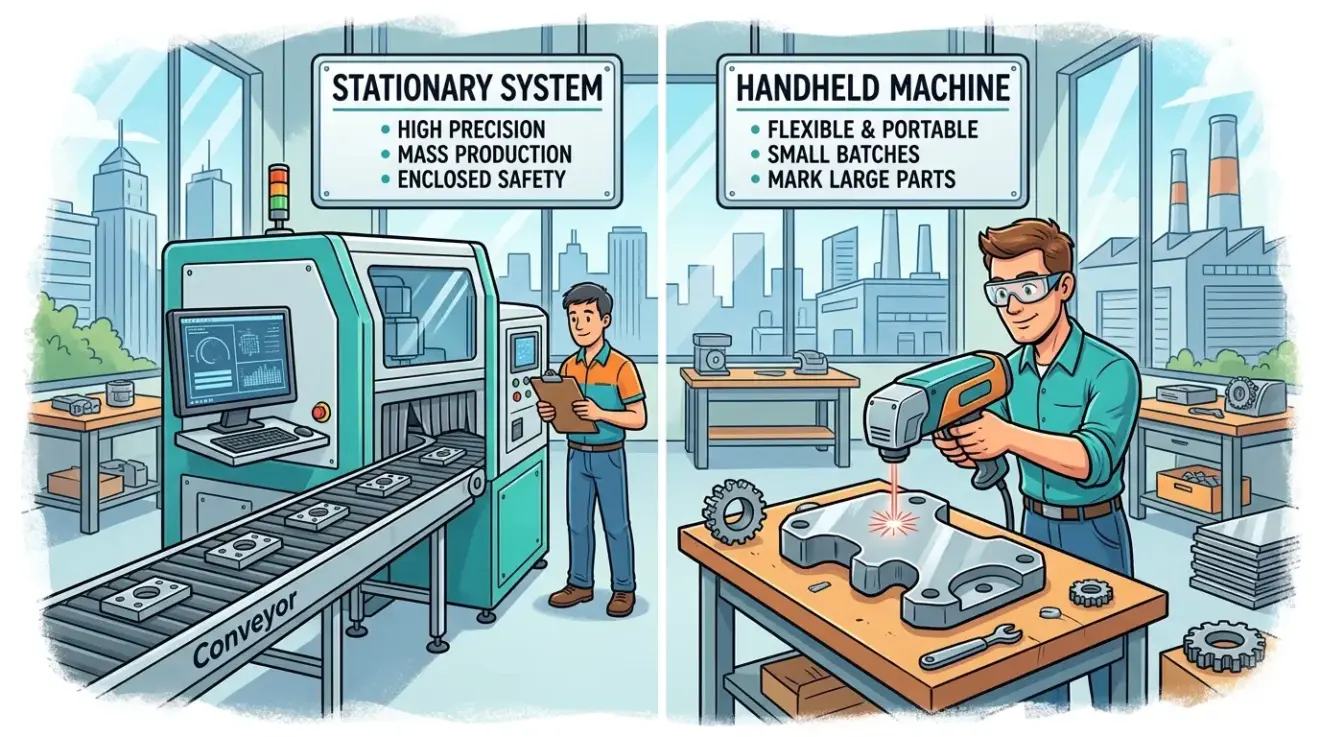
Handheld Laser Marking Machine vs Fixed Laser Marking System: Which One Fits Your Shop?
Thursday, 16 April 2026
Most shops do not ask this question at the start of a project. They ask it when marking becomes a friction point. Large assemblies are awkward to move, serialized parts need more consistent codes, or operators are spending too much time repositioning work just to add an ID mark. That is why the real decision
- Published in Laser
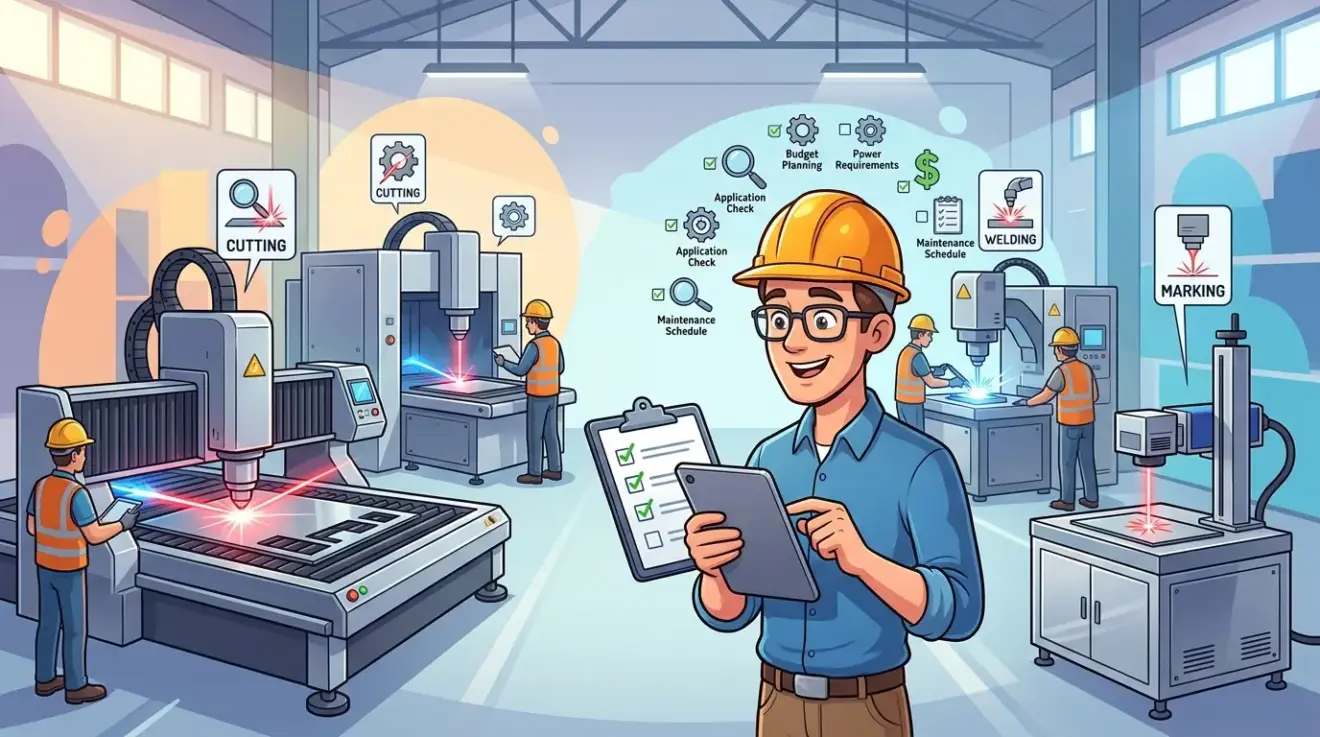
Industrial Laser Machinery Checklist for First-Time Buyers
Thursday, 16 April 2026
Most first-time laser purchases go wrong before the machine ever ships. The common failure is not choosing the “wrong brand” in the abstract. It is buying a system without clearly defining the material mix, the real daily workload, the acceptable finish standard, and the installed scope needed to make the machine productive. For first-time buyers,
- Published in Laser
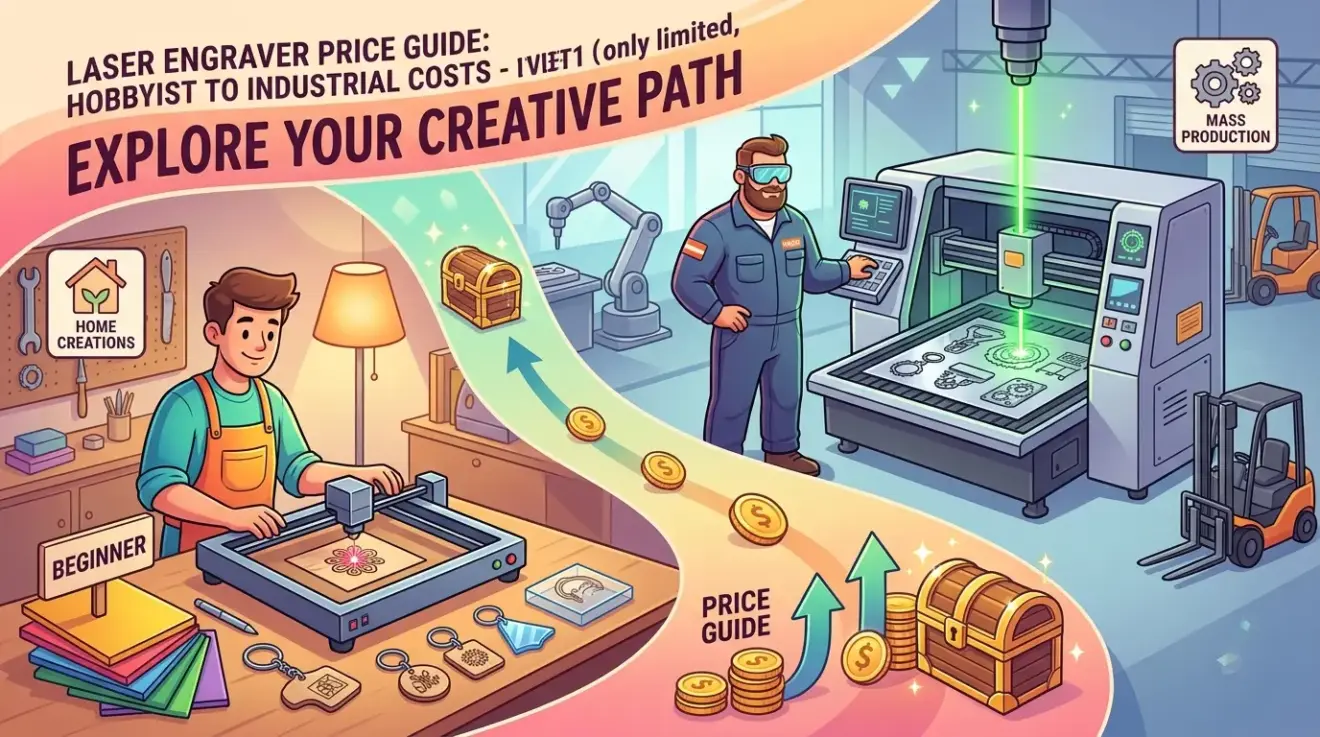
Laser Engraver Price Guide: Entry-Level vs Industrial Costs Explained
Thursday, 16 April 2026
Buyers researching laser engraver pricing often see a desktop machine advertised for a few hundred dollars and then receive an industrial quote that is tens of thousands higher. Those two numbers are not really competing offers. They usually represent different materials, different duty expectations, different quality standards, and very different levels of operational support. For
- Published in Laser
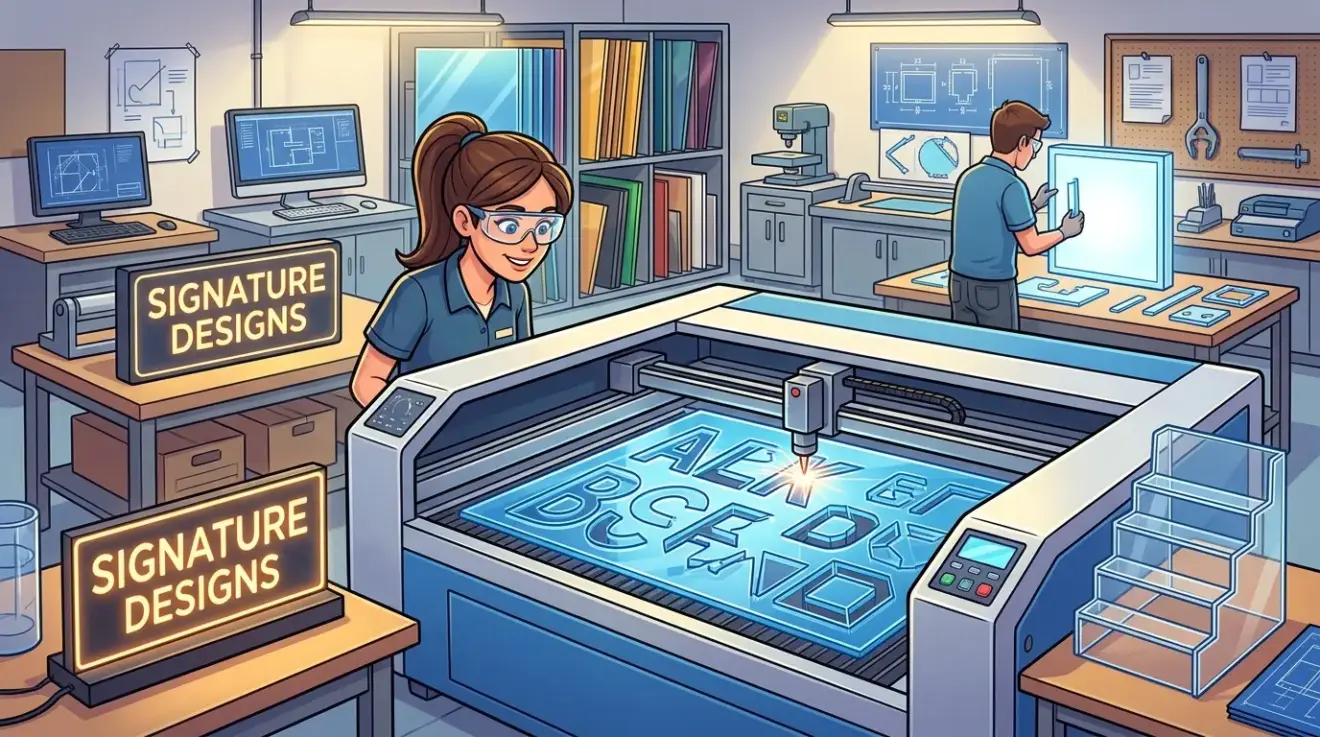
Acrylic Laser Cutter for Sign Making and Display Fabrication: What Matters Most in Production
Thursday, 16 April 2026
Approving an acrylic laser cutter on a clean sample is easy. The harder test starts when the daily schedule mixes letter sets, illuminated sign faces, clear display risers, brochure holders, branded inserts, and short-run revisions that all need to leave the machine looking consistent and fitting correctly. For teams evaluating laser cutters and engravers for
- Published in Laser

Jewelry Engraving Machine: What Precision Buyers Should Look For
Thursday, 16 April 2026
A jewelry engraving machine can look impressive in a product demo, but precision buyers usually run into trouble after the machine arrives, not before. A single clean sample on a flat test piece does not prove that the system will hold fine text on a curved ring, keep logo placement consistent on small pendants, or
- Published in Laser
Laser Etcher vs Mechanical Engraving Machine: Which One Fits Your Product Line?
Thursday, 16 April 2026
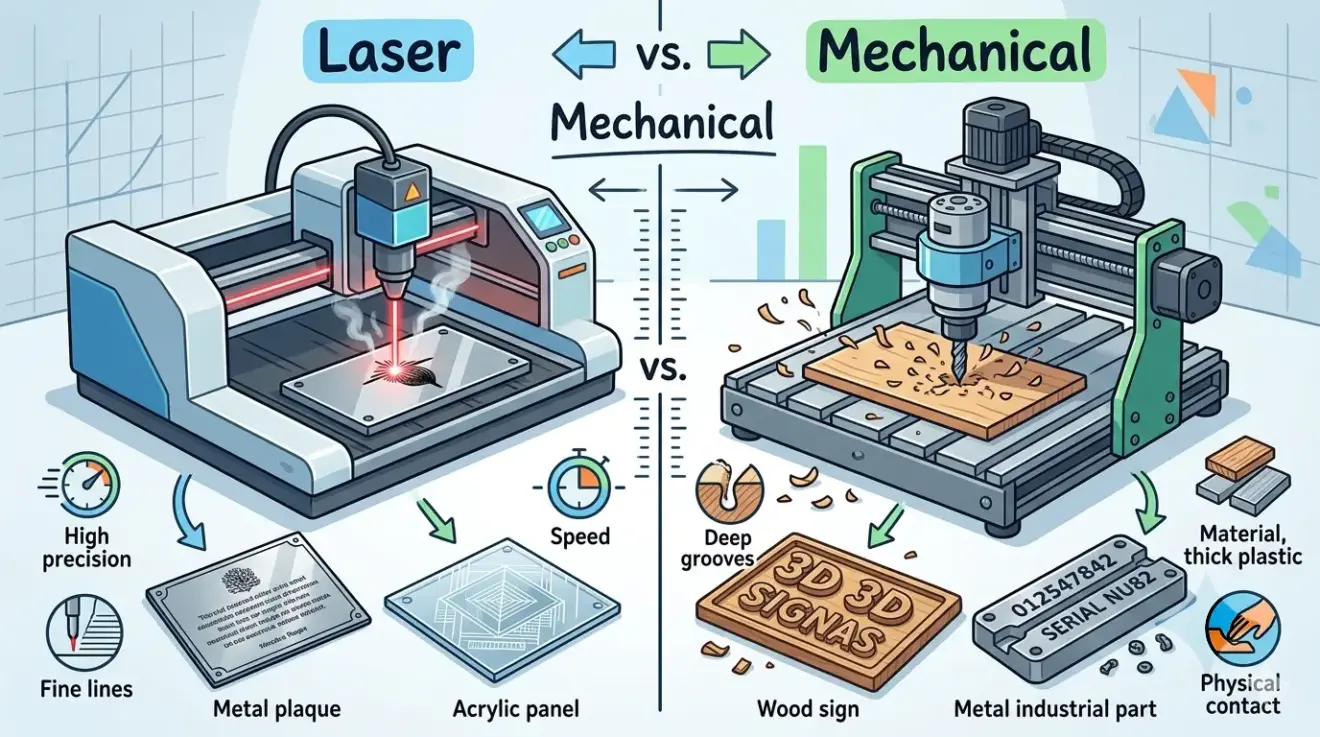
A buyer may ask for “an engraving machine” when the real decision is much narrower: does the product line need fast surface graphics, or does it need controlled material removal with visible depth? Decorative wood panels, acrylic display parts, branded gift items, serialized components, and recessed legends can all sit under the same purchasing conversation,
- Published in Laser
Laser Cutter Applications Across Wood, Acrylic, Metal, and Plastic
Thursday, 16 April 2026
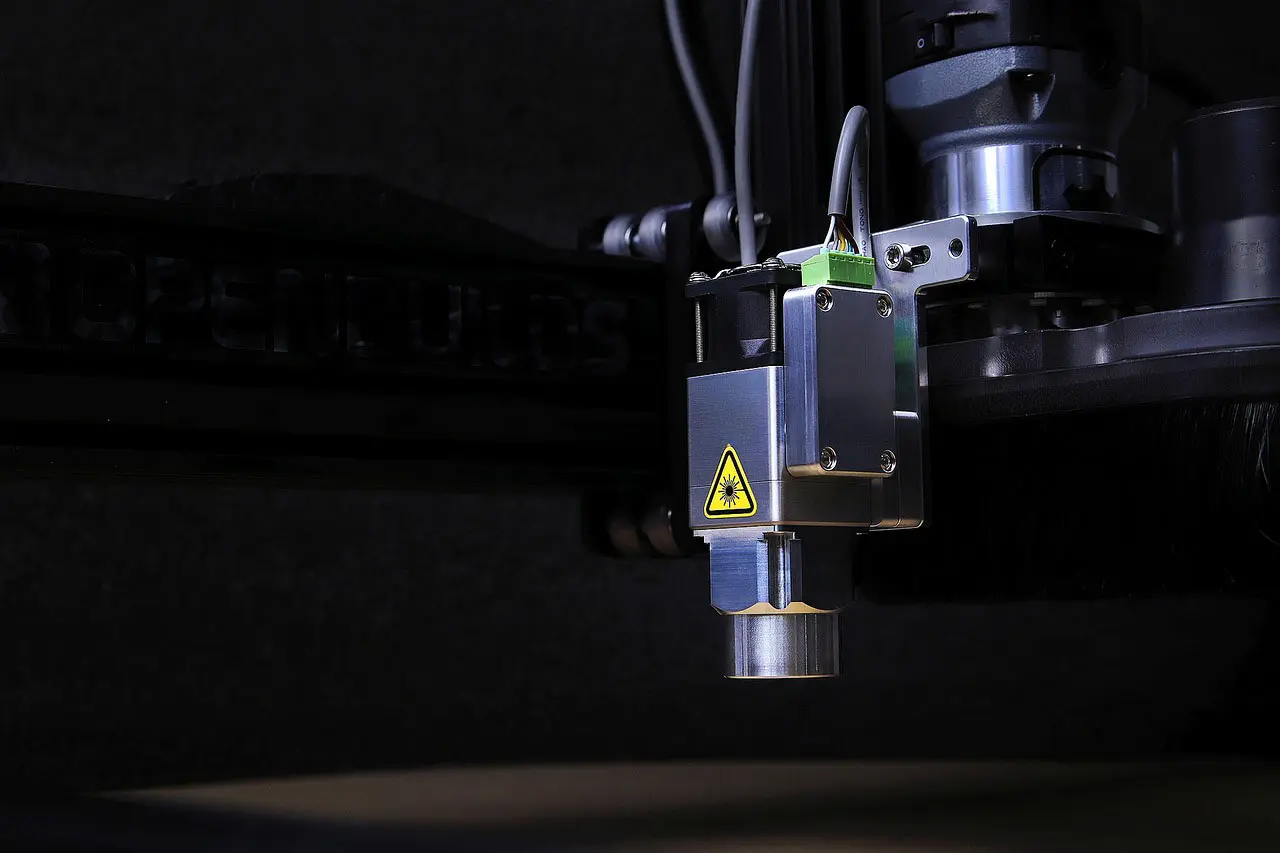
Laser cutters are not used the same way across every material. A machine that performs well on acrylic signage may not be the right choice for metal fabrication, and a setup that works for wood engraving may be poorly matched to heat-sensitive plastics. That is why the real value of laser cutting is not just
- Published in Laser
How Wide Belt Sanders Improve Surface Quality In Woodworking Production
Thursday, 16 April 2026
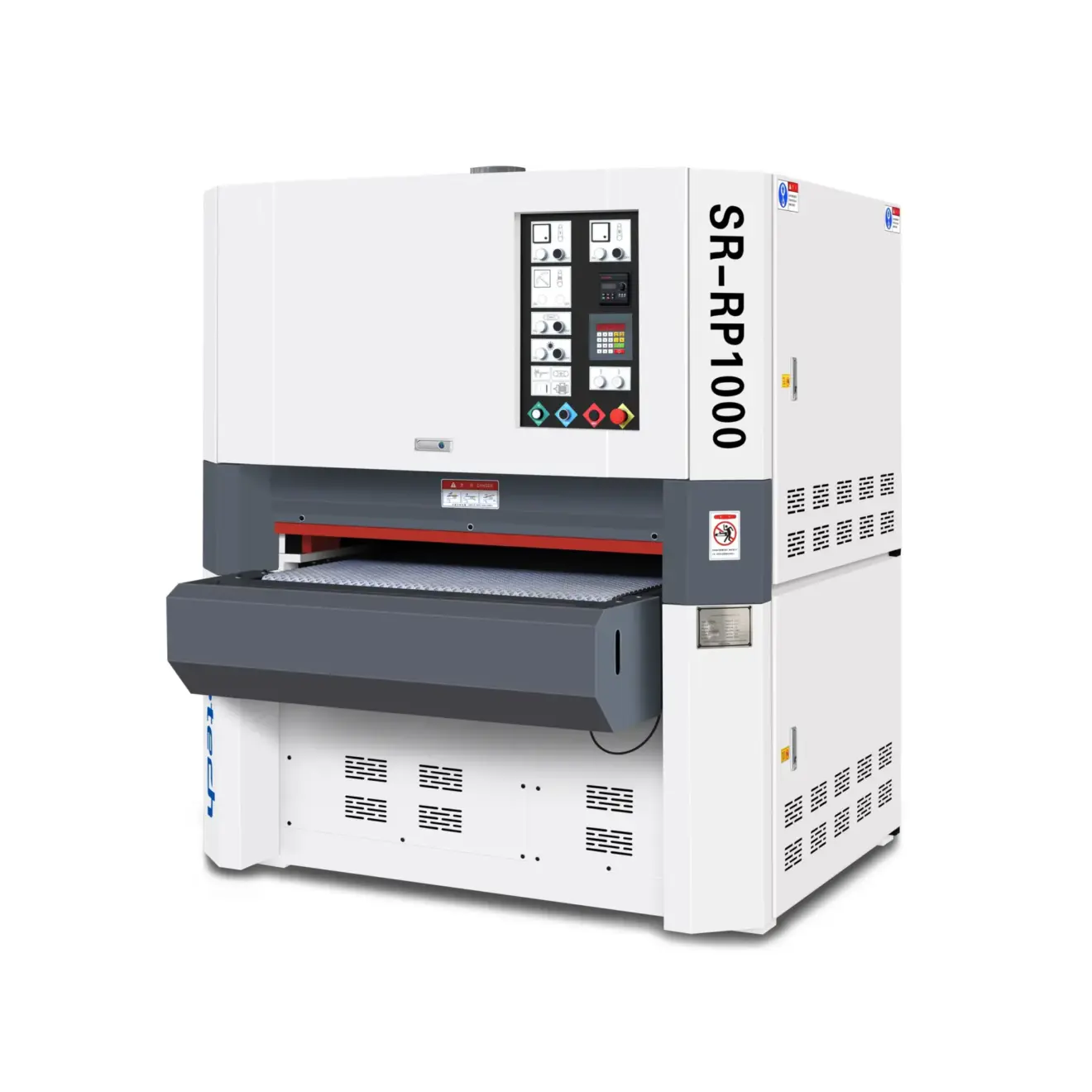
In woodworking, surface quality problems rarely begin in the finishing room. A panel can be cut accurately, drilled correctly, and assembled to the right dimensions, yet still create trouble later if the face shows milling lines, thickness variation, uneven sanding marks, or an inconsistent scratch pattern. Those defects usually become more obvious, not less, once
- Published in Wood
Industrial Laser Cutter vs Desktop Laser Cutter: Which One Fits Your Shop?
Wednesday, 15 April 2026
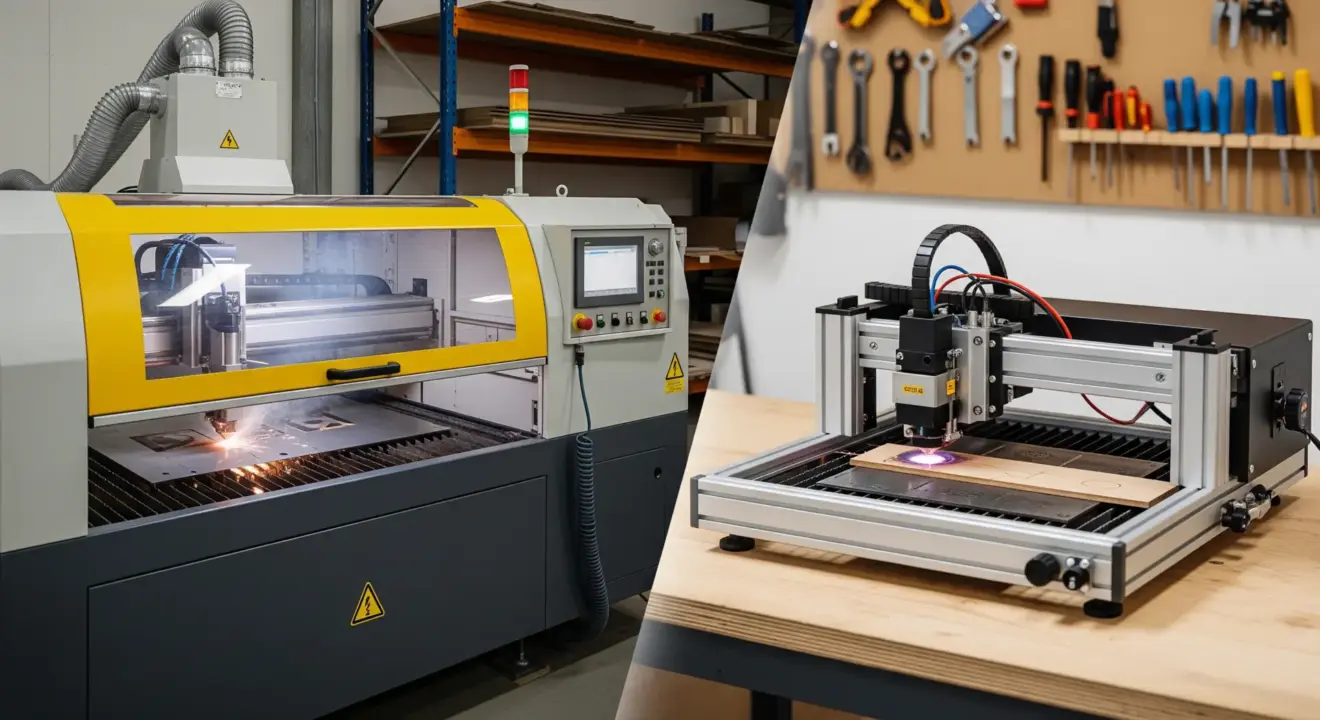
An industrial laser cutter fits shops that need repeatable commercial output, longer runtimes, larger work areas, and cleaner integration into daily production. A desktop laser cutter fits prototyping, sampling, light short-run work, and smaller shops that need laser capability without committing to a full production-scale system. Choosing between an industrial laser cutter and a desktop
- Published in Laser
How To Scale Stone Fabrication With CNC Automation
Wednesday, 15 April 2026
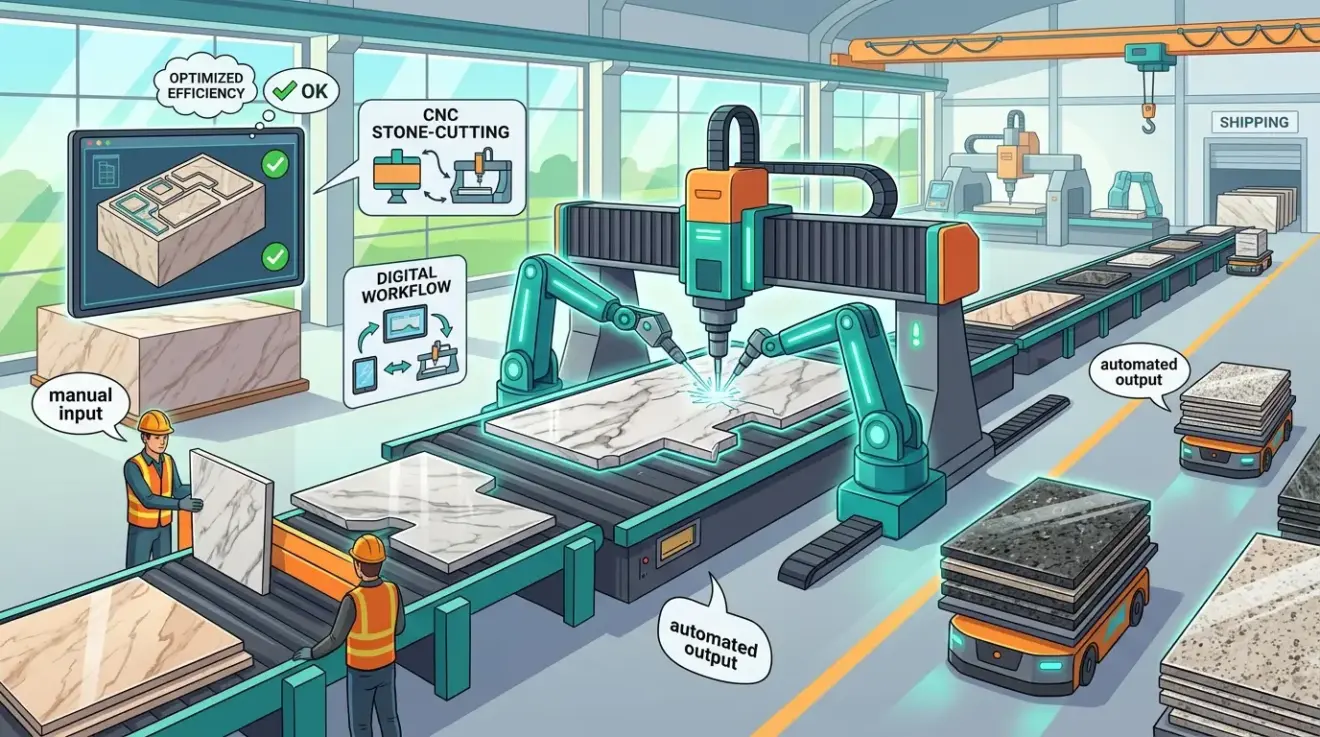
In stone fabrication, growth rarely stalls because demand disappears. It usually stalls because shaping, profiling, opening preparation, and repeat machining still depend too heavily on manual interpretation. Once the shop moves from a limited number of custom jobs to a steady flow of countertops, vanity tops, stair parts, wall panels, or architectural stone components, inconsistency
- Published in Stone
CNC Stone Machine vs. Bridge Saw: What Is the Difference?
Wednesday, 15 April 2026
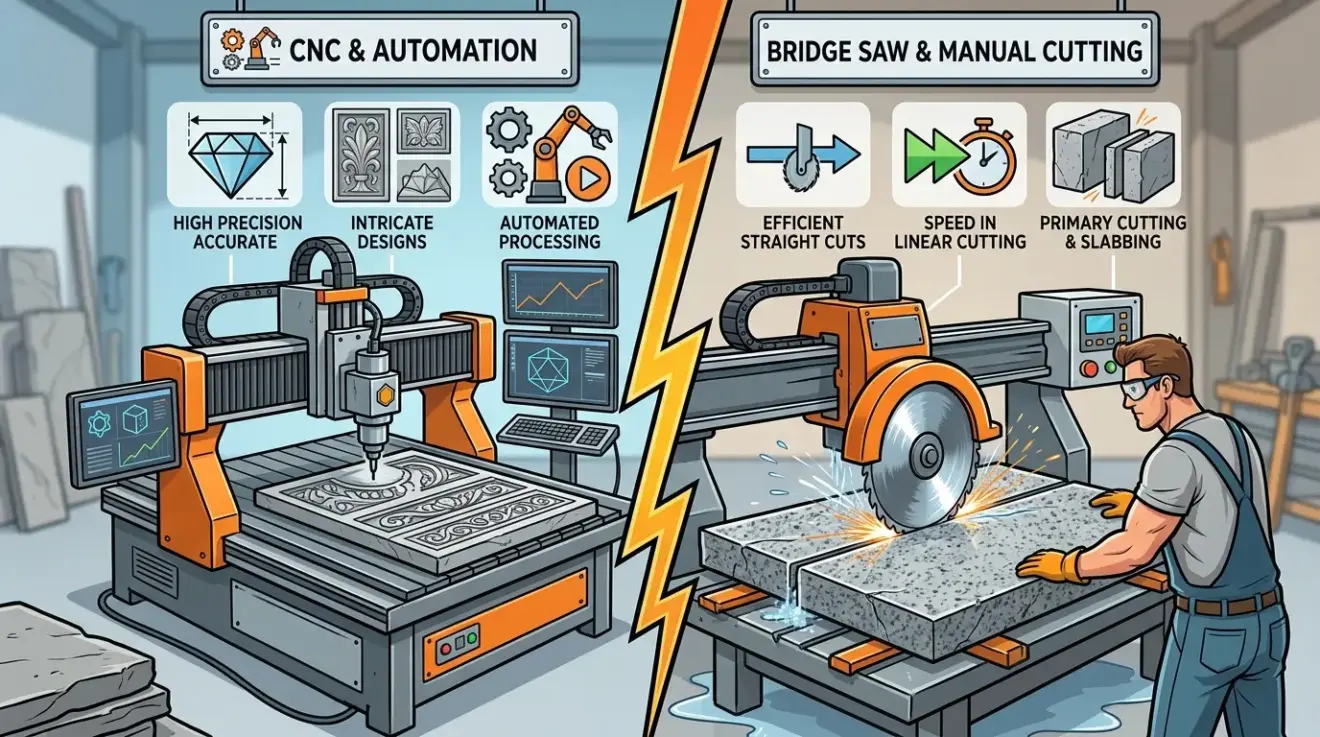
When a stone shop starts falling behind, the problem is often not demand by itself. It is the gap between slab cutting and finished-part machining. Straight cuts may move quickly, but sink cutouts, edge profiles, shaped pieces, and detail work can still pile up in secondary operations. That is usually when buyers start asking whether
- Published in Stone
Laser Wood Cutting Machines: How to Get Cleaner Edges and Better Throughput
Wednesday, 15 April 2026
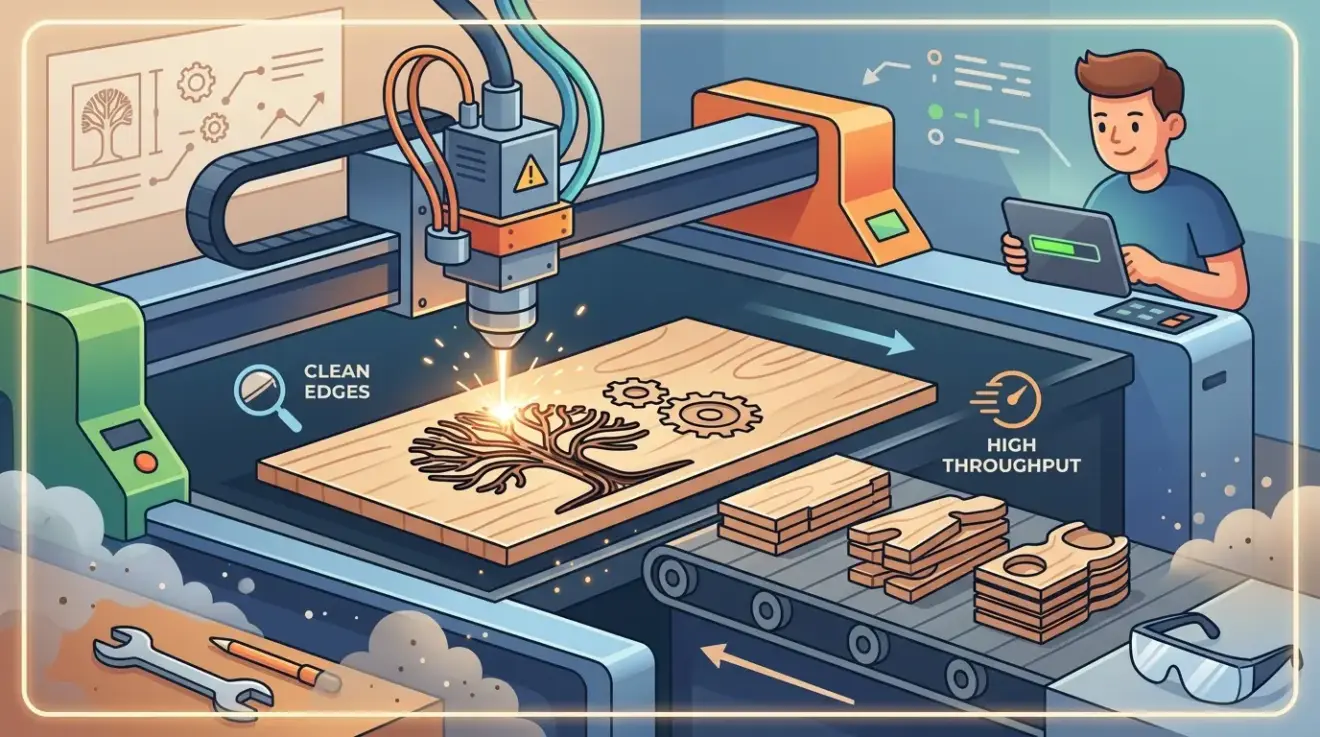
In wood laser cutting, cleaner edges and higher output usually rise or fall together. Shops that focus only on cutting speed often end up with darker edges, more scrap, more inspection, and more manual cleanup. Shops that focus only on appearance can protect quality but choke capacity with overly cautious settings and repeated adjustments. For
- Published in Laser
Industrial Laser Cutter for Stainless Steel and Carbon Steel
Wednesday, 15 April 2026
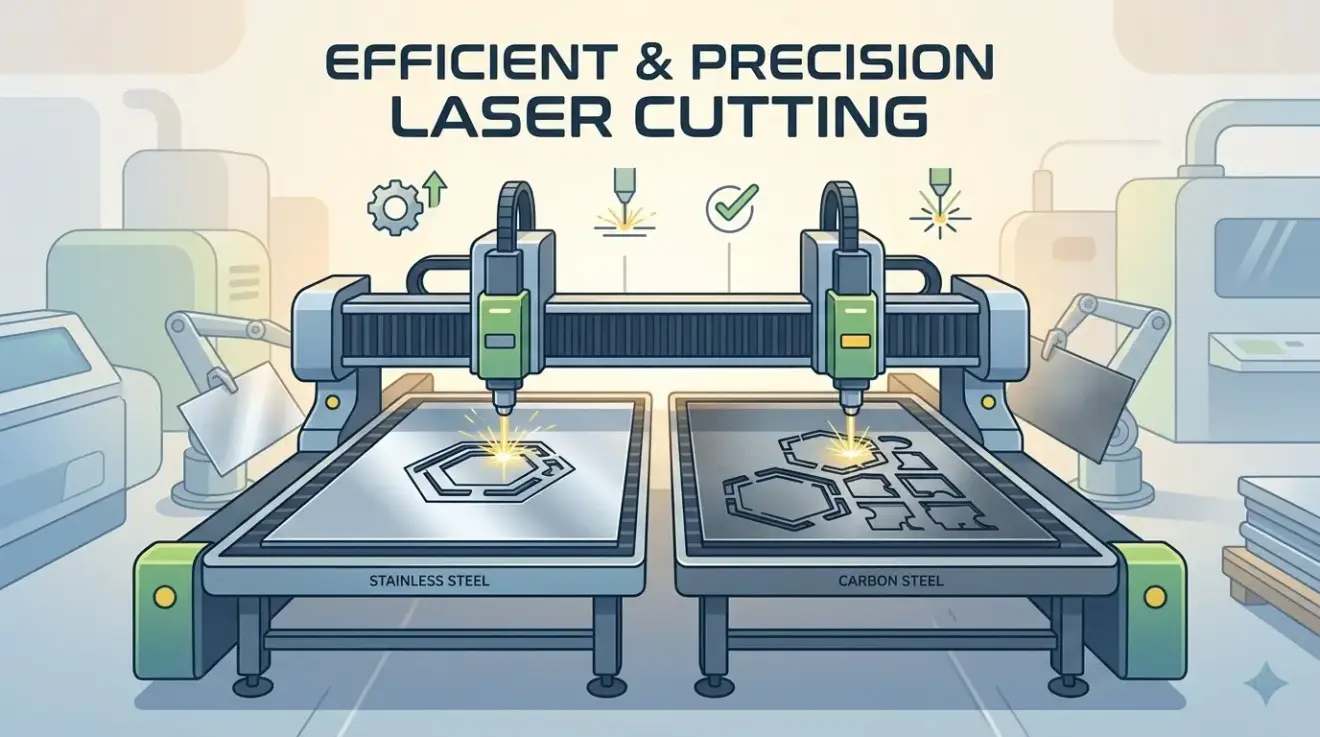
Choosing one laser cutting setup for both stainless steel and carbon steel sounds efficient on paper, but the real decision is not simply whether one machine can cut both materials. The real question is whether the machine, gas strategy, automation level, and process control can deliver the edge quality, throughput, and downstream consistency your production
- Published in Laser
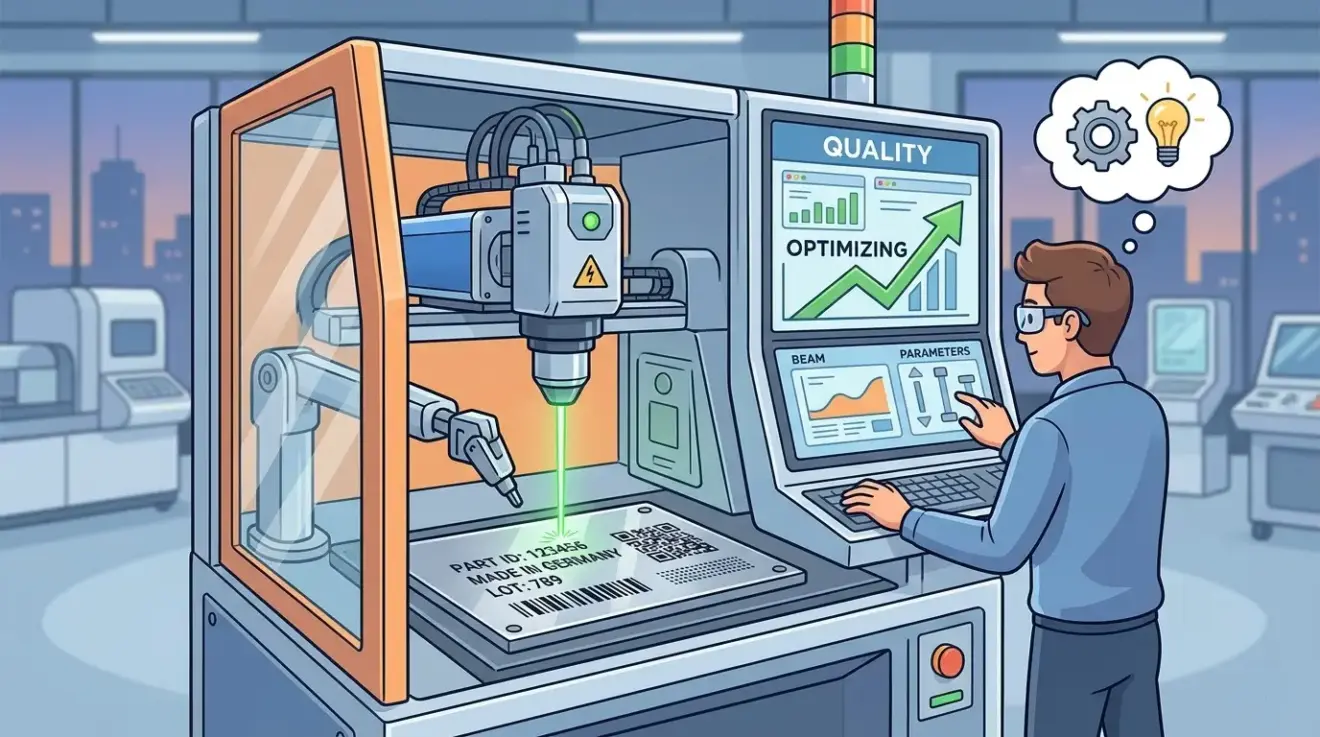
Laser Etching Machine for Metal: How to Improve Mark Quality in Production
Wednesday, 15 April 2026
Metal marks often fail for a simple reason: the sample looked good, but the production process was never really under control. A logo may appear sharp on a flat test coupon, then lose contrast on actual parts with oil residue, mixed finishes, or slight height variation. A data matrix code may read well at the
- Published in Laser
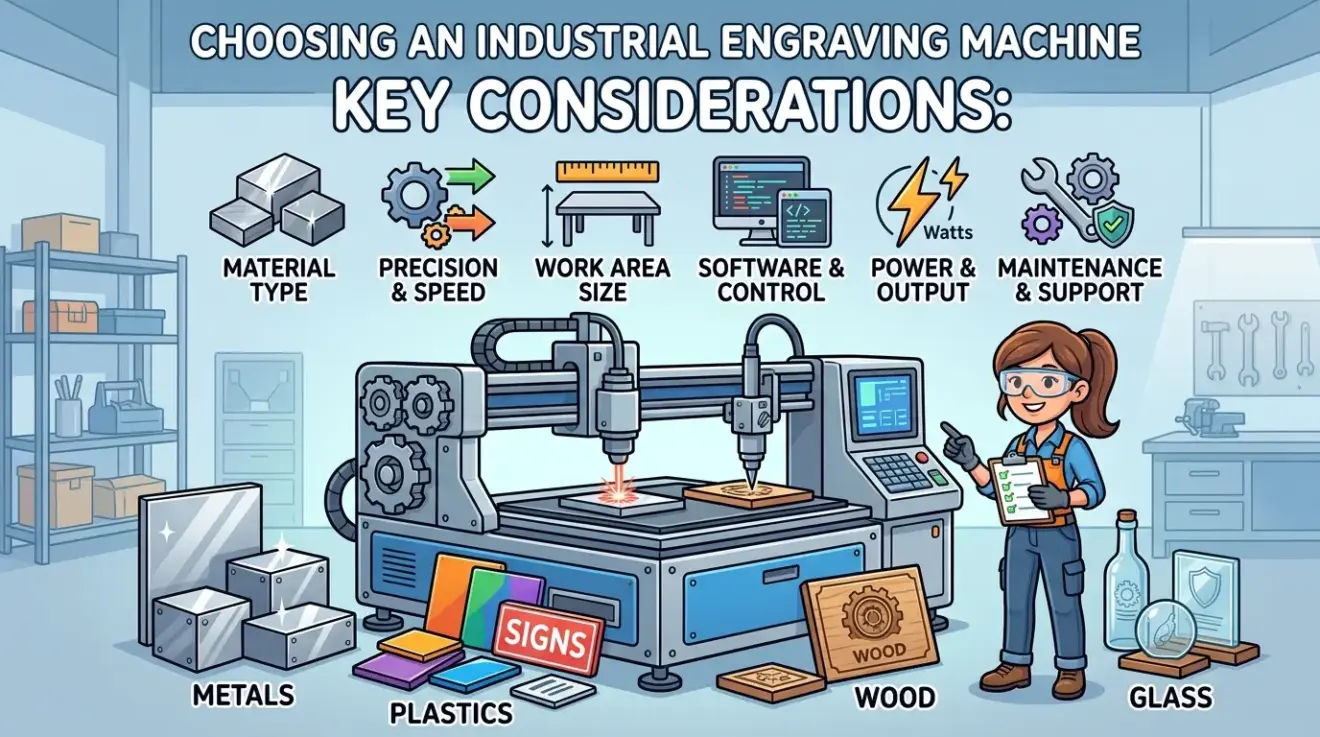
How to Choose an Engraving Machine for Industrial Applications
Wednesday, 15 April 2026
Many buyers start with the wrong question. They ask which engraving machine is best before they define what the machine must actually do in production. In industrial use, engraving can mean decorative surface work on acrylic, branding on wood panels, permanent identification on metal parts, deep material removal, or carved detailing on hard materials. Those
- Published in Laser
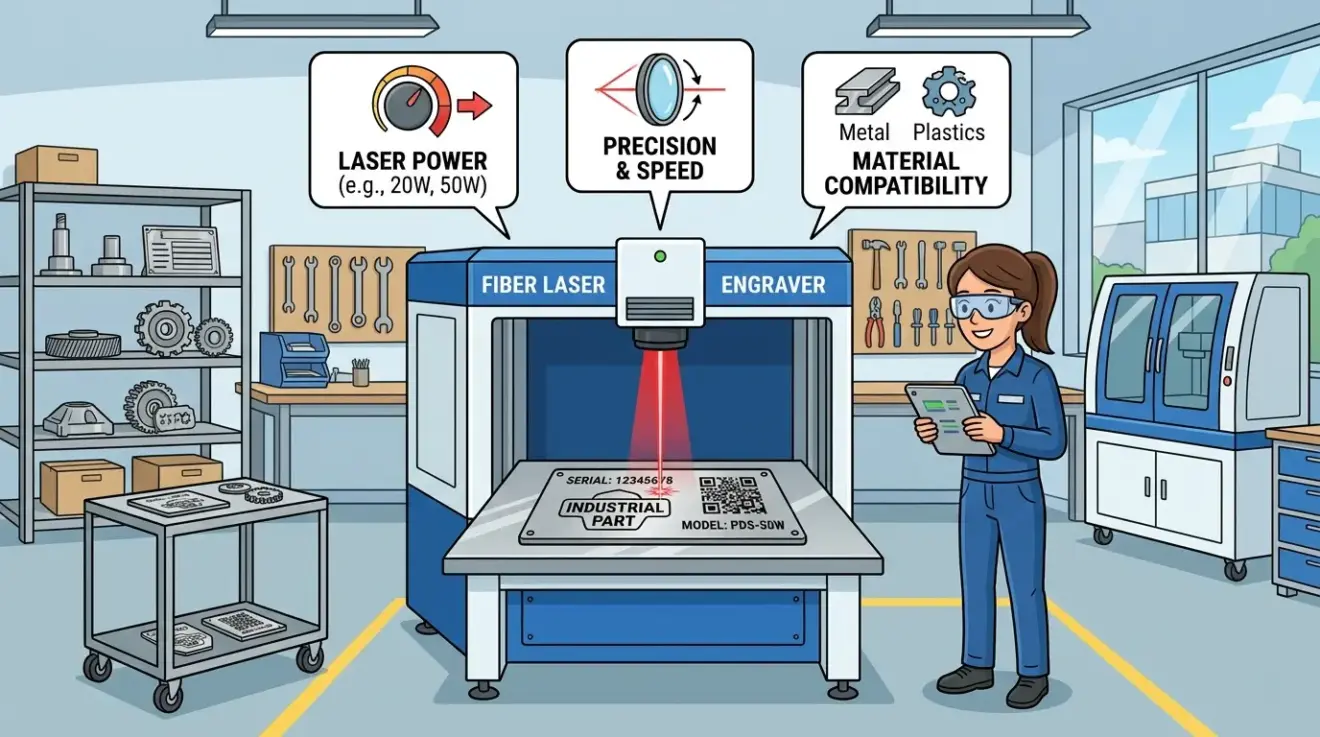
How To Choose a Fiber Laser Engraving Machine for Industrial Marking Applications
Wednesday, 15 April 2026
In industrial marking, the question is rarely whether a machine can make a visible mark. The real question is whether serial numbers, data matrix codes, logos, and part IDs remain readable after handling, assembly, coating, or long-term use. When marks become inconsistent, traceability slows down, scanning reliability drops, and operators spend more time reworking parts
- Published in Laser
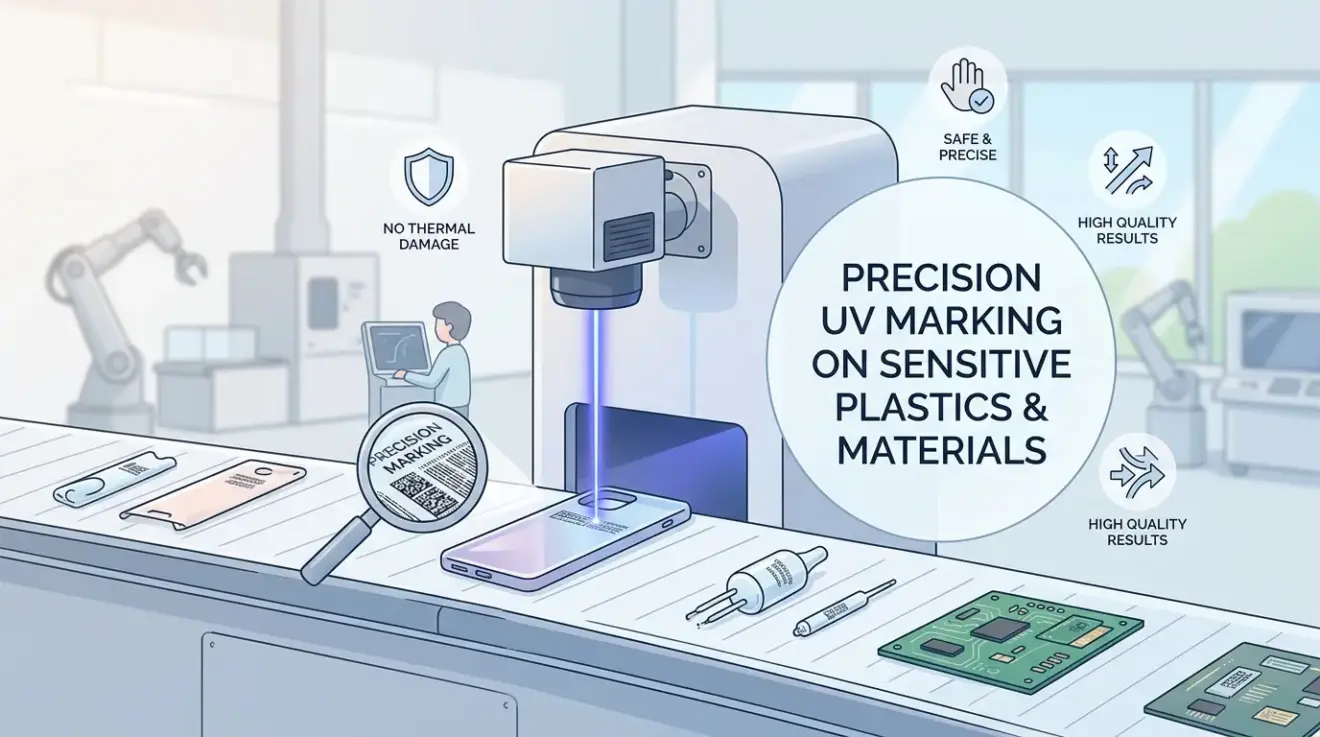
UV Laser Marking Machine for Fine Plastics and Sensitive Materials: What Buyers Should Evaluate First
Wednesday, 15 April 2026
When a production line needs permanent marks on thin plastics, coated housings, labels, or other appearance-sensitive parts, the real problem is rarely whether a mark can be made at all. The harder question is whether the mark can stay sharp and readable without whitening the surface, distorting a thin wall, creating a visible halo, or
- Published in Laser
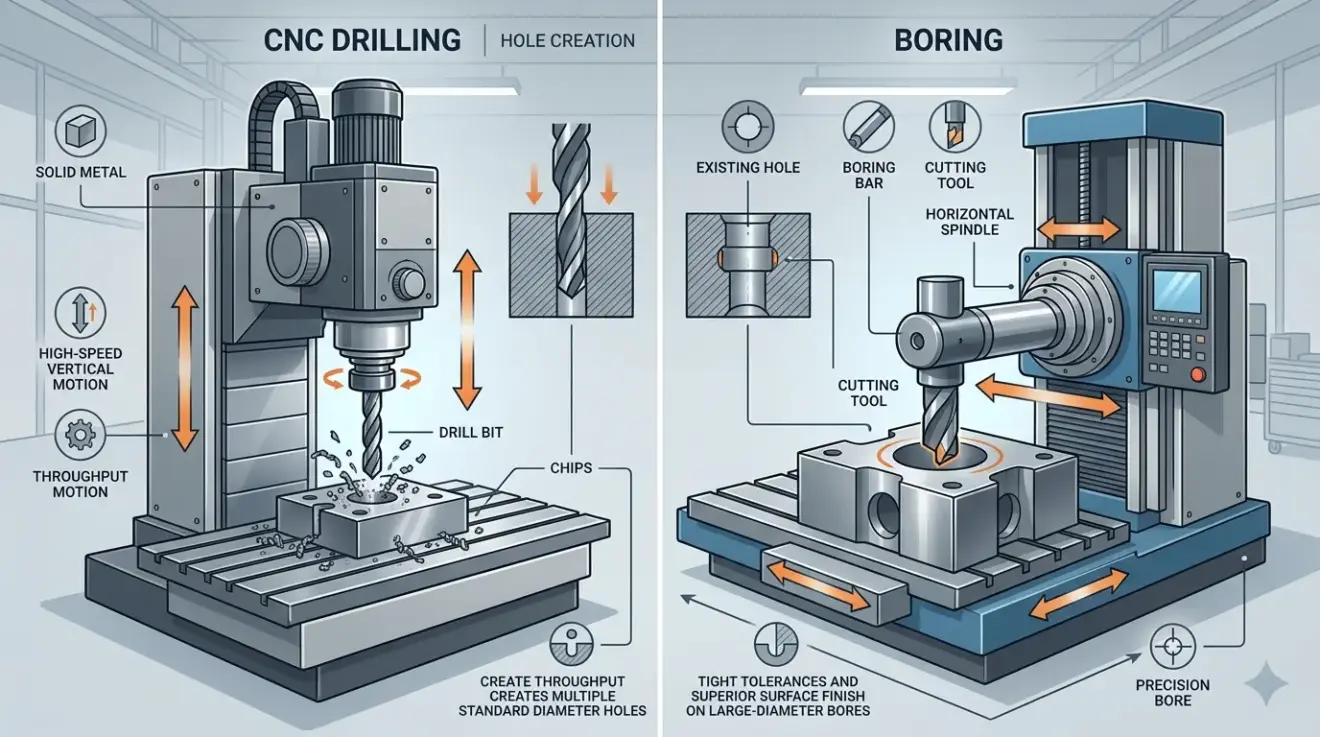
CNC Drilling Machine vs. Boring Machine: What Is the Real Difference?
Wednesday, 15 April 2026
When hole processing starts slowing cabinet assembly, the drilling cell is no longer a minor support station. It becomes a production constraint. Misaligned connector holes, inconsistent shelf-pin rows, and repeated setup changes can all create rework that shows up much later in assembly. That is why the difference between a CNC drilling machine and a
- Published in Wood
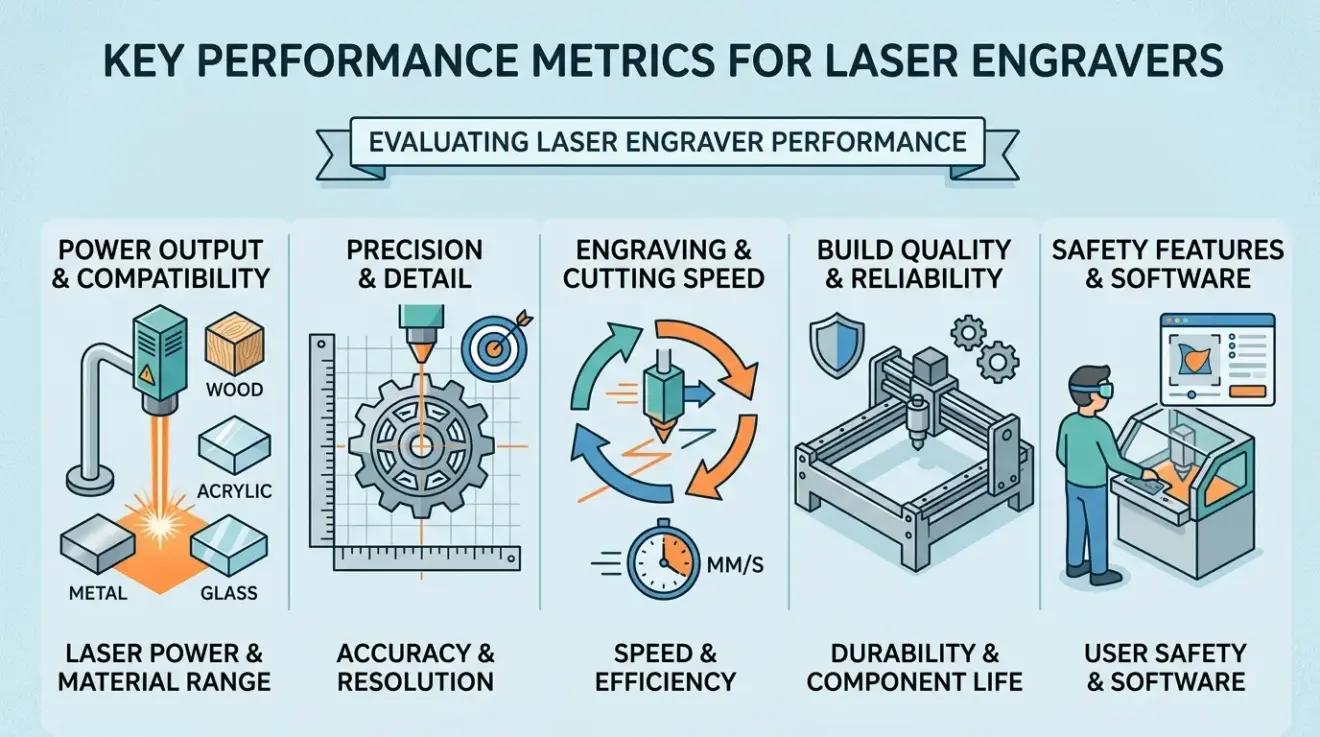
Best Laser Engraver? How to Evaluate Performance Without Brand Bias
Tuesday, 14 April 2026
The phrase best laser engraver sounds straightforward, but it usually pushes buyers toward the least useful part of the decision: brand reputation, demo videos, and isolated sample photos. In production, the better question is whether a machine can hold engraving clarity, repeatability, and usable throughput across the materials and job types your factory actually runs.
- Published in Laser
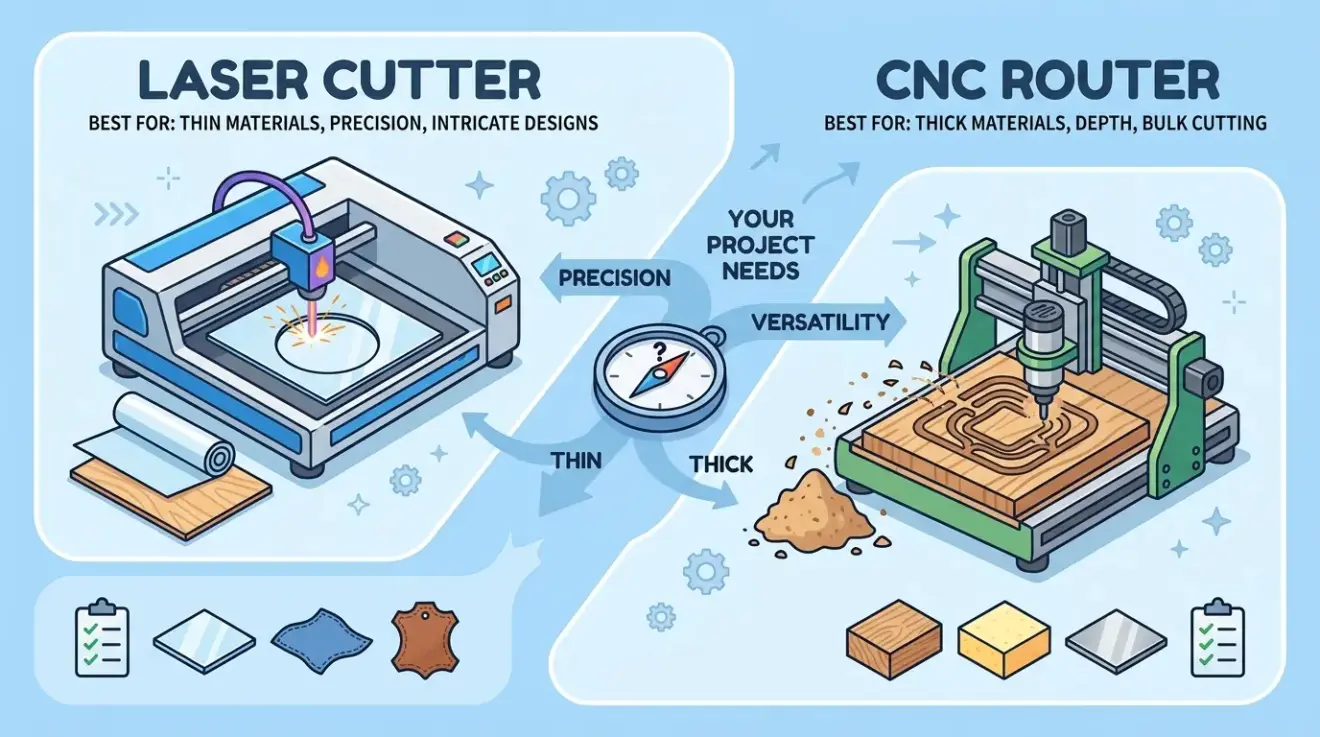
CNC Laser Cutter vs CNC Router: Which One Should You Choose?
Tuesday, 14 April 2026
Choosing between a CNC laser cutter and a CNC router is rarely about which machine sounds more advanced. In real production, the decision usually comes down to what the part needs after the first cut: engraving, small internal detail, pockets, grooves, drilled features, edge finishing, material thickness, and how much manual rework the team can
- Published in Laser
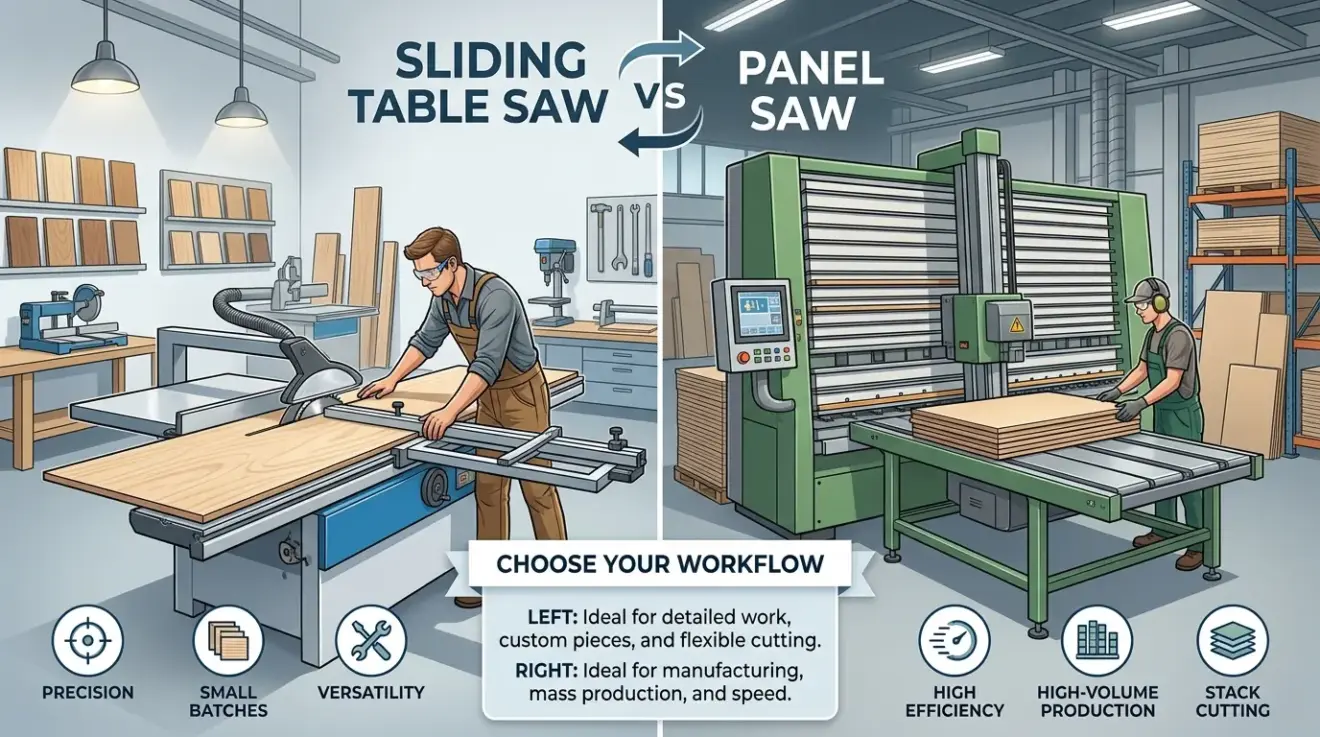
Sliding Table Saw vs. Panel Saw: Which One Fits Your Workflow?
Tuesday, 14 April 2026
When a shop starts losing time at the cutting stage, the real issue is usually not blade speed or machine labeling. It is workflow fit. The saw at the front of production affects how smoothly parts move into edge banding, drilling, sanding, assembly, and final delivery. If the wrong machine is handling that first step,
- Published in Wood
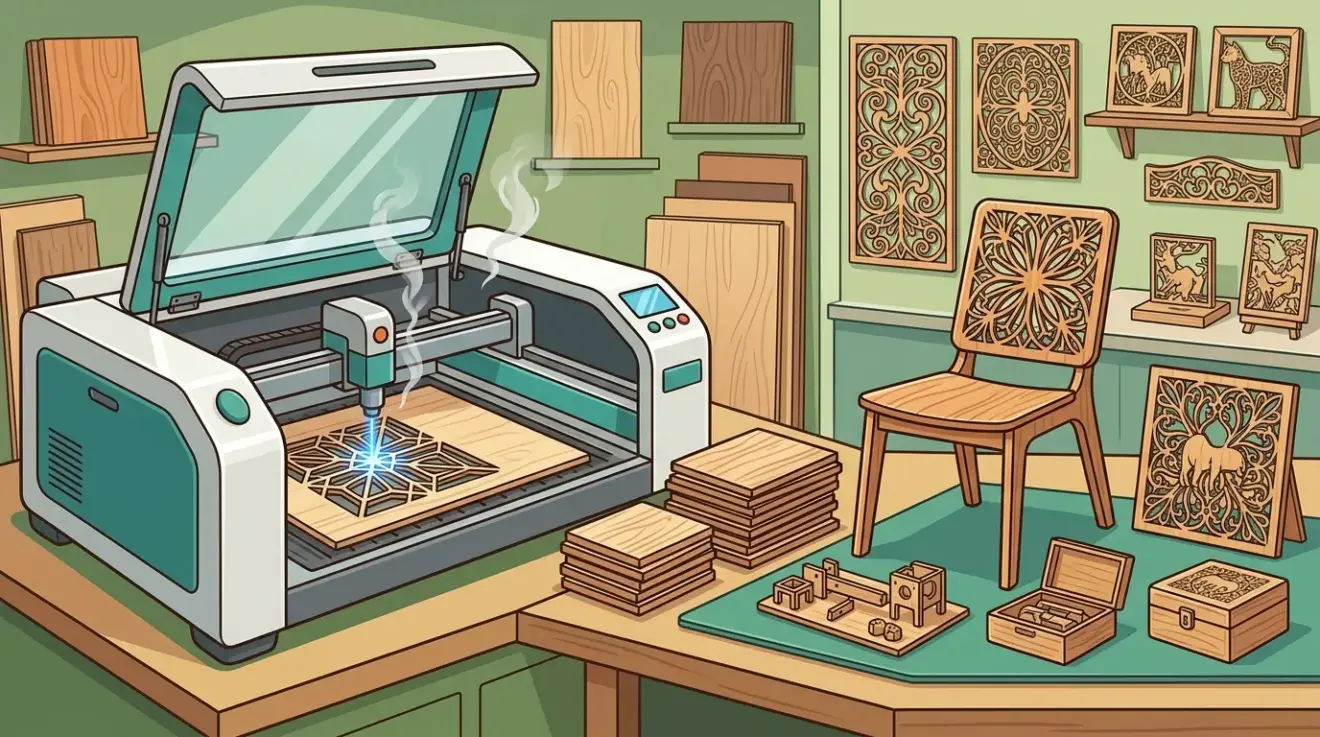
Wood Laser Cutter for Furniture, Decor, and Craft Production: Where It Fits Best
Tuesday, 14 April 2026
The term wood laser cutter sounds more specific than it really is. A furniture factory may use it to mean decorative components that need clean detail without slowing the main panel line. A decor producer may care most about visible-face quality, contour complexity, and repeatable cut patterns. A craft business may be looking for short-run
- Published in Laser
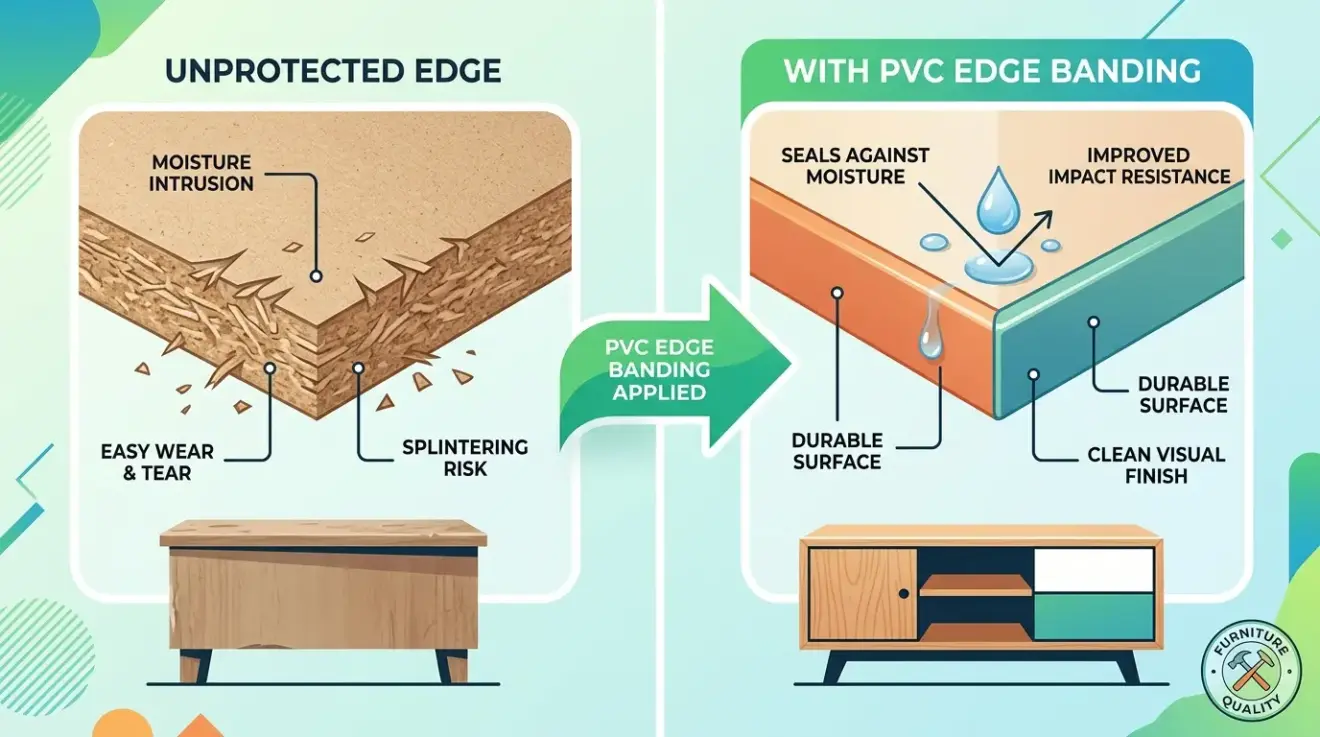
How PVC Edge Banding Affects Furniture Durability And Visual Finish
Tuesday, 14 April 2026
A cabinet can be cut accurately, drilled correctly, and assembled square, yet still look low grade or wear out early if the exposed edges are weak. In panel-based furniture, the edge is where daily contact, cleaning, impact, and visual inspection all concentrate. That is why PVC edge banding is not just a decorative strip. It
- Published in Wood
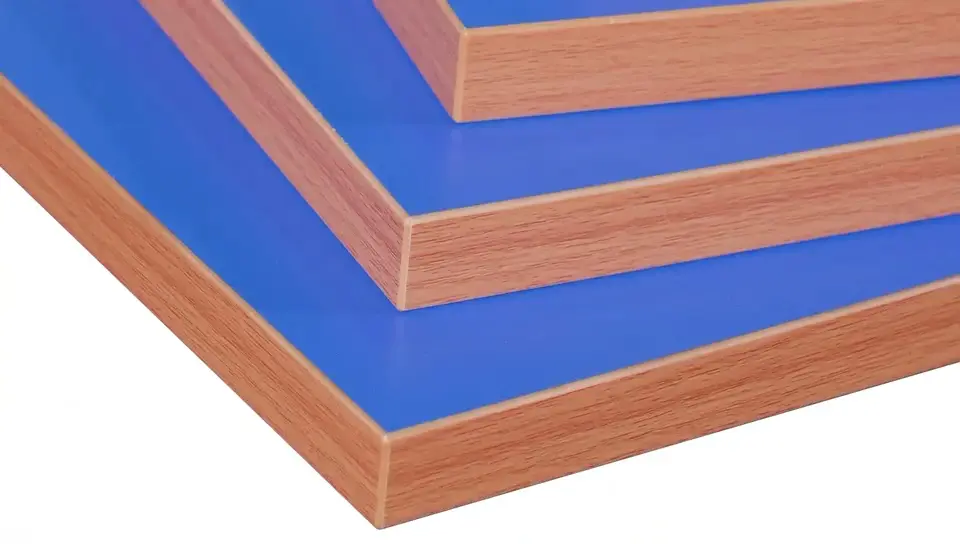
Machine Edge Banding vs. Manual Edge Banding: Which One Fits Your Production?
Tuesday, 14 April 2026
When panel finishing starts slowing the line, edge banding quickly becomes more than a cosmetic step. It affects how cleanly cabinet parts move into drilling and assembly, how much trimming operators have to do by hand, and how often visible edges come back for correction. Both machine edge banding and manual edge banding can produce
- Published in Wood
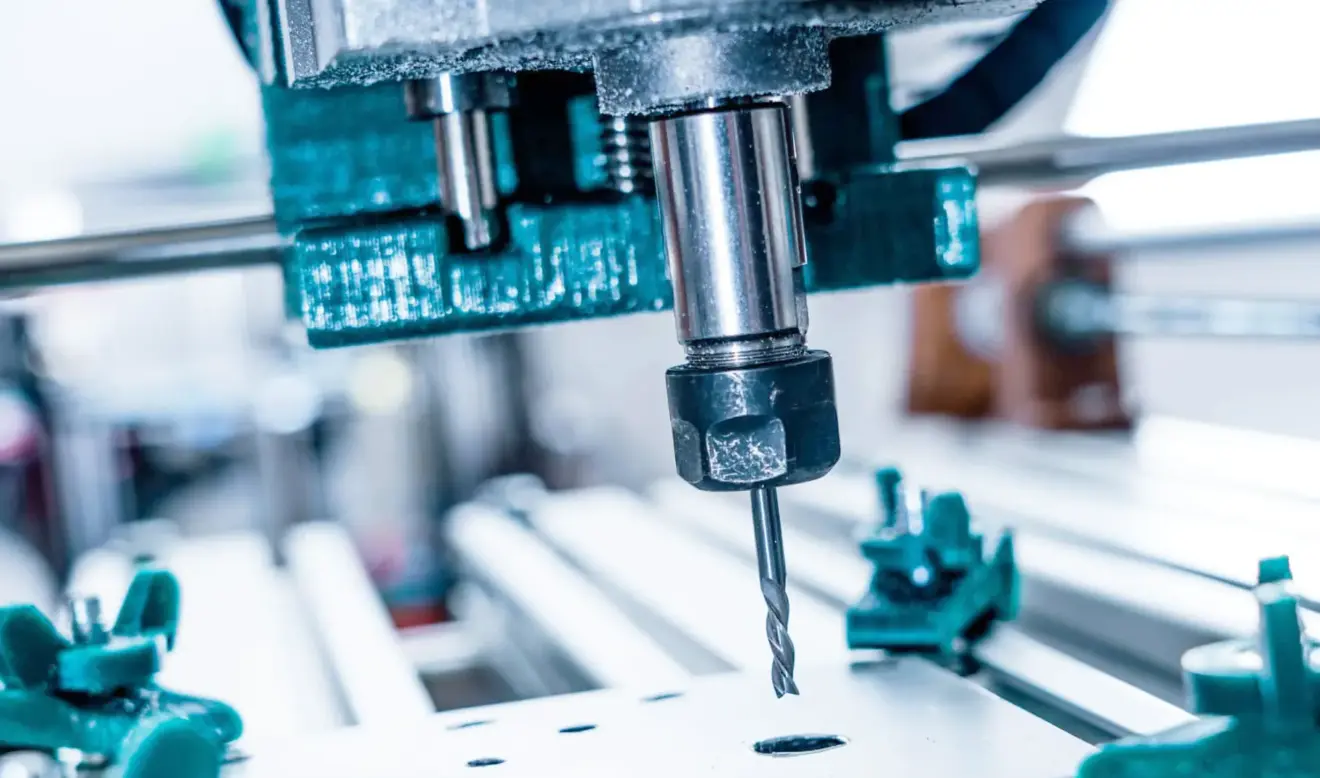
CNC Drilling Machine vs. Multi-Spindle Boring Machine: Which One Should You Choose?
Tuesday, 14 April 2026
When cabinet parts start waiting at the drilling station, the biggest loss is usually not the seconds needed to make a hole. It is the time spent rechecking references, resetting layouts, verifying first parts, and correcting fit problems later in assembly. That is why the choice between a CNC drilling machine and a multi-spindle boring
- Published in Wood
Affordable Laser Engraver Options for Small Business Buyers: How to Match Budget to Workflow
Tuesday, 14 April 2026
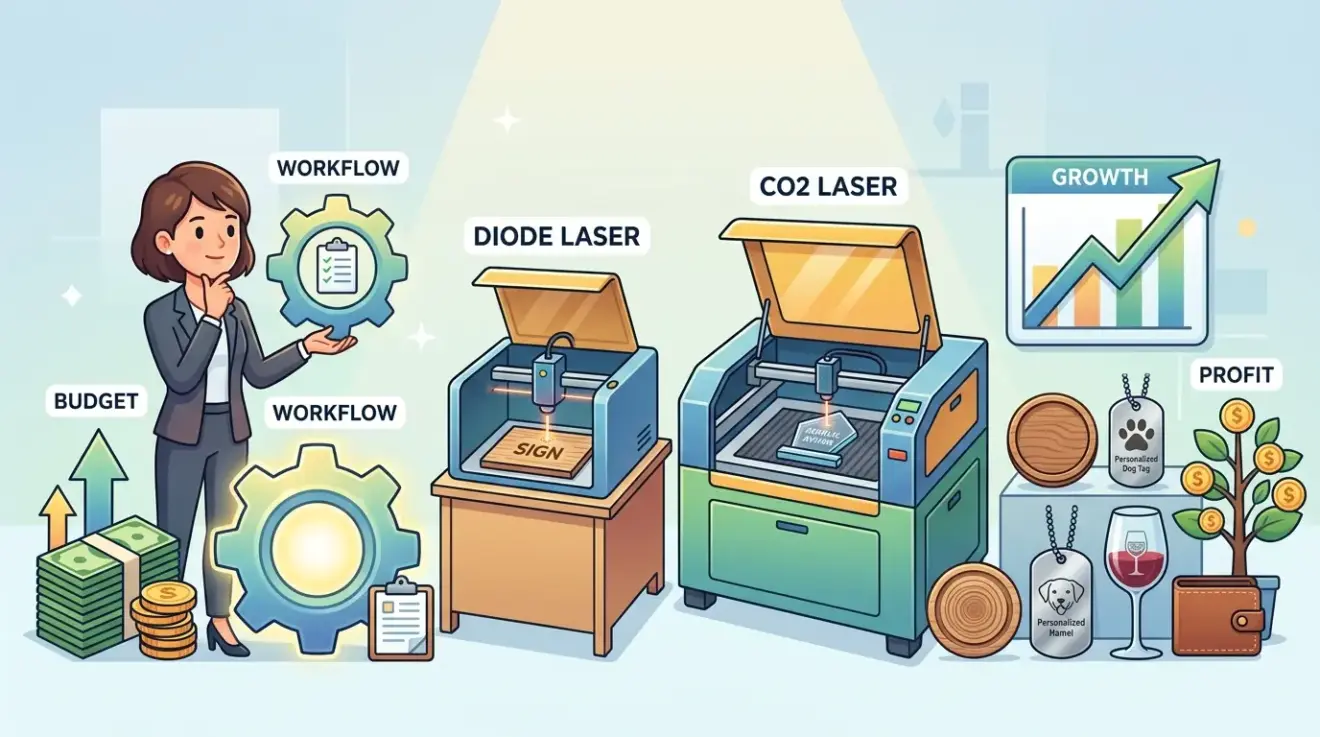
For a small business, an affordable laser engraver is not simply the machine with the lowest quote. It is the machine that fits the material mix, order volume, and finish expectations closely enough to generate usable output without constant adjustment, missed deadlines, or avoidable rework. That distinction matters because small shops usually feel equipment mistakes
- Published in Laser
Panel Saws for Cabinet Production: What Matters Most?
Tuesday, 14 April 2026
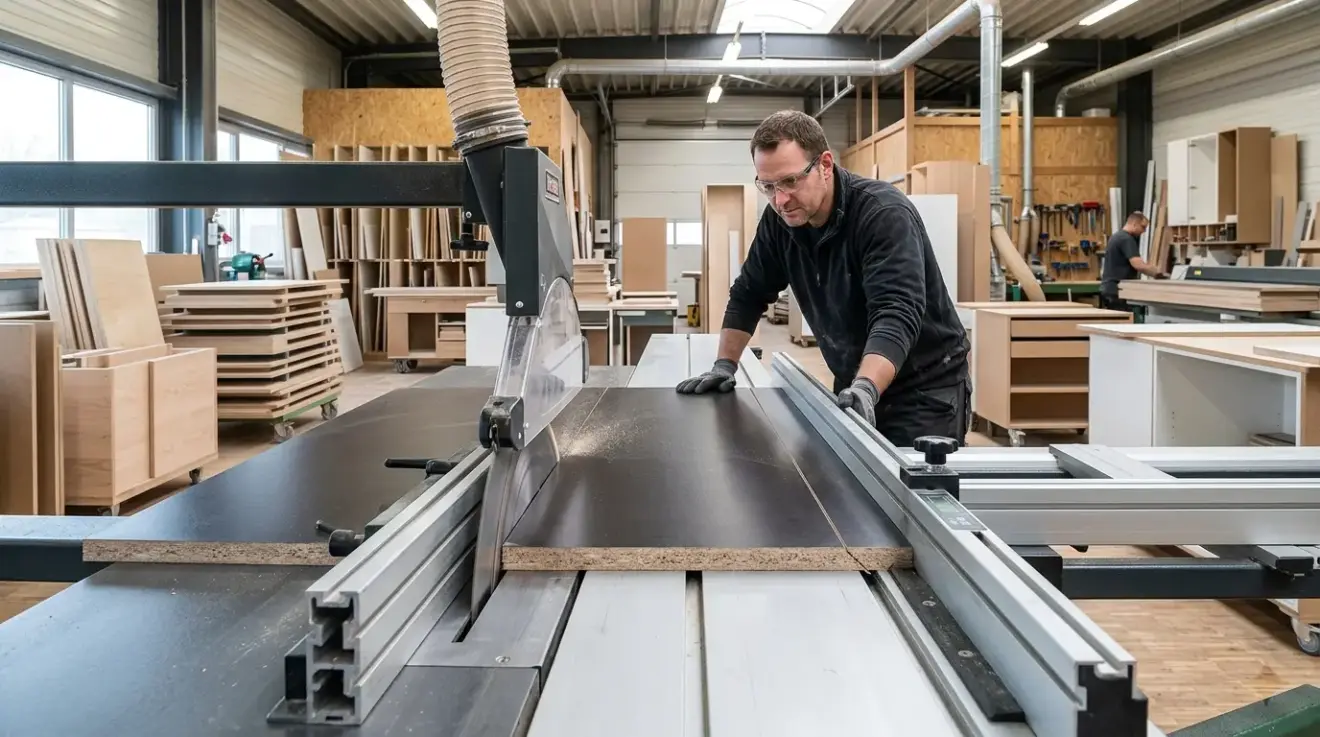
In cabinet production, the first cut only matters if it makes the rest of the line easier to control. If side panels, bottoms, shelves, and partitions leave the cutting area with size variation, unstable batch order, or too much operator-dependent inconsistency, the problems do not stay at the saw. They spread into edge processing, drilling,
- Published in Wood
Panel Saw Machine Safety and Setup Best Practices for Consistent Daily Production
Tuesday, 14 April 2026
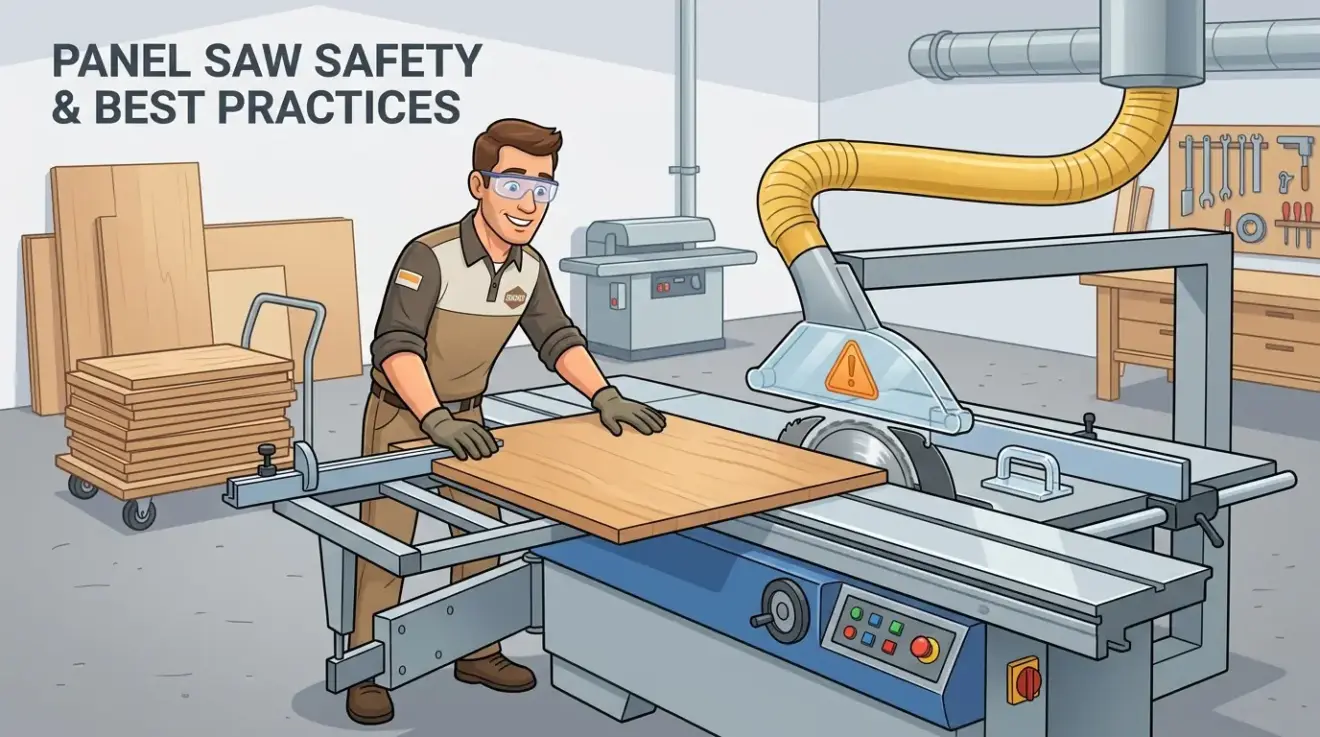
In panel processing, many cutting mistakes and near-miss incidents begin before the first sheet enters the saw. A dirty reference surface, unstable material support, a worn blade, or unclear operator responsibilities can lead to chipped panels, dimensional variation, emergency stops, or more serious safety events. For cabinet, furniture, and other panel-based manufacturers, panel saw machine
- Published in Wood
Beam Saw Machine Maintenance Tips for Long-Term Stability
Tuesday, 14 April 2026
In batch panel production, stability usually disappears before a full breakdown ever stops the machine. Cut sizes begin to drift between stacks, clamping feels less consistent, vibration becomes easier to hear, or the first parts of the shift look cleaner than the last. For a beam saw, those are not small housekeeping issues. They are
- Published in Wood
CNC Drilling Machine Configuration Guide For Furniture Factories
Tuesday, 14 April 2026
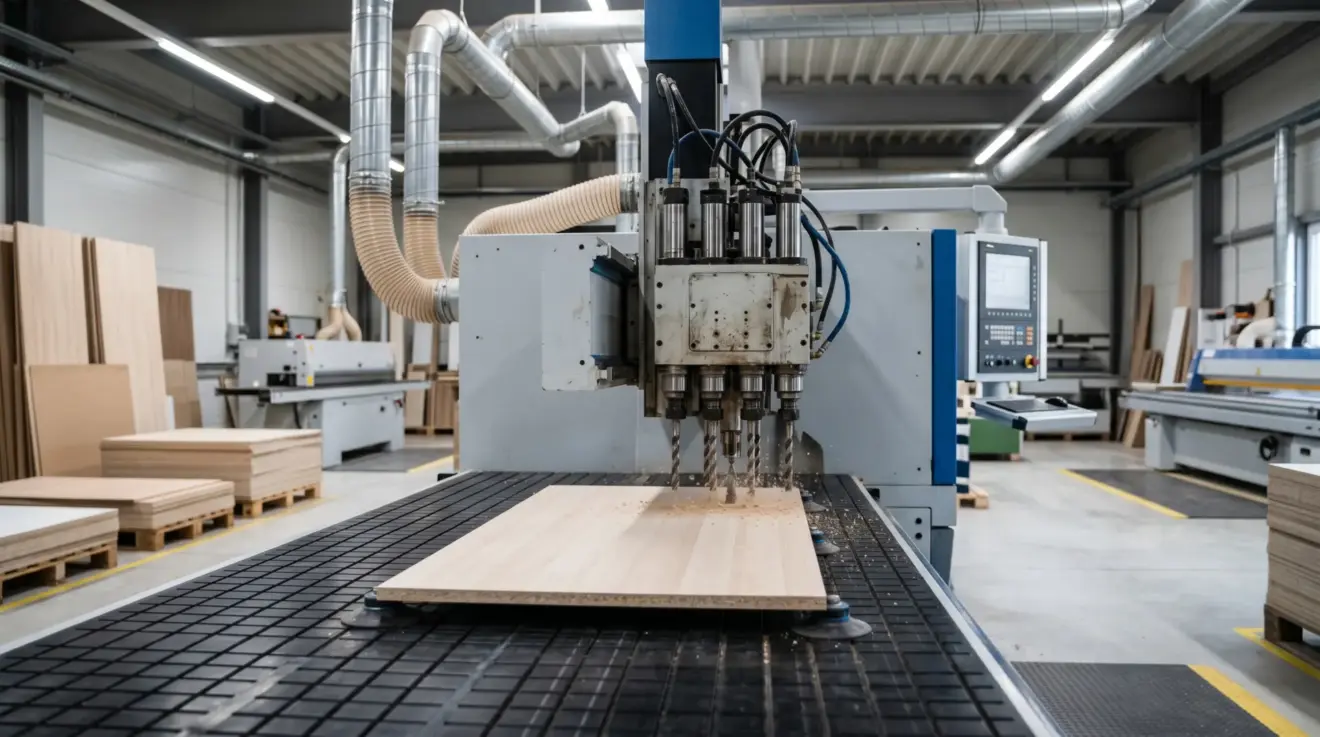
In furniture production, drilling problems rarely start with a lack of machine capacity. They usually start with poor configuration. Cabinets reach assembly with mismatched connector holes, shelf-pin lines drift from one batch to the next, drawer parts arrive mirrored the wrong way, and hardware fitting turns into manual correction instead of repeatable flow. A CNC
- Published in Wood
How to Choose an Industrial Laser Cutting Machine for High-Throughput Production
Tuesday, 14 April 2026
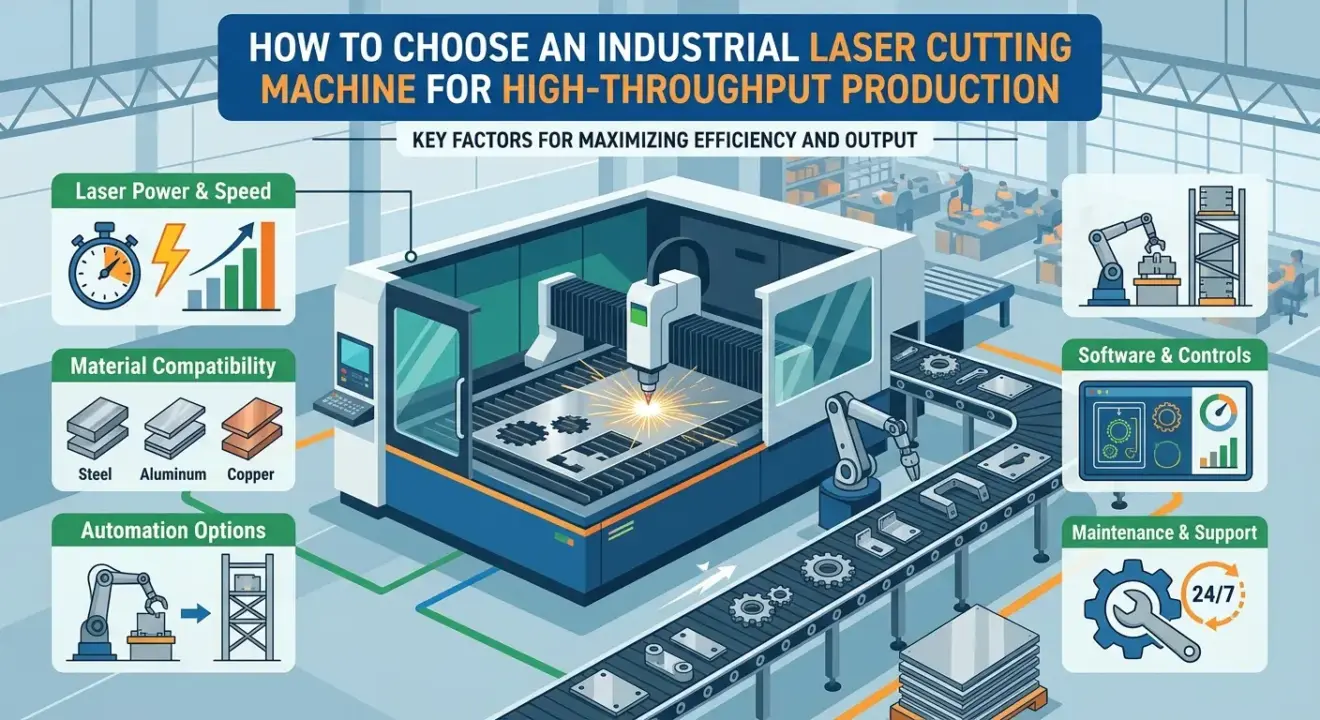
If output targets are slipping, the issue is rarely the beam alone. High-throughput laser production depends on how fast jobs are prepared, how consistently sheets are loaded, how cleanly parts are separated, and how reliably the next process can keep moving. That is why an industrial laser cutting machine should be evaluated as a production
- Published in Laser
Panel Saw vs. CNC Nesting Machine: Which One Fits Panel Furniture Factories Better?
Tuesday, 14 April 2026
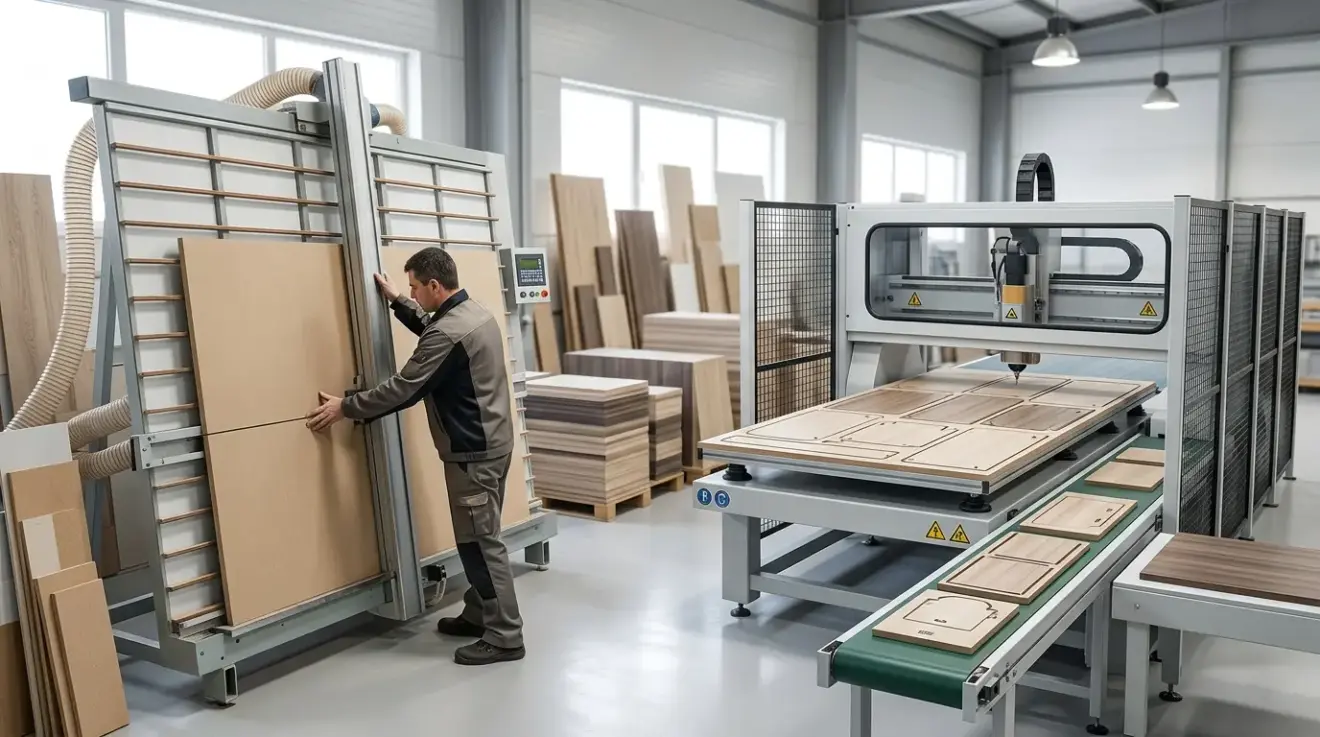
If a panel furniture factory is deciding between a panel saw and a CNC nesting machine, the real issue is not which machine sounds more advanced. The real issue is what kind of production problem the factory needs to solve first. Some factories need a fast, stable front end for large volumes of rectangular cabinet
- Published in Wood
How To Configure a Wide Belt Sander for Furniture Production
Tuesday, 14 April 2026
In furniture production, sanding problems usually show up late. A panel looks acceptable coming off the machine, then coating reveals scratch inconsistency, veneer sand-through, thickness variation, rounded edges, or a surface that still needs too much hand correction. By that point, the wide belt sander is no longer just a finishing step. It has become
- Published in Wood
CO2 Laser vs Diode Laser: Which One Fits Wood and Acrylic Production Better?
Tuesday, 14 April 2026
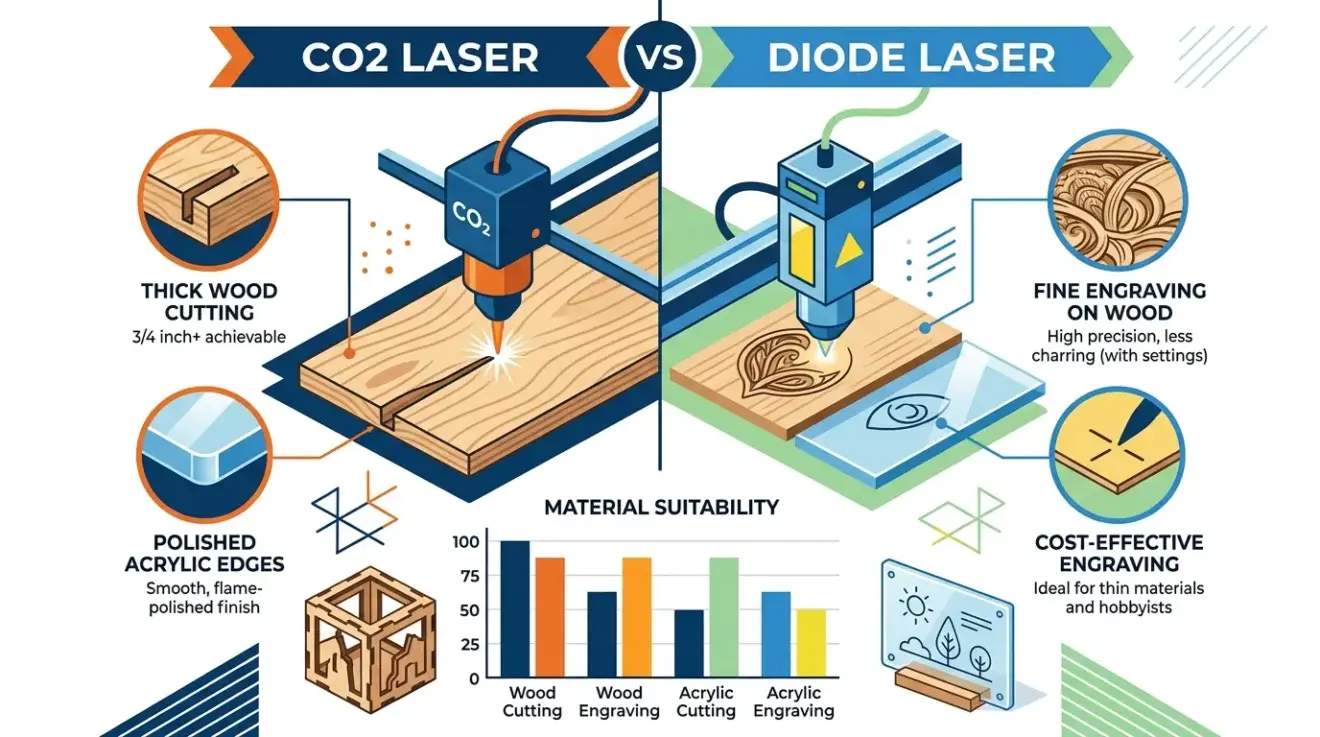
The phrase “better” only becomes useful once a shop defines the real job. For light wood engraving, both CO2 and diode systems can be workable. For acrylic cutting, repeatable output, and mixed-material production, the decision usually becomes much less balanced. A diode machine may look attractive because the entry cost is lower and the footprint
- Published in Laser
Laser Etching Machine vs Laser Engraving Machine: What Actually Changes in Production?
Tuesday, 14 April 2026
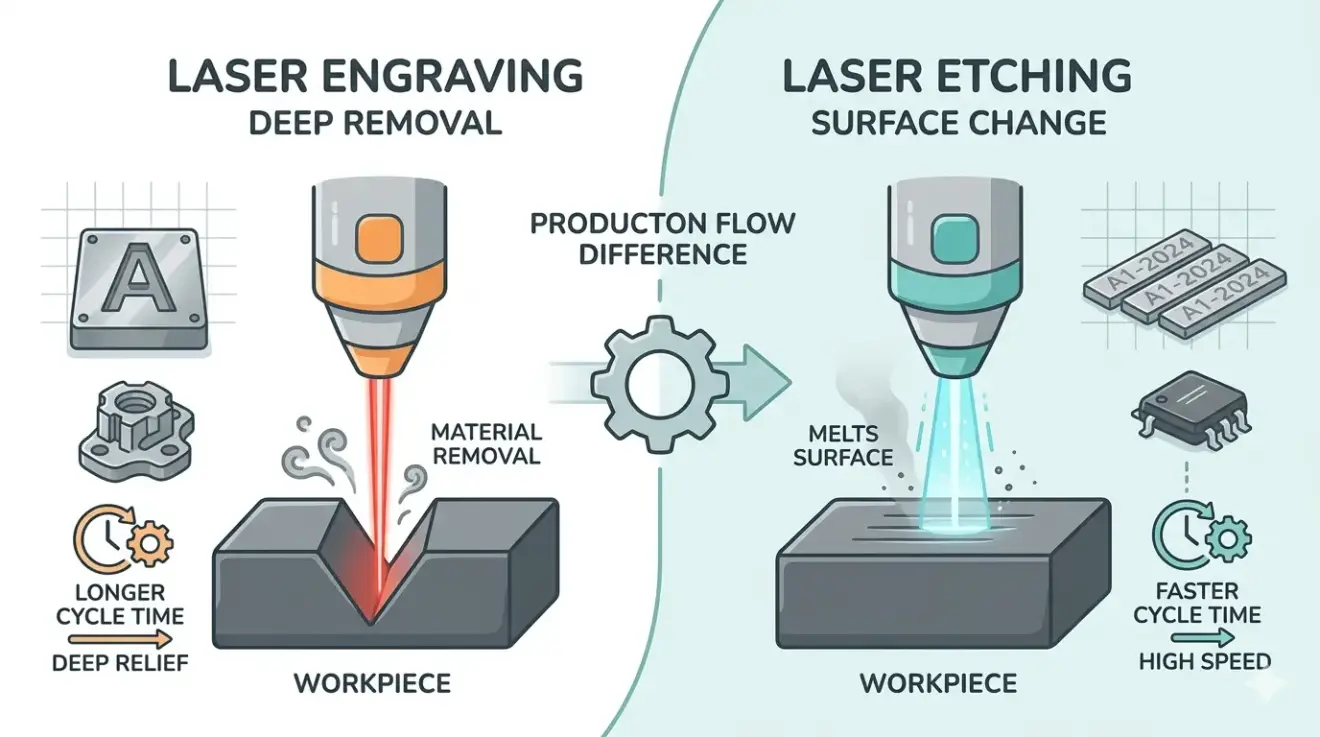
Many buyers start this comparison as if they are choosing between two completely different machine families. In real production, the difference is usually less dramatic. Most of the time, the real question is whether the job needs a shallow surface change, a deeper recessed result, or simply a clear visual mark that can survive handling
- Published in Laser
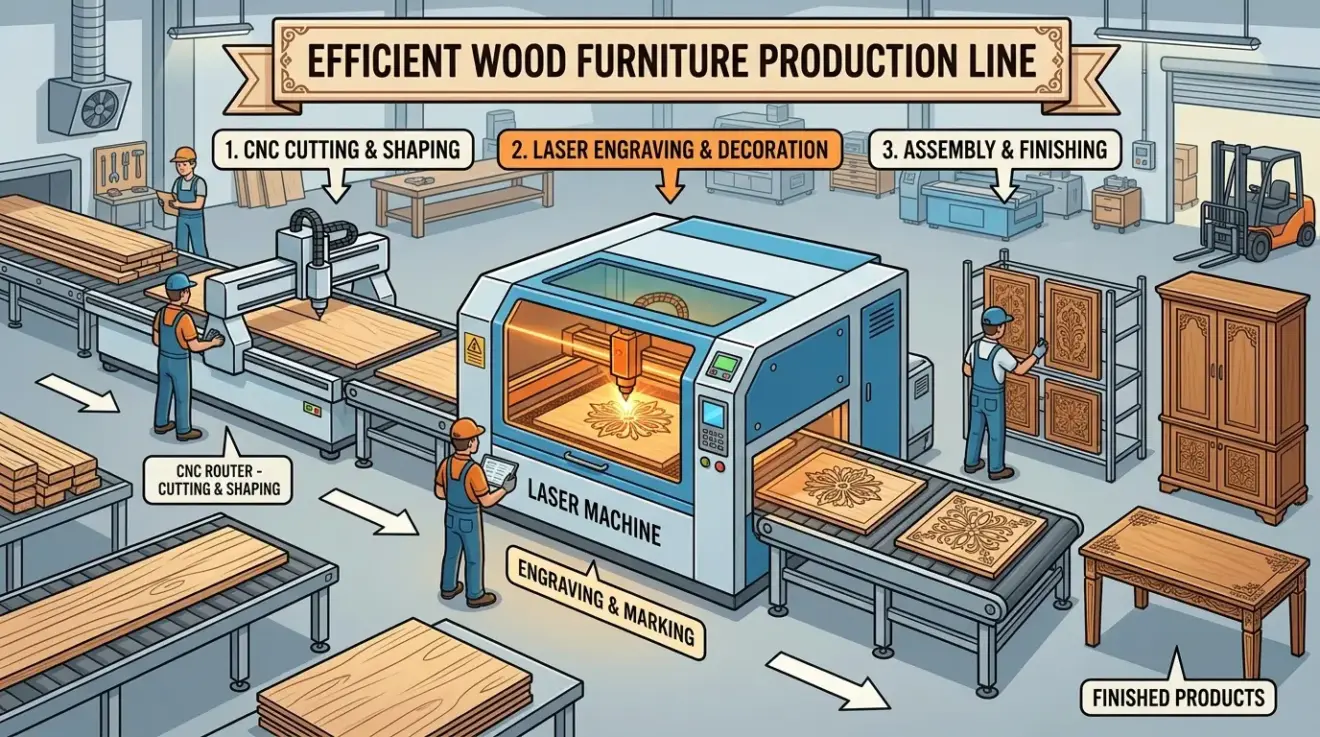
Laser Machine for Wood Furniture Components: Where It Fits Best in Production
Tuesday, 14 April 2026
In furniture manufacturing, the question is rarely whether a laser machine can process wood. The harder question is whether laser processing actually improves the component workflow you run every day. A machine that looks impressive on decorative samples can still be the wrong fit if most of your output depends on sheet breakdown, drilling accuracy,
- Published in Laser