
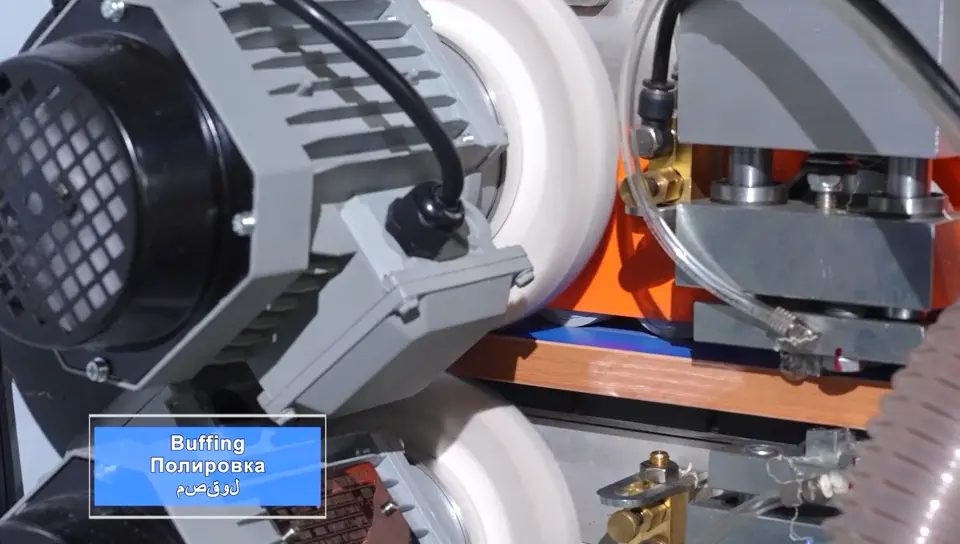
Edge Banding Machine Buying Guide for Furniture Manufacturers
Tuesday, 14 April 2026
In furniture production, edge quality is one of those variables that looks cosmetic until it starts creating operational damage. A weak glue line, chipped panel edge, or inconsistent finish turns into rework, sorting delays, rejected parts, and a product that looks lower value than it should. That is why an edge banding machine should be
- Published in Wood
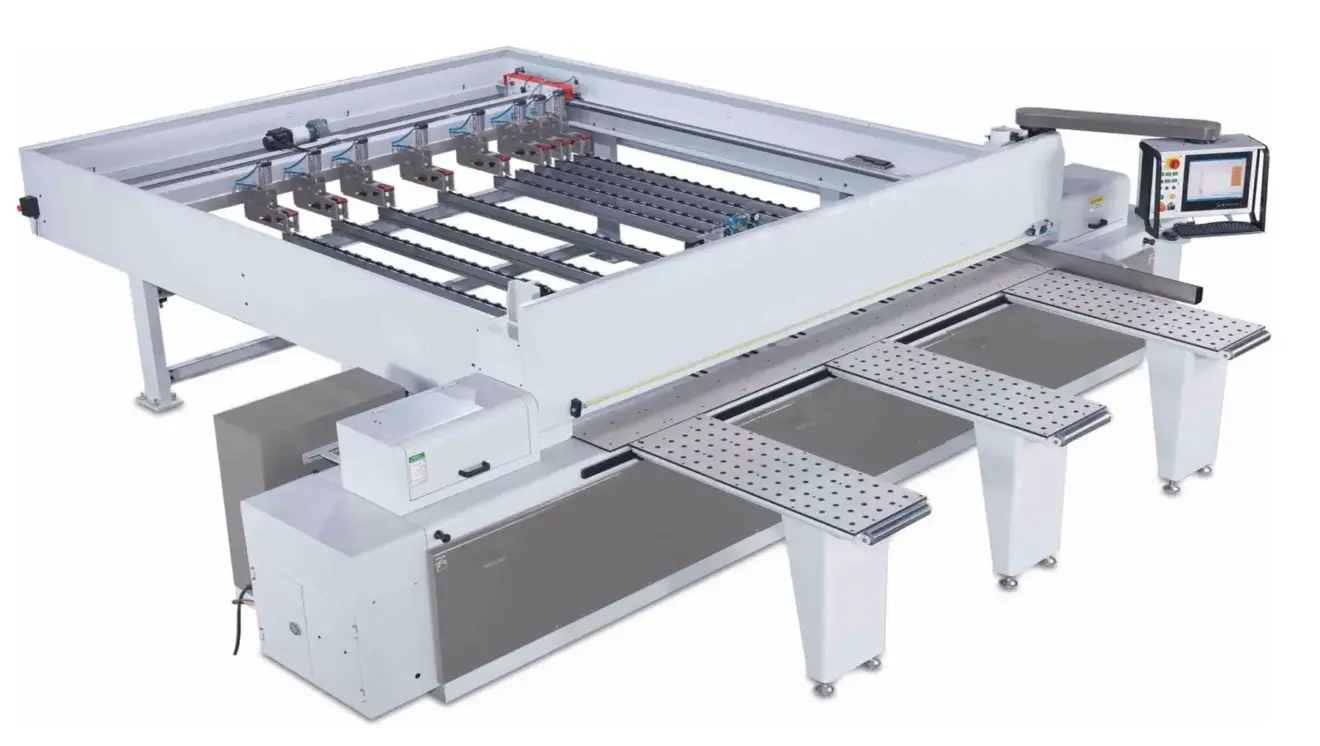
Panel Saw vs. Beam Saw: What Is the Real Difference?
Tuesday, 14 April 2026
Many buyers start with what sounds like a simple question: is a panel saw different from a beam saw, or are they basically the same machine? That confusion matters because the answer affects how you compare equipment, interpret supplier listings, and decide whether you are buying a broad machine category or a specific production format.
- Published in Wood
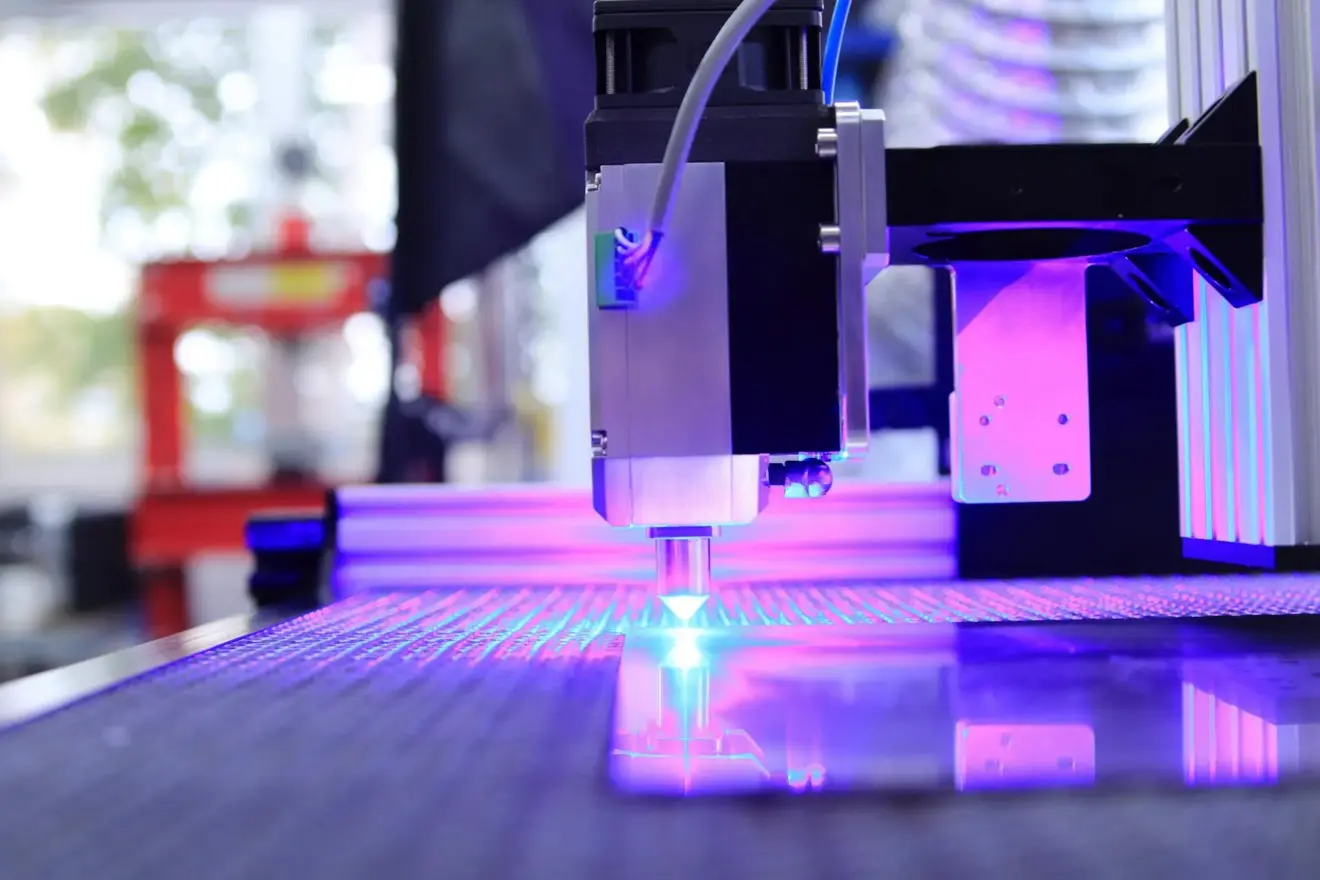
Fiber Laser Marking Machine Applications for Industrial Parts
Monday, 13 April 2026
In industrial parts production, a mark is rarely just a cosmetic detail. Serial numbers, batch IDs, data matrix codes, logos, and compliance information often need to remain readable after machining, cleaning, assembly, shipment, or field service. When marks fail, traceability slows down, scanners misread parts, and operators lose time relabeling or matching components to paperwork
- Published in Laser
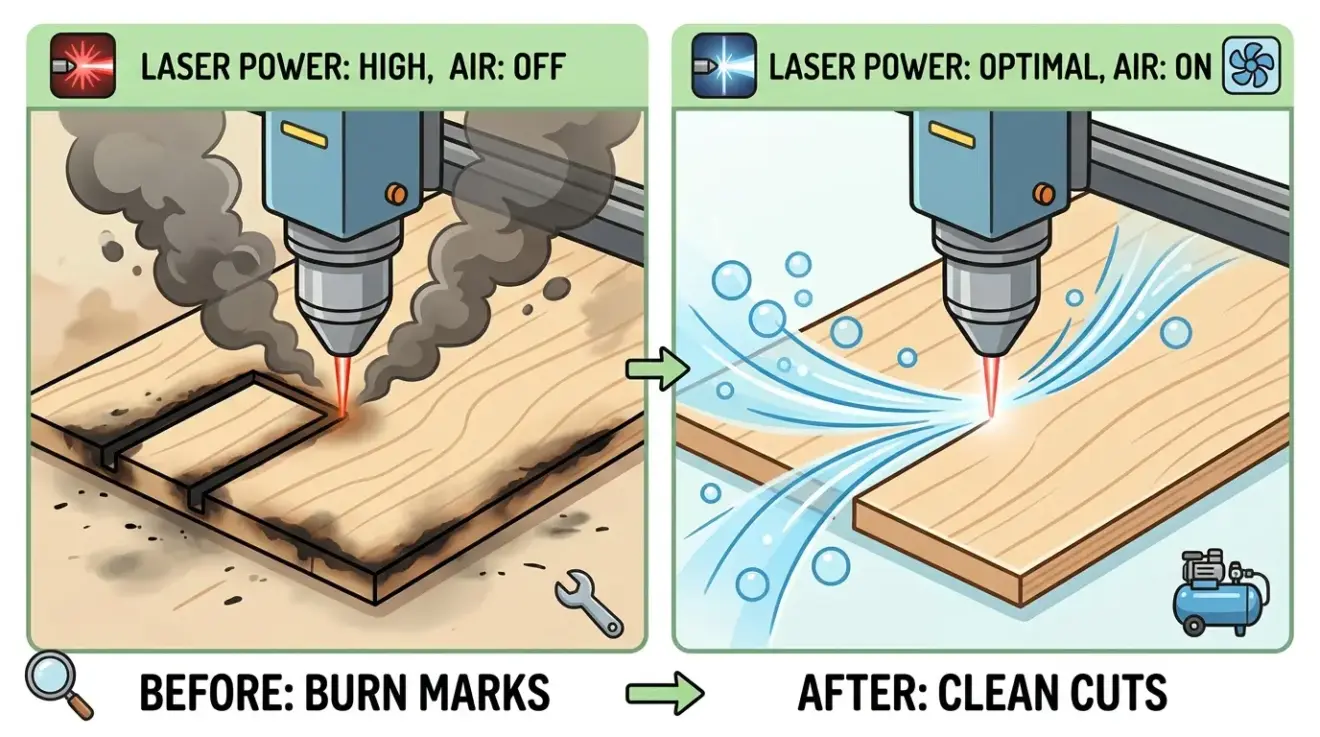
Laser Cut Plywood: How to Reduce Burn Marks and Improve Cut Quality
Monday, 13 April 2026
Burn marks on laser-cut plywood rarely stay isolated to appearance. Once edges darken too much or face veneers pick up smoke staining, the shop usually pays for it again through slower unloading, extra sanding, rejected decorative parts, or inconsistent assembly quality. The problem becomes more expensive when operators respond by slowing every job down instead
- Published in Laser
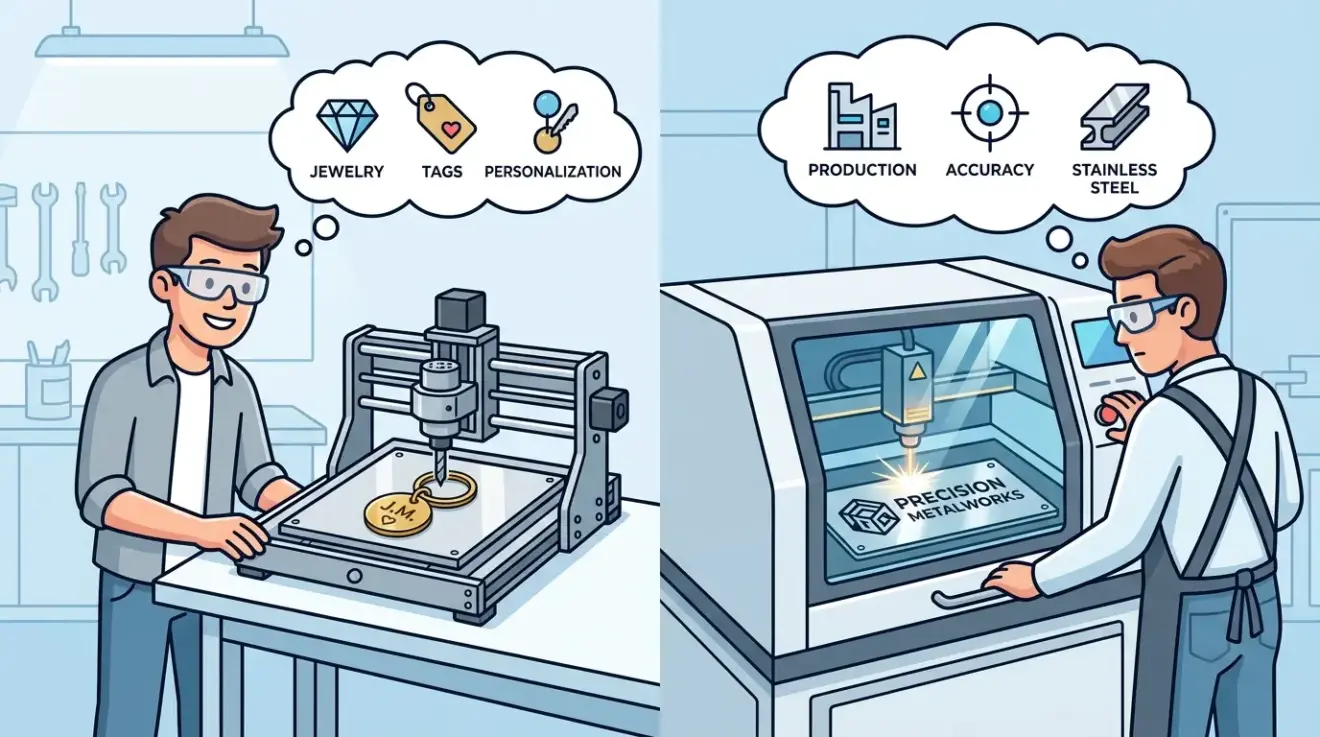
Metal Engraving: How To Choose the Right Machine for the Job
Monday, 13 April 2026
In metal engraving, the wrong machine rarely fails in the demo. It fails later, when deep marks slow down the line, fine text loses clarity on polished parts, or a traceability code looks acceptable to the eye but becomes unreliable under real scanner checks. That is why choosing a metal engraving machine is not really
- Published in Laser
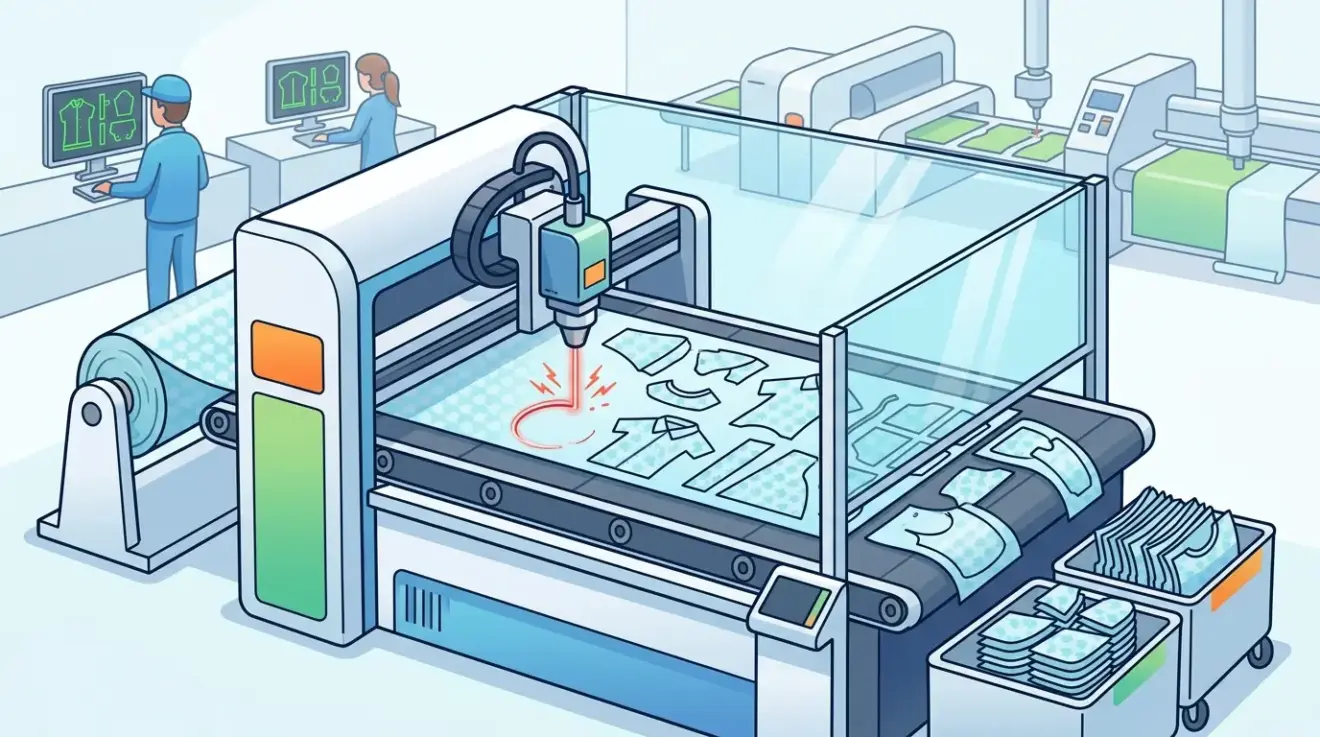
When Does a Fabric Laser Cutting Machine Make Sense for Textile Production?
Monday, 13 April 2026
Textile manufacturers usually do not choose laser cutting because it sounds more advanced. They choose it when the production mix makes tooling delays, contour complexity, frayed edges, or frequent pattern changes more expensive than the cutting method itself. That is the real decision point. A fabric laser cutting machine can improve repeatability, simplify digital changeovers,
- Published in Laser
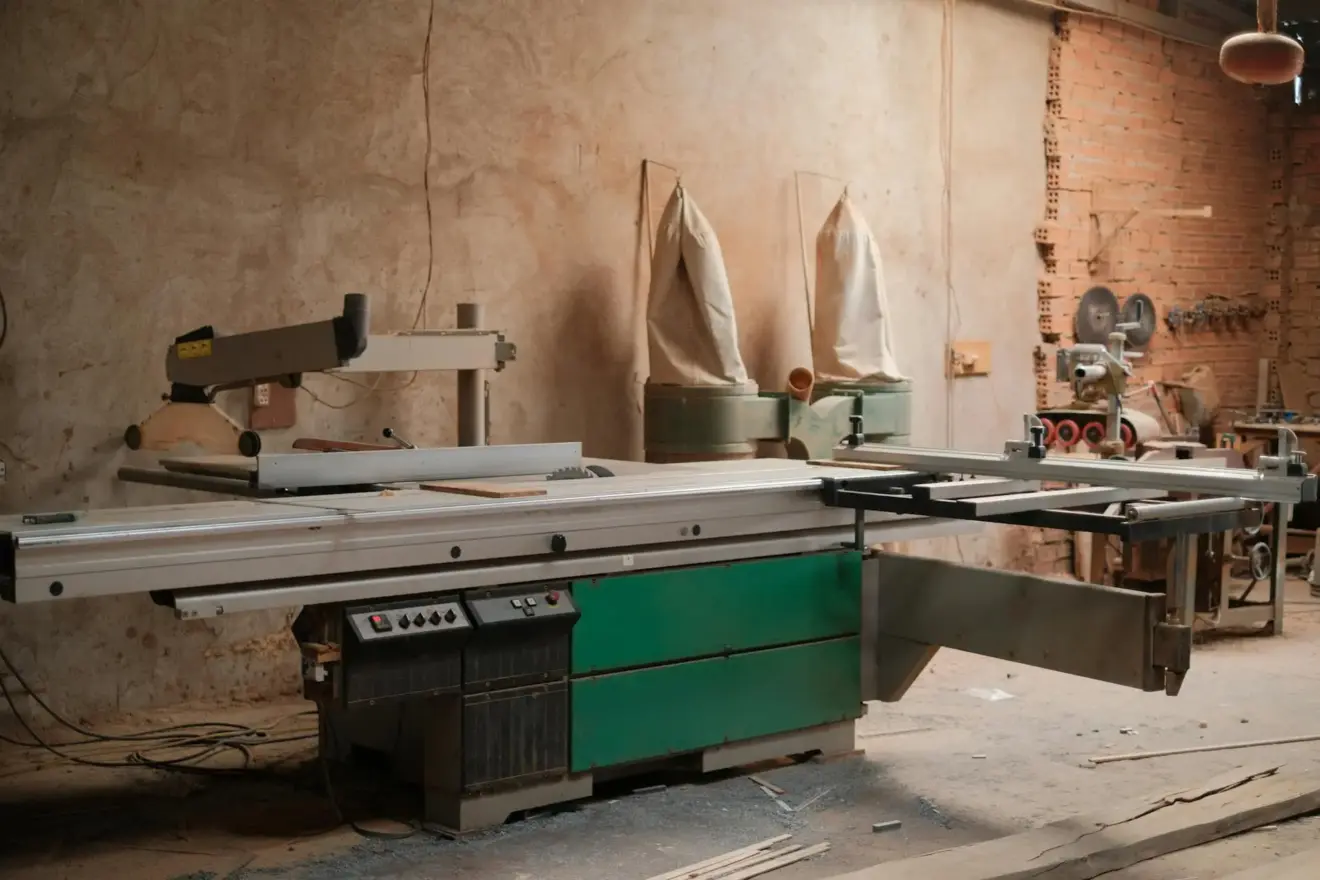
How Sliding Table Saws Fit Small and Mid-Sized Wood Shops
Monday, 13 April 2026
When the cutting station starts slowing down a wood shop, the answer is not always a more specialized high-throughput machine. In many small and mid-sized operations, the real need is a saw that can move between sheet goods, solid wood, short runs, and custom parts without making every job change feel like a reset. That
- Published in Wood
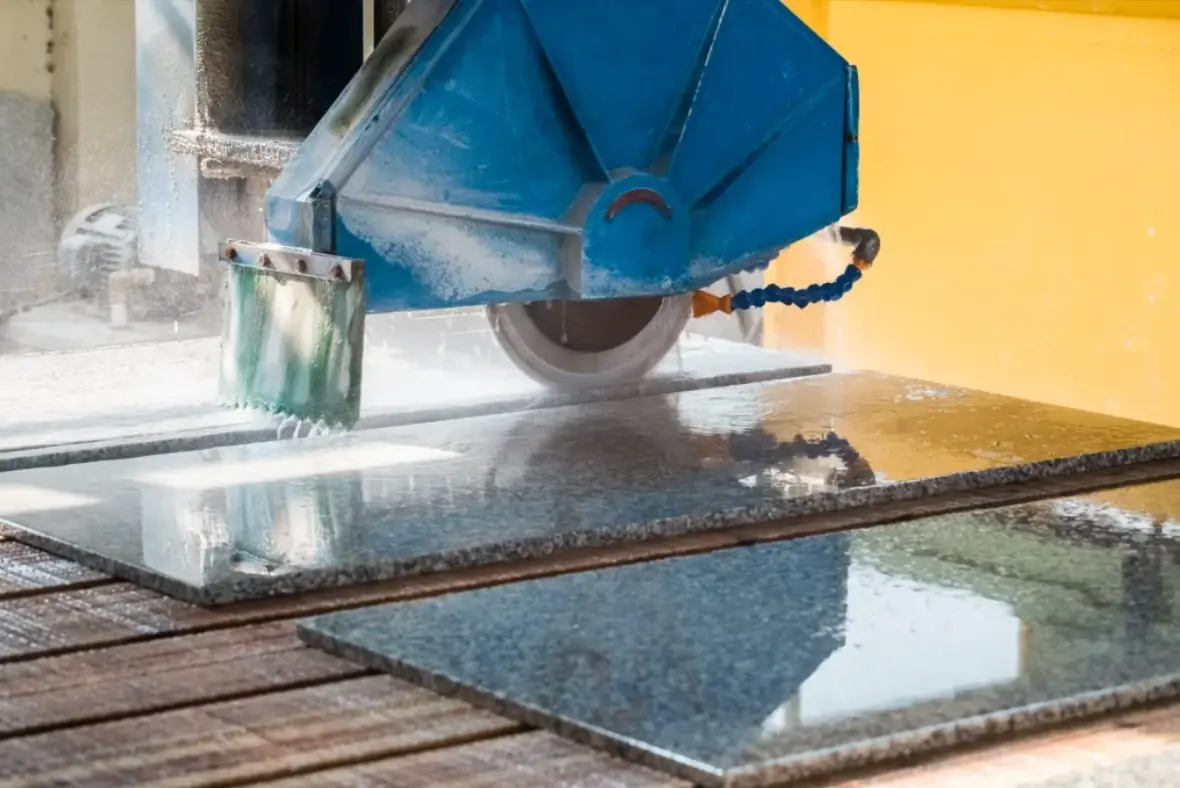
Stone CNC Machine Buying Guide for Fabricators
Monday, 13 April 2026
In stone fabrication, the wrong machine purchase rarely looks wrong on day one. The problem shows up later, when cutouts slow down slab flow, edge quality depends too heavily on operator technique, expensive material gets reworked, or the CNC sits idle because the shop bought capability that does not match its actual jobs. That is
- Published in Stone
What Is a Laser Cutter and How Does It Work?
Monday, 13 April 2026
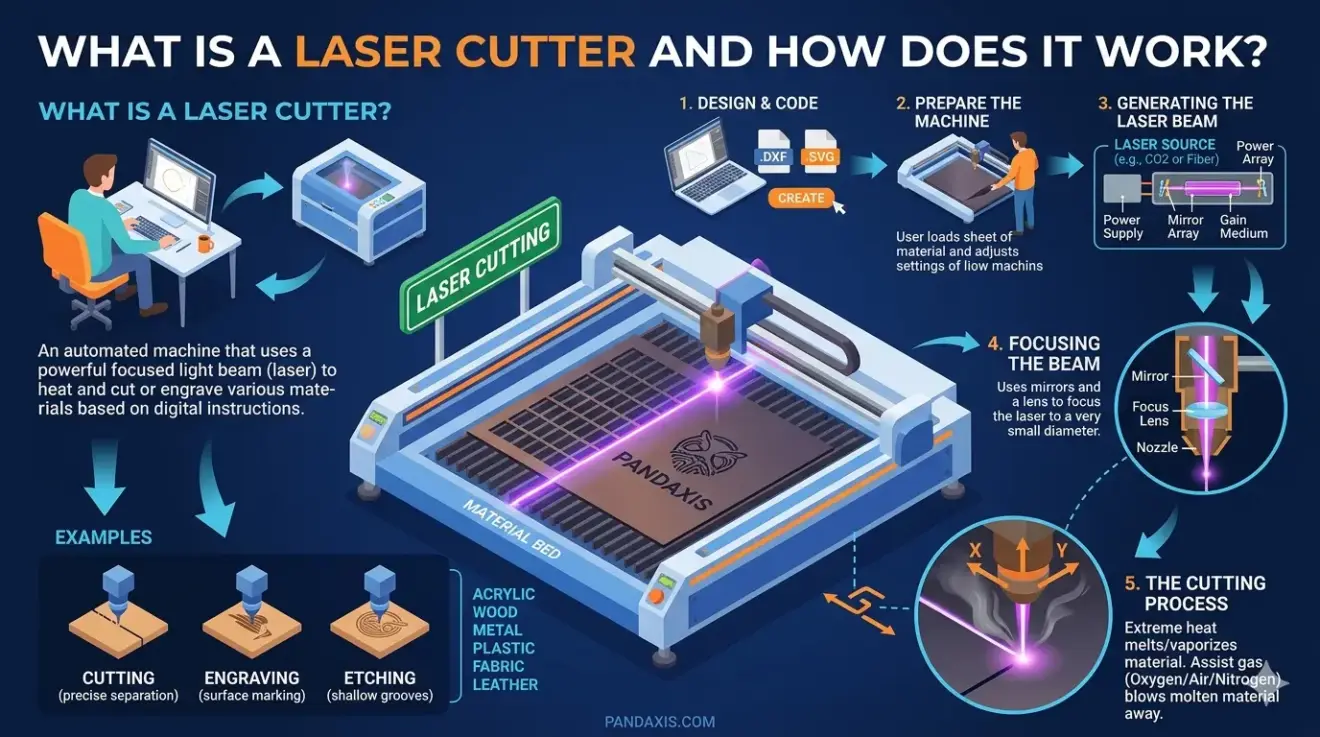
When a manufacturer needs clean shapes, repeatable detail, and faster design changes without swapping physical tooling for every new job, a laser cutter becomes a practical production asset. It uses a concentrated beam of light to process material along a programmed path, making it useful for shaped cutting, surface engraving, and detailed marking in workflows
- Published in Laser
Laser Carving Machine vs Laser Engraving Machine: Is There a Real Difference in Production?
Monday, 13 April 2026
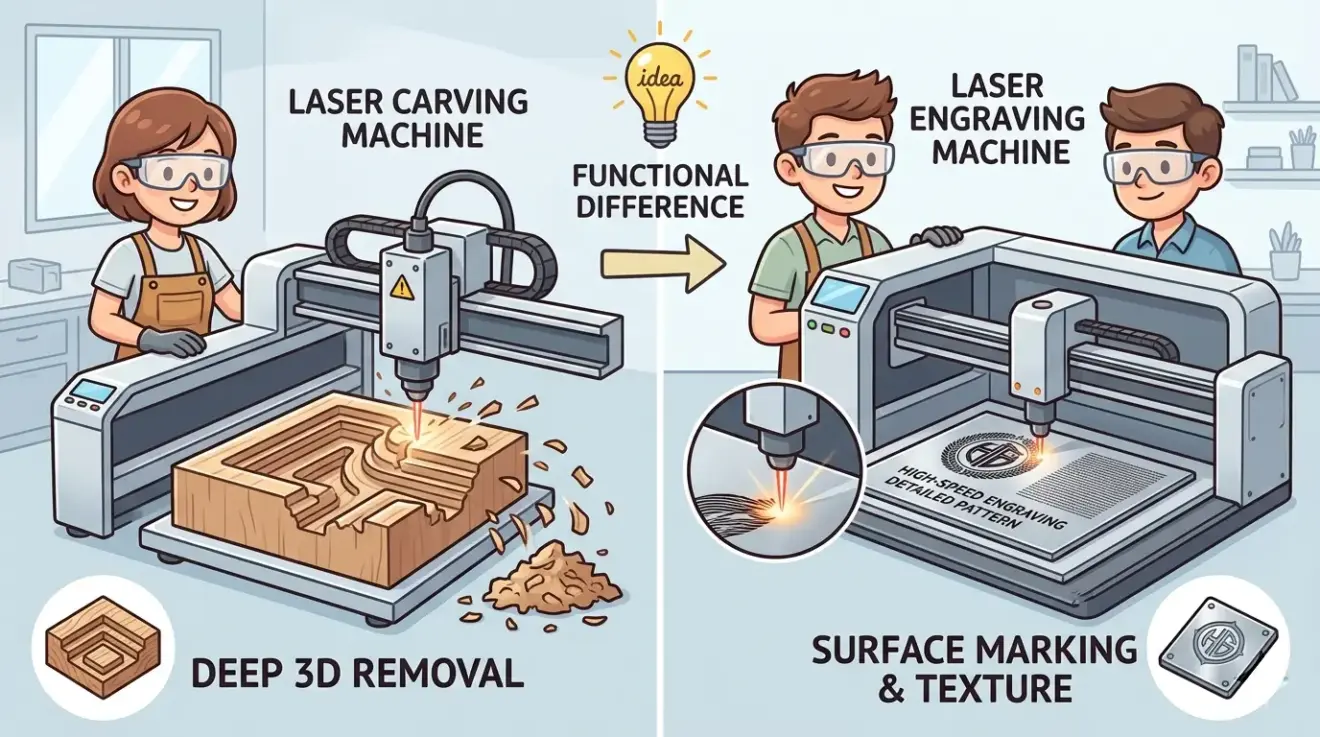
Buyers often assume that a laser carving machine and a laser engraving machine must be two clearly different categories. In actual production, the difference is usually less about a separate machine class and more about the finished result the job requires. The real decision is whether the workflow depends on shallow surface marking, deeper relief-style
- Published in Laser

Portable Laser Marking Machines: Use Cases, Limits, and Selection Tips
Monday, 13 April 2026
Many buyers focus on portability too early. They ask whether a portable laser marking machine is the better choice before they define what problem the marking step is actually supposed to solve. In real production, portability only creates value when moving the part to a fixed station is slower, riskier, or less practical than moving
- Published in Laser
Panel Saws for High-Volume Batch Processing: What to Expect
Monday, 13 April 2026
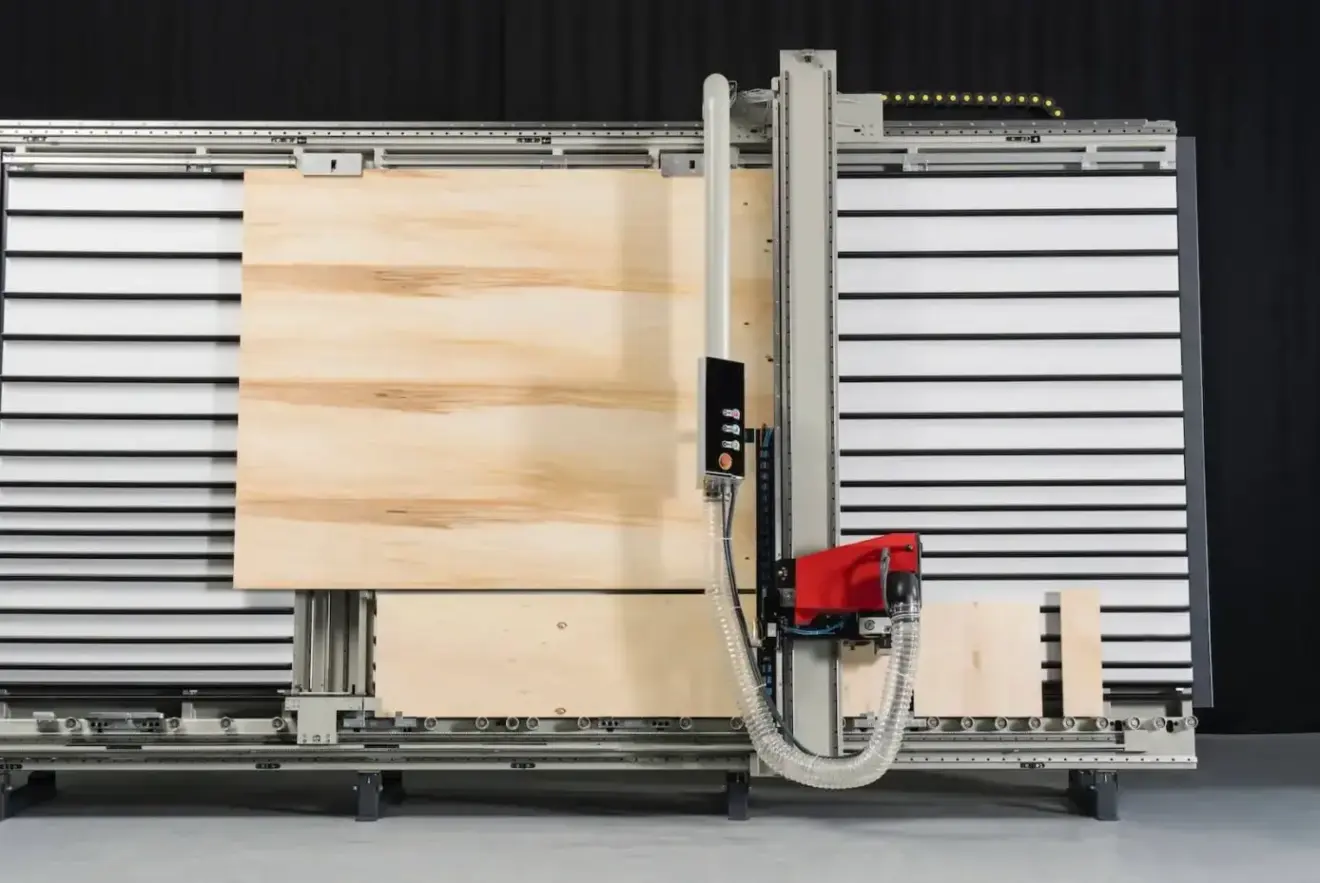
When a factory moves into real batch production, panel cutting stops being a simple sawing task and becomes the pacing function for the rest of the line. If the front end cannot size panels quickly and consistently, edge banding, drilling, sorting, and assembly either wait for parts or receive parts that need to be checked
- Published in Wood
Laser Cutter Safety Basics for Industrial and Commercial Shops
Monday, 13 April 2026
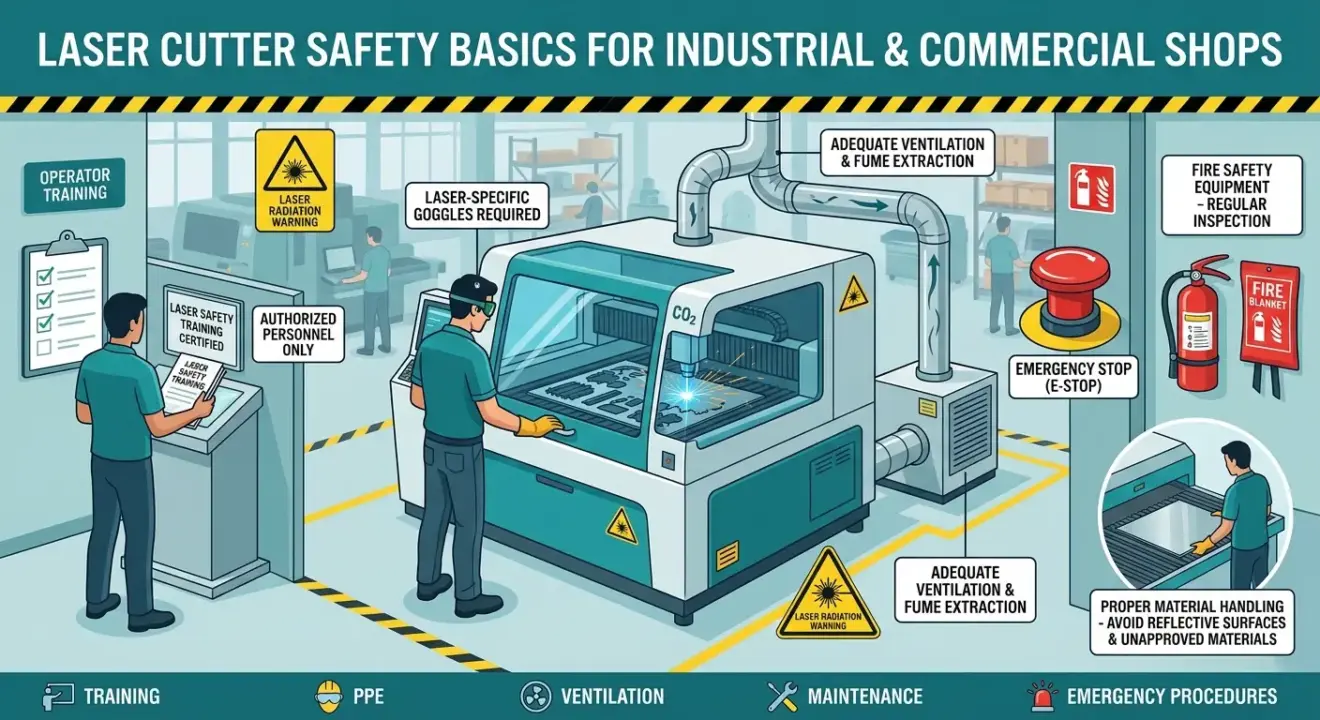
In industrial and commercial environments, laser safety is not just about the beam. Most real-world problems start earlier in the workflow: the wrong material goes onto the bed, extraction performance drops, residue builds up around the cut zone, or an operator treats an active job like a machine that can safely run unattended. When that
- Published in Laser
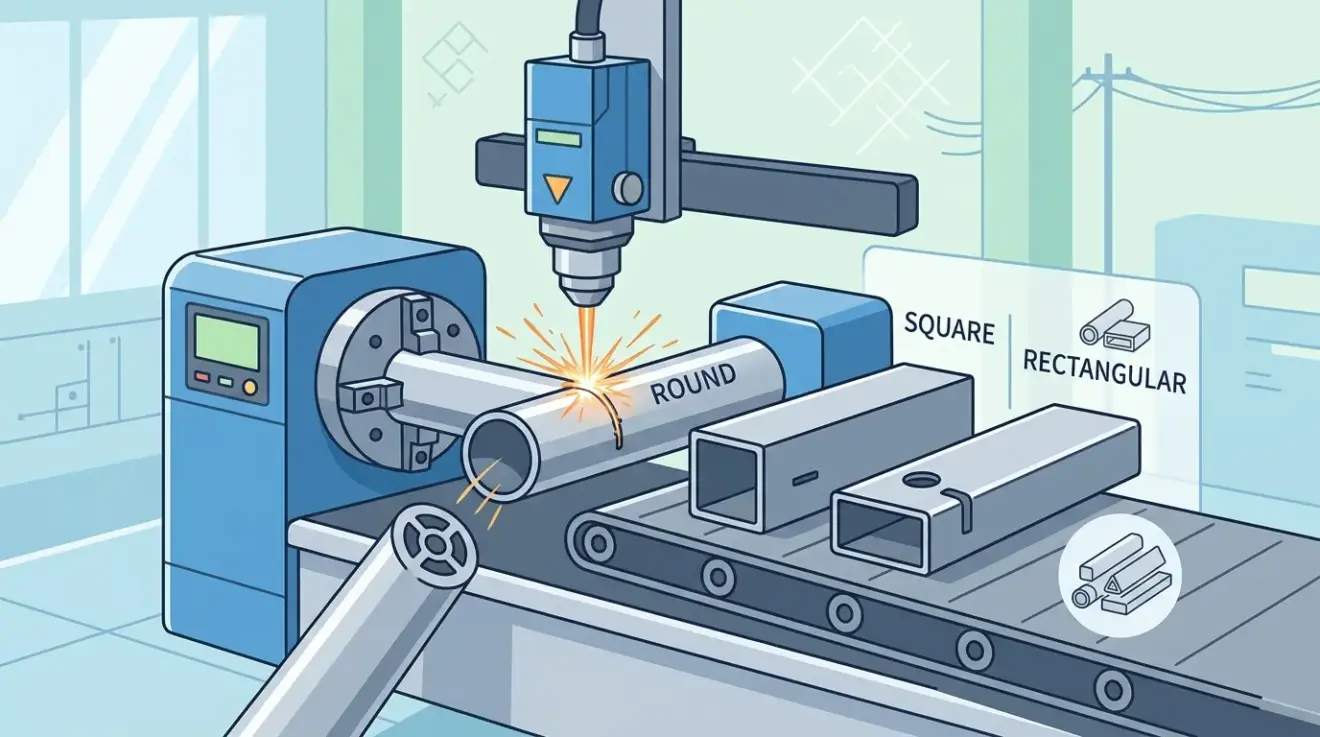
How to Choose a Tube Laser Cutting Machine for Round, Square, and Rectangular Profiles
Monday, 13 April 2026
For many fabrication shops, profile cutting stops being a simple cutting task once production starts moving between round tube, square tube, and rectangular sections in the same workflow. The parts may all fall under “tube processing” on a quote sheet, but in production they behave differently in clamping, orientation, feature placement, and downstream fit. That
- Published in Laser

Factory-Direct Machinery Buying: Pros, Risks, And What To Verify Before You Commit
Monday, 13 April 2026
In machinery buying, the visible machine price is only one part of the decision. The bigger cost often shows up later, when a line runs below target, installation takes longer than expected, spare parts are unclear, or the machine that looked competitive on paper turns out to be a poor fit for the actual workflow.
- Published in Wood
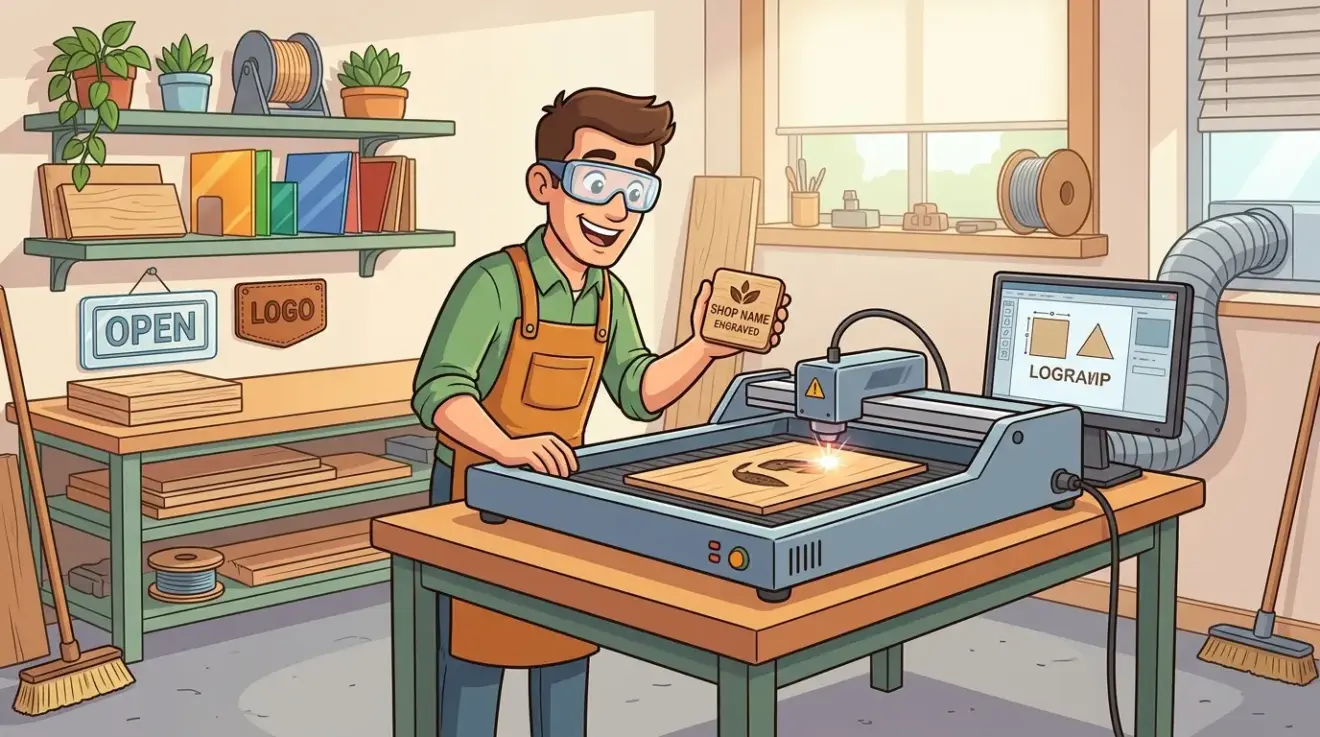
DIY Laser Engraver Setup: What Small Shops Should Know Before They Start
Monday, 13 April 2026
A DIY laser engraver usually begins as a cost-saving idea. The real pressure shows up later, when smoke control, unstable alignment, inconsistent results, and slow material handling start taking more time than the engraving itself. For a small shop, prototype team, or custom manufacturer, the important question is not whether a DIY setup can work.
- Published in Laser
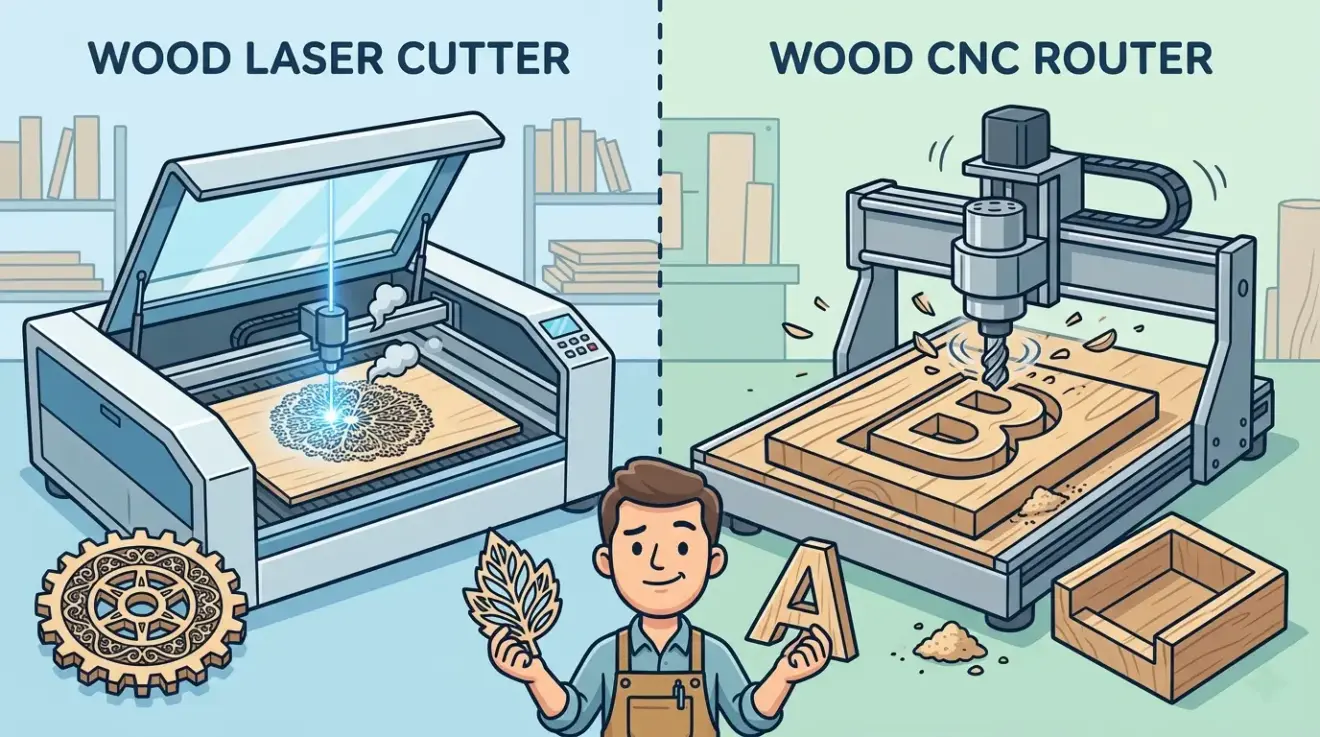
Wood Laser Cutting Machine vs CNC Router: Which Fits Your Workflow Better?
Monday, 13 April 2026
Choosing between a wood laser cutting machine and a CNC router is rarely about which machine looks more advanced on paper. In production, the real question is what happens before and after the cut: setup time, edge cleanup, drilled features, part complexity, material handling, and whether the machine supports the rest of the workflow without
- Published in Laser

How Sliding Table Saws Support Flexible, Low-Volume Production
Monday, 13 April 2026
In low-volume production, cutting is often constrained less by maximum cycle speed than by how often the job changes. A shop may move from cabinet panels to custom fillers, then to solid-wood parts, then back to a short rerun of previously cut components. In that environment, the most useful saw is not always the one
- Published in Wood
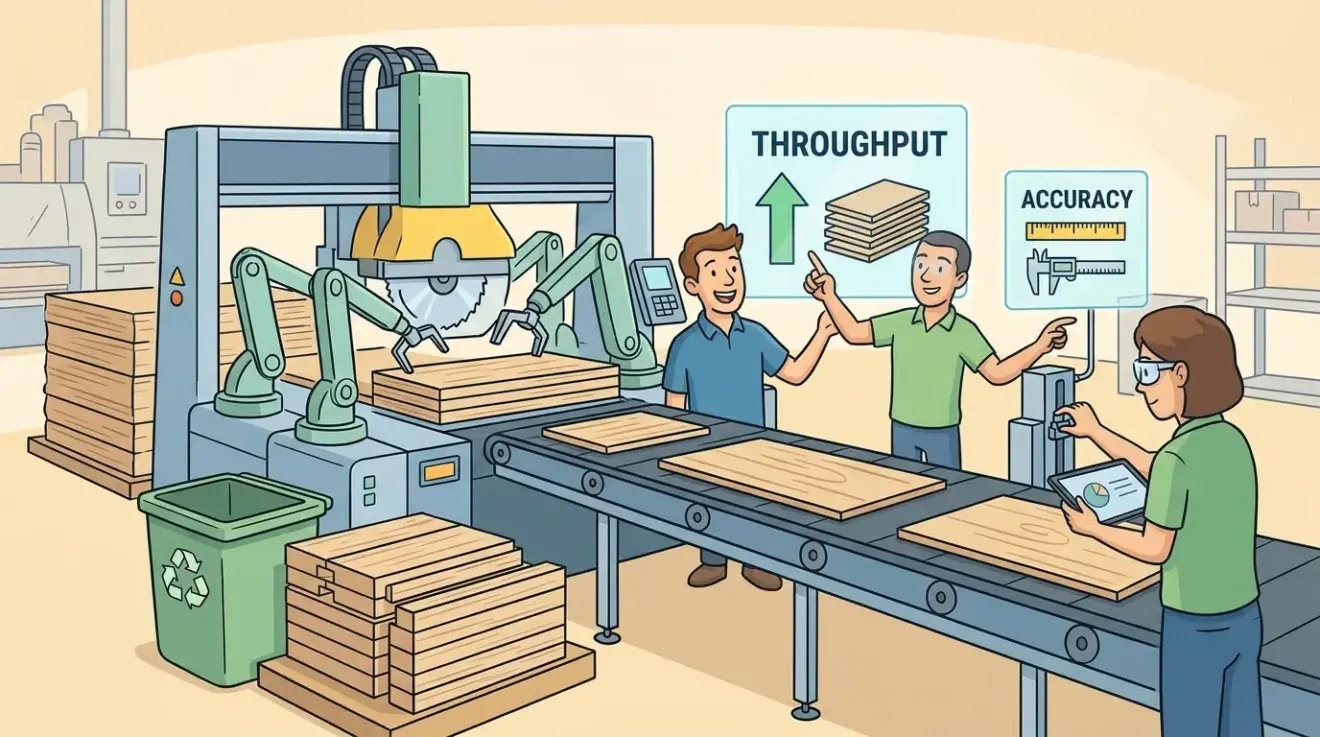
Beam Saws for Batch Processing: Throughput, Accuracy, and Labor Savings
Monday, 13 April 2026
In batch furniture and cabinet production, panel cutting is rarely just a cutting task. It is the front end of a larger flow that has to feed edge banding, drilling, sorting, and assembly without constant rechecking. When that first stage is unstable, the rest of the factory spends time compensating for it. That is why
- Published in Wood
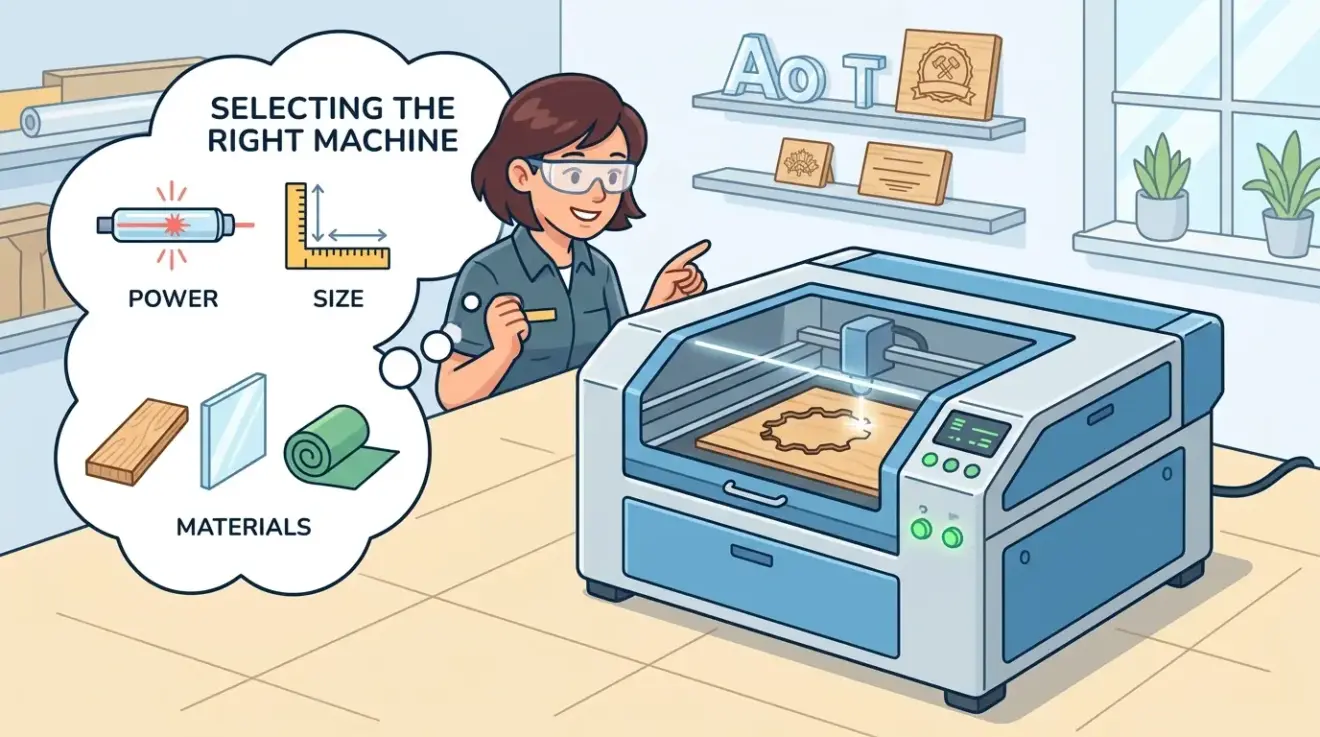
How To Choose the Right CO2 Laser Machine for Non-Metal Processing
Monday, 13 April 2026
Buying a CO2 laser machine looks simple until the machine has to do more than produce a clean demo sample. In real production, acrylic display parts, engraved wood panels, plywood components, and other non-metallic jobs place different demands on the same system. The buying decision then becomes less about whether the beam can cut the
- Published in Laser
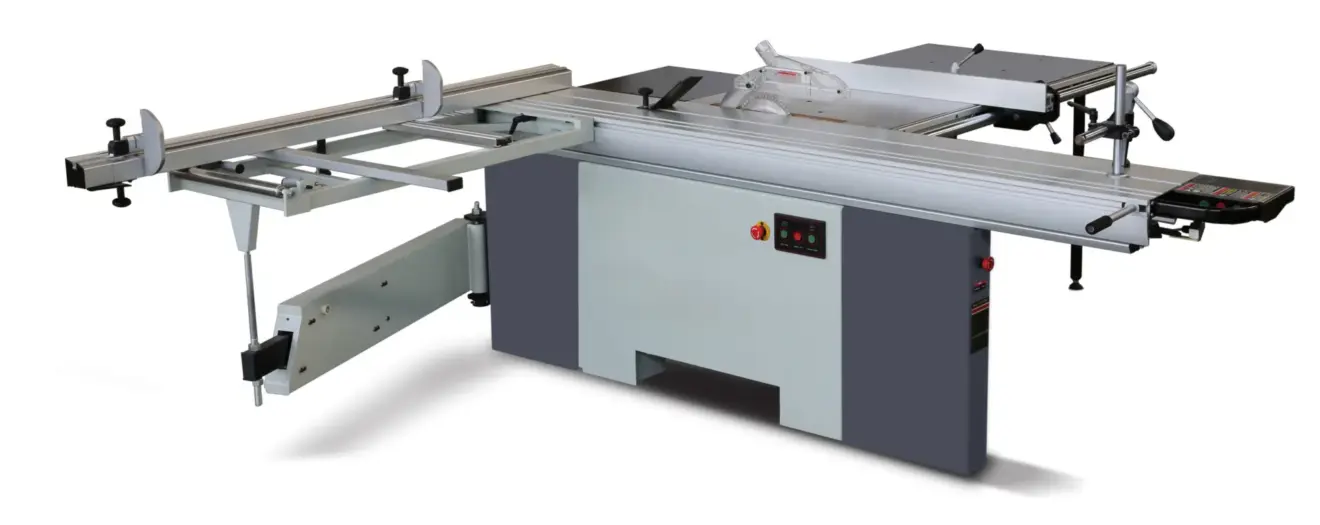
Sliding Table Saw Safety and Setup Best Practices for Accurate, Repeatable Daily Cutting
Monday, 13 April 2026
In custom furniture shops, mixed-production workshops, and smaller panel-processing lines, many cutting problems start before the blade enters the material. A poorly supported panel, an out-of-square fence, a dirty sliding carriage, or rushed operator movement can lead to chipped edges, inconsistent dimensions, lost time, or a serious safety event. That is why sliding table saw
- Published in Wood
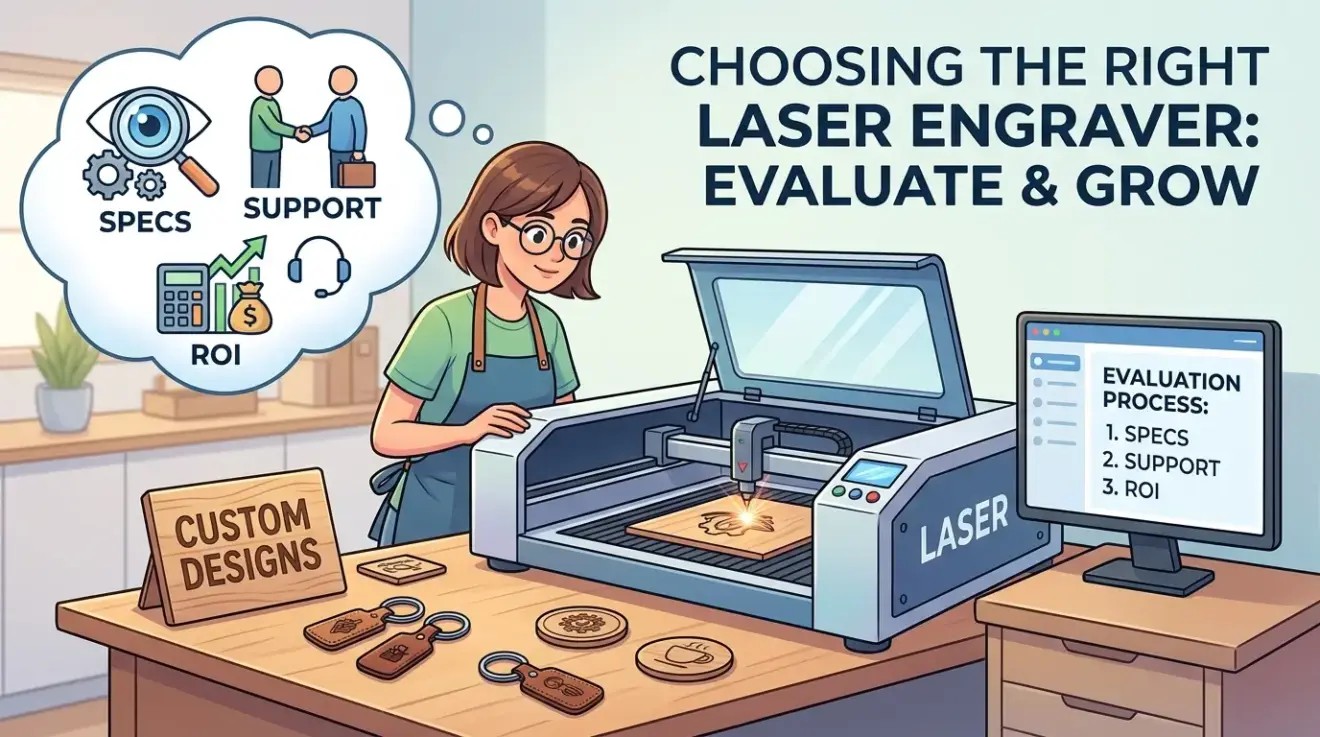
Laser Engravers for Sale: How To Evaluate Specs, Support, and ROI Before You Buy
Monday, 13 April 2026
Search results for laser engravers for sale usually make the buying process look simpler than it is. Listings highlight sample photos, machine dimensions, and headline performance claims, but those details alone do not tell you whether the machine will stay productive once real materials, repeated jobs, operator handoffs, and service needs enter the picture. For
- Published in Laser
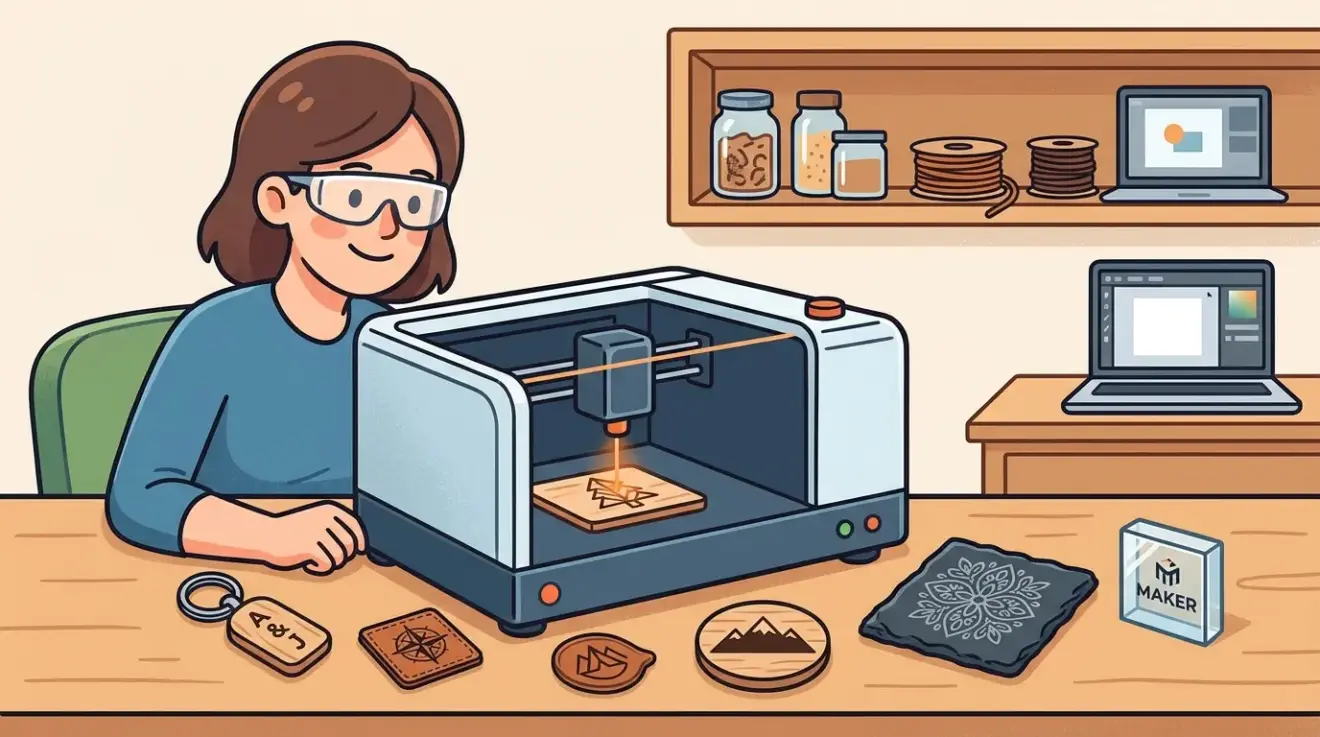
Small Laser Engraver Buying Guide for Makers and Small Businesses
Monday, 13 April 2026
A small laser engraver becomes expensive very quickly when it is chosen around a demo sample instead of the jobs that actually pay the bills. For a maker studio, gift brand, sign shop, or small custom business, the wrong machine usually shows up as slow setup, weak part alignment, smoke-management headaches, and a work area
- Published in Laser
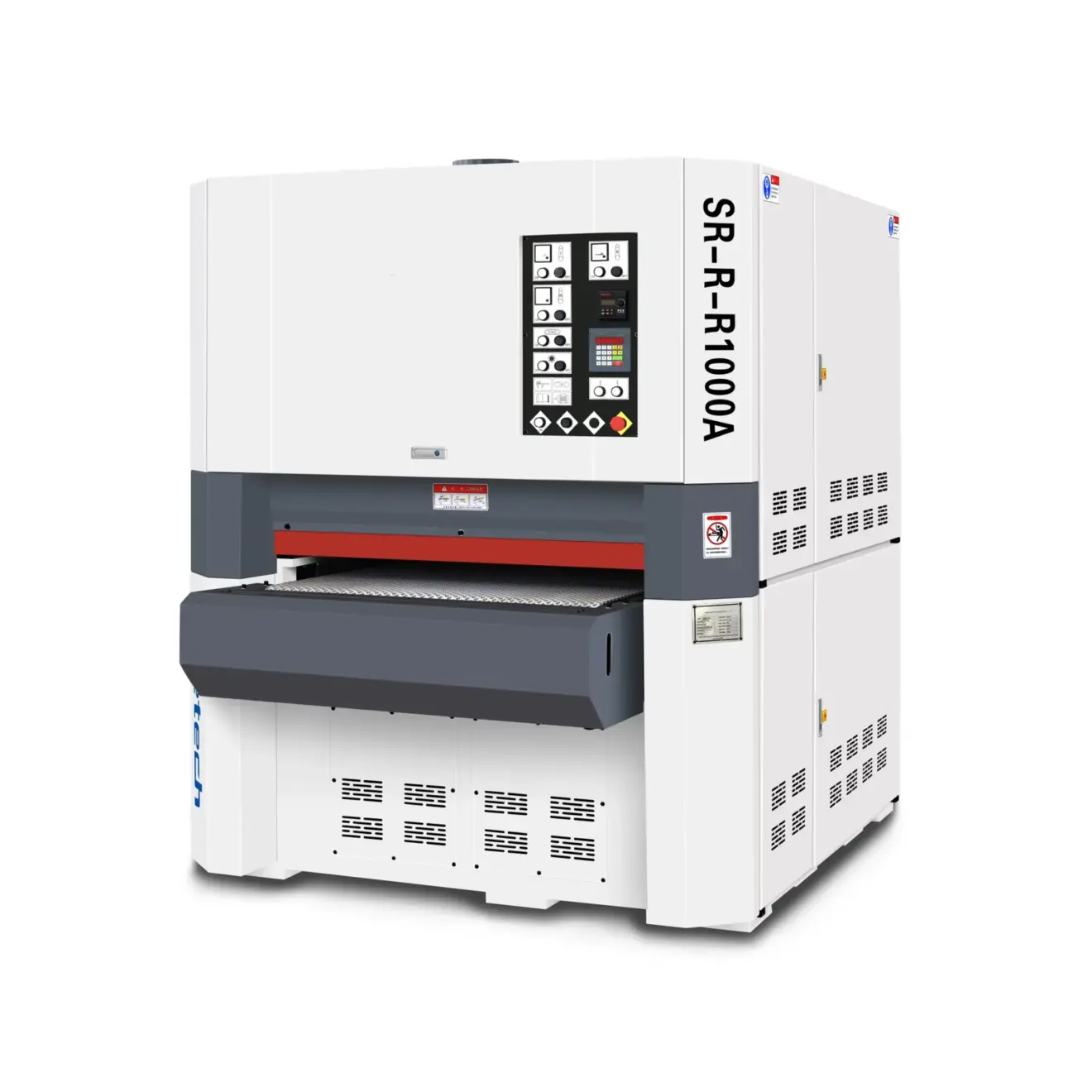
Common Sanding Defects and How a Wide Belt Sander Helps Prevent Them
Monday, 13 April 2026
In panel furniture, doors, veneered parts, and solid-wood components, sanding defects usually show up one station too late. The panel looks acceptable coming out of the sanding cell, but once it reaches coating, edge banding, lamination touch-up, or final inspection, the real cost becomes obvious: scratch lines telegraph through finish, thickness variation affects fit, corners
- Published in Wood
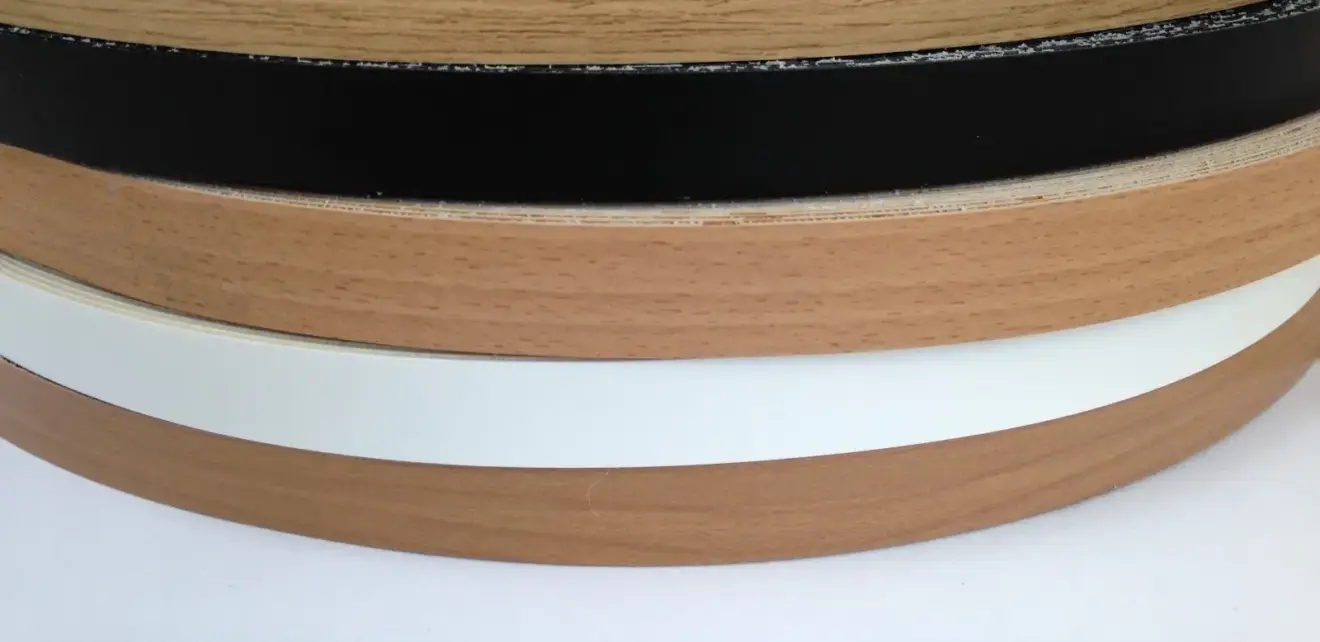
Melamine Edge Banding for Panel Furniture: Process Tips and Pitfalls
Monday, 13 April 2026
In panel furniture production, melamine edge banding is often treated as a finishing detail. In practice, it is one of the fastest places for upstream variation to become visible. A slightly chipped cut edge, unstable panel thickness, uneven glue balance, or overly aggressive trimming routine can turn into visible glue lines, edge lifting, corner defects,
- Published in Wood
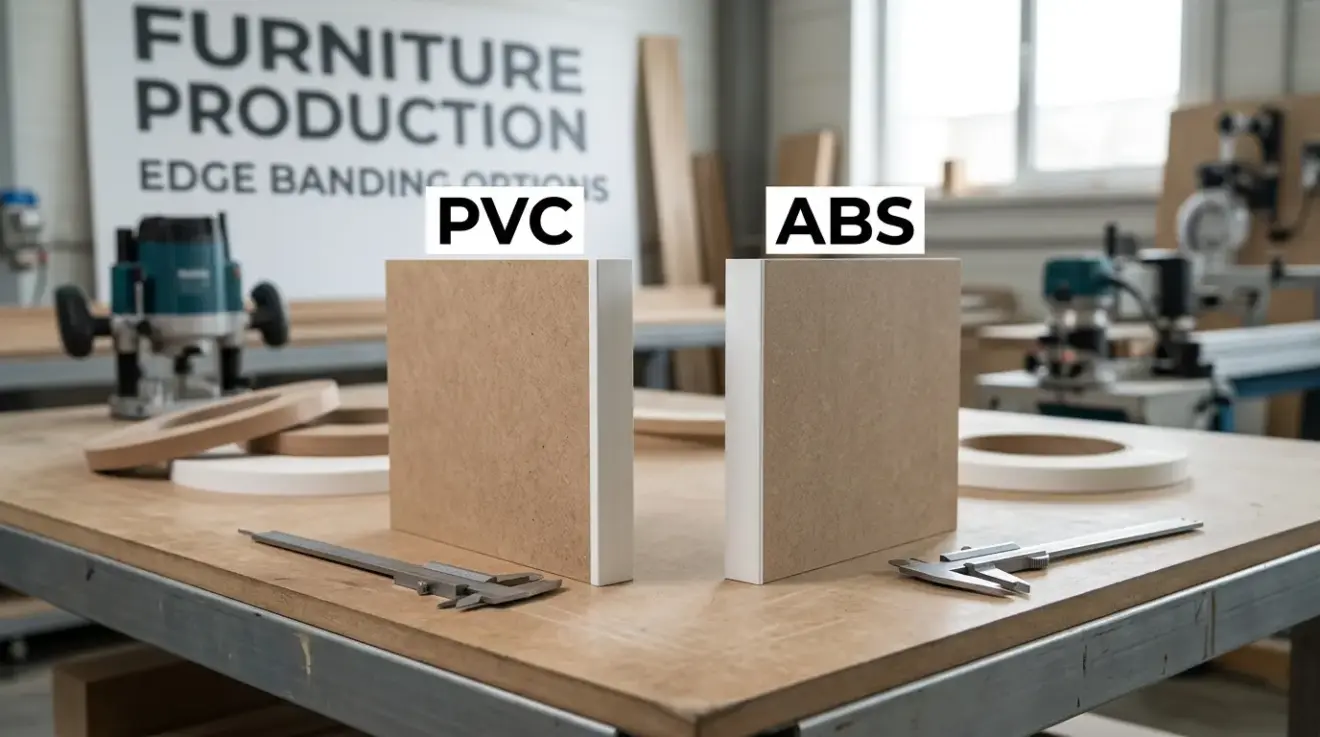
PVC Edge Banding vs ABS Edge Banding: Which One Fits Better for Furniture Production?
Monday, 13 April 2026
Most furniture factories do not feel this decision first in purchasing. They feel it later, when exposed edges still need manual correction, when a premium-looking wardrobe line does not look as refined as expected after trimming and polishing, or when a factory wants a stronger material-positioning story without creating a new process problem at the
- Published in Wood
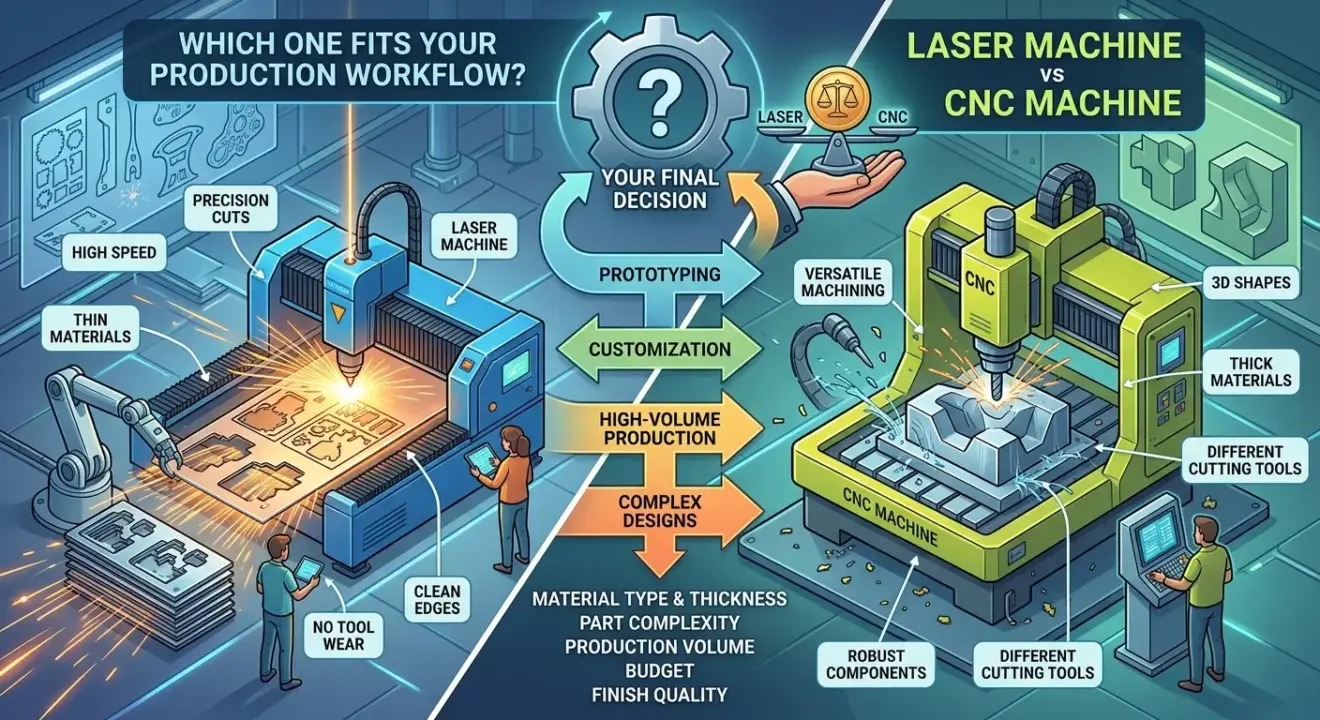
Laser Machine vs CNC Machine: Which One Fits Your Production Workflow?
Sunday, 12 April 2026
Many industrial and commercial buyers compare laser machines and CNC machines because both can cut shapes, improve repeatability, and reduce manual work. The problem is that they do not solve the same production bottlenecks in the same way. A shop that chooses based only on headline machine type can easily end up with the wrong
- Published in Laser
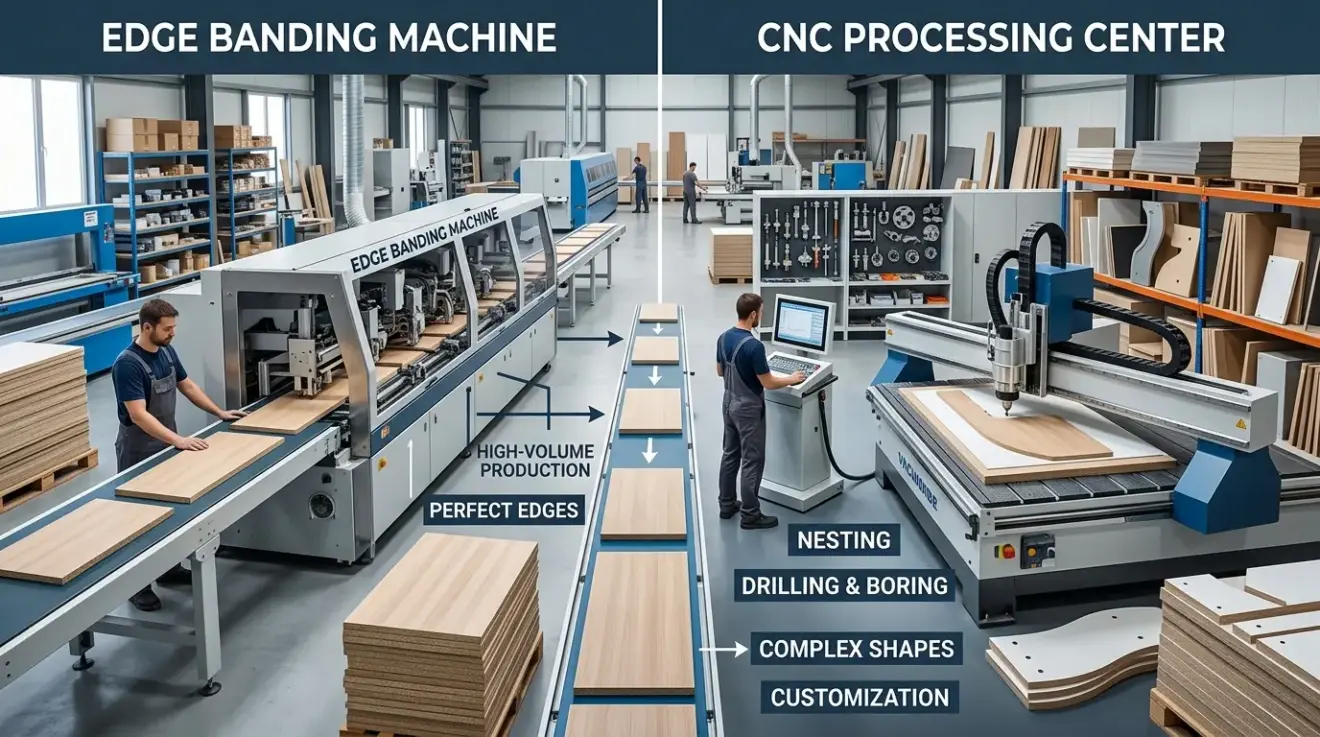
Edge Banding Machine Vs. CNC Processing Line: Where Each Fits Best In Panel Furniture Production
Sunday, 12 April 2026
In many panel-furniture factories, these two options get compared because both are associated with automation, labor reduction, and cleaner workflow. But they do not solve the same problem. An edge banding machine is a dedicated finishing station. A CNC processing line is a broader production system that organizes how parts are cut, routed, drilled, transferred,
- Published in Wood
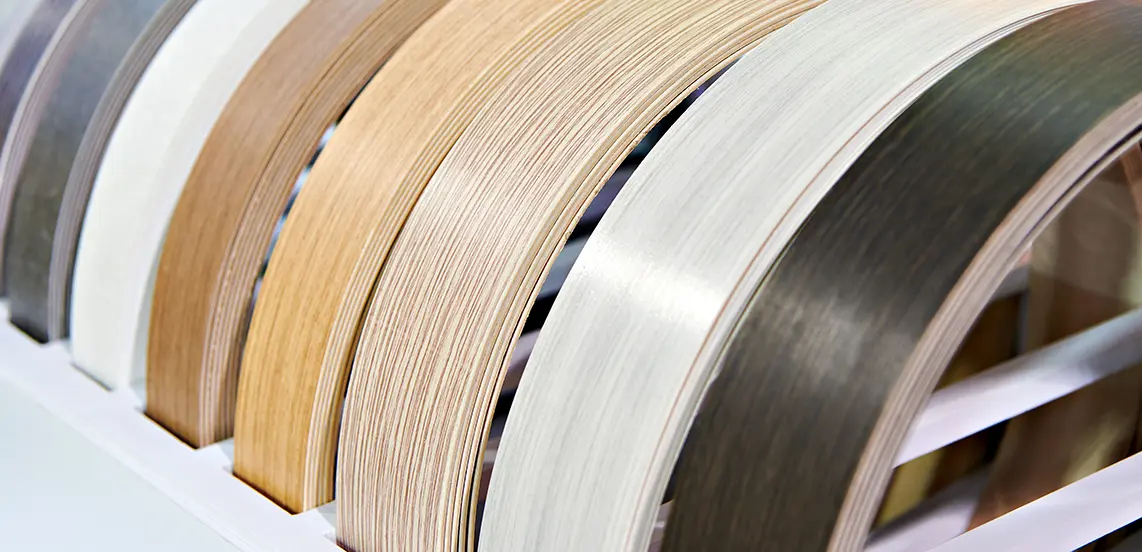
PVC Edge Banding: Materials, Machines, and Common Production Problems
Sunday, 12 April 2026
In panel furniture production, edge banding is often where a part first starts to look finished. It is also where small process weaknesses become visible very quickly. A panel that looked acceptable after cutting can suddenly show a weak bond, a visible glue line, chipped corners, or a mismatched edge once PVC banding is applied.
- Published in Wood
Sliding Table Saw Maintenance Checklist for Consistent Daily Performance
Sunday, 12 April 2026
In flexible furniture production, custom joinery, and mixed-material cutting, a sliding table saw rarely loses performance all at once. More often, the change shows up as rougher carriage travel, fence settings that need more rechecking, more chip-out on finished panels, or cut results that feel less predictable at the end of the shift than they
- Published in Wood
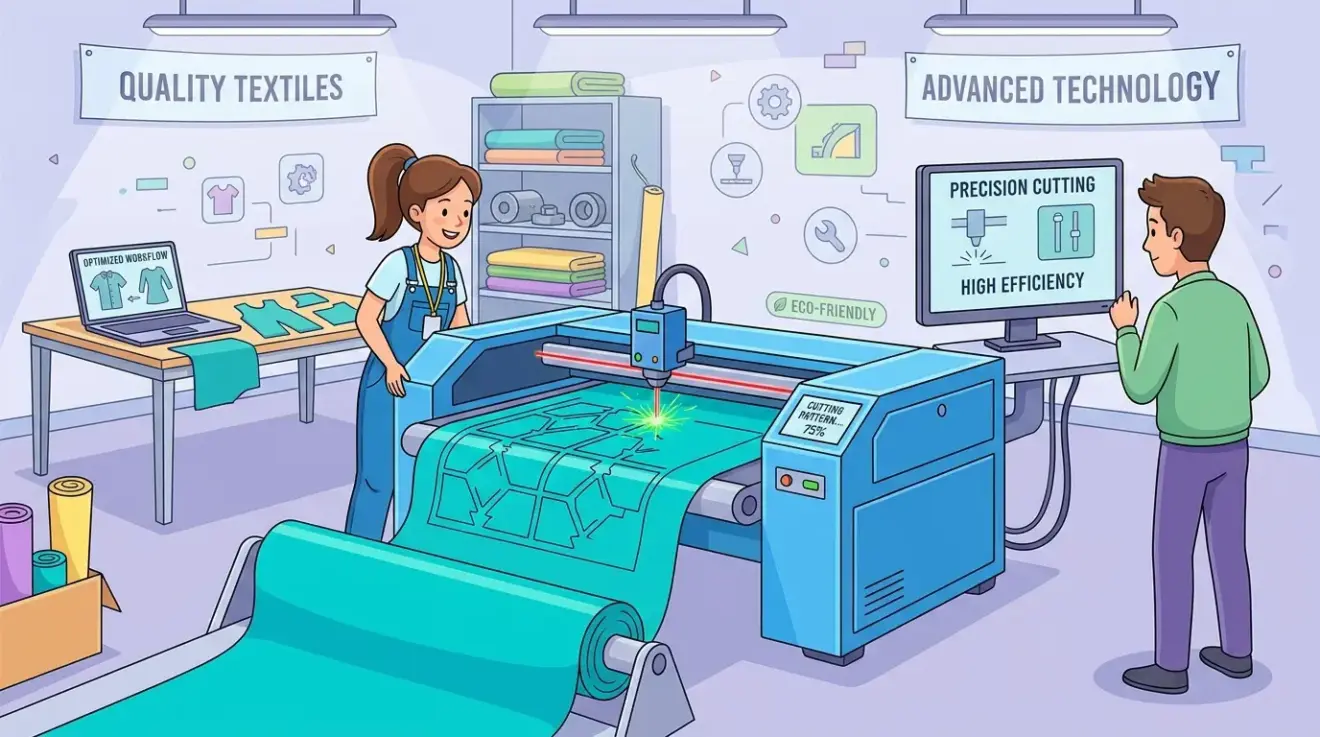
How to Evaluate Fabric Laser Cutting Machines for Textile and Soft Material Workflows
Sunday, 12 April 2026
Textile and soft-material manufacturers rarely struggle because no process can cut the shape at all. The real bottleneck is usually elsewhere: frequent pattern changes, frayed edges, inconsistent low-ply accuracy, slow setup between jobs, or too much manual correction after cutting. That is why a fabric laser cutting machine should be evaluated as a workflow tool,
- Published in Laser
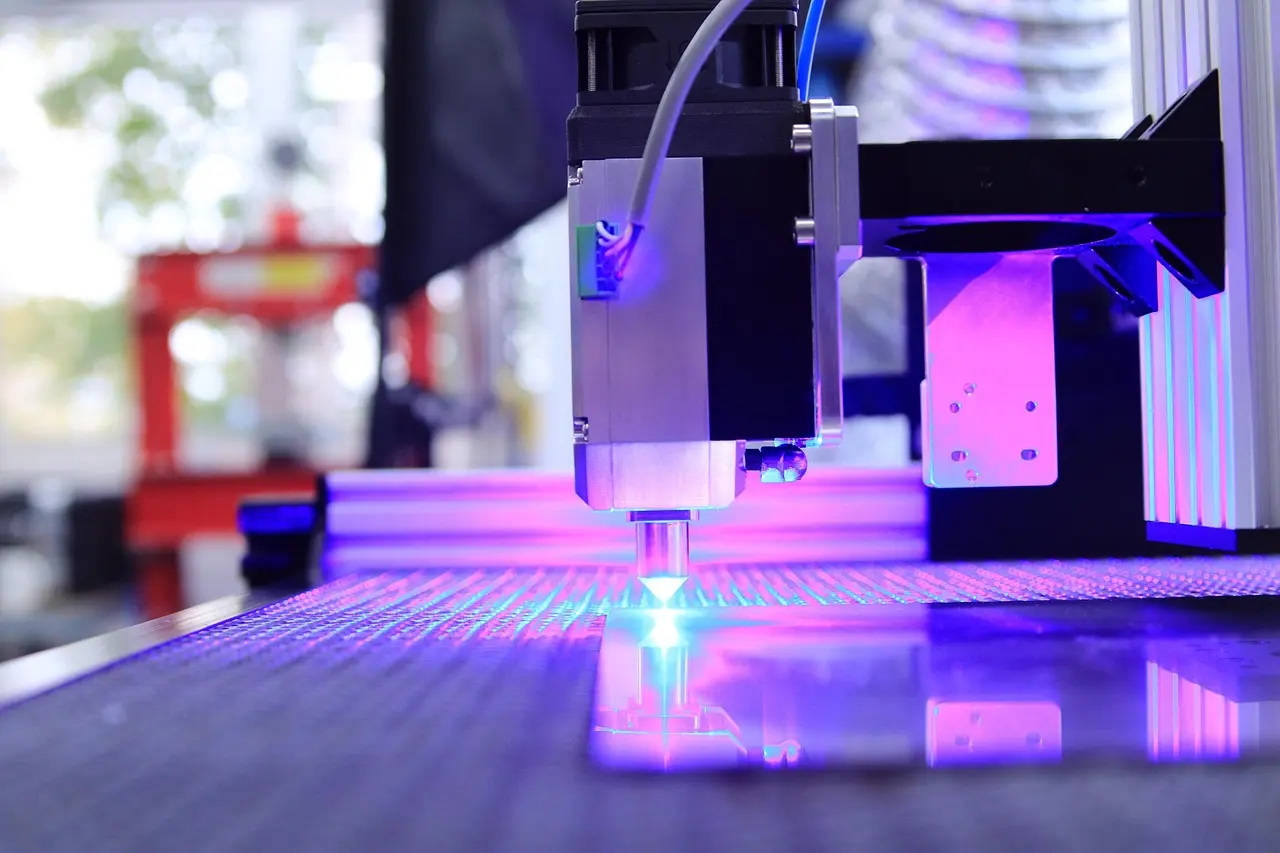
Laser Machinery Explained: Types, Applications, and Buying Criteria
Sunday, 12 April 2026
Laser machinery covers a wide range of production tasks, from cutting acrylic display parts to engraving wood panels to processing sheet metal at industrial speed. For buyers, the challenge is not simply choosing a laser machine. It is understanding which laser type fits the material, which workflow it improves, and which buying criteria actually matter
- Published in Laser
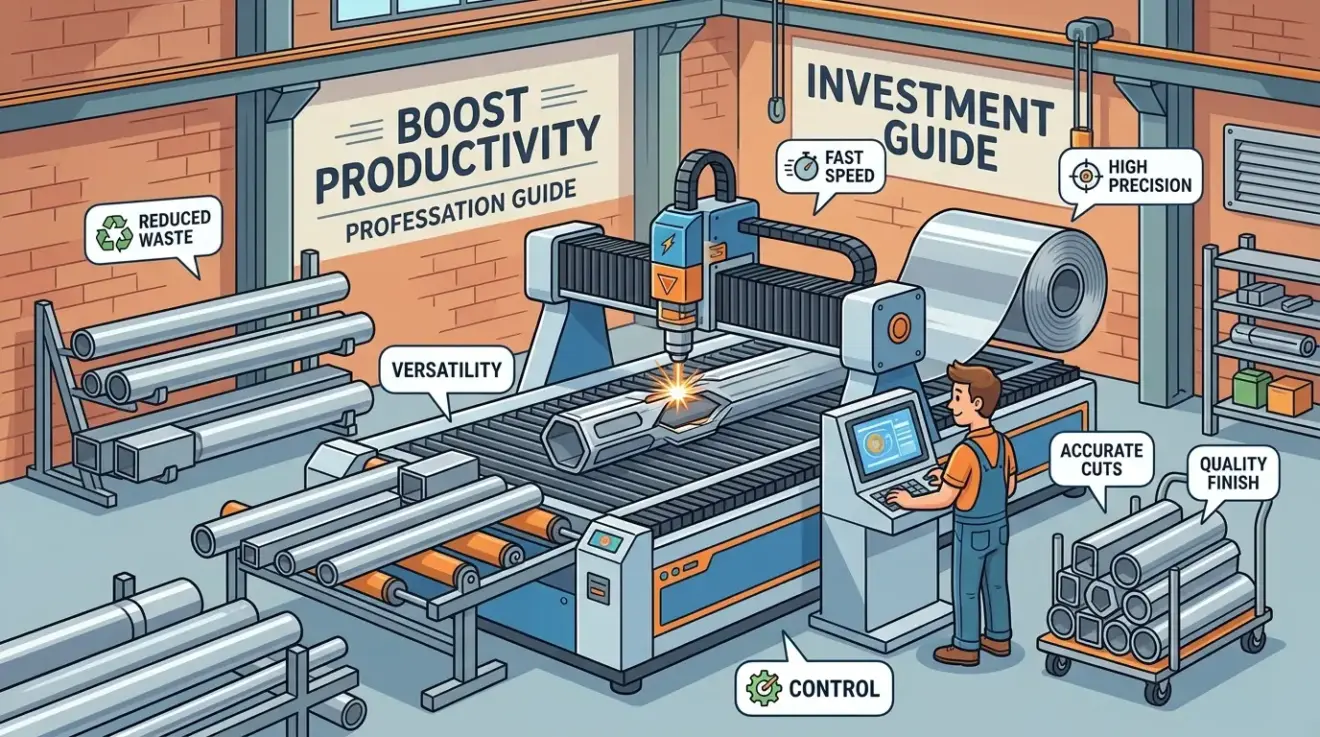
Laser Pipe Cutting Machine Buying Guide for Fabrication Shops
Sunday, 12 April 2026
For many fabrication shops, tube and pipe cutting becomes a bottleneck long before welding or assembly does. The problem is usually not whether material can be cut at all. The problem is how consistently the shop can process round tube, square tube, rectangular profiles, and other structural sections without losing time to manual handling, secondary
- Published in Laser
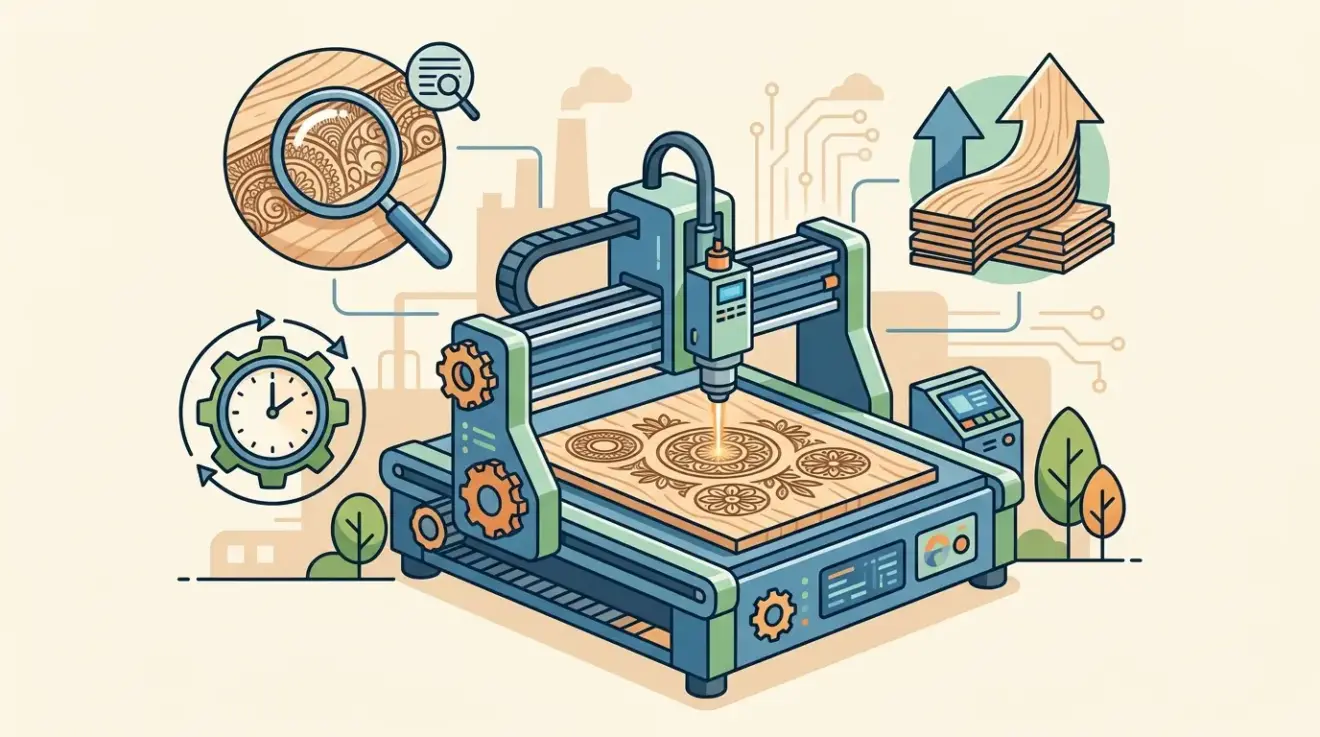
Wood Engraving Machines for Custom Manufacturing: How to Balance Detail, Changeovers, and Throughput
Sunday, 12 April 2026
Custom manufacturing rarely breaks down because one sample part looks bad. It breaks down when the shop has to move from a short run of branded plywood boxes to custom decorative panels and then to a repeat OEM order with different artwork, all without losing surface quality or burning time on setup corrections. A wood
- Published in Laser
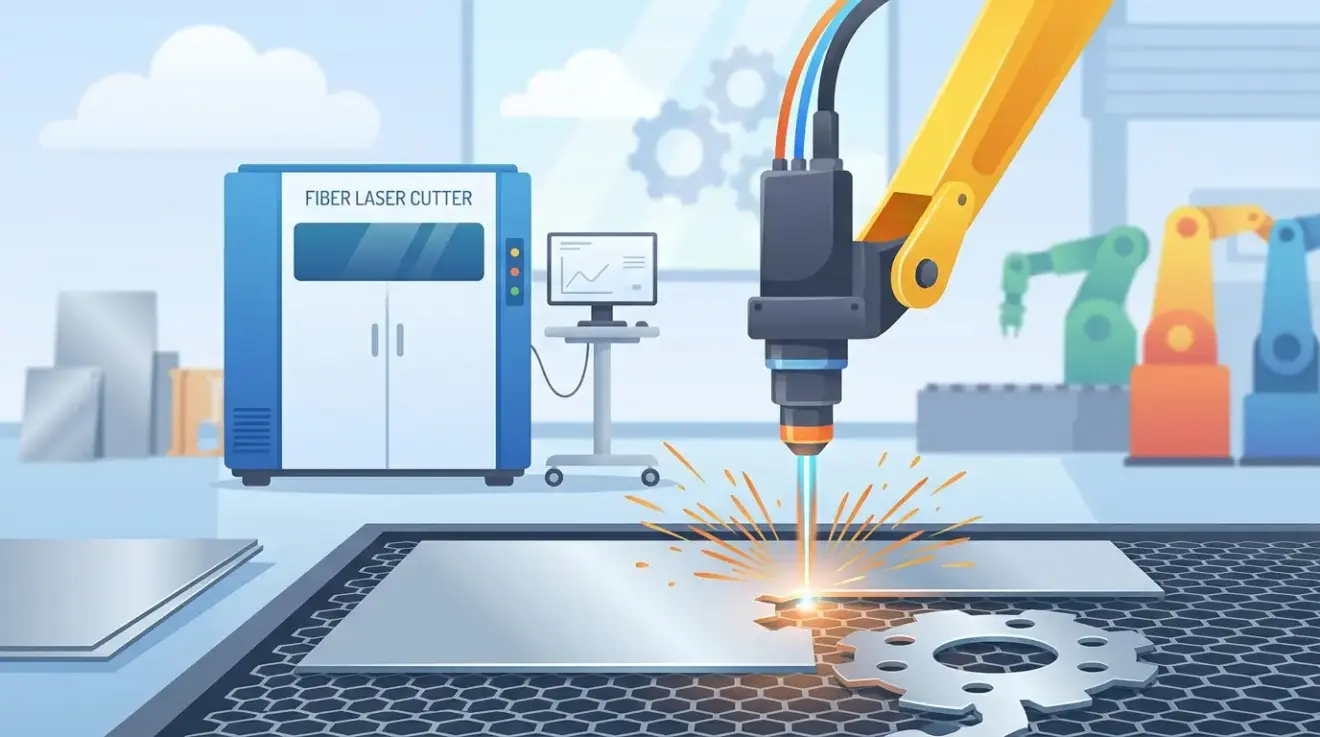
Fiber Laser Machine Applications in Sheet Metal Processing
Sunday, 12 April 2026
In sheet metal production, the value of a fiber laser machine is not just that it can cut metal. The real value is how well it supports part accuracy, nesting efficiency, edge quality, and production flow across a wide range of jobs. For fabrication shops under pressure to reduce rework, shorten lead times, and handle
- Published in Laser
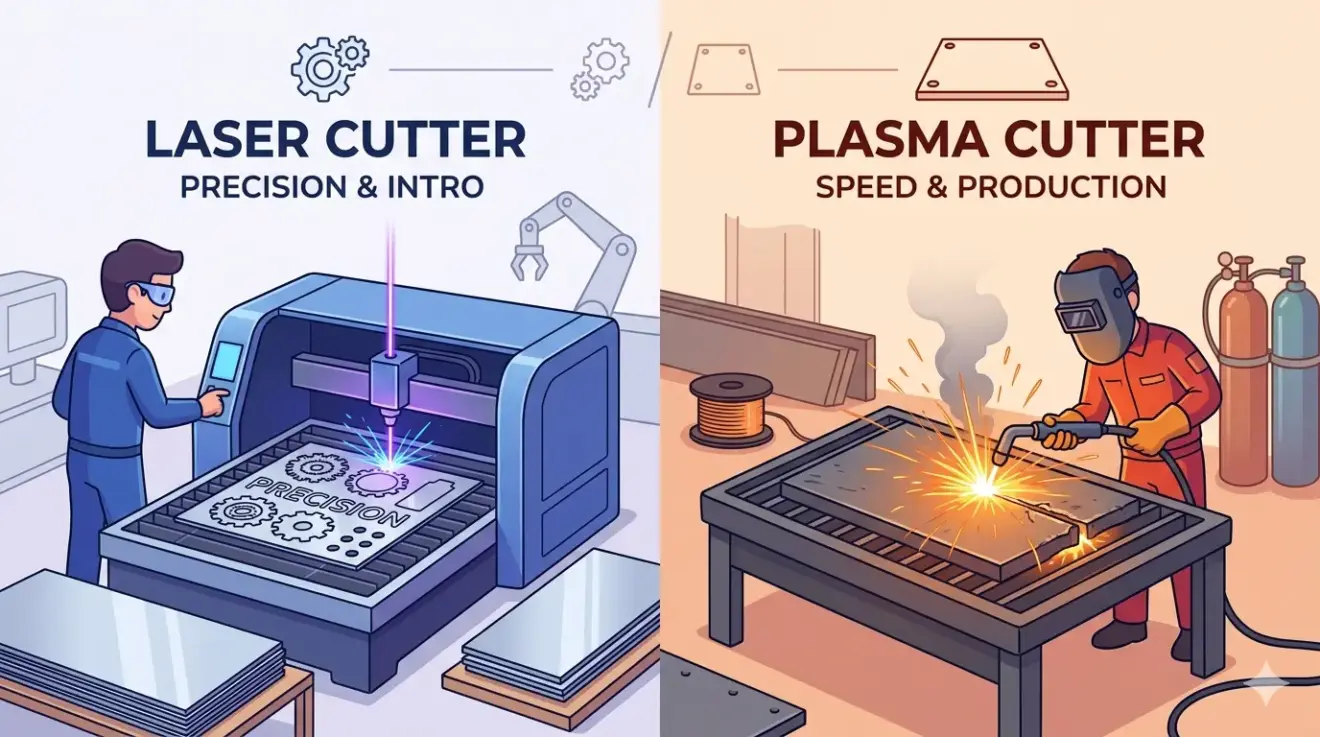
Laser Cutter vs Plasma Cutter: Which Process Fits Your Fabrication Workflow?
Sunday, 12 April 2026
Many fabrication teams start this comparison at the quote stage, when the more important question should have been answered earlier: what does the shipped part need to look like when it leaves the cutting cell? If your bottleneck is downstream grinding, hole cleanup, fit-up at assembly, or visible edge quality, a rough process match can
- Published in Laser
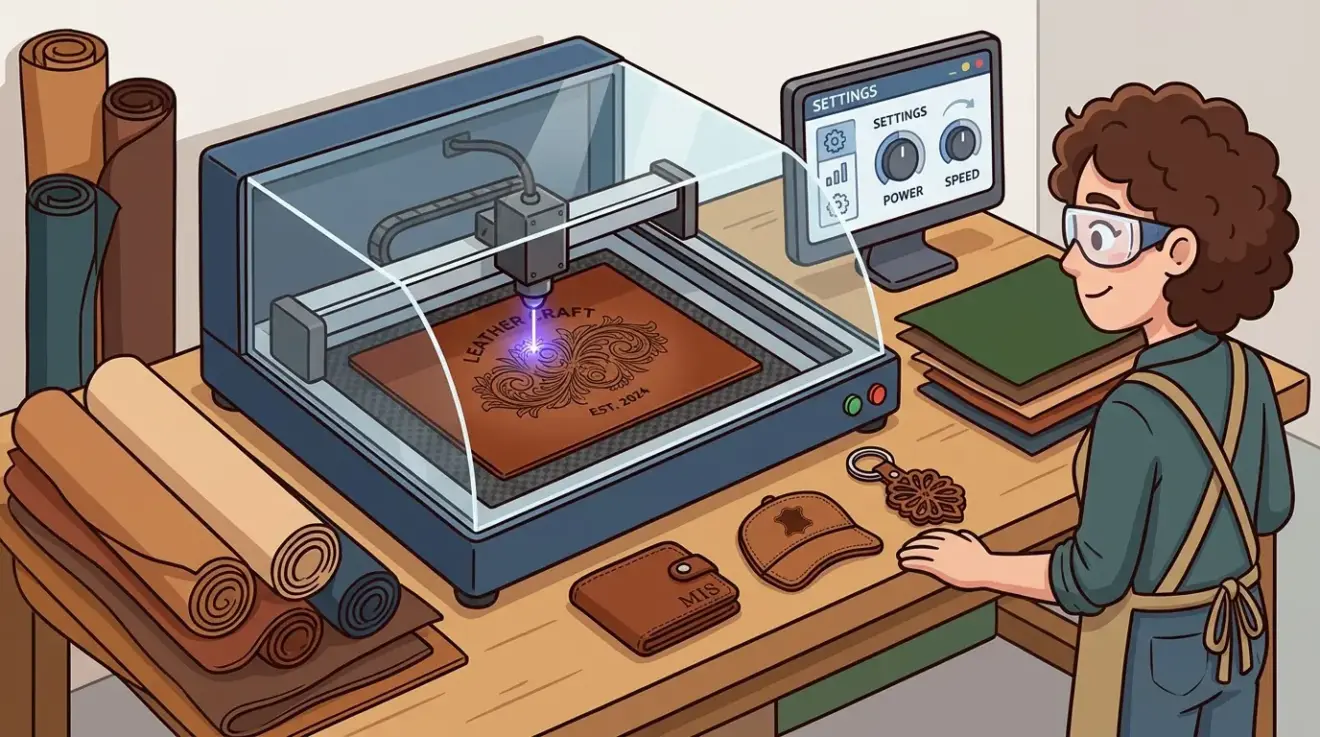
Laser Engraver for Leather: Settings, Applications, And How To Choose The Right Machine
Saturday, 11 April 2026
A leather engraving sample can look excellent on the bench and still fail in production. The reasons are usually not dramatic machine faults. They are process problems: inconsistent contrast across hides, dark heat halos around logos, residue on finished surfaces, slow cleanup between orders, or settings that work on one leather finish but not the
- Published in Laser
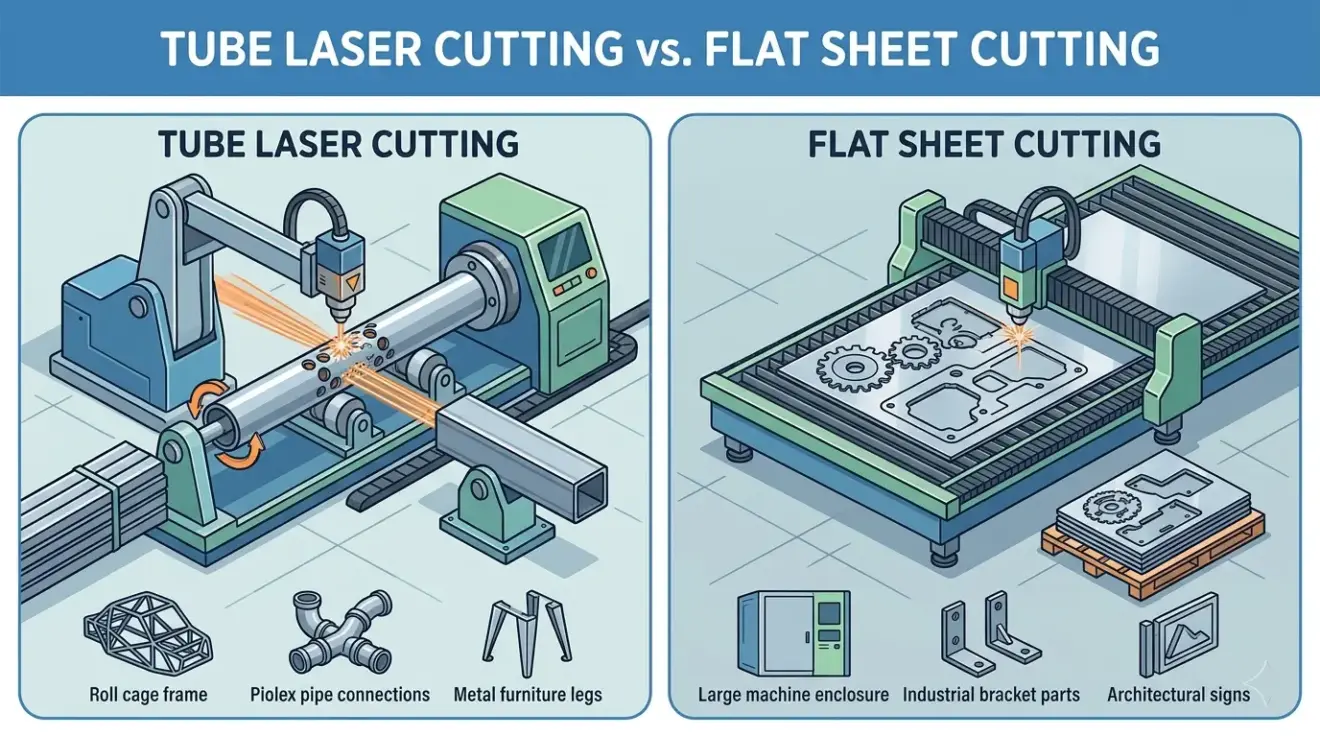
Tube Laser Cutting vs Flat Sheet Cutting: Choosing the Right Setup for Your Production Mix
Saturday, 11 April 2026
For many fabricators, the real question is not whether laser processing makes sense. It is which laser setup solves the actual production bottleneck first. A shop building frames, supports, welded assemblies, brackets, covers, and enclosures may handle both tube stock and flat sheet every day, but those jobs do not create the same handling, programming,
- Published in Laser
How to Choose a Panel Saw Machine for Plywood, MDF, and Melamine Processing
Saturday, 11 April 2026
When a factory cuts plywood, MDF, and melamine-faced boards in the same production flow, the saw cell stops being a simple cutting station. It becomes the point where face quality, edge condition, squareness, and batch stability are either protected or lost before edge banding, drilling, and assembly even begin. That is why buying a panel
- Published in Wood
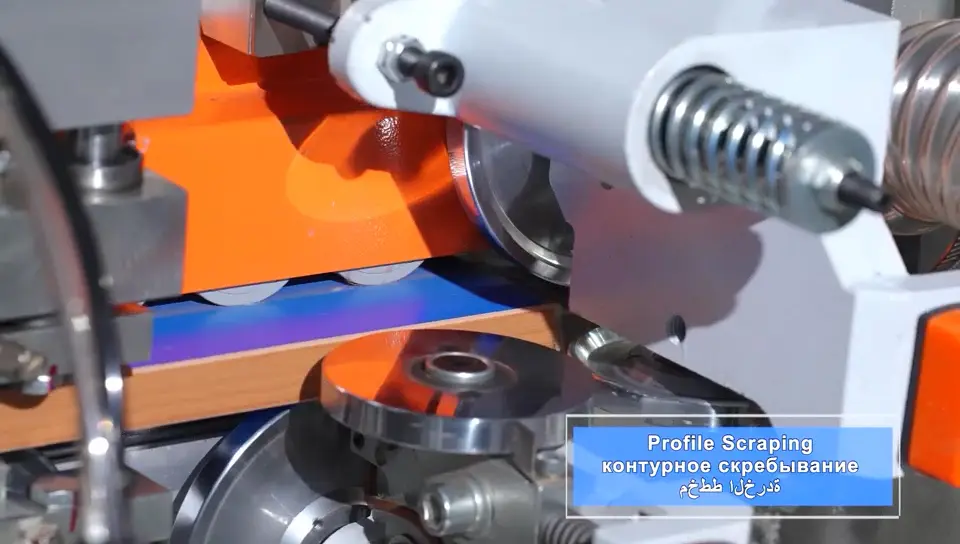
Edge Banding Machine Setup: How to Improve Glue Line Quality
Saturday, 11 April 2026
In panel furniture production, customers rarely measure glue spread or roller pressure, but they notice the result immediately. A dark glue line, a visible gap, squeeze-out on the top edge, or an edge band that lifts after machining makes the whole panel look lower grade, even when the substrate and banding material are acceptable. That
- Published in Wood