
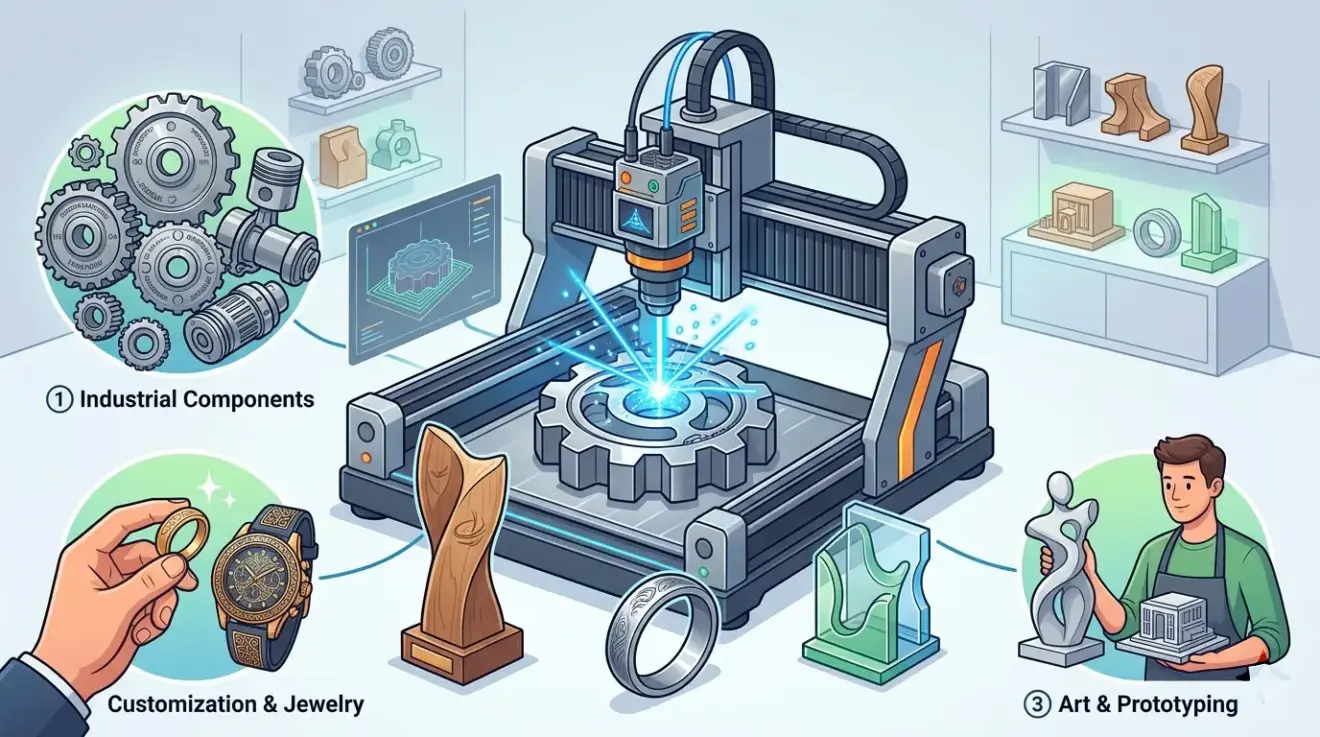
3D Laser Engraving Machines: Applications, Limitations, and When They Make Sense
Saturday, 11 April 2026
Many buyers first look at a 3D laser engraving machine after a standard flat engraving workflow starts to break down. The parts may no longer be flat. The product may need engraving on a curved face. A decorative panel may need a layered relief effect instead of a simple surface mark. Or the shop may
- Published in Laser
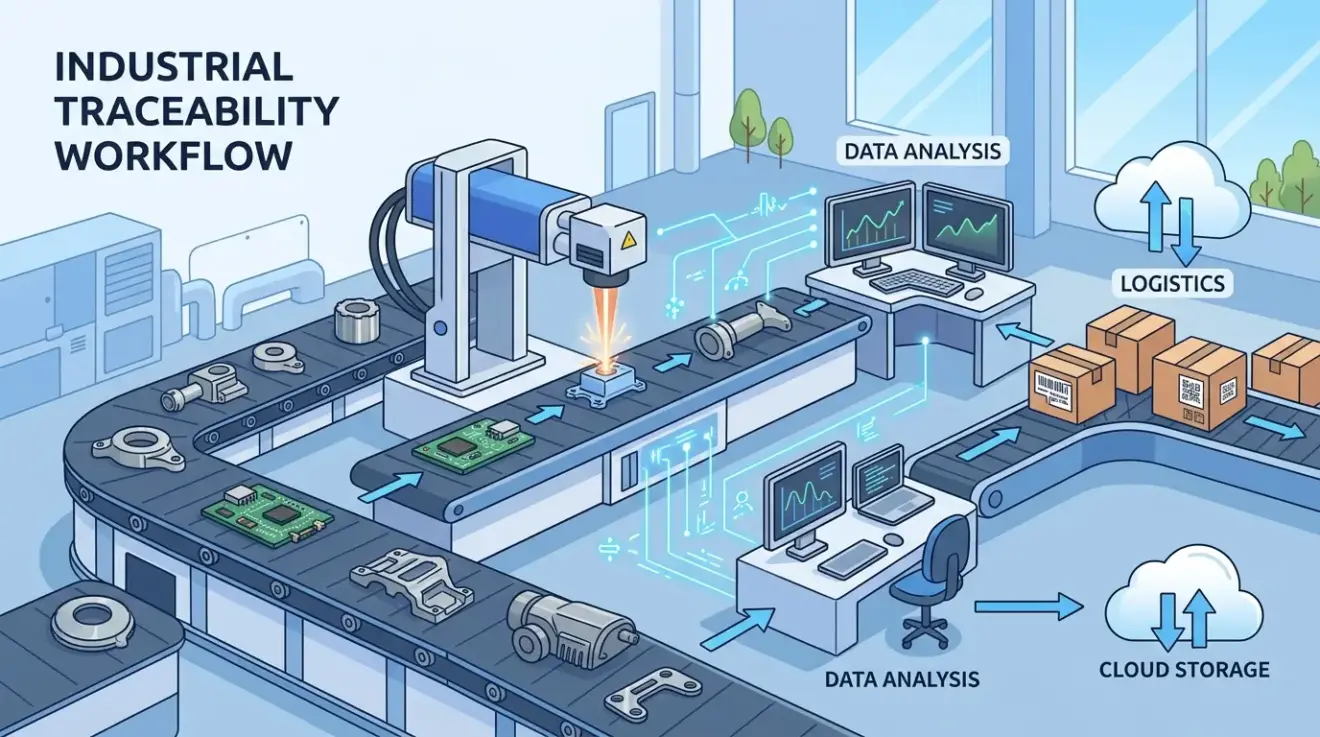
Laser Marking Equipment for Industrial Identification Systems: How To Match the System to Your Traceability Workflow
Saturday, 11 April 2026
An identification mark that looks clean at the demo table can still fail on the factory floor. If a code becomes unreadable after washing, coating, handling, scanner verification, or field service, the problem is not cosmetic. It slows traceability, creates inspection friction, and increases the risk of mismatched parts moving downstream. That is why laser
- Published in Laser
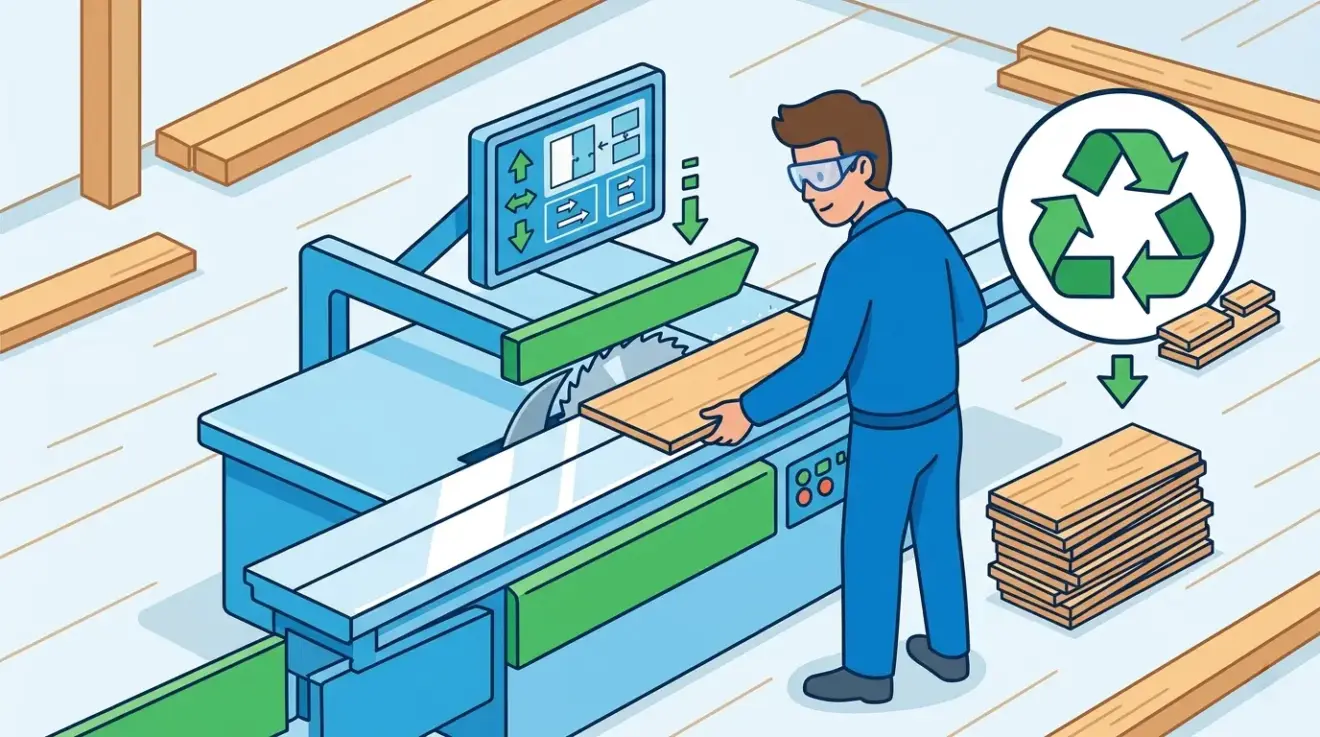
How to Reduce Material Waste With a Modern Panel Saw Machine
Saturday, 11 April 2026
In panel furniture production, material waste is rarely caused by one dramatic mistake. More often, it builds up through small losses repeated all day: oversized trim allowances, recuts from size variation, chipped finished surfaces, poorly planned sheet breakdown, and batches that get mixed before they reach the next operation. That is why waste reduction is
- Published in Wood
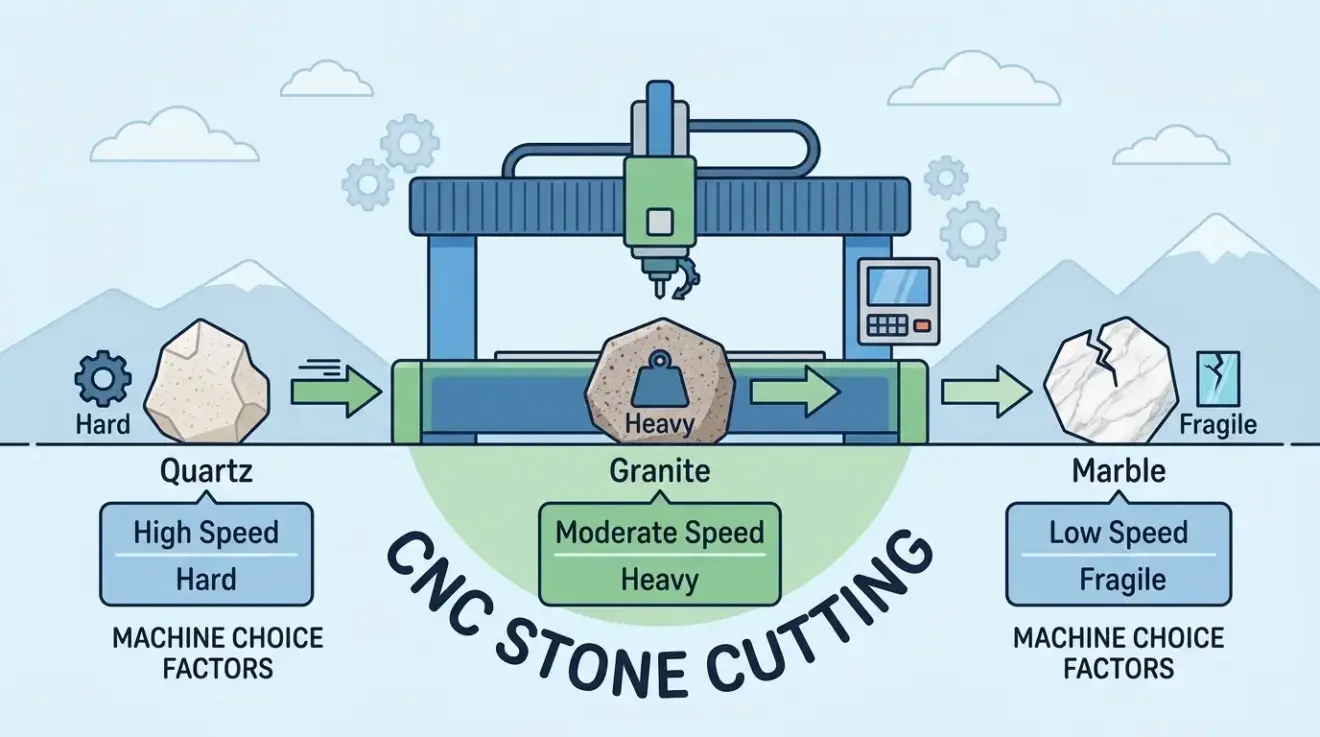
CNC Stone Cutting for Quartz, Granite, and Marble: How Material Differences Shape Machine Choice
Saturday, 11 April 2026
Stone shops usually feel the difference between quartz, granite, and marble long before they describe it in technical terms. One batch runs cleanly, while the next creates more edge touch-up, slower tool progress, or extra polishing time around cutouts and profiles. The material may change, but the production target does not. Parts still need to
- Published in Stone
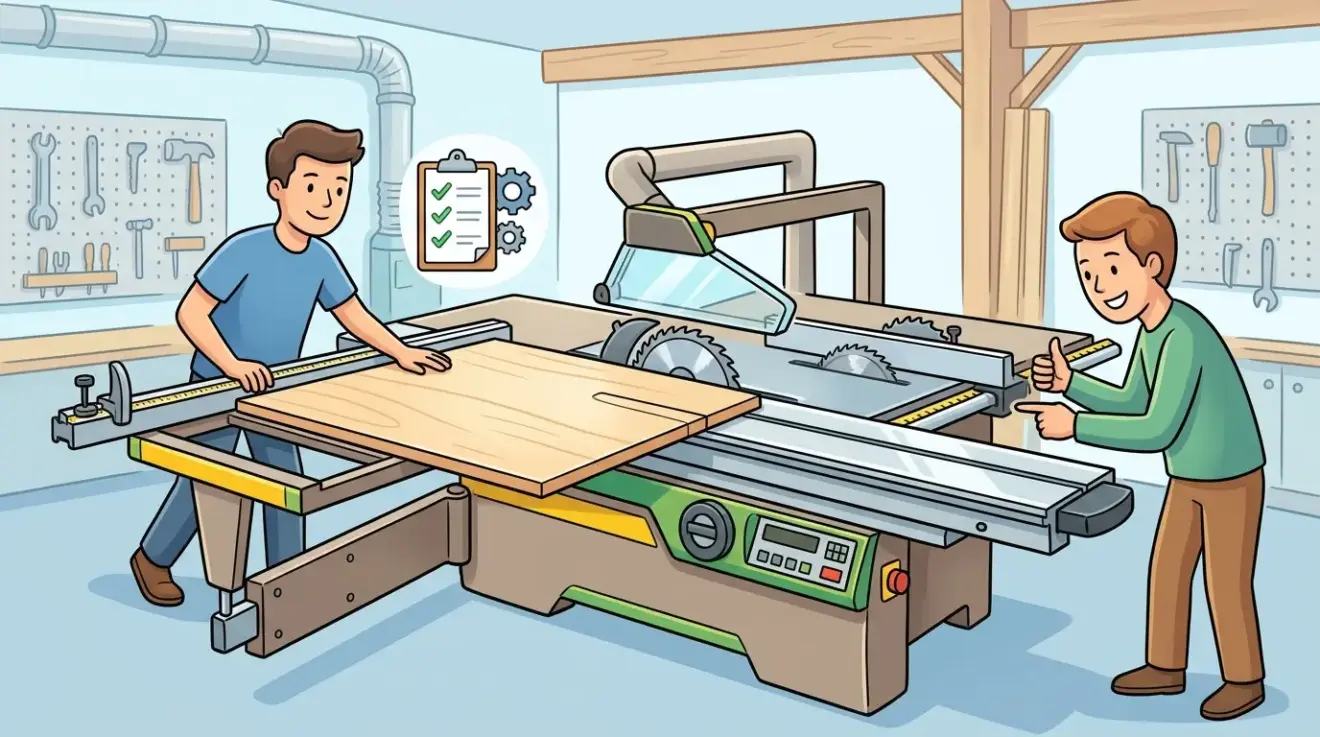
Panel Saw for Sale: What to Check Before You Buy
Saturday, 11 April 2026
When buyers search for a panel saw for sale, the first instinct is often to compare machine listings, not production realities. That is usually where expensive mistakes begin. A panel saw that looks strong on paper can still become the wrong purchase if it does not match your material mix, your batch structure, your floor
- Published in Wood
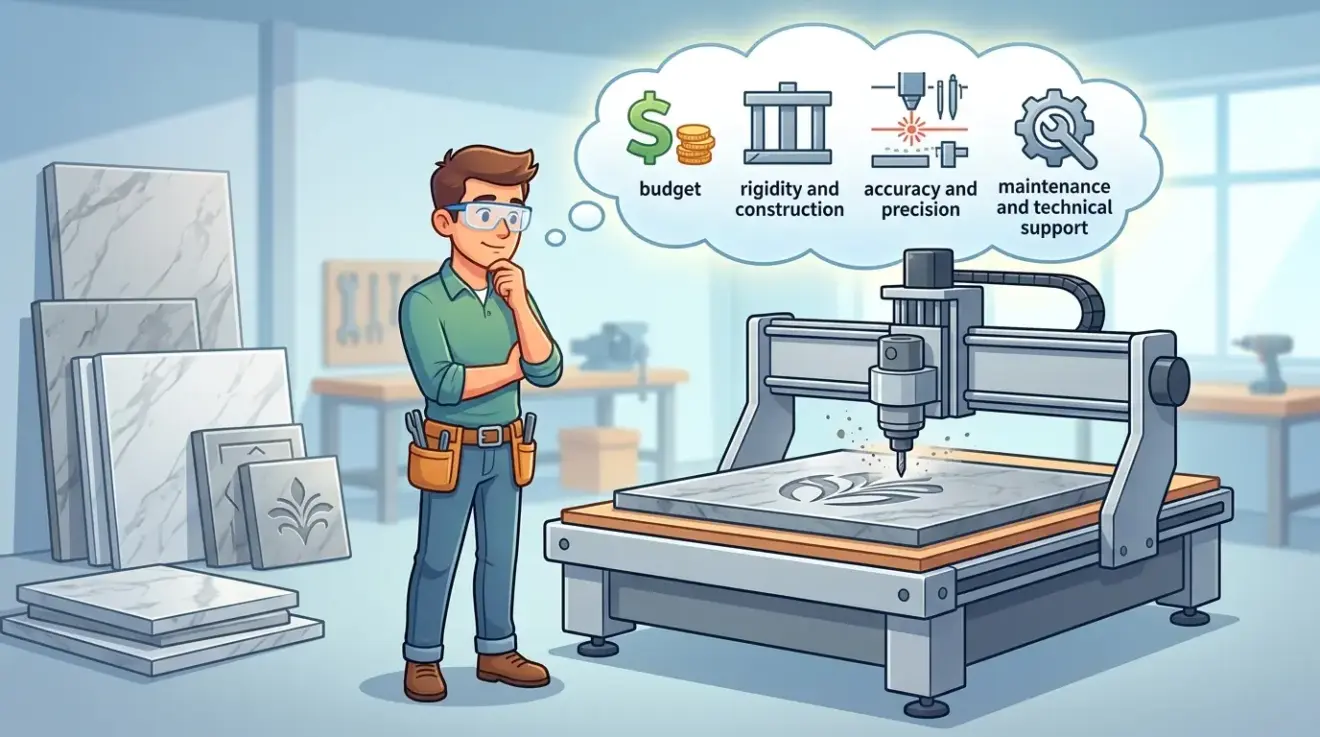
Marble Engraving Machine: What To Consider Before You Buy
Saturday, 11 April 2026
Buying a marble engraving machine often starts with sample photos, decorative patterns, or a short list of machine features. That is usually the wrong place to begin. In real stone production, the better buying decision comes from understanding what kind of engraving you need to produce, how often you need to repeat it, how marble
- Published in Wood
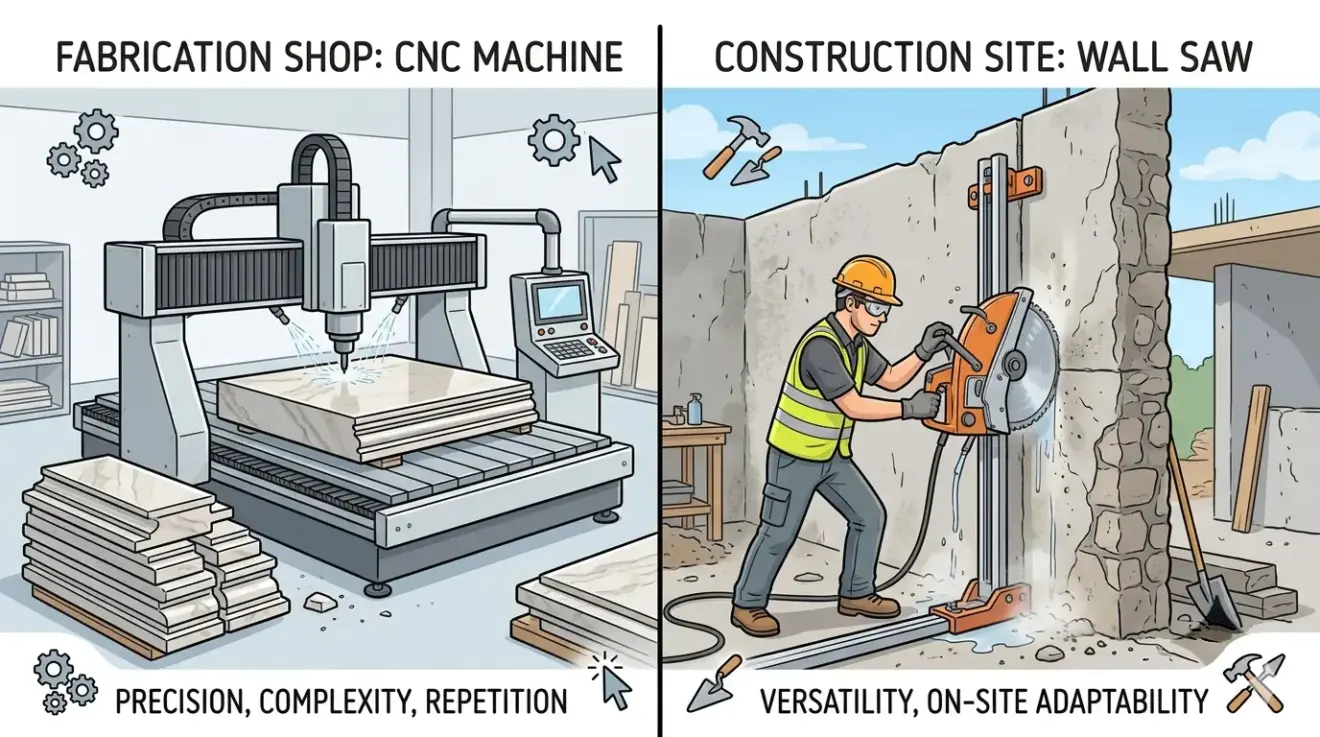
Stone CNC Machine vs. Wall Saw: Which One Fits Fabrication vs. On-Site Cutting?
Saturday, 11 April 2026
Stone shops sometimes compare a stone CNC machine with a wall saw as if they solve the same problem. In practice, they usually sit at different points in the workflow. One is primarily a fabrication tool for repeatable shop work. The other is primarily a field tool for cutting where the material or structure cannot
- Published in Stone
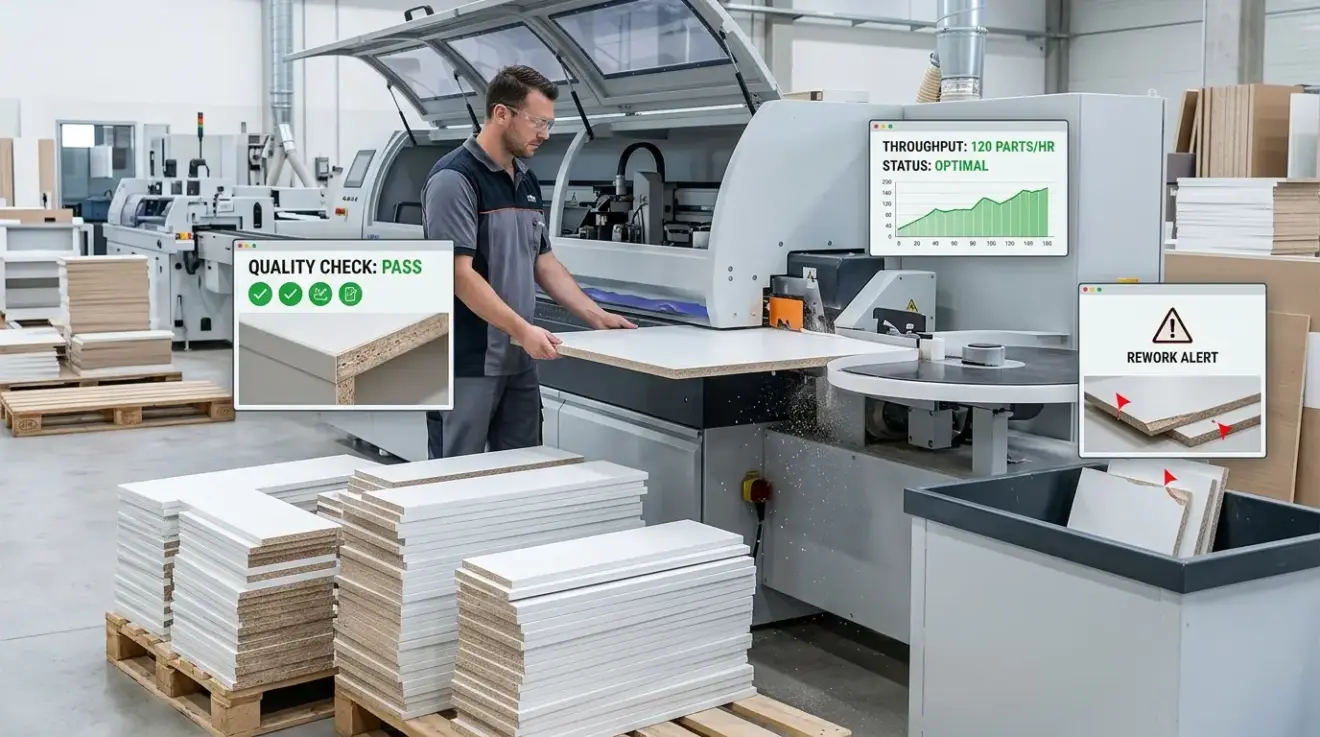
Edgebanding for Cabinet Production: What Affects Quality, Throughput, and Rework?
Saturday, 11 April 2026
In cabinet production, edge quality is where upstream accuracy becomes visible. A factory can cut, sort, and drill panels efficiently, but if edge-banded parts leave the line with unstable glue lines, chipped corners, or visible finishing marks, the cost shows up later in touch-up, resorting, and assembly delays. That is why edgebanding should be treated
- Published in Wood
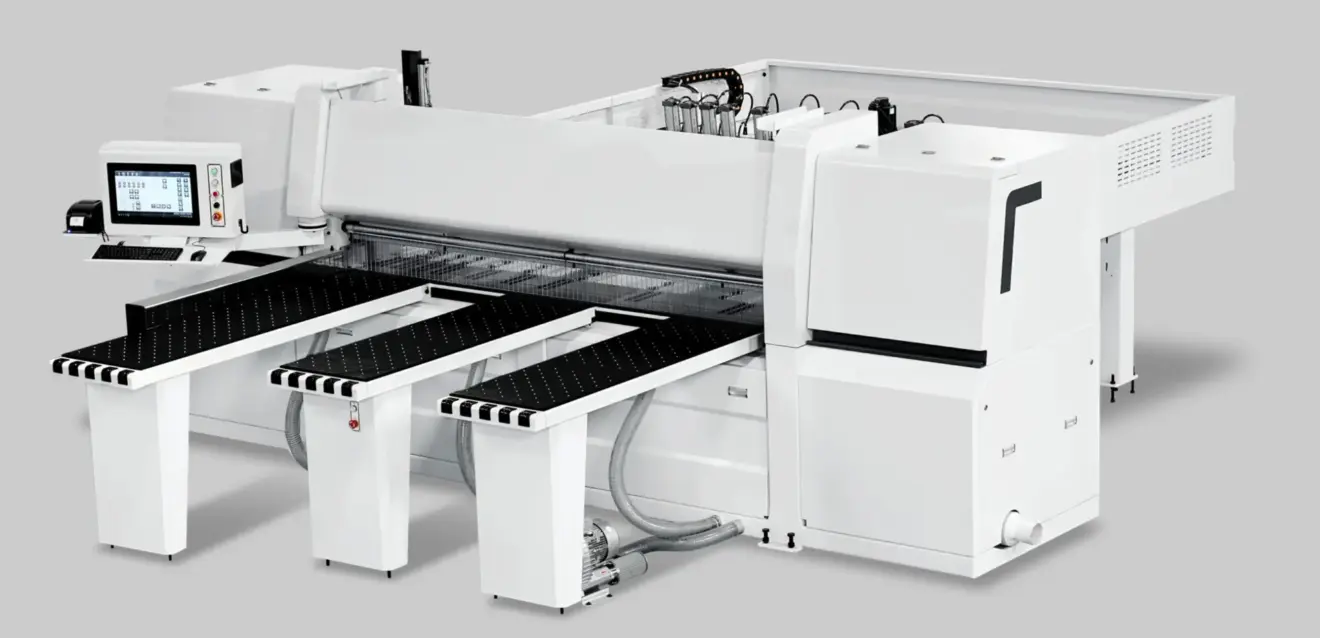
Beam Saw Machine Benefits That Matter in High-Volume Panel Processing
Saturday, 11 April 2026
When a factory is cutting large volumes of MDF, particleboard, plywood, or melamine-faced panels, the cutting department stops being just one workstation. It becomes the point that sets the pace for edge banding, drilling, sorting, and final assembly. If panel sizing is inconsistent or too dependent on manual handling, the entire line feels it. That
- Published in Wood
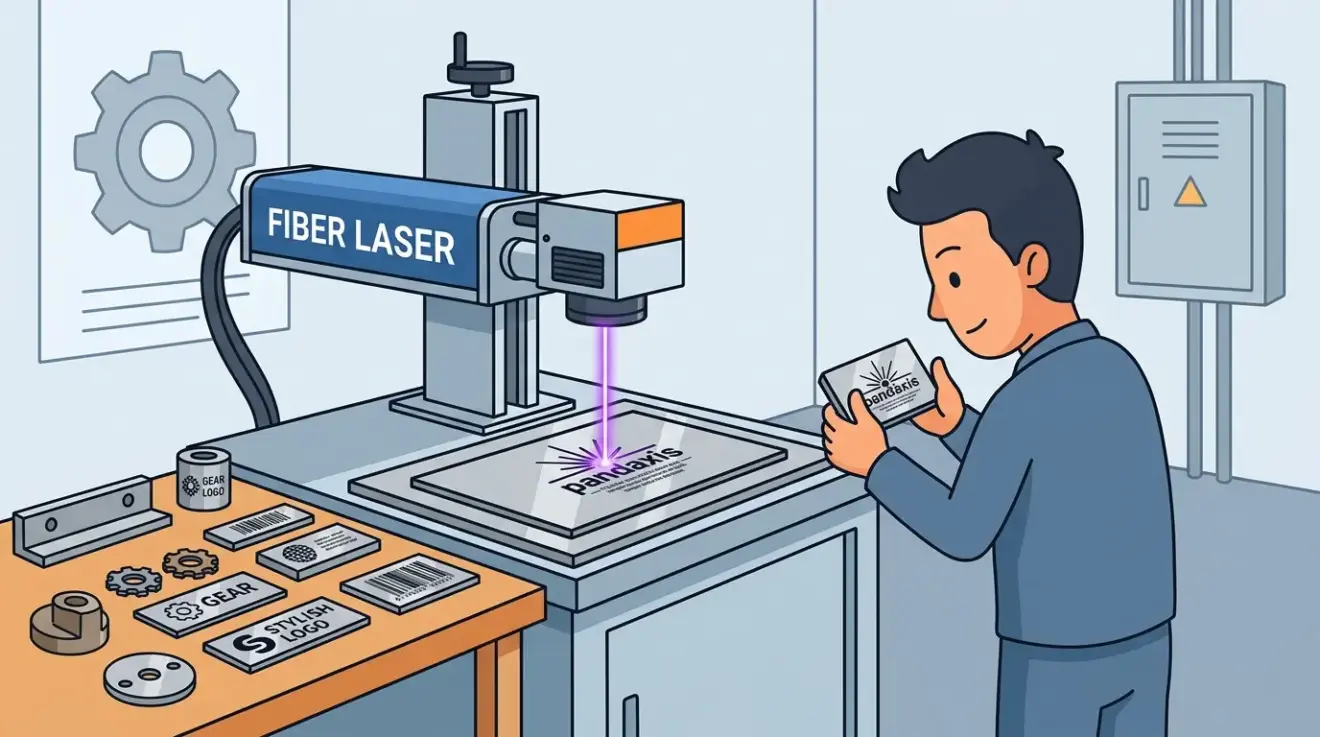
Laser Etching Machine for Metal: How To Choose the Right Source
Saturday, 11 April 2026
A metal etching line can look stable during a short sample test and still create trouble in real production. The usual problems show up later: dark marks lose contrast on a different batch finish, small data matrix codes become harder to scan, thin parts pick up too much heat, or cycle time no longer matches
- Published in Laser
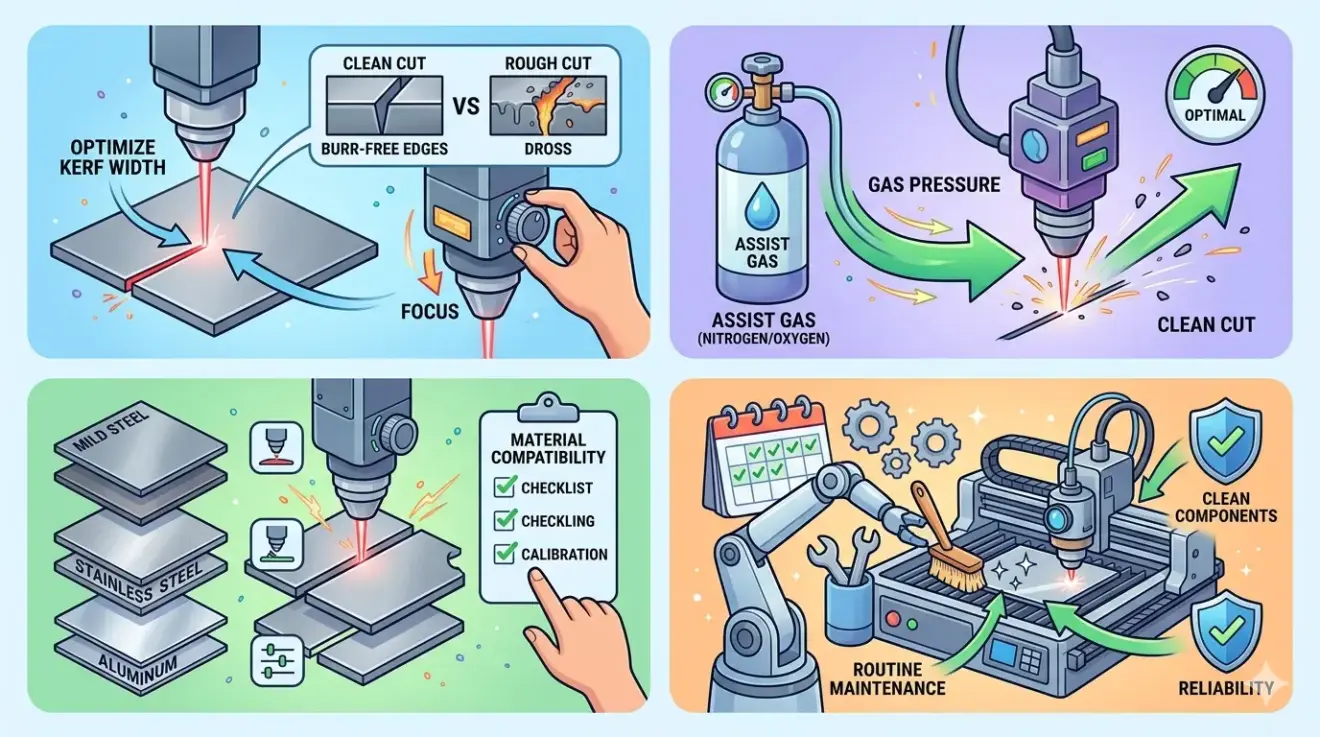
Sheet Metal Laser Cutter Best Practices for Clean, Accurate Cuts
Friday, 10 April 2026
Clean, accurate laser-cut parts do not come from beam power alone. Shops usually lose cut quality because gas choice, focus control, pierce settings, material condition, nesting discipline, and consumable health drift out of control. The damage often looks minor at the cutting table, but it shows up later as burr, poor fit-up, unstable bending, extra
- Published in Laser
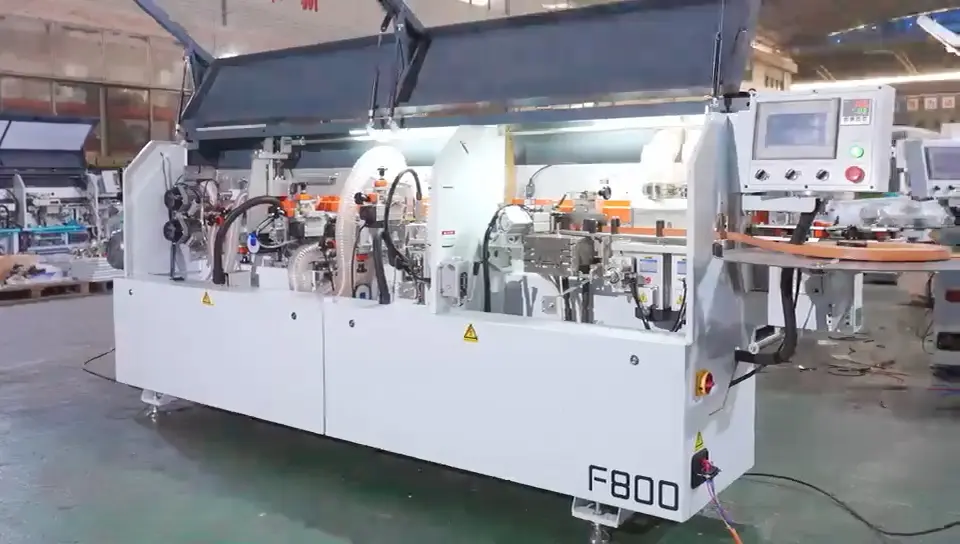
Edgebanders for Straight Panels vs. Shaped Panels: Choosing the Right Workflow
Friday, 10 April 2026
Edge finishing problems often look similar at the end of production. A visible glue line, extra hand sanding, or inconsistent edge appearance can all show up on the finished part. But the root cause is not always the same. A factory processing repeated straight panels is solving a very different problem from one processing curved,
- Published in Wood
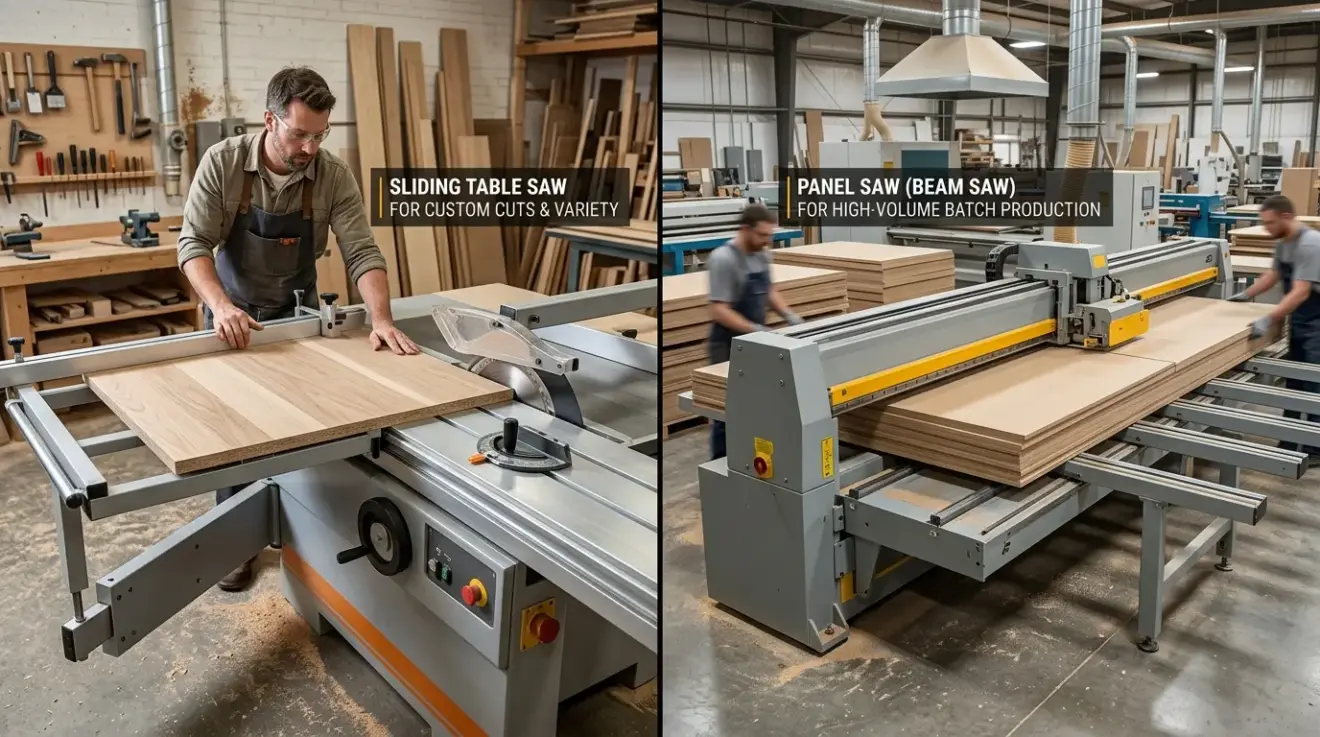
Sliding Table Saw vs. Beam Saw: Which One Fits Small Shops and Growing Factories?
Friday, 10 April 2026
The wrong saw choice usually happens when buyers compare machine labels before they compare production reality. A small shop may assume a beam saw is the more advanced answer simply because it looks more industrial. A growing factory may stay too long with a sliding table saw because the team already knows how to work
- Published in Wood
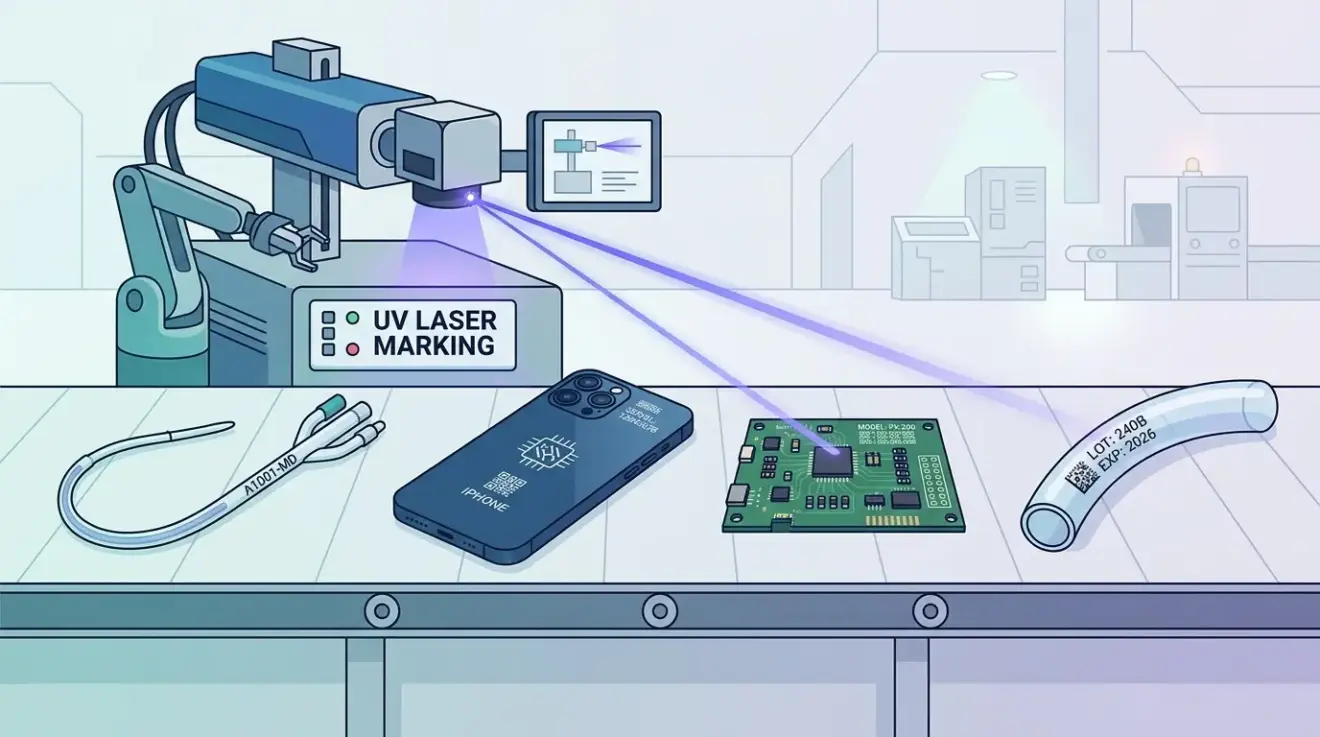
UV Laser Marking: Best Applications, Process Limitations, and Where It Fits in Production
Friday, 10 April 2026
When a part needs a permanent mark on a surface that does not tolerate much heat, the real decision is not whether a laser can make something visible. The real decision is whether the process can hold contrast, edge definition, and cosmetic control without warping thin plastics, damaging coatings, or turning a traceability step into
- Published in Laser
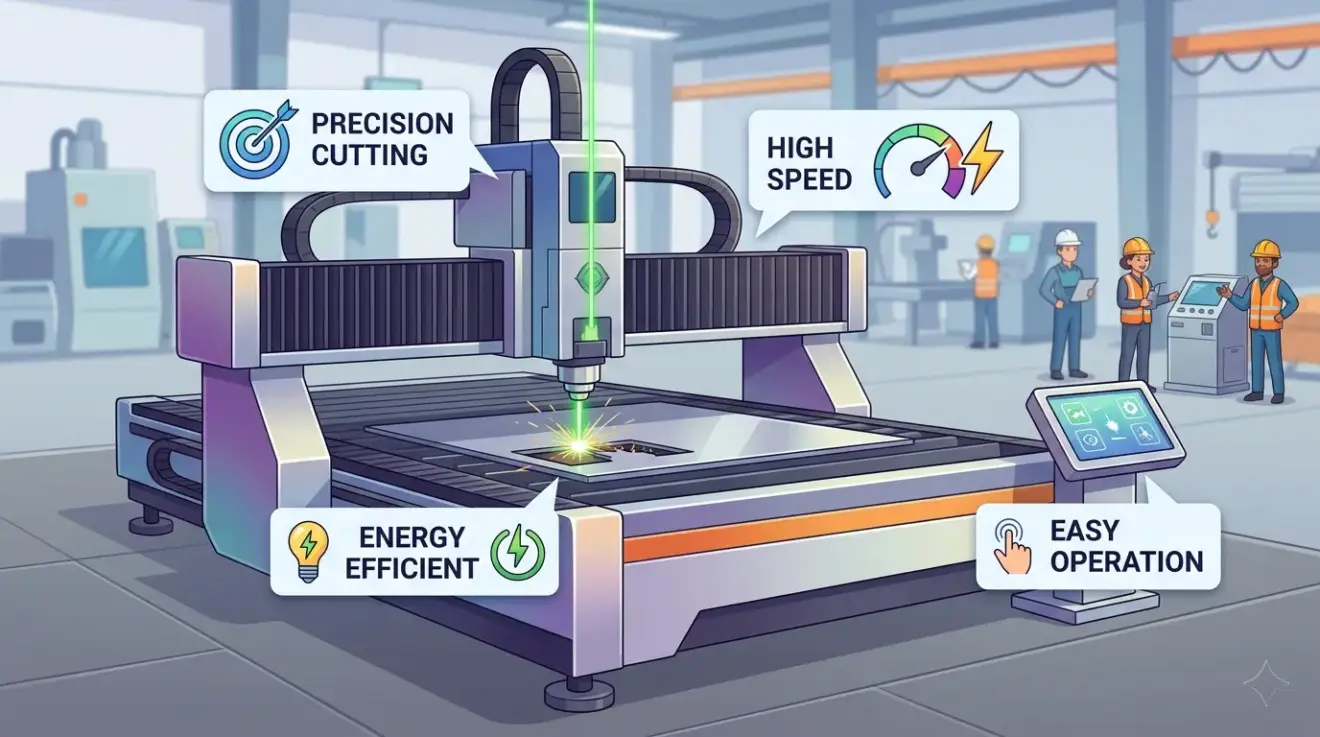
Fiber Laser Cutting Machine: Key Features Industrial Buyers Should Evaluate
Friday, 10 April 2026
When industrial buyers compare fiber laser cutting machines, the discussion often gets reduced to power level, top speed, and price. In practice, those headline points rarely explain how the machine will perform inside a real production flow. What matters more is whether the system can hold cut quality across shifts, support stable throughput, reduce manual
- Published in Laser
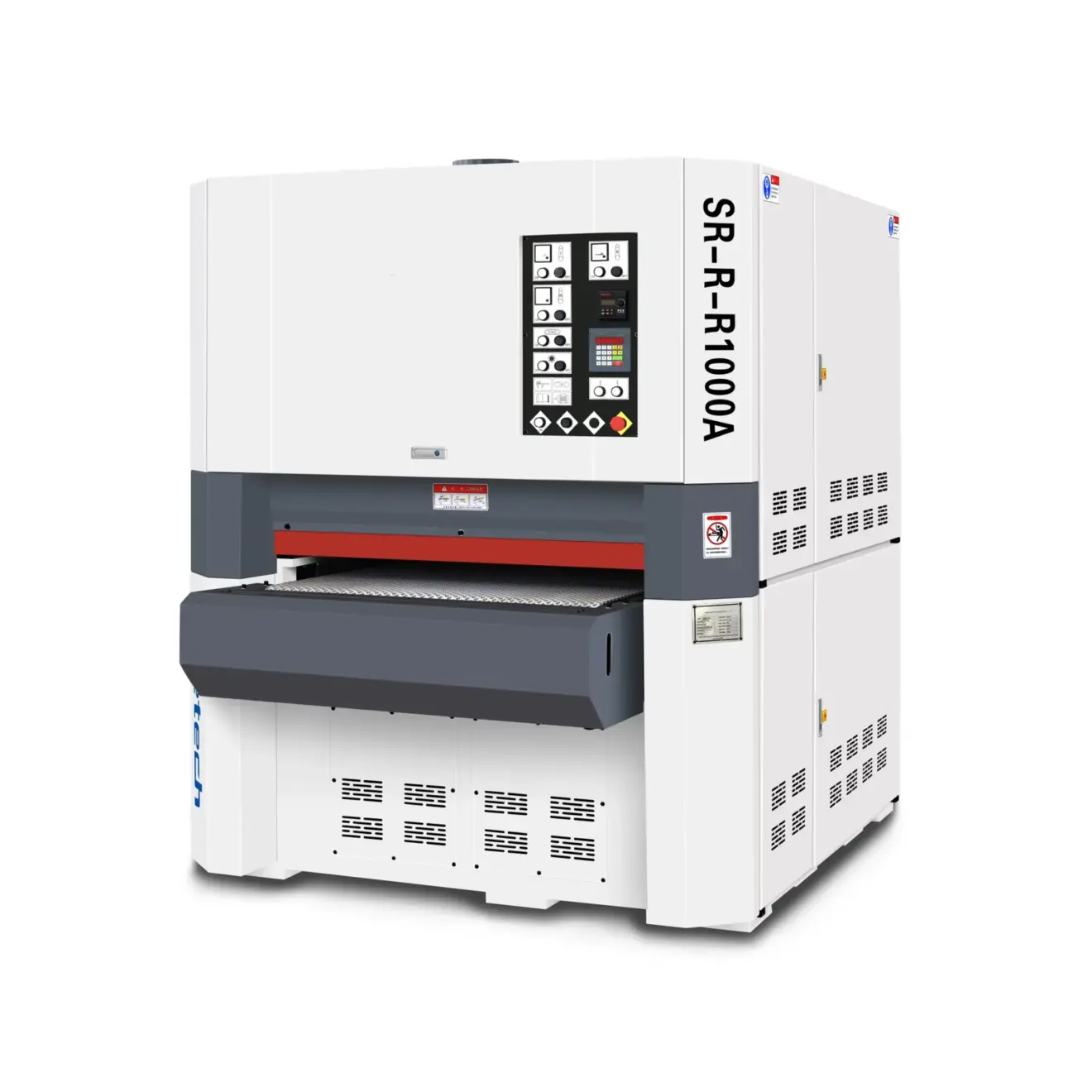
How to Choose Wide Belt Sanders for Solid Wood, Veneer, and Panel Processing
Friday, 10 April 2026
In a woodworking factory, sanding problems rarely stay inside the sanding department. They show up later as uneven stain absorption on solid wood, sand-through on veneered faces, coating defects on panels, or parts that still need hand correction before packing. That is why choosing wide belt sanders should start with the material mix and the
- Published in Wood
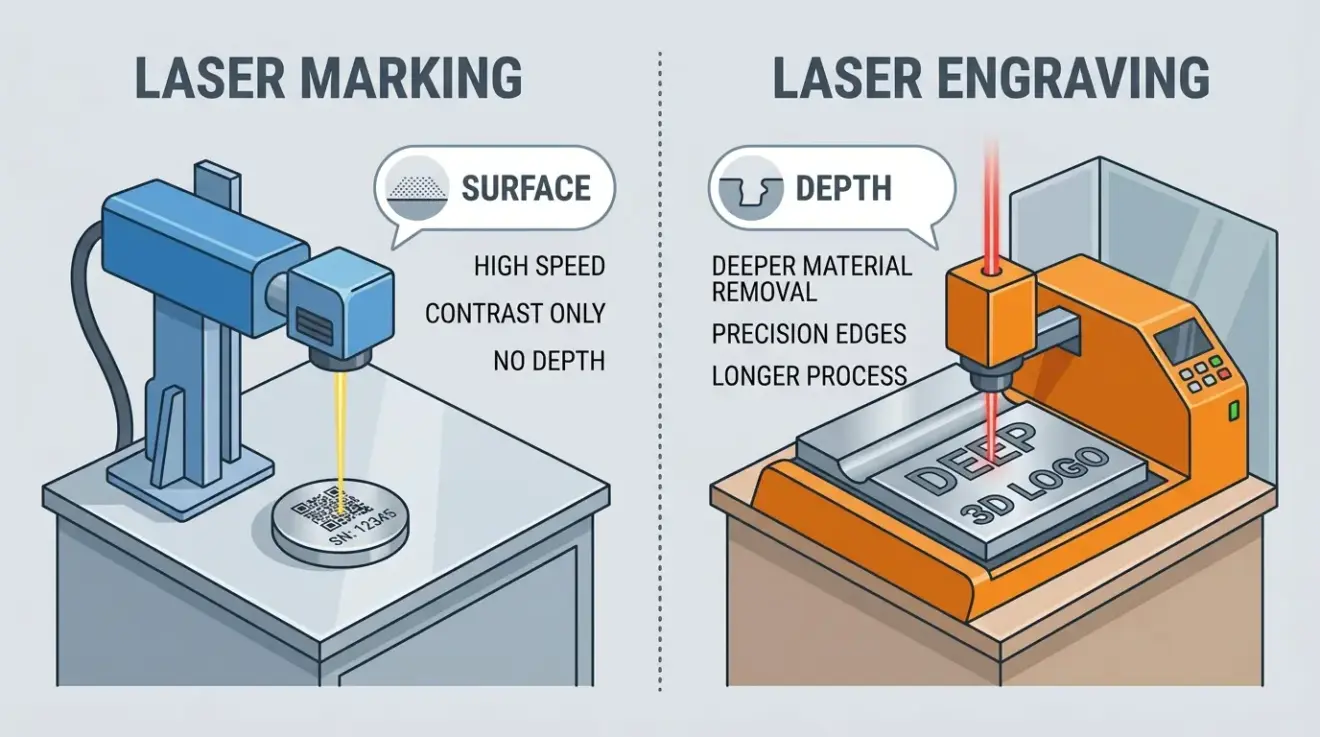
Laser Marking Machine vs Laser Engraver for Metal Parts: Which Process Fits Better?
Friday, 10 April 2026
When a buyer asks for a laser engraver for metal parts, the request often sounds clearer than it really is. In production, many of those jobs are not primarily about engraving at all. They are about readable serial numbers, Data Matrix codes, logos, inspection marks, or permanent identification that has to survive handling without slowing
- Published in Laser
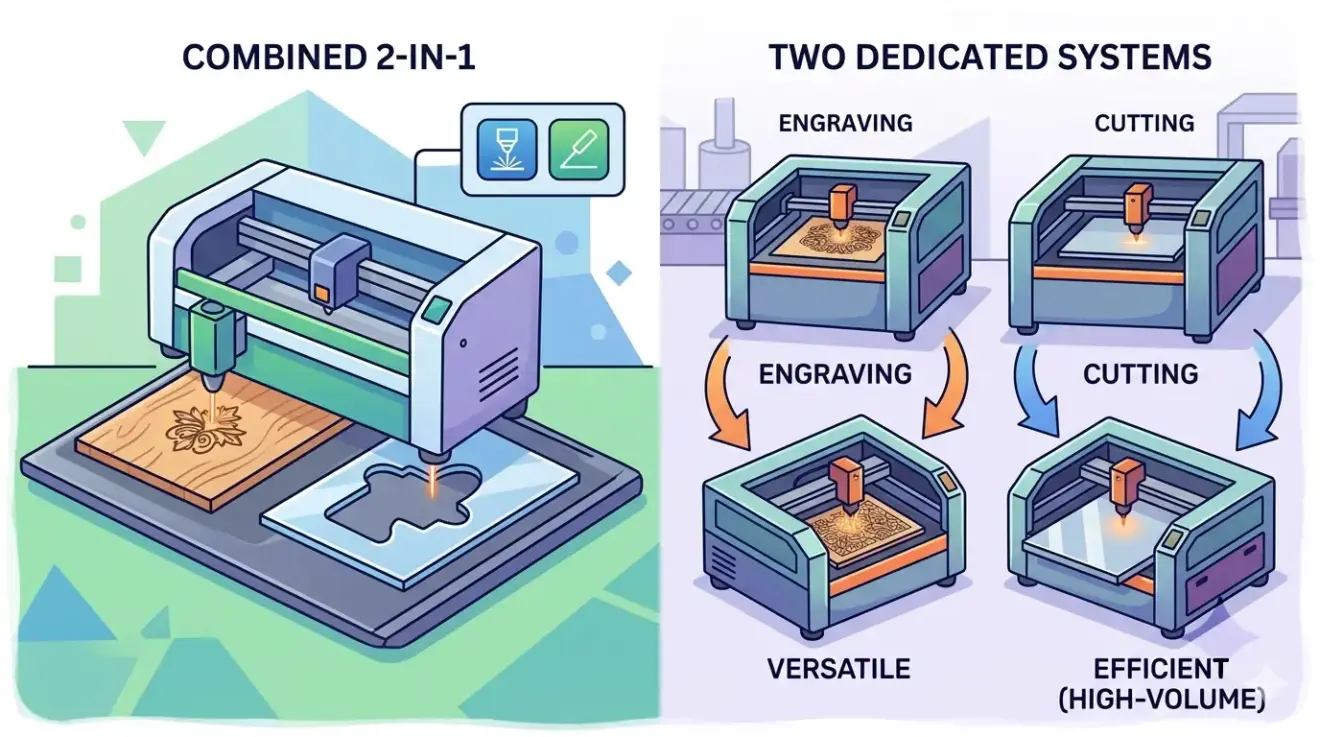
Laser Engraver and Cutter: When One Machine Is Enough and When Two Separate Systems Work Better
Friday, 10 April 2026
Many shops start with the same question: if a laser can both engrave and cut, why not buy one machine and handle both jobs in the same cell? For wood, acrylic, and similar non-metal materials, that can be the right answer, but only when the production rhythm actually supports it. In real use, the decision
- Published in Laser
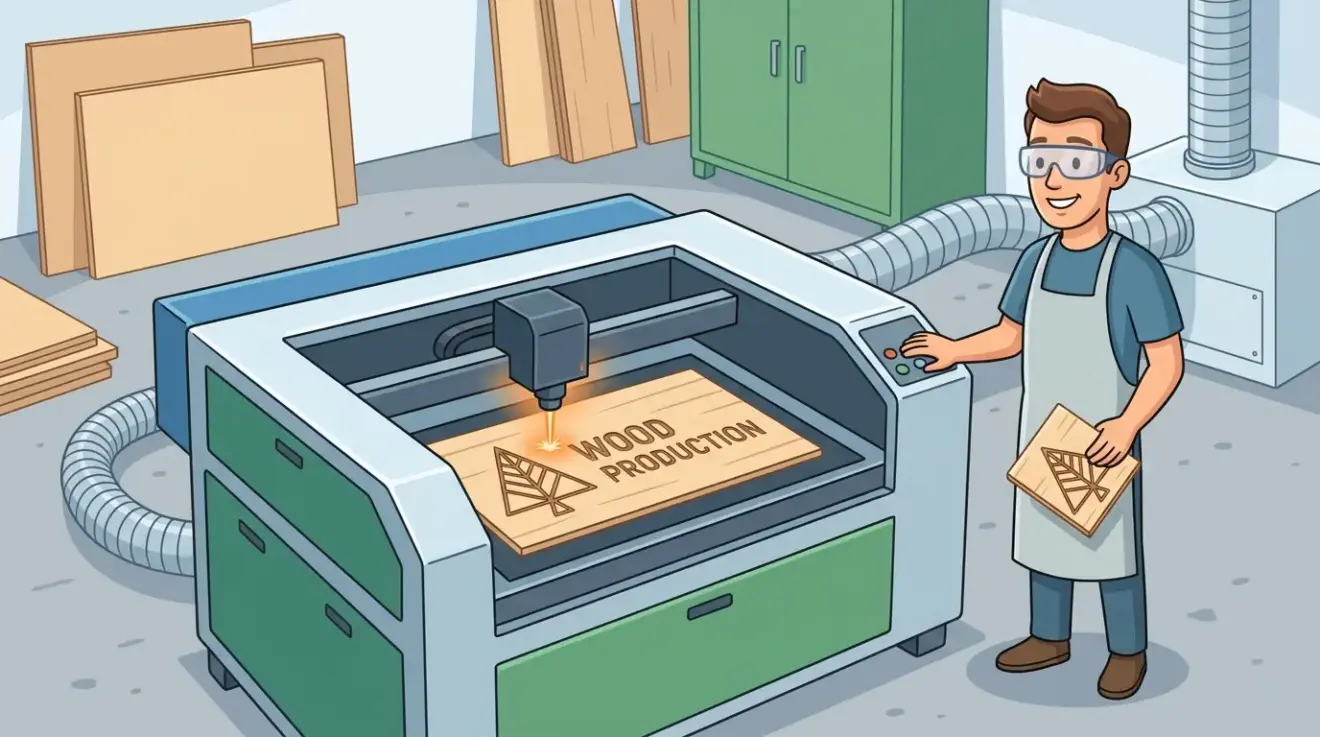
Laser Machine for Wood: Which Features Actually Matter in Production?
Friday, 10 April 2026
Buying a laser machine for wood is rarely a simple question of whether the machine can cut or engrave the material. Most suppliers can show a clean sample on one sheet, under one set of conditions, with one operator. The harder question is whether the machine will stay productive when real jobs involve plywood one
- Published in Laser

How to Choose Laser Engraving Equipment for Mixed-Material Production
Friday, 10 April 2026
Mixed-material engraving sounds efficient until the queue becomes real. A shop may engrave acrylic display parts in the morning, switch to plywood brand panels after lunch, and then run laminated nameplates, MDF inserts, or leather accessories before the shift ends. At that point, the buying question changes. The problem is no longer whether one machine
- Published in Laser
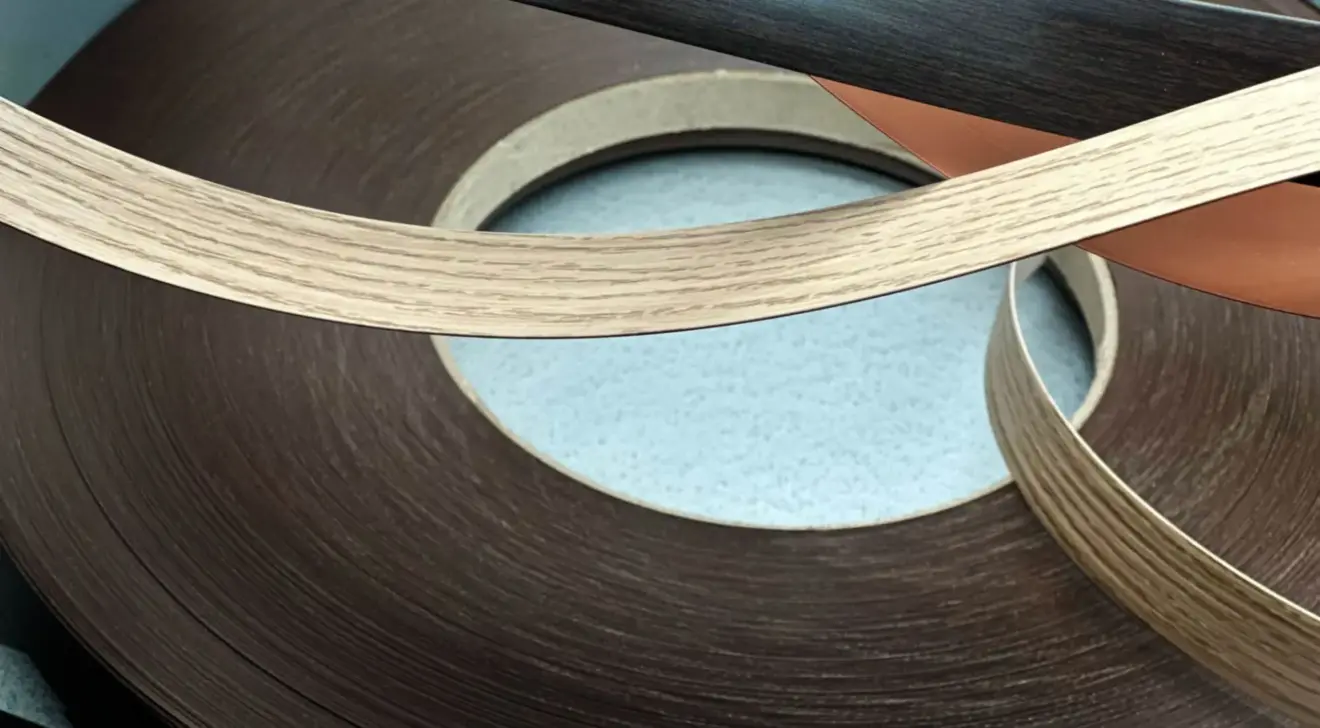
Melamine Edge Banding: How To Achieve Cleaner, More Durable Results
Friday, 10 April 2026
Melamine-faced panels make surface finishing look straightforward, but they are unforgiving at the edge. A cabinet side can be cut accurately, drilled correctly, and still look low-grade if the tape sits proud, the glue line shows, or the corners start lifting after routine handling. That is why cleaner, longer-lasting melamine edge banding usually comes down
- Published in Wood

How To Compare Laser Machine Quotes Without Missing Critical Details
Friday, 10 April 2026
The biggest mistake in laser equipment buying is comparing headline prices before confirming that each supplier is quoting the same production job. One quote may include the machine, cooling, exhaust, software, training, and commissioning. Another may show only the base platform and leave the operational pieces outside the number. On paper, the cheaper option looks
- Published in Laser
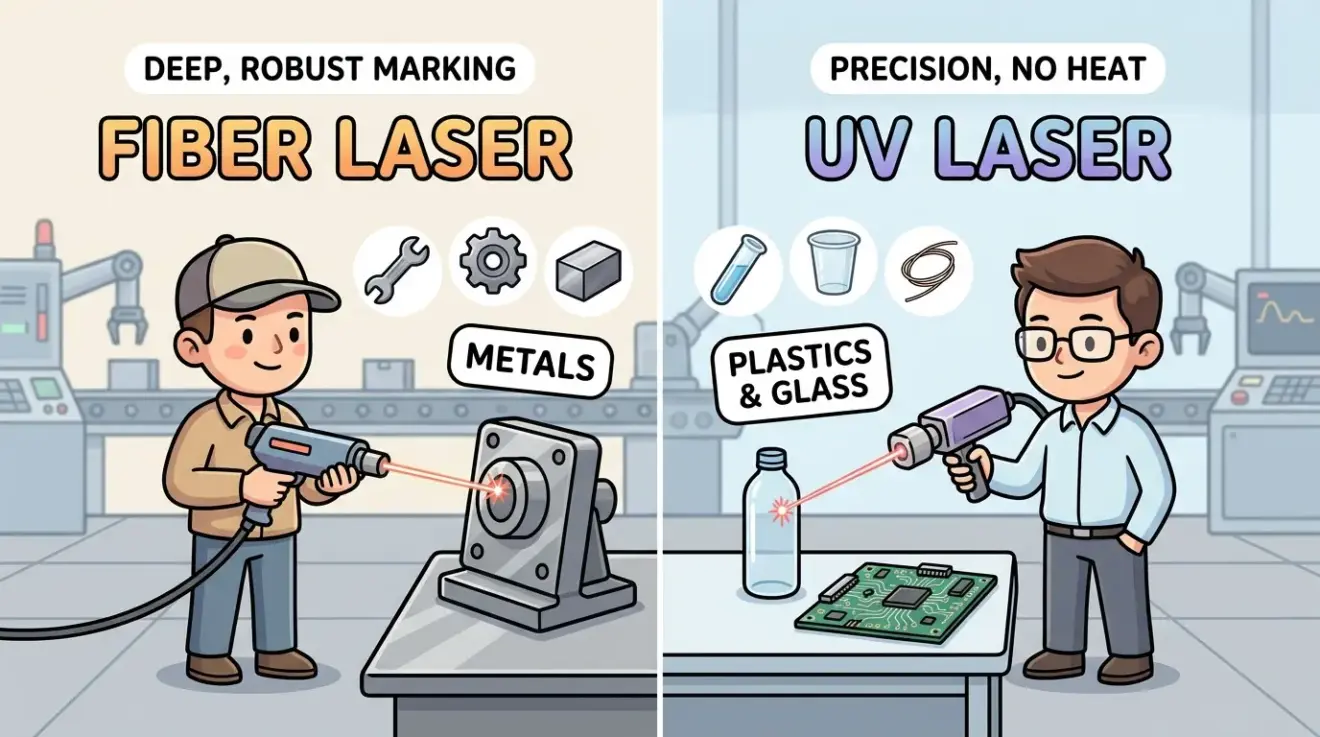
Fiber Laser Marking Machine vs UV Laser Marking Machine: Which Fits Your Production Workflow?
Friday, 10 April 2026
Choosing between a fiber laser marking machine and a UV laser marking machine is usually not a branding decision or a brochure comparison. It is a production-fit decision. If the wrong source is matched to the material, the result is rarely subtle: metal marks may be slower than they need to be, coated surfaces may
- Published in Laser
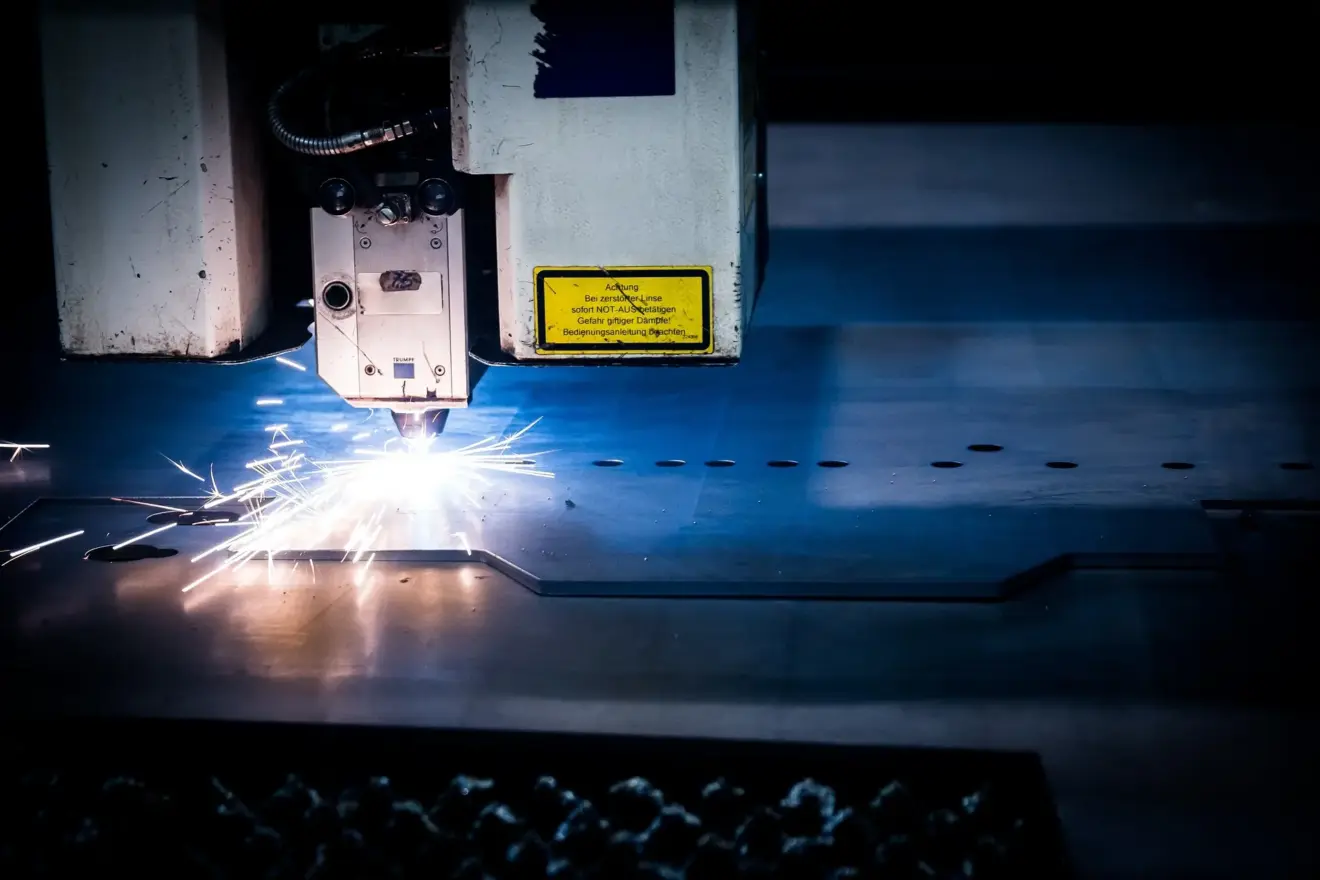
Laser Cutting Machines: A Practical Buyer’s Guide
Friday, 10 April 2026
Buying a laser cutting machine is rarely just about choosing a model with more power or a larger table size. For most factories and workshops, the real question is whether the machine matches the material, the production volume, the finish requirements, and the way jobs move through the shop. That is why a practical buyer’s
- Published in Laser
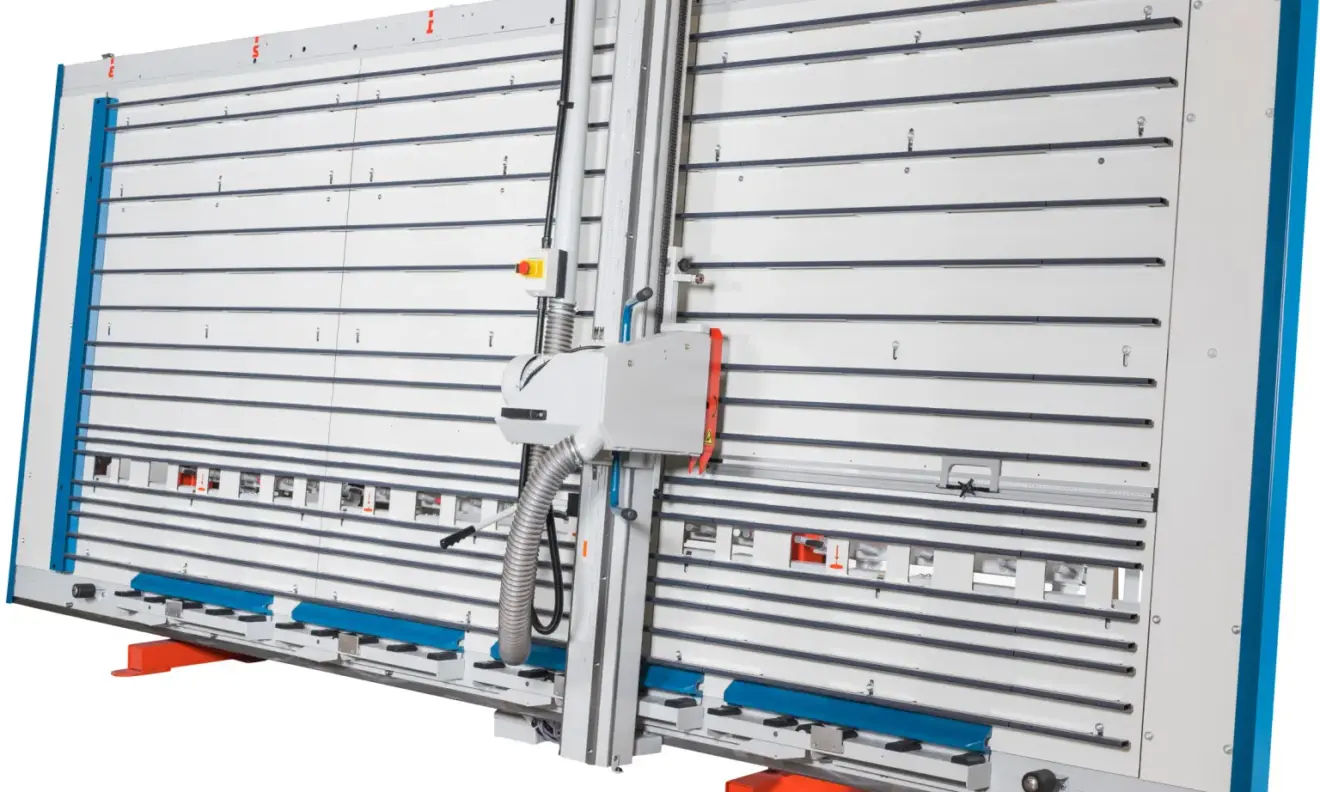
Vertical Panel Saw Maintenance Tips for Long-Term Cutting Accuracy
Friday, 10 April 2026
A vertical panel saw can stay accurate for years, but only if the machine remains clean, square, and mechanically stable. In most workshops, accuracy loss does not begin with a complete breakdown. It starts with smaller signals: a sheet that no longer sits consistently on the support frame, a carriage that feels less smooth than
- Published in Wood
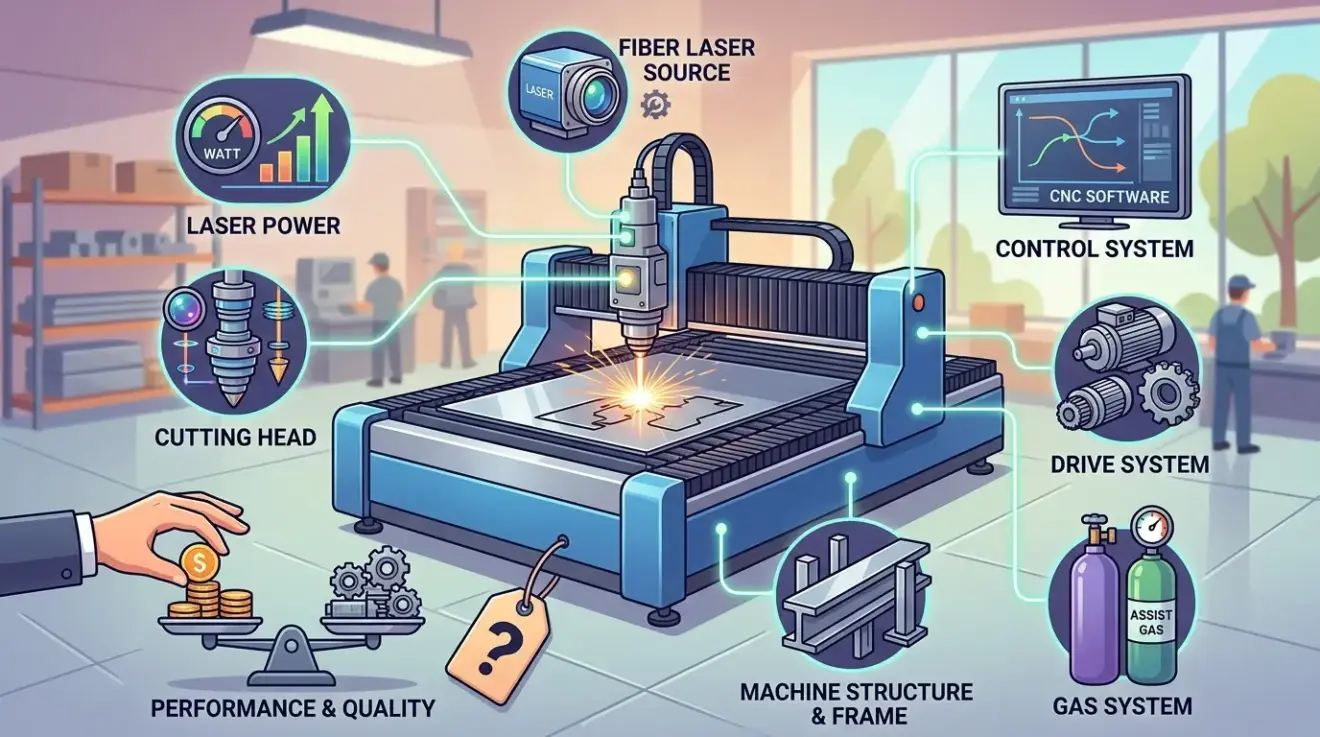
Laser Cutting Machine Price: What Actually Drives the Final Quote?
Friday, 10 April 2026
The first laser cutting machine price a buyer sees is rarely the number that matters. One supplier may quote a base machine only. Another may include cooling, extraction, software, installation, and operator training. A third may look more expensive at first glance simply because the quote is more complete. For buyers evaluating laser cutters and
- Published in Laser
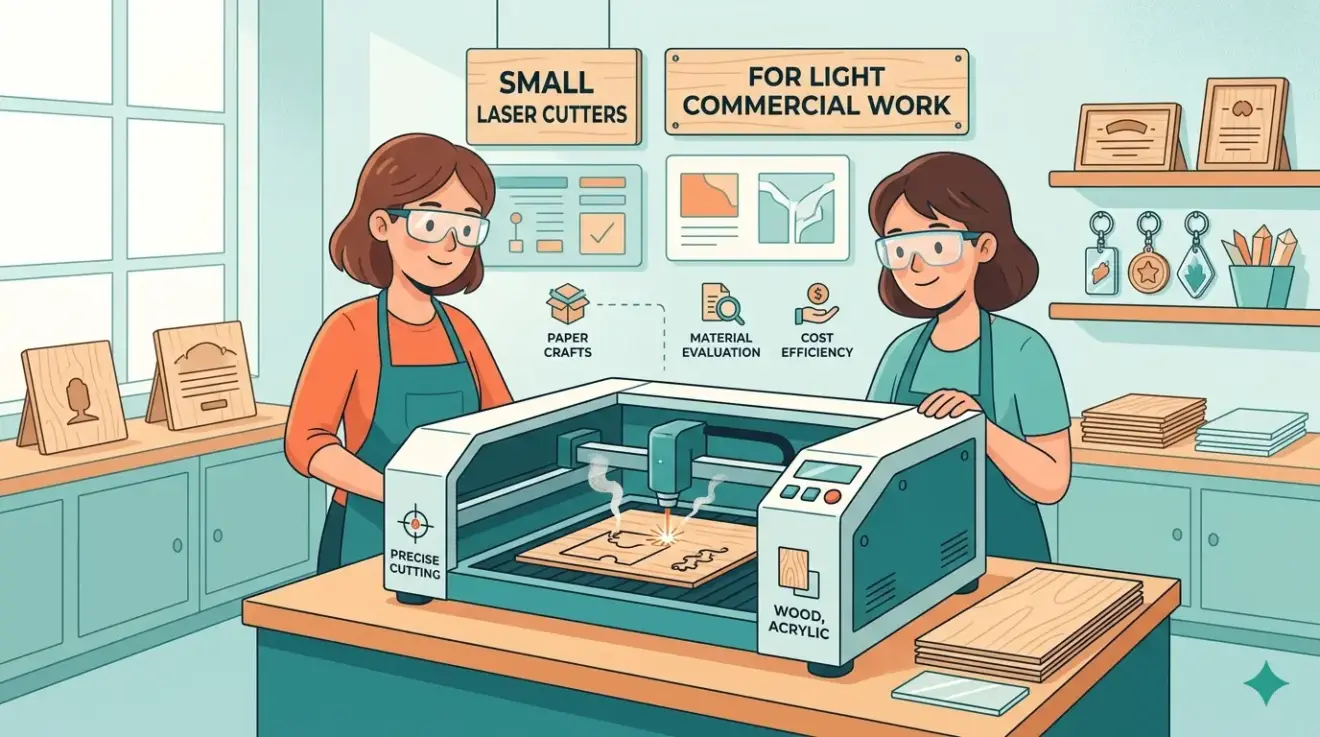
Small Laser Cutters for Light Commercial Work: Where They Fit and What to Evaluate
Thursday, 09 April 2026
A small laser cutter can be a practical production tool for light commercial work, but only when the job mix matches the machine. For sign makers, gift-product businesses, small-batch decor shops, packaging prototyping teams, and custom-product workshops, the real question is not whether a machine is small. It is whether that smaller format can deliver
- Published in Laser
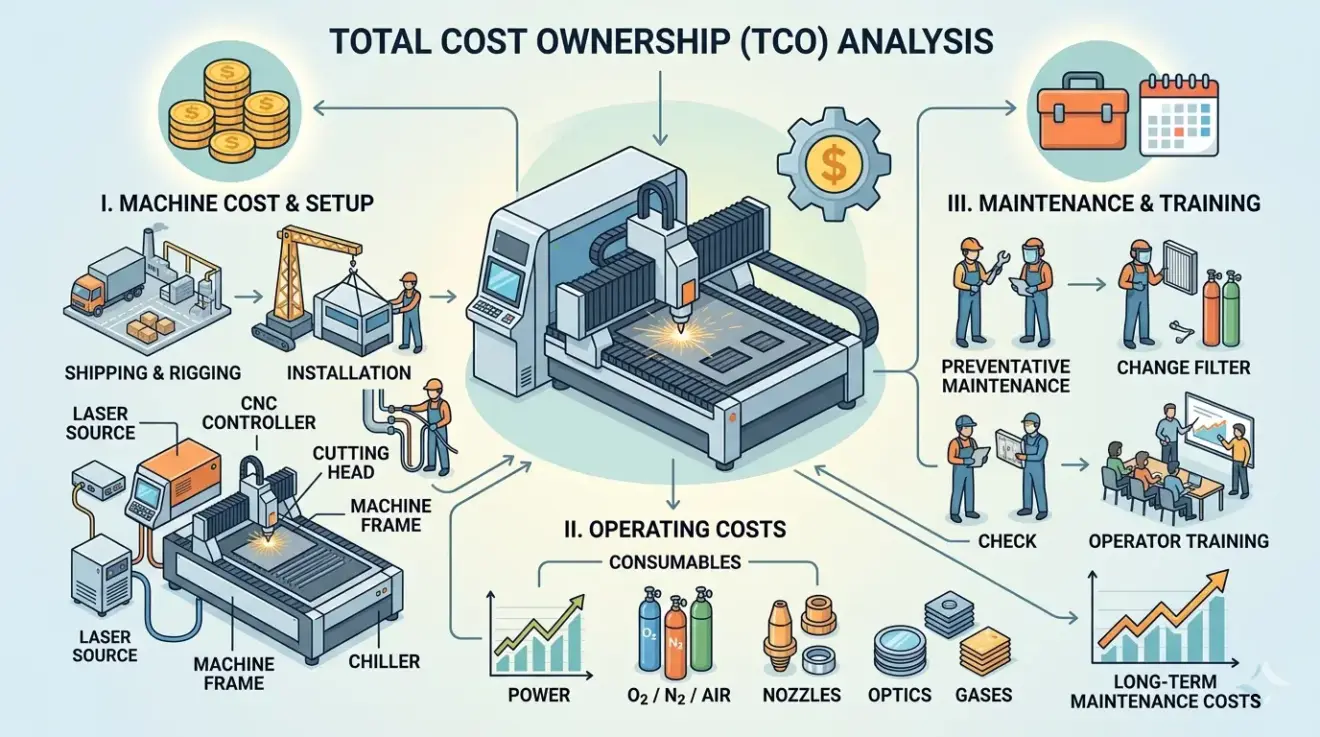
Industrial Laser Cutter Cost Breakdown: Machine, Installation, and Maintenance
Thursday, 09 April 2026
When an industrial laser cutter proposal reaches a buyer’s desk, the first number usually gets too much attention. A bare machine quote can look competitive until extraction, cooling, electrical work, commissioning, operator training, spare parts, and preventive maintenance are added back into the picture. For buyers comparing laser cutters and engravers for wood, acrylic, and
- Published in Laser
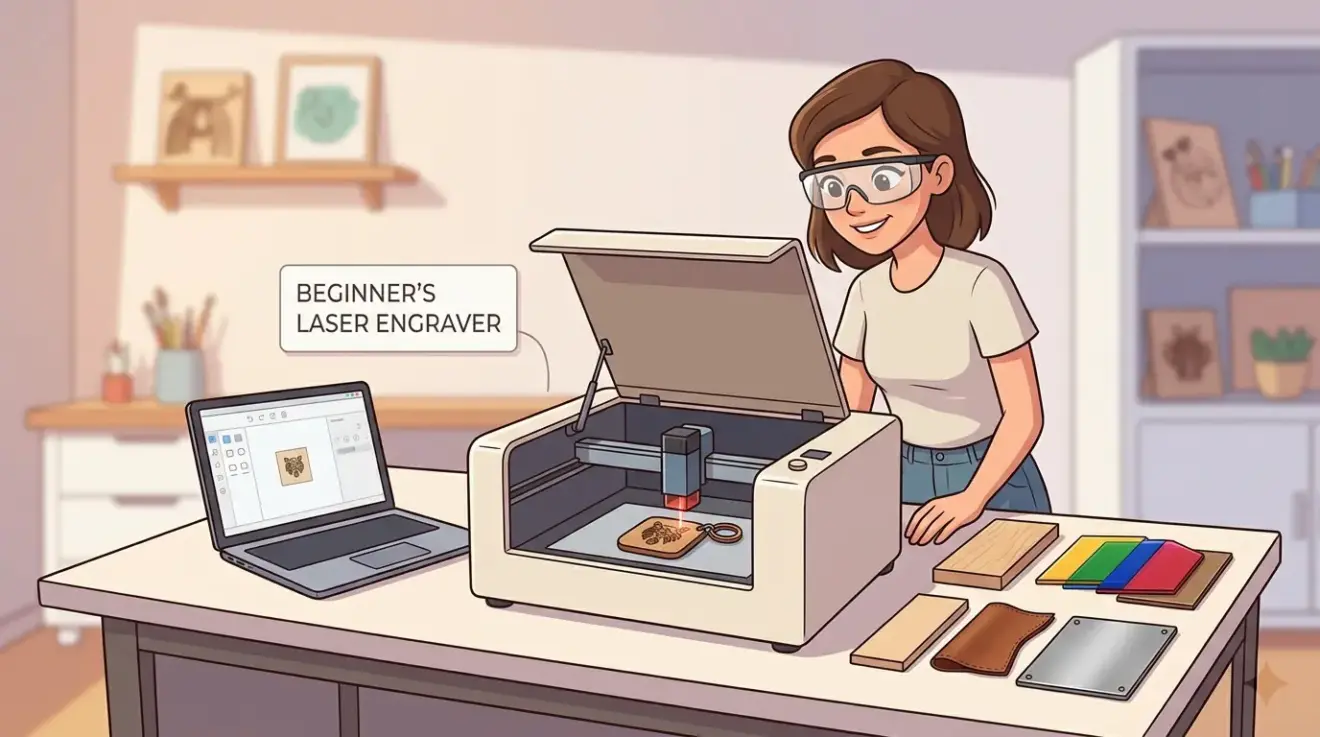
Best Laser Engraver for Beginners: What Actually Matters Before You Buy
Thursday, 09 April 2026
Most beginners do not end up with the wrong laser engraver because they misunderstand what engraving is. They end up with the wrong machine because they start with wattage, social-media demos, and generic rankings before they define the work the machine must handle every week. For first-time buyers comparing laser cutters and engravers for wood,
- Published in Laser
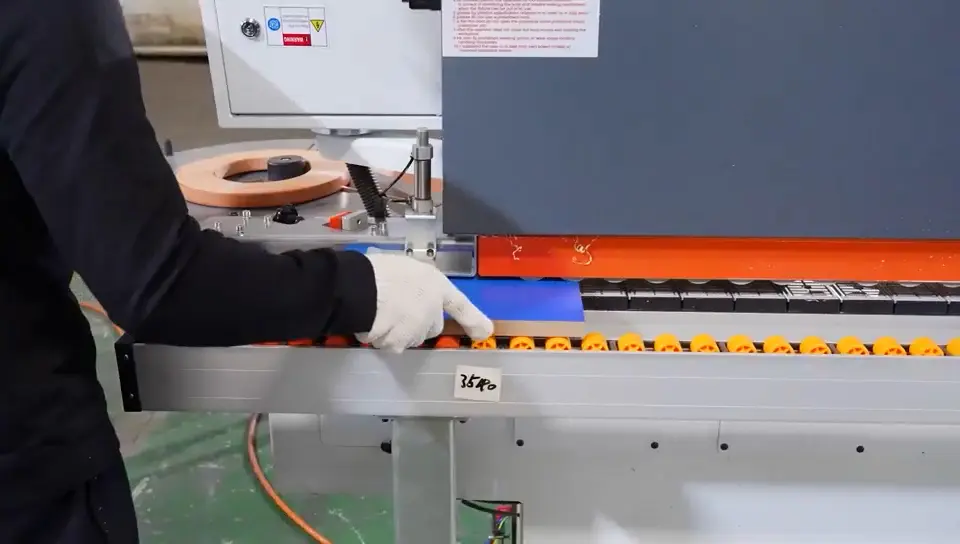
Edge Banding Machines for Small Shops vs Large Factories: What Actually Changes?
Thursday, 09 April 2026
In edge processing, the wrong machine does not only slow one station. It shows up as visible glue-line inconsistency, more hand finishing, delayed panel flow, and parts that reach assembly less predictably than they should. An edge banding machine that feels adequate in a small custom shop can become the weakest point in a large
- Published in Wood
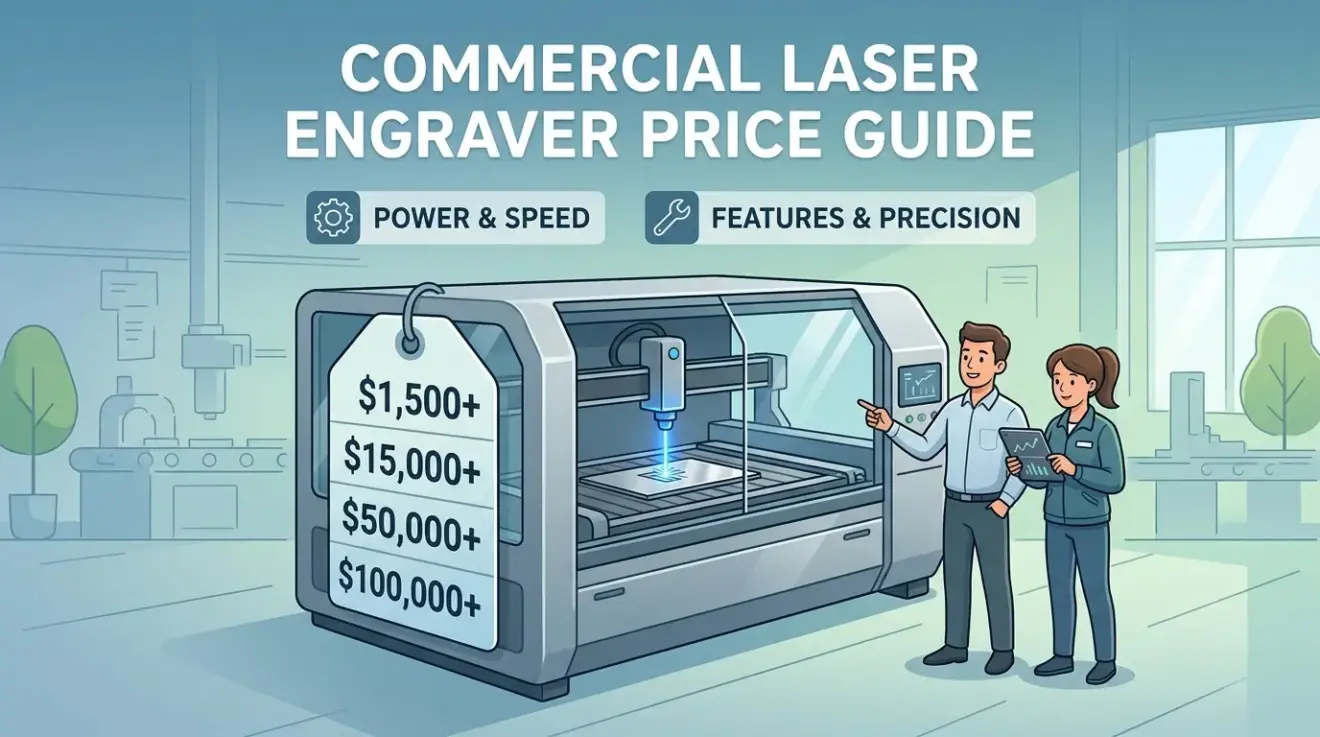
Laser Engraving Machine Price Guide for Commercial Buyers
Thursday, 09 April 2026
Commercial buyers looking for a laser engraving machine price guide usually run into the same problem immediately: one supplier quotes a bare machine, another includes extraction and training, and a third bundles engraving and contour cutting into the same proposal. The result is that the lowest number on paper often says very little about the
- Published in Laser
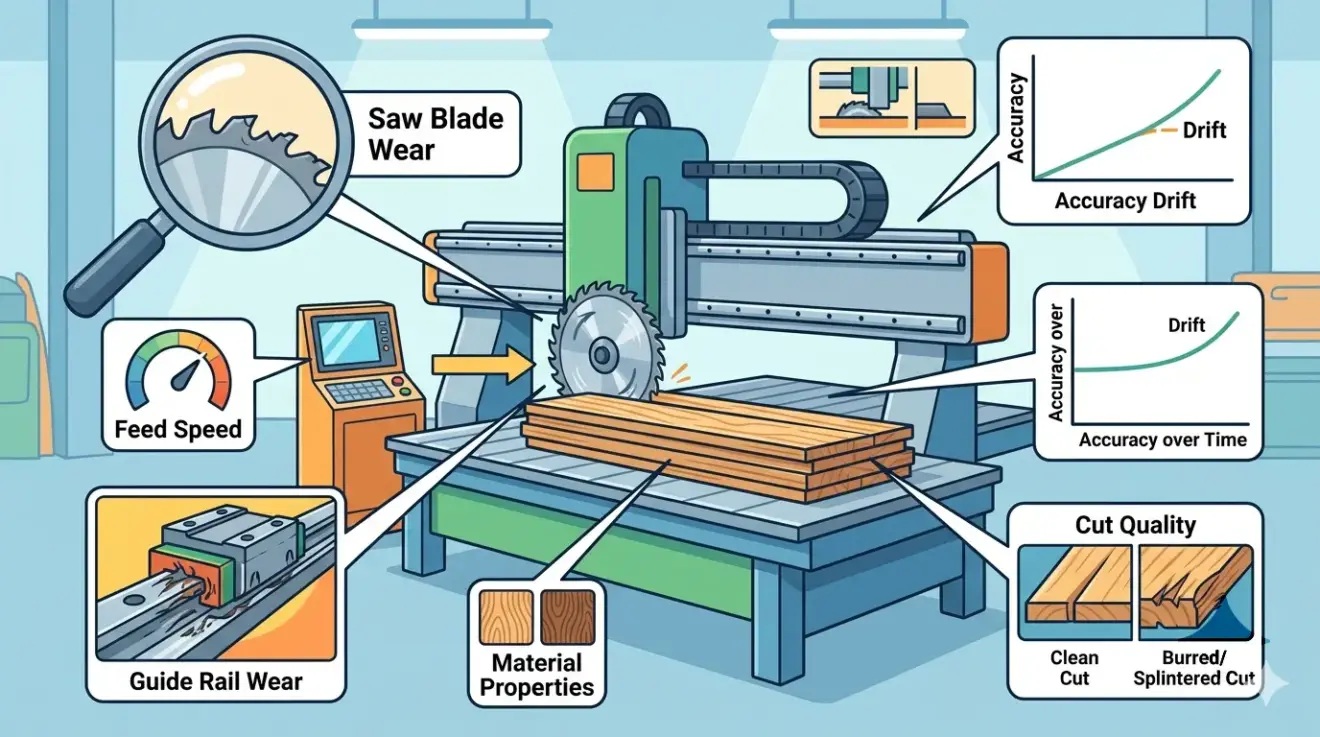
Beam Saw Accuracy Over Time: What Affects Cut Quality and Why It Drifts
Thursday, 09 April 2026
In batch panel production, beam saw accuracy rarely disappears in one obvious breakdown. Cut quality usually changes through smaller shifts in blade condition, referencing stability, clamping consistency, contamination, material behavior, and machine wear. By the time operators notice more chipping, slightly inconsistent sizes, or rougher edges, the problem is often already affecting edge processing, drilling,
- Published in Wood
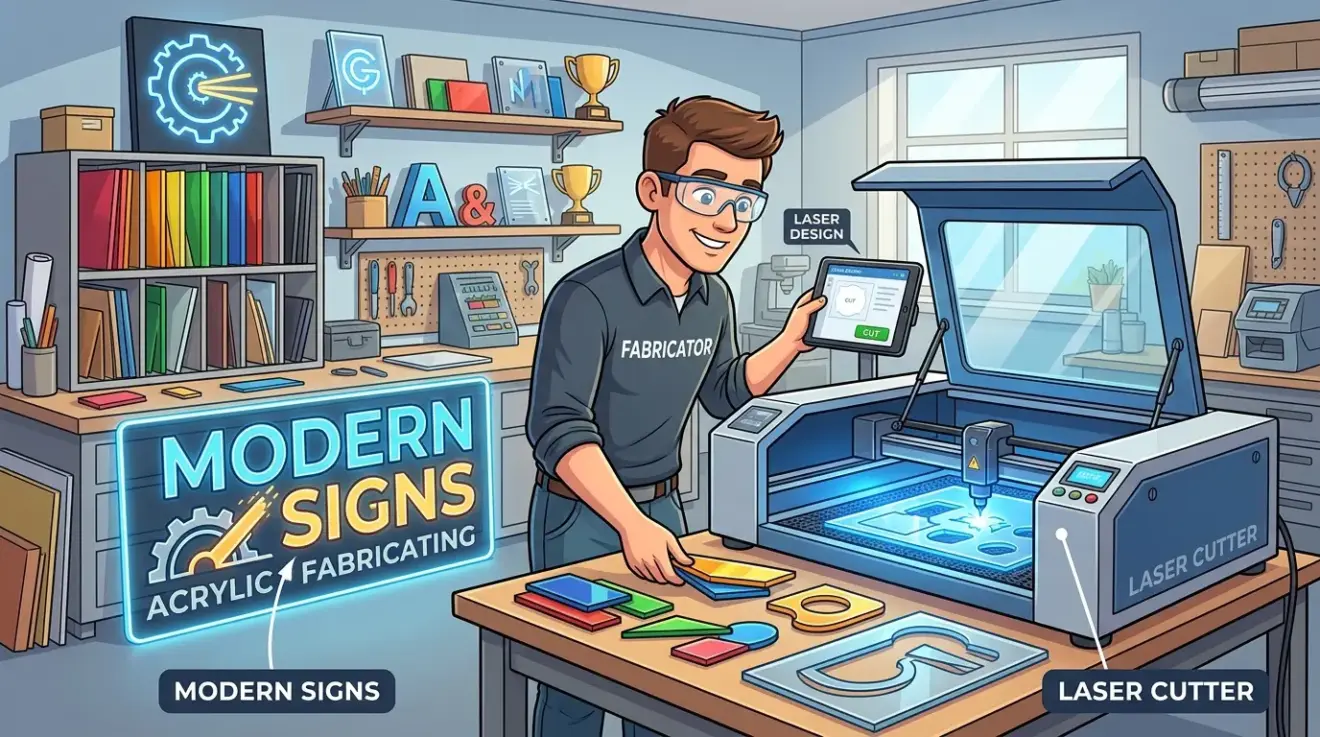
How to Choose an Acrylic Laser Cutter for Fabricators and Sign Makers
Thursday, 09 April 2026
An acrylic laser cutter usually gets approved on sample quality. The harder test comes later, when the daily schedule mixes branded sign panels, clear display parts, machine guards, functional covers, and short-run custom work that all need to leave the machine looking consistent and fitting correctly. For acrylic fabricators and sign makers evaluating laser cutters
- Published in Laser
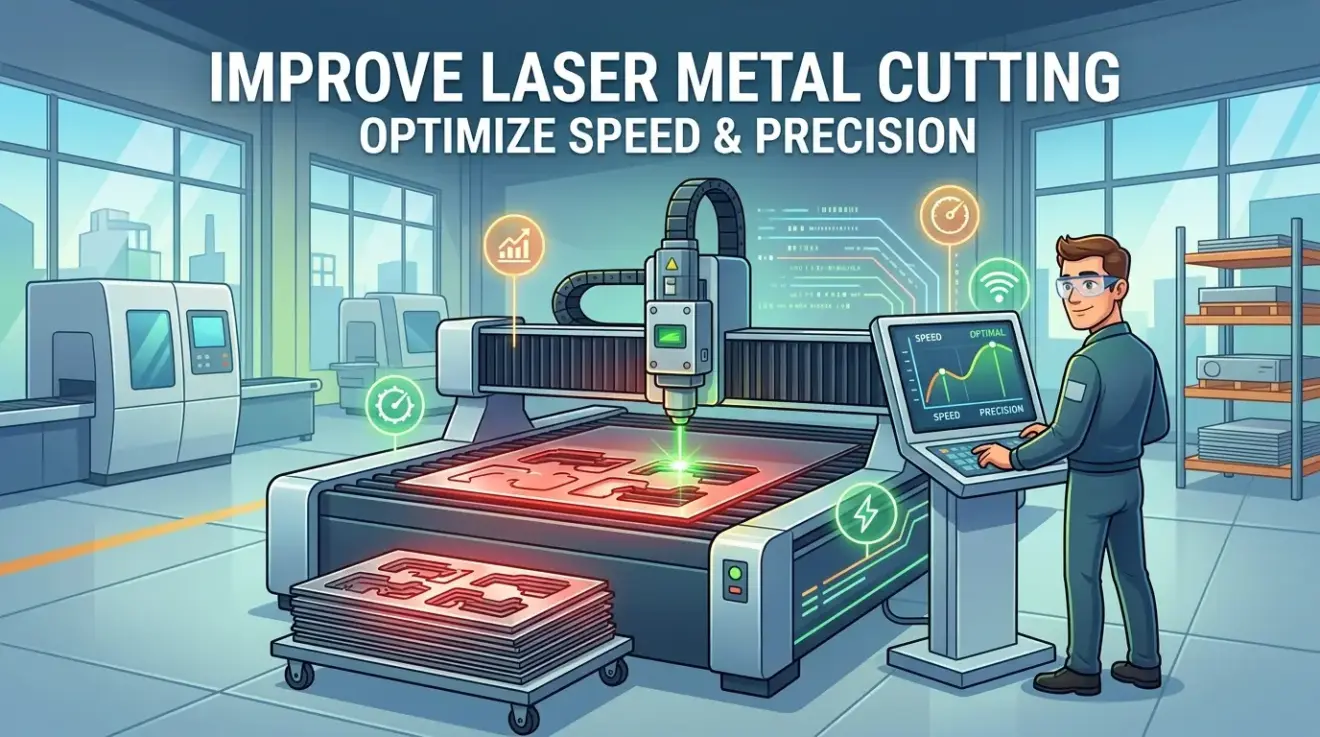
Laser Metal Cutting Machine: How to Improve Speed and Precision
Thursday, 09 April 2026
Improving speed and precision on a laser metal cutting machine is usually a process-control problem, not a single-specification problem. Shops get better results when laser source fit, motion tuning, assist gas, nesting strategy, and maintenance are managed as one system, so faster cutting does not create more scrap, rework, or assembly delays downstream. Fabricators rarely
- Published in Laser
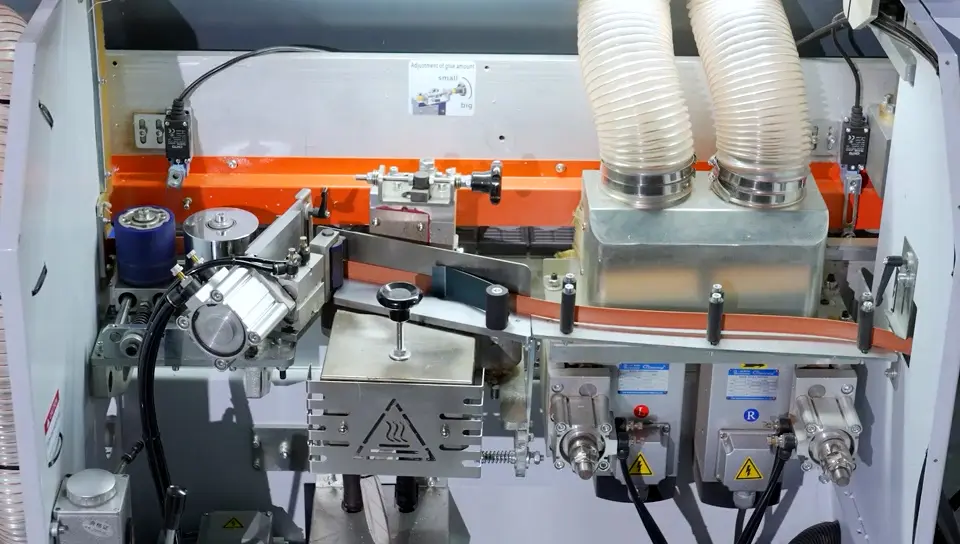
Corner Rounding Edgebander vs Standard Edgebander: Which Finish Quality Do You Need?
Thursday, 09 April 2026
In panel furniture production, edge quality is judged most harshly where people can see and touch it. A cabinet carcass part with a clean straight edge may be fully acceptable on one line, while a retail fixture, wardrobe door, or exposed shelf can still look unfinished if the corners feel sharp or need manual cleanup
- Published in Wood
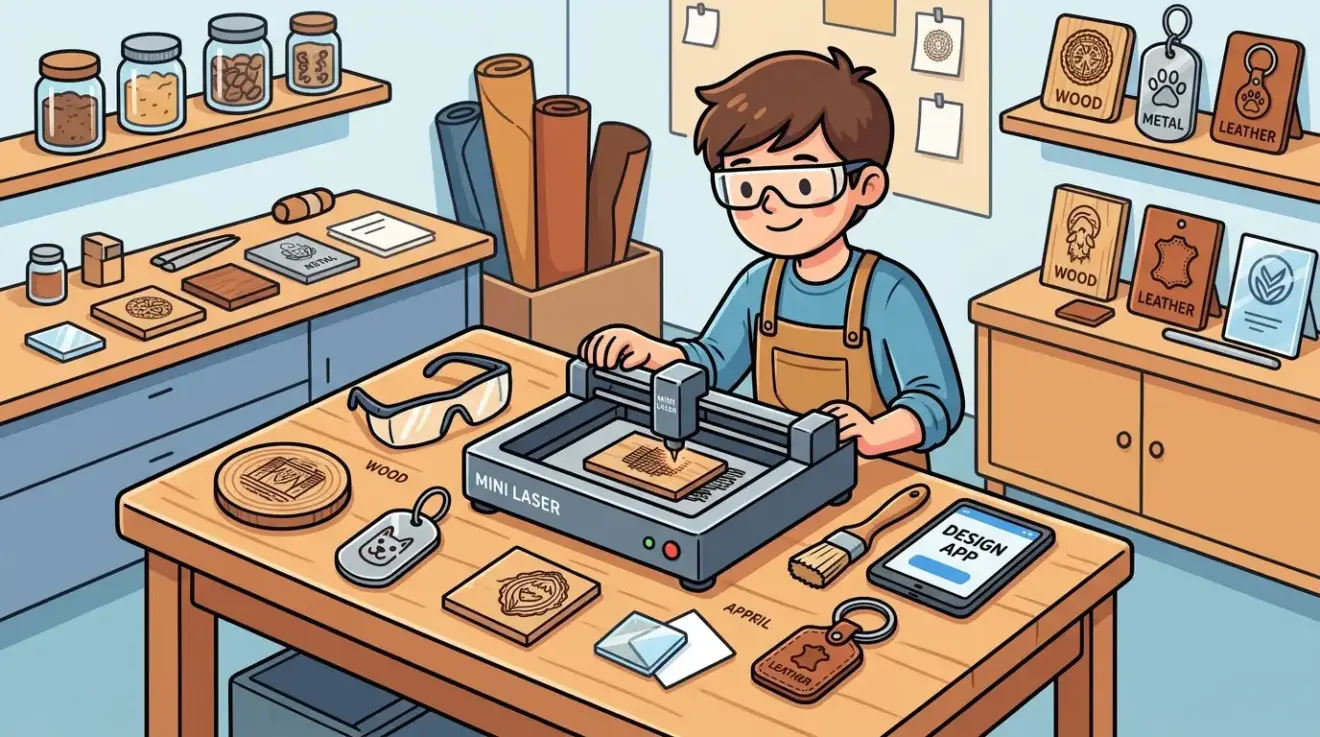
Mini Laser Engraving Machines for Personalized Products: How To Choose the Right Compact Setup
Thursday, 09 April 2026
Personalized product work looks simple from the outside, but the production logic is not simple at all. Orders are often short-run, artwork changes constantly, delivery windows are tight, and margins disappear quickly if setup time, rework, or material handling gets out of control. That is why many buyers start looking at mini laser engraving machines.
- Published in Laser
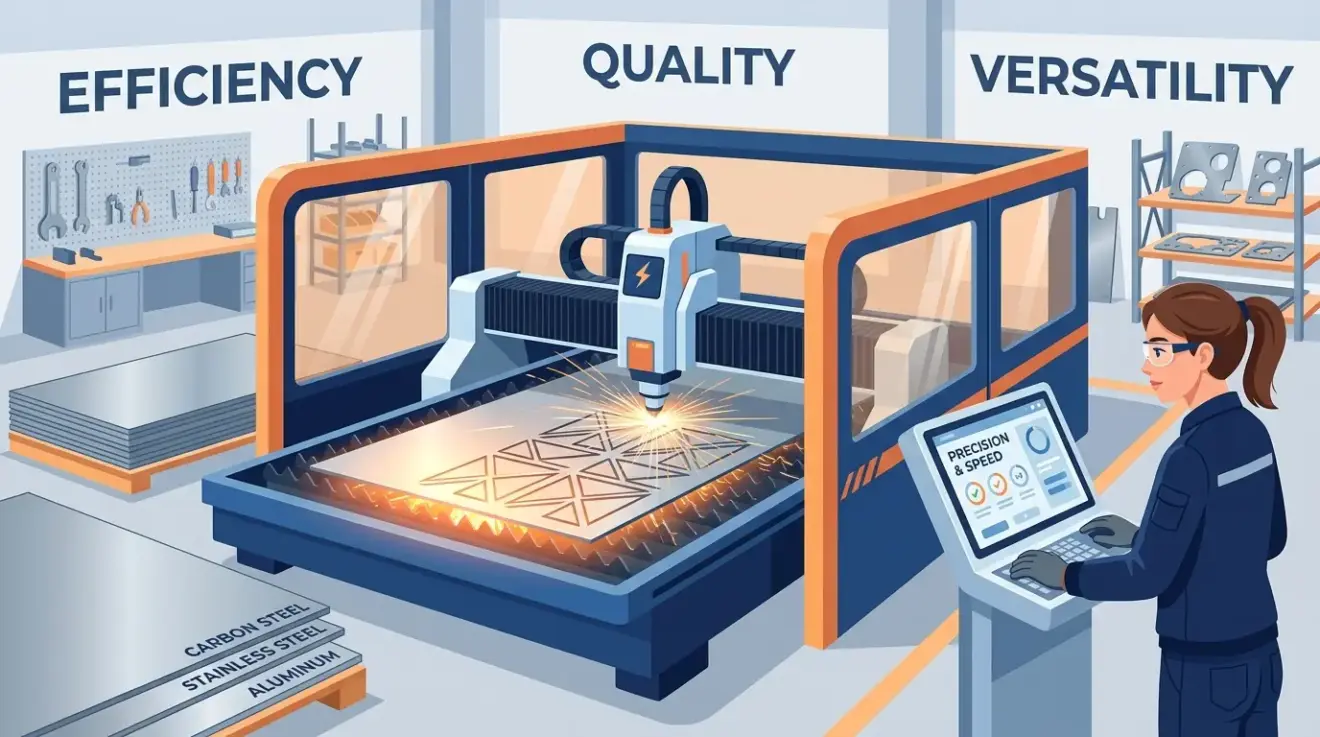
Metal Laser Cutter Buying Guide for Fabricators
Thursday, 09 April 2026
Buying a metal laser cutter is rarely just a question of cut quality. For most fabrication shops, the bigger issue is whether the machine can support the part mix, material flow, labor structure, and downstream processes that determine real production output. A machine that looks impressive in a short demonstration can still create problems if
- Published in Laser
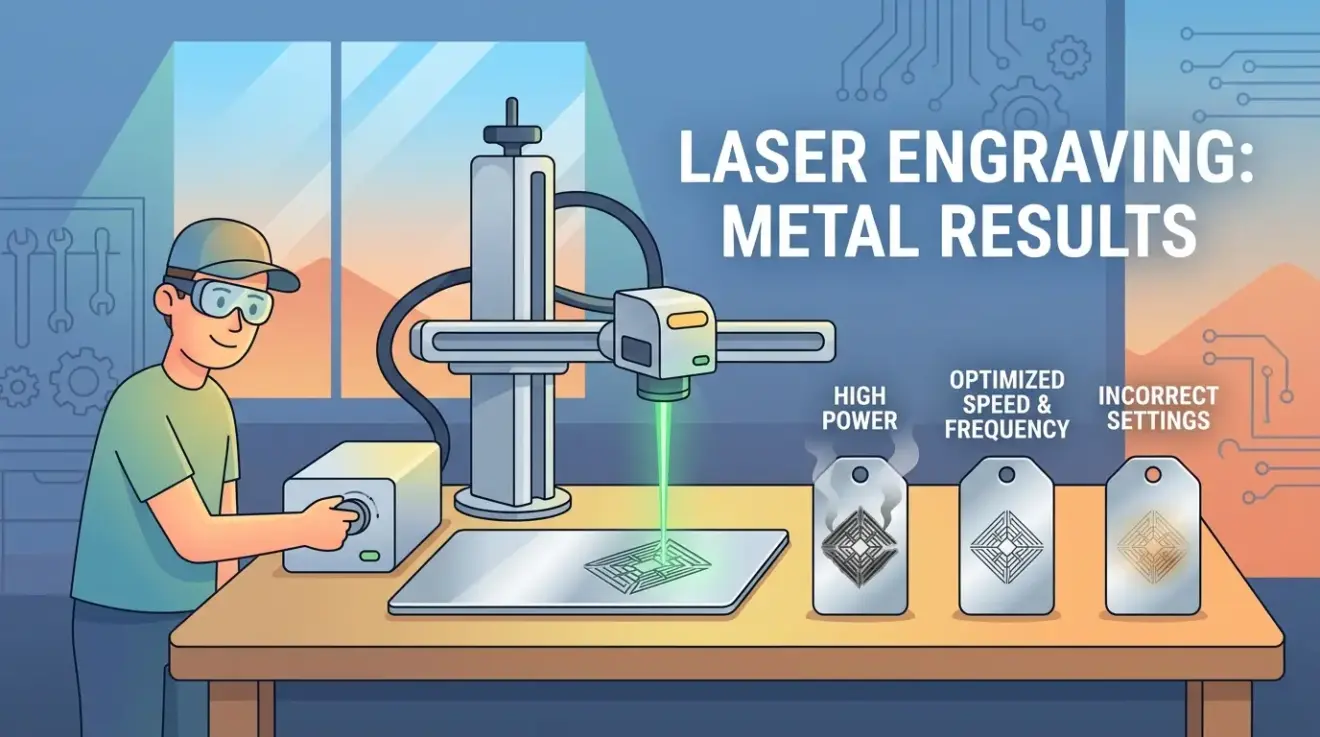
Laser Engraving Machine for Metal: Which Specs Actually Change Results
Thursday, 09 April 2026
In metal engraving, two machines can share similar headline power and still produce very different results on the same part. One leaves crisp, scanner-readable codes with stable contrast. The other creates wider heat tint, softer edges, inconsistent depth, or longer-than-expected cycle times. In production, that gap usually comes from the supporting specifications, not the brochure
- Published in Laser

UV Laser Engraver for Fine, Low-Heat Marking: Where It Fits Best in Production
Thursday, 09 April 2026
When a part needs a small, clean mark on a heat-sensitive surface, the problem is not simply whether a laser can make a visible result. The harder problem is whether the mark can stay sharp without whitening thin plastics, distorting coated finishes, cracking delicate surfaces, or creating enough cosmetic damage to turn traceability work into
- Published in Laser
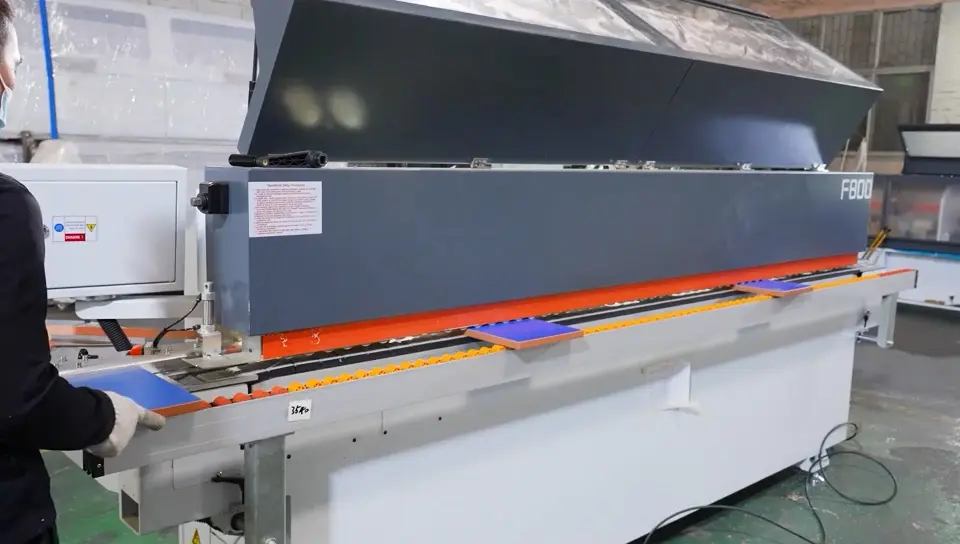
How to Choose Edge Banding Equipment for PVC, ABS, and Melamine Applications
Wednesday, 08 April 2026
When a panel-processing line runs PVC, ABS, and melamine-related jobs through the same edge banding station, the machine is no longer just adding a finished edge. It is deciding whether panels move forward with a clean glue line, acceptable surface appearance, and stable dimensions, or whether labor gets pushed into scraping, touch-up, sorting, and rework.
- Published in Wood